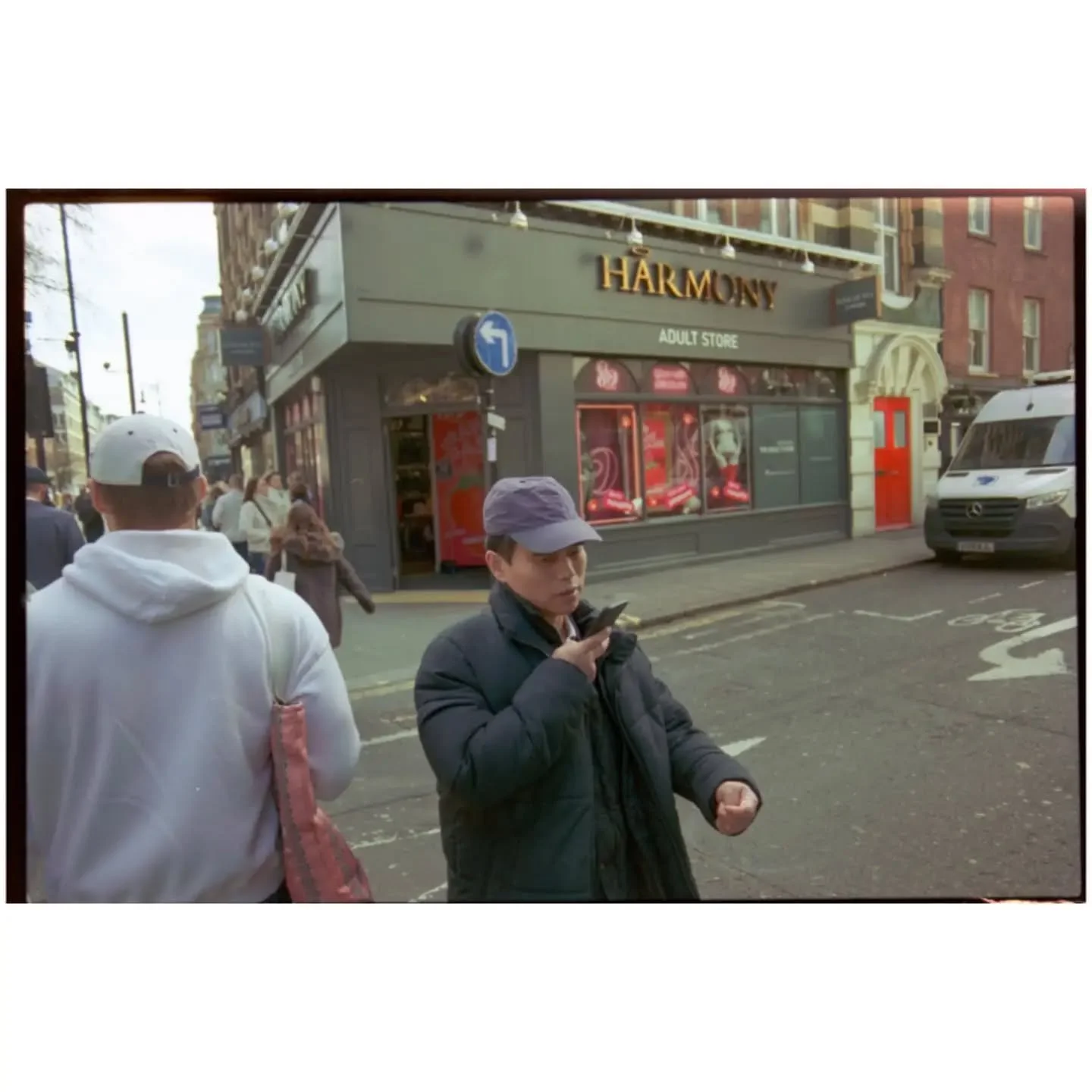
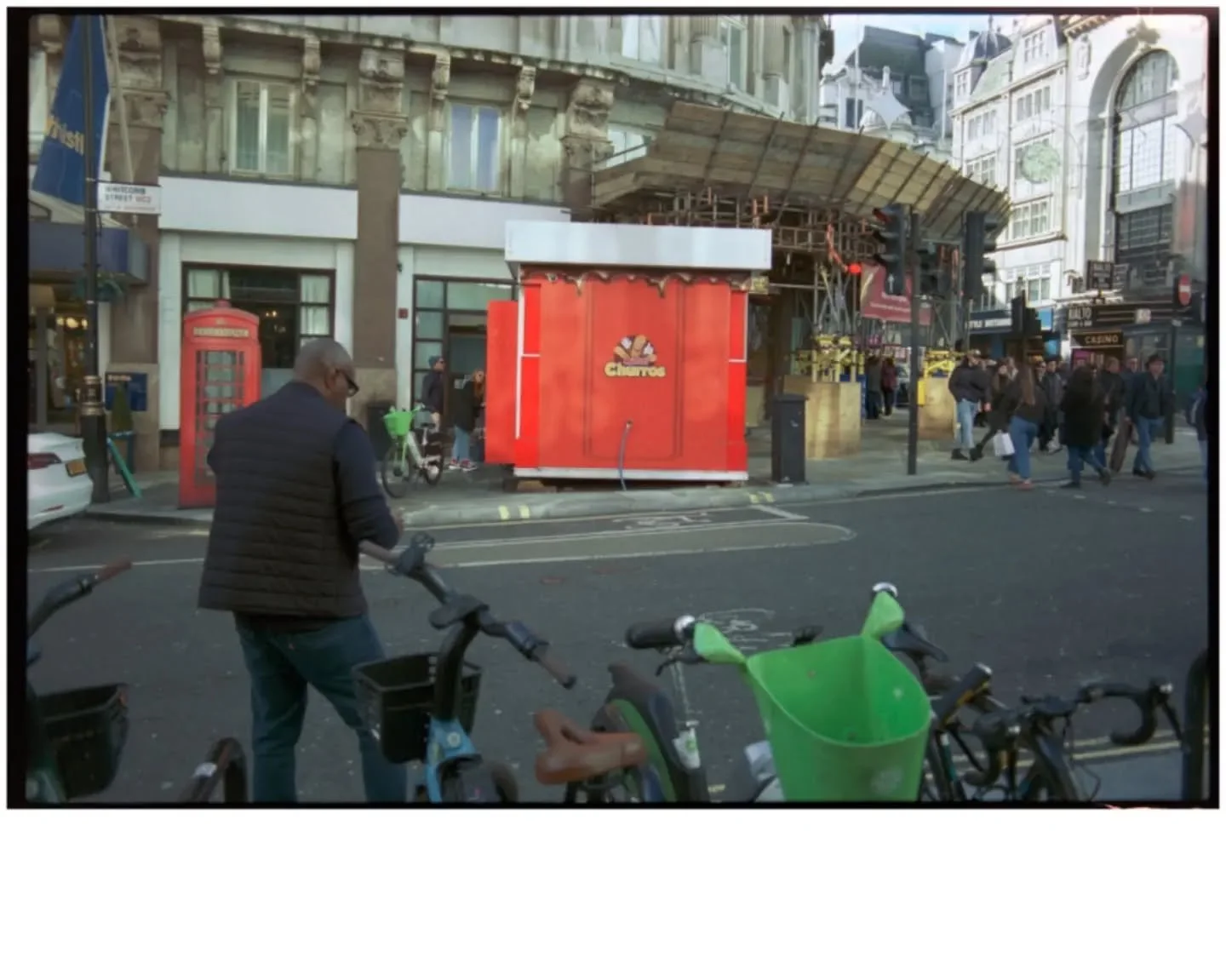
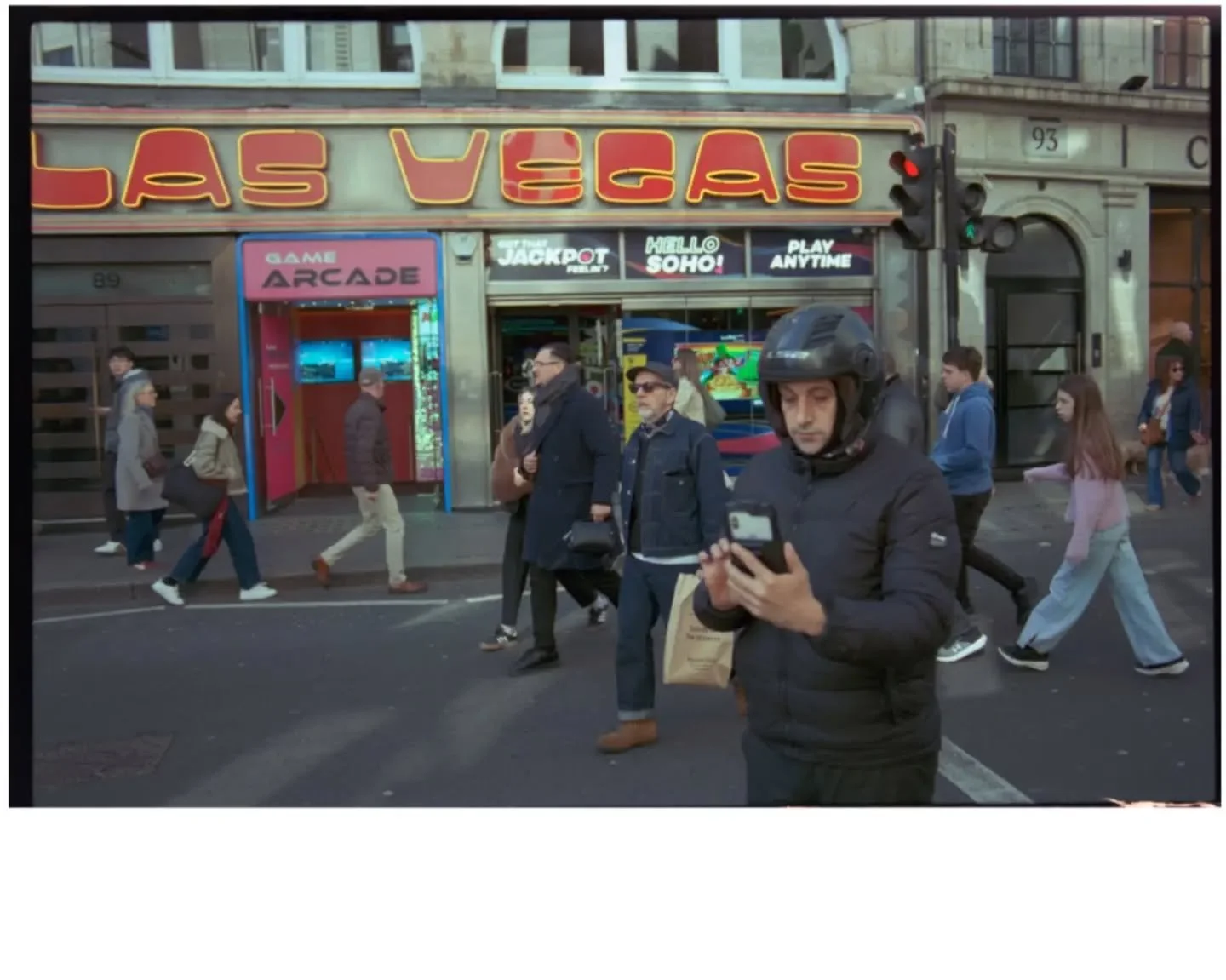
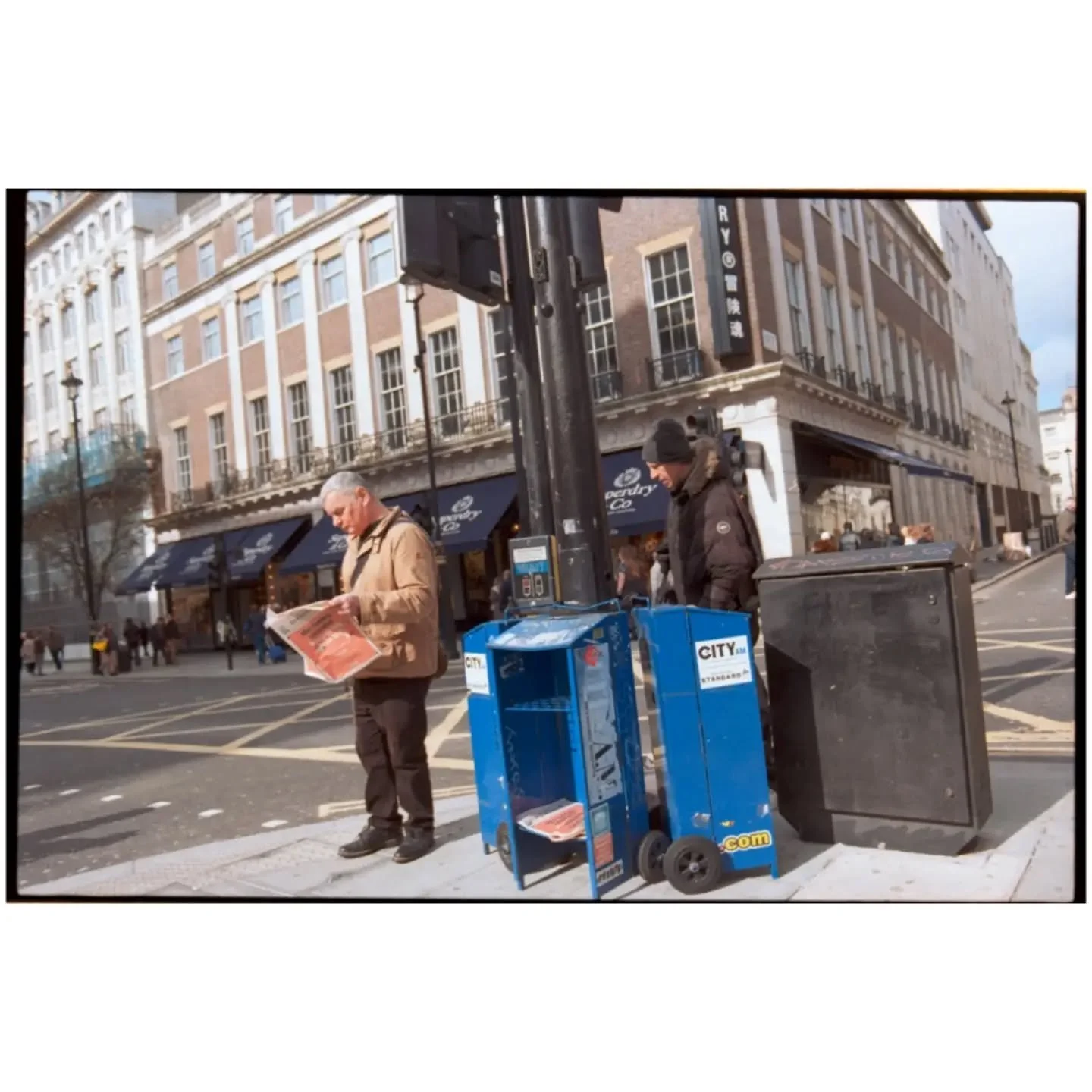
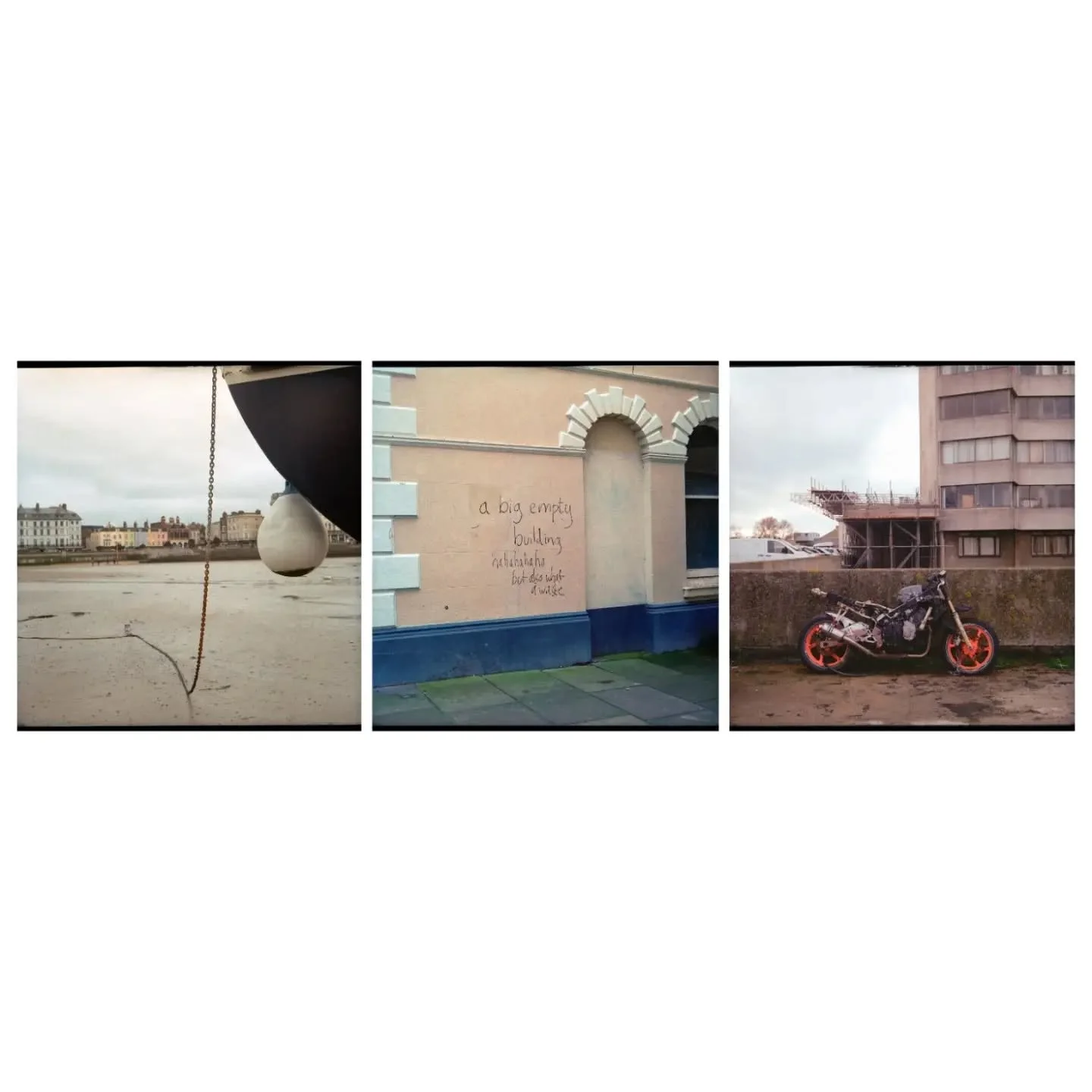
in the frame
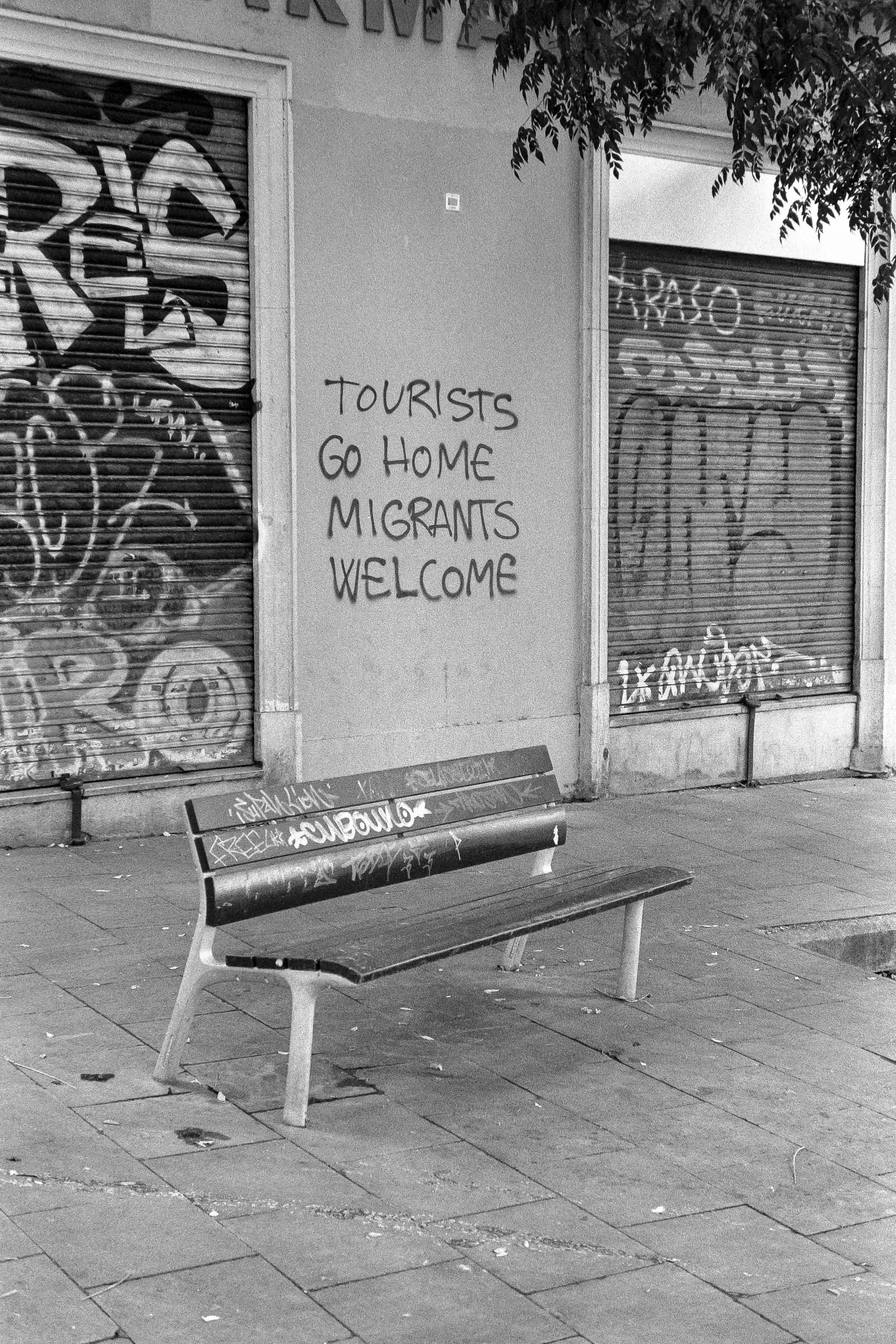
Barcelona, is it over?
Barcelona, is a vibrant Spanish metropolis, which has been a magnet for tourists for decades.
The kids and I undertook our visit to this tourist hotspot in August 2022, as part of my 50th birthday celebrations.
The city's love affair with tourism may be facing a turning point. Local authorities are actively seeking to curb visitor numbers, with news this week that the plan is a cessation of ‘Airbnb style’ short term rentals in the city, by 2028.
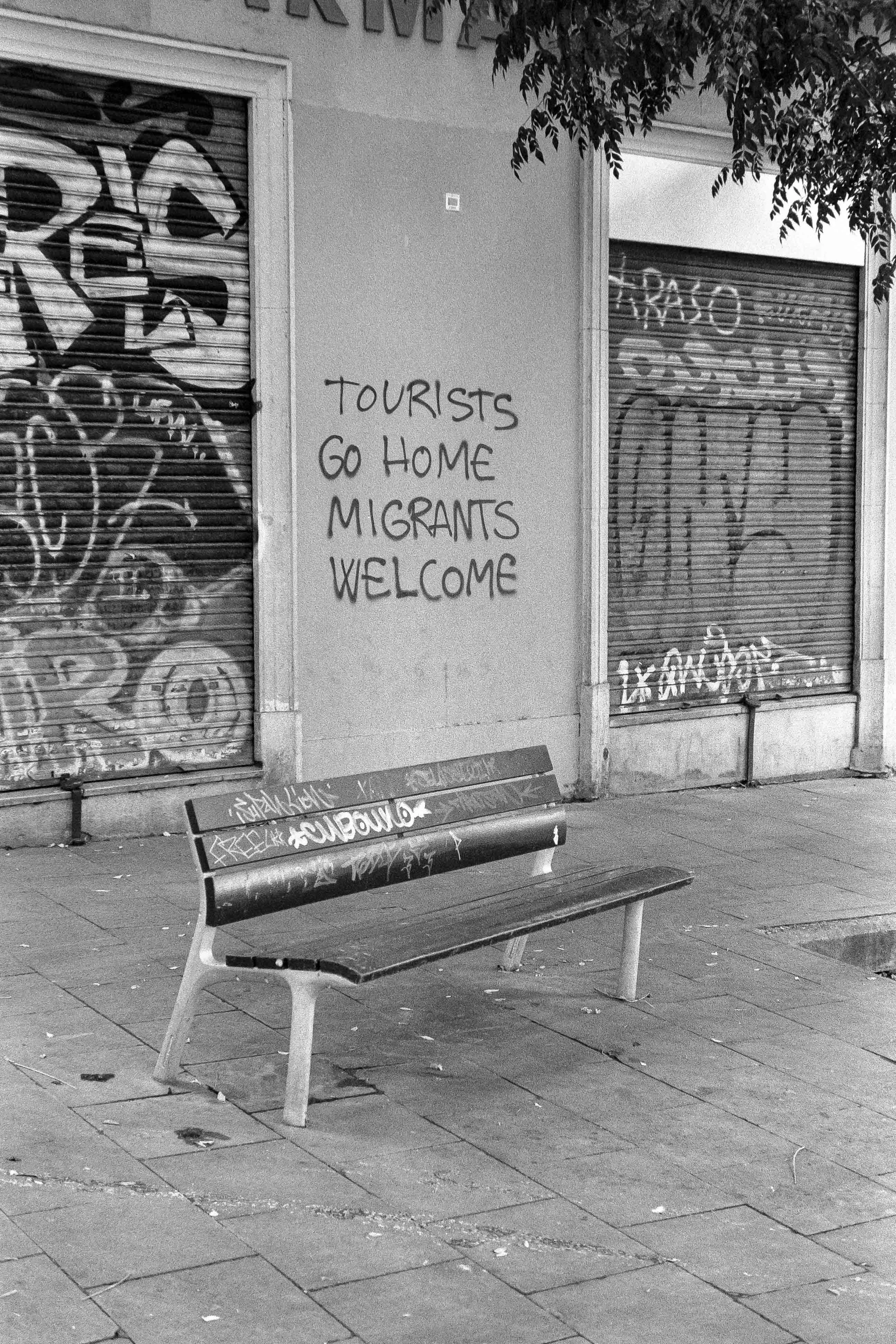
Barcelona, is a vibrant Spanish metropolis, which has been a magnet for tourists for decades.
The kids and I undertook our visit to this tourist hotspot in August 2022, as part of my 50th birthday celebrations.
The city's love affair with tourism may be facing a turning point. Local authorities are actively seeking to curb visitor numbers, with news this week that the plan is a cessation of ‘Airbnb style’ short term rentals in the city, by 2028.
This story in part, has started with local squirting tourists, with water pistols filled with water.
Biting the hand that feeds you? Or is this a drastic measure a necessary step for a city struggling to breathe?


Strains on the City:
Spain sees some 85.1m visitors pa, of which 12.4m visiting Barcelona. The proposed plan on holiday rentals, would return c. 10,000 properties to the indigenous population for primary resident use.
Barcelona's immense popularity has undeniable downsides. Residents complain of overcrowded streets, rising rents fueled by short-term rentals, and a strain on local infrastructure. The city's unique character can be lost as tourist shops and restaurants replace local businesses.
Taking Back Control:
Discussions include limiting cruise ships, restricting hotel development, and promoting alternative destinations within Catalonia. This shift in focus aims to improve the quality of life for residents and ensure a more sustainable future for the city.


Tourism, Redefined:
Barcelona's move doesn't signal the end of tourism. Instead, it's a call for a different kind of tourism. The focus might shift towards attracting visitors who appreciate Barcelona's cultural heritage and architectural beauty, and who contribute positively to the local economy.
The Road Ahead:
While some hail Barcelona's initiative, others fear economic repercussions. Striking the right balance between tourism and livability is crucial. Barcelona's experiment will be closely watched, with the potential to reshape the conversation around tourism in popular destinations worldwide.
Whilst its clear that the tourism pilgrimage to Barcelona is generally bottlenecked into the 2, if not 1 season (Summer or Spring / Summer), here are some interesting numbers comparing Barcelona with London:
Tourist Tale of Two Cities: Barcelona vs. London
While both Barcelona and London are major tourist hubs, their stories differ in scale and recent trends. Here's a comparison based on available statistics:
Visitor Numbers:
London: As of 2023, London held the title of the most searched-for global tourist destination [most searched for global tourist destination ON standard.co.uk]. Though exact visitor numbers can be tricky to pin down due to different methodologies, estimates suggest London attracts well over 20 million visitors annually.
Barcelona: Pre-pandemic figures show Barcelona receiving around 12.4 million visitors a year [STATISTA tourism barcelona ON statista.com]. While this is a substantial number, it falls short of London's massive tourist influx.
Length of Stay:
London: Data suggests shorter stays are becoming more common in London, with a third of trips lasting only 3-4 days [most searched for global tourist destination ON standard.co.uk]. This trend aligns with "city break" style tourism, focused on short, action-packed visits.
Barcelona: Barcelona might see slightly longer stays on average. While specific data is harder to find, the city's focus on cultural experiences and beach getaways could encourage visitors to linger a bit longer.


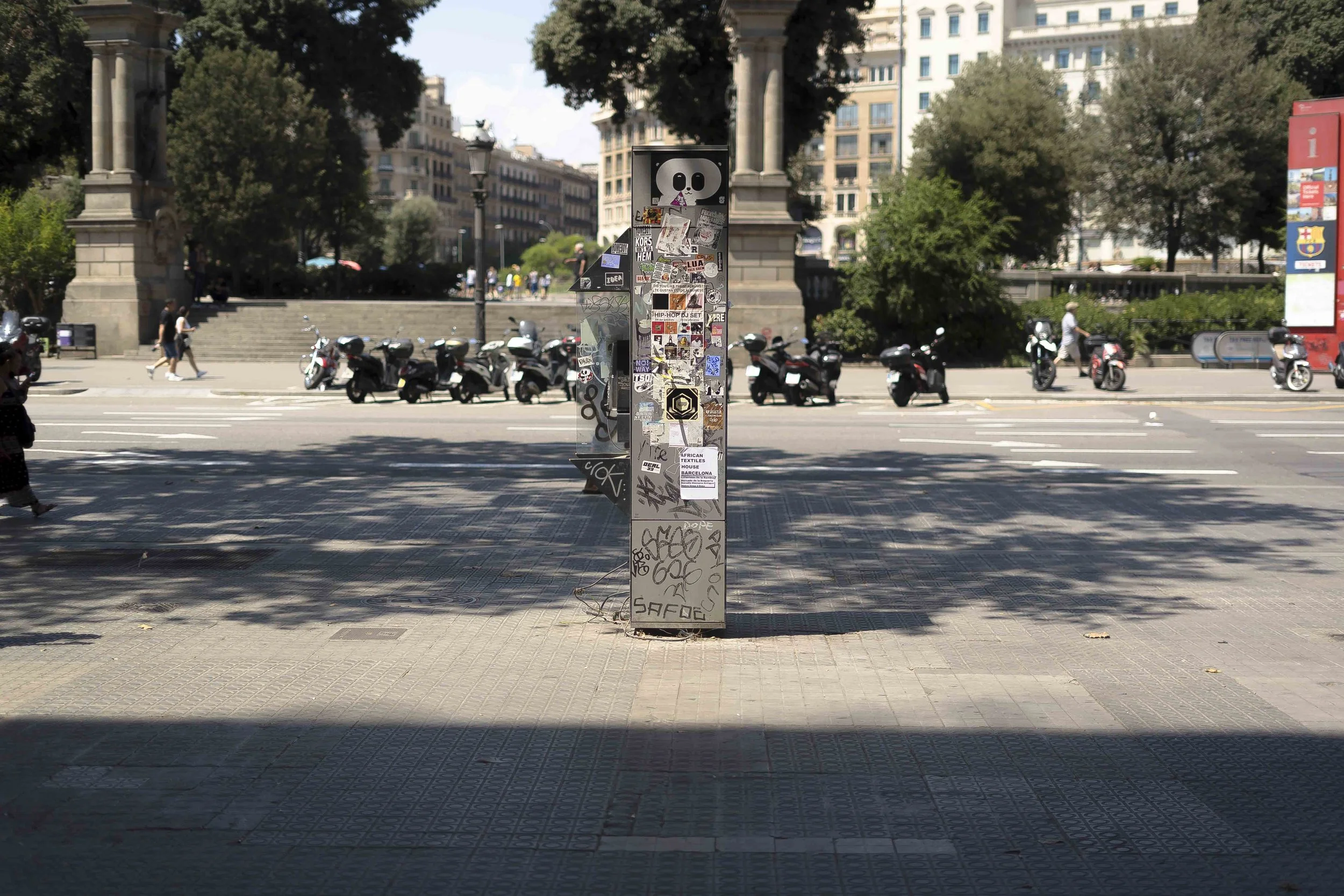
Tourist Spending:
London: London benefits from a diverse tourist base, with visitors coming from all corners of the globe. This can lead to a wider range of spending habits.
Barcelona: Recent reports show a promising trend for Barcelona. While visitor numbers might be dipping slightly, the average tourist spends more (€1,263 in May 2024). This suggests a shift towards a higher-value tourism model in Barcelona.
Local Impact:
Both Cities: Both London and Barcelona grapple with the impact of tourism on residents. Housing affordability is a major concern, with rising rents due in part to short-term rentals.
Key Differences: However, the scale of the issue might be more pronounced in Barcelona due to its smaller size. The sheer volume of tourists in a more compact city center can put a strain on infrastructure and contribute to a feeling of inauthenticity.


Barcelona could potentially strike a balance that promotes responsible tourism while safeguarding the city's well-being for the years ahead.
Lets hope so, as it’s a city I would very much like to visit in the future.
Until next time, keep snapping.
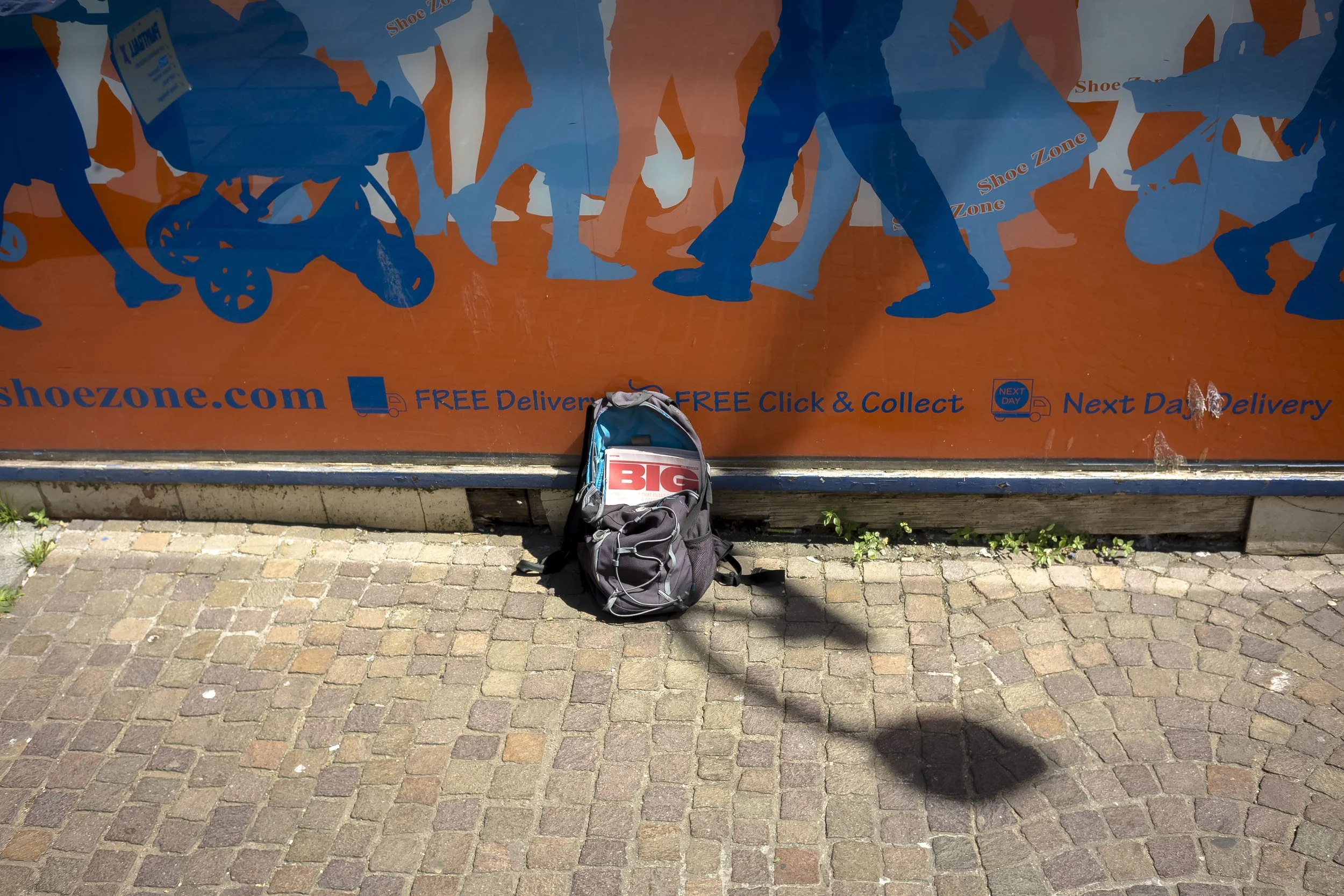
Tons of Folks, AKA Folkestone
Had a lovely start to the weekend yesterday, up nice and early at 07:00 having a lovely morning coffee and editing photos, giving the website a minor refresh adding some new products to the store.
My daughter - having surpassed my expectations in approach and preparation to her GCSE’s - is starting her summer holiday, with a camping trip to wales, with her friends.

Had a lovely start to the weekend yesterday, up nice and early at 07:00 having a lovely morning coffee and editing photos, giving the website a minor refresh adding some new products to the store.
My daughter - having surpassed my expectations in approach and preparation to her GCSE’s - is starting her summer holiday, with a camping trip to wales, with her friends.
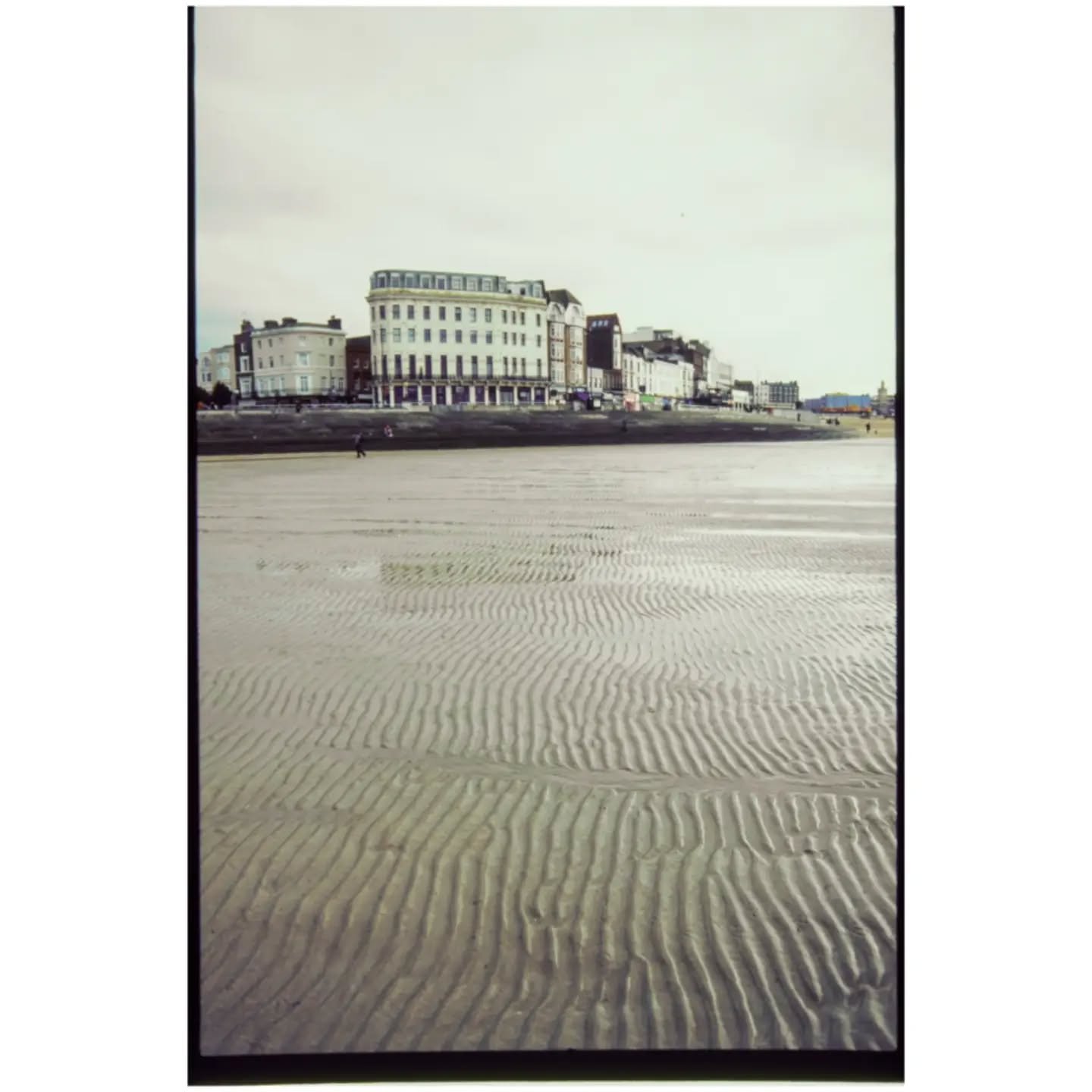
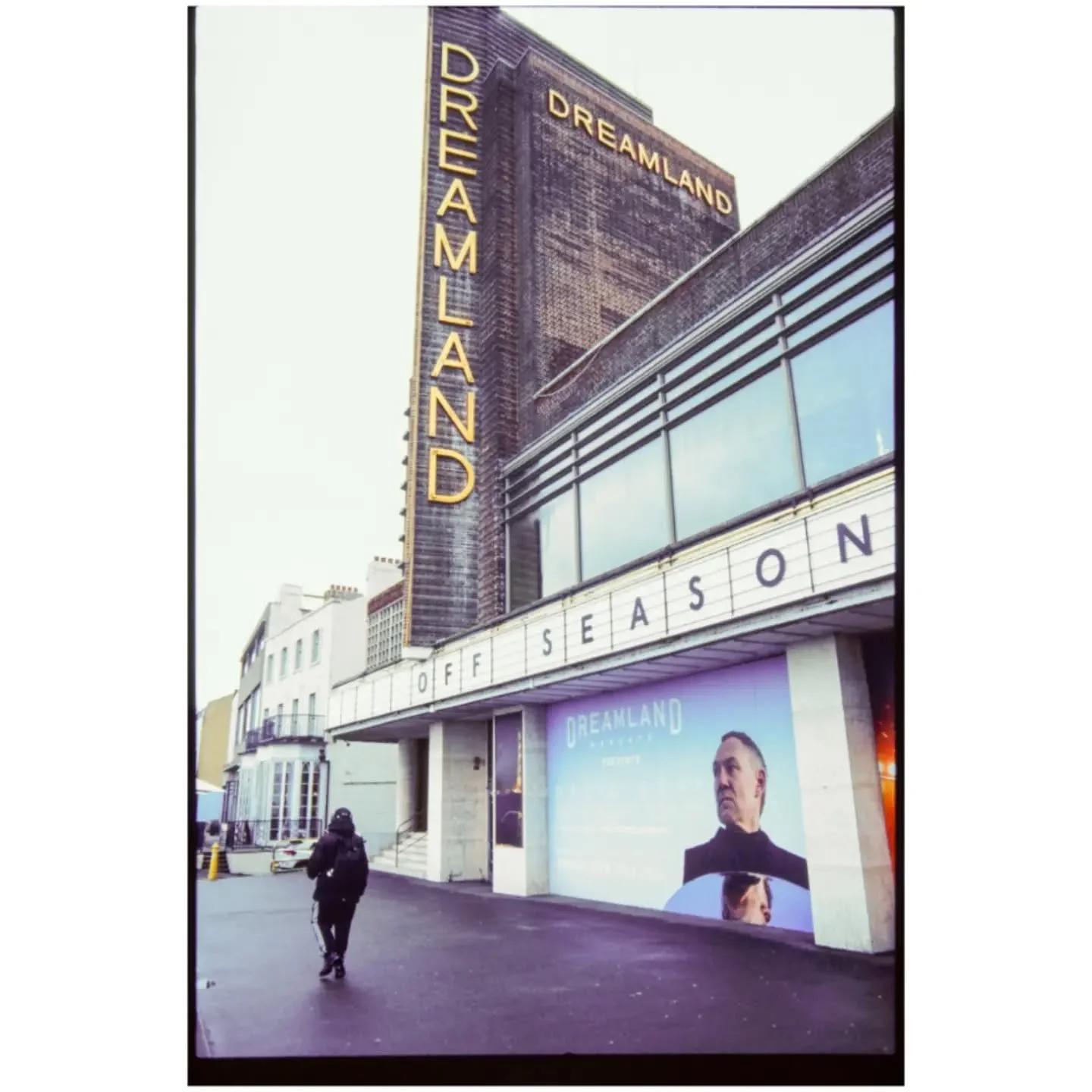
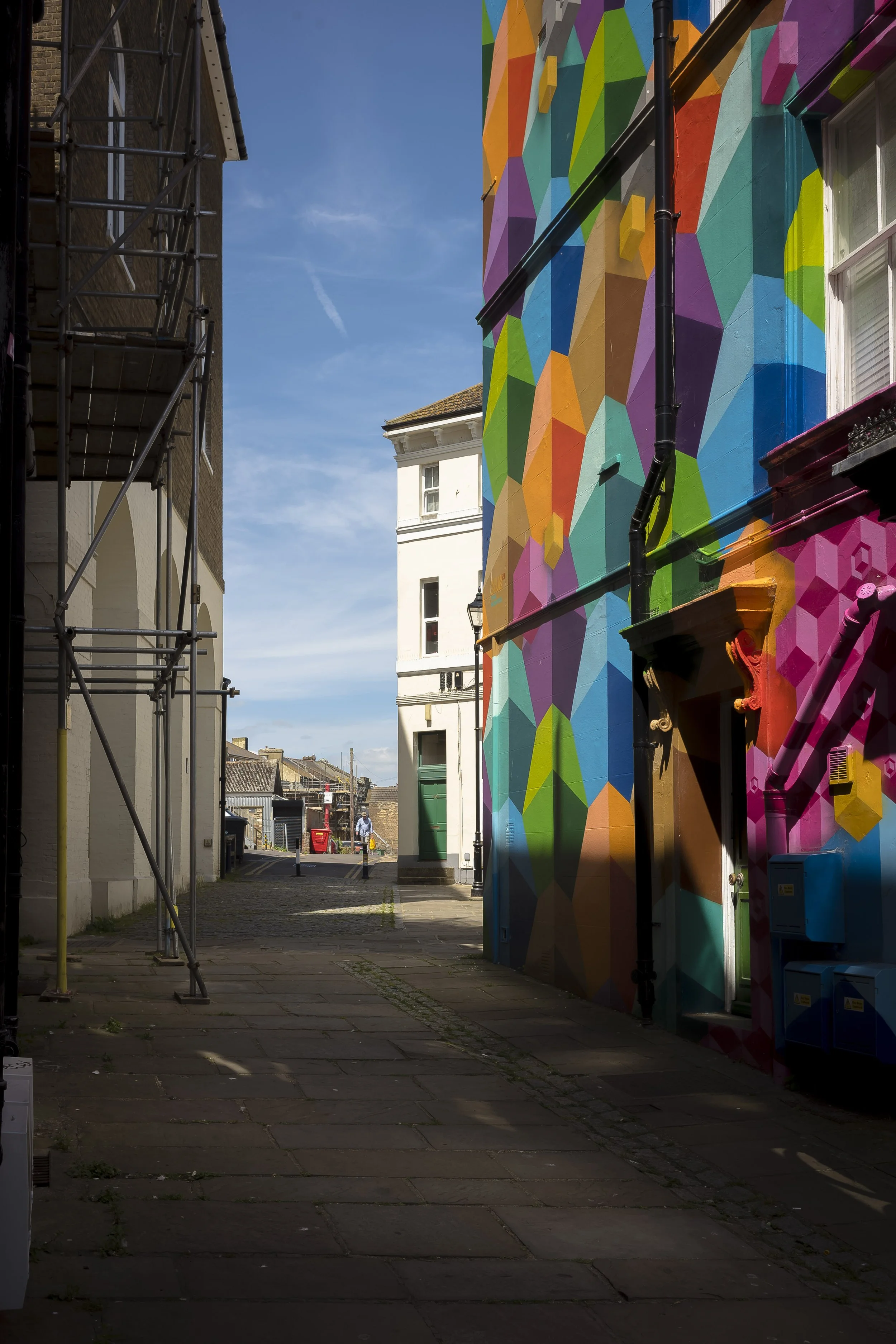
We decided to jump in the car and head over to Folkestone, for a dad / daughter day, photowalk, shoppping and some seafood at in the harbour.
Folkestone is a little gem of a spot and somewhere, with its charming harbor and vibrant streets, is the perfect destination for a day trip.
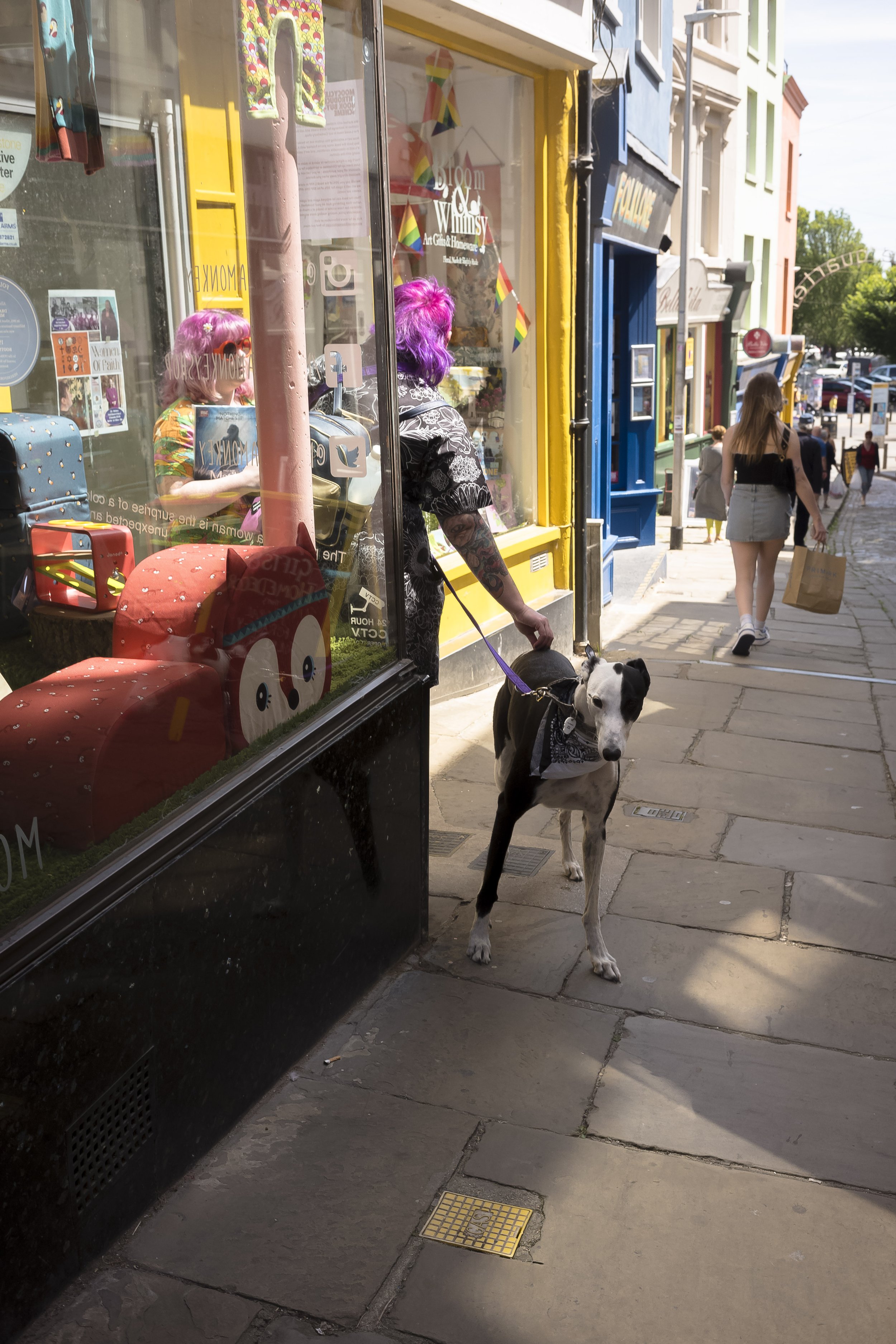
Both my kids are audiophiles, where my sons tastes are as broad I as have known, but my daughter possibly takes the edge, with her lust for live performance and festivals. I was given a sample of Declan McKenna and ‘Brazil’. This is a protest song, regarding the awarding of the 2014 World Cup to Brazil.
Ok granted, a fine tune.
Not only does my daughter and I share a (very) similar music taste and political stance, I considered my counter, the lure of Billy Bragg was to obvious, so I countered with Flag Day, the 1985 debut of The Housemartins. I loved this band was I was younger, never thought the bass player - Norman Cook - would go far?
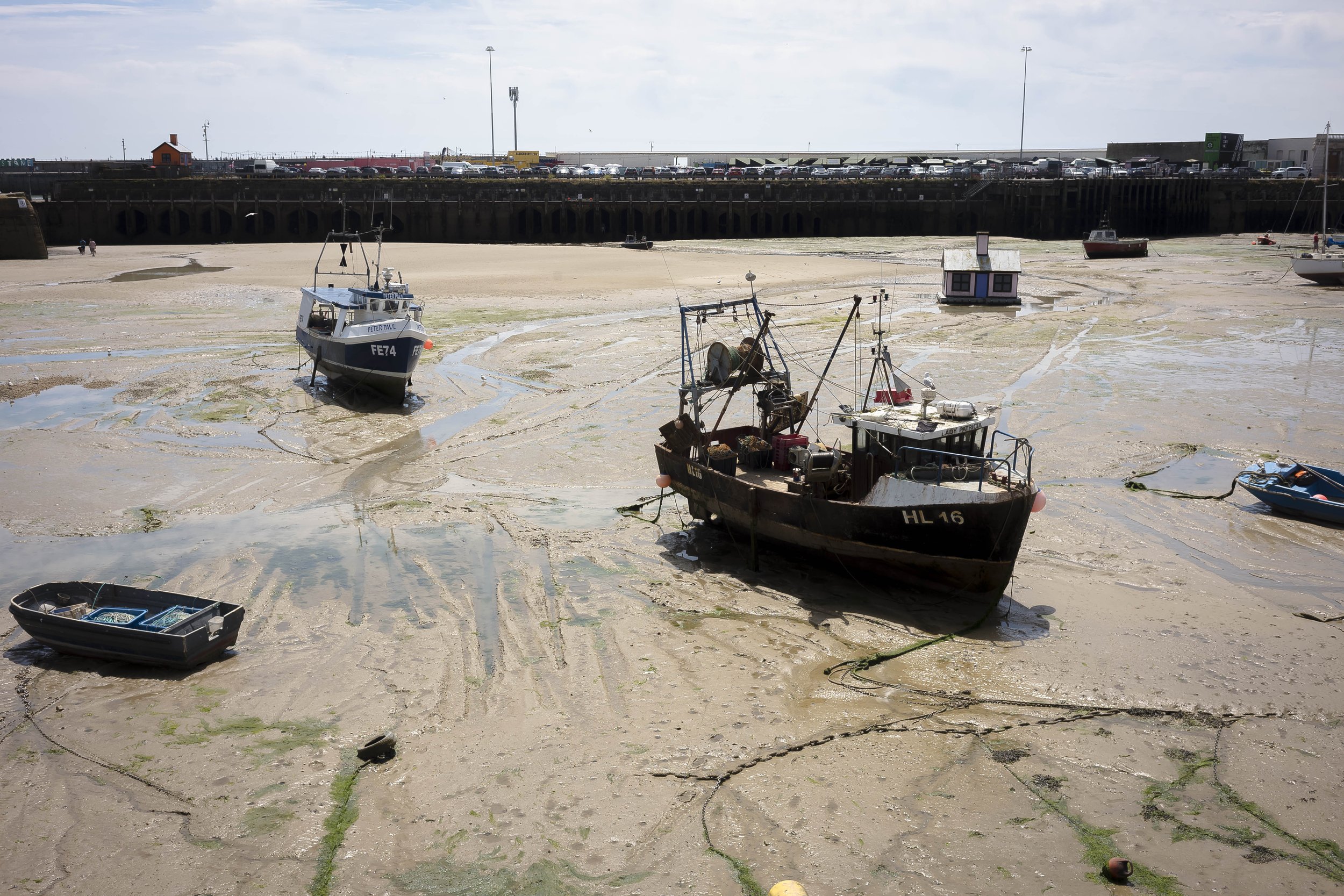
Folkestone's harbor buzzed with activity. We opted for a seafood lunch, savoring fresh fish and chips while watching bobbing boats and colorful lifebuoys. Refueled and ready to explore, we ventured into the heart of the town.
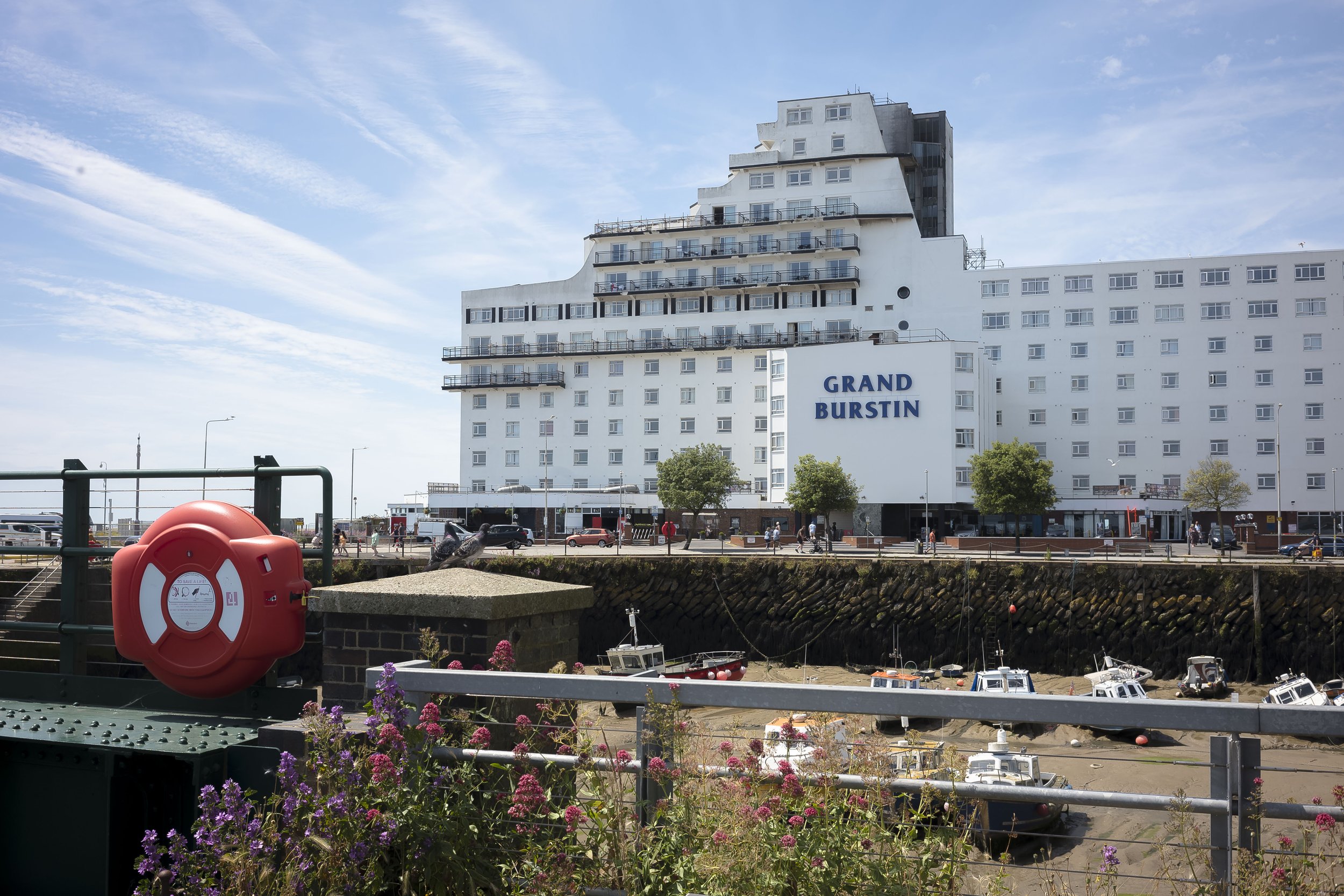
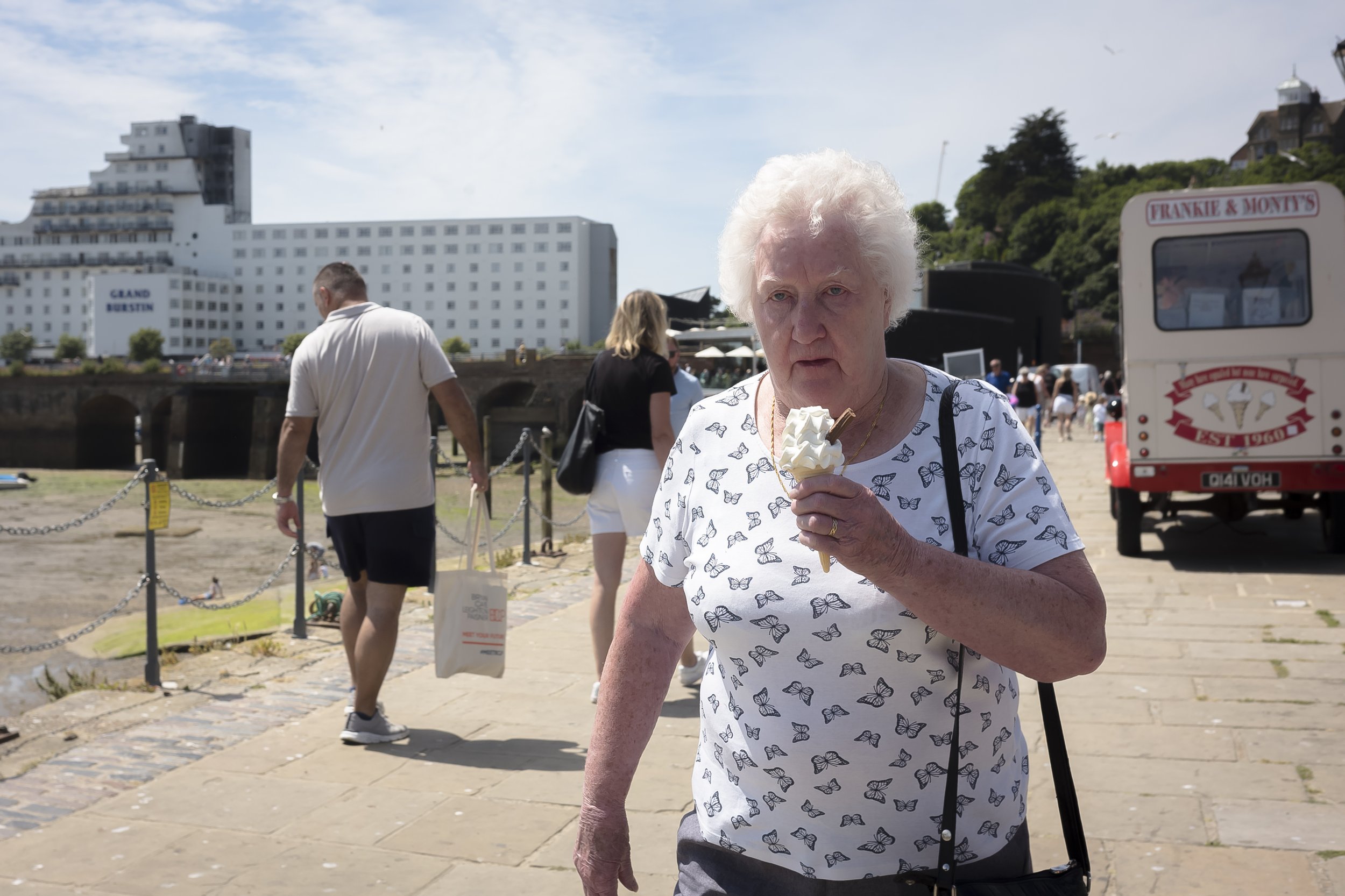
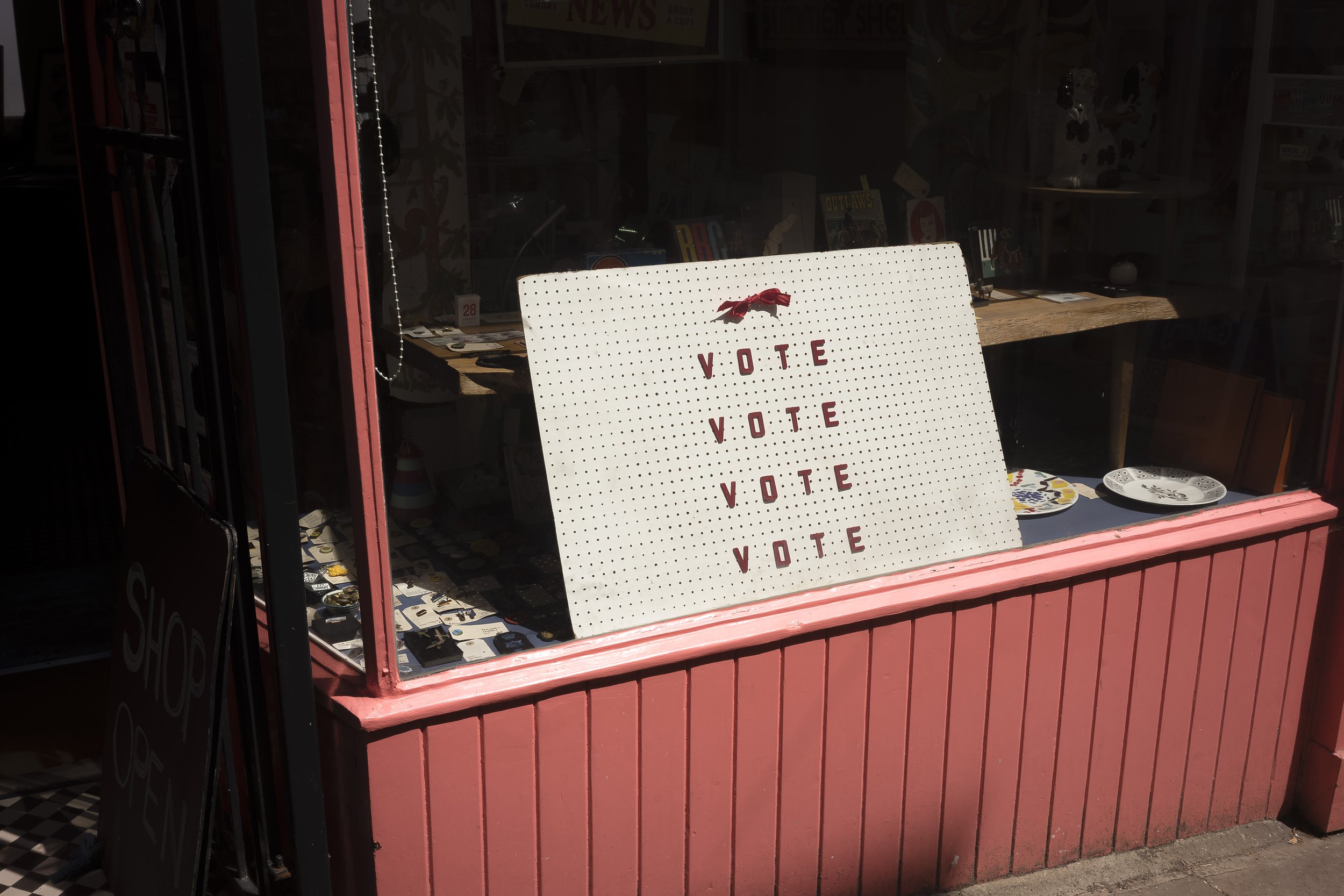
Folkestone is a haven for independent shops. We browsed unique boutiques, stopping to admire everything from handcrafted jewelry to vintage clothing. My daughter, a budding fashionista, found a one-of-a-kind dress that she absolutely loved.

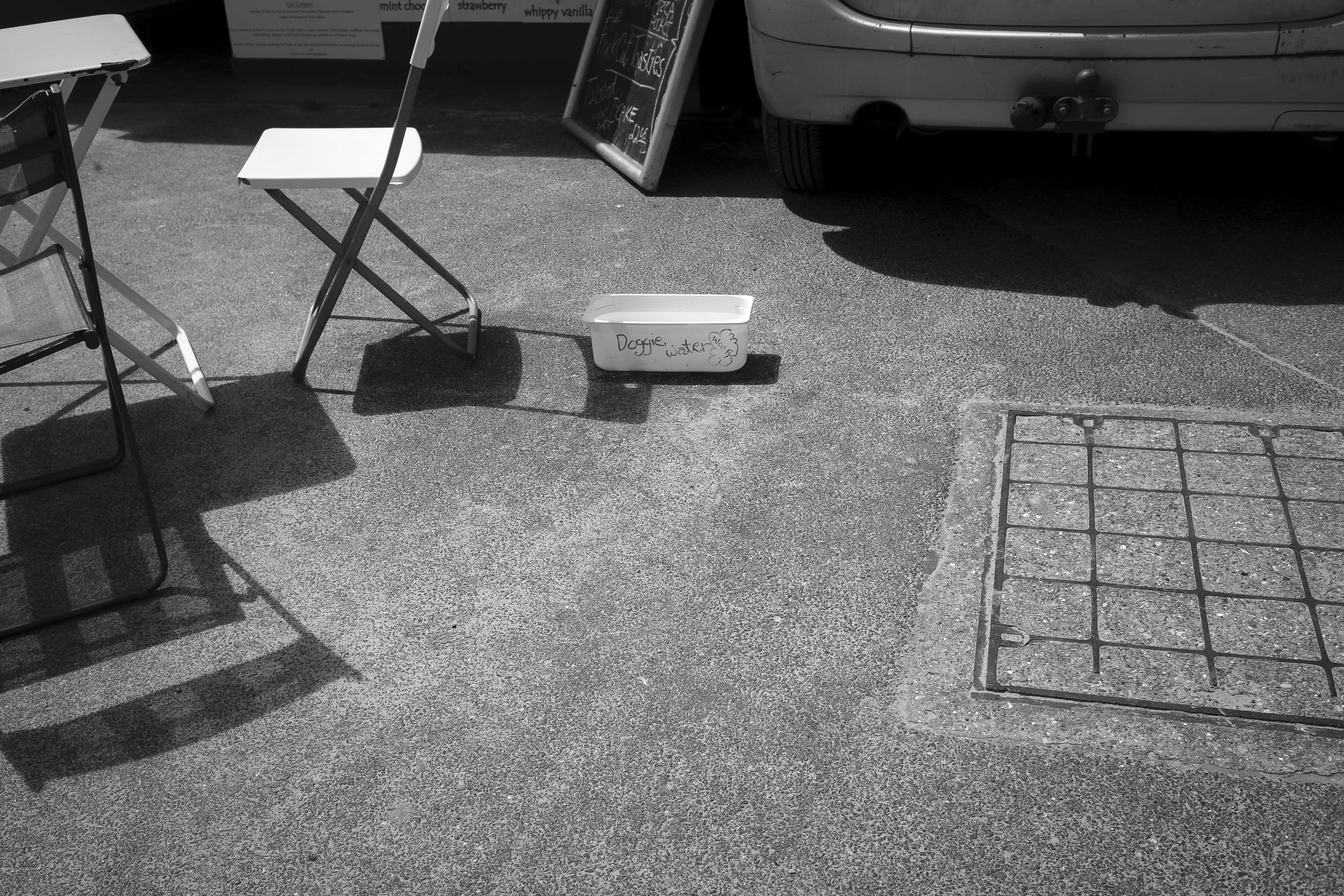
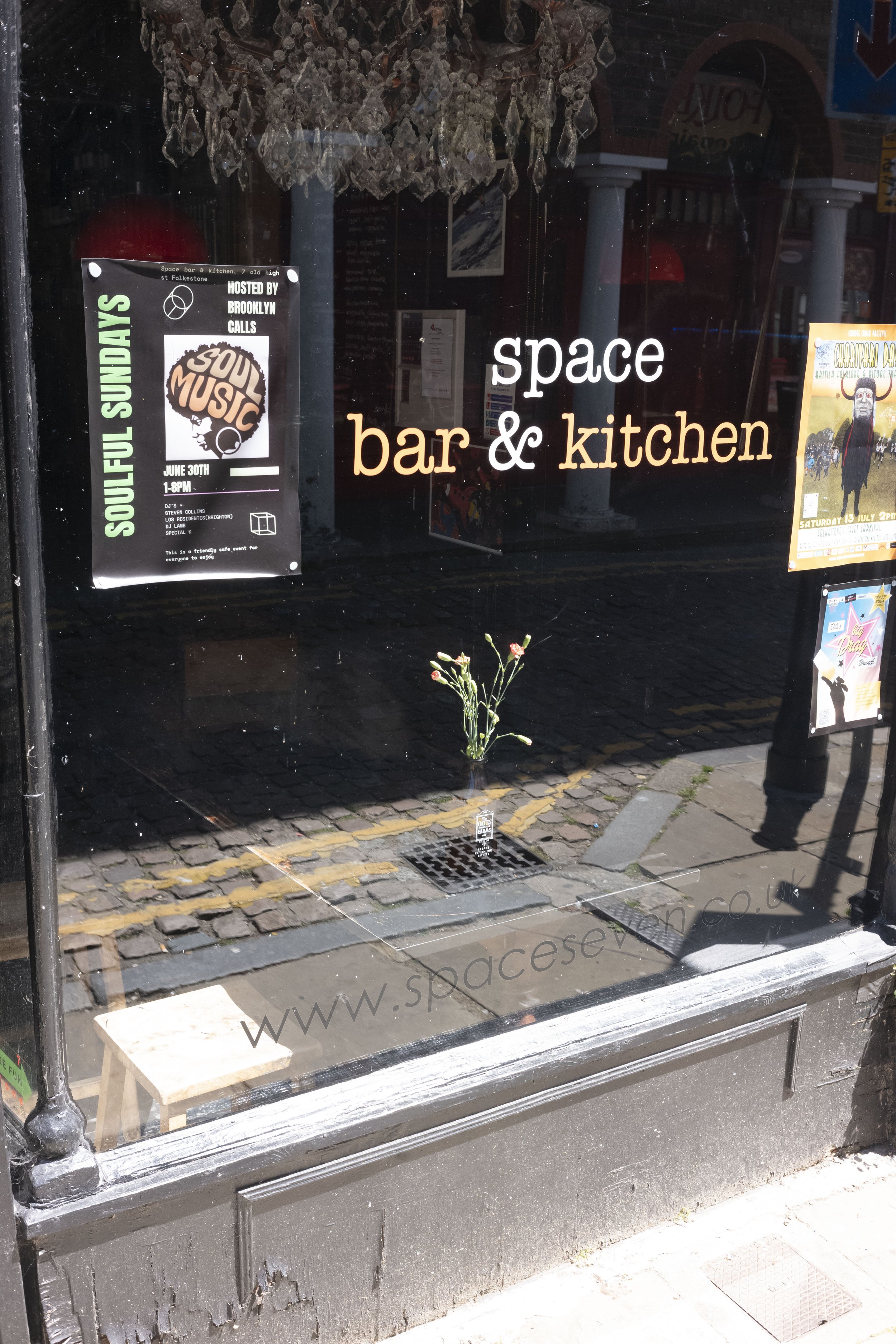
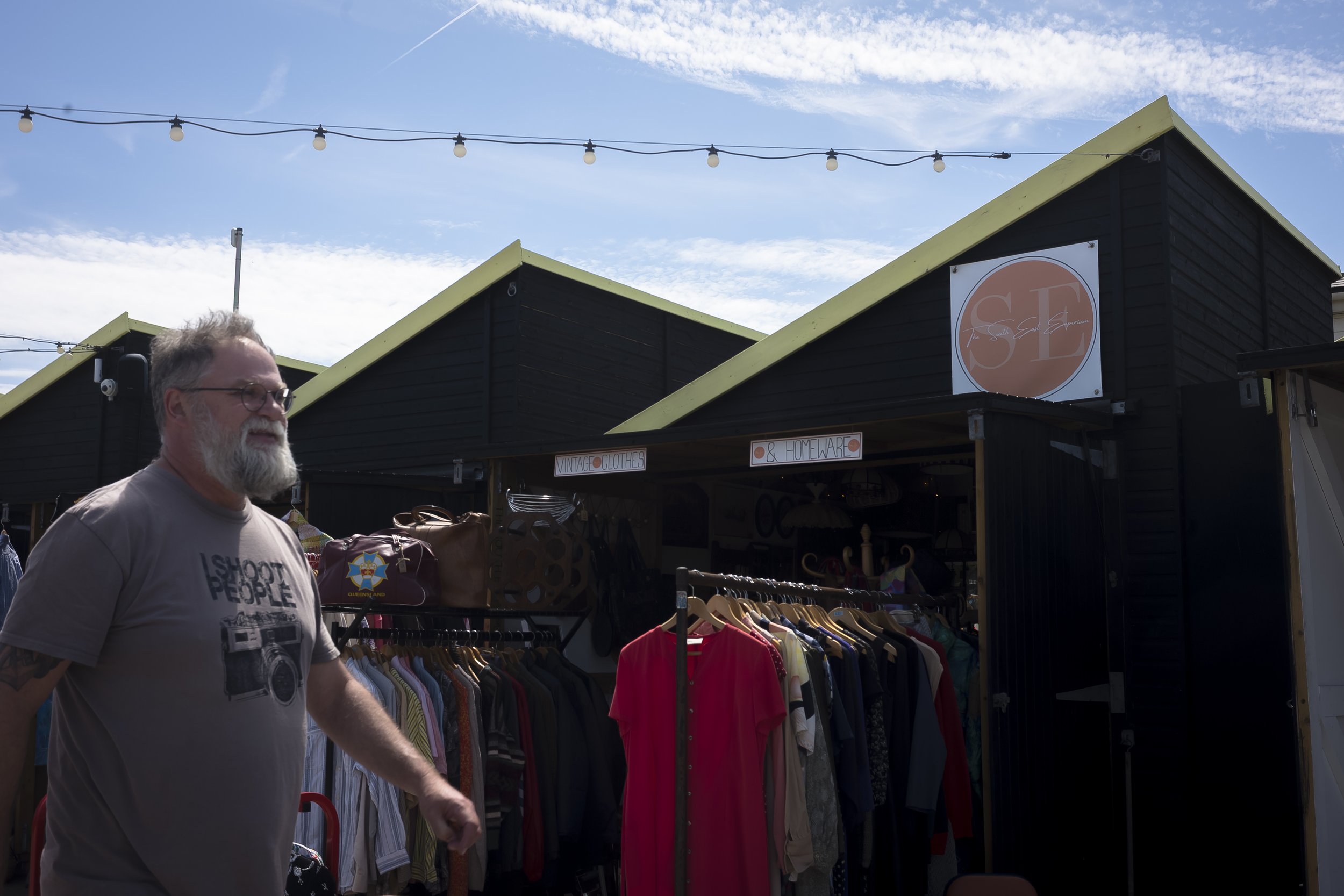
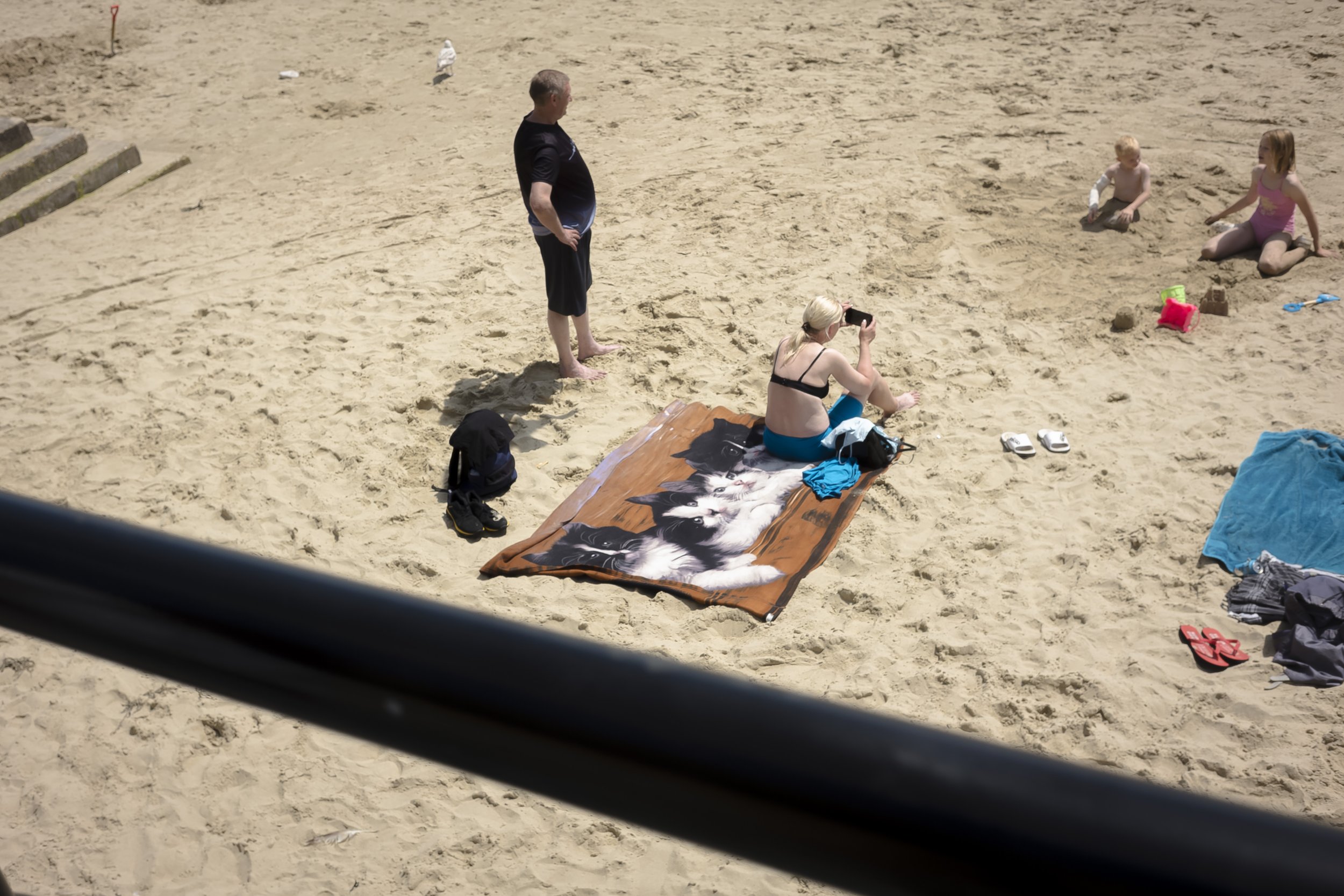
By the end of the day, we were both happy and exhausted and our arms laden with shopping bags. Folkestone's delightful blend of seaside charm, fresh flavors, and quirky shops makes it a perfect destination for a memorable Dad / daughter outing.
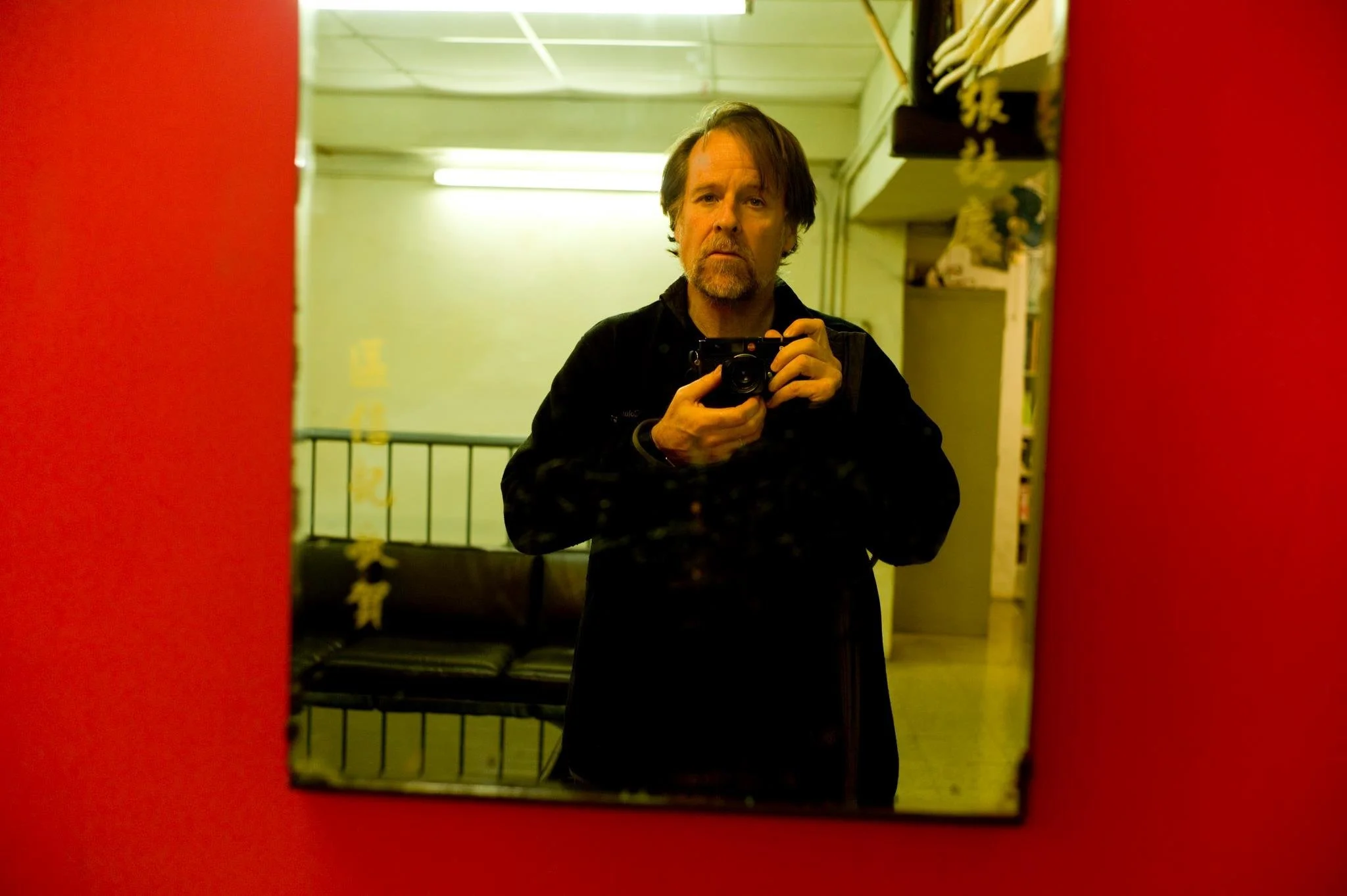
Modern Masters - Alex Webb - Capturing the World in Vibrant Layers
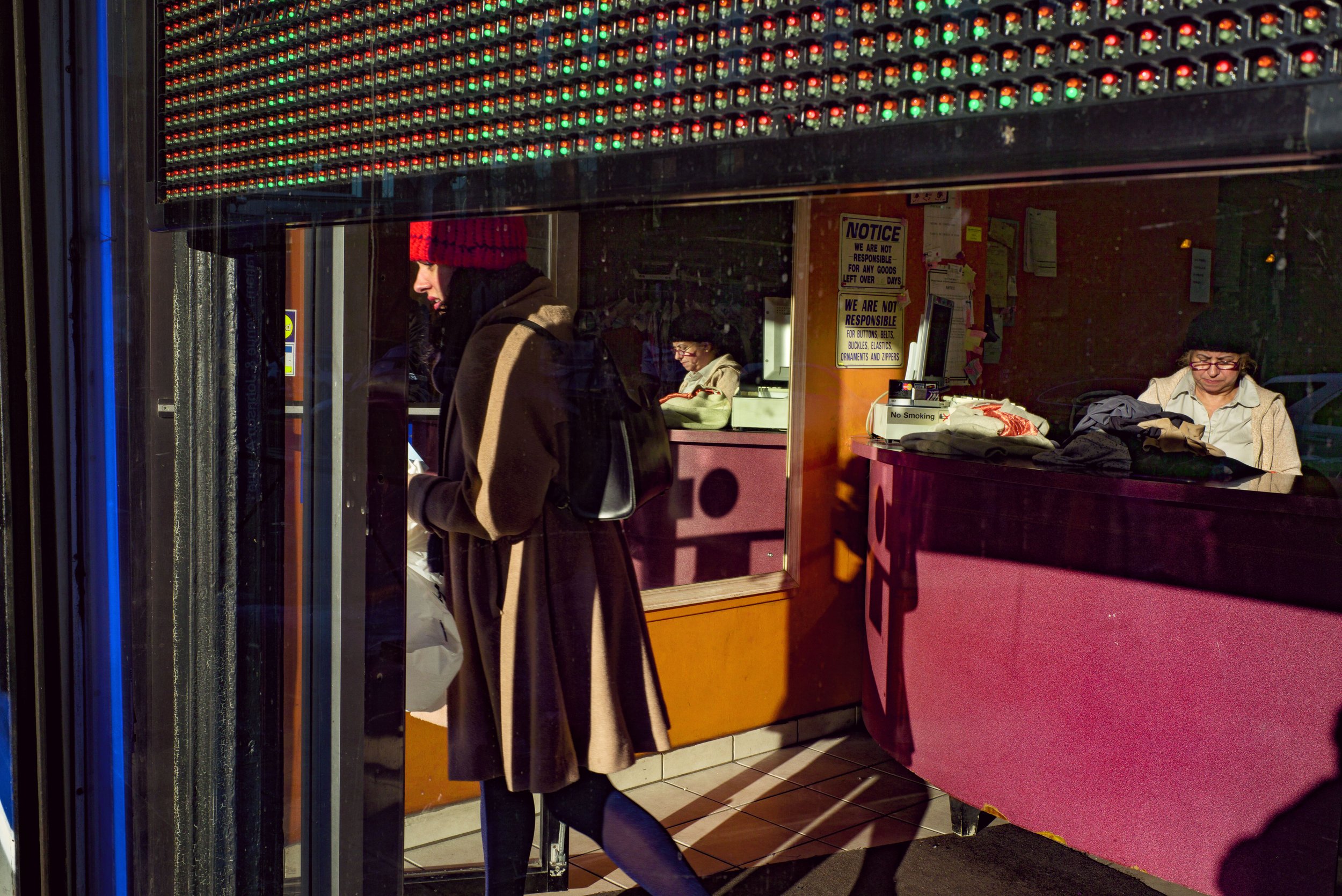
Alex Webb is a legend in the world of street photography. Renowned for his richly colored, complex compositions, Webb's work transcends mere documentation, weaving narratives of social tension and cultural vibrancy into every frame.

Alex Webb is my favourite photographer. His eye and vision to tell a story in one frame, is mesmerising.
Alex Webb is a legend in the world of street photography. Renowned for his richly colored, complex compositions, Webb's work transcends mere documentation, weaving narratives of social tension and cultural vibrancy into every frame.
Born in Atlanta in 1952, Webb's artistic journey began with poetry. However, his travels to Cuba in the 1970s sparked a lifelong passion for photography. There, inspired by the works of Henri Cartier-Bresson and William Klein, he honed his signature style.
Webb's "big break" wasn't a singular moment, but rather a dedication to his craft. He spent years traversing the globe, capturing the essence of life on the streets of Mexico, Haiti, Istanbul, and his native America. His masterful use of color, light, and shadow creates a sense of dynamism and ambiguity, leaving viewers to ponder the stories unfolding within the frame.
Filling the Frame: A Masterful Technique
Webb's ability to fill the frame is a cornerstone of his style. He doesn't shy away from including background elements, using them to create a sense of narrative and visual depth. This technique adds a layer of complexity, forcing the viewer to explore the entire frame, rather than just the central subject.
Alex Webb's work is a testament to the power of observation and the beauty that lies hidden in the everyday. So, grab your camera, hit the streets, and see if you can capture your own slice of urban poetry.
A review of this excellent youtube video by the all inspiring Jamie Windsor, is an excellent resource:
Webb's meticulous attention to detail extends to filling the corners of his compositions. He often utilizes negative space to create tension and lead the viewer's eye through the scene.
Equipment-wise, Webb is known to favor 35mm film cameras, allowing him to remain agile and capture fleeting moments on the street, choosing the visual pleasing Kodachrome as a route for his early photography.
While Webb's photography is widely celebrated, he isn't a fan of labels. He dislikes being confined to the category of "street photographer," preferring to see his work as a broader exploration of human experience.
Webb's illustrious career has garnered praise from his peers. Photographer Bruce Gilden has said of Webb's work: "There's a real depth to his photographs… They're not just about what you see, but what you feel."
To delve deeper into Webb's visual poetry, check out these resources:
A curated gallery of Webb's photos can be found on the Magnum Photos website: Magnum Photos Alex Webb or his personal website with his wife: Alex Webb & Rebecca Norris
For a visual exploration of his work, consider these YouTube documentaries:
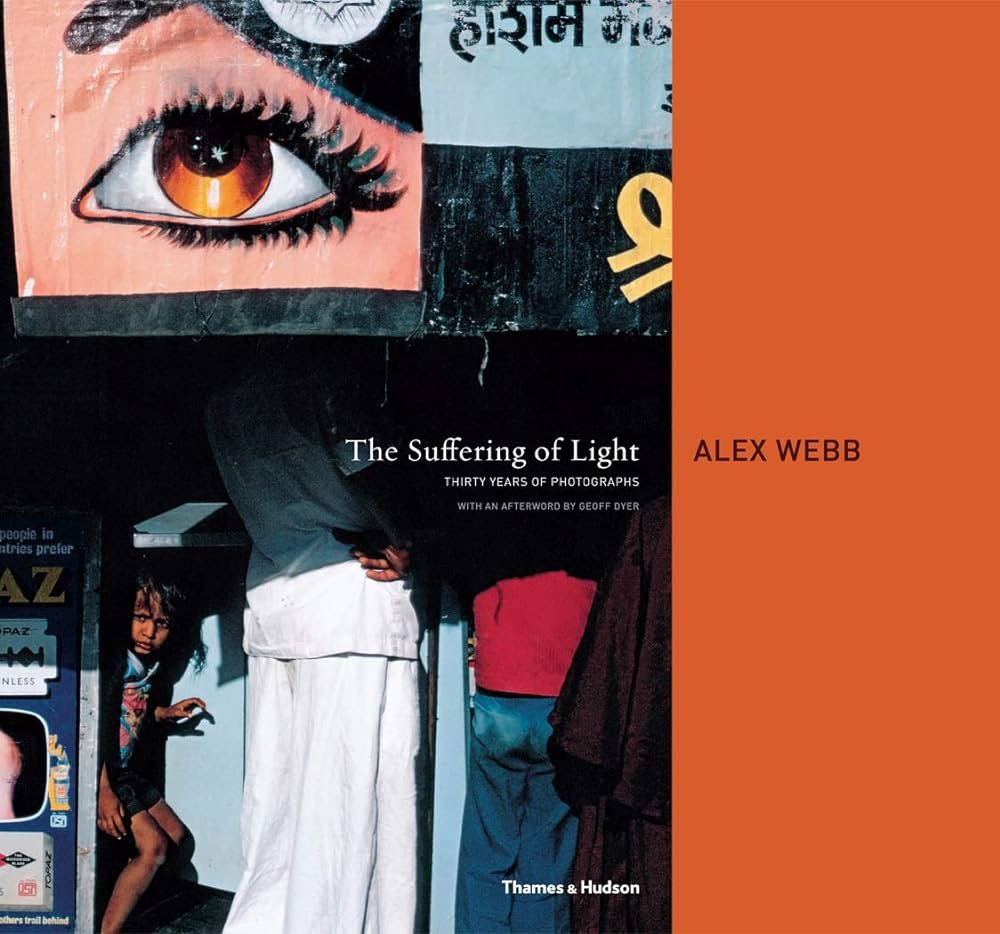
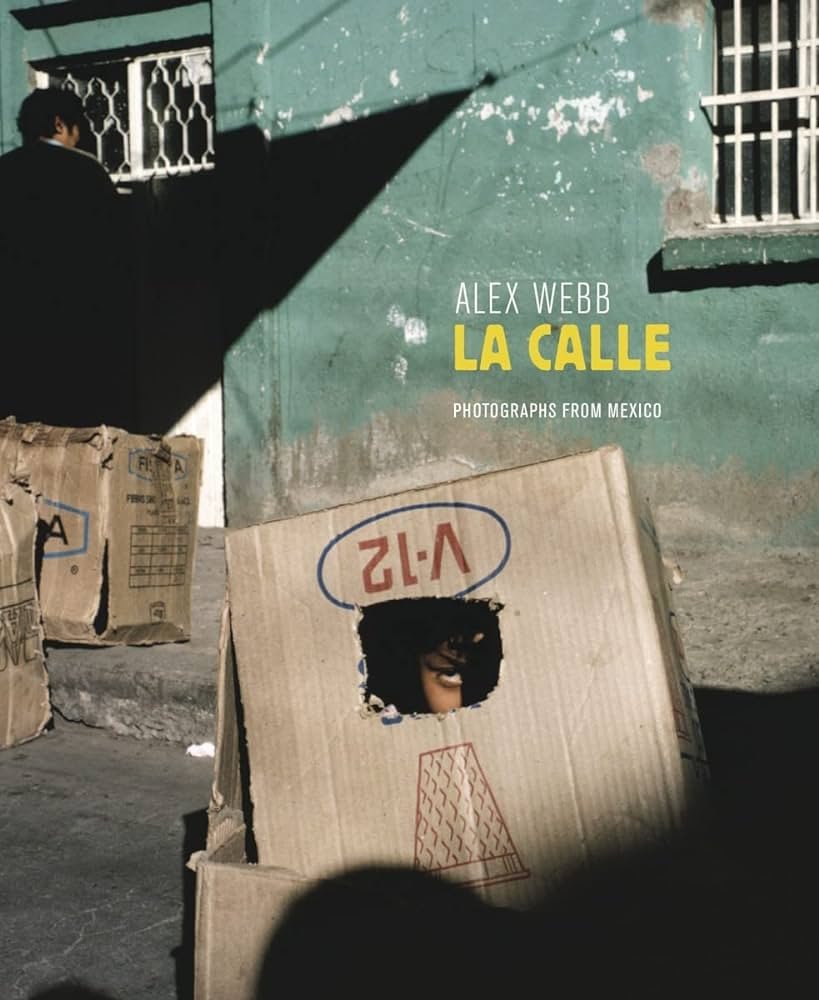
Webb's photography is beautifully presented in several acclaimed books, including:
The Suffering of Light
La Calle: Photographs from Mexico
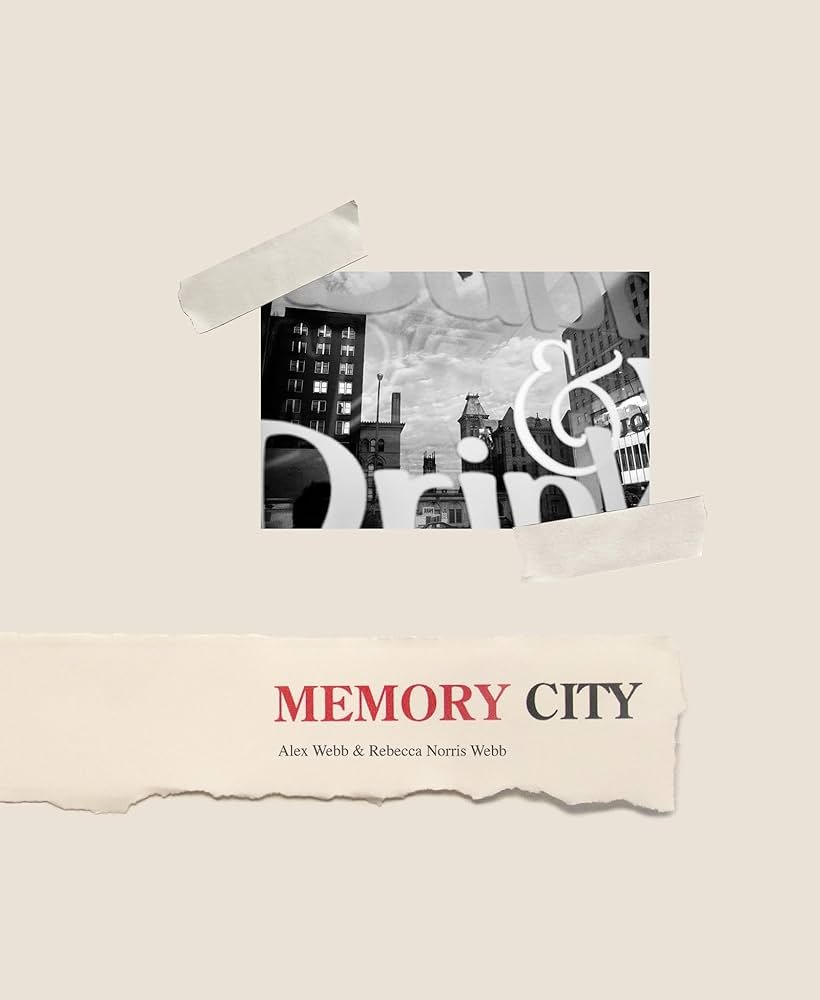
Memory City (with Rebecca Norris Webb)
Brooklyn: The City Within (with Rebecca Norris Webb)
See for Yourself: A Visual Inspiration
While this blog post can only describe Webb's work, nothing beats experiencing it firsthand. A quick web search for "Alex Webb photography" will bring up a treasure trove of images.
Webb's enduring legacy lies in his ability to transform the ordinary into extraordinary. He reminds us that the beauty and complexity of the world lie waiting to be captured, one vibrant frame at a time.
2023 - A year of reflection, personal, work, photography, books.
Well, 2023 is nearing its end and it’s a year that’s finished as it’s begun, with family being the case in point.
My dear mum passed away on 8th December 2023, after being admitted into Hospital in December 2022 with an infection and whilst this was being treated, she received the full diagnosed her dementia. Since her admission into a care home in January 2023, this last year has provided me with a reminder of being present. Bless you Mum xx.
I tend to take these moments of quiet, to have a period of self-reflection, to see how things have gone against my set goals, sometimes these are formal and structured, sometimes these are ad hoc. Goal setting (both professional and personal) is imperative for you to function at a greater depth.
The main areas of personal informal focus this year, was to remain grounded and present, with a focus on my mental health, that will ultimately lead to happiness and fulfilment for me and that of my kids. Seeing my mums health deteriorate in the course of this last year, has been demonstrable on keeping front and centre for remembering the good memories and laughs I have shared with my mum.
I also set myself some additional goals, 1) exceed 100 sales on the Etsy store, 2) reach 1,000 subs on Instagram, 3) Maintain my focus and standing at work, and achieve by 52 book 2023 reading challenge.
These were all achieved, I have done this through a simple and what I think effective plan.
Etsy Store, I’m loathed to admit defeat, but due to my profile as a Street Photographer, I am more reliant on Etsy and their store platform to sell my wares, than my website.
I reached 111 sales for 2023, with a total of 30 orders in 2023. My most popular items were:

Coupled with my excellent professional printing partner, I was able to fulfil orders to 8 different countries this year, namely: UK, Germany, The Netherlands, Australia, Spain, USA, Luxembourg, Switzerland. I am also holding a 5 star feedback.
On Instagram, I have two accounts a film account and a digital account. My main activity is on the film account, with a sufficient archive to post 35mm, 120 and 4x5 images. Q4 of 2023 has seen a little more activity on the digital account, largely due to the film prices spiralling out of control. I enjoy shooting both formats. I am just clutching to the 1k followers on the film account, but the focus for 2024 will be to build the 325 followers in the digital account.
At work, I have built a reputation of coaching and helping some of the younger members of the team, giving back, through an informal process of mentoring and coaching. I remember vividly when I started, as I naive and inexperienced 20 something, that I didn’t know what the tolerance was to act, behave and perform. I coach people now, by saying your actions are based on reason and logic, not knowledge and experience, that follows. I love this role and I do it for the enjoyment I get from seeing the younger folk rise. Everyone should have and / or be a mentor.
I also finished the year as top performer (for the third consecutive year) in performance, which is a token gesture based on the position of my mum.
Secondly, I’m not much of a ‘sit in front of the TV’ type of person. With the exception of watching (informative) YouTube videos, I am much more relaxed reading a decent book. I generally exceed my yearly challenge of 52 books and I take enormous joy from reading a wide genre of novels.
I have read 61 books this year.



In no particular order or ranking, these are the standout reads for me for 2023.
Best Memoir:

I don’t take Requests – DJ Fat Tony
Harrowing, honest and funny, this is the candid and outrageous memoir of a life of extremes. It's a story of getting it all and losing it all. Addiction, recovery, and starting again. Drawing a vivid portrait of Britain's street culture from the 1980s to the noughties, DJ Fat Tony describes his childhood on a London estate where he honed his petty criminality, was abused by an older man and became best friends with Boy George. He spent his teenage years parading the Kings Road in his latest (mostly stolen) clobber, worked as a receptionist at a brothel, hung out with Leigh Bowery and Andy Warhol, and created his drag persona, before becoming DJ to the stars (including Prince and Madonna) and spiralling into a life-threatening drug addiction.
This is a story of loss and redemption and living to tell all the tales in glorious, funny and often heart-breaking detail, from one of social media's best-loved meme-thieves and the world-renowned DJ.
American Prometheus: The Triumph and Tragedy of J. Robert Oppenheimer

American Prometheus is the first full-scale biography of J. Robert Oppenheimer, "father of the atomic bomb," the brilliant, charismatic physicist who led the effort to capture the awesome fire of the sun for his country in time of war. Immediately after Hiroshima, he became the most famous scientist of his generation-one of the iconic figures of the twentieth century, the embodiment of modern man confronting the consequences of scientific progress.
Political:
How Westminster Works…..and why it doesn’t - Ian Dunt

THE INSTANT SUNDAY TIMES BESTSELLER British politics is broken. Anyone sitting down to watch the news will get the sense that something has gone terribly wrong. We have prime ministers who detonate the economy, secretaries of state who are intellectually incapable of doing the job and MPs who seem temperamentally unsuited to the role. Expertise is denigrated. Lies are rewarded. And deep-seated, long-lasting national problems go permanently unresolved. Most of us have a sense that the system doesn't work, but we struggle to articulate exactly why. Our political and financial system is cloaked in secrecy, archaic terminology, ancient custom and impenetrable technical jargon.Lifting the lid on British politics, How Westminster Works . . . and Why It Doesn't exposes every aspect of the system in a way that can be understood and challenged, from the heights of Downing Street to the depths of the nation's newsrooms, from the hallways of the civil service to the green benches of the Commons.Based on interviews with some of the leading voices in politics, from former occupants of No.10 to key figures in Whitehall, Westminster and Fleet Street, Ian Dunt provides exactly what people in power have always tried to a full description of the mechanisms of British government. And a vision of how we can fix it.
Johnson at 10 – Athony Seldon

Mindboggling to see what a complete and unmitigated disaster, the Johnson ‘administration’ was.
True Crime:
Shallow Graves: My life as a Forensic Scientist on Britain's Biggest Cases – Ray Fysh

Shortlisted for the True Crime Awards 2023 Best New True Crime Author The murder of Sarah Payne, Adam the Thames Torso, the London bombings, the Night Stalker and the poisoning of Alexander Litvinenko... The solving of all these cases can be linked to one Ray Fysh, a beer-swigging Charlton Athletic fan from Woolwich, a natural raconteur and also one of the finest forensic detectives the country has ever seen.Ray began work for the Met Police in the 1970s when forensic investigation was seen as little more than a geeky side show, only in existence to confirm or eliminate evidence. But by the mid 90s Ray and his team had made huge progress in their field, contributing to the UK becoming a world-leading innovator in forensic techniques, with Ray himself being named as Special Adviser to the Forensic Science Service. As the SA, Ray worked alongside Senior Investigating Officers from day one of a case, directing his team to identify forensic opportunities and harvest case-cracking clues.As Ray looks back over his career at the cases he worked on, the reader is given unparalleled insight into the highs and lows of an astonishing career, the historic classist snobbery of the Met and the stunning realities of crime and forensics
Unlawful Killings: Life, Love and Murder: Trials at the Old Bailey – Wendy Joseph

Every day in the UK lives are suddenly, brutally, wickedly taken away. Victims are shot or stabbed. Less often they are strangled or suffocated or beaten to death. Rarely they are poisoned, pushed off high buildings, drowned or set alight. Then there are the many who are killed by dangerous drivers, or corporate gross negligence. There are a lot of ways you can kill someone. I know because I've seen most of them at close quarters.'
Non Fiction:
README.txt – Chelsea Manning

An intimate, revealing memoir from one of the most important activists of our time.
While working as an intelligence analyst in Iraq for the United States Army in 2010, Chelsea Manning disclosed more than seven hundred thousand classified military and diplomatic records that she had smuggled out of the country on the memory card of her digital camera. In 2011 she was charged with twenty-two counts related to the unauthorized possession and distribution of classified military records, and in 2013 she was sentenced to thirty-five years in military prison.
The day after her conviction, Manning declared her gender identity as a woman and began to transition, seeking hormones through the federal court system. In 2017, President Barack Obama commuted her sentence and she was released from prison.
In README .txt, Manning recounts how her pleas for increased institutional transparency and government accountability took place alongside a fight to defend her rights as a trans woman. Manning details the challenges of her childhood and adolescence as a naive, computer-savvy kid, what drew her to the military, and the fierce pride she has about the work she does. This powerful, observant memoir will stand as one of the definitive testaments of our digital, information-driven age.
Photography:
Portrait of Britain Volume 5 – Hoxton Mini Press

The worst of the pandemic might be behind us, but the crises just keep coming. War is in Europe. Inflation and temperatures are on the rise. This, the fifth volume in the British Journal of Photography and Hoxton Mini Press’ collaborative series, brings together 200 portraits from all over our island that show Britain at a time of resilience and reimagining. It creates both a thoughtful reappraisal of our recent past, and reveals the individuals both loudly and quietly changing the future. It is published in support of 1854 Media’s annual award, Portrait of Britain, which sees the finest portraits taken in the nation in recent years tour the country via JCDecaux digital billboards. The book features an introduction that sets the portraits within their cultural context and the full shortlist of 200 photographs alongside quotes
Fiction:
Demon Copperhead – Barbara Kingsolver

Set in the mountains of southern Appalachia, this is the story of a boy born to a teenaged single mother in a single-wide trailer, with no assets beyond his dead father's good looks and copper-colored hair, a caustic wit, and a fierce talent for survival. In a plot that never pauses for breath, relayed in his own unsparing voice, he braves the modern perils of foster care, child labor, derelict schools, athletic success, addiction, disastrous loves, and crushing losses. Through all of it, he reckons with his own invisibility in a popular culture where even the superheroes have abandoned rural people in favor of cities.
Many generations ago, Charles Dickens wrote David Copperfield from his experience as a survivor of institutional poverty and its damages to children in his society. Those problems have yet to be solved in ours. Dickens is not a prerequisite for readers of this novel, but he provided its inspiration. In transposing a Victorian epic novel to the contemporary American South, Barbara Kingsolver enlists Dickens' anger and compassion, and above all, his faith in the transformative powers of a good story. Demon Copperhead speaks for a new generation of lost boys, and all those born into beautiful, cursed places they can't imagine leaving behind.
Pig Iron – Benjamin Myers

Pig Iron is the story of John-John, a young man wrestling with the legacy of brutality left by his bare-knuckle boxer father, King of the Gypsies, Mac Wisdom. His new job as an ice cream man should offer freedom, but instead pulls John-John into the dark recesses of a north-east town where his family name is mud.
As he attempts to trade prejudice, parole officers and local gangs for his ‘green cathedral’ - the rural landscape in which he seeks solace - Mac’s rise and bloody downfall threatens to engulf John-John’s present.
A far cry from the recent media stereotyping of travellers, Pig Iron is a sensitive portrayal of Britain’s most marginalised and misunderstood ethnic group. More than anything, it is about the redemptive power of nature and the landscape of post-industrial northern England.
Pig Iron is the story of a traveller who hasn’t travelled; a young man fighting for his surname and his very survival.
Wellbeing:
This Book Will Change Your Mind About Mental Health: A journey into the heartland of psychiatry – Nathan Filer

Presents a balanced summary of the controversy around the biological model of mental ill health, along with the impact this model has had on service design and culture, and society’s understanding of/relationship with its own and others mental health. Coming at a time when the profile of mental health is increasing, this exposure of the counter narrative to the disease model, from an author with his appeal is incredibly important.
History:
Napoleon, a life – Andrew Roberts

The definitive biography of the great soldier-statesman by the New York Times bestselling author of The Storm of War—winner of the Los Angeles Times Book Prize for Biography and the Grand Prix of the Fondation Napoleon
Austerlitz, Borodino, Waterloo: his battles are among the greatest in history, but Napoleon Bonaparte was far more than a military genius and astute leader of men. Like George Washington and his own hero Julius Caesar, he was one of the greatest soldier-statesmen of all times.
Andrew Roberts’s Napoleon is the first one-volume biography to take advantage of the recent publication of Napoleon’s thirty-three thousand letters, which radically transform our understanding of his character and motivation. At last we see him as he was: protean multitasker, decisive, surprisingly willing to forgive his enemies and his errant wife Josephine. Like Churchill, he understood the strategic importance of telling his own story, and his memoirs, dictated from exile on St. Helena, became the single bestselling book of the nineteenth century.
The Fatal Shore – Robert Hughes

The history of the birth of Australia which came out of the suffering and brutality of England's infamous convict transportation system. With 16 pages of illustrations and 3 maps.
One of the greatest non-fiction books I've ever read . . . Hughes brings us an entire world. --Los Angeles Times
Sport:
Tackled – Ben Tornley

Ben Thornley: The Class of '92 Star Who Never Got to Graduate is the autobiography of a Manchester United player who had the world at his feet, only for a tackle to shatter his knee - and his dreams. Ben tells his story with insights from the likes of Alex Ferguson, David Beckham and Ryan Giggs. It's the Class of '92 as you've never heard it before.
Tome:
The Armour of Light – Ken Follett

The grand master of gripping fiction is back. International No.1 bestseller Ken Follett returns to Kingsbridge with an epic tale of revolution and a cast of unforgettable characters.
Short Story:
Water – John Boyne

You just cant ignore Boyne’s writing. When its good, its very good.
Little Gem:
Foster – Claire Keegan

A small girl is sent to live with foster parents on a farm in rural Ireland, without knowing when she will return home. In the strangers' house, she finds a warmth and affection she has not known before and slowly begins to blossom in their care. And then a secret is revealed and suddenly, she realizes how fragile her idyll is.
Foreign / Translation:
The Notebook Trilogy - Agota Kristof

Claus and Lucas remarkable storytelling.
Biggest Disappointment:
The Year of the Locust – Terry Hayes

That plot twist?!
Well thats me done for 2023, Happy New Year and best wishes for 2024.
The 10 Commandments - Capturing Street Photography.
Street photography is a unique and exciting genre that allows us to capture candid moments that showcase the essence of everyday life. Whether you're a seasoned street photographer or just starting out, these would be the 10 tips that I would share with a younger me starting out in this compelling genre of photography.

Street photography is a unique and exciting genre that allows us to capture candid moments that showcase the essence of everyday life. Whether you're a seasoned street photographer or just starting out, these would be the 10 tips that I would share with a younger me starting out in this compelling genre of photography.
1. Wear Comfortable clothes: Dress inconspicuously and avoid drawing attention to yourself with flashy clothing or gear.
Librarian shoes are the order of the day. If you are in the zone, you can and will easily walk upto 10 miles on a photowalk. Coupled with a number of refreshment stops, the last thing you need to navigate are blisters or cramp.
Regarding clothes, it's not about looking good, more simply put, ‘blend in’ with comfortable clothes. Wear a plain or bland coloured coat. Wearing a bright yellow jacket, that’s as luminous as a flashlight, isn’t for street photography. Wear a light rainproof jacket, where if it rains you keep dry, but when the sun comes out, you can stuff it in your camera bag.
By blending in, you'll be more likely to go unnoticed by your subjects, allowing you to capture authentic moments without disrupting the scene.


2. Use a Prime Lens: Consider using a prime lens with a wide aperture, such as a 35mm or 50mm f/1.8.
I have never used a zoom lens for street photography, I prefer using a prime lens. There are a number of reasons for this choice, 1) You frame a scene by using your feet (walking nearer or farther away). 2) The framing is more organic, using a prime lens, you can get a decent priced ‘budget’ 50mm with f1.8 aperture, to allow you to be more creative with framing to isolate your subject or be creative with environmental portraits. 3) Using zoom lens is lazy.

This type of lens allows for discreet shooting and beautiful background blur, enabling you to focus on your subject while blurring out distractions.
3. Zone Focusing: Familiarize yourself with the technique of zone focusing. This involves setting your camera to a small aperture (e.g., f/8) and estimating the focus distance. Zone focusing allows for quicker shooting, as you don't need to rely on autofocus. With practice, you'll become adept at capturing subjects in focus with ease.
I shoot both film and digital. A have a selection of digital cameras: my Sony A7iii is superb, the auto focus literally never misses a beat (whilst this is fantastic when I am at a special event or tired), it’s a pretty sterile shooting setup and takes away from the excitement of ‘Capturing the moment’.
So when I use my Leica M10 (or Leica M6 film camera) its zone focusing all the way. This effectively turns your camera into a point and shoot camera, allowing you to focus on the framing and spotting a scene. With a traditional manual lens, the focus fall off is lovely, providing some striking isolated images.
This technique reduces the time it takes to capture a shot when the moment arises. By having your focus pre-set, you can react quickly and seize the moment without fumbling with autofocus.
4. Shoot from the Hip: Experiment with shooting from waist-level to maintain a lower profile and capture scenes from a unique perspective.
This commandment is an easy one to incorporate and is a quick win, with great results. I wish I was told this, when I first started. If you are stuck in a rut or feeling a little nervous at the start of a photowalk, ‘shooting from the hip’ can give a different perspective to the mundane, but also allow you to get really close, for an intimate street portrait.

This technique adds a sense of dynamism and spontaneity to your photos, resulting in more engaging and authentic street shots.
5. Fishing vs Hunting: Street photography requires patience and observation. Instead of rushing from one location to another, take the time to observe your surroundings. Be aware of the interactions between people and anticipate interesting moments.
This is a point of contrast, that doesn’t derive a right or wrong answer, it's all down to personal preference.
‘Fishing’ is where you find a scene (say a street corner or a landmark) and you wait for an interesting subject to enter the scene. Reading some of the street photographer masters, you hear instances where they may have to hunker down for anything from 30 minutes to an hour, for the interest to arrive. In my mind, this is err’ing nearer to staged photography.
The converse is to ‘hunt’. This is where you are mobile and arrive at a scene and subject of interest, whilst on the move. An example of this is my approach to street photography in Brighton. My photo walks comprise of a set route, that I may lap 4/5 times, and subjects of interest differ during the course of the day.
My preference is to ‘hunt’ as I find the challenge that bit more challenging and the results that more rewarding. Also, my style of street with a prime lens (framing with my feet), doesn’t bode well for fishing.
Try both and see which one suits your style better.
Waiting for the right moment to unfold naturally will yield more captivating photographs.
6. Be Aware of Lighting: Lighting plays a crucial role in street photography. Pay attention to the direction and quality of light, as it can enhance the mood and atmosphere of your shots.
We sometimes forget that photography is the capture of light. Beautiful pockets of light and silhouettes, can turn a bland scene into a sparkling black and white image.
Experiment with shadows, reflections, and backlighting to add depth and drama to your candid captures.
7. Silent Mode: If your camera has a silent shooting mode, make use of it.
I have a Pentax 67 medium format film camera. It’s a renowned studio film portrait camera, that has a shutter sound, akin to a bullwhip:
It’s not really that suitable for candid street photography, but the stunning images it generates leaves me conflicted in its use.
Using a camera with a muffled shutter, allows you to get really close to your subject and get some candid / intimate street scenes.
The absence of shutter noise minimizes the chances of drawing unnecessary attention to yourself, enabling you to capture candid moments more discreetly.
9. Shoot in Burst Mode: When capturing fleeting moments, such as a person's expression or a quick action, utilize burst mode.
Whilst that can be deemed a little scatter gun or ‘pray and spray’, it sometimes always you to nail a street scene that is more action based in nature.
This setting allows you to capture a series of shots in quick succession, increasing your chances of getting the perfect candid shot. Later, you can review your shots and choose the one that best captures the decisive moment.
8. Travel light: The bear necessities.
Whilst we may have a significant collection of camera gear at home, we do not have to take it with us every time we go out.
I regularly see photographers looking like Sherpa’s going up the Andes on an expedition. Not only is it a complete faff changing between the gear all day, it also removes any form of structure to the day and is so far removed from relaxing and enjoying yourself.
Travel light and enjoy.
9. Shoot in Burst Mode: When capturing fleeting moments, such as a person's expression or a quick action, utilize burst mode.

Whilst that can be deemed a little scatter gun or ‘pray and spray’, it sometimes always you to nail a street scene that is more action based in nature.
This setting allows you to capture a series of shots in quick succession, increasing your chances of getting the perfect candid shot. Later, you can review your shots and choose the one that best captures the decisive moment.
10. Most of your photographs will be rubbish: Street photography is about seeing the peculiar in the mundane.

I read somewhere that some of the masters are happy if they capture 5/10 images a year.
I generally have a lower threshold to what my best work is, so try to get 5-10 keepers, per photowalk.
Street photography involves photographing people in public spaces. It's essential to respect people's privacy and personal space. If someone objects to being photographed, be polite and considerate, and respect their wishes. Always prioritize the well-being and comfort of your subjects.
Remember, capturing candid moments in street photography is a blend of technical skill, patience, and a keen eye for interesting moments in everyday life. These 10 tips will help you refine your approach and create compelling visuals that capture the true spirit of the streets. So grab your camera, hit the streets, and start hunting for those captivating candid moments!
Until next time, keep snapping.
Past Masters 1 - Garry Winogrand: The Restless Genius of Street Photography
This is a new series on the blog to highlight some of the ‘past masters’ that have inspired us all on our street photography journeys. This may not reveal any hidden gems, but will hopefully be a revealing series to allow the reader to view photobooks, images and you tube videos.
Garry Winogrand
was one of the most influential and prolific street photographers of the 20th century. His candid and dynamic images captured the essence of American life and culture from the 1950s to the early 1980s. He was a master of the snapshot aesthetic, using a wide-angle lens and a hand-held camera to create spontaneous and often tilted compositions that reflected his restless and energetic vision.

This is a new series on the blog to highlight some of the ‘past masters’ that have inspired us all on our street photography journeys. This may not reveal any hidden gems, but will hopefully be a revealing series to allow the reader to view photobooks, images and you tube videos.
Garry Winogrand
was one of the most influential and prolific street photographers of the 20th century. His candid and dynamic images captured the essence of American life and culture from the 1950s to the early 1980s. He was a master of the snapshot aesthetic, using a wide-angle lens and a hand-held camera to create spontaneous and often tilted compositions that reflected his restless and energetic vision.
Winogrand was born in the Bronx, New York, in 1928, to Jewish immigrants from Eastern Europe. He studied painting at City College of New York and Columbia University, and later took a photojournalism course with Alexey Brodovitch, the legendary art director of Harper's Bazaar. He started his career as a freelance photojournalist and commercial photographer, working for magazines such as Collier's, Pageant, and Sports Illustrated.
In the late 1950s, Winogrand became interested in street photography, inspired by the work of Walker Evans, Robert Frank, and Henri Cartier-Bresson. He began to roam the streets of New York with his Leica camera, shooting incessantly and intuitively, without stopping to compose or focus. He was fascinated by the drama and chaos of urban life, and the way people interacted with each other and their environment. He once said, "I photograph to see what the world looks like in photographs."
Winogrand's style was unconventional and controversial. He often cropped his subjects' heads or limbs, or included distracting elements in the frame. He did not care about technical perfection or formal balance. He wanted to create images that were more interesting or more beautiful than what was photographed. He also challenged the conventions of documentary photography, which aimed to capture reality objectively and truthfully. He argued that photography was not about the thing photographed, but about how that thing looked photographed. He said, "When you put four edges around some facts, you change those facts."
Winogrand's work was recognized and supported by John Szarkowski, the influential curator of photography at the Museum of Modern Art in New York. In 1967, Winogrand was featured in the landmark exhibition New Documents, along with Diane Arbus and Lee Friedlander, which showcased a new generation of photographers who explored the social and psychological aspects of contemporary America. Winogrand also received several grants from the Guggenheim Foundation and the National Endowment for the Arts, which allowed him to travel across the country and document various aspects of American society, such as politics, media, sports, zoos, airports, and women.
Winogrand published four books during his lifetime:


The Animals (1969), which showed the similarities and differences between humans and animals in zoos;
Women are Beautiful (1975), which celebrated the beauty and diversity of women in public spaces;
Public Relations (1977), which exposed the staged and artificial nature of public events and media spectacles; and
Stock Photographs: The Fort Worth Fat Stock Show and Rodeo (1980), which depicted the culture and rituals of the Texas rodeo. He also taught photography at several institutions, such as the Institute of Design in Chicago, the University of Texas at Austin, and the School of Visual Arts in New York.
Winogrand was a compulsive shooter, who often did not have time or interest to edit or print his work. He left behind a massive archive of over 300,000 unedited images, including 2,500 rolls of undeveloped film. He died of cancer in 1984, at the age of 56, while living in Los Angeles. His work has been posthumously exhibited and published by several curators and critics, who have attempted to make sense of his chaotic and unfinished legacy. His most recent retrospective, Garry Winogrand: All Things are Photographable, was organized by the San Francisco Museum of Modern Art in 2013, and traveled to several venues, including the Metropolitan Museum of Art in New York and the Jeu de Paume in Paris.
Winogrand's influence on street photography and contemporary art
is undeniable. He inspired generations of photographers and artists who followed his example of capturing the complexity and vitality of everyday life with a personal and expressive approach. He also challenged the viewers to question their assumptions and expectations about photography and reality. He once said, "There is nothing as mysterious as a fact clearly described."
Some of Winogrand's famous quotes are:
- "No one moment is most important. Any moment can be something."
- "Photography is about finding out what can happen in the frame. When you put four edges around some facts, you change those facts."
- "You have a lifetime to learn technique. But I can teach you what is more important than technique, how to see; learn that and all you have to do afterwards is press the shutter."
- "I don't have anything to say in any picture. My only interest in photography is to see what something looks like as a photograph. I have no preconceptions."
- "The photograph should be more interesting or more beautiful than what was photographed."
- "A photograph is the illusion of a literal description of how the camera 'saw' a piece of time and space."
- "Great photography is always on the edge of failure."
- "Photos have no narrative content. They only describe light on surface."
- "When I'm photographing I see life. That's what I deal with."
- "All things are photographable."
Some of Winogrand's endorsements from his peers are:
- John Szarkowski: "Winogrand was the central photographer of his generation."
- Robert Frank: "He was a poet of the streets."
- Lee Friedlander: "He was a bull of a man and a prince."
- Geoff Dyer: "He was the epic poet of American energy and insecurity."
- Joel Meyerowitz: "He was a force of nature, a tornado, a tsunami."
- Tod Papageorge: "He was the Mozart of American photography."
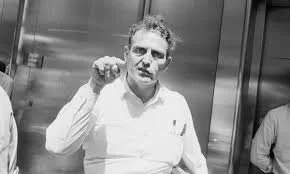
Some of Winogrand's famous photos are:



Some of Winogrand's YouTube videos are:
Garry Winogrand by Great Photographers: This video is a 48-minute documentary on the life and work of Garry Winogrand, featuring interviews with his colleagues and friends. It provides an in-depth look at his photography style and his contribution to the art of street photography. You can watch it here.
Garry Winogrand - Photographer by Michael Engler: This 7-minute video is a cinematic workshop discussion about contemporary photography in the USA. It provides a brief overview of Winogrand’s life and career and features some of his iconic photographs. You can watch it here.
Garry Winogrand’s Early Career by American Masters PBS: This 1.5-minute video is a brief introduction to Winogrand’s early career as a photojournalist before he became a fine art photographer. You can watch it here.
ing, 03/11/2023
Further reading:
Garry Winogrand | Street Photography, Documentary & Portraiture.
Garry Winogrand: Biography & Photographer | SchoolWorkHelper.
10 Iconic Photos by Street Photography Pioneer Garry Winogrand - PBS.
Garry Winogrand, street photographer: a retrospective – in pictures
Garry Winogrand - A Street Photographer's Street Photographer
10 Things Garry Winogrand Can Teach You About Street Photography
Master Profiles: Garry Winogrand - Shooter Files by f.d. walker
Garry Winogrand Quotes (Author of Garry Winogrand) - Goodreads.
27 Quotes By Photographer Gary Winogrand - John Paul Caponigro.
Garry Winogrand: the restless genius who gave street photography
Flying men and monkey babies: Garry Winogrand's classic street photography
Garry Winogrand's America in color | Art and design | The Guardian
Turning full circle?
Capturing the Everyday: Rediscovering Street Photography on my Commute with the Google Pixel 8 Pro
11/01/2023
Today’s blog post is eery. its a little over 13 years ago, with a simple iPhone 4 smartphone in my hand, that I started to document my daily commute to London. The primary objective was to avoid the mundane and avoid the negativity of the other commuters ‘getting my day off to a bad start’.

Capturing the Everyday: Rediscovering Street Photography on my Commute with the Google Pixel 8 Pro
11/01/2023
Today’s blog post is eery. its a little over 13 years ago, with a simple iPhone 4 smartphone in my hand, that I started to document my daily commute to London. The primary objective was to avoid the mundane and avoid the negativity of the other commuters ‘getting my day off to a bad start’.
By 2012, I then started a theme of covering the 2012 London olympics, it was at this time that I received an unsolicited email from Nokia, asking me to use their then new Nokia Pureview 808 smartphone, to post to my twitter account.
One thing led to another, and it ultimately led to me +1 being given hospitality tickets by Nokia, to cover the V Festival with the Nokia Pureview, in the summer of 2012. This was the event where The Stone Roses headlined.
This video is my blogpost at the time, uploaded to my tumblr account, reviewing the smartphone:
Today, I find myself turning full circle, if you will. I now use full frame digital cameras and a selection of film cameras, to take images to sell on my website and Etsy Store. However, now that the pandemic is a distant memory, and I have to be back in the office 2 days a week, I’m back to the ‘bump and grind’ of a weekly commute.
I’ve been an android user for 10 years now, and have normally elected for a budget to mid range smartphone, which is generally coupled with a crap (read substandard) camera. After much debate and consideration, I decided to upgrade my phone to …………


………… the incredibly powerful Google Pixel 8 Pro smartphone, equipped with a camera that rivals many prosumer DSLRs. It's time to rediscover the artistic adventure that first sparked my love for photography and capture the essence of my surroundings in ways I couldn't have imagined back then.
A Journey Through Time
Commuting to work can be monotonous, but I've always been fascinated by the stories the streets can tell. From the bustling crowds to the unexpected moments of beauty and serendipity, street photography allows me to capture the essence of the world outside my window. With the Google Pixel 8 Pro's advanced camera capabilities, I'm sure I will be rekindling my passion again for the mundanely perculiar.


The Power of the Google Pixel 8 Pro Camera
The Google Pixel 8 Pro boasts a powerful 16-megapixel camera with an f/1.8 aperture and advanced computational photography features. This combination will enable me to capture stunning images in even the most challenging lighting conditions, perfect for the ever-changing environment of my daily commute, as we enter winter, here in the UK. The phone's Night Sight mode, for instance, will allow me to capture the essence of the city streets after hours, embracing the captivating play of lights and shadows. Whether it's a dimly lit street corner or a colorful neon sign contrasted against the darkness, the Google Pixel 8 Pro should have me covered.
A Full Circle Journey
As I find myself once again immersed in the world of street photography during my daily commute, armed with the Google Pixel 8 Pro smartphone, I can't help but feel a sense of nostalgia and gratitude. It's a testament to how far technology has come, enabling us to capture extraordinary moments with a device that fits in our pocket.
With the Google Pixel 8 Pro's exceptional camera capabilities, I've turned full circle and rediscovered the joy of street photography on the go. As I continue to explore the dynamic world outside my window, I'm excited to see where this journey takes me and the stories I'll be able to preserve through the lens of my smartphone.


Until next time, keep snapping.
Take note this is a cracking little gem
When I’m not taking or editing photos in my spare time, I'm an avid reader. It keeps me grounded and afords me with a decompression from the day job.
I haven't read a book that has quite grabbed me as Agota Kristof's "The Notebook Trilogy" did.

When I’m not taking or editing photos in my spare time, I'm an avid reader. It keeps me grounded and afords me with a decompression from the day job.
I haven't read a book that has quite grabbed me as Agota Kristof's "The Notebook Trilogy" did.
This is a profoundly haunting and thought-provoking exploration of the human experience during wartime. Comprising "The Notebook," "The Proof," and "The Third Lie," this series is a tour de force of existential storytelling.
"The Notebook" introduces readers to twin brothers Lucas and Claus, who are sent to live with their estranged grandmother in a war-torn country. Kristof's spare and unflinching prose captures the stark realities of war and its impact on innocence. The brothers' detached observations create a chilling atmosphere, raising questions about the loss of morality and the desensitization that comes with exposure to violence.
In "The Proof," the twins face the challenges of growing up in a world shaped by war. Kristof delves deeper into their psyches, offering a complex exploration of identity and the consequences of their shared experiences. The search for truth and the quest to understand the self take center stage in this installment.
"The Third Lie" unravels the mysteries and secrets that have shrouded the twins' lives. The narrative reaches its climax as the brothers confront their own pasts and the brutal history of their homeland. The novel's title serves as a reflection on the elusive nature of truth, challenging the reader to question the reliability of memory and perception.
Kristof's writing is spare yet evocative, creating a sense of detachment that mirrors the twins' experiences. The narrative is relentlessly dark and unsettling, but it is also a masterful exploration of the human psyche in times of extreme adversity. The trilogy forces readers to confront the dualities of human nature—good and evil, love and hatred, truth and deception.
Ultimately, "The Notebook Trilogy" is not for the faint of heart, but for those willing to embark on an intense and introspective journey, it offers a unique and unforgettable reading experience. Agota Kristof's ability to capture the stark realities of war and the complexities of human nature make this trilogy a profound and challenging masterpiece of modern literature..
Until next time, keep reading.
Yes please, keep me posted when there’s a new blog
Instagram - Film