in the frame
Lines, Layers, and Nordic Light: A 60 - Hour Street Photography Guide to Copenhagen
There is a strange irony in modern travel.
Three times a week, I spend three hours a day commuting just to get to work and back. Yet, in just 90 minutes from London Gatwick, I found myself stepping off a plane and into a completely different visual universe. It’s a powerful reminder that sometimes the best inspiration isn't found in a longer journey, but a smarter one.
There is a strange irony in modern travel.
Three times a week, I spend three hours a day commuting just to get to work and back. Yet, in just 90 minutes from London Gatwick, I found myself stepping off a plane and into a completely different visual universe. It’s a powerful reminder that sometimes the best inspiration isn't found in a longer journey, but a smarter one.
For this trip, I traveled solo, and I’ll be honest: I arrived with a touch of trepidation. As a street photographer, being alone in a foreign city can sometimes feel isolating, and I was initially concerned about how a solo traveler with a camera would be received. However, those worries evaporated the moment I hit the pavement. The famous openness of the Danes and the deep-rooted culture of Hygge welcomed me with open arms. I didn't feel like an outsider looking in; I felt like a guest invited to witness the rhythm of the city.
To understand the "why" behind the photos, you have to understand the city's bones. Copenhagen (or København—"Merchants' Harbor") has spent 800 years evolving from a tiny fishing village into a powerhouse of design. You see it in the architecture: the 17th-century Dutch Baroque houses of Christianshavn weren't just built for aesthetics; they were built as a fortified naval statement by King Christian IV. When you're walking through Nyboder — those iconic yellow naval barracks—you aren't just looking at a "pretty street." You’re looking at some of the world's first planned social housing, dating back to 1631. This history of care and community leads directly into the modern mindset of Hygge. We often think of it as a winter concept—candles and wool socks—but in the spring, it manifests as a communal openness.
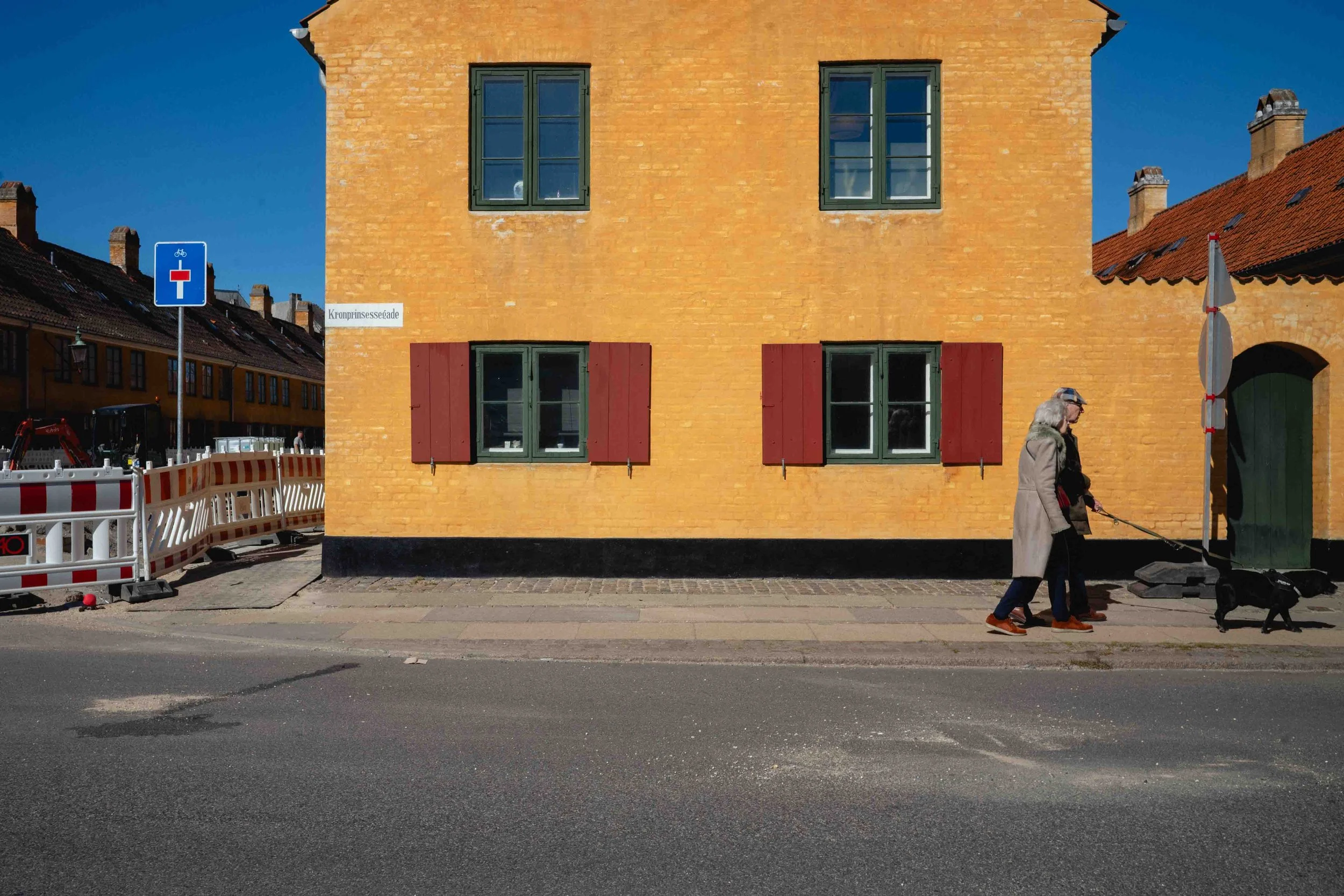
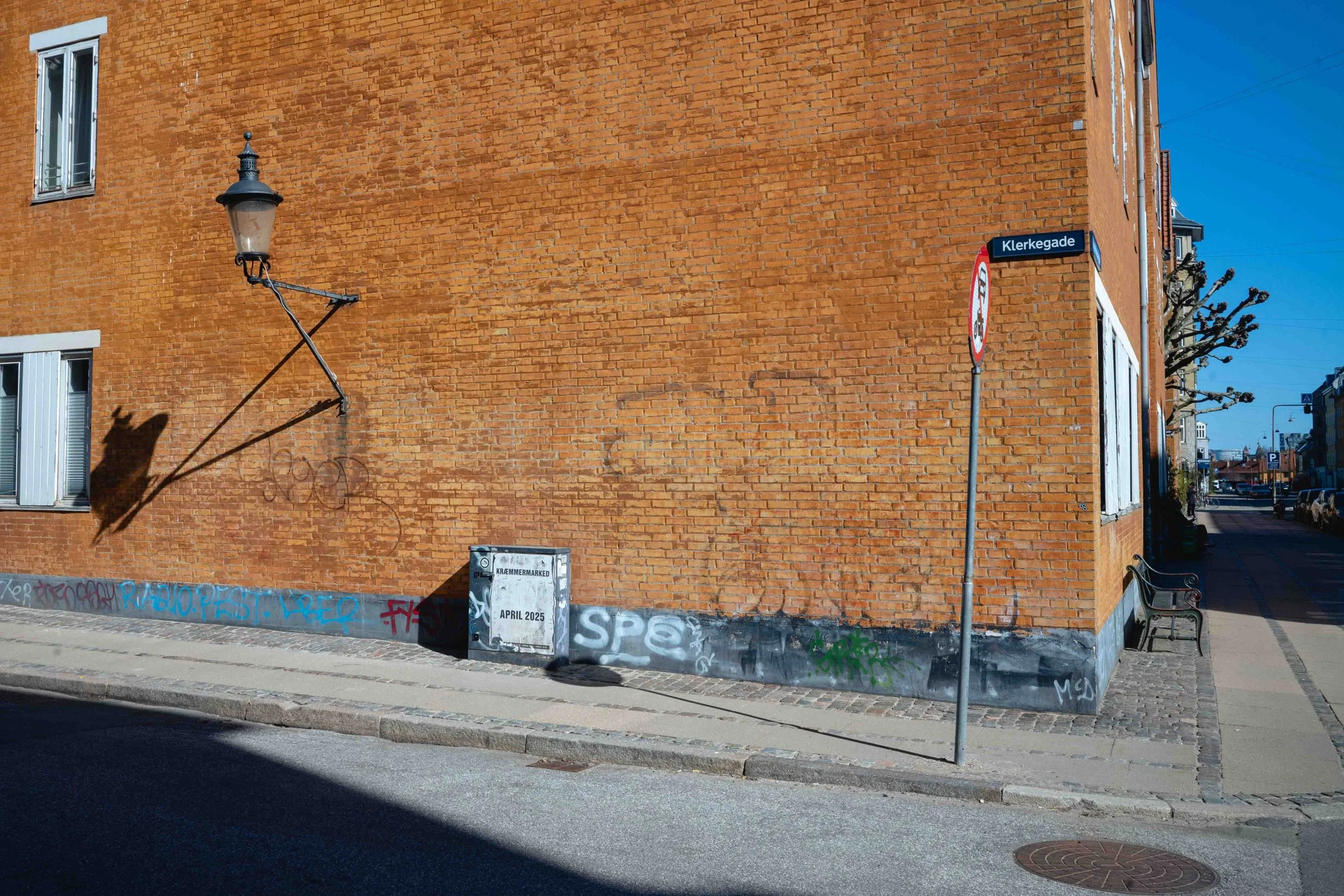
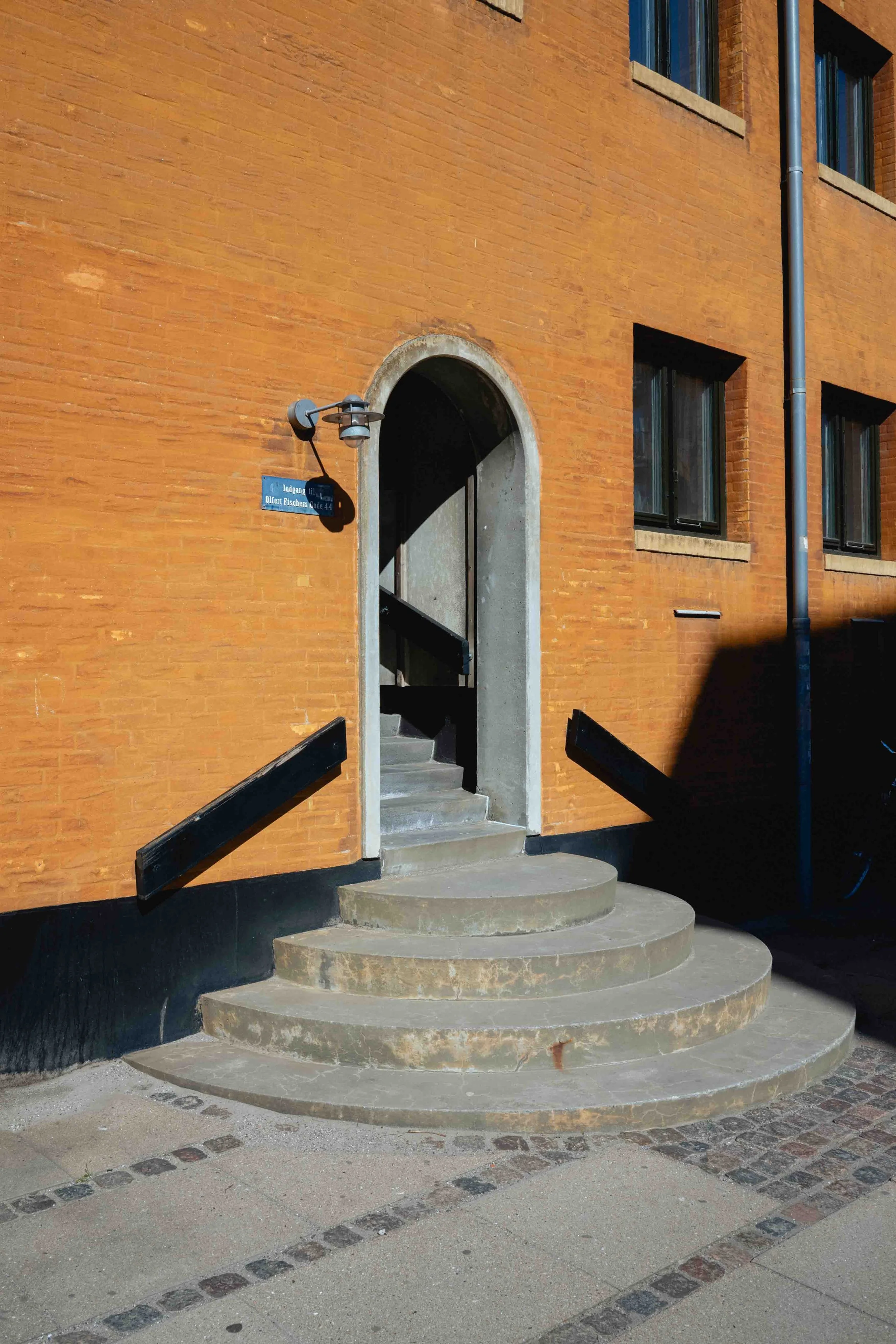
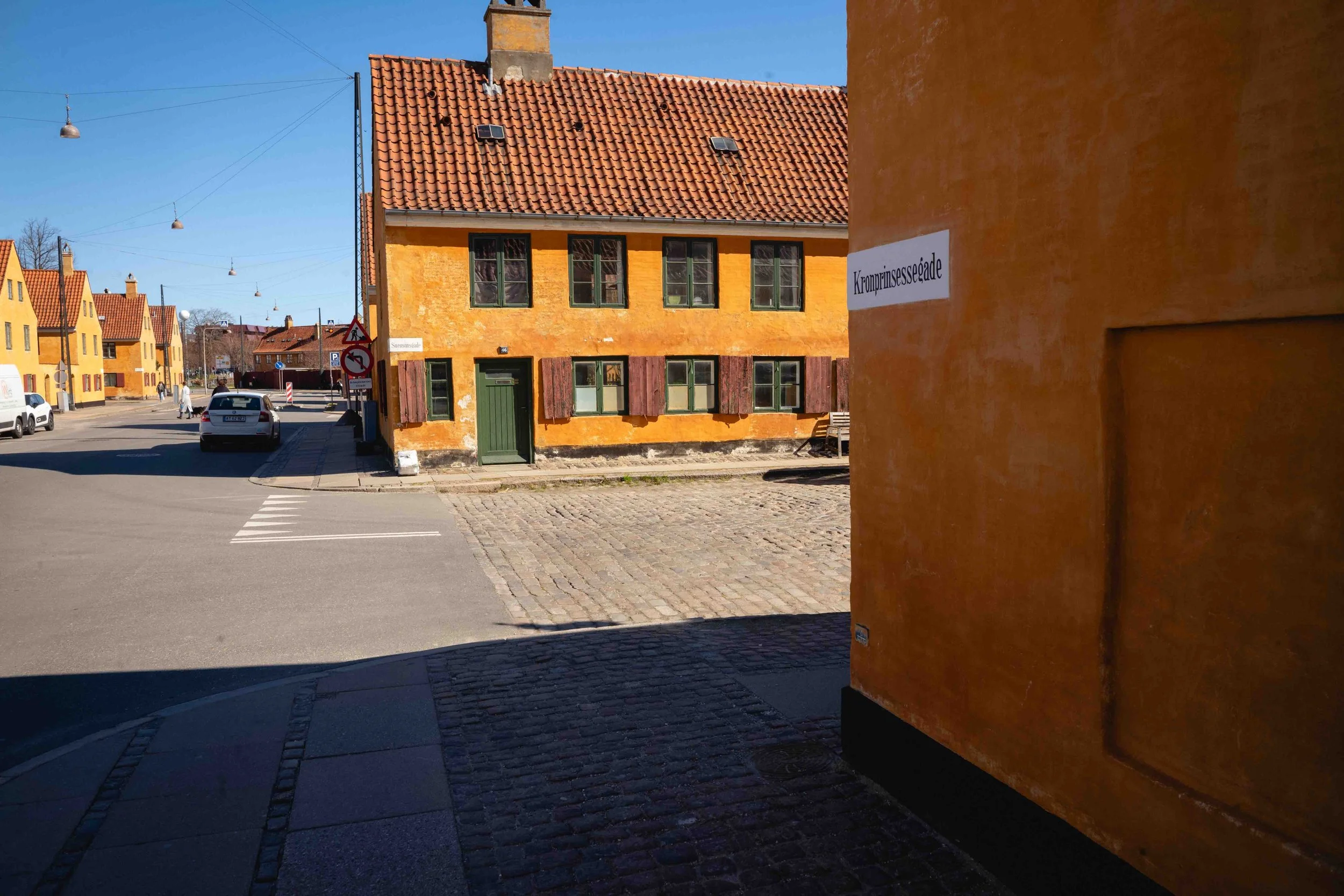
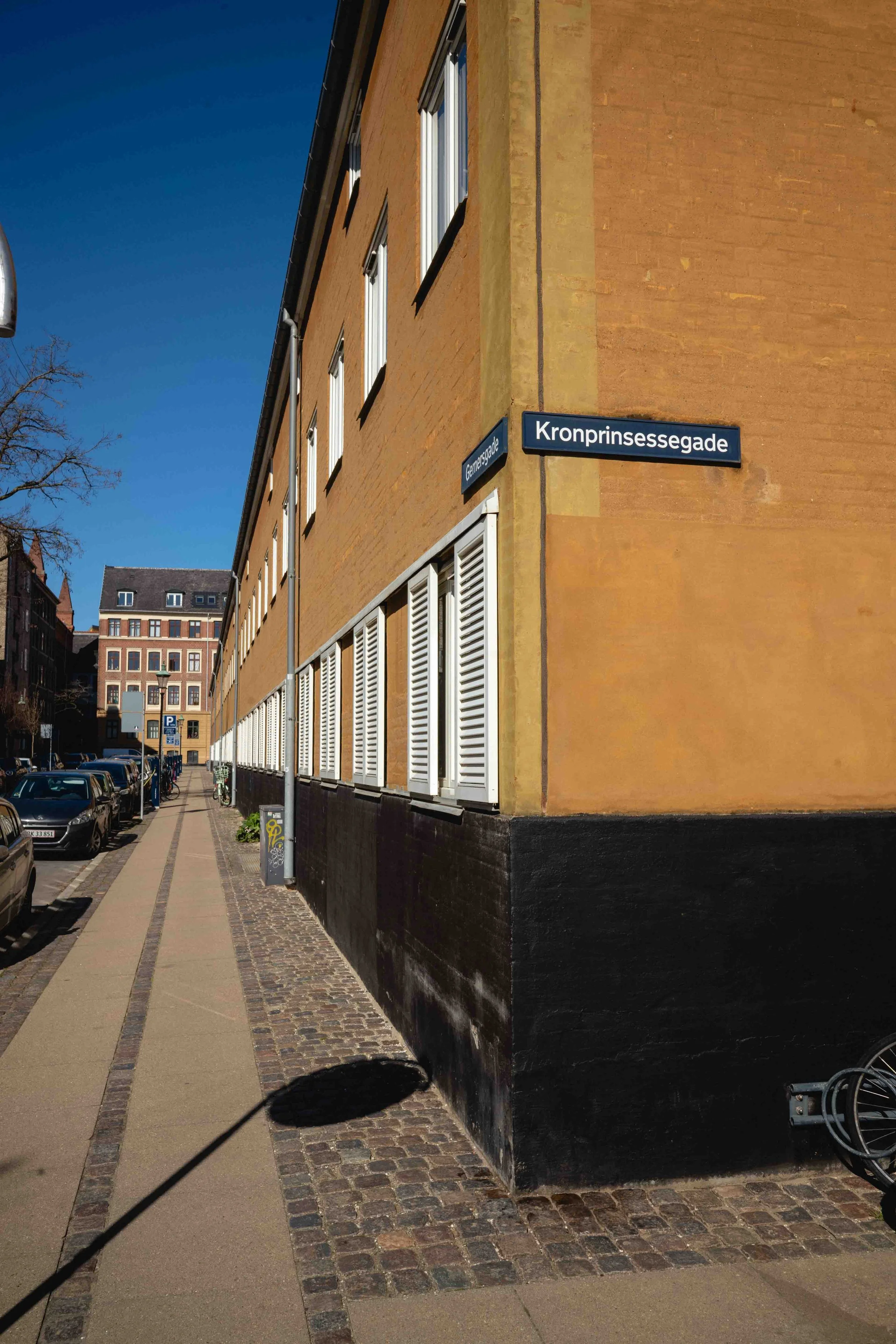
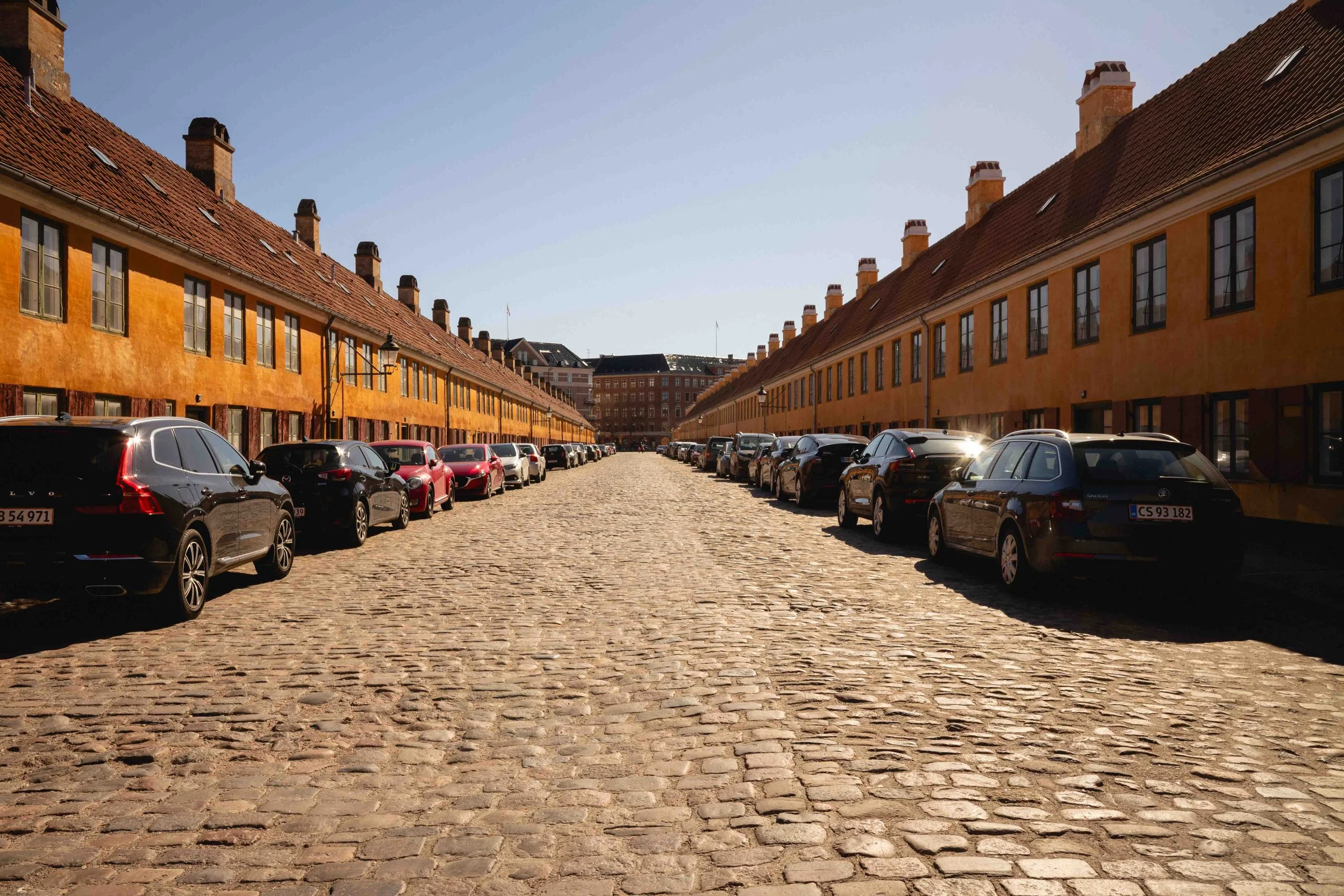
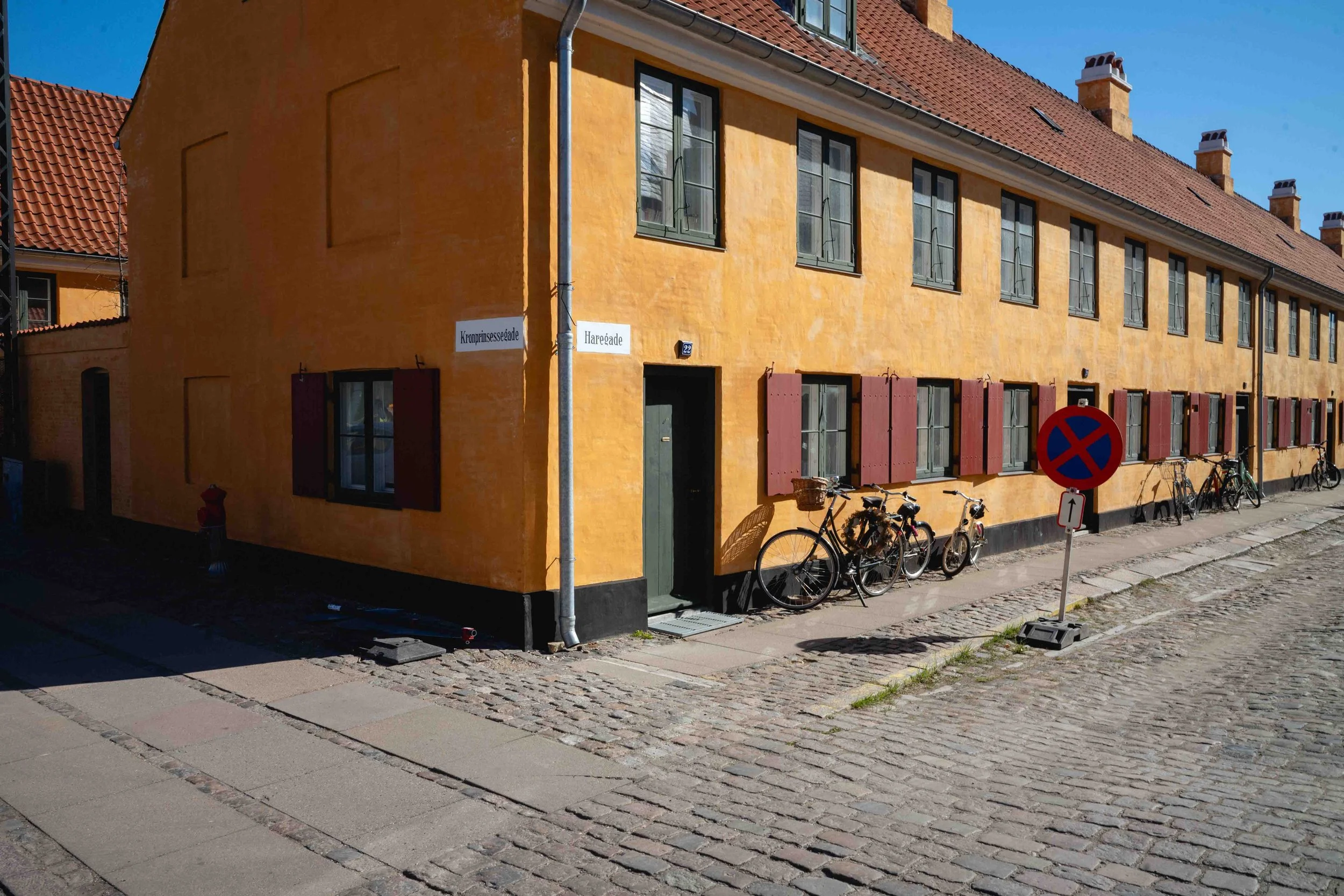
It’s the "urban hygge" of people sharing a coffee on the curbside in Jægersborggade or a craft beer in the Meatpacking District. As a solo photographer, this mindset is a gift. There is a sense of trust and "live and let live" here that makes you feel incredibly safe. The locals are remarkably open to being part of a frame; as long as you are respectful, the city feels like a collaborative studio. The light plays its part, too. The Northern latitude in April provides a "blue hour" that feels like it lasts for three, and a soft, diffused sun that makes even the grittiest alleyway in Nørrebro look cinematic.
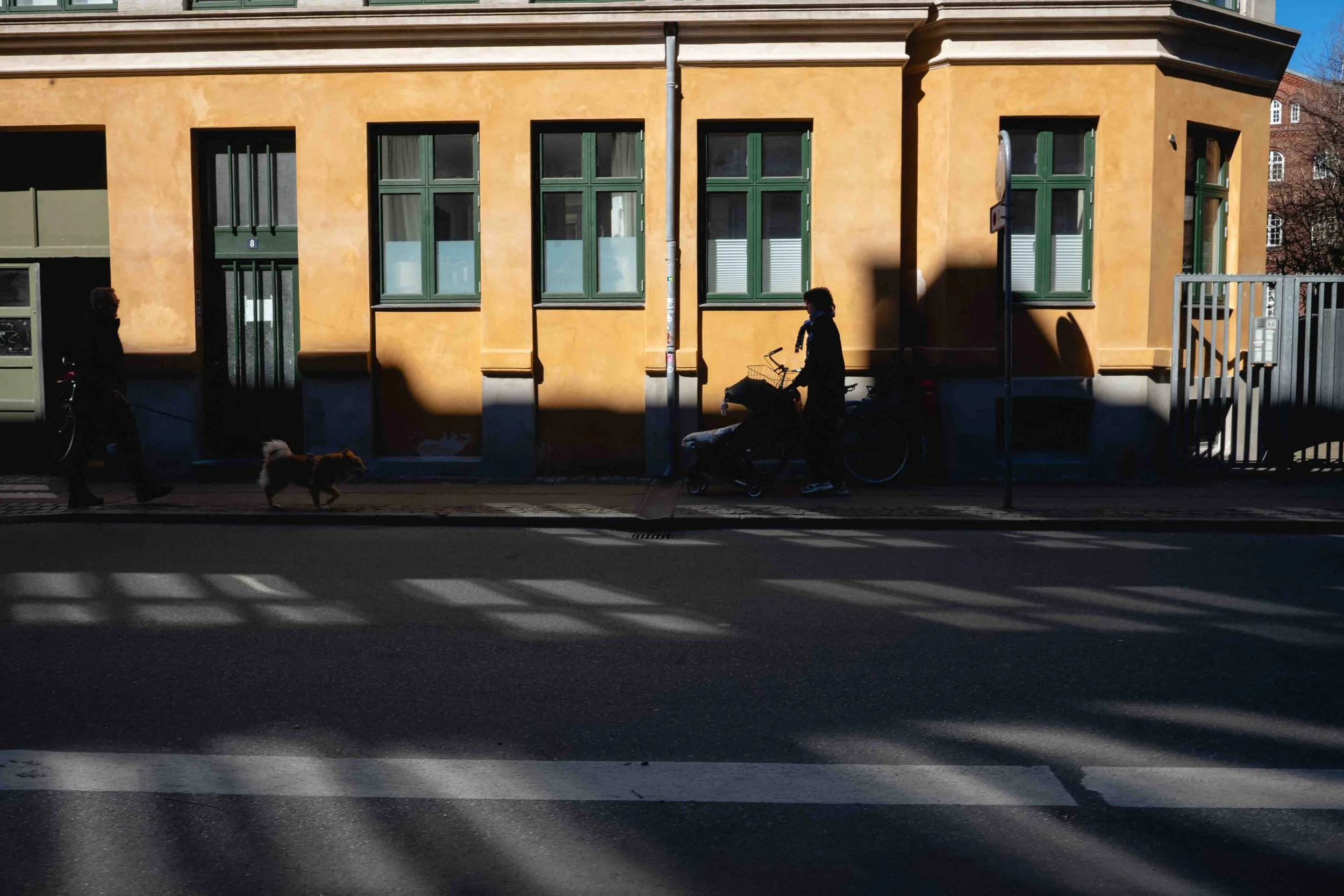
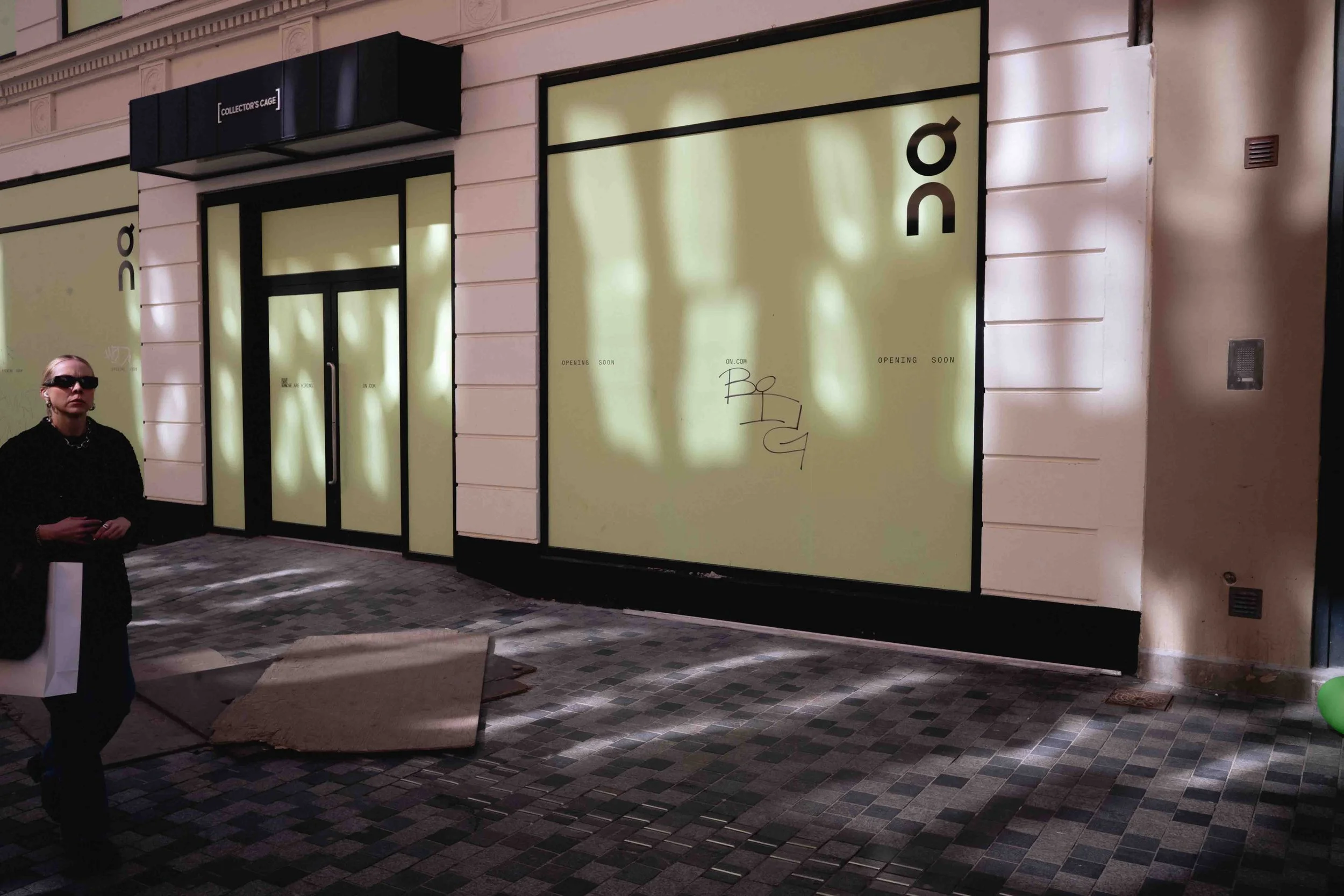
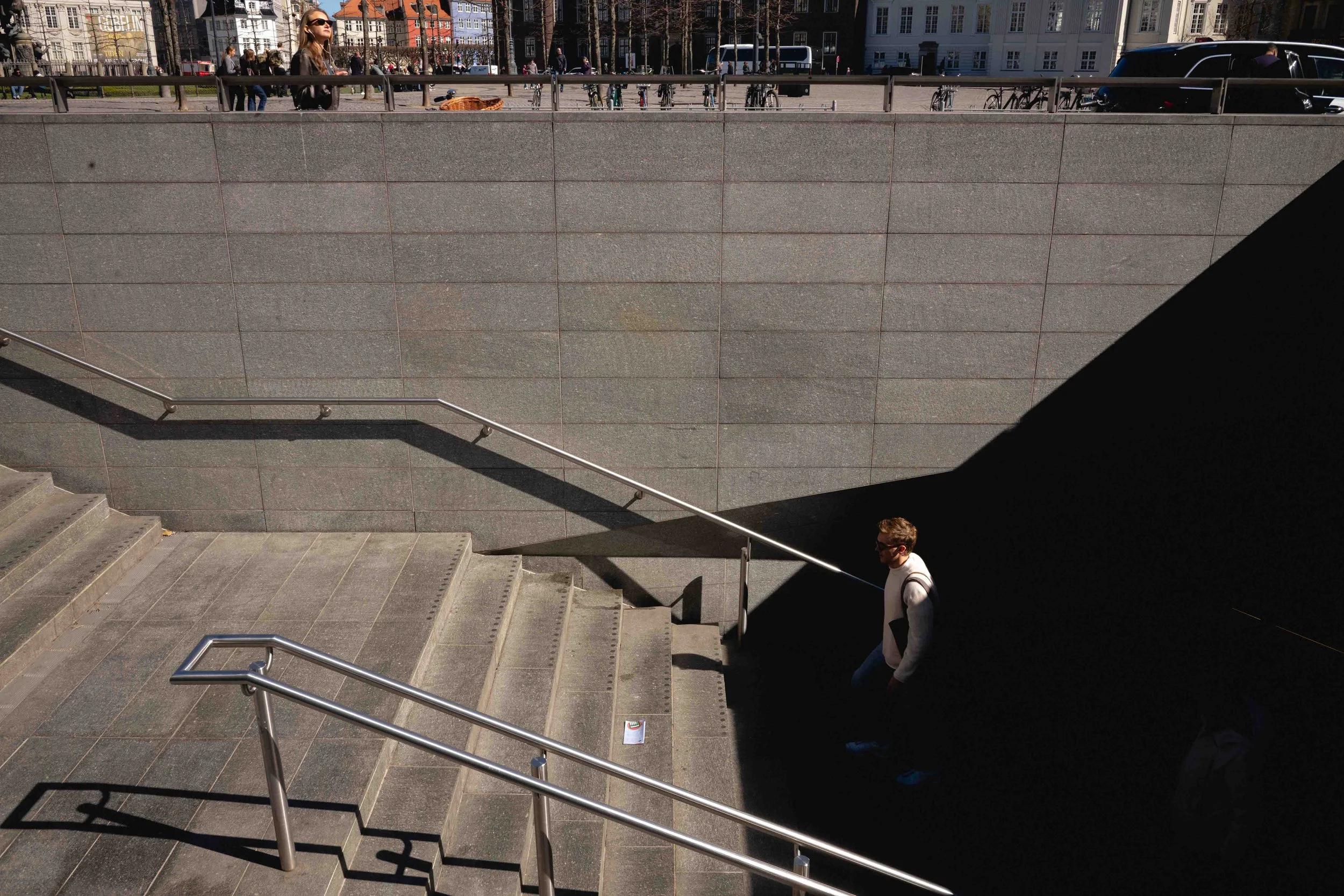
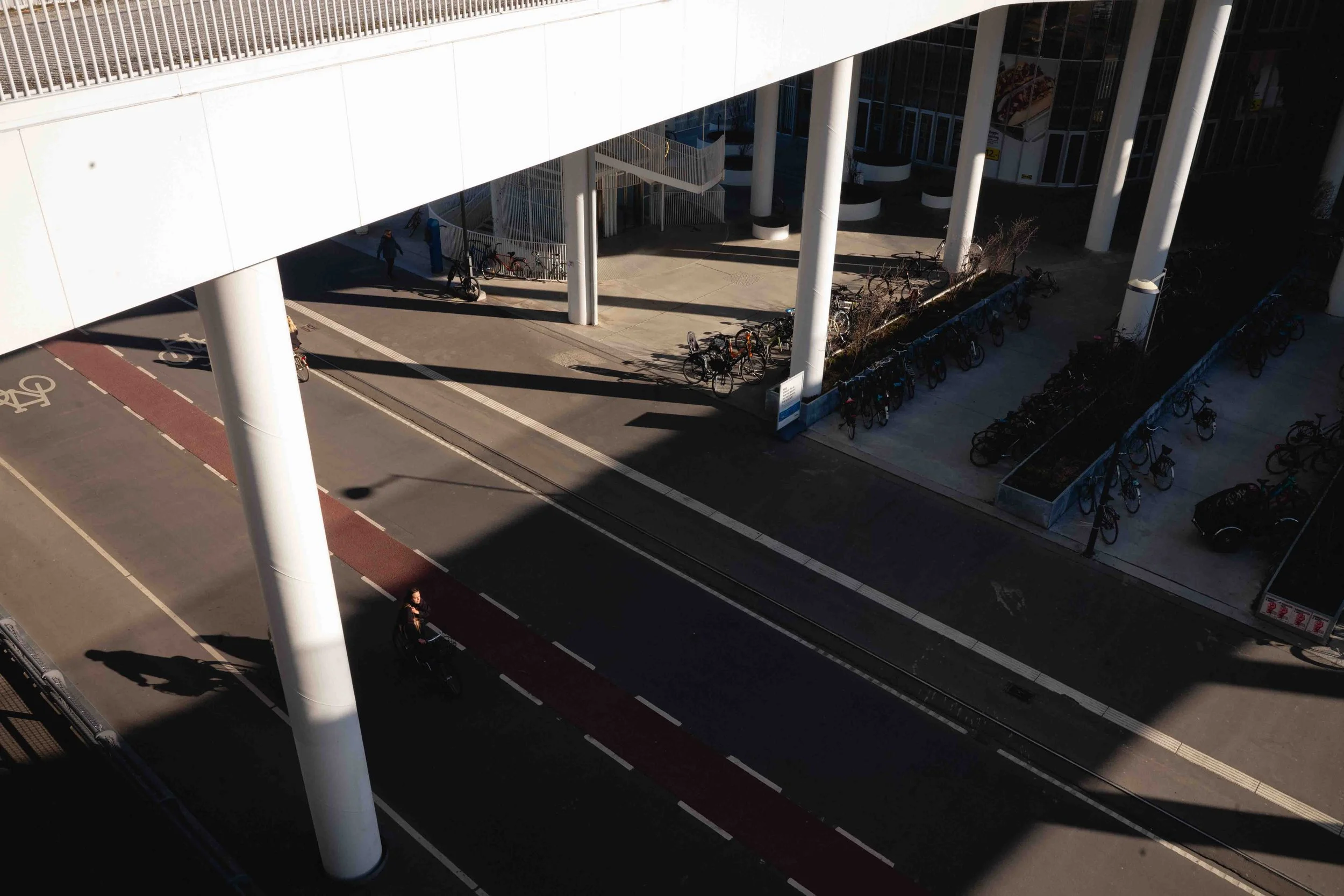
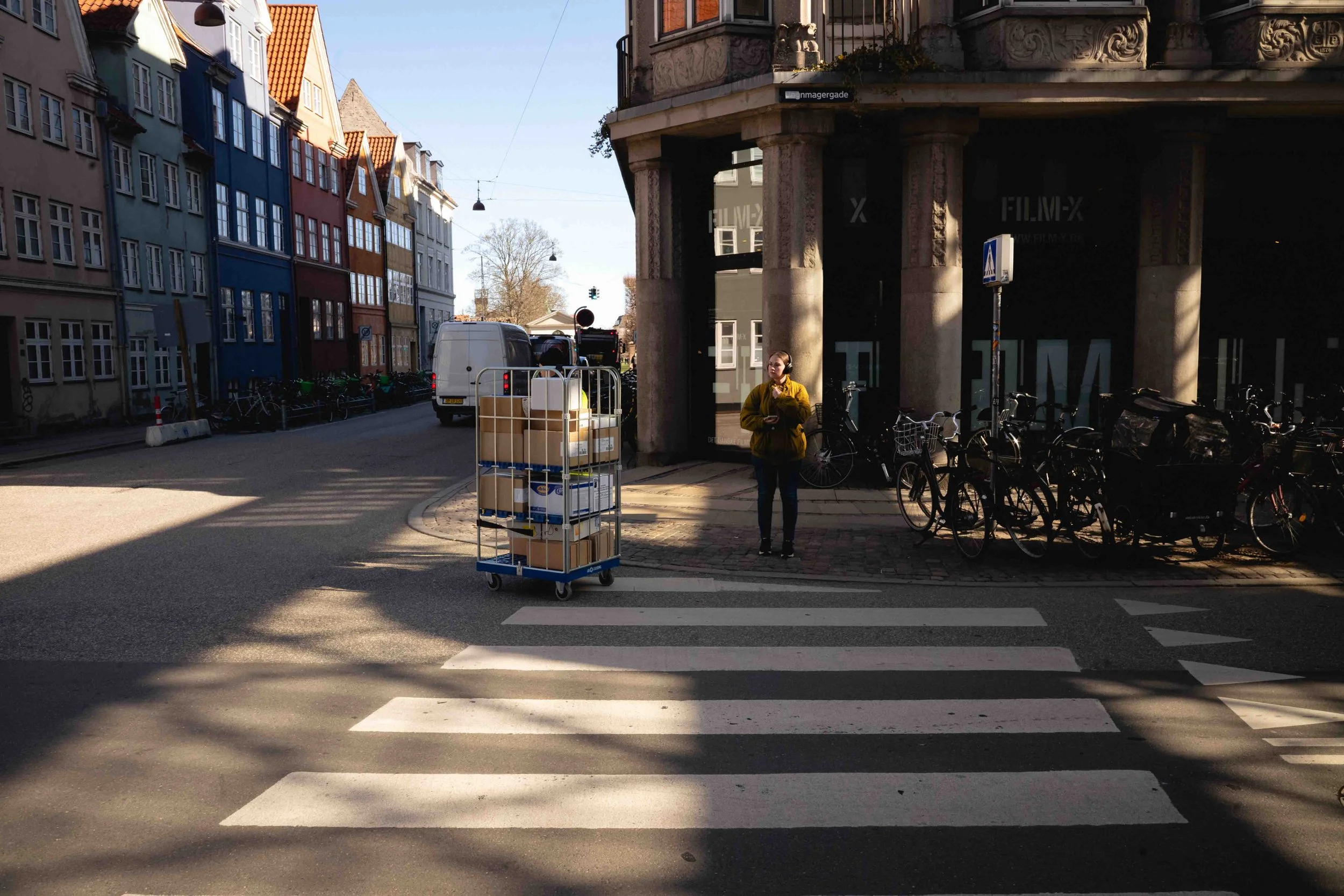
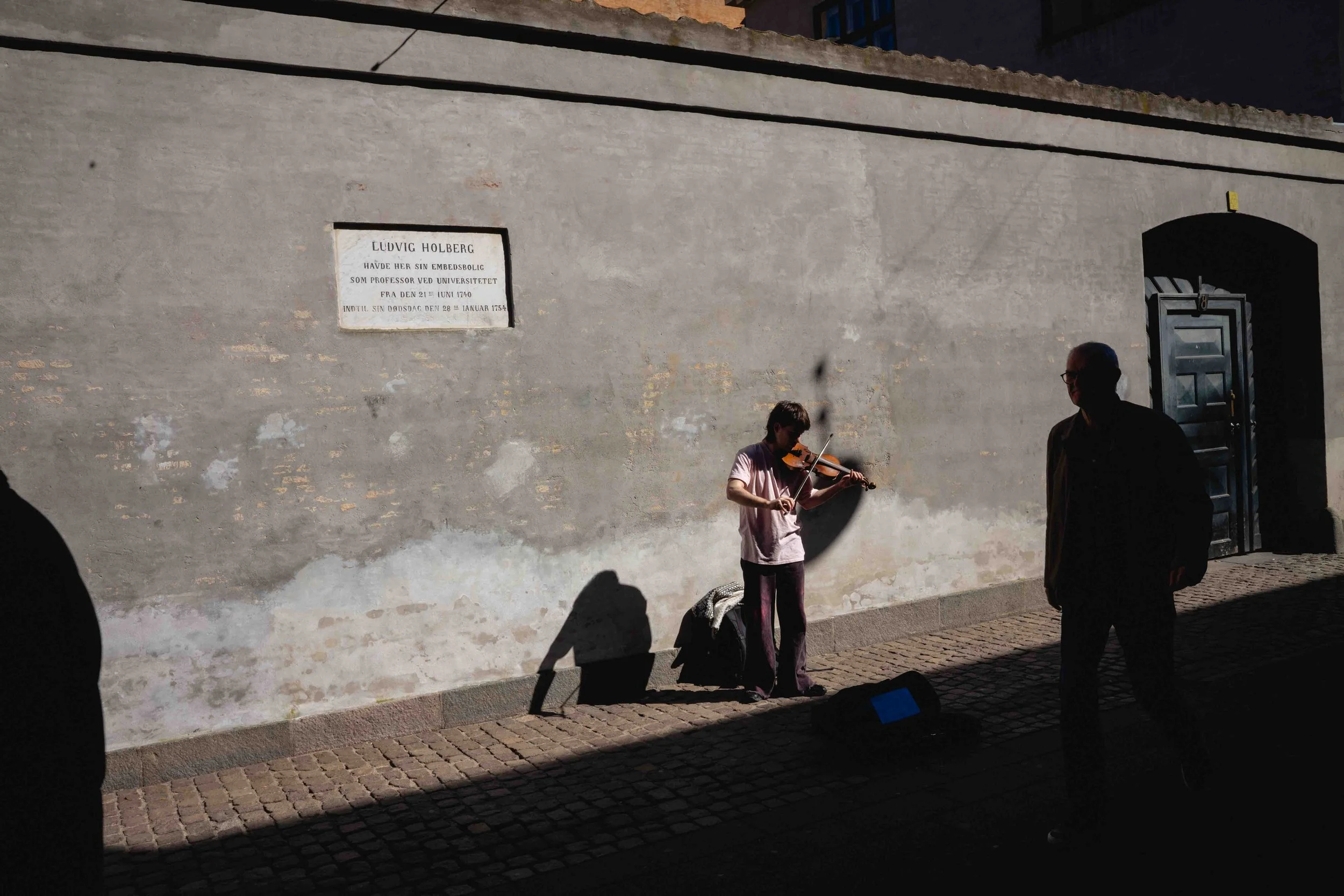
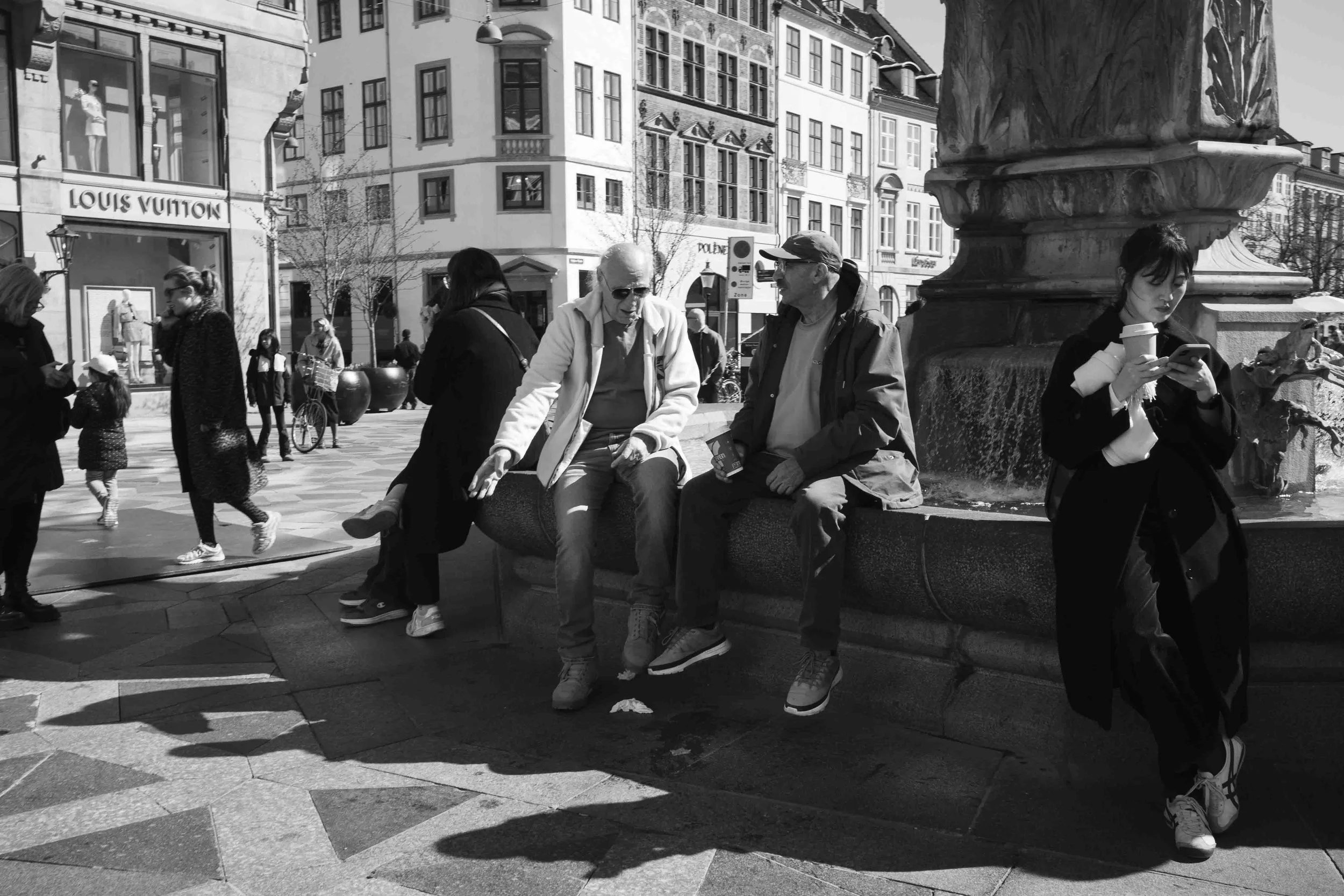
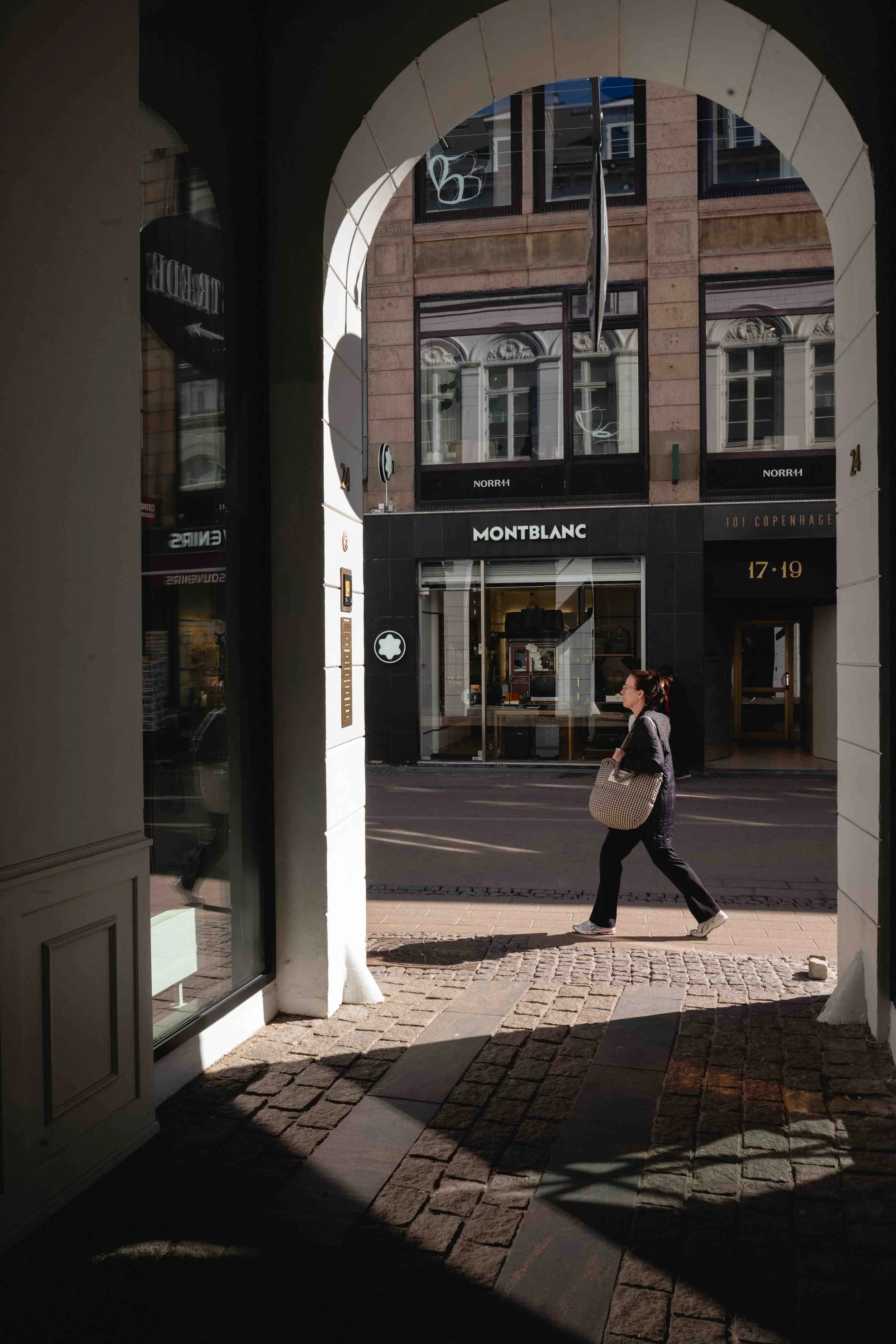
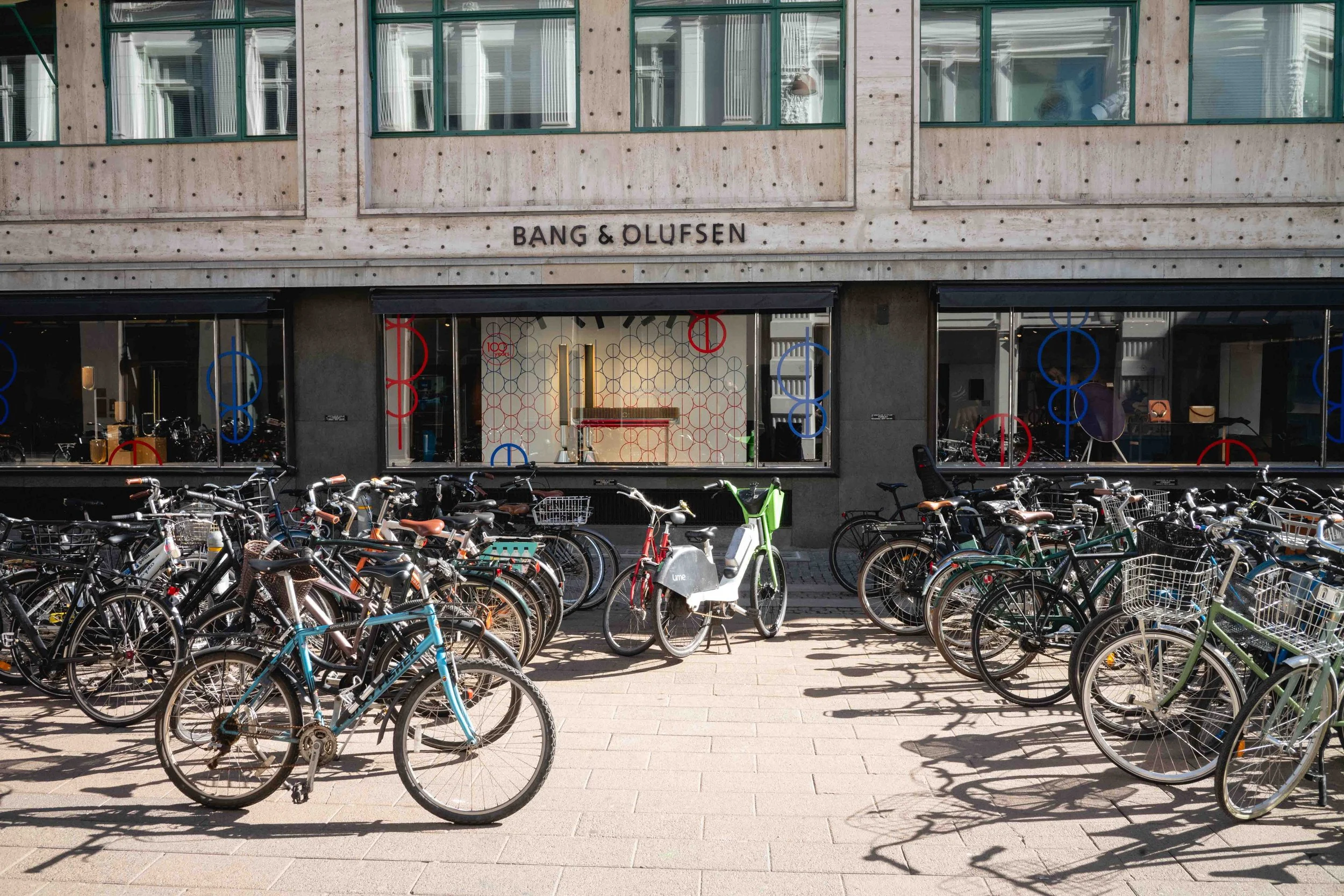
When it comes to navigating this photographer's playground, you generally have three options: walking, the seamless Metro, or joining the local masses with a bike hire. I elected mainly to walk, covering 22 miles of pavement on foot over two days. While biking is the Danish way, walking gives you the unique ability to see the "underbelly" of the city—the peeling posters in a Nørrebro side street or the way the light hits a specific doorway that you’d miss if you were whizzing past on two wheels. That said, accessibility is effortless here. I found the City Pass Small to be an excellent investment; it covers the Metro, buses, and harbor scouts perfectly, making the transit to and from the airport a total breeze.
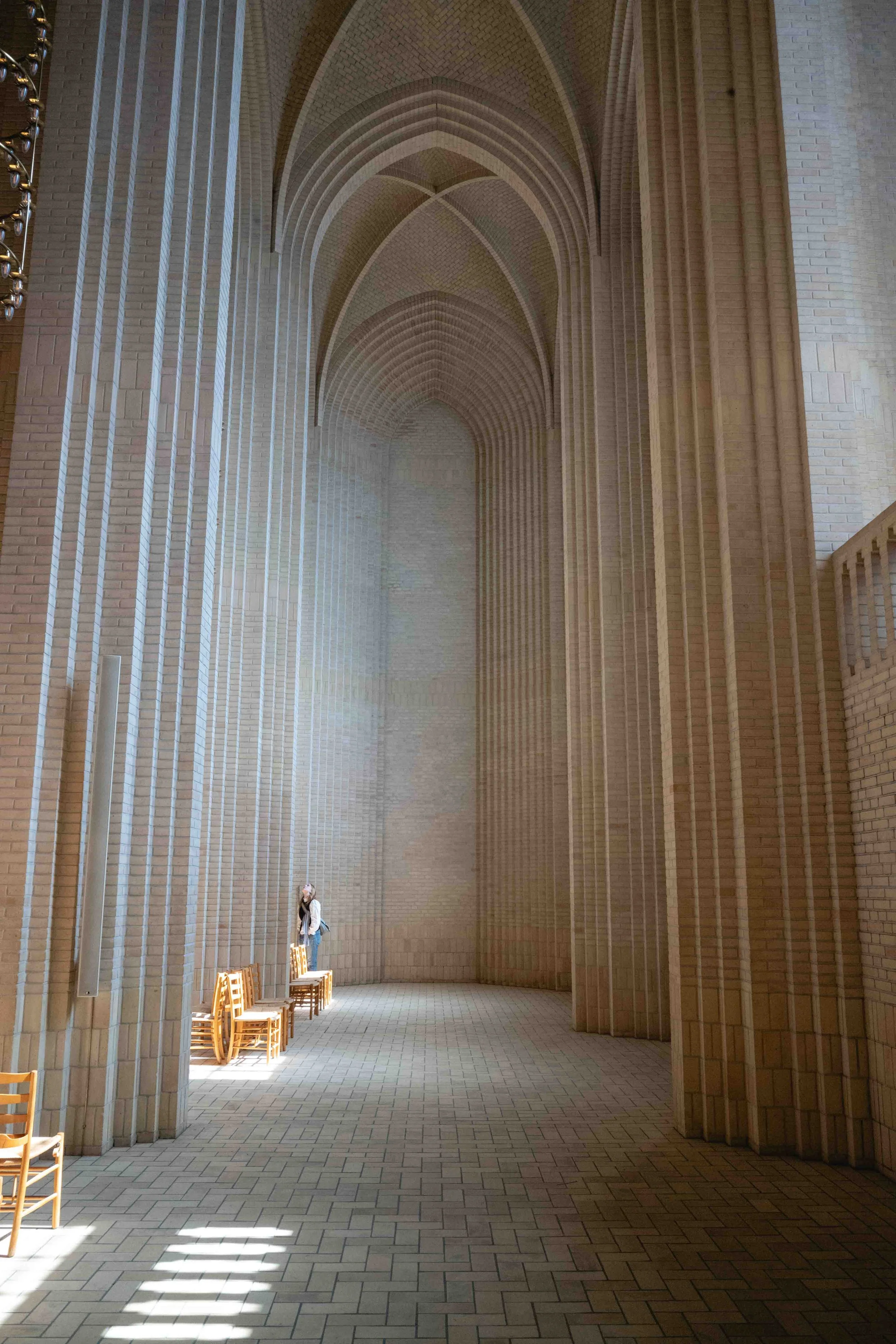
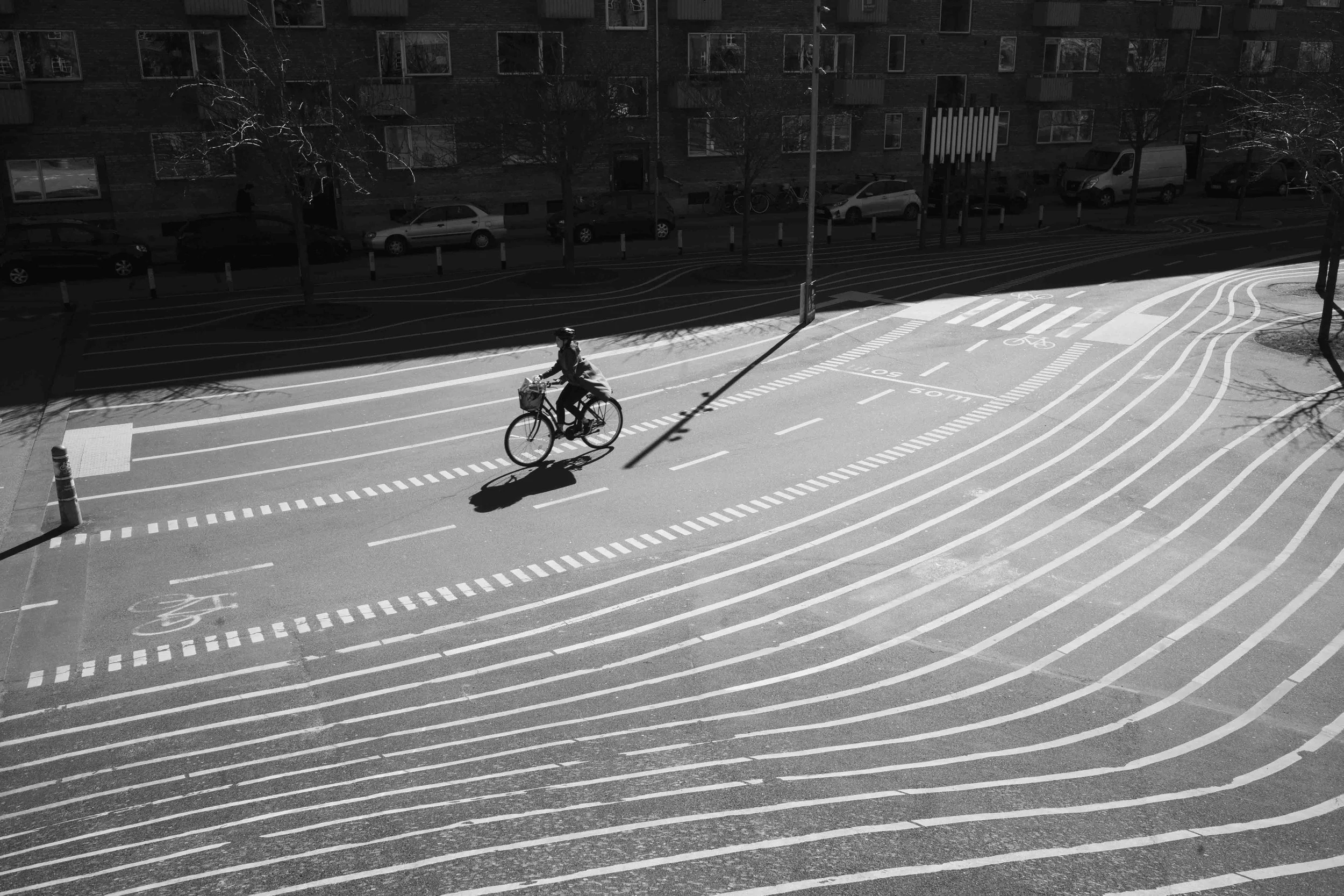
My first day focused on the transition from Nørrebro’s graphic textures to the harbor's edge. I started at Grundtvig’s Kirke, a masterclass in symmetry. Its towering yellow brickwork is a rare example of Expressionist architecture, feeling more like a giant pipe organ than a traditional church. From there, I transitioned into the vibrant, striped chaos of Superkilen Park, where the white "zebra" asphalt lines are a playground for composition. I spent the afternoon weaving through the quiet, dappled light of Assistens Cemetery (the final resting place of Hans Christian Andersen) and the boutique-heavy streets of Elmegade and Ravnsborggade. After grabbing some incredible street food at Hanoi Alley, I hit TorvehallerneKBH for some candid shots of the local food scene. I ended the daylight hours by climbing The Round Tower for a rooftop sprawl, before catching the dusk glow at Nyhavn and crossing the Inderhavnsbroen toward the Danish Architecture Center.
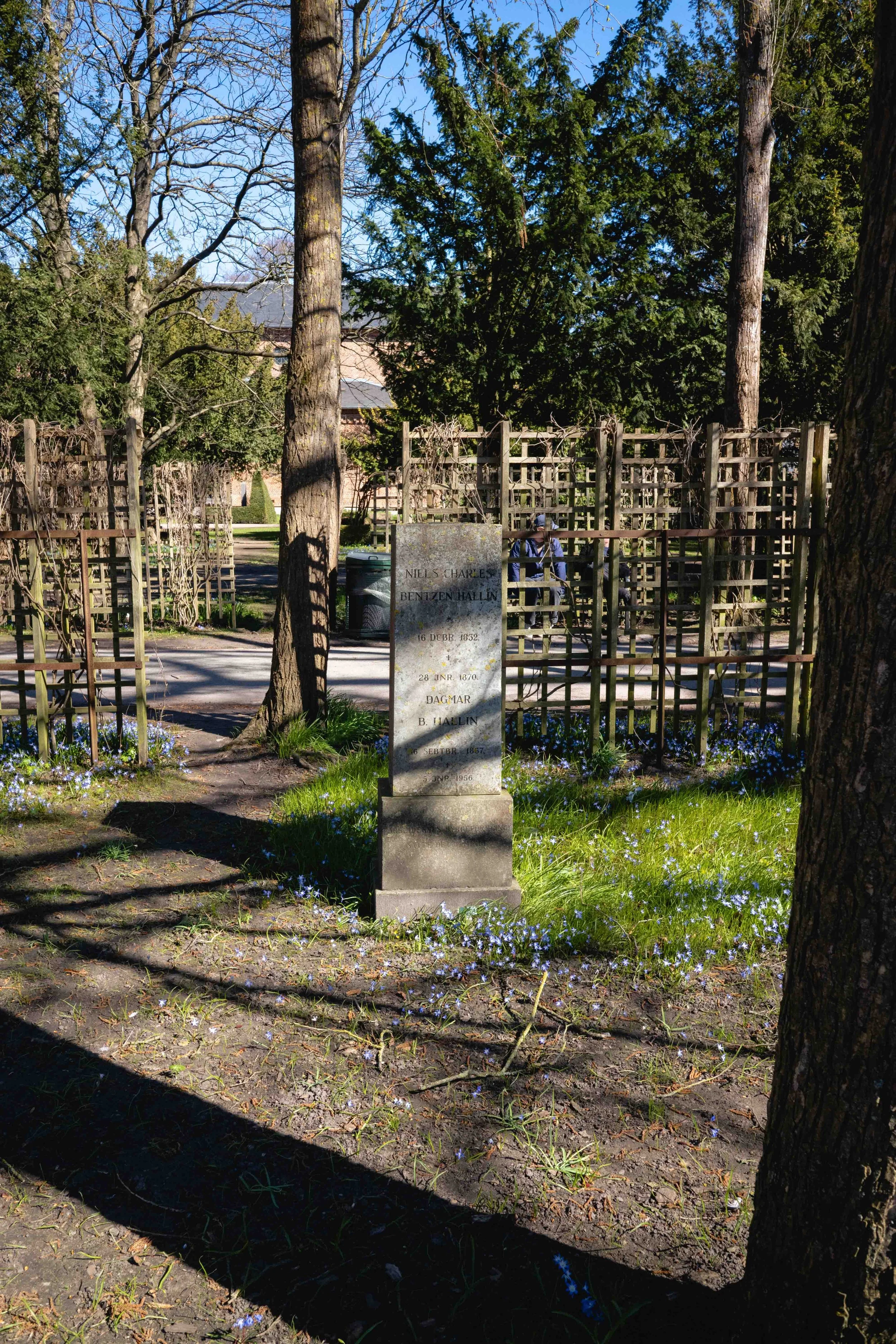
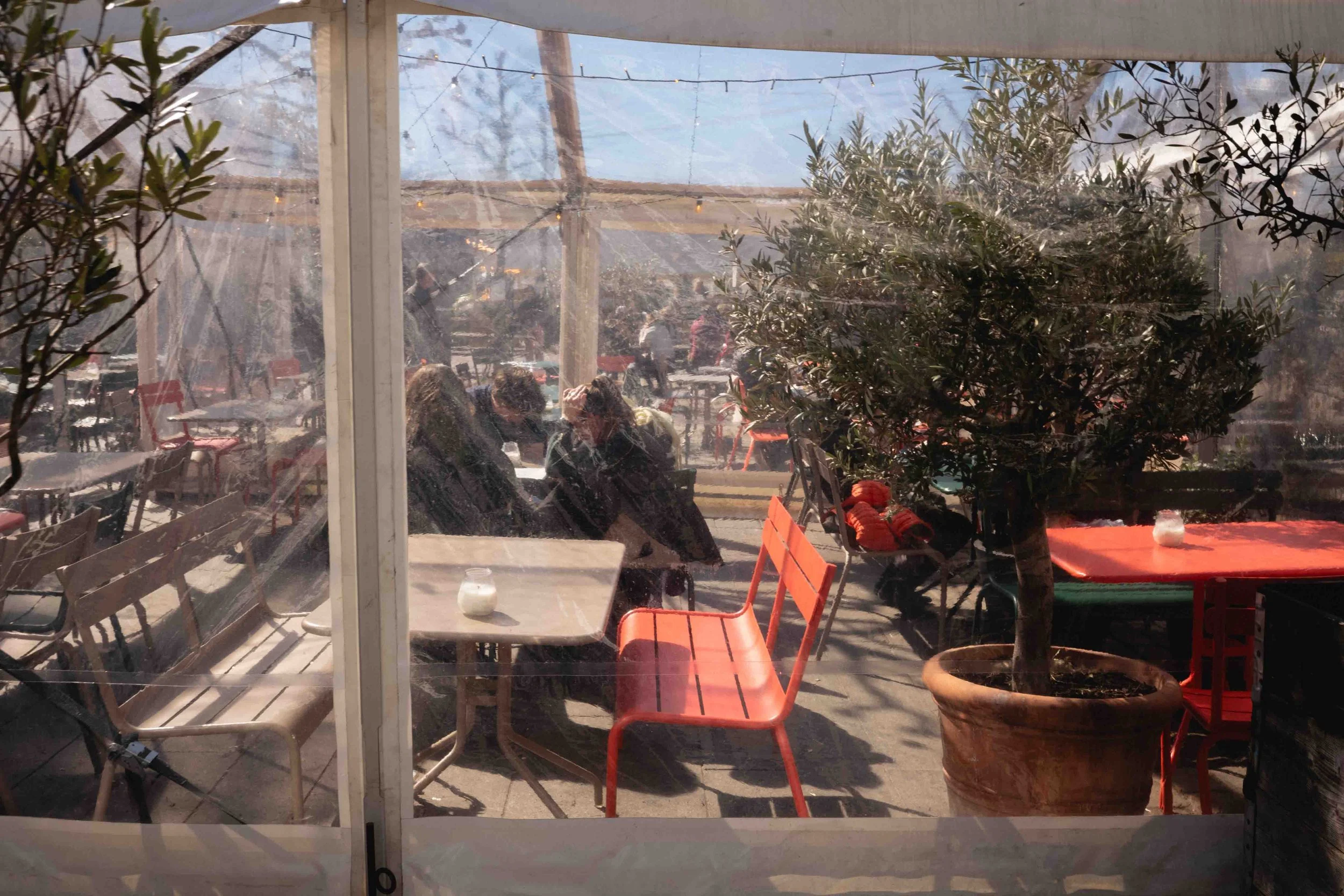
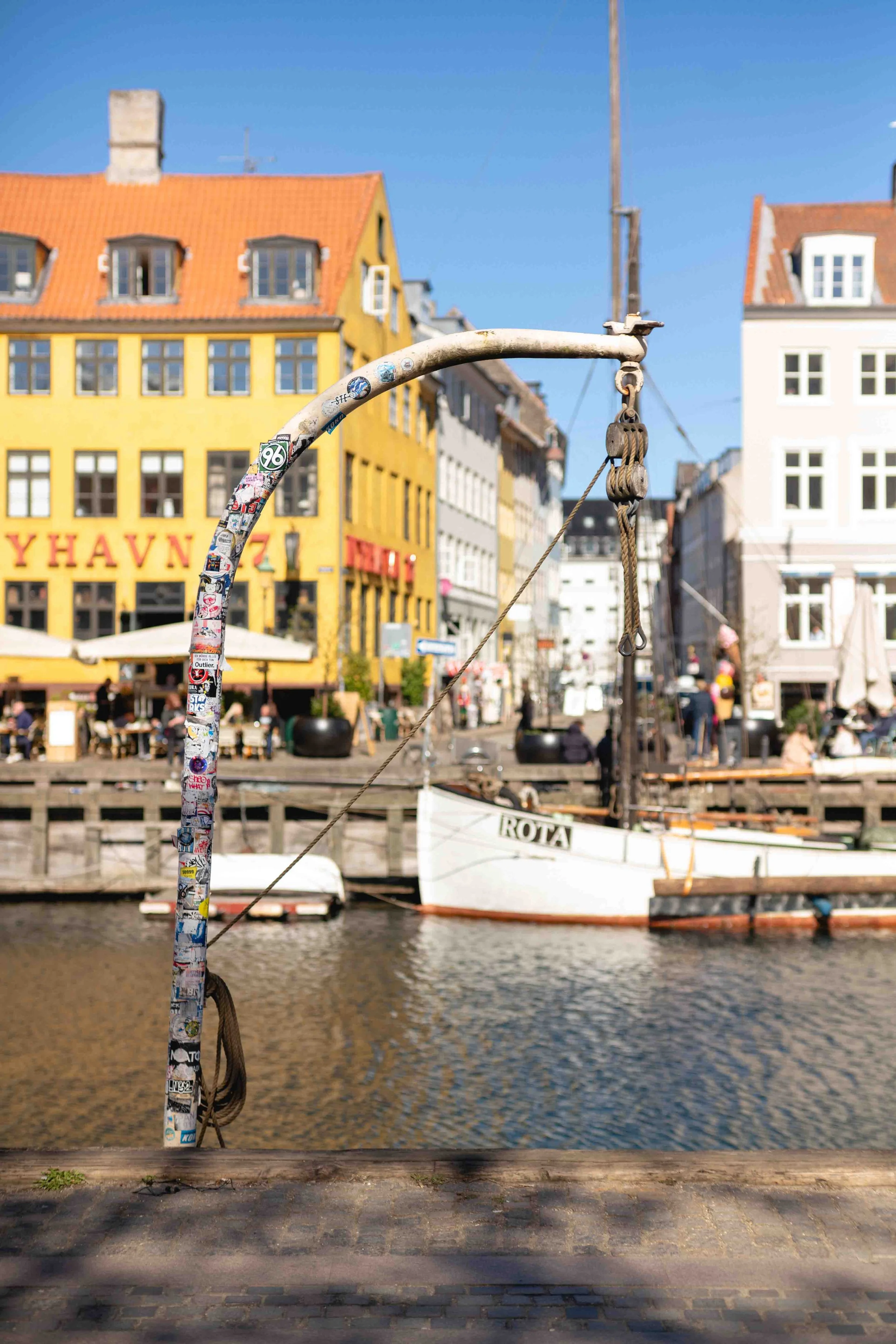
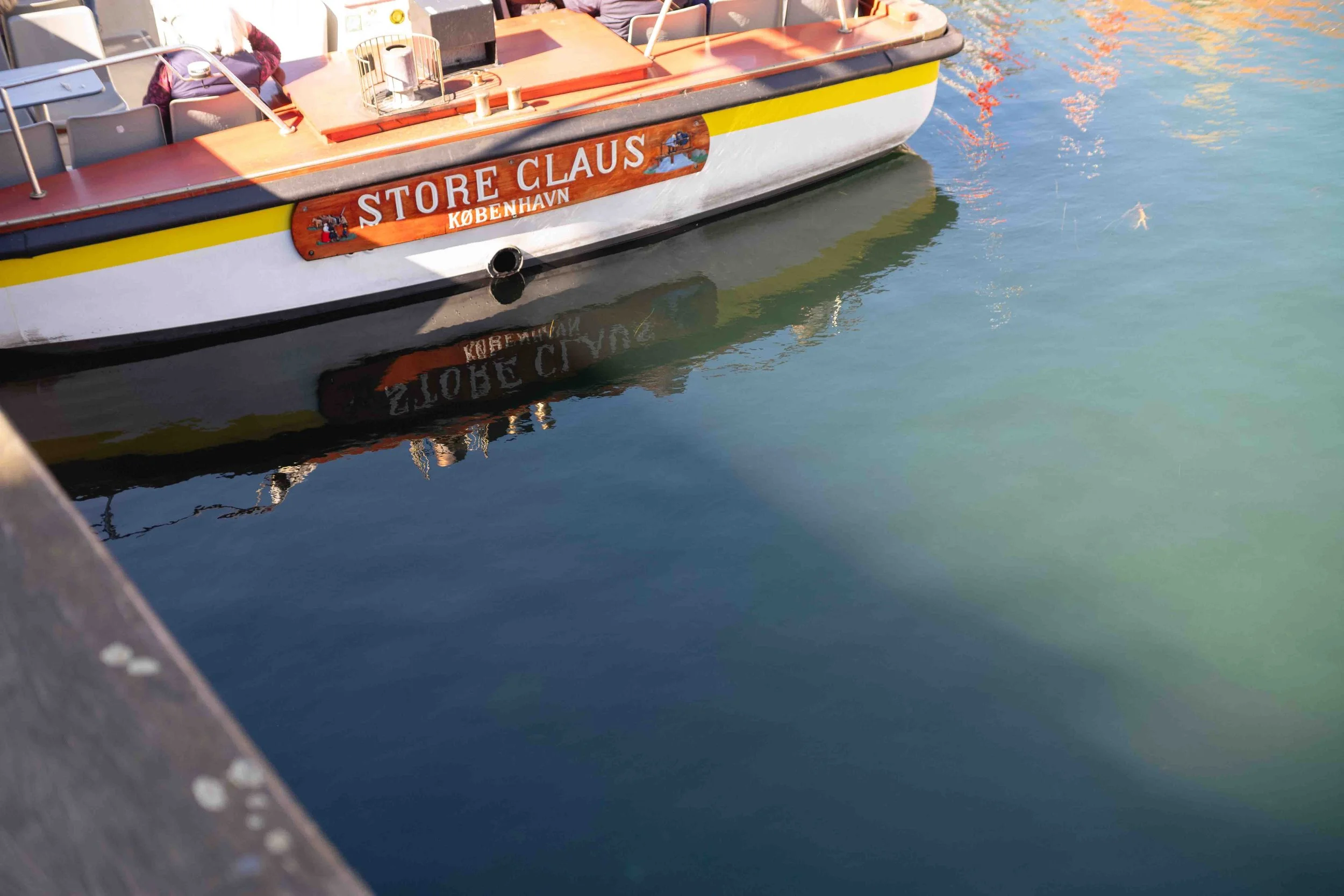
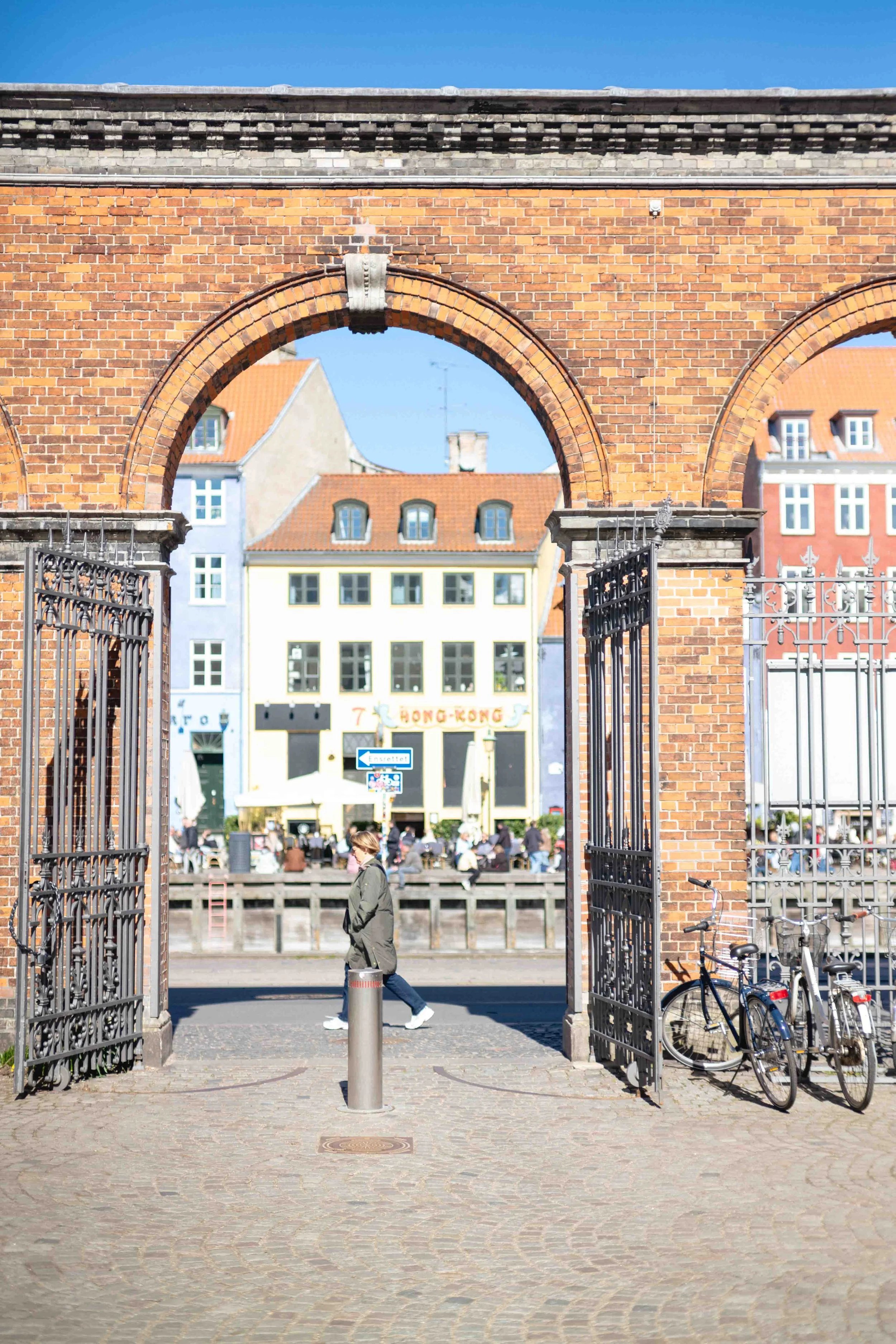
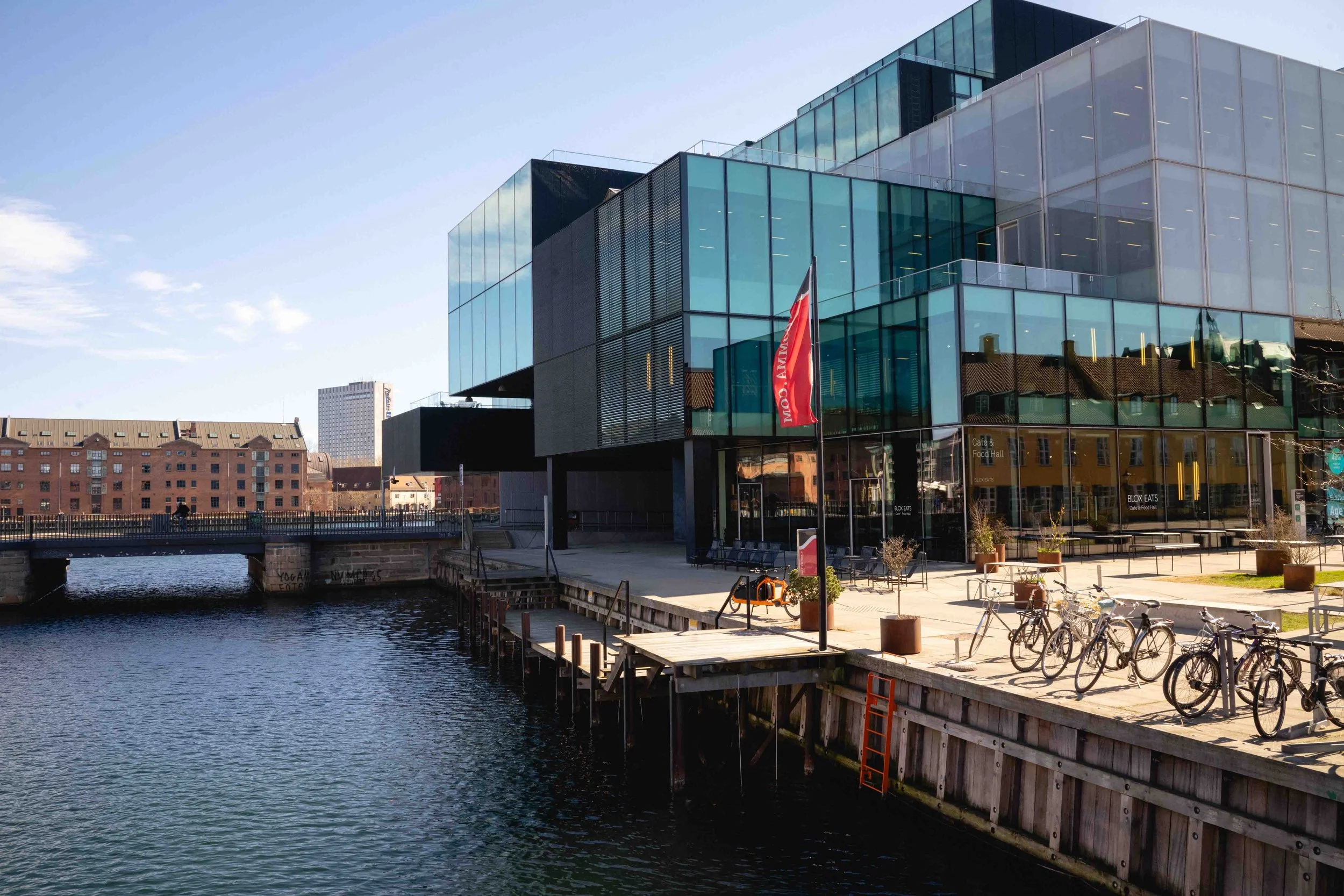
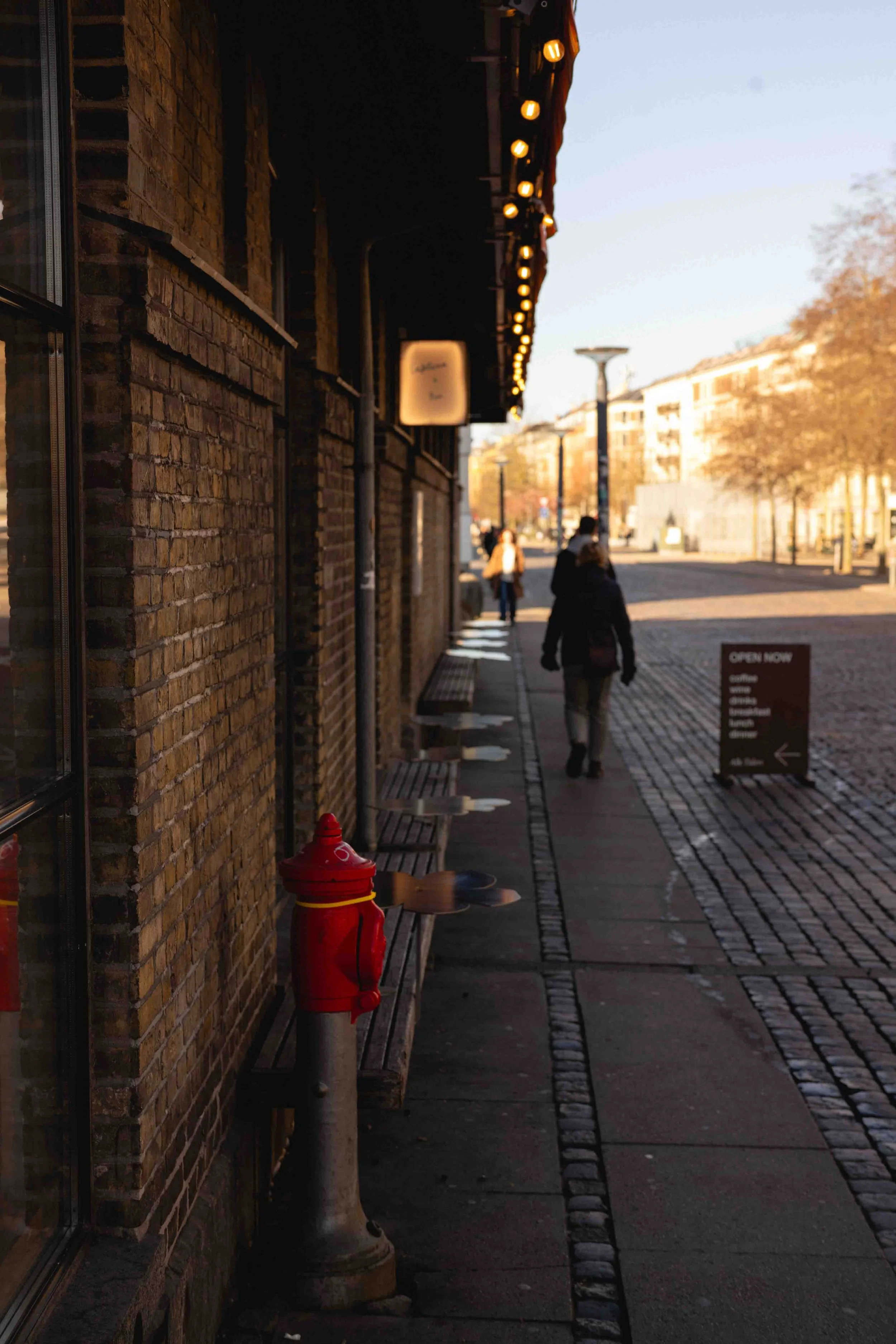
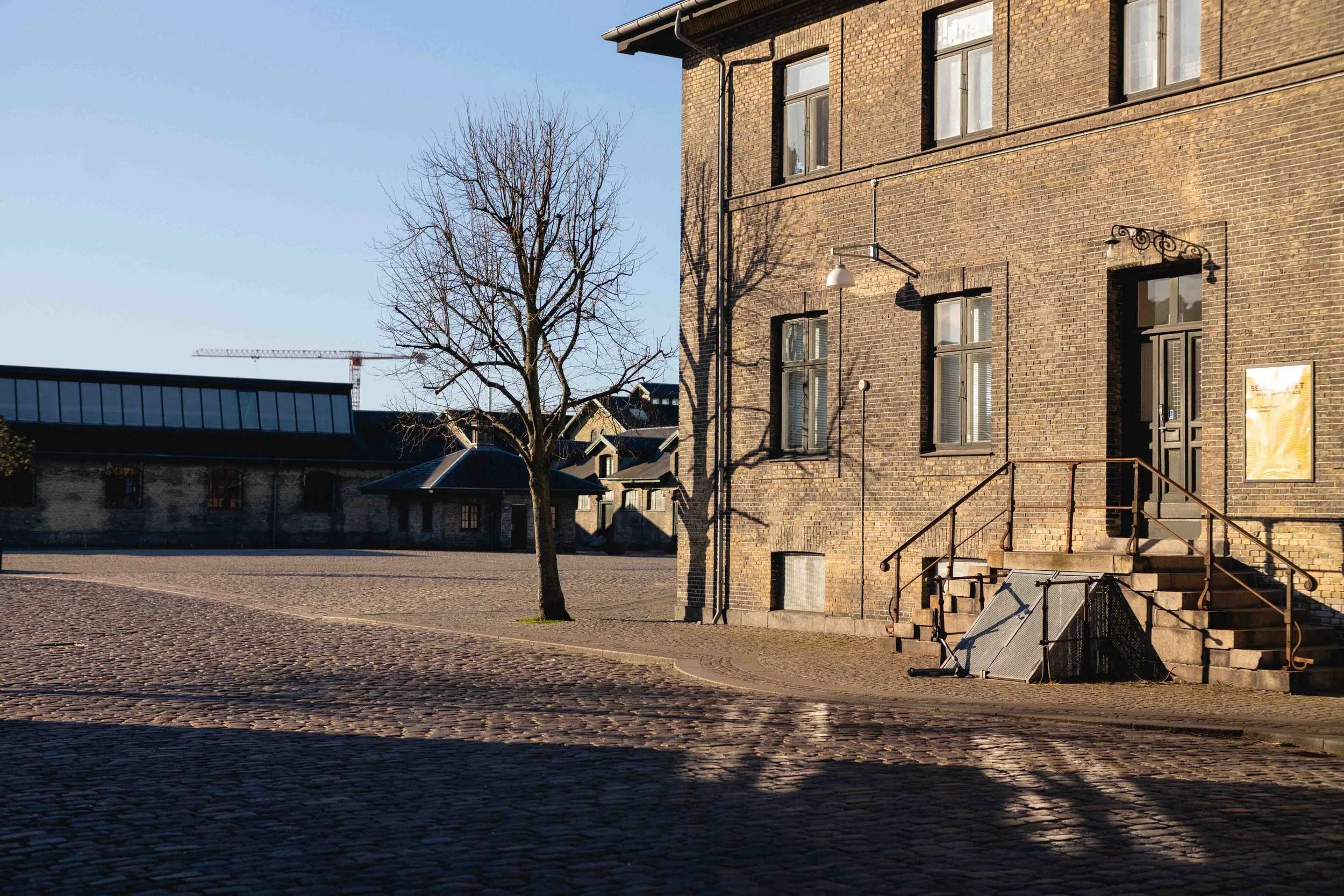
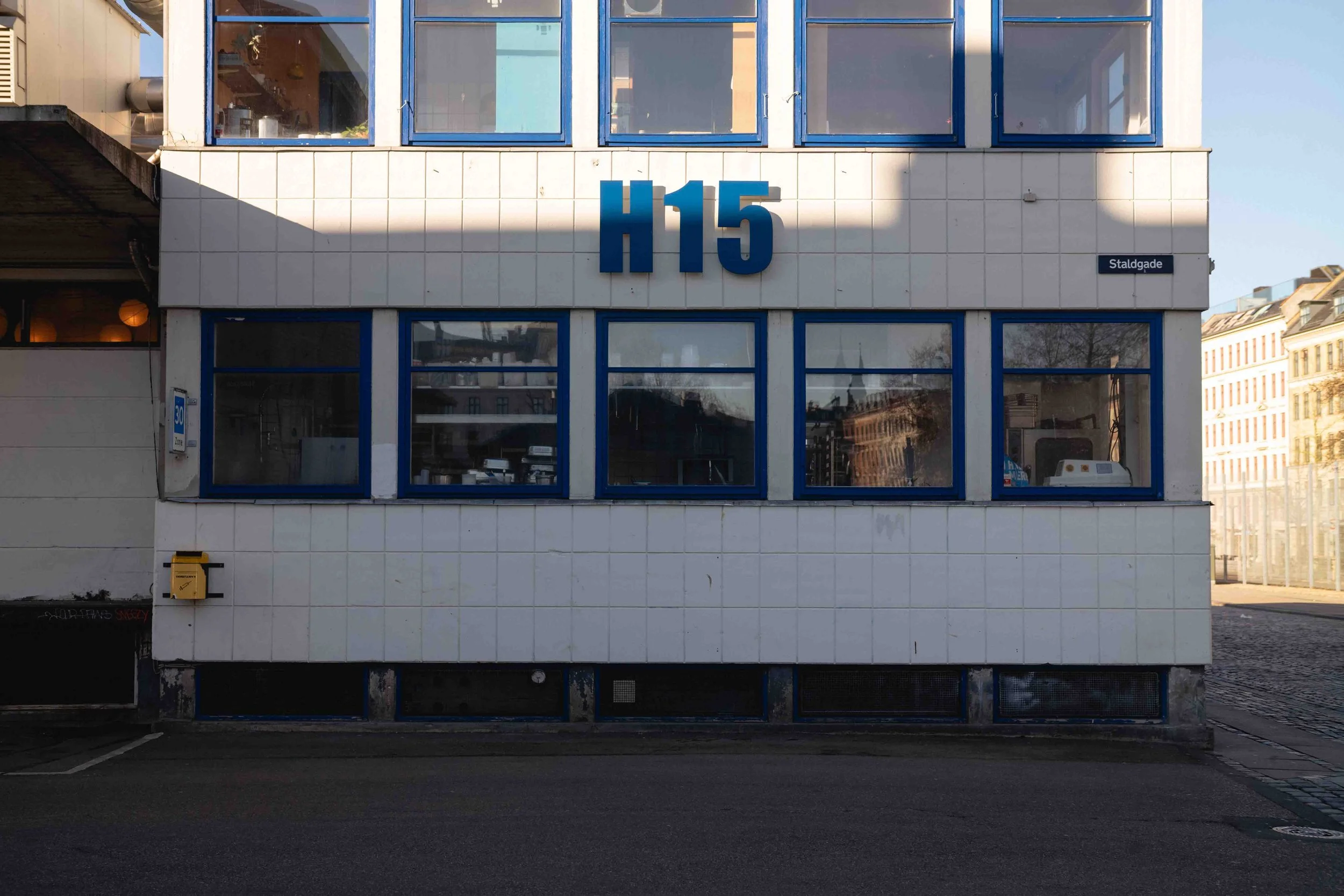
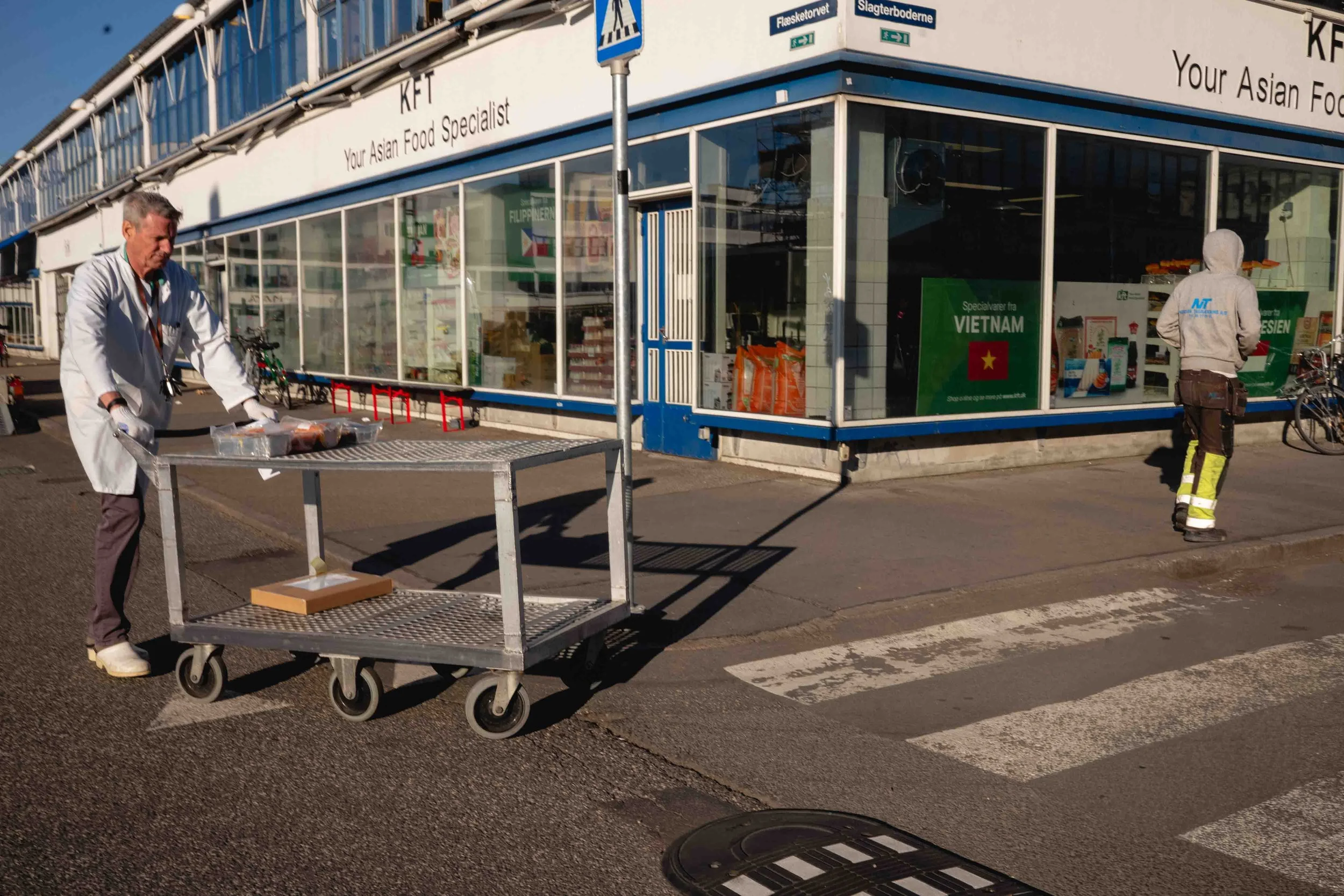
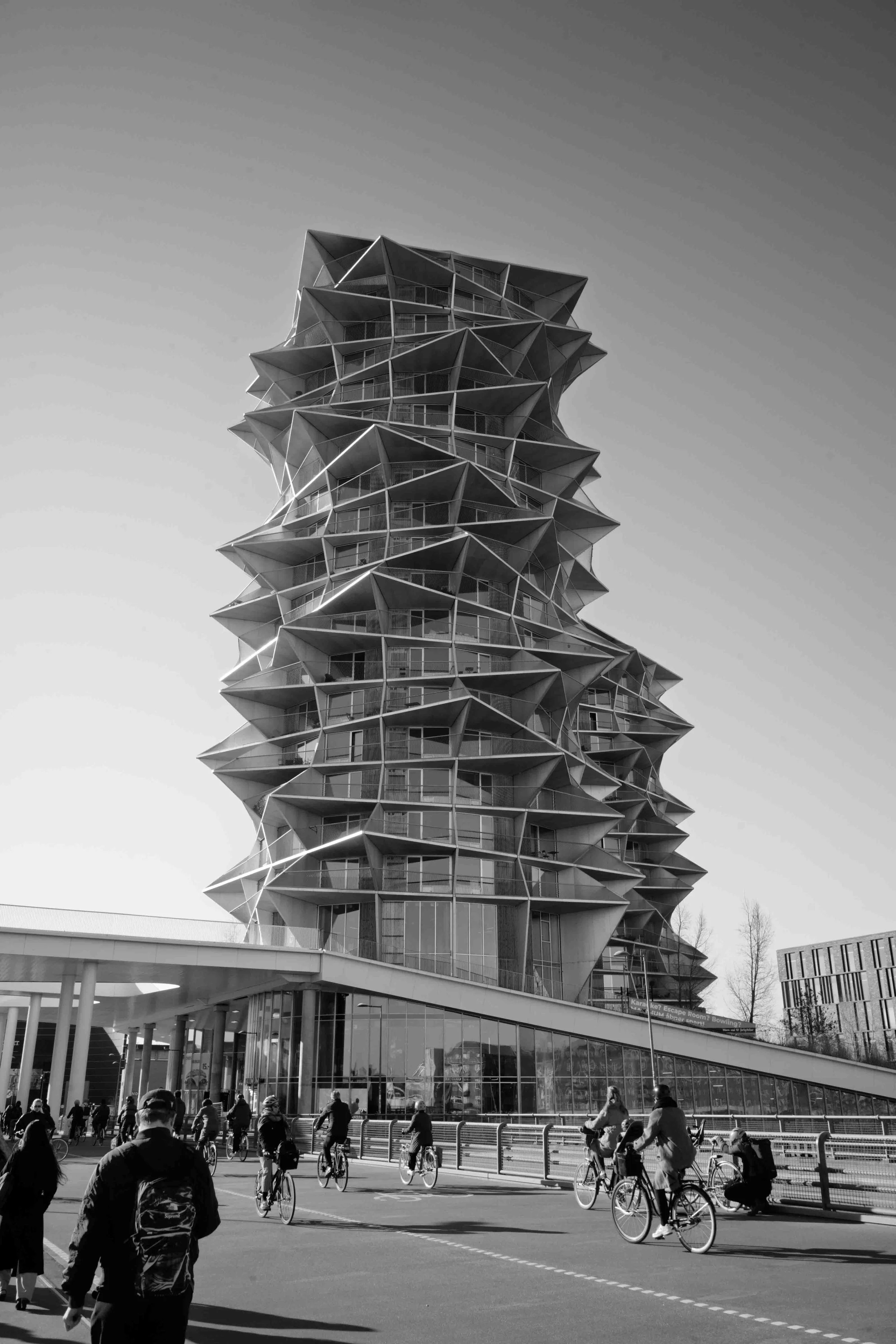
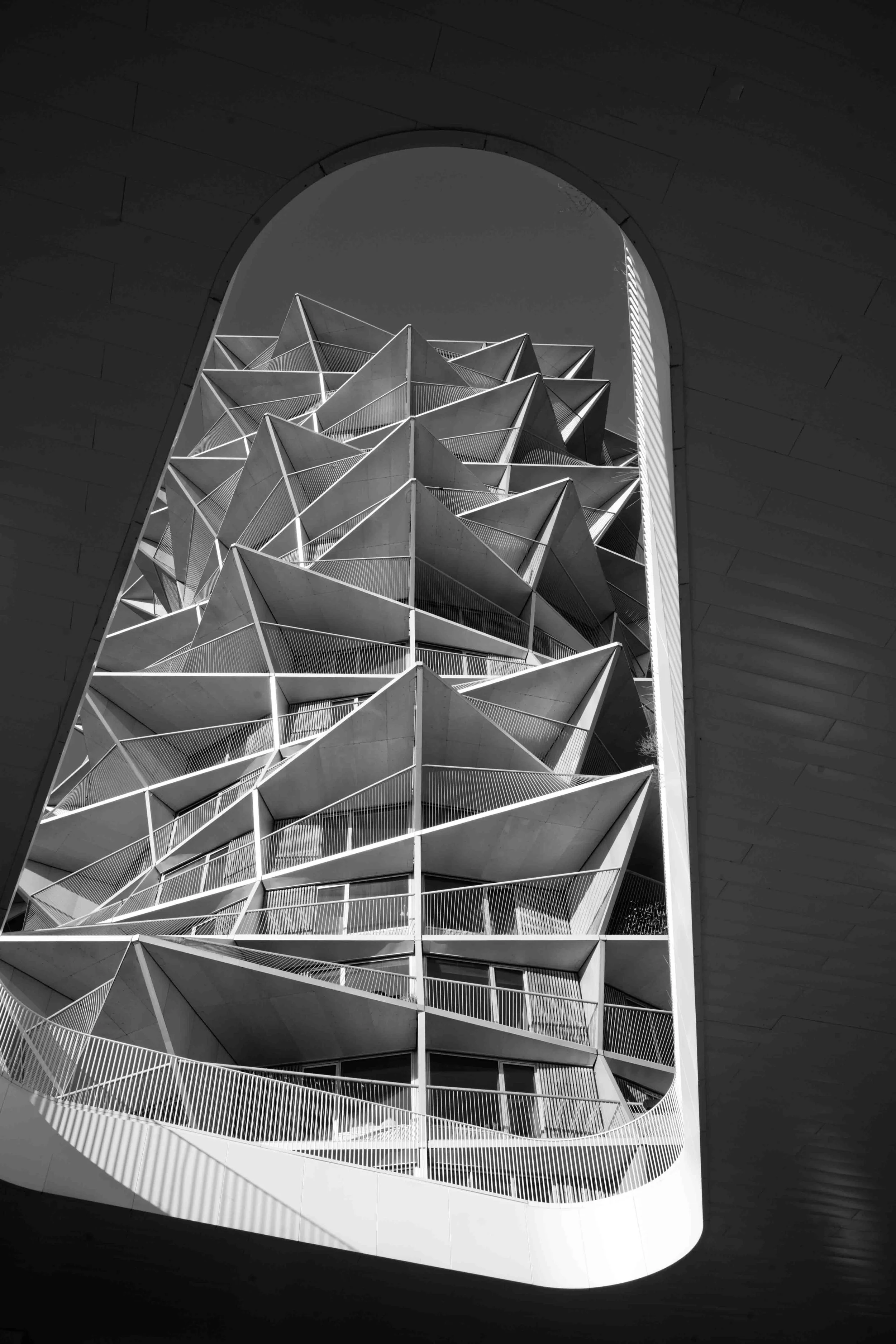
Day two was all about the evolution of the city. I kicked off in the Meatpacking District (Kødbyen), where the white industrial buildings and teal window frames offer a stark, minimalist aesthetic. The route then became a "greatest hits" of modern geometry: the jagged, brutalist balconies of the Kaktus Towers, the iconic orange-bottomed Cykelslangen (The Bicycle Snake) path. I rounded out the trip back in Christianshavn, climbing the corkscrew spire of the Church of Our Saviour for a 360-degree view, followed by a walk through the raw, DIY textures of Freetown Christiania, and finally the historic, rhythmic lines of the Nyboder district.
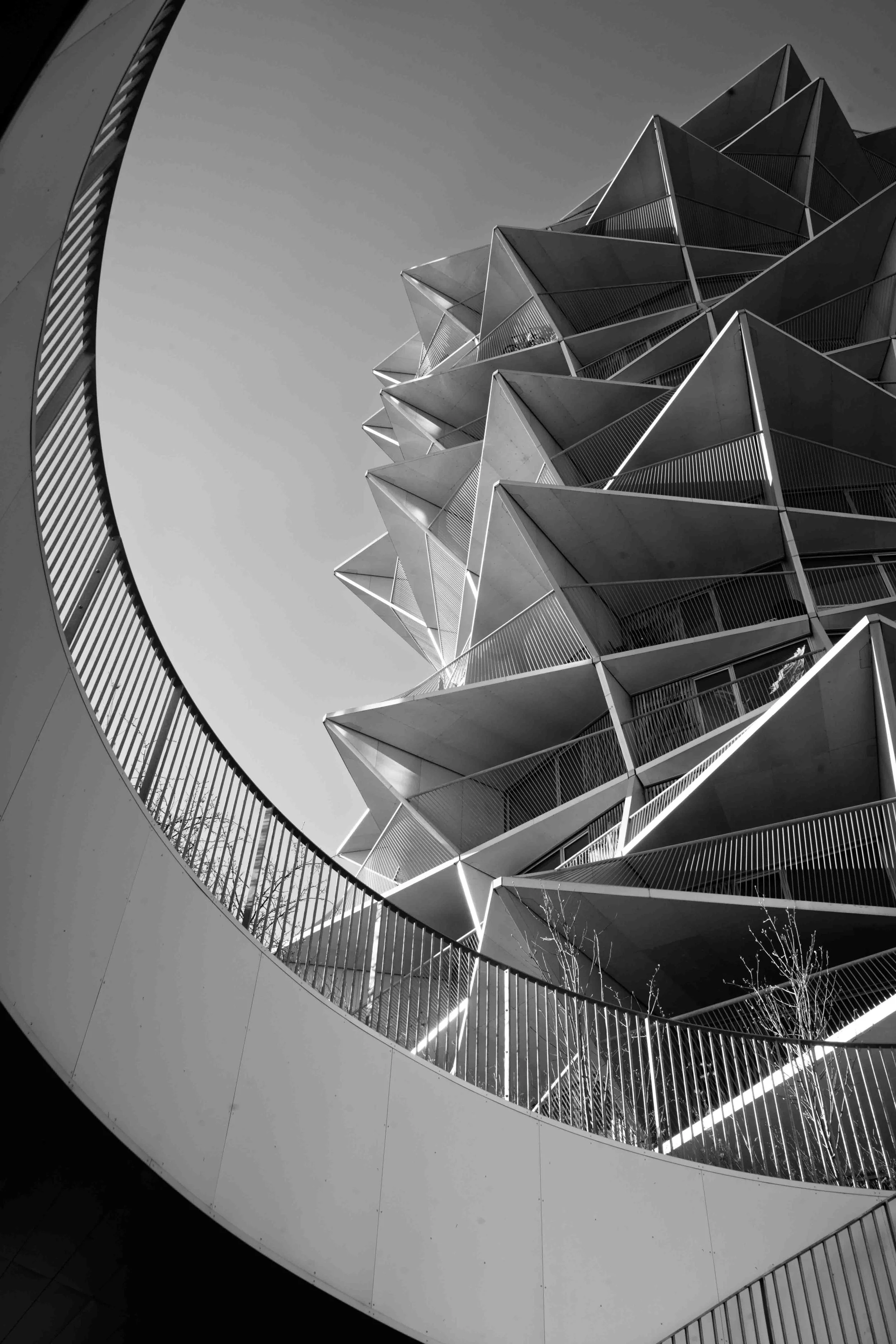
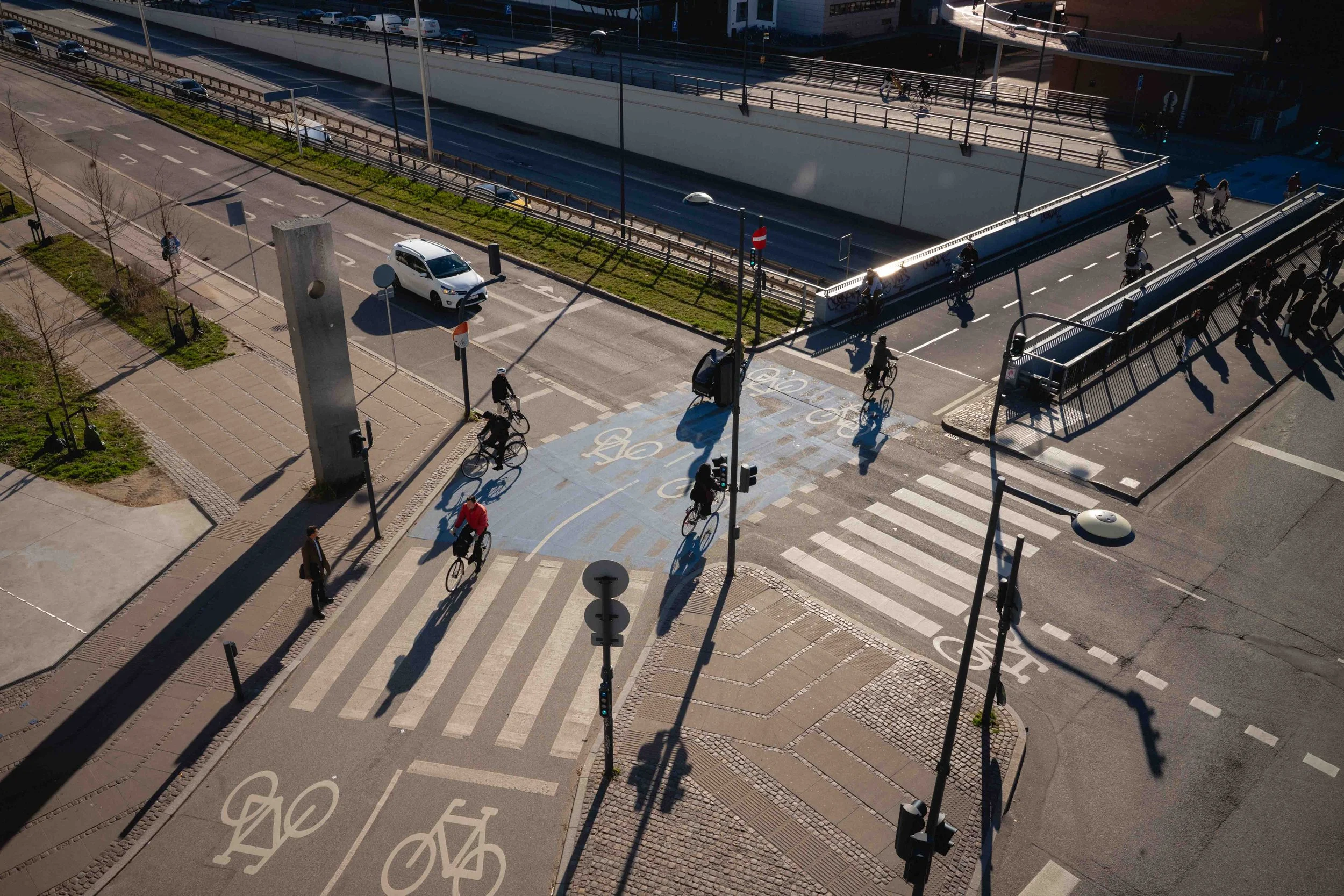
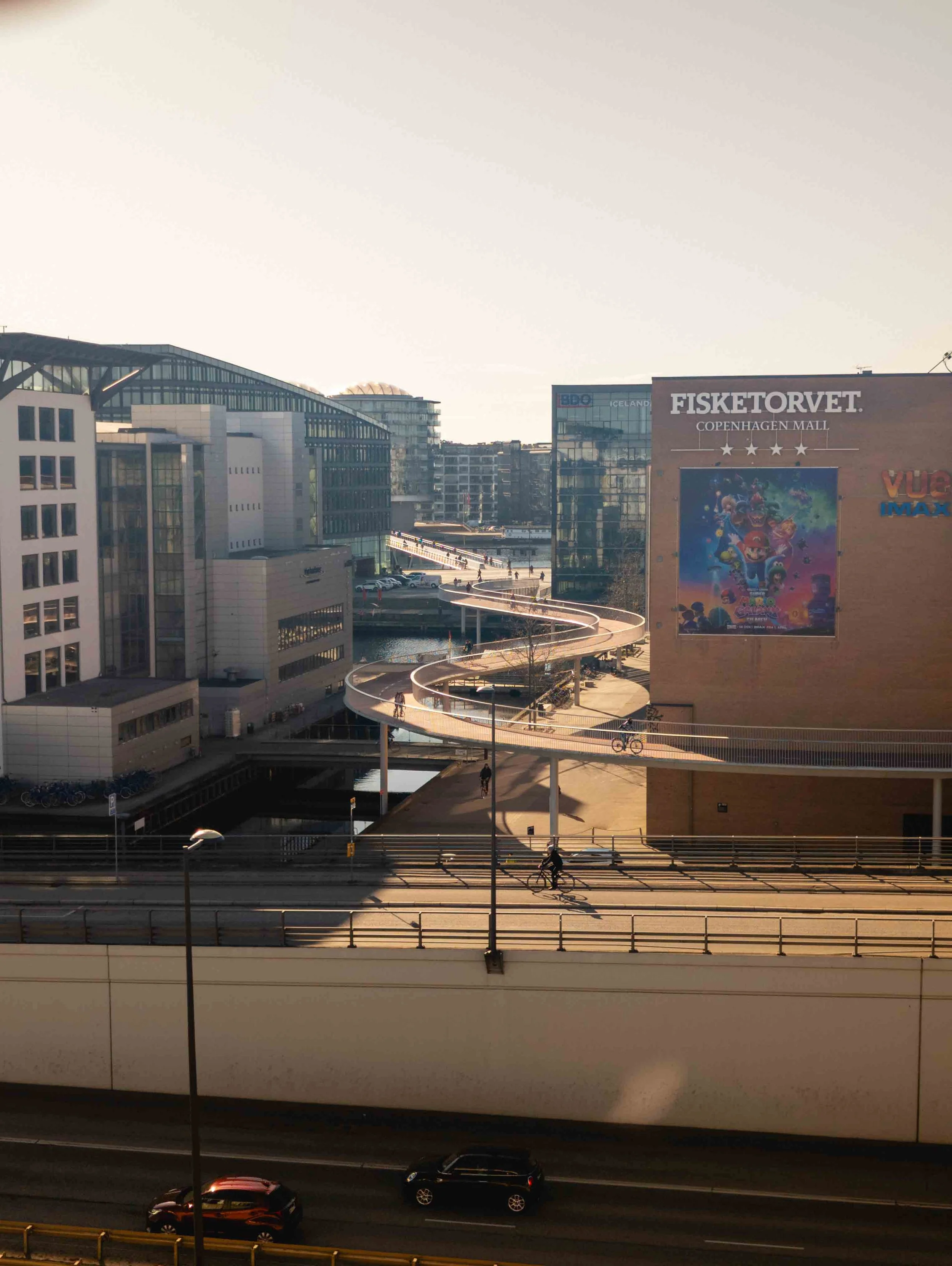
Before I went, everyone warned me about the cost. "Bring a second mortgage for a coffee," they said.
Honestly? It’s a myth. While you can spend a fortune in Michelin-starred spots, I found that if you eat like a local—hitting up spots like Hanoi Alley or grabbing a smørrebrød from a local deli—it’s no more expensive than a weekend in London or New York. In fact, because the city is so walkable and the public transport is flawless, I spent far less on "getting around" than I do on my daily three-hour commute back home. Copenhagen doesn't just ask to be photographed; it demands it. It’s a city that values the "small things"—and as photographers, that’s exactly what we’re looking for.
Want to see the full high-res set? Check out my latest prints in the shop or follow the journey on Instagram @frommylensphoto.
Until next time, keep snapping.
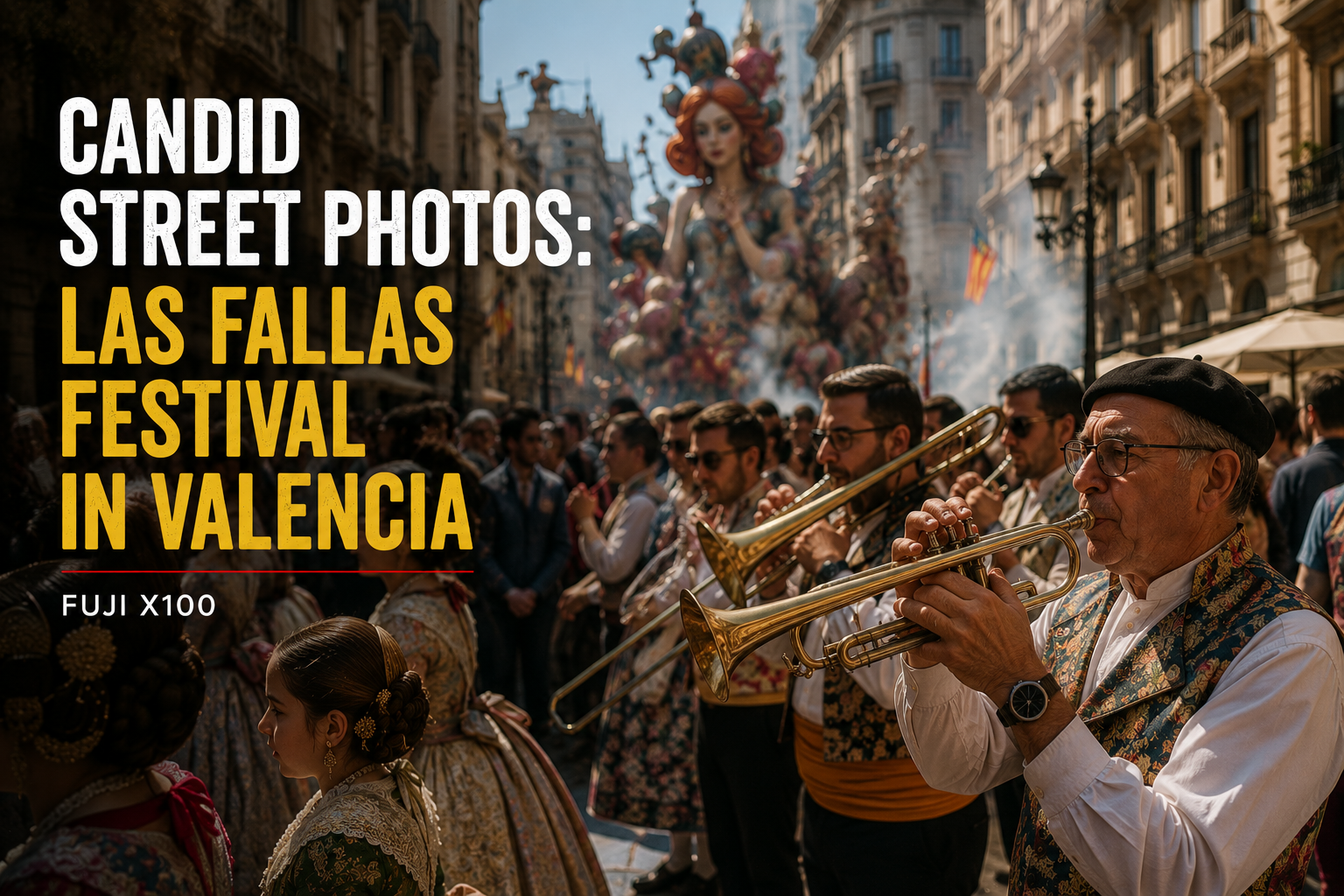
Candid Street Photos: Las Fallas Festival in Valencia – Fuji X100
I have just returned from my latest March annual city break with a couple of friends.
It's a simple brief: beers, some live football, decent food and some (limited) street photography.
Our first two breaks took us to Italy (Naples last year and the inaugural trip to Milan, the prior year).
After not too much debate, we decided (after a little help from AI), that Valencia ticked all the boxes.
It was a truly memorable trip that produced some 300 odd images on my (trusty old) Fuji X100 and Google Pixel Pro 8 smartphone.
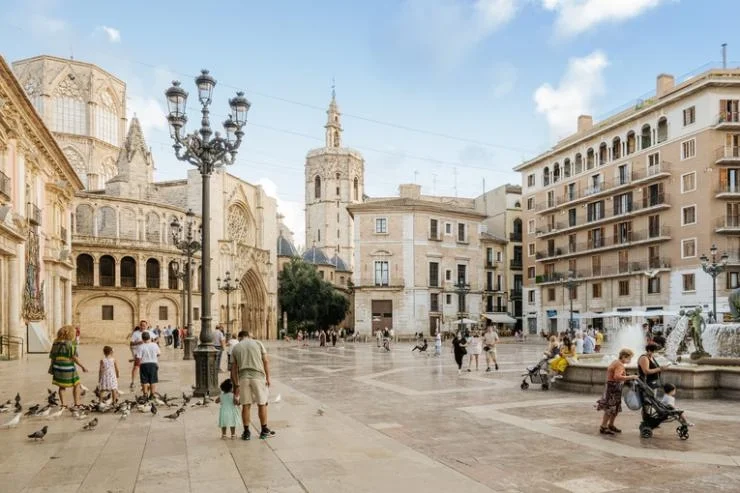
I have just returned from my latest March annual city break with a couple of friends.
It's a simple brief: beers, some live football, decent food and some (limited) street photography.
Our first two breaks took us to Italy (Naples last year and the inaugural trip to Milan, the prior year).
After not too much debate, we decided (after a little help from AI), that Valencia ticked all the boxes.
It was a truly memorable trip that produced some 300 odd images on my (trusty old) Fuji X100 and Google Pixel Pro 8 smartphone.
This first blog post is a selection of ‘street candids’ and ‘hands’ which stood out to me.
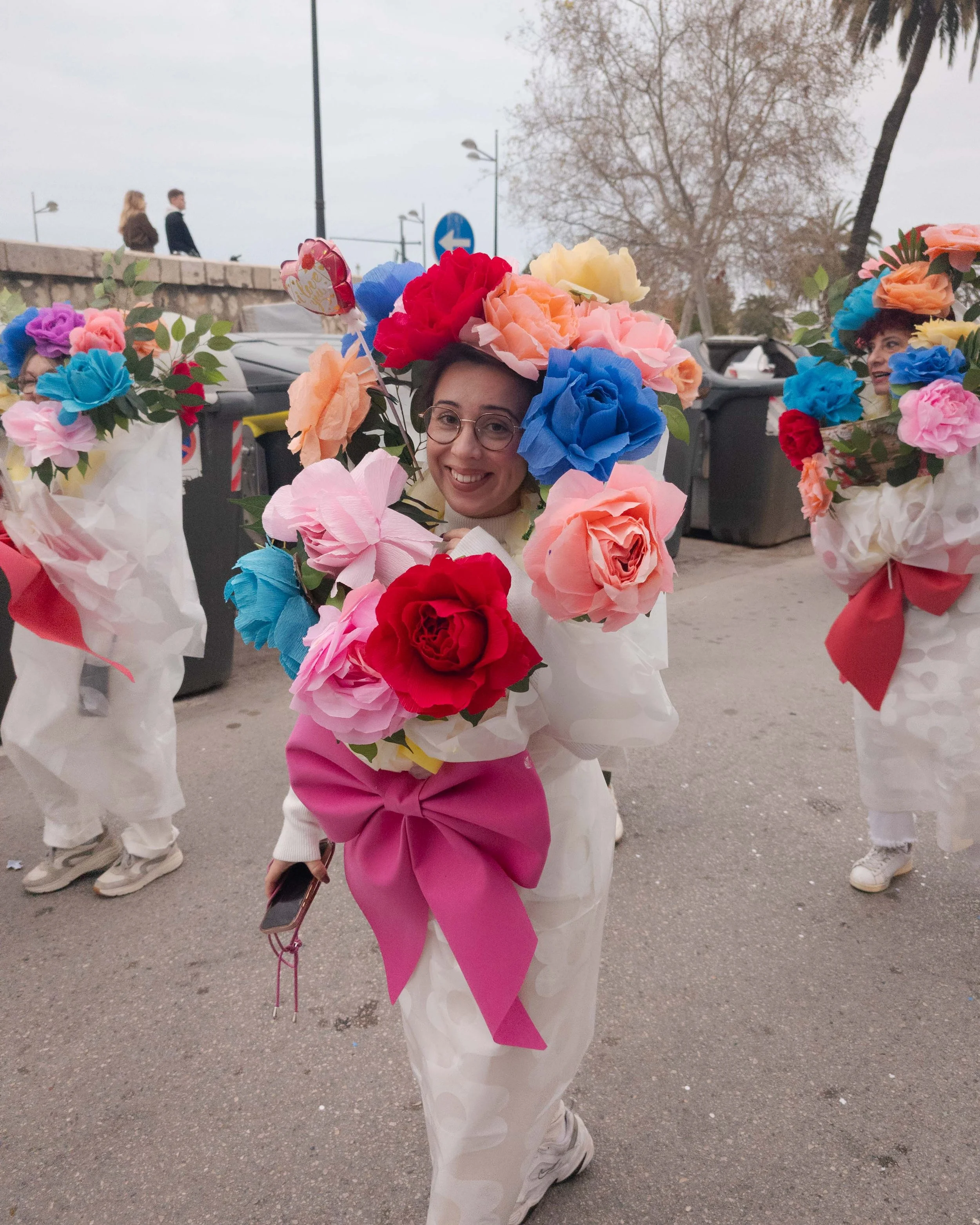
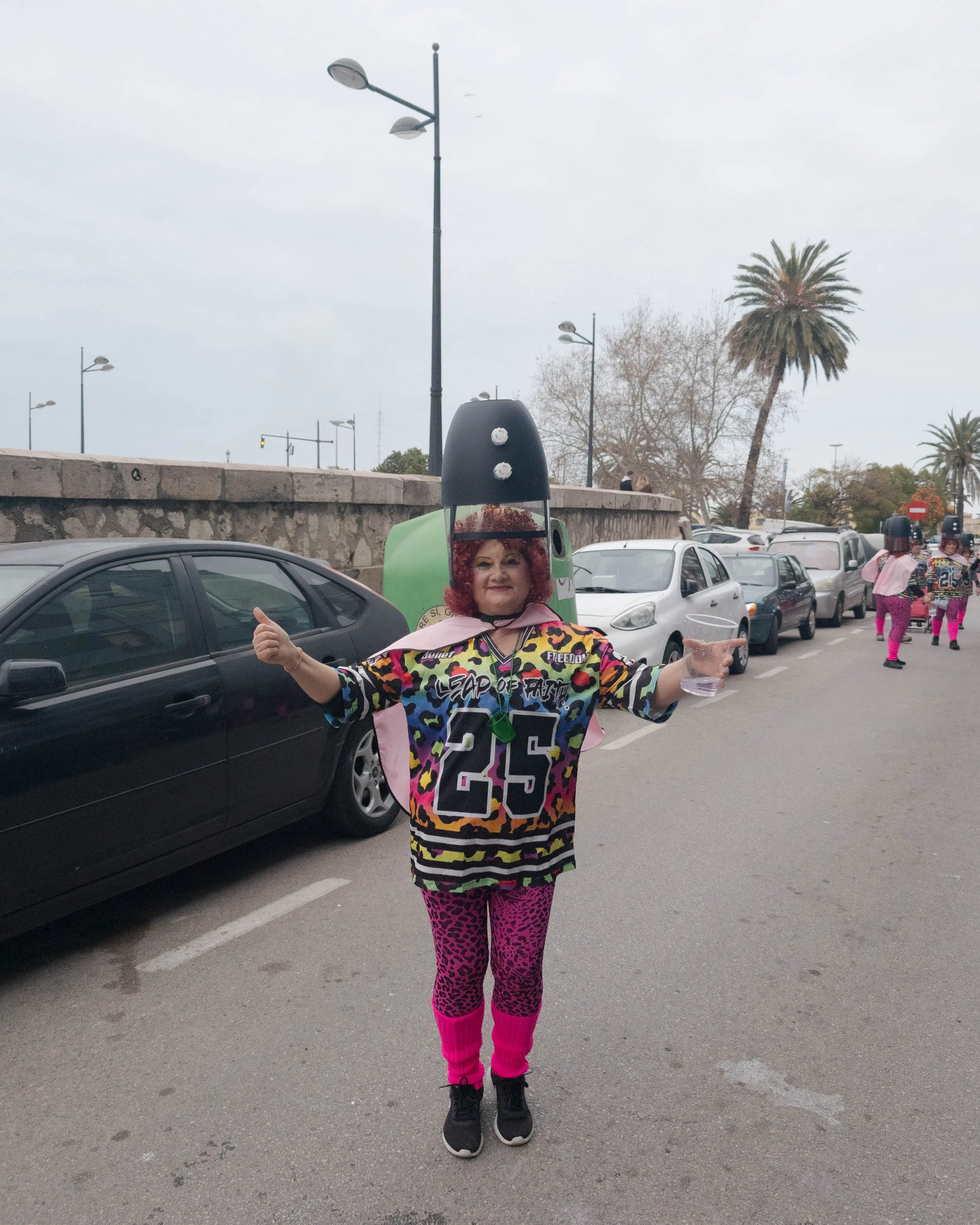
Valencia, the vibrant Mediterranean gem on Spain's eastern coast, bursts with life, especially during the iconic Las Fallas festival in March. This festival was just starting, as we ended our break, but we did see some of the action. This was captured through these candid street photos, the city reveals its soul: a blend of timeless tradition, chaotic energy, and endlessly varied characters who make every corner feel alive.
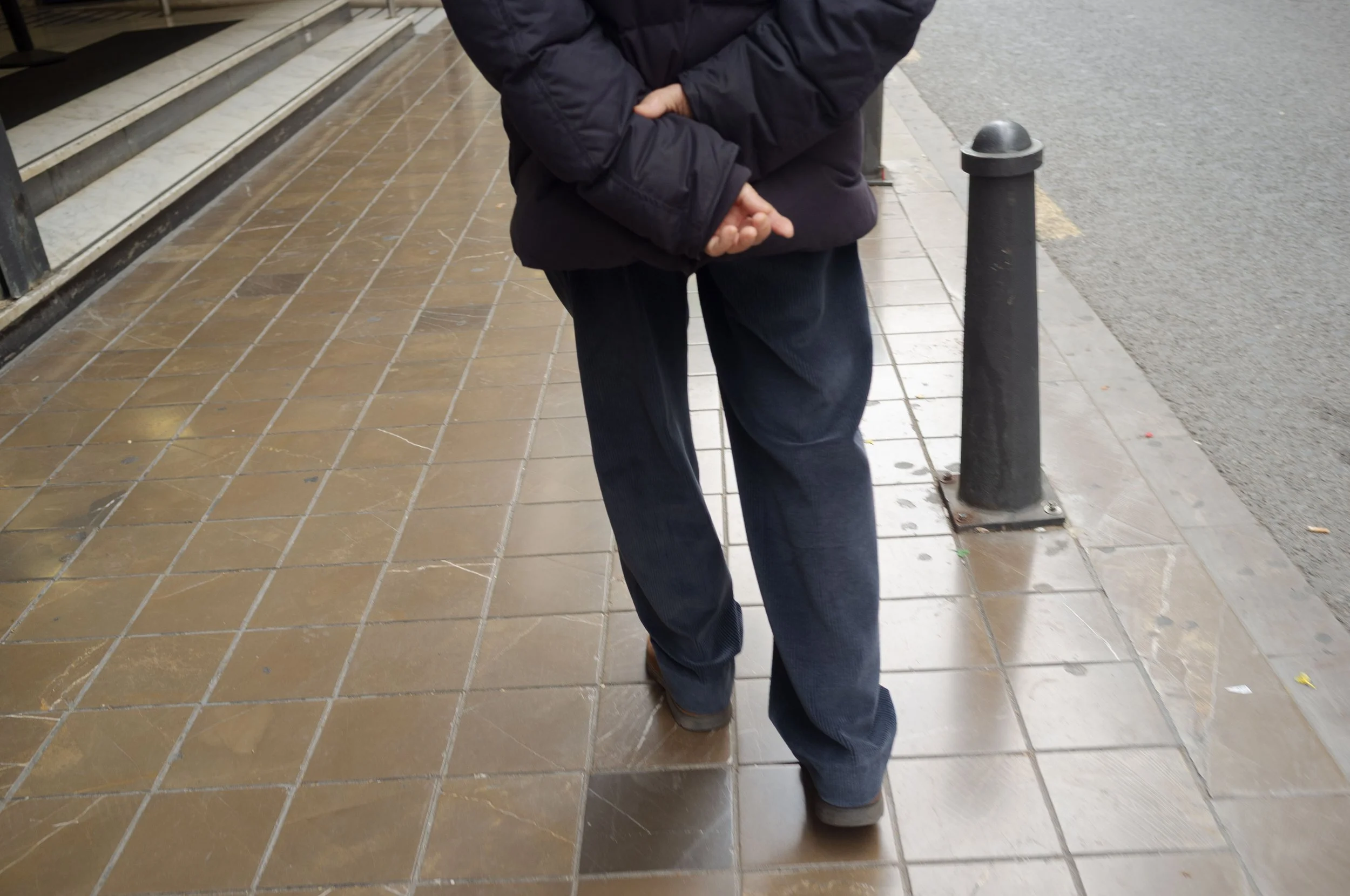
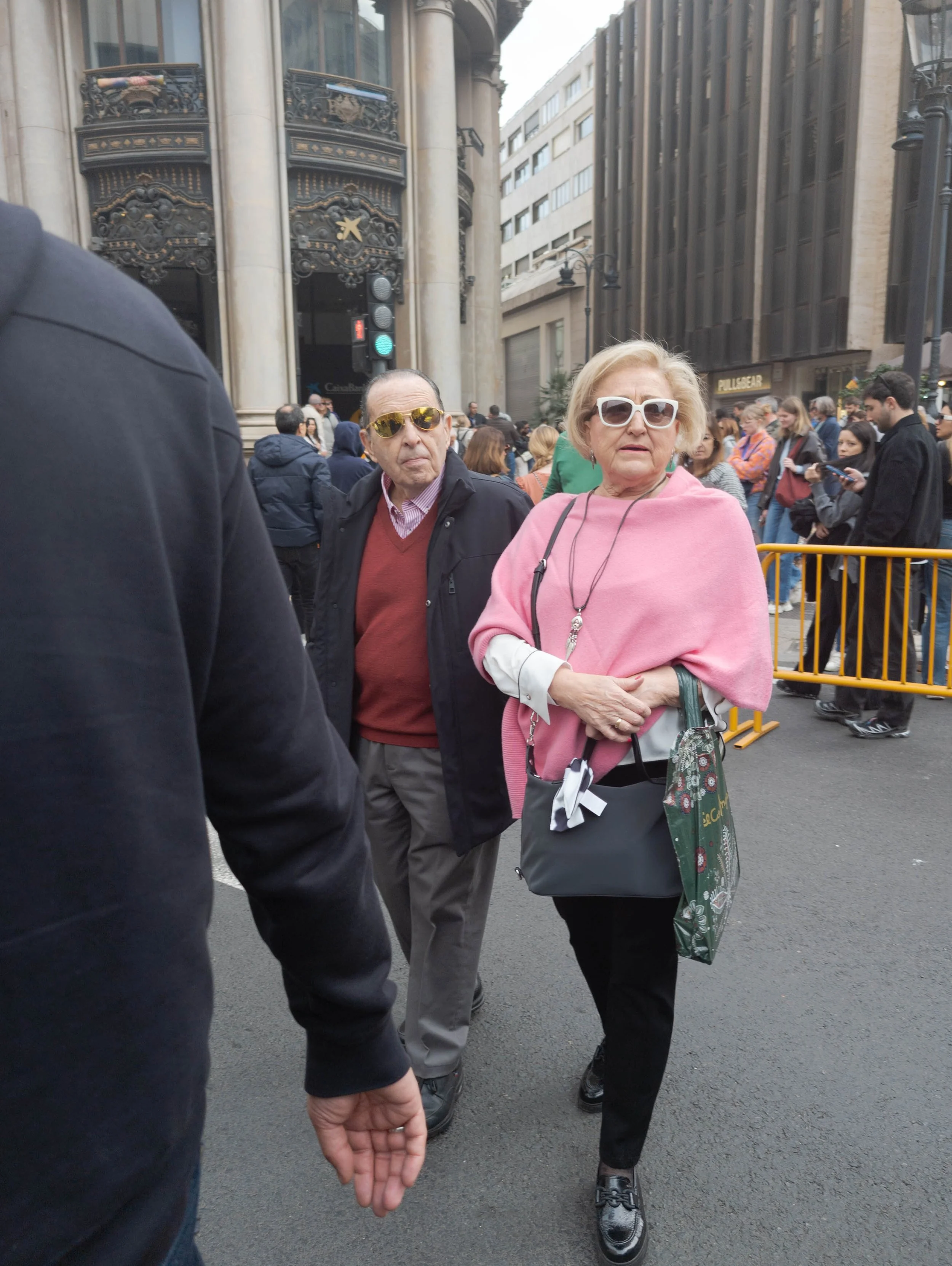
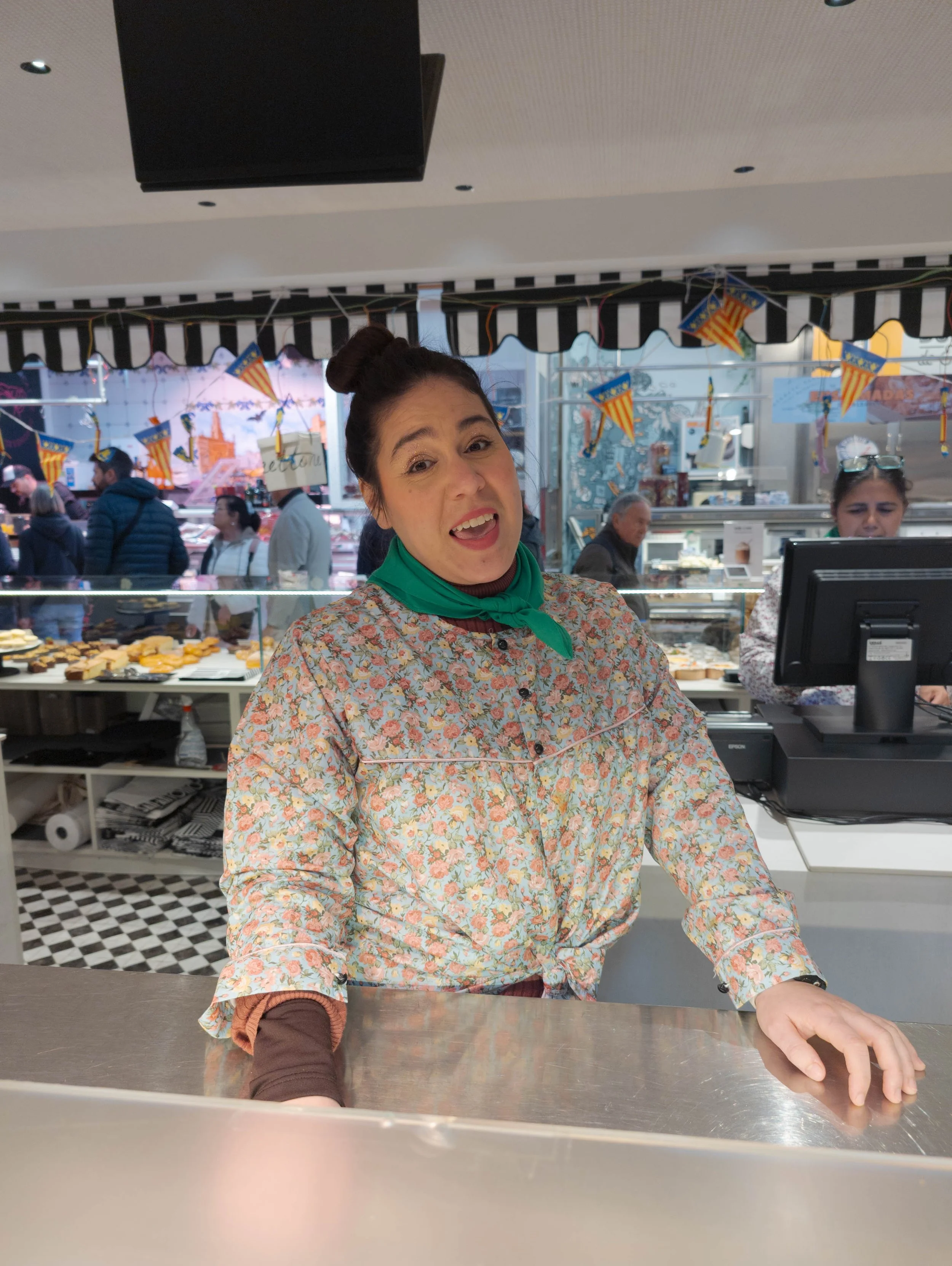
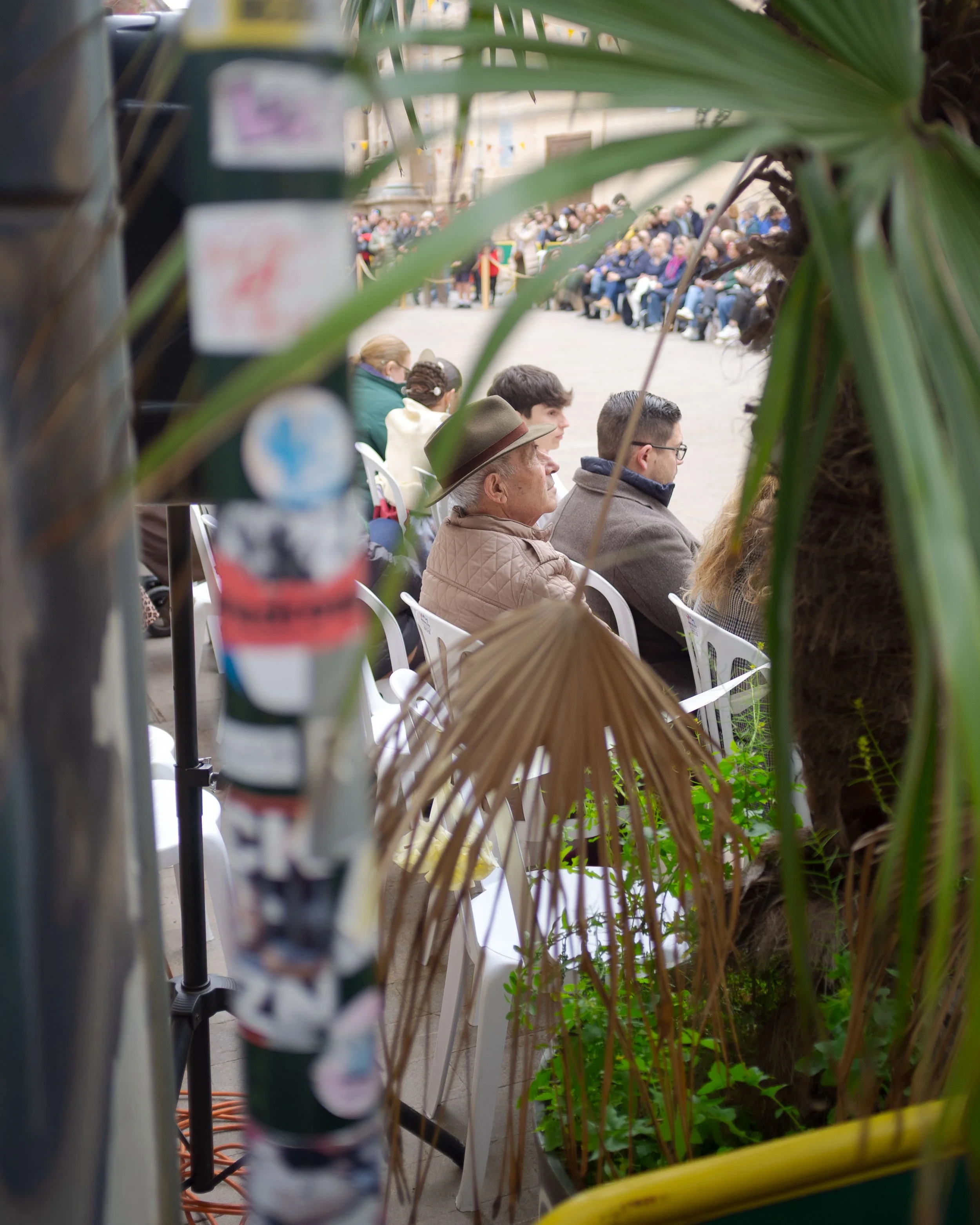
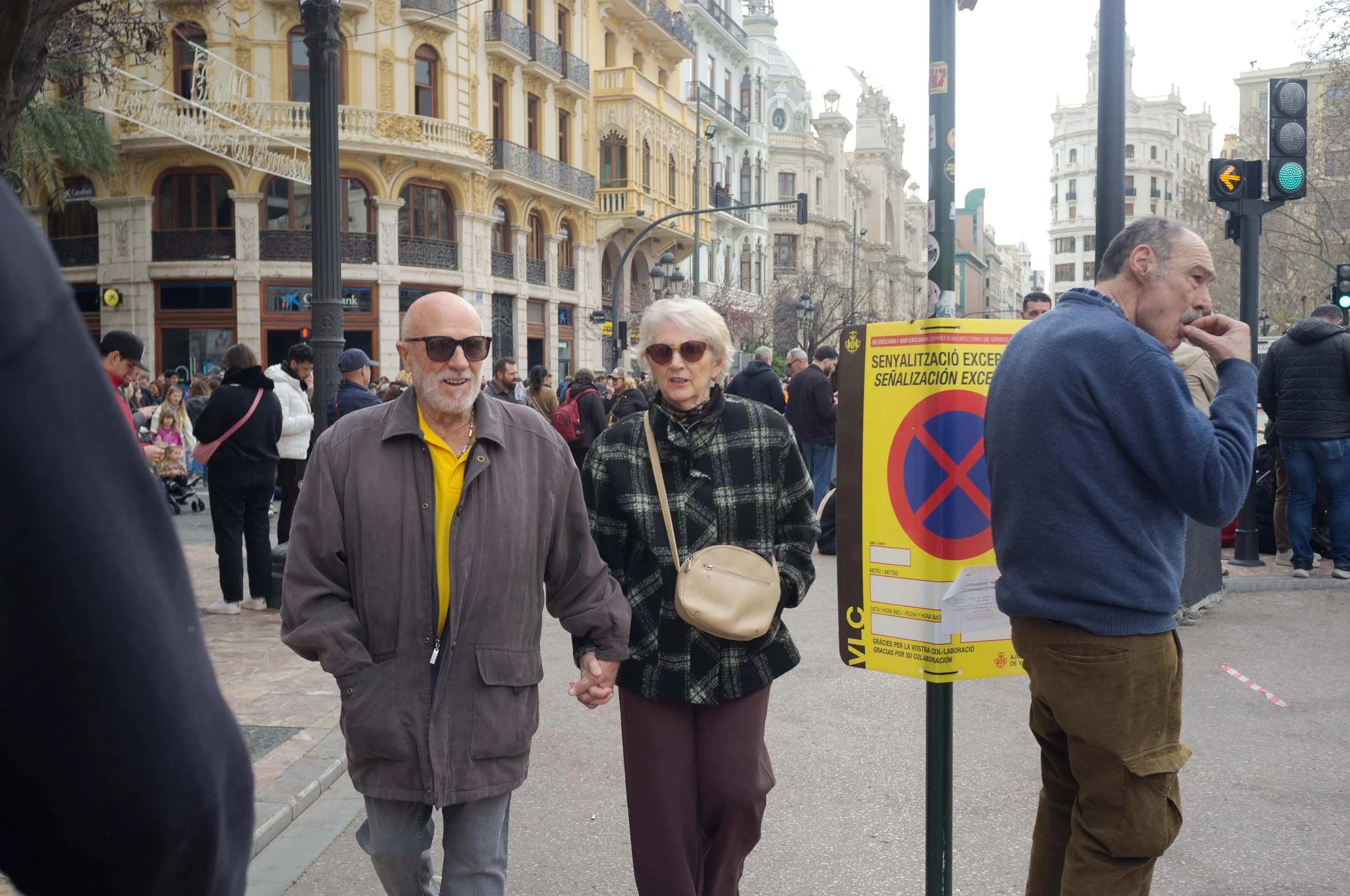
Wandering the historic streets and bustling plazas, you encounter couples like this elderly pair strolling hand in hand through a crowded thoroughfare lined with grand Belle Époque buildings. Their linked hands speak volumes—quiet affection amid the festival frenzy, a reminder that Valencia cherishes multigenerational bonds. Nearby, locals and visitors alike pause to snap photos or simply soak in the scene, while a man thoughtfully strokes his mustache, adding to the tapestry of everyday gestures that ground the spectacle.
The rhythm of the city comes alive through its music. Street musicians and marching bands fill the air with brass and drums, as seen in these close-ups of hands striking a traditional snare drum or blowing into gleaming trumpets and trombones. Fingers grip drumsticks with precision, palms press valves, and the collective beat pulses through narrow alleys—pure Valencian passion in motion.
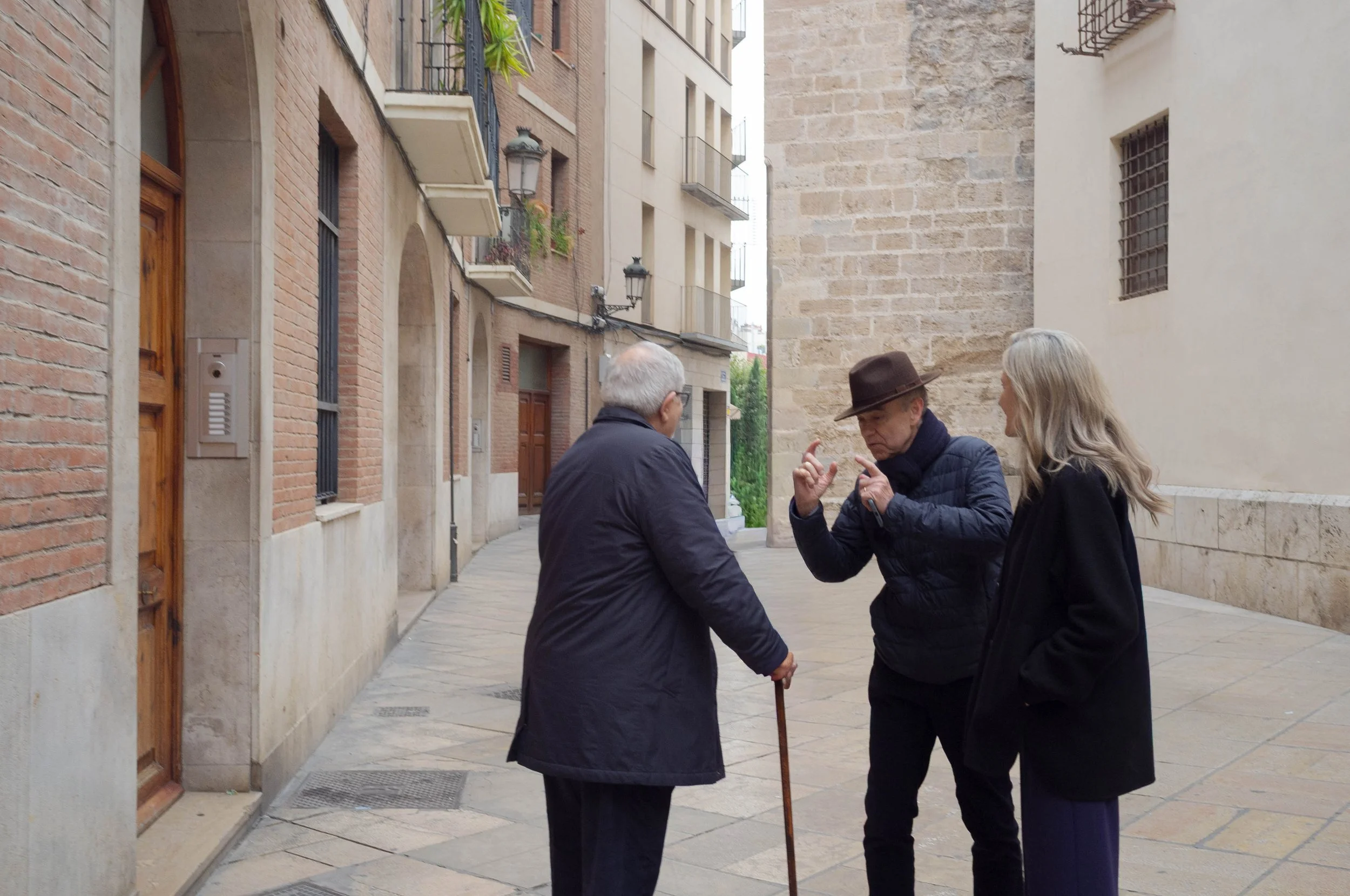
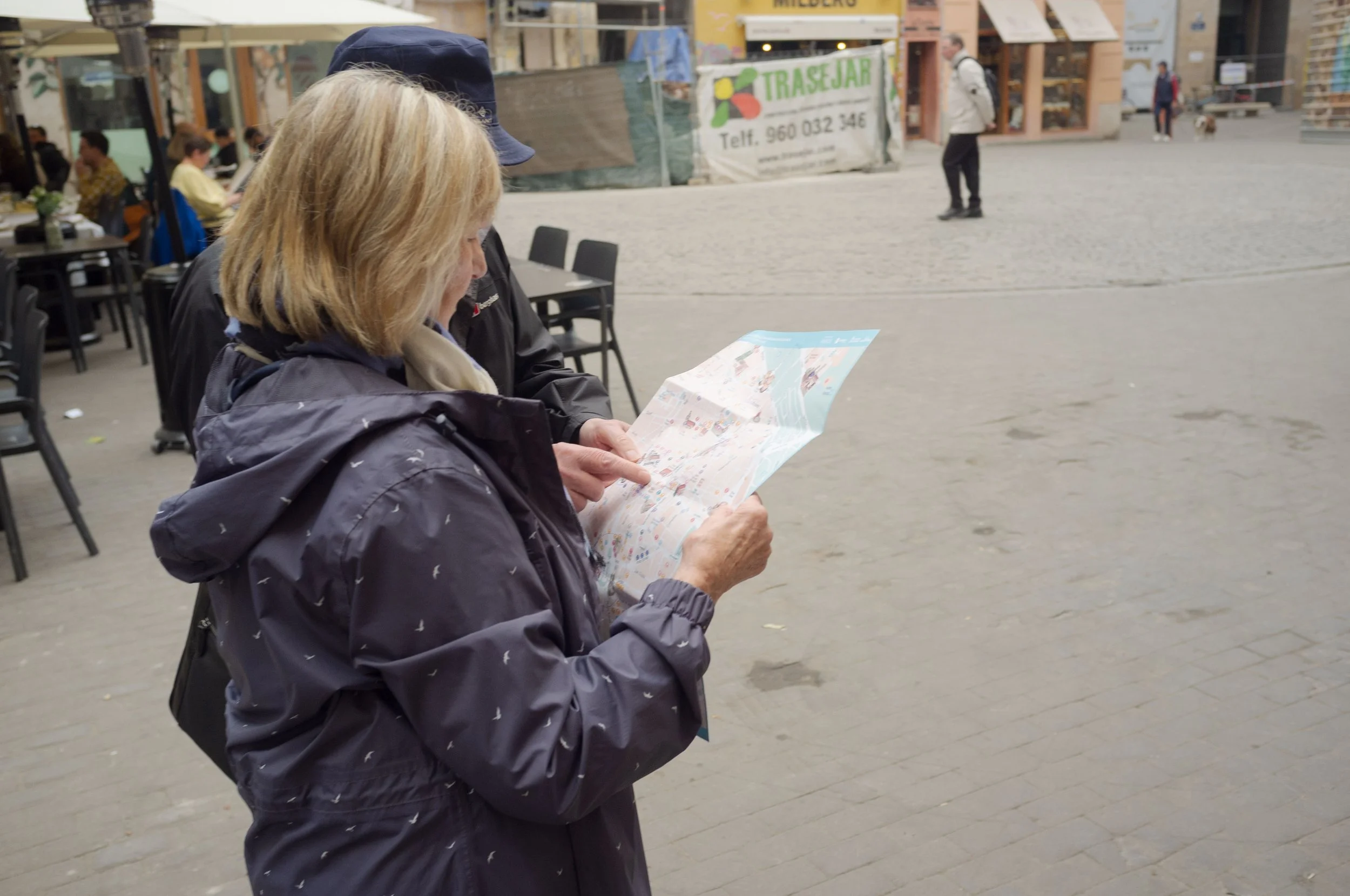
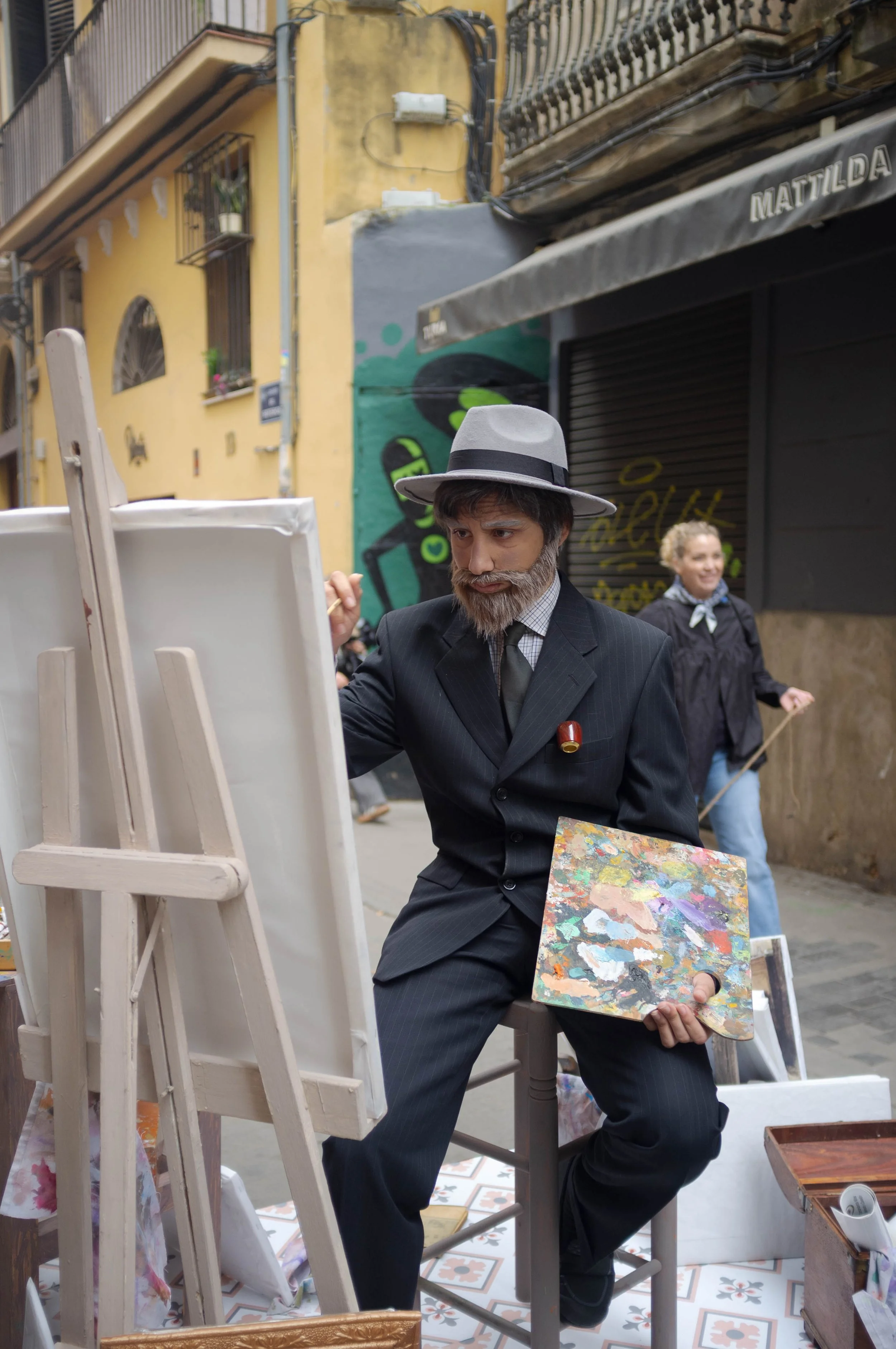
Art flourishes everywhere, from street performers to impromptu creators. One photo captures a bearded artist in a dapper suit perched on a stool, brush in hand, palette loaded with vibrant colors, painting en plein air against a graffiti-splashed wall. His focused grip on the brush echoes the deliberate hands elsewhere—pointing at maps, gesturing in animated conversation, or cradling instruments. Hands tell stories here: an older man with a cane leans in to explain something with emphatic finger-pointing in a tight medieval alley, while a woman in a coat clutches a city map, tracing routes with a gloved finger amid outdoor café tables.
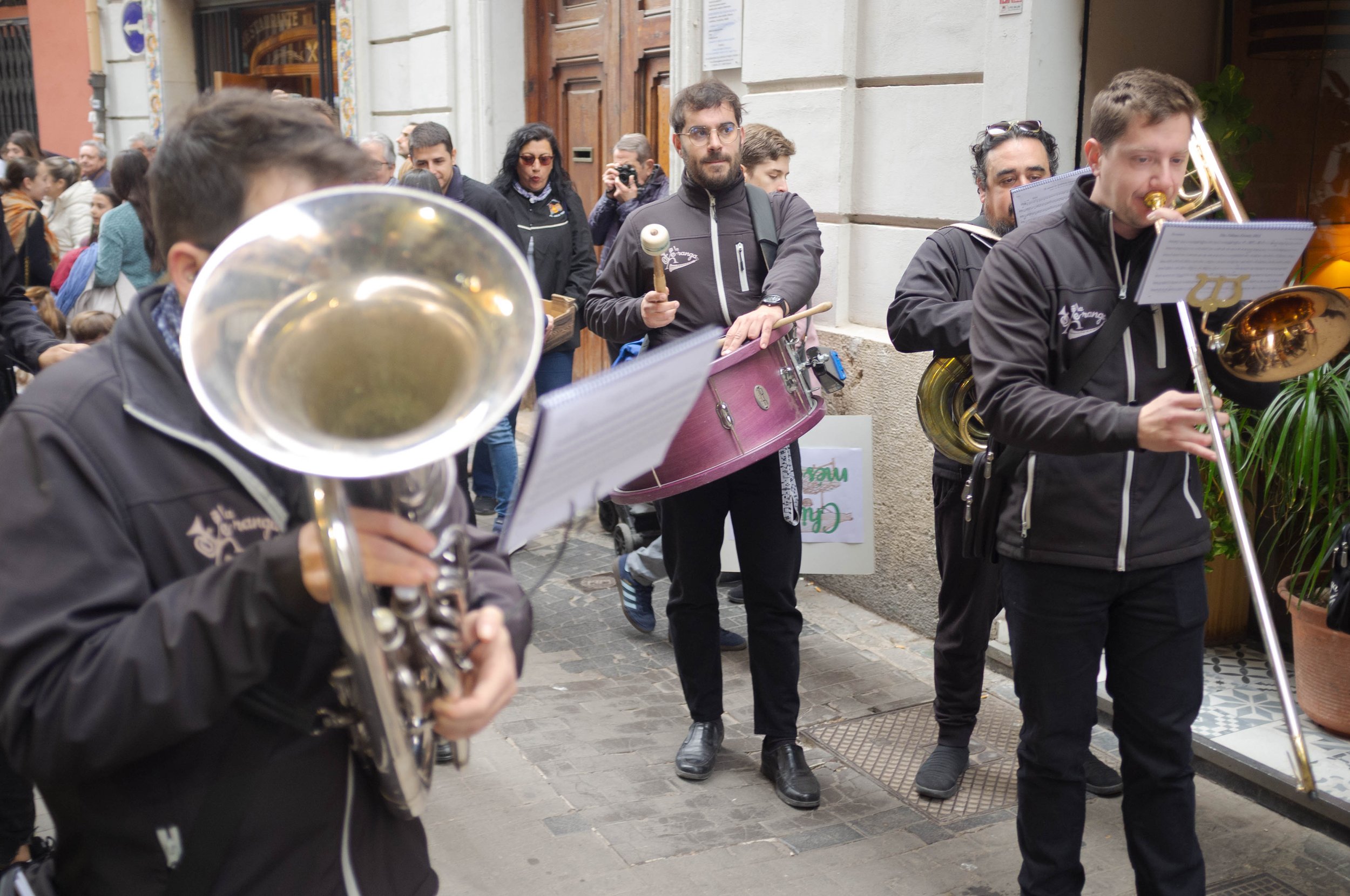
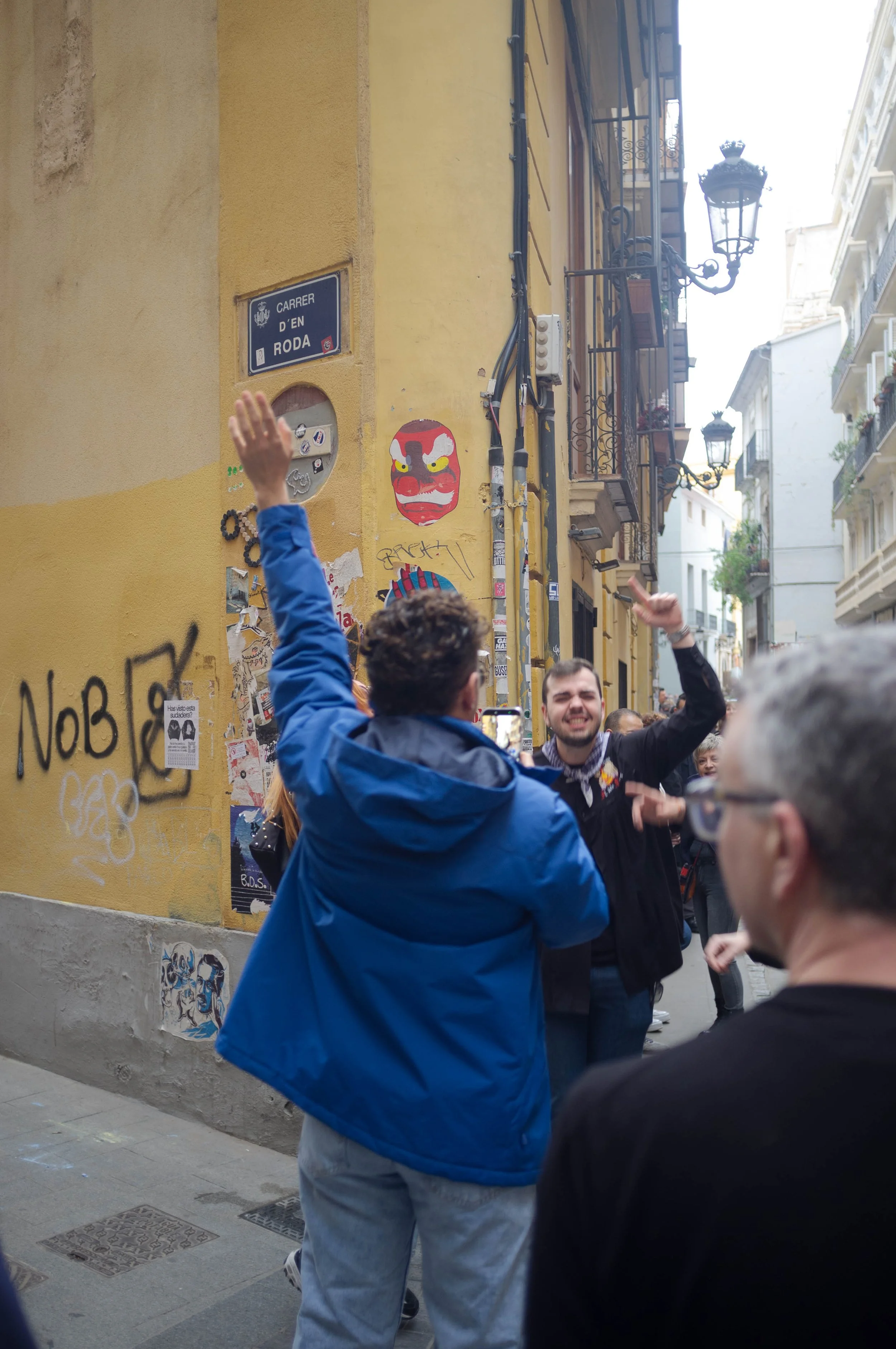
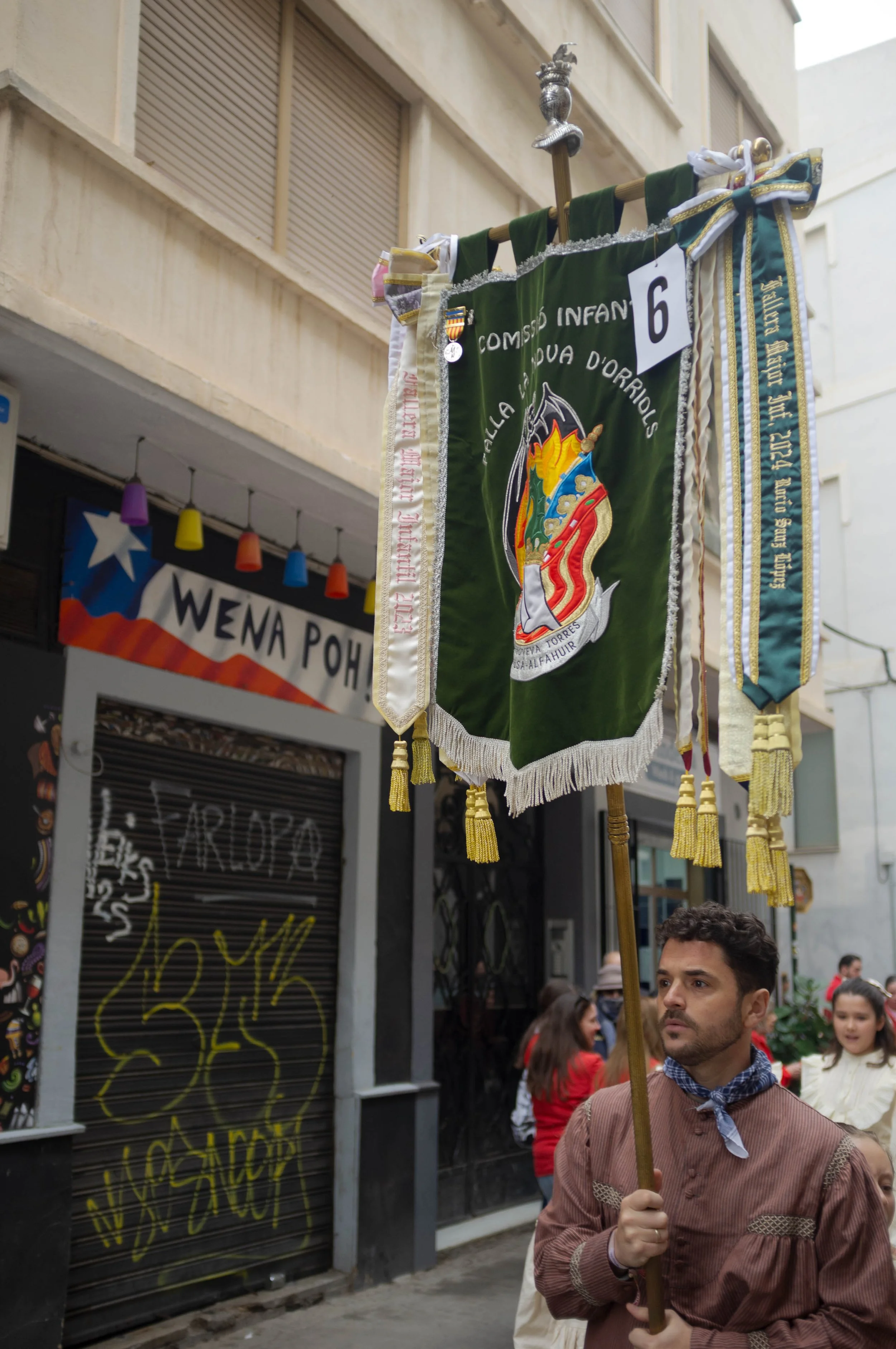
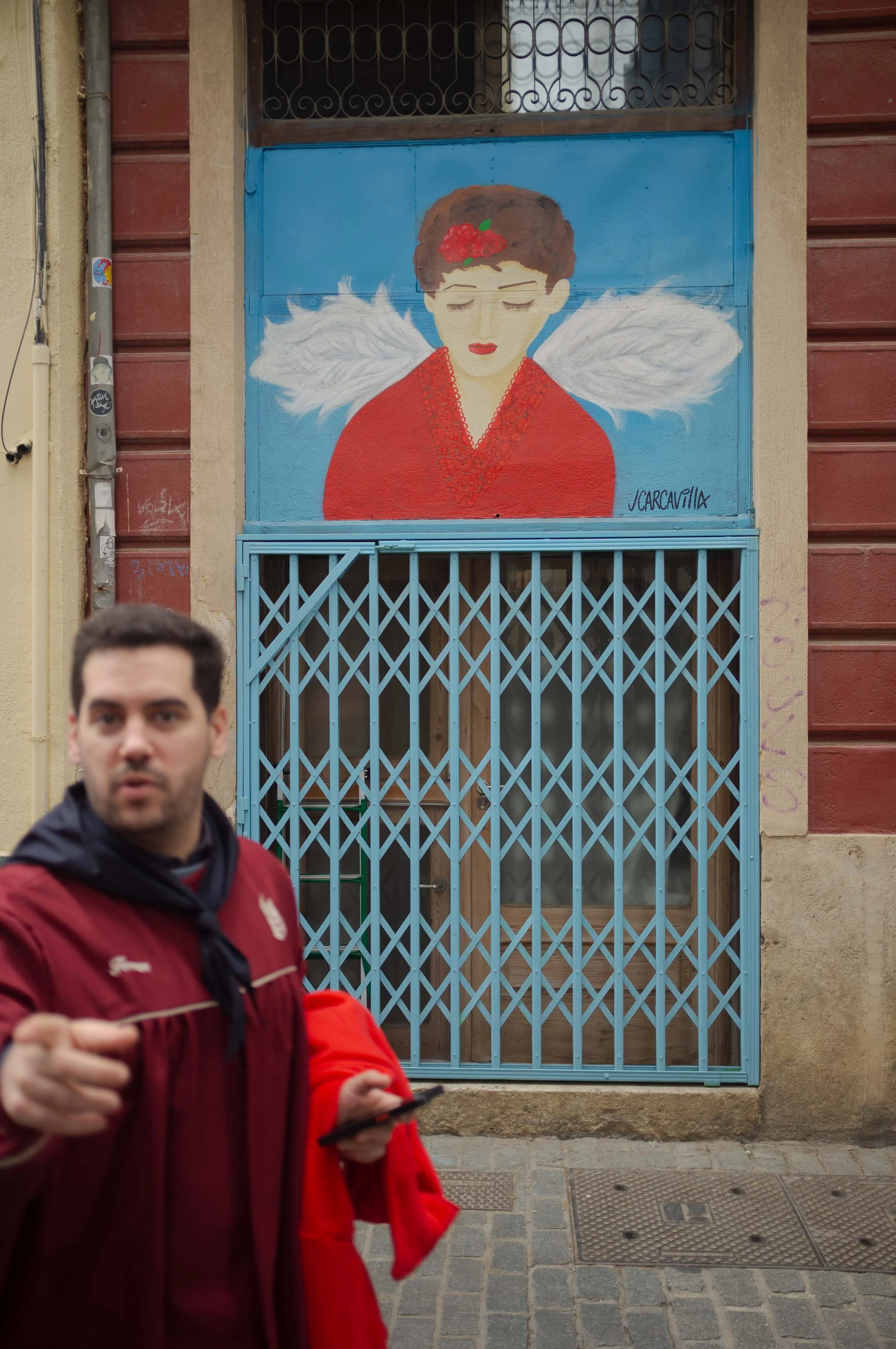
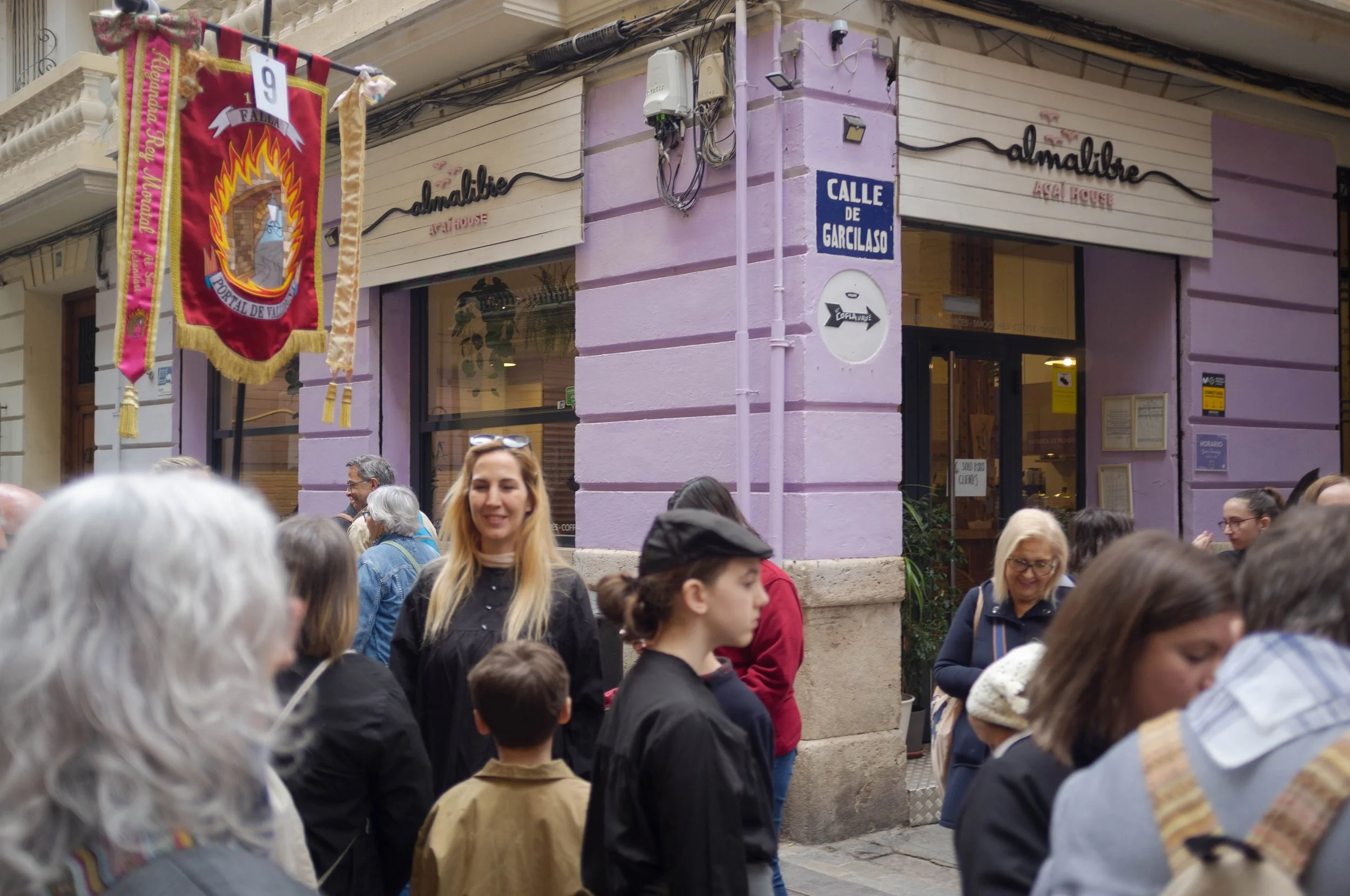
The festival's heart shines in the parades and gatherings. Banners and embroidered flags wave from "fallas" commissions—neighborhood groups proudly carrying their standards through packed streets. Children, teens, and adults in traditional attire mingle, some waving enthusiastically or throwing hands in the air in joyful celebration. Street art peeks out too, like a striking mural of an angelic figure with closed eyes and red dress framed by a blue barred window, watched over by a robed participant.
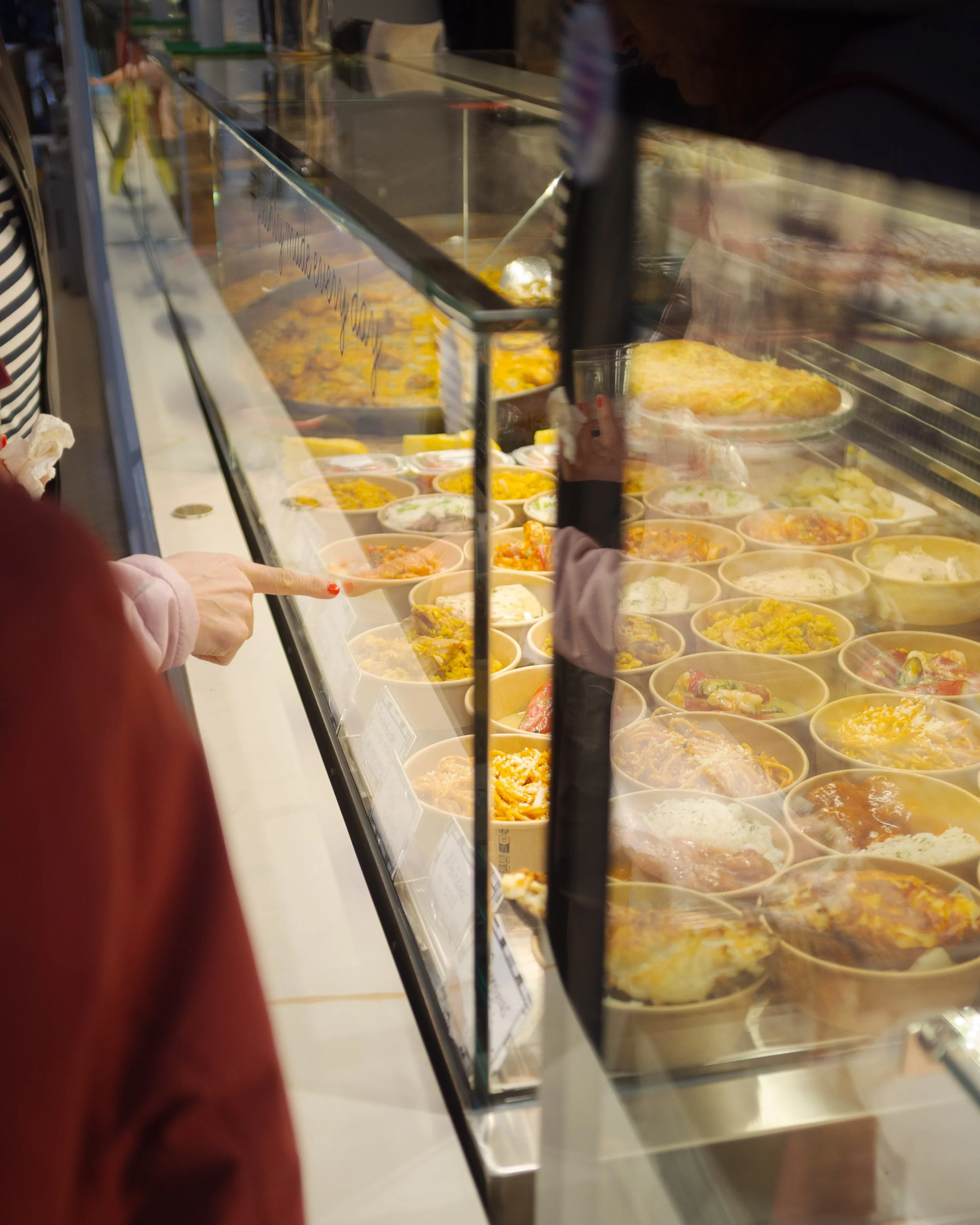
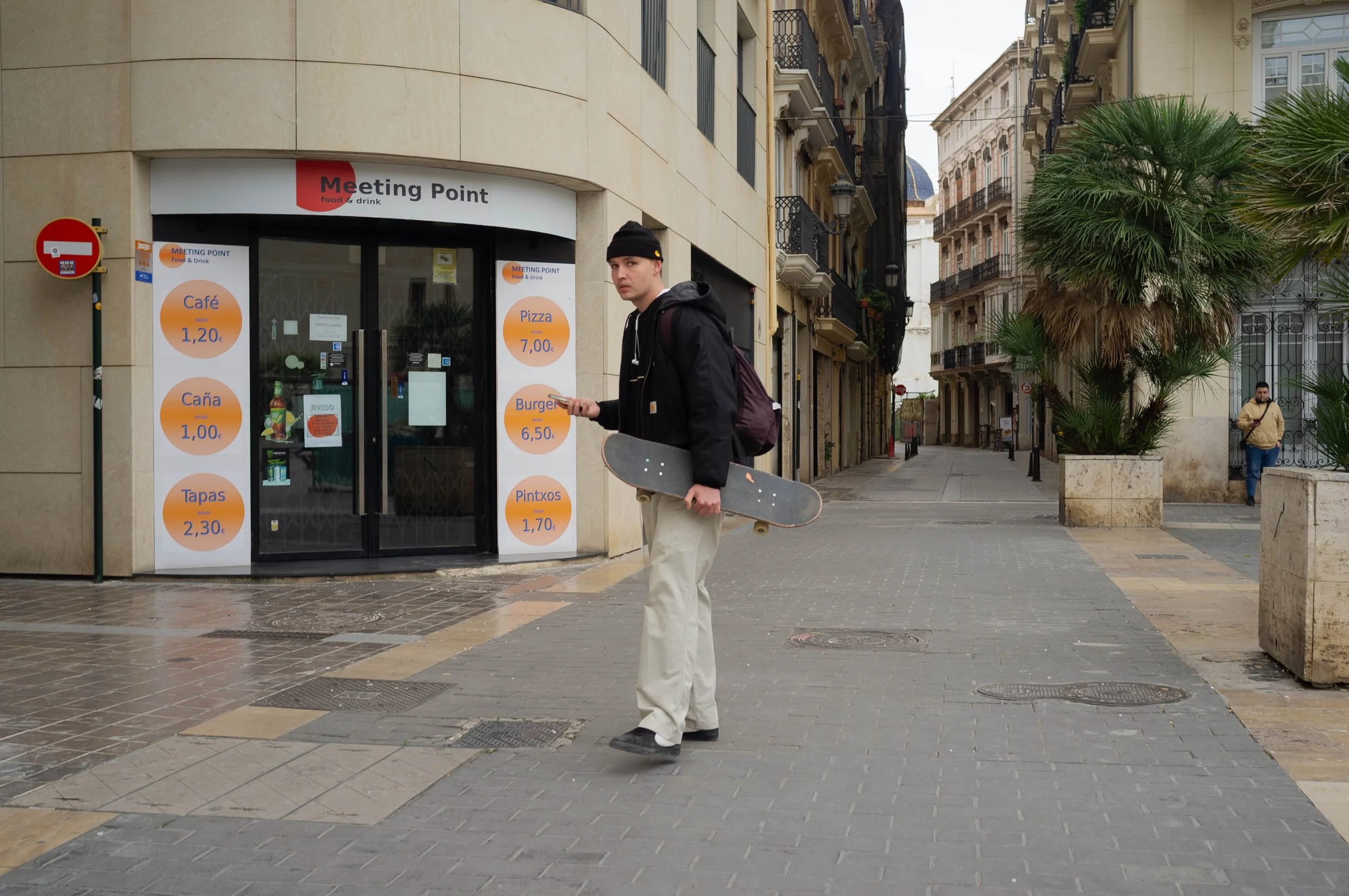
Food remains a constant draw—glass cases brim with golden paellas, steaming rice dishes, and colorful tapas in bustling spots, a finger pointing eagerly at favorites. Even quieter moments stand out: a bundled figure standing pensively with arms crossed on a pedestrian boulevard, or skateboarders gliding past trendy meeting points advertising cheap cañas and pintxos.
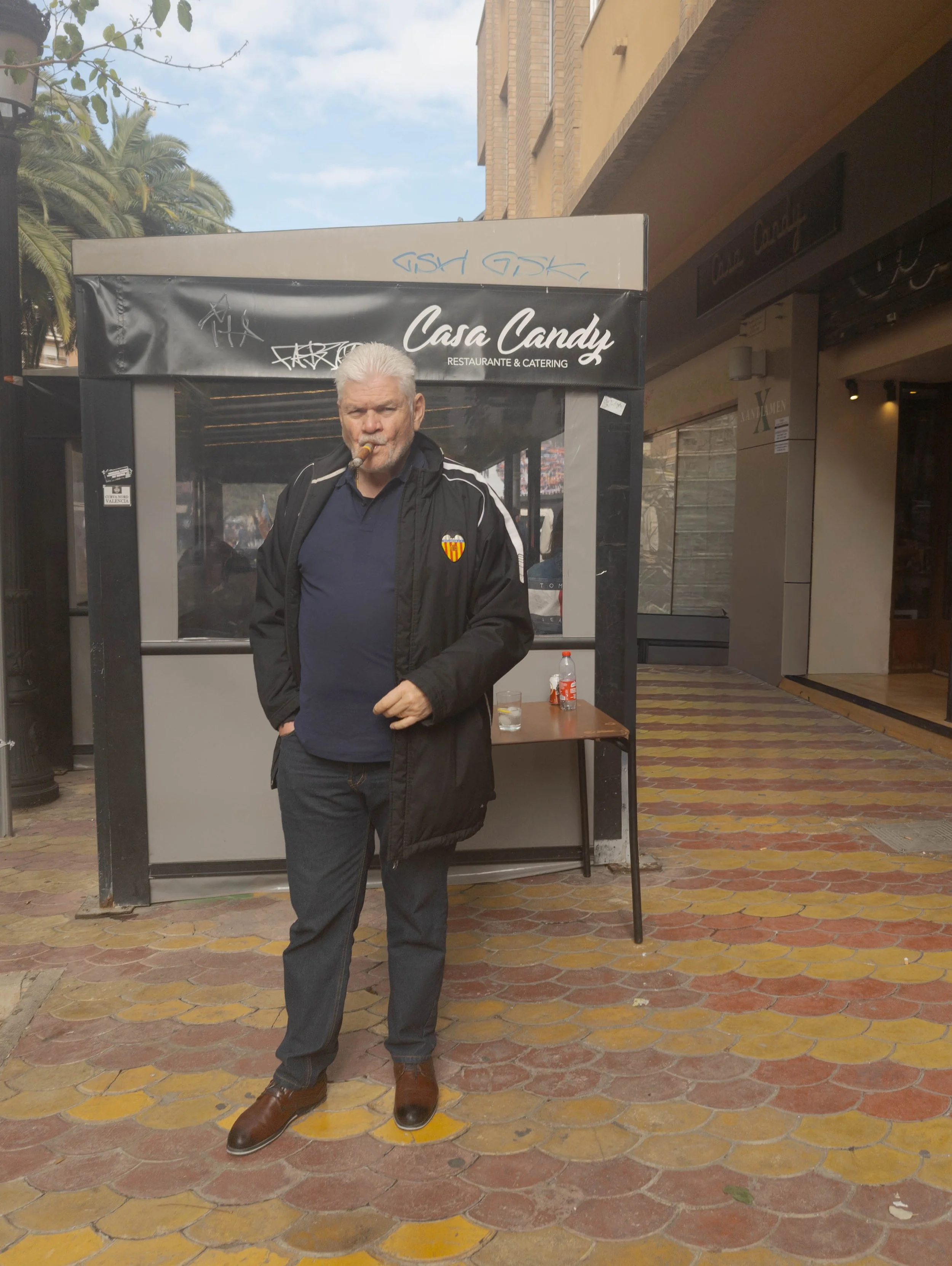
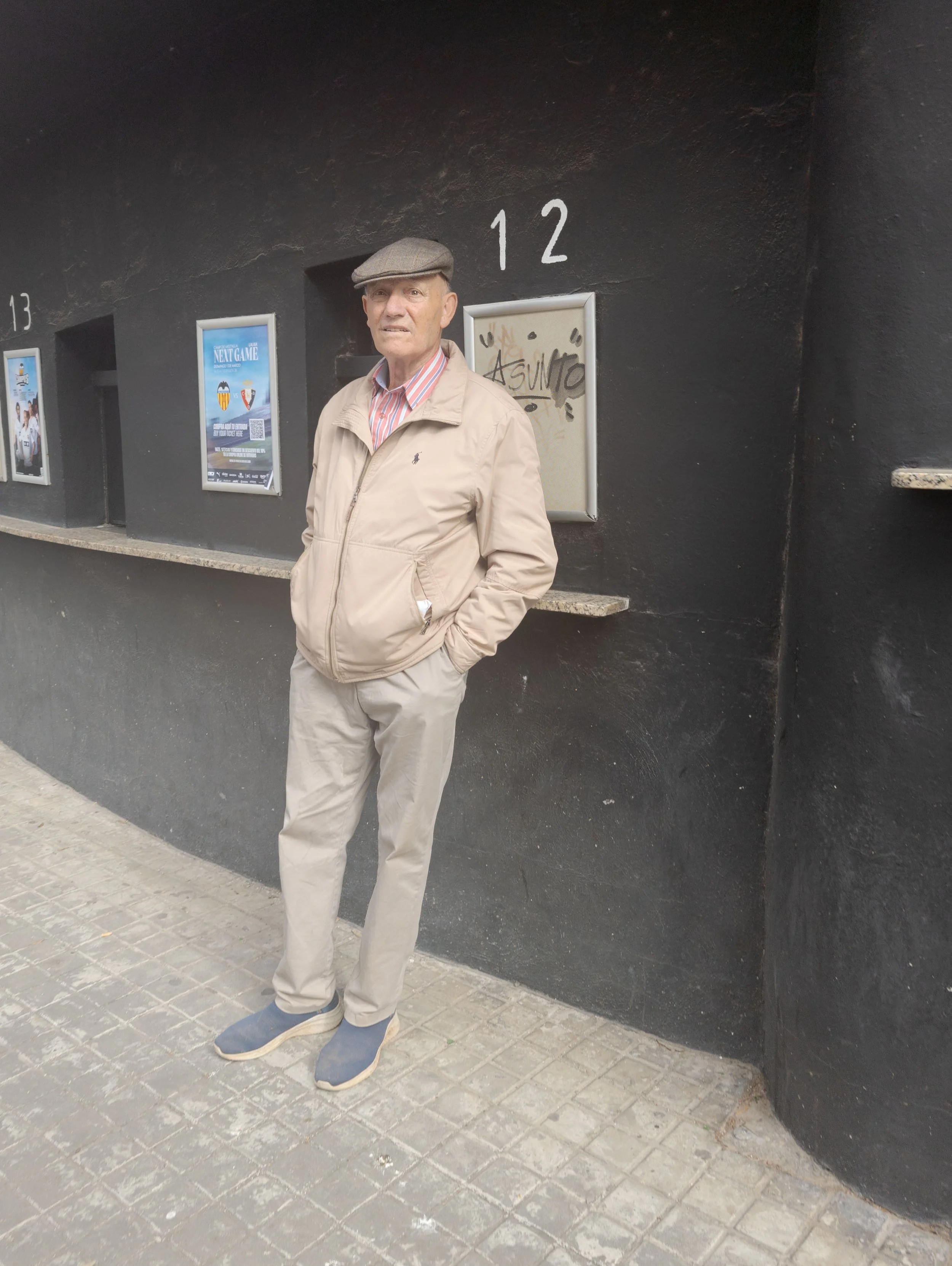
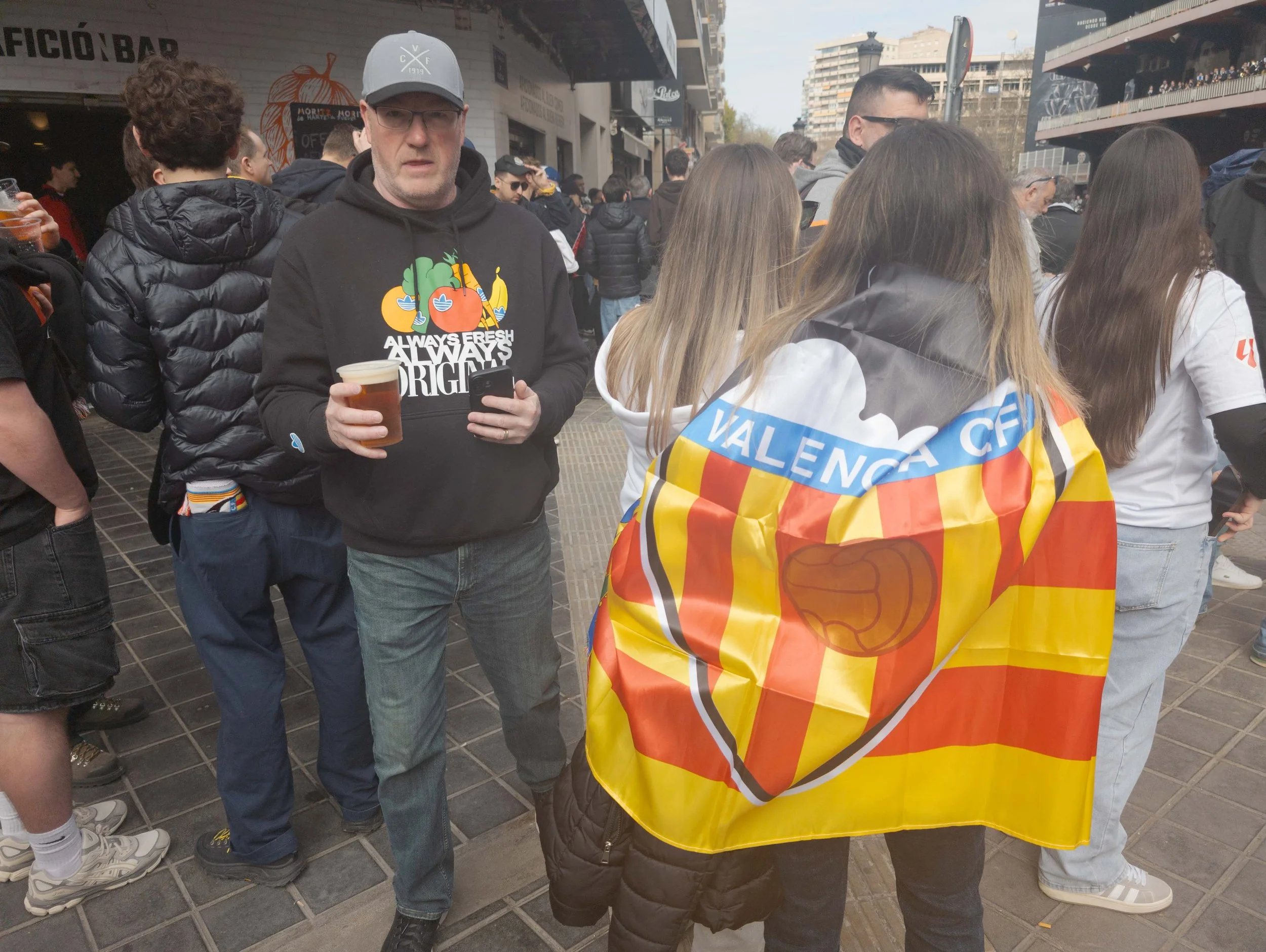
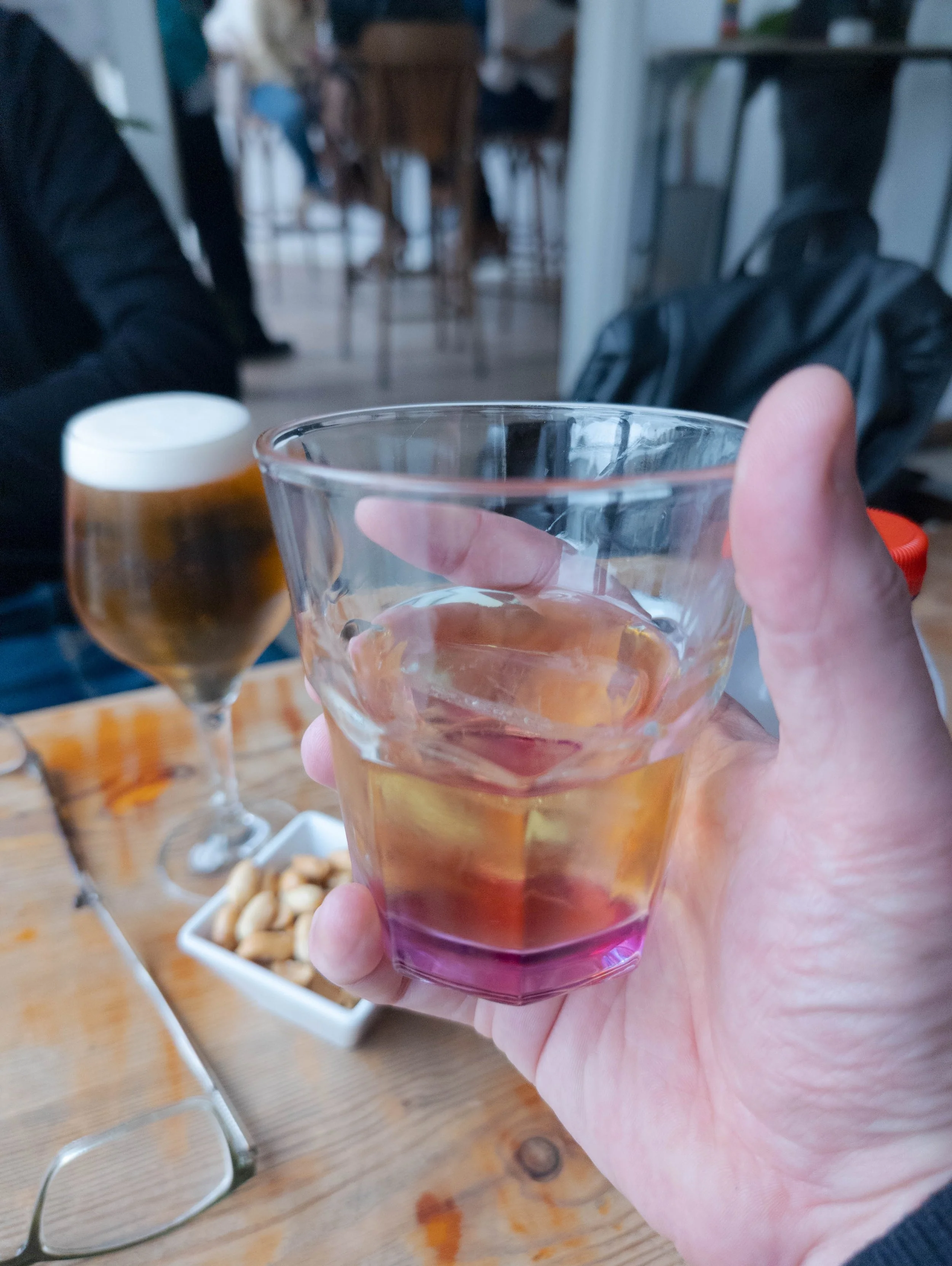
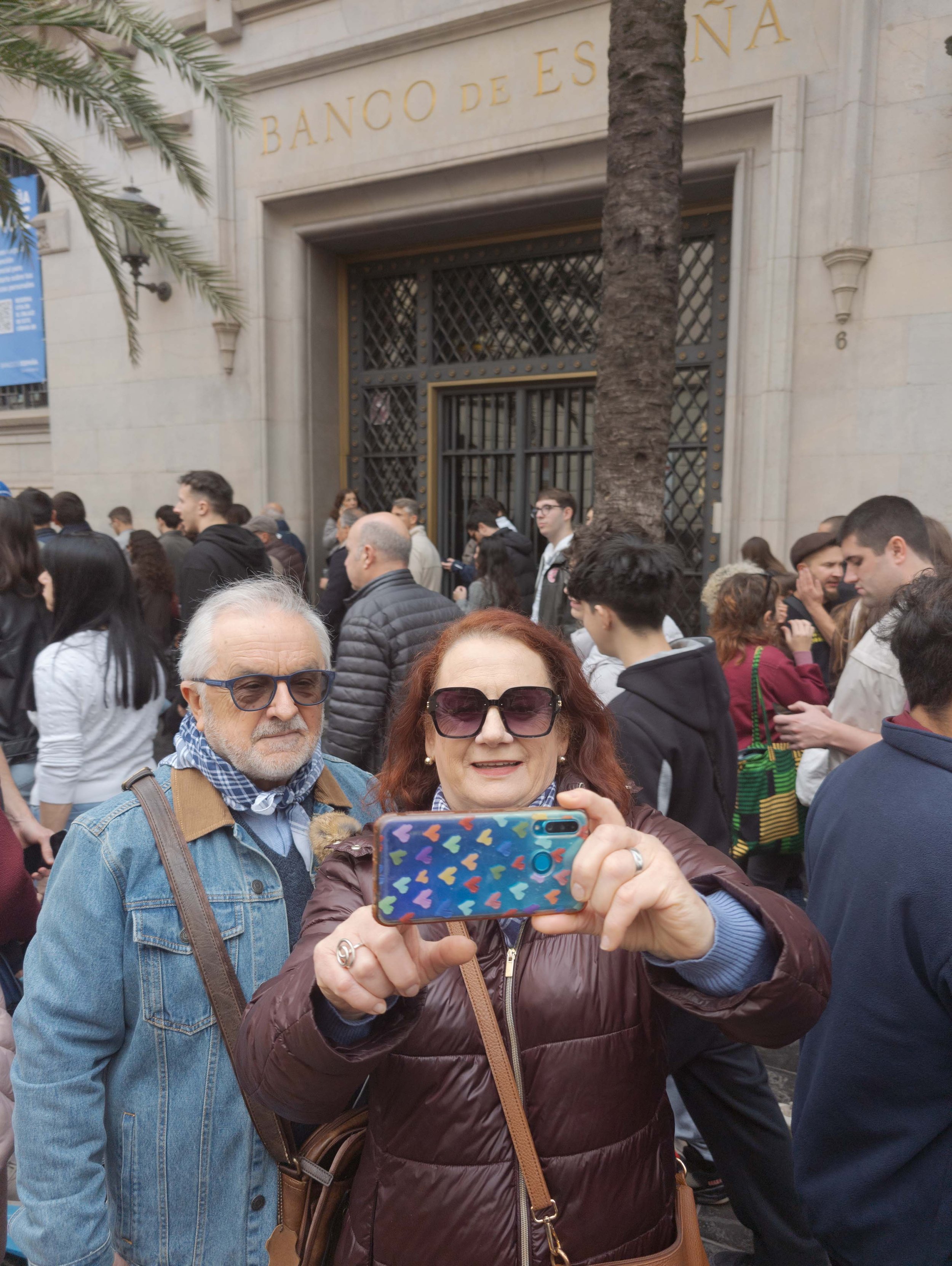
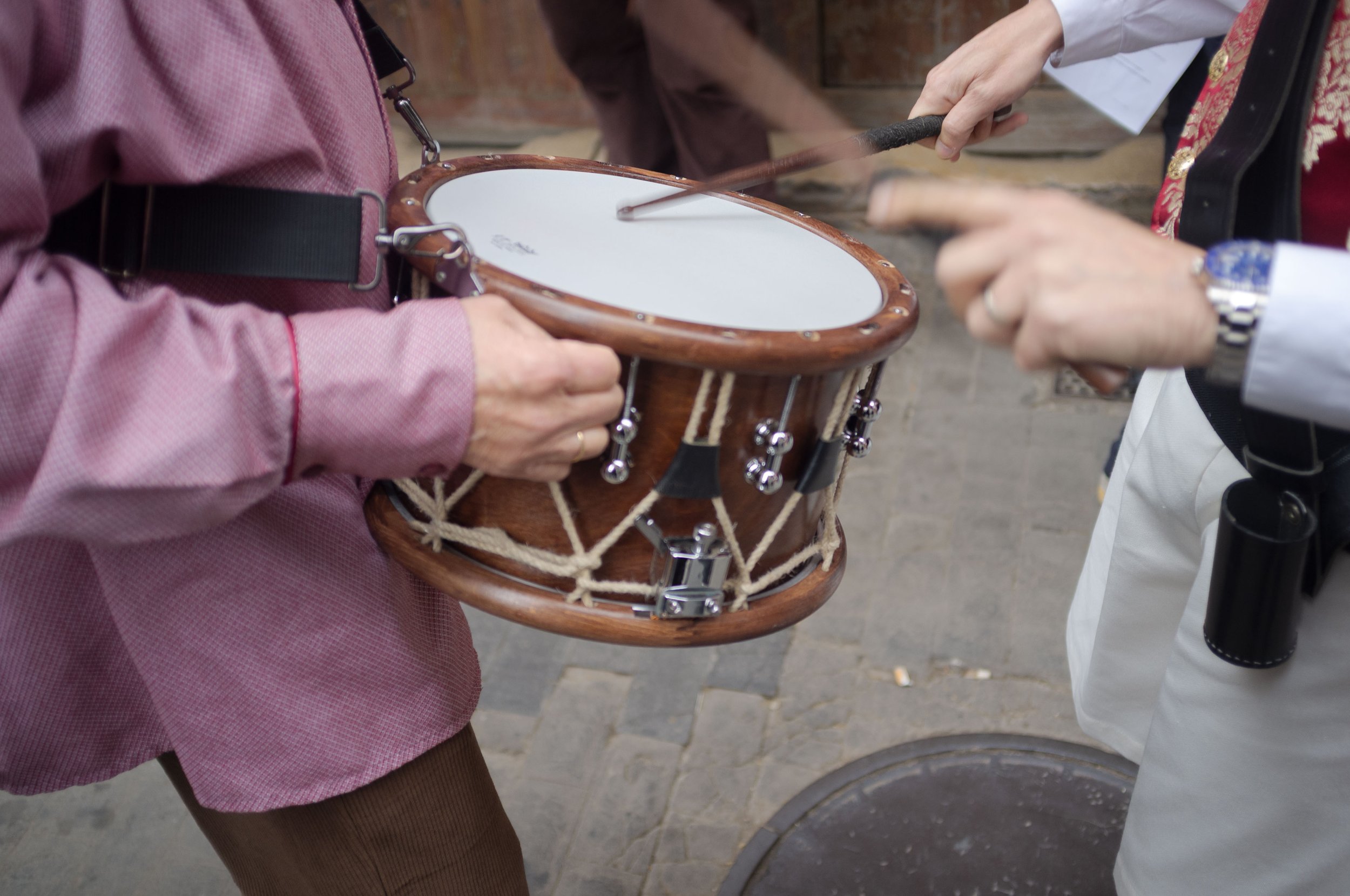
What ties it all together are the varied characters—from silver-haired couples holding hands through decades, to energetic youth high-fiving in narrow "carrer" lanes, musicians whose hands coax magic from metal and skin, artists whose fingers birth color, and festival-goers whose gestures wave, point, clap, and connect. Valencia during Fallas isn't just a city; it's a living mosaic where every hand tells a story of community, creativity, and unbridled joy.
If you've ever walked these streets, you know: the real magic lies not just in the fire and ninots, but in the human details—the clasped hands, the rhythmic beats, the pointing fingers guiding friends through the chaos—that make Valencia unforgettable.
Until next time, keep snapping
Budapest - We love you.

Its been a couple of months now, back to the bump and grind of Blighty, after the kids and my first overseas trip, since 2018.
This followed an aborted attempt to head over to Barcelona in April, which was eventually traded for Manchester (had to attend a work team meeting in Birmingham, with sitting in a room with 60 folk and decided to cancel it on the event I caught COVID............).
Anyway, we decided on Budapest.


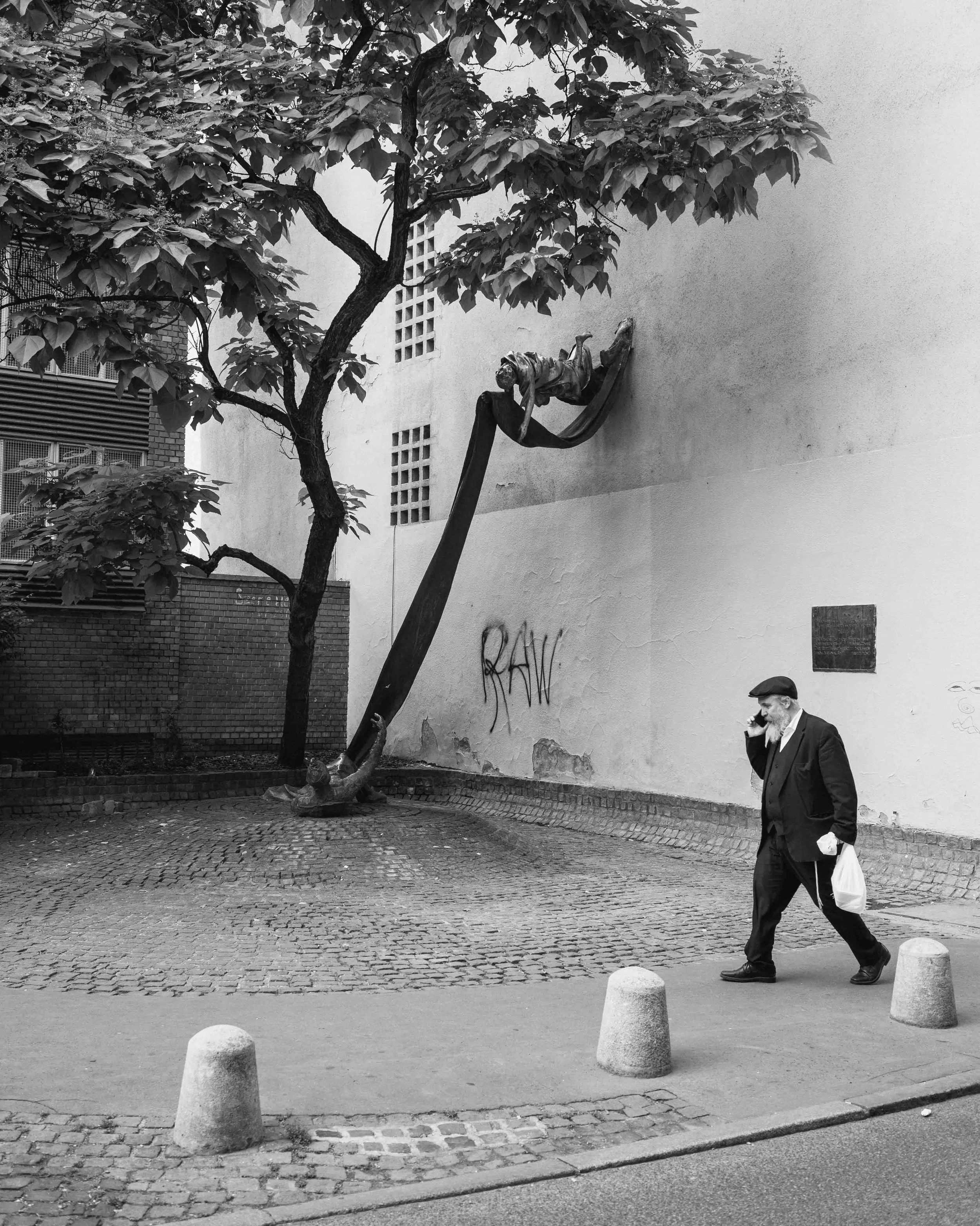


It's a place that has been on my bucket list for years.
A wonderful city, rich in culture and a checked history.
Having been transfixed with the early Magnum black and white catalogue, which also covers the 1956 uprising, this city has intrigued me from an early age. Images of formally dressed men running along streets with rifles, so soon after the atrocities of WW2. Some of David Hurn's work of this period is outstanding.
The architecture, parks, cafes, restaurants, exhibitions, beer and cuisine, there is something for everyone.
The city provides an excellent backdrop and perfect destination for some street photography.
After some brief twitter chatter about the options of taking 35mm film, I decided to take some Fomapan 400 & Kodak Vision 3 250d, to shoot through my Olympus OM1, with my Olympus XA2 as back up. I also wanted to take my Sony A7iii for a 2nd back up. The backups were a prudent step, as the OM1 jammed, so it was XA2 all the way.
Gatwick Airport were very kind to hand check the film, rather than run it through their X-Ray scanners. (On the way back, Budapest Airport put the film through their CT Scanners). I now know that <ISO800 film is ok to put through either scanner a number of times and as you will see from the images within this post, the film was undamaged.
The buzz of the city is addictive. This is also topped off with an exceptional public transport service. Trams, trains and buses link seamlessly. The excellent BudapestGo app for your smartphone, provides an all covering journey planner. Single fares are 73p (yes 73p). The bus transfer services to the airport (some 9 miles from the city centre) comes in at a wallet friendly £2.36. A taxi comparison for the same journey is typically 30-35 euros.
I had a mild concern about stag and hen do's, for Friday and Saturday night, but this didn't materialise, or at least the kids and I were not out too late to witness it.
After watching a series of YouTube videos on 'Budapest hidden gems' 'Things to do in Budapest', we decided on District 5 / The Jewish Quarter for our Airbnb location (see red bounding box below). This is on the ‘Pest’ side of the city, were the majority of bars, restaurants and life is going on. This proved a good choice.
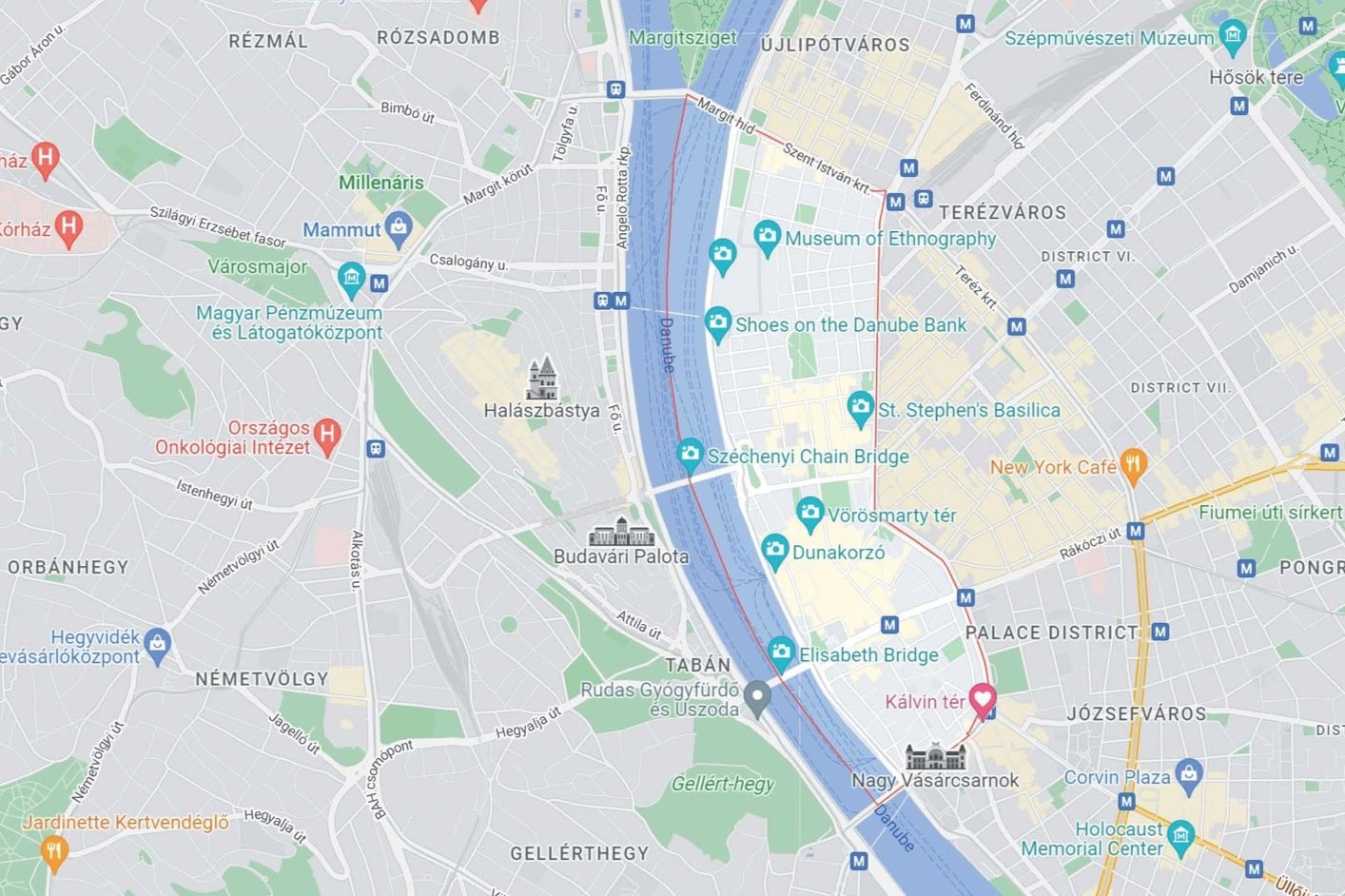
Accomodation is notably cheaper, the location has some excellent bars and restaurants, which are best explained as having a ‘bohemian feel’.
It's also in close proximity to Kalvin Square, which is the central hub for the transport links.
We flew out of Gatwick Airport. Having booked our flights a month before departure, there was not a ripple of warning about the car crash that happened relating to last minute flight cancellations, following the increased half term demand and the understaffed airport network.
We were some of the lucky few, both outward and incoming flights were cancelled by c. 2 1/2 hours each way.
Getting into Budapest, the ease of transfer was a stark contrast to Gatwick. We headed straight to the Ruin Bars. This is a great spot. I can imagine that on inception, this would have been a buzzing underground spot, but it now appears to be much of a tourist trap, with patrons pointing cameras at the decor, rather than chatting to their companions. The cherry beer was great.
We then headed off to Street Food Karavan, which is a great spot for some fast food. Burgers, Chicken, goulash and Langos are avaialble, from the food vans that are parked up. We got here about 19:00, not at all busy, but I would expect this place to get chocker, in the wee hours.
Because it was lovely and warm, after completing our first recce of the Jewish Quarter, we decided to chill in the park at the end of the road, where the Hungarian National Museum was located.
Day 2
Saw us take in the historic tourist trail.
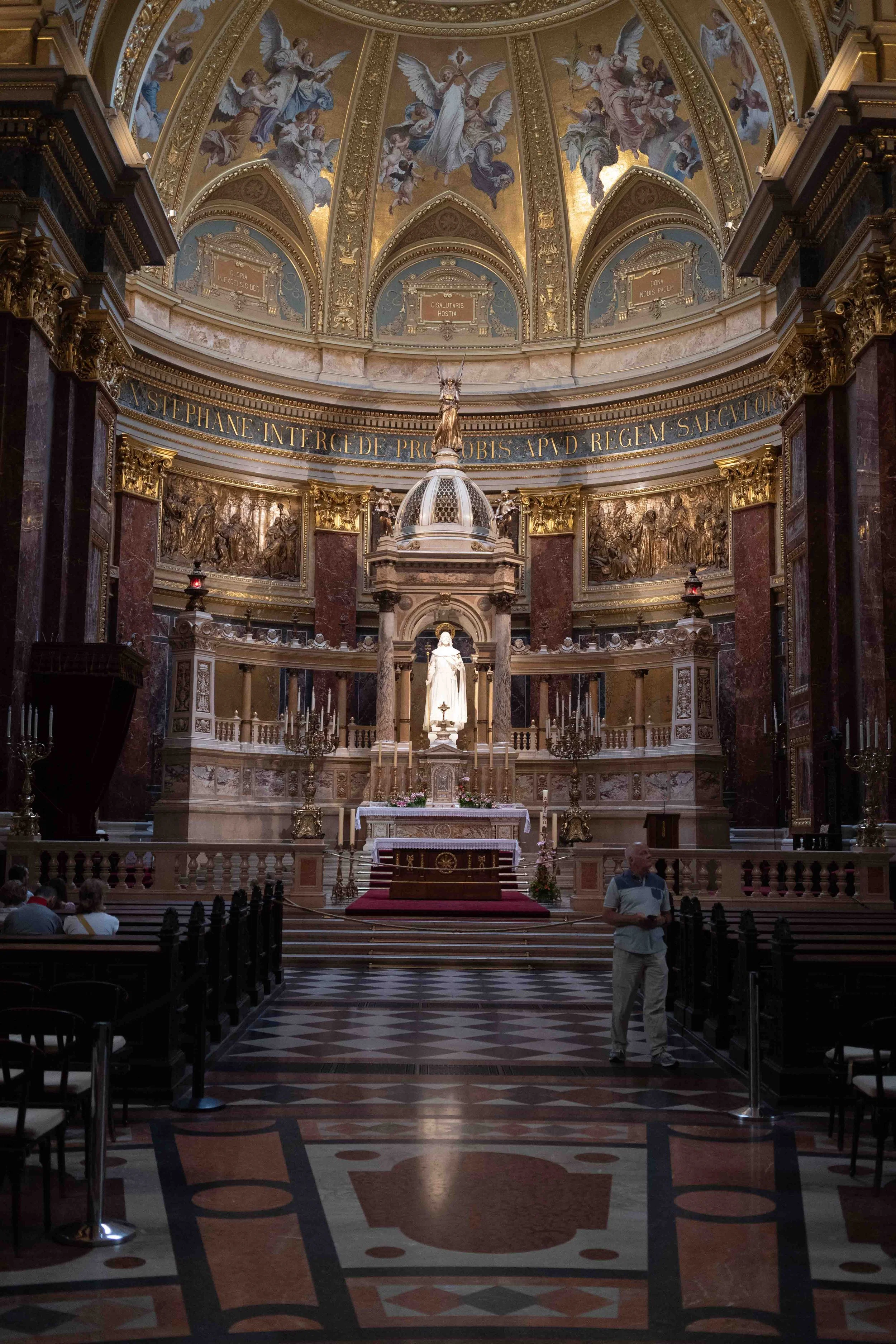
Firstly we headed to St Stephen’s Basilica. The objective was to climb the stairs and walk around the dome and take in the excellent vistas of the city. This was a very easy sell to the kids. Spectacular views.



After that we strolled down to the Danube river to walk across the Chain Bridge, disappointingly, it was closed for some esssential repairs.
Observing the Buda Castle complex and the Fishermans Bastion, you are treated to some outstanding architecture and vistas across the Danuble, to see the Hungarian Parliament Building. After a long lunch break - and another cherry lager - we decided to head to Fashion Street, for some clothes shopping.
Day 3
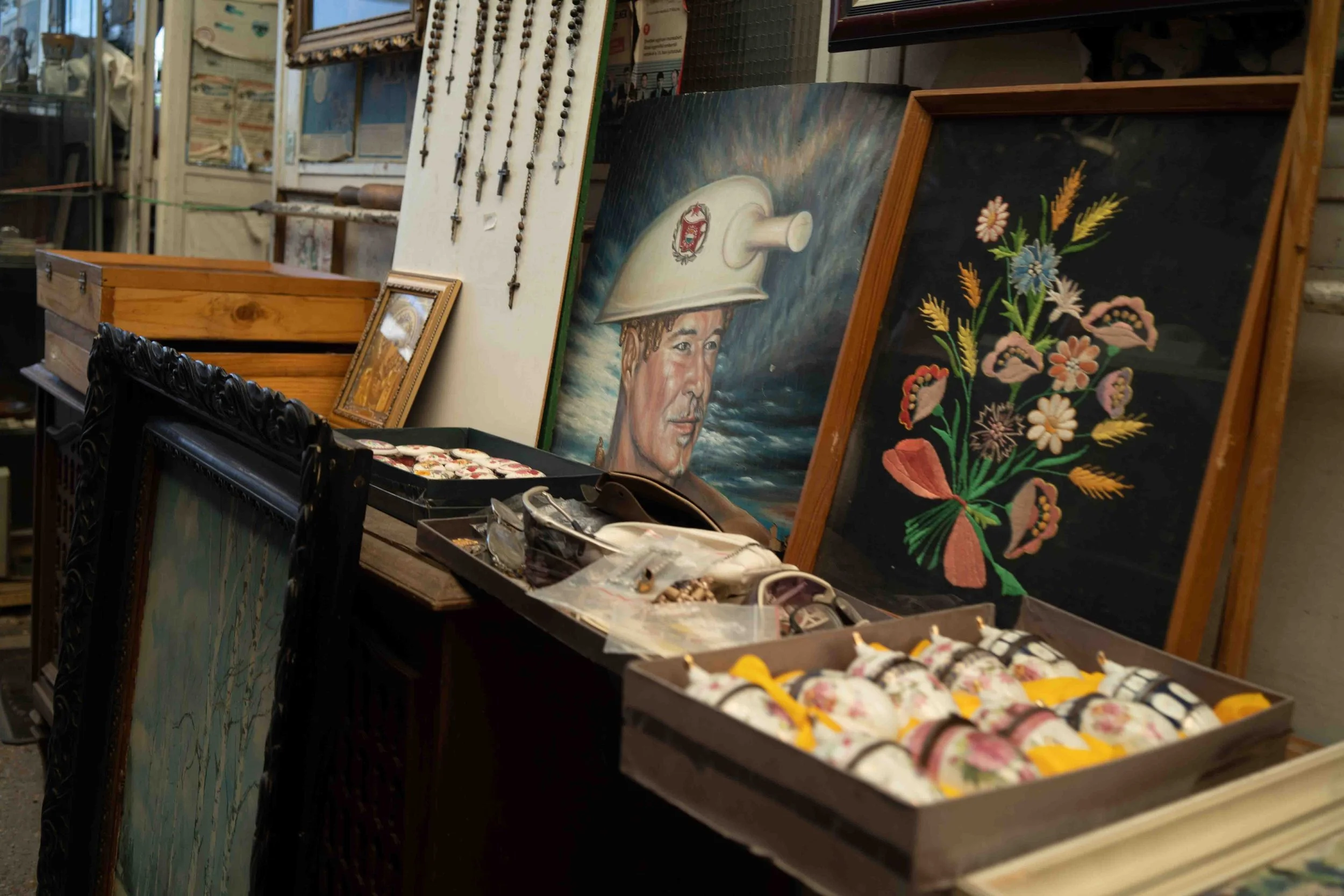
We headed over to Esceri Flea Market, as a couple of the tourist guides mentioned that this was worth a gander.
Not sure if we were too early or it was part closed for the summer period, but it was a disappointment as it was only open to say, 5-10% capacity.
The trip over on the two buses was a nice mind, seeing the urban side of the city.
Getting back to the city, the kids and I decided to make amends and have a culture vulture afternoon. We first decided to go to the House of Terror Museum, which is a fitting tribute to the cities two terror regimes. This is housed in the ex Secret Police Building. The museum is very sombre in outlining the extent of the secret police activies during this time, the torture chambers in the basement were harrowing.


Outside, there was a piece of the Berlin Wall, which was a fitting for the period.
We then walked upto Heroes Square, to see the monuents and by pure happenstance, discovered there was a Hieronymus Bosch exbiition at the Museum of Fine Arts. 50 pieces of work by this mismerising artist housed in architectural slendour. The ticket office attendant took great delight in telling me as a UK citizen, that I wasnt entitled to the tourist discount for EU members.
Oh the benefits of Brexit.
For the evening, we decided to venture upto Margaret Island. An idyllic park in the centre of the city. Time to chill at the fountain and listen to classical music and enjoy a burger and another cherry beer.
Day 4
Today we had a wander upto Memento Park, which is a unique and relevant attraction, when the city had the 1956 uprising, rather than dispose of the toppled communist statues, these were rehoused several miles outside of the city.


Continuing the governmental theme, we then decided to head back into ‘Pest’ to see the Parliament Building and also The Shoes on the Danube.
This particular route saw us take the No 2 tram and also the metro. The former offering some excellent vistas of the city.
We decided to head back to Margaret Island for the evening, as we spotted a middle eastern restaurant, and unsurprisingly, the food was excellent.
Day 5
The last day, had a more sedate feel to it. We decided to visit the Vajdahunyad Castle in the City Park.
The grounds of the castle were lovely.
After that we had one final lap of the Jewish Quarter and the ruin bars, we were again lucky to stumble across a flea market, which was a delight.
We begrudgingy dragged outselves back to the airport for our early evening flight back home.


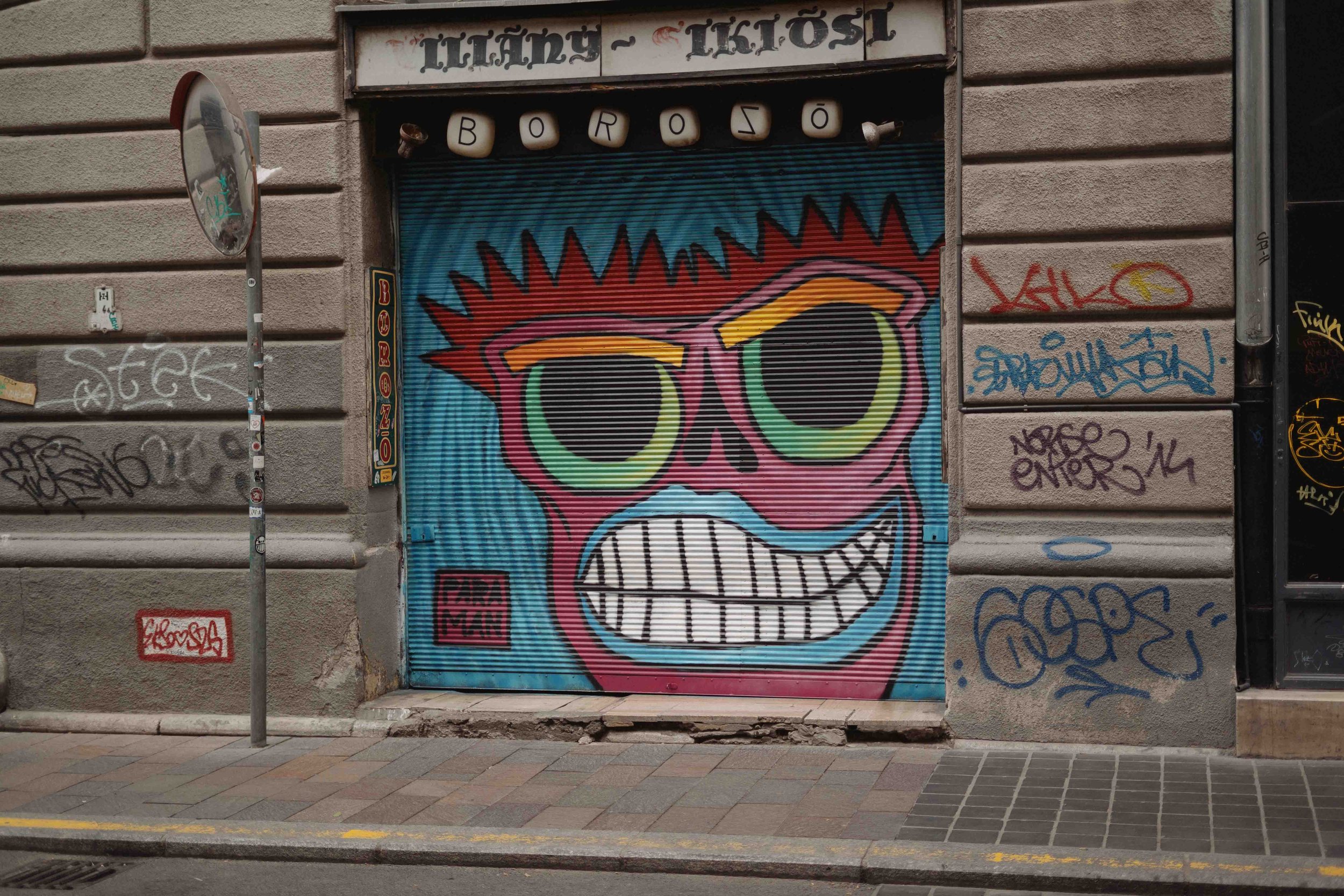


Well thats it, I hope the above gives you an idea of what this wonderful city has to offer you. Its a destination that I am most certianly likely to revisit.
I have a selection of the images for sale on the website, or the Etsy store. Either are available in our new professionally sourced framing service.
Better still, if you have interest in any other images, please do not hesitate to contact me with your enquiry: hello@frommylemsphoto.com.
Until next time, keep snapping
Yes please, keep me posted when there’s a new blog
Instagram - Film