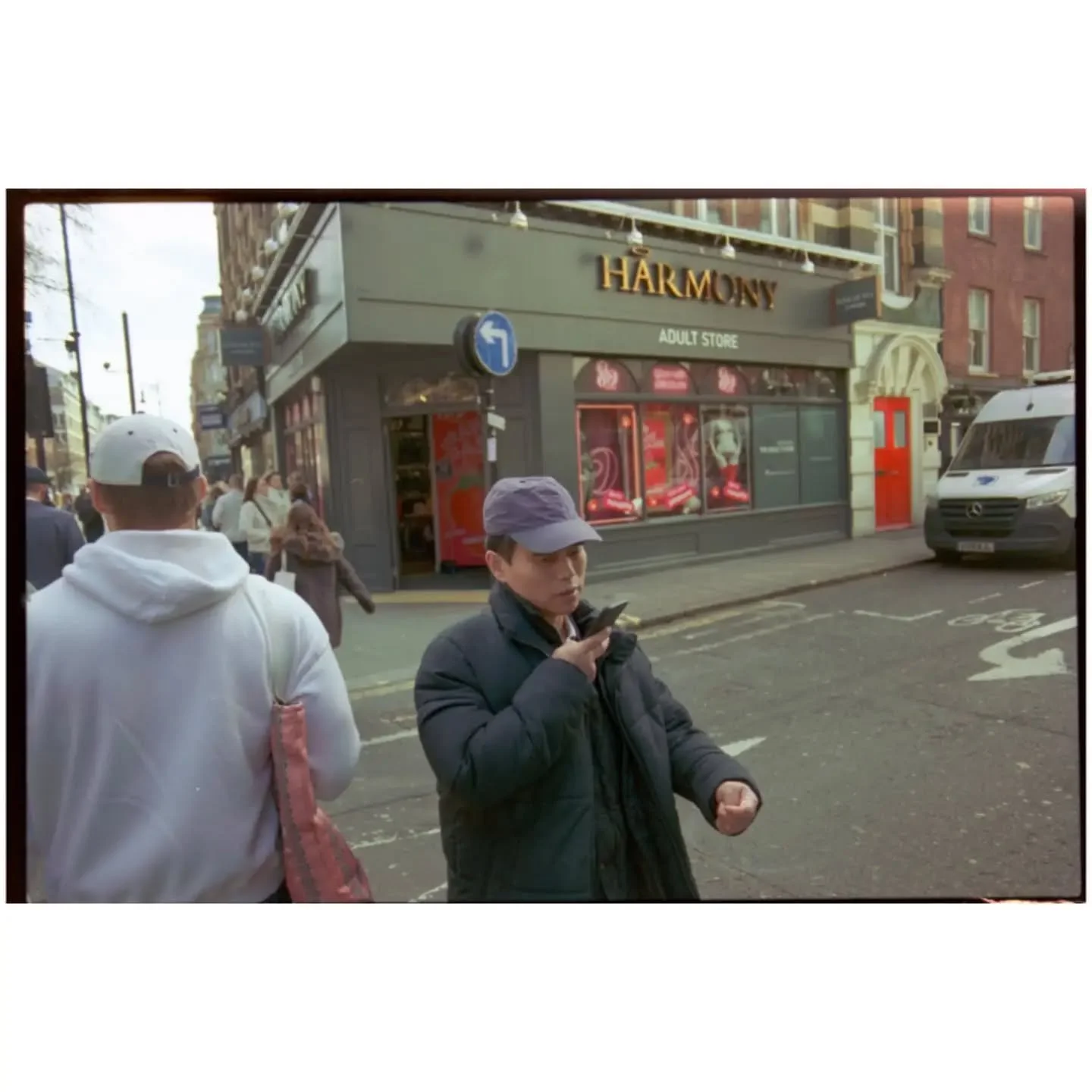
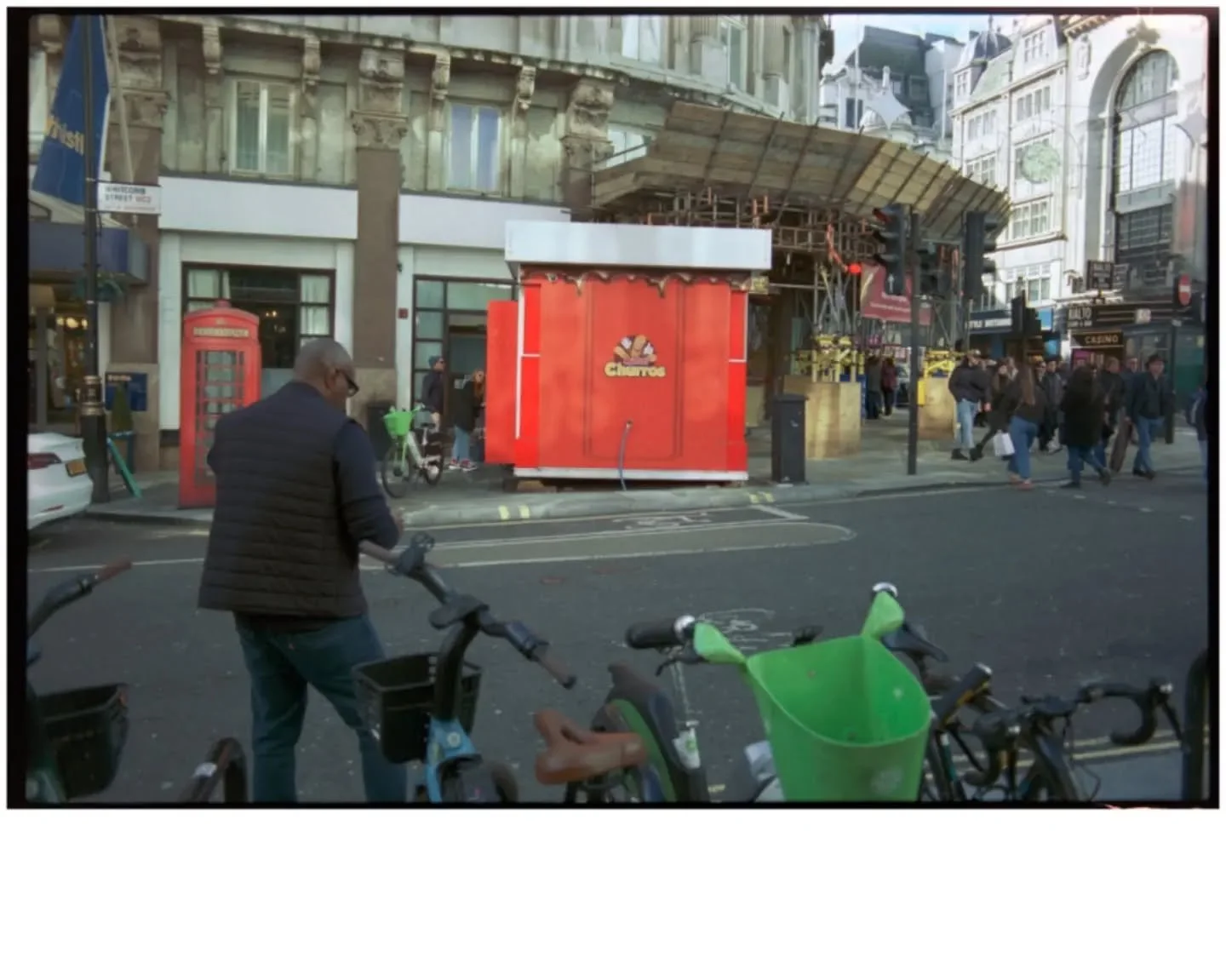
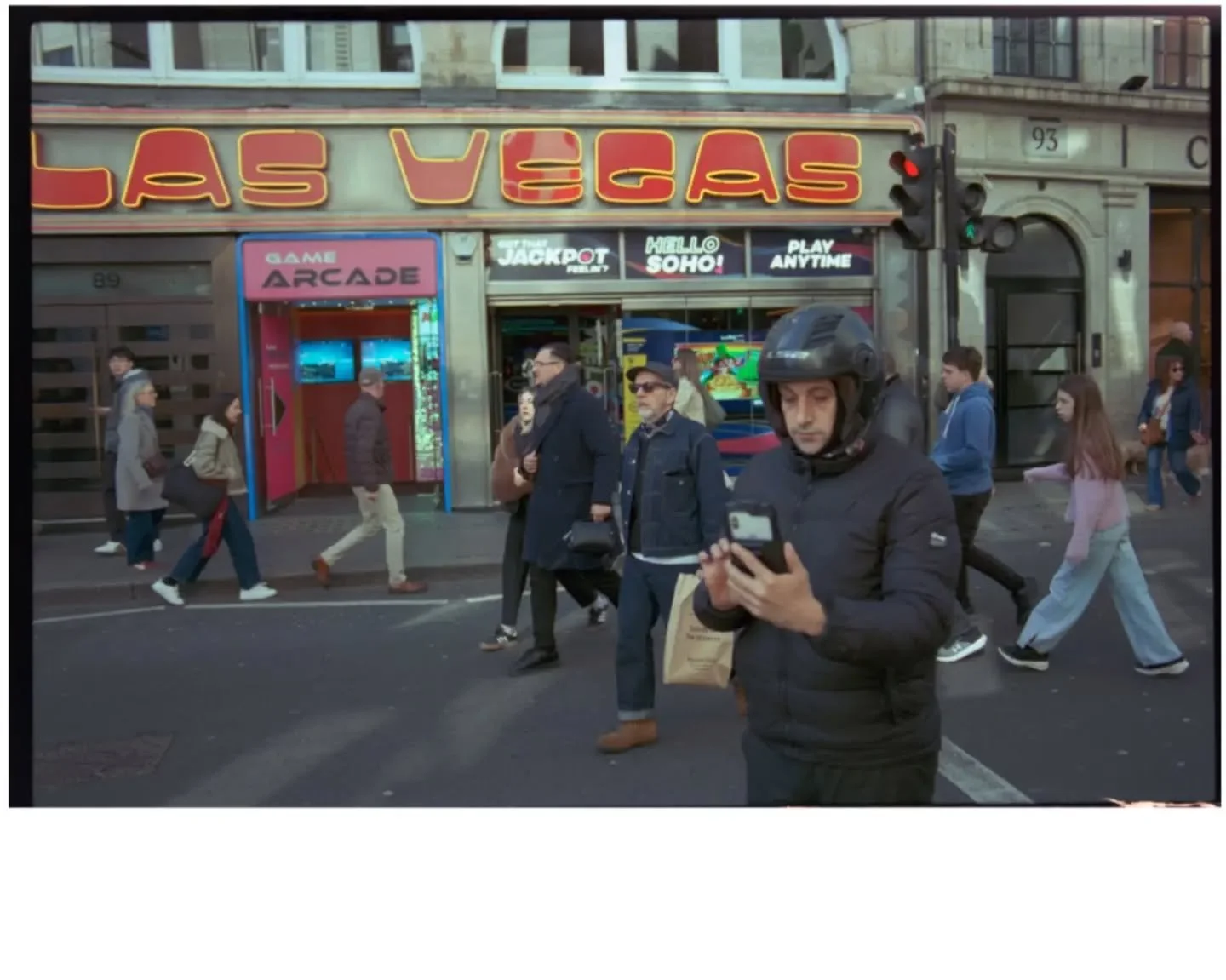
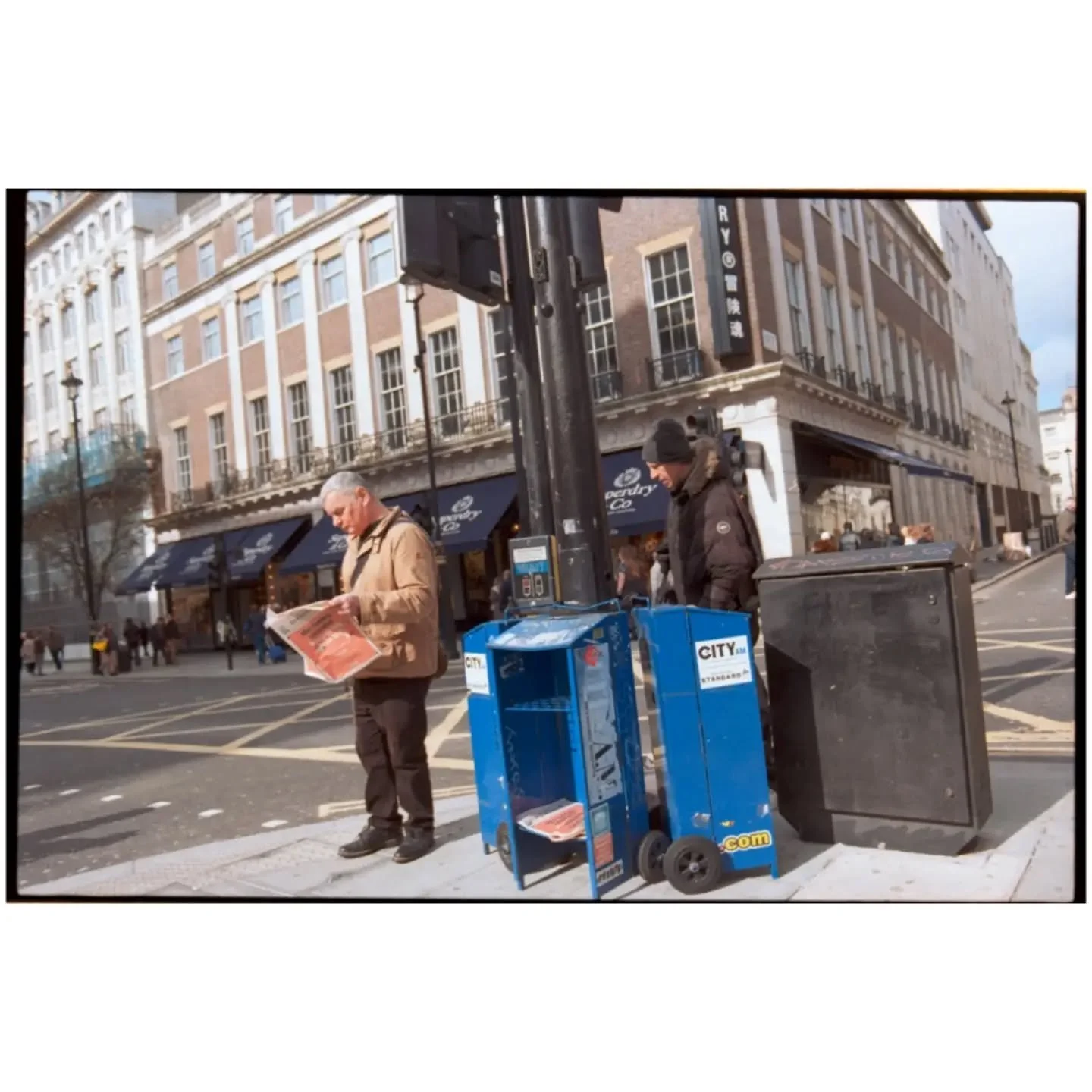
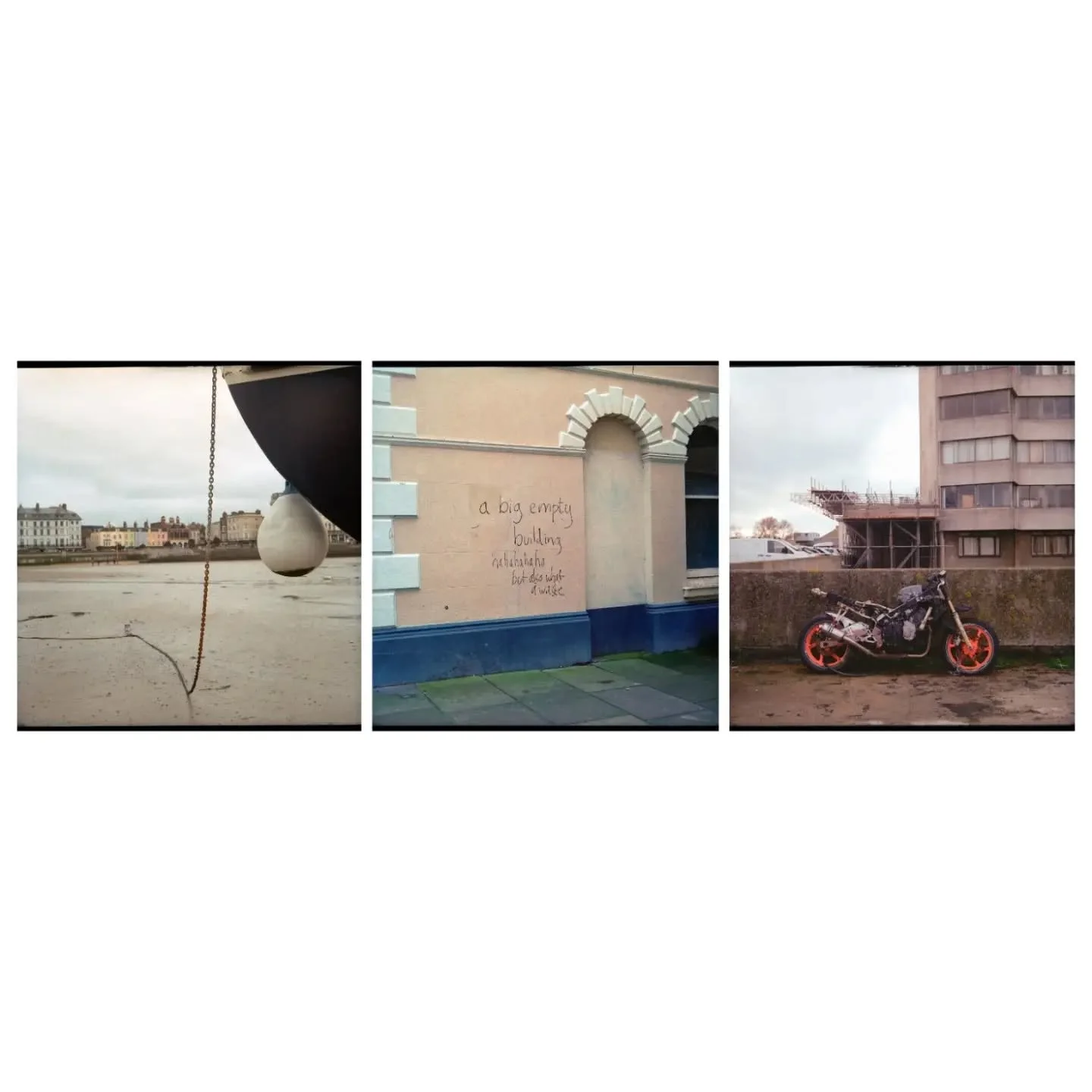
in the frame
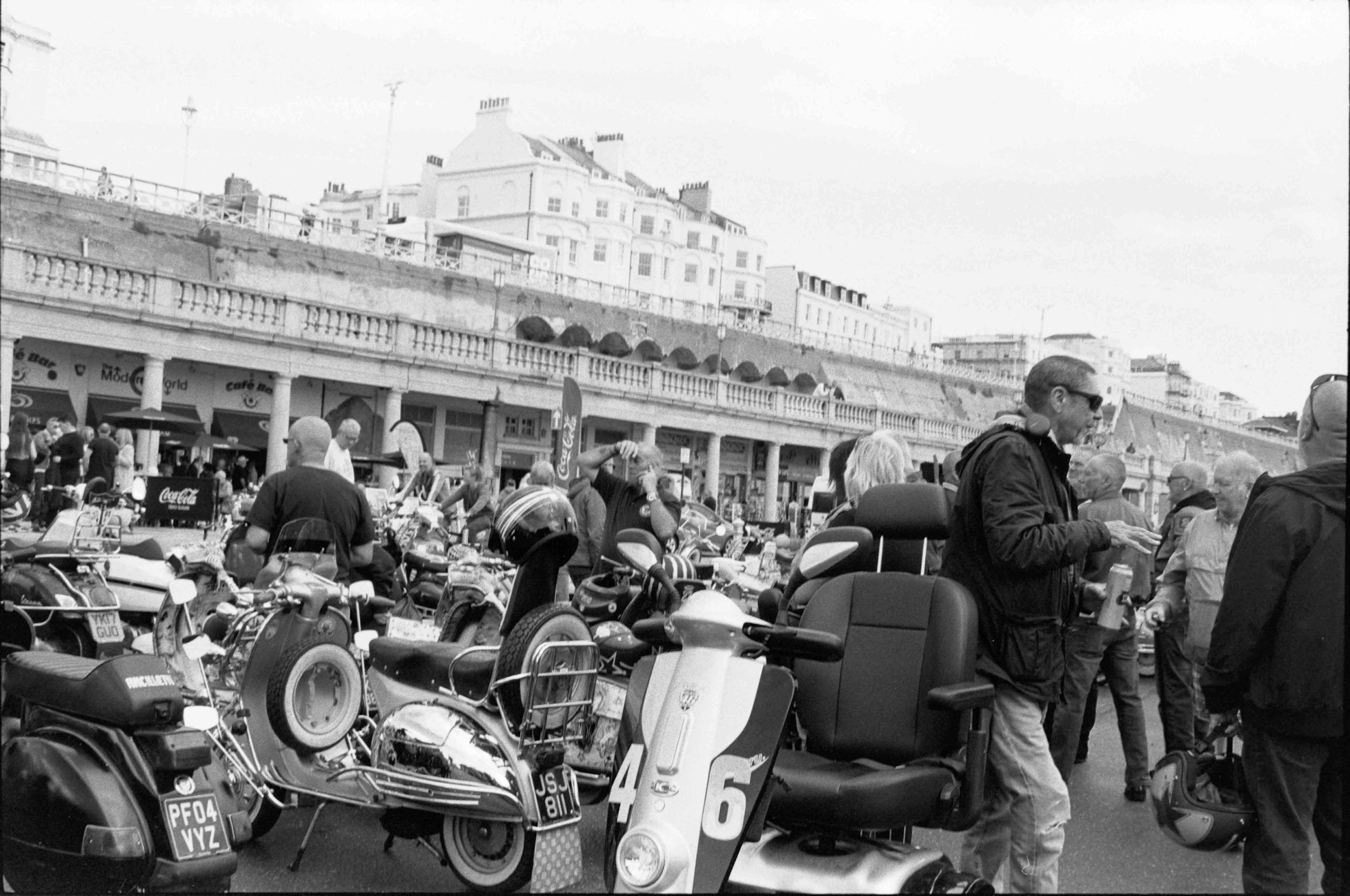
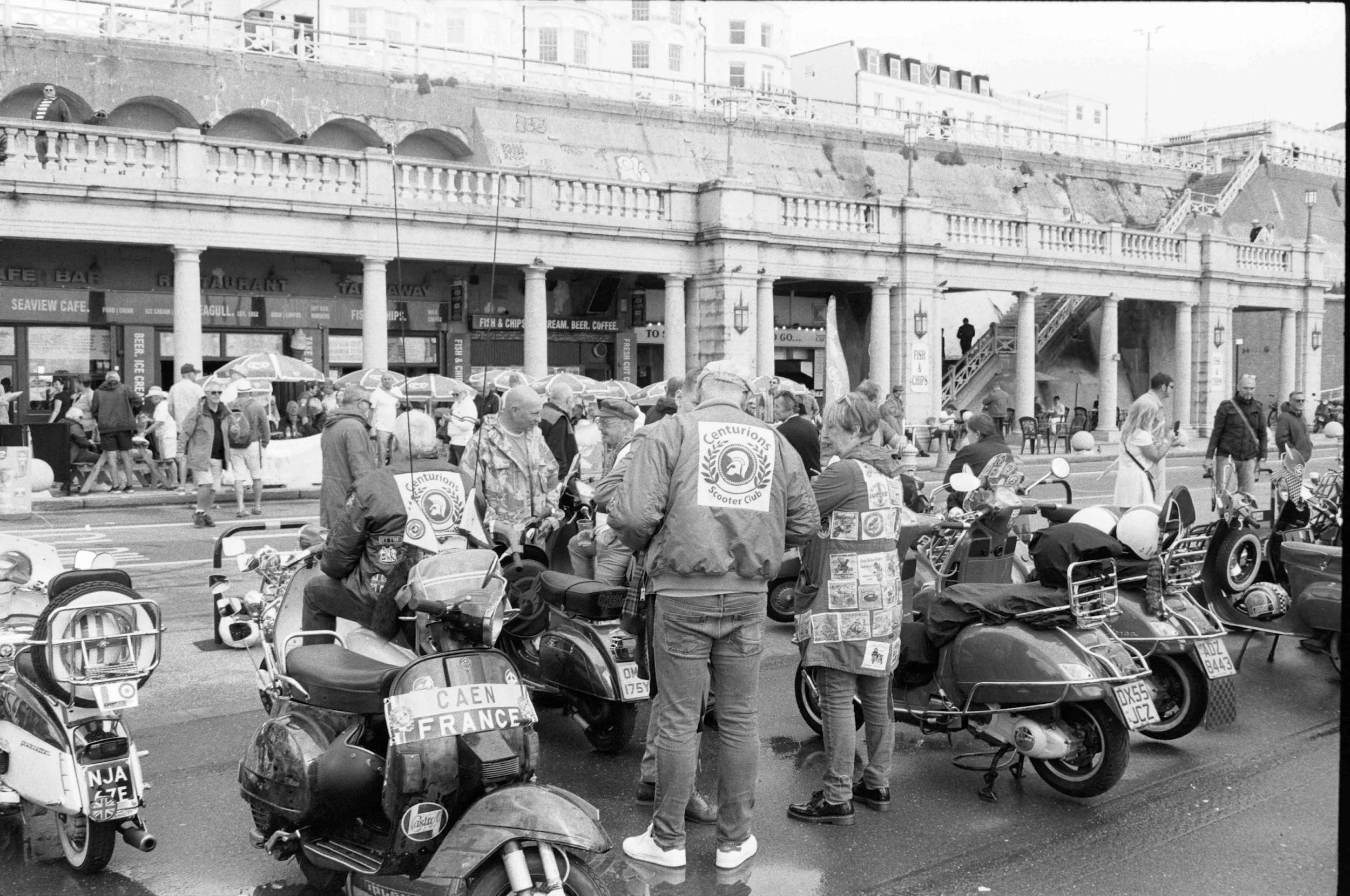
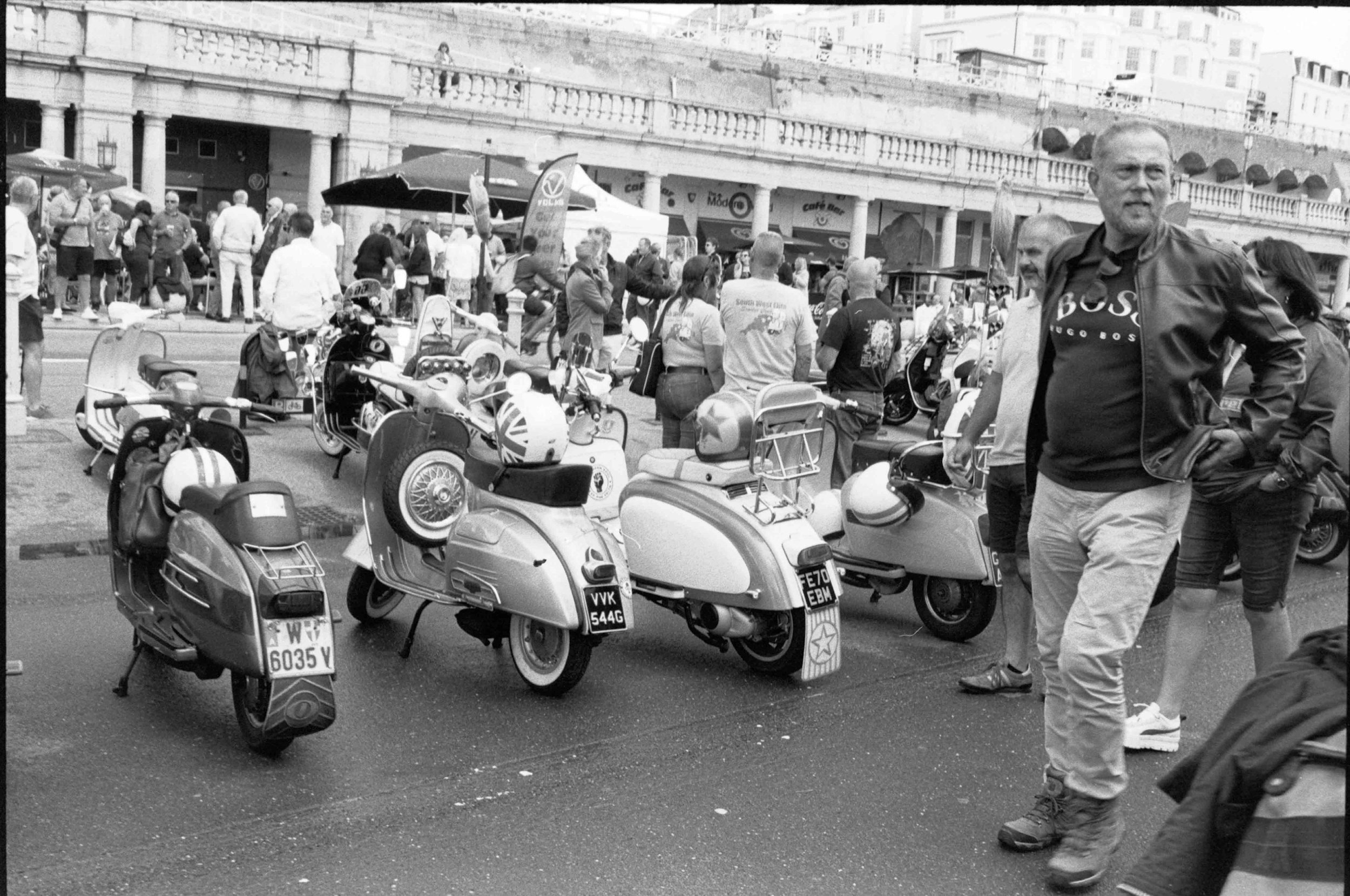
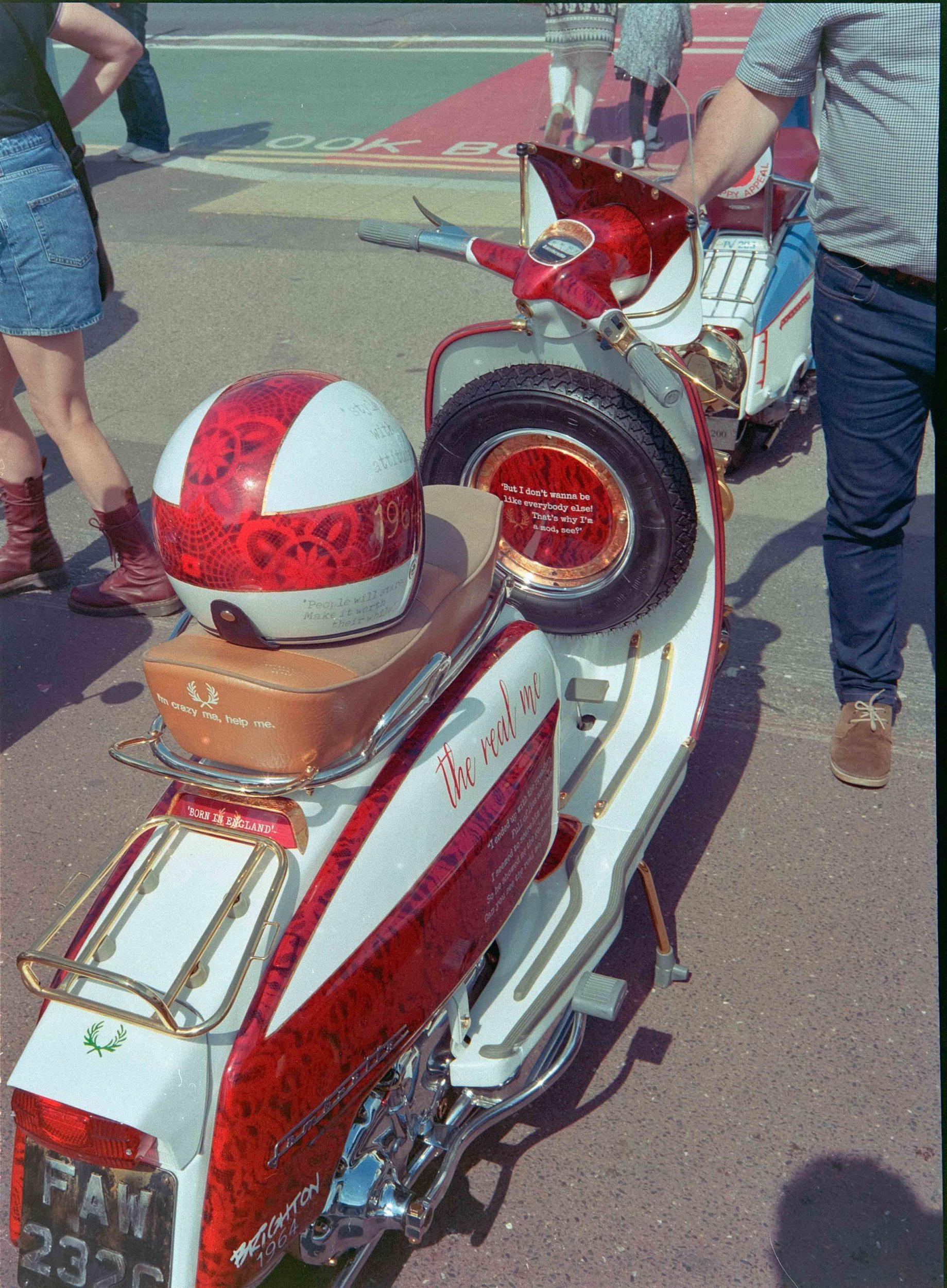
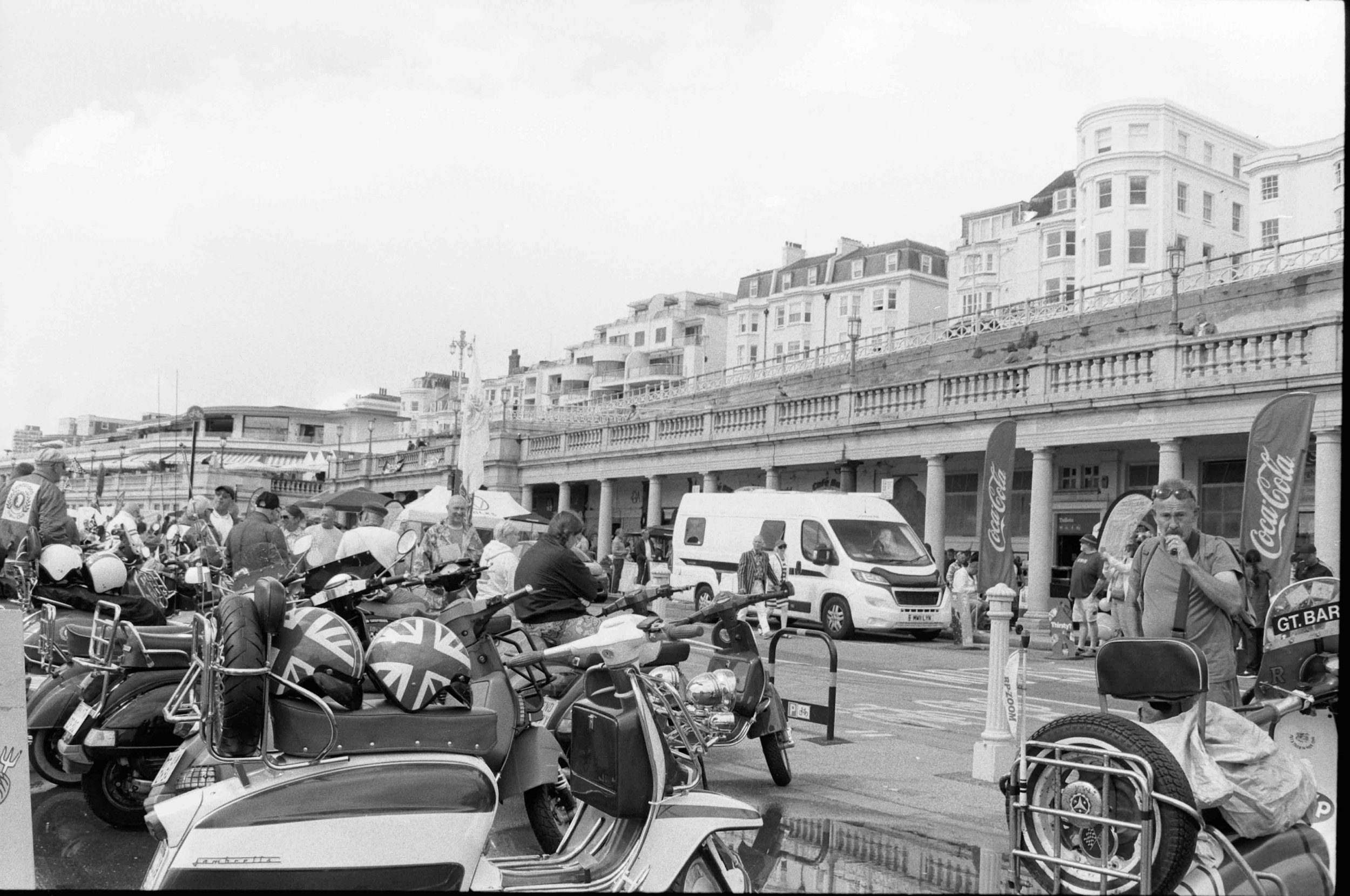
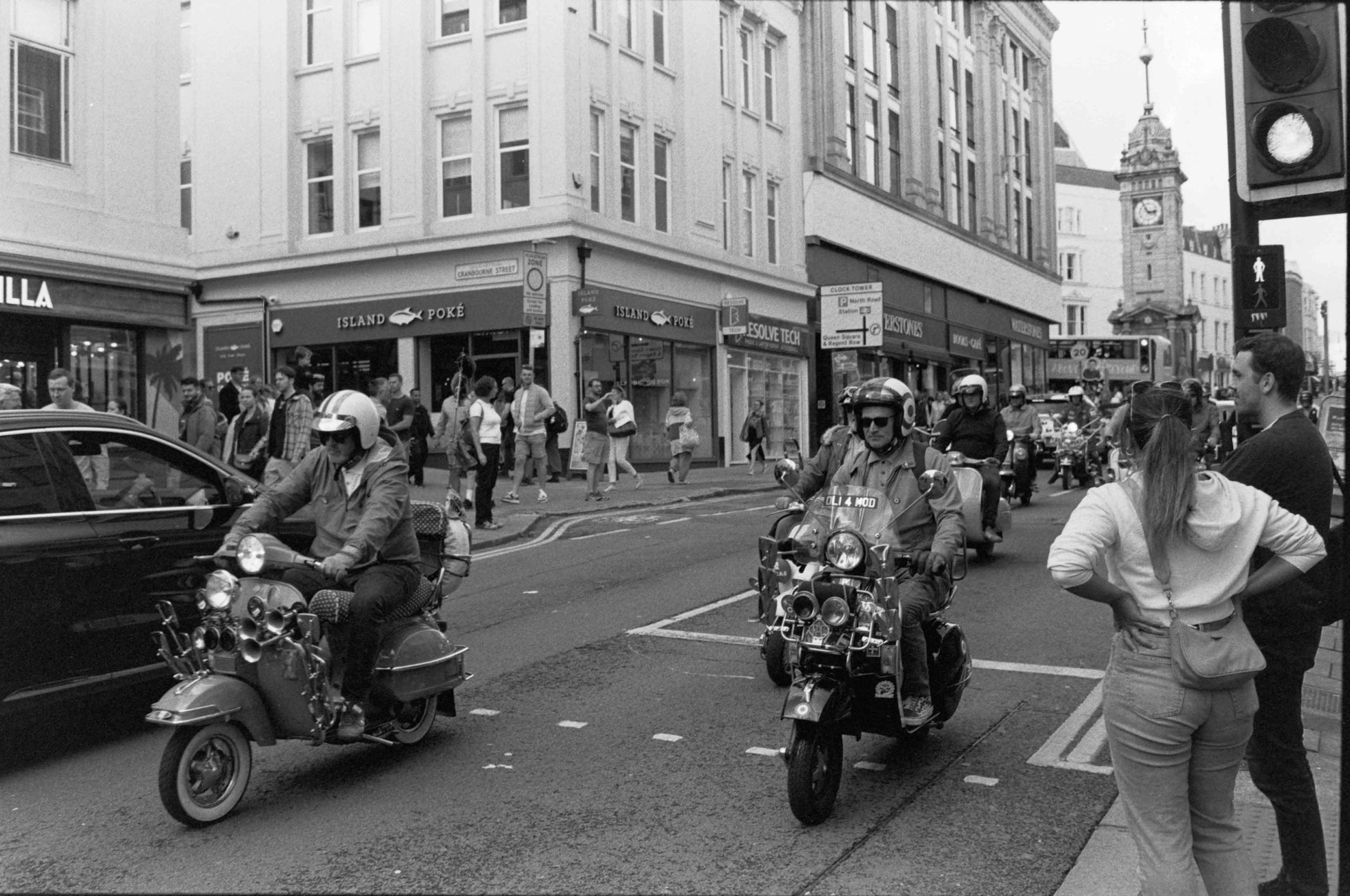
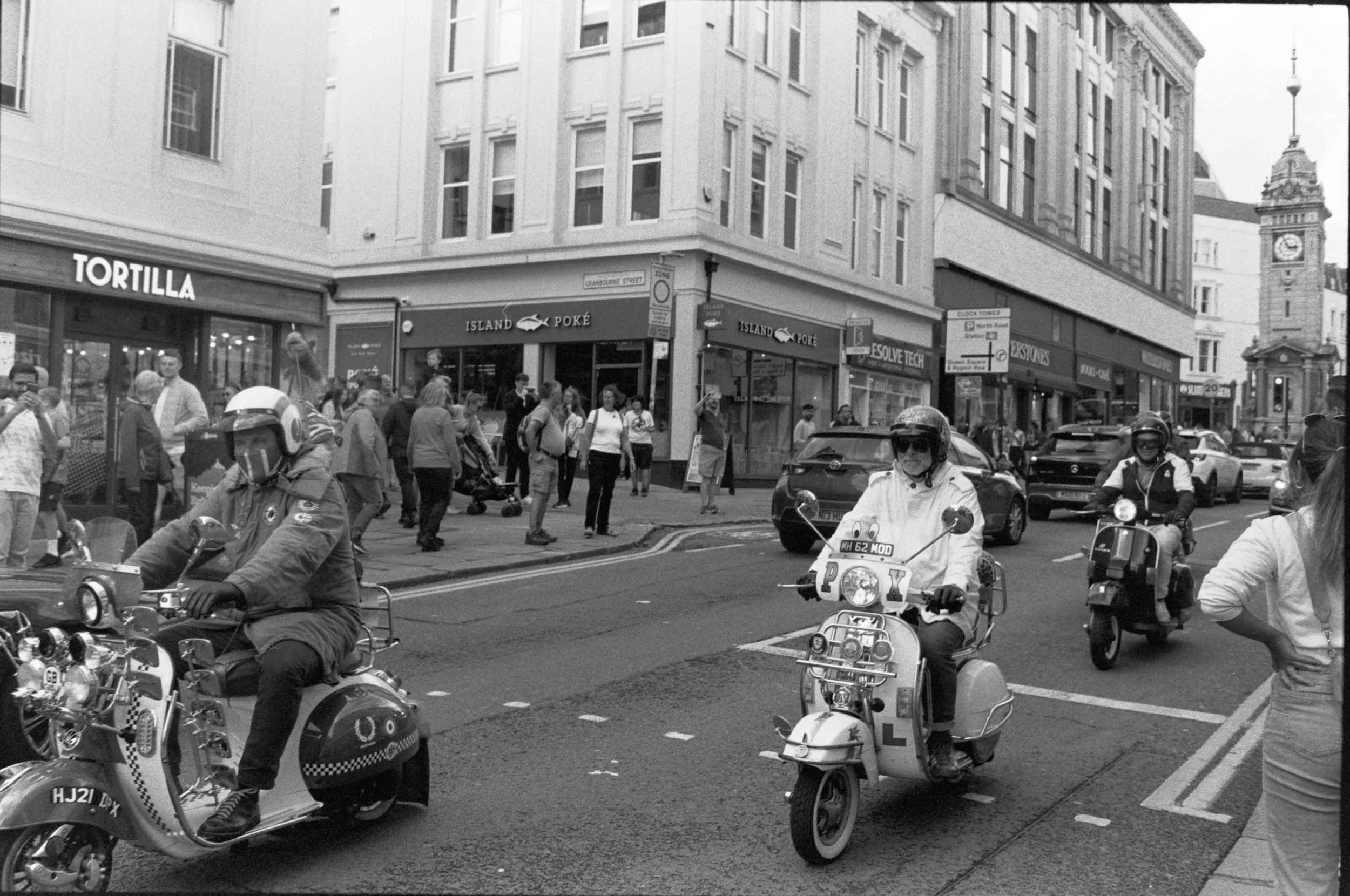
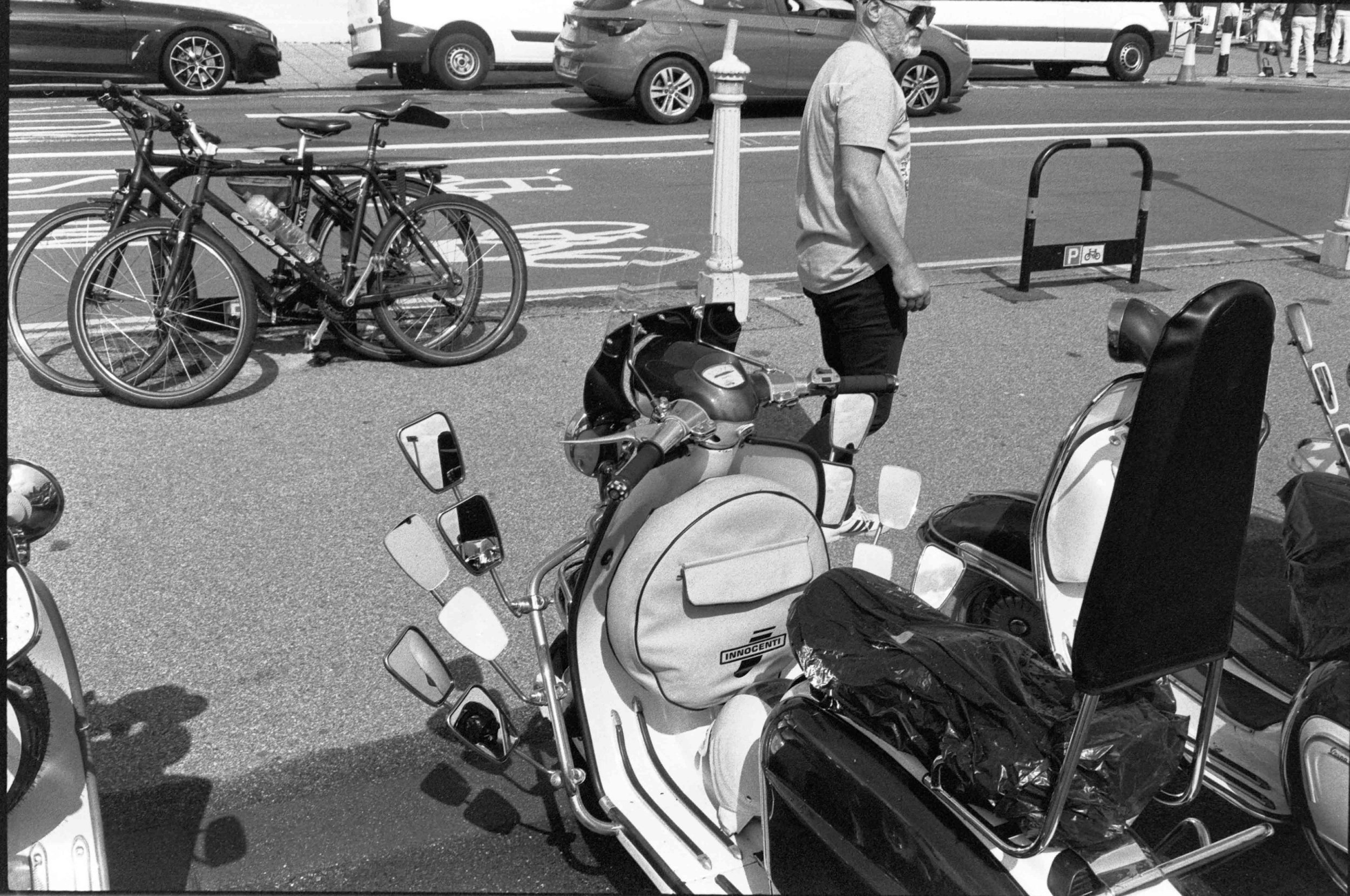
Brighton Mod Weekender
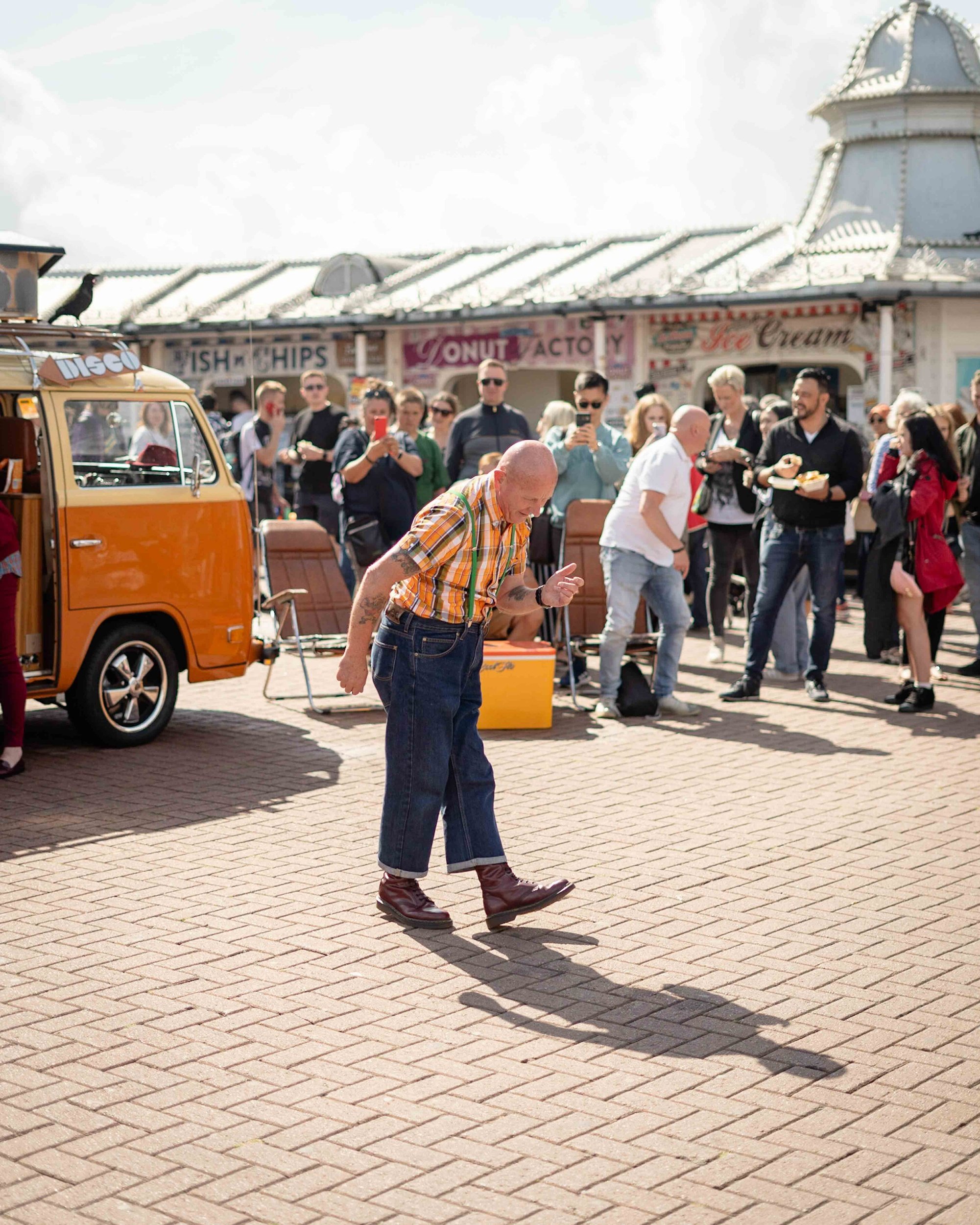
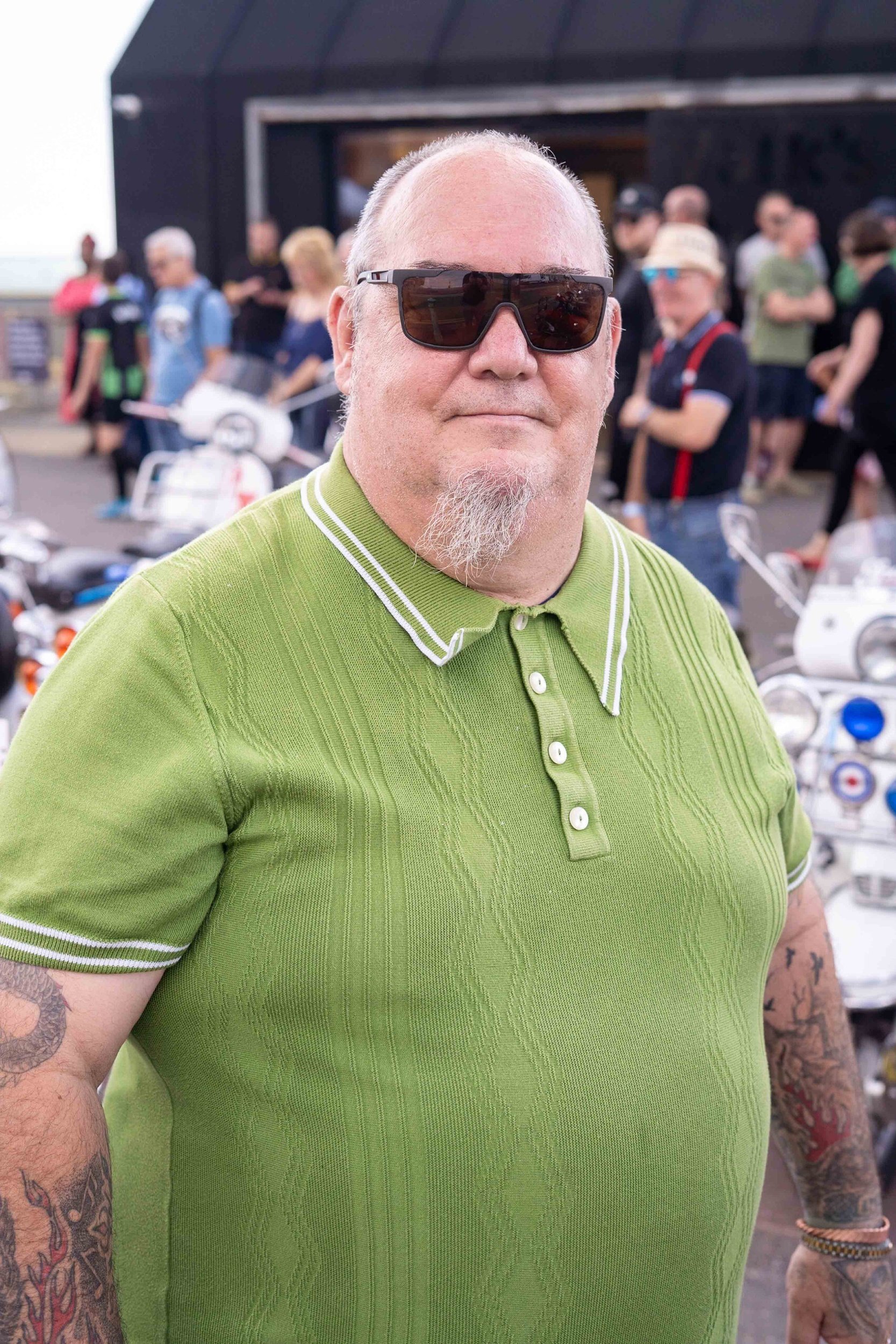
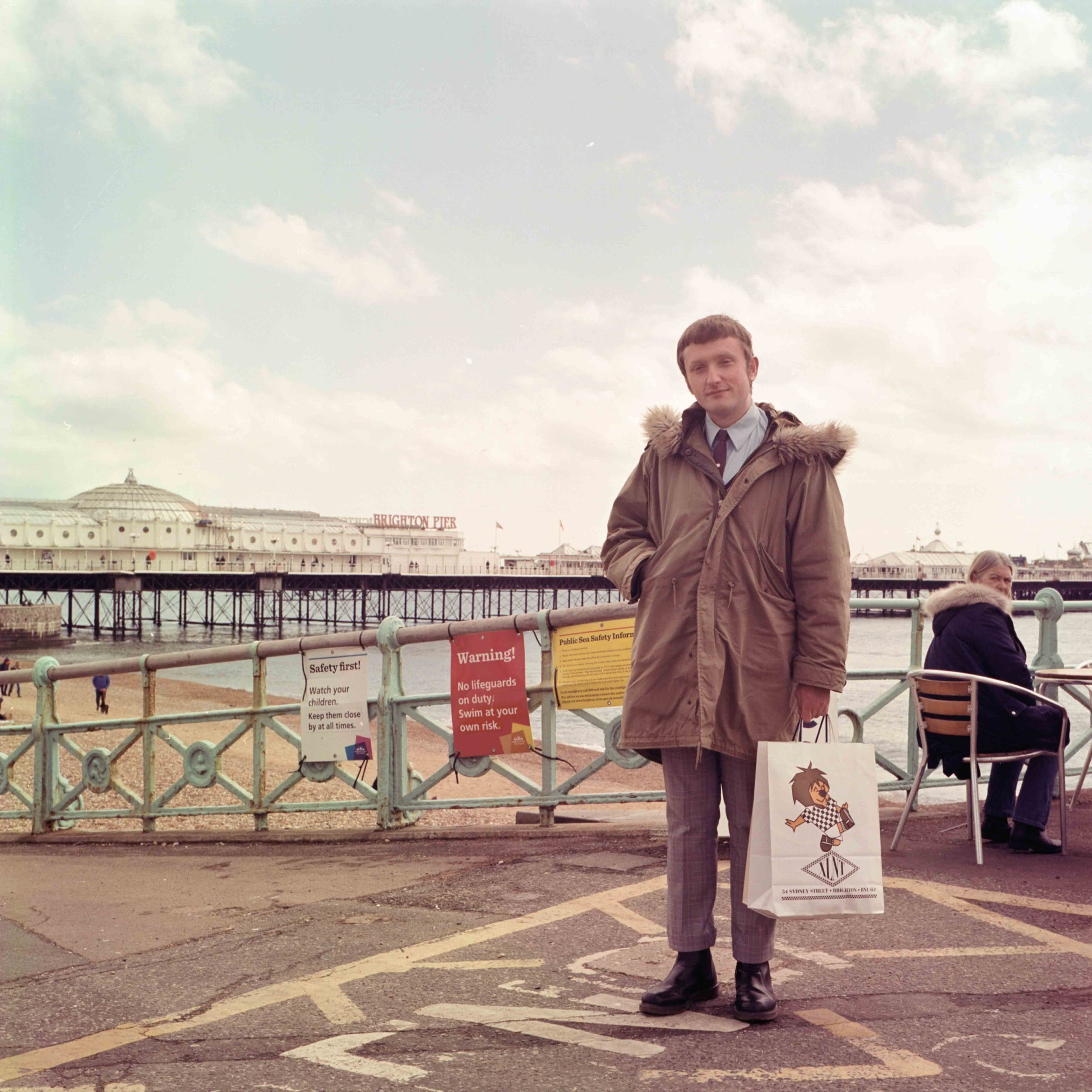
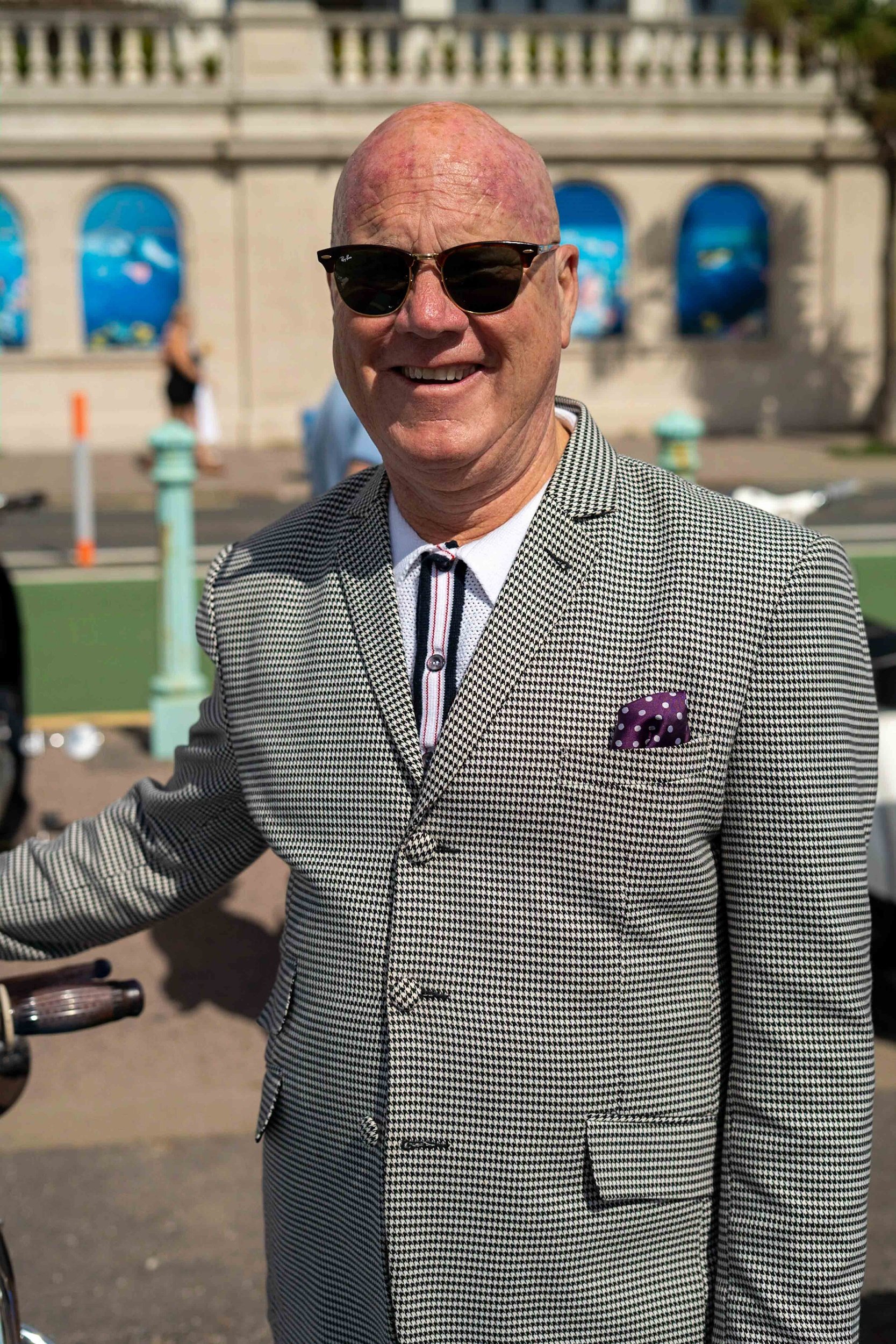
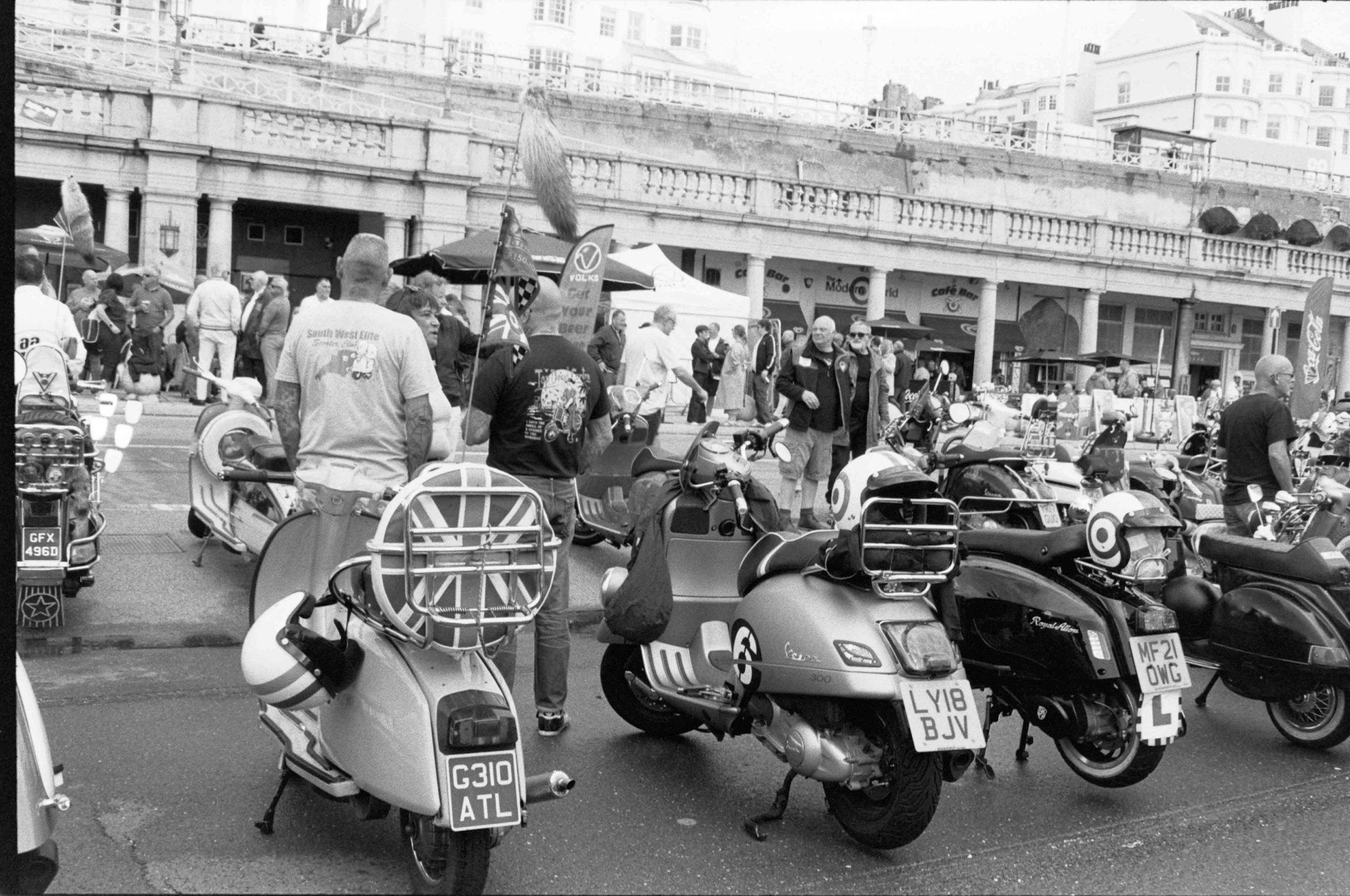
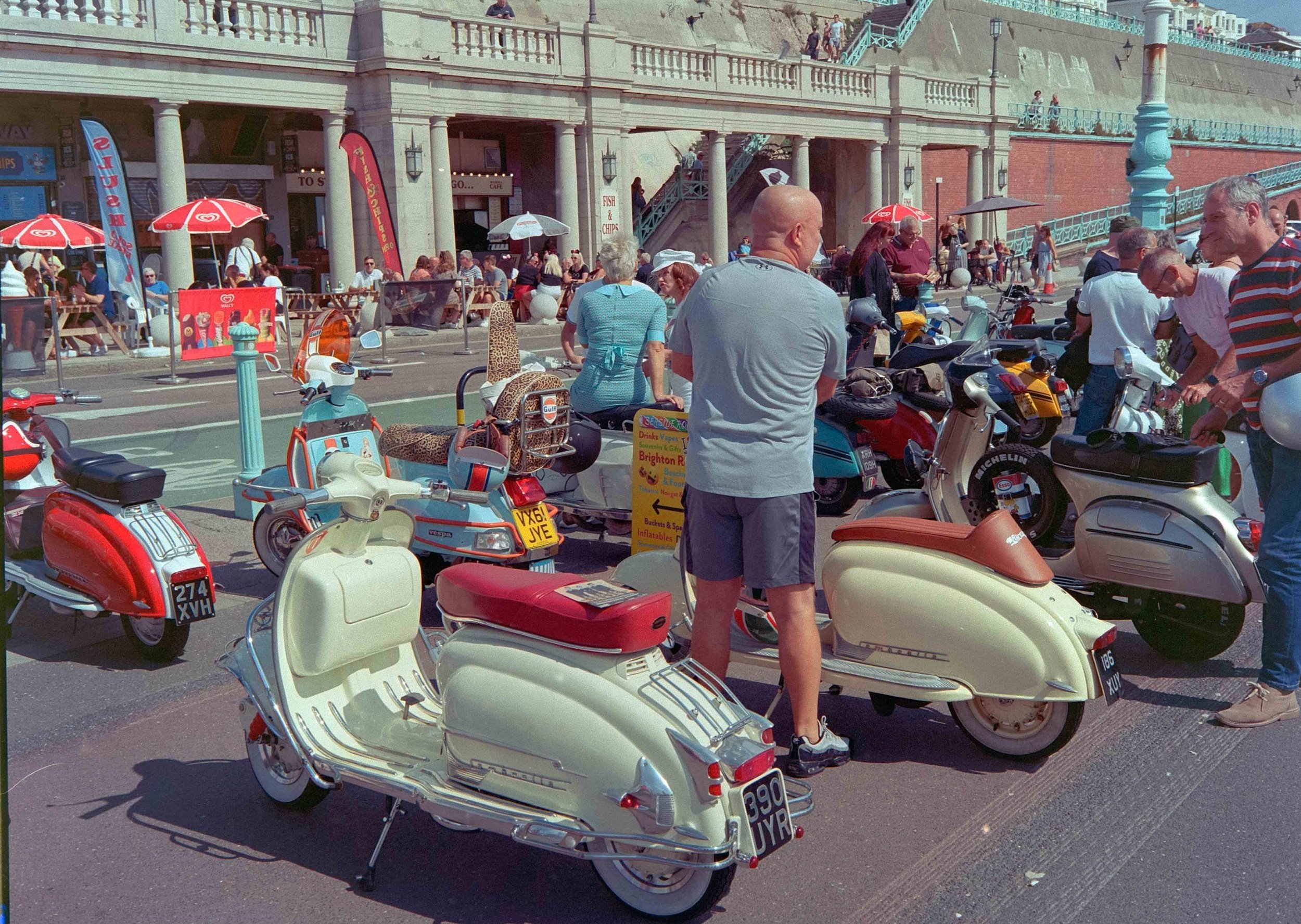
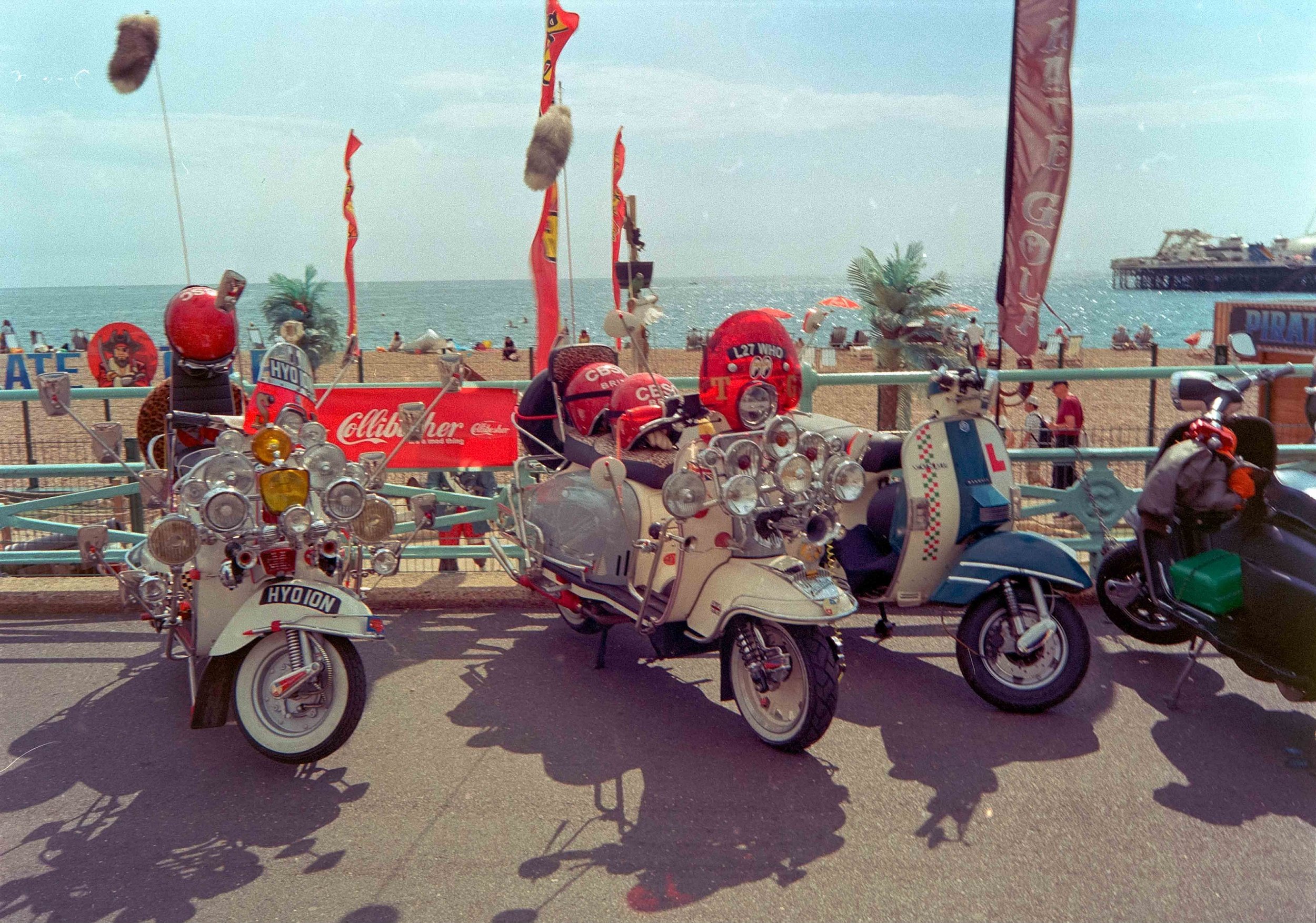
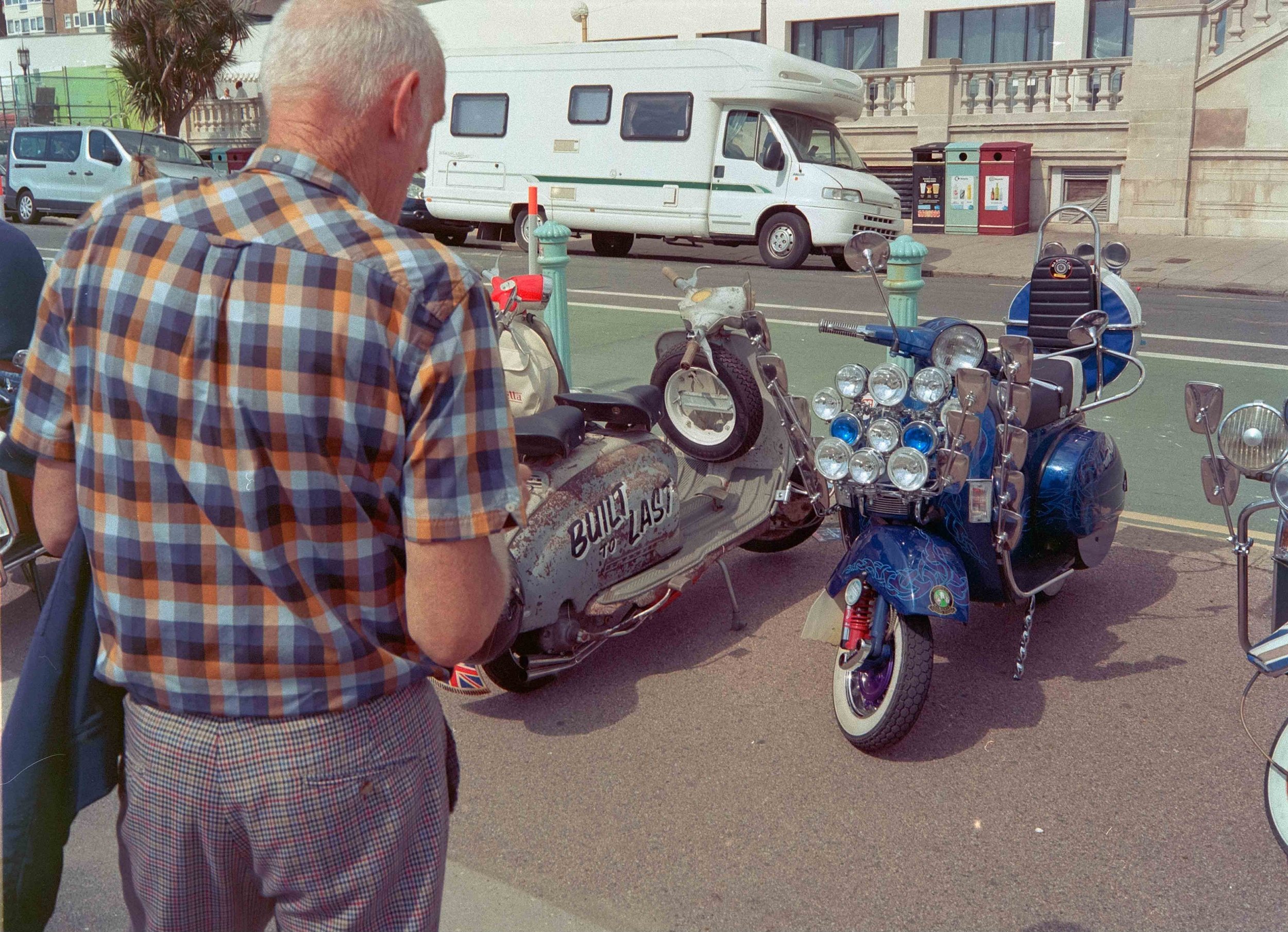
The Brighton Mod Weekender is an iconic event that has left an indelible mark on British subculture. With its roots firmly planted in the 1960s, this weekend-long celebration of music, fashion, and scooters has become a timeless tradition. In this blog post, we'll take a journey through the history of the Brighton Mod Weekender, tracing its origins, its cultural significance, and its enduring appeal.

The Brighton Mod Weekender is an iconic event that has left an indelible mark on British subculture. With its roots firmly planted in the 1960s, this weekend-long celebration of music, fashion, and scooters has become a timeless tradition. In this blog post, we'll take a journey through the history of the Brighton Mod Weekender, tracing its origins, its cultural significance, and its enduring appeal.
I have magical memories of mods and mod culture, when I was a lad growing up in 1980s midlands. A Vespa PX125, was my dream machine.
This was compounded further after watching Quadrophenia.
The Birth of the Mods
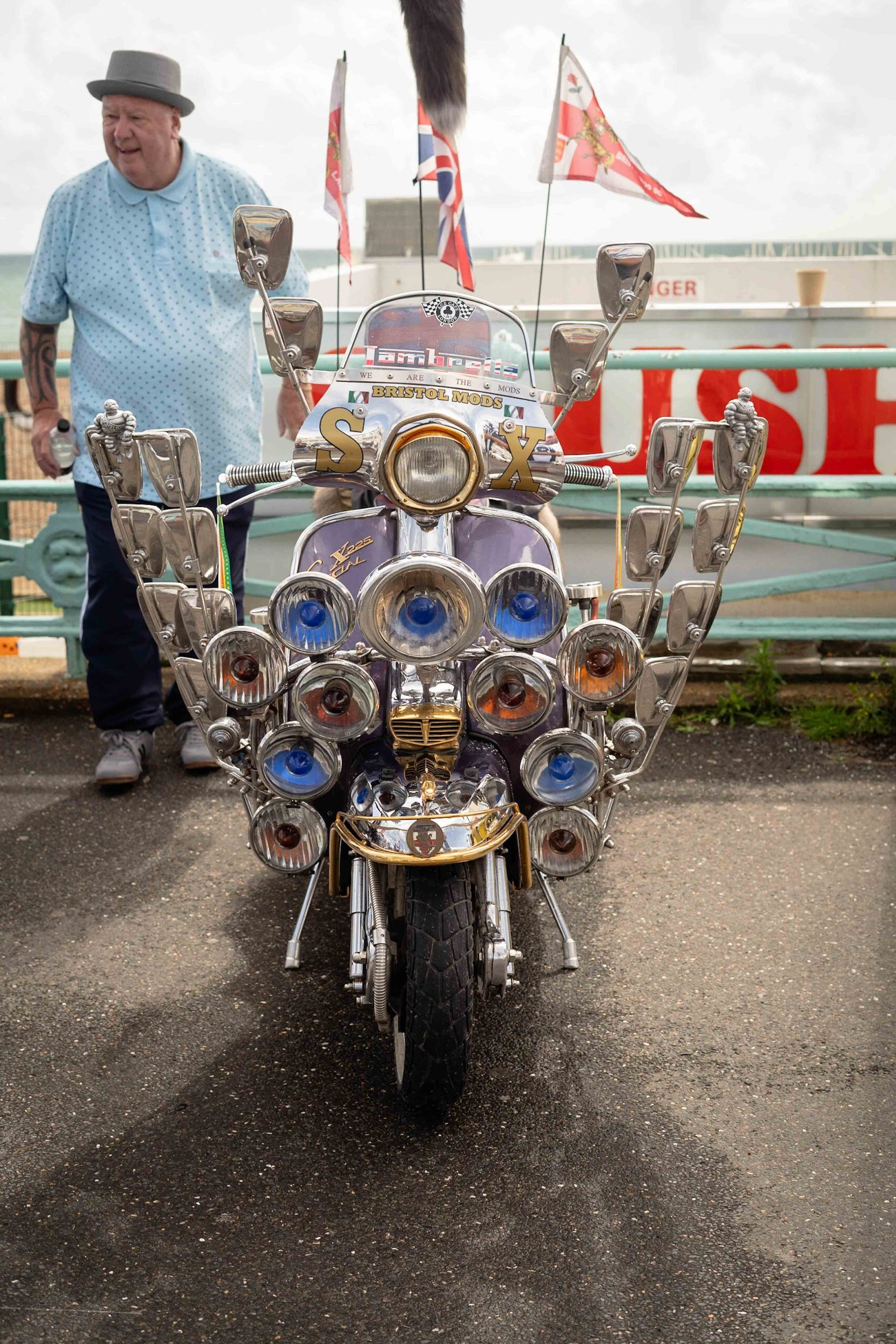
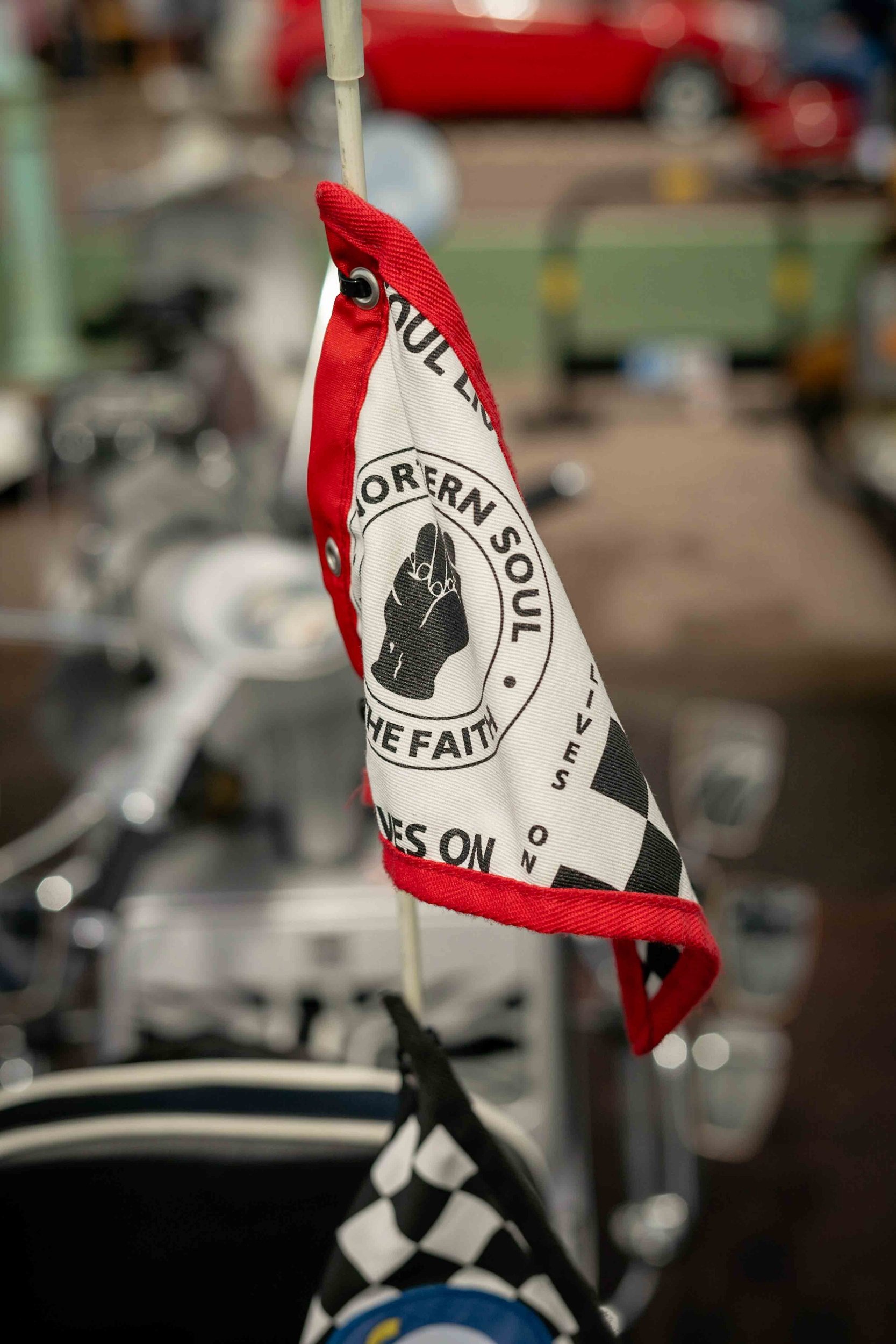
To understand the Brighton Mod Weekender, we must first delve into the world of the Mods. Emerging in the early 1960s in the United Kingdom, Mods were a youth subculture known for their sharp fashion sense, love of American R&B and soul music, and a passion for Vespa and Lambretta scooters. They represented a break from the austerity of post-war Britain, embracing a new sense of style and individuality.
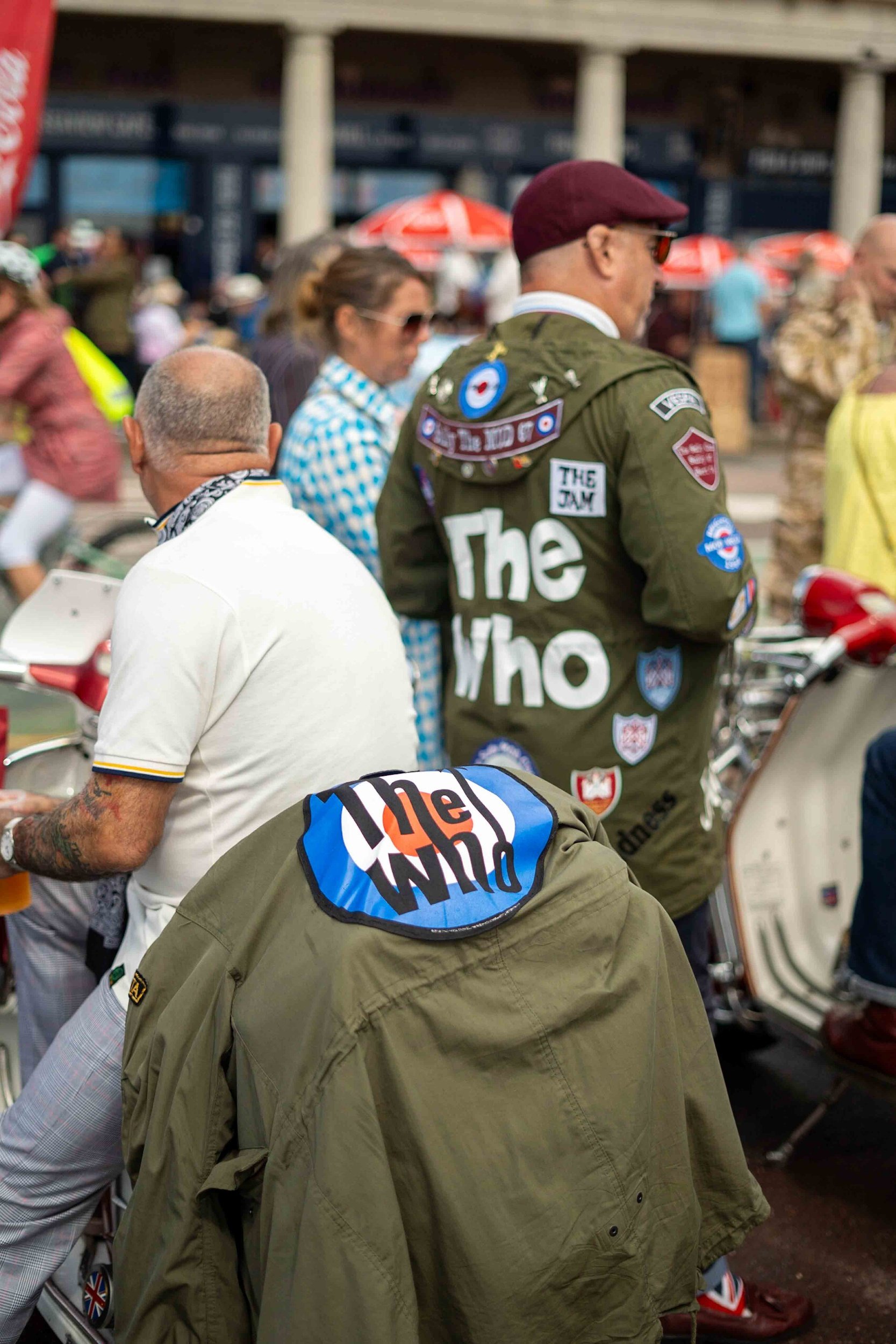
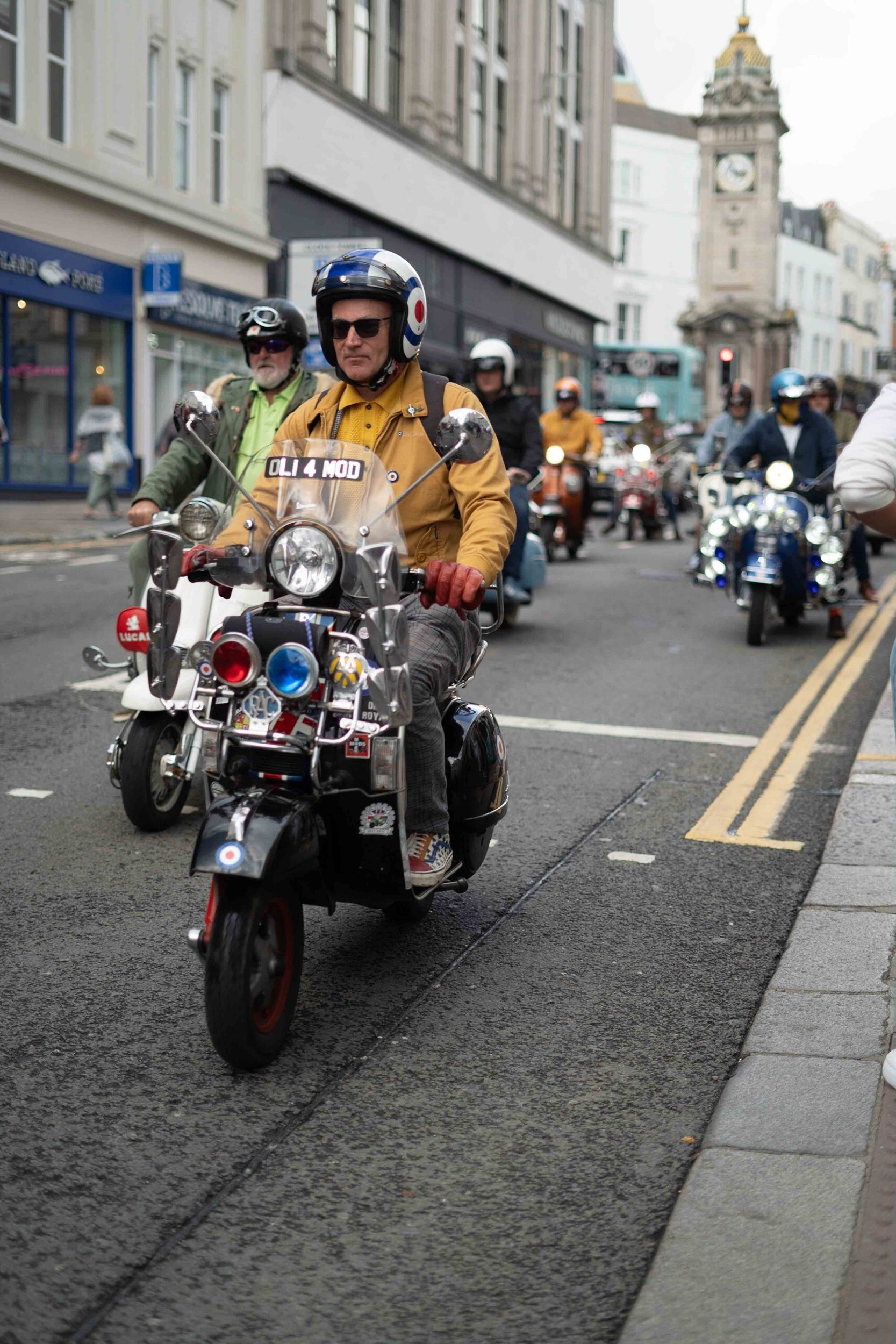
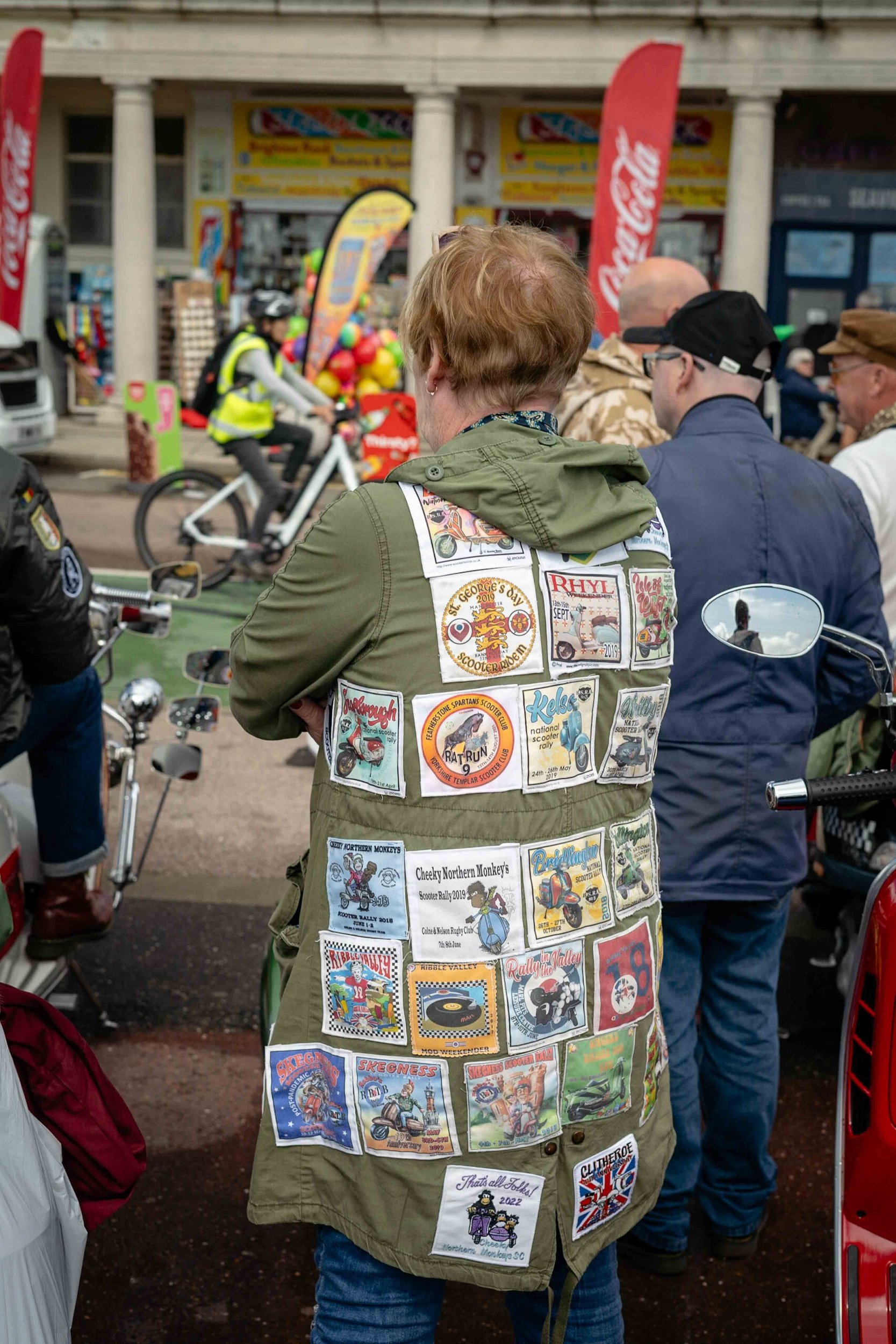
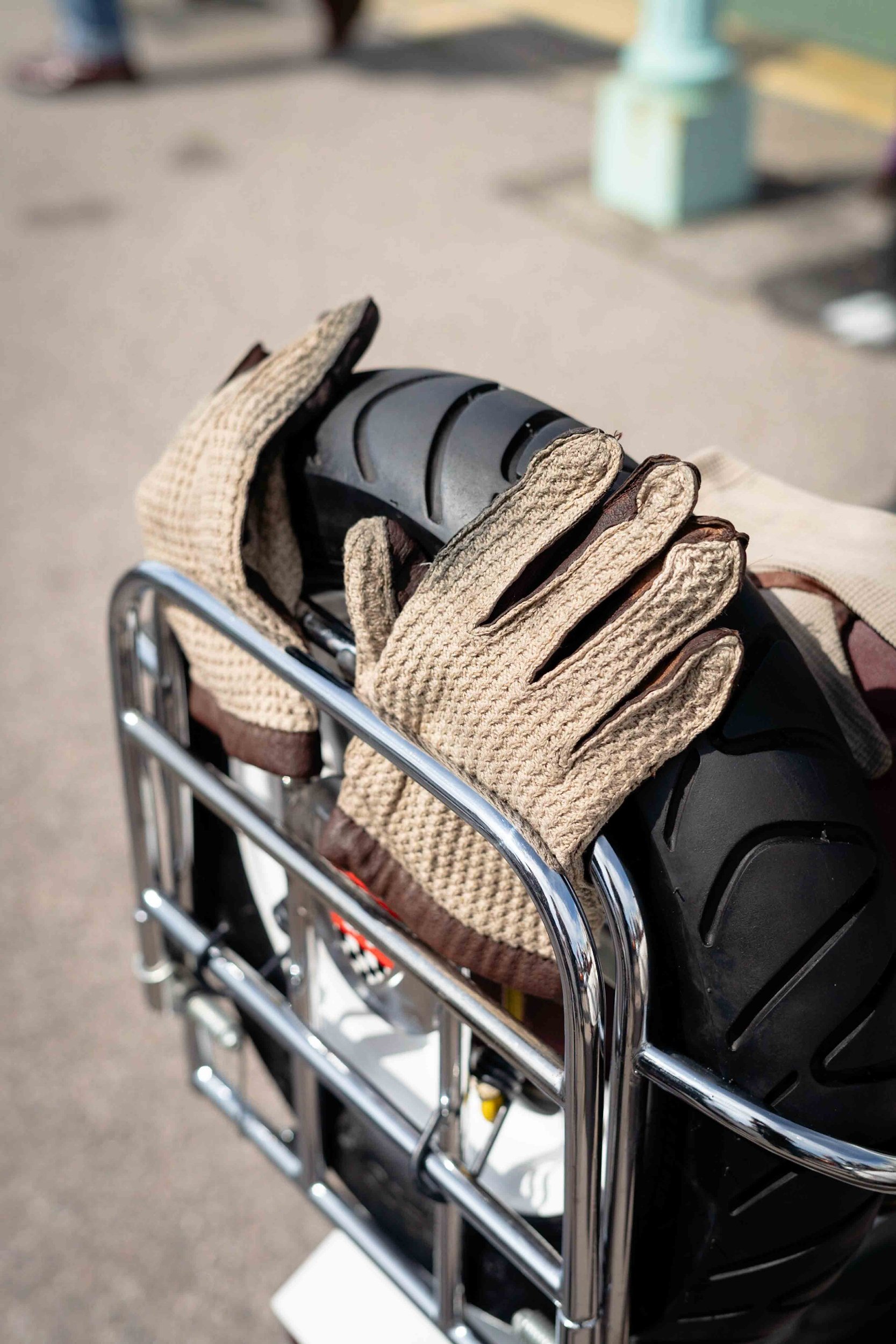
The First Brighton Mod Weekender
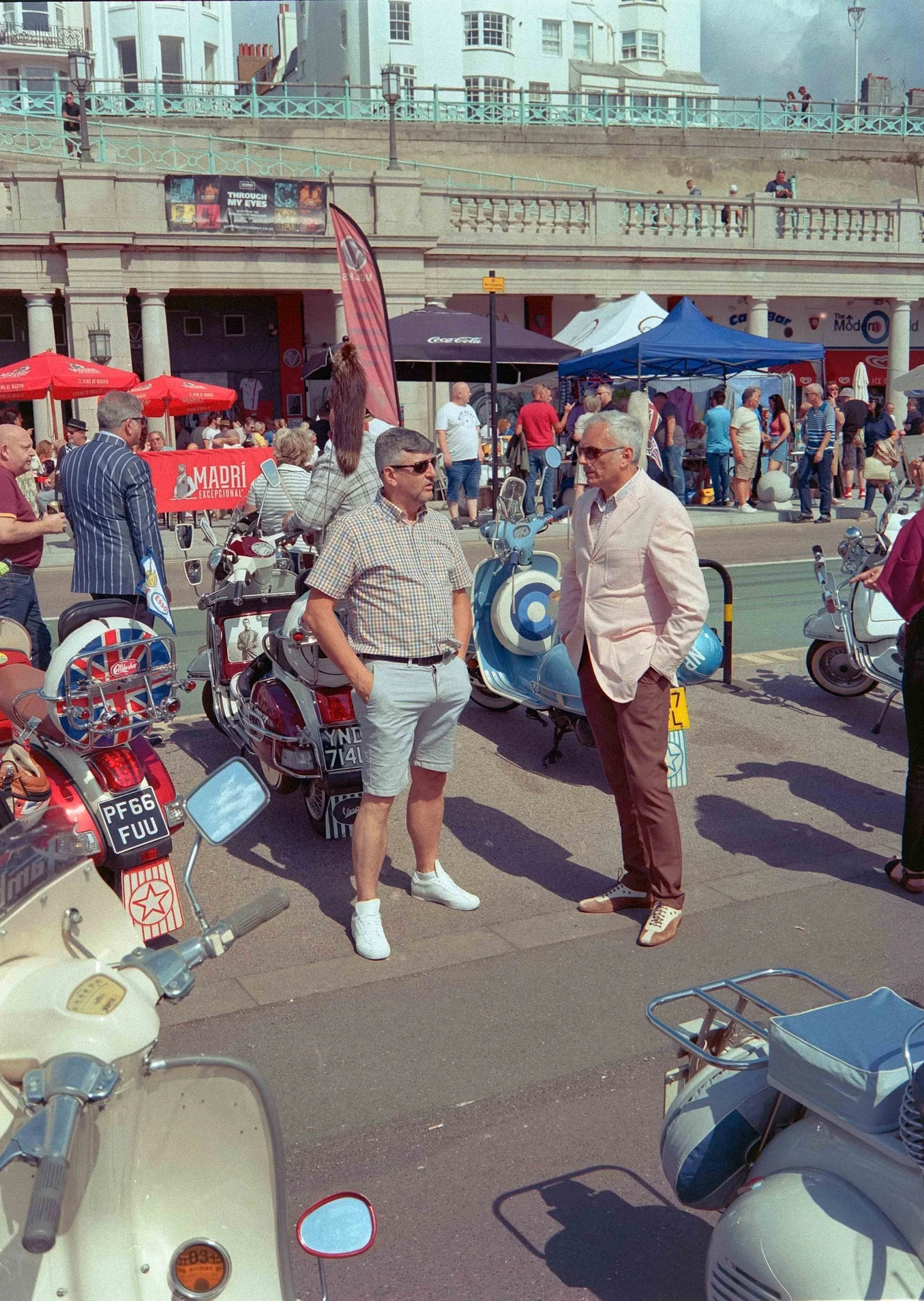
The Brighton Mod Weekender has its origins in the mid-1960s when young Mods from London started heading to the coastal town of Brighton for weekend getaways. These trips were fueled by a desire to escape the urban grind and soak up the sun, sea, and good music. The iconic seafront location and the promise of excitement drew Mods to Brighton in droves.
The 1964 Whitsun Bank Holiday weekend marked the first official Brighton Mod Weekender. Thousands of Mods descended upon the town, creating a spectacle with their stylish attire and rows of gleaming scooters. It was during this weekend that the clashes between Mods and their rival subculture, the Rockers, gained national attention and became known as the "Battle of Brighton."
The Cultural Significance
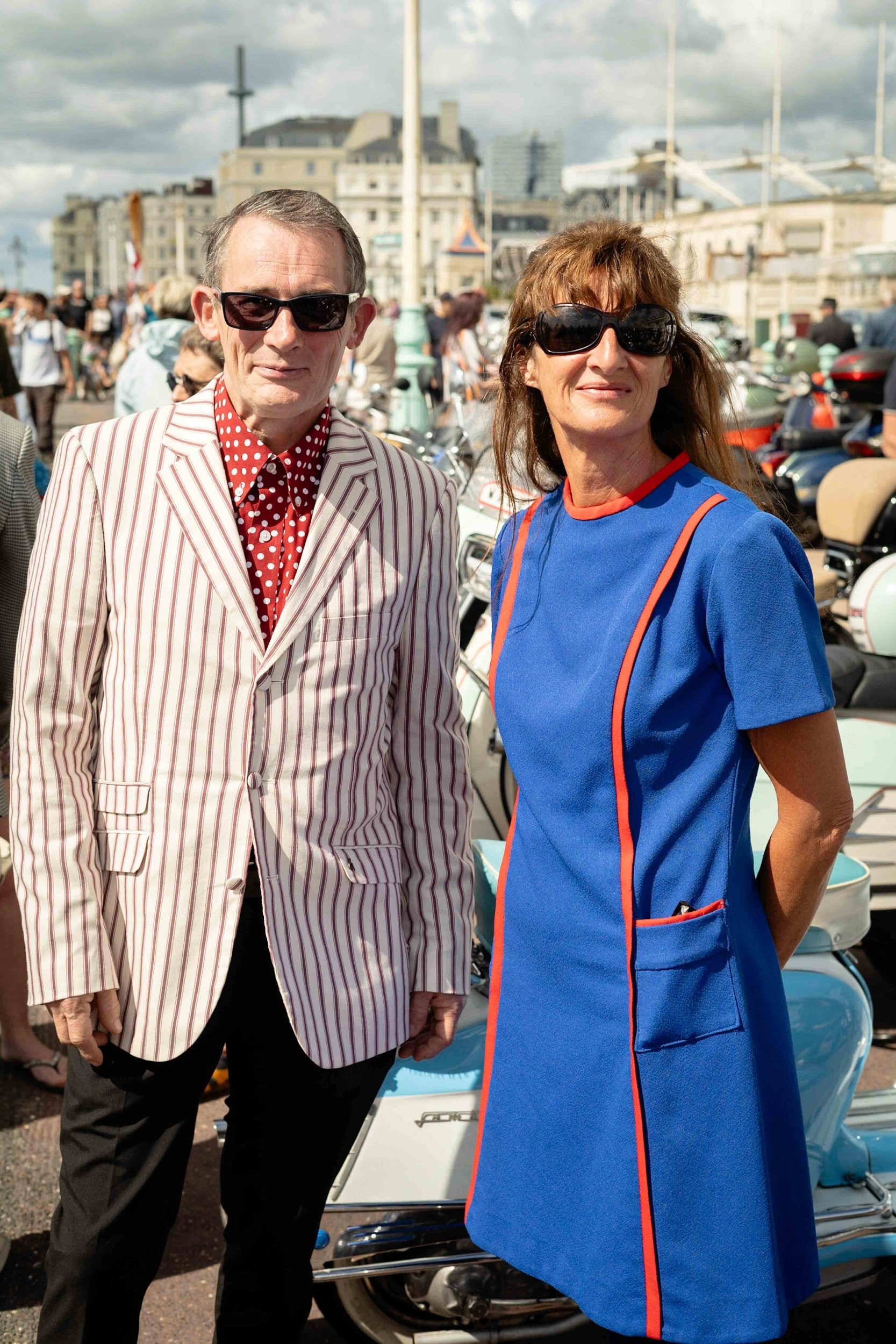
The Brighton Mod Weekender soon became a symbol of youth rebellion, individuality, and a rejection of the status quo. Mods embraced modernity, with their immaculate suits, parkas, and music preferences that celebrated rhythm and blues. The event showcased a sense of community and belonging, where like-minded individuals came together to celebrate their unique identity.
Music played a central role in the Brighton Mod Weekender. DJ sets and live performances featured soul, R&B, ska, and jazz – genres that still define the Mod scene today. Iconic artists like The Who, The Small Faces, and The Kinks were embraced by Mods, their music becoming anthems for the movement.
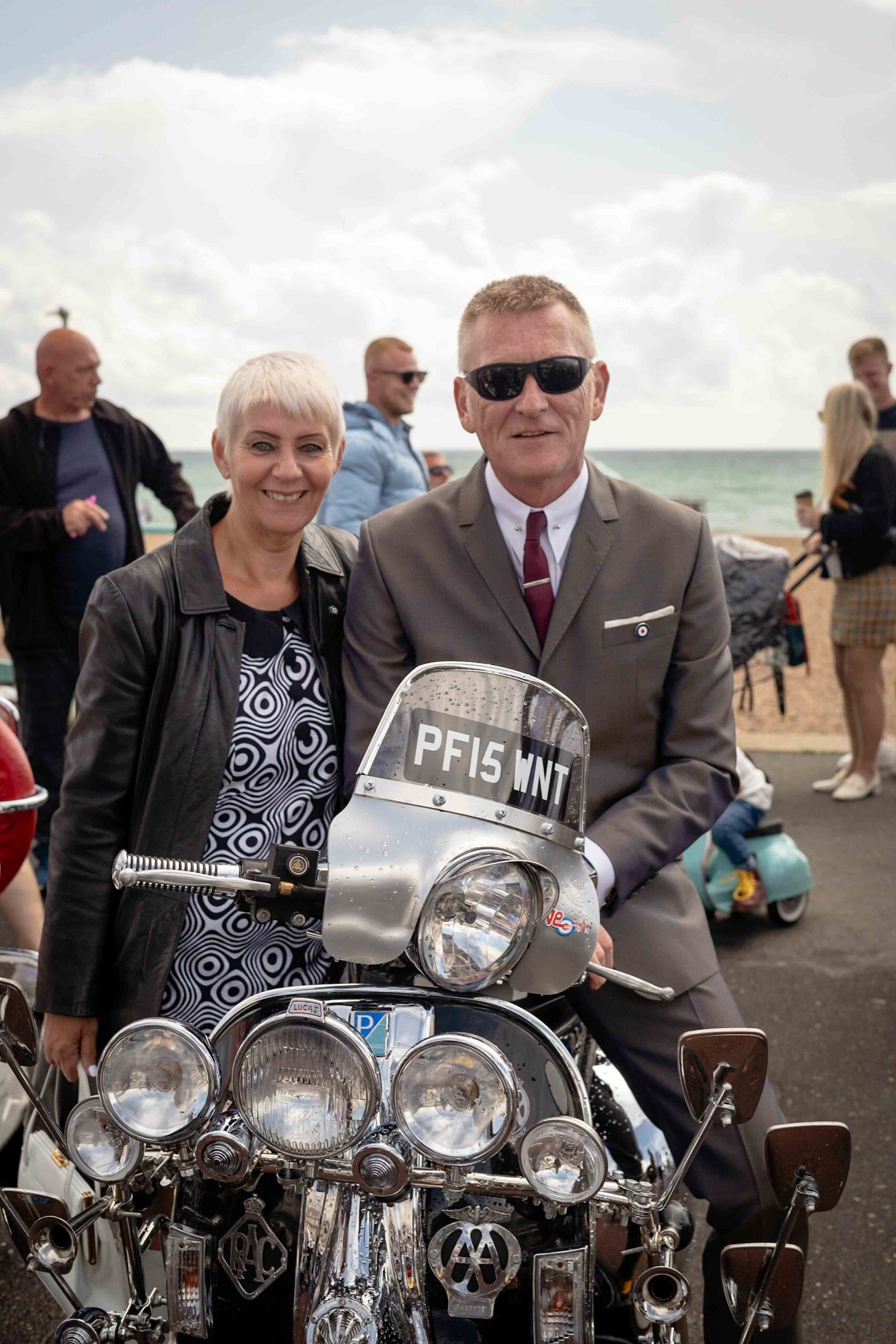
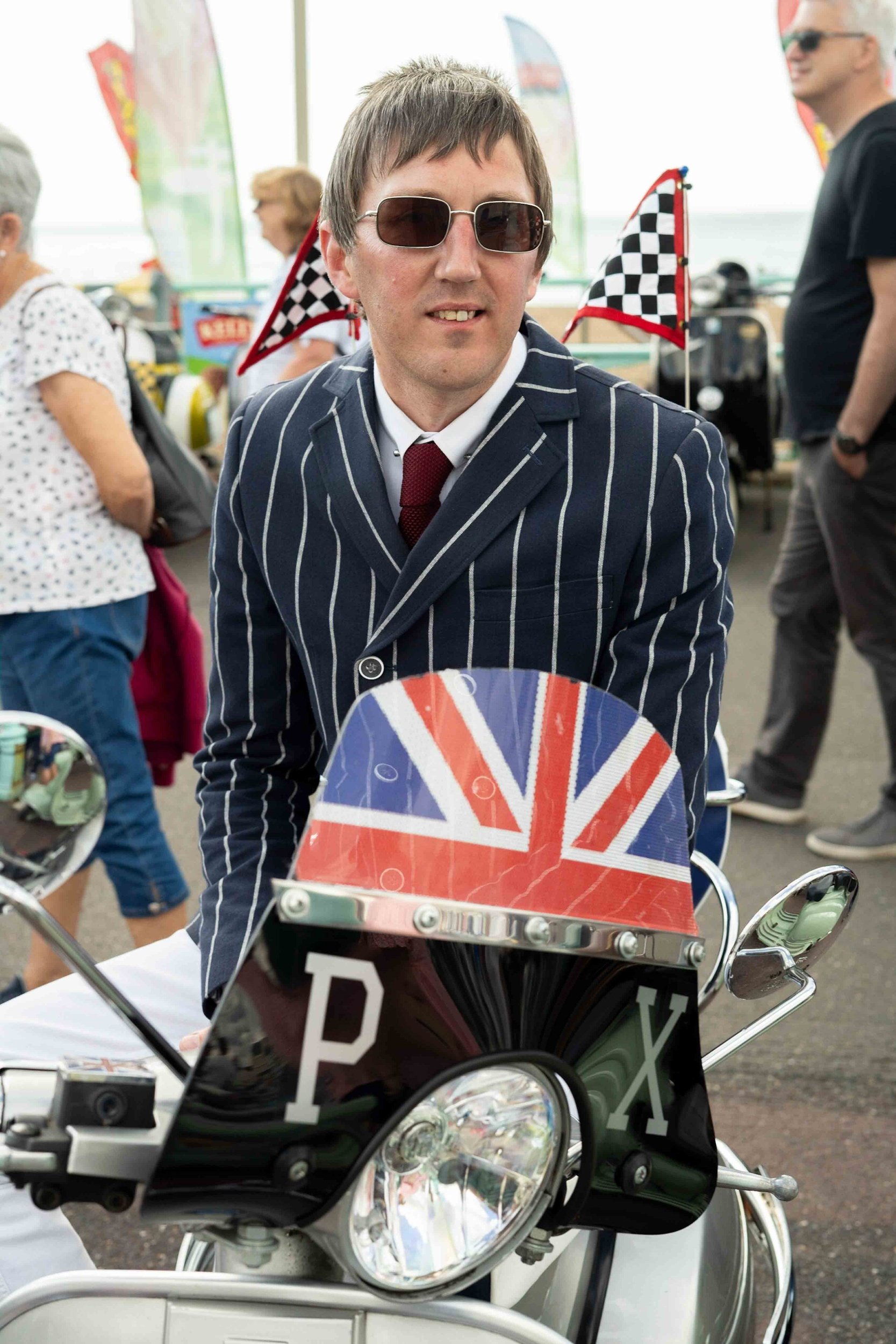
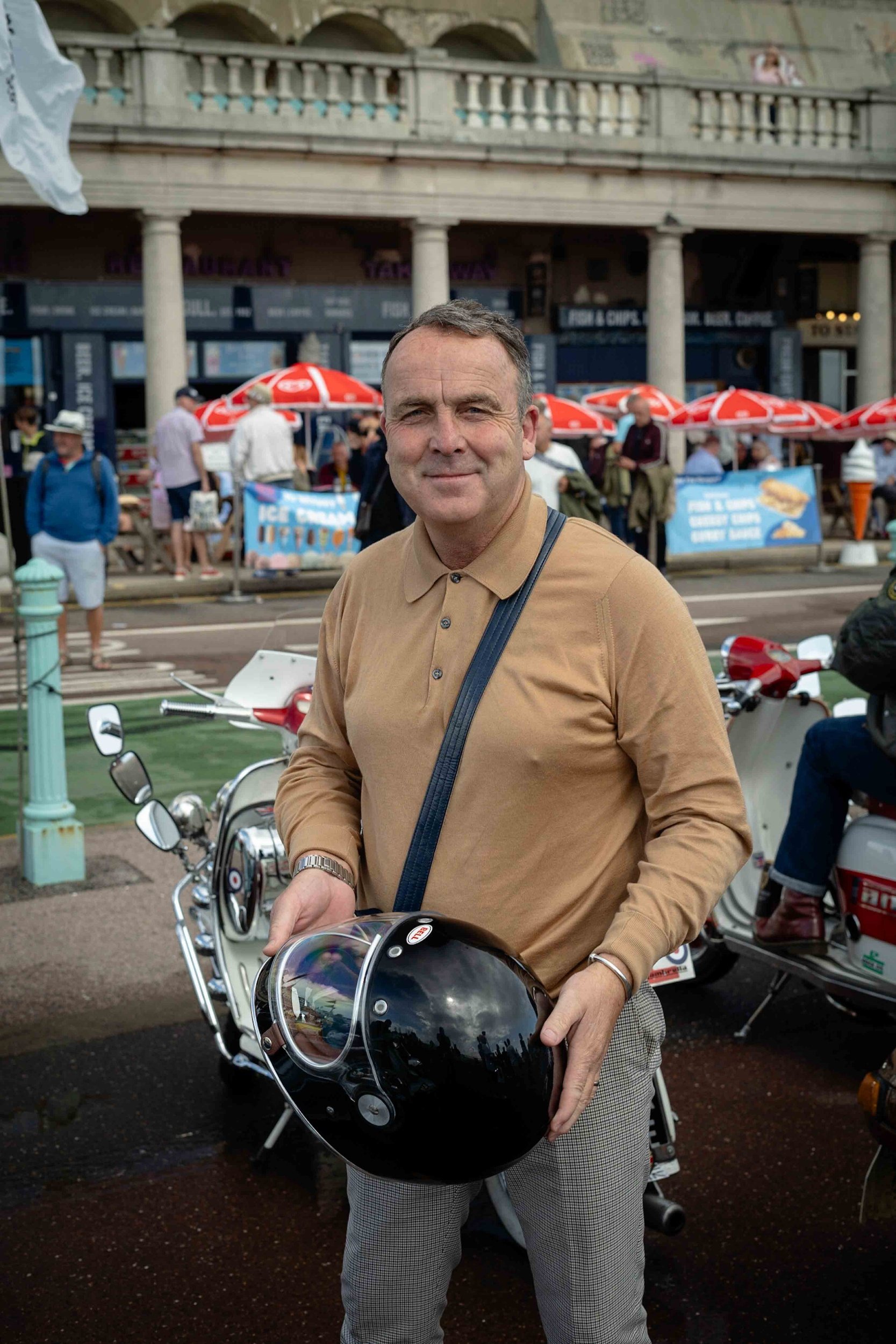
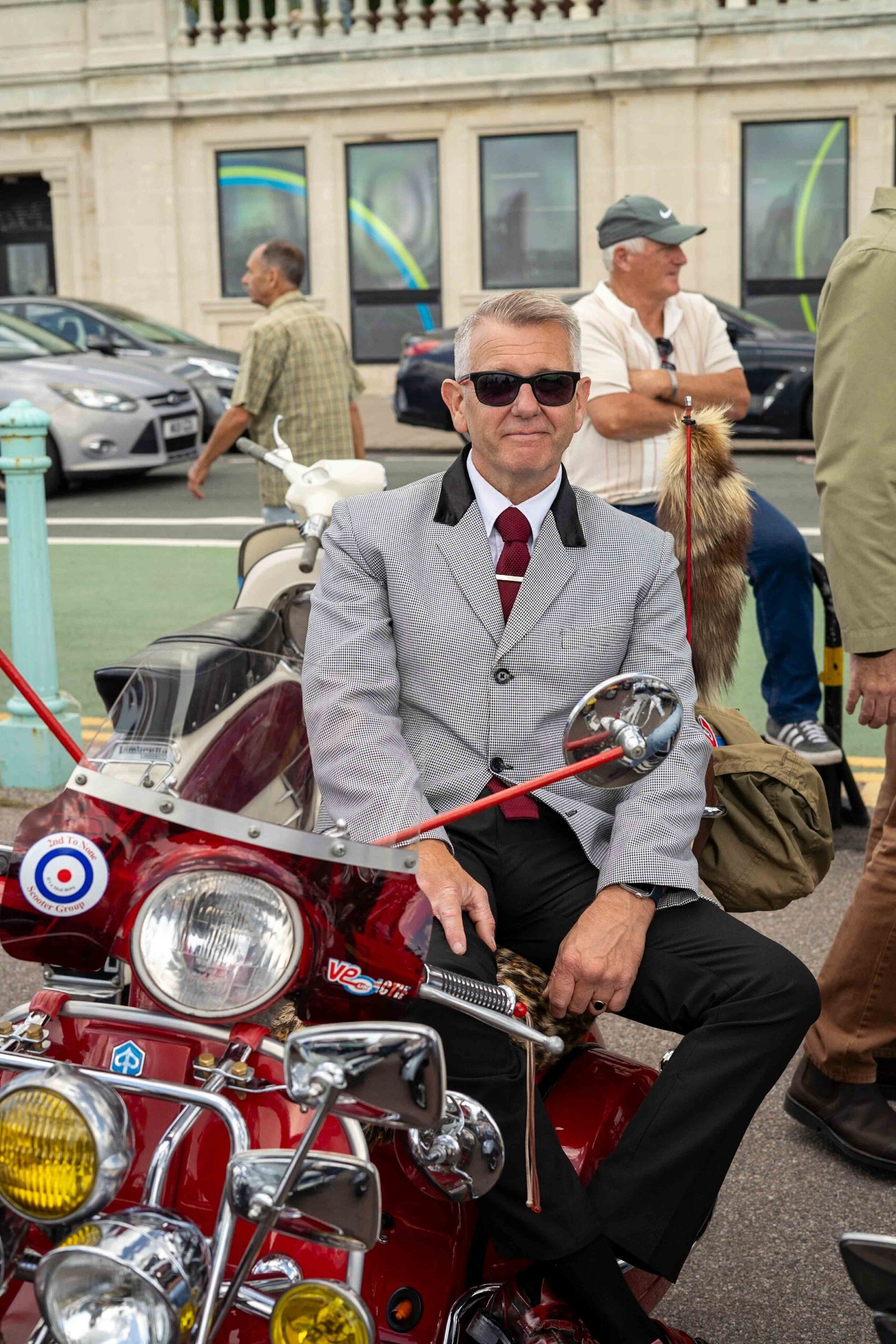

The Revival and Evolution
While the initial Brighton Mod Weekenders of the 1960s waned as the decade came to a close, the spirit of the Mods endured. In the late 1970s and early 1980s, a Mod revival swept through the UK, inspired by the original movement. This resurgence brought a new generation of Mods to Brighton, reigniting the tradition.
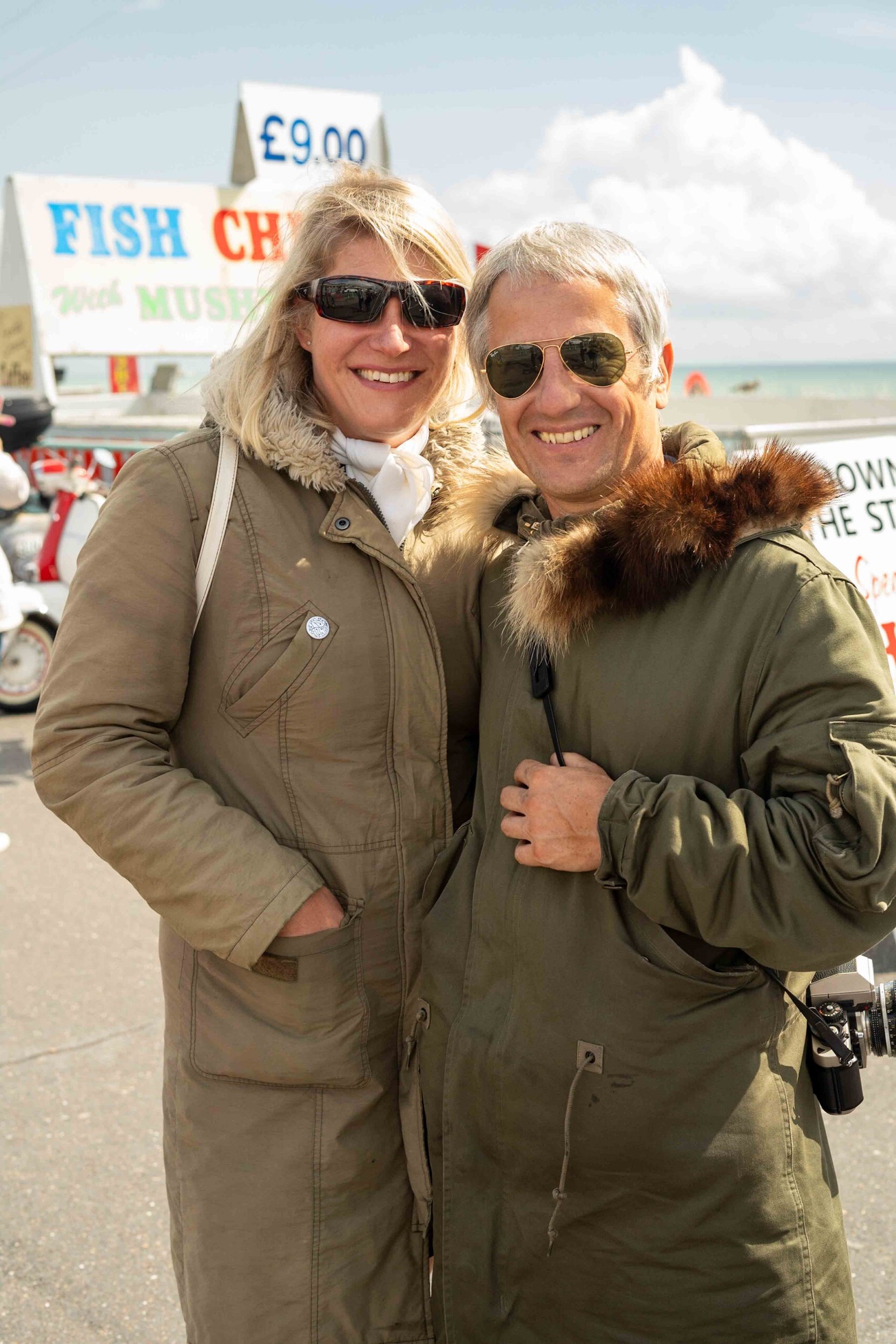
Over the years, the Brighton Mod Weekender has evolved. It now welcomes not only those who were part of the original movement but also younger generations who appreciate the timeless style and music. The event has expanded to include vintage markets, scooter rallies, and art exhibitions, all celebrating the Mod ethos.
Until next time, keep snapping.
BPS and what will be.
The kids and I decided on our usual half term pilgrimage to London this past October.
A couple of photographic exhibitions took our fancy, namely the excellent Chris Kilip retrospective at The Photographer's Gallery and also the Bill Brandt inside the mirror at Tate Britain.

The kids and I decided on our usual half term pilgrimage to London this past October.
A couple of photographic exhibitions took our fancy, namely the excellent Chris Kilip retrospective at The Photographer's Gallery and also the Bill Brandt inside the mirror at Tate Britain.
The former being a very modest £8 and the latter being free admission. Highly recommended.
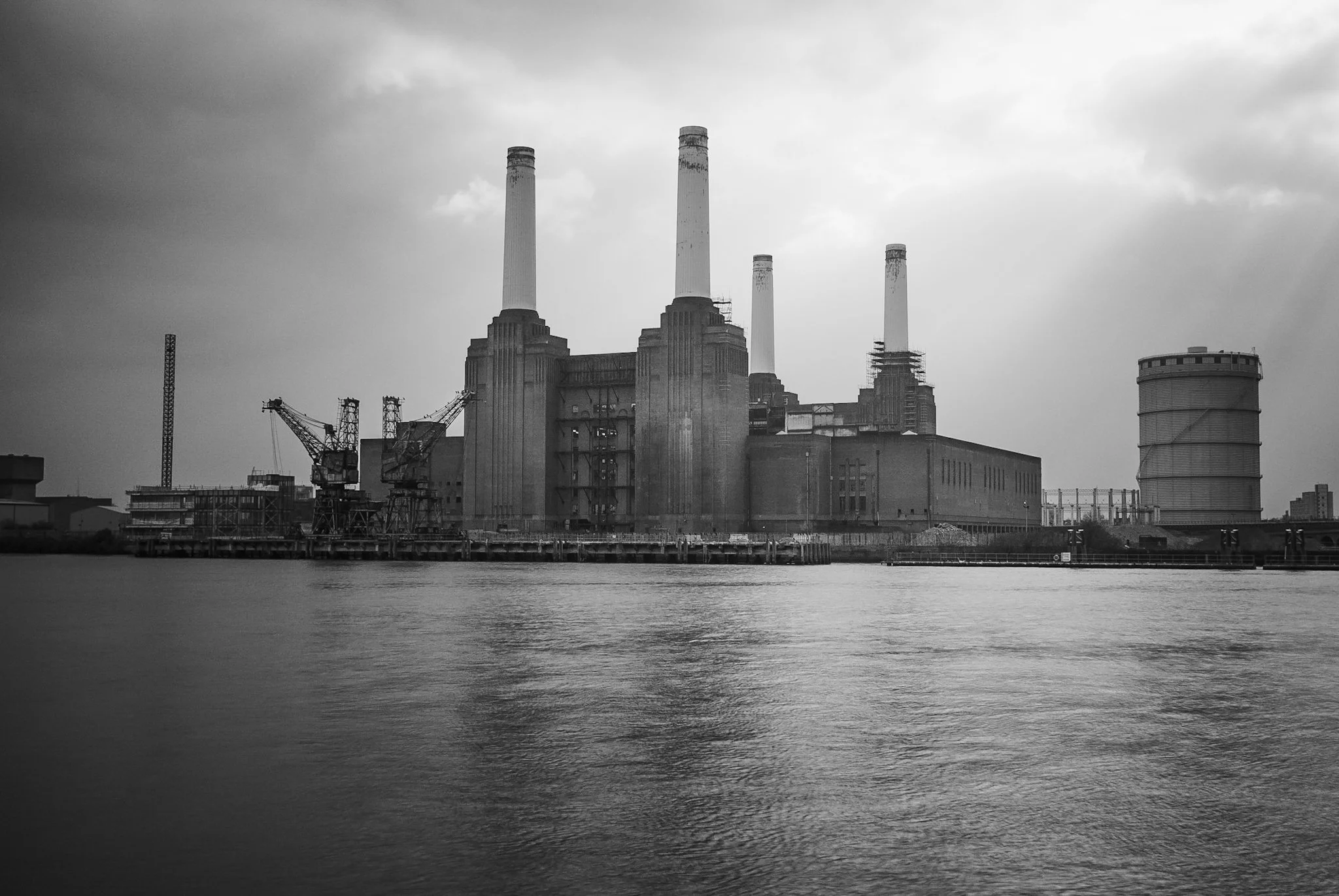
Top on my list was having sight of the recently opened Battersea Power Station developemrnt.
I have always been mesmerised by this structure, since seeing the Pink Floyd Animals album cover when I was a little boy.

Back in 2012 - when I started to take my photography a little more seriously,or more than the impromptu family photos - I stumbled across Battersea Power Station, whilst walking around the side and back streets of central London.
I had my much missed and underrated Fuji X100 setup, allowing me to take street photos and long exposures. Light & nimble.
I took the below photo, which (at the time) I was indifferent about. It happens to be my best seller on my Etsy store.


Here are some stats about this magnificent structure.
From the 1930s to 1980s, Battersea Power Station was a working Power Station. At its peak, it was producing a fifth of London’s power, supplying electricity to some of London’s most recognisable landmarks, such as the Houses of Parliament and Buckingham Palace
1929 - Works begin on site. Sir Giles Gilbert Scott, one of the most prominent architects of the day, who was responsible for Britain’s red telephone boxes, joins the project. Original proposals were for the chimneys to be square rather than circular.
1935 - The first stage of the Power Station, Battersea A, is completed. The top of the western pair of chimneys are 101m from the ground. The chimneys themselves are 50m each, while the wash towers they sit on are 51m.
1940 - RAF pilots use the plumes of white vapour from the chimneys to guide them home in the mist. The Luftwaffe also used the plumes for navigation, which explains why the Power Station avoided extensive bombing.
1944 - Battersea B, the second stage of the Power Station, starts to generate electricity. The station goes on to pioneer a gas washing process to reduce sulphur emissions, with excess generated heat ducted under the Thames in a district heating scheme for 1,600 homes in Pimlico.
1955 - The fourth chimney, and second stage of the Power Station is complete, with the Power Station at peak capacity. The space within the main Boiler House is so vast that it would be possible to fit St. Pauls Cathedral within the space.
1964 - On 20 April, an electrical failure at Battersea Power Station caused power failures throughout London, including at the BBC Television centre, which was due to launch BBC Two that night. The launch was delayed to 11am the following day.
1977 - An inflatable pink pig floating between the two southern chimneys appears on the front cover of Pink Floyd’s album, Animals. The inflatable pig was tethered to one of the southern chimneys but lost its moorings and rose to the flight path of Heathrow Airport. Police helicopters tracked its course until it finally landed off the coast of Kent.
Album artwork, Animals, 1977. Design by Roger Waters. Graphics by Nick Mason. Production and art direction by Storm Thorgerson / Aubrey Powell at Hipgnosis.
1980 - The Power Station is awarded Grade II listed status. Awarded by Historic England, listed buildings mark and celebrate the building’s special architectural and historic interest. They’re also brought under the consideration of the planning system, so they can be protected for future generations.
1983 - The Power Station closes and ceases to generate electricity. It goes on to be purchased in 1987 by Battersea Leisure (theme park scheme) and again in 1993 by Parkview.
2007 - The Power Station is upgraded to Grade II* listed status. Less than 6% of listed buildings fall into this category as particularly important buildings of more than special interest.
2012 - The Power Station is purchased by the current shareholders, SP Setia, Sime Darby Property and the Employers Provident Fund, bringing an end to decades of disuse. Works begin the following year to redevelop the 42-acre site surrounding the Power Station to create a new community of homes, shops, cafes, restaurants, cultural venues and open space for London.
Above taken from: https://batterseapowerstation.co.uk/
The most mind boggling stat is that: About 6 million bricks were used in the construction of the original building. Different makes were used throughout including Accrington engineering bricks, which were also used in the Empire State Building.


Architecture studio Wilkinson Eyre has unveiled the redeveloped Battersea Power Station in London ahead of its opening next week, almost 40 years after the building was decommissioned.
The former power station, which now contains over 100 shops, 46,000 square metres of office space for technology brand Apple and 254 apartments is set to officially open to the public on 14 October.
The £9bn development project has studio flats starting at £865,000 and the penthouse flat £8.0m.
Until next time, keep snapping.
Budapest - We love you.

Its been a couple of months now, back to the bump and grind of Blighty, after the kids and my first overseas trip, since 2018.
This followed an aborted attempt to head over to Barcelona in April, which was eventually traded for Manchester (had to attend a work team meeting in Birmingham, with sitting in a room with 60 folk and decided to cancel it on the event I caught COVID............).
Anyway, we decided on Budapest.


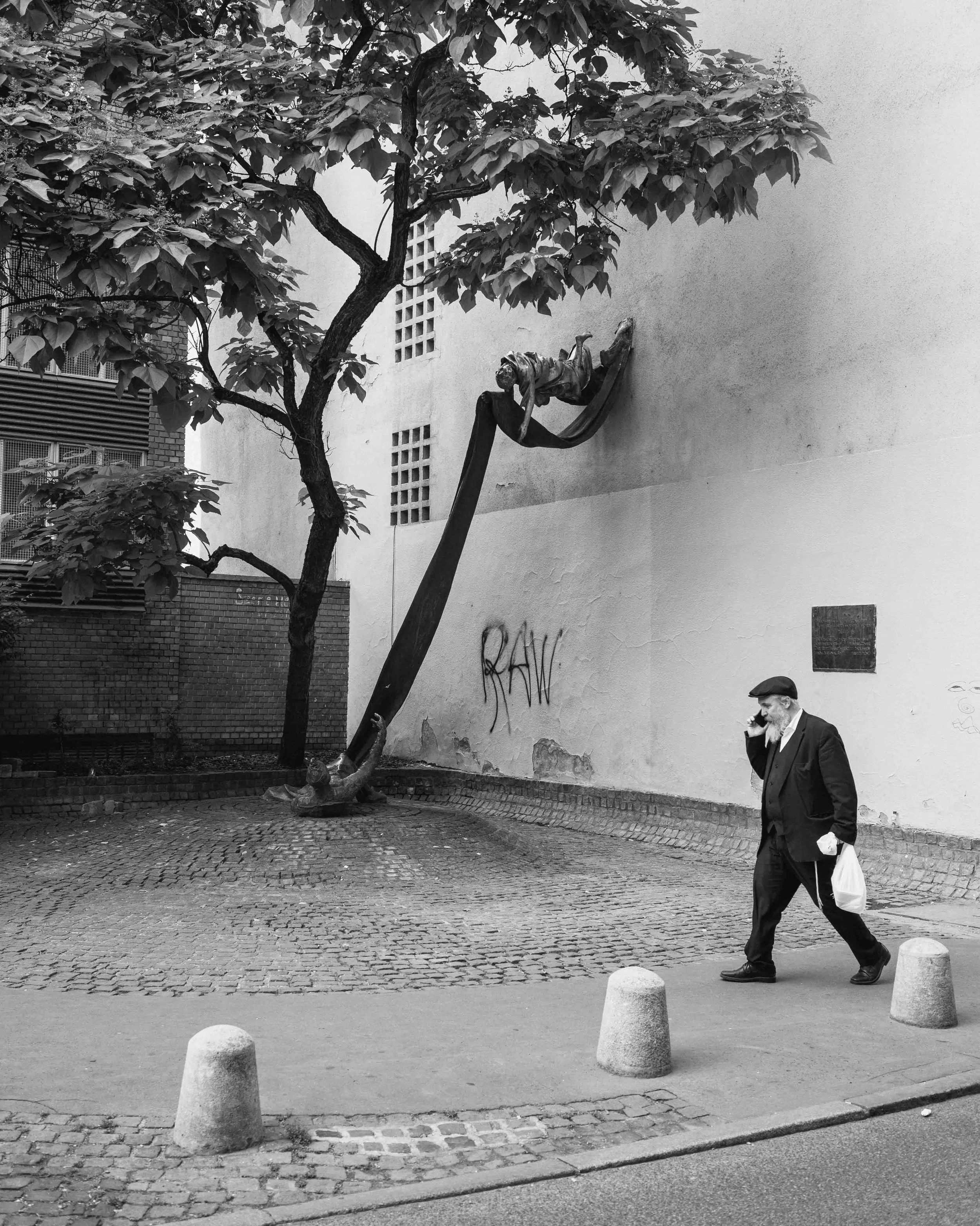


It's a place that has been on my bucket list for years.
A wonderful city, rich in culture and a checked history.
Having been transfixed with the early Magnum black and white catalogue, which also covers the 1956 uprising, this city has intrigued me from an early age. Images of formally dressed men running along streets with rifles, so soon after the atrocities of WW2. Some of David Hurn's work of this period is outstanding.
The architecture, parks, cafes, restaurants, exhibitions, beer and cuisine, there is something for everyone.
The city provides an excellent backdrop and perfect destination for some street photography.
After some brief twitter chatter about the options of taking 35mm film, I decided to take some Fomapan 400 & Kodak Vision 3 250d, to shoot through my Olympus OM1, with my Olympus XA2 as back up. I also wanted to take my Sony A7iii for a 2nd back up. The backups were a prudent step, as the OM1 jammed, so it was XA2 all the way.
Gatwick Airport were very kind to hand check the film, rather than run it through their X-Ray scanners. (On the way back, Budapest Airport put the film through their CT Scanners). I now know that <ISO800 film is ok to put through either scanner a number of times and as you will see from the images within this post, the film was undamaged.
The buzz of the city is addictive. This is also topped off with an exceptional public transport service. Trams, trains and buses link seamlessly. The excellent BudapestGo app for your smartphone, provides an all covering journey planner. Single fares are 73p (yes 73p). The bus transfer services to the airport (some 9 miles from the city centre) comes in at a wallet friendly £2.36. A taxi comparison for the same journey is typically 30-35 euros.
I had a mild concern about stag and hen do's, for Friday and Saturday night, but this didn't materialise, or at least the kids and I were not out too late to witness it.
After watching a series of YouTube videos on 'Budapest hidden gems' 'Things to do in Budapest', we decided on District 5 / The Jewish Quarter for our Airbnb location (see red bounding box below). This is on the ‘Pest’ side of the city, were the majority of bars, restaurants and life is going on. This proved a good choice.
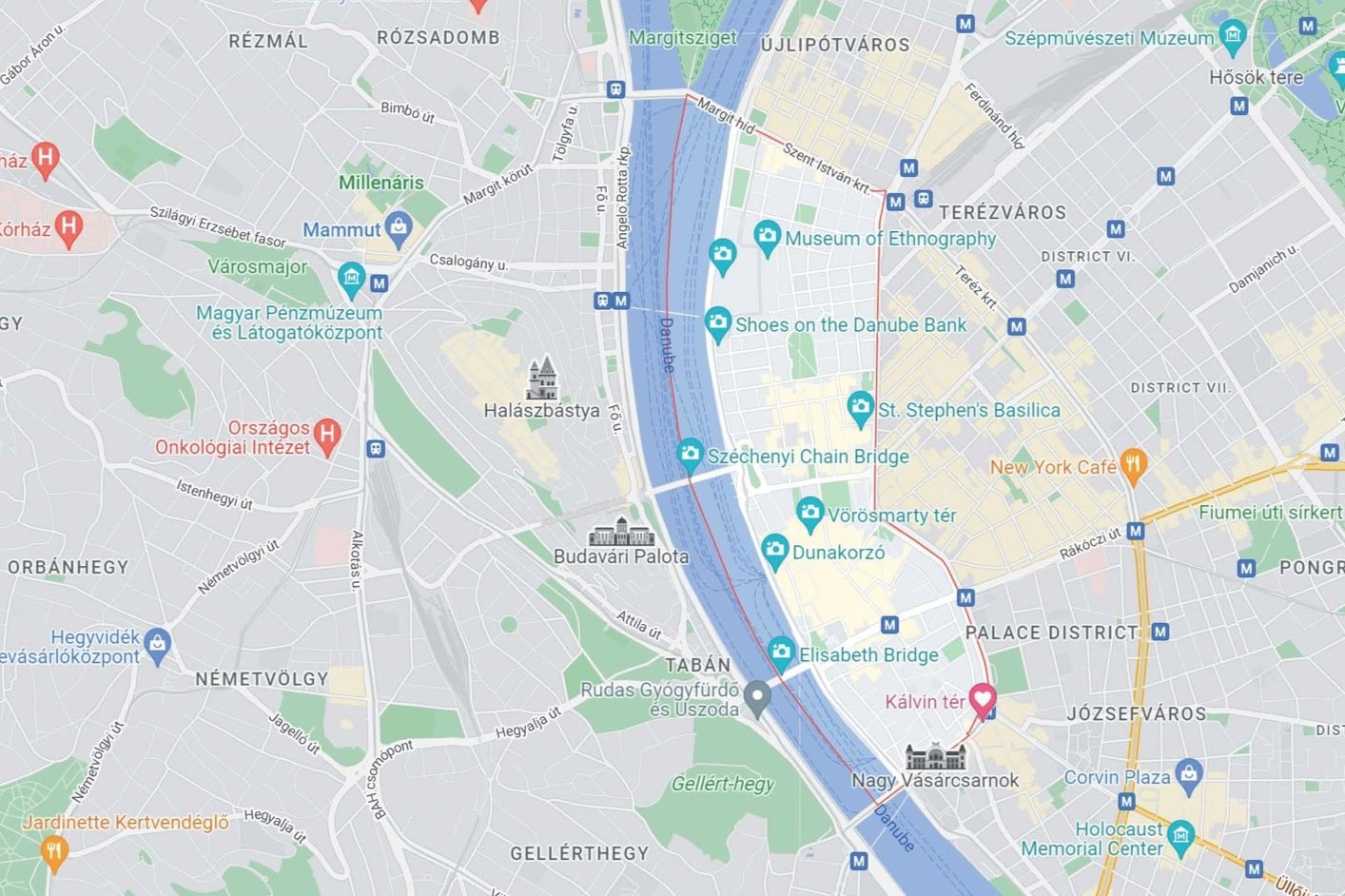
Accomodation is notably cheaper, the location has some excellent bars and restaurants, which are best explained as having a ‘bohemian feel’.
It's also in close proximity to Kalvin Square, which is the central hub for the transport links.
We flew out of Gatwick Airport. Having booked our flights a month before departure, there was not a ripple of warning about the car crash that happened relating to last minute flight cancellations, following the increased half term demand and the understaffed airport network.
We were some of the lucky few, both outward and incoming flights were cancelled by c. 2 1/2 hours each way.
Getting into Budapest, the ease of transfer was a stark contrast to Gatwick. We headed straight to the Ruin Bars. This is a great spot. I can imagine that on inception, this would have been a buzzing underground spot, but it now appears to be much of a tourist trap, with patrons pointing cameras at the decor, rather than chatting to their companions. The cherry beer was great.
We then headed off to Street Food Karavan, which is a great spot for some fast food. Burgers, Chicken, goulash and Langos are avaialble, from the food vans that are parked up. We got here about 19:00, not at all busy, but I would expect this place to get chocker, in the wee hours.
Because it was lovely and warm, after completing our first recce of the Jewish Quarter, we decided to chill in the park at the end of the road, where the Hungarian National Museum was located.
Day 2
Saw us take in the historic tourist trail.
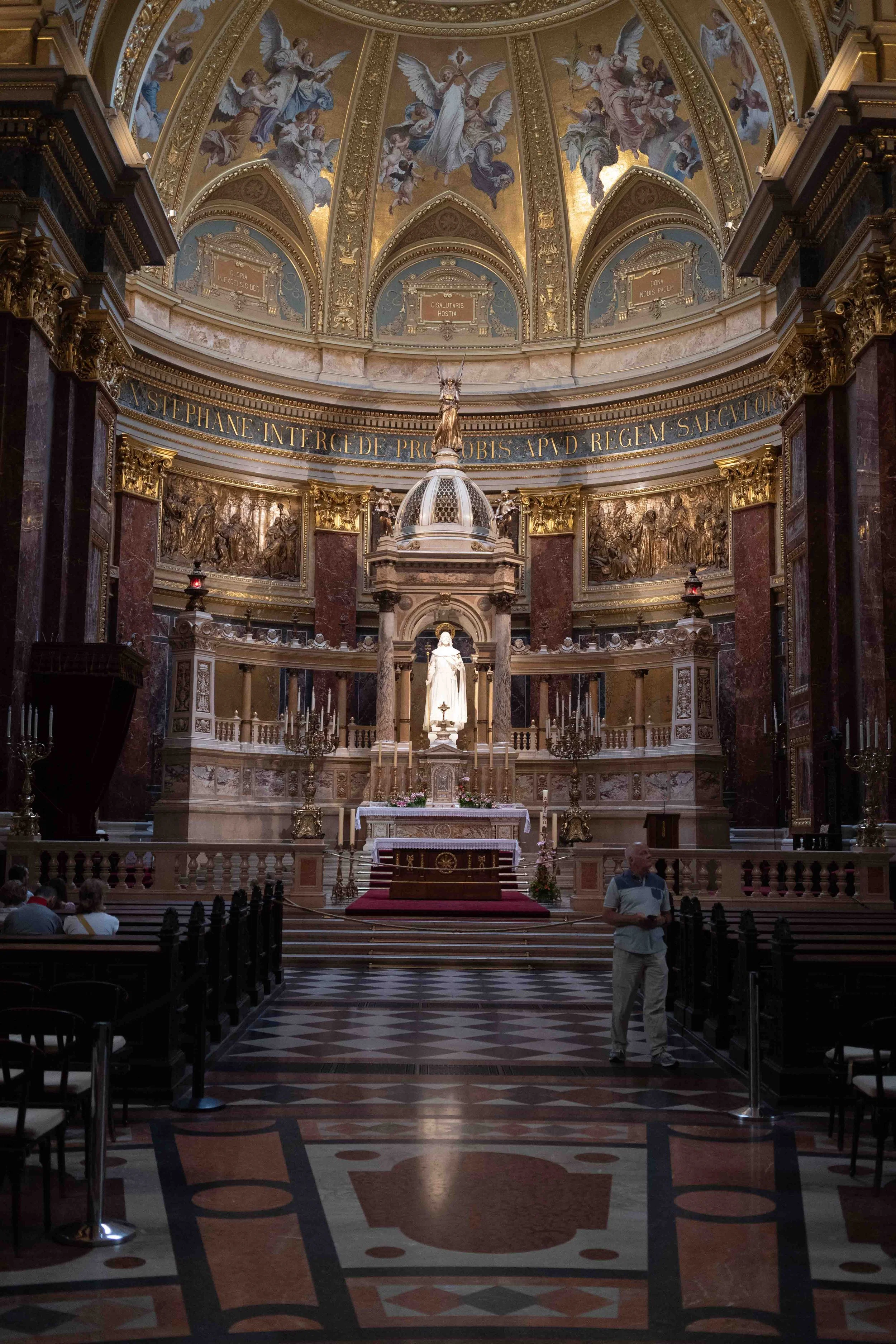
Firstly we headed to St Stephen’s Basilica. The objective was to climb the stairs and walk around the dome and take in the excellent vistas of the city. This was a very easy sell to the kids. Spectacular views.



After that we strolled down to the Danube river to walk across the Chain Bridge, disappointingly, it was closed for some esssential repairs.
Observing the Buda Castle complex and the Fishermans Bastion, you are treated to some outstanding architecture and vistas across the Danuble, to see the Hungarian Parliament Building. After a long lunch break - and another cherry lager - we decided to head to Fashion Street, for some clothes shopping.
Day 3
We headed over to Esceri Flea Market, as a couple of the tourist guides mentioned that this was worth a gander.
Not sure if we were too early or it was part closed for the summer period, but it was a disappointment as it was only open to say, 5-10% capacity.
The trip over on the two buses was a nice mind, seeing the urban side of the city.
Getting back to the city, the kids and I decided to make amends and have a culture vulture afternoon. We first decided to go to the House of Terror Museum, which is a fitting tribute to the cities two terror regimes. This is housed in the ex Secret Police Building. The museum is very sombre in outlining the extent of the secret police activies during this time, the torture chambers in the basement were harrowing.


Outside, there was a piece of the Berlin Wall, which was a fitting for the period.
We then walked upto Heroes Square, to see the monuents and by pure happenstance, discovered there was a Hieronymus Bosch exbiition at the Museum of Fine Arts. 50 pieces of work by this mismerising artist housed in architectural slendour. The ticket office attendant took great delight in telling me as a UK citizen, that I wasnt entitled to the tourist discount for EU members.
Oh the benefits of Brexit.
For the evening, we decided to venture upto Margaret Island. An idyllic park in the centre of the city. Time to chill at the fountain and listen to classical music and enjoy a burger and another cherry beer.
Day 4
Today we had a wander upto Memento Park, which is a unique and relevant attraction, when the city had the 1956 uprising, rather than dispose of the toppled communist statues, these were rehoused several miles outside of the city.


Continuing the governmental theme, we then decided to head back into ‘Pest’ to see the Parliament Building and also The Shoes on the Danube.
This particular route saw us take the No 2 tram and also the metro. The former offering some excellent vistas of the city.
We decided to head back to Margaret Island for the evening, as we spotted a middle eastern restaurant, and unsurprisingly, the food was excellent.
Day 5
The last day, had a more sedate feel to it. We decided to visit the Vajdahunyad Castle in the City Park.
The grounds of the castle were lovely.
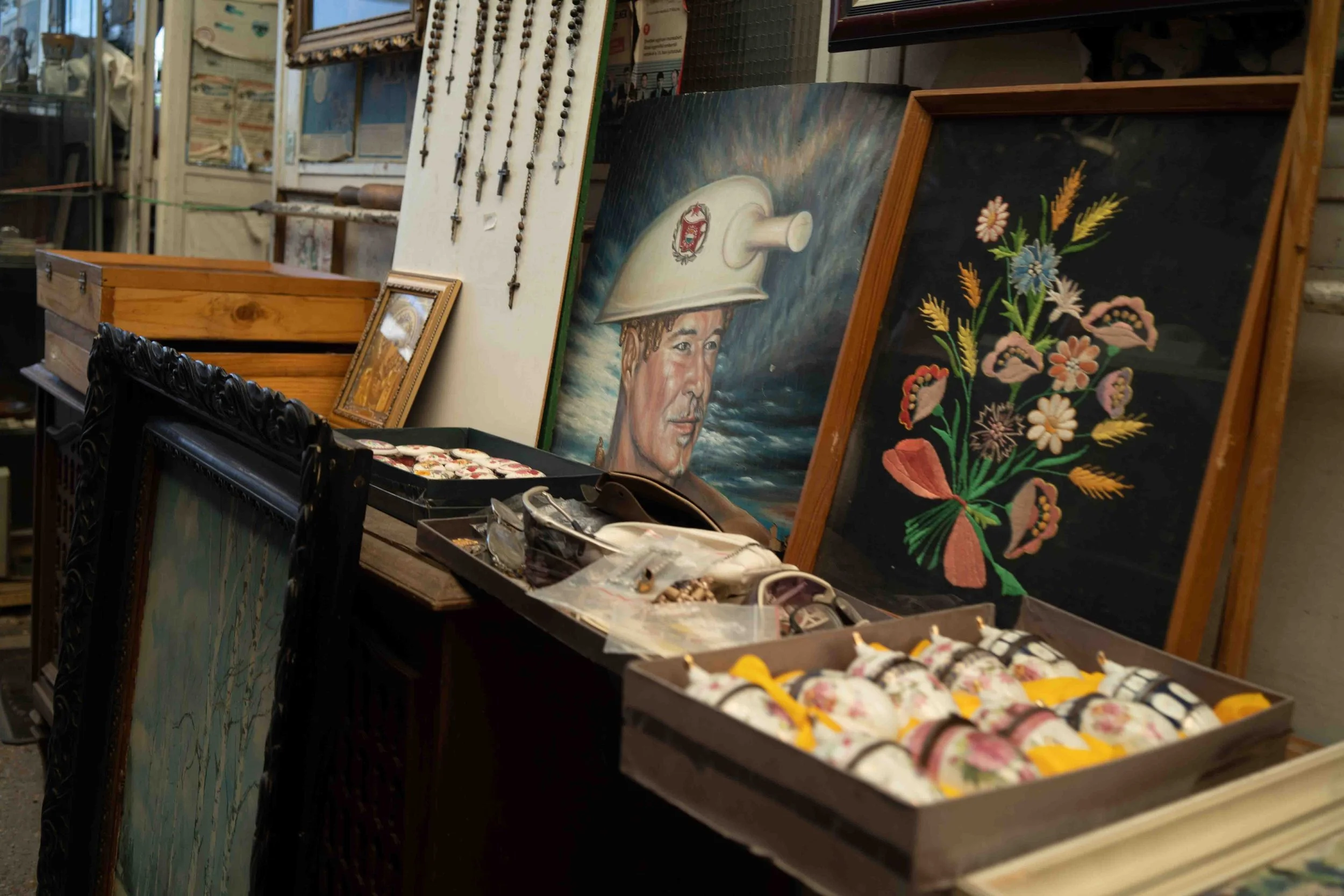
After that we had one final lap of the Jewish Quarter and the ruin bars, we were again lucky to stumble across a flea market, which was a delight.
We begrudgingy dragged outselves back to the airport for our early evening flight back home.


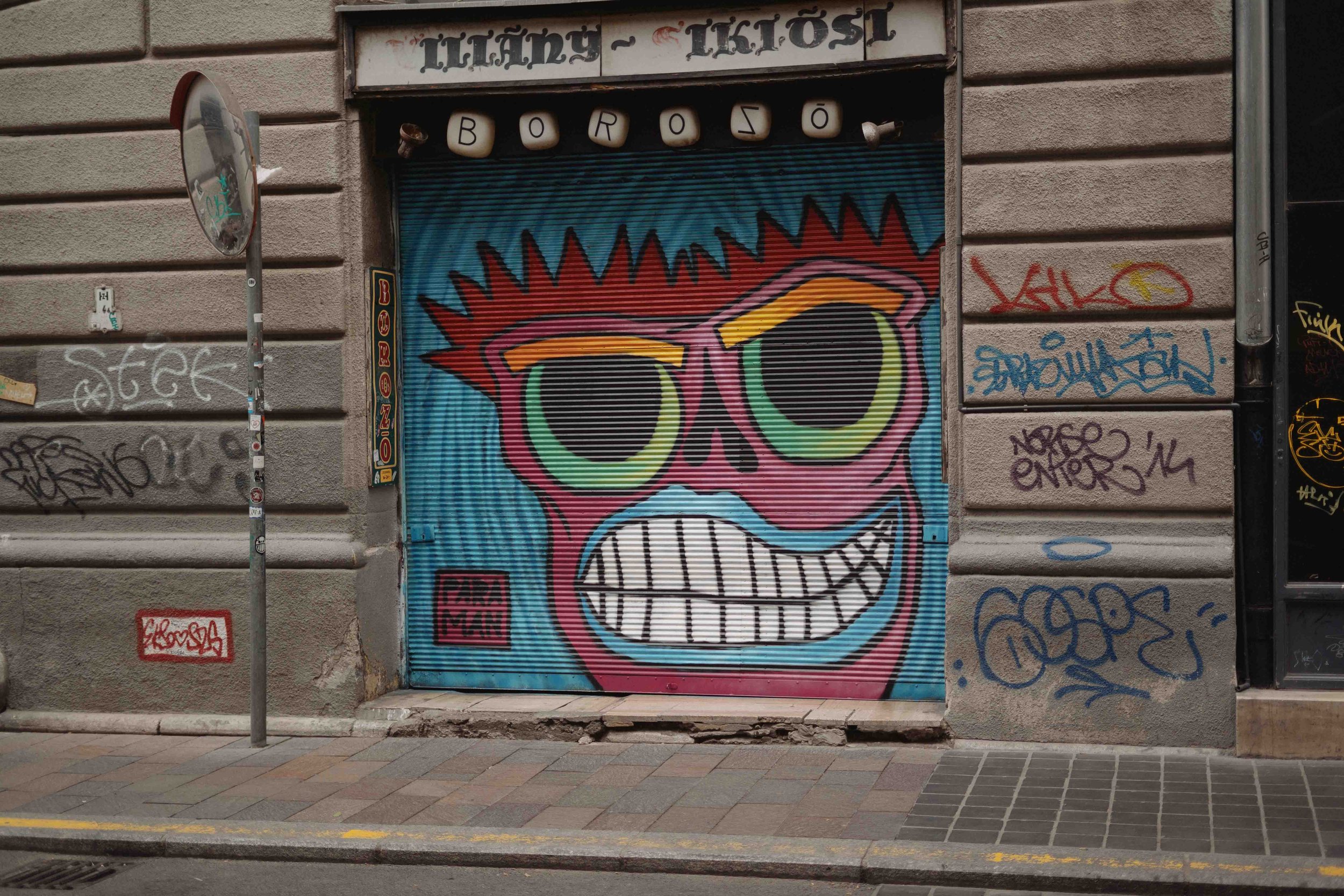


Well thats it, I hope the above gives you an idea of what this wonderful city has to offer you. Its a destination that I am most certianly likely to revisit.
I have a selection of the images for sale on the website, or the Etsy store. Either are available in our new professionally sourced framing service.
Better still, if you have interest in any other images, please do not hesitate to contact me with your enquiry: hello@frommylemsphoto.com.
Until next time, keep snapping

Take a stand - Bulk up
March 2022 provided an update for a couple of bits in my photography stable, which were long overdue.
Namely my new approach to sourcing colour film and how I develop it. Also my new process for scanning all my film.
I thought I would write this blog post, as I am sure there are a couple of take aways for other film photographers, or points to consider.

March 2022 provided an update for a couple of bits in my photography stable, which were long overdue.
Namely, my new approach to sourcing colour film and how I develop it. Also my new process for scanning all my film.
I thought I would write this blog post, as I am sure there are a couple of take aways for other film photographers, or points to consider.
As we enter into the spring and summer season here in the UK, I’m always keen to shoot some colour film, for the limited time that the summer light cascades our island.
I’m not one to shoot premium black and white film, my normal go to is Fomapan 400, which in 100ft, costs £40. I bulk load at home and the quality, tonal range and price, suits me down to the ground.




Colour film at present is evidencing crazy price hikes here in the UK. So in March 2022, I decided to invest in a 400 ft bulk roll of Kodak Vision 3 250d from the folks at Frame 24, to go down the bulk loading route workflow I have for B&W. At £180 + VAT + Shipping, this was quite a significant investment, but the maths dictated that for 90+ x 30 exposure rolls, this works out at c. £2.50 a roll.


My only problem was how to spool 400ft into 100ft reels for the AP Loader??
I saw advice on Reddit, that you could spool the film around the cardboard roll from the centre of a toilet roll, inside of a changing bag. For me, this didn’t work, as I found it too labour intensive, my hands got too hot and left too much sweaty residue on the unexposed film, as outlined in the photos below:


After further research, this lead to the world of 3d printing and a Creative Commons license for the following print schematics. A better video working example, can be found here. I have spoken in the past about the excellent community spirit of the film community, which is demonstrated fully by the designer offering his design for free.
A further search, sourced a 3d printing house in Nottingham, who fulfilled the order for £43.
Next up is the (not so) daunting stage of removing the remjet layer from Vision3 film. (an explanation of what remjet is, is here).
Its essential that commercial film developing labs are not sent Vision 3 film to develop, as this will ruin their machines.
This isn't too cumbersome, I found this video on YouTube. In essence, I pre-soak the film for 5 minutes at 38.5 degrees, then pour in the bicarbonate of soda solution for the 2 1/2 agitation, as outlined in the video.
The colour film is then put through the development and blix stage of the development.
Next is the removal of the remaining remjet, for this the secret weapon is a microfibre sponge, I sourced from a local poundshop. This means that you do not touch the film at this stage of the process. For this, I take the film out of the developing reel and hang in the drying clips, I then wipe (and rinse with the sponge) X 3 on both sides of the film, to remove the residual remjet.
I then put the film back on the reel, to complete the stabiliser final stage of development.
Because of the faffing about with the above, I personally add a photoflo rinse stage after stabilising, which removes any remaining stains on the film.


Home scanning has and will always be the bain of the film enthusiast. It's the one process of film that's as close to ‘polishing a turd / editing digital images' in lightroom, it's something that I look to keep as simple as possible, with a rigid and tested workflow.
My introduction to film and in my pursuit to try and manage what some would call the unjust cost in film photography - and also as part of my approach to maintaining a more level of control over the process - I originally invested in a Epson V600 scanner at the beginning of my film journey in 2016, to allow me a ‘one size fits all’ approach to scanning the film that I have been developing at home.
Whilst this journey has been littered with challenges, a steep learning curve, many rolls of ‘spoilt film’ its been a very rewarding one, which I wouldnt change at all.
I think that I have now finally turned a corner and if I can say (with trepidation), is the start of my refined workflow.
Whilst the V600 is a decent beginners bit of kit for 120 / medium format and large format / 4x5, the outputs for 35mm are little more than sub par acceptable, with the ability in getting decent colour scans being somewhat of a lottery. Bearing in mind beginners do not look to expand in to the 120 or 4x5 arena, until a number of years, would deem this bit of kit obsolete?
I had originally given up on using Negative Lab Pro with the V600 as I just couldnt resolve the colour cast that was yielded from my V600 in colour scanning, but I have now discovered that this appears to be entirely the route cause of a cheap amazon light box (read buy cheap by twice).
Until recently, things changed. I was able to ‘invest’ in the Complete Basic Kit for 35mm and 120 Film Scanning by Negative Supply. What a sublime piece of kit.

The copy stand is milled from aluminium and the film holders are produced in plastic (fair cheaper than the original aluminium ones). Its compact and can be set up in seconds.
Where this kits excels is the quality of the lightbox. I elected for the dearer version, producing 99 nits of light.
The speed of this process is night and day compared to the V600 and silverfast software.
The negative supply setup can scan a roll of film in 90 secs, compared to 5-10 minutes on the V600.
I use my mark 1 Olympus OMD EM5 micro four thirds camera for scanning, and convert the .orf raw file into a tiff file in Photoshop. As this is a 8bit file, I import these files into Negative Lab Pro in lightroom and select the ‘tiff prep' option.
This is a part of the NLP that's essential to remove the colour cast on images. I then run the software with standard settings, but I prefer the noritsu to frontier scanner.
I then save the image as a copy and then delete the original positive image of the film negative.
Thats it.
On review some folk send their film to labs, as they do not have the time and/or inclination to develop at home, me I am too much of a spend thrift , but more importantly, want the broader engagement with the entire process.
The above whilst post investment is an excellent workflow to save a few quid, this is probably best fulfilled if undertaken within a group to share the investment costs.
400 ft of Vision 3 250d is £222 for 92 rolls of film or £2.40 per roll, so shared with a group of 5 or 10 folk is very reasonable, compared to the current price of portra 160, 400 or 800 at £15+ or colorplus and gold consumer film now nearing £10 a roll.
Something to consider. Until next time, keep snapping.
Half term
Well that was a much needed half term break, which got a bit lively on Friday with Storm Eunice hitting the British Isles.
The year thus far at work has been breakneck, so having the past week off, has been a much needed downing of work tools (laptop and mobile) and a lifting of play tools (cameras).
No grand plans, as these are due in April with (fingers very crossed), a European city break with the kids.
But the kids and I popped up to London for a day trip, the kids love the big smoke. They are also avid exhibition / culture vultures, which is lovely.
We went to see the America in Crisis exhibition, at the Saatchi Gallery. £5 general admission, is very reasonably priced for 3 exhibition rooms, with images ranging from the 1960’s civil rights movement, to the storming of Capitol Hill in 2021 and much in between. I can't recommend it enough.
Well that was a much needed half term break, which got a bit lively on Friday with Storm Eunice hitting the British Isles.
The year thus far at work has been breakneck, so having the past week off, has been a much needed downing of work tools (laptop and mobile) and a lifting of play tools (cameras).
No grand plans, as these are due in April with (fingers very crossed), a European city break with the kids.
But the kids and I popped up to London for a day trip, the kids love the big smoke. They are also avid exhibition / culture vultures, which is lovely.
We went to see the America in Crisis exhibition, at the Saatchi Gallery. £5 general admission, is very reasonably priced for 3 exhibition rooms, with images ranging from the 1960’s civil rights movement, to the storming of Capitol Hill in 2021 and much in between. I can't recommend it enough.


The effects of Eunice resulted in another exhibition being cancelled at the 11th hour, which was a little disapponting. Our walk around our usual haunts (Soho, Wardour Street, Covent Garden, Seven Dials), was hindered by the high winds and cold, but we were about to have a limited meander, which resulted in a couple of keepers.


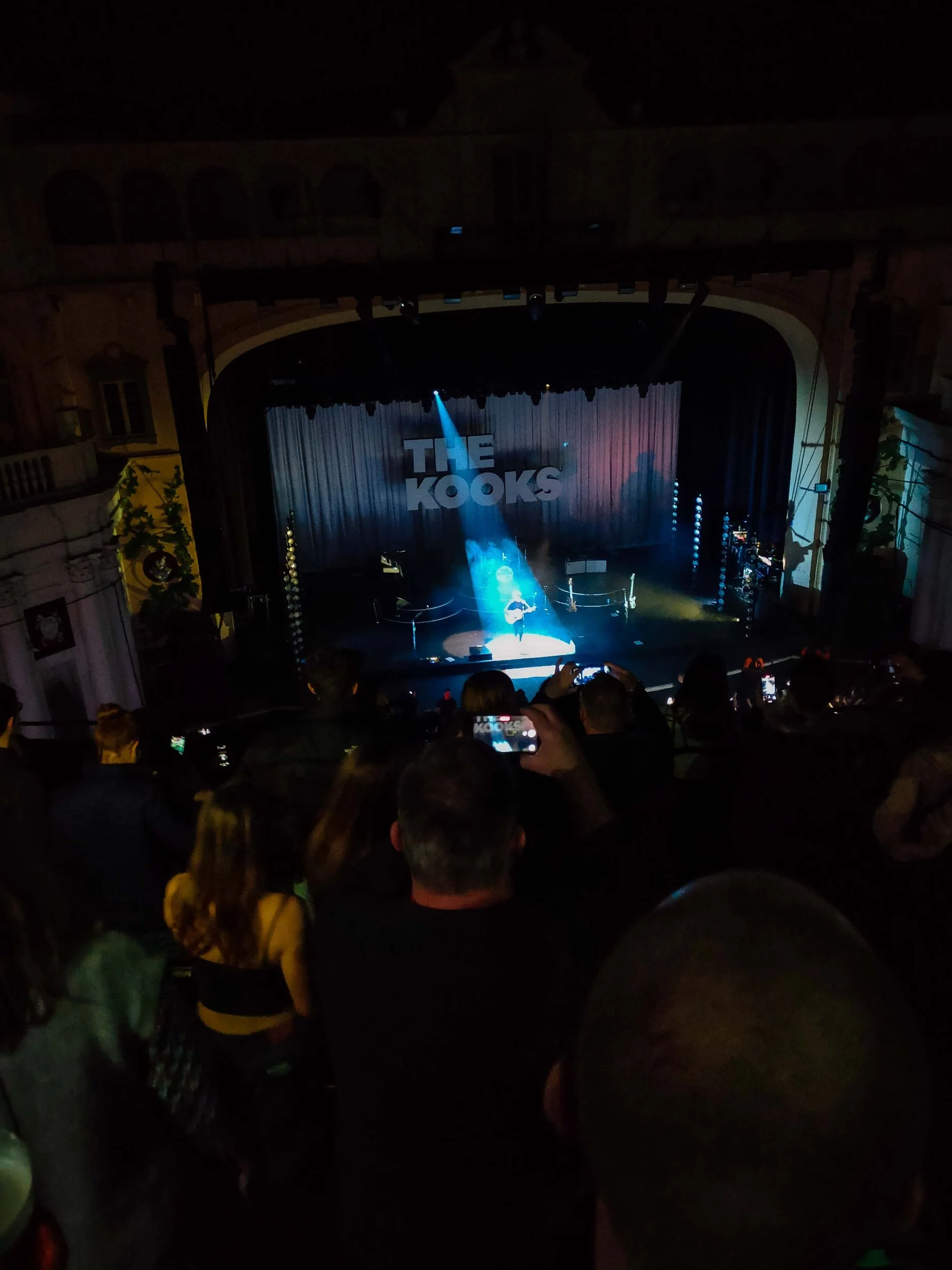
Next up was the highlight of the day, the kids first gig at Brixton Academy, seeing The Kooks. This was one for my daughter, shes obsessed with them ATM. Its something very sacred and special sharing a mutual like for music, I had a great time sharing this experience with them. I will definately be arrangng more soirees into live music this year, as an antidote to the pandemic. We also have the Red Hot Chili Peppers in London in June 2022, who are hopefully being supported by Thundercat.

Also camera wise, the past week saw me give the medium and large format cameras a workout.
I know it's clichéd that film slows you down and it's more about the entire process, rather than firing off images, but it really is.
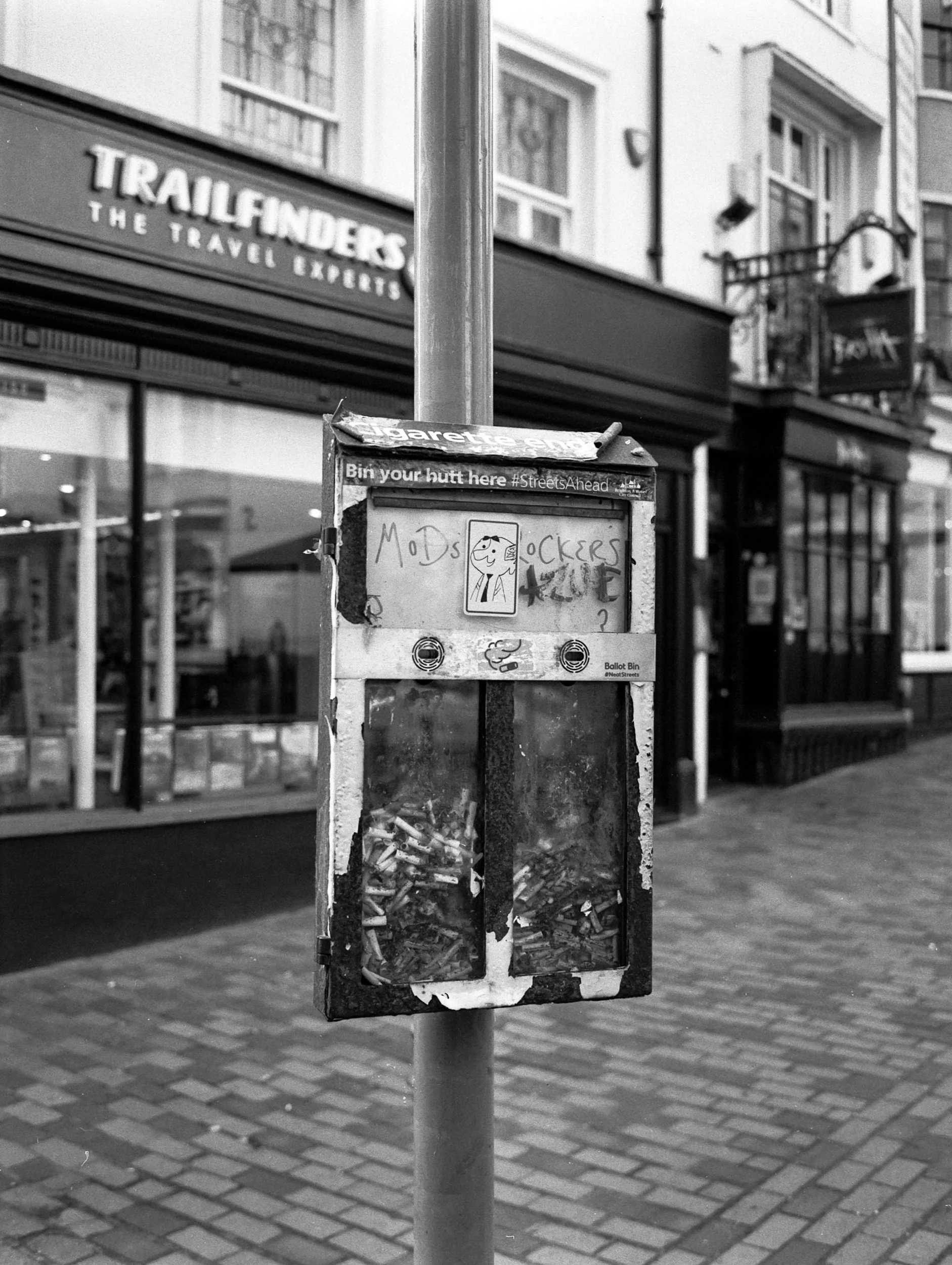

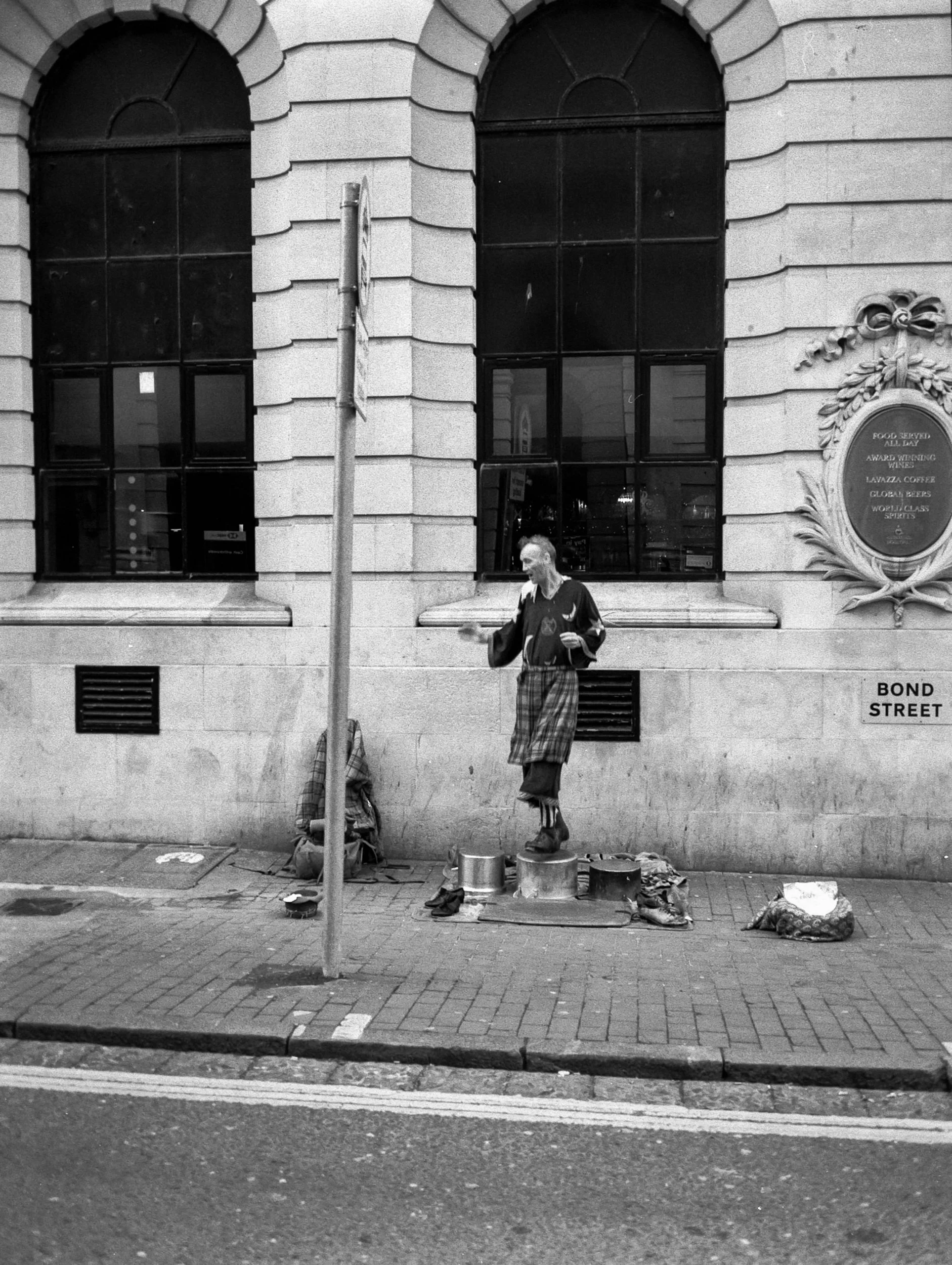

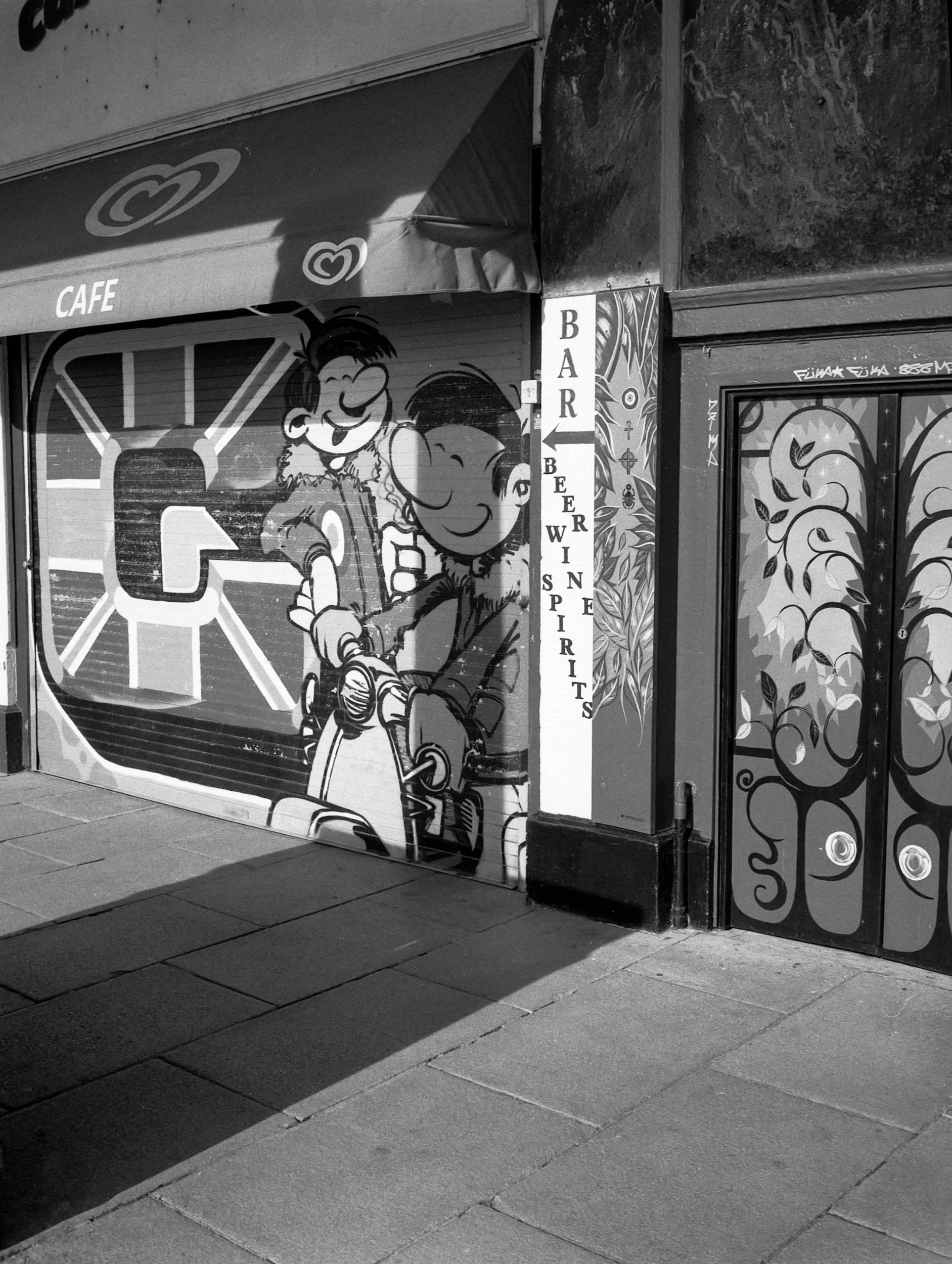


Finally, I had a couple of queries from two of my followers on Instagram, one asking for some tips to get into film and the other querying my process on pushing fomapan 400 to 1600.
The former was quite revealing, I dug out an email I had sent to someone else a couple of years ago. I was genuinely shocked how prices of cameras, film and assorted paraphernalia have increased, we are a sacred group film photographers.
The latter was a lovely exchange with a pro photographer, when we shared our workflows, whilst wildly different, the output had the same goal / objective.
THats me for another month, until next time, keep snapping.
Demo season is upon us.
Popped into town this past weekend for a photowalk and decompress from a hectic start to the year. It was also an opprtune time to get into the mood for a chill February 2022 half term with the kids.
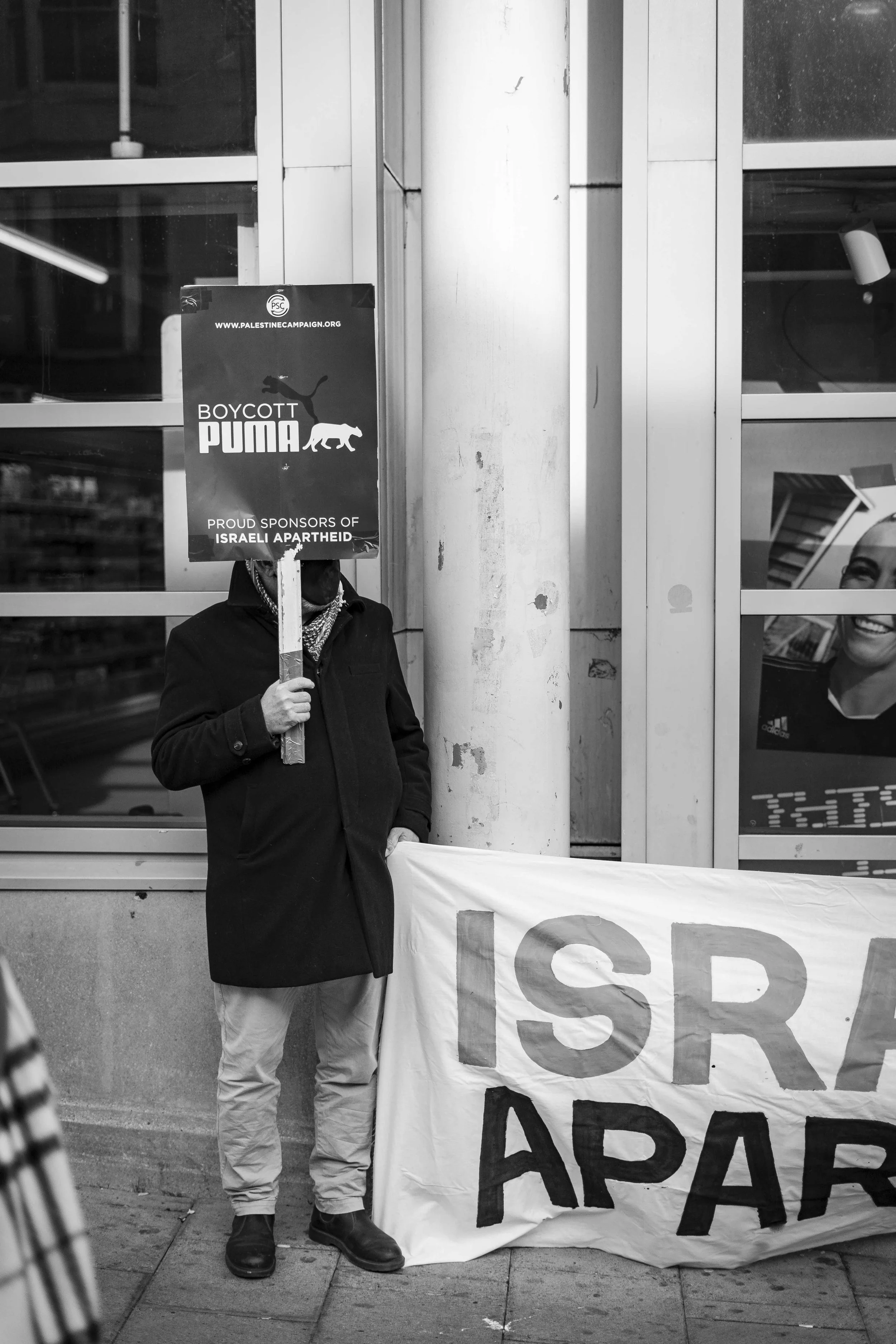
Stumbled across two small demo’s, one being an anti vaccination and freedom demo at the Peace Monument at Hove Beach, and the second rather sedate Boycott Puma (sports brand) outside Sports Direct in Brighton, as part of an Israeli Apartheid demo.
Firstly, apologies to the lady at the peace monument in Hove, who corrected me, when I said it was an anti vaxxers demo. It was more than that as a diverse section of society were voicing their views. NHS staff, Granny's, Mums.

Popped into town this past weekend for a photowalk and decompress from a hectic start to the year. It was also an opprtune time to get into the mood for a chill February 2022 half term with the kids.
Stumbled across two small demo’s, one being an anti vaccination and freedom demo at the Peace Monument at Hove Beach, and the second rather low-key Boycott Puma (sports brand) outside Sports Direct in Brighton, as part of an Israeli Apartheid demo.
Firstly, apologies to the lady at the peace monument in Hove, who corrected me, when I said it was an anti vaxxers demo. It was more than that as a diverse section of society were voicing their views. NHS staff, Granny's, Mums.
These are the first 8 photos.
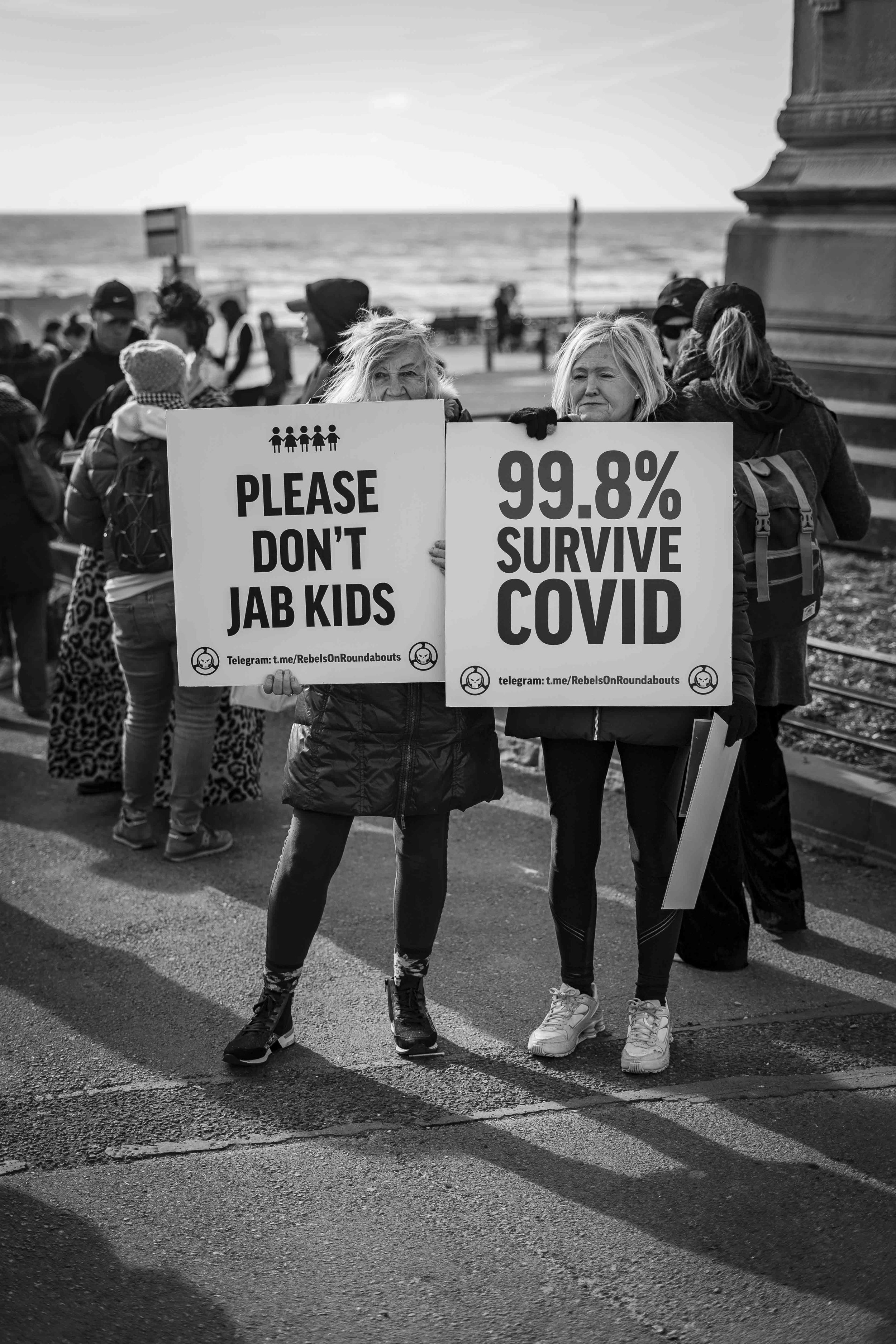
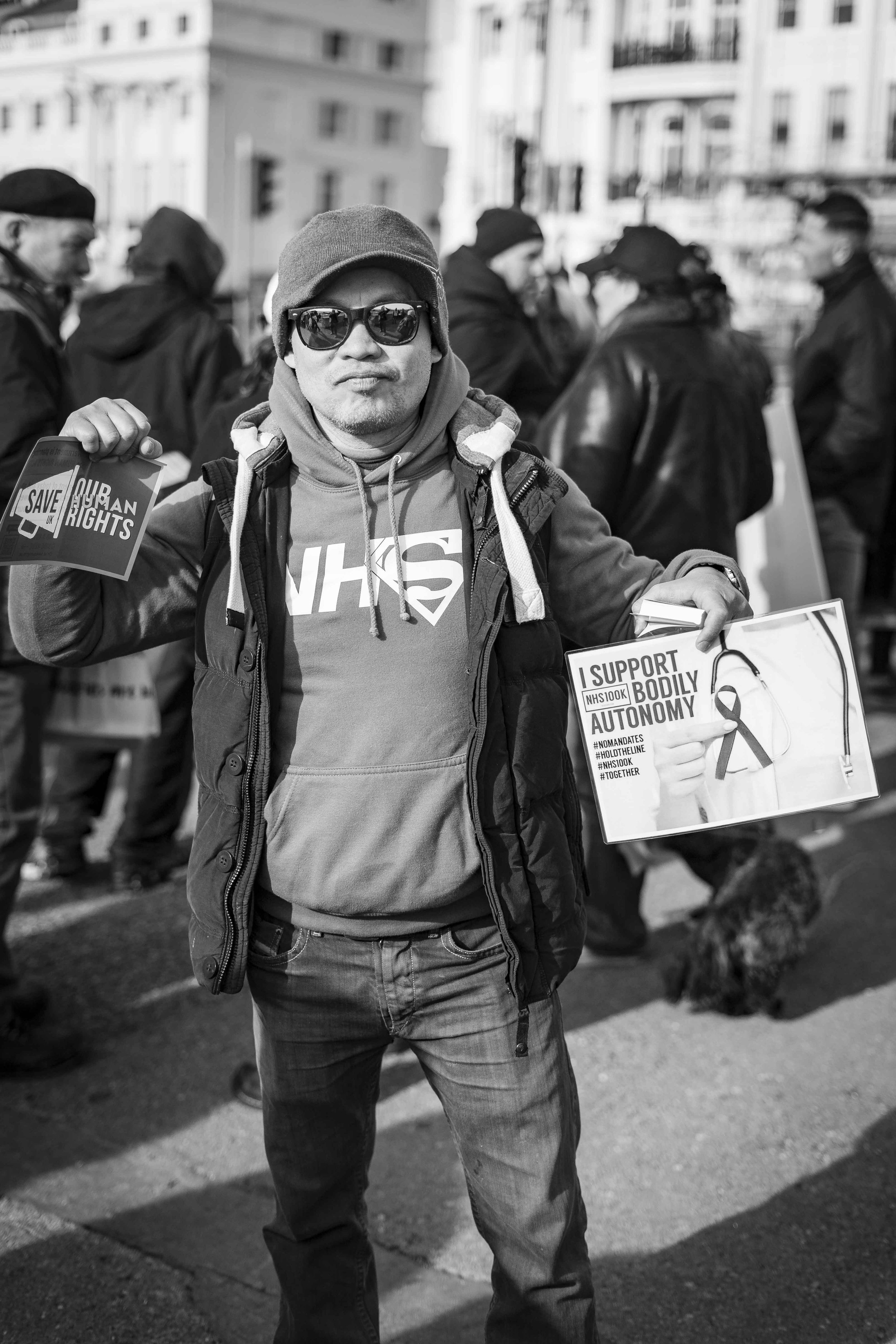
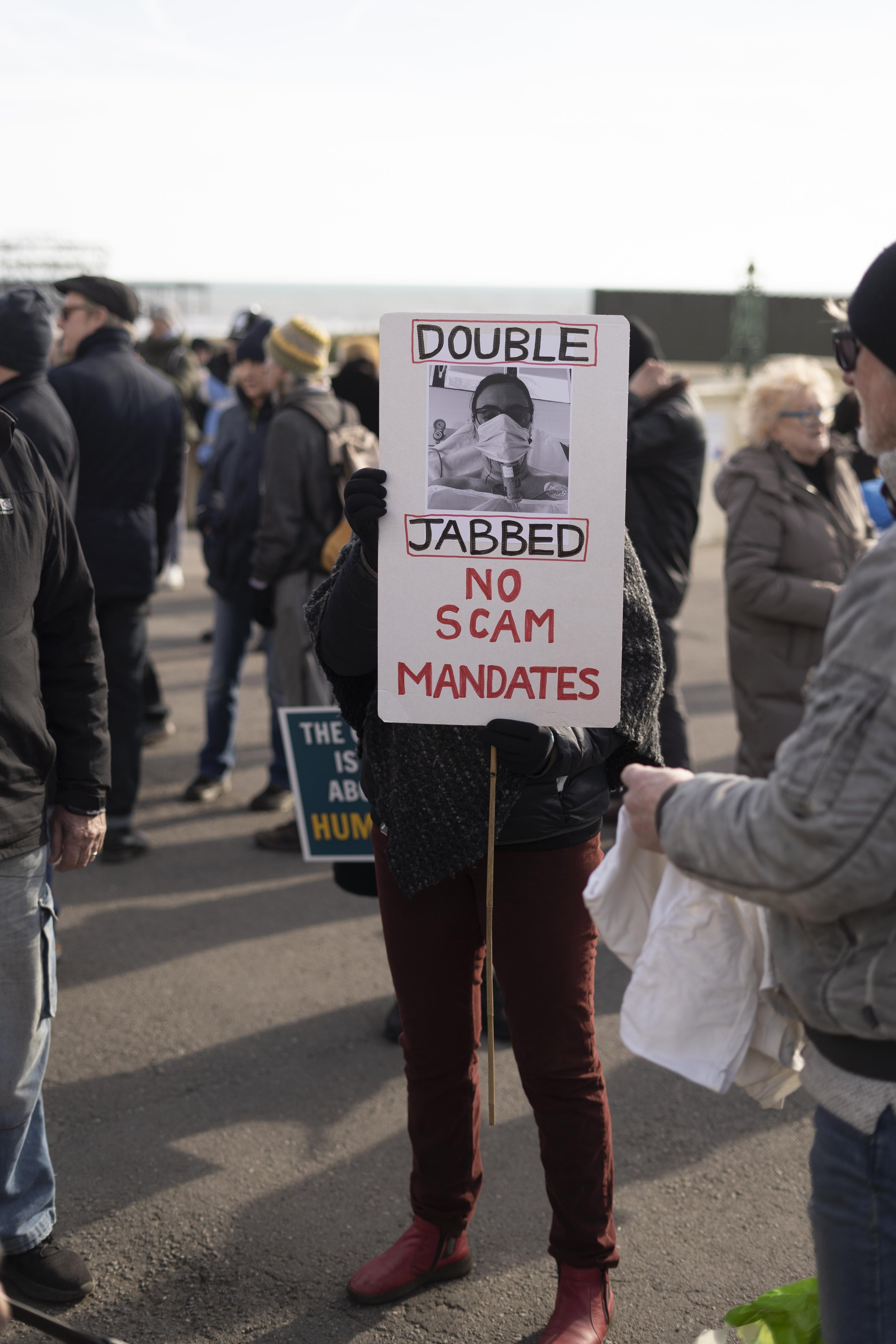
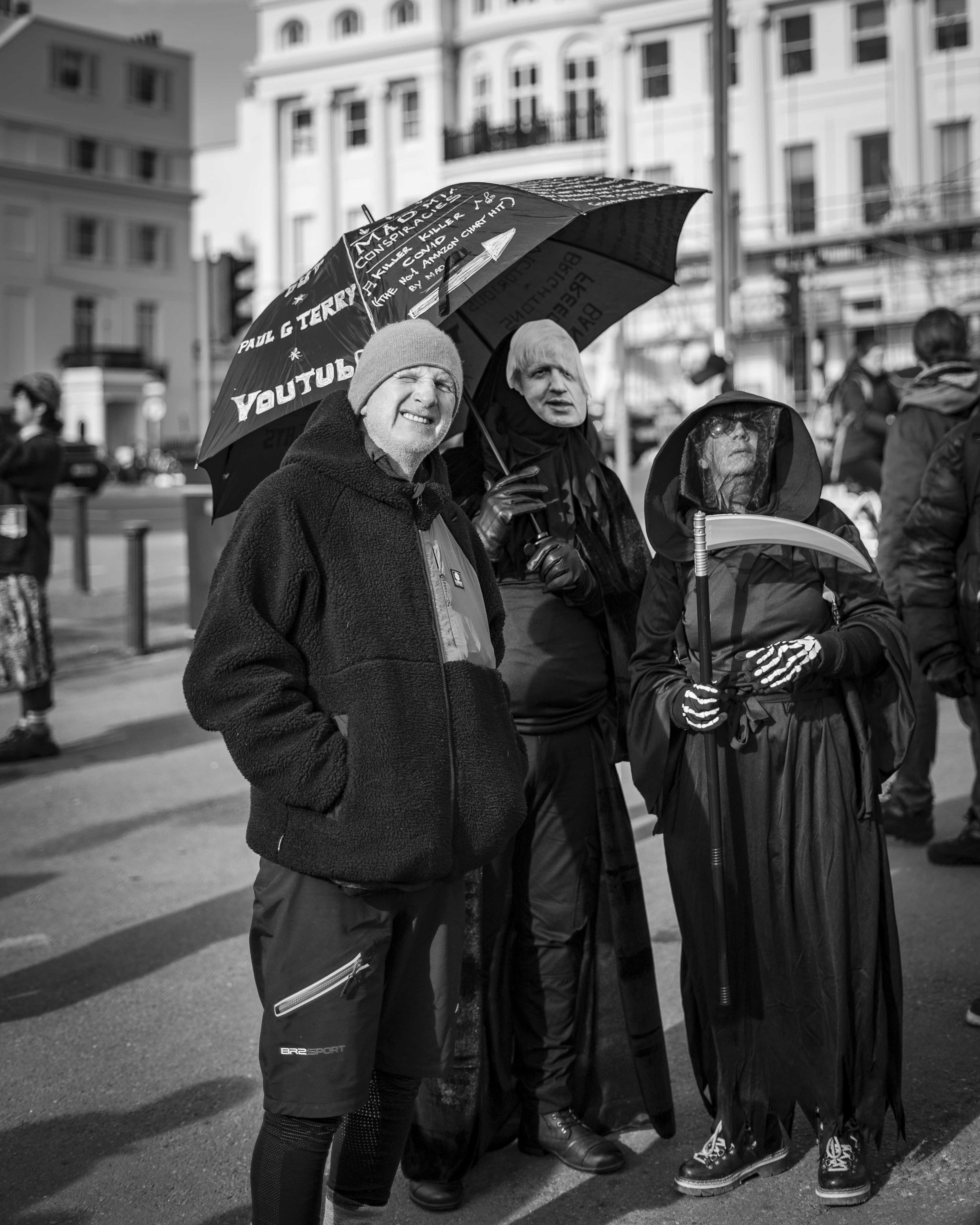
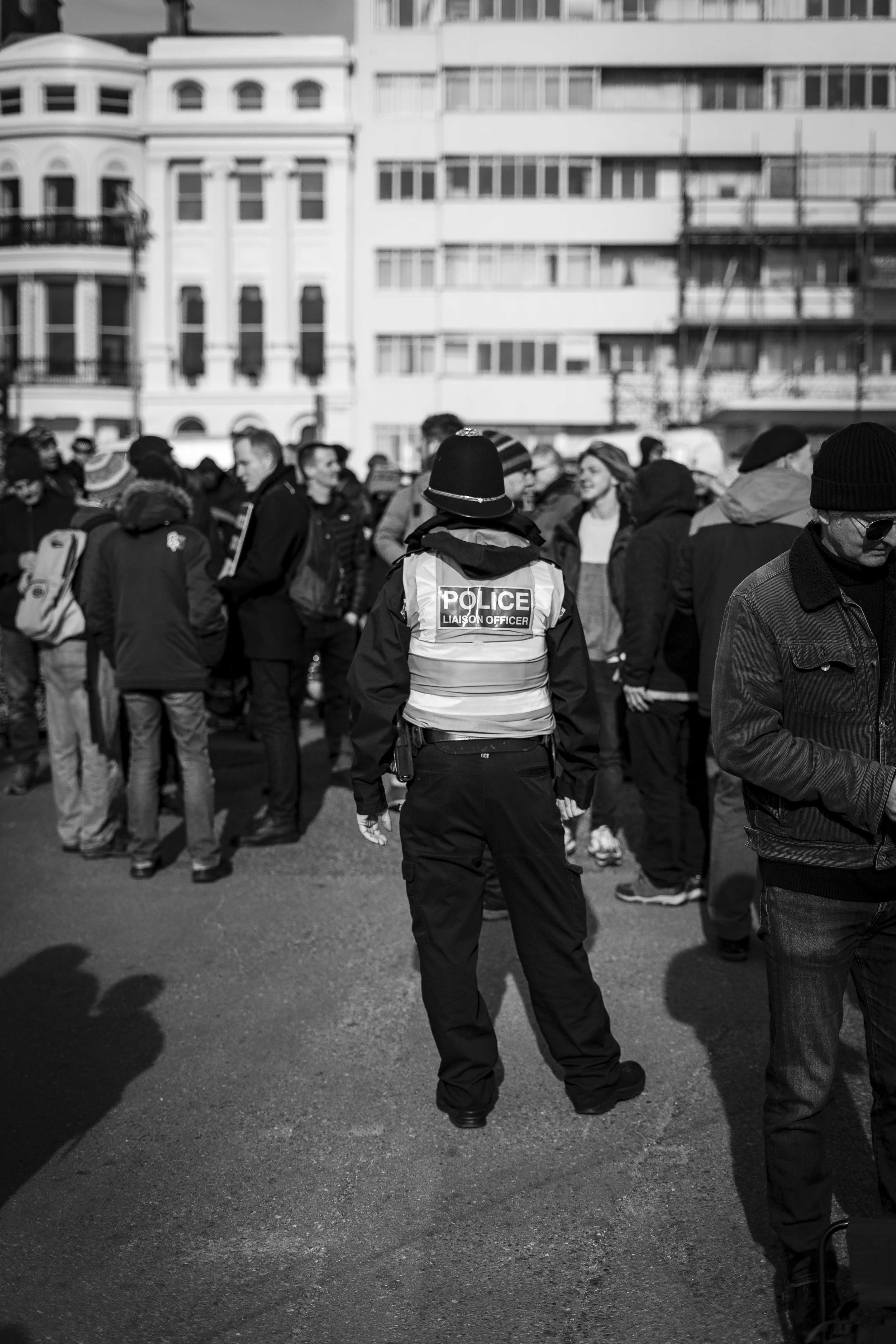
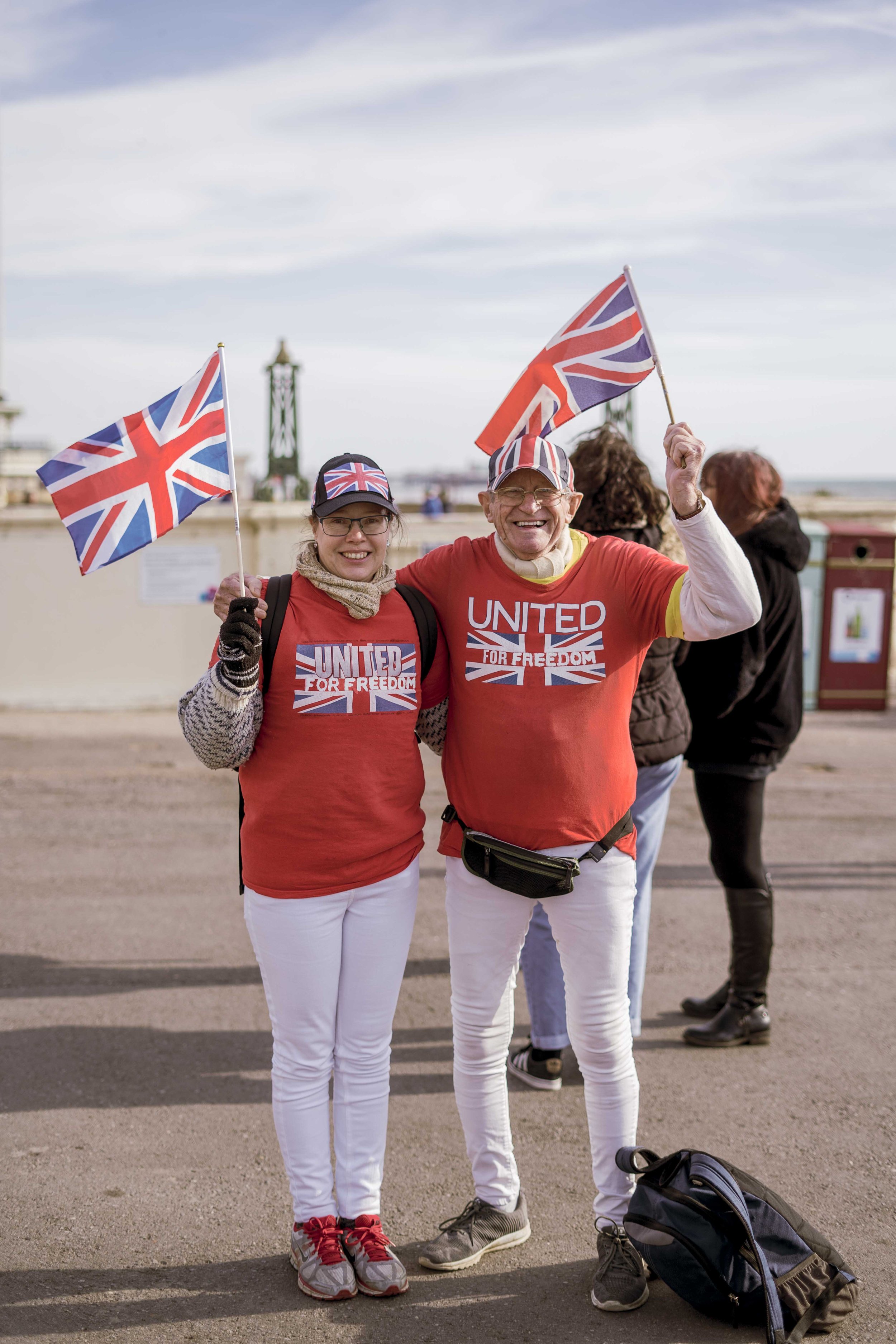

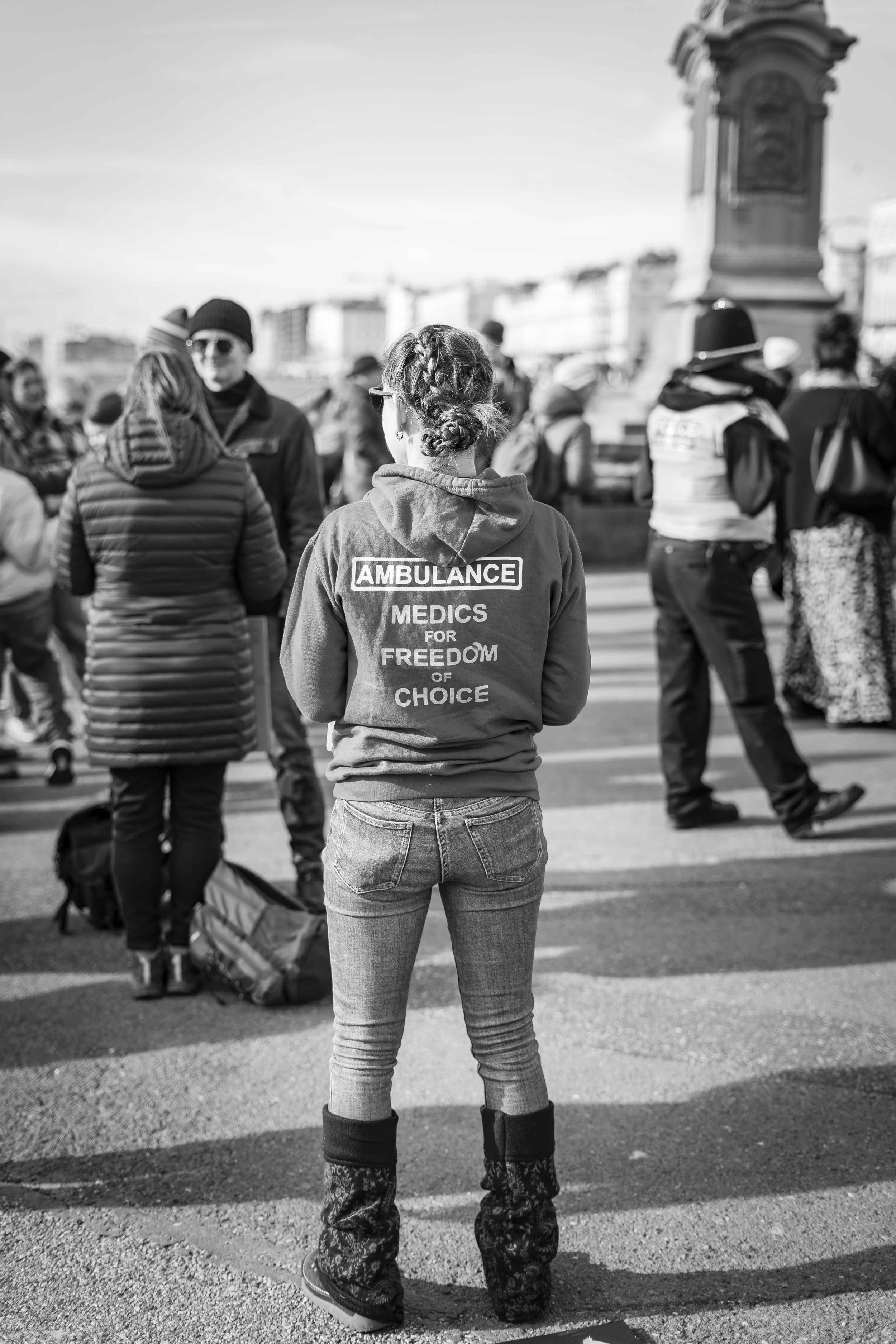
The last 2 photos were a 'Boycott Puma' demo outside Sports Direct, which was part of an Israeli Apartheid demo.
Both were sedate in nature, but a voice nonetheless. Its also great that demo season is upon is, as Brighton has a active population across all generations, eager to voice their peaceful and democratic right to demonstatrate.
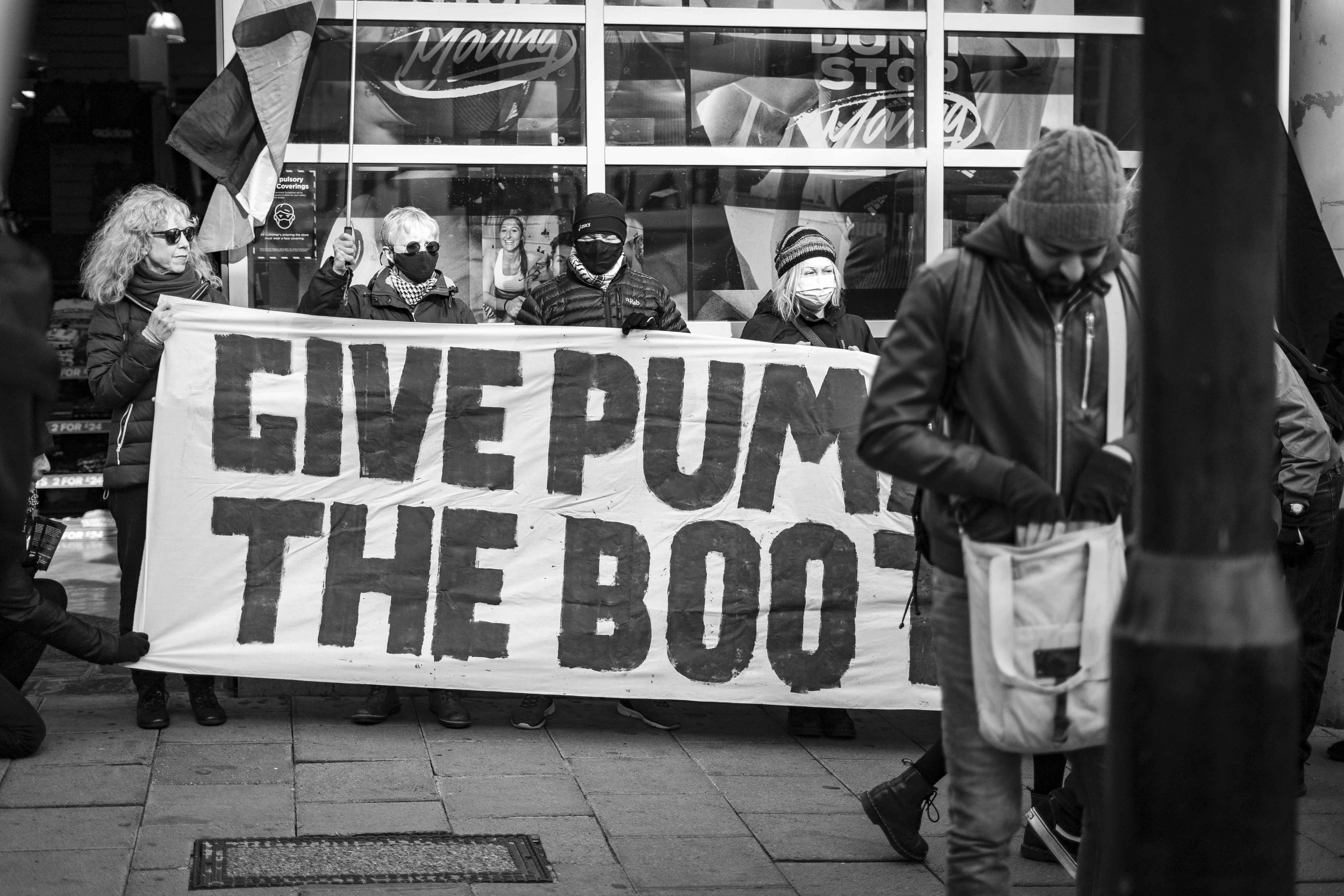
Until next time, keep snapping.
#killthebill #therighttopeacefuldemo #brighton #streetphotography.

Bookish - My books of the year 2021
As we near the end of 2021, its time to outline my favourite books of the year, that is 2021.
Its been a steady rewarding year, whilst I had a little mid year distraction, driving sales and business onto the Etsy Store and also the learning curve for the Chamonix 45n2 4x5 large format camera.
Similar to 2020, I have enjoyed reaching my yearly challenge of 52 books (60 at the timing of writing this blog). I have also enjoyed a broad subject matter, that again includes decent coverage into photobooks.
So dive in, I hope there are a couple of takeaways for you.

As we near the end of 2021, its time to outline my favourite books of the year, that is 2021.
Its been a steady rewarding year, whilst I had a little mid year distraction, driving sales and business onto the Etsy Store and also the learning curve for the Chamonix 45n2 4x5 large format camera.
Similar to 2020, I have enjoyed reaching my yearly challenge of 52 books (60 at the timing of writing this blog). I have also enjoyed a broad subject matter, that again includes decent coverage into photobooks.
So dive in, I hope there are a couple of takeaways for you.
My Photobook of the year - Jim Marshall - Show me the picture

What an incredible story of photographer, Jim Marshall. So much more than a music photographer (civil rights, photojournalist).
Some of the very best candid intimate images from the 1960s and 1970s and after reading this book, you get an understanding of the mad genius of the man and his character.
There is also a documentary of the same name over on Amazon Prime Video of the same name.
Honourable mentions:
Humans by Brandon Stanton, Gosh what a journey this author has been on. I originally 'stumbled' across the 'Humans of New York' account on the Tumblr platform some 10 years ago. As the introduction outlines, this originally was a genius idea to photograph c.10k people in New York, overtime and will increased confidence, he began to talk to the folk sitting for him.

This account exploded on social media. This eventually led to Humans, where the author travelled the world. This is a lovely piece of work, equally a rich piece of social commentary and photography assignment, which has lead to many many imposters.
A lovely collection of vignettes into people's lives.
Accidently Wes Anderson by Wally Koval is a great coffee table book, it even has the foreword from the great man himself.

Wonderful collaboration for any bookshelf, celebrating the cinematography and aesthetic style of Wes Anderson.
If you love the symmetry and style of Anderson's movies, this is a must for you, as is a visit to the @accidentallywesanderson Instagram page, which was setup by the author.
Godlis Streets - Peter Godlis

Photobook covering the ‘tog’s images of New York in the 70’s and 80’s.
Intriguing selection of New York Street photos from Godlis. Quite a few belters with a nice level of sequencing.
Sports Book of the year book - The Secret Race - Tyler Hamilton and Daniel Coyle.

This year, I surprisingly only read one sportsbook, which was The Secret Race. I'm not a Tour de France aficionado, but found this book engaging.
Whilst this was a particularly revelationary story, I found it an intriguing story about the doping culture within cycling and the ‘do as I say, not do as I do menatility in the pursuit of success.
Biggest Surprise - Tie - This Party’s Dead - Erica Buist & Men who hate Women - Laura Bates.
Whilst I couldnt seperate these two for this award, they are both noted for two very different reasons.

This Party’s Dead is conceptually a unique idea for a book. Following the death of her father in law and the delayed discovery of the body (a week). The author is overcome by grief. She then decides to visit seven death festivals, to understand how different cultures celebrate death.
What pulled me initially to this book was the visit to the Day of the Dead festival in Mexico, this is on my bucket list. Although the book does imply that this is quite a tourist trap now. The authors commentary and experiences at DOFTD are conflicting, the elders are respectful and sombre and the youth are hedonistic. What is the common demoninator, is that the worship and following is from the poorer sections of Mexican society.
I never understood the morose approach we have to death and the funeral, here in the UK. I remember going to a funeral in Ireland in my late 20's, accompanying my mum. The full 5 day wake, coffin in the house, drinking, telling stories, the craic.
The whole experience helped me understand to celebrate the joys of a life. This was the major factor that allowed me to read my dad's eulogy. Recounting the foibles and charmful traits of his character. The short chapters and writing style make this a recommended read.
Conversely, Men who hate Women. Good god, what a shocking state of affairs.

I felt compelled to read this book as a dad of two (14 year old daughter and 18 year old son), I wanted to get an insight into their world, and the mindset of their generation. The hate groups detailed in this book is attributed to the 'keyboard warrior' of internet forums, unpoliced environments, allowing for the proliferation of a toxic ideology.
This is important piece of work, writing and publishing this content, but worrying of what this will lead to.
Biggest Let Down - American Psycho - Bret Easton Ellis. So very disappointing. I didn't enjoy this book at all. Whilst I appreciate this is a cult classic, not for me.

Comedy / Satire - Proxopera - Benedict Kiely.

This is a beautiful hidden gem of a policitical satire. All in 94 pages!
Erudite writing about the futility of 'the troubles' on both sides of the community.
Will most certainly lead to me reading more of the author. A wonderful heartfelt collection of works by Hardy.
Dystopian - Never - Ken Follett.

No doubt the inspiration for this book came from the Trump administration. Nuclear war amongst super powers, aka ‘pissing contests with warheads’.
Whilst this fall's short of the heights hit by the author’s other work, still an interesting multilayered story.
Classics - East of Eden - John Steinbeck.

Finally got round to reading this classic. I recall reading of Mice and Men in my early twenties, but not being moved.
This book has deep rich writing, retelling the saga of Cain and Abel. Beautiful.
Honourable mention
Ulysses - James Joyce.

I decided to consume this novel in audiobook format, which I think added to the experience.
Some masterful 'mundane' dialogue, with beautiful writing told and delivered wonderfully well by the cast.
Tome - Fall of Giants - Ken Follett
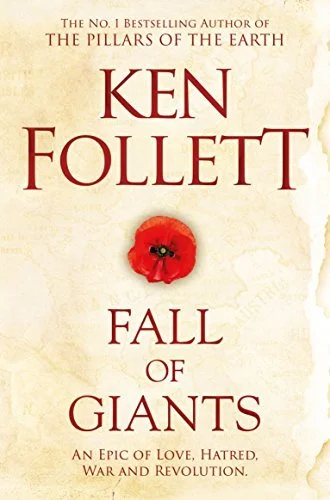
At 985 pages, this was the biggest book I read in 2021.
This book is the volume 1 in a 3 volume Centurys trilogy. Based around WW1, WW2 and the Cold War. I started this series after finishing the Kingsbridge series by the same author.
Novella - Black Cop’s Kid: as Essay - Kareem Abdul - Jabbar.

At 37 pages, this was the shortest book I read in 2021.
A great essay and consumable read. Never realised his father was a cop. No doubt that inherited strength in character (as well as talent) helped Kareem achieve in basketball.
Memoir - The Man To See - Evan Thomas

Highly enjoyable biography. Detailing the trials and tribulations of a criminal lawyer between 1950's - 1980's. Both pioneering and groundbreaking.
Honourable mentions
A Promised Land - Barack Obama

Been waiting to get round to this one. Revealing insight into the lead up to public office and first term as president.
In parts really quite revealing about the man and not sugar coated. This was slow paced in parts, but this is more complementary about the detail of the writing, rather than the (lack of) quality of the story.
I think it was right to split the memoir over two volumes, with volume one finishing at the end of the first term. What a remarkable man, this story should be an example to all about application and achievement.
Chaise Longue - Baxter Dury

Quite an eclectic memoir structured much like an abstract album with short chapters, akin to the 3 minute song, contrasting and conceptual.
Crazy crazy tales.
History - Empireland - Sathnam Sanghera.

What a rich and informative read about the history and heritage of the empire, imperialism and it's destructive trailblazing.
A mind boggling fact from the book: The British empire was at its territorial peak in the early 1920s, 13.71 million square miles, which represents 24 per cent of the earth’s land area or equivalent to 94 per cent of the moon’s surface area.
The book explains the empires modus operandi which was to take minerals and resources from the world, which is best explained by the fact that: Despite Canada’s vast resources Britain actually considered handing it back to France during peace negotiations, in exchange for the sugar island of Guadeloupe.
Whilst the book explains the correlations of the imperial elitist mindset with that of Brexit, what Brexiteers are failing to understand is that their movement is the antithesis of the empire, for what they appear to hold up as their ideology. We can't really move forward as a country, until we look in the past and teach our kids the full history of the empire in our schools.
Essential read.
Honourable mentions:
Bad Blood - Colm Toibin

Whilst originally written in the late 80's, I thoroughly enjoyed the rambles of the author across the north south border of Ireland.
Lovely writing.
The assassination of Fred Hampton - Jeffrey Haas

I was absolutely compelled to read this book, after watching Judas and the Black Messiah.
Daniel Kaluuya was immense as Fred Hampton.
I am ashamed to say that I was not fully aware of the events leading upto the complicity of state bodies in his assasination, nor the fight to clear his name after his death at the age of 21.
What a legacy. This book is simply essential reading for the 1960's civil rights movement.
The Power of Geography - Tim Marshall

This is such an informative series. Tim Marshall is a genius in being able to explain such complex geopolitical theories in laymans terms. I wish he was on the telly more.
Fiction - Sunset Swing - Ray Celestin

This is the last in the City Blues Quartet series. An excellent police procedural series, based on historical fiction starting with the Axeman Jazz murders in New Orleans in 1919.
Well paced series with some great characters and pacey storylines. Will be intriguing to see what project Celestine sets his attention to next.
Foreign - Norwegian Wood - Haruki Murakami

I am transfixed by the simplicity of Japanese writing. This is a wonderful novel.
Historical Fiction - Christodora - Tim Murphy

What a little gem of a book. Based in and around the occupants of the Christodora, a New York apartment building.
The story unfolds telling the tale of the hedonism in NY at the time.
The AIDS epidemic is impacting the central characters and the story tells the tale of the folks fight and struggle at the time.
Honourable mention:
Hamnet - Maggie O’Farrell

Finally got round to reading this novel.
Intriguing take on the play by Shakepeare, by O'Farrell. Thoroughly enjoyable and well written.
Political - Tie - The Future of British Politics - Frankie Boyle & The History Thieves - Ian Cobain
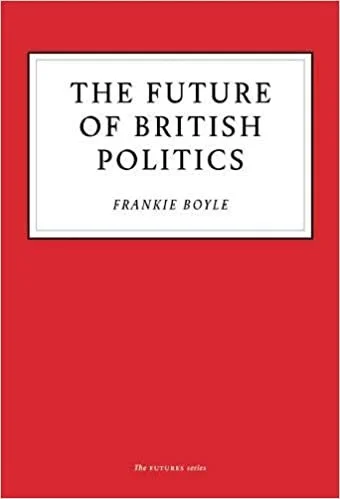
I read this political essay, which is the workings of a renowned and outspoken comedian. In contrast, I listened to our Prime Minister at the Cop26 UN Climate Change Conference, littering his speech with jokey football analogies, talking about climate change.
Hmmmmm, generally get more sincerity and empathy with a political comic, than a comical politician. This is an enjoyable essay littered with erudite political observations.

Chronological look at the introduction and amendments to the official secrets act and freedom of information act by sitting governments.
Apparently it's a need to know basis and we do not need to know. Most shocking is that this stance appears to have crept into everyday politics, under the guise of an esoteric manifesto.
Honourable mention:
Anti-social - Nick Pettigrew

This is such a consumable book, observing a year in the life of an ASBO (Anti Social Behaviour) Officer.
Dealing with the disputes and interactions of tenants in council properties, this book for me deals with the outputs of the UK governments 'brainchild' of dealing with the defunding of social care support services for drug addicts, mental health issues and even inner city employment prospects, or lack of.
I didnt read this book as a form of poverty safari, I just find individuals who work in such fields are inspiring folk.
Whilst some may see this as a book that is quite repetitive, I think thats actually the point, complaint, research, file for eviction, court, order, breach of order, eviction, imprisonment. intense responsibility / accountability, with generally nil reward.
Clearly the author has had to adapt to a challegning work environment, with the aid of a very dark sense of humour.
True Crime - Wordcrime - John Olsson

This is an intriguing book explaining forensic linguisitics and solving crime through the unpicking of language.
I quite liked the short concise chapters, made for engaging reading.
Honourable mention:
The killer across the table - John E Douglas

Harrowing yet essential work by Douglas, setting up and establishing the profiling concept in the FBI.
Interviewing incarcerated serial killers, to understand their MO, motivations and state of mind which allowed the FBI to build an understanding of their criminal mind.
The book details some horrifying cases, but the book remains focused on delivering the reason Douglas's work was so important.
Well thats me completed for 2021, hopefully there are some take aways from the above list for you.
Until next time, keep snapping
35mm is a gateway drug
Its been nearly 6 years since the film bug bit me.
Originally I was recommended to get into film, to stop at the time, the incessant tinkering with my digital images (read polishing a turd) and concentrate of the process of taking a photo.
I must say, its one of the best pieces of advice I have received.
Not to put it lightly, the learning curve for film, getting your head around using manual controls, the exposure triangle, developing and scanning film at home, is a steep one. But thoroughly enjoyable, nonetheless.
disclaimer: the author accepts no liability for the cost incurred by the reader, in the investment of new film camera gear.
Its been nearly 6 years since the film bug bit me.
Originally I was recommended to get into film, to stop at the time, the incessant tinkering with my digital images (read polishing a turd) and concentrate of the process of taking a photo.
I must say, its one of the best pieces of advice I have received.
Not to put it lightly, the learning curve for film, getting your head around using manual controls, the exposure triangle, developing and scanning film at home, is a steep one. But thoroughly enjoyable, nonetheless.
Being transfixed by the civil rights and vietnam war images of the 1960’s, provided me with the desire and inspiration for me to learn the zone focuing technique, this was revelationary.
I have mentioned it before, there are few hobbies that have a great community spirit like film photography, sharing the knowledge and helpig eachother out. The only other I have encountered is the motorbike community, but having hung up my leathers in 2015, this was a void greatly filled.
I digress. Whilst I was happy shooting 35mm, especially on the exceptional Olympus OM1, I had one eye on the limitations of my scanning setup (the substandard Epson V600) and also a thirst to learn more about this medium. This naturally led to my step into Medium Format / 120 film.


Early on my film journey, I was able to get my hands on the little gem Yashica Mat 124g TLR camera. This TLR medium is underrated, the limitations of the square format allow you to rethink the image the detail of the negative is outstanding.


I became transfixed by the Pentax 67. This is a complete beast, which is probably better placed as a studio based portrait camera, rather than a street photography camera. The 6x7 negatives are enormous, offering rich detail. There are two downsides when using in Street Photography, 1) The sheer weight of the thing!, and 2) The thunderclap of the shutter. You could add a third with the limited 10 images per roll, but this is negated by the stunning negatives.


I therefore wanted a 120 / medium format film camera, that I could hike around with on my photowalk jaunts, and decided on the Fujica GS645s. I was able to snag an absolute mint condition version from Japan, I can only conclude that this was put into a time capsule, as the was like brand new. I choose the version with the bull bar. As I had read stories of the bellow cracking, I didnt want the faff. I have had zero issues with the bullbar.
Also the increased 15 images per roll is well received. The only downside to the camera is the weak rangefnder patch. This is easily resolved with a piece of clear plastic stuck to the viewfinder.


So the crescendo, large format. This ultimately was triggered by a few YouTube content creators that really elevated the medium and I love there work: Ben Horne, Matt Marrash, Bryan Birks, Todd Korol, Robbie Maynard Creates, Nick Carver, Craig Prentis & Steve O’nions to name a few.
I really appreciated the no thrills approach to shooting and also the sloowwwww approach.
The two versions of this format are 4x5 and 8x10. Film photography isn’t a cheap hobby and 8x10 format is no exception, film prices are insane!.
Looking around I had earmarked two models for further consideration, 1) a 1950’s metal field camera, which didnt provide nearly as much refinement on setting up a photo, or 2) A traditional wooden camera.
Initially, I had elected for the former, buying a 1970’s Wista 45d from Japan off eBay. Unfortunately, this was probably the worst buying experience I have ever encountered, this is a tale for another day. But in short, the faulty Wista was soon returned.
I finally decided on the Chamonix 45n2. This camera is a thing of complete beauty. Composed of wood and carbon fiber composite material, is designed to be both light and durable. I get stopped every time I have the camera out by tog’s and non tog’s.


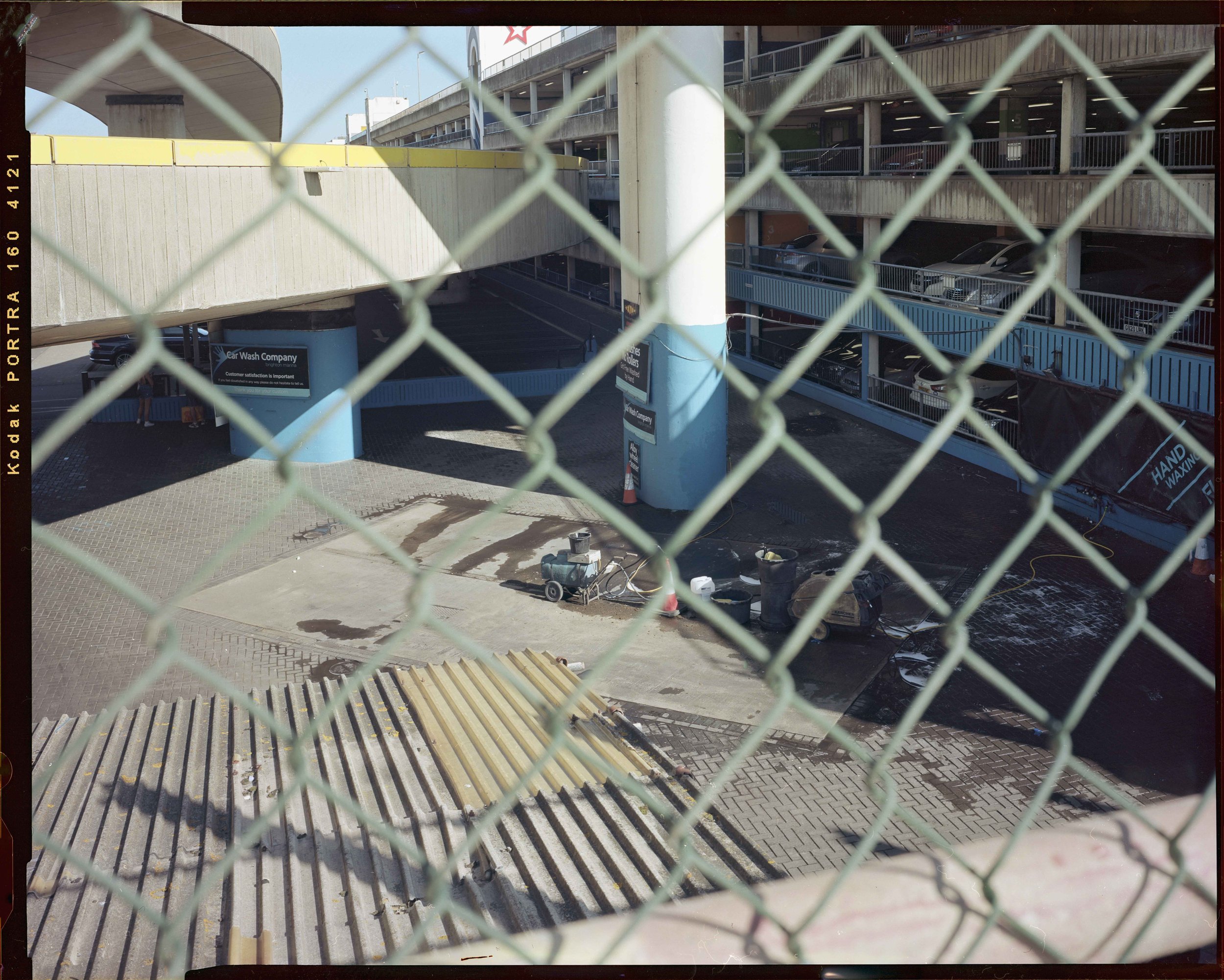


You do have to completely change the approach to image taking, a 10 sheet of Kodak Portra 160 is £58, so £5.80 per photo. This is before the pending price hikes in January 2022.
But the images are outstanding.
The options for B&W are more economical and more palletable on the wallet.
So this year with Large Format and generally in my six year journey, I have learned alot and my understanding is better. I now go back to digital and the positive is that I set the camera up for auto focus, turn off the backscreen and snap away. No Chimping. I have ditched all the lightroom presets and now only use 1 x colour and 1 x BW. No polishing of turds.
I have found that I have turned full circle and that film and digital mendiums compliment eachother and my work, its not a case of one or the other, trust me.
Well thats me for another month, until next time, keep snapping.
A selection of the images within this article are available for sale on the Website or Etsy Store, if you would like to enquire about something else, please click the email icon at the foot of this page.
Yes please, keep me posted when there’s a new blog
Instagram - Film