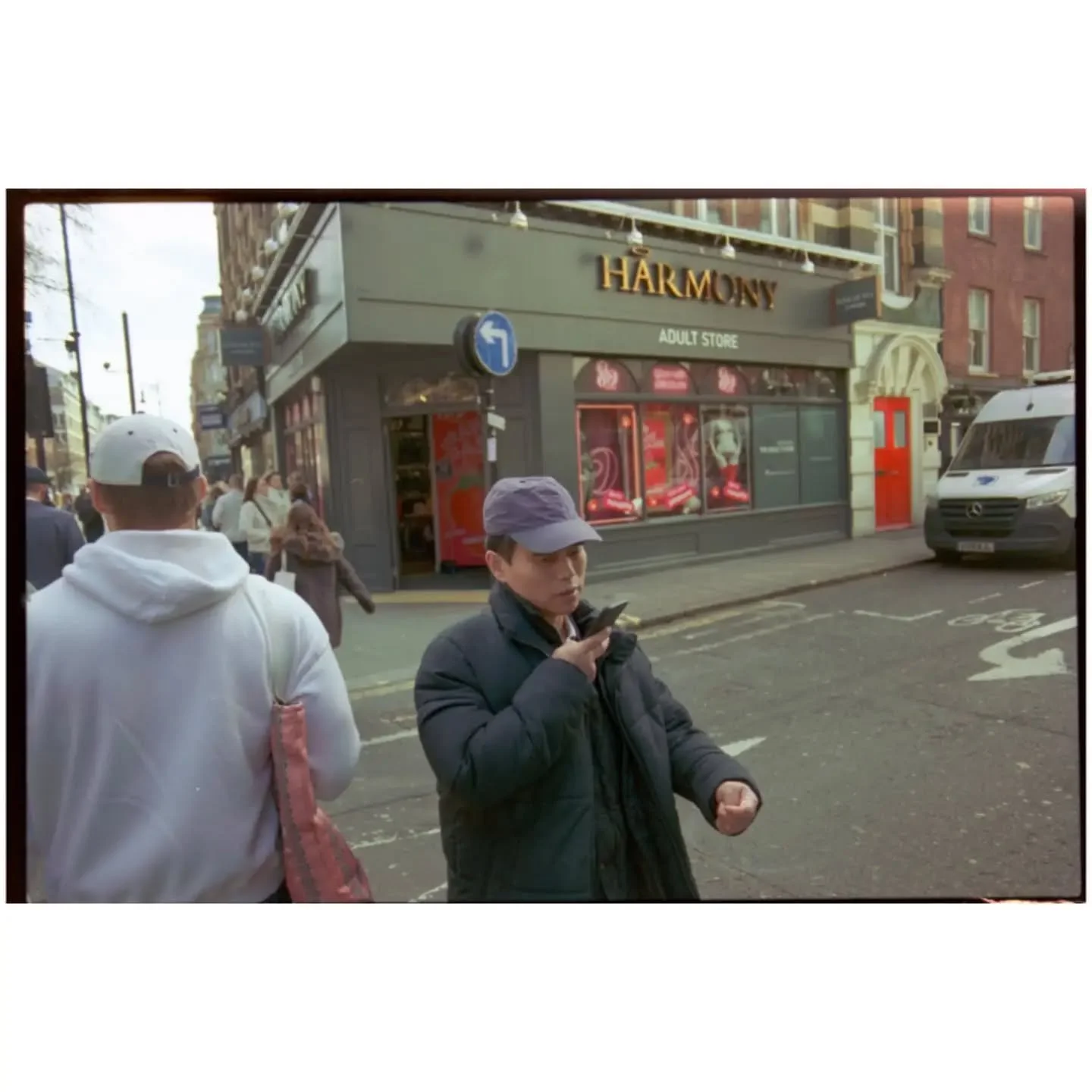
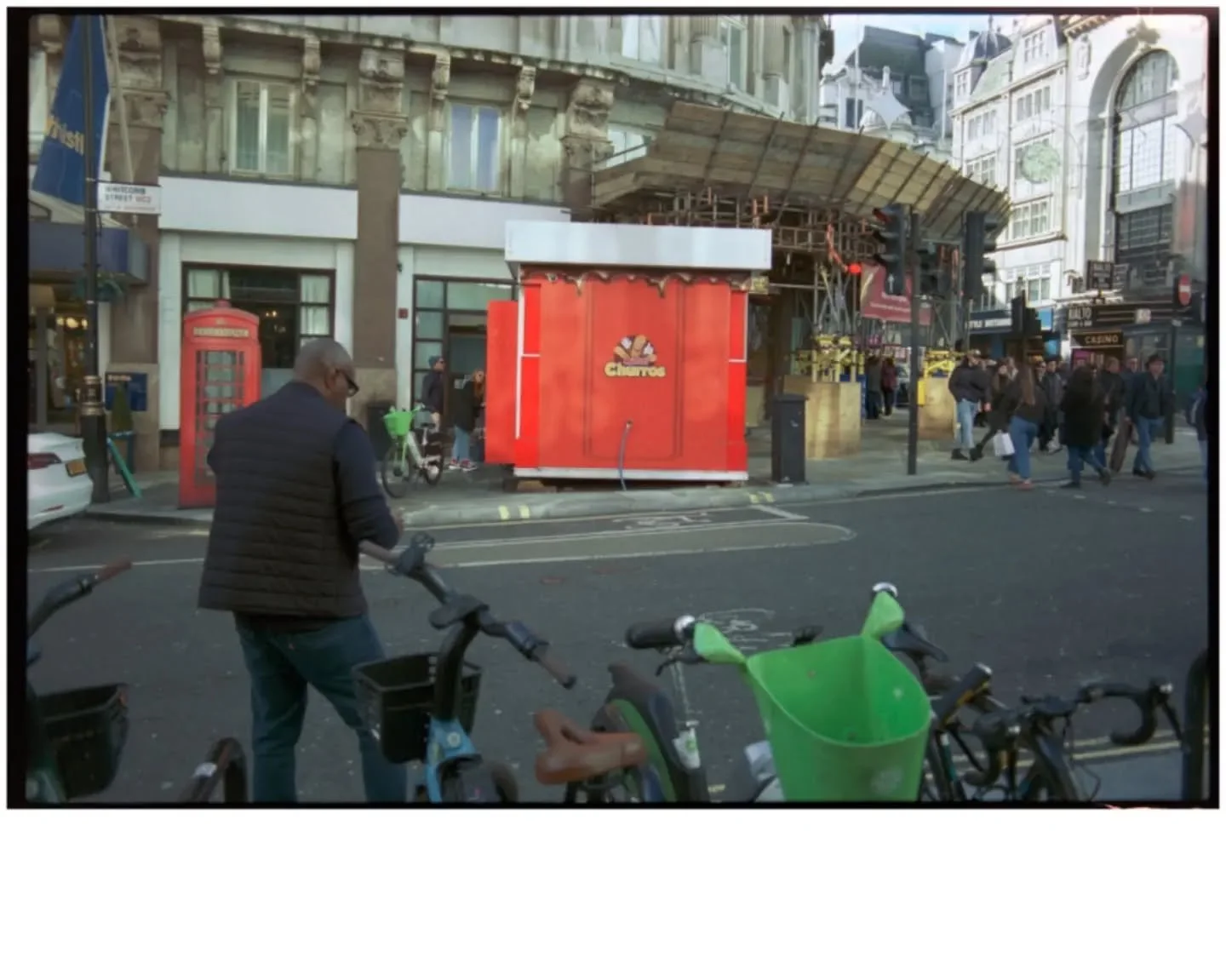
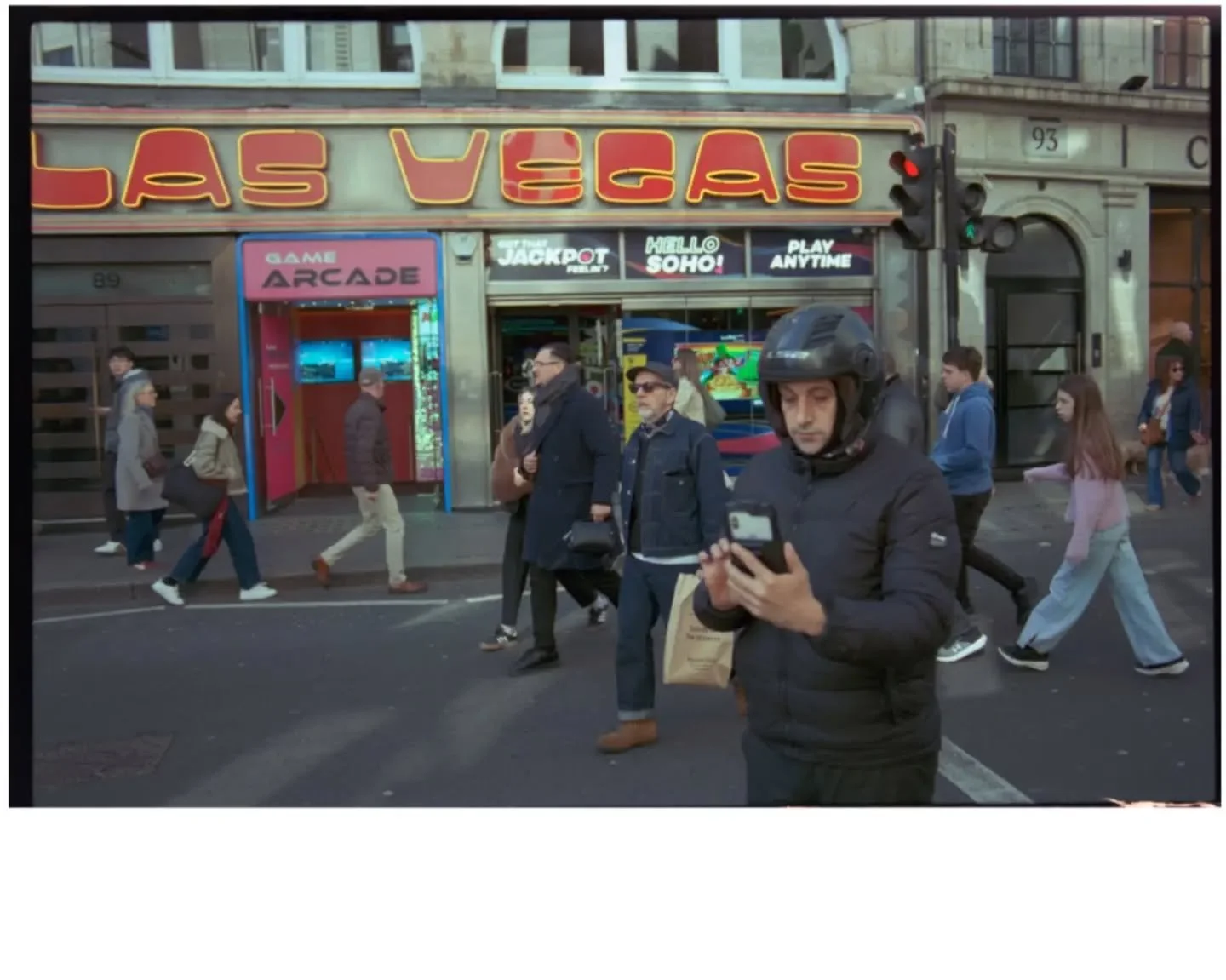
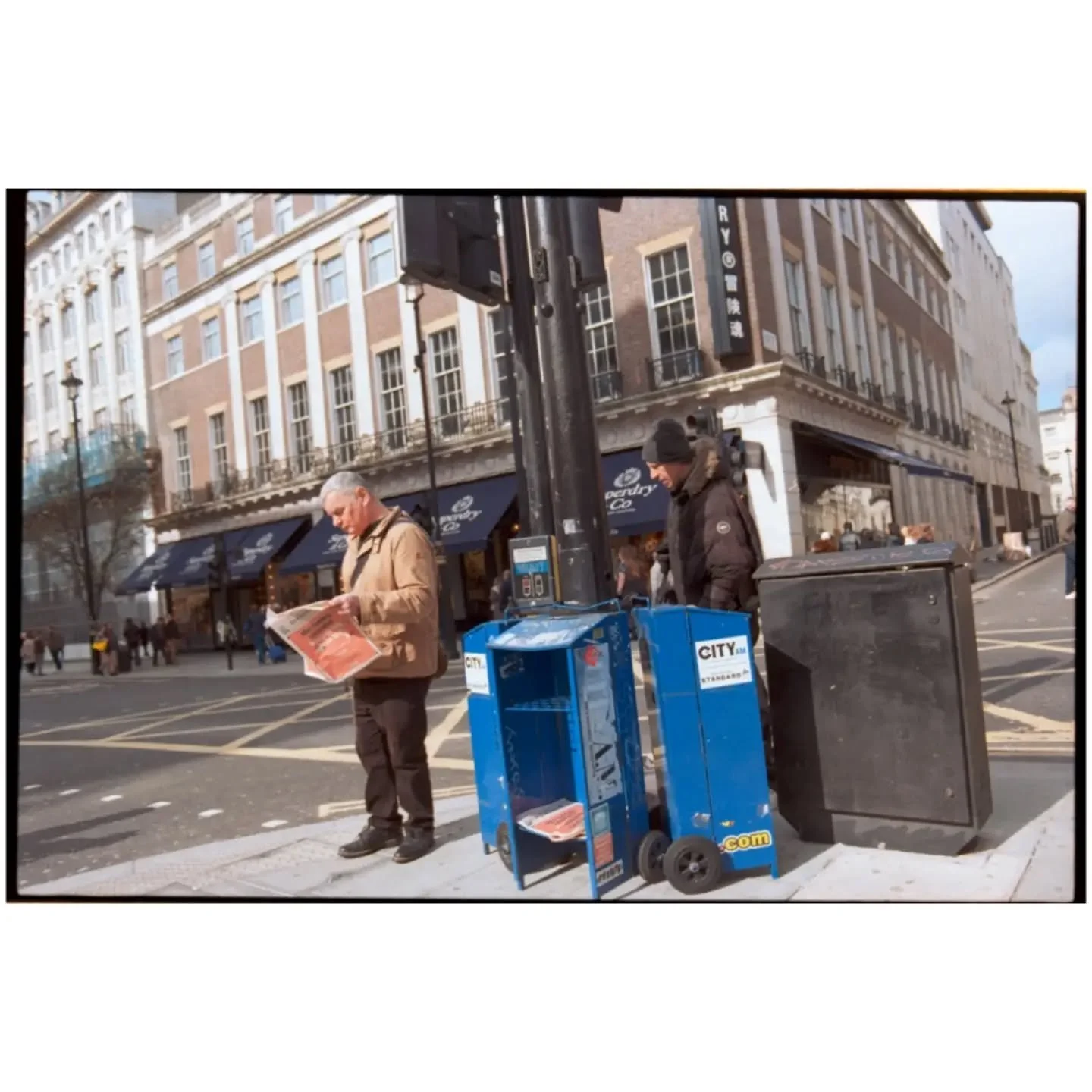
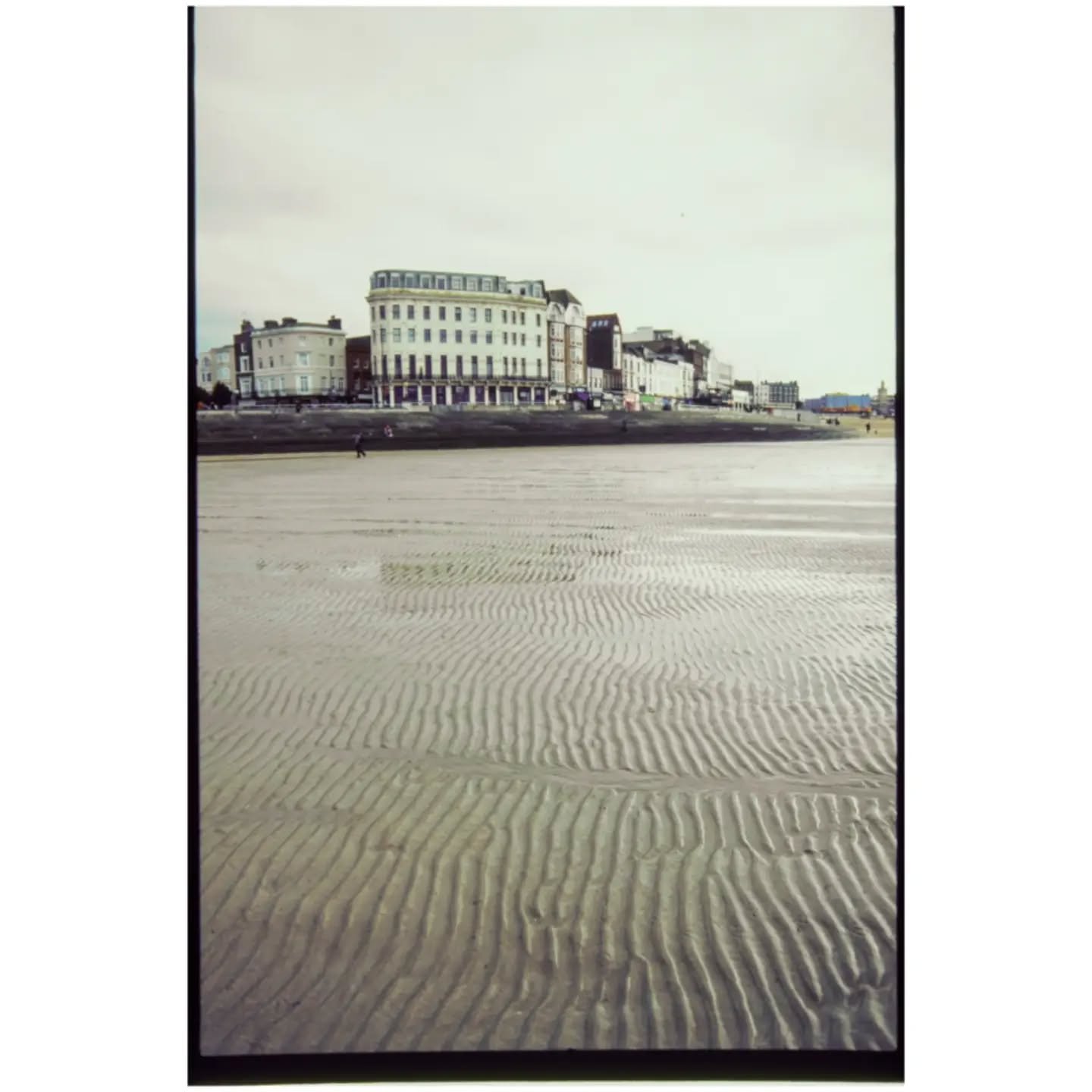
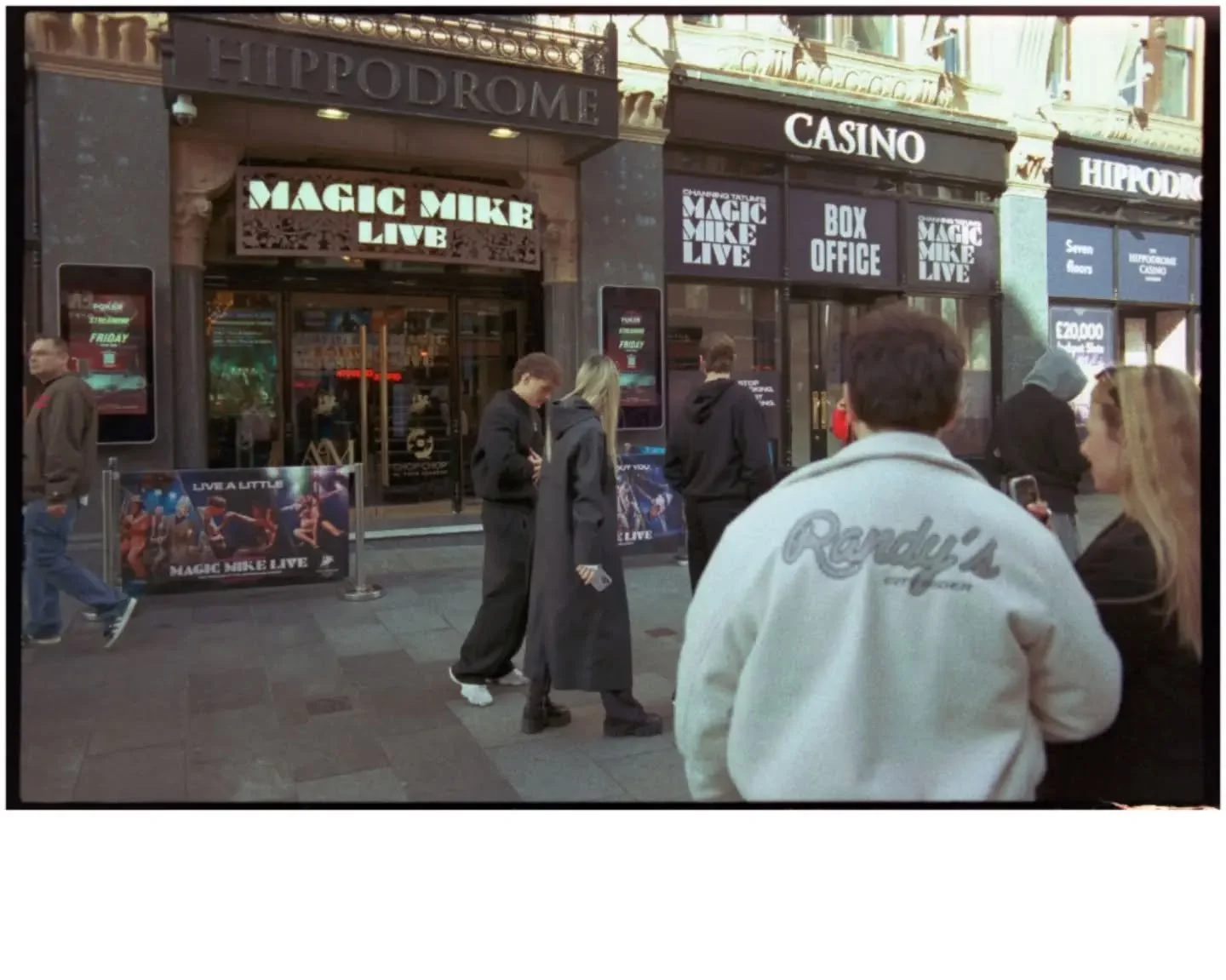
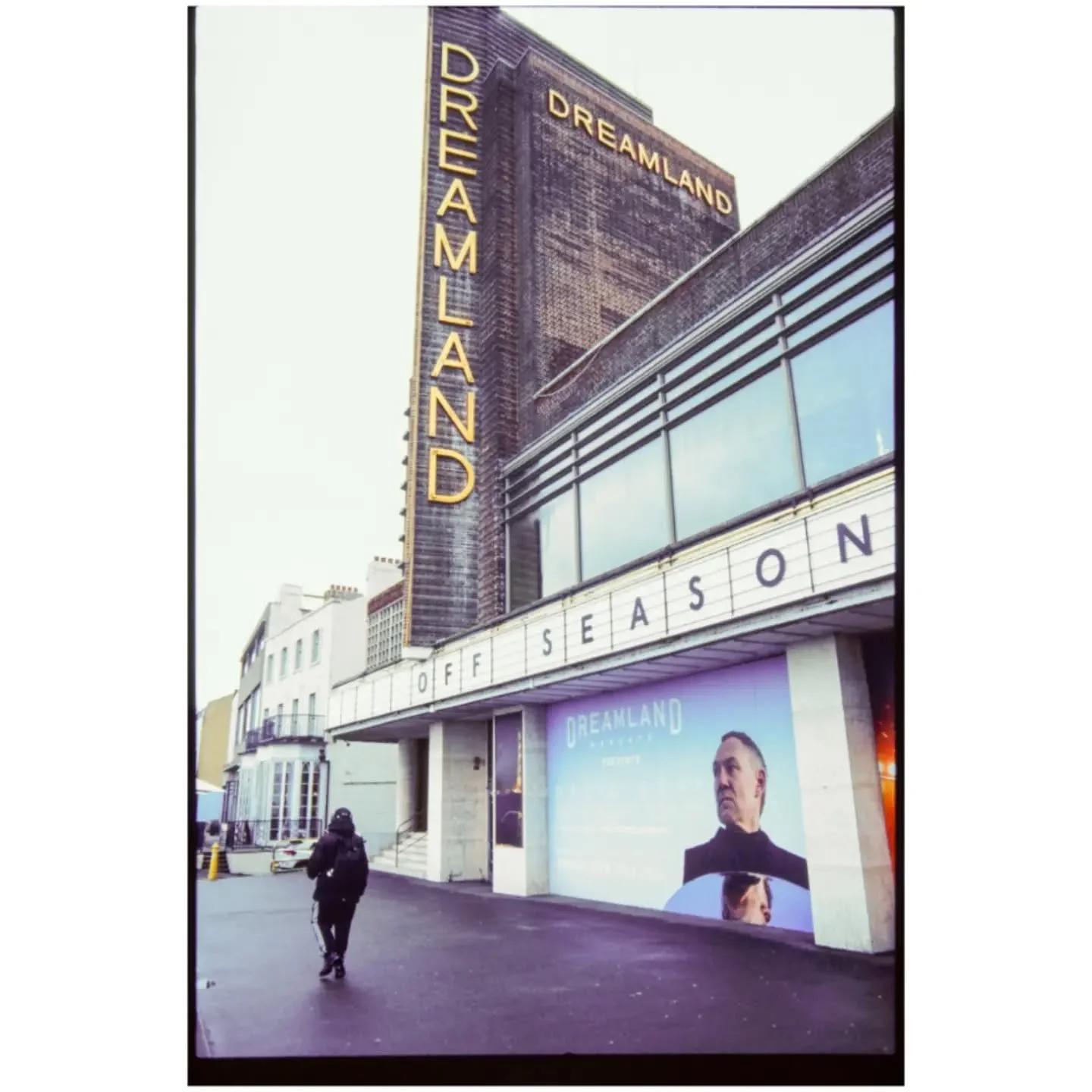
in the frame
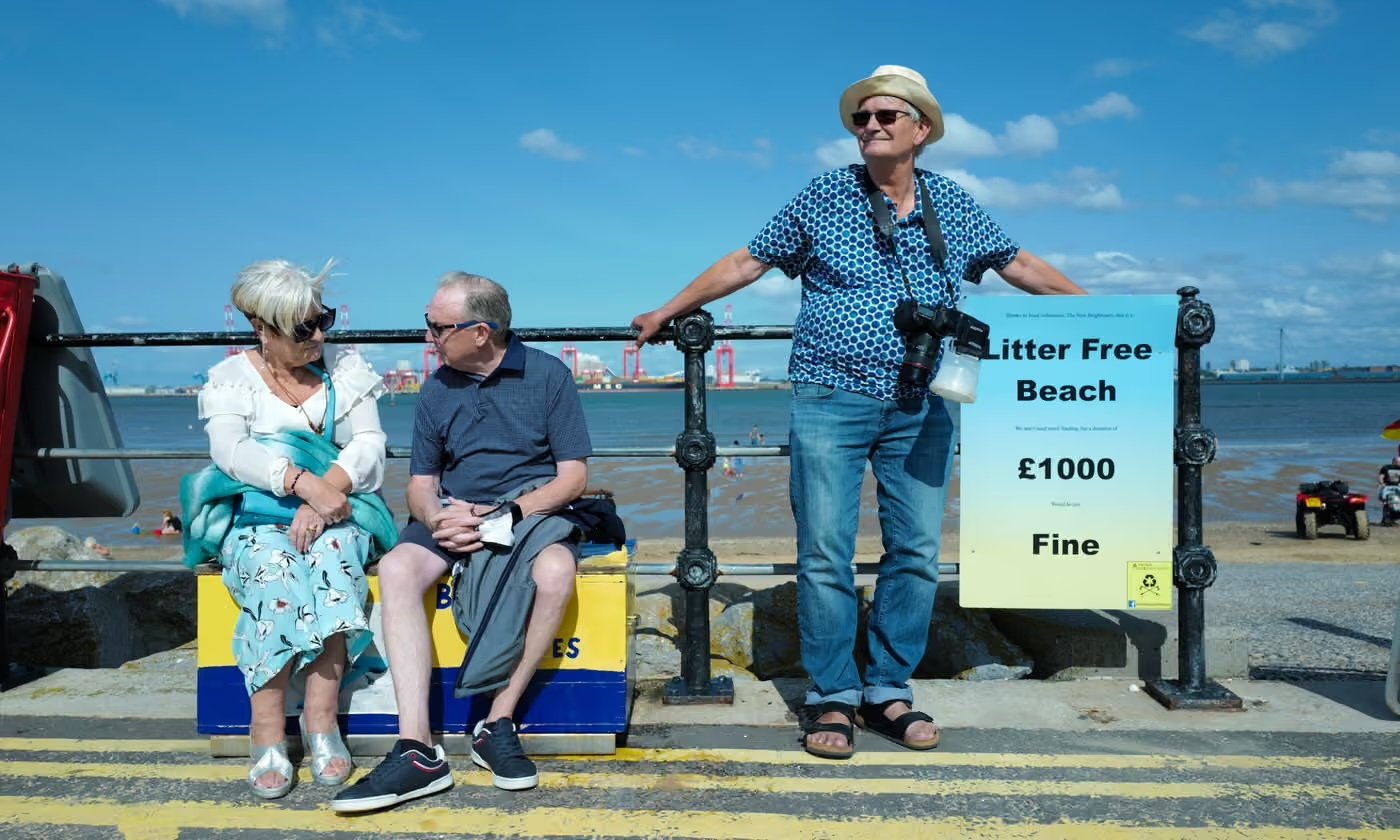
Past Masters 2 - Martin Parr: The Anthropologist of the Everyday
This blog-post is uploaded with a heavy heart, following the untimely passing of Martin Parr in December 2025.
This is the second instalment of our Past Masters series, we delve into the saturated, often uncomfortable, and undeniably witty world of Martin Parr. If there was one photographer who defined the "British look" of the late 20th century, it was Parr—a man who turned the mundane into the magnificent and the grotesque into the high-art gallery.
This blog-post is uploaded with a heavy heart, following the untimely passing of Martin Parr in December 2025.
This is the second instalment of our Past Masters series, we delve into the saturated, often uncomfortable, and undeniably witty world of Martin Parr. If there was one photographer who defined the "British look" of the late 20th century, it was Parr—a man who turned the mundane into the magnificent and the grotesque into the high-art gallery.
Martin Parr was born in 1952 in Epsom, Surrey. Unlike many who stumble into the craft, Parr knew he wanted to be a documentary photographer from the age of 14. His early interest was sparked by his grandfather, George Parr, an amateur photographer who encouraged Martin’s budding eye.
The Rise to Fame & The Big Break
Parr studied photography at Manchester Polytechnic (1970–1973), where he was part of a legendary cohort including Peter Fraser and Brian Griffin. His career began in earnest with quiet, black-and-white studies of Northern England, notably in the series The Non-Conformists and Bad Weather.
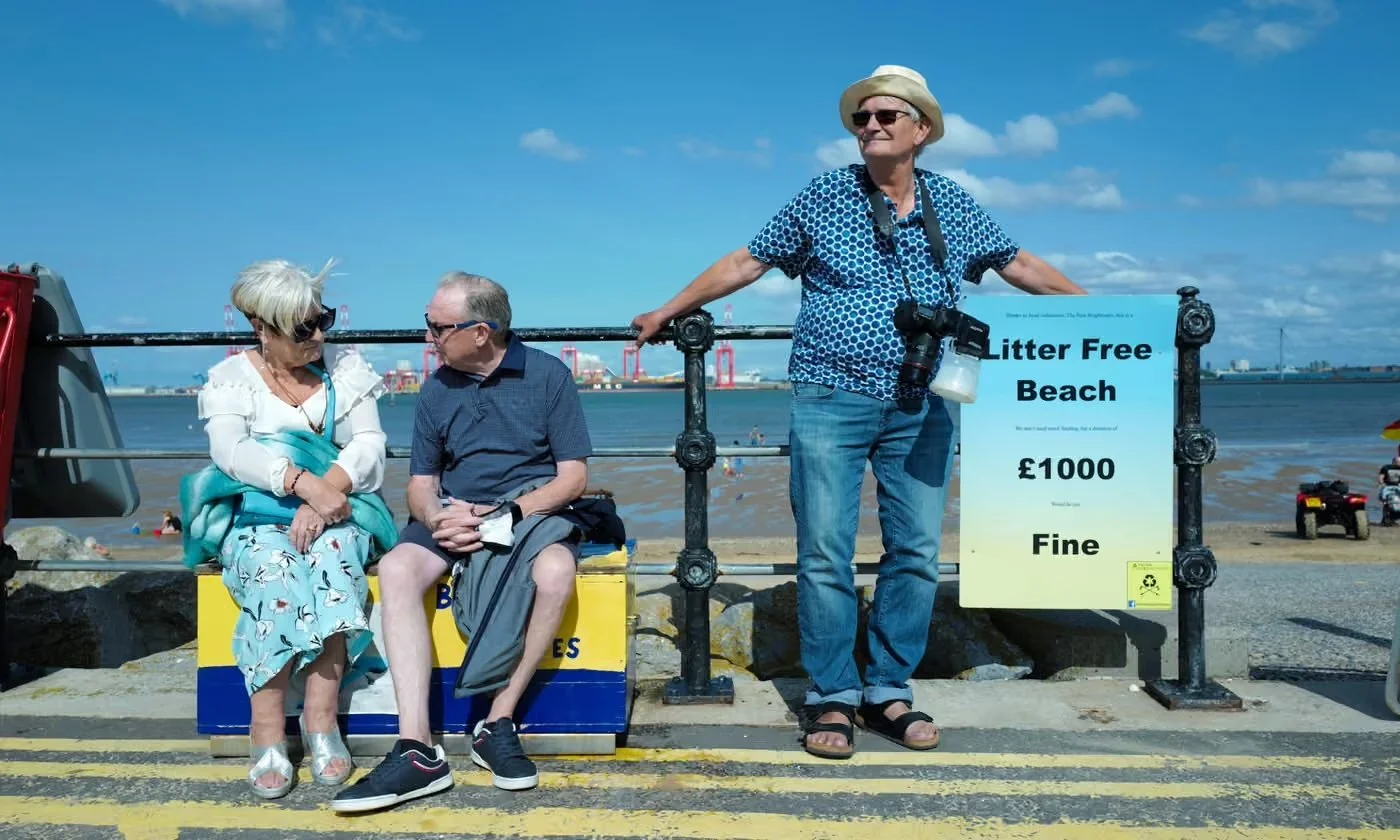
However, his "big break" and subsequent rise to international notoriety came in 1986 with the publication of "The Last Resort." This series, documenting the working-class seaside resort of New Brighton, was a shock to the system. Using garish, saturated colors and a ring flash, Parr captured the "messy reality" of British leisure—crowded beaches, overflowing trash cans, and melting ice cream. It was hailed as a masterpiece by some and decried as "cruel" and "snobbish" by others.
Style and Philosophy: The "Parr-esque" Gaze
Parr’s style is defined by:
Hyper-Reality: Using macro lenses to zoom in on textures (like half-eaten food or leathery sunburnt skin).
Saturated Colors: He famously used Kodachrome and later ultra-saturated films to make reality look almost artificial.
Humor as a Weapon: He used wit to critique consumerism, tourism, and national identity.
"I think the ordinary is a very under-exploited aspect of our lives because it is so familiar." — Martin Parr
Equipment: The Tools of the Trade
Parr’s gear evolved with his shift from the "quiet" observer to the "loud" social critic:
Early Era: 35mm Leica M3 for his black-and-white work.
The Big Shift: For The Last Resort, he moved to a medium-format Plaubel Makina 67 (a wide-angle camera) and later used a Mamiya 7.
The Signature Pop: He is famous for using a ring flash or a side-mounted flash to create flat, shadowless, and clinical lighting that exposes every detail.
Digital & Modern: He eventually transitioned to the Canon 5D series and even shot his later work on an iPhone.
What he didn't like: Parr famously disliked "pictures of everywhere looking beautiful." He loathed the romanticized, soft-focus view of the world, often calling sepia-toned or "pretty" travel photography a "soft version of propaganda."
Black and White vs. Colour: Which was Better?
This remains the central debate of Parr’s legacy.
The Black and White Case: Many peers, including the legendary Don McCullin, praised Parr’s early monochrome work (like Bad Weather) for its exceptional eye and humanist celebration of community.
The Colour Case: Most critics argue that Parr only became Parr when he switched to colour. The "acidic" palette allowed him to move from celebration to critique.
The Verdict: While his black-and-white photos show more "empathy," his color work is what changed the course of documentary photography. As Parr himself said: "My black-and-white work is more of a celebration and the color work became more of a critique of society."
Peer Endorsements & Quotes
Parr was notoriously divisive. When he applied to join Magnum Photos, Cartier-Bresson famously voted against him, calling his work "from another planet." However, he eventually became the agency’s president.
Don McCullin: "Martin, you're an excellent black and white photographer... you transposed that eye to the world of color."
Grayson Perry: Noted Parr's "needle-sharp eye for the material culture of our times."
"Photography is the simplest thing in the world, but it is incredibly complicated to make it really work." — Martin Parr
Essential Viewing & Reading
Top Photo Books
The Last Resort (1986): The definitive book on the British seaside.
Small World (1995): A scathing and hilarious look at global tourism.
The Non-Conformists (2013): His early black-and-white masterwork.
Common Sense (1999): An explosion of close-up consumerist detail.
Famous Photographs (Links)
Multimedia
The End of a Career
Martin Parr passed away in December 2025, leaving behind a legacy that transformed photography from a "fine art" pursuit into a sociological tool. He established the Martin Parr Foundation in Bristol to preserve the heritage of British documentary photography, ensuring that his "oblique approach" will influence generations to come.
Would you like me to create a comparison table of the specific cameras and films Parr used for each of his major book projects?
Martin Parr | A Visual Tribute to the Master
This video provides a poignant retrospective of his career, contrasting his early black-and-white masterpieces with the saturated color aesthetic that became his signature.
Who are you, Martin Parr? Since the 1970s, Martin Parr has fearlessly held out his unique photographic mirror and given us some of the most extraordinary and unique visual clichés of modern times.
Past Masters 1 - Garry Winogrand: The Restless Genius of Street Photography
This is a new series on the blog to highlight some of the ‘past masters’ that have inspired us all on our street photography journeys. This may not reveal any hidden gems, but will hopefully be a revealing series to allow the reader to view photobooks, images and you tube videos.
Garry Winogrand
was one of the most influential and prolific street photographers of the 20th century. His candid and dynamic images captured the essence of American life and culture from the 1950s to the early 1980s. He was a master of the snapshot aesthetic, using a wide-angle lens and a hand-held camera to create spontaneous and often tilted compositions that reflected his restless and energetic vision.

This is a new series on the blog to highlight some of the ‘past masters’ that have inspired us all on our street photography journeys. This may not reveal any hidden gems, but will hopefully be a revealing series to allow the reader to view photobooks, images and you tube videos.
Garry Winogrand
was one of the most influential and prolific street photographers of the 20th century. His candid and dynamic images captured the essence of American life and culture from the 1950s to the early 1980s. He was a master of the snapshot aesthetic, using a wide-angle lens and a hand-held camera to create spontaneous and often tilted compositions that reflected his restless and energetic vision.
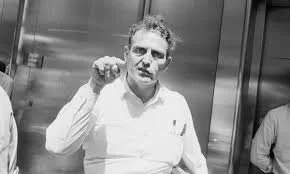
Winogrand was born in the Bronx, New York, in 1928, to Jewish immigrants from Eastern Europe. He studied painting at City College of New York and Columbia University, and later took a photojournalism course with Alexey Brodovitch, the legendary art director of Harper's Bazaar. He started his career as a freelance photojournalist and commercial photographer, working for magazines such as Collier's, Pageant, and Sports Illustrated.
In the late 1950s, Winogrand became interested in street photography, inspired by the work of Walker Evans, Robert Frank, and Henri Cartier-Bresson. He began to roam the streets of New York with his Leica camera, shooting incessantly and intuitively, without stopping to compose or focus. He was fascinated by the drama and chaos of urban life, and the way people interacted with each other and their environment. He once said, "I photograph to see what the world looks like in photographs."
Winogrand's style was unconventional and controversial. He often cropped his subjects' heads or limbs, or included distracting elements in the frame. He did not care about technical perfection or formal balance. He wanted to create images that were more interesting or more beautiful than what was photographed. He also challenged the conventions of documentary photography, which aimed to capture reality objectively and truthfully. He argued that photography was not about the thing photographed, but about how that thing looked photographed. He said, "When you put four edges around some facts, you change those facts."
Winogrand's work was recognized and supported by John Szarkowski, the influential curator of photography at the Museum of Modern Art in New York. In 1967, Winogrand was featured in the landmark exhibition New Documents, along with Diane Arbus and Lee Friedlander, which showcased a new generation of photographers who explored the social and psychological aspects of contemporary America. Winogrand also received several grants from the Guggenheim Foundation and the National Endowment for the Arts, which allowed him to travel across the country and document various aspects of American society, such as politics, media, sports, zoos, airports, and women.
Winogrand published four books during his lifetime:


The Animals (1969), which showed the similarities and differences between humans and animals in zoos;
Women are Beautiful (1975), which celebrated the beauty and diversity of women in public spaces;
Public Relations (1977), which exposed the staged and artificial nature of public events and media spectacles; and
Stock Photographs: The Fort Worth Fat Stock Show and Rodeo (1980), which depicted the culture and rituals of the Texas rodeo. He also taught photography at several institutions, such as the Institute of Design in Chicago, the University of Texas at Austin, and the School of Visual Arts in New York.
Winogrand was a compulsive shooter, who often did not have time or interest to edit or print his work. He left behind a massive archive of over 300,000 unedited images, including 2,500 rolls of undeveloped film. He died of cancer in 1984, at the age of 56, while living in Los Angeles. His work has been posthumously exhibited and published by several curators and critics, who have attempted to make sense of his chaotic and unfinished legacy. His most recent retrospective, Garry Winogrand: All Things are Photographable, was organized by the San Francisco Museum of Modern Art in 2013, and traveled to several venues, including the Metropolitan Museum of Art in New York and the Jeu de Paume in Paris.
Winogrand's influence on street photography and contemporary art
is undeniable. He inspired generations of photographers and artists who followed his example of capturing the complexity and vitality of everyday life with a personal and expressive approach. He also challenged the viewers to question their assumptions and expectations about photography and reality. He once said, "There is nothing as mysterious as a fact clearly described."
Some of Winogrand's famous quotes are:
- "No one moment is most important. Any moment can be something."
- "Photography is about finding out what can happen in the frame. When you put four edges around some facts, you change those facts."
- "You have a lifetime to learn technique. But I can teach you what is more important than technique, how to see; learn that and all you have to do afterwards is press the shutter."
- "I don't have anything to say in any picture. My only interest in photography is to see what something looks like as a photograph. I have no preconceptions."
- "The photograph should be more interesting or more beautiful than what was photographed."
- "A photograph is the illusion of a literal description of how the camera 'saw' a piece of time and space."
- "Great photography is always on the edge of failure."
- "Photos have no narrative content. They only describe light on surface."
- "When I'm photographing I see life. That's what I deal with."
- "All things are photographable."
Some of Winogrand's endorsements from his peers are:
- John Szarkowski: "Winogrand was the central photographer of his generation."
- Robert Frank: "He was a poet of the streets."
- Lee Friedlander: "He was a bull of a man and a prince."
- Geoff Dyer: "He was the epic poet of American energy and insecurity."
- Joel Meyerowitz: "He was a force of nature, a tornado, a tsunami."
- Tod Papageorge: "He was the Mozart of American photography."
Some of Winogrand's famous photos are:



Some of Winogrand's YouTube videos are:
Garry Winogrand by Great Photographers: This video is a 48-minute documentary on the life and work of Garry Winogrand, featuring interviews with his colleagues and friends. It provides an in-depth look at his photography style and his contribution to the art of street photography. You can watch it here.
Garry Winogrand - Photographer by Michael Engler: This 7-minute video is a cinematic workshop discussion about contemporary photography in the USA. It provides a brief overview of Winogrand’s life and career and features some of his iconic photographs. You can watch it here.
Garry Winogrand’s Early Career by American Masters PBS: This 1.5-minute video is a brief introduction to Winogrand’s early career as a photojournalist before he became a fine art photographer. You can watch it here.
ing, 03/11/2023
Further reading:
Garry Winogrand | Street Photography, Documentary & Portraiture.
Garry Winogrand: Biography & Photographer | SchoolWorkHelper.
10 Iconic Photos by Street Photography Pioneer Garry Winogrand - PBS.
Garry Winogrand, street photographer: a retrospective – in pictures
Garry Winogrand - A Street Photographer's Street Photographer
10 Things Garry Winogrand Can Teach You About Street Photography
Master Profiles: Garry Winogrand - Shooter Files by f.d. walker
Garry Winogrand Quotes (Author of Garry Winogrand) - Goodreads.
27 Quotes By Photographer Gary Winogrand - John Paul Caponigro.
Garry Winogrand: the restless genius who gave street photography
Flying men and monkey babies: Garry Winogrand's classic street photography
Garry Winogrand's America in color | Art and design | The Guardian
Yes please, keep me posted when there’s a new blog
Instagram - Film