in the frame
The 10 Commandments - Capturing Street Photography.
Street photography is a unique and exciting genre that allows us to capture candid moments that showcase the essence of everyday life. Whether you're a seasoned street photographer or just starting out, these would be the 10 tips that I would share with a younger me starting out in this compelling genre of photography.

Street photography is a unique and exciting genre that allows us to capture candid moments that showcase the essence of everyday life. Whether you're a seasoned street photographer or just starting out, these would be the 10 tips that I would share with a younger me starting out in this compelling genre of photography.
1. Wear Comfortable clothes: Dress inconspicuously and avoid drawing attention to yourself with flashy clothing or gear.
Librarian shoes are the order of the day. If you are in the zone, you can and will easily walk upto 10 miles on a photowalk. Coupled with a number of refreshment stops, the last thing you need to navigate are blisters or cramp.
Regarding clothes, it's not about looking good, more simply put, ‘blend in’ with comfortable clothes. Wear a plain or bland coloured coat. Wearing a bright yellow jacket, that’s as luminous as a flashlight, isn’t for street photography. Wear a light rainproof jacket, where if it rains you keep dry, but when the sun comes out, you can stuff it in your camera bag.
By blending in, you'll be more likely to go unnoticed by your subjects, allowing you to capture authentic moments without disrupting the scene.


2. Use a Prime Lens: Consider using a prime lens with a wide aperture, such as a 35mm or 50mm f/1.8.
I have never used a zoom lens for street photography, I prefer using a prime lens. There are a number of reasons for this choice, 1) You frame a scene by using your feet (walking nearer or farther away). 2) The framing is more organic, using a prime lens, you can get a decent priced ‘budget’ 50mm with f1.8 aperture, to allow you to be more creative with framing to isolate your subject or be creative with environmental portraits. 3) Using zoom lens is lazy.

This type of lens allows for discreet shooting and beautiful background blur, enabling you to focus on your subject while blurring out distractions.
3. Zone Focusing: Familiarize yourself with the technique of zone focusing. This involves setting your camera to a small aperture (e.g., f/8) and estimating the focus distance. Zone focusing allows for quicker shooting, as you don't need to rely on autofocus. With practice, you'll become adept at capturing subjects in focus with ease.
I shoot both film and digital. A have a selection of digital cameras: my Sony A7iii is superb, the auto focus literally never misses a beat (whilst this is fantastic when I am at a special event or tired), it’s a pretty sterile shooting setup and takes away from the excitement of ‘Capturing the moment’.
So when I use my Leica M10 (or Leica M6 film camera) its zone focusing all the way. This effectively turns your camera into a point and shoot camera, allowing you to focus on the framing and spotting a scene. With a traditional manual lens, the focus fall off is lovely, providing some striking isolated images.
This technique reduces the time it takes to capture a shot when the moment arises. By having your focus pre-set, you can react quickly and seize the moment without fumbling with autofocus.
4. Shoot from the Hip: Experiment with shooting from waist-level to maintain a lower profile and capture scenes from a unique perspective.
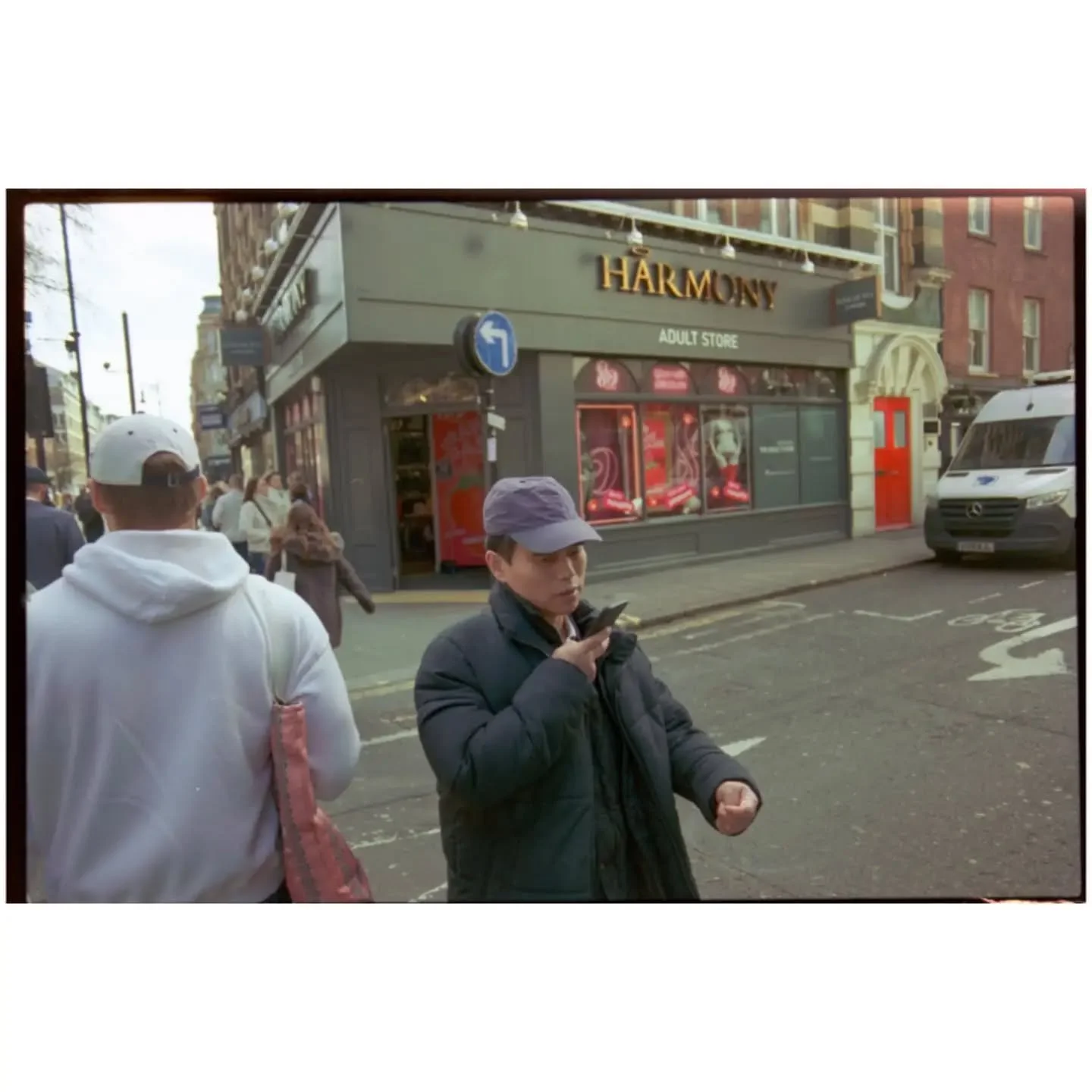
This commandment is an easy one to incorporate and is a quick win, with great results. I wish I was told this, when I first started. If you are stuck in a rut or feeling a little nervous at the start of a photowalk, ‘shooting from the hip’ can give a different perspective to the mundane, but also allow you to get really close, for an intimate street portrait.

This technique adds a sense of dynamism and spontaneity to your photos, resulting in more engaging and authentic street shots.
5. Fishing vs Hunting: Street photography requires patience and observation. Instead of rushing from one location to another, take the time to observe your surroundings. Be aware of the interactions between people and anticipate interesting moments.
This is a point of contrast, that doesn’t derive a right or wrong answer, it's all down to personal preference.
‘Fishing’ is where you find a scene (say a street corner or a landmark) and you wait for an interesting subject to enter the scene. Reading some of the street photographer masters, you hear instances where they may have to hunker down for anything from 30 minutes to an hour, for the interest to arrive. In my mind, this is err’ing nearer to staged photography.
The converse is to ‘hunt’. This is where you are mobile and arrive at a scene and subject of interest, whilst on the move. An example of this is my approach to street photography in Brighton. My photo walks comprise of a set route, that I may lap 4/5 times, and subjects of interest differ during the course of the day.
My preference is to ‘hunt’ as I find the challenge that bit more challenging and the results that more rewarding. Also, my style of street with a prime lens (framing with my feet), doesn’t bode well for fishing.
Try both and see which one suits your style better.
Waiting for the right moment to unfold naturally will yield more captivating photographs.
6. Be Aware of Lighting: Lighting plays a crucial role in street photography. Pay attention to the direction and quality of light, as it can enhance the mood and atmosphere of your shots.
We sometimes forget that photography is the capture of light. Beautiful pockets of light and silhouettes, can turn a bland scene into a sparkling black and white image.
Experiment with shadows, reflections, and backlighting to add depth and drama to your candid captures.
7. Silent Mode: If your camera has a silent shooting mode, make use of it.
I have a Pentax 67 medium format film camera. It’s a renowned studio film portrait camera, that has a shutter sound, akin to a bullwhip:
It’s not really that suitable for candid street photography, but the stunning images it generates leaves me conflicted in its use.
Using a camera with a muffled shutter, allows you to get really close to your subject and get some candid / intimate street scenes.
The absence of shutter noise minimizes the chances of drawing unnecessary attention to yourself, enabling you to capture candid moments more discreetly.
9. Shoot in Burst Mode: When capturing fleeting moments, such as a person's expression or a quick action, utilize burst mode.
Whilst that can be deemed a little scatter gun or ‘pray and spray’, it sometimes always you to nail a street scene that is more action based in nature.
This setting allows you to capture a series of shots in quick succession, increasing your chances of getting the perfect candid shot. Later, you can review your shots and choose the one that best captures the decisive moment.
8. Travel light: The bear necessities.
Whilst we may have a significant collection of camera gear at home, we do not have to take it with us every time we go out.
I regularly see photographers looking like Sherpa’s going up the Andes on an expedition. Not only is it a complete faff changing between the gear all day, it also removes any form of structure to the day and is so far removed from relaxing and enjoying yourself.
Travel light and enjoy.
9. Shoot in Burst Mode: When capturing fleeting moments, such as a person's expression or a quick action, utilize burst mode.

Whilst that can be deemed a little scatter gun or ‘pray and spray’, it sometimes always you to nail a street scene that is more action based in nature.
This setting allows you to capture a series of shots in quick succession, increasing your chances of getting the perfect candid shot. Later, you can review your shots and choose the one that best captures the decisive moment.
10. Most of your photographs will be rubbish: Street photography is about seeing the peculiar in the mundane.

I read somewhere that some of the masters are happy if they capture 5/10 images a year.
I generally have a lower threshold to what my best work is, so try to get 5-10 keepers, per photowalk.
Street photography involves photographing people in public spaces. It's essential to respect people's privacy and personal space. If someone objects to being photographed, be polite and considerate, and respect their wishes. Always prioritize the well-being and comfort of your subjects.
Remember, capturing candid moments in street photography is a blend of technical skill, patience, and a keen eye for interesting moments in everyday life. These 10 tips will help you refine your approach and create compelling visuals that capture the true spirit of the streets. So grab your camera, hit the streets, and start hunting for those captivating candid moments!
Until next time, keep snapping.
Past Masters 1 - Garry Winogrand: The Restless Genius of Street Photography
This is a new series on the blog to highlight some of the ‘past masters’ that have inspired us all on our street photography journeys. This may not reveal any hidden gems, but will hopefully be a revealing series to allow the reader to view photobooks, images and you tube videos.
Garry Winogrand
was one of the most influential and prolific street photographers of the 20th century. His candid and dynamic images captured the essence of American life and culture from the 1950s to the early 1980s. He was a master of the snapshot aesthetic, using a wide-angle lens and a hand-held camera to create spontaneous and often tilted compositions that reflected his restless and energetic vision.

This is a new series on the blog to highlight some of the ‘past masters’ that have inspired us all on our street photography journeys. This may not reveal any hidden gems, but will hopefully be a revealing series to allow the reader to view photobooks, images and you tube videos.
Garry Winogrand
was one of the most influential and prolific street photographers of the 20th century. His candid and dynamic images captured the essence of American life and culture from the 1950s to the early 1980s. He was a master of the snapshot aesthetic, using a wide-angle lens and a hand-held camera to create spontaneous and often tilted compositions that reflected his restless and energetic vision.
Winogrand was born in the Bronx, New York, in 1928, to Jewish immigrants from Eastern Europe. He studied painting at City College of New York and Columbia University, and later took a photojournalism course with Alexey Brodovitch, the legendary art director of Harper's Bazaar. He started his career as a freelance photojournalist and commercial photographer, working for magazines such as Collier's, Pageant, and Sports Illustrated.
In the late 1950s, Winogrand became interested in street photography, inspired by the work of Walker Evans, Robert Frank, and Henri Cartier-Bresson. He began to roam the streets of New York with his Leica camera, shooting incessantly and intuitively, without stopping to compose or focus. He was fascinated by the drama and chaos of urban life, and the way people interacted with each other and their environment. He once said, "I photograph to see what the world looks like in photographs."
Winogrand's style was unconventional and controversial. He often cropped his subjects' heads or limbs, or included distracting elements in the frame. He did not care about technical perfection or formal balance. He wanted to create images that were more interesting or more beautiful than what was photographed. He also challenged the conventions of documentary photography, which aimed to capture reality objectively and truthfully. He argued that photography was not about the thing photographed, but about how that thing looked photographed. He said, "When you put four edges around some facts, you change those facts."
Winogrand's work was recognized and supported by John Szarkowski, the influential curator of photography at the Museum of Modern Art in New York. In 1967, Winogrand was featured in the landmark exhibition New Documents, along with Diane Arbus and Lee Friedlander, which showcased a new generation of photographers who explored the social and psychological aspects of contemporary America. Winogrand also received several grants from the Guggenheim Foundation and the National Endowment for the Arts, which allowed him to travel across the country and document various aspects of American society, such as politics, media, sports, zoos, airports, and women.
Winogrand published four books during his lifetime:


The Animals (1969), which showed the similarities and differences between humans and animals in zoos;
Women are Beautiful (1975), which celebrated the beauty and diversity of women in public spaces;
Public Relations (1977), which exposed the staged and artificial nature of public events and media spectacles; and
Stock Photographs: The Fort Worth Fat Stock Show and Rodeo (1980), which depicted the culture and rituals of the Texas rodeo. He also taught photography at several institutions, such as the Institute of Design in Chicago, the University of Texas at Austin, and the School of Visual Arts in New York.
Winogrand was a compulsive shooter, who often did not have time or interest to edit or print his work. He left behind a massive archive of over 300,000 unedited images, including 2,500 rolls of undeveloped film. He died of cancer in 1984, at the age of 56, while living in Los Angeles. His work has been posthumously exhibited and published by several curators and critics, who have attempted to make sense of his chaotic and unfinished legacy. His most recent retrospective, Garry Winogrand: All Things are Photographable, was organized by the San Francisco Museum of Modern Art in 2013, and traveled to several venues, including the Metropolitan Museum of Art in New York and the Jeu de Paume in Paris.
Winogrand's influence on street photography and contemporary art
is undeniable. He inspired generations of photographers and artists who followed his example of capturing the complexity and vitality of everyday life with a personal and expressive approach. He also challenged the viewers to question their assumptions and expectations about photography and reality. He once said, "There is nothing as mysterious as a fact clearly described."
Some of Winogrand's famous quotes are:
- "No one moment is most important. Any moment can be something."
- "Photography is about finding out what can happen in the frame. When you put four edges around some facts, you change those facts."
- "You have a lifetime to learn technique. But I can teach you what is more important than technique, how to see; learn that and all you have to do afterwards is press the shutter."
- "I don't have anything to say in any picture. My only interest in photography is to see what something looks like as a photograph. I have no preconceptions."
- "The photograph should be more interesting or more beautiful than what was photographed."
- "A photograph is the illusion of a literal description of how the camera 'saw' a piece of time and space."
- "Great photography is always on the edge of failure."
- "Photos have no narrative content. They only describe light on surface."
- "When I'm photographing I see life. That's what I deal with."
- "All things are photographable."
Some of Winogrand's endorsements from his peers are:
- John Szarkowski: "Winogrand was the central photographer of his generation."
- Robert Frank: "He was a poet of the streets."
- Lee Friedlander: "He was a bull of a man and a prince."
- Geoff Dyer: "He was the epic poet of American energy and insecurity."
- Joel Meyerowitz: "He was a force of nature, a tornado, a tsunami."
- Tod Papageorge: "He was the Mozart of American photography."
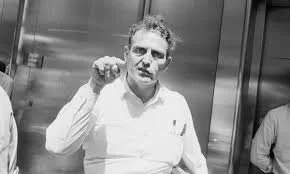
Some of Winogrand's famous photos are:



Some of Winogrand's YouTube videos are:
Garry Winogrand by Great Photographers: This video is a 48-minute documentary on the life and work of Garry Winogrand, featuring interviews with his colleagues and friends. It provides an in-depth look at his photography style and his contribution to the art of street photography. You can watch it here.
Garry Winogrand - Photographer by Michael Engler: This 7-minute video is a cinematic workshop discussion about contemporary photography in the USA. It provides a brief overview of Winogrand’s life and career and features some of his iconic photographs. You can watch it here.
Garry Winogrand’s Early Career by American Masters PBS: This 1.5-minute video is a brief introduction to Winogrand’s early career as a photojournalist before he became a fine art photographer. You can watch it here.
ing, 03/11/2023
Further reading:
Garry Winogrand | Street Photography, Documentary & Portraiture.
Garry Winogrand: Biography & Photographer | SchoolWorkHelper.
10 Iconic Photos by Street Photography Pioneer Garry Winogrand - PBS.
Garry Winogrand, street photographer: a retrospective – in pictures
Garry Winogrand - A Street Photographer's Street Photographer
10 Things Garry Winogrand Can Teach You About Street Photography
Master Profiles: Garry Winogrand - Shooter Files by f.d. walker
Garry Winogrand Quotes (Author of Garry Winogrand) - Goodreads.
27 Quotes By Photographer Gary Winogrand - John Paul Caponigro.
Garry Winogrand: the restless genius who gave street photography
Flying men and monkey babies: Garry Winogrand's classic street photography
Garry Winogrand's America in color | Art and design | The Guardian
Turning full circle?
Capturing the Everyday: Rediscovering Street Photography on my Commute with the Google Pixel 8 Pro
11/01/2023
Today’s blog post is eery. its a little over 13 years ago, with a simple iPhone 4 smartphone in my hand, that I started to document my daily commute to London. The primary objective was to avoid the mundane and avoid the negativity of the other commuters ‘getting my day off to a bad start’.

Capturing the Everyday: Rediscovering Street Photography on my Commute with the Google Pixel 8 Pro
11/01/2023
Today’s blog post is eery. its a little over 13 years ago, with a simple iPhone 4 smartphone in my hand, that I started to document my daily commute to London. The primary objective was to avoid the mundane and avoid the negativity of the other commuters ‘getting my day off to a bad start’.
By 2012, I then started a theme of covering the 2012 London olympics, it was at this time that I received an unsolicited email from Nokia, asking me to use their then new Nokia Pureview 808 smartphone, to post to my twitter account.
One thing led to another, and it ultimately led to me +1 being given hospitality tickets by Nokia, to cover the V Festival with the Nokia Pureview, in the summer of 2012. This was the event where The Stone Roses headlined.
This video is my blogpost at the time, uploaded to my tumblr account, reviewing the smartphone:
Today, I find myself turning full circle, if you will. I now use full frame digital cameras and a selection of film cameras, to take images to sell on my website and Etsy Store. However, now that the pandemic is a distant memory, and I have to be back in the office 2 days a week, I’m back to the ‘bump and grind’ of a weekly commute.
I’ve been an android user for 10 years now, and have normally elected for a budget to mid range smartphone, which is generally coupled with a crap (read substandard) camera. After much debate and consideration, I decided to upgrade my phone to …………


………… the incredibly powerful Google Pixel 8 Pro smartphone, equipped with a camera that rivals many prosumer DSLRs. It's time to rediscover the artistic adventure that first sparked my love for photography and capture the essence of my surroundings in ways I couldn't have imagined back then.
A Journey Through Time
Commuting to work can be monotonous, but I've always been fascinated by the stories the streets can tell. From the bustling crowds to the unexpected moments of beauty and serendipity, street photography allows me to capture the essence of the world outside my window. With the Google Pixel 8 Pro's advanced camera capabilities, I'm sure I will be rekindling my passion again for the mundanely perculiar.


The Power of the Google Pixel 8 Pro Camera
The Google Pixel 8 Pro boasts a powerful 16-megapixel camera with an f/1.8 aperture and advanced computational photography features. This combination will enable me to capture stunning images in even the most challenging lighting conditions, perfect for the ever-changing environment of my daily commute, as we enter winter, here in the UK. The phone's Night Sight mode, for instance, will allow me to capture the essence of the city streets after hours, embracing the captivating play of lights and shadows. Whether it's a dimly lit street corner or a colorful neon sign contrasted against the darkness, the Google Pixel 8 Pro should have me covered.
A Full Circle Journey
As I find myself once again immersed in the world of street photography during my daily commute, armed with the Google Pixel 8 Pro smartphone, I can't help but feel a sense of nostalgia and gratitude. It's a testament to how far technology has come, enabling us to capture extraordinary moments with a device that fits in our pocket.
With the Google Pixel 8 Pro's exceptional camera capabilities, I've turned full circle and rediscovered the joy of street photography on the go. As I continue to explore the dynamic world outside my window, I'm excited to see where this journey takes me and the stories I'll be able to preserve through the lens of my smartphone.


Until next time, keep snapping.
Take note this is a cracking little gem
When I’m not taking or editing photos in my spare time, I'm an avid reader. It keeps me grounded and afords me with a decompression from the day job.
I haven't read a book that has quite grabbed me as Agota Kristof's "The Notebook Trilogy" did.

When I’m not taking or editing photos in my spare time, I'm an avid reader. It keeps me grounded and afords me with a decompression from the day job.
I haven't read a book that has quite grabbed me as Agota Kristof's "The Notebook Trilogy" did.
This is a profoundly haunting and thought-provoking exploration of the human experience during wartime. Comprising "The Notebook," "The Proof," and "The Third Lie," this series is a tour de force of existential storytelling.
"The Notebook" introduces readers to twin brothers Lucas and Claus, who are sent to live with their estranged grandmother in a war-torn country. Kristof's spare and unflinching prose captures the stark realities of war and its impact on innocence. The brothers' detached observations create a chilling atmosphere, raising questions about the loss of morality and the desensitization that comes with exposure to violence.
In "The Proof," the twins face the challenges of growing up in a world shaped by war. Kristof delves deeper into their psyches, offering a complex exploration of identity and the consequences of their shared experiences. The search for truth and the quest to understand the self take center stage in this installment.
"The Third Lie" unravels the mysteries and secrets that have shrouded the twins' lives. The narrative reaches its climax as the brothers confront their own pasts and the brutal history of their homeland. The novel's title serves as a reflection on the elusive nature of truth, challenging the reader to question the reliability of memory and perception.
Kristof's writing is spare yet evocative, creating a sense of detachment that mirrors the twins' experiences. The narrative is relentlessly dark and unsettling, but it is also a masterful exploration of the human psyche in times of extreme adversity. The trilogy forces readers to confront the dualities of human nature—good and evil, love and hatred, truth and deception.
Ultimately, "The Notebook Trilogy" is not for the faint of heart, but for those willing to embark on an intense and introspective journey, it offers a unique and unforgettable reading experience. Agota Kristof's ability to capture the stark realities of war and the complexities of human nature make this trilogy a profound and challenging masterpiece of modern literature..
Until next time, keep reading.
Brighton Mod Weekender
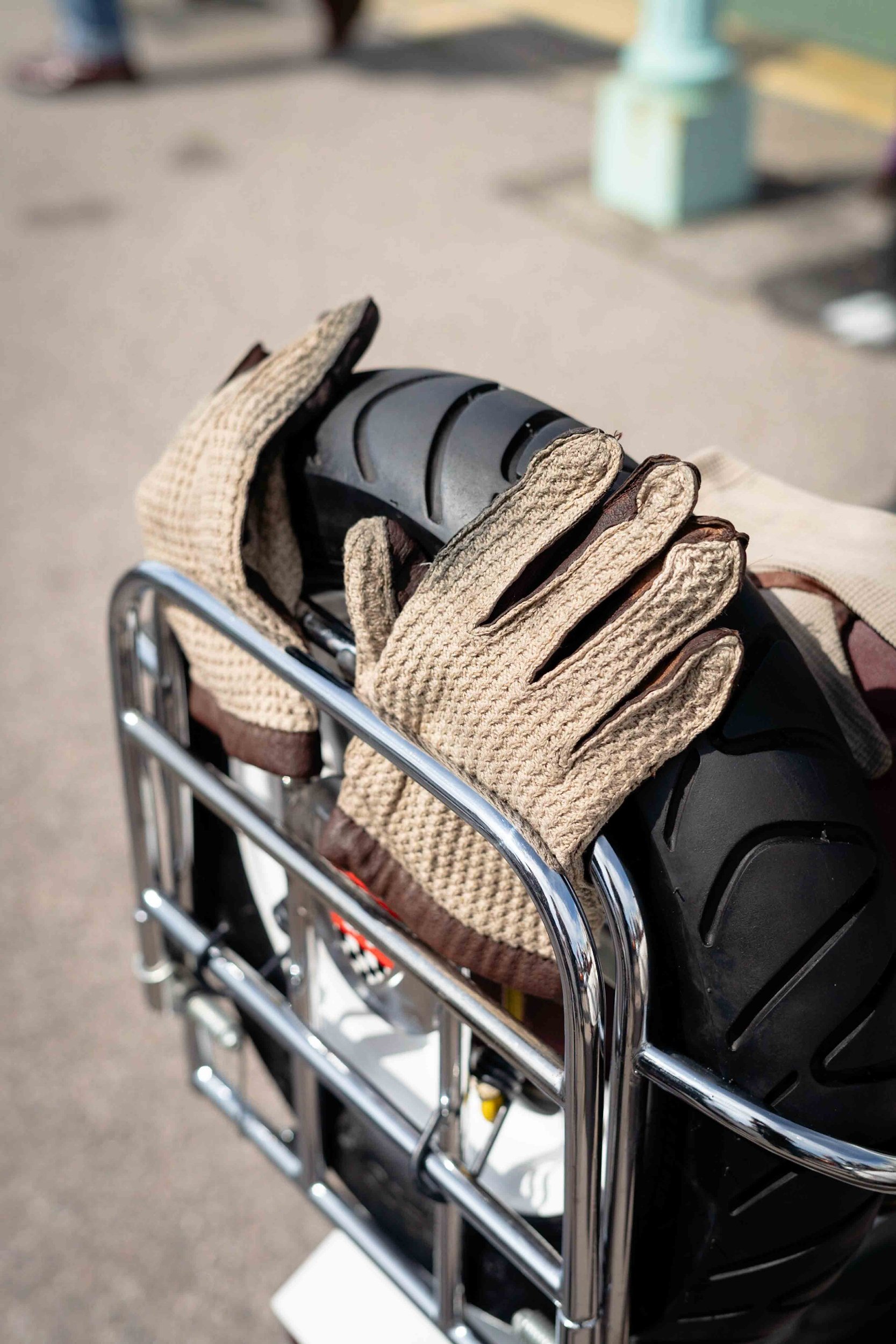
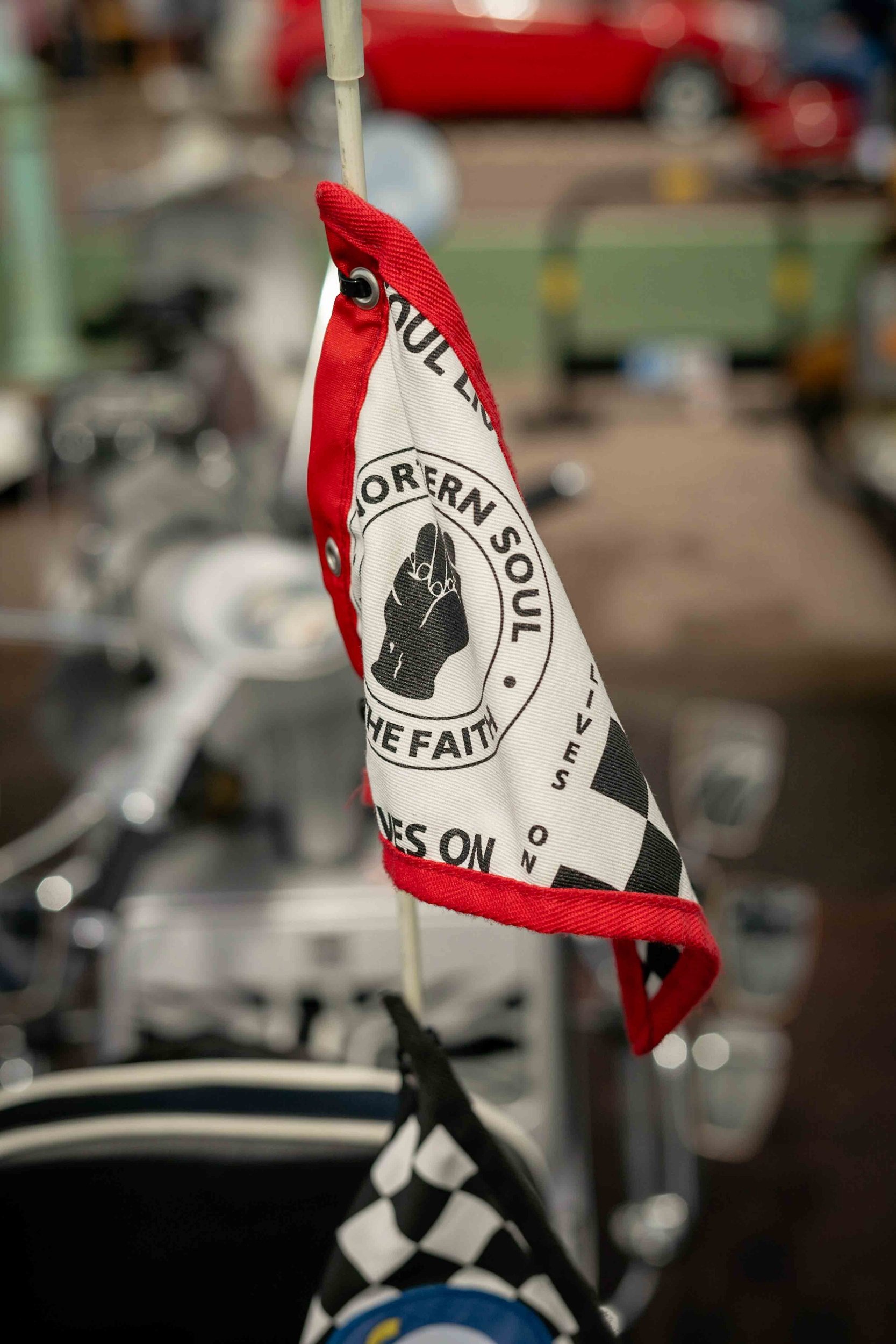
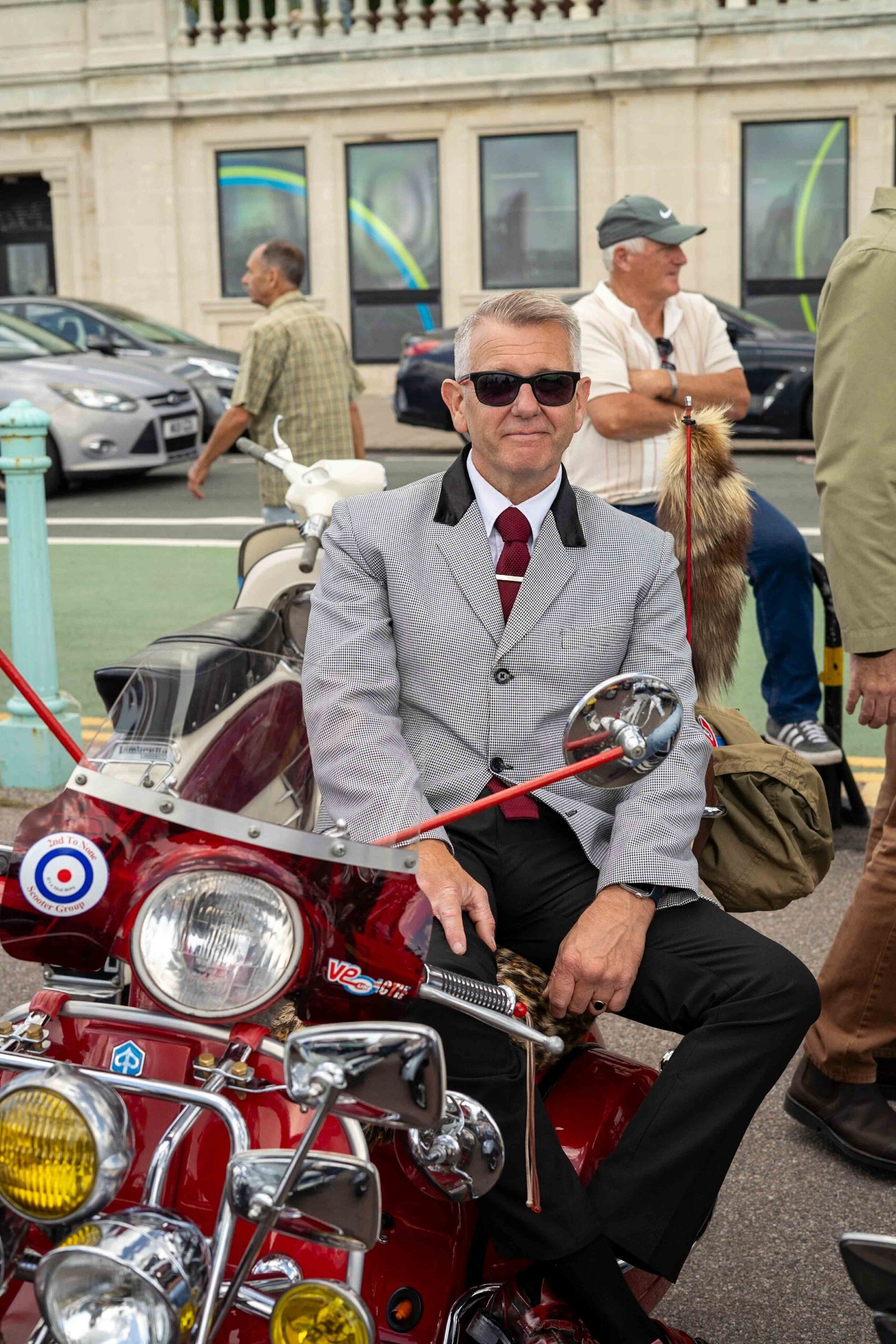
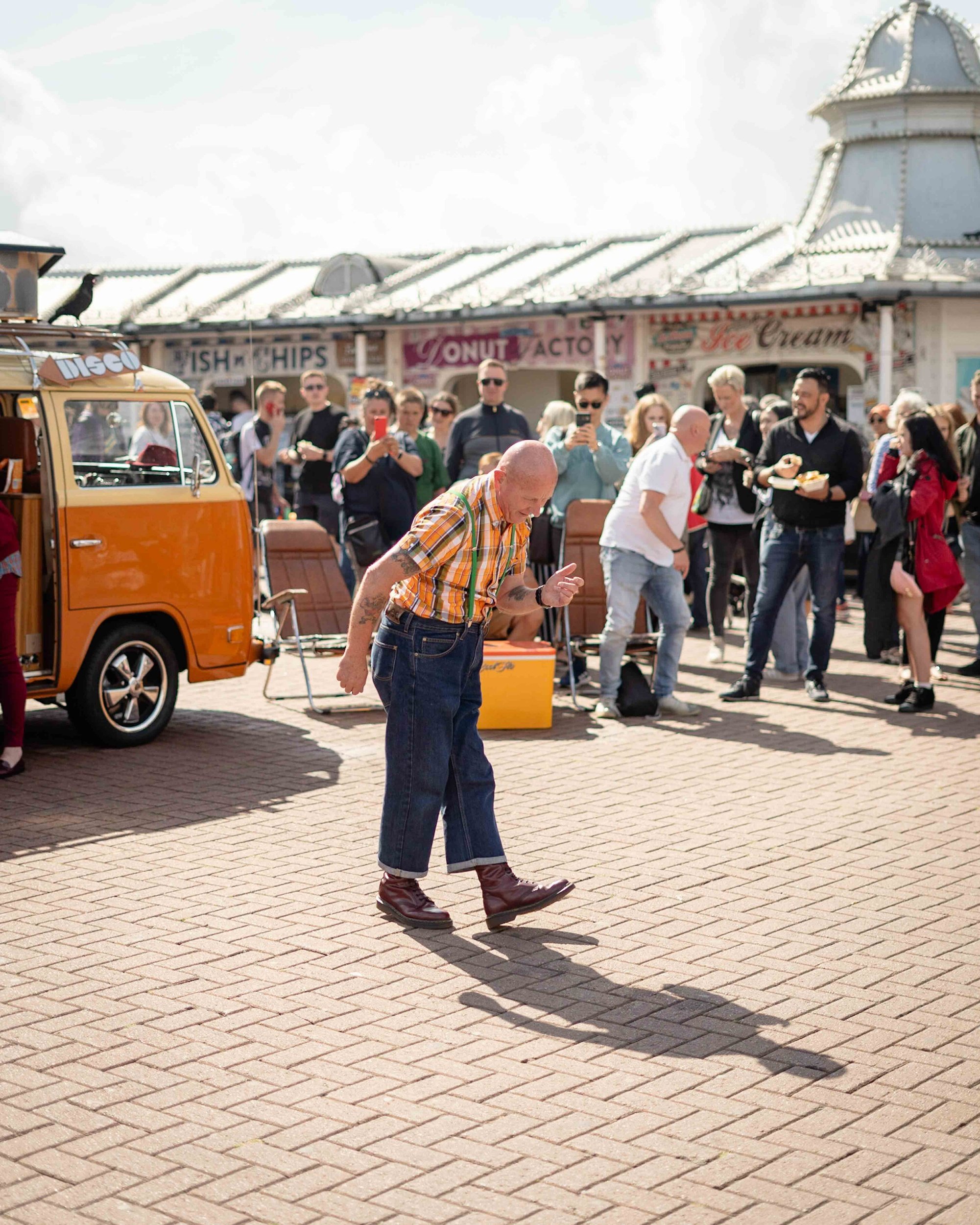
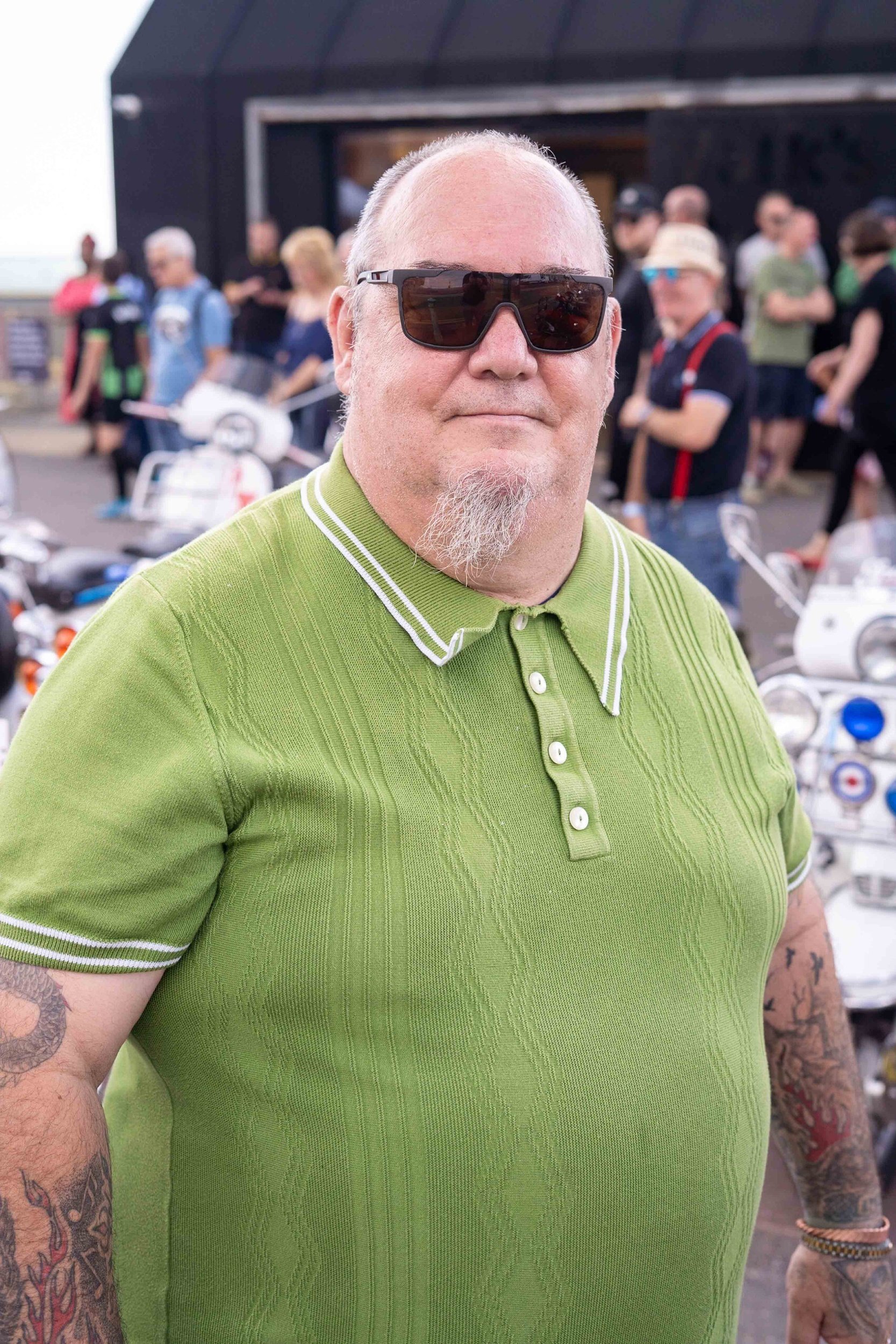
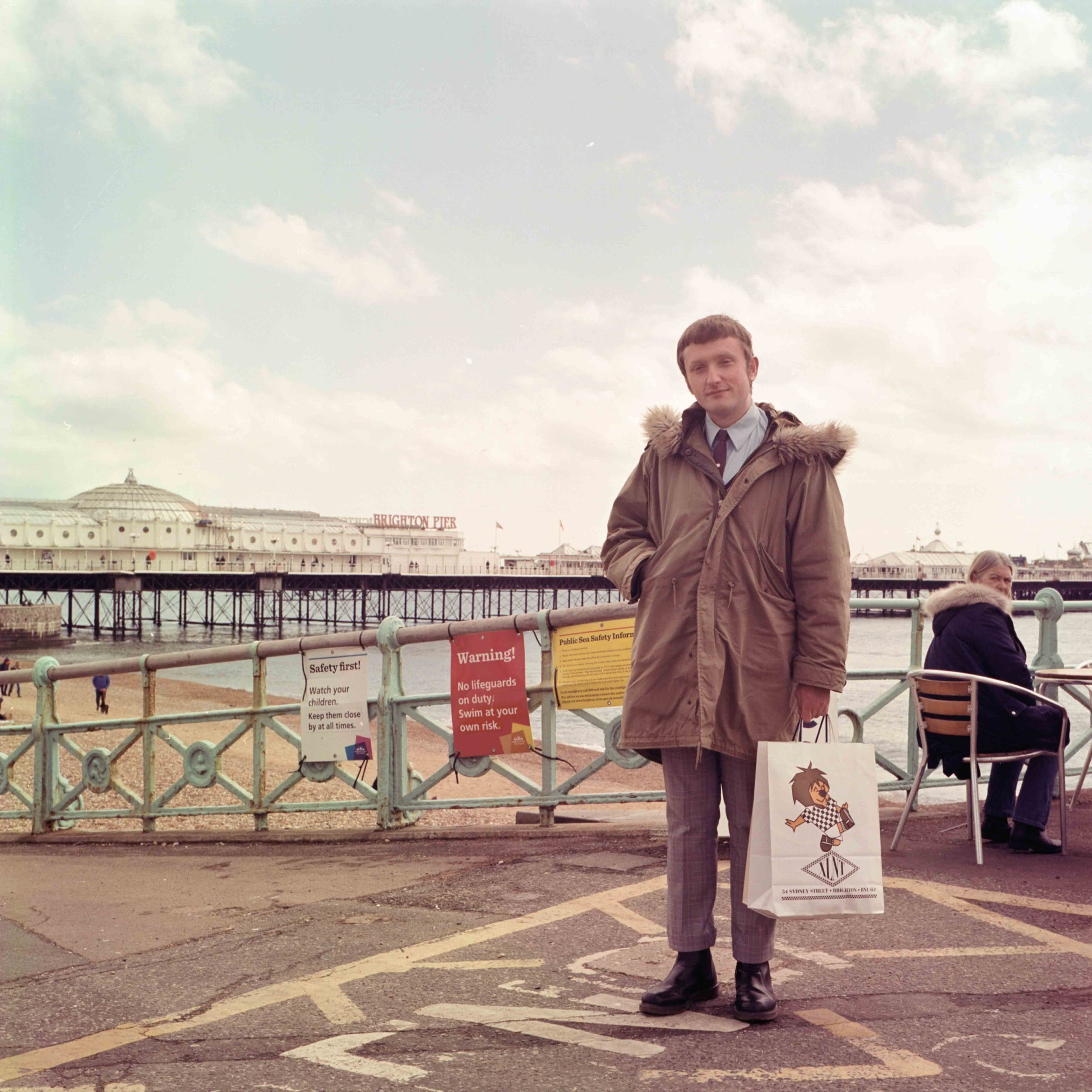
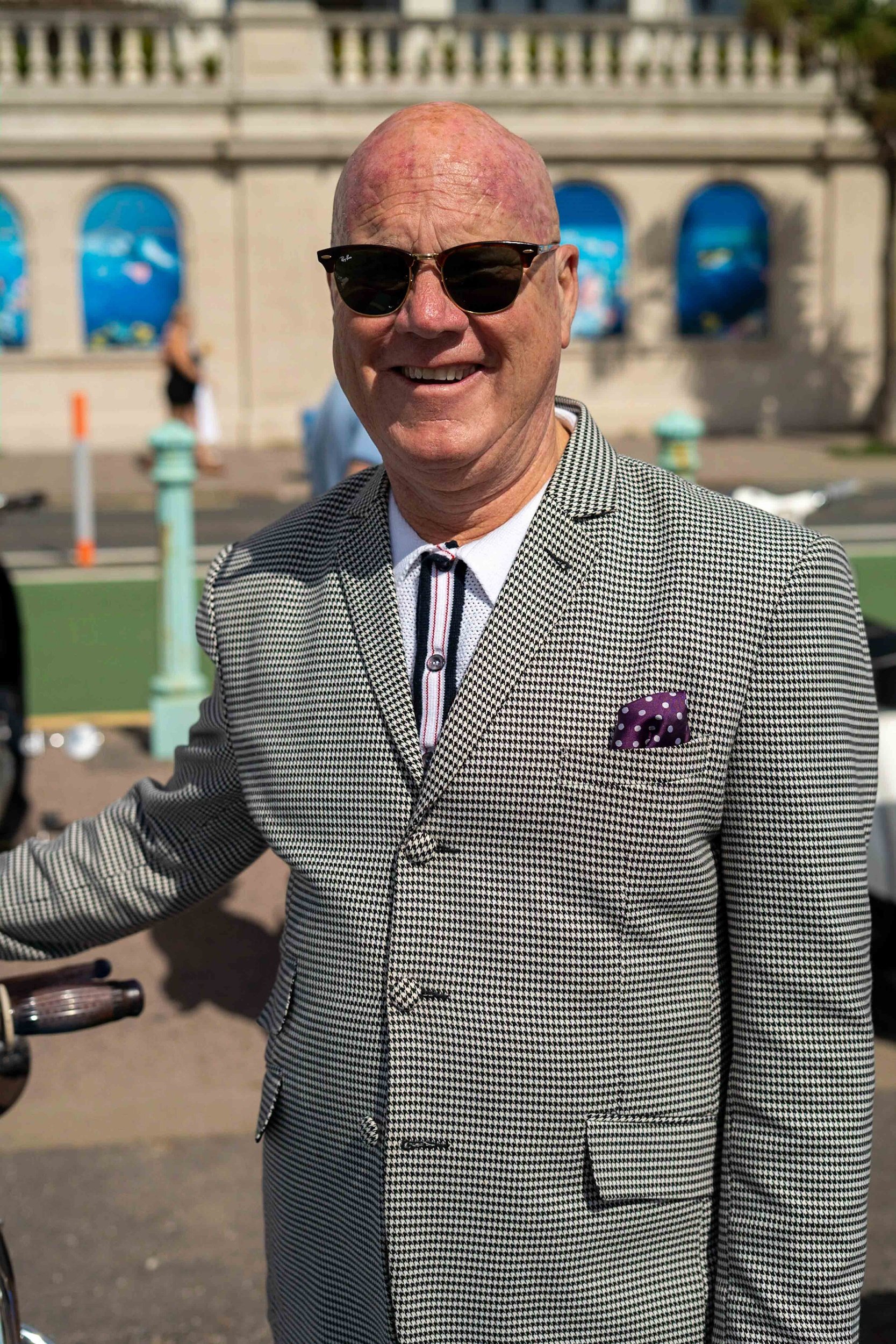
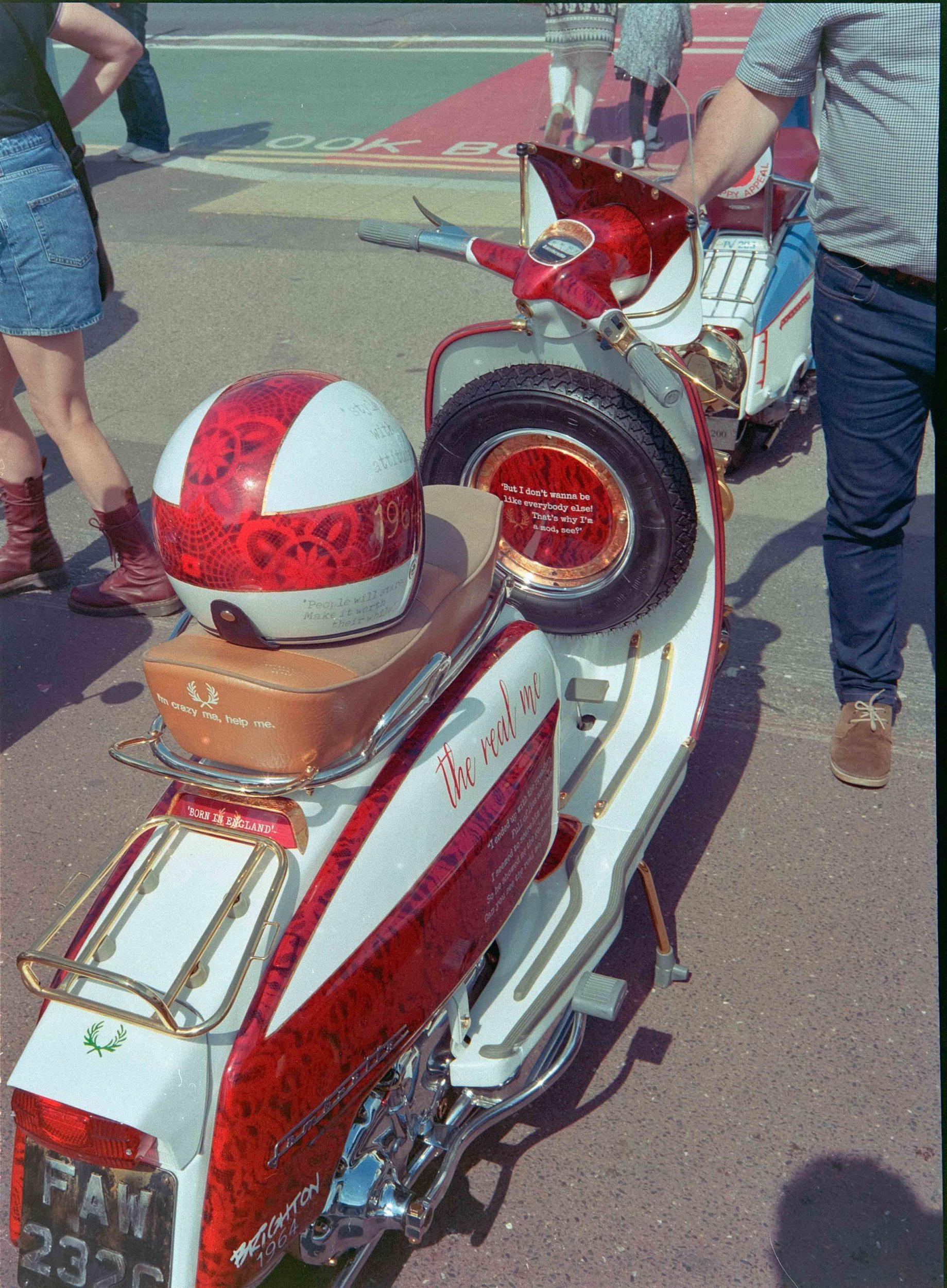
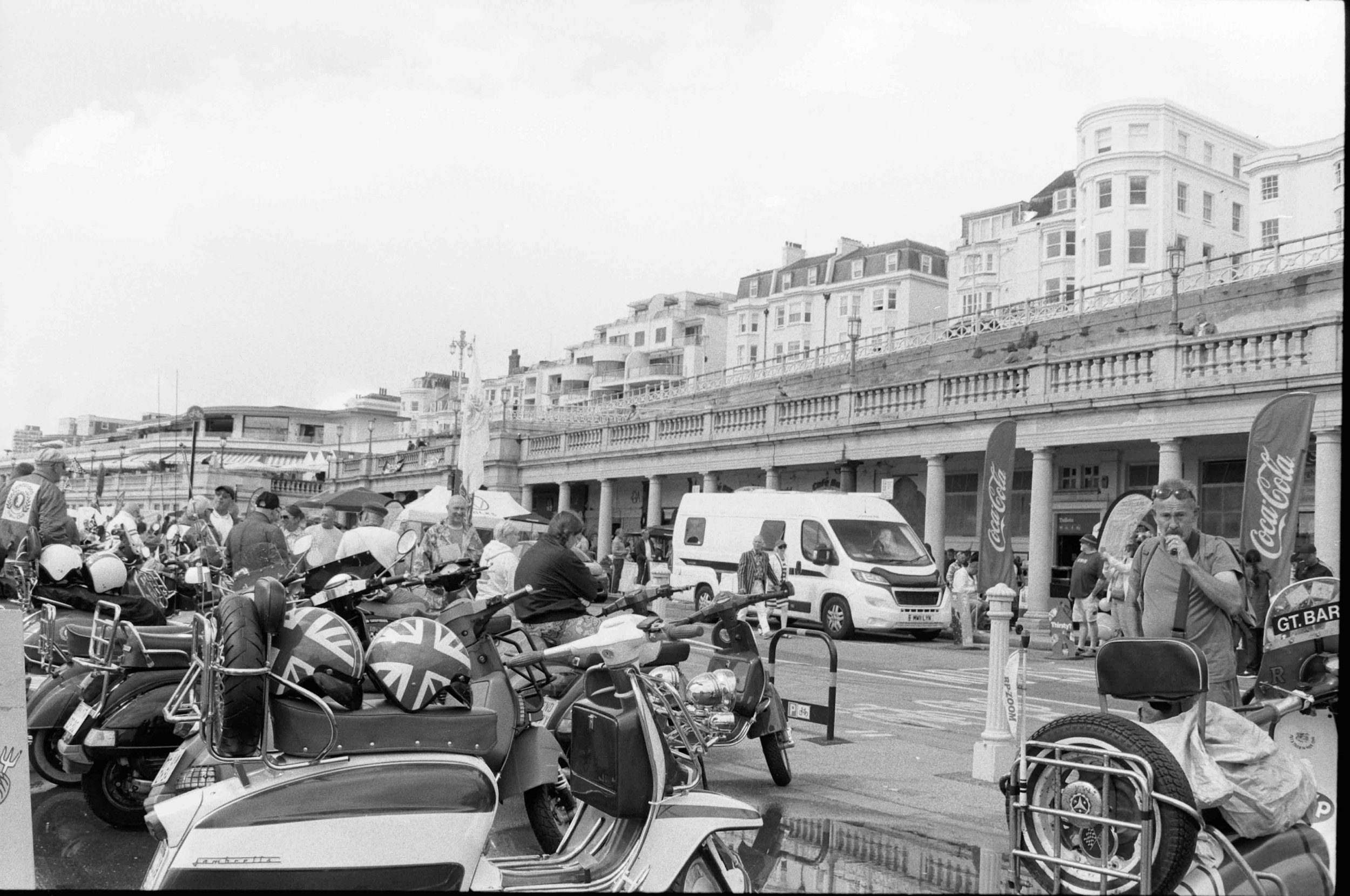
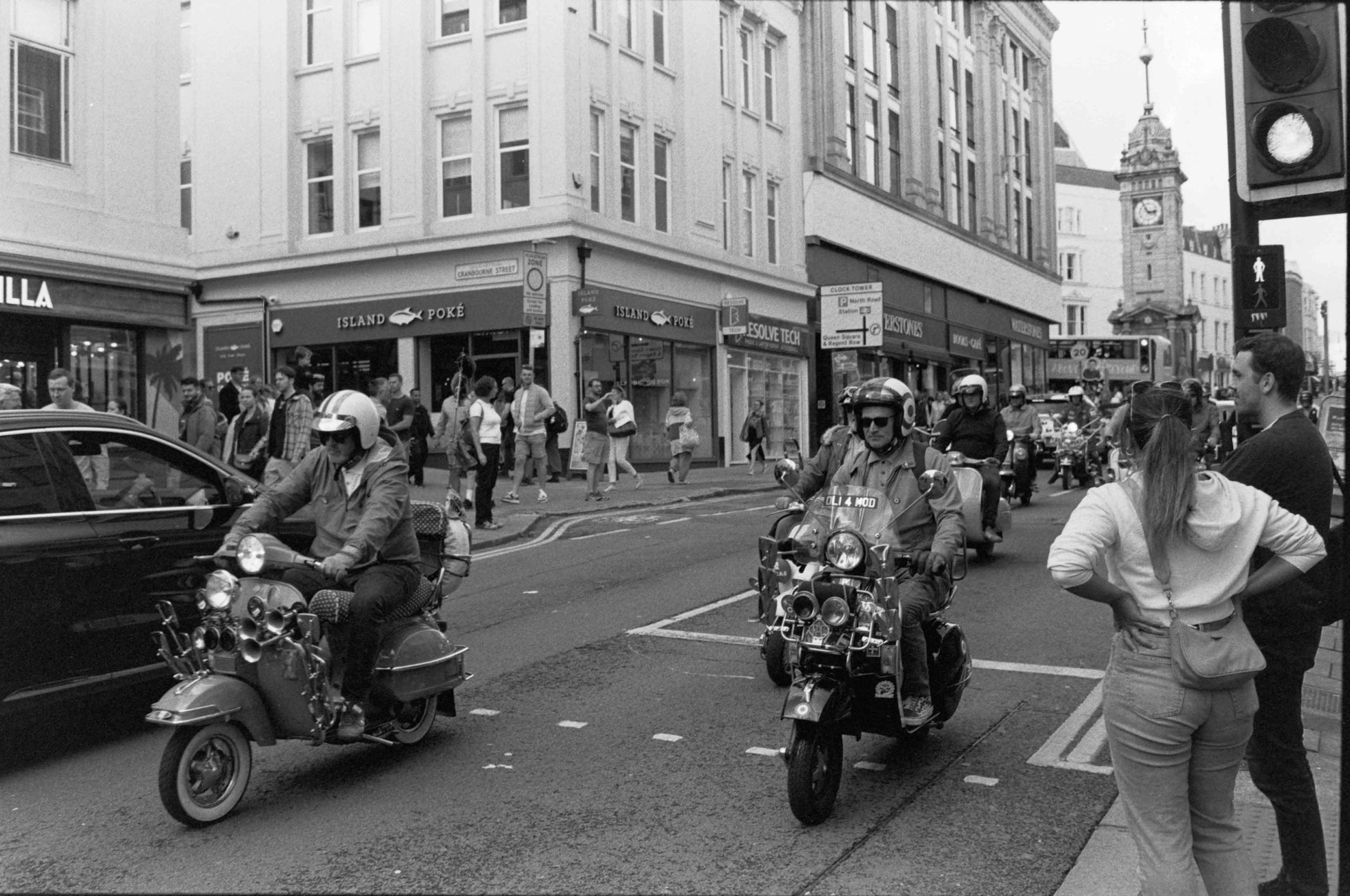
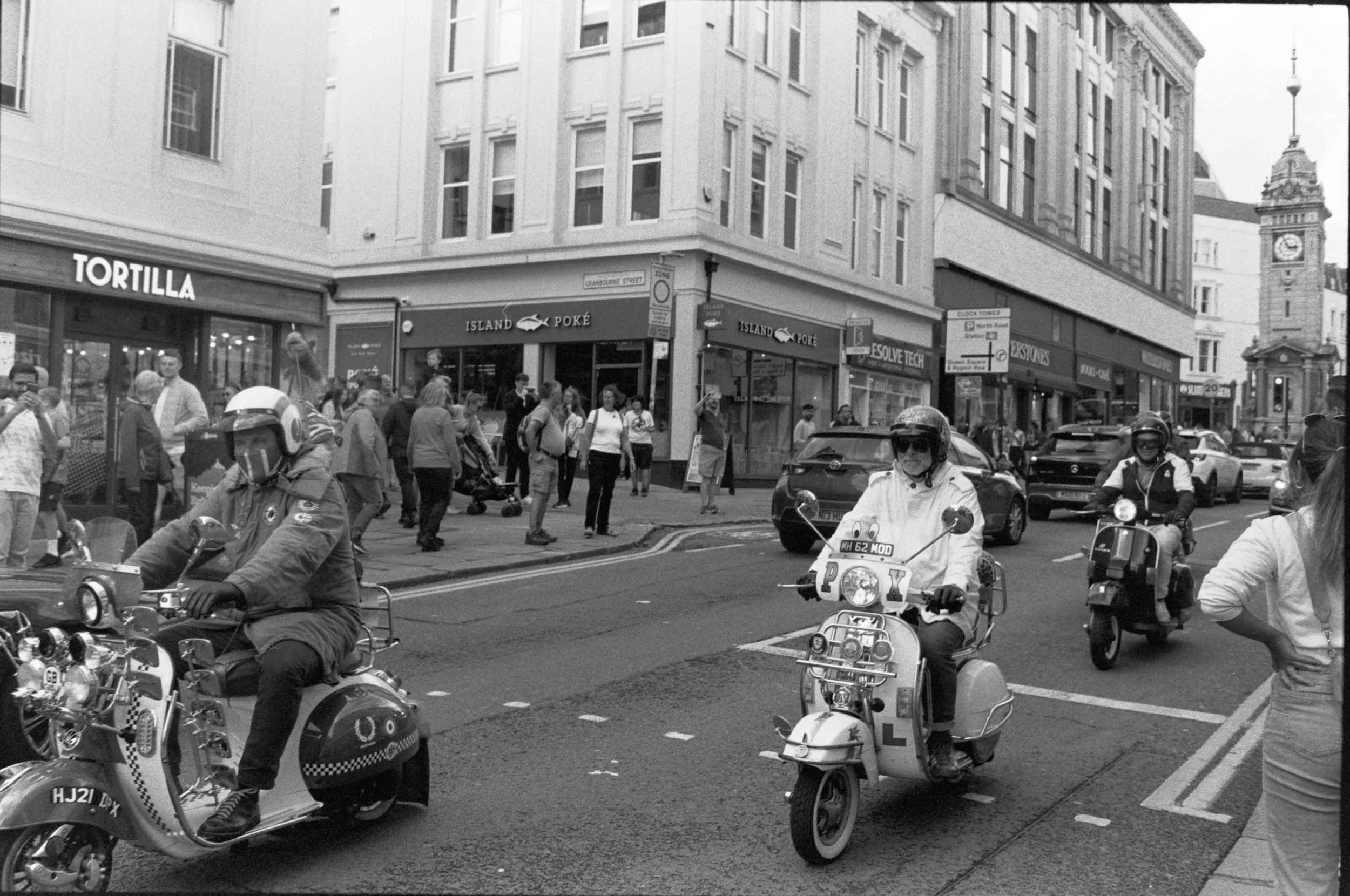
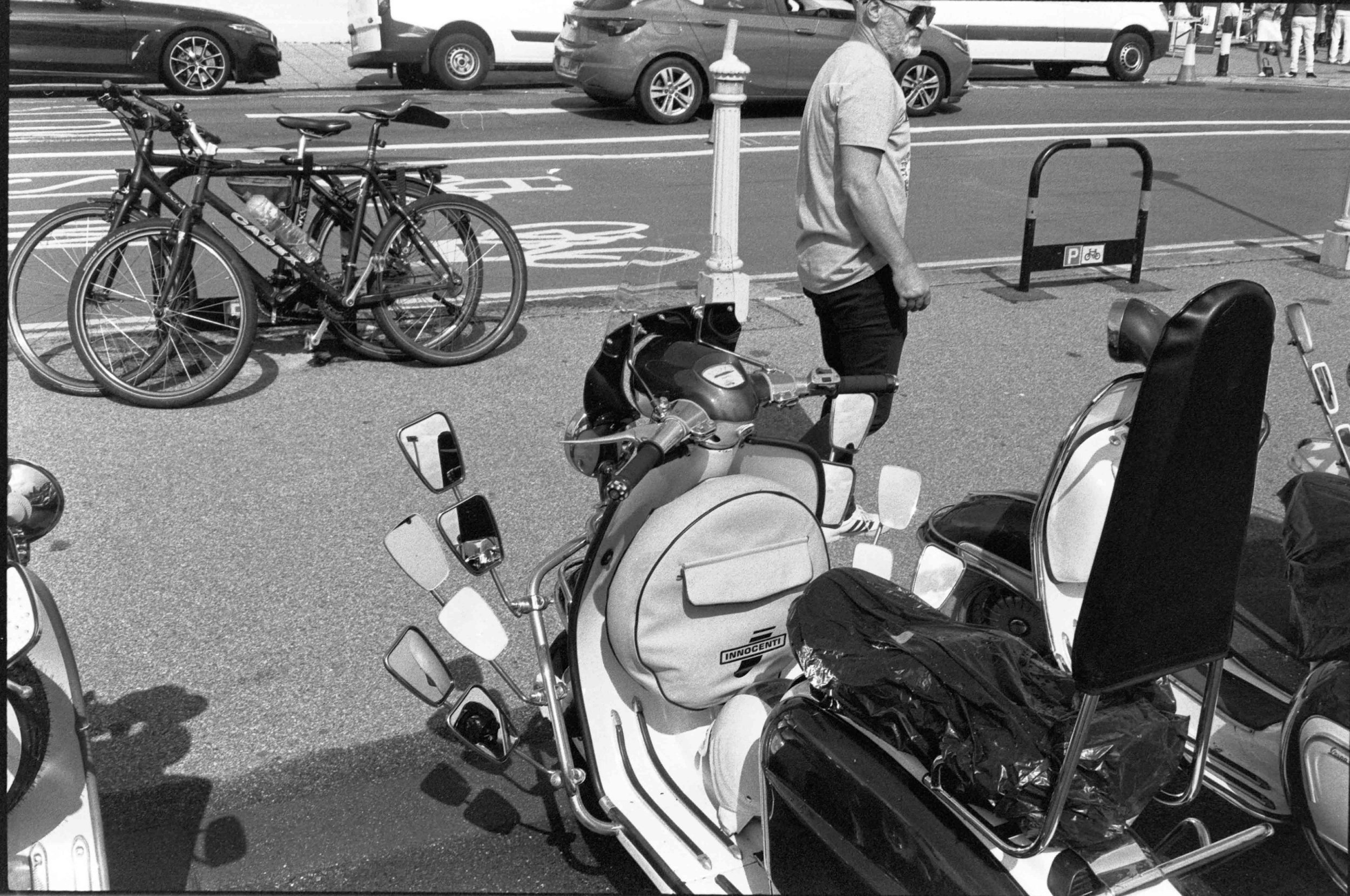
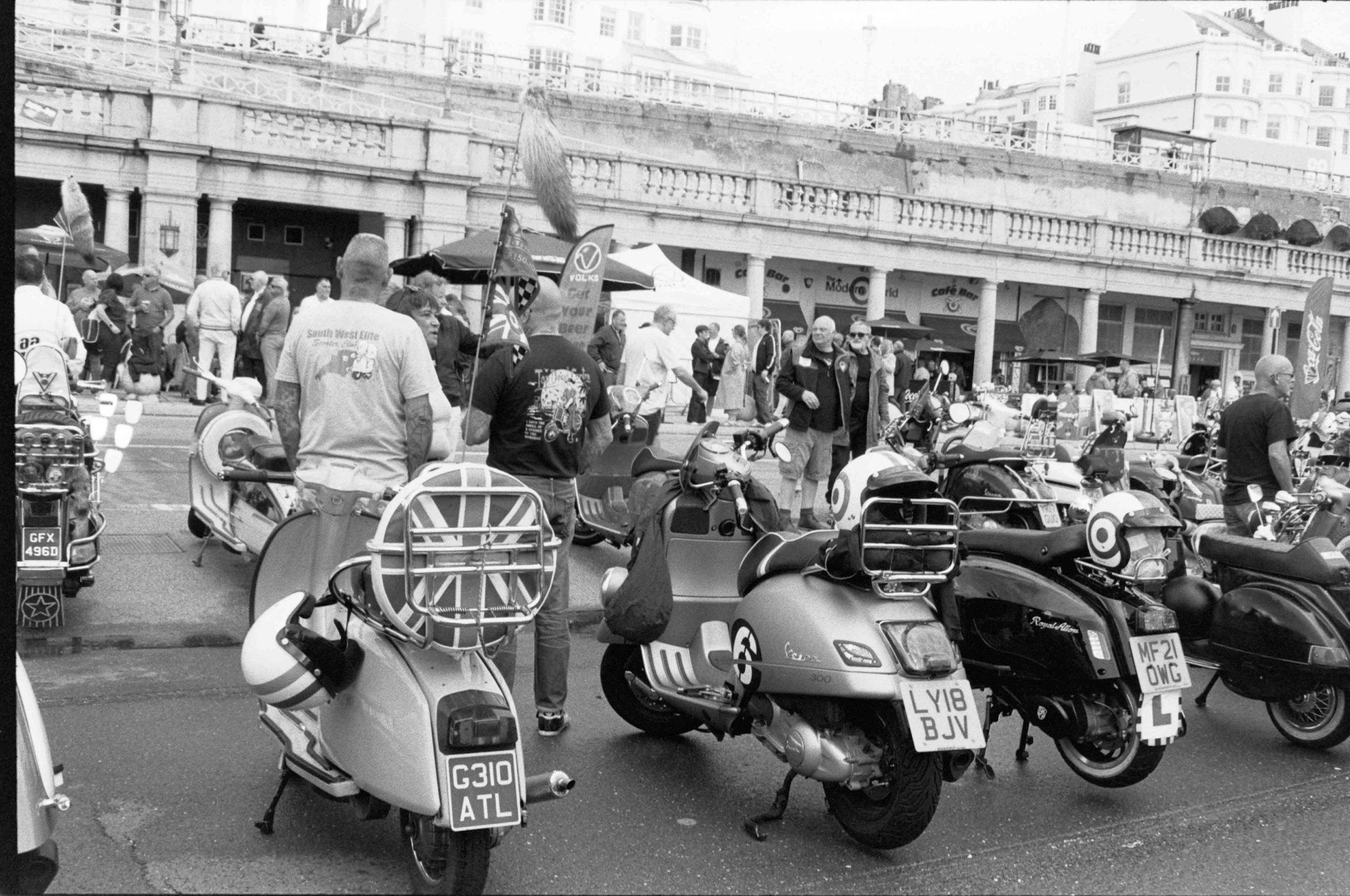
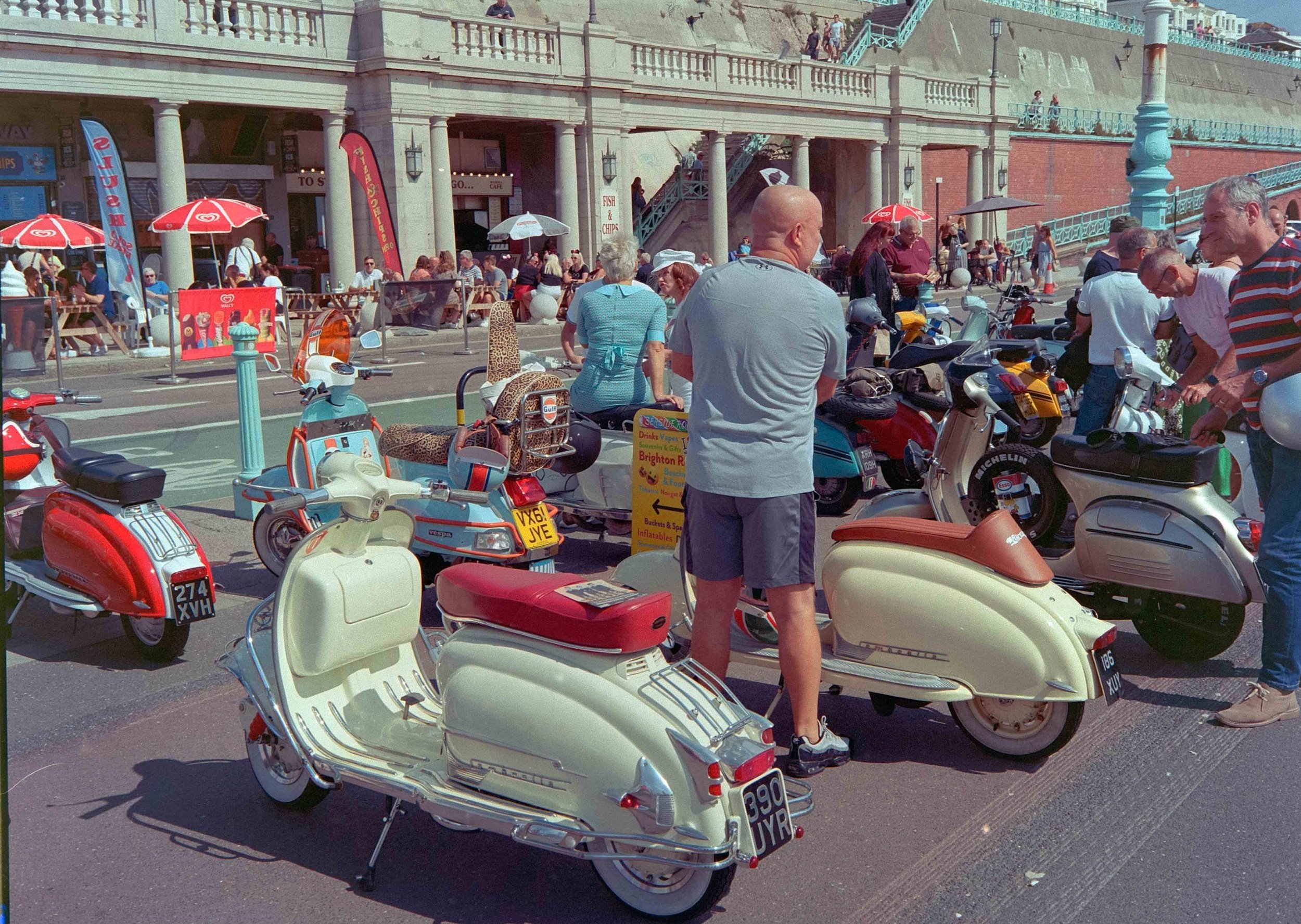
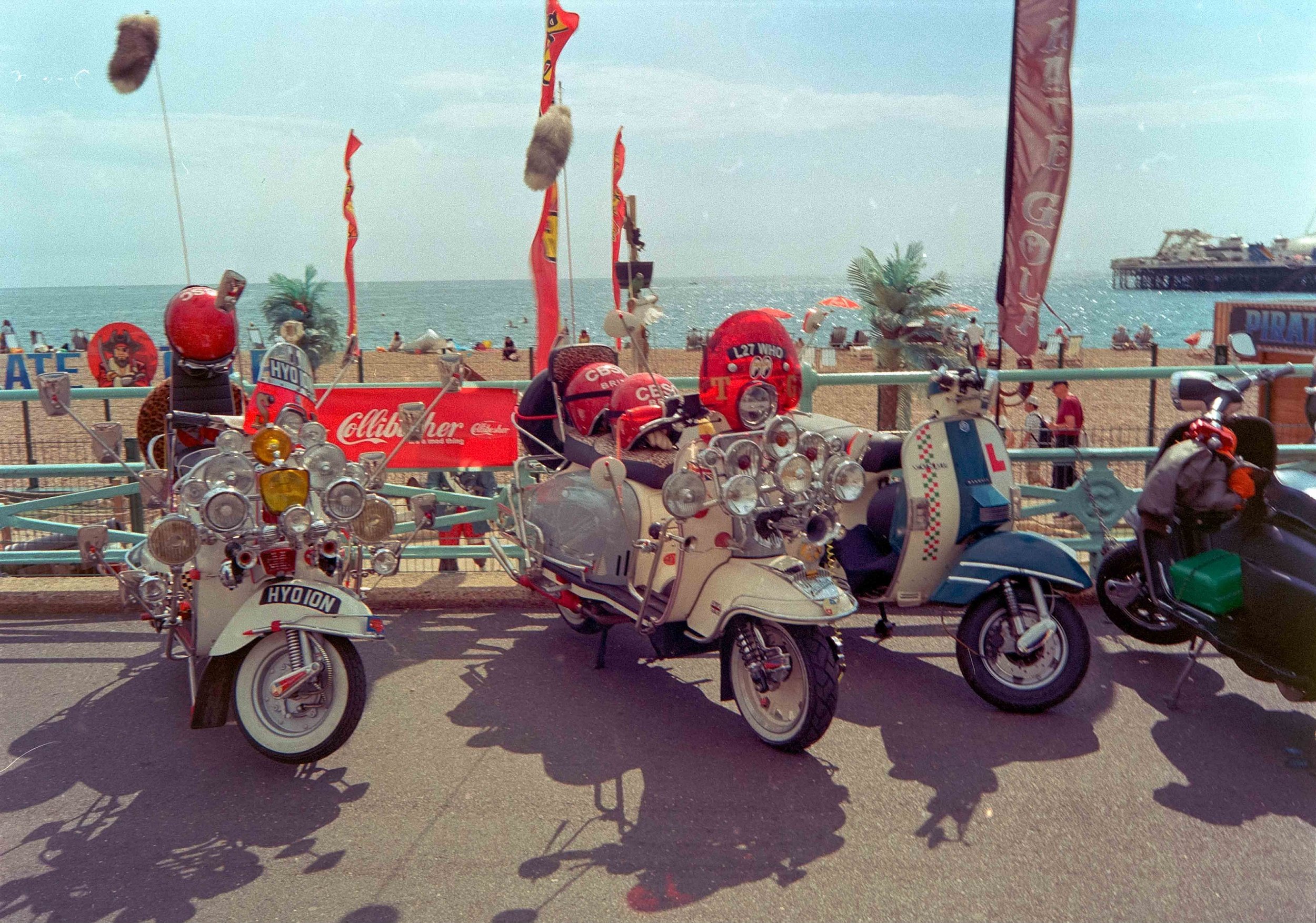
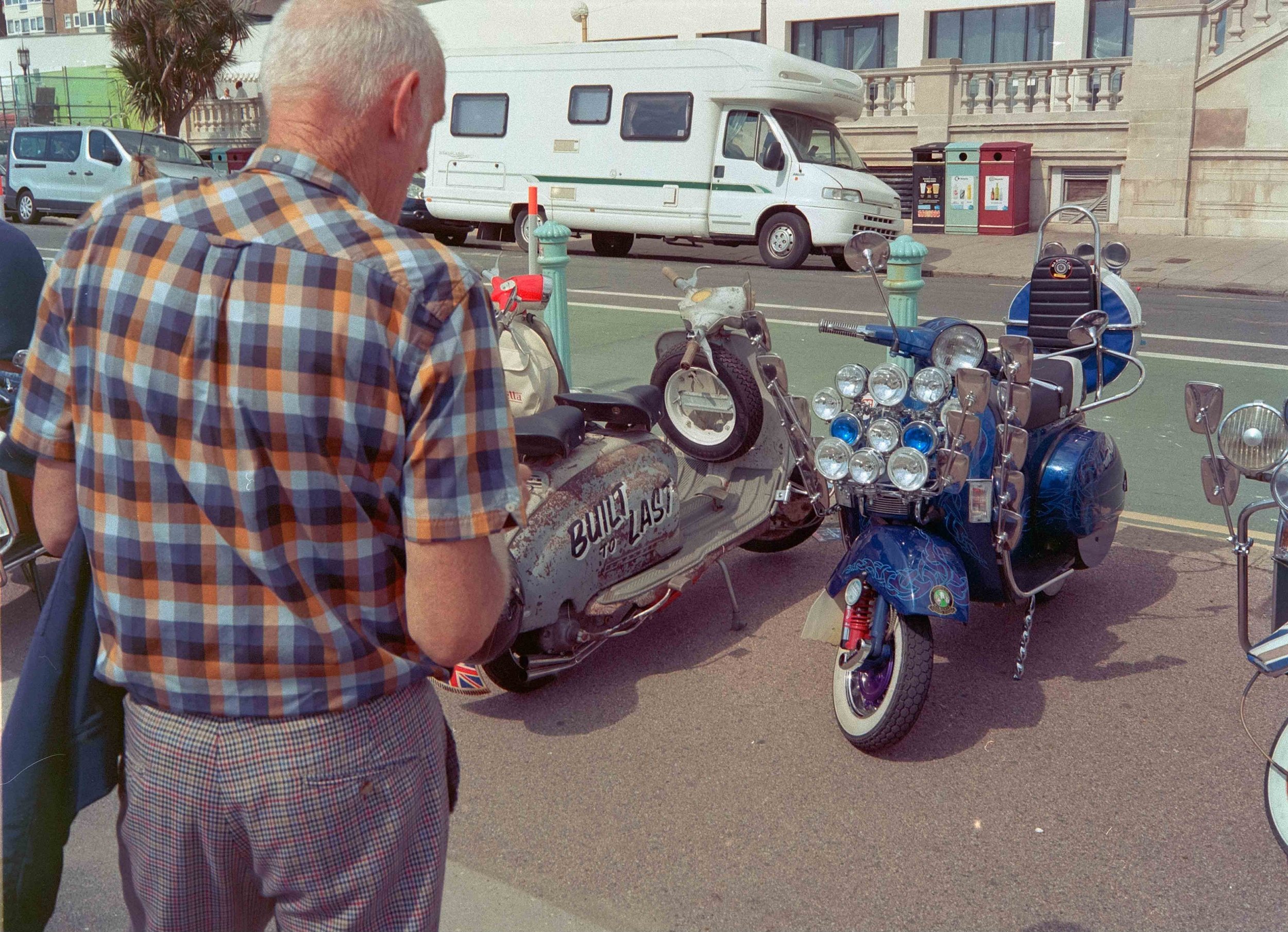
The Brighton Mod Weekender is an iconic event that has left an indelible mark on British subculture. With its roots firmly planted in the 1960s, this weekend-long celebration of music, fashion, and scooters has become a timeless tradition. In this blog post, we'll take a journey through the history of the Brighton Mod Weekender, tracing its origins, its cultural significance, and its enduring appeal.

The Brighton Mod Weekender is an iconic event that has left an indelible mark on British subculture. With its roots firmly planted in the 1960s, this weekend-long celebration of music, fashion, and scooters has become a timeless tradition. In this blog post, we'll take a journey through the history of the Brighton Mod Weekender, tracing its origins, its cultural significance, and its enduring appeal.
I have magical memories of mods and mod culture, when I was a lad growing up in 1980s midlands. A Vespa PX125, was my dream machine.
This was compounded further after watching Quadrophenia.
The Birth of the Mods
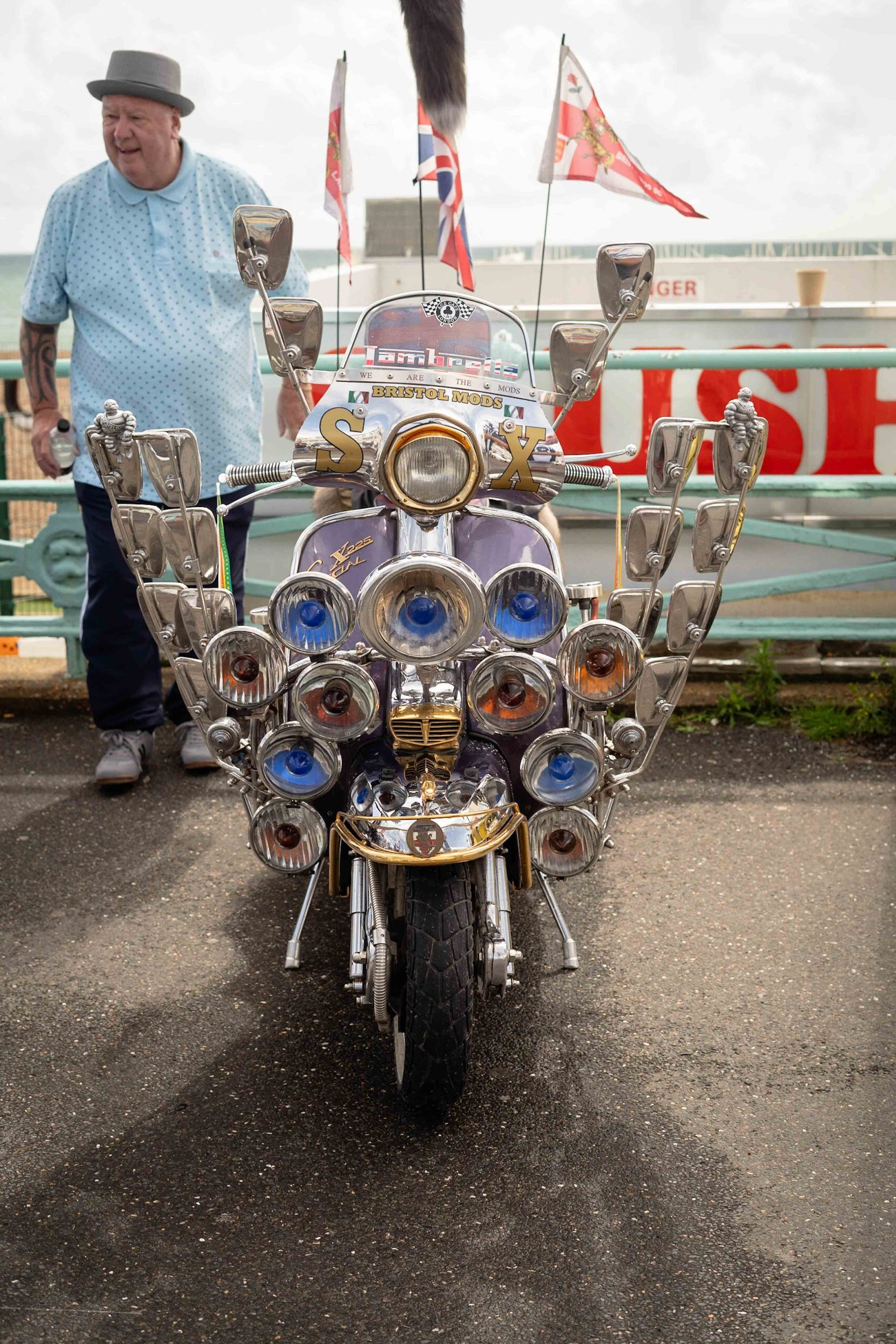
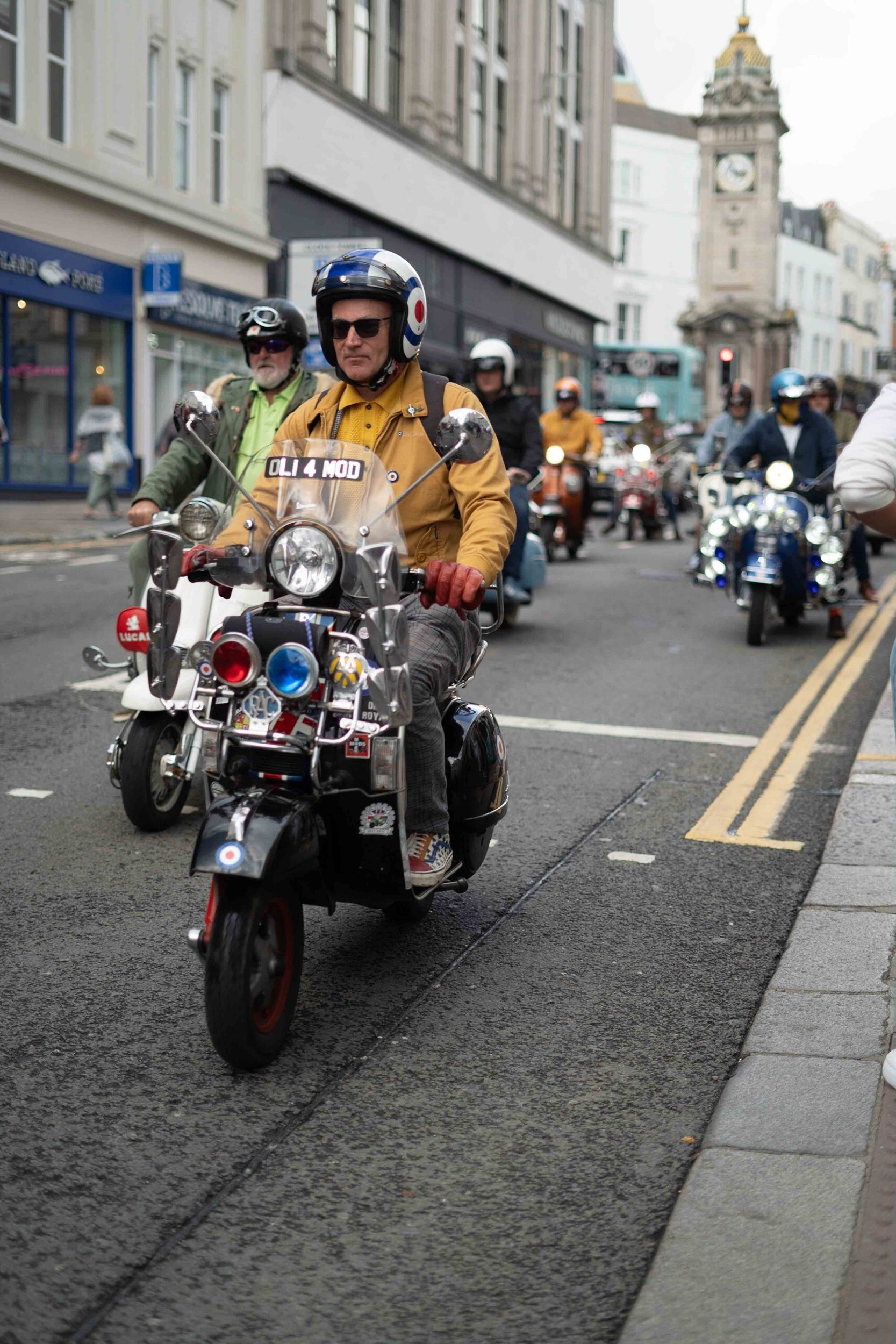
To understand the Brighton Mod Weekender, we must first delve into the world of the Mods. Emerging in the early 1960s in the United Kingdom, Mods were a youth subculture known for their sharp fashion sense, love of American R&B and soul music, and a passion for Vespa and Lambretta scooters. They represented a break from the austerity of post-war Britain, embracing a new sense of style and individuality.
The First Brighton Mod Weekender
The Brighton Mod Weekender has its origins in the mid-1960s when young Mods from London started heading to the coastal town of Brighton for weekend getaways. These trips were fueled by a desire to escape the urban grind and soak up the sun, sea, and good music. The iconic seafront location and the promise of excitement drew Mods to Brighton in droves.
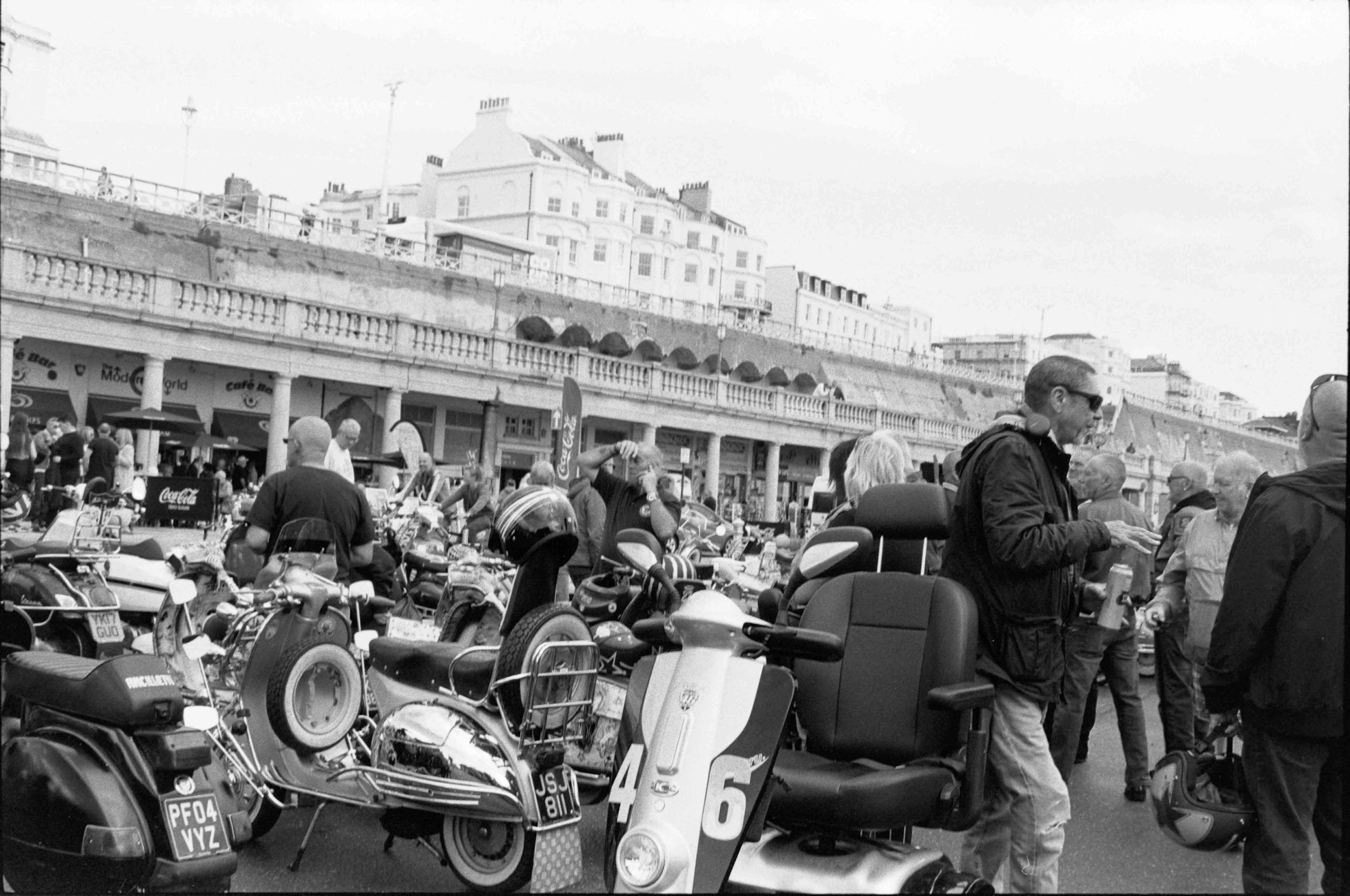
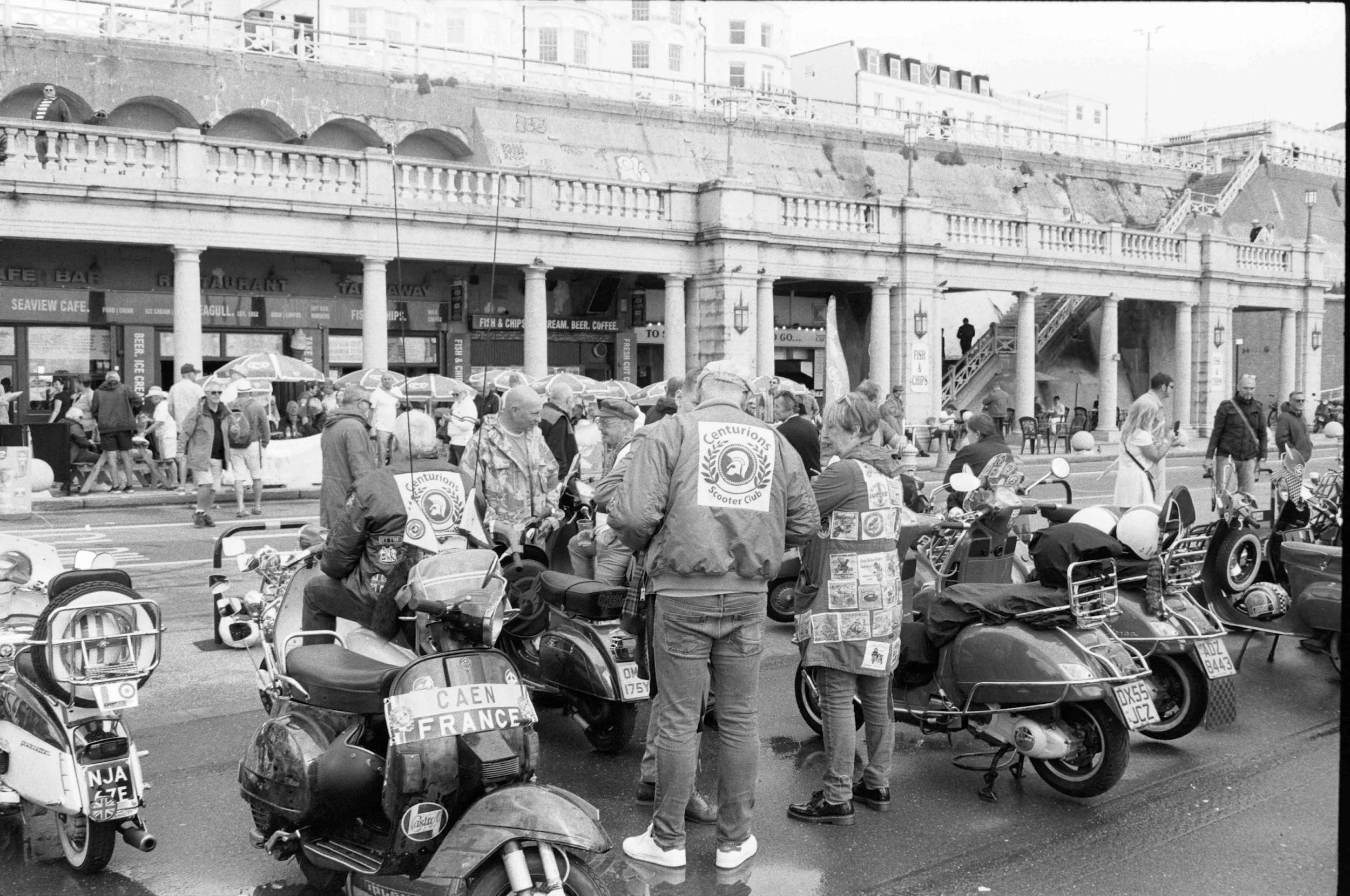
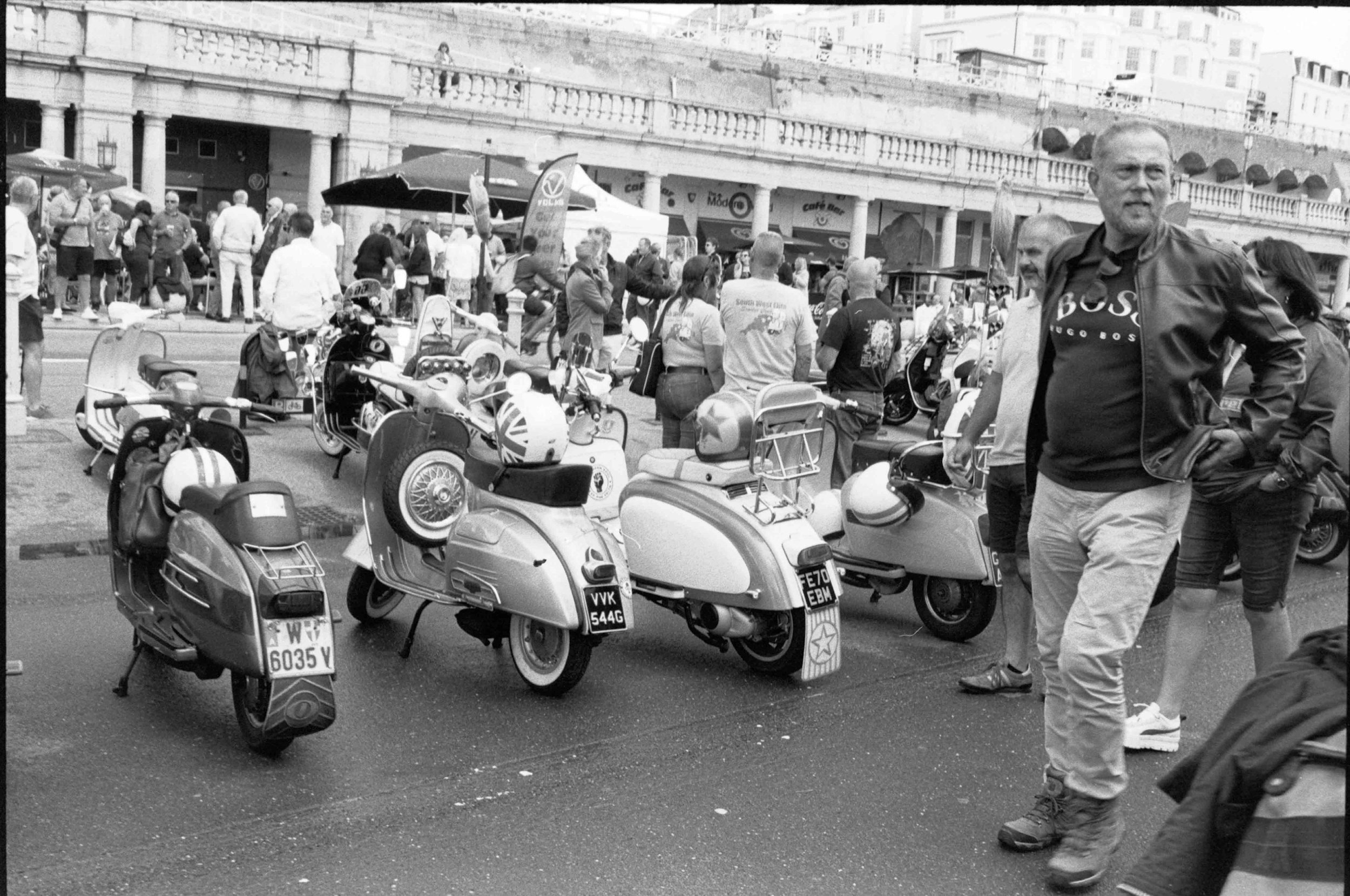
The 1964 Whitsun Bank Holiday weekend marked the first official Brighton Mod Weekender. Thousands of Mods descended upon the town, creating a spectacle with their stylish attire and rows of gleaming scooters. It was during this weekend that the clashes between Mods and their rival subculture, the Rockers, gained national attention and became known as the "Battle of Brighton."
The Cultural Significance
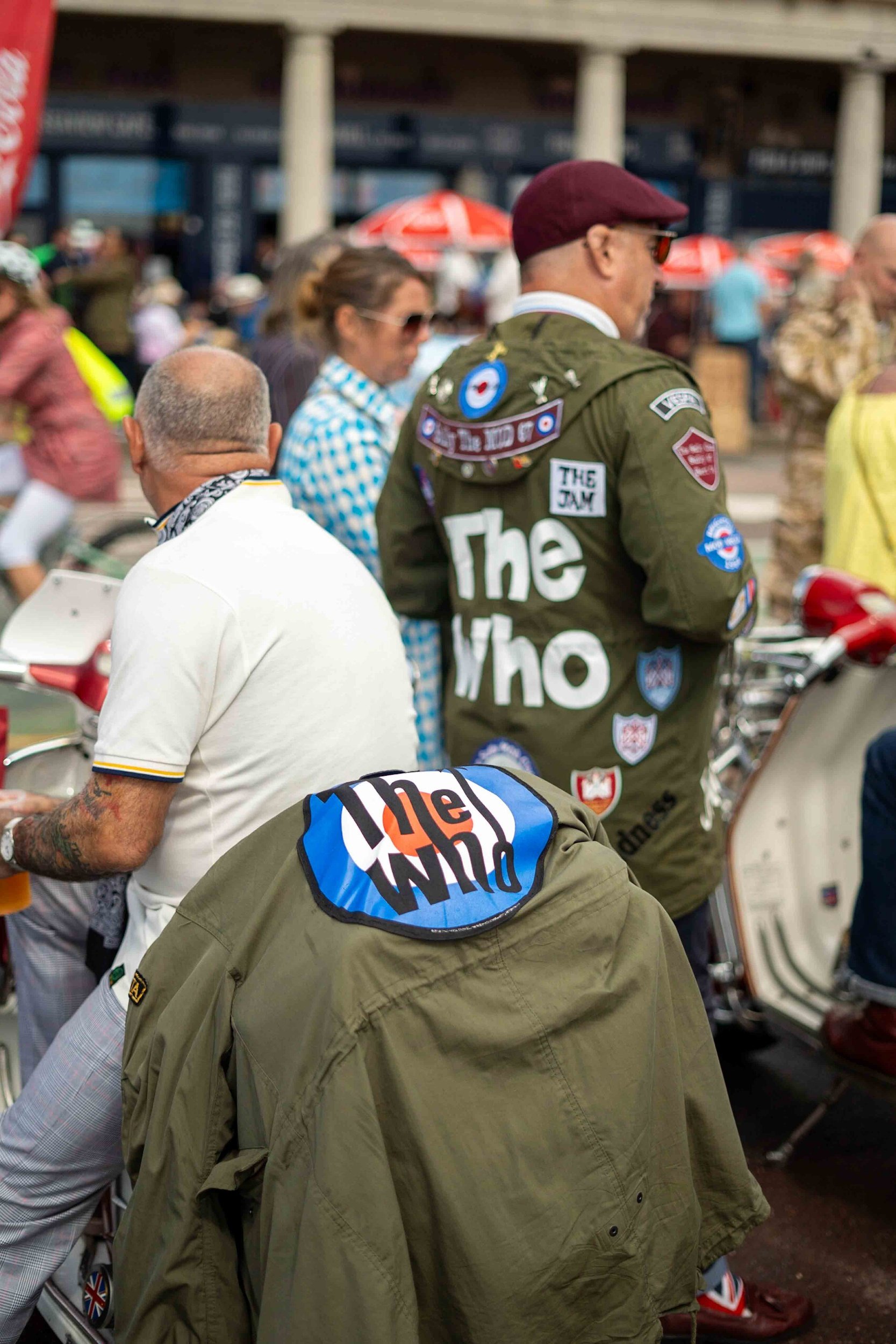
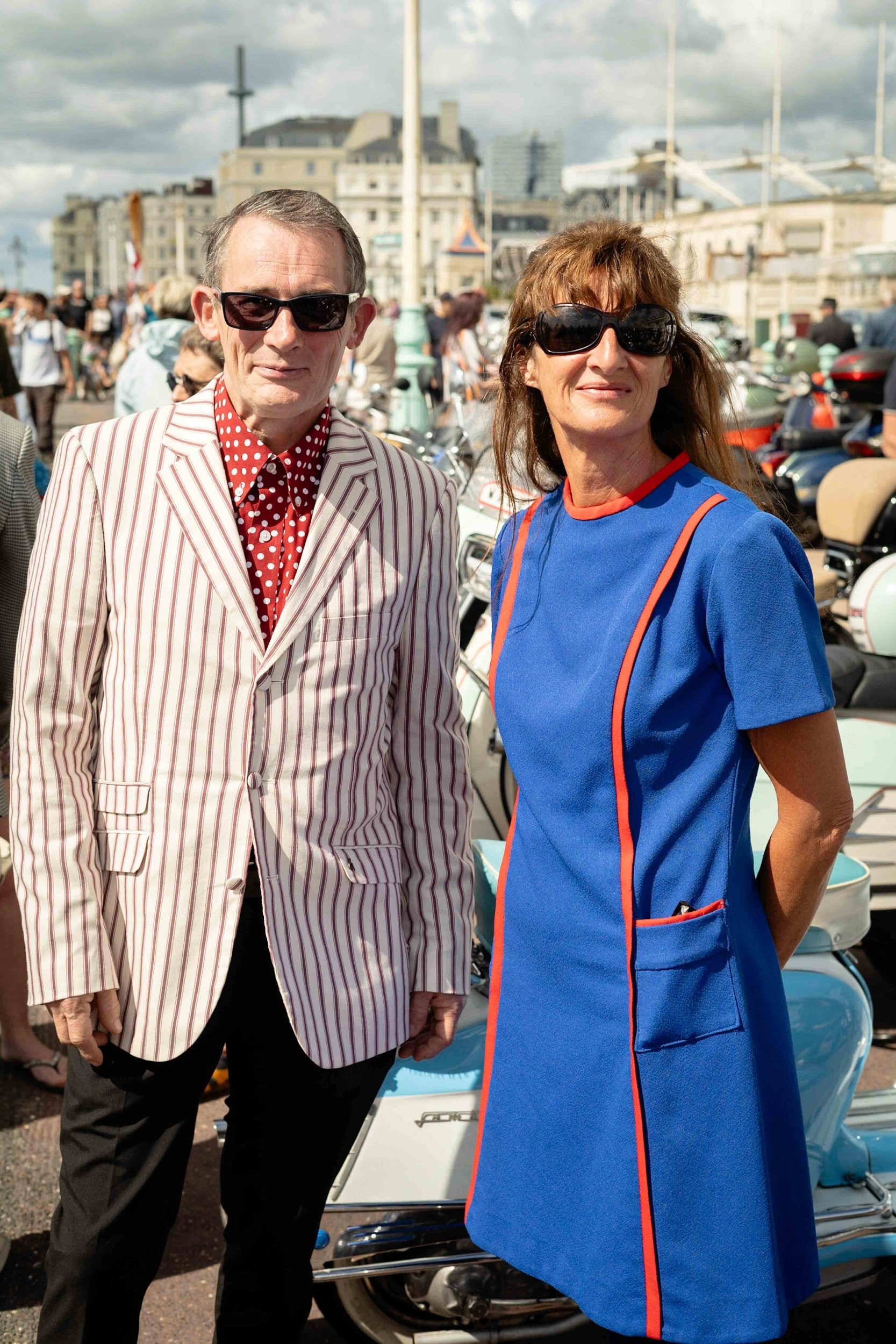
The Brighton Mod Weekender soon became a symbol of youth rebellion, individuality, and a rejection of the status quo. Mods embraced modernity, with their immaculate suits, parkas, and music preferences that celebrated rhythm and blues. The event showcased a sense of community and belonging, where like-minded individuals came together to celebrate their unique identity.
Music played a central role in the Brighton Mod Weekender. DJ sets and live performances featured soul, R&B, ska, and jazz – genres that still define the Mod scene today. Iconic artists like The Who, The Small Faces, and The Kinks were embraced by Mods, their music becoming anthems for the movement.
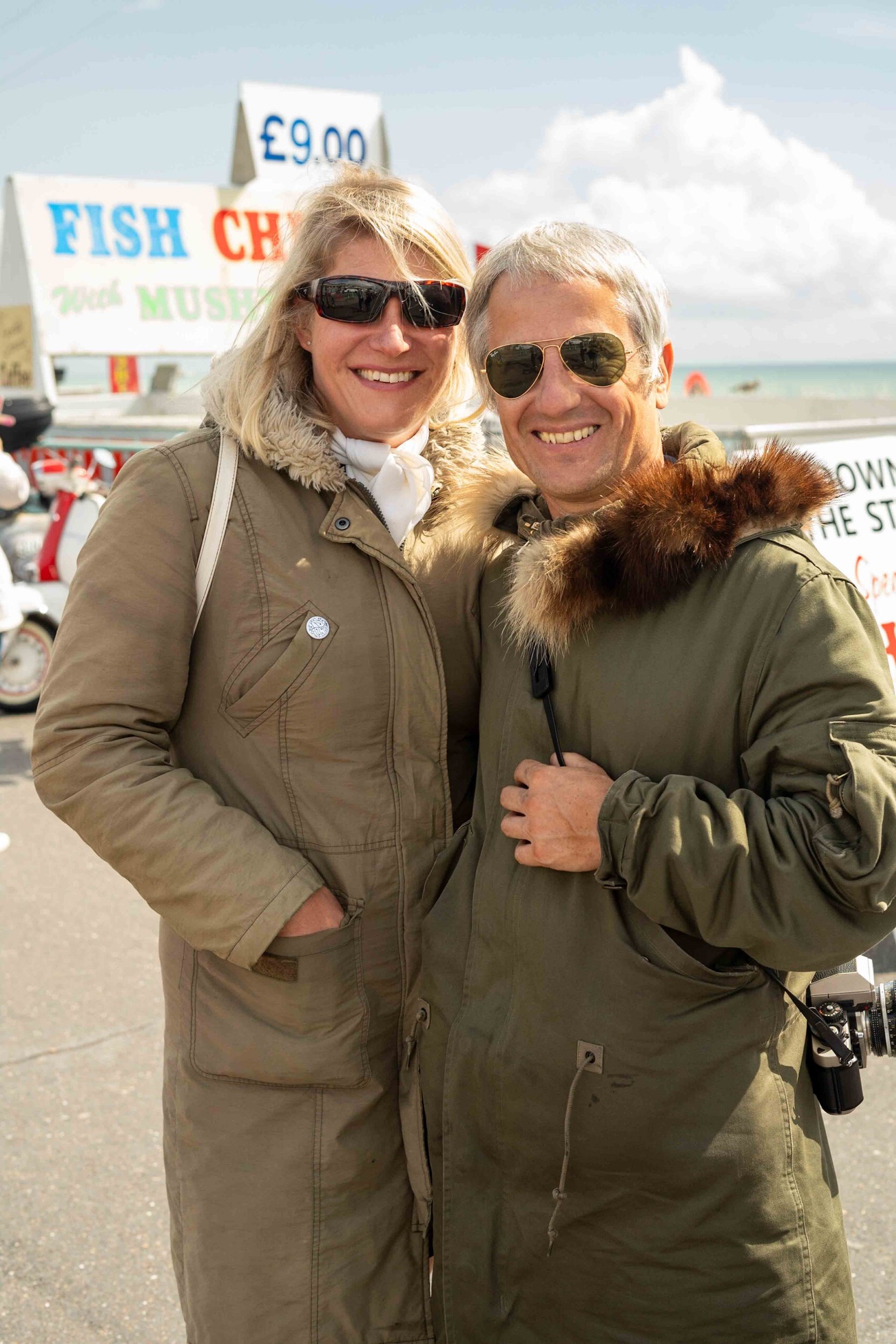
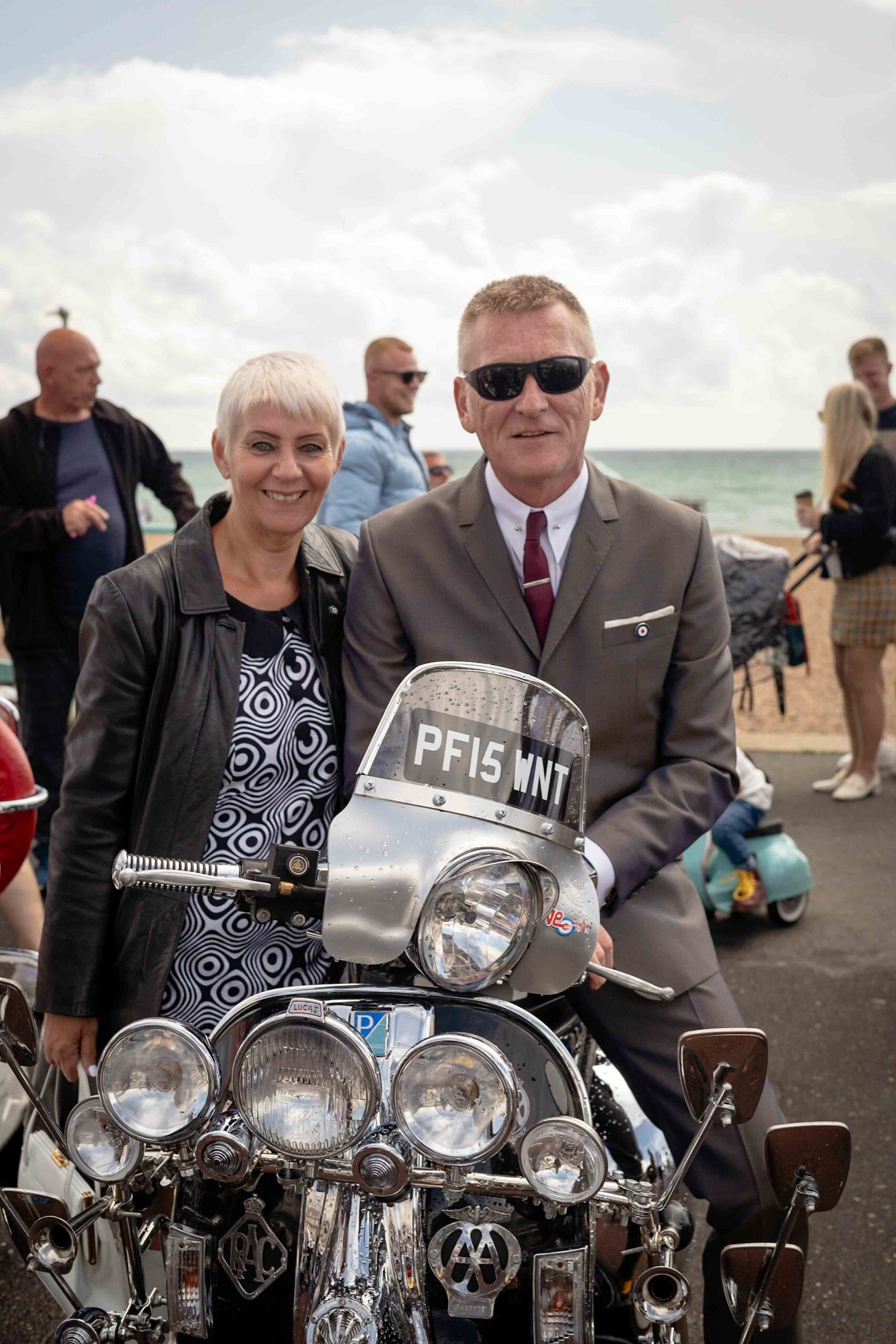
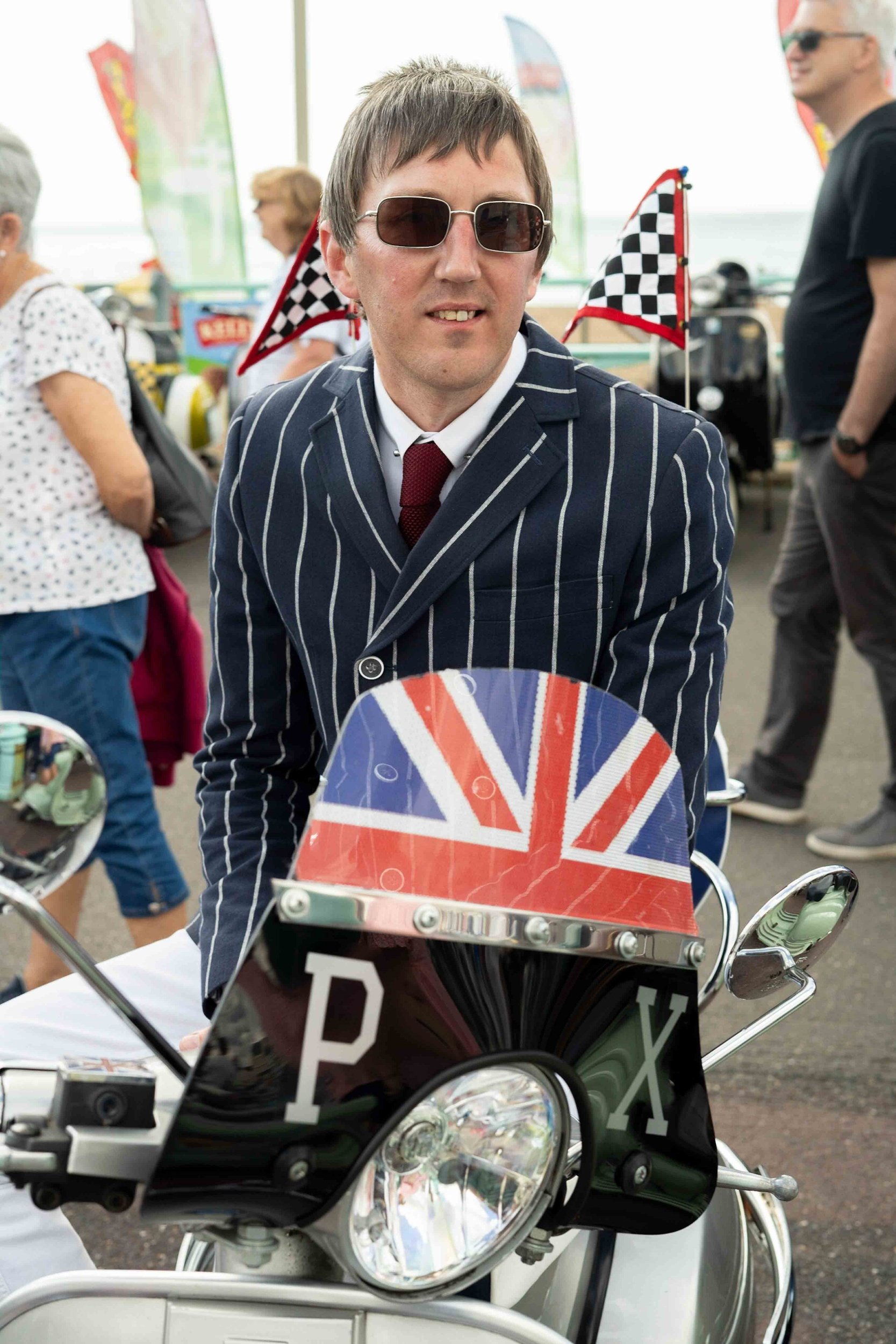
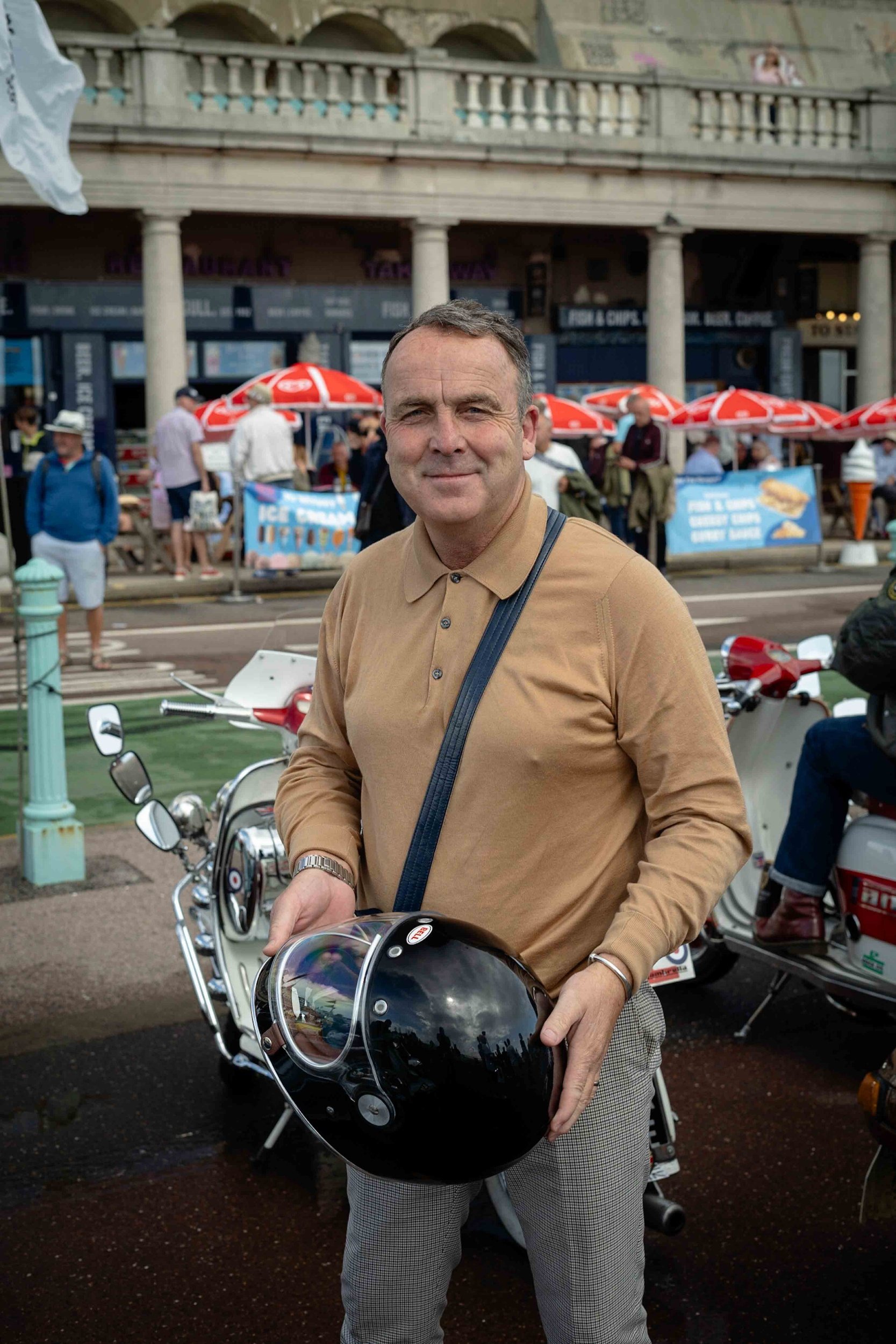

The Revival and Evolution
While the initial Brighton Mod Weekenders of the 1960s waned as the decade came to a close, the spirit of the Mods endured. In the late 1970s and early 1980s, a Mod revival swept through the UK, inspired by the original movement. This resurgence brought a new generation of Mods to Brighton, reigniting the tradition.
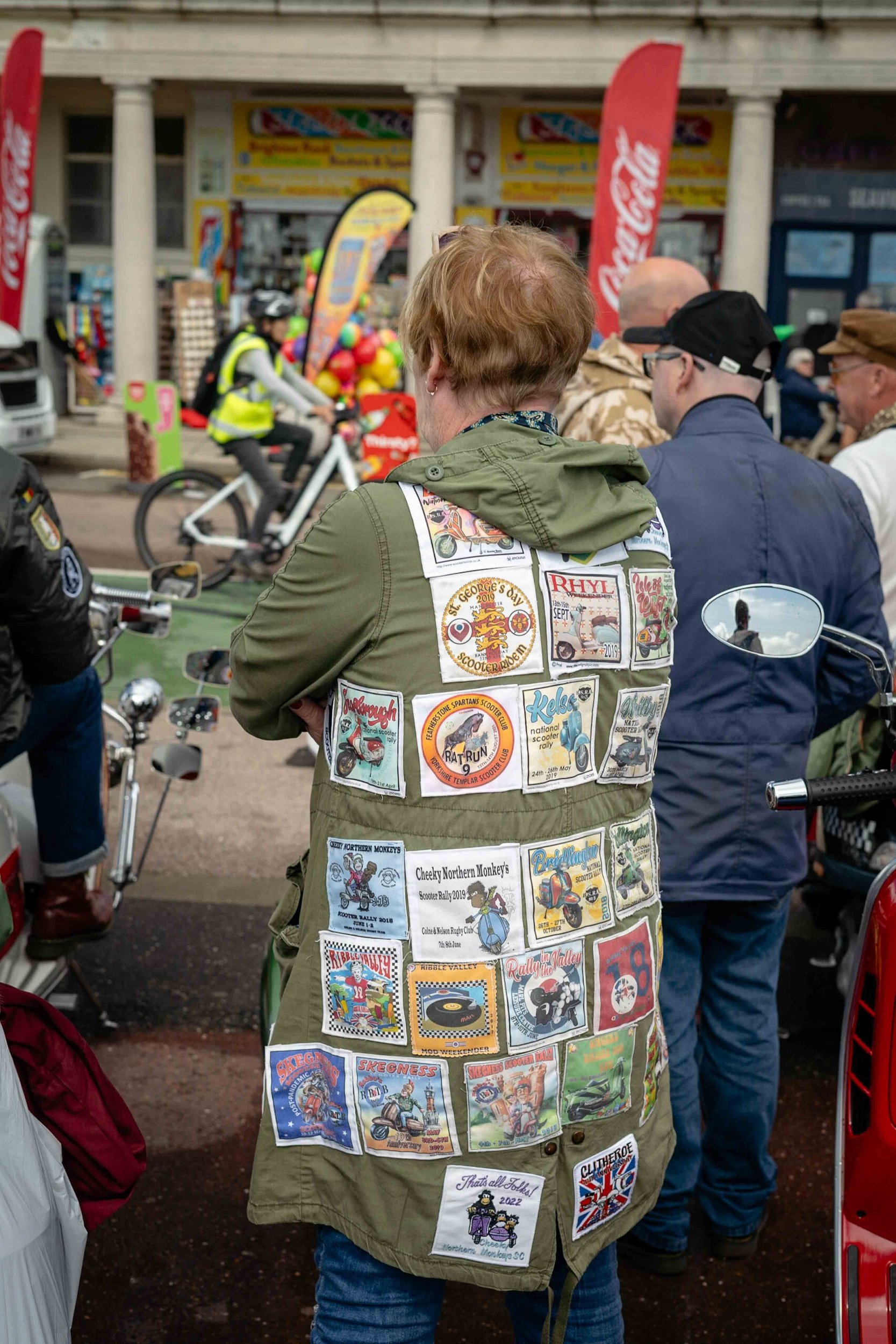
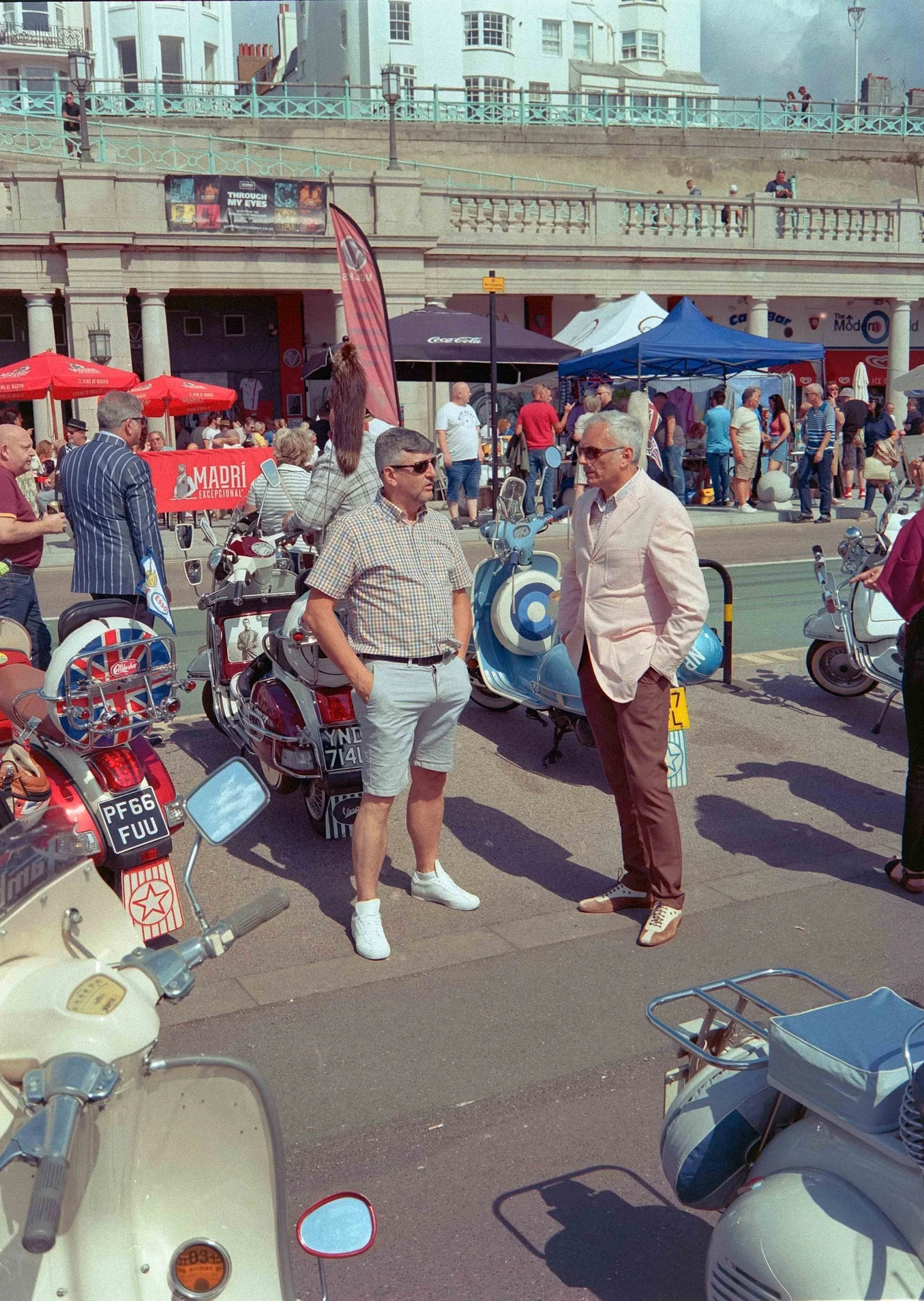
Over the years, the Brighton Mod Weekender has evolved. It now welcomes not only those who were part of the original movement but also younger generations who appreciate the timeless style and music. The event has expanded to include vintage markets, scooter rallies, and art exhibitions, all celebrating the Mod ethos.
Until next time, keep snapping.
BPS and what will be.
The kids and I decided on our usual half term pilgrimage to London this past October.
A couple of photographic exhibitions took our fancy, namely the excellent Chris Kilip retrospective at The Photographer's Gallery and also the Bill Brandt inside the mirror at Tate Britain.

The kids and I decided on our usual half term pilgrimage to London this past October.
A couple of photographic exhibitions took our fancy, namely the excellent Chris Kilip retrospective at The Photographer's Gallery and also the Bill Brandt inside the mirror at Tate Britain.
The former being a very modest £8 and the latter being free admission. Highly recommended.
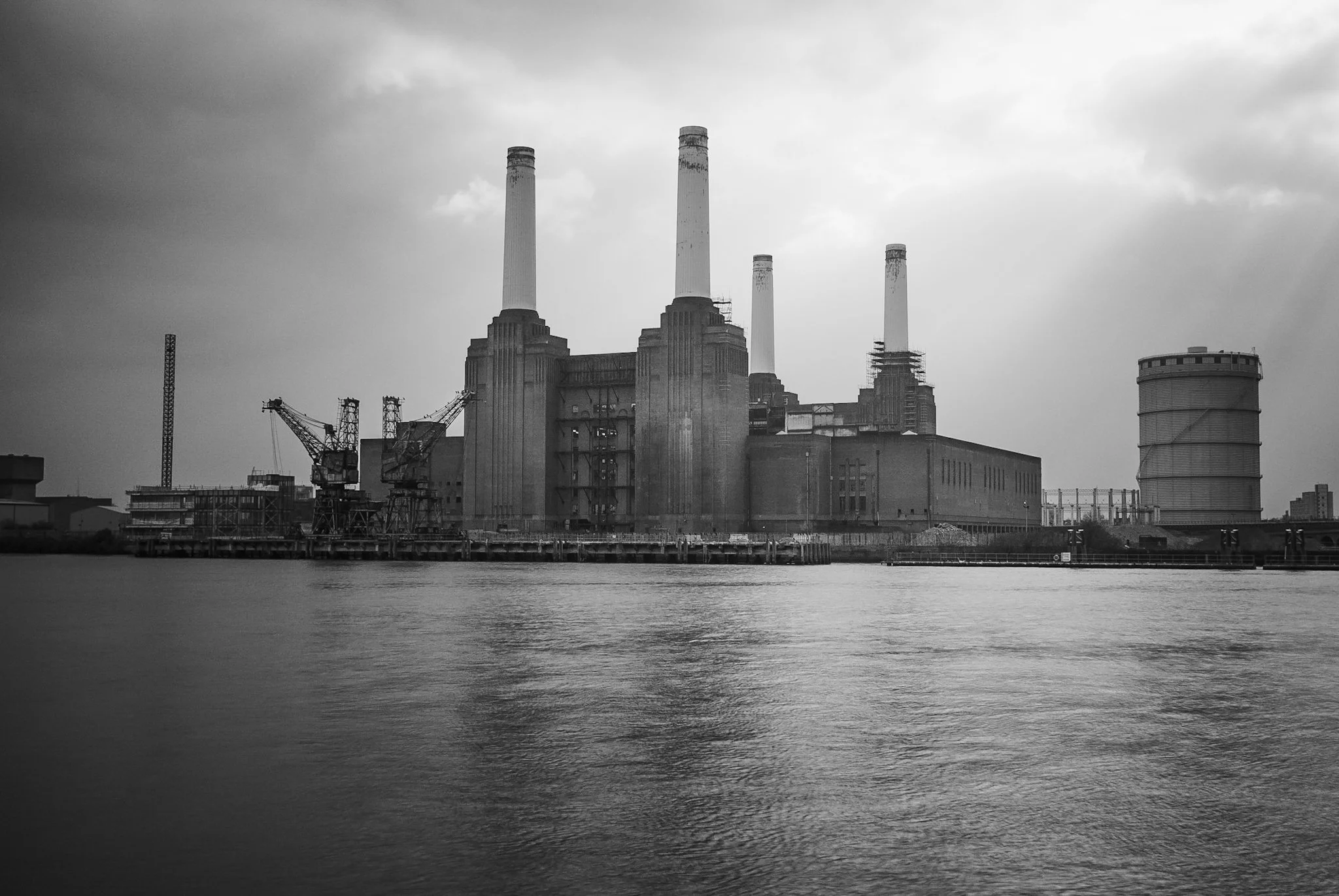
Top on my list was having sight of the recently opened Battersea Power Station developemrnt.
I have always been mesmerised by this structure, since seeing the Pink Floyd Animals album cover when I was a little boy.

Back in 2012 - when I started to take my photography a little more seriously,or more than the impromptu family photos - I stumbled across Battersea Power Station, whilst walking around the side and back streets of central London.
I had my much missed and underrated Fuji X100 setup, allowing me to take street photos and long exposures. Light & nimble.
I took the below photo, which (at the time) I was indifferent about. It happens to be my best seller on my Etsy store.


Here are some stats about this magnificent structure.
From the 1930s to 1980s, Battersea Power Station was a working Power Station. At its peak, it was producing a fifth of London’s power, supplying electricity to some of London’s most recognisable landmarks, such as the Houses of Parliament and Buckingham Palace
1929 - Works begin on site. Sir Giles Gilbert Scott, one of the most prominent architects of the day, who was responsible for Britain’s red telephone boxes, joins the project. Original proposals were for the chimneys to be square rather than circular.
1935 - The first stage of the Power Station, Battersea A, is completed. The top of the western pair of chimneys are 101m from the ground. The chimneys themselves are 50m each, while the wash towers they sit on are 51m.
1940 - RAF pilots use the plumes of white vapour from the chimneys to guide them home in the mist. The Luftwaffe also used the plumes for navigation, which explains why the Power Station avoided extensive bombing.
1944 - Battersea B, the second stage of the Power Station, starts to generate electricity. The station goes on to pioneer a gas washing process to reduce sulphur emissions, with excess generated heat ducted under the Thames in a district heating scheme for 1,600 homes in Pimlico.
1955 - The fourth chimney, and second stage of the Power Station is complete, with the Power Station at peak capacity. The space within the main Boiler House is so vast that it would be possible to fit St. Pauls Cathedral within the space.
1964 - On 20 April, an electrical failure at Battersea Power Station caused power failures throughout London, including at the BBC Television centre, which was due to launch BBC Two that night. The launch was delayed to 11am the following day.
1977 - An inflatable pink pig floating between the two southern chimneys appears on the front cover of Pink Floyd’s album, Animals. The inflatable pig was tethered to one of the southern chimneys but lost its moorings and rose to the flight path of Heathrow Airport. Police helicopters tracked its course until it finally landed off the coast of Kent.
Album artwork, Animals, 1977. Design by Roger Waters. Graphics by Nick Mason. Production and art direction by Storm Thorgerson / Aubrey Powell at Hipgnosis.
1980 - The Power Station is awarded Grade II listed status. Awarded by Historic England, listed buildings mark and celebrate the building’s special architectural and historic interest. They’re also brought under the consideration of the planning system, so they can be protected for future generations.
1983 - The Power Station closes and ceases to generate electricity. It goes on to be purchased in 1987 by Battersea Leisure (theme park scheme) and again in 1993 by Parkview.
2007 - The Power Station is upgraded to Grade II* listed status. Less than 6% of listed buildings fall into this category as particularly important buildings of more than special interest.
2012 - The Power Station is purchased by the current shareholders, SP Setia, Sime Darby Property and the Employers Provident Fund, bringing an end to decades of disuse. Works begin the following year to redevelop the 42-acre site surrounding the Power Station to create a new community of homes, shops, cafes, restaurants, cultural venues and open space for London.
Above taken from: https://batterseapowerstation.co.uk/
The most mind boggling stat is that: About 6 million bricks were used in the construction of the original building. Different makes were used throughout including Accrington engineering bricks, which were also used in the Empire State Building.


Architecture studio Wilkinson Eyre has unveiled the redeveloped Battersea Power Station in London ahead of its opening next week, almost 40 years after the building was decommissioned.
The former power station, which now contains over 100 shops, 46,000 square metres of office space for technology brand Apple and 254 apartments is set to officially open to the public on 14 October.
The £9bn development project has studio flats starting at £865,000 and the penthouse flat £8.0m.
Until next time, keep snapping.
Budapest - We love you.

Its been a couple of months now, back to the bump and grind of Blighty, after the kids and my first overseas trip, since 2018.
This followed an aborted attempt to head over to Barcelona in April, which was eventually traded for Manchester (had to attend a work team meeting in Birmingham, with sitting in a room with 60 folk and decided to cancel it on the event I caught COVID............).
Anyway, we decided on Budapest.


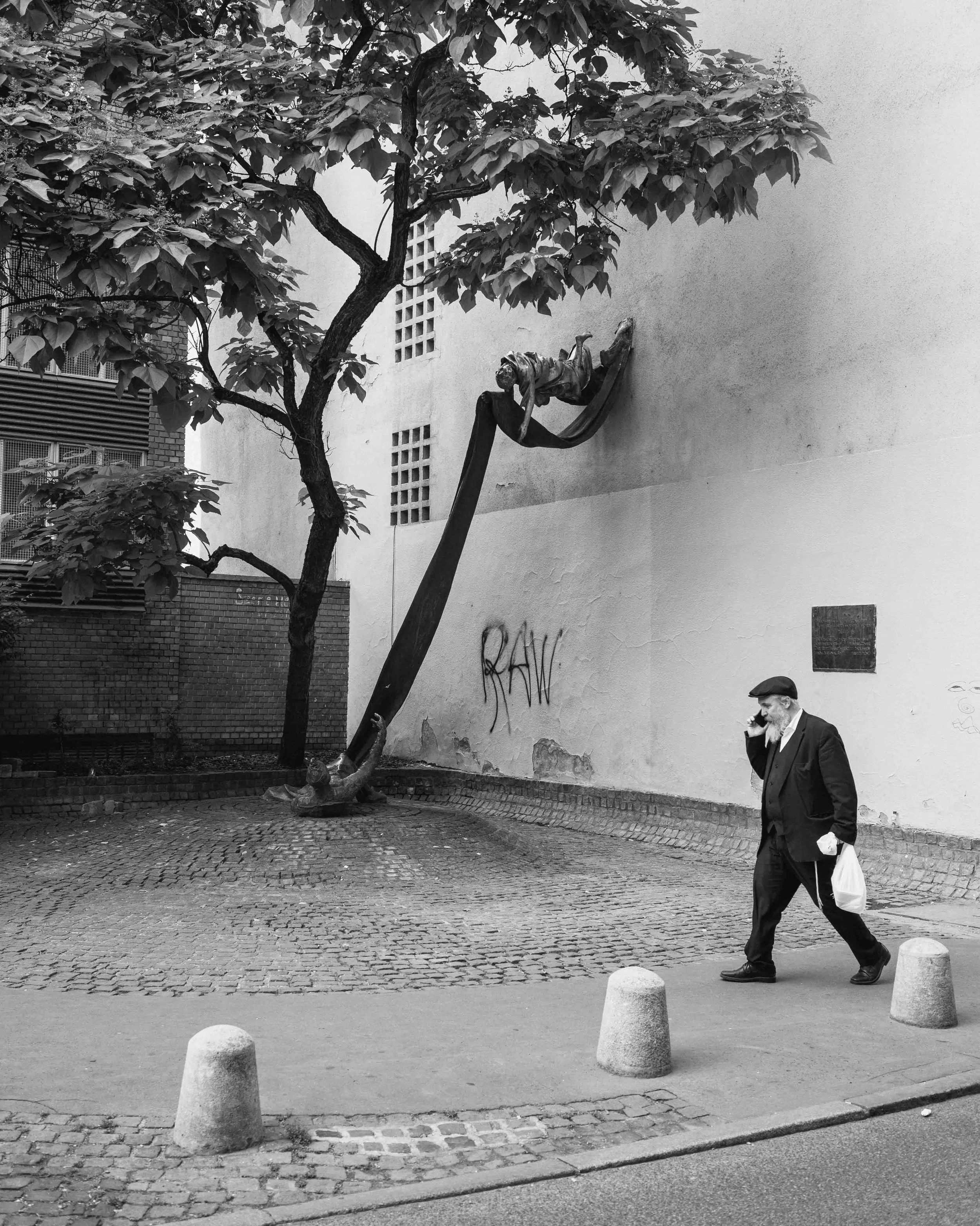


It's a place that has been on my bucket list for years.
A wonderful city, rich in culture and a checked history.
Having been transfixed with the early Magnum black and white catalogue, which also covers the 1956 uprising, this city has intrigued me from an early age. Images of formally dressed men running along streets with rifles, so soon after the atrocities of WW2. Some of David Hurn's work of this period is outstanding.
The architecture, parks, cafes, restaurants, exhibitions, beer and cuisine, there is something for everyone.
The city provides an excellent backdrop and perfect destination for some street photography.
After some brief twitter chatter about the options of taking 35mm film, I decided to take some Fomapan 400 & Kodak Vision 3 250d, to shoot through my Olympus OM1, with my Olympus XA2 as back up. I also wanted to take my Sony A7iii for a 2nd back up. The backups were a prudent step, as the OM1 jammed, so it was XA2 all the way.
Gatwick Airport were very kind to hand check the film, rather than run it through their X-Ray scanners. (On the way back, Budapest Airport put the film through their CT Scanners). I now know that <ISO800 film is ok to put through either scanner a number of times and as you will see from the images within this post, the film was undamaged.
The buzz of the city is addictive. This is also topped off with an exceptional public transport service. Trams, trains and buses link seamlessly. The excellent BudapestGo app for your smartphone, provides an all covering journey planner. Single fares are 73p (yes 73p). The bus transfer services to the airport (some 9 miles from the city centre) comes in at a wallet friendly £2.36. A taxi comparison for the same journey is typically 30-35 euros.
I had a mild concern about stag and hen do's, for Friday and Saturday night, but this didn't materialise, or at least the kids and I were not out too late to witness it.
After watching a series of YouTube videos on 'Budapest hidden gems' 'Things to do in Budapest', we decided on District 5 / The Jewish Quarter for our Airbnb location (see red bounding box below). This is on the ‘Pest’ side of the city, were the majority of bars, restaurants and life is going on. This proved a good choice.
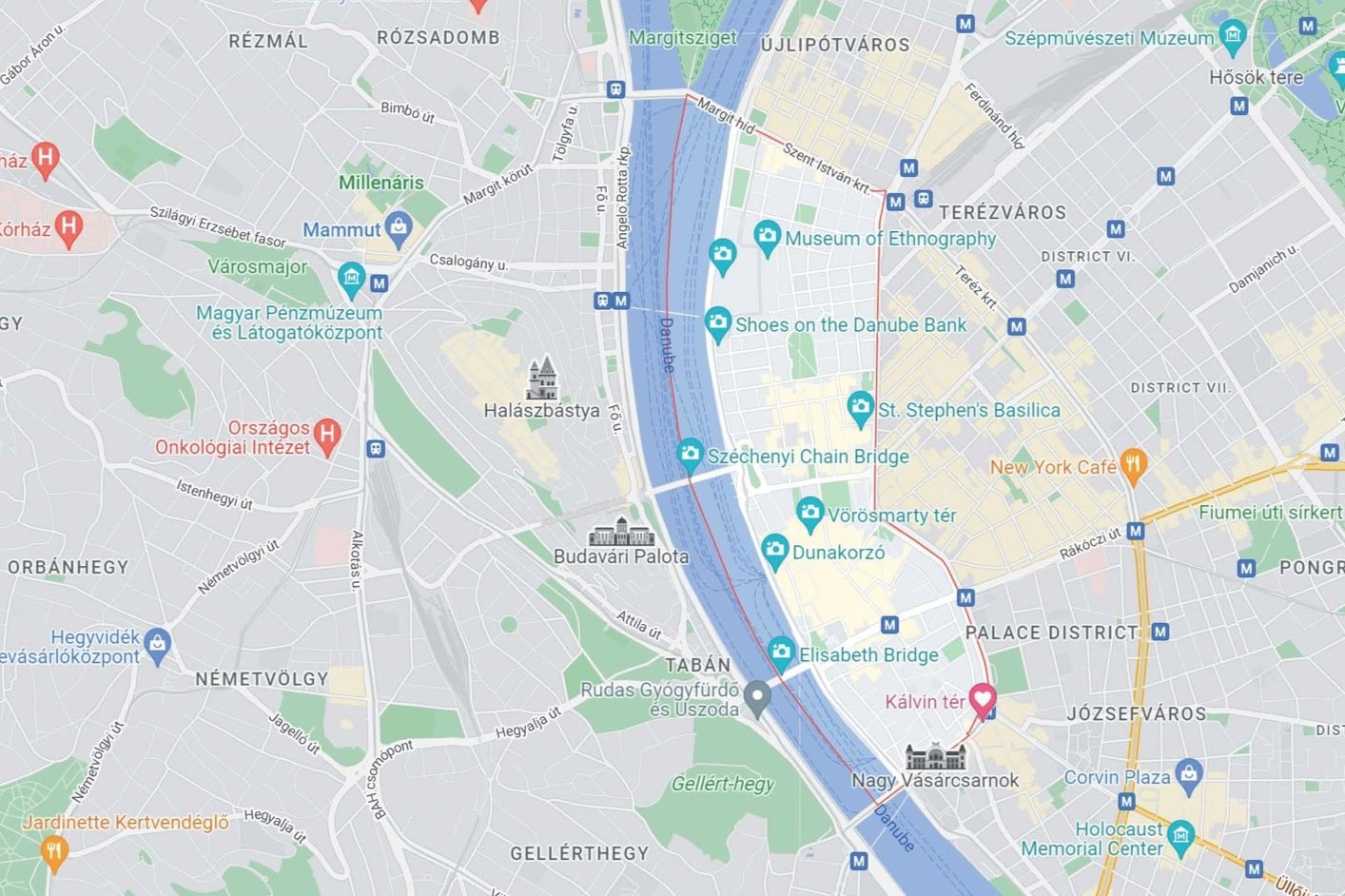
Accomodation is notably cheaper, the location has some excellent bars and restaurants, which are best explained as having a ‘bohemian feel’.
It's also in close proximity to Kalvin Square, which is the central hub for the transport links.
We flew out of Gatwick Airport. Having booked our flights a month before departure, there was not a ripple of warning about the car crash that happened relating to last minute flight cancellations, following the increased half term demand and the understaffed airport network.
We were some of the lucky few, both outward and incoming flights were cancelled by c. 2 1/2 hours each way.
Getting into Budapest, the ease of transfer was a stark contrast to Gatwick. We headed straight to the Ruin Bars. This is a great spot. I can imagine that on inception, this would have been a buzzing underground spot, but it now appears to be much of a tourist trap, with patrons pointing cameras at the decor, rather than chatting to their companions. The cherry beer was great.
We then headed off to Street Food Karavan, which is a great spot for some fast food. Burgers, Chicken, goulash and Langos are avaialble, from the food vans that are parked up. We got here about 19:00, not at all busy, but I would expect this place to get chocker, in the wee hours.
Because it was lovely and warm, after completing our first recce of the Jewish Quarter, we decided to chill in the park at the end of the road, where the Hungarian National Museum was located.
Day 2
Saw us take in the historic tourist trail.
Firstly we headed to St Stephen’s Basilica. The objective was to climb the stairs and walk around the dome and take in the excellent vistas of the city. This was a very easy sell to the kids. Spectacular views.

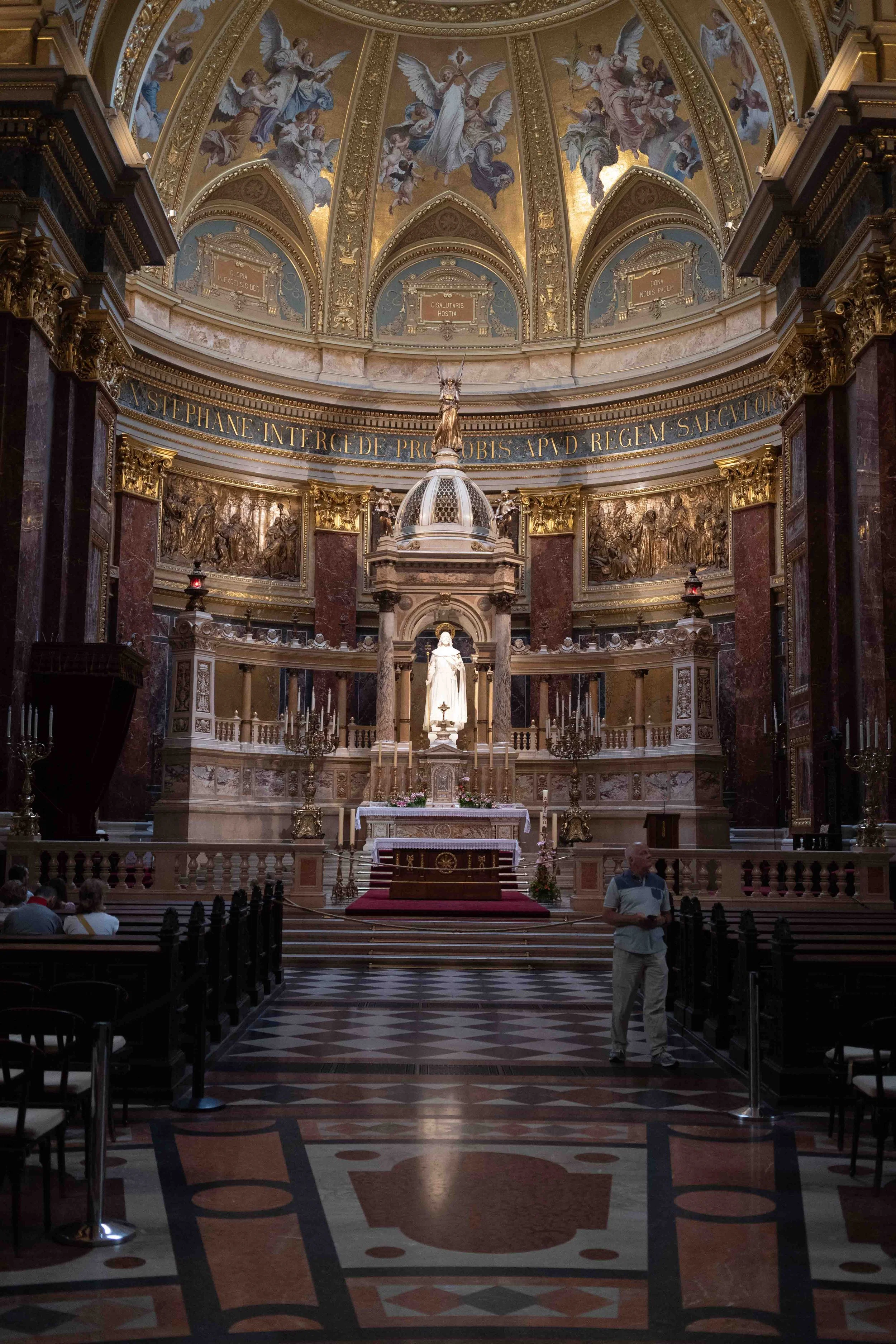


After that we strolled down to the Danube river to walk across the Chain Bridge, disappointingly, it was closed for some esssential repairs.
Observing the Buda Castle complex and the Fishermans Bastion, you are treated to some outstanding architecture and vistas across the Danuble, to see the Hungarian Parliament Building. After a long lunch break - and another cherry lager - we decided to head to Fashion Street, for some clothes shopping.
Day 3
We headed over to Esceri Flea Market, as a couple of the tourist guides mentioned that this was worth a gander.
Not sure if we were too early or it was part closed for the summer period, but it was a disappointment as it was only open to say, 5-10% capacity.
The trip over on the two buses was a nice mind, seeing the urban side of the city.
Getting back to the city, the kids and I decided to make amends and have a culture vulture afternoon. We first decided to go to the House of Terror Museum, which is a fitting tribute to the cities two terror regimes. This is housed in the ex Secret Police Building. The museum is very sombre in outlining the extent of the secret police activies during this time, the torture chambers in the basement were harrowing.
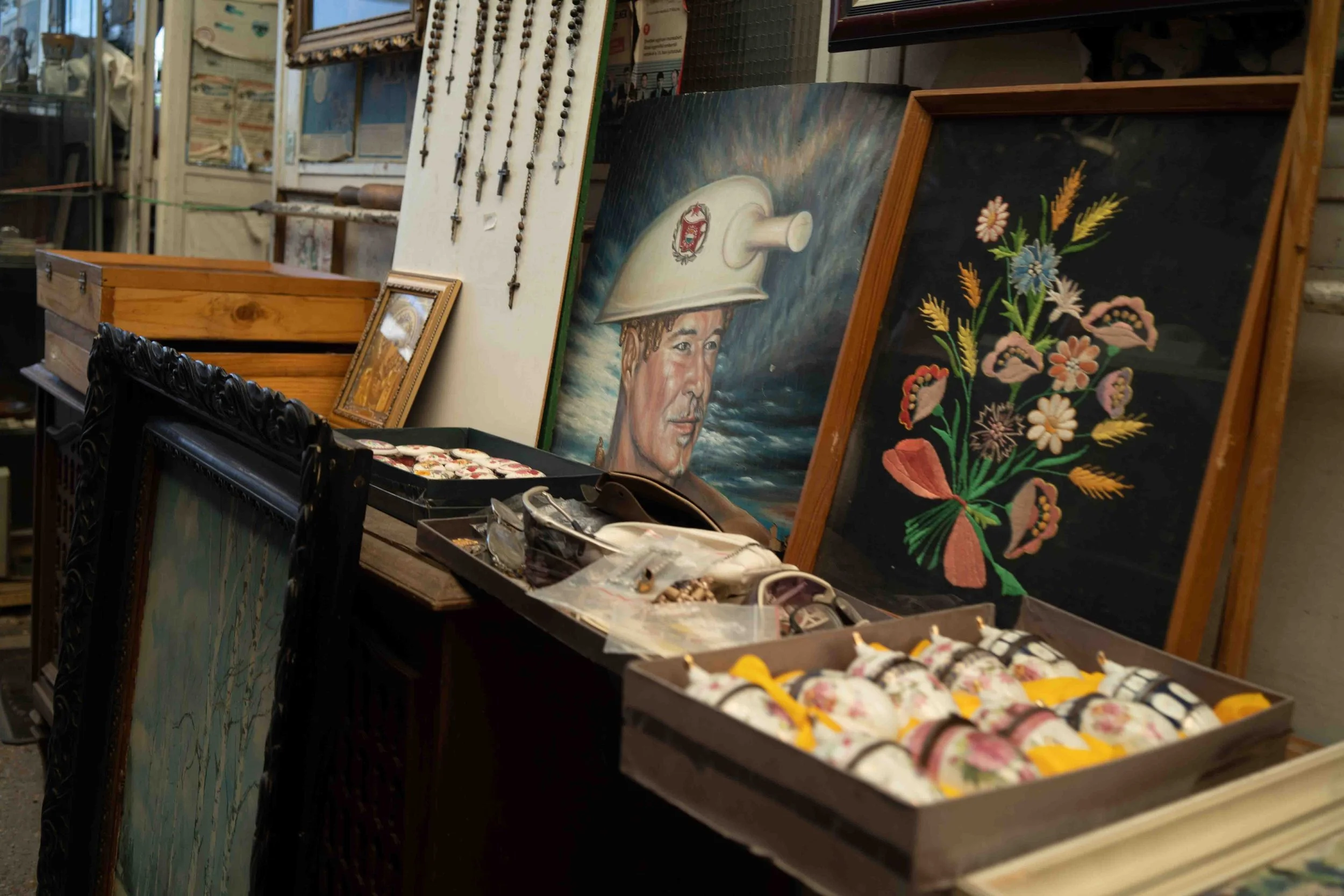


Outside, there was a piece of the Berlin Wall, which was a fitting for the period.
We then walked upto Heroes Square, to see the monuents and by pure happenstance, discovered there was a Hieronymus Bosch exbiition at the Museum of Fine Arts. 50 pieces of work by this mismerising artist housed in architectural slendour. The ticket office attendant took great delight in telling me as a UK citizen, that I wasnt entitled to the tourist discount for EU members.
Oh the benefits of Brexit.
For the evening, we decided to venture upto Margaret Island. An idyllic park in the centre of the city. Time to chill at the fountain and listen to classical music and enjoy a burger and another cherry beer.
Day 4
Today we had a wander upto Memento Park, which is a unique and relevant attraction, when the city had the 1956 uprising, rather than dispose of the toppled communist statues, these were rehoused several miles outside of the city.


Continuing the governmental theme, we then decided to head back into ‘Pest’ to see the Parliament Building and also The Shoes on the Danube.
This particular route saw us take the No 2 tram and also the metro. The former offering some excellent vistas of the city.
We decided to head back to Margaret Island for the evening, as we spotted a middle eastern restaurant, and unsurprisingly, the food was excellent.
Day 5
The last day, had a more sedate feel to it. We decided to visit the Vajdahunyad Castle in the City Park.
The grounds of the castle were lovely.
After that we had one final lap of the Jewish Quarter and the ruin bars, we were again lucky to stumble across a flea market, which was a delight.
We begrudgingy dragged outselves back to the airport for our early evening flight back home.


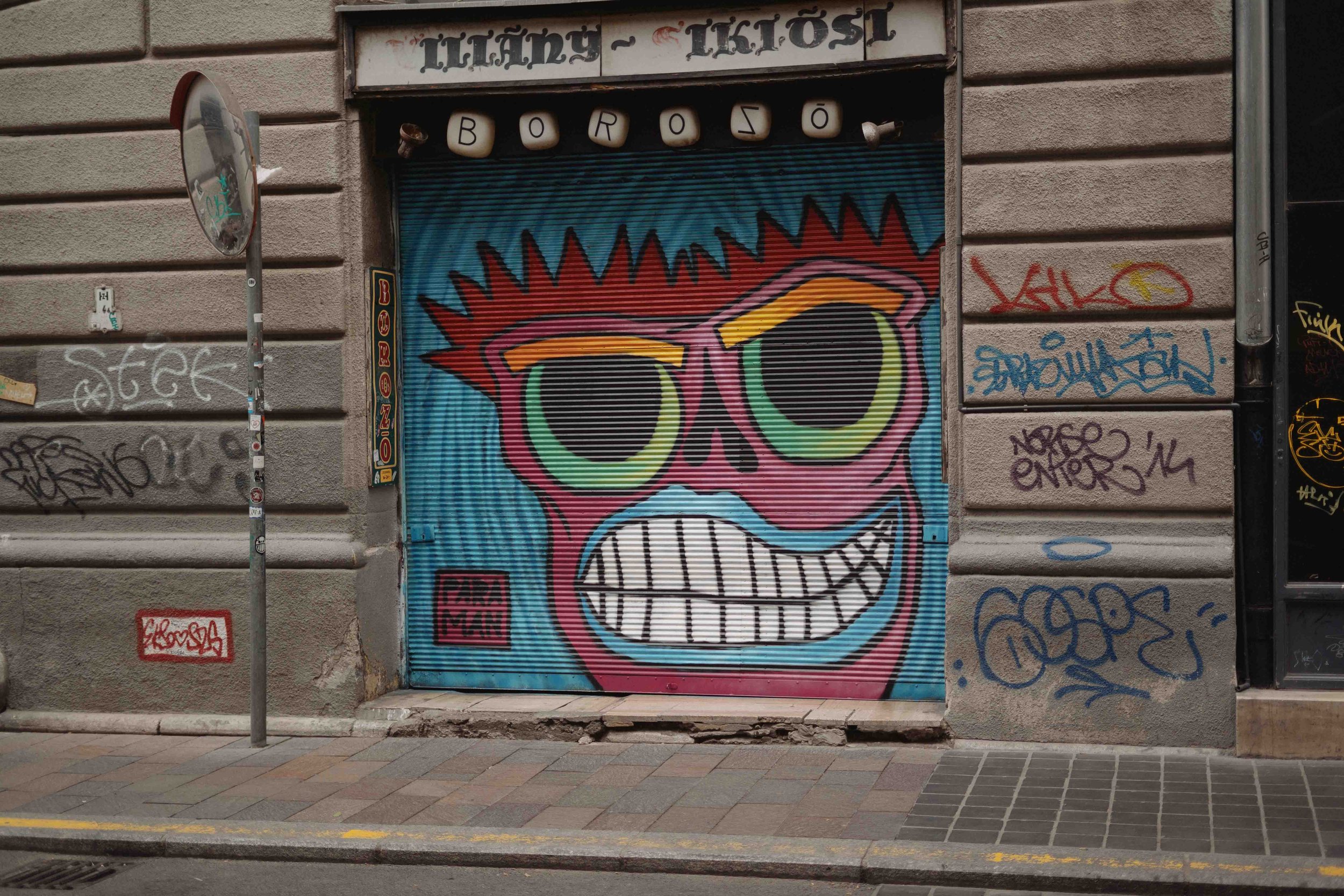


Well thats it, I hope the above gives you an idea of what this wonderful city has to offer you. Its a destination that I am most certianly likely to revisit.
I have a selection of the images for sale on the website, or the Etsy store. Either are available in our new professionally sourced framing service.
Better still, if you have interest in any other images, please do not hesitate to contact me with your enquiry: hello@frommylemsphoto.com.
Until next time, keep snapping

Take a stand - Bulk up
March 2022 provided an update for a couple of bits in my photography stable, which were long overdue.
Namely my new approach to sourcing colour film and how I develop it. Also my new process for scanning all my film.
I thought I would write this blog post, as I am sure there are a couple of take aways for other film photographers, or points to consider.

March 2022 provided an update for a couple of bits in my photography stable, which were long overdue.
Namely, my new approach to sourcing colour film and how I develop it. Also my new process for scanning all my film.
I thought I would write this blog post, as I am sure there are a couple of take aways for other film photographers, or points to consider.
As we enter into the spring and summer season here in the UK, I’m always keen to shoot some colour film, for the limited time that the summer light cascades our island.
I’m not one to shoot premium black and white film, my normal go to is Fomapan 400, which in 100ft, costs £40. I bulk load at home and the quality, tonal range and price, suits me down to the ground.




Colour film at present is evidencing crazy price hikes here in the UK. So in March 2022, I decided to invest in a 400 ft bulk roll of Kodak Vision 3 250d from the folks at Frame 24, to go down the bulk loading route workflow I have for B&W. At £180 + VAT + Shipping, this was quite a significant investment, but the maths dictated that for 90+ x 30 exposure rolls, this works out at c. £2.50 a roll.


My only problem was how to spool 400ft into 100ft reels for the AP Loader??
I saw advice on Reddit, that you could spool the film around the cardboard roll from the centre of a toilet roll, inside of a changing bag. For me, this didn’t work, as I found it too labour intensive, my hands got too hot and left too much sweaty residue on the unexposed film, as outlined in the photos below:


After further research, this lead to the world of 3d printing and a Creative Commons license for the following print schematics. A better video working example, can be found here. I have spoken in the past about the excellent community spirit of the film community, which is demonstrated fully by the designer offering his design for free.
A further search, sourced a 3d printing house in Nottingham, who fulfilled the order for £43.
Next up is the (not so) daunting stage of removing the remjet layer from Vision3 film. (an explanation of what remjet is, is here).
Its essential that commercial film developing labs are not sent Vision 3 film to develop, as this will ruin their machines.
This isn't too cumbersome, I found this video on YouTube. In essence, I pre-soak the film for 5 minutes at 38.5 degrees, then pour in the bicarbonate of soda solution for the 2 1/2 agitation, as outlined in the video.
The colour film is then put through the development and blix stage of the development.
Next is the removal of the remaining remjet, for this the secret weapon is a microfibre sponge, I sourced from a local poundshop. This means that you do not touch the film at this stage of the process. For this, I take the film out of the developing reel and hang in the drying clips, I then wipe (and rinse with the sponge) X 3 on both sides of the film, to remove the residual remjet.
I then put the film back on the reel, to complete the stabiliser final stage of development.
Because of the faffing about with the above, I personally add a photoflo rinse stage after stabilising, which removes any remaining stains on the film.


Home scanning has and will always be the bain of the film enthusiast. It's the one process of film that's as close to ‘polishing a turd / editing digital images' in lightroom, it's something that I look to keep as simple as possible, with a rigid and tested workflow.
My introduction to film and in my pursuit to try and manage what some would call the unjust cost in film photography - and also as part of my approach to maintaining a more level of control over the process - I originally invested in a Epson V600 scanner at the beginning of my film journey in 2016, to allow me a ‘one size fits all’ approach to scanning the film that I have been developing at home.
Whilst this journey has been littered with challenges, a steep learning curve, many rolls of ‘spoilt film’ its been a very rewarding one, which I wouldnt change at all.
I think that I have now finally turned a corner and if I can say (with trepidation), is the start of my refined workflow.
Whilst the V600 is a decent beginners bit of kit for 120 / medium format and large format / 4x5, the outputs for 35mm are little more than sub par acceptable, with the ability in getting decent colour scans being somewhat of a lottery. Bearing in mind beginners do not look to expand in to the 120 or 4x5 arena, until a number of years, would deem this bit of kit obsolete?
I had originally given up on using Negative Lab Pro with the V600 as I just couldnt resolve the colour cast that was yielded from my V600 in colour scanning, but I have now discovered that this appears to be entirely the route cause of a cheap amazon light box (read buy cheap by twice).
Until recently, things changed. I was able to ‘invest’ in the Complete Basic Kit for 35mm and 120 Film Scanning by Negative Supply. What a sublime piece of kit.

The copy stand is milled from aluminium and the film holders are produced in plastic (fair cheaper than the original aluminium ones). Its compact and can be set up in seconds.
Where this kits excels is the quality of the lightbox. I elected for the dearer version, producing 99 nits of light.
The speed of this process is night and day compared to the V600 and silverfast software.
The negative supply setup can scan a roll of film in 90 secs, compared to 5-10 minutes on the V600.
I use my mark 1 Olympus OMD EM5 micro four thirds camera for scanning, and convert the .orf raw file into a tiff file in Photoshop. As this is a 8bit file, I import these files into Negative Lab Pro in lightroom and select the ‘tiff prep' option.
This is a part of the NLP that's essential to remove the colour cast on images. I then run the software with standard settings, but I prefer the noritsu to frontier scanner.
I then save the image as a copy and then delete the original positive image of the film negative.
Thats it.
On review some folk send their film to labs, as they do not have the time and/or inclination to develop at home, me I am too much of a spend thrift , but more importantly, want the broader engagement with the entire process.
The above whilst post investment is an excellent workflow to save a few quid, this is probably best fulfilled if undertaken within a group to share the investment costs.
400 ft of Vision 3 250d is £222 for 92 rolls of film or £2.40 per roll, so shared with a group of 5 or 10 folk is very reasonable, compared to the current price of portra 160, 400 or 800 at £15+ or colorplus and gold consumer film now nearing £10 a roll.
Something to consider. Until next time, keep snapping.
Yes please, keep me posted when there’s a new blog
Instagram - Film