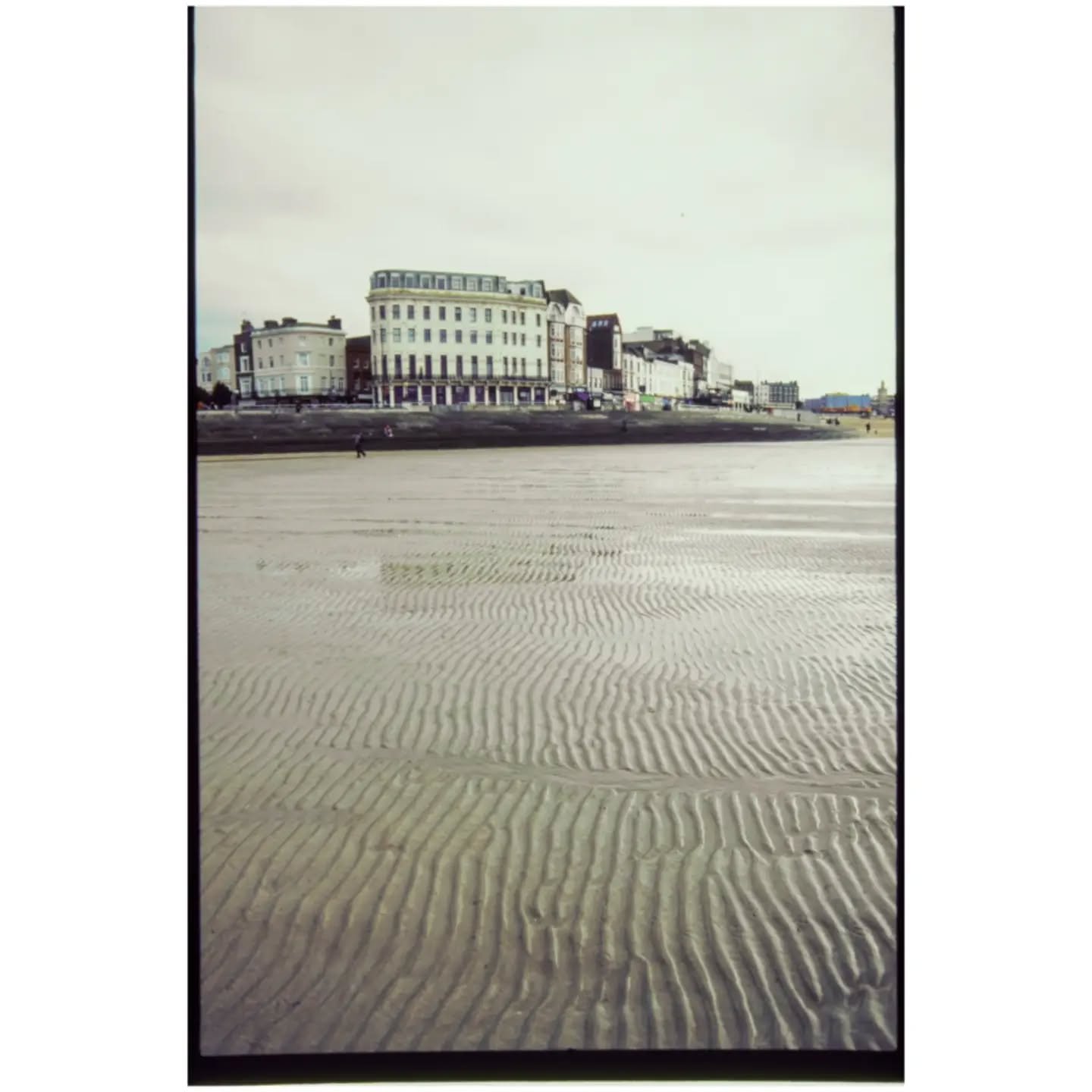
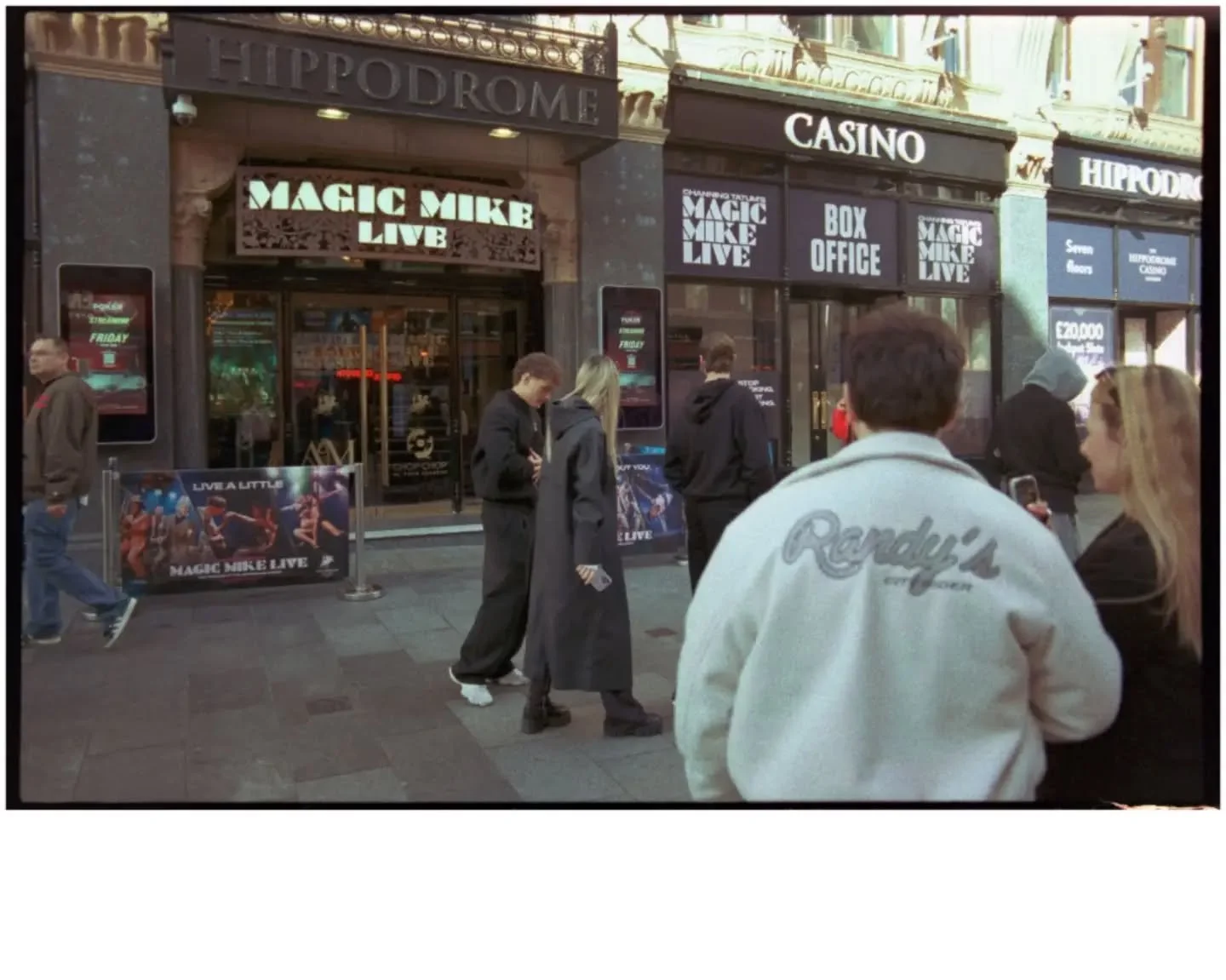
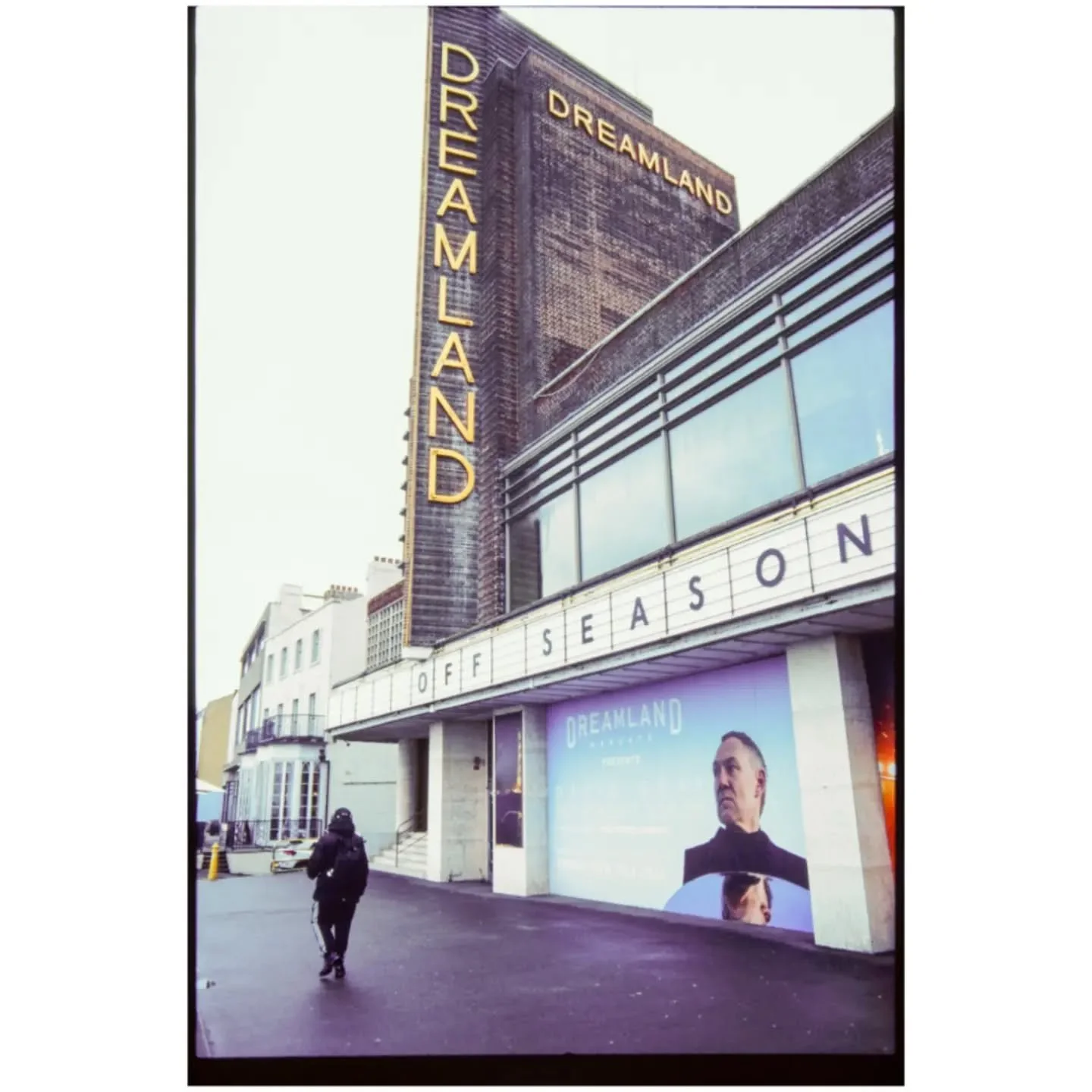
in the frame

Barbican Brutal: Concrete Dreams in the Heart of the City
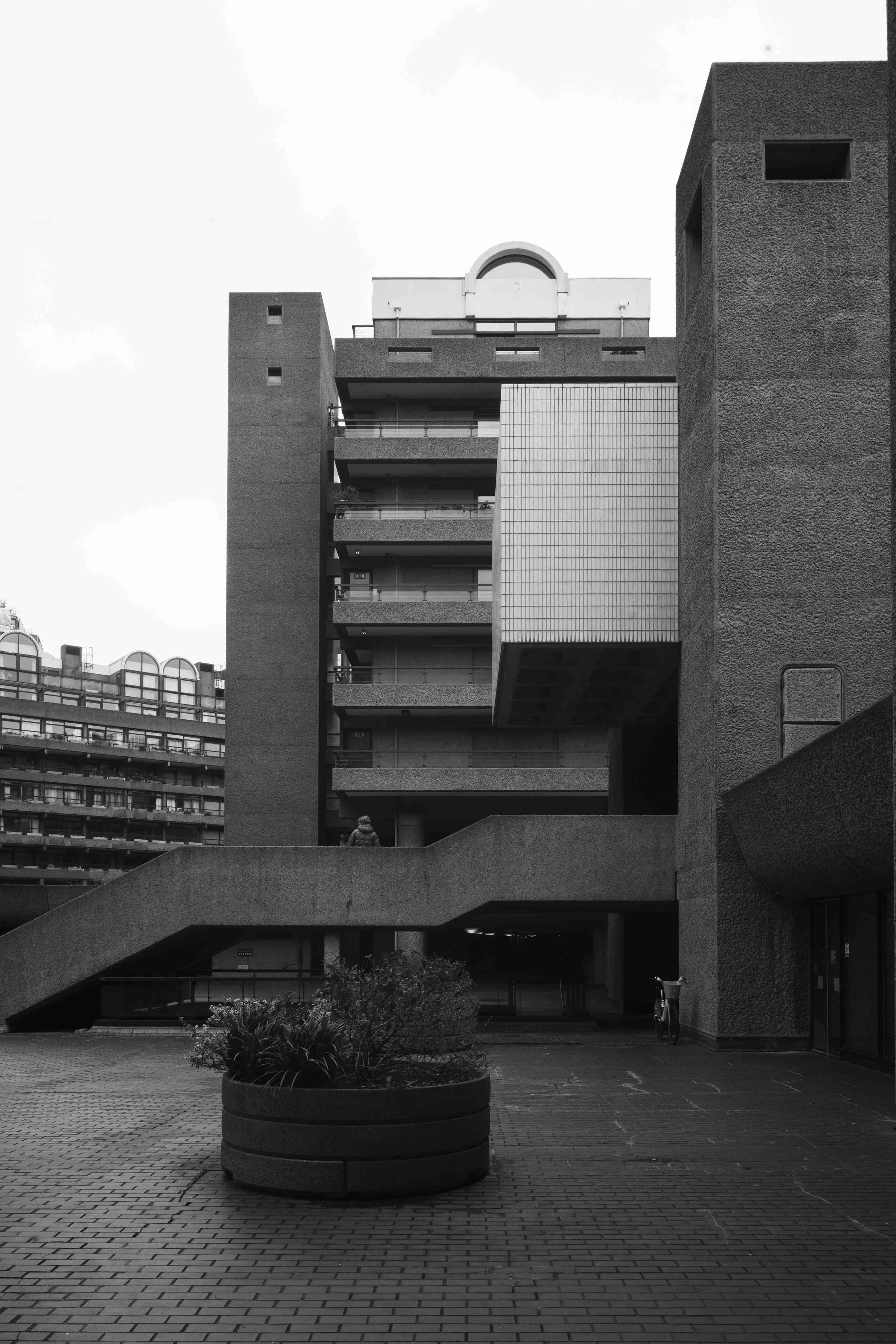
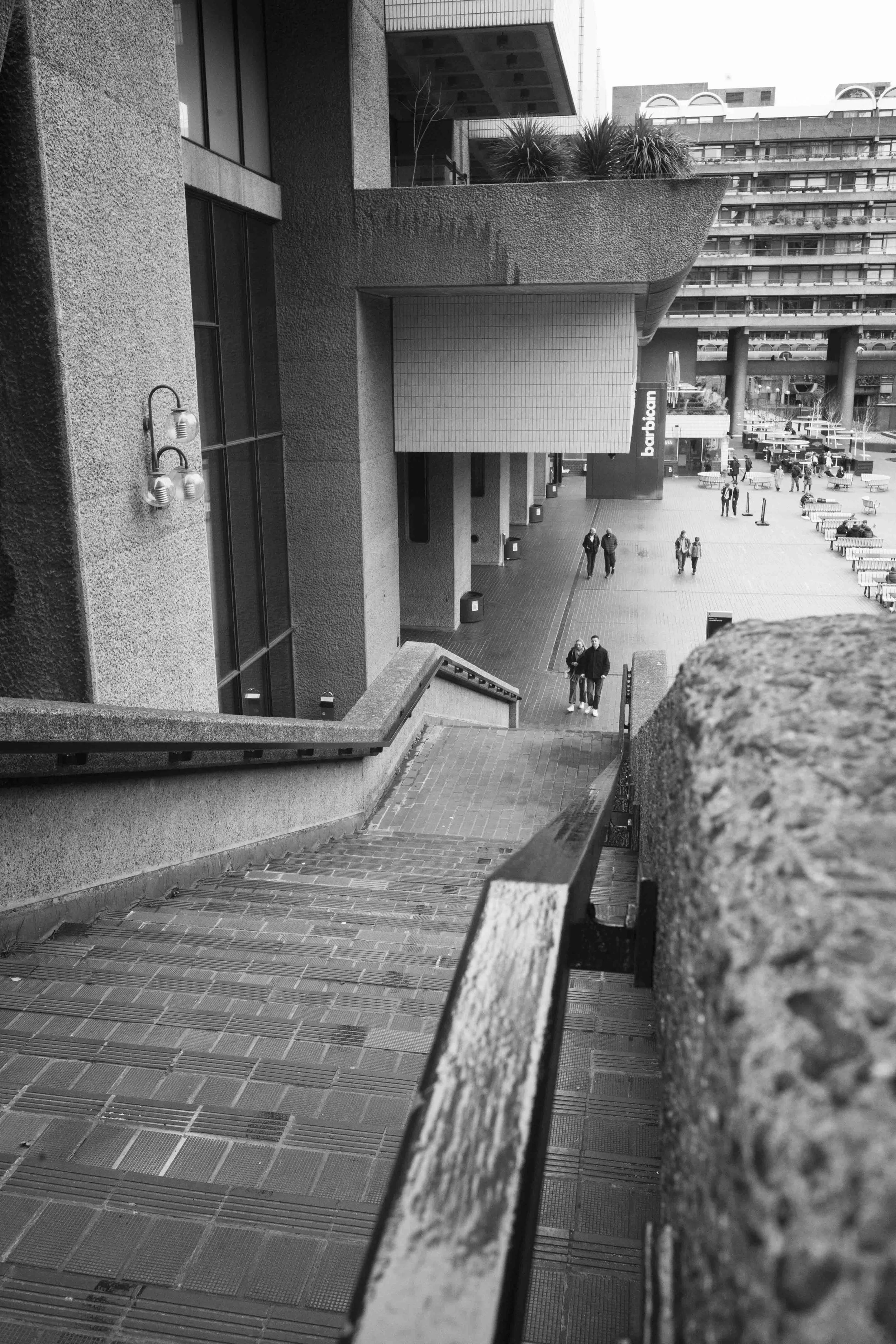
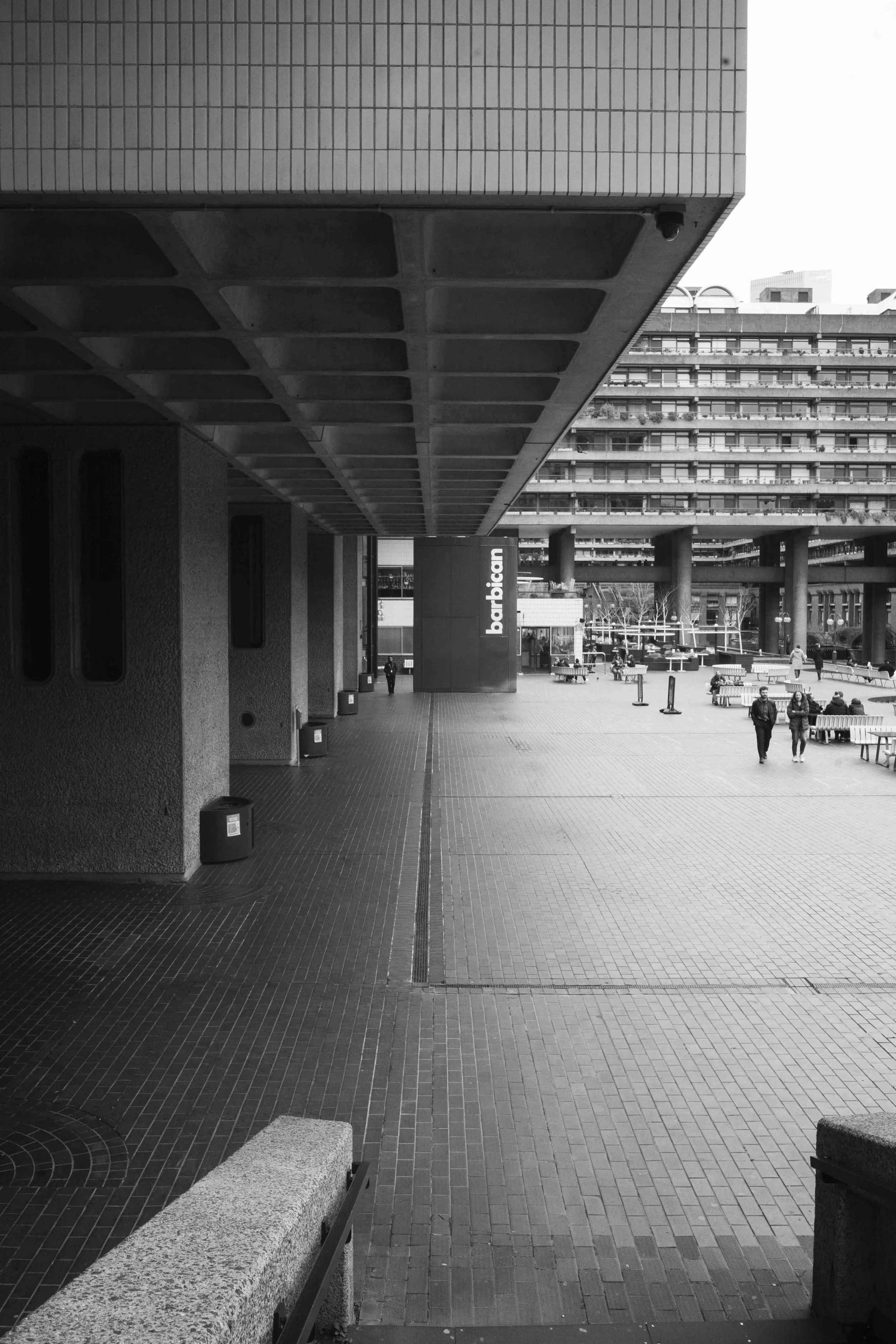
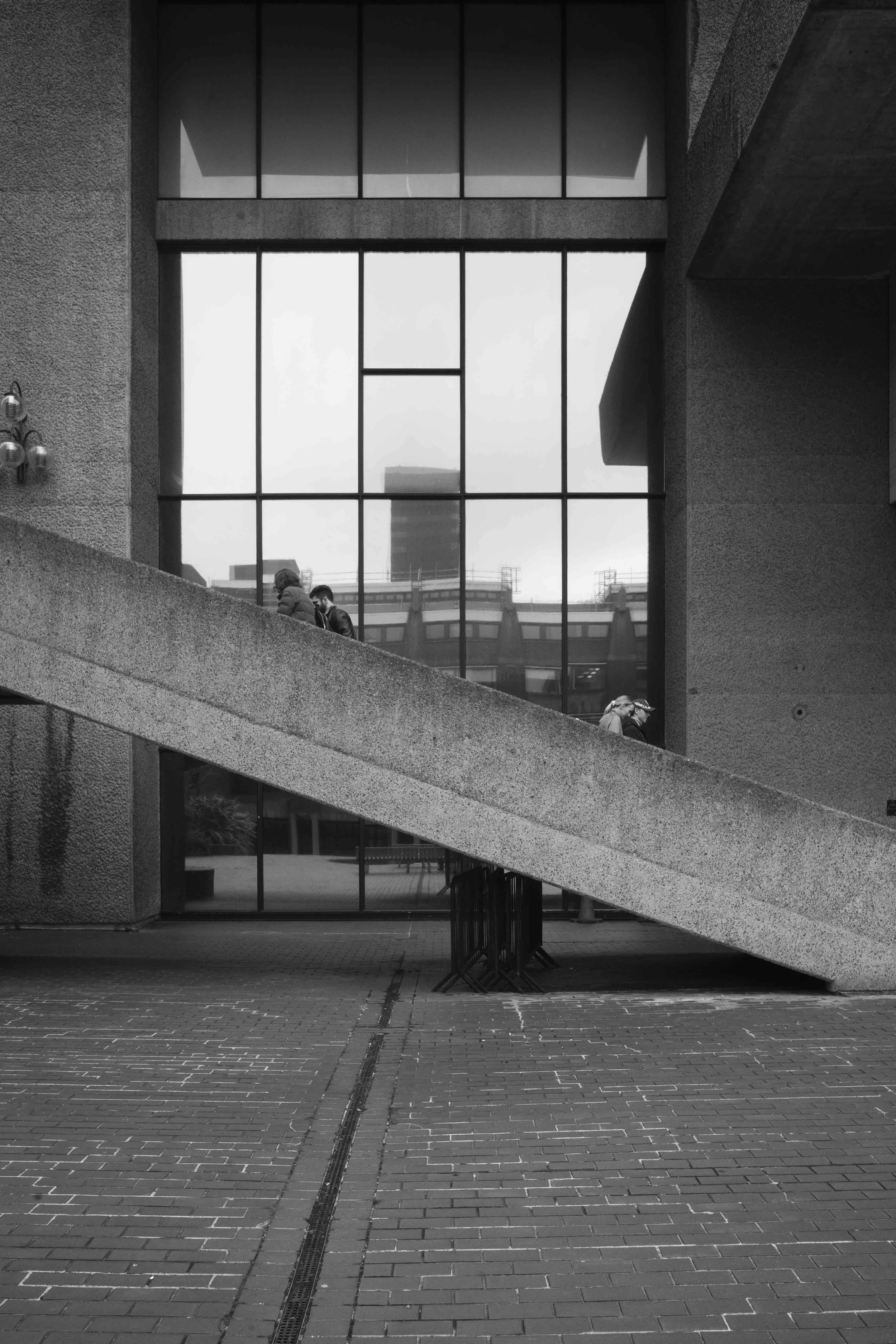
If my previous post on the soaring vertical drama of Trellick Tower and the sinuous, wave-like flow of the Alexandra & Ainsworth Estate captured West London's brutalist spirit, then this one takes us straight into the City for the sequel: the Barbican Estate.
If my previous post on the soaring vertical drama of Trellick Tower and the sinuous, wave-like flow of the Alexandra & Ainsworth Estate captured West London's brutalist spirit, then this one takes us straight into the City for the sequel: the Barbican Estate.
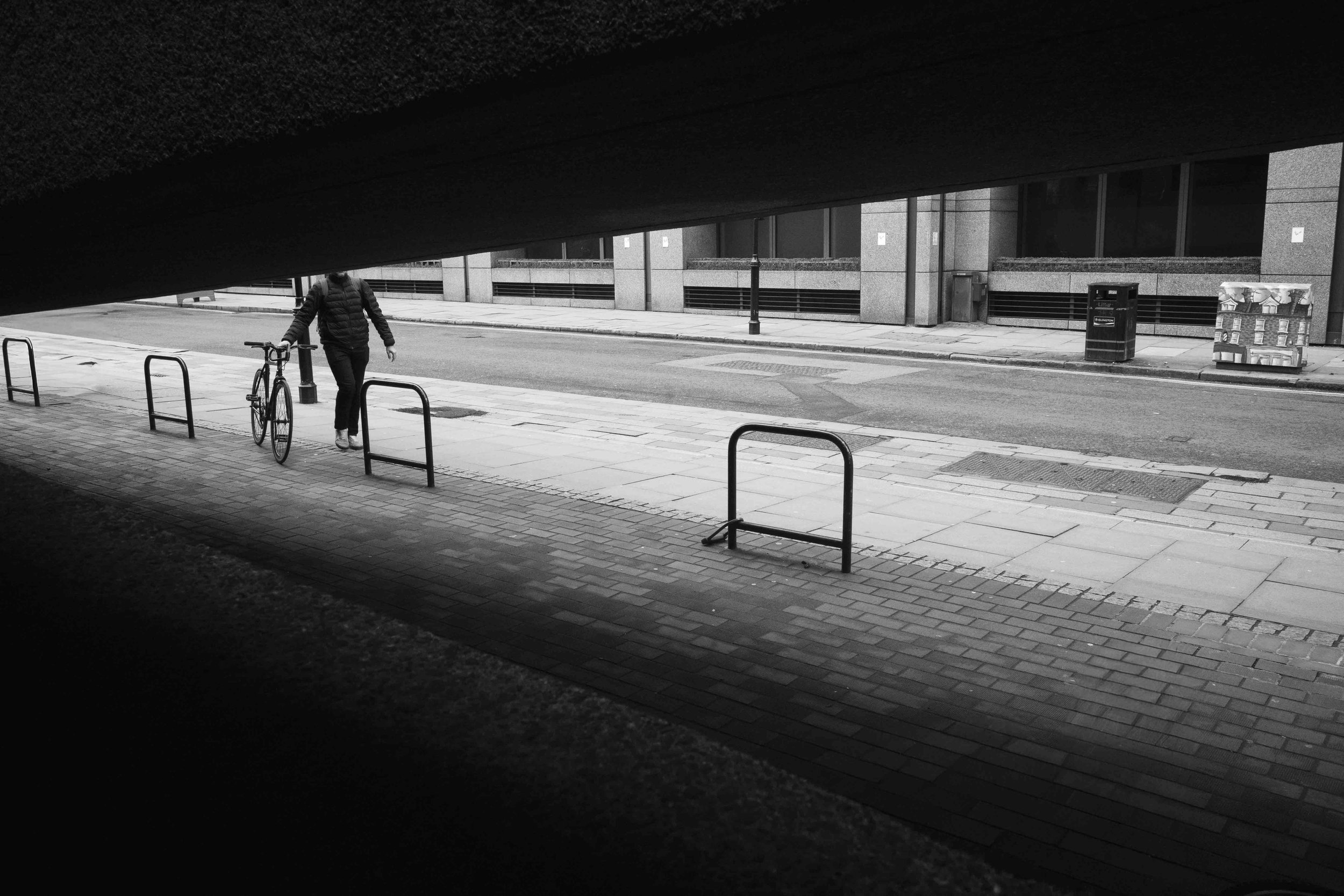
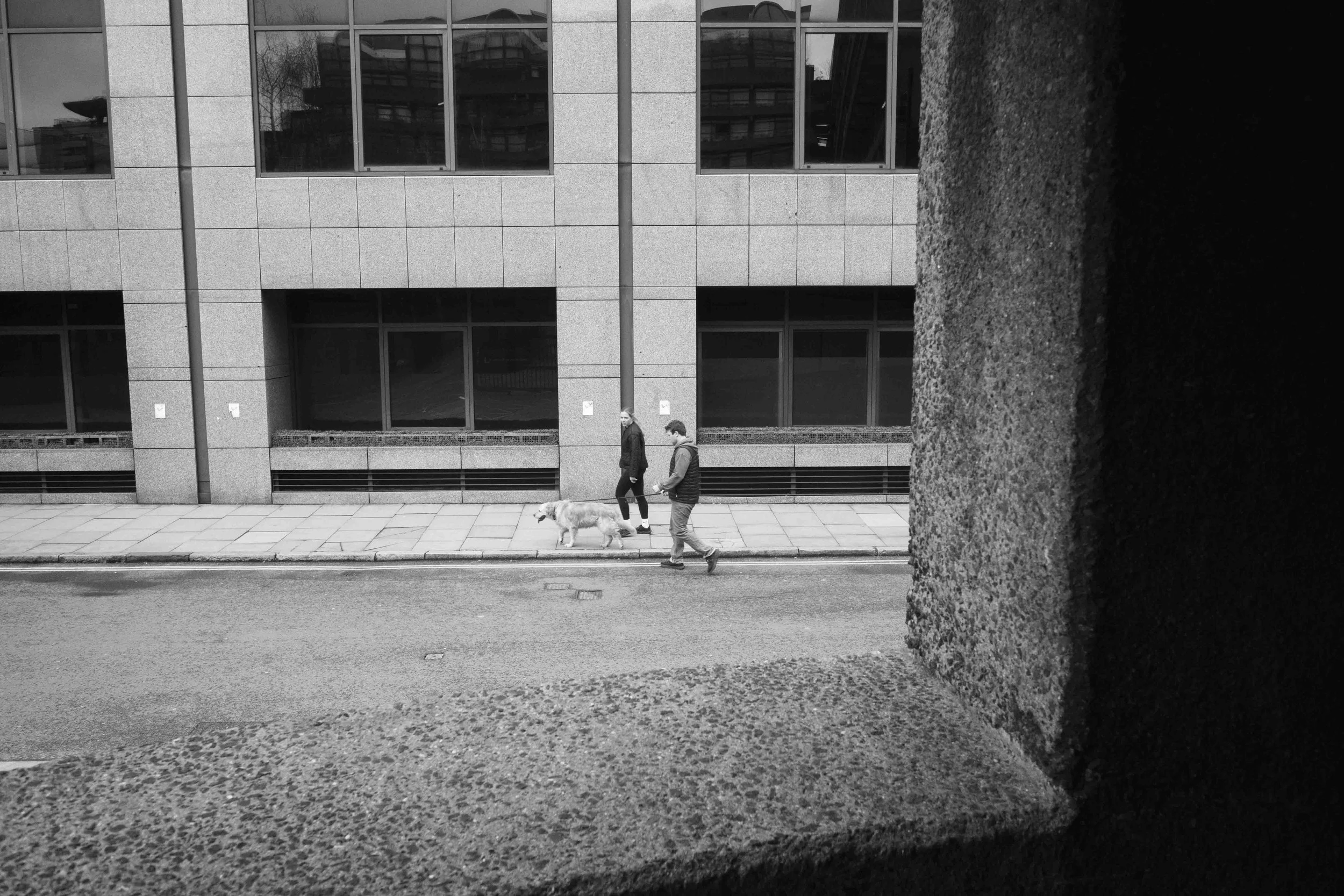
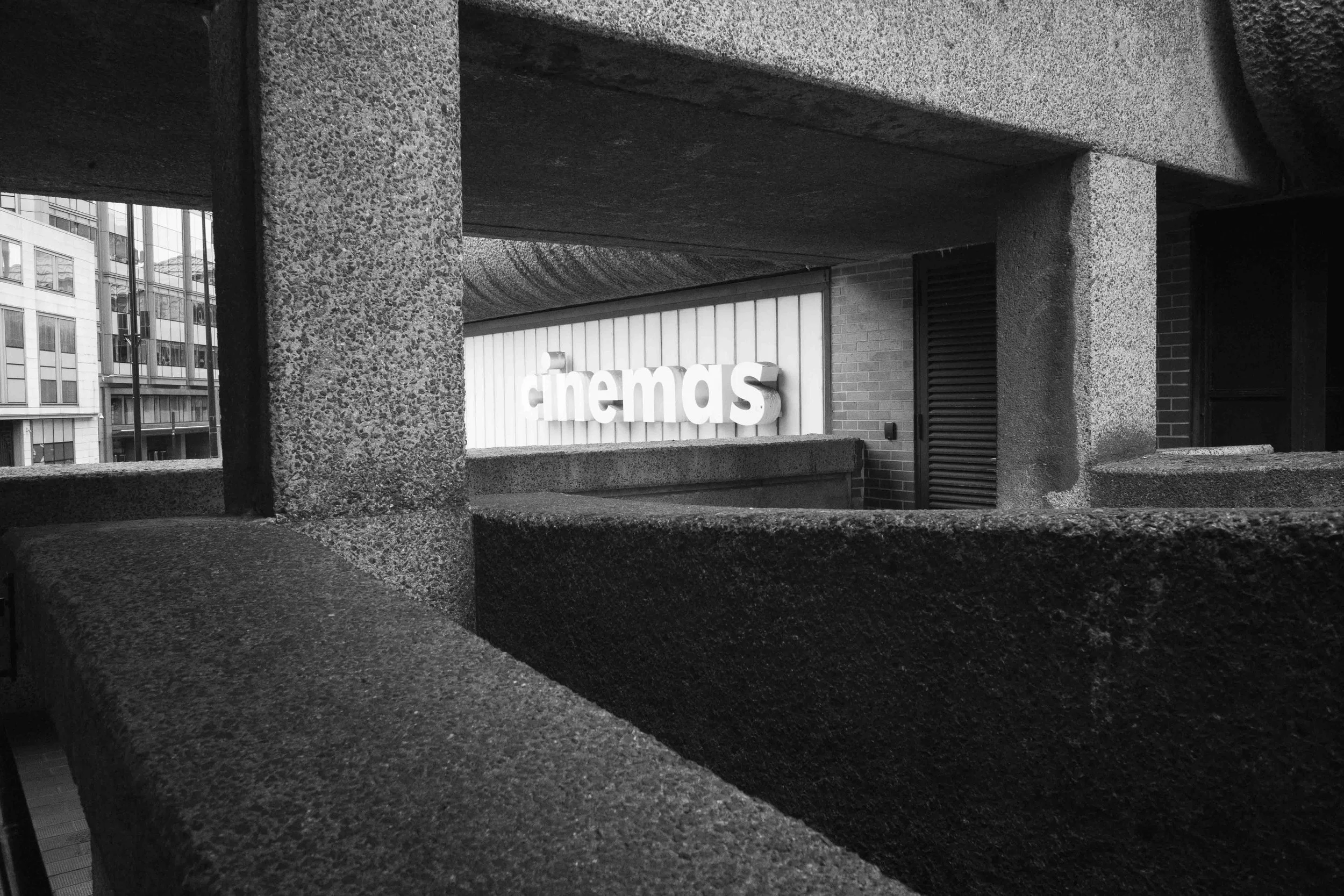
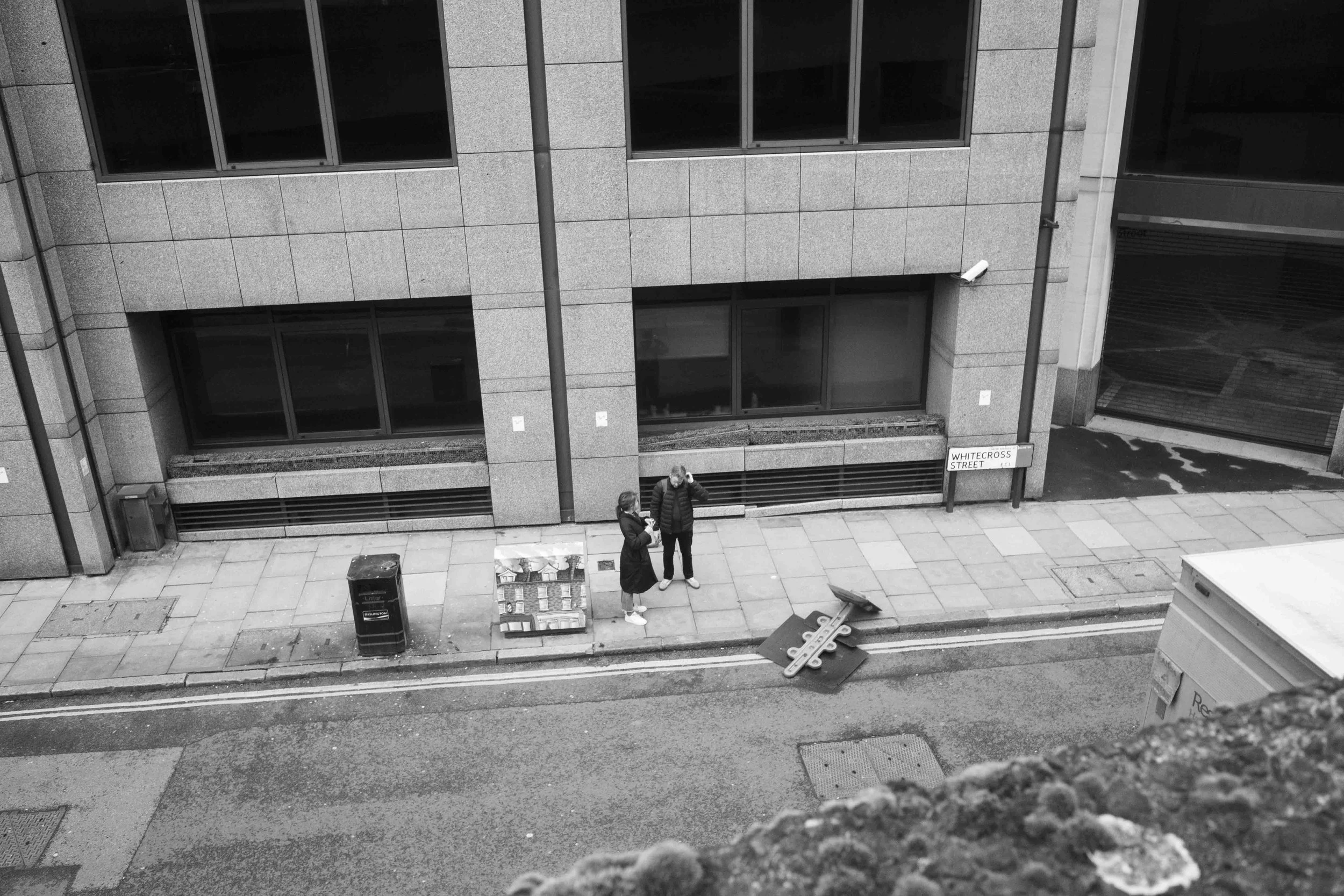
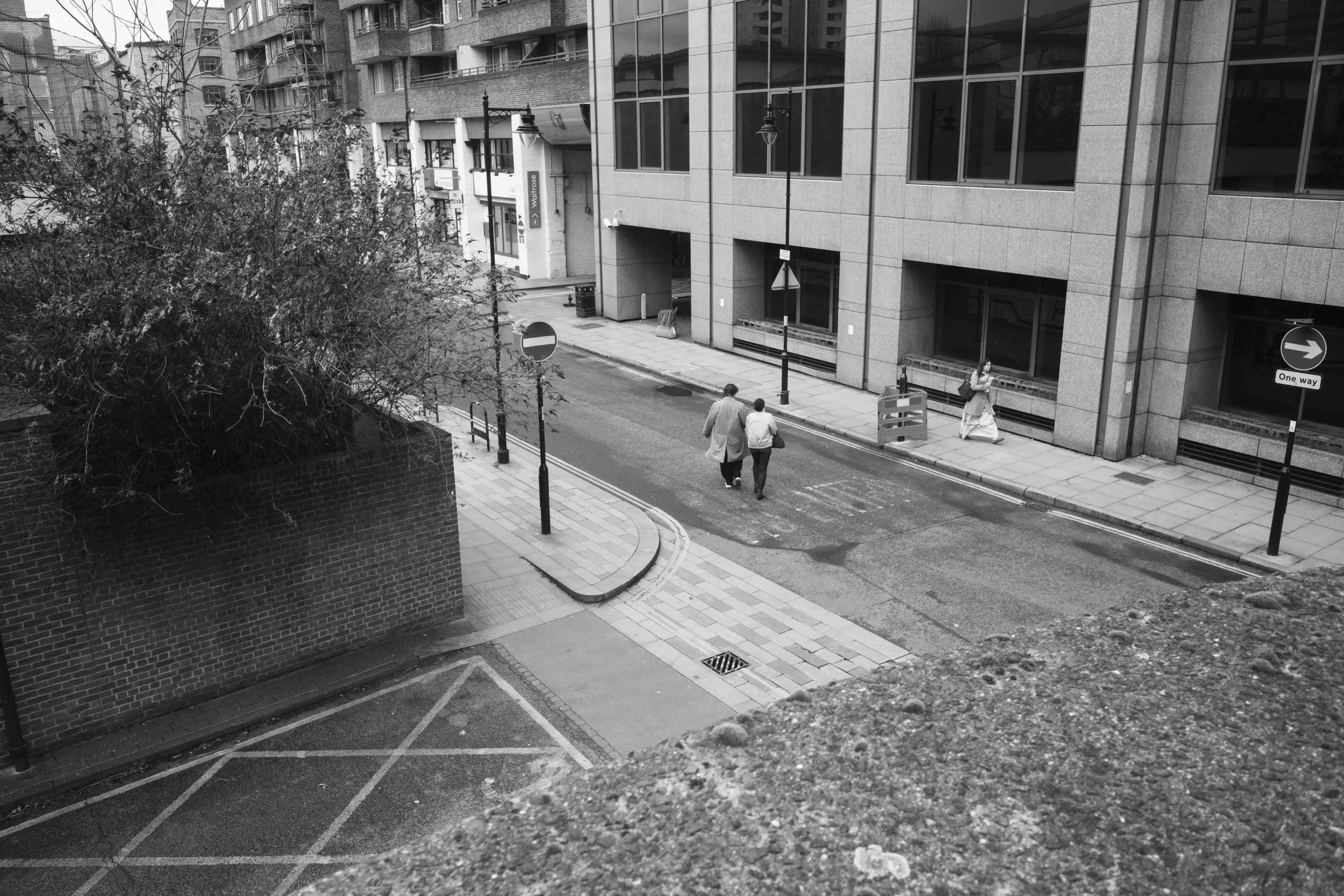
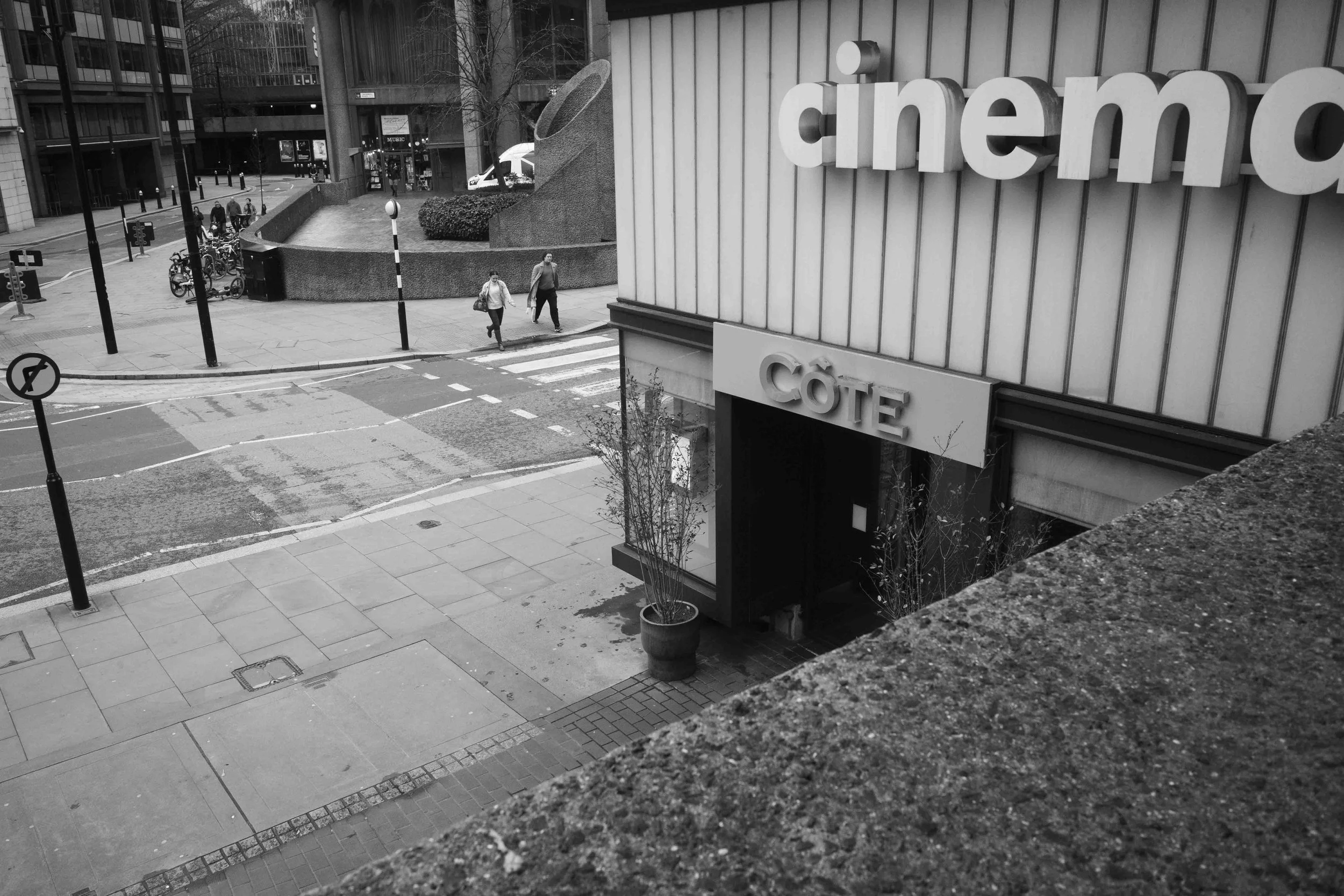
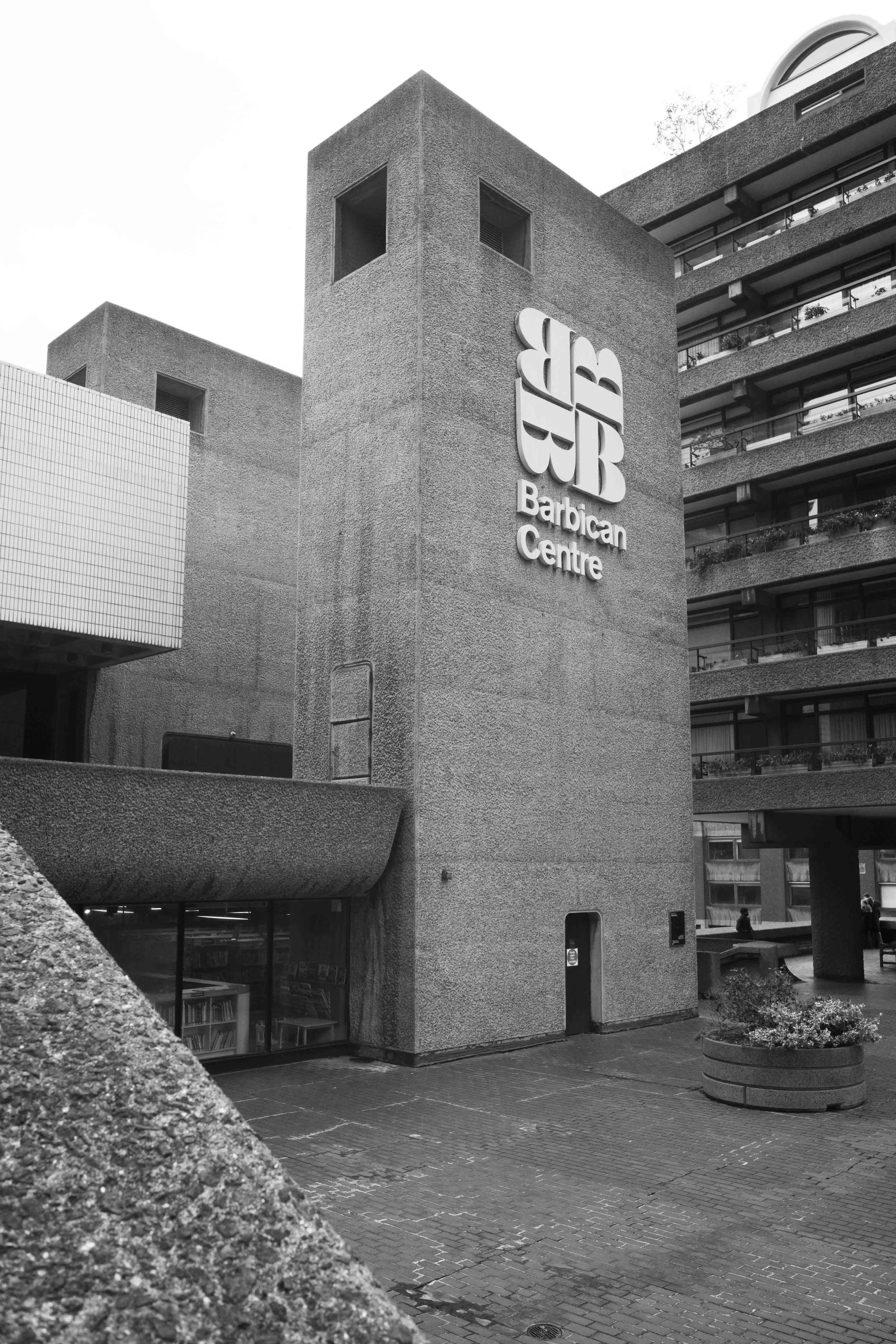
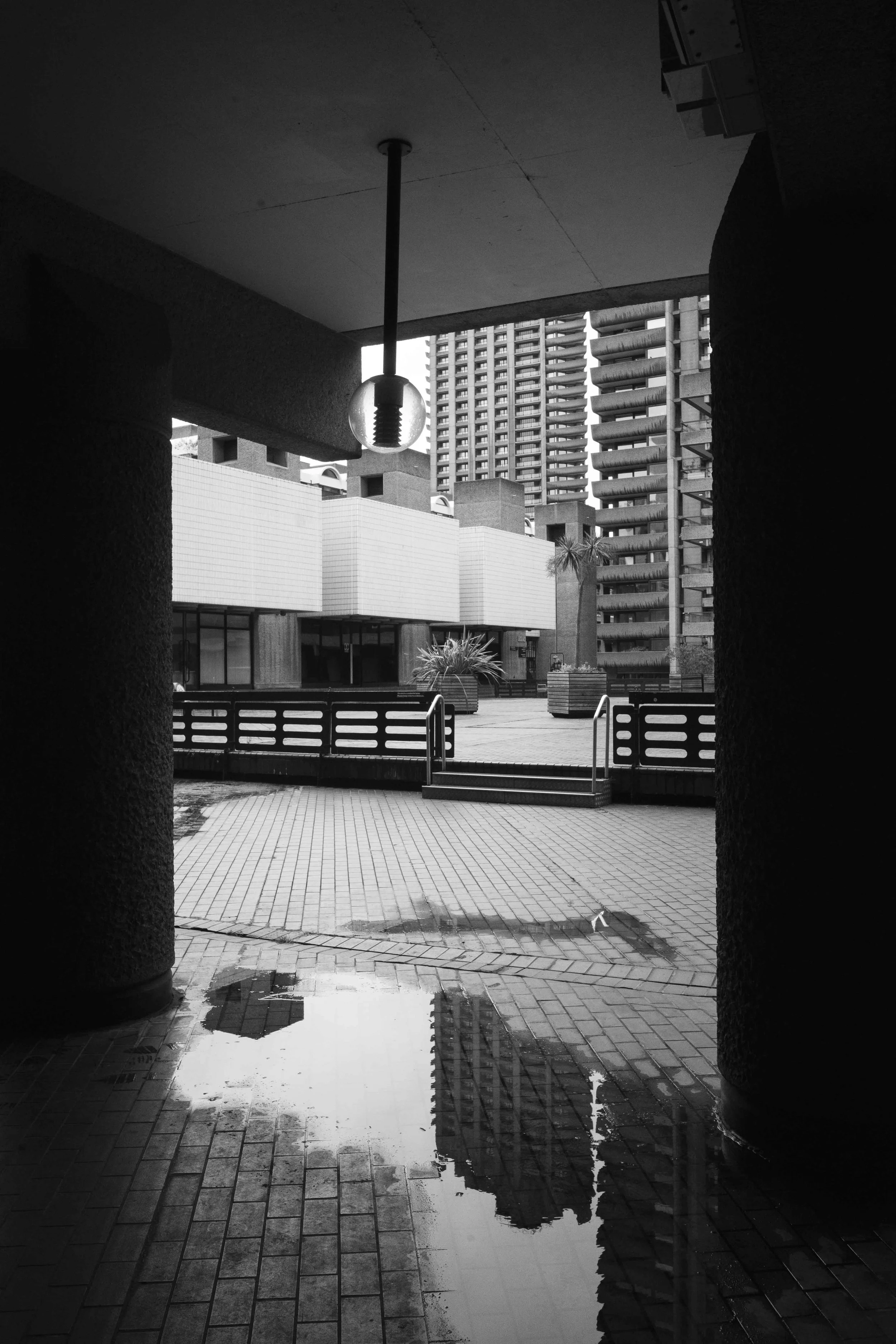
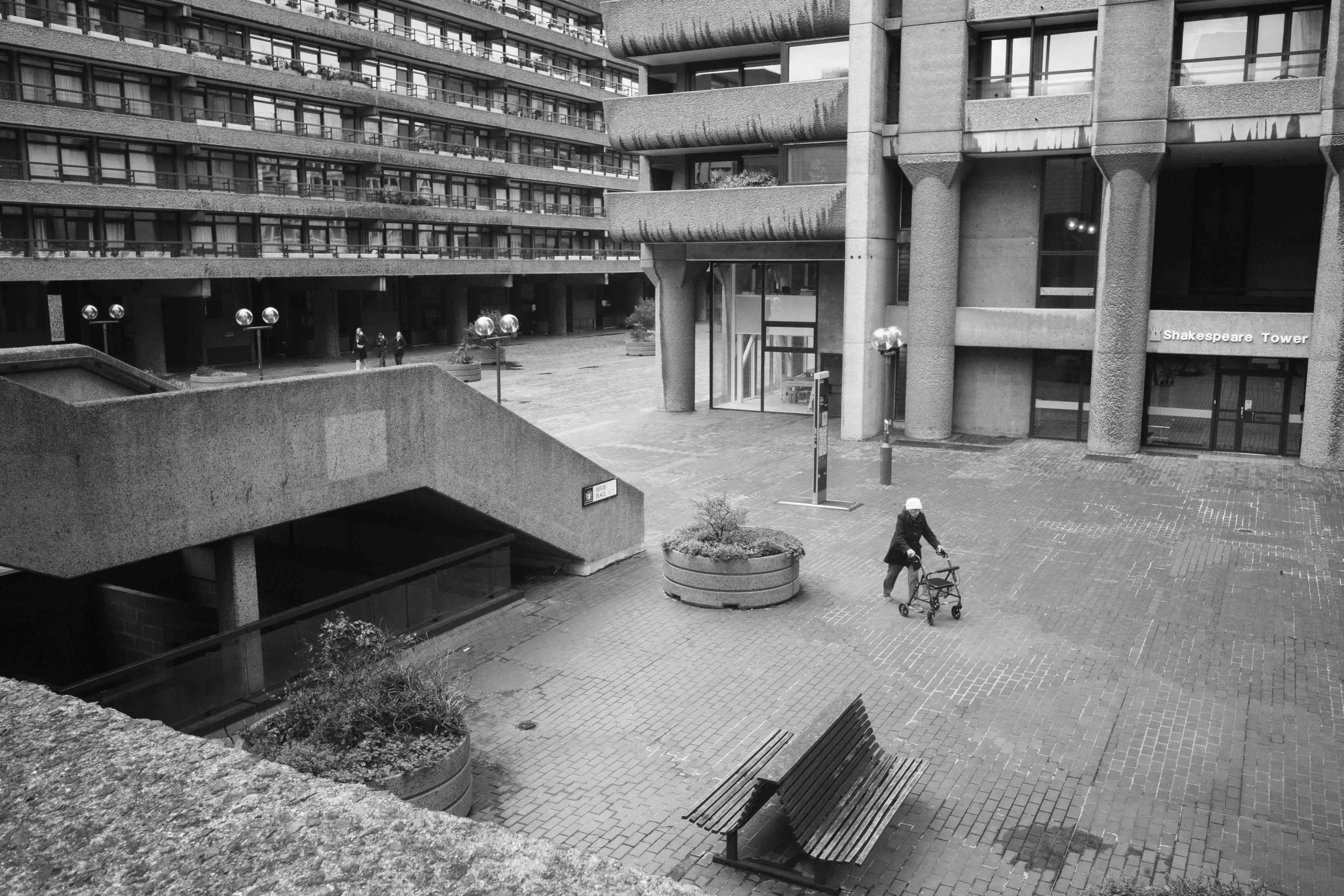
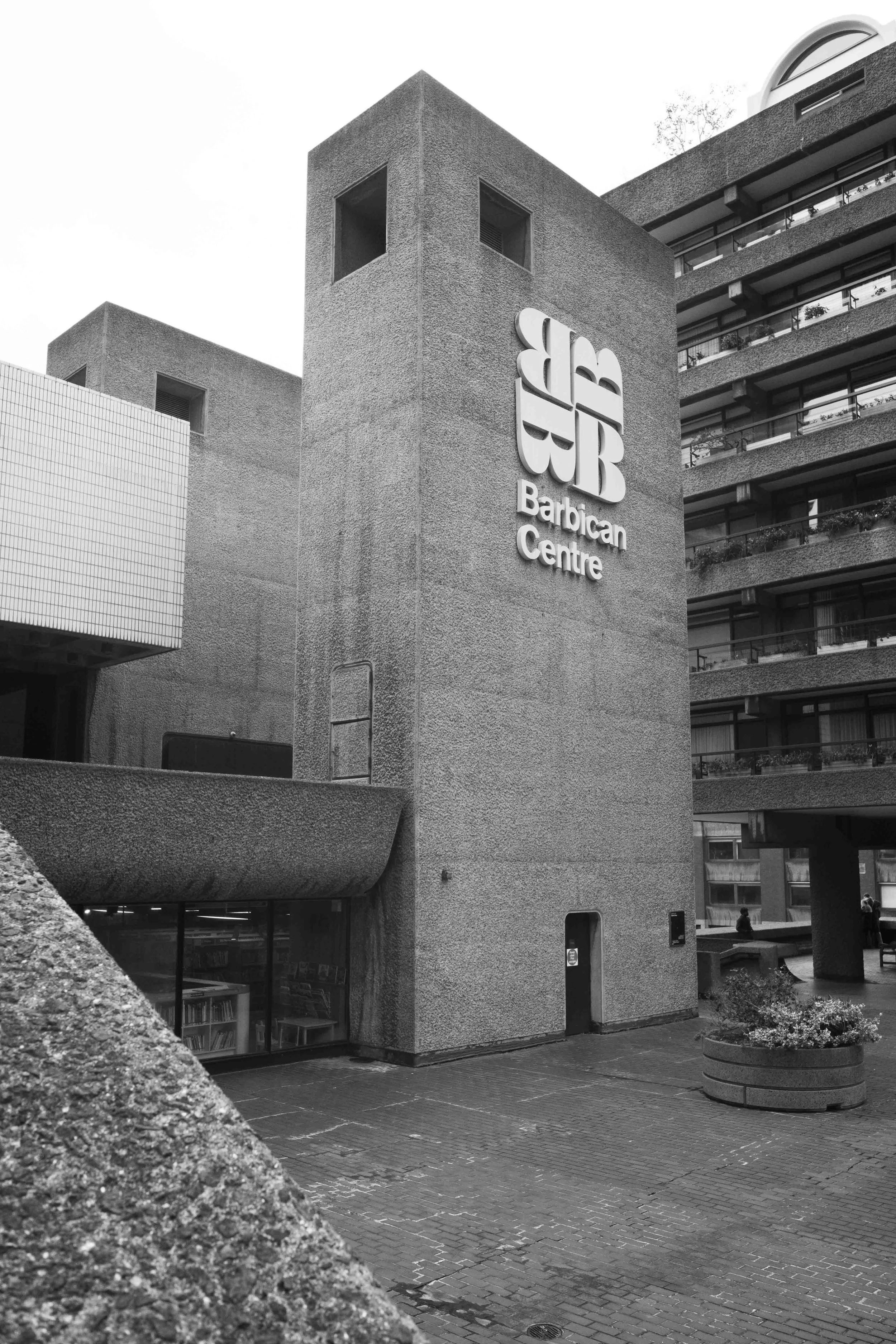
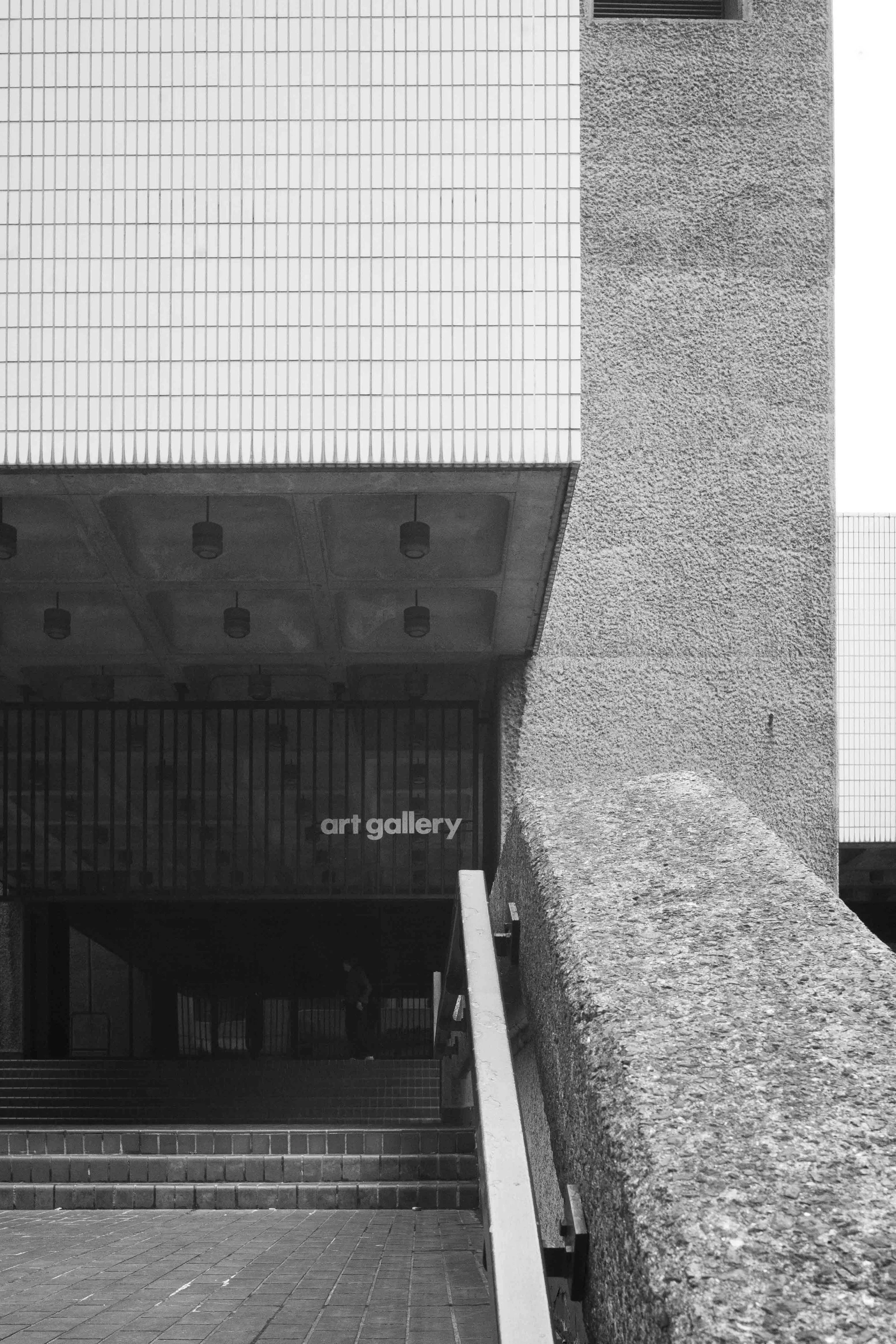
Few places embody London's post-war architectural ambition quite like the Barbican. Designed by Chamberlin, Powell and Bon and built between the mid-1960s and early 1980s on a 40-acre bomb-site flattened during the Blitz, this Grade II-listed complex isn't just a housing estate—it's a self-contained "city within a city." Three dramatic 40+ storey towers (Cromwell, Shakespeare, and Lauderdale), cascading low-rise terraces, elevated "streets in the sky" walkways, sunken lakes, private gardens, and the world-renowned Barbican Centre arts venue all fused into one monumental, multi-level labyrinth of bush-hammered concrete.
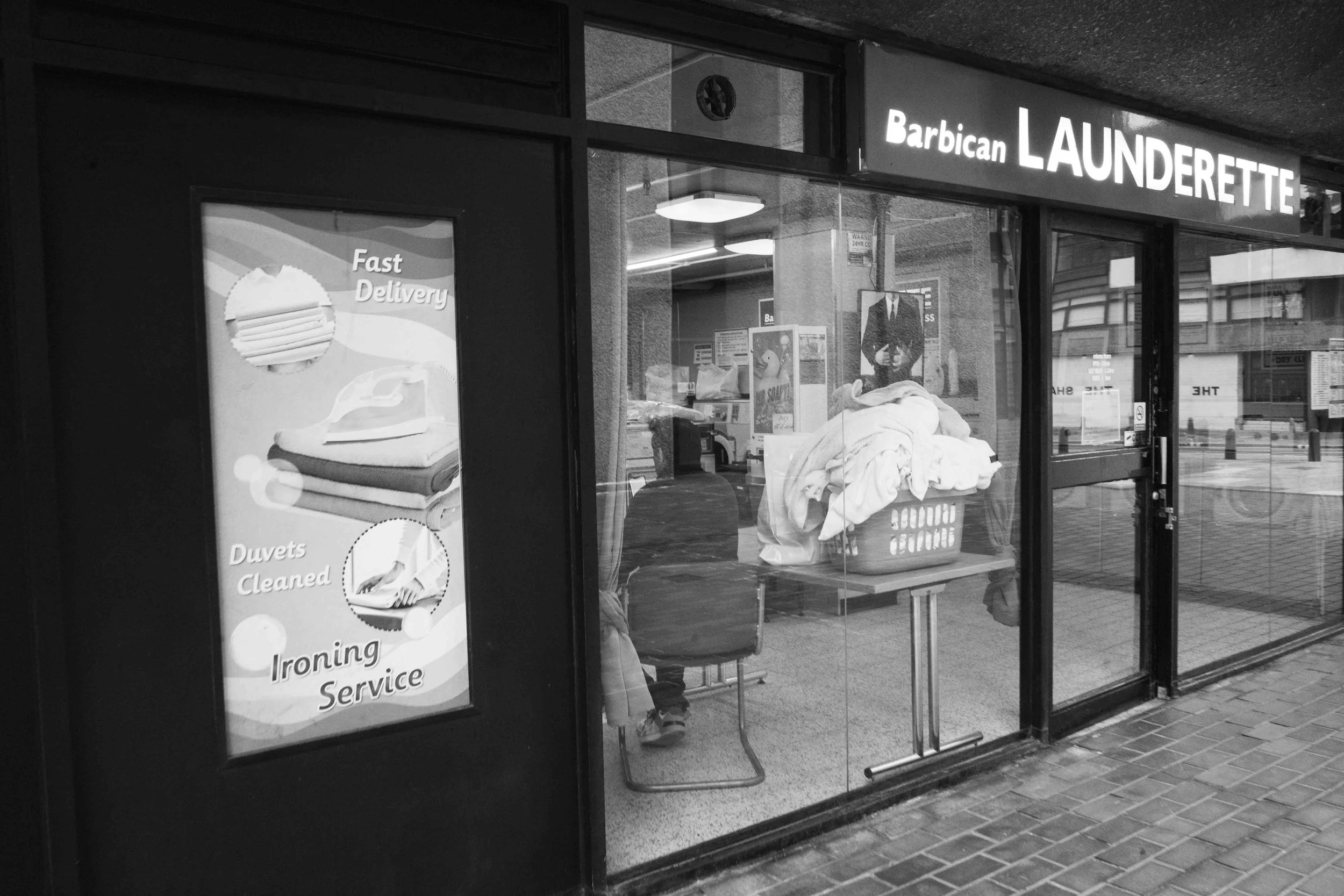
Brutalism here feels less austere and more utopian: raw béton brut textures meet thoughtful landscaping, sculptural forms, and a deliberate separation of pedestrians from traffic. It's divisive—some see fortress-like severity, others see bold optimism—but for street and architectural photography, it's endlessly compelling. The geometry is sharp, the scale immense, yet human moments (a dog walk, a laundry basket, a quiet bench) constantly soften the edges.
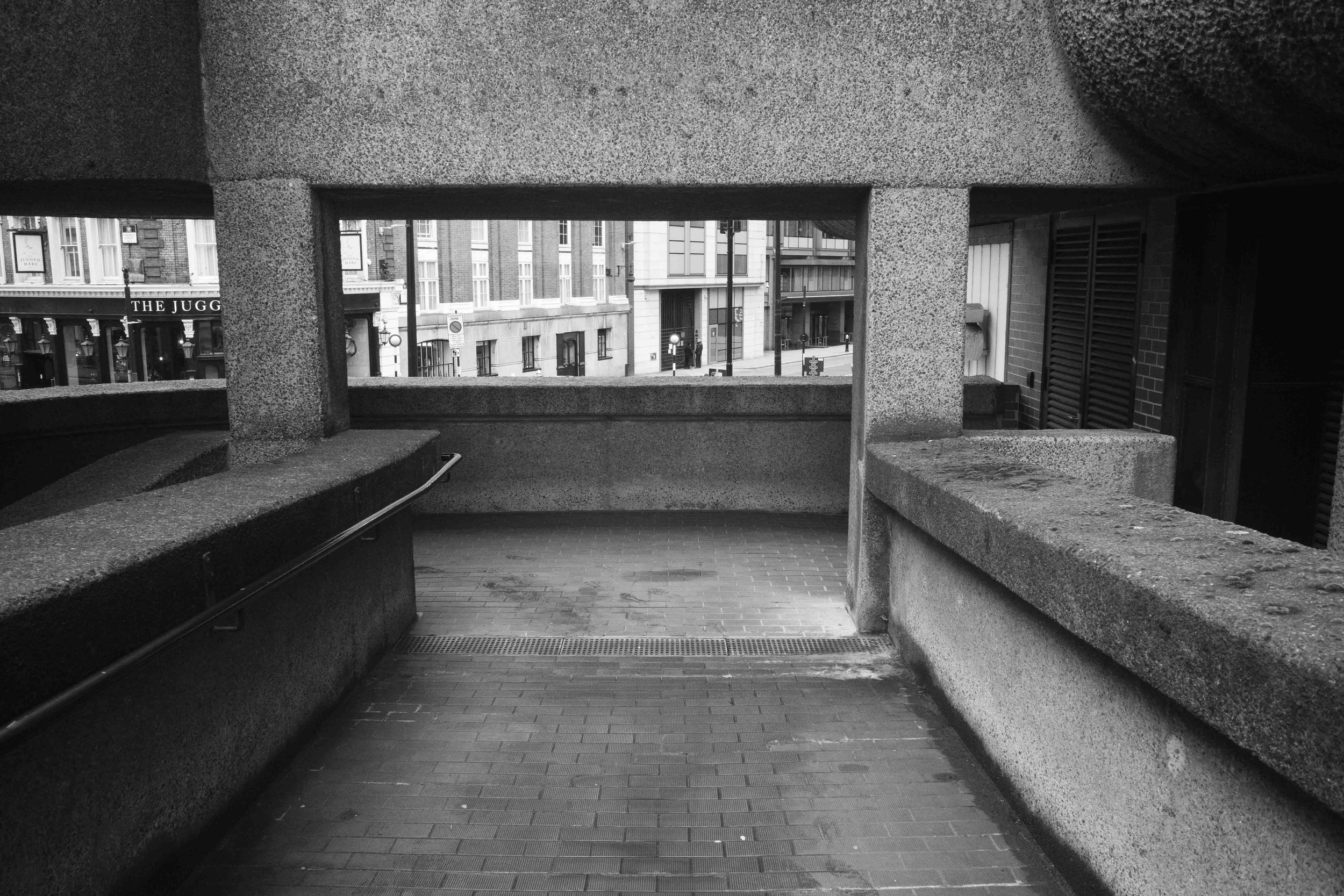
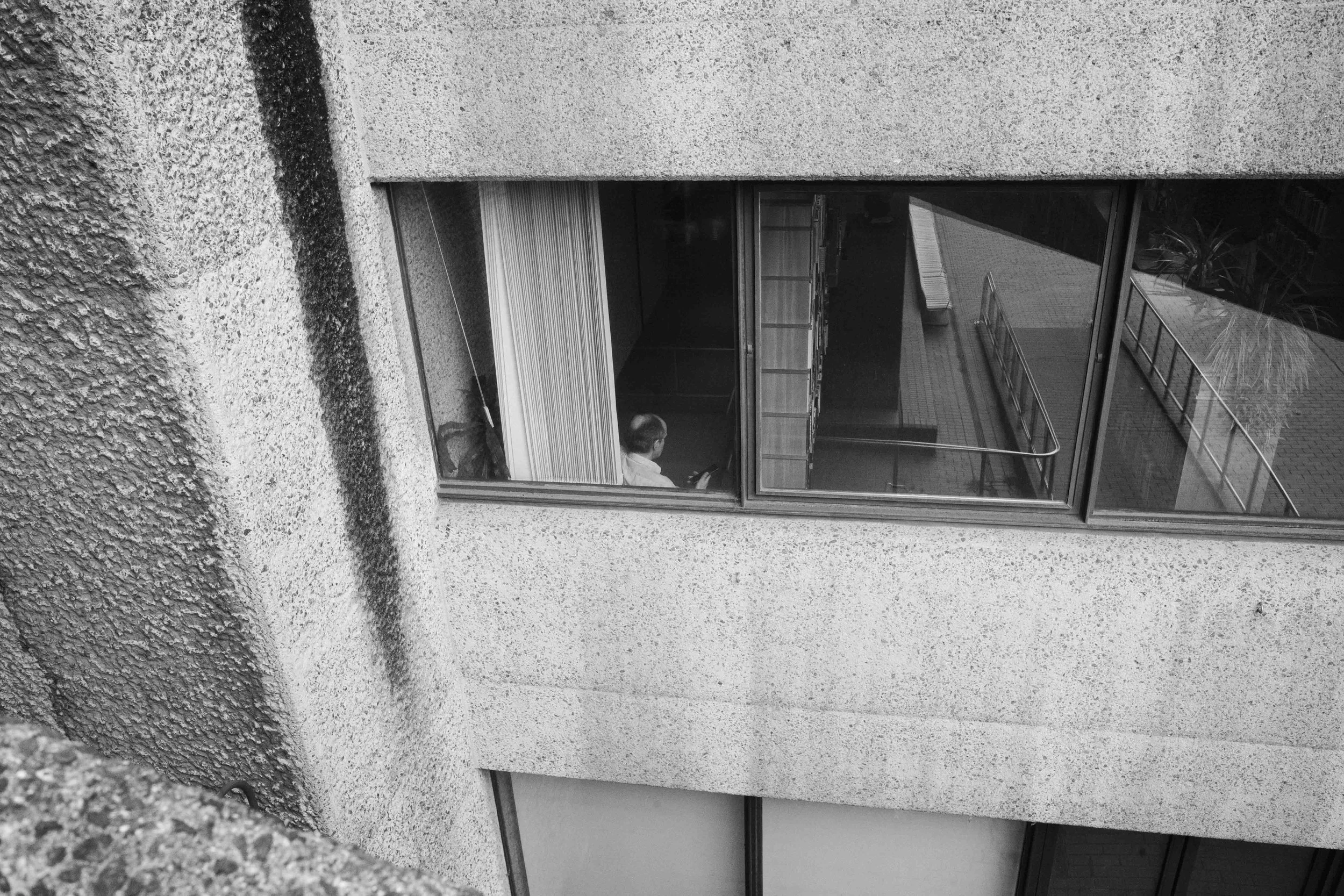
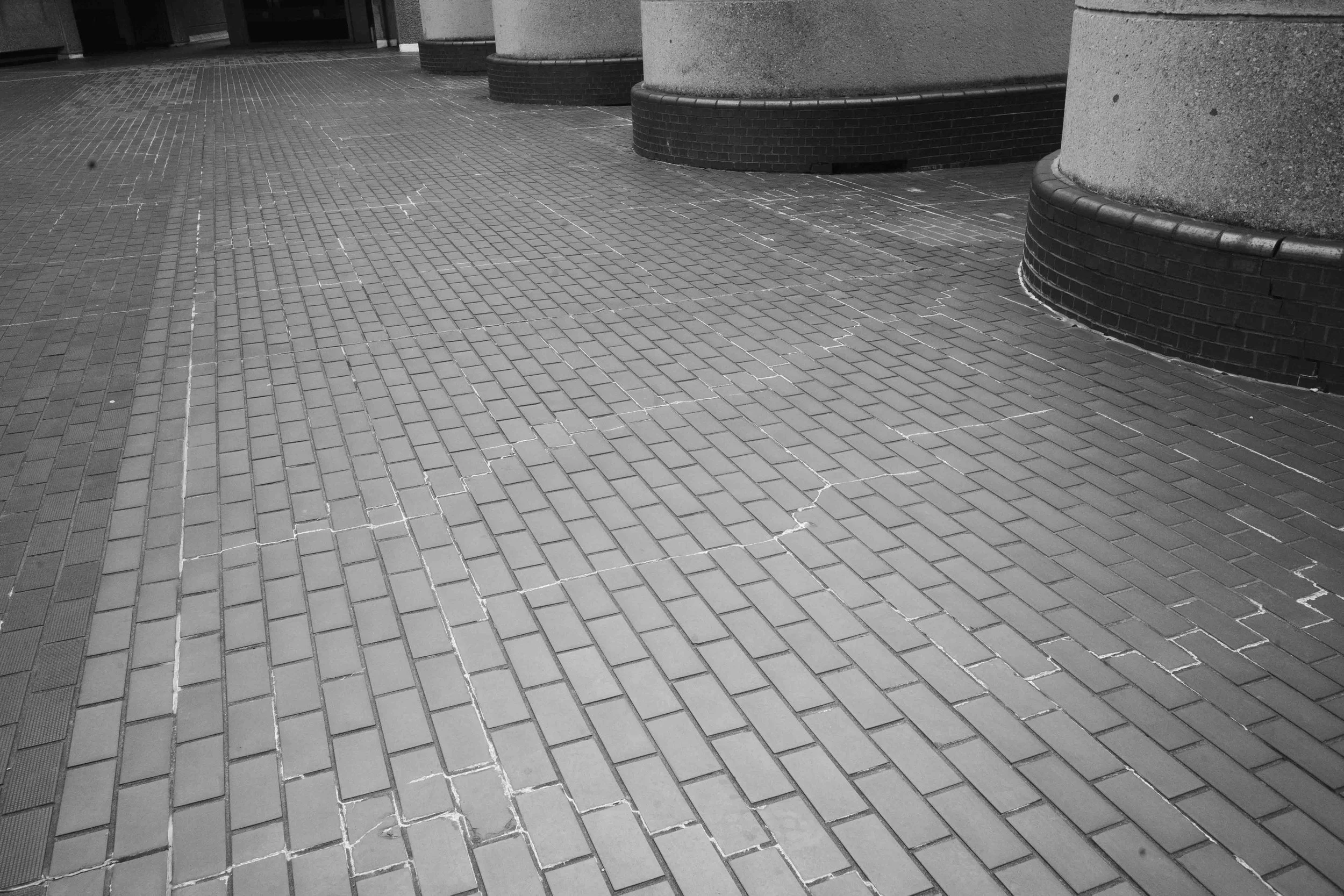
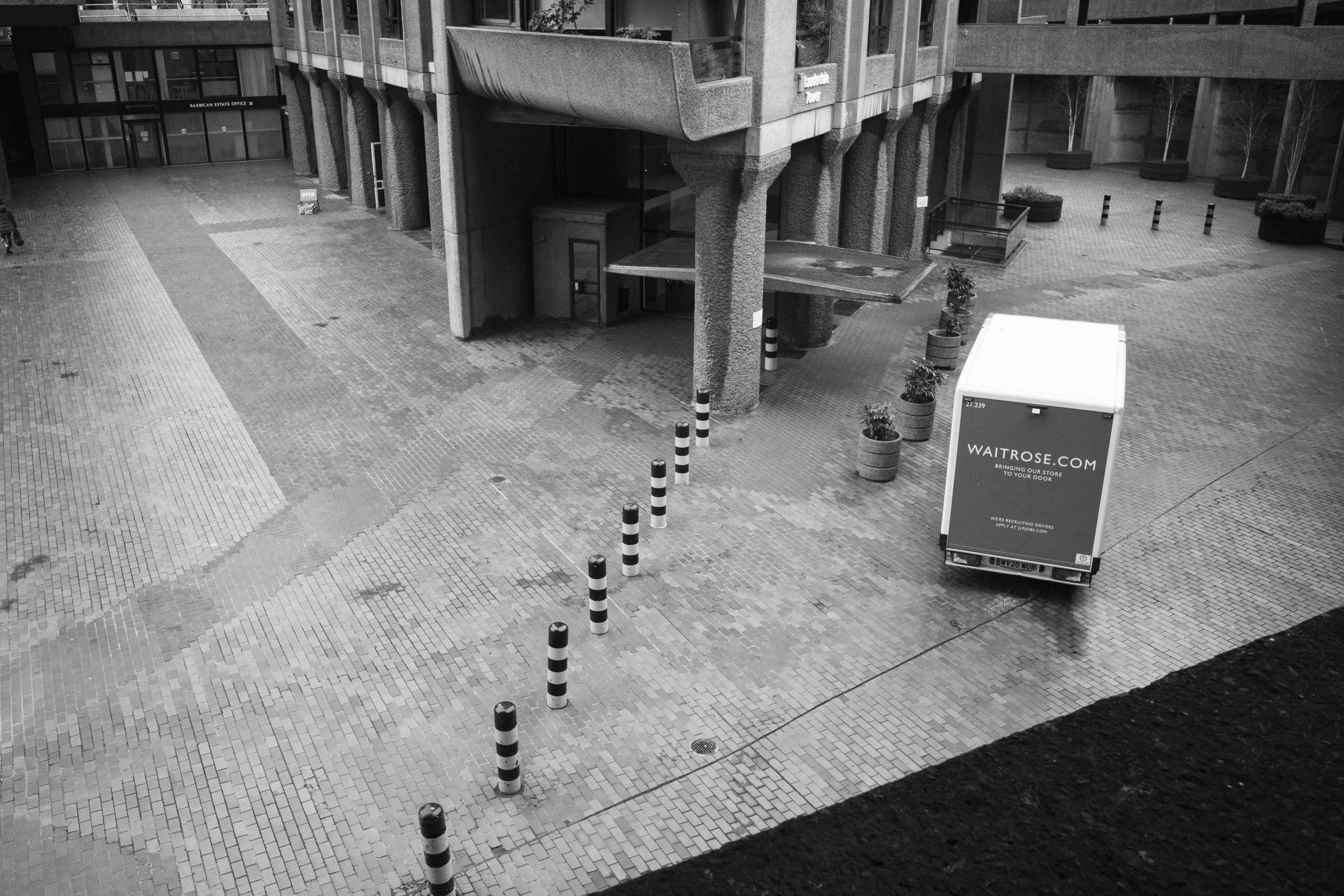
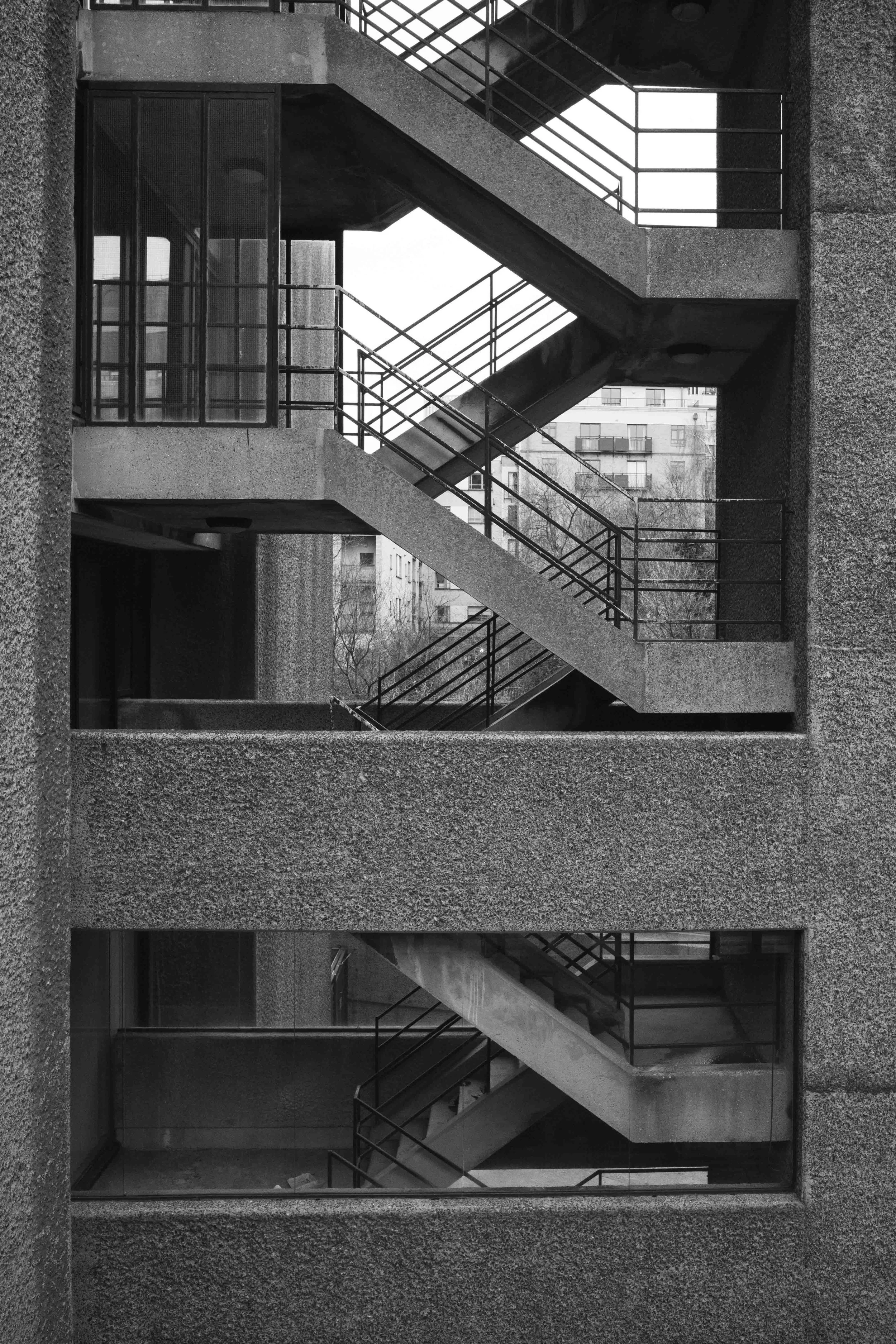
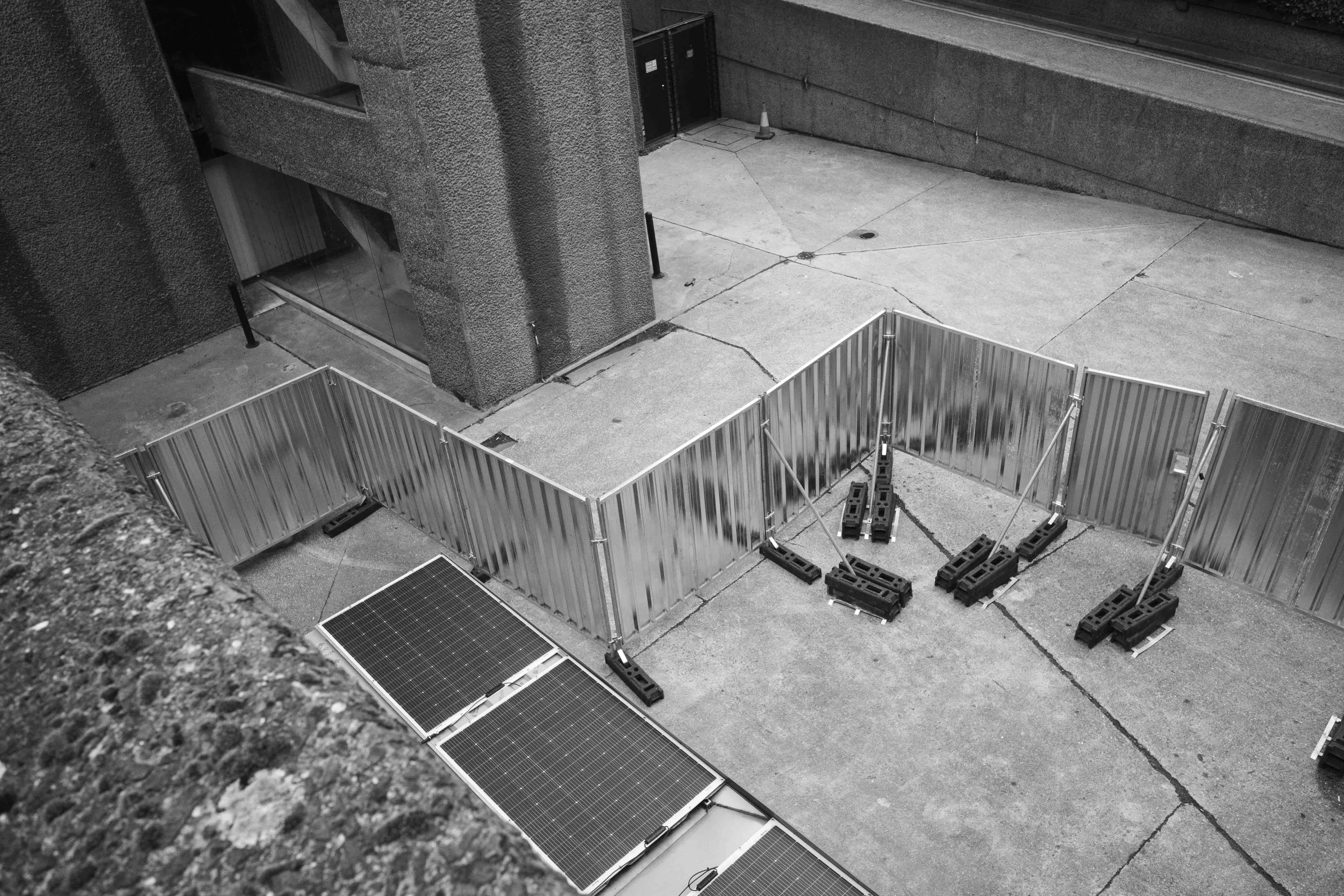
The Nerdy Bit: These black-and-white images, shot on a drizzly winter day, strip away colour distractions to emphasize form, texture, light, and shadow. The TTartisan 28mm F5.6 lens and my Leica M10. renders the concrete with incredible depth—every hammer mark, every puddle reflection pops. Processed lightly in Lightroom for contrast and grain, the series aims to let the architecture speak while highlighting how people inhabit it daily. This lens is magnificent, no horrible digital cliinical sharpness. for <£300.
The Barbican isn't just concrete—it's a bold experiment in high-density living that still feels radical. Love it or loathe it, photographing here is addictive. If Alexandra & Ainsworth was West London's poetic brutalism, the Barbican is the City's dense, layered epic.
Thanks for reading. Drop a comment if you've wandered these walkways yourself—what's your favourite brutalist spot in London?

Camera Santa
Camera Santa was very kind to me this year, I was lucky to get a 28mm M mount lens for my Leica cameras.
The 28mm focal length is often called the "goldilocks" of street photography. It’s wide enough to capture the energy of a city street but tight enough to feel personal. Recently, I took my Leica M10 paired with the tiny TTArtisan 28mm f/5.6 for a spin through the heart of London to see how this modern "tribute" lens handles the grit and glamour of the capital.
I’ll be honest: 28mm is my absolute favorite focal length. I have loved this aspect since I bought the Ricoh GRII (second hand) a couple of years ago. Its also generally the focal length of smartphones, which was origins of my interest in street photography (whilst on my commute into the office, back in the day). Whilst I really enjoy both the 35mm and 50mm, there is a specific immersion you get with a 28mm that makes the viewer feel like they are standing right next to you on the pavement.
Standing on the Shoulders of Giants
Before diving into the photos, it’s worth noting that the 28mm has a legendary pedigree. Some of the most influential street photographers in history chose this perspective to document the world:
Garry Winogrand: The master of the 28mm. He used its wide field of view to pack his frames with "organized chaos," often tilting the camera to create a sense of frantic energy.
William Klein: Known for his raw, "in-your-face" style, Klein loved the 28mm because it forced him to get physically close to his subjects, creating a sense of intimacy that a longer lens just can't replicate.
Daido Moriyama: For his gritty, high-contrast snapshots of Tokyo, Moriyama famously utilized the fixed 28mm lens of the Ricoh GR series to capture the "are-bure-boke" (rough, blurred, and out-of-focus) aesthetic.
The Walk: From Embankment to the West End
The TTArtisan 28mm f/5.6 is a "pancake" lens, making the M10 incredibly pocketable and discrete. Because the maximum aperture is a modest f/5.6, this lens is designed for zone focusing. It’s kind of counterintuitive to have a F2 28mm lens, when the basis of the lens is to shoot wide and deep. I set my aperture to f/8, my focus to between 2 / 3 meters, and let the depth of field do the work.
1. Embankment & Southbank
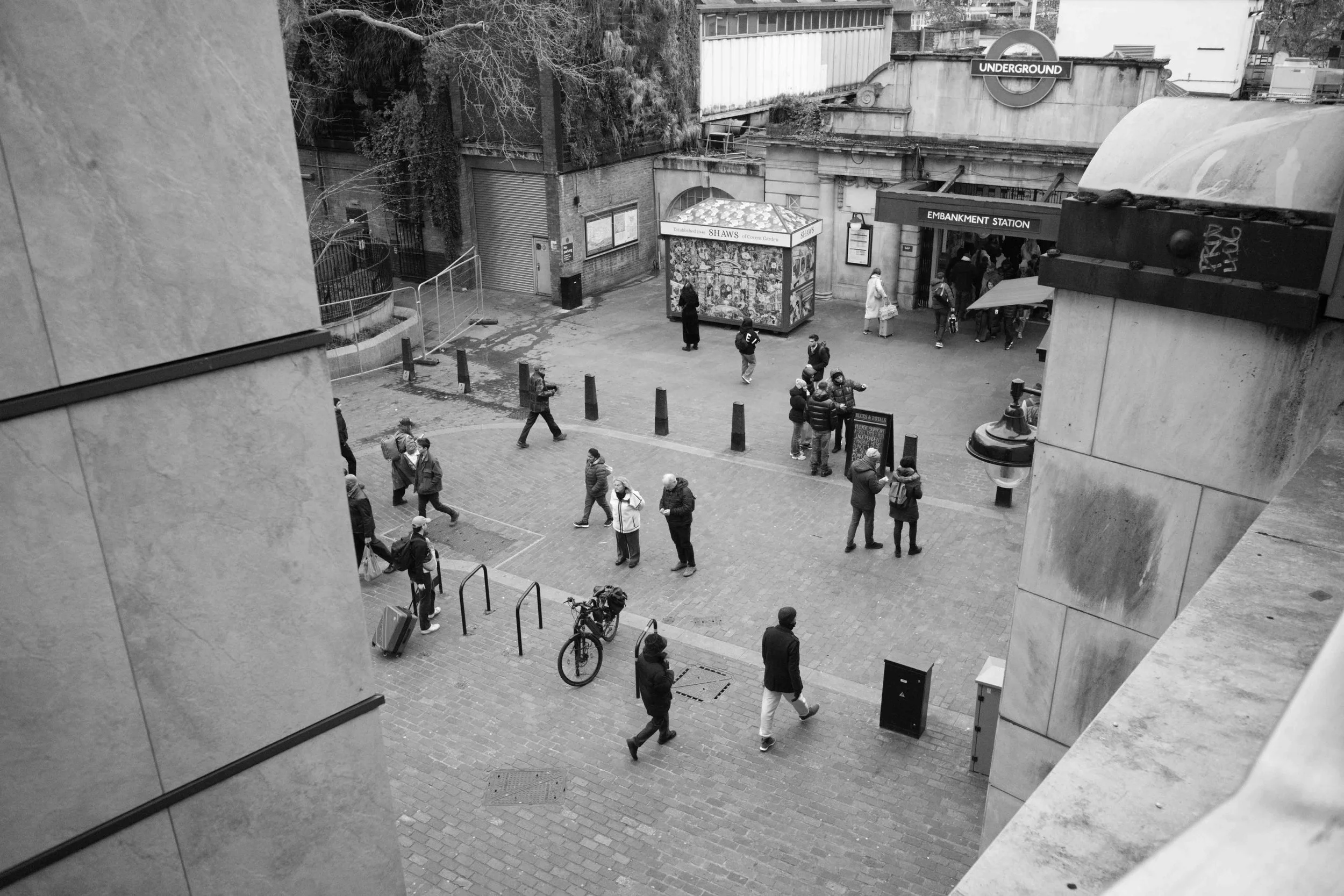
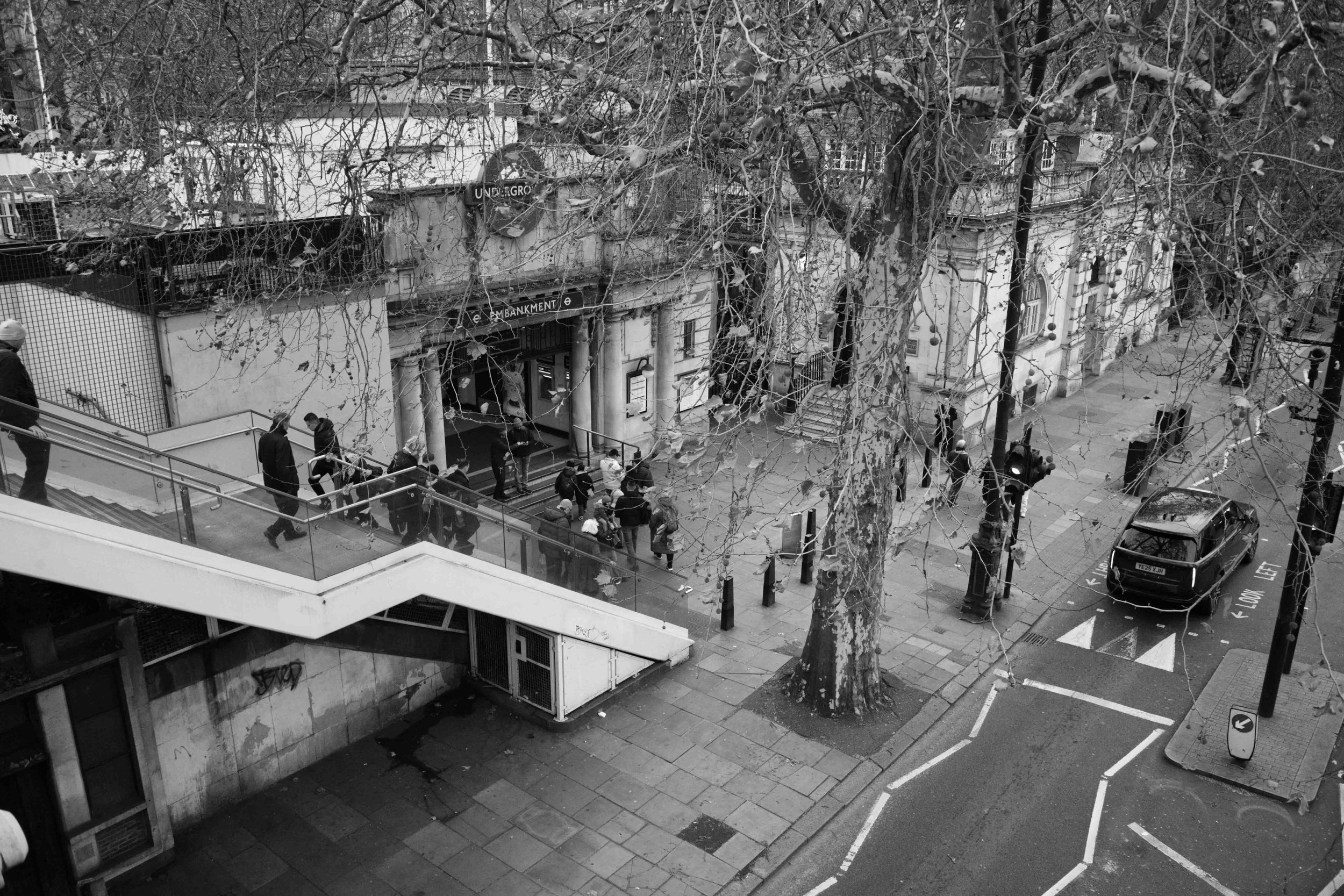
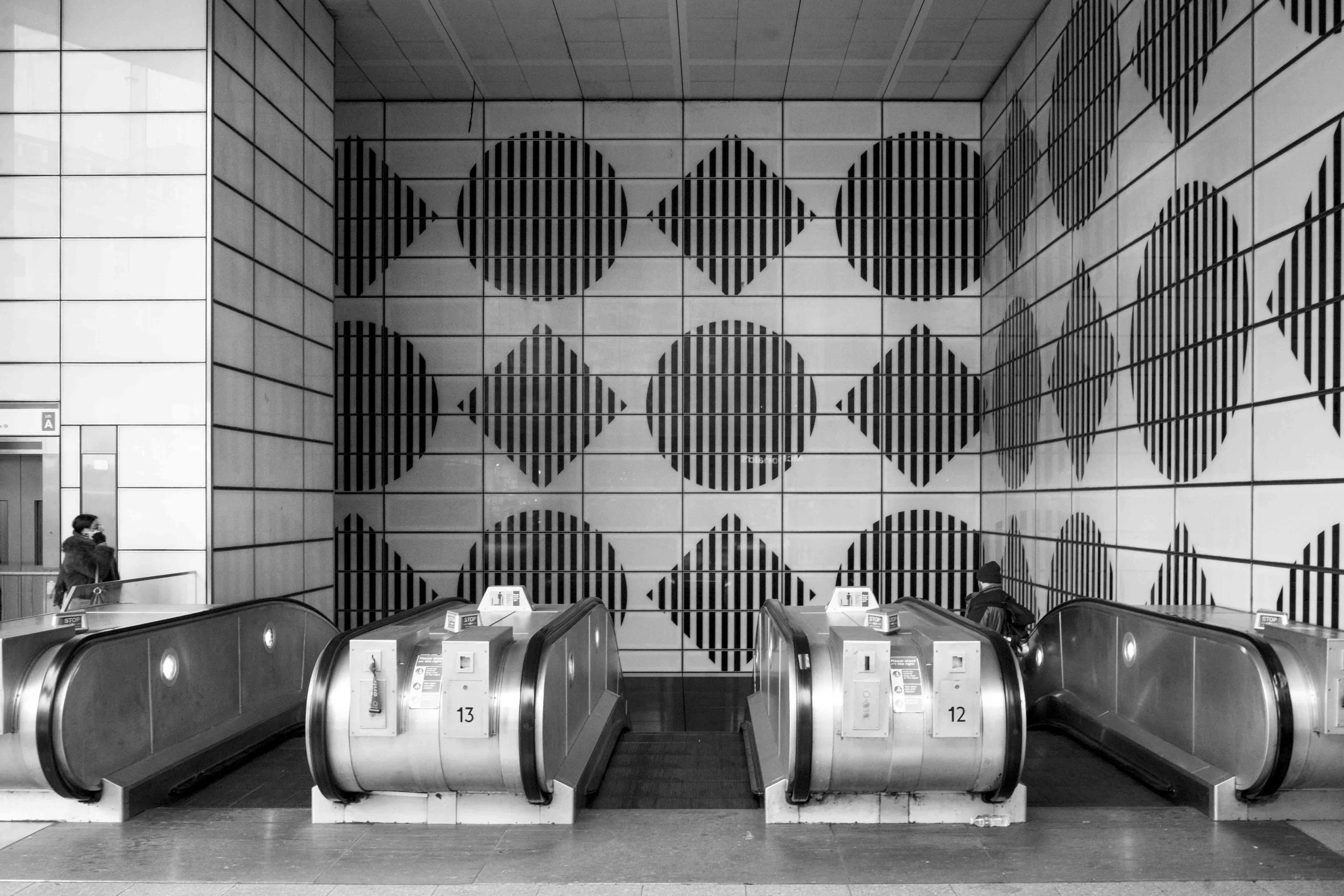
I started at Embankment. Looking down from the walkways, the 28mm allowed me to capture the geometry of the station entrance and the flow of commuters. The high-angle shots showcased how the lens handles architecture and human movement simultaneously.
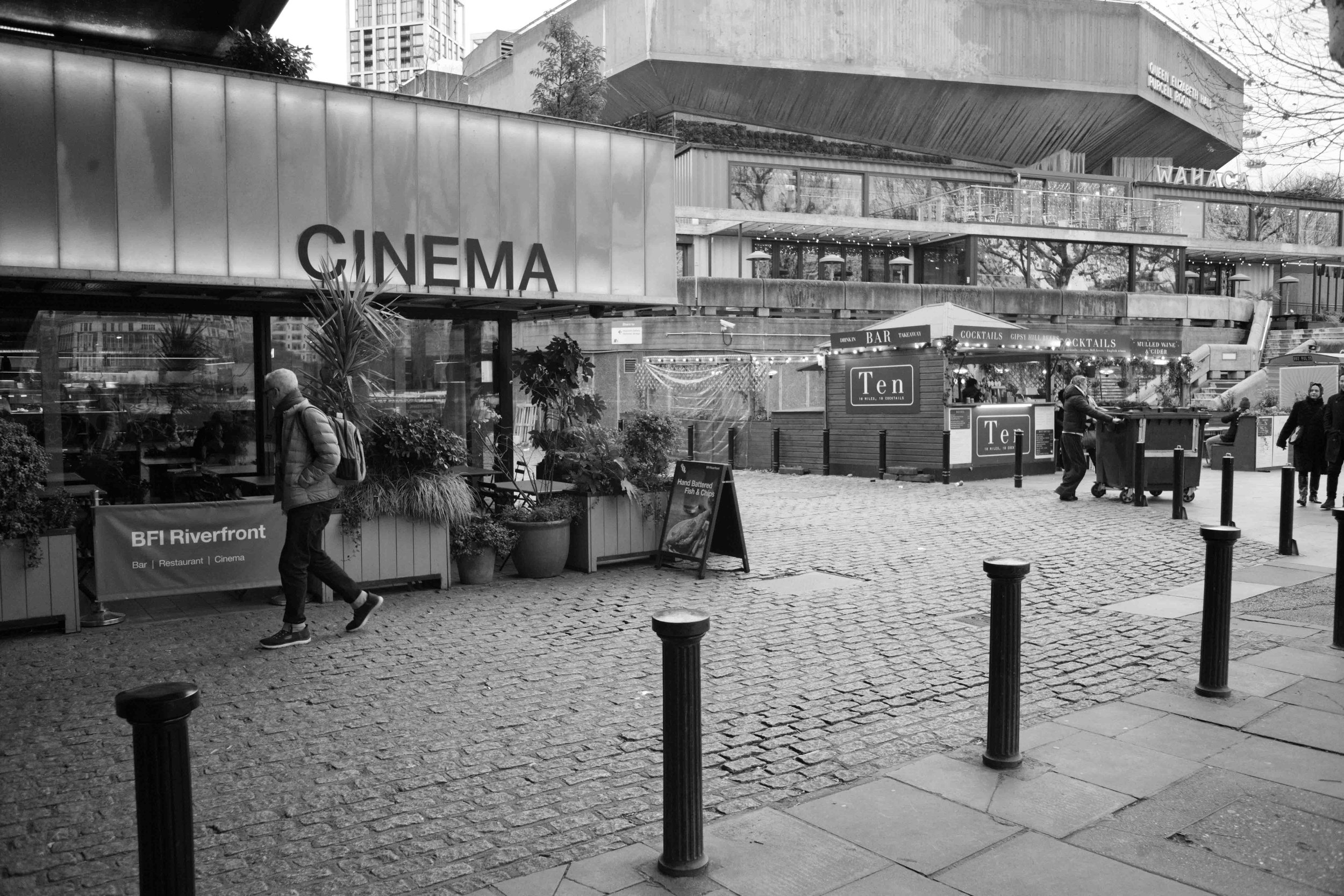
Crossing over to the BFI Riverfront, the "CINEMA" sign provided a classic London backdrop. The wide angle excels here; it lets you frame a large subject like a building while still catching the candid expressions of people walking past.
2. The Grit of Soho and Chinatown
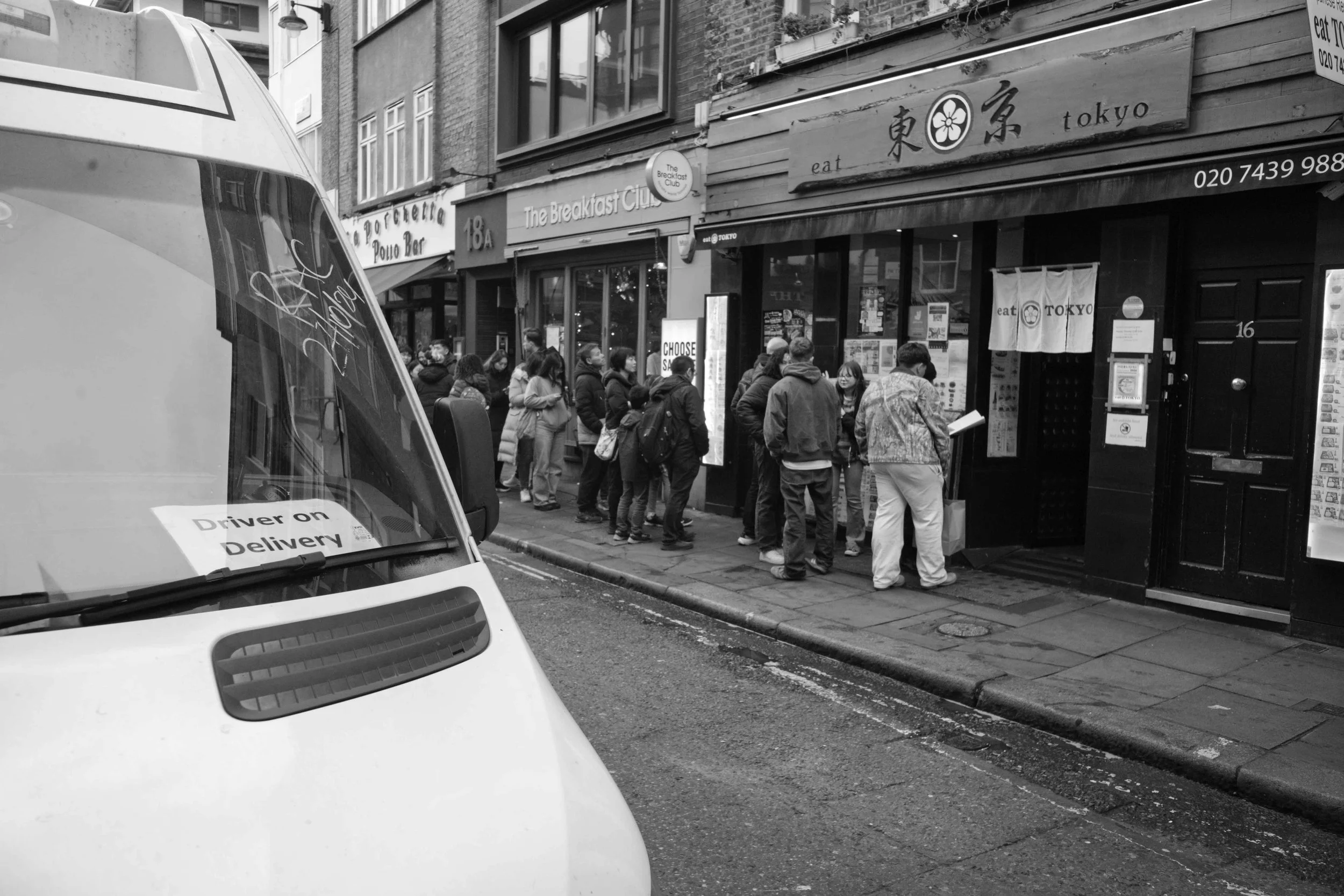
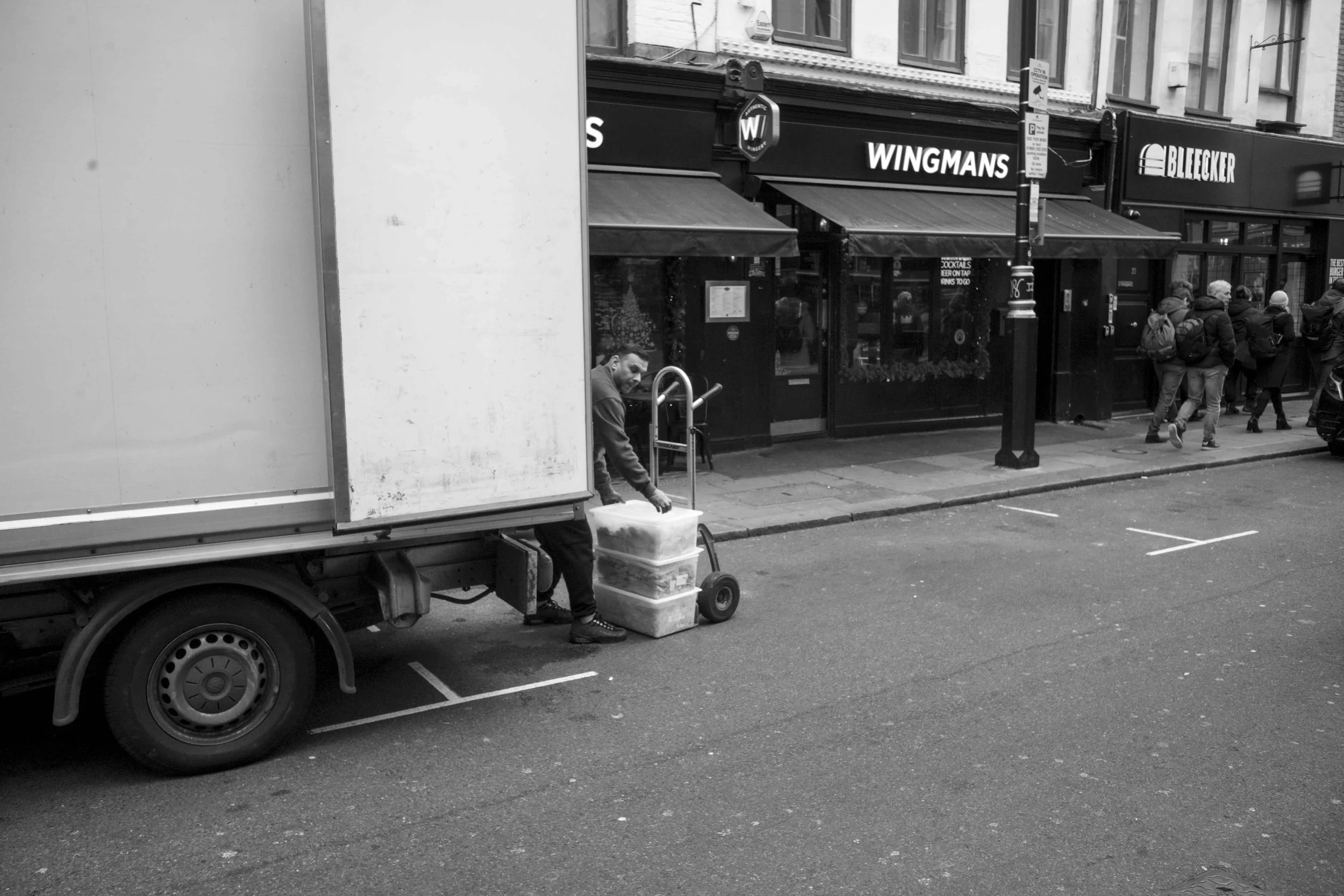
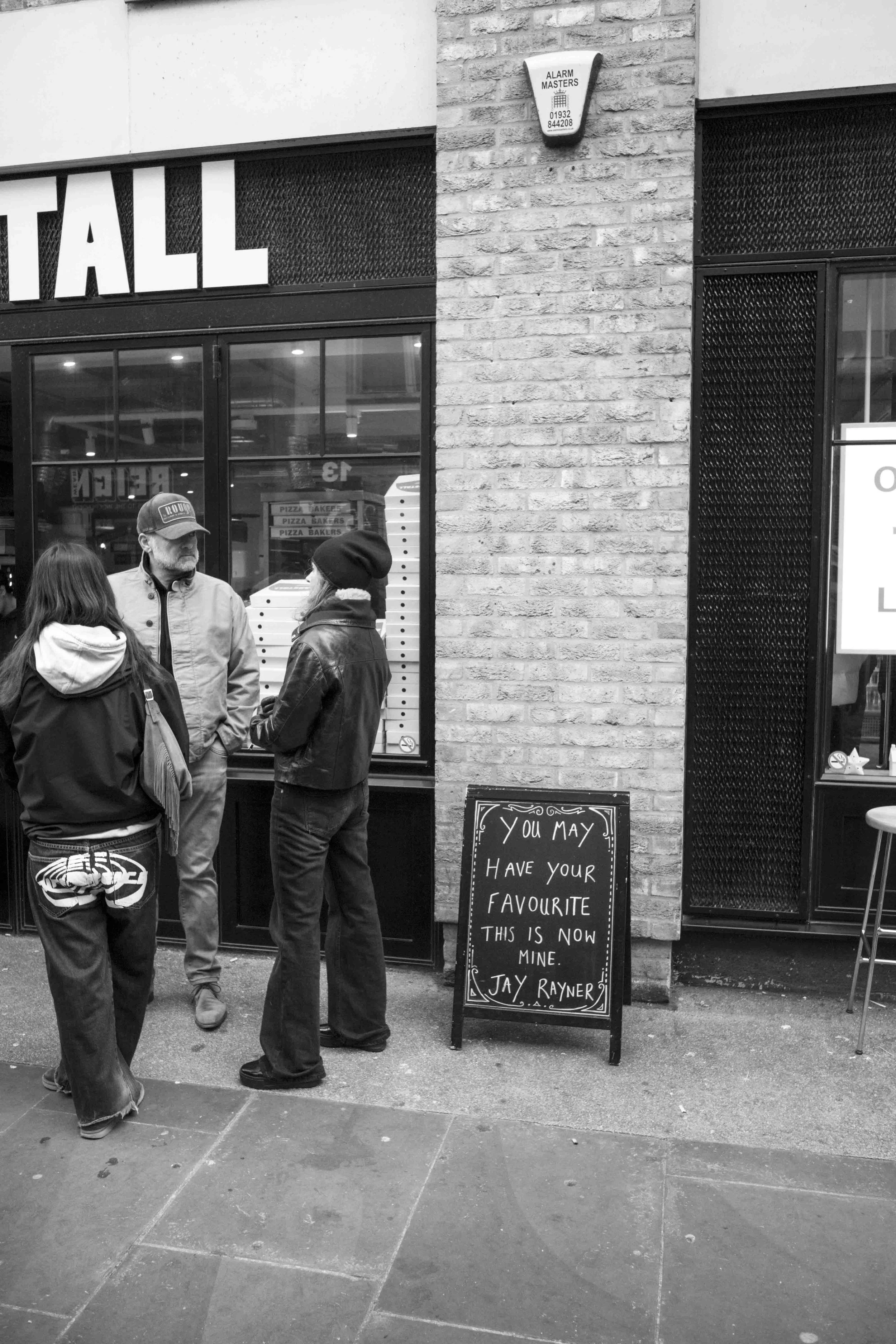
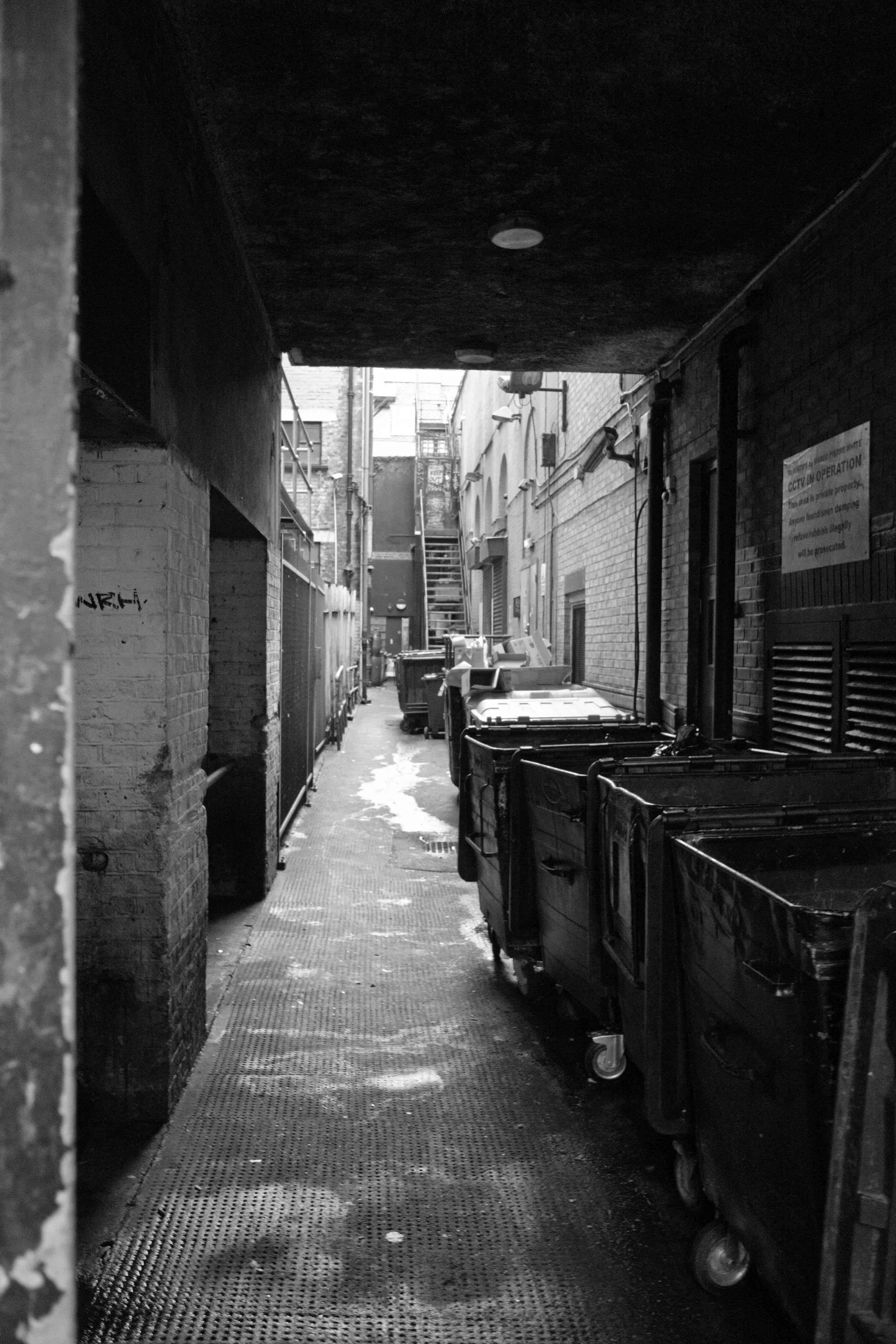
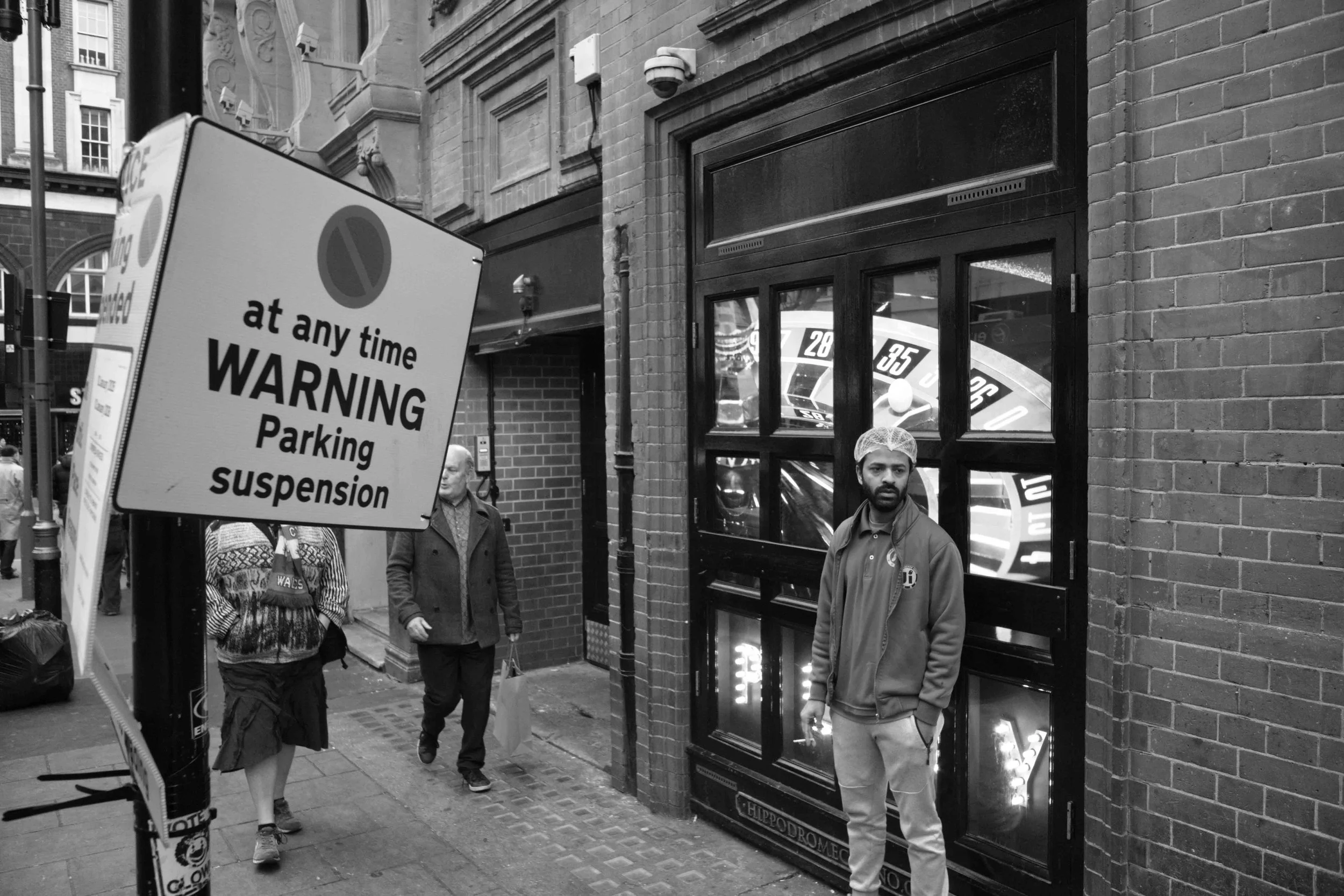
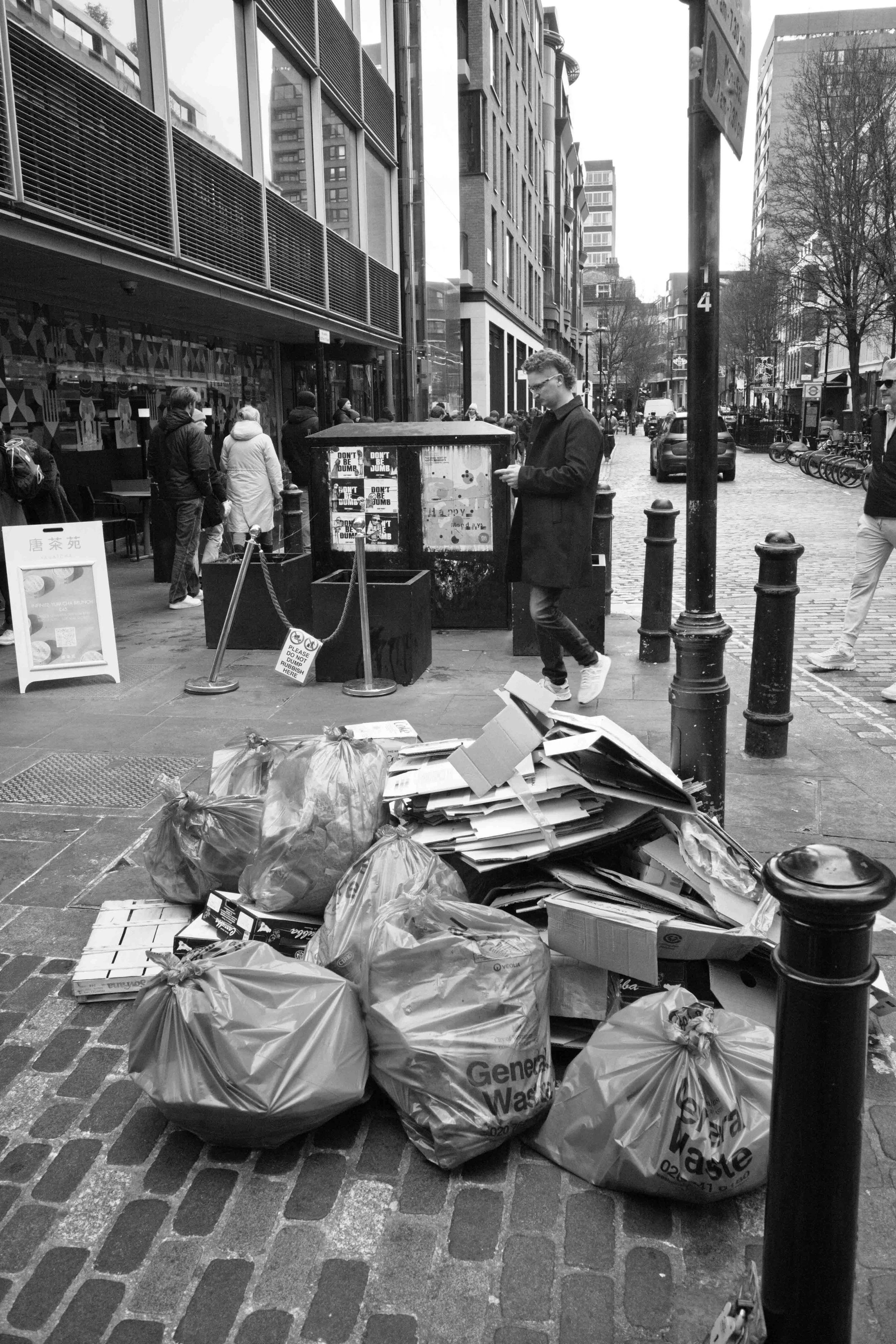
Street photography isn't always about the landmarks. Sometimes, it’s about a pile of trash bags on a busy corner or the narrow, bin-lined alleys behind Leicester Square. The 28mm is perfect for these tight spaces.
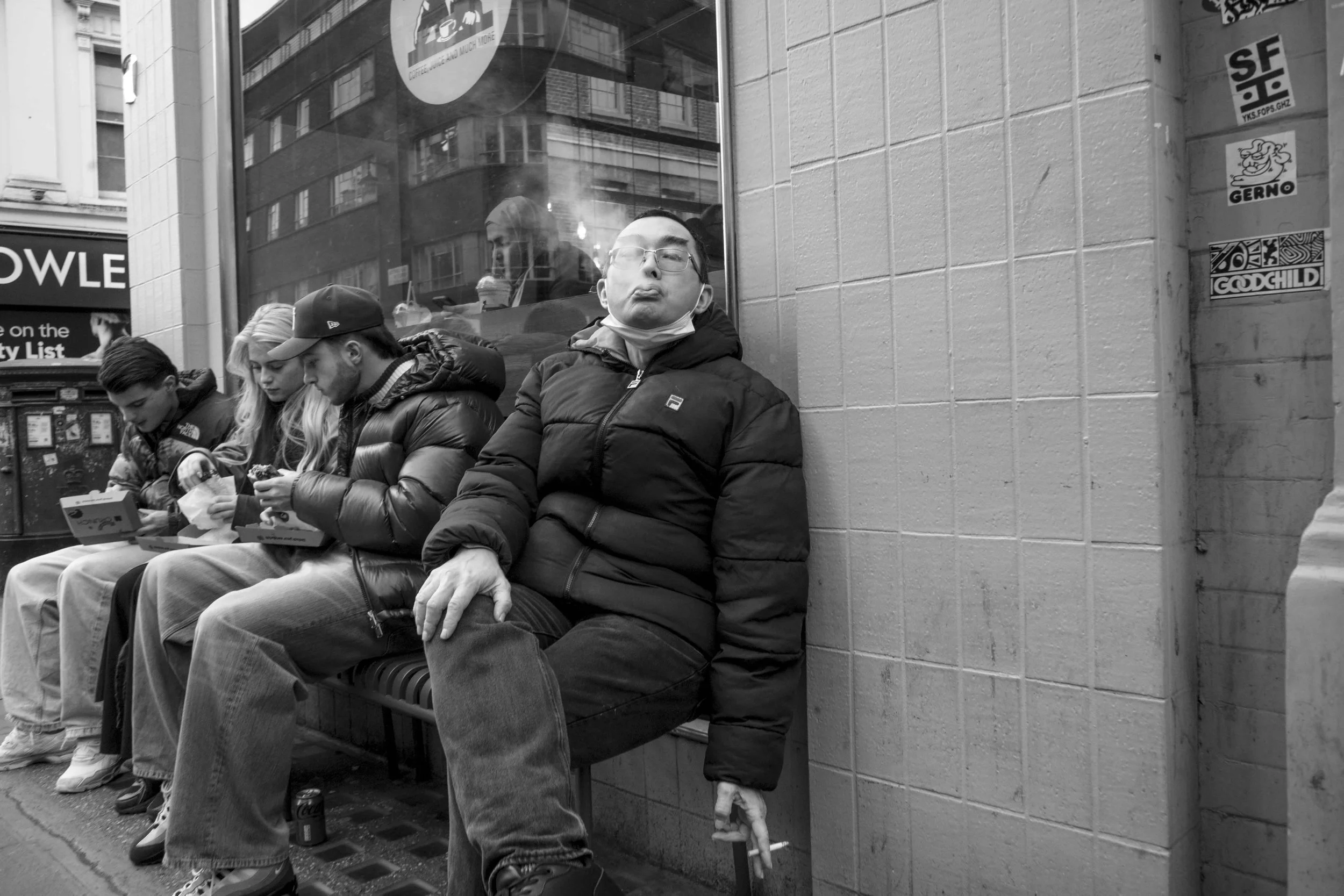
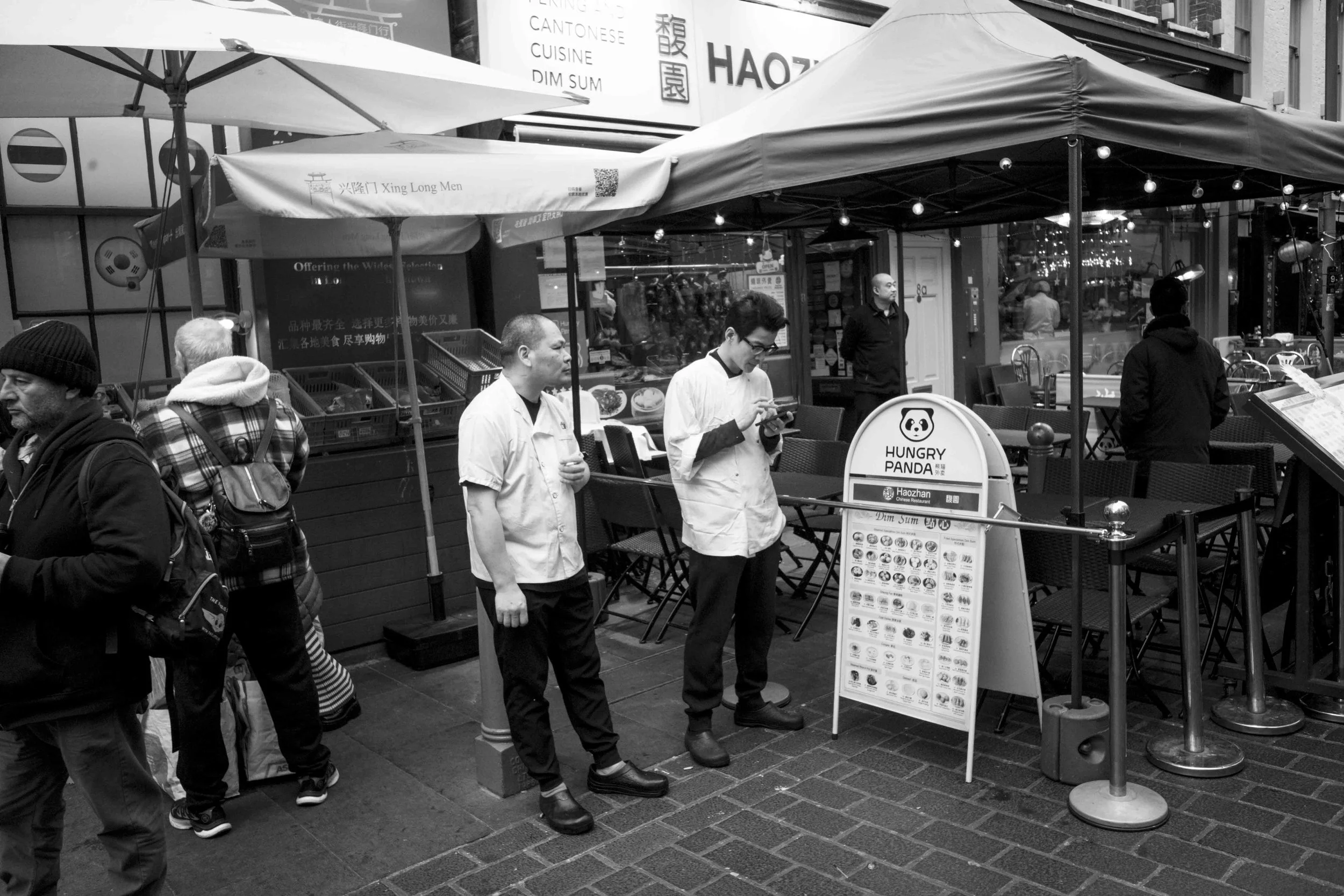
In Chinatown, I caught a great moment of the chefs taking a break outside "Hungry Panda." The lens is so small that they hardly noticed me, allowing for a truly candid slice-of-life shot.
4. Details and Characters
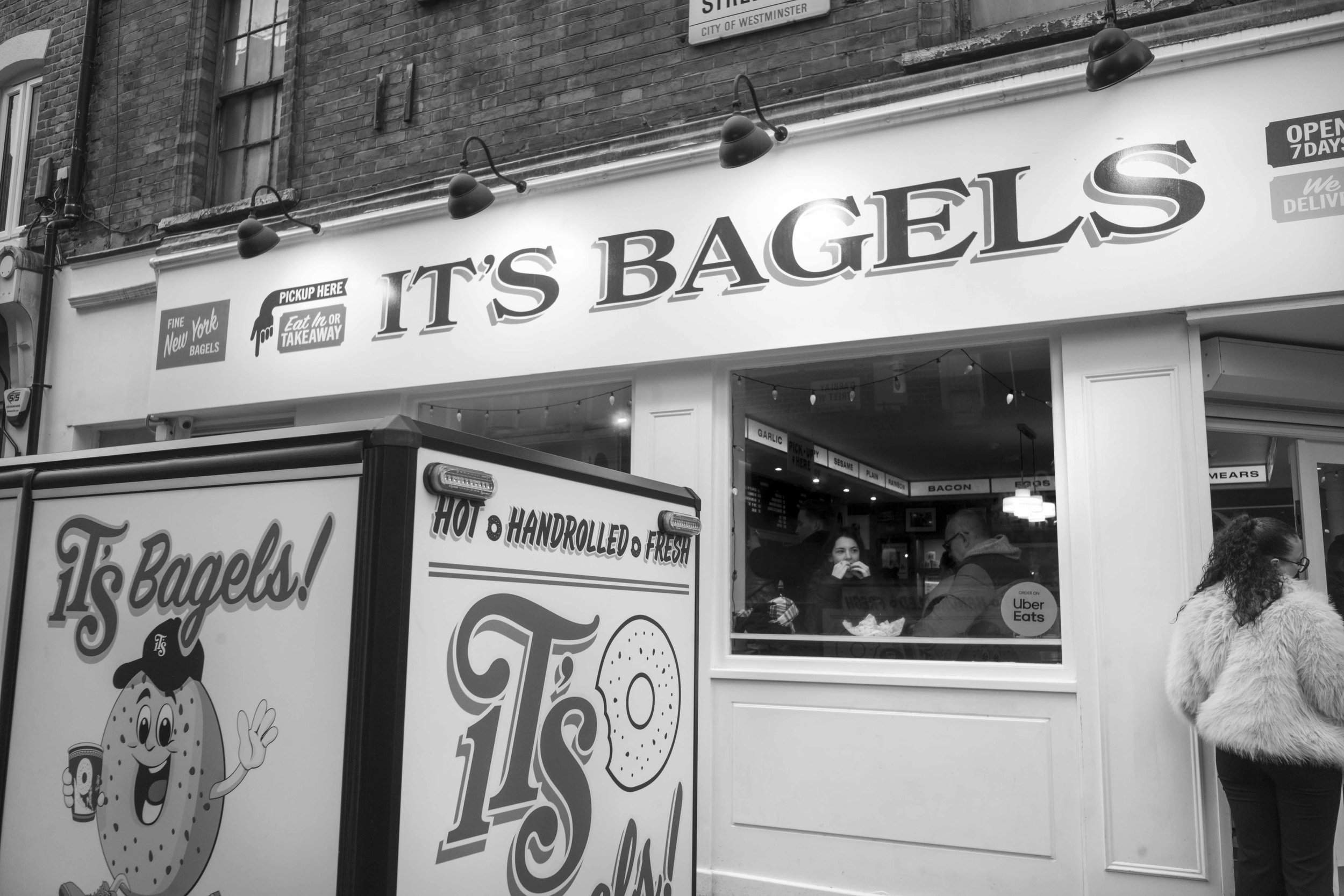
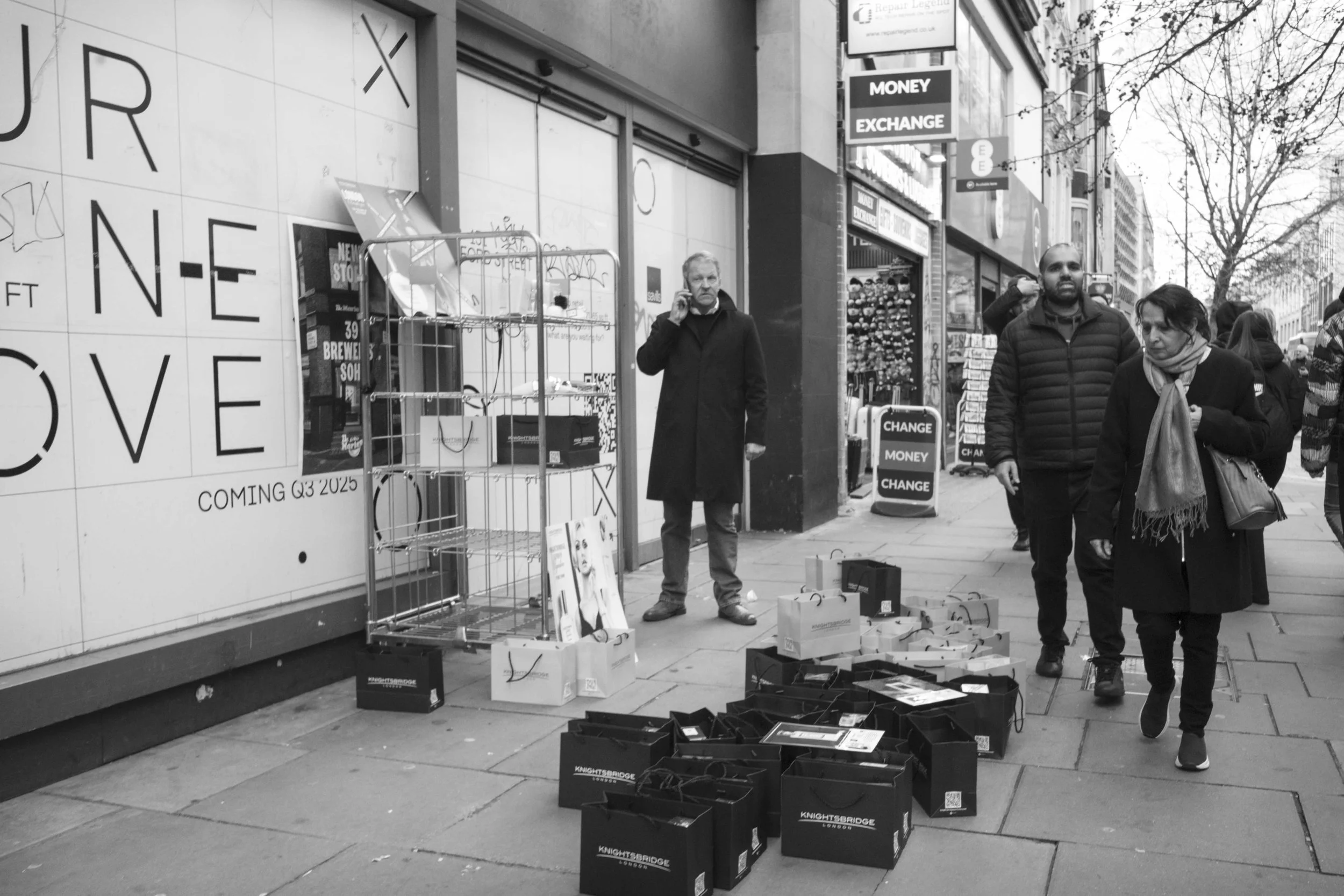
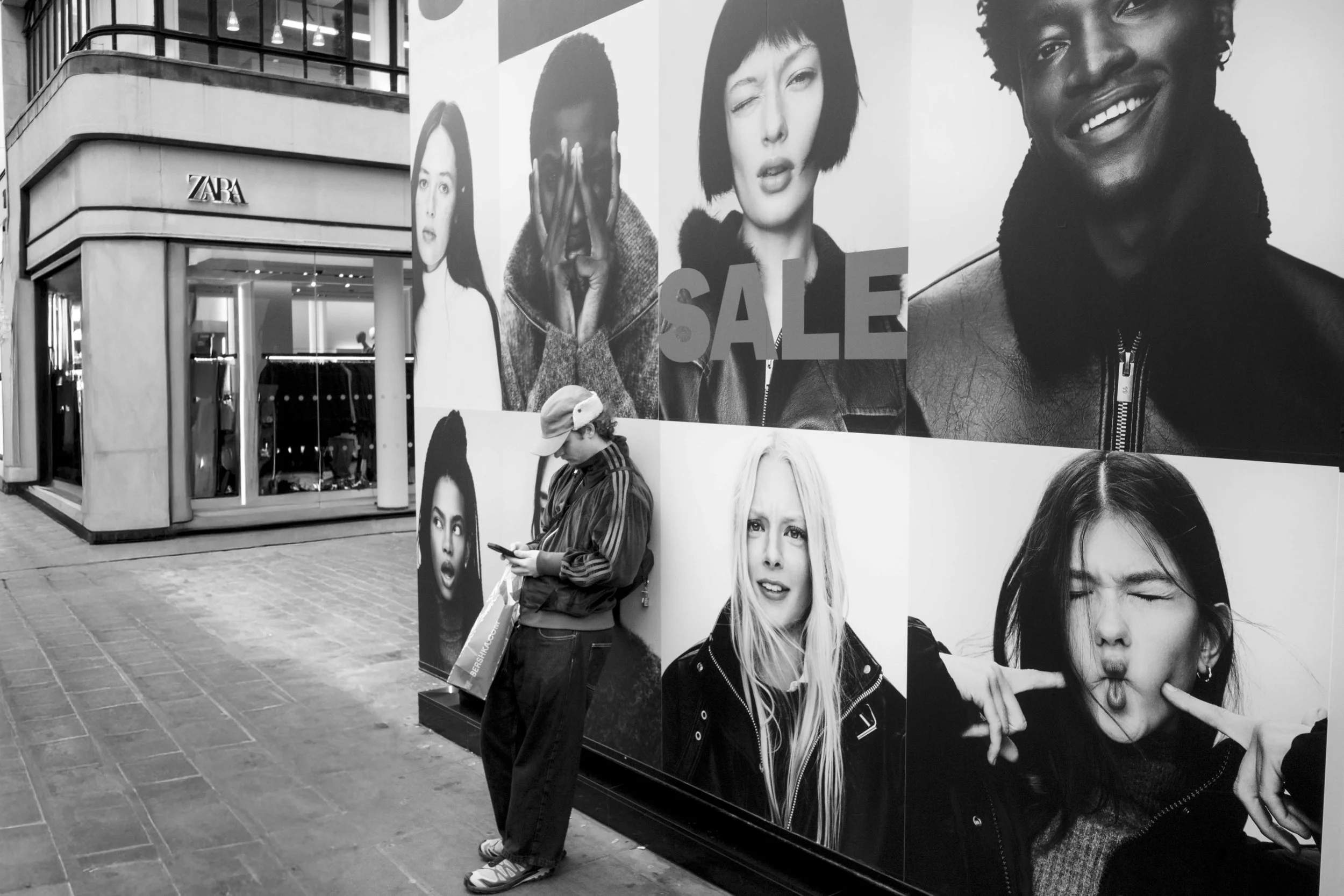
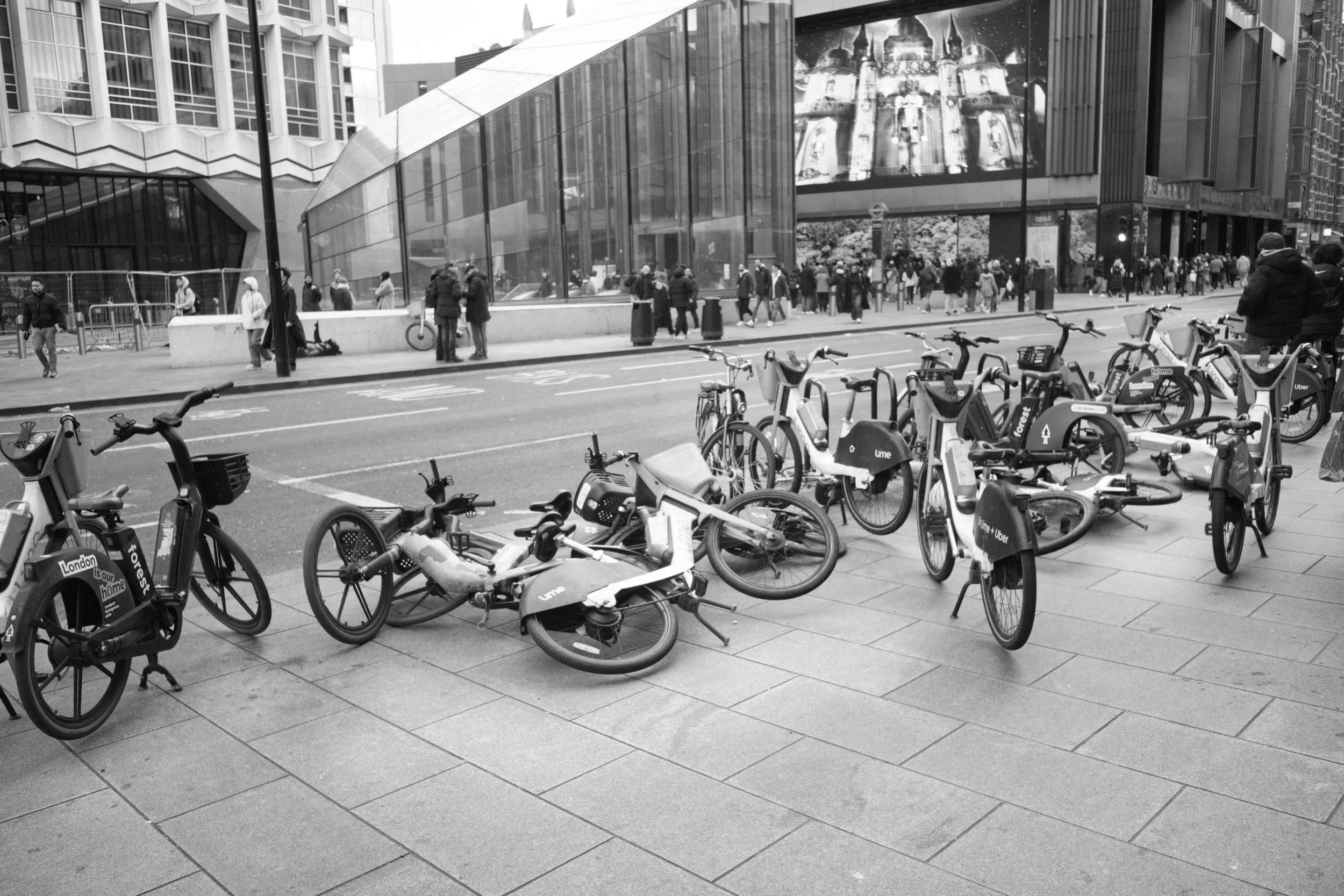
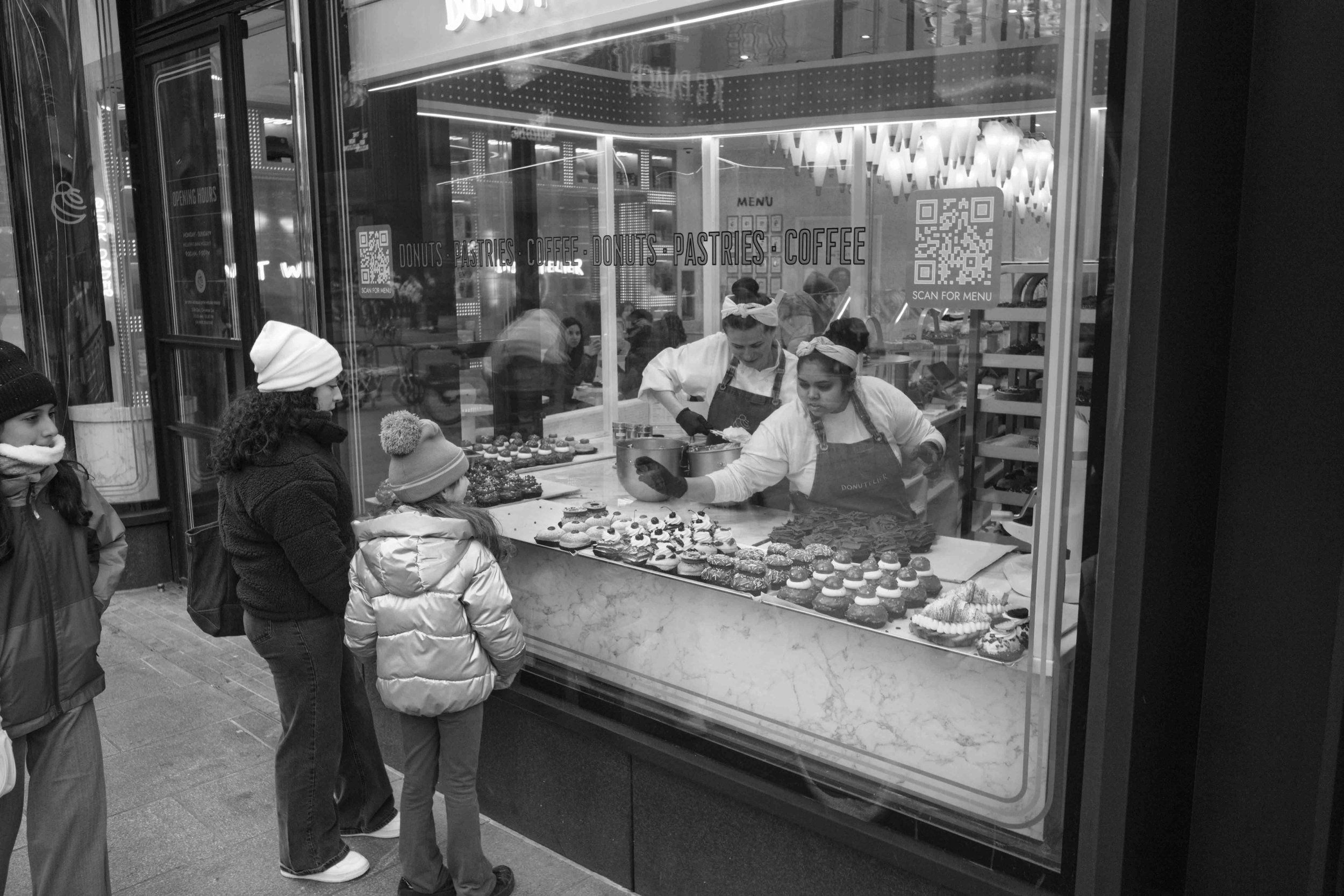
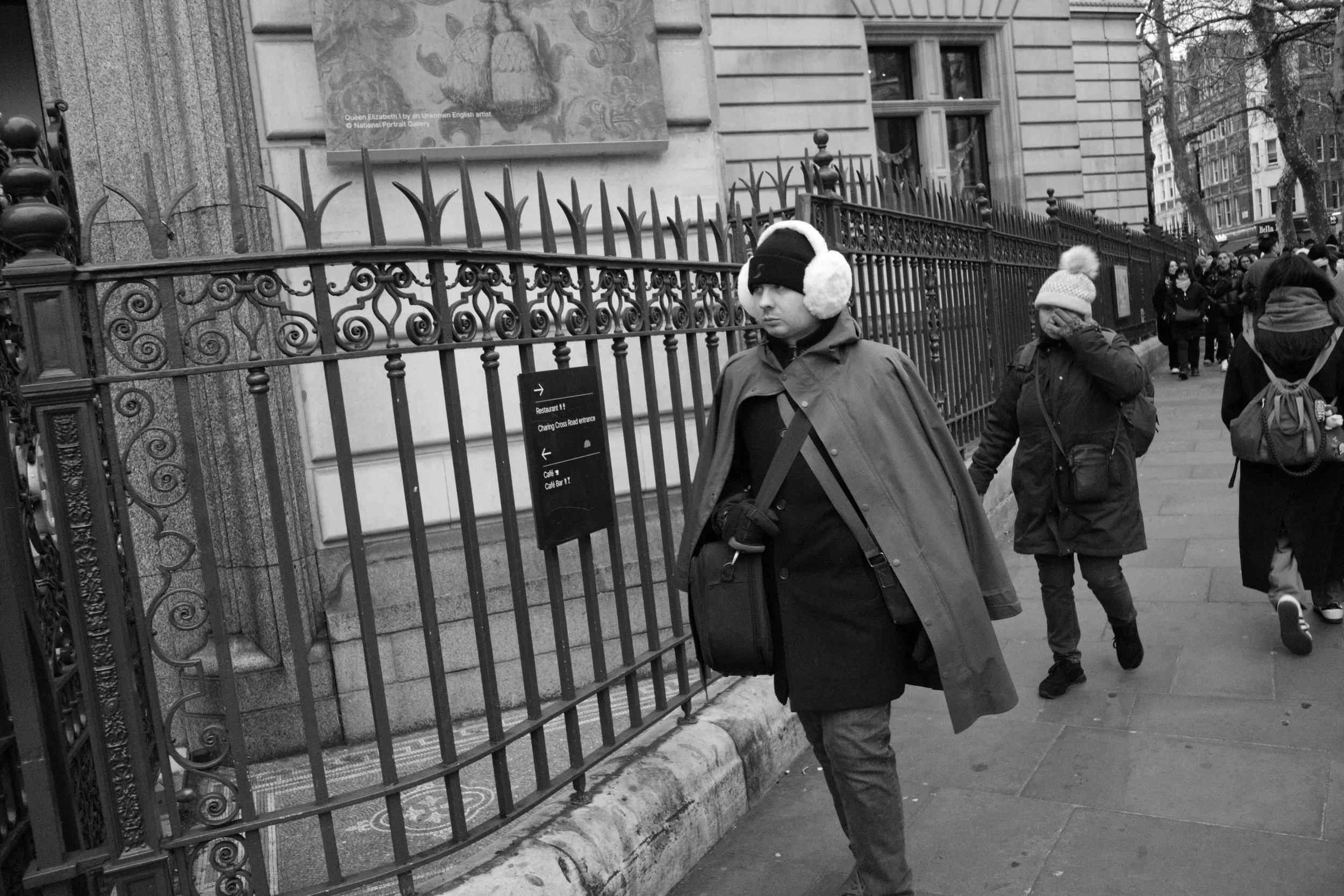
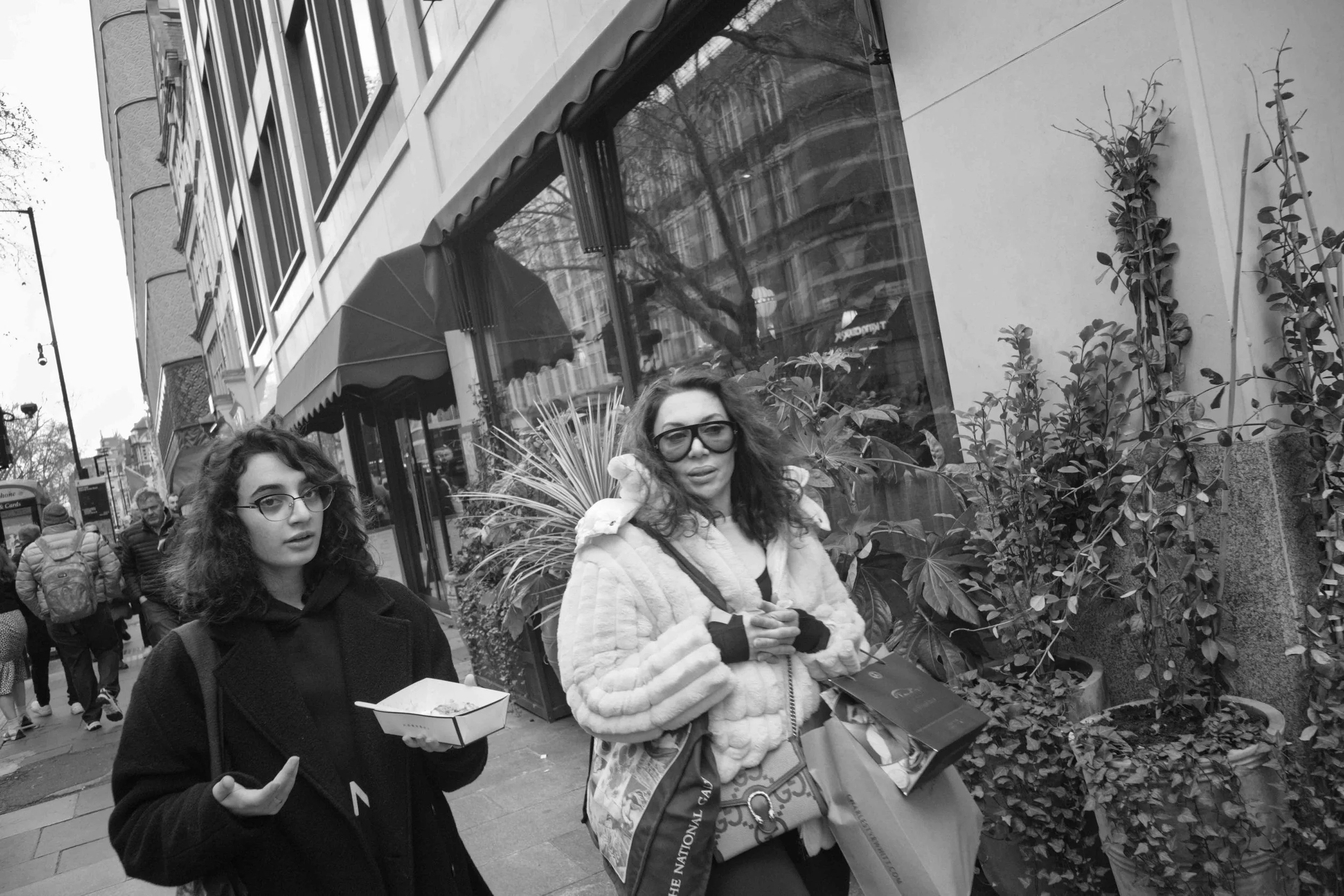
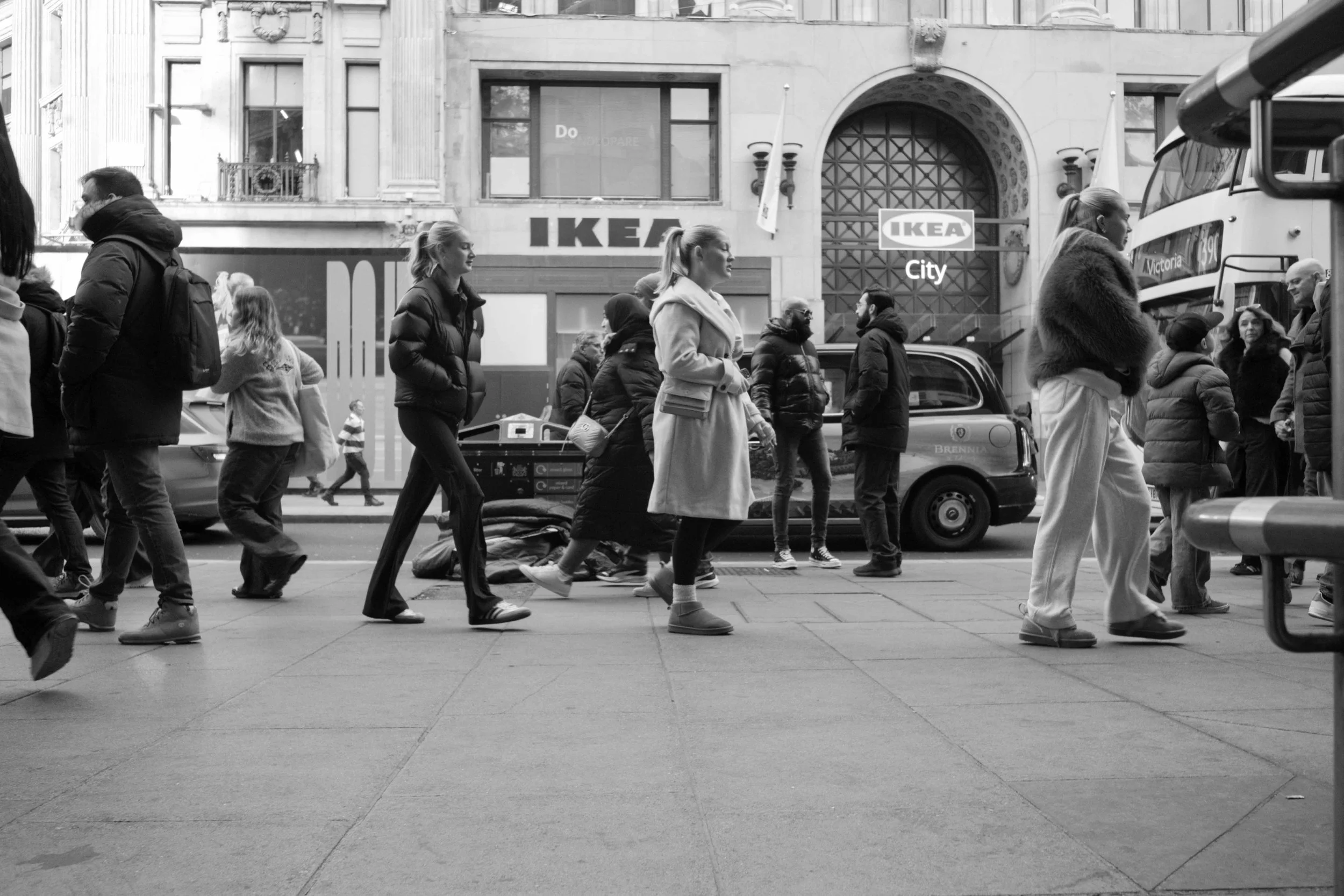
A jaunt upto London also warrants a stroll along Oxfrod Street and the like to photograph the shoppers. As I moved toward the National Portrait Gallery, I spotted a man in a heavy coat and earmuffs. The 28mm creates a unique "environmental portrait" where the subject is clear, but their surroundings—the ornate metal fences and London stone—tell the rest of the story.
Final Thoughts on the TTArtisan 28mm
For a fraction of the cost of the Leica Summaron, this lens delivers a lot of character. It’s sharp in the center, has a lovely vintage-style vignette, and the "clicky" aperture ring is a joy to use. Shooting digital, you are blessed with ‘fixing’ and fall off to the ourside of the frame in LRC.
Using a 28mm forces you to be a participant, not just an observer. You can’t hide in the shadows with a telephoto; you have to be in the thick of it, just like Winogrand.
Until next time, keep snapping.
Yes please, keep me posted when there’s a new blog
Instagram - Film