in the frame
Brutal
With the pending release of ‘The Brutalist’ film at the cinema, my son and I decided to head upto London, after dusting down one of my archived Brutalist photowalks, from Google My Maps.
Our trip into town was tailored, as the train from Brighton was delayed at Croydon, due to the perennial, ‘essential weekend engineering works’. So we jumped in the car, drove to Hounslow West Tube station, and headed in on the Piccadilly line. The was as awkward and unsightly, as Brutalist architectiture is to some…….?

With the pending release of ‘The Brutalist’ film at the cinema, my son and I decided to head upto London, after dusting down one of my archived Brutalist photowalks, from Google My Maps.
Our trip into town was tailored, as the train from Brighton was delayed at Croydon, due to the perennial, ‘essential weekend engineering works’. So we jumped in the car, drove to Hounslow West Tube station, and headed in on the Piccadilly line. The was as awkward and unsightly, as Brutalist architectiture is to some…….?
We didn’t get into town too early and could only visit a couple of locations.
It's a word that often evokes strong reactions, conjuring images of imposing concrete structures, stark lines, and a sense of utilitarian severity. For some, it's an eyesore; for others, a raw and honest expression of architectural ambition. As a photographer, I find myself drawn to its dramatic forms, its sheer scale, and the stories etched into its weathered surfaces. And nowhere is this fascination more potent than in London's Trellick Tower and the nearby Alexandra & Ainsworth Estate.
Brutalism is an architectural movement that emerged in the mid-20th century and is characterized by its stark, rugged forms and raw concrete construction. Love it or loathe it, Brutalism stands as a testament to a bold architectural vision that sought to redefine urban living. Two iconic examples of this movement in London are Trellick Tower and the Alexandra & Ainsworth Estate.
Trellick Tower: A Vertical City


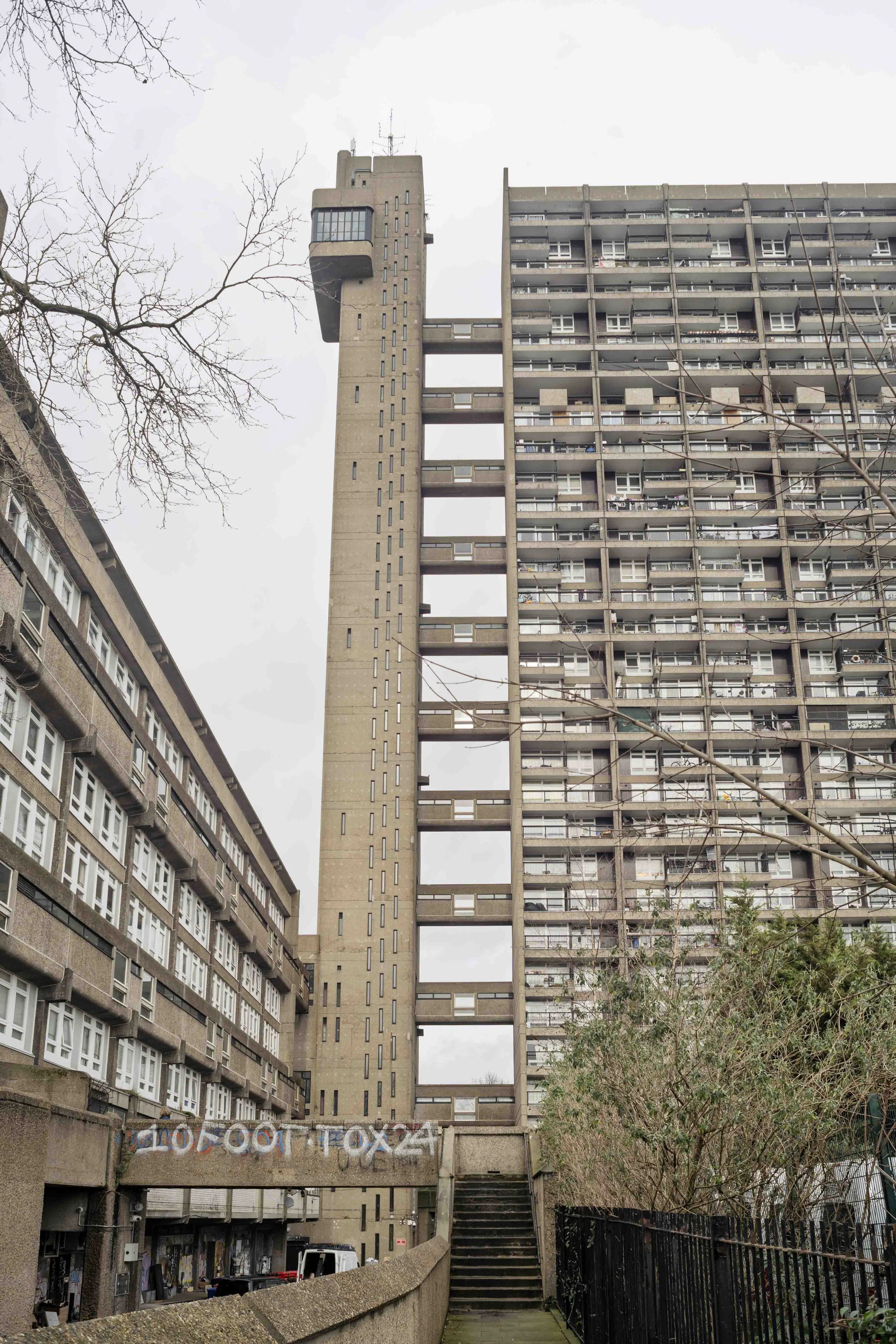


Designed by the Hungarian architect Ernő Goldfinger, Trellick Tower is one of the most recognizable Brutalist structures in London. Completed in 1972, this 31-storey residential building looms over West London, its distinctive silhouette visible for miles.
Goldfinger envisioned Trellick Tower as a vertical city, with communal spaces such as laundries, nurseries, and shops integrated into the design. The tower's bold, unapologetic use of raw concrete and its imposing height make it a striking subject for photography. From the sharp angles of its balconies to the play of light and shadow on its rough surfaces, Trellick Tower offers endless opportunities for capturing the essence of Brutalism.
The Nerdy Bit


One of the main reasons for my interest in film photography, is the allure of the process. I enjoy the sedate pace. I also hate the clinical aspect of ‘modern’ lens and the digital effeciency.
I started using my 28mm Rokkor Minolta lens on my Sony A7iii, with the K&F adaptor, I have full (slow) manual focus on the camera. I love the tone of the images it creates. There is a mild preset edit in LrC.
Alexandra & Ainsworth Estate: A Concrete Symphony
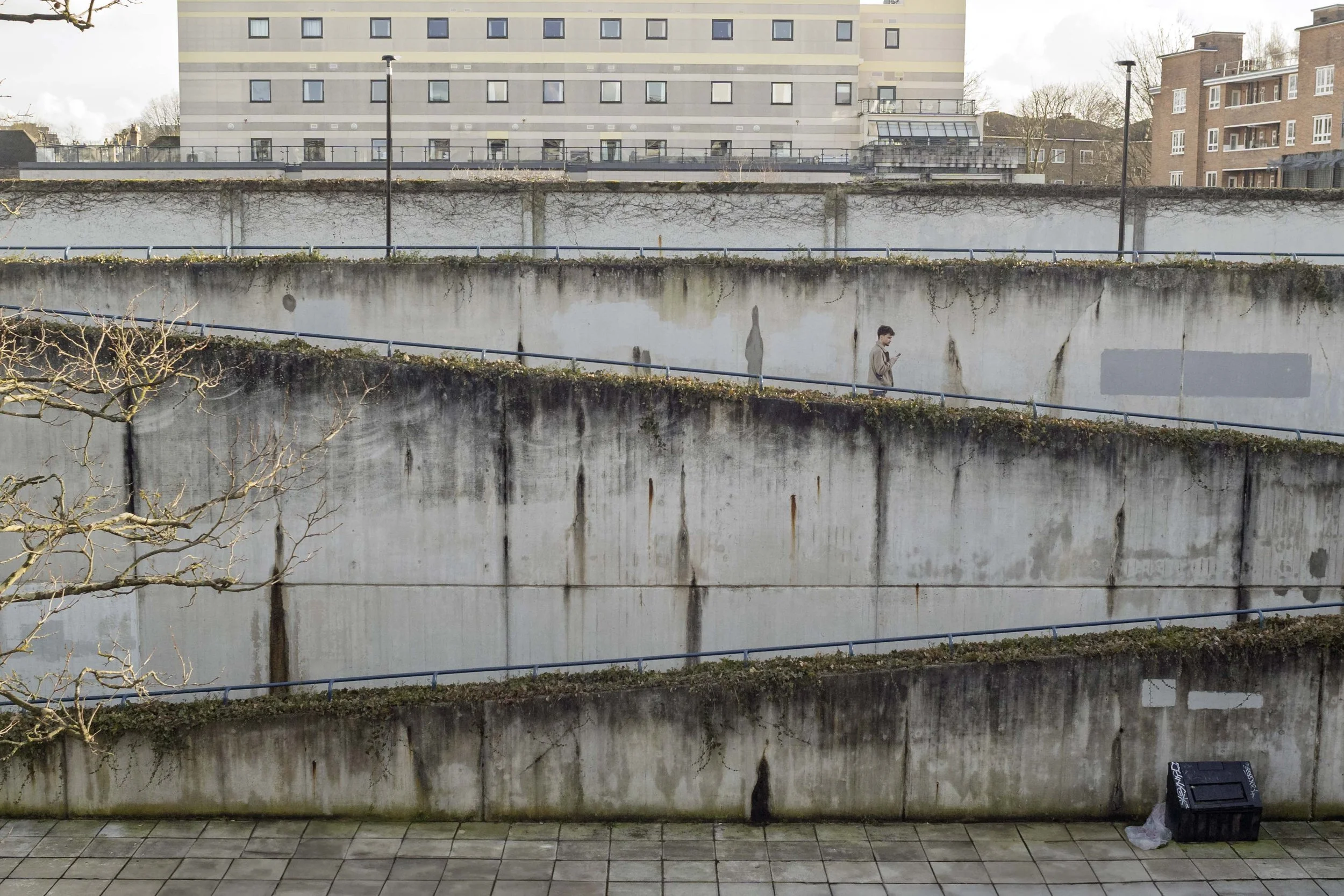
In stark contrast to the verticality of Trellick Tower, the Alexandra & Ainsworth Estate, designed by Neave Brown, sprawls horizontally across Camden. Completed in 1978, the estate is renowned for its sweeping, terraced design that follows the natural contours of the land.
The estate's curvilinear forms and stepped terraces are a testament to Brown's vision of creating a sense of community within an urban environment. The rough concrete exteriors and geometric lines provide a unique canvas for photographers. Capturing the repetitive patterns of the terraces, the interplay of light and shadow, and the way the estate integrates with its surroundings can yield compelling images that speak to the heart of Brutalist architecture.


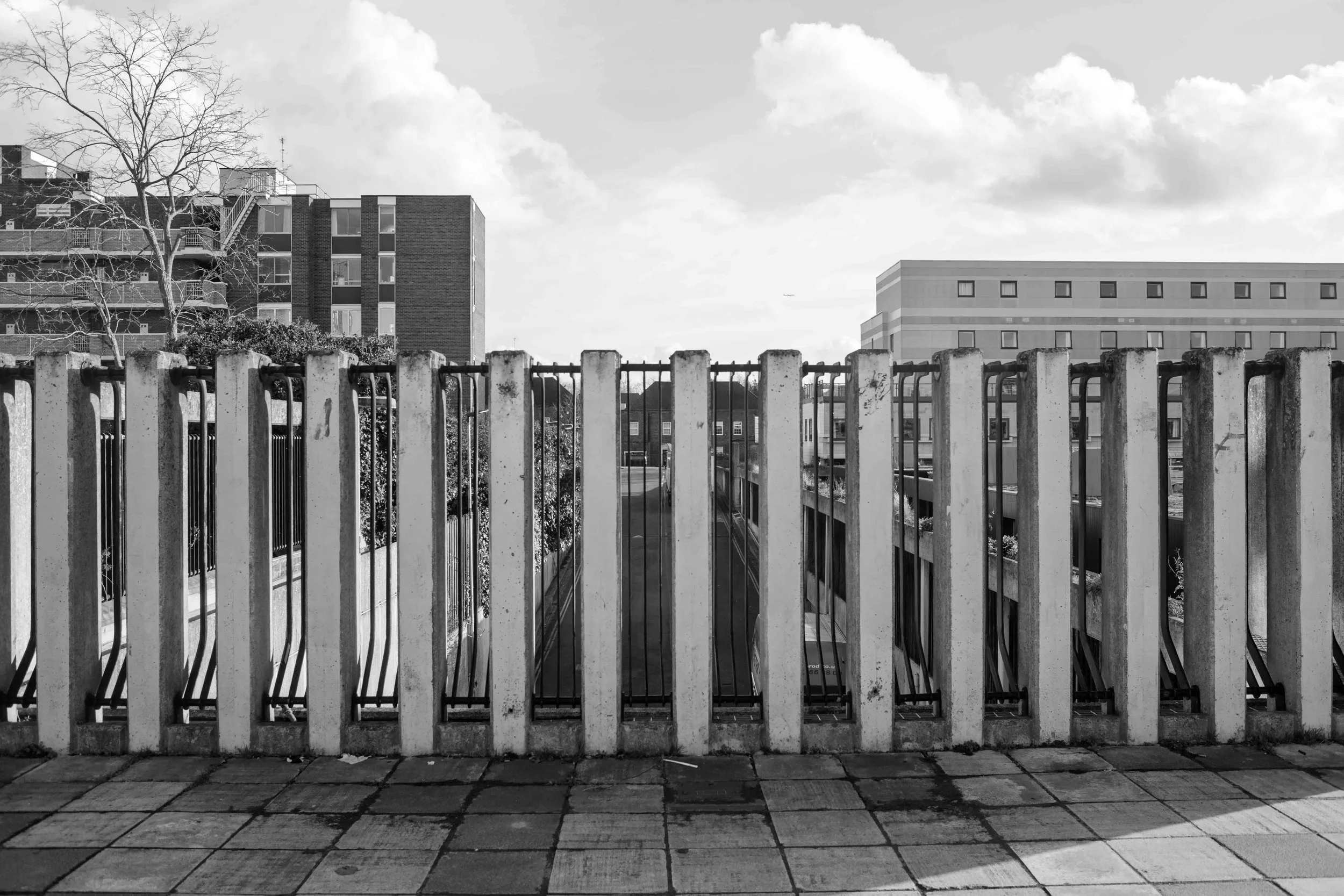

This is most definately a work in progress project, hopefully the journey will be alot easier in the future.
Until next time, keep snapping.
(Self) Reflection
Whilst I am one to (try and) consciously avoid GAS (Gear Acquisition Syndrome), there are instances when this allows you to look at the same thing in a different light, to give a fresh perspective.
I say this as this is something that I had endured in the past. Chasing camera brands, lens, tripods, £££$$$!
Whilst I am one to (try and) consciously avoid GAS (Gear Acquisition Syndrome), there are instances when this allows you to look at the same thing in a different light, to give a fresh perspective.
I say this as this is something that I had endured in the past. Chasing camera brands, lens, tripods, £££$$$!
I came across an interesting blog on Sean Tucker’s website, pre covid19 lockdown, which got me thinking about exploring other lens outside of my comfort zone, which is something that I have wanted to undertake for some time.
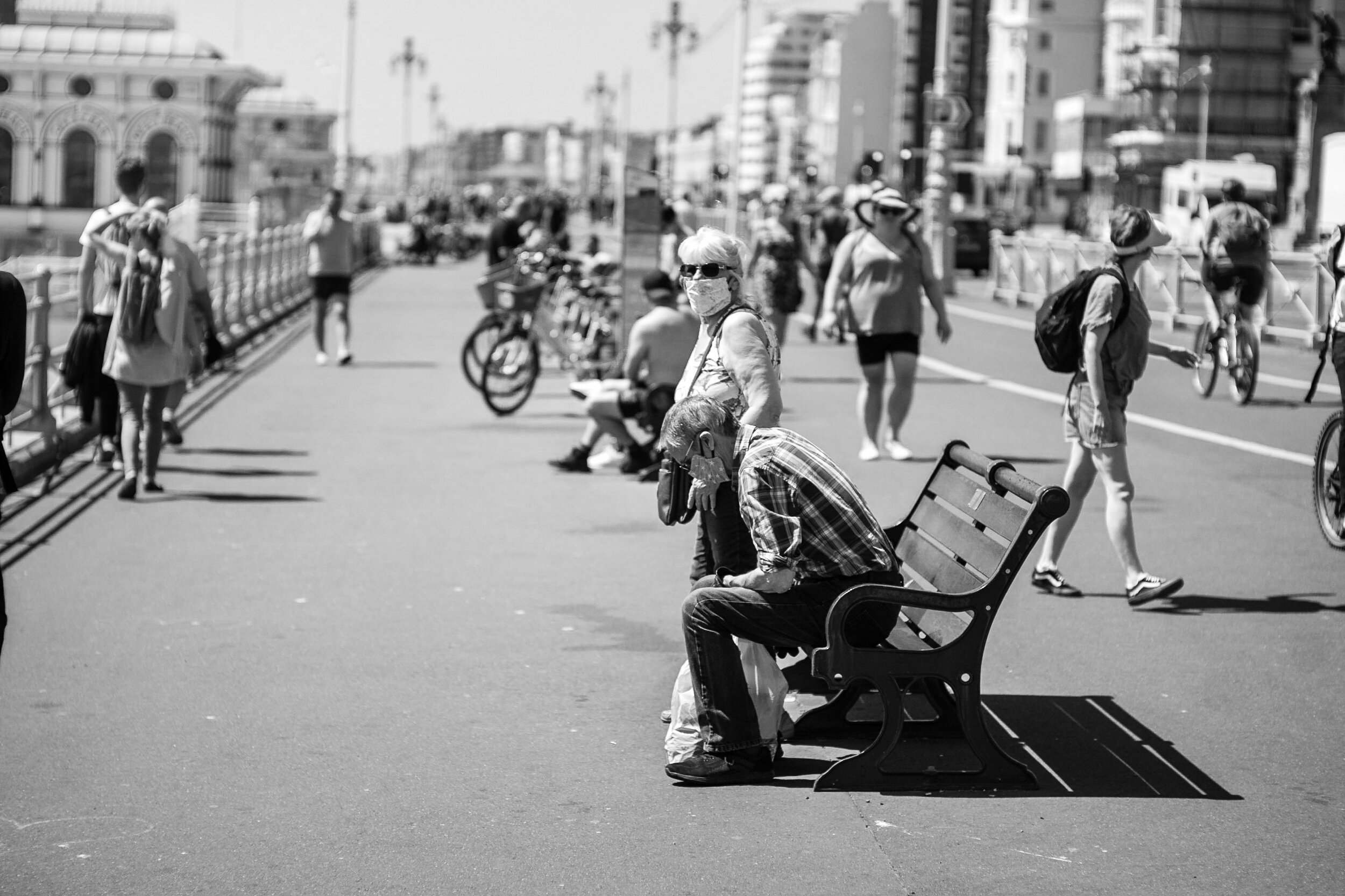
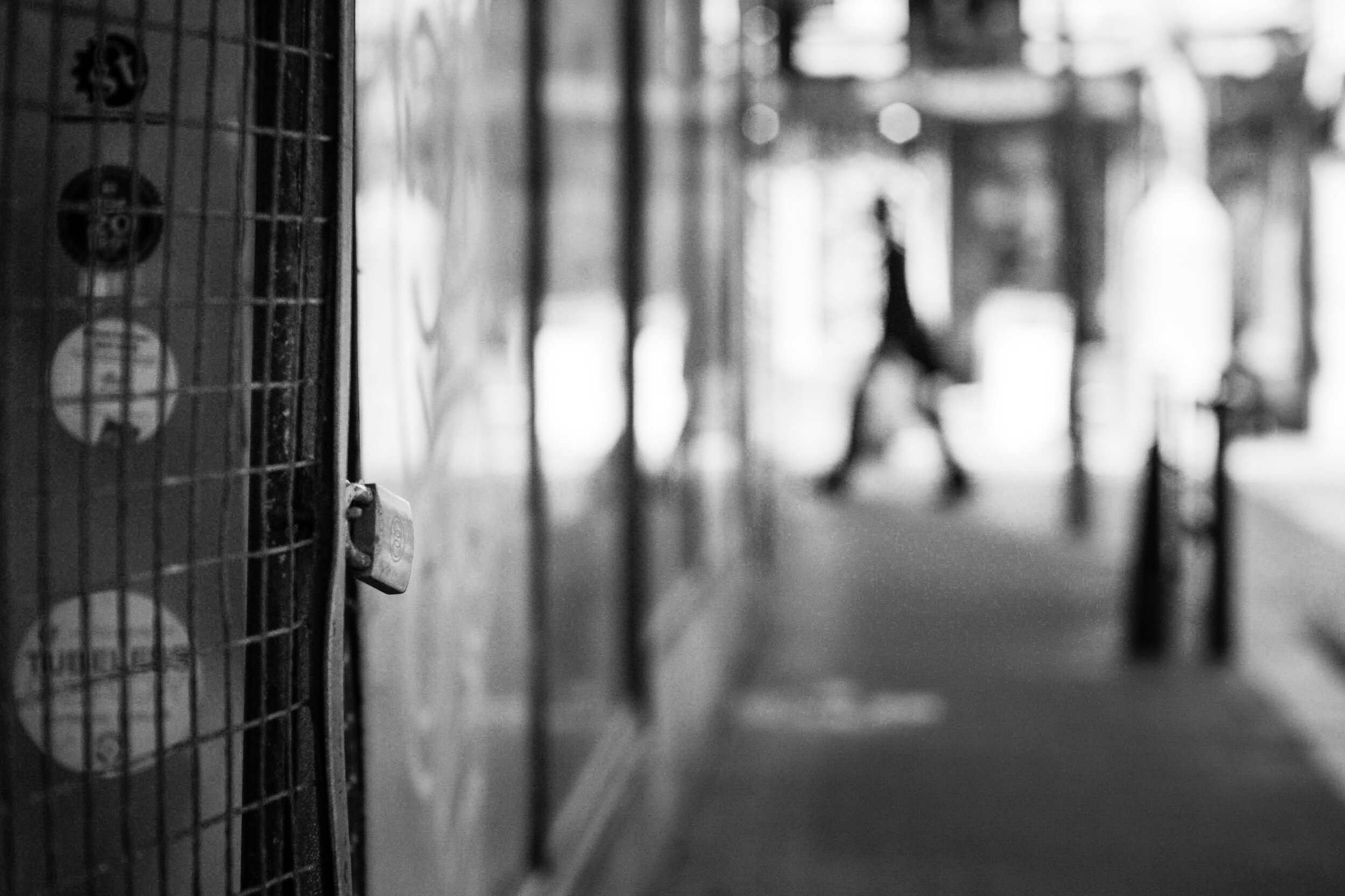
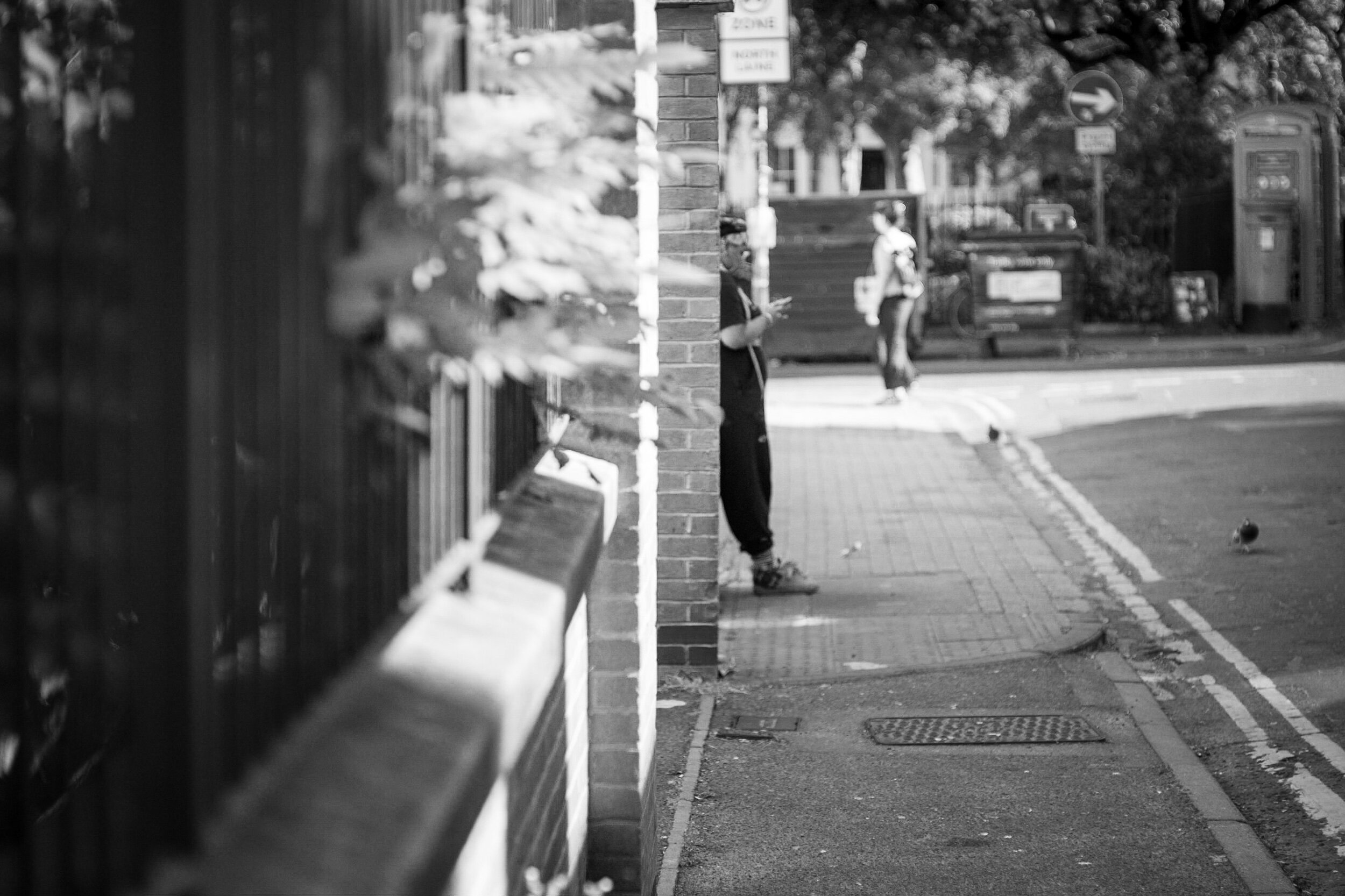
The above images was taken with an 85mm lens, as part of my COVID-19 ongoing project, documenting the impact on the virus on Brighton / East Sussex.
I love the content that Sean puts out, philosophical in nature, with a slant towards challenging the norm and pushing boundaries. He compared a variety of street photography lens, 50mm, 85mm, 35mm, in several blog posts a couple of years ago.
This idea is further visualised on Kai Wong’s YouTube post, with a comparison of the ‘staple’ 28mm vs 35mm vs 50mm lens.
Whilst the 85mm lens is typically aimed at portrait photographers, where the compression of the lens allows for backgrounds to be produce a natural bokeh, I think it gives an added dimension in street photography.
I discovered this creative side, as I started shooting images through the empty shops in Brighton whilst lockdown was in full effect. I quite like the abstract effect.
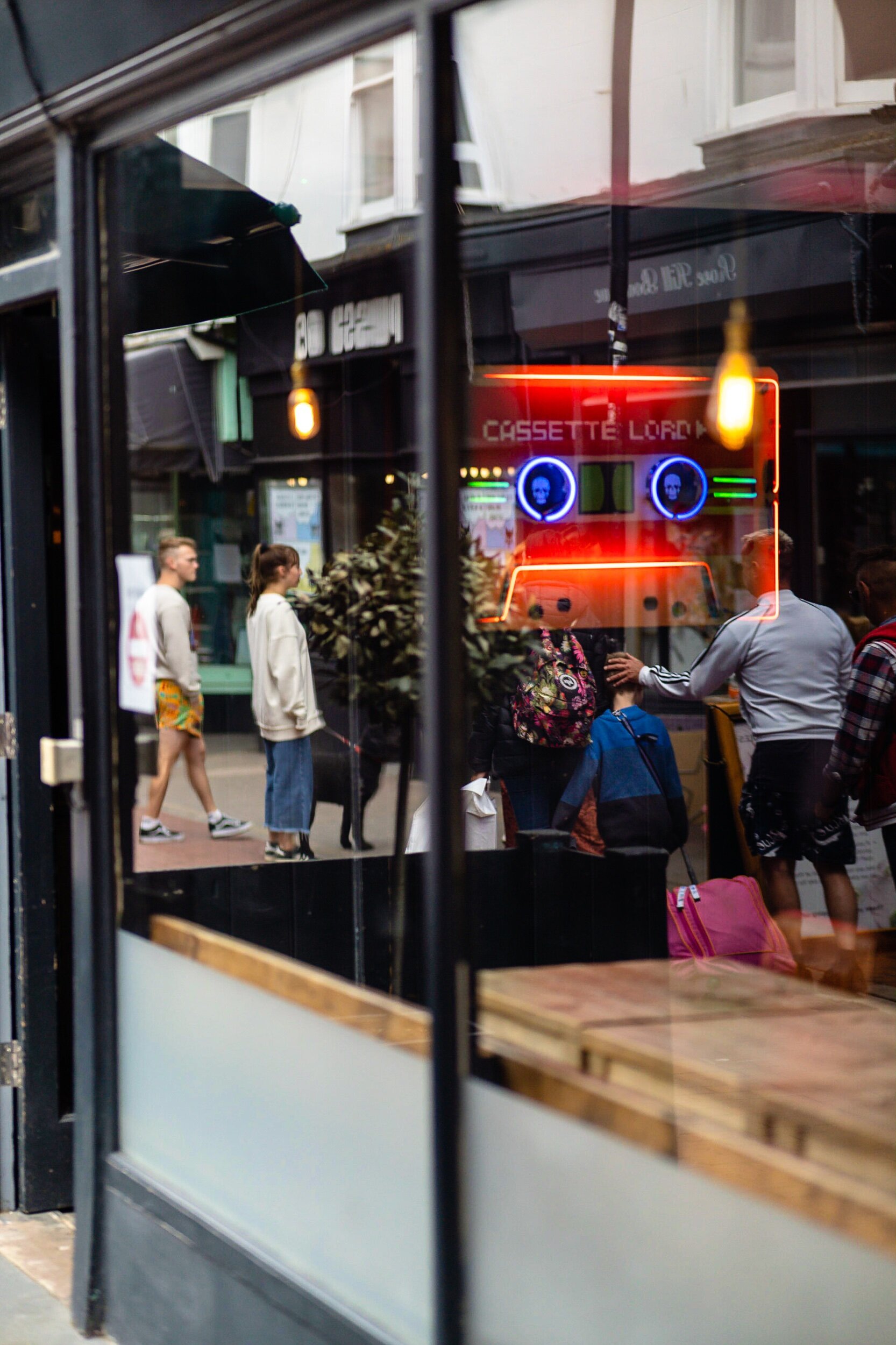

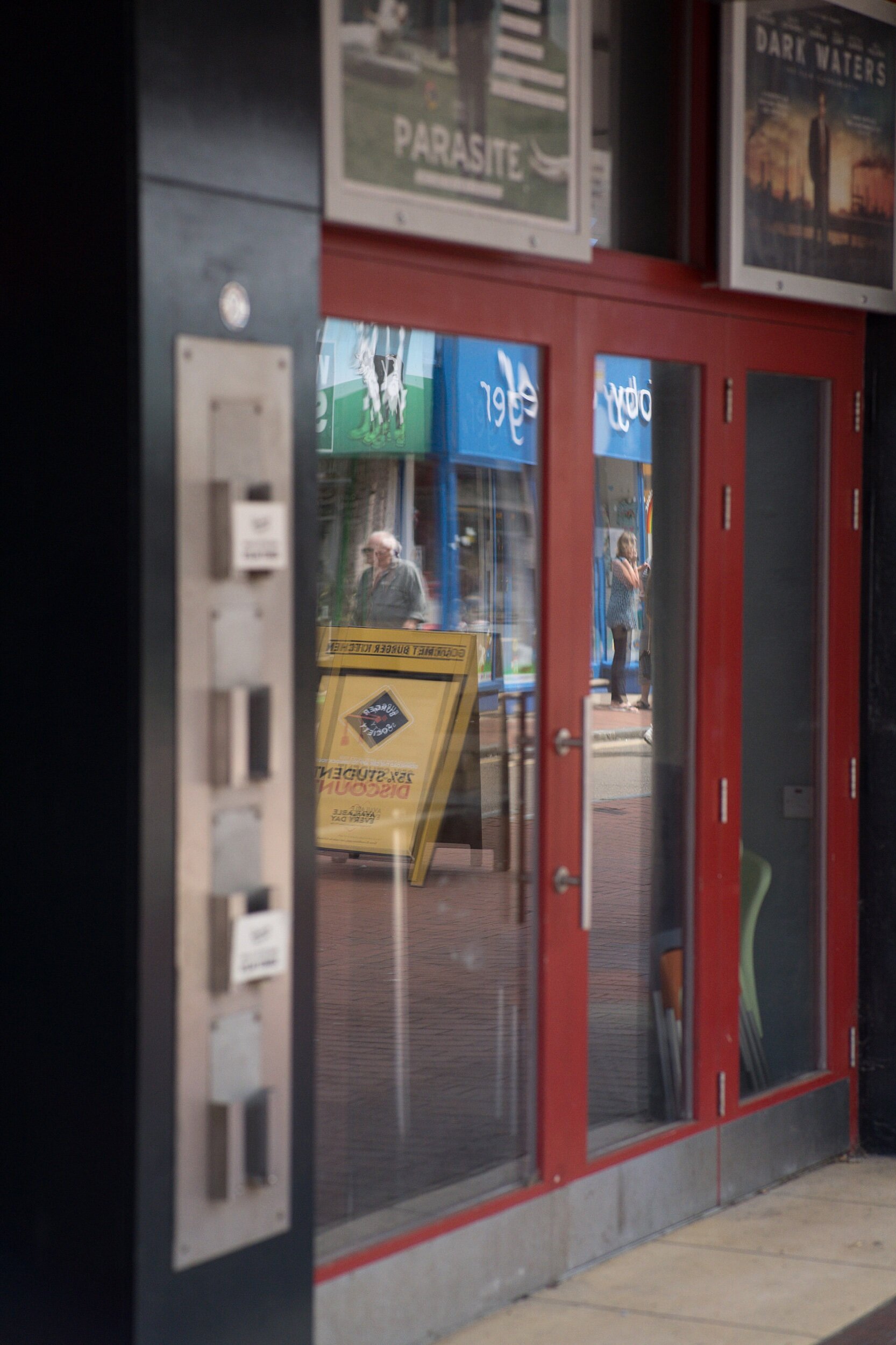
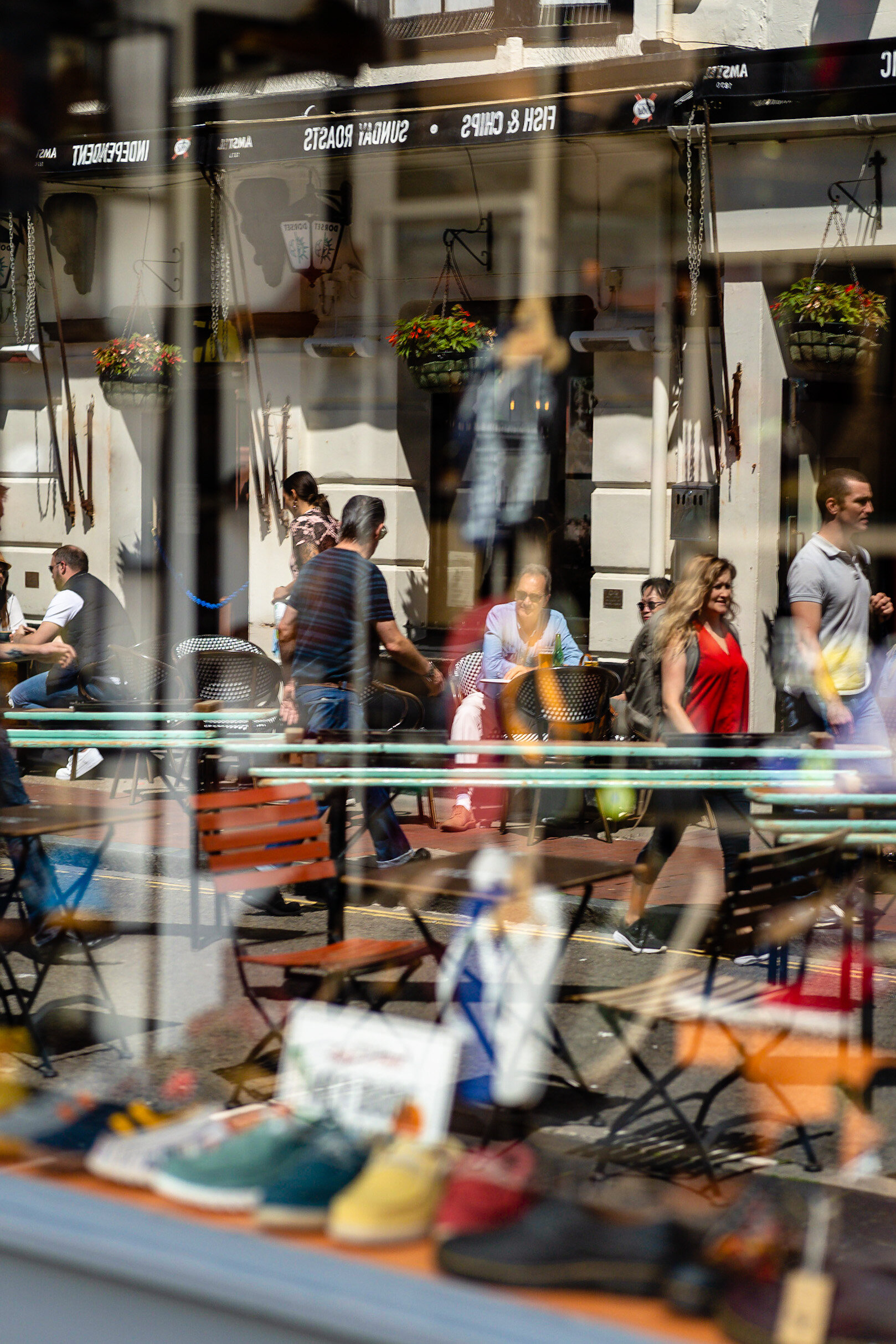

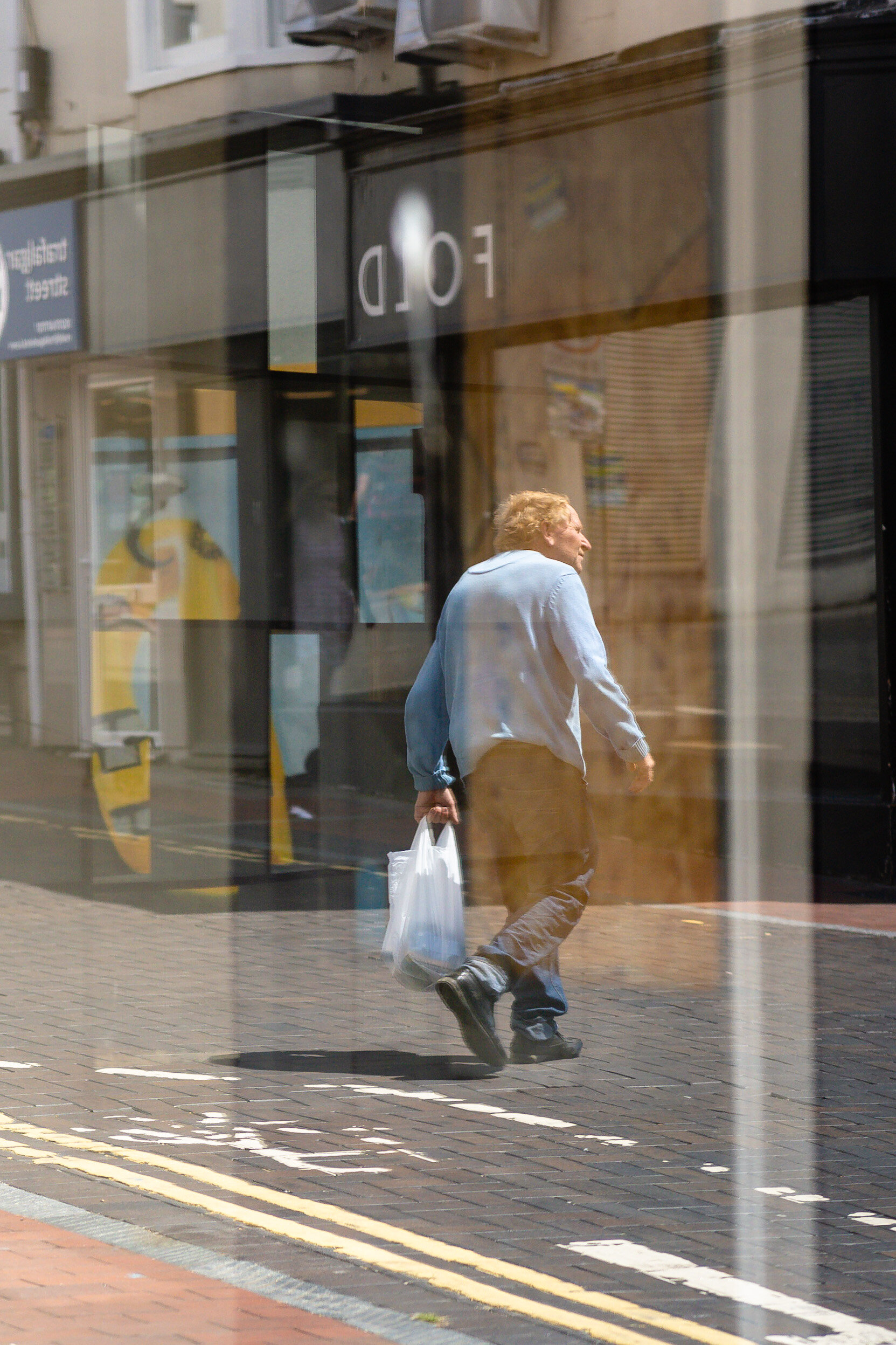
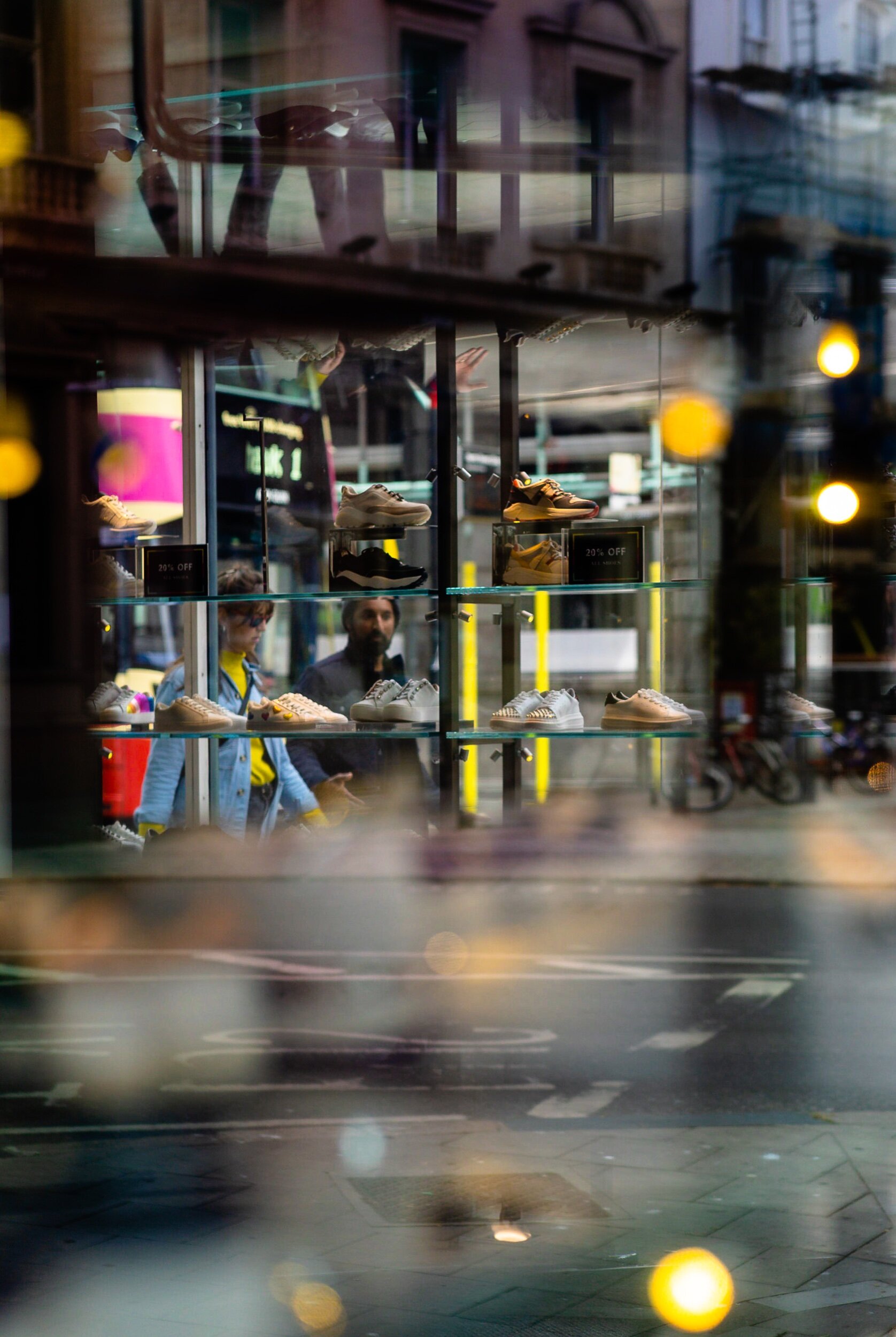
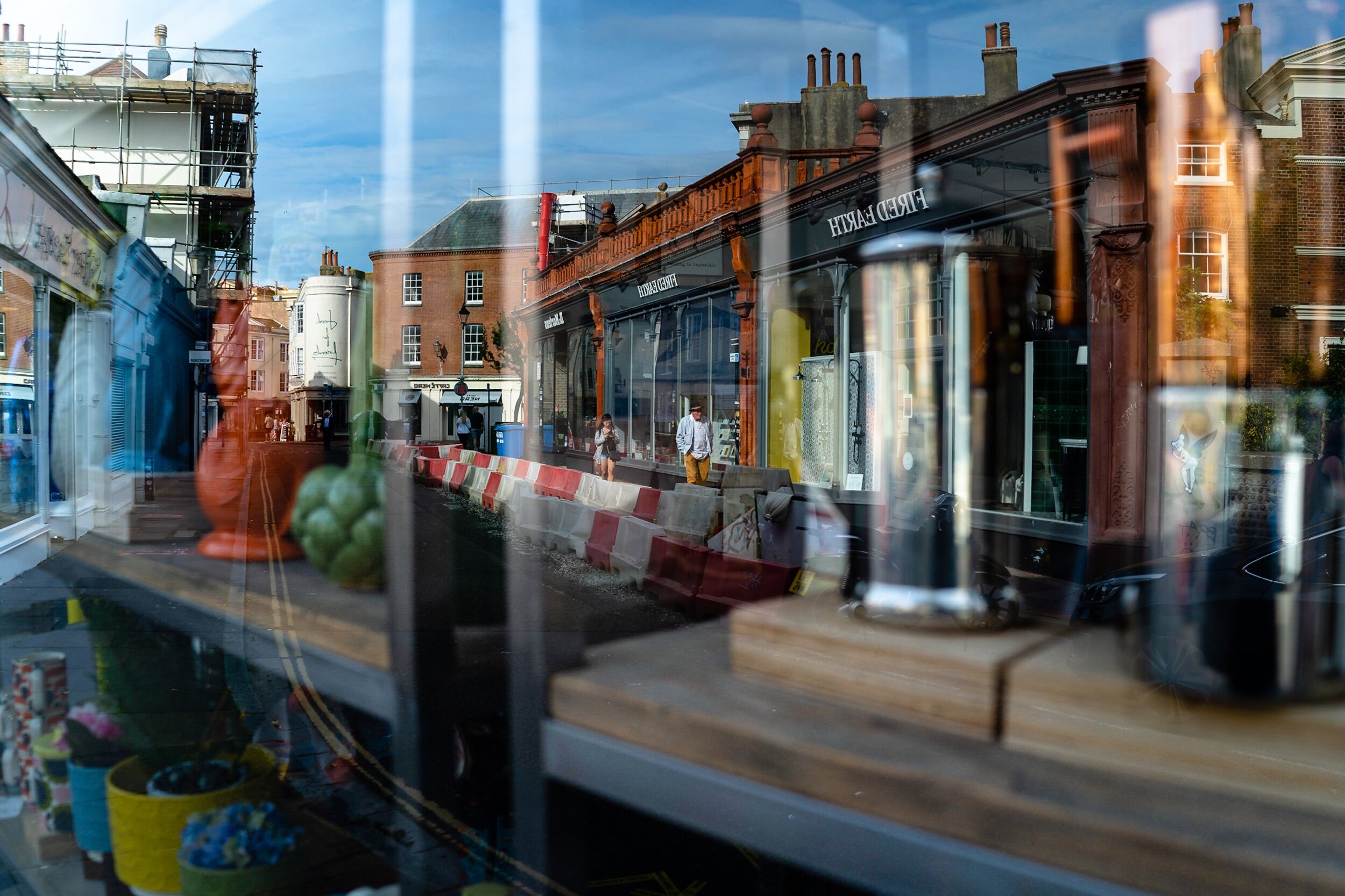
I never quite got the opportunity to explore the ‘nifty fifty’. I think this was possibly hindered by the fact that I had the 50mm on my Canon 7D, so whilst the lens rendered some beautiful photos, the bulk of the camera setup meant that I didn’t use it for street, it also had a crop factor sensor.
I started out originally taking street photography on my iPhone, which I understand was a 35mm equivalent, upgrading to the awesome Mark 1 Fuji x100 (also a 35mm), this was at the same time I switched to Android smartphones, which were all generally 28mm equivalent lens.
I felt obligated to shoot 28mm as this is considered a ‘purist’ street lens. The ‘tog has to get up real close and fill the frame. This is particularly the screens of the excellent Ricoh GR series of compact APS-c digital cameras. Nimble, stealthy and discreet.
I think my love for the grii is for another blog as is a comparison of the 35mm and 28mm.
I love the perspective of the 28mm ,but of late, I’m finding the ‘challenge’ of the 85mm, gives me a new leash of life with my street photography.
Whilst this won’t necessarily replace my core lens, its a necessary additional to the camera bag, that is a friendly GAS!
Until next time, keep snapping.
A selection of the images within this article are available for sale on the Website or Etsy Store, if you would like to enquire about something else, please click the email icon at the foot of this page.
Yes please, keep me posted when there’s a new blog
Instagram - Film