in the frame
Barbican Brutal: Concrete Dreams in the Heart of the City
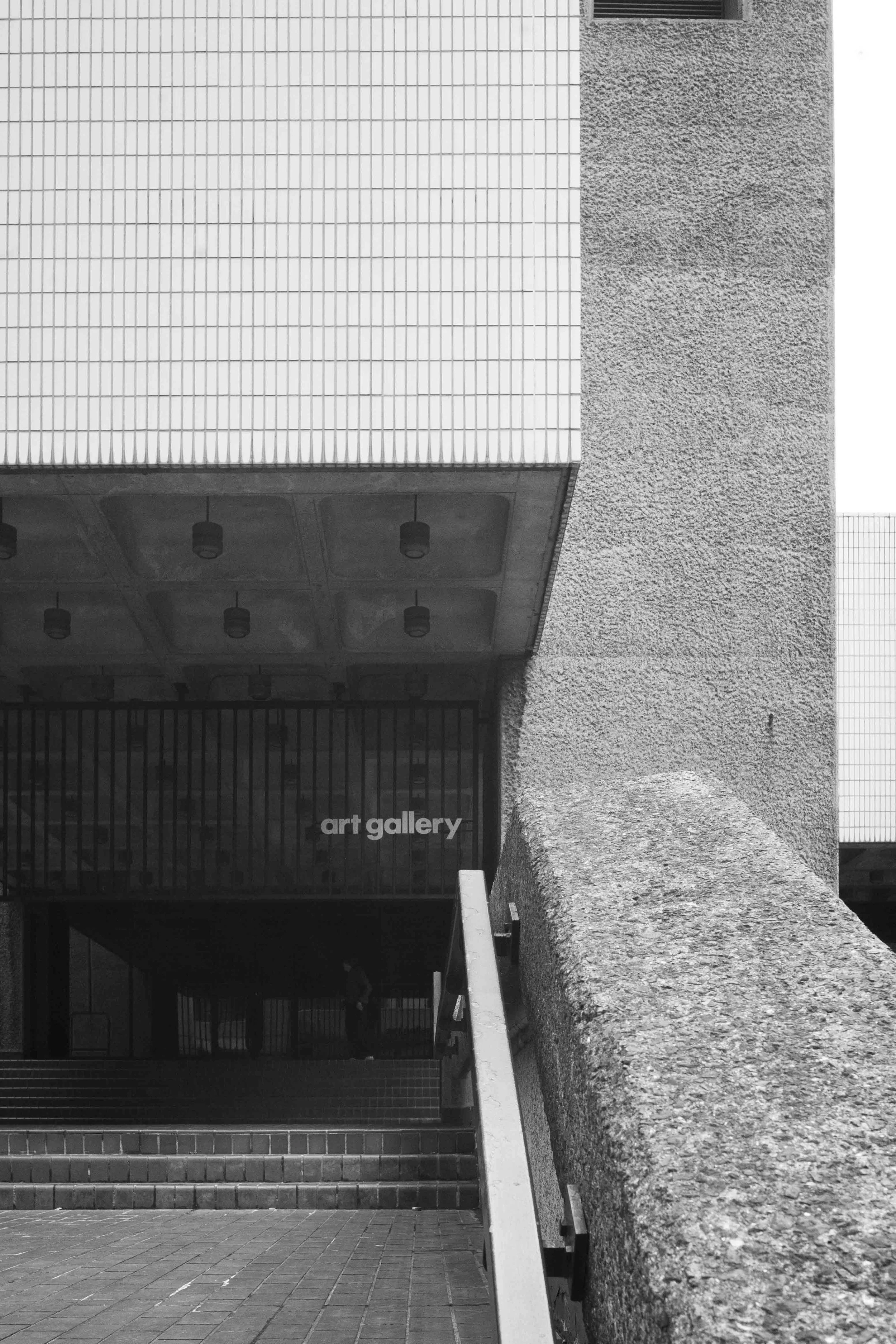
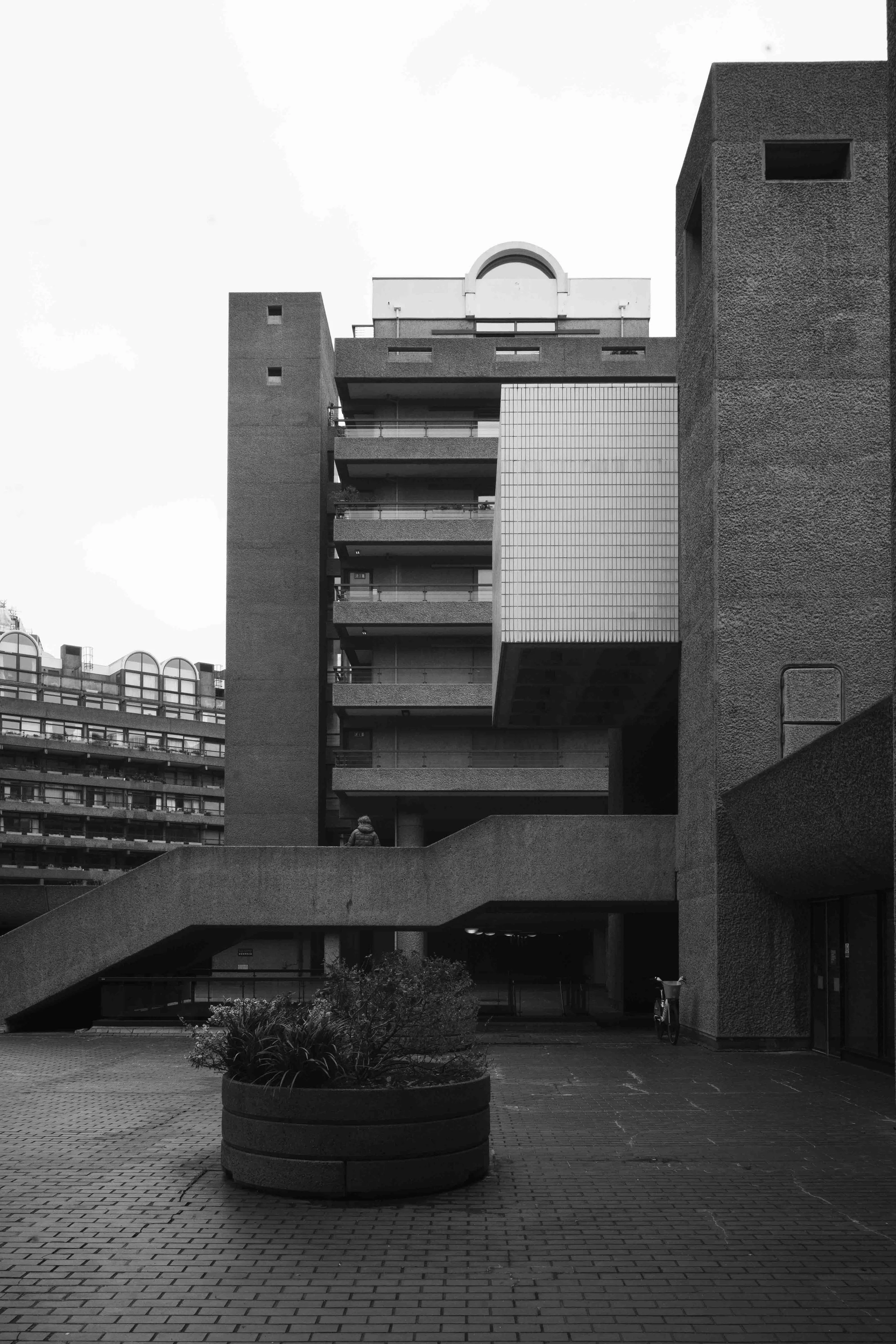
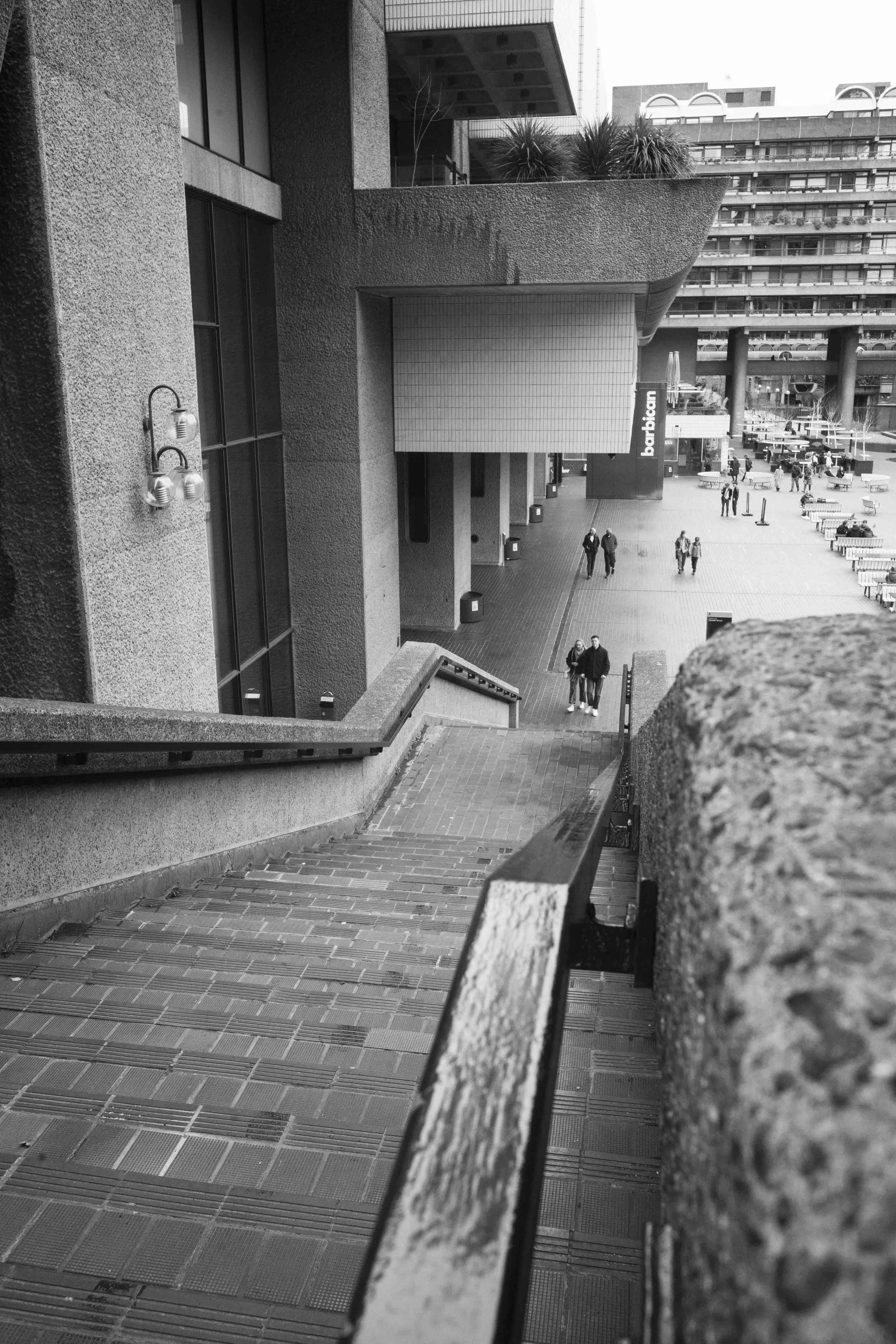
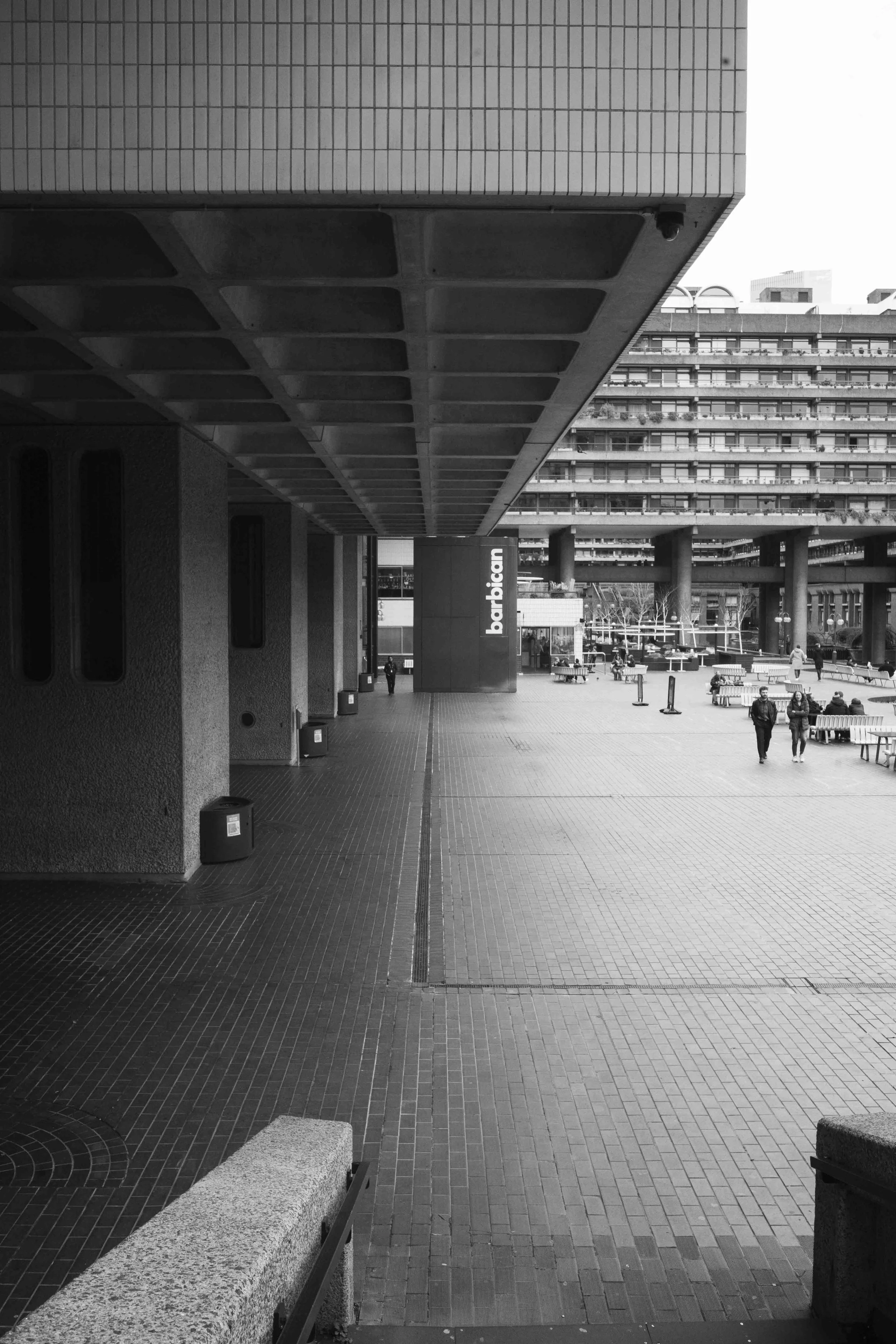
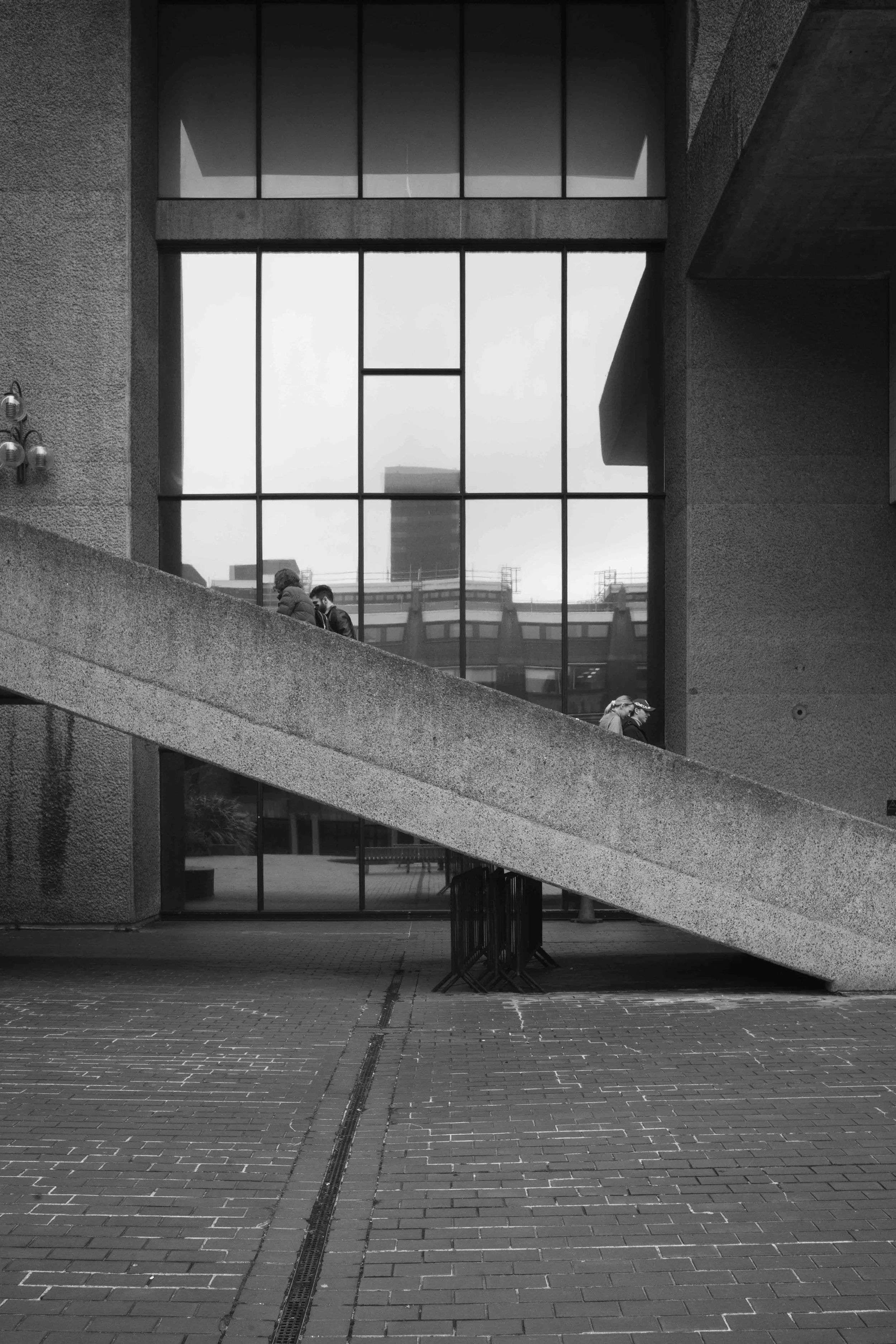
If my previous post on the soaring vertical drama of Trellick Tower and the sinuous, wave-like flow of the Alexandra & Ainsworth Estate captured West London's brutalist spirit, then this one takes us straight into the City for the sequel: the Barbican Estate.
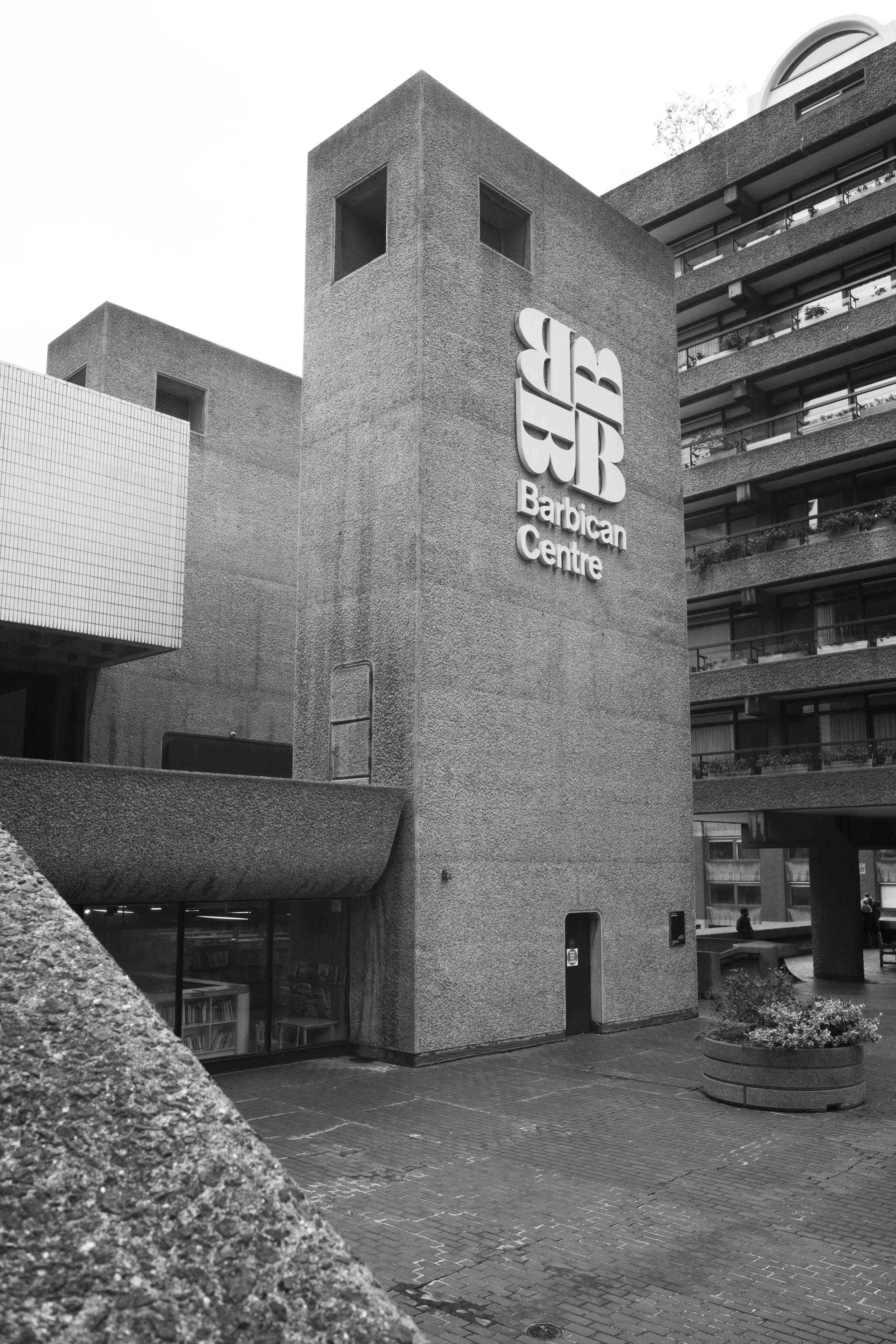
If my previous post on the soaring vertical drama of Trellick Tower and the sinuous, wave-like flow of the Alexandra & Ainsworth Estate captured West London's brutalist spirit, then this one takes us straight into the City for the sequel: the Barbican Estate.
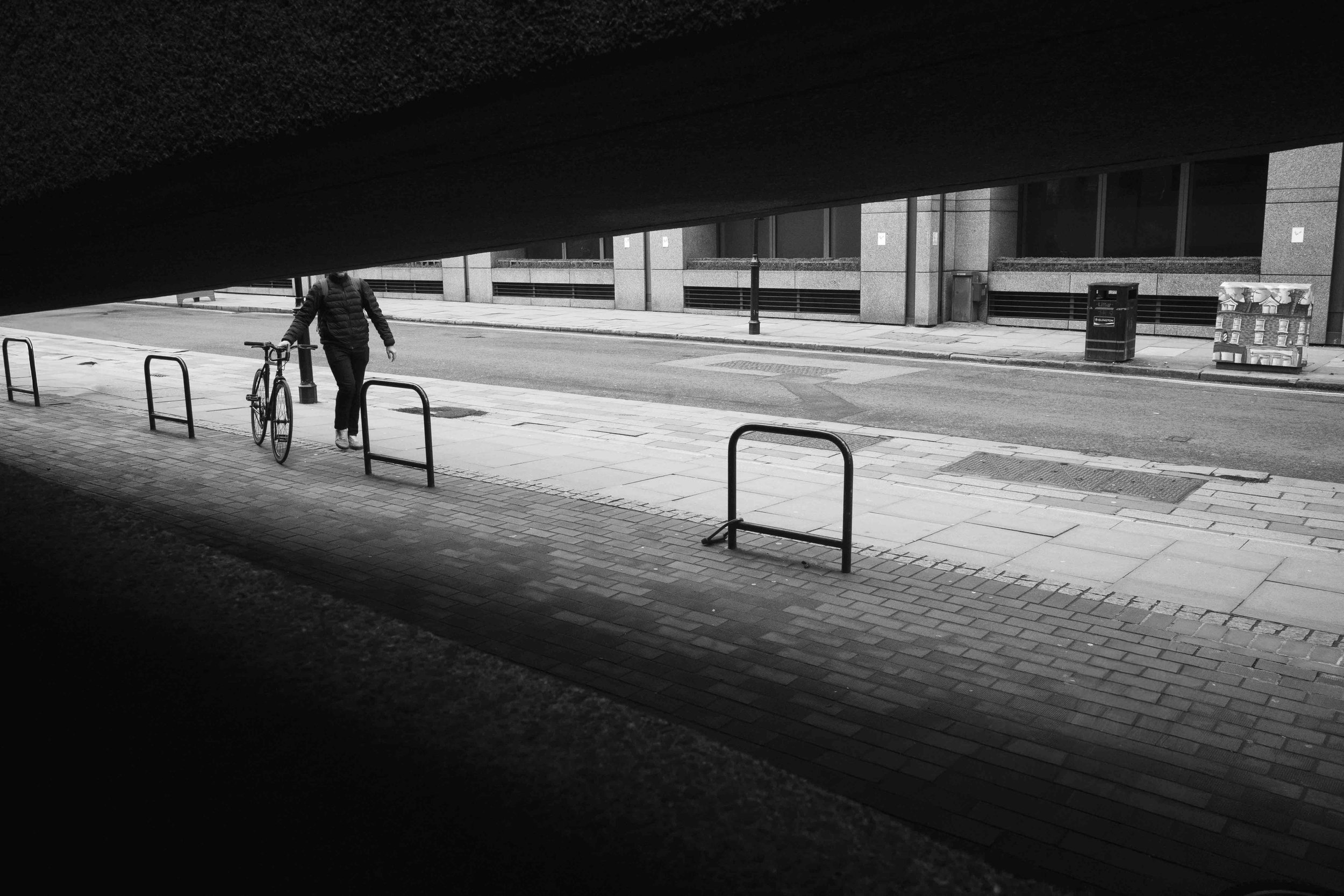
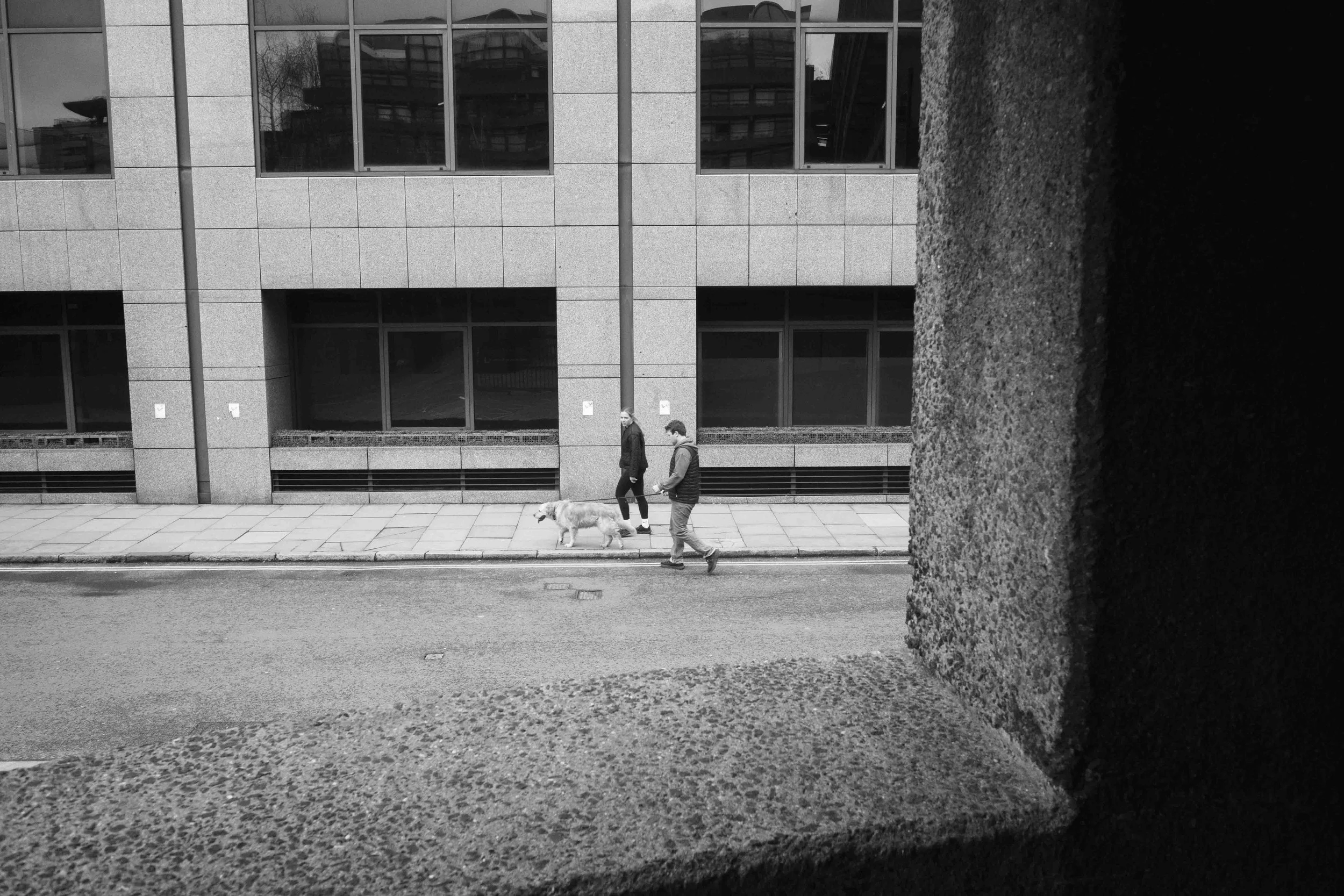
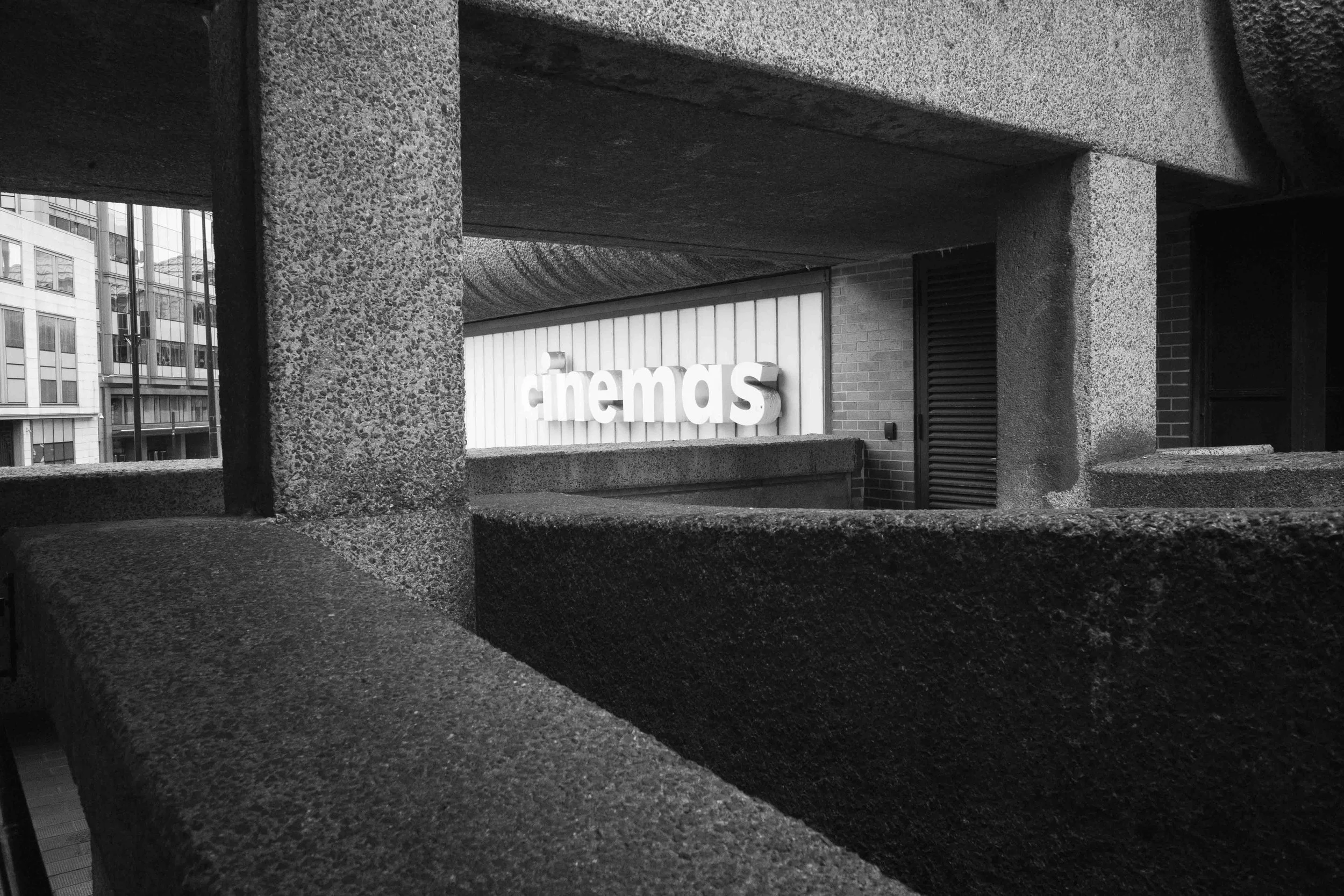
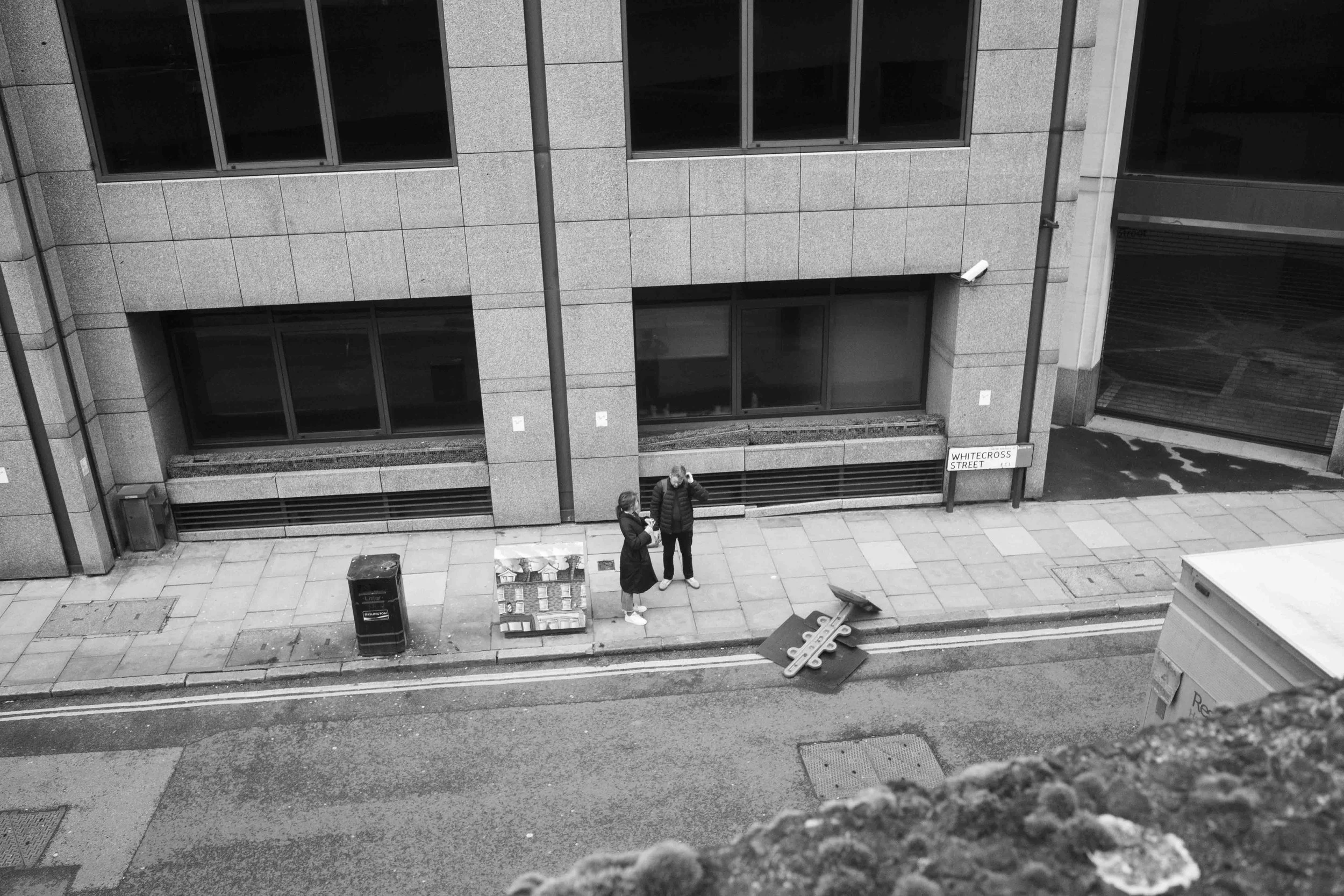
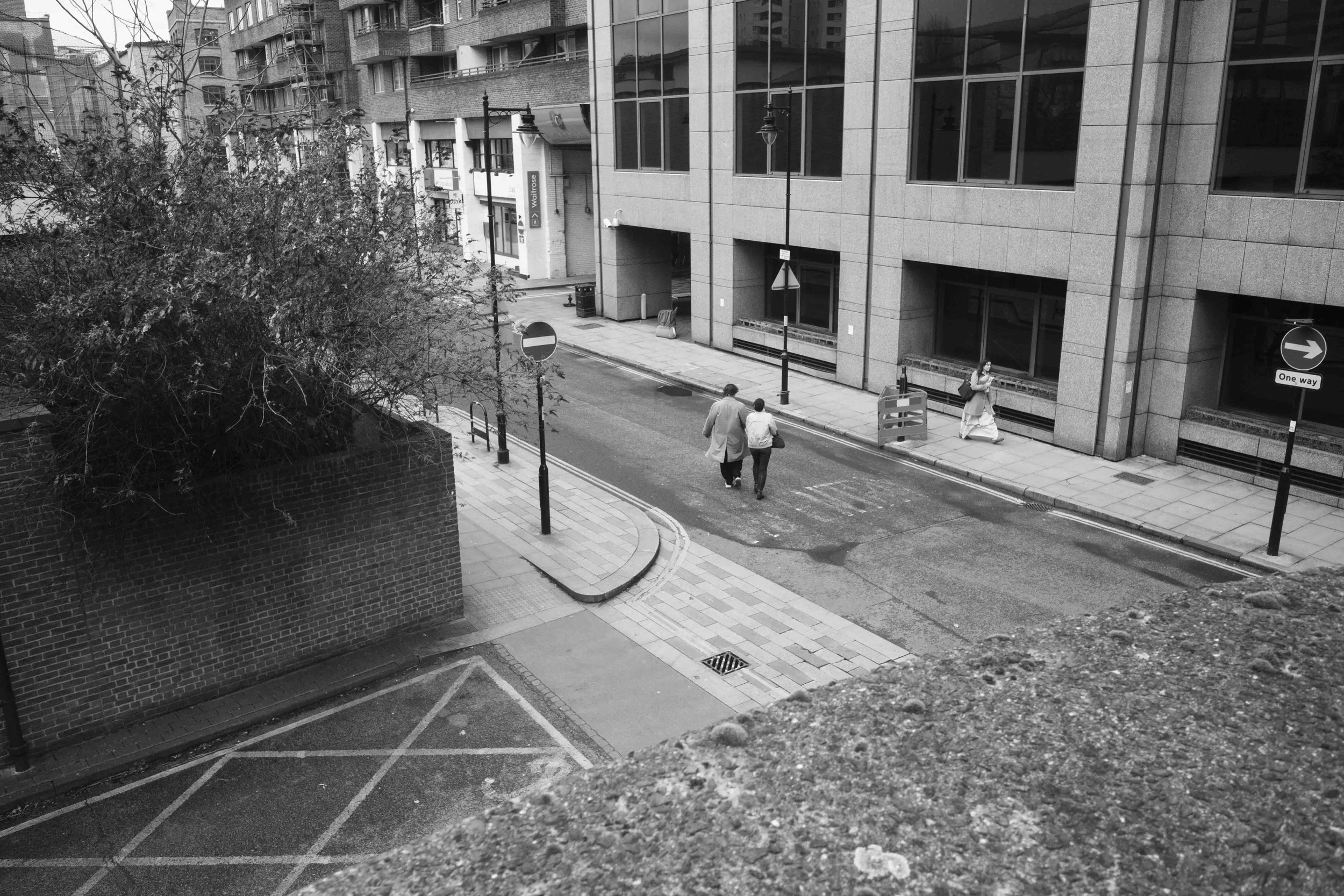
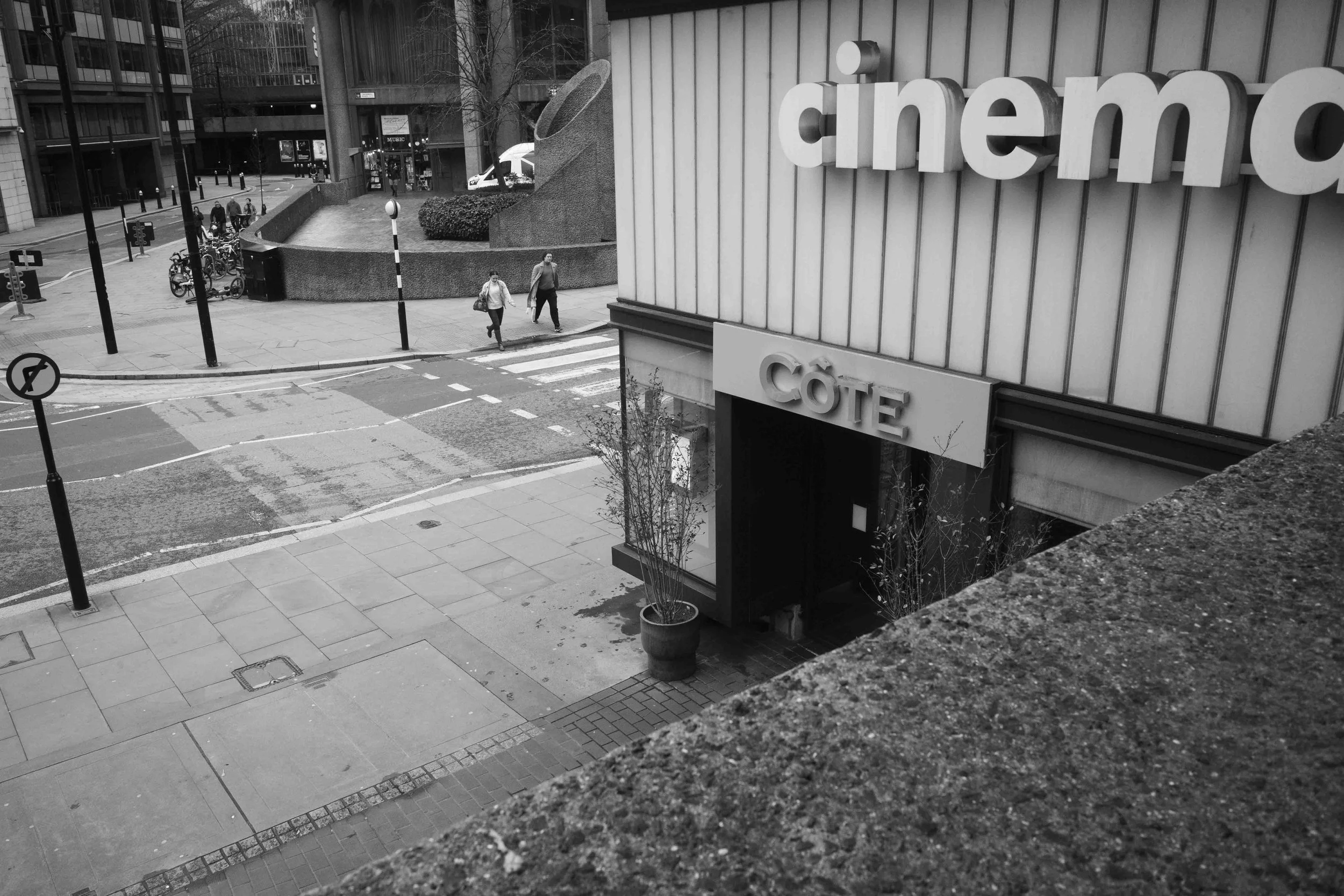
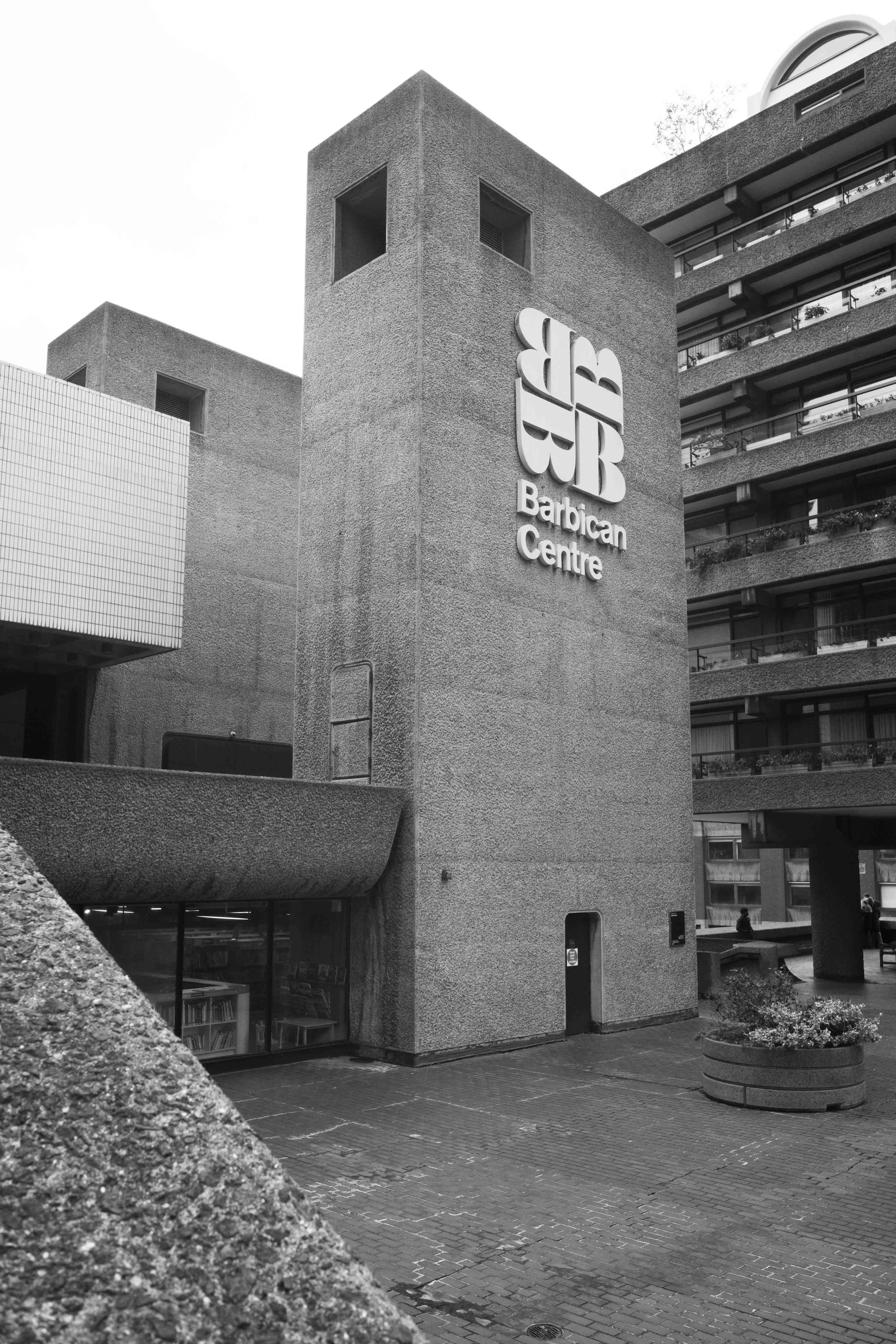
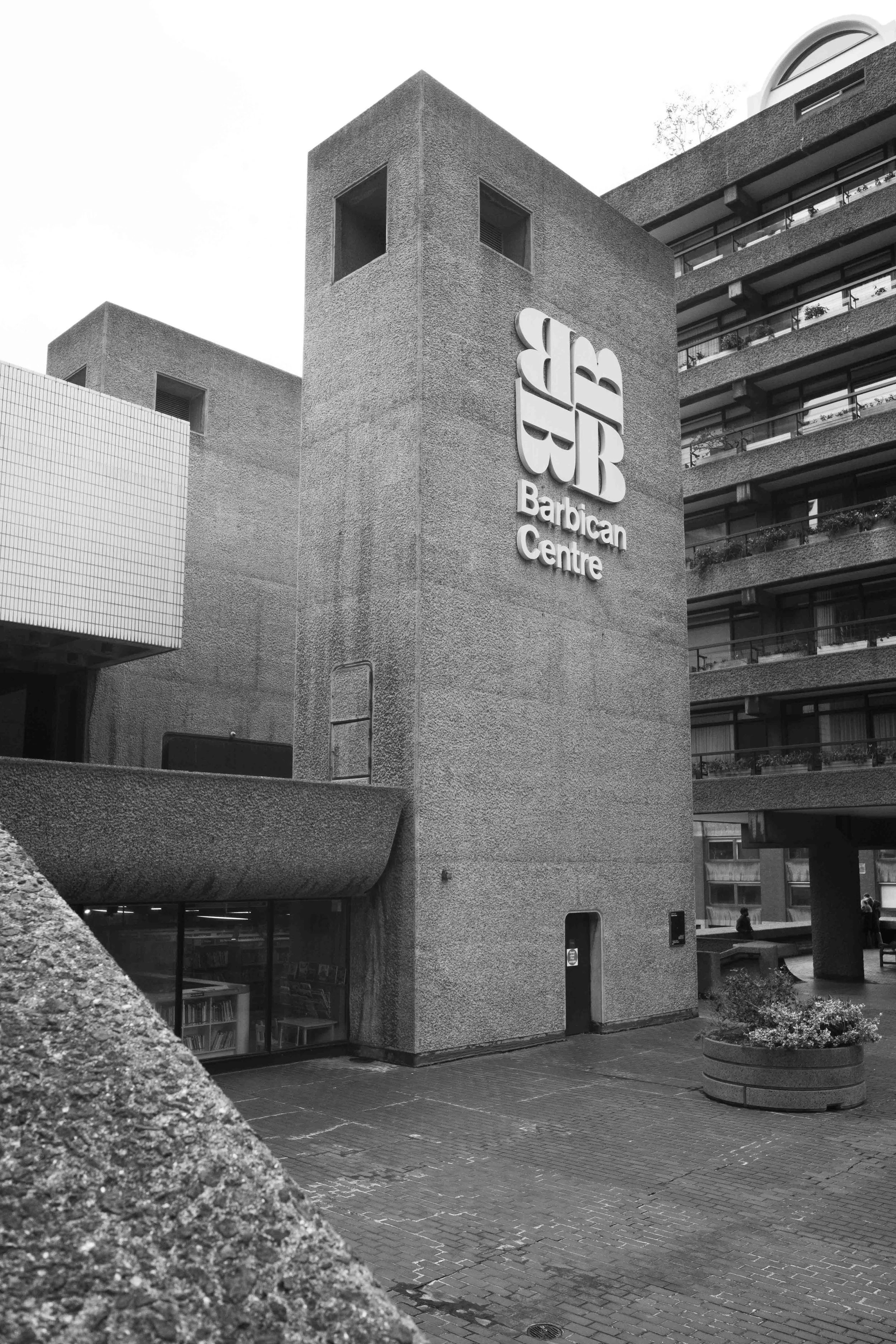
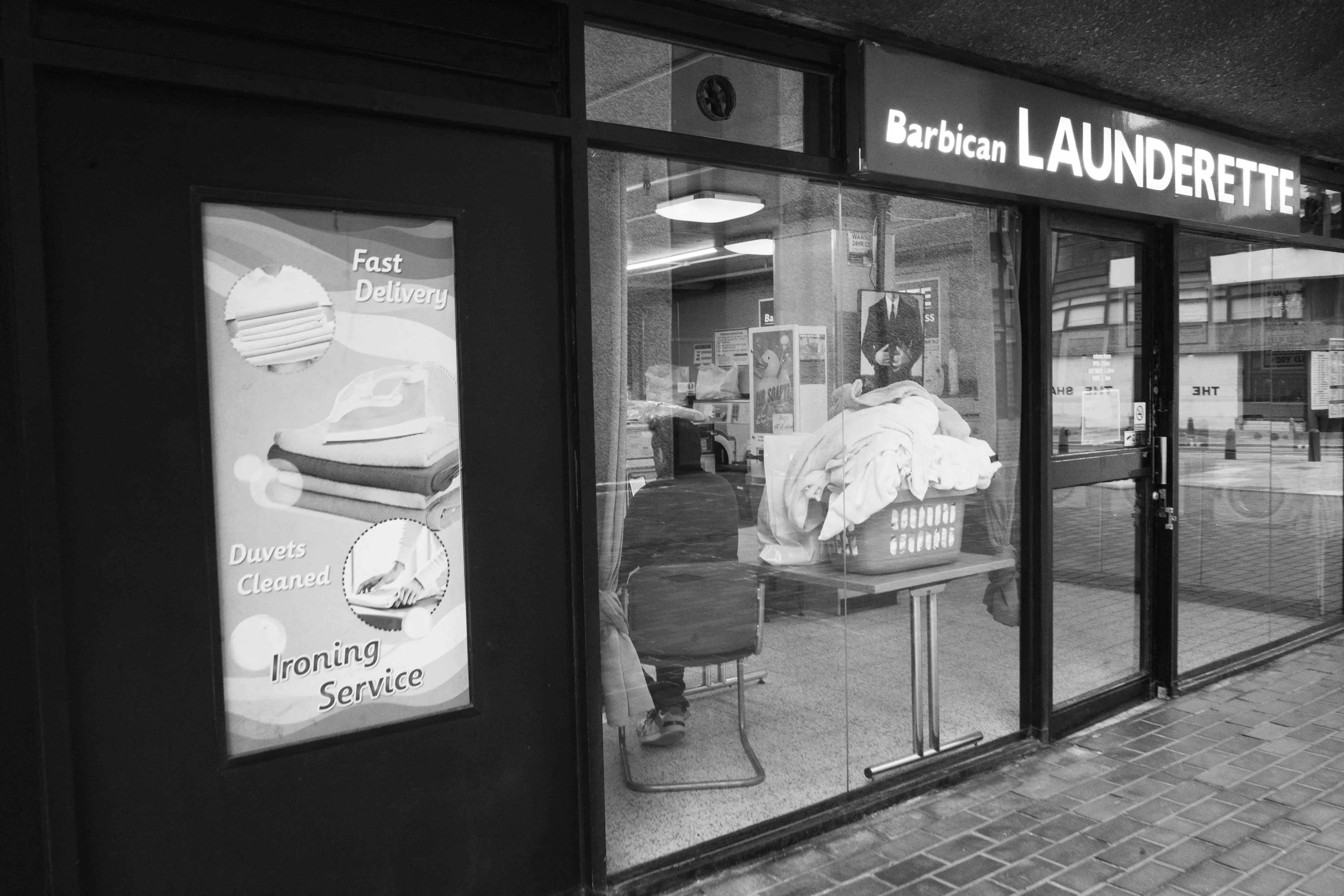
Few places embody London's post-war architectural ambition quite like the Barbican. Designed by Chamberlin, Powell and Bon and built between the mid-1960s and early 1980s on a 40-acre bomb-site flattened during the Blitz, this Grade II-listed complex isn't just a housing estate—it's a self-contained "city within a city." Three dramatic 40+ storey towers (Cromwell, Shakespeare, and Lauderdale), cascading low-rise terraces, elevated "streets in the sky" walkways, sunken lakes, private gardens, and the world-renowned Barbican Centre arts venue all fused into one monumental, multi-level labyrinth of bush-hammered concrete.
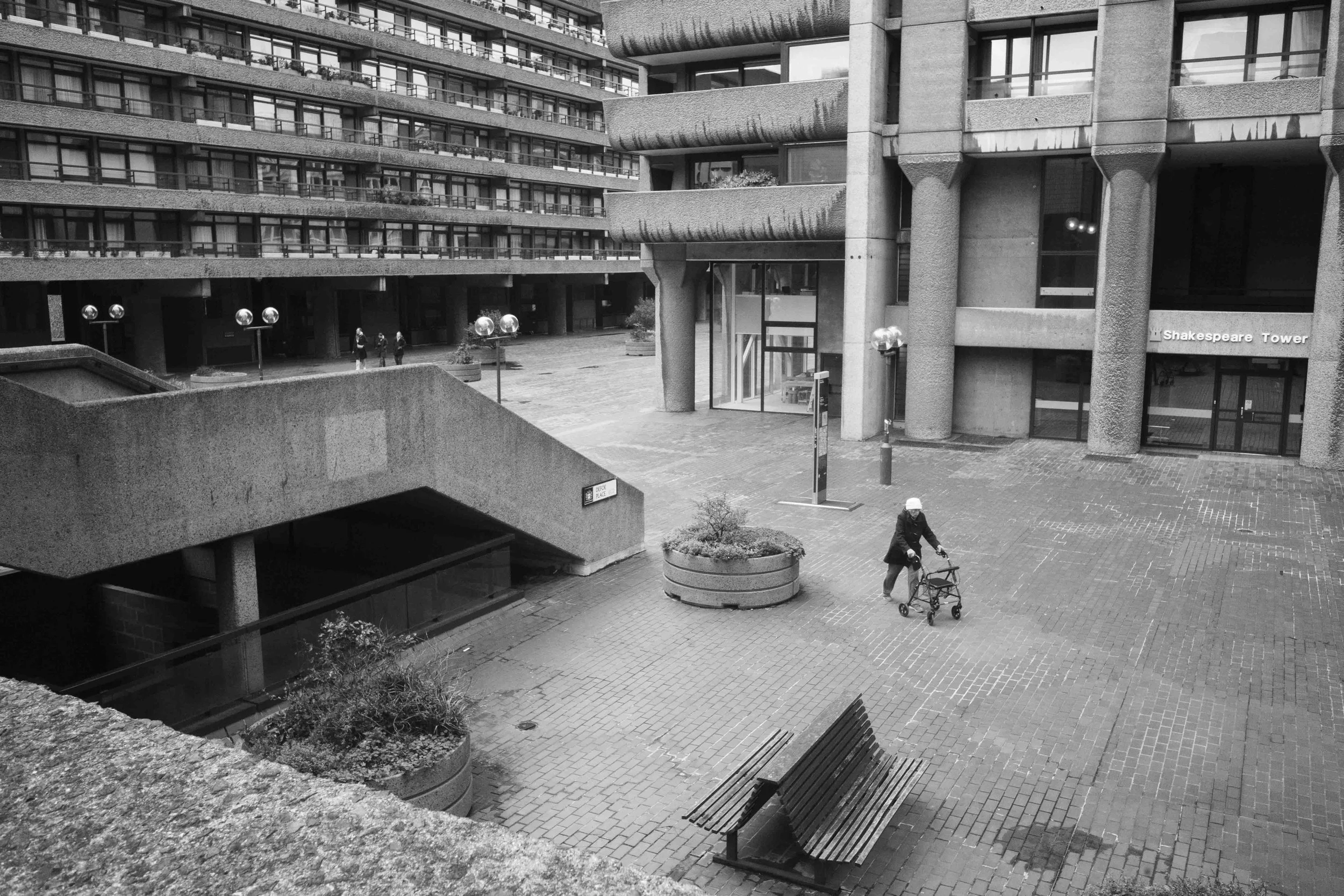
Brutalism here feels less austere and more utopian: raw béton brut textures meet thoughtful landscaping, sculptural forms, and a deliberate separation of pedestrians from traffic. It's divisive—some see fortress-like severity, others see bold optimism—but for street and architectural photography, it's endlessly compelling. The geometry is sharp, the scale immense, yet human moments (a dog walk, a laundry basket, a quiet bench) constantly soften the edges.
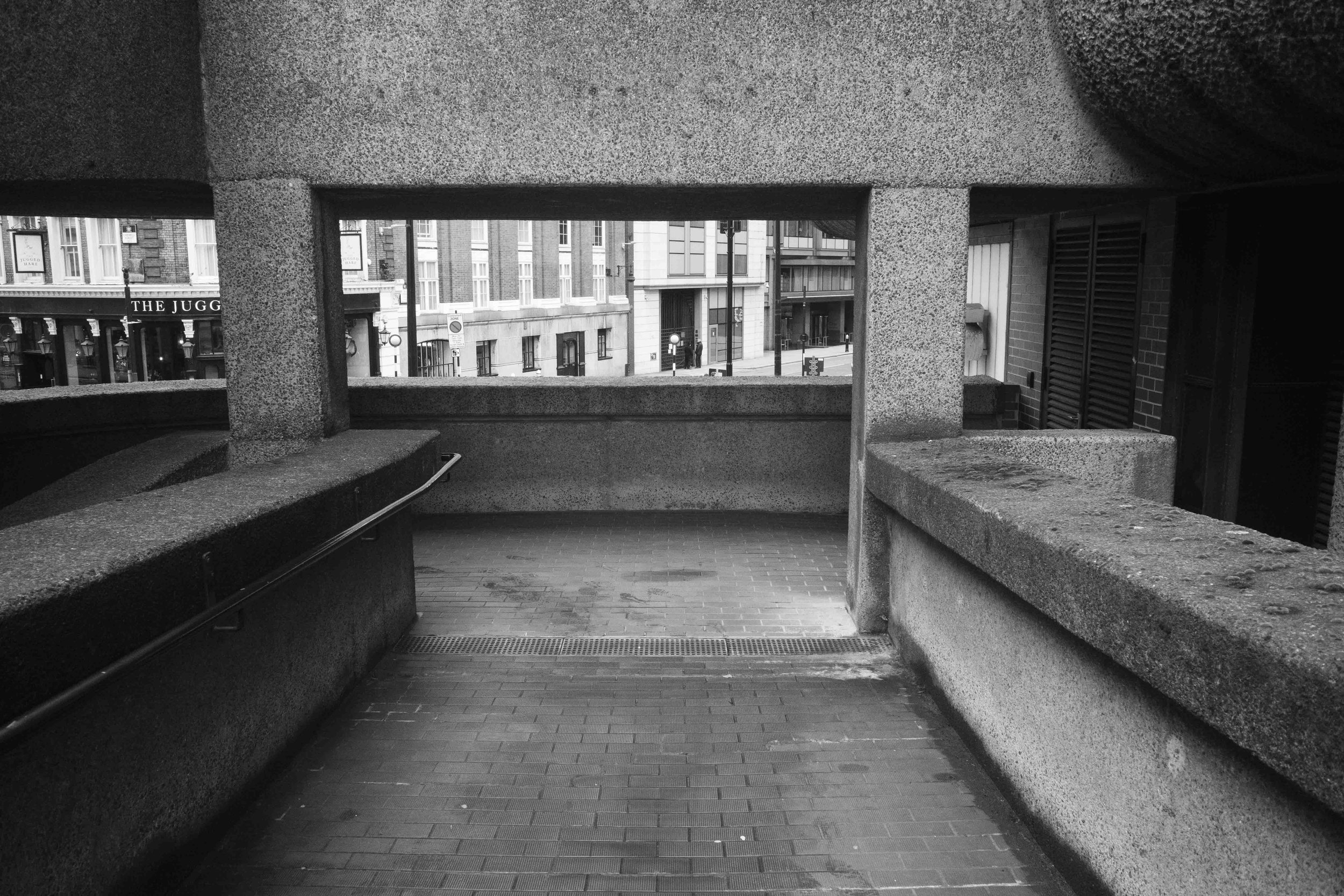
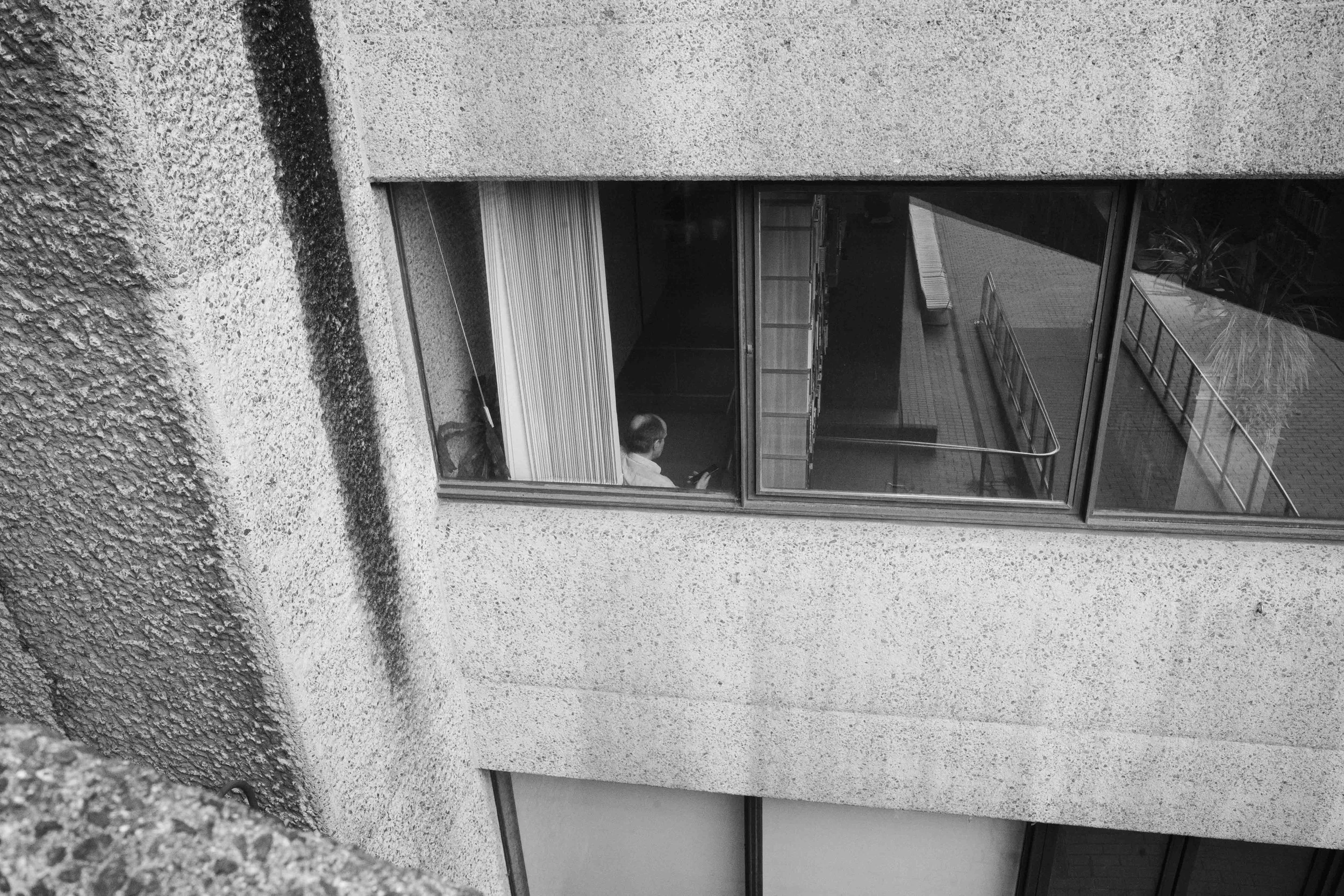
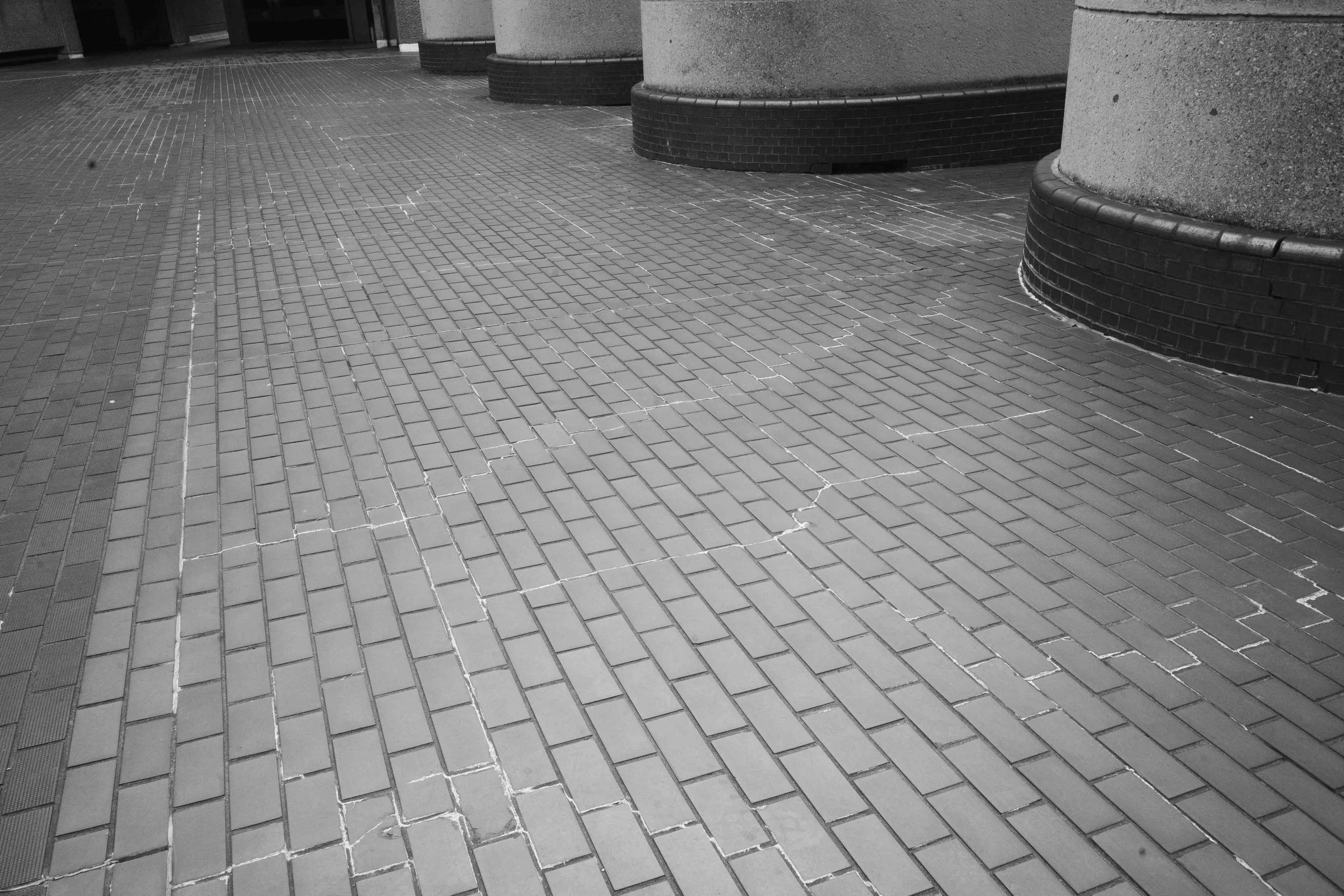
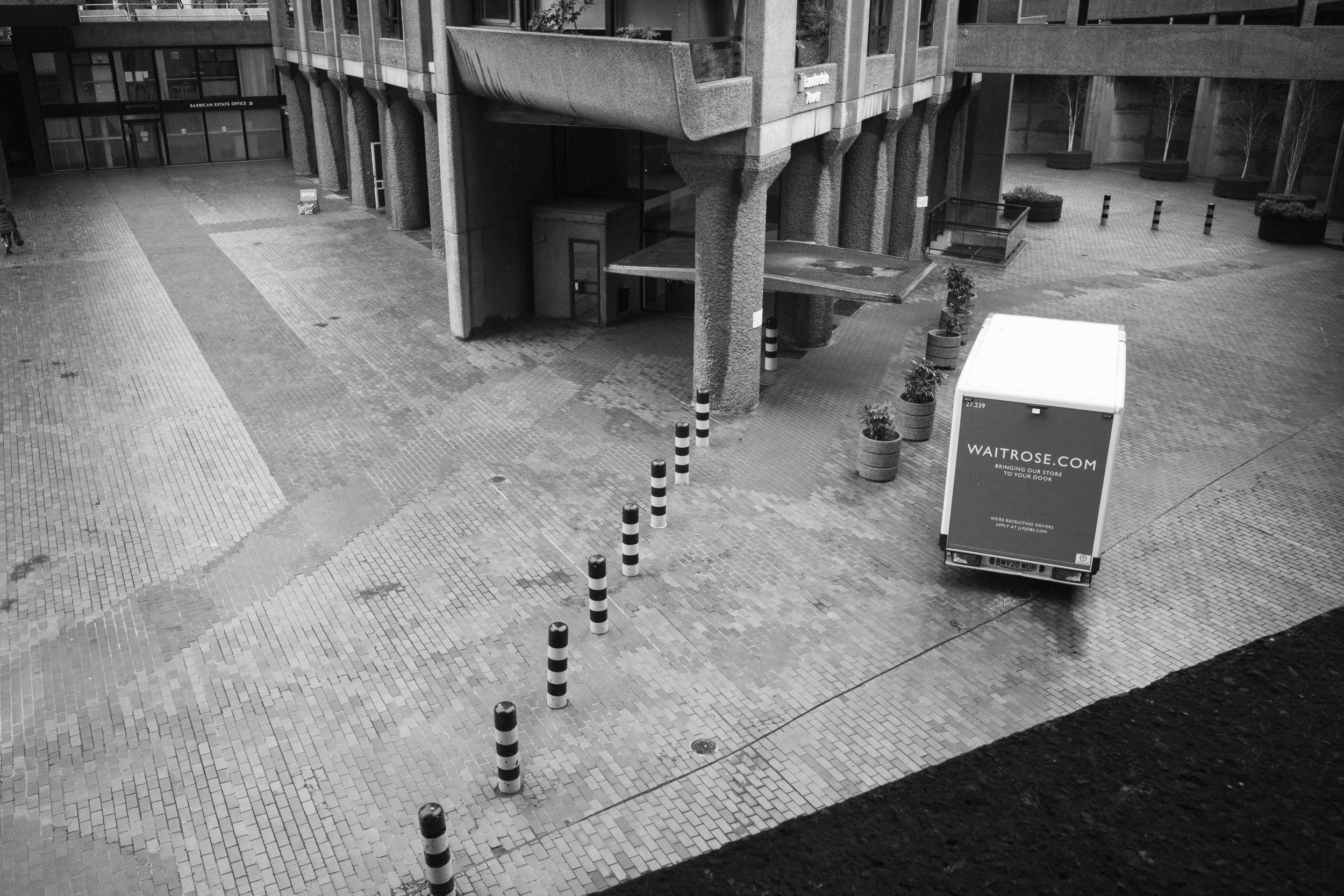
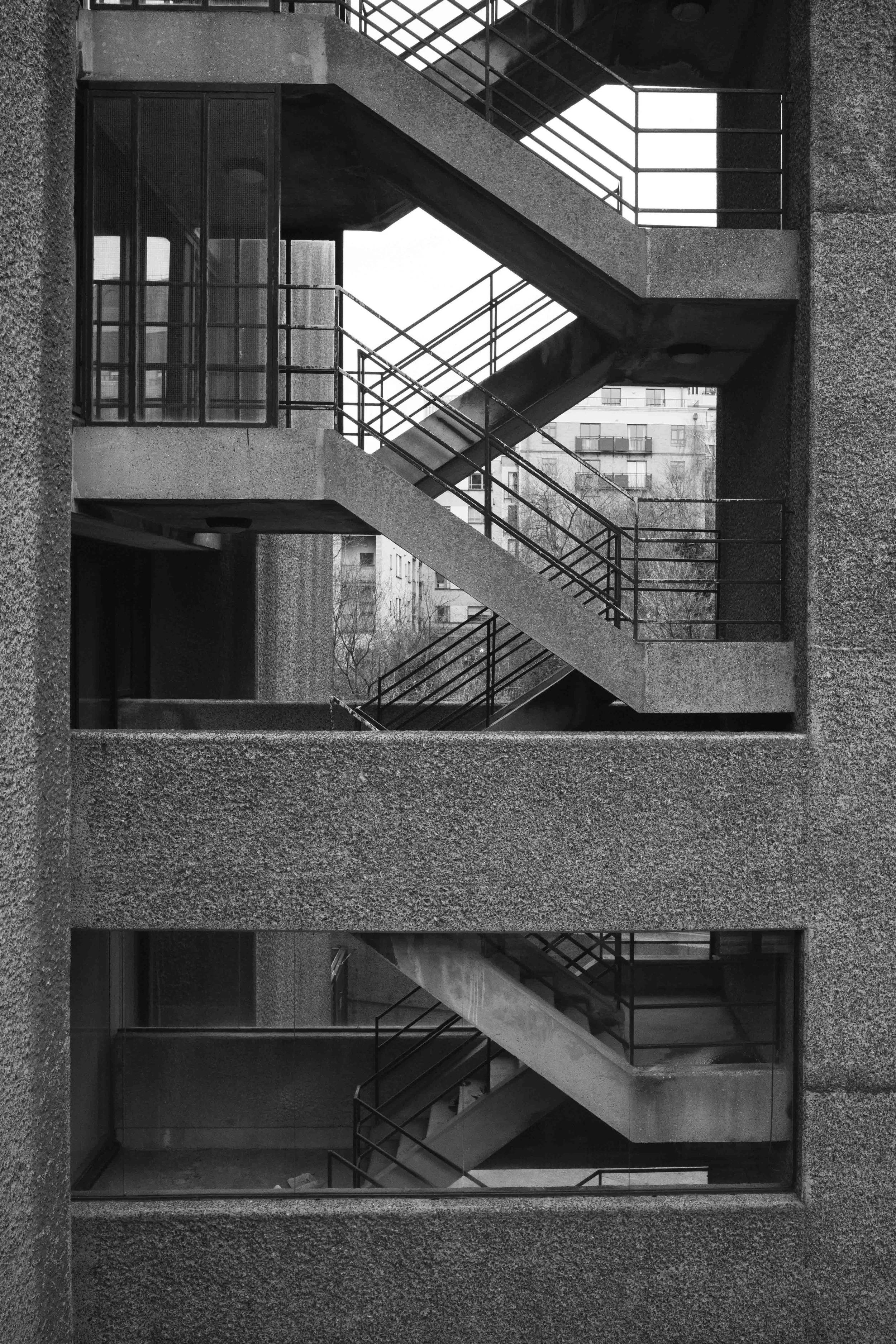
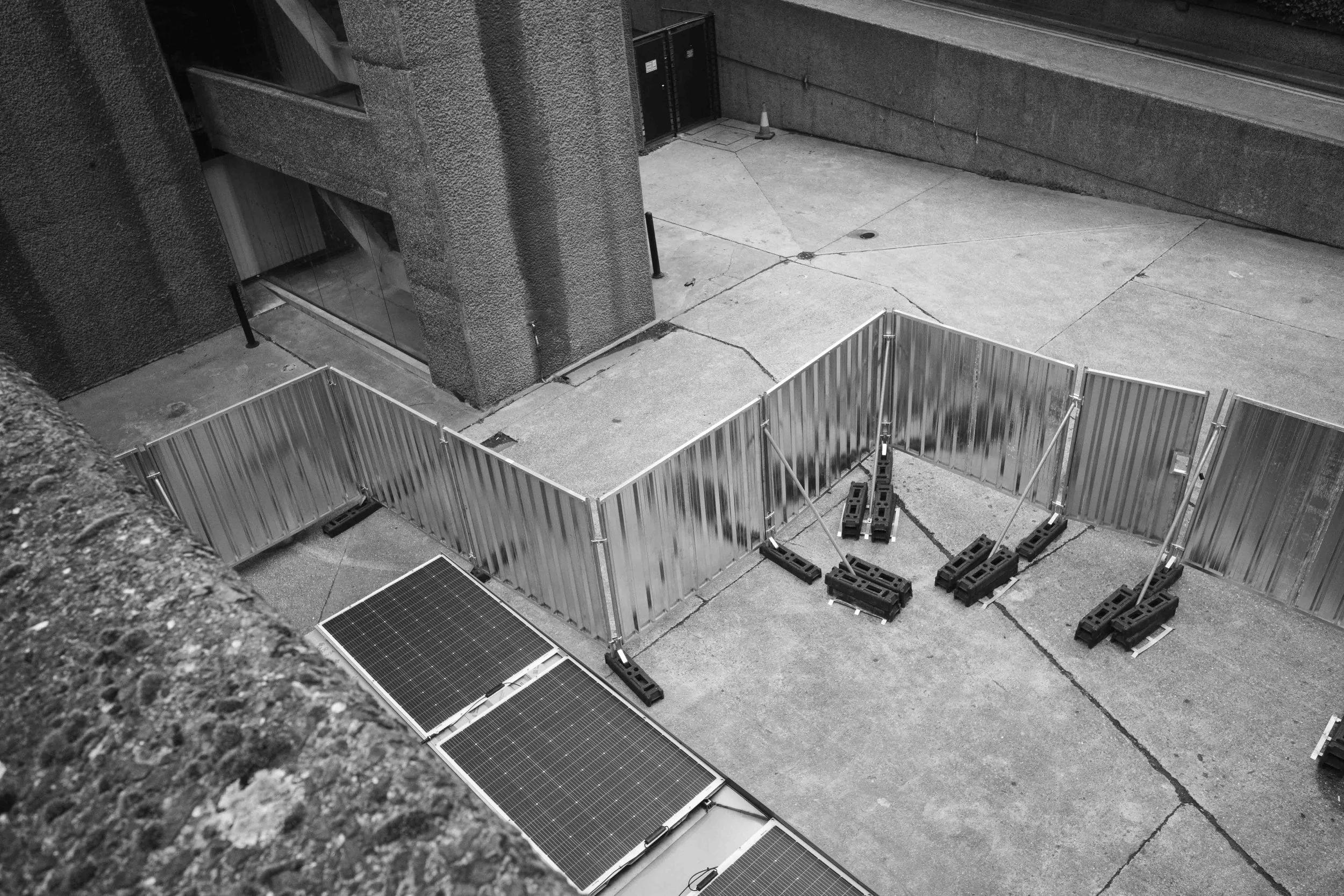
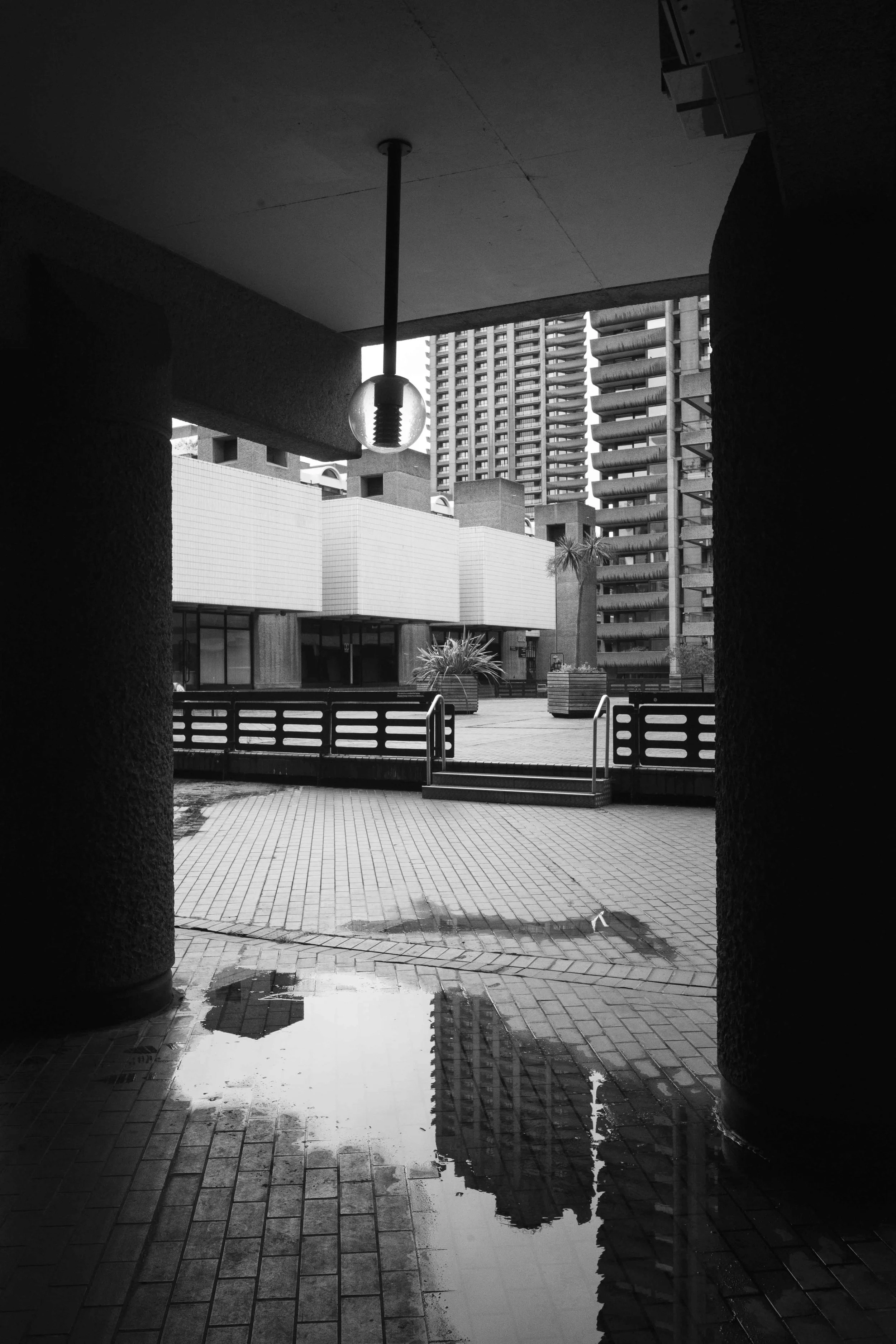
The Nerdy Bit: These black-and-white images, shot on a drizzly winter day, strip away colour distractions to emphasize form, texture, light, and shadow. The TTartisan 28mm F5.6 lens and my Leica M10. renders the concrete with incredible depth—every hammer mark, every puddle reflection pops. Processed lightly in Lightroom for contrast and grain, the series aims to let the architecture speak while highlighting how people inhabit it daily. This lens is magnificent, no horrible digital cliinical sharpness. for <£300.
The Barbican isn't just concrete—it's a bold experiment in high-density living that still feels radical. Love it or loathe it, photographing here is addictive. If Alexandra & Ainsworth was West London's poetic brutalism, the Barbican is the City's dense, layered epic.
Thanks for reading. Drop a comment if you've wandered these walkways yourself—what's your favourite brutalist spot in London?
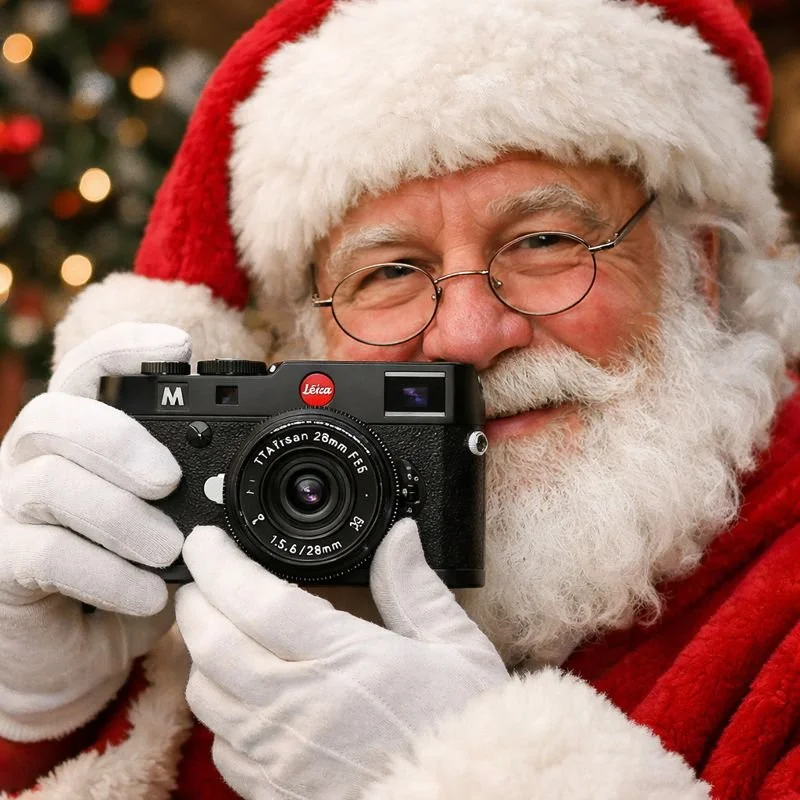
Camera Santa
Camera Santa was very kind to me this year, I was lucky to get a 28mm M mount lens for my Leica cameras.
The 28mm focal length is often called the "goldilocks" of street photography. It’s wide enough to capture the energy of a city street but tight enough to feel personal. Recently, I took my Leica M10 paired with the tiny TTArtisan 28mm f/5.6 for a spin through the heart of London to see how this modern "tribute" lens handles the grit and glamour of the capital.

Camera Santa was very kind to me this year, I was lucky to get a 28mm M mount lens for my Leica cameras.
The 28mm focal length is often called the "goldilocks" of street photography. It’s wide enough to capture the energy of a city street but tight enough to feel personal. Recently, I took my Leica M10 paired with the tiny TTArtisan 28mm f/5.6 for a spin through the heart of London to see how this modern "tribute" lens handles the grit and glamour of the capital.
I’ll be honest: 28mm is my absolute favorite focal length. I have loved this aspect since I bought the Ricoh GRII (second hand) a couple of years ago. Its also generally the focal length of smartphones, which was origins of my interest in street photography (whilst on my commute into the office, back in the day). Whilst I really enjoy both the 35mm and 50mm, there is a specific immersion you get with a 28mm that makes the viewer feel like they are standing right next to you on the pavement.
Standing on the Shoulders of Giants
Before diving into the photos, it’s worth noting that the 28mm has a legendary pedigree. Some of the most influential street photographers in history chose this perspective to document the world:
Garry Winogrand: The master of the 28mm. He used its wide field of view to pack his frames with "organized chaos," often tilting the camera to create a sense of frantic energy.
William Klein: Known for his raw, "in-your-face" style, Klein loved the 28mm because it forced him to get physically close to his subjects, creating a sense of intimacy that a longer lens just can't replicate.
Daido Moriyama: For his gritty, high-contrast snapshots of Tokyo, Moriyama famously utilized the fixed 28mm lens of the Ricoh GR series to capture the "are-bure-boke" (rough, blurred, and out-of-focus) aesthetic.
The Walk: From Embankment to the West End
The TTArtisan 28mm f/5.6 is a "pancake" lens, making the M10 incredibly pocketable and discrete. Because the maximum aperture is a modest f/5.6, this lens is designed for zone focusing. It’s kind of counterintuitive to have a F2 28mm lens, when the basis of the lens is to shoot wide and deep. I set my aperture to f/8, my focus to between 2 / 3 meters, and let the depth of field do the work.
1. Embankment & Southbank
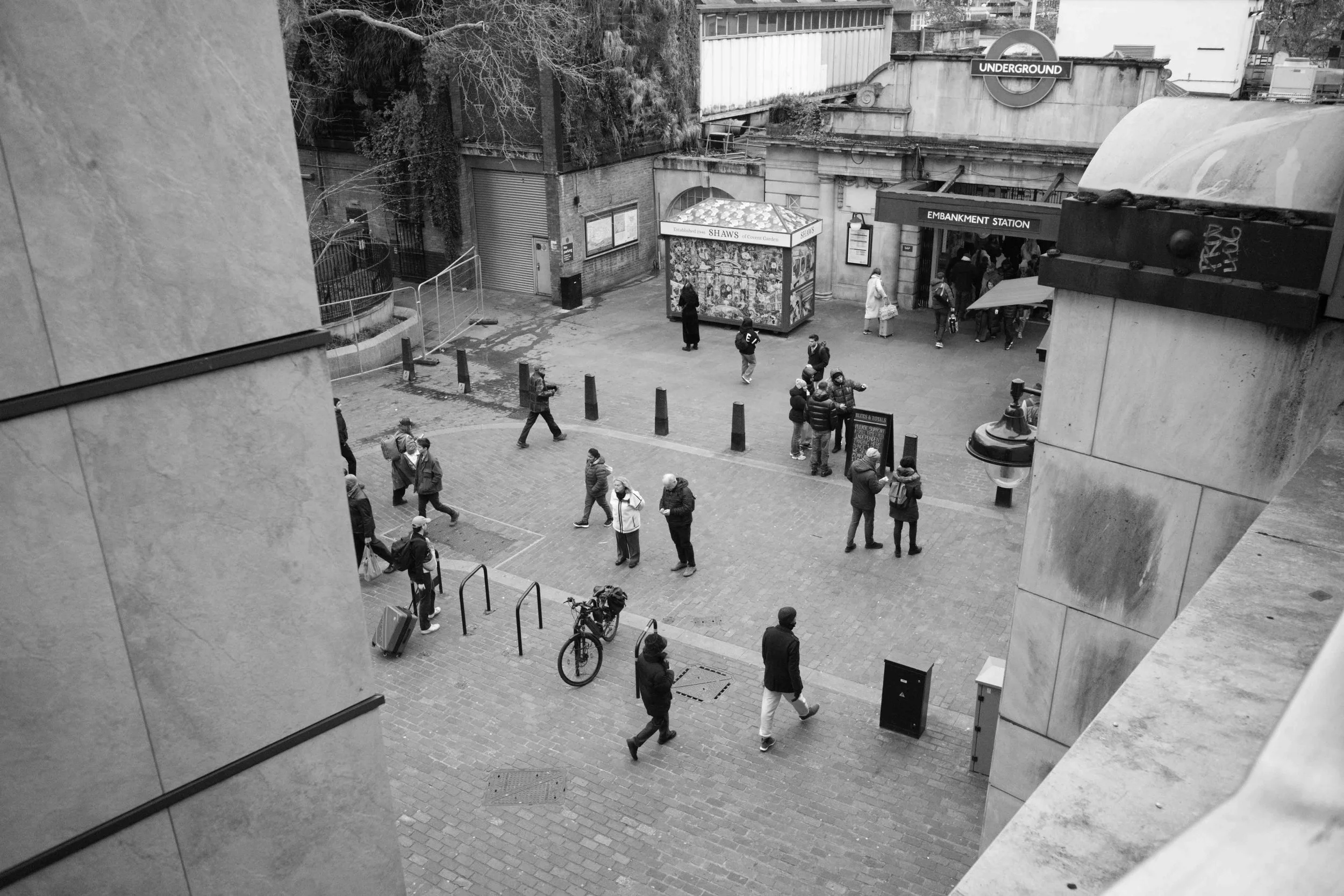
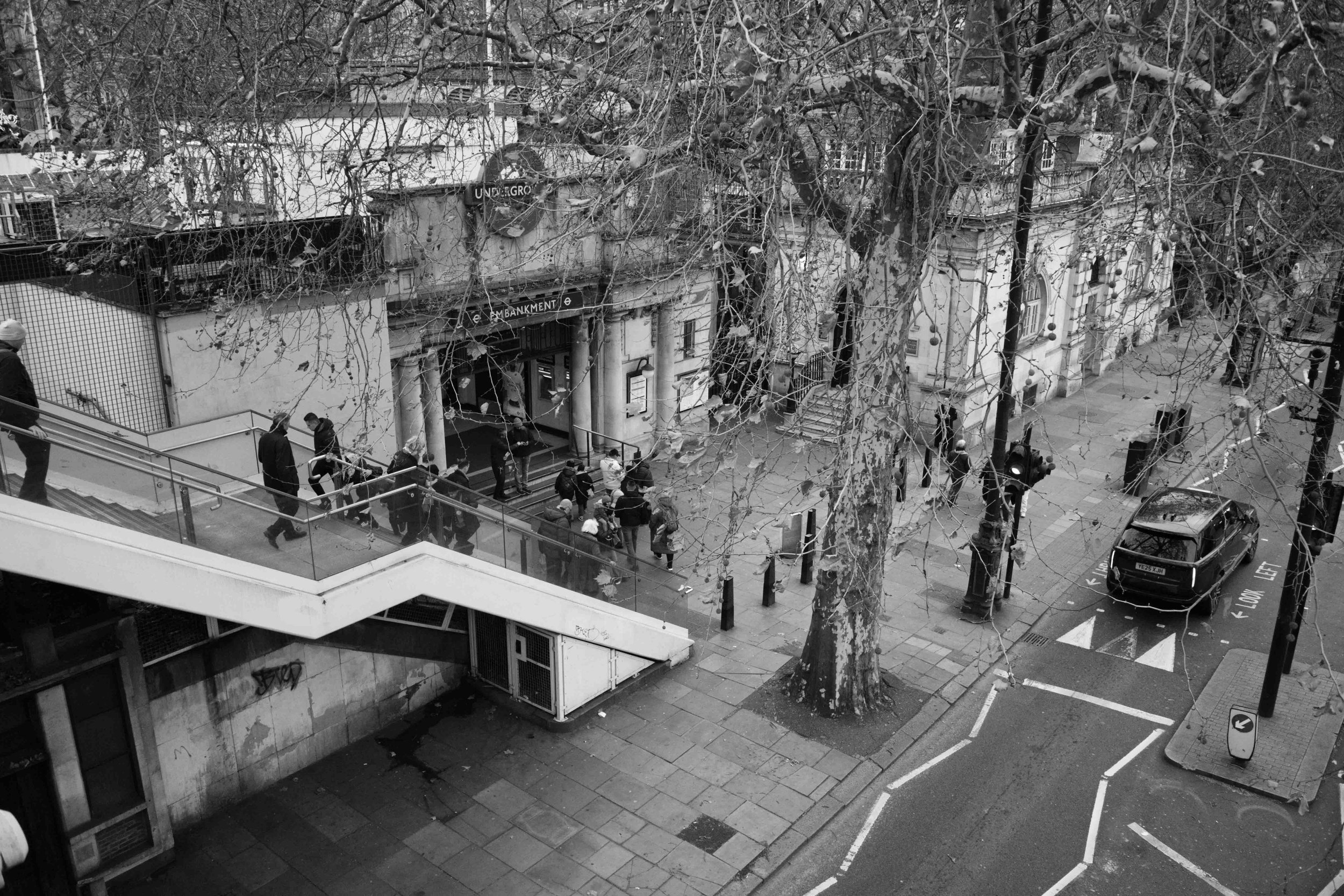
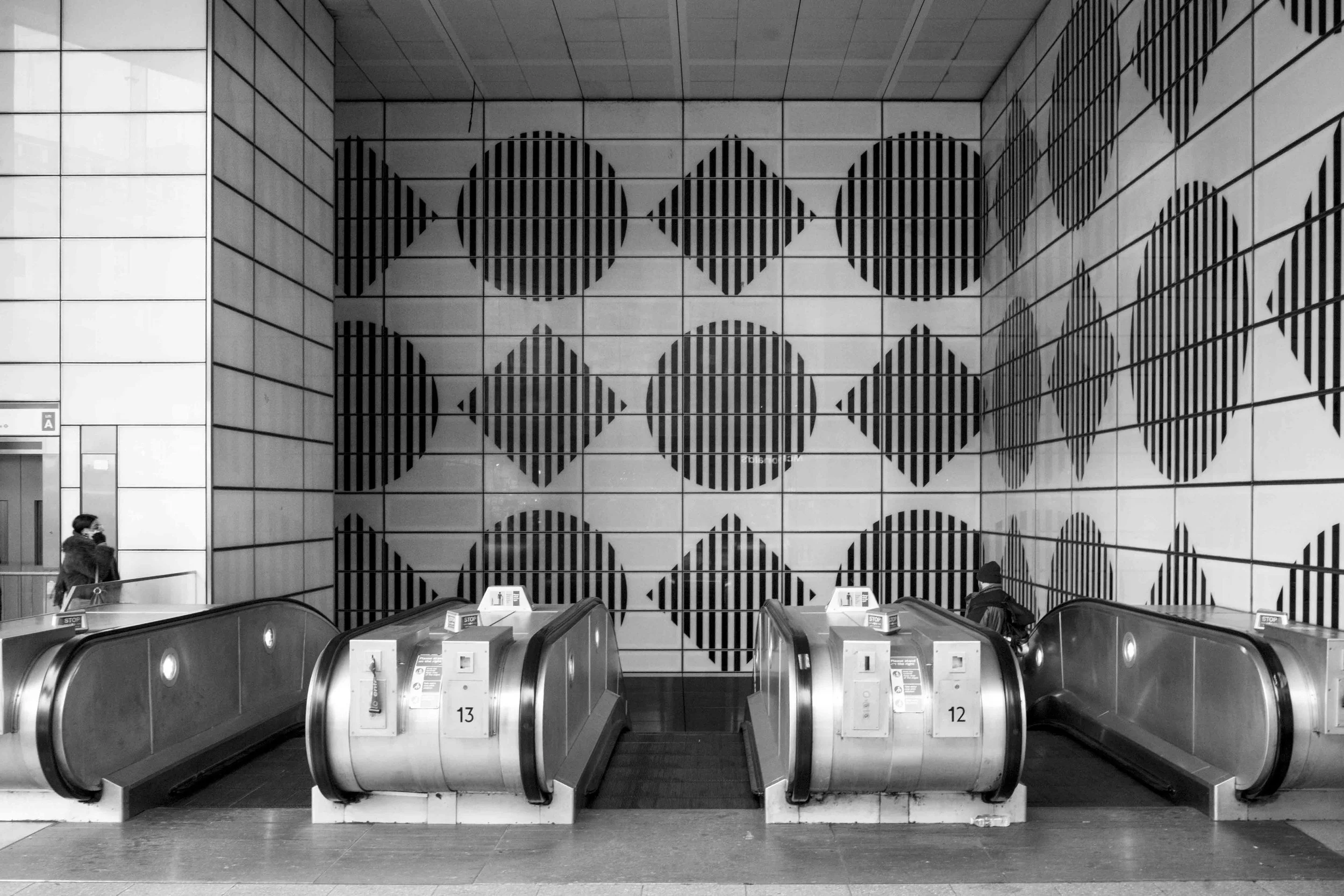
I started at Embankment. Looking down from the walkways, the 28mm allowed me to capture the geometry of the station entrance and the flow of commuters. The high-angle shots showcased how the lens handles architecture and human movement simultaneously.
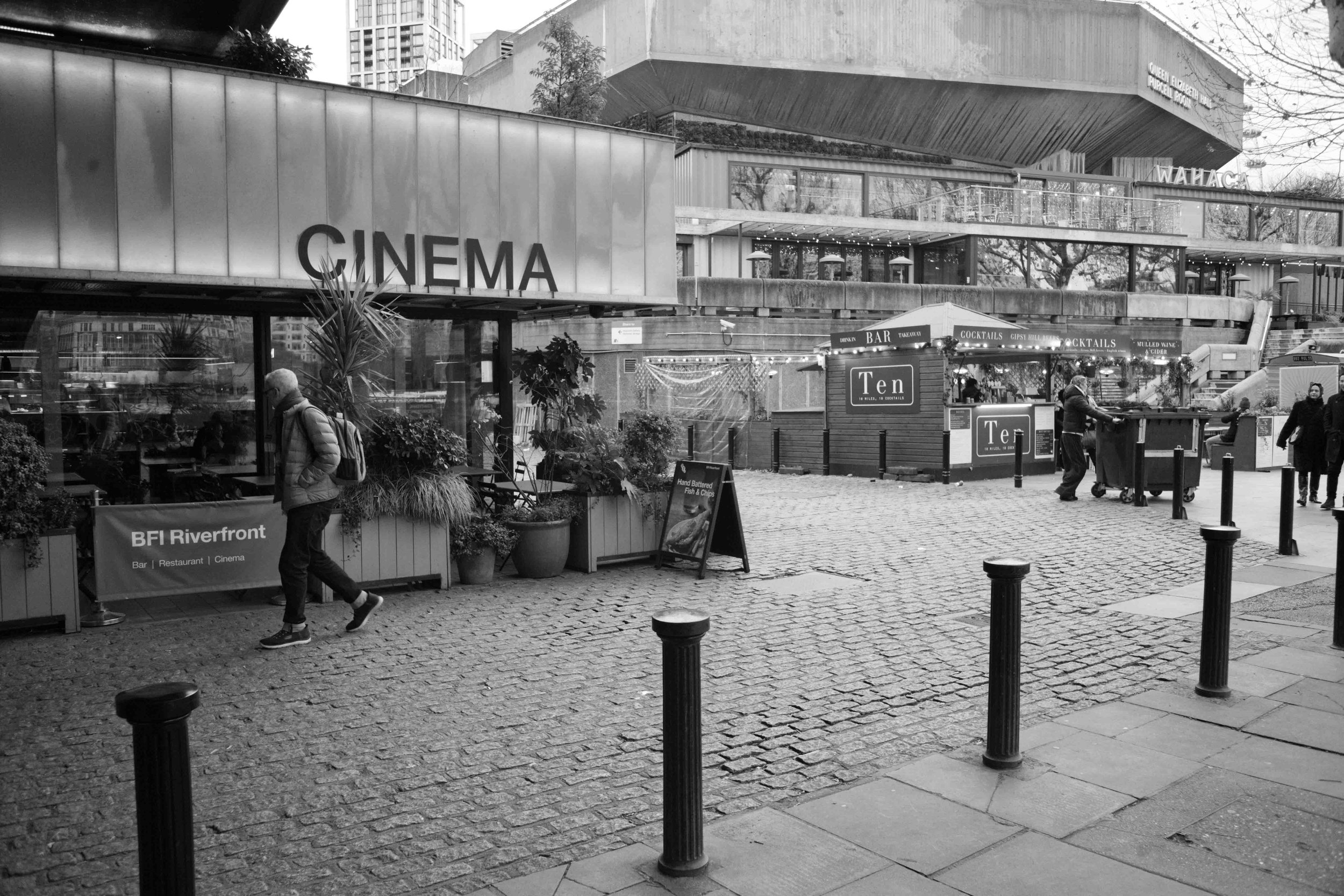
Crossing over to the BFI Riverfront, the "CINEMA" sign provided a classic London backdrop. The wide angle excels here; it lets you frame a large subject like a building while still catching the candid expressions of people walking past.
2. The Grit of Soho and Chinatown
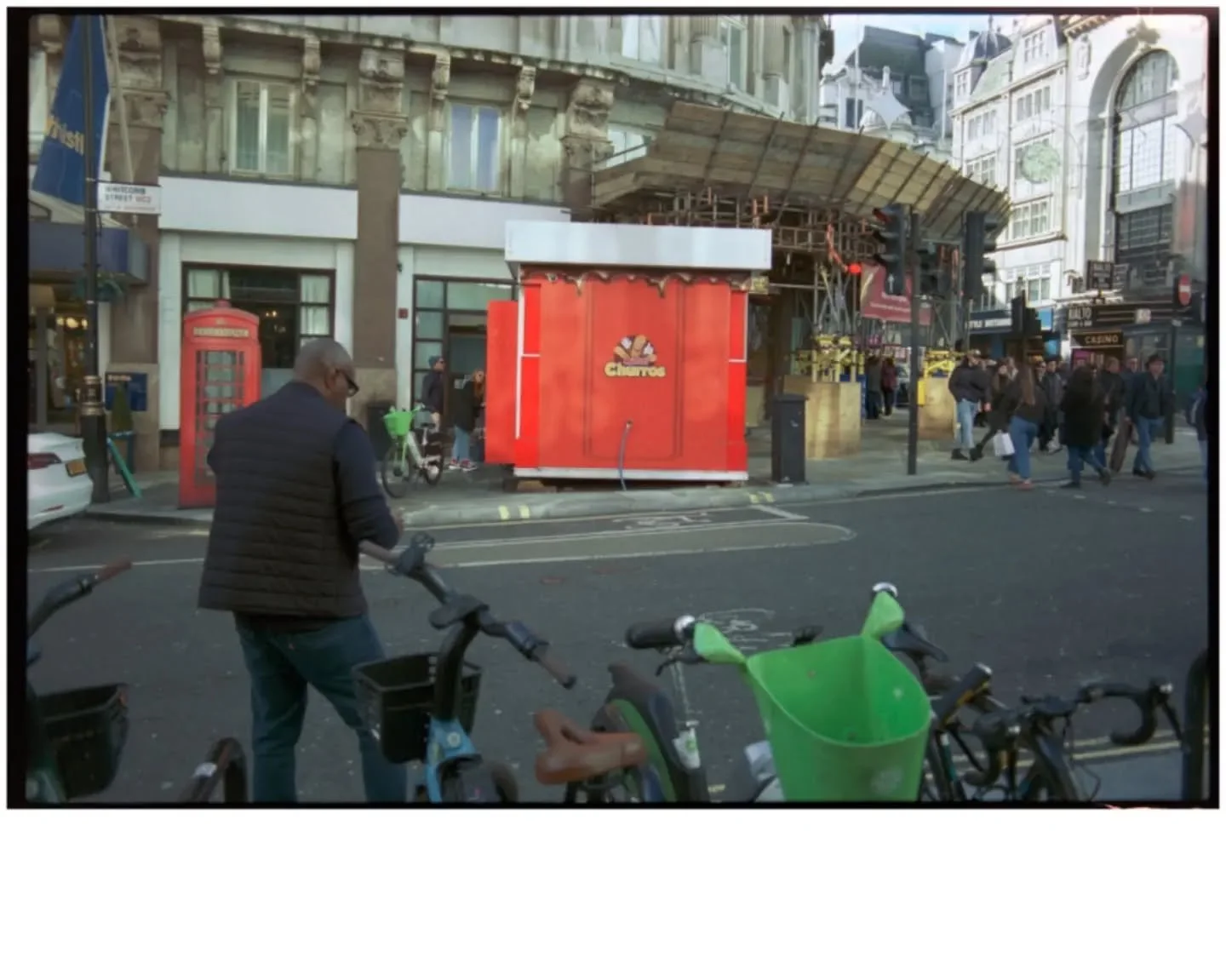
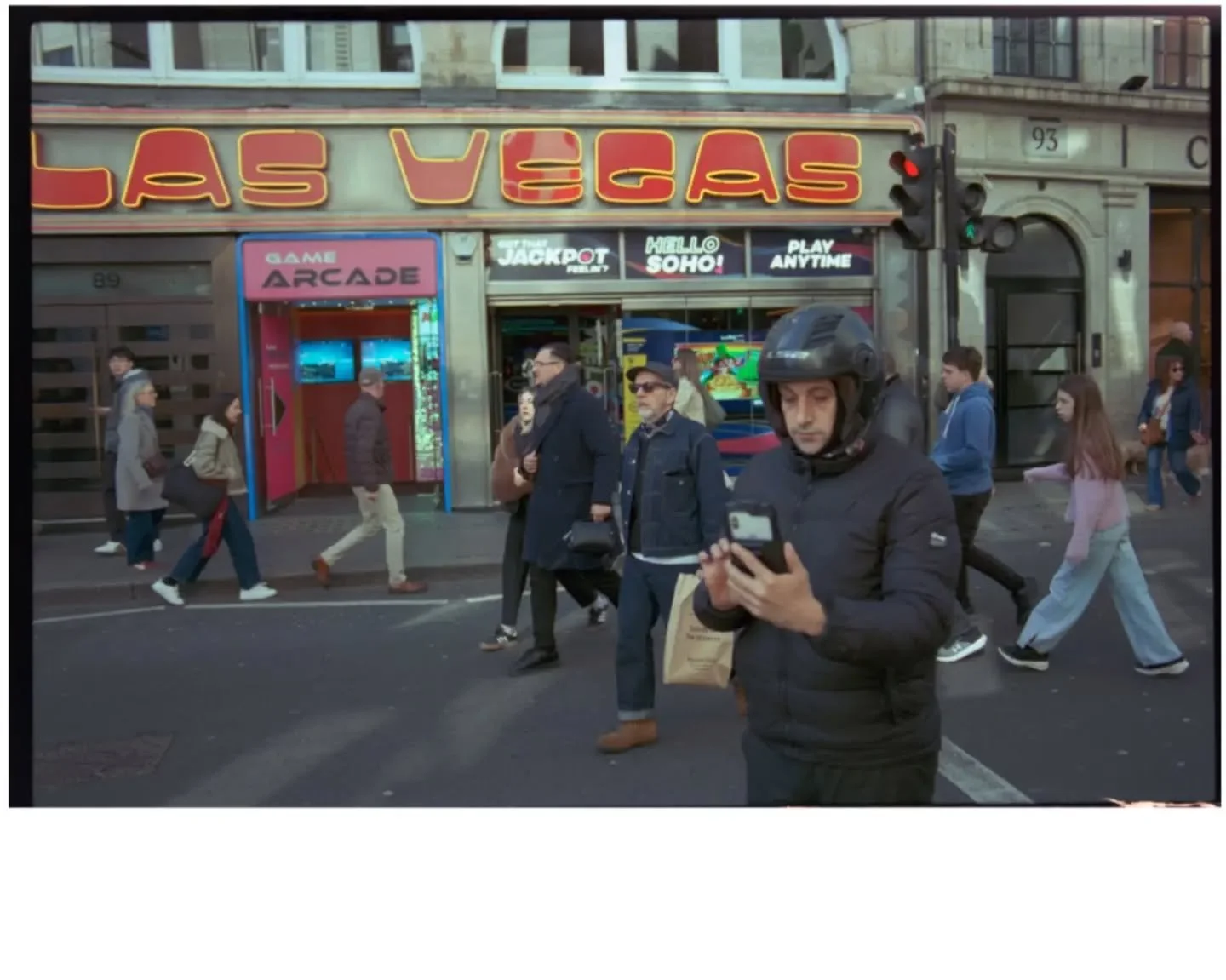
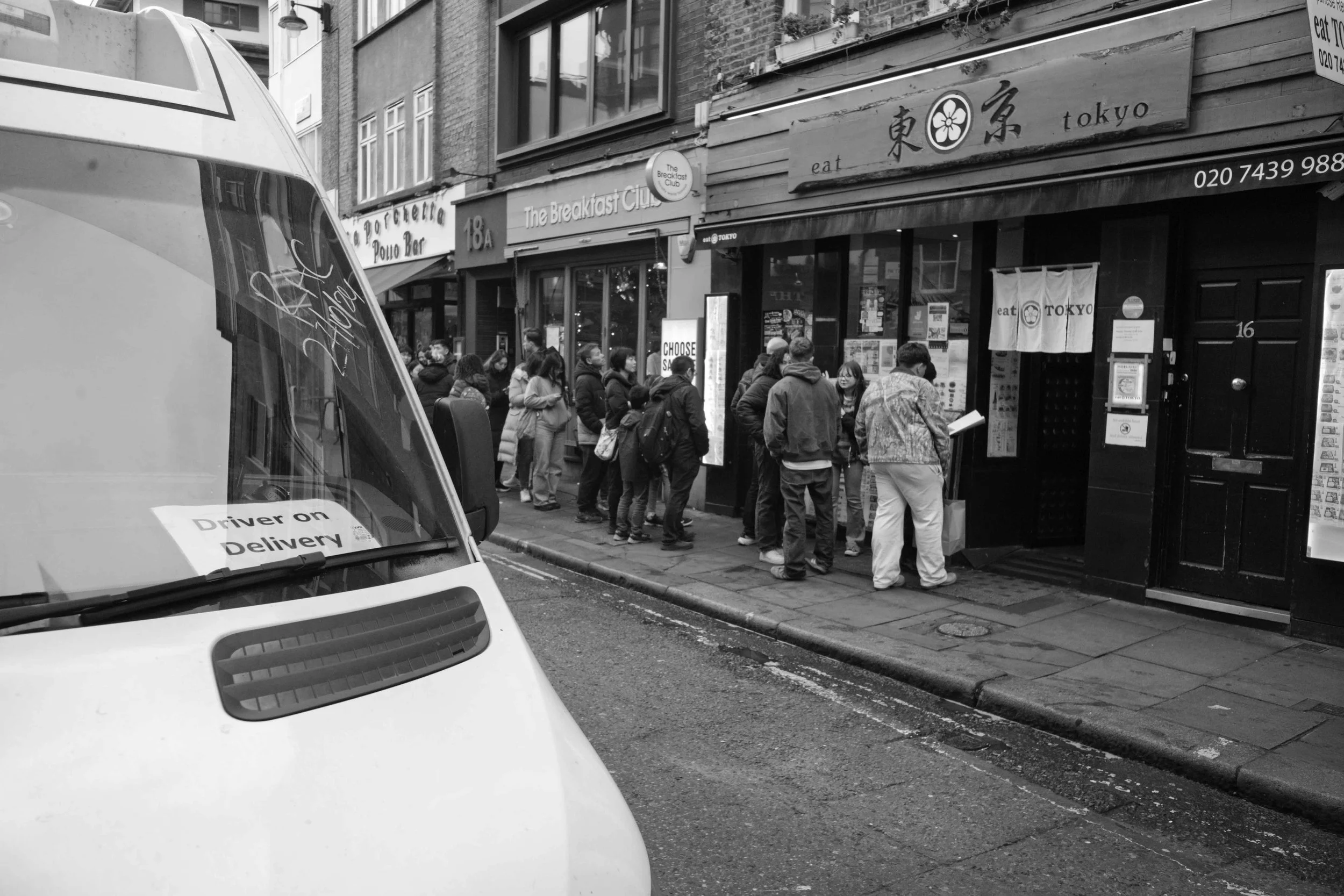
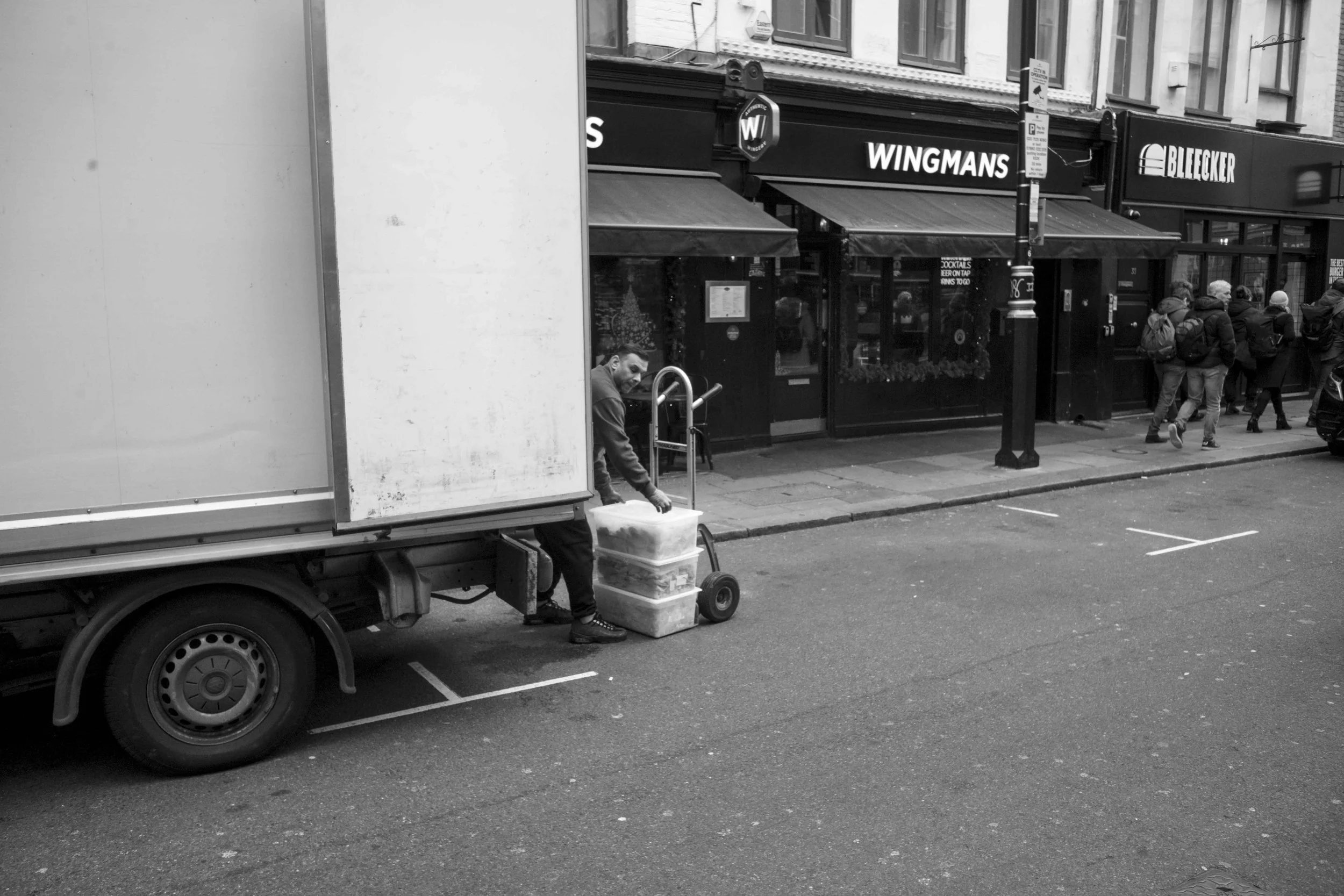
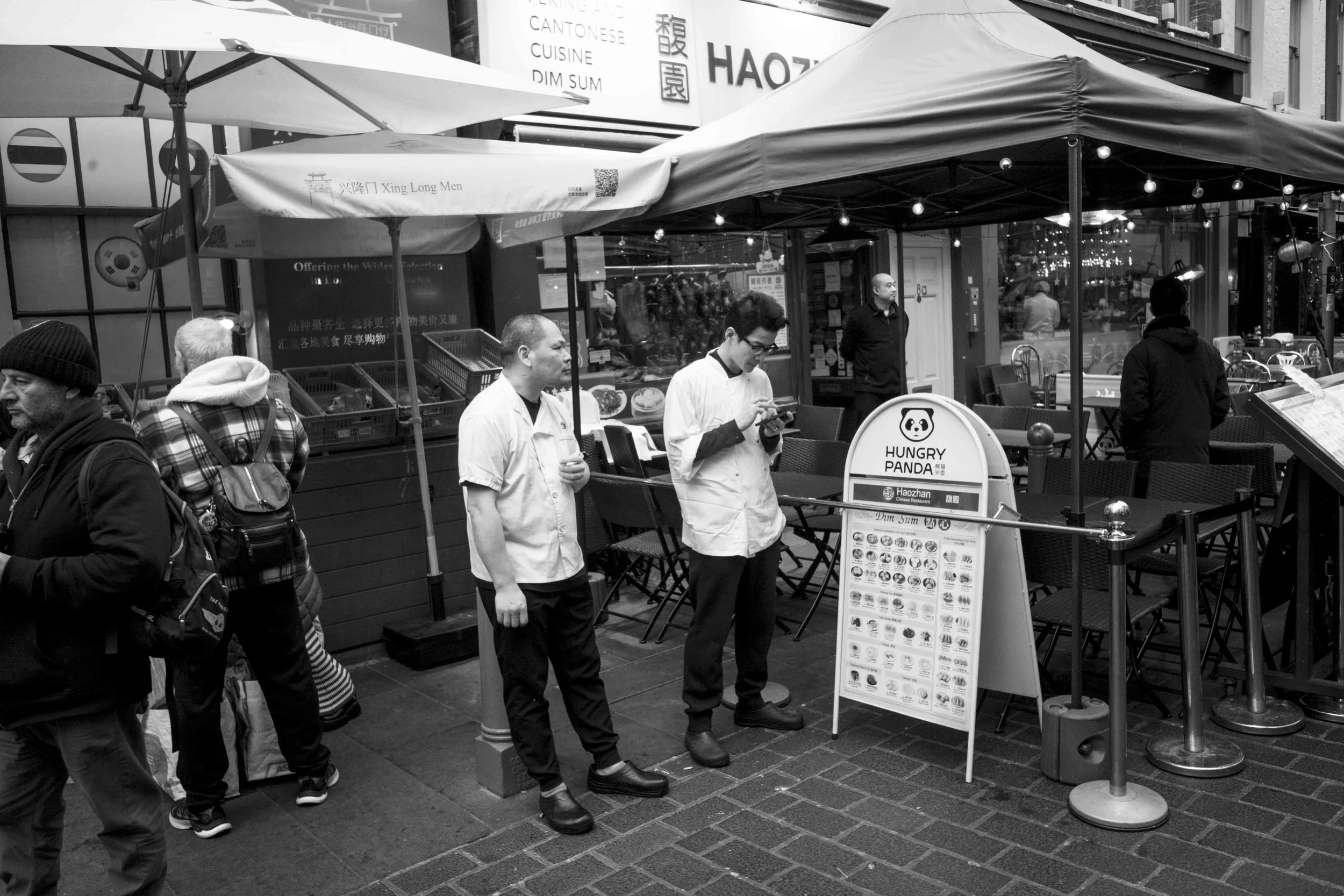
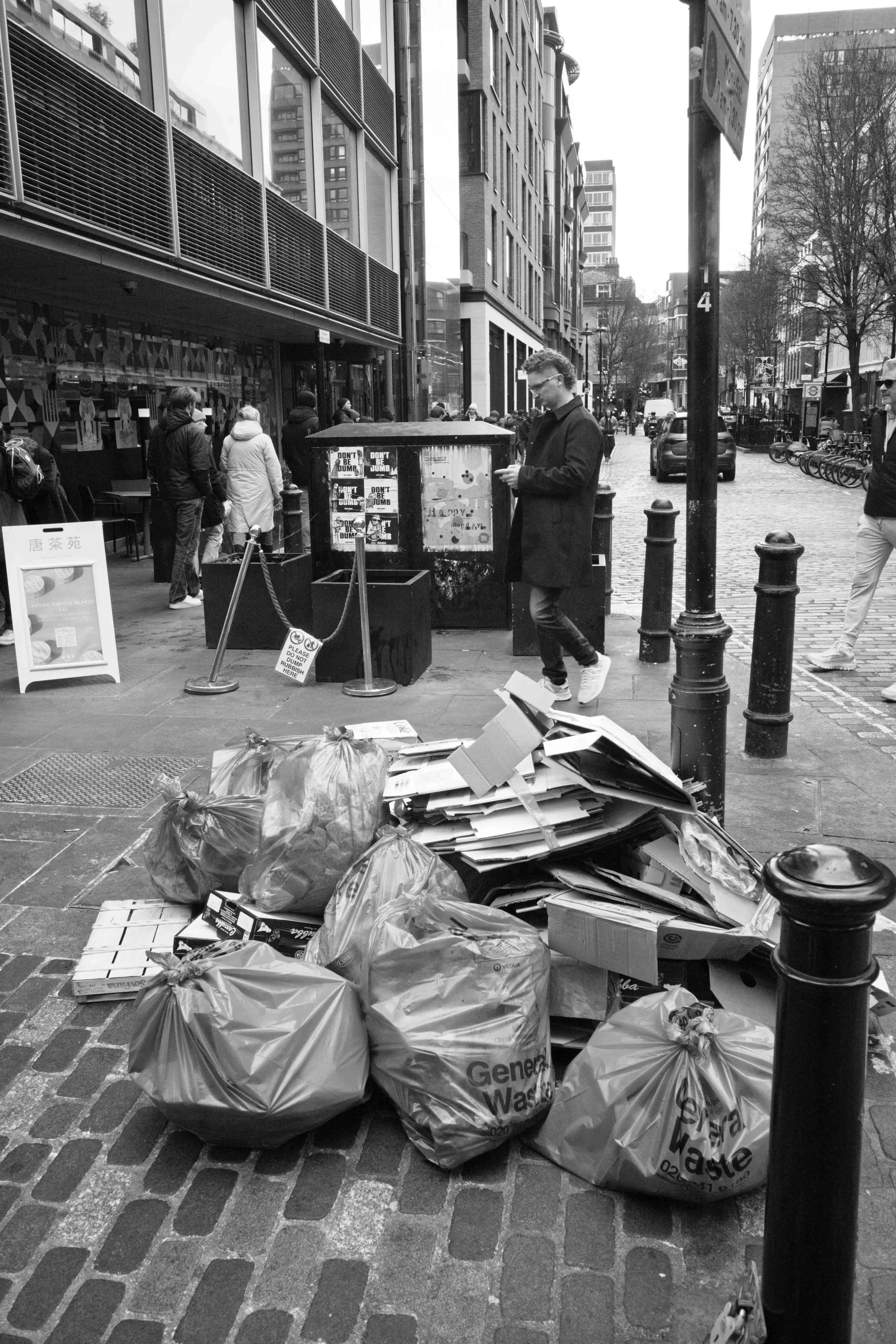
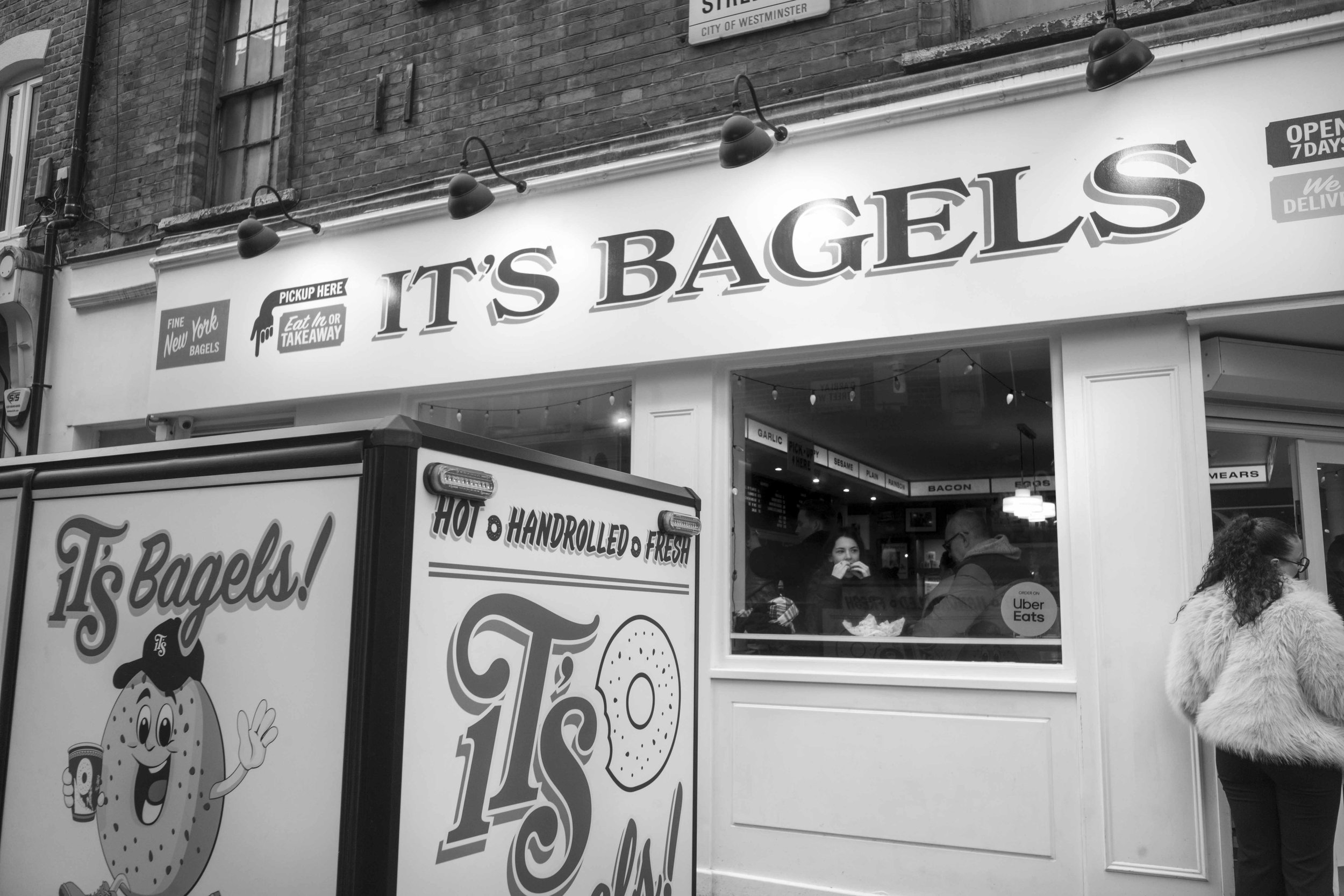
Street photography isn't always about the landmarks. Sometimes, it’s about a pile of trash bags on a busy corner or the narrow, bin-lined alleys behind Leicester Square. The 28mm is perfect for these tight spaces.
In Chinatown, I caught a great moment of the chefs taking a break outside "Hungry Panda." The lens is so small that they hardly noticed me, allowing for a truly candid slice-of-life shot.
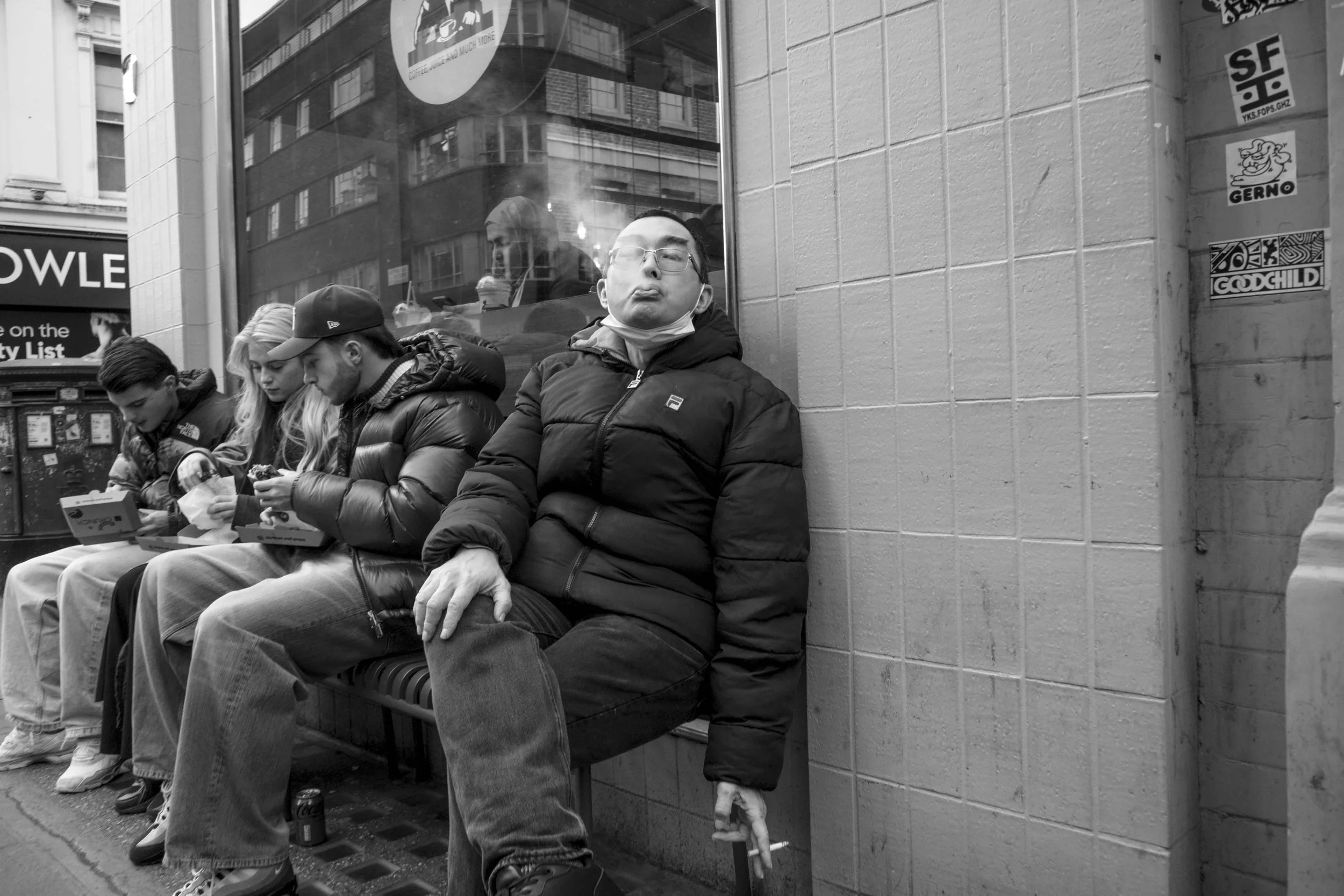
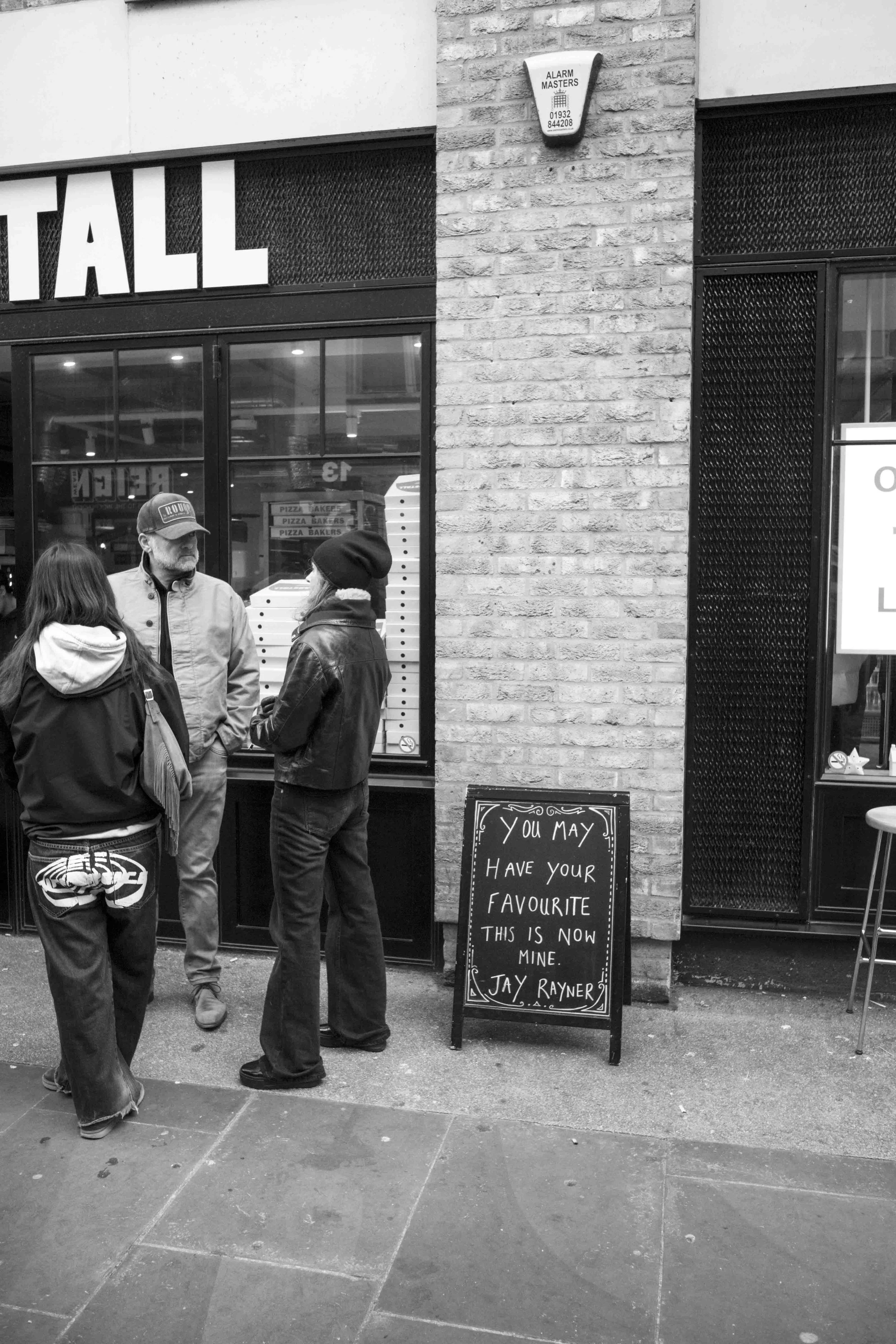
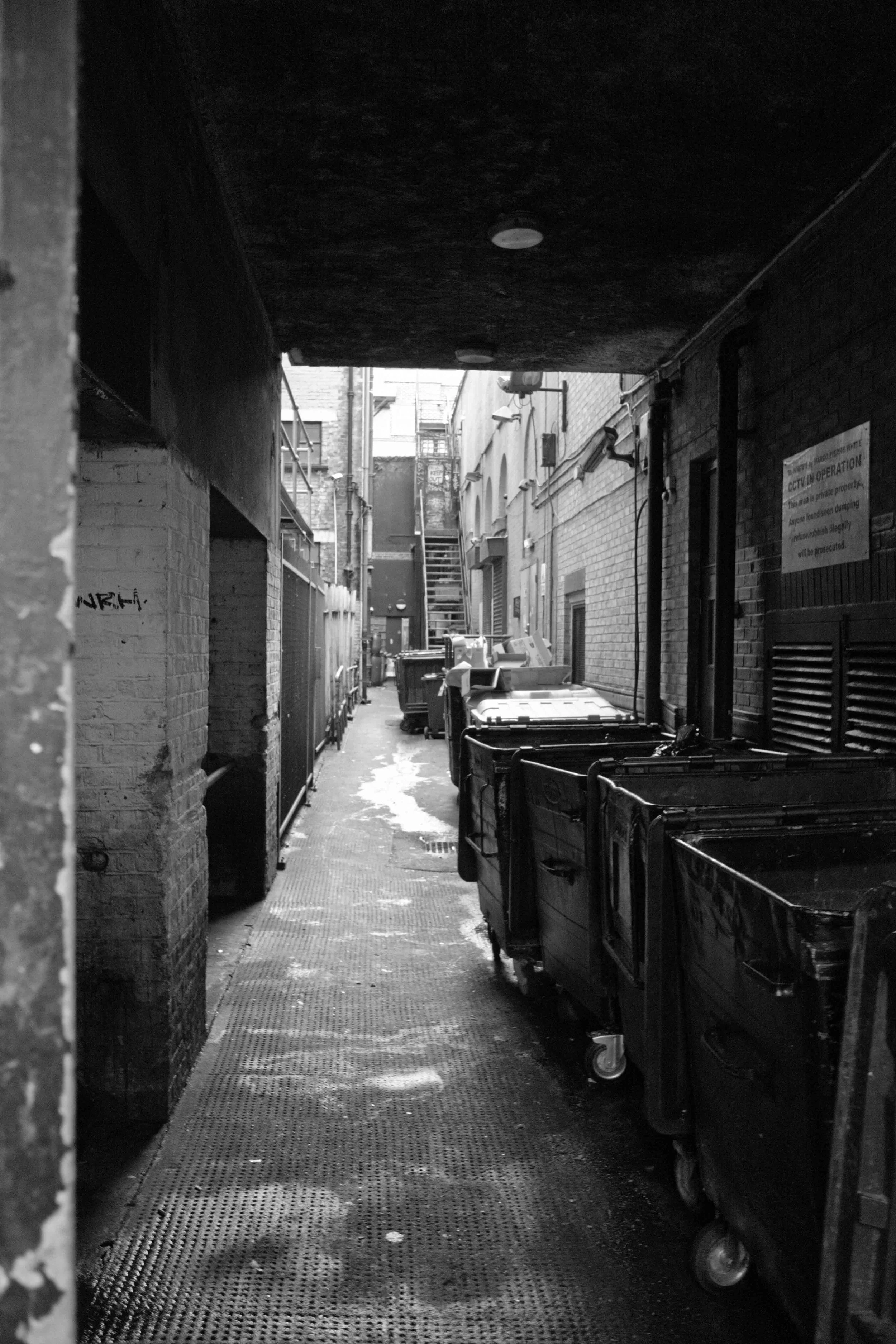
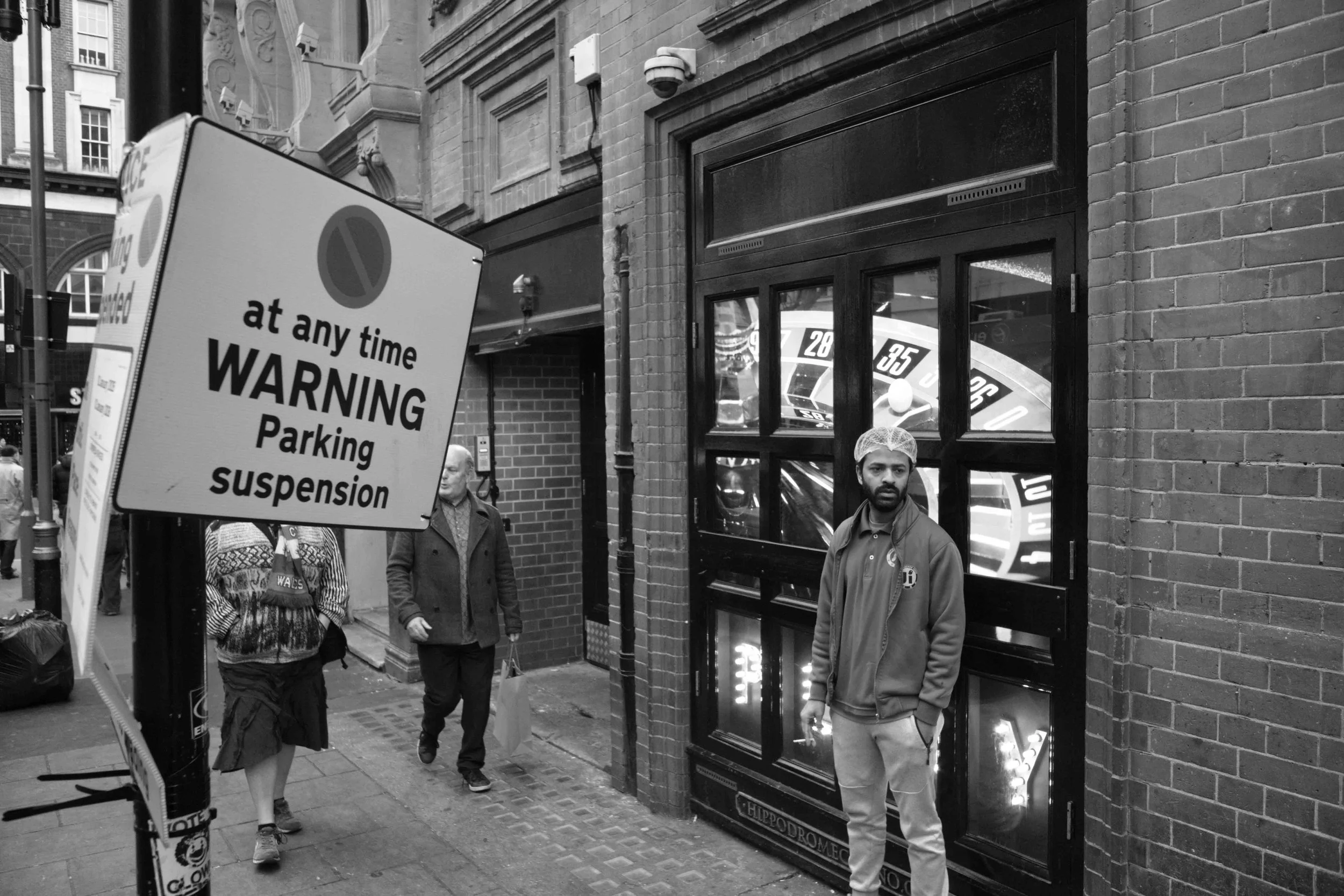
4. Details and Characters
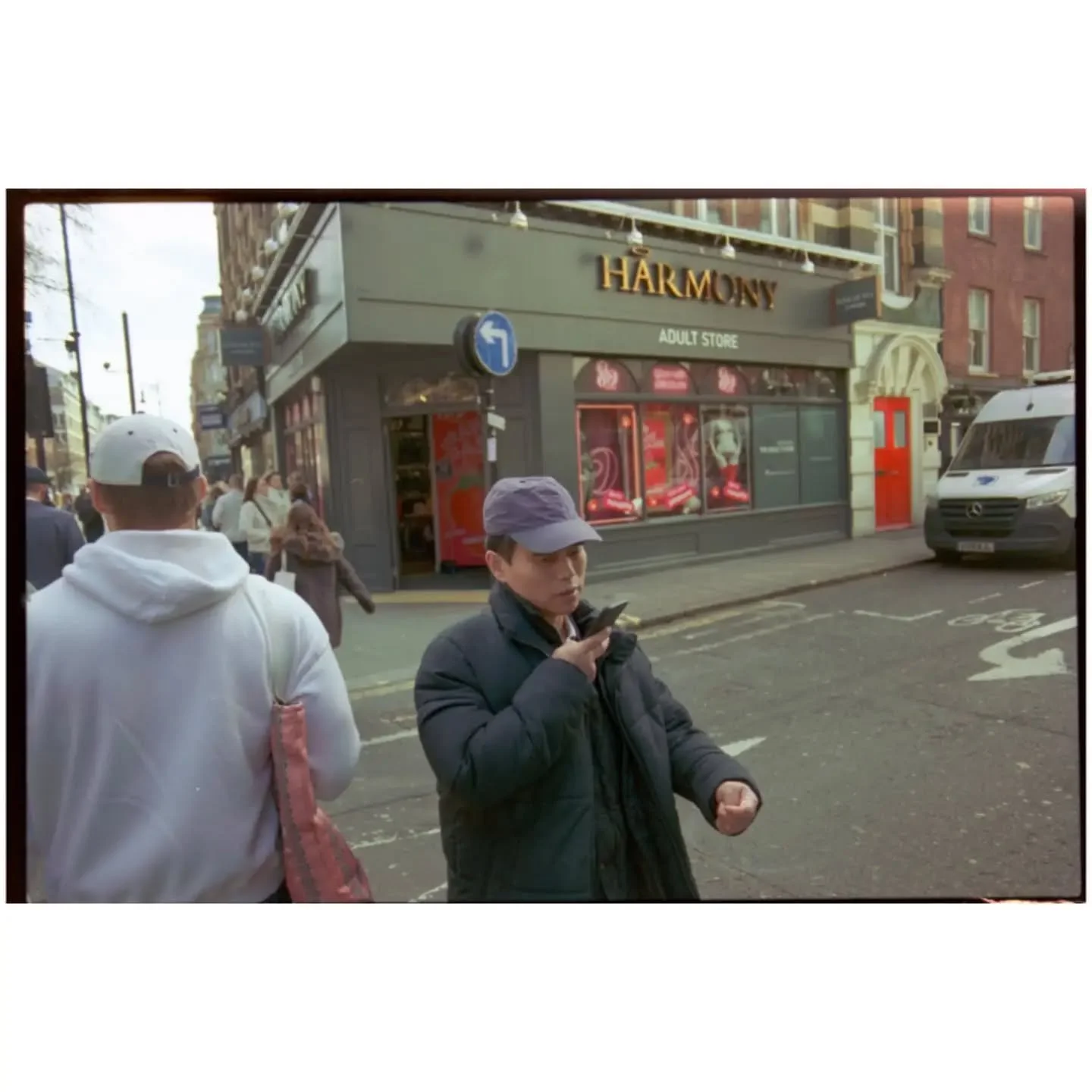
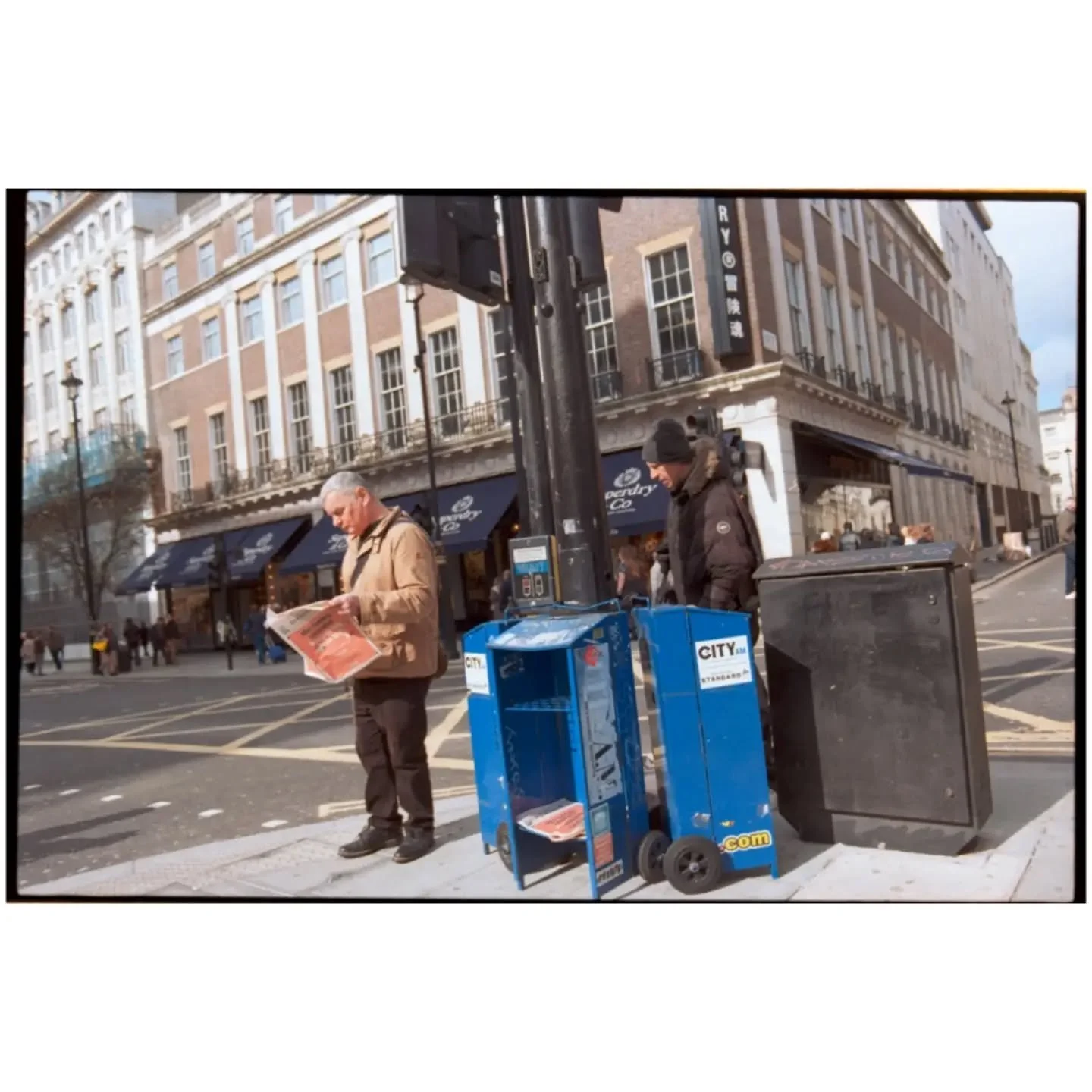
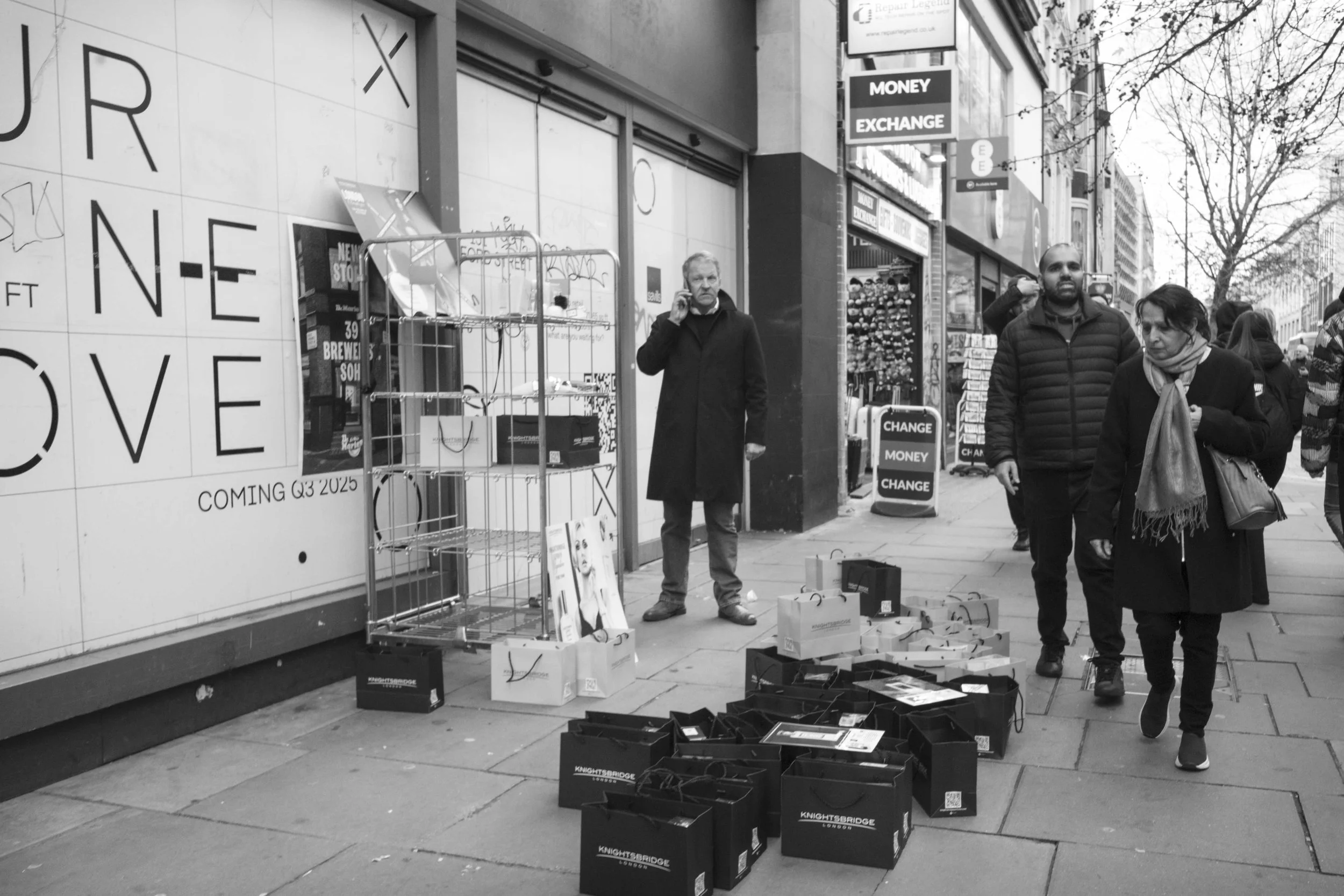
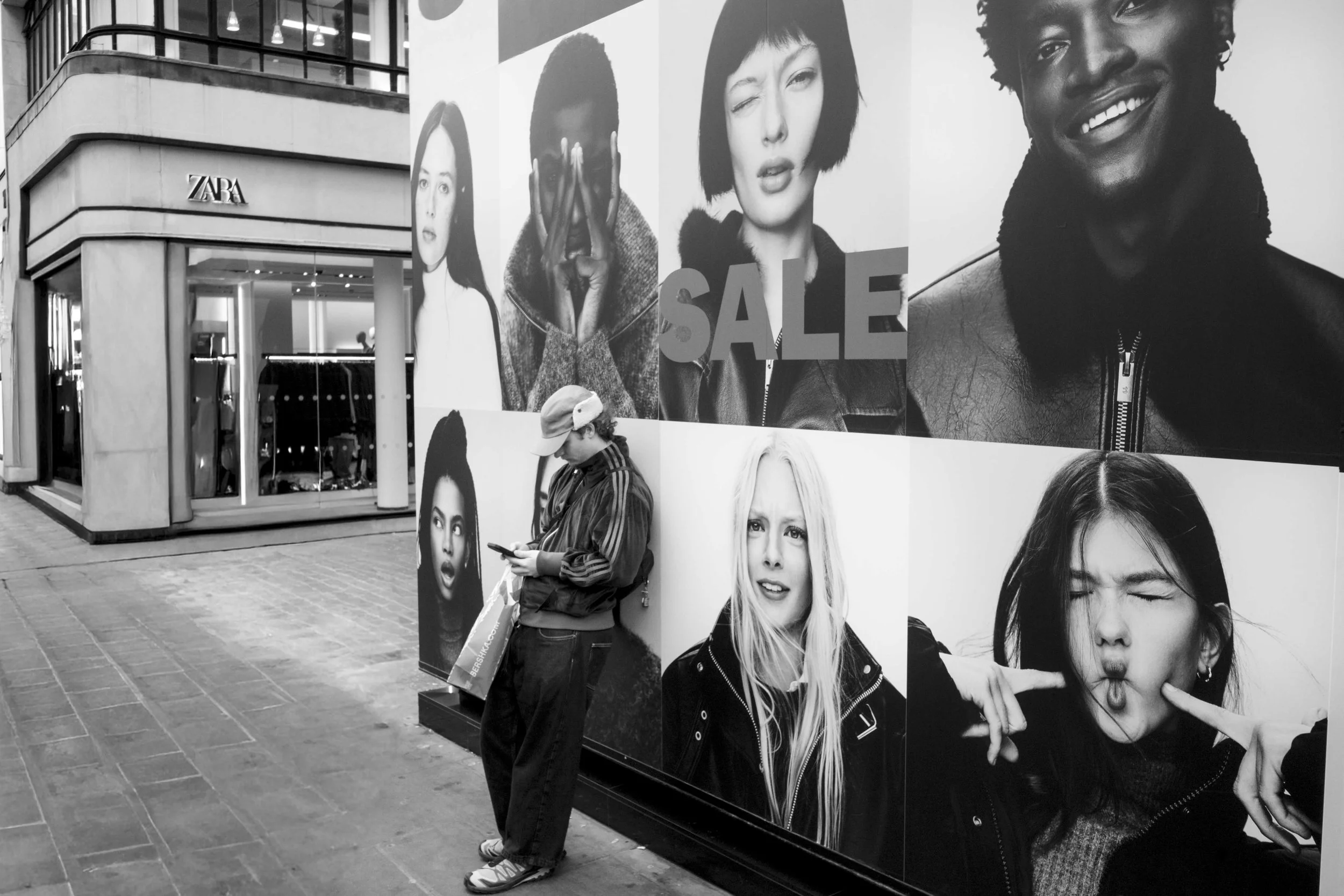
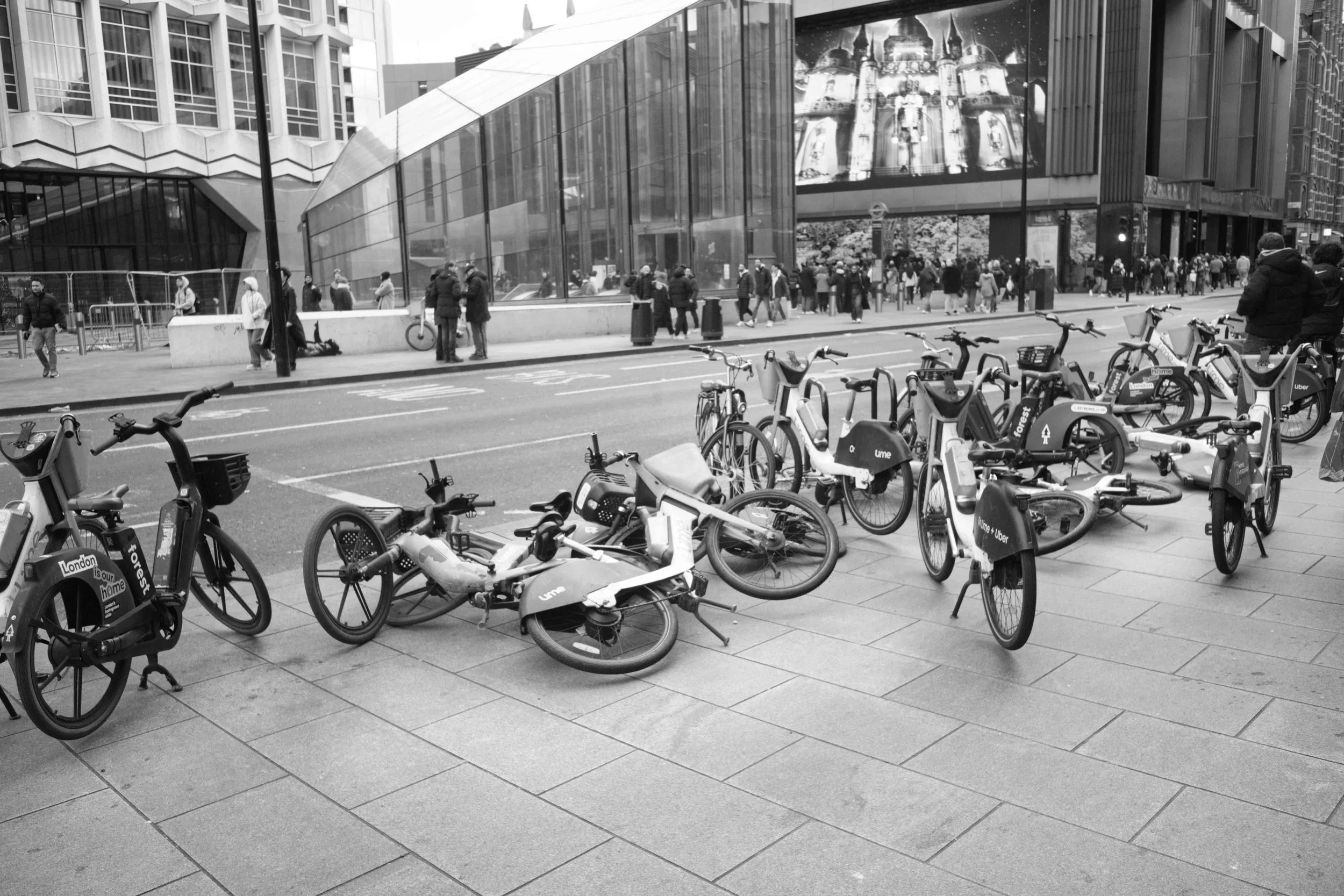
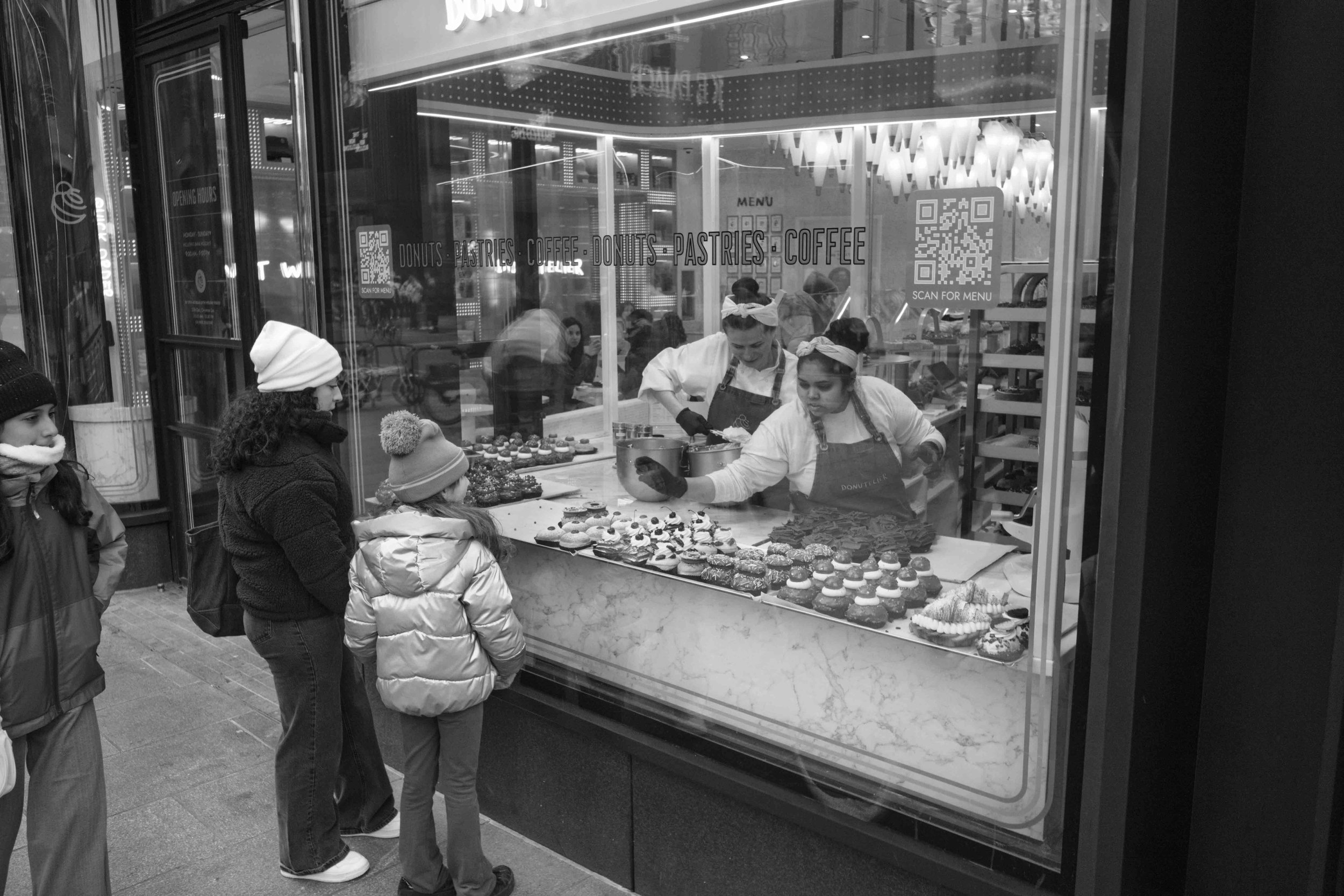
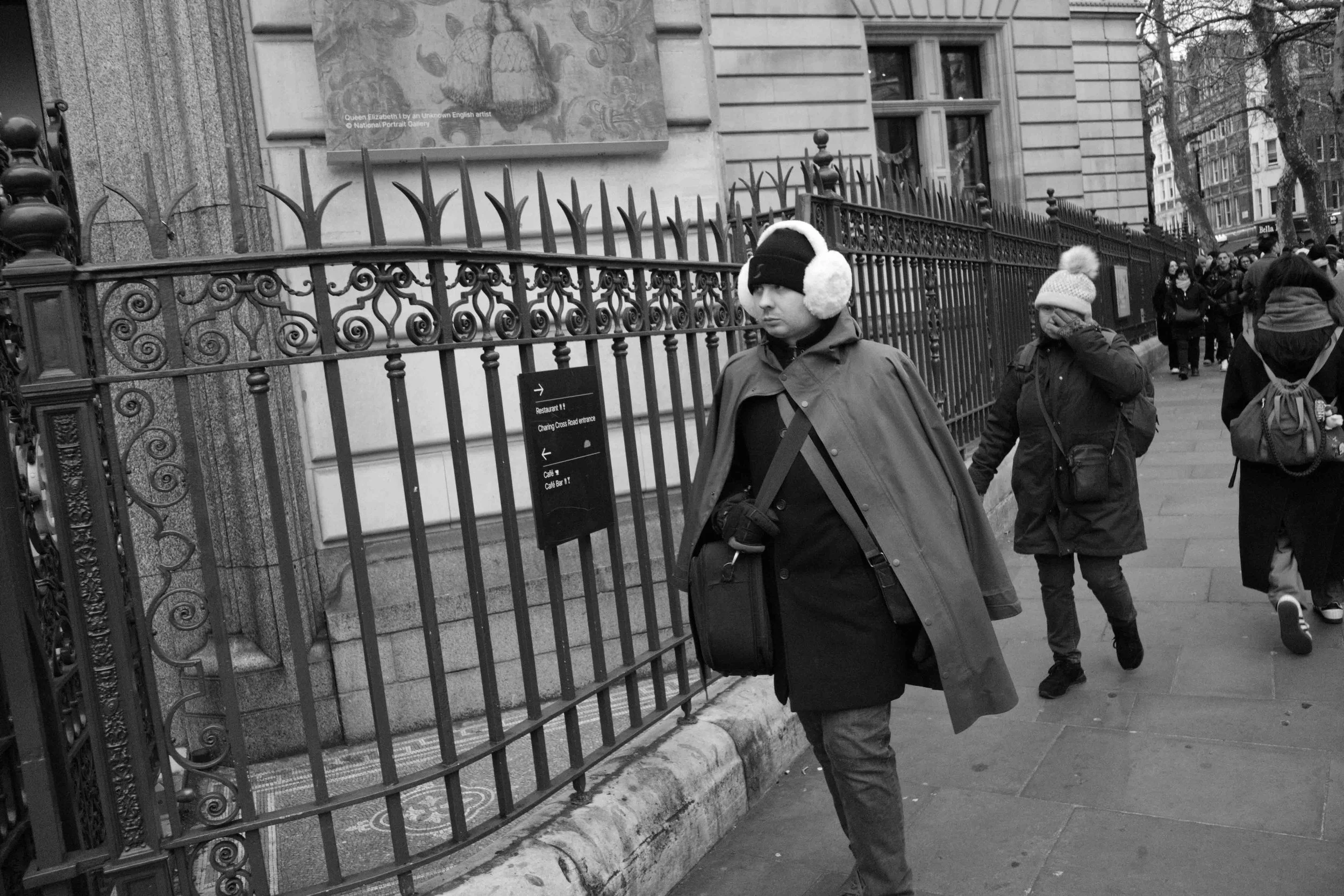
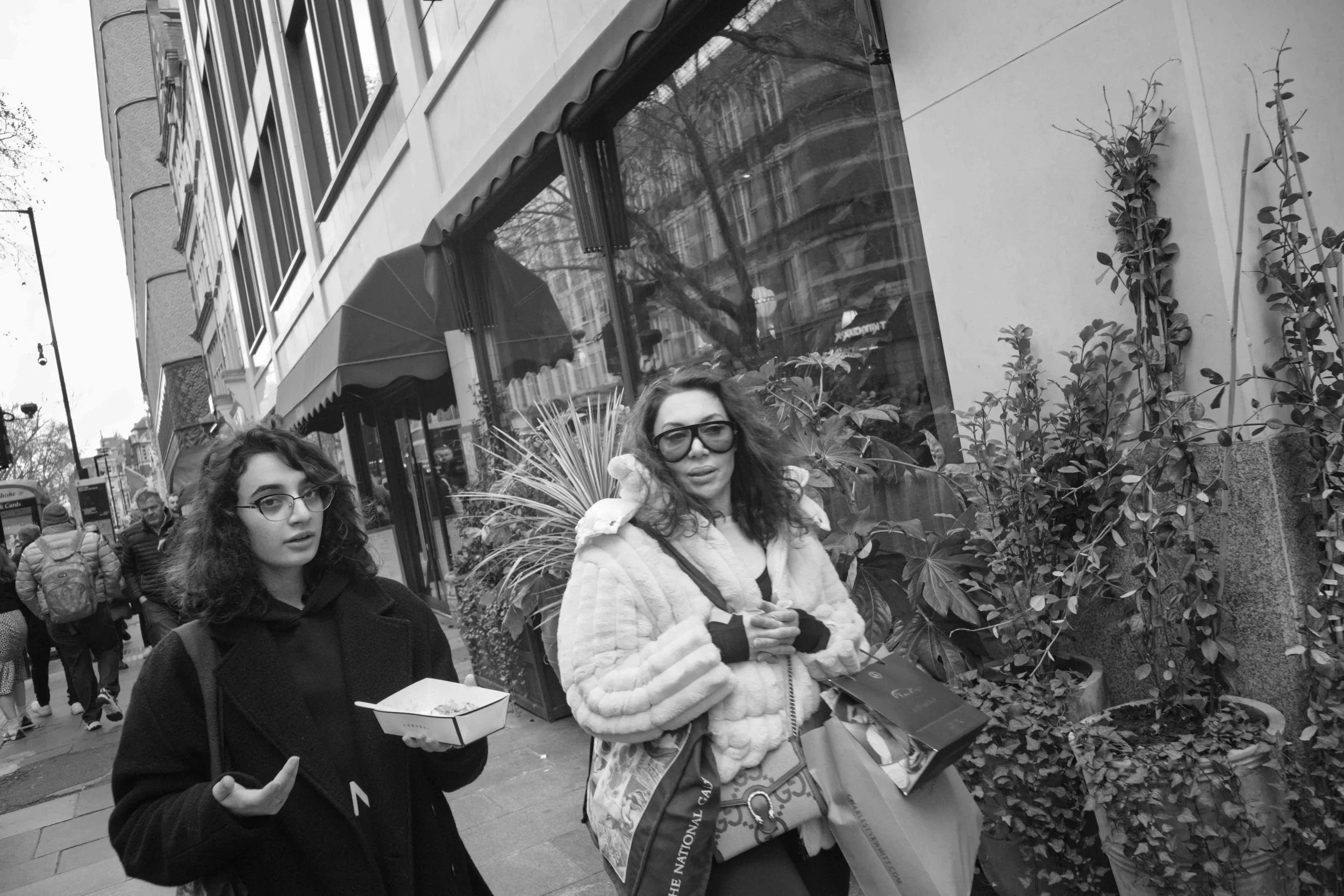
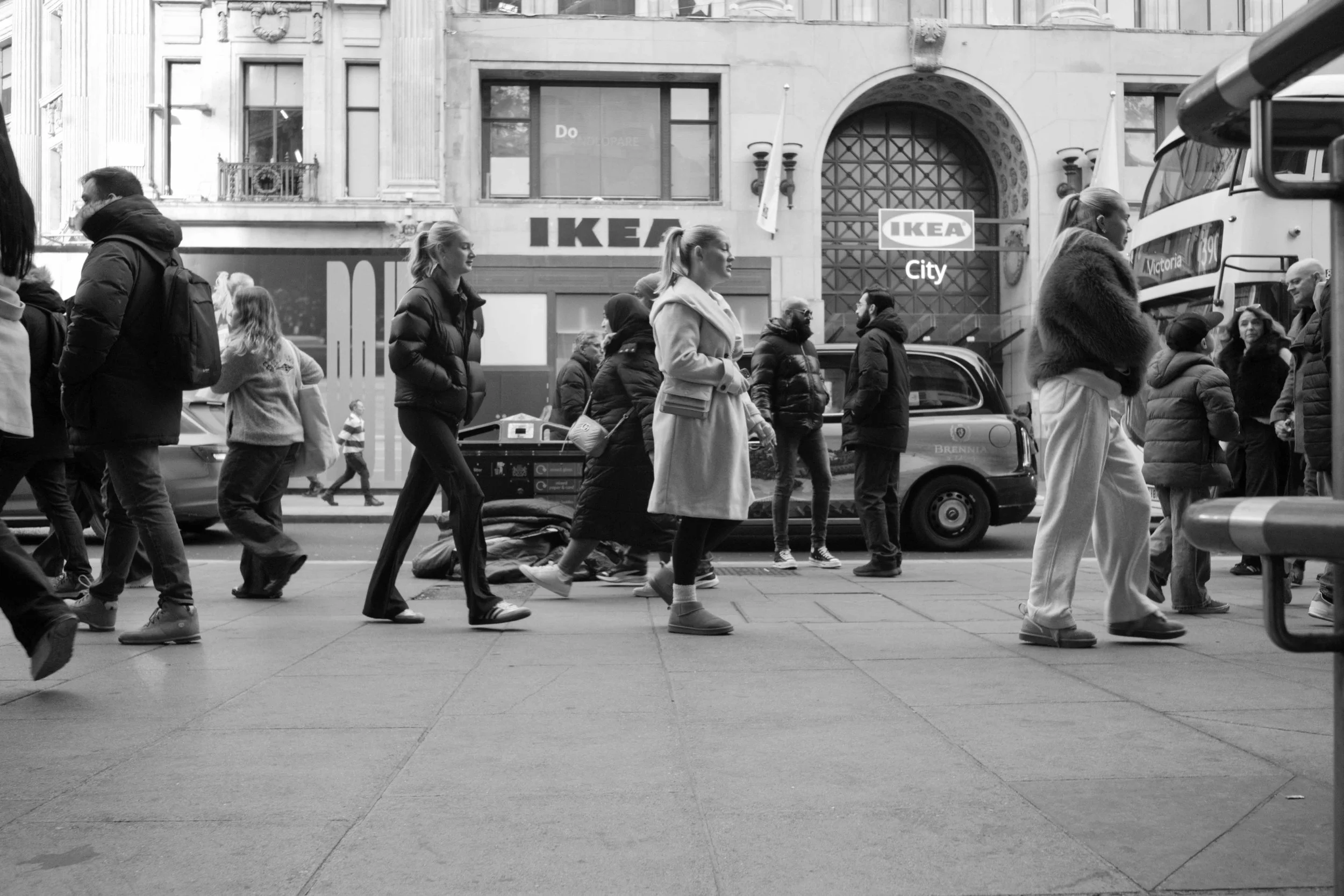
A jaunt upto London also warrants a stroll along Oxfrod Street and the like to photograph the shoppers. As I moved toward the National Portrait Gallery, I spotted a man in a heavy coat and earmuffs. The 28mm creates a unique "environmental portrait" where the subject is clear, but their surroundings—the ornate metal fences and London stone—tell the rest of the story.
Final Thoughts on the TTArtisan 28mm
For a fraction of the cost of the Leica Summaron, this lens delivers a lot of character. It’s sharp in the center, has a lovely vintage-style vignette, and the "clicky" aperture ring is a joy to use. Shooting digital, you are blessed with ‘fixing’ and fall off to the ourside of the frame in LRC.
Using a 28mm forces you to be a participant, not just an observer. You can’t hide in the shadows with a telephoto; you have to be in the thick of it, just like Winogrand.
Until next time, keep snapping.
Back to the Grind: Embracing the Commute with Street Photography
After months (or perhaps years) of the freedom of working from home, the siren call of the office is once again beckoning and on most if not all of us.
Photography isn’t my full time job, it’s my sanity check, to inject a form of creativity into my brain, after spending the working week crunching and counting numbers.
It was back in 2011, when I purchased the iPhone 4, that I discovered the genre of iphoneography over on Flickr, which cultivated into street photography, as an activity to break up the banality of the daily commute into London. This has piqued my curiosity ever since and blossomed into what is now a fully involved side hustle of managing this website and Etsy store, selling my wares.
As we enter 2025, Labour are seated in Westminster with their pledge to grow the economy, we are all (re)starting the weekly pilgrimage back to the office. Alas, this means a return to the daily grind of the commute. But what if, instead of dreading that train journey or bus ride, we could embrace it as an opportunity for creativity and self-discovery.

After months (or perhaps years) of the freedom of working from home, the siren call of the office is once again beckoning and on most if not all of us.
Photography isn’t my full time job, it’s my sanity check, to inject a form of creativity into my brain, after spending the working week crunching and counting numbers.
It was back in 2011, when I purchased the iPhone 4, that I discovered the genre of iphoneography over on Flickr, which cultivated into street photography, as an activity to break up the banality of the daily commute into London. This has piqued my curiosity ever since and blossomed into what is now a fully involved side hustle of managing this website and Etsy store, selling my wares.
As we enter 2025, Labour are seated in Westminster with their pledge to grow the economy, we are all (re)starting the weekly pilgrimage back to the office. Alas, this means a return to the daily grind of the commute. But what if, instead of dreading that train journey or bus ride, we could embrace it as an opportunity for creativity and self-discovery.
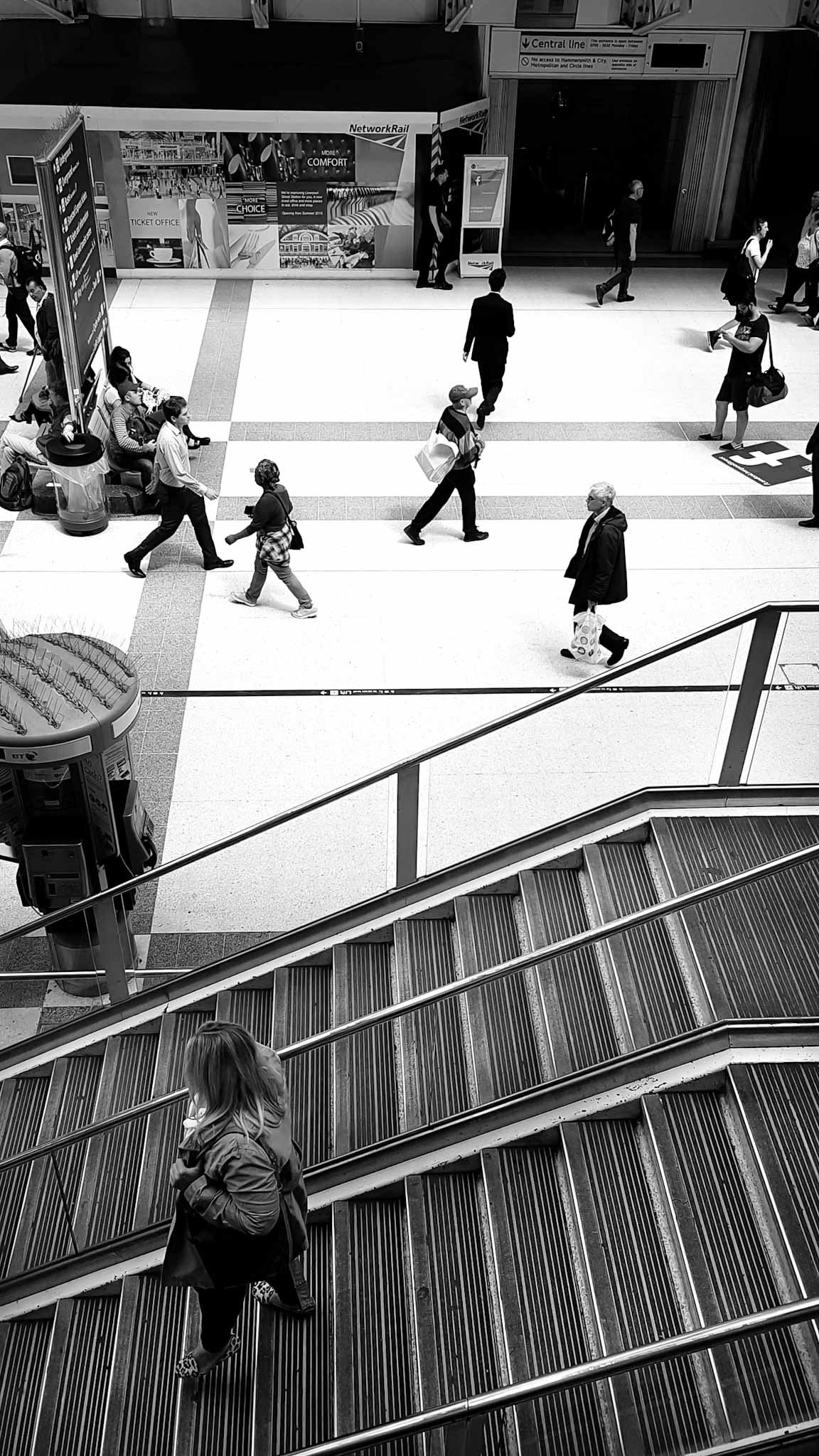
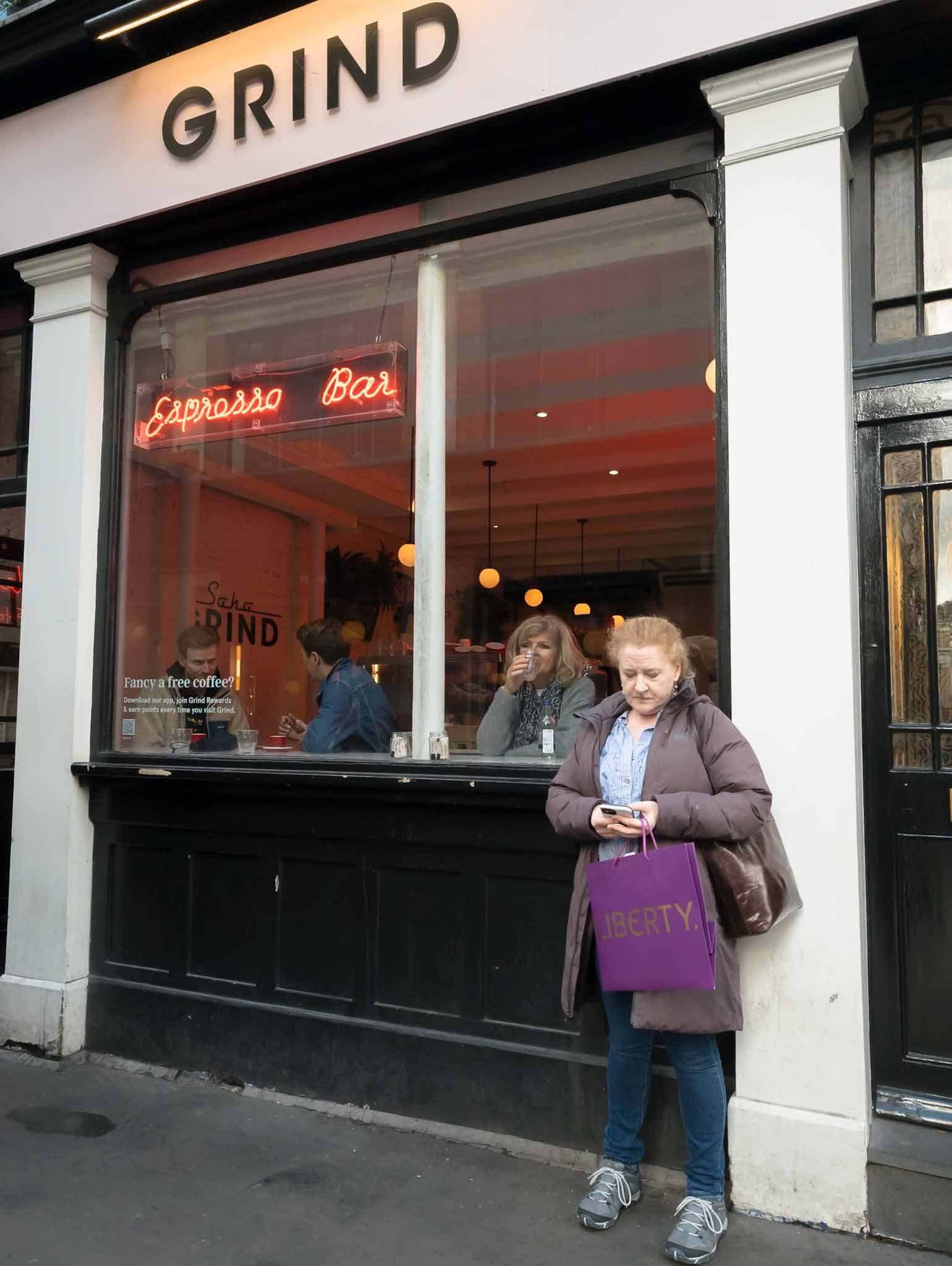
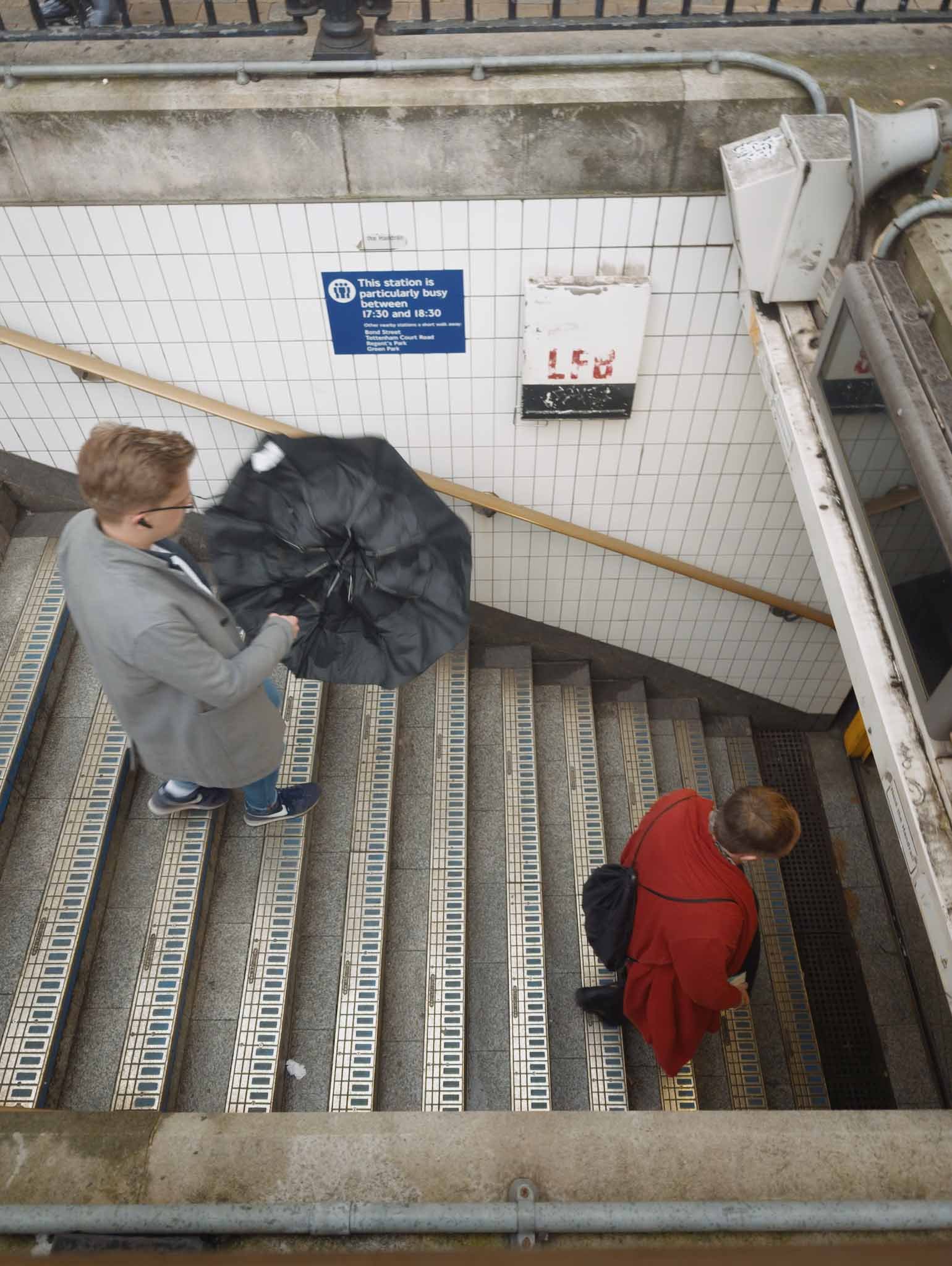
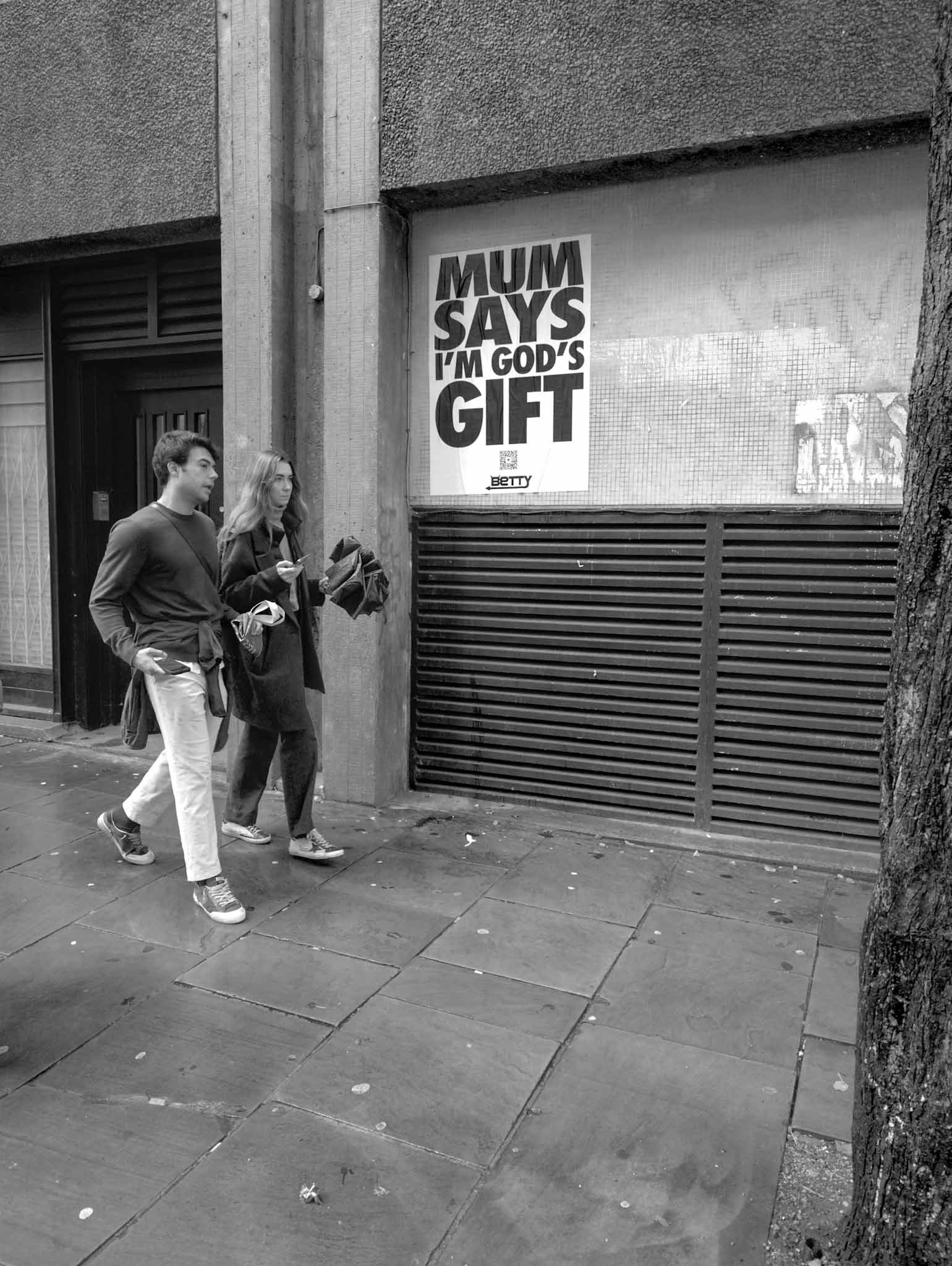
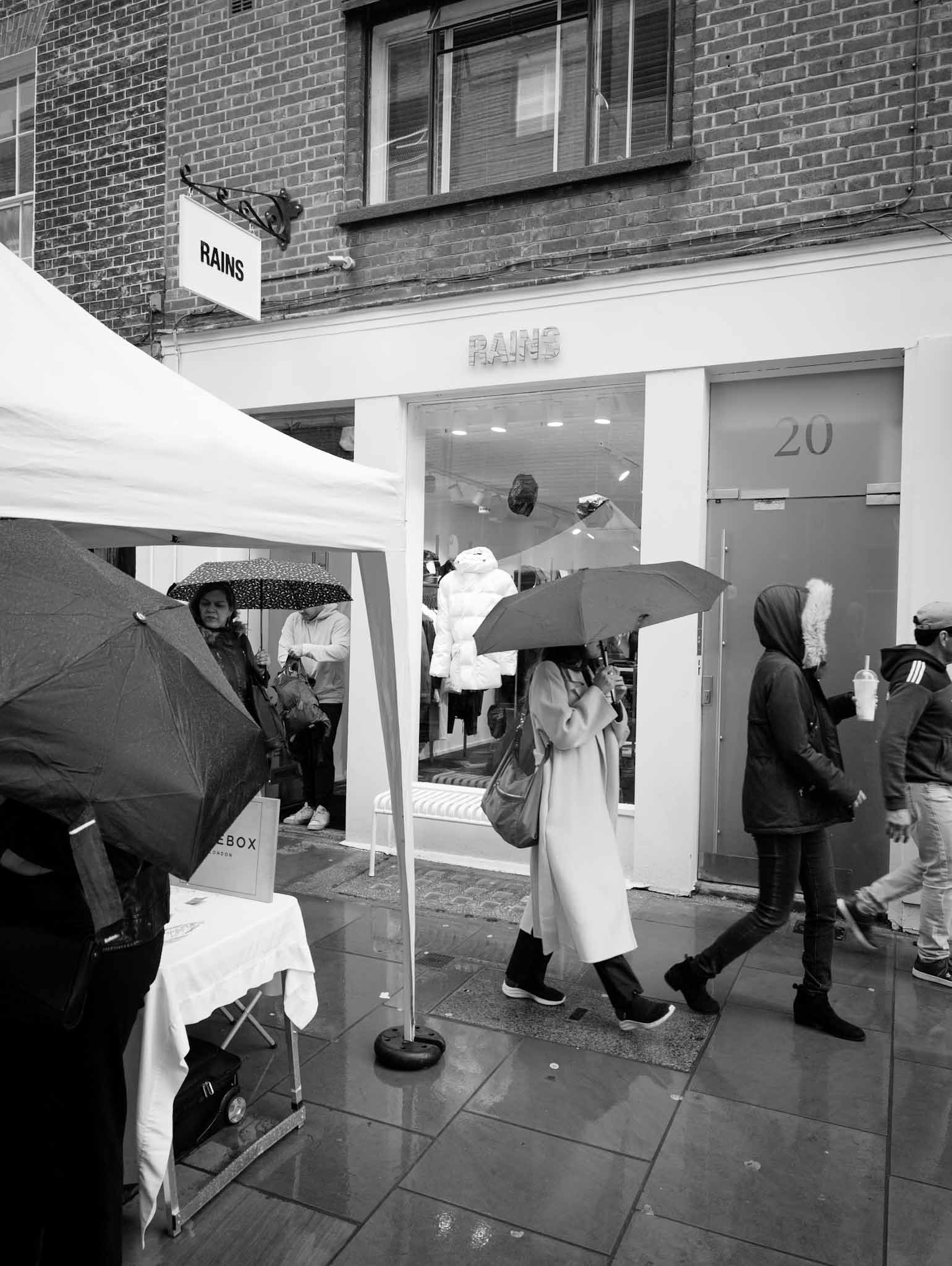
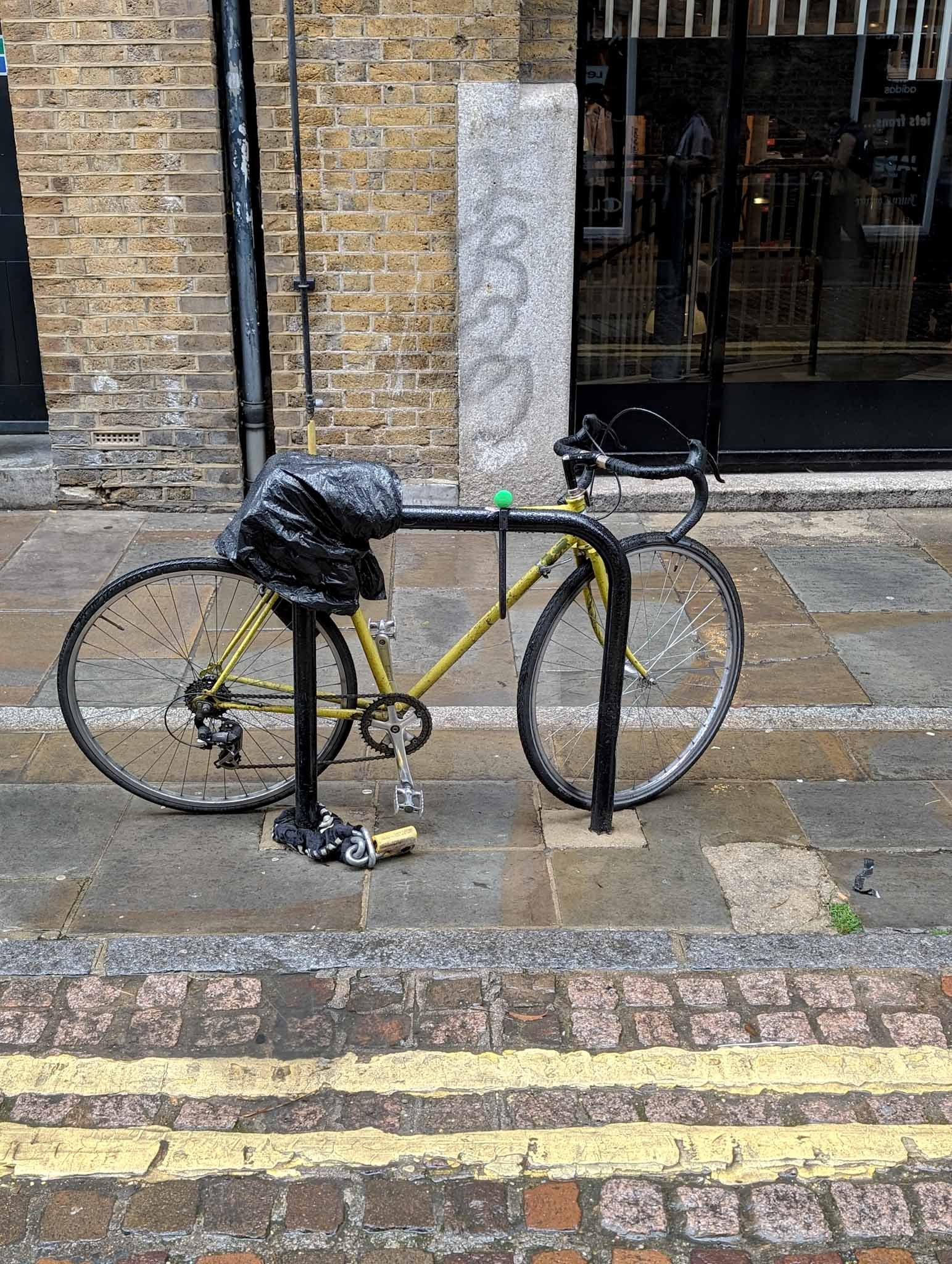
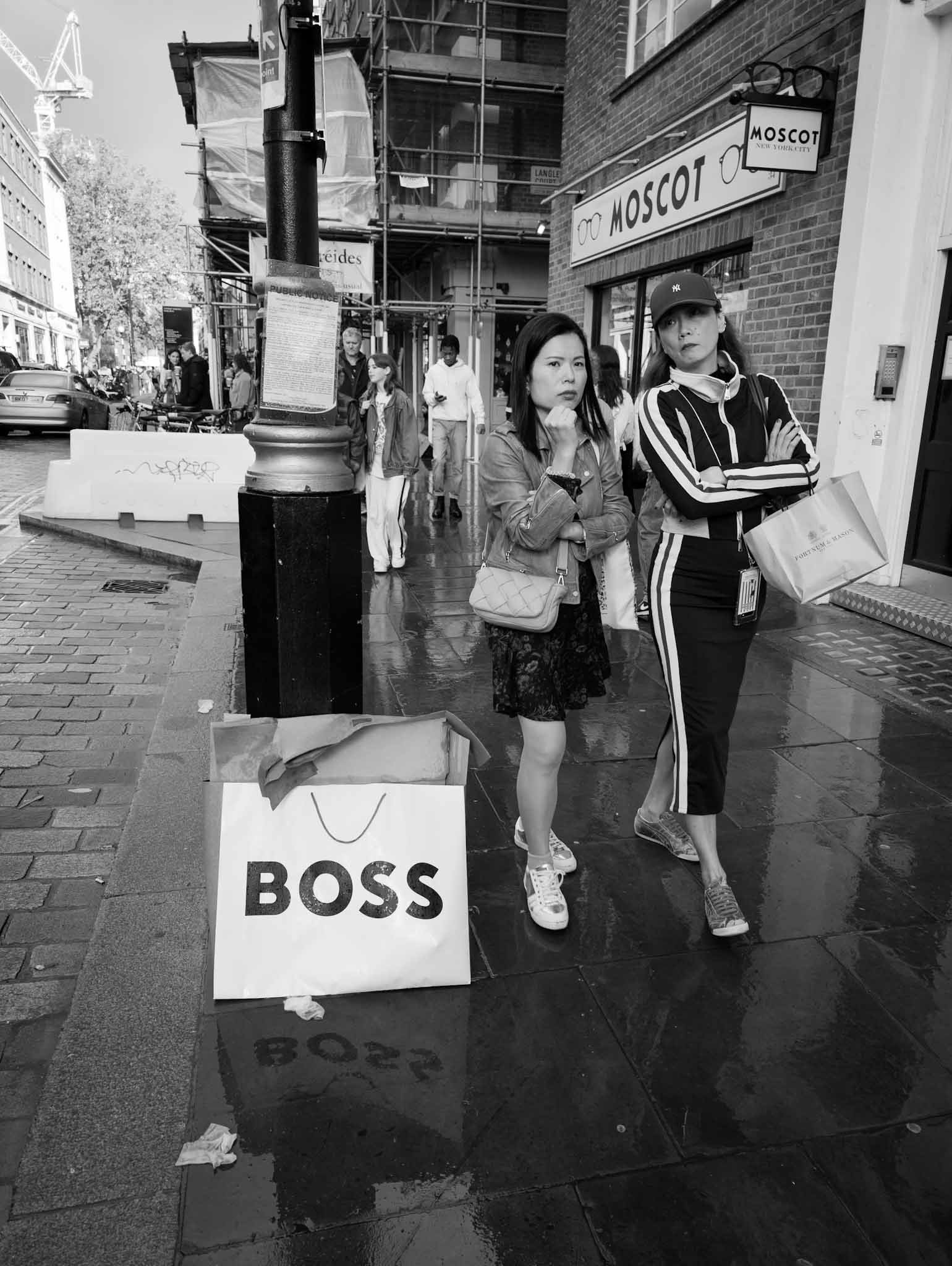
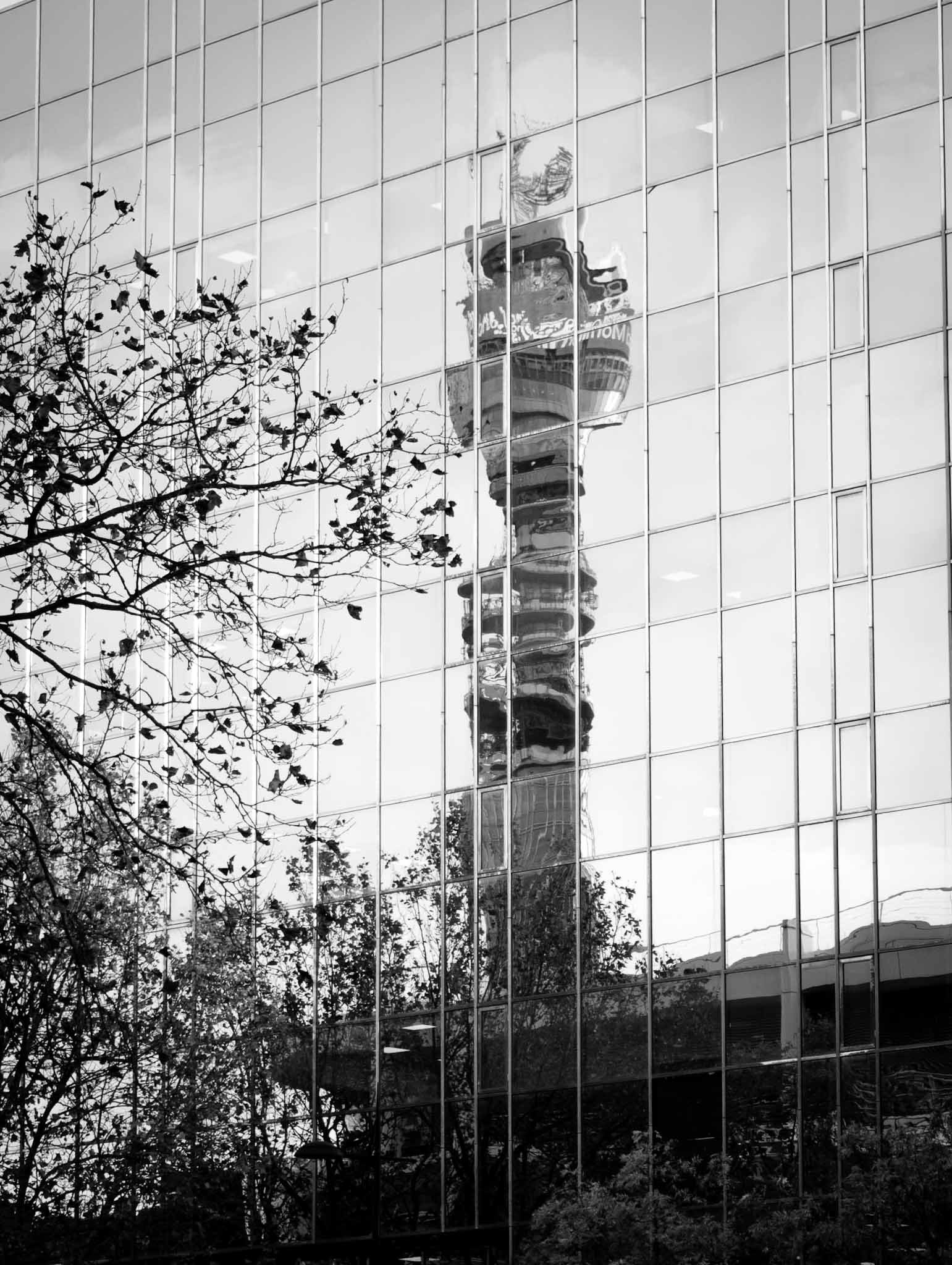
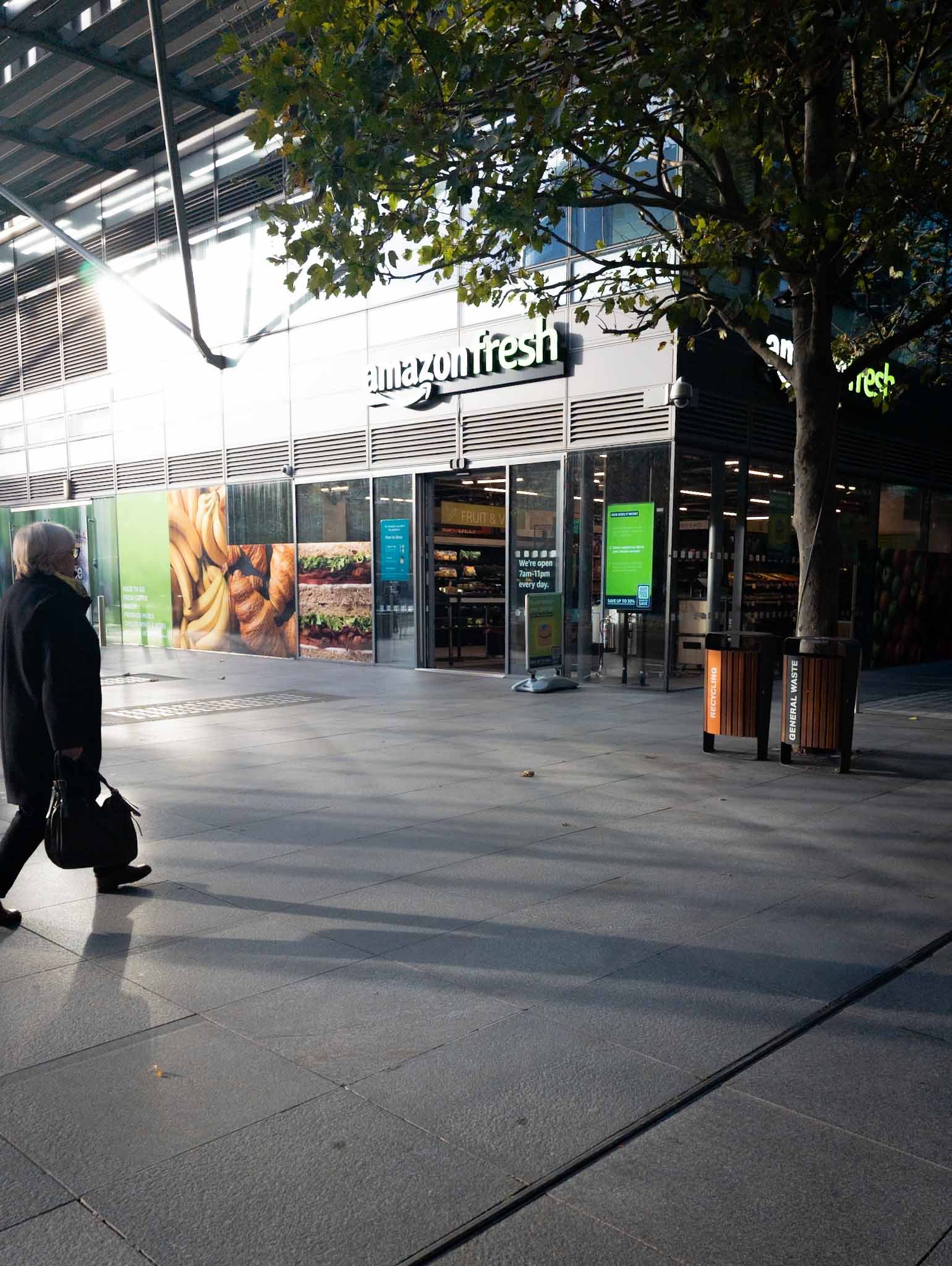
Enter: street photography.
The daily commute, often seen as a monotonous and time-consuming chore, can be transformed into a unique and rewarding experience. Armed with a camera, a curious mind, and a keen eye for the unexpected, the journey to the office becomes a daily expedition.
Here's how to turn your commute into a street photography adventure:
Embrace the Unexpected: The beauty of street photography lies in its spontaneity. Be prepared for anything – a fleeting glance, a quirky outfit, a vibrant mural, an unexpected interaction.
Find Your Angle: Experiment with different perspectives. Shoot from the hip, capture reflections in windows, or try a high vantage point.
Tell a Story: Look for patterns and narratives in the everyday. What do the faces of your fellow commuters reveal? What stories do the objects they carry tell?
Respect Your Subjects: Always be mindful and respectful of others. Avoid intrusive photography and prioritize the safety and comfort of those around you.
Edit and Share: After your journey, take some time to review your photos. Select your favorites, edit them to enhance their impact, and share them with the world.
Benefits Beyond the Frame:
Street photography on the commute offers more than just stunning images. It provides:
A Creative Outlet: A welcome distraction from the pressures of work and a way to express your unique perspective.
Increased Mindfulness: Paying attention to the details of your surroundings can help you become more present and appreciate the world around you.
A Sense of Adventure: The daily commute becomes an exciting journey, filled with the anticipation of discovering the unexpected.
Improved Observation Skills: Street photography sharpens your awareness of your surroundings, making you a more observant and engaged individual.
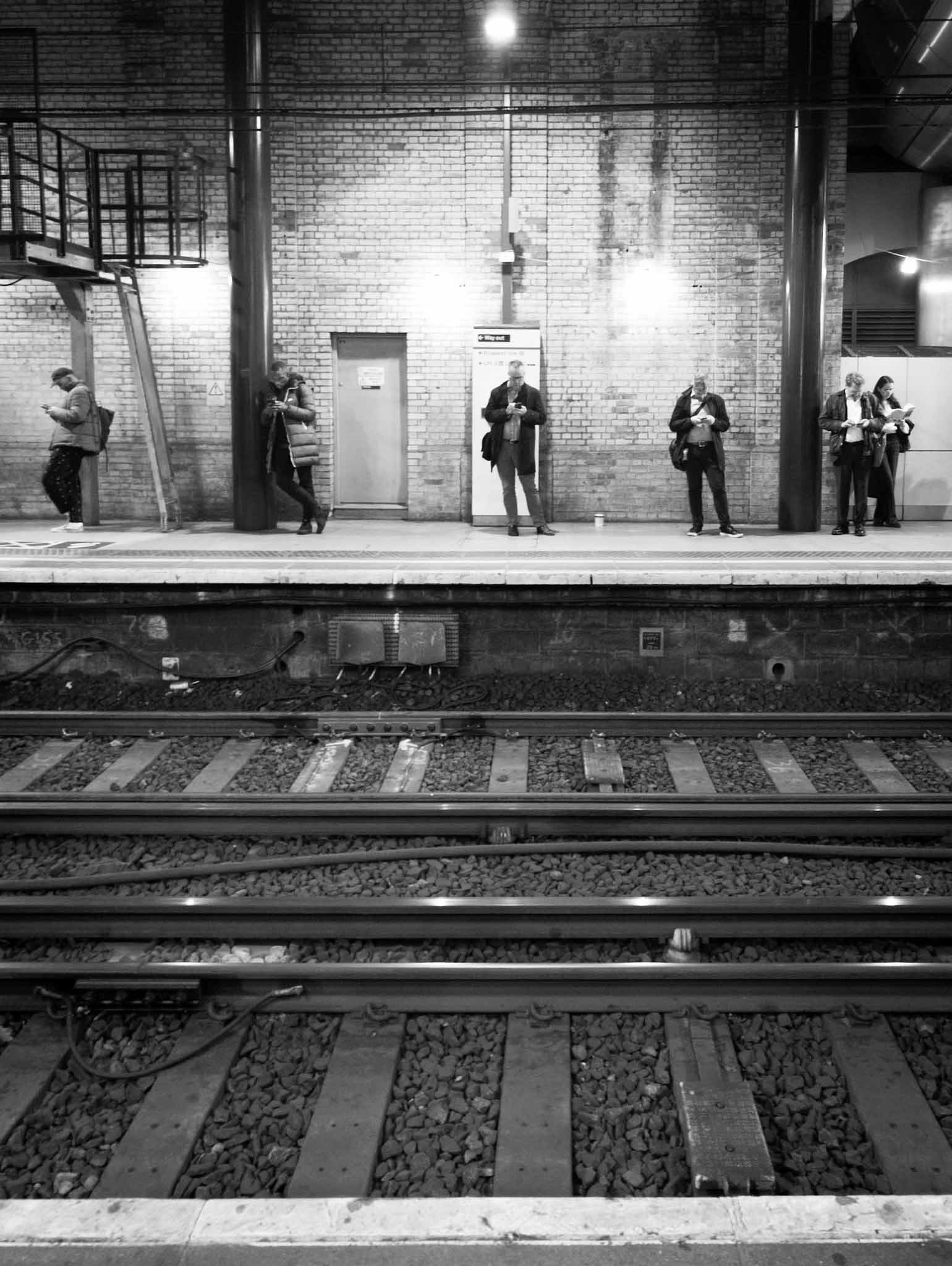
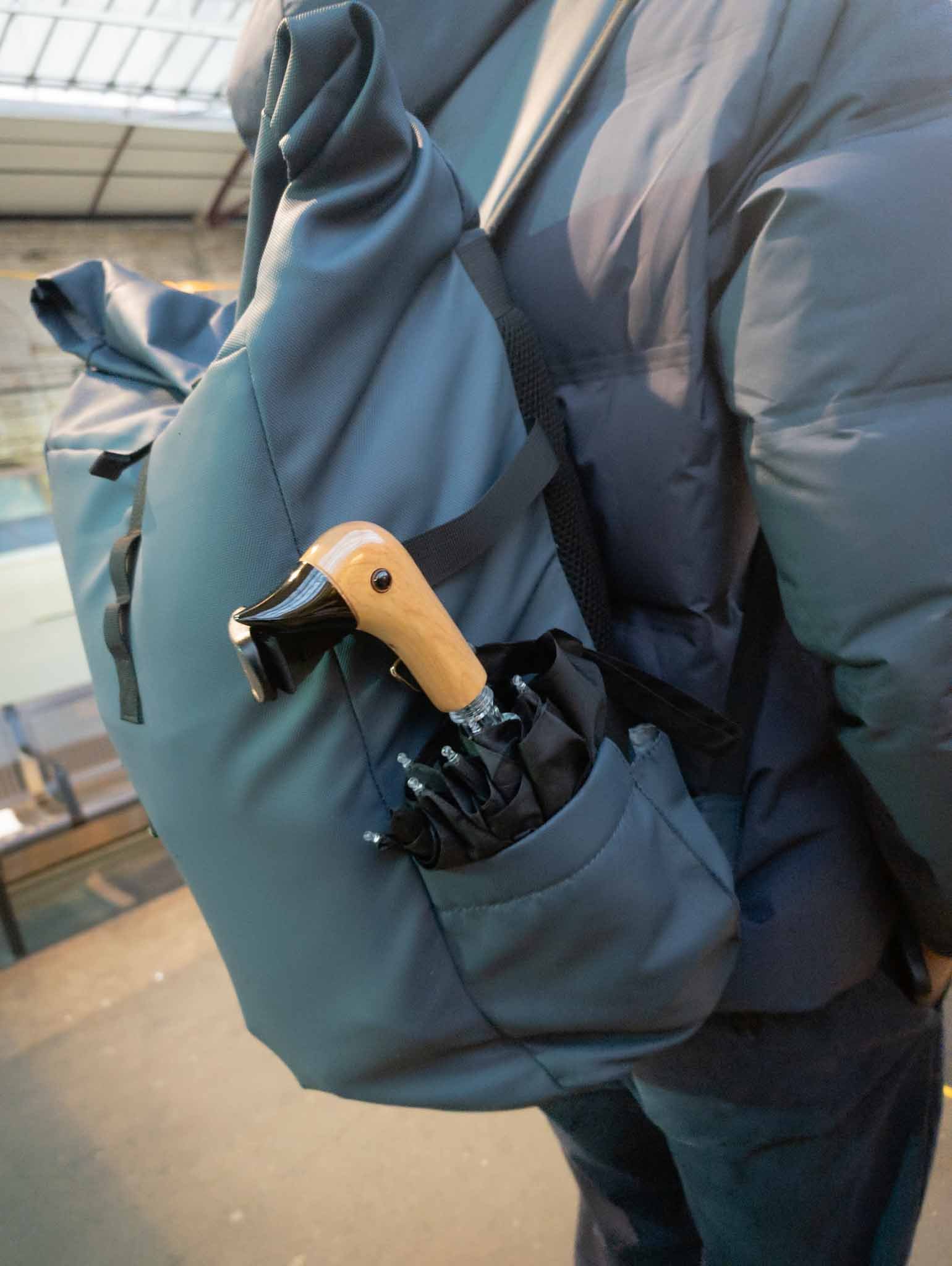
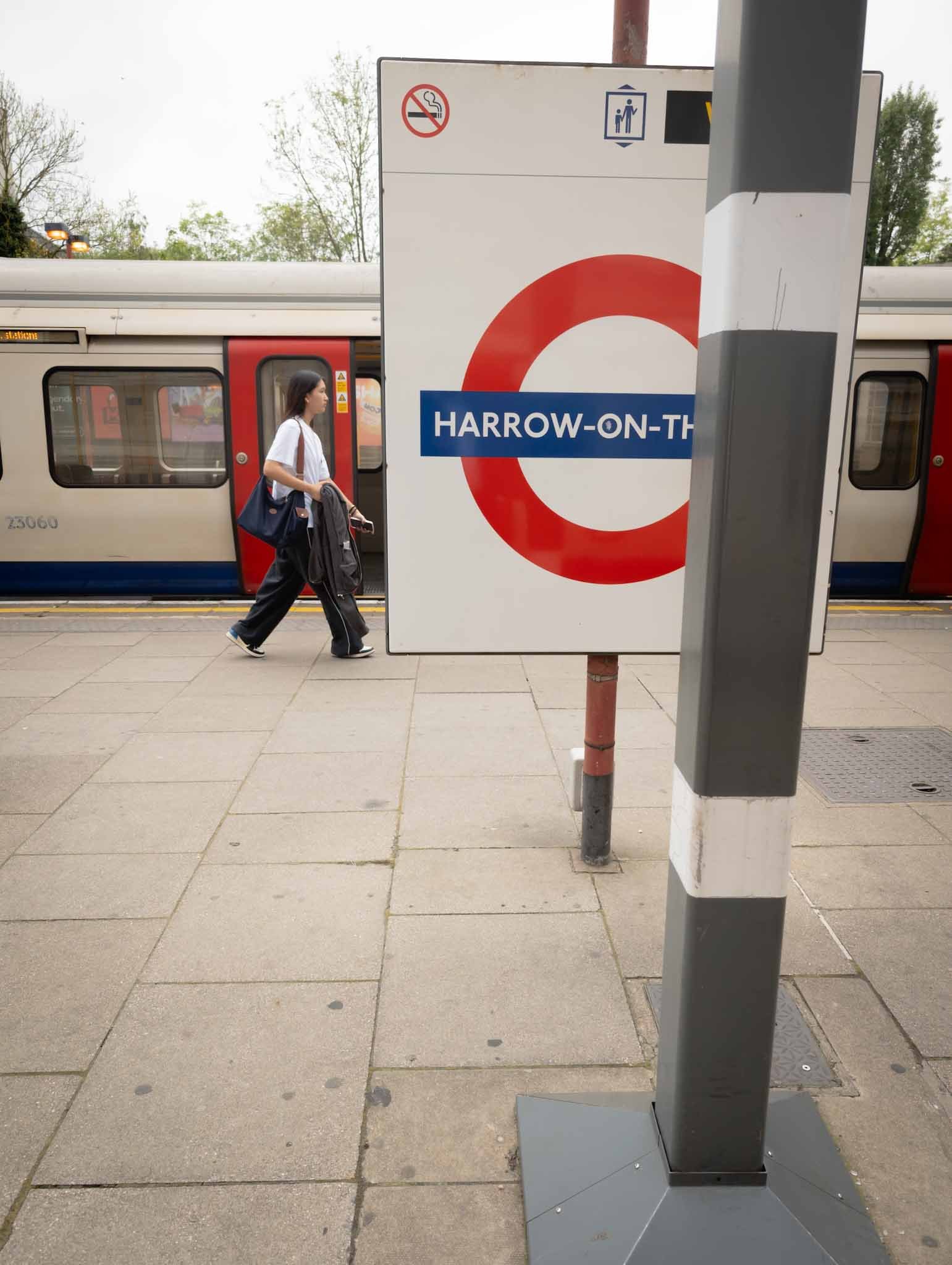
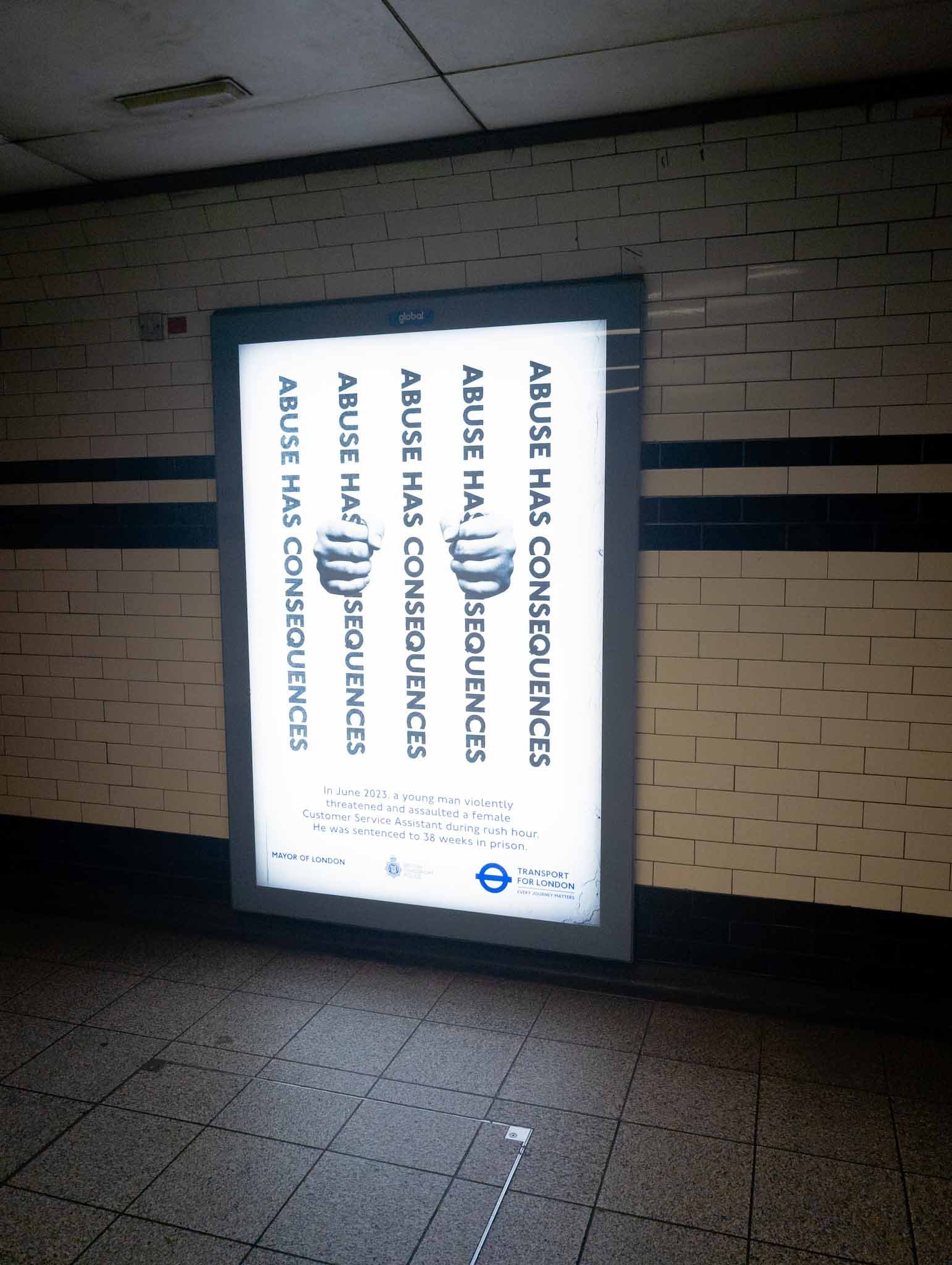
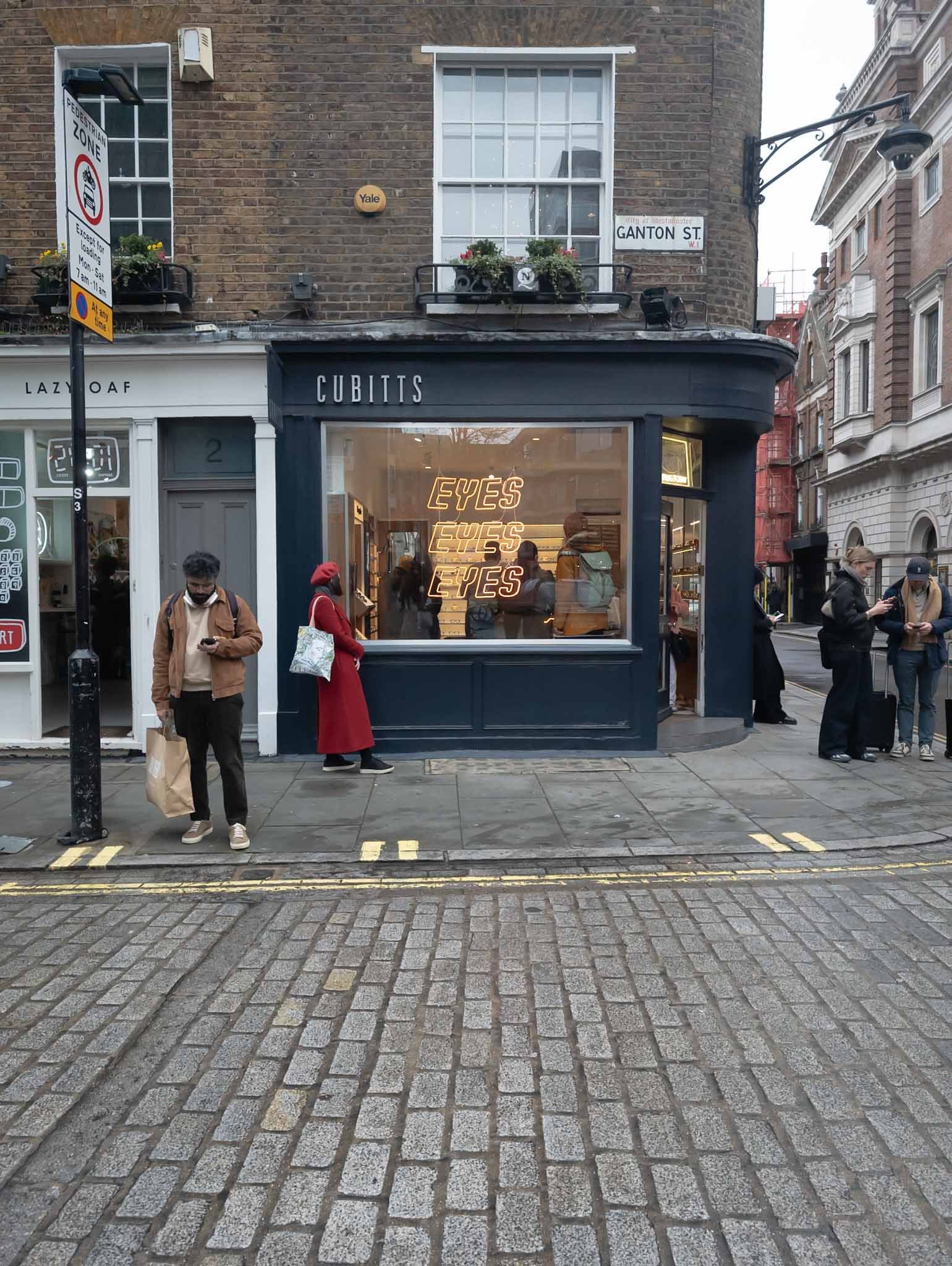
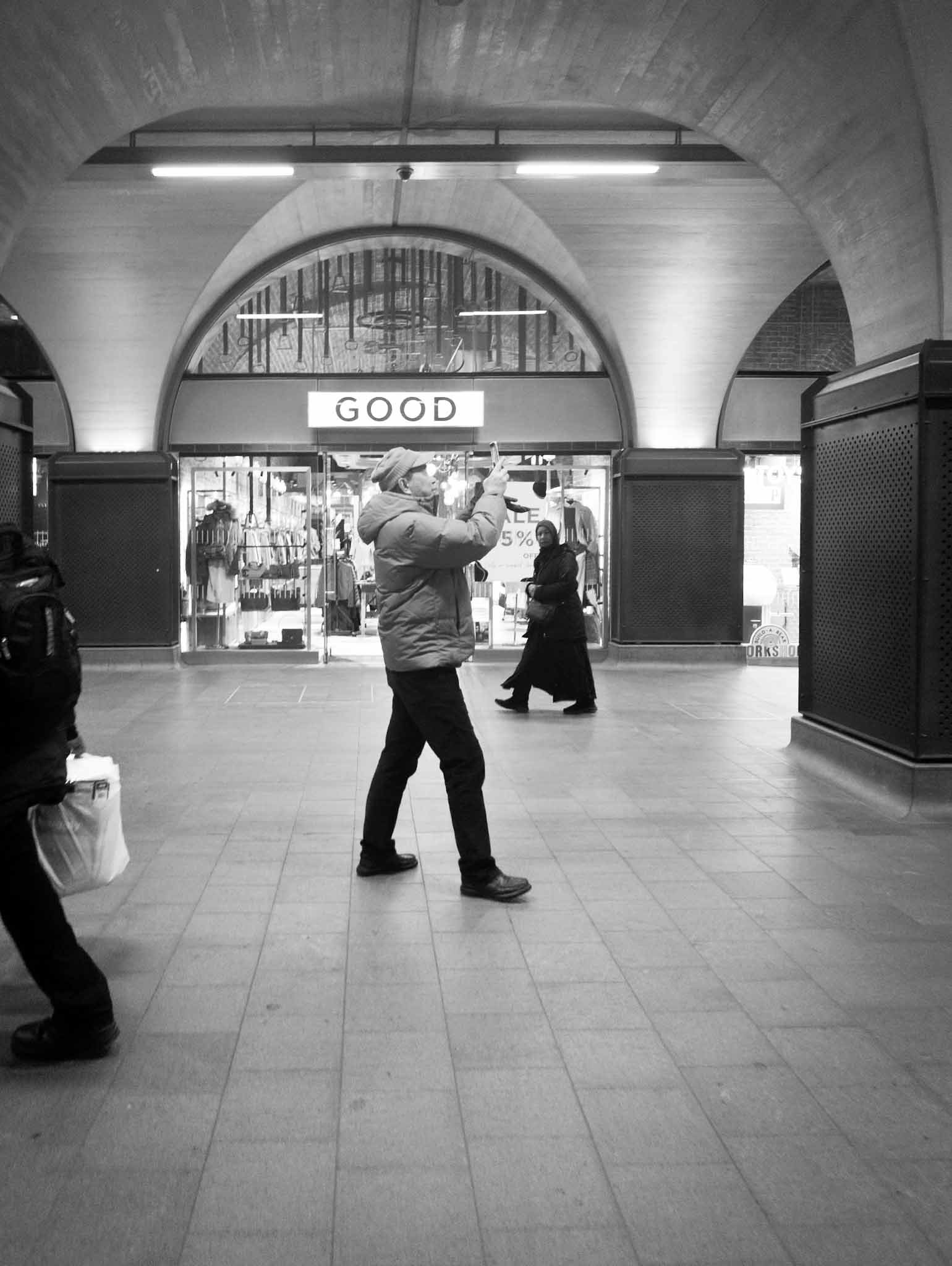
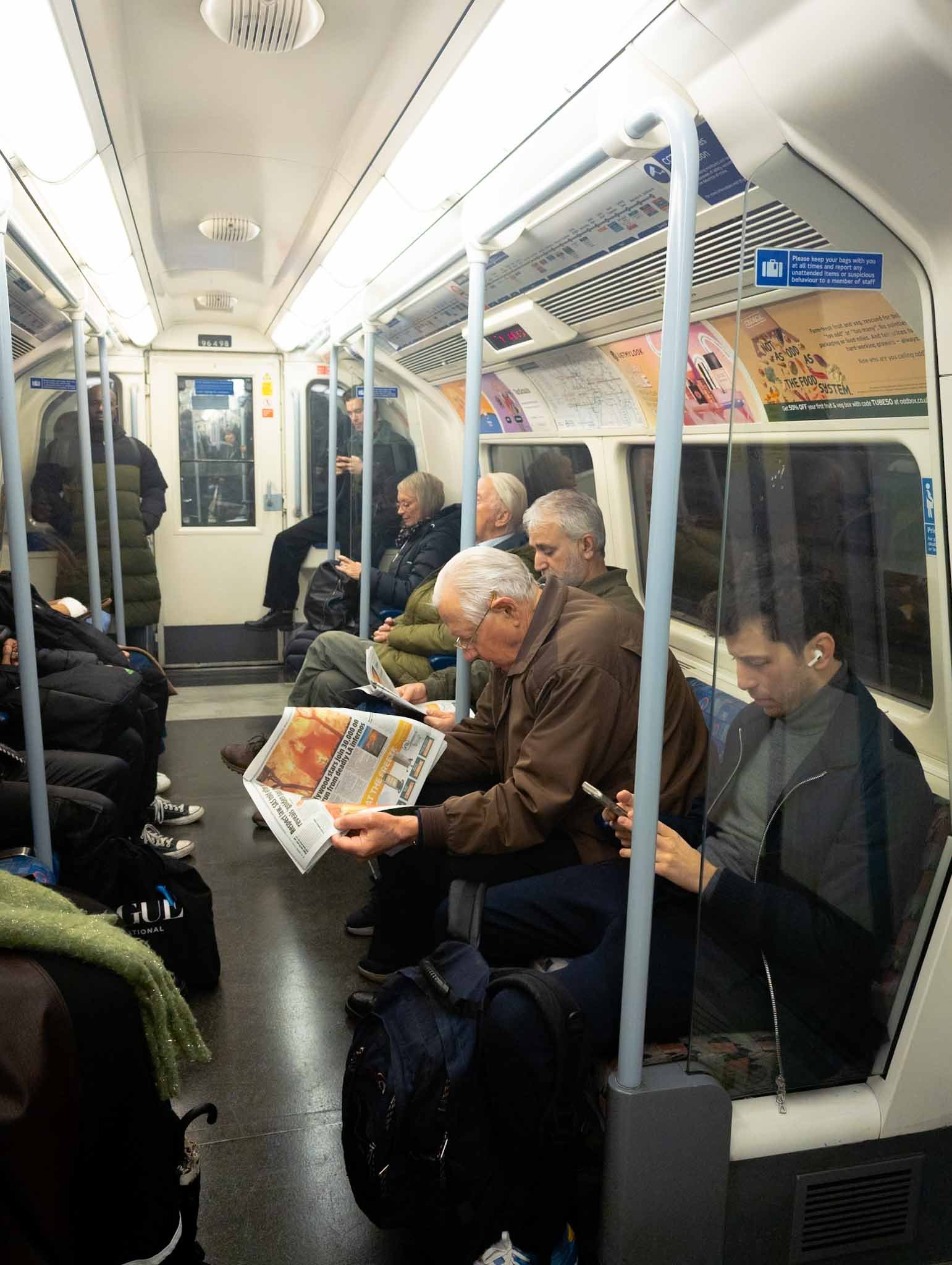
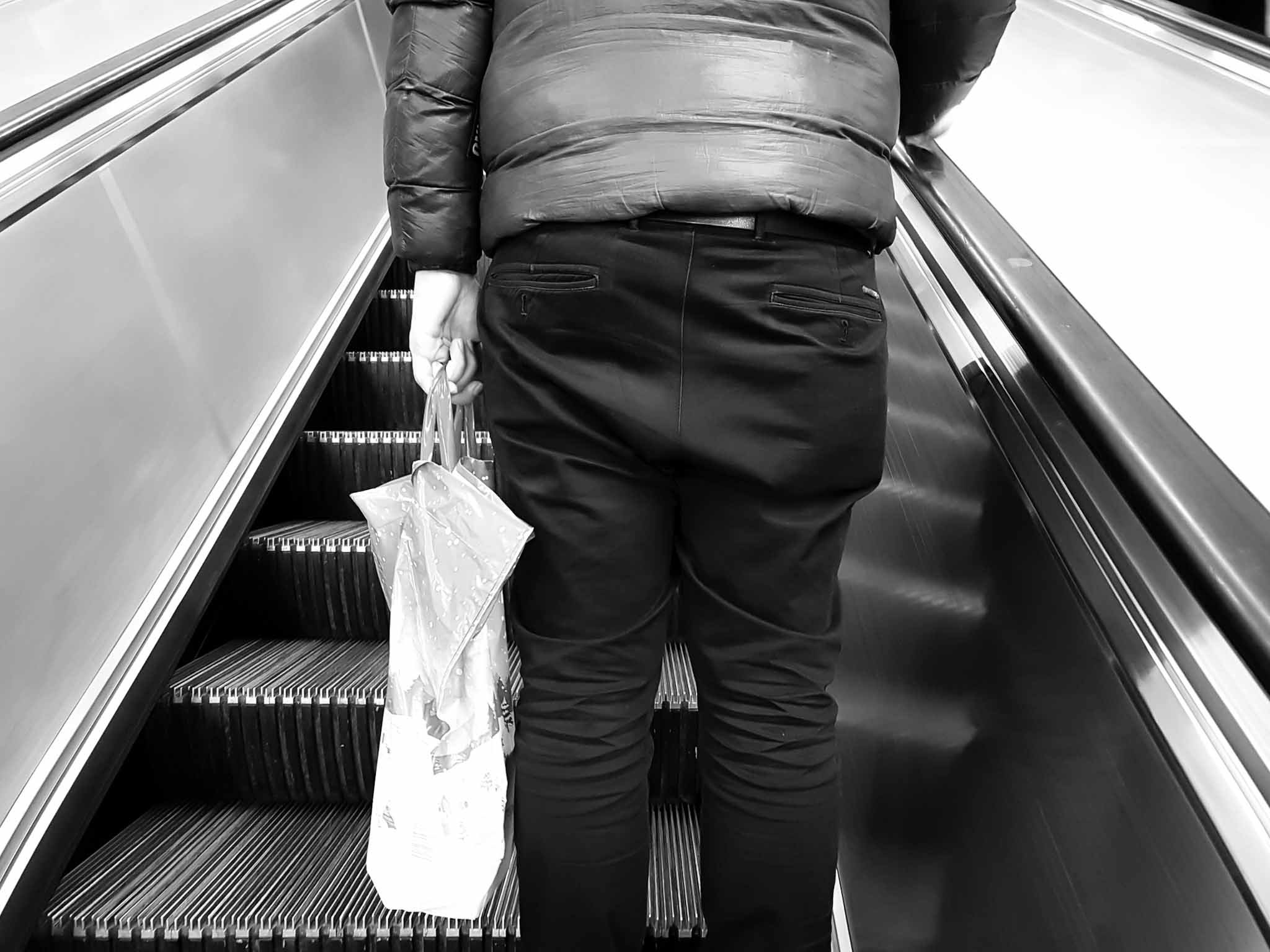
So, the next time you find yourself facing the dreaded commute, grab your camera and embrace the adventure. Transform the journey from a mundane obligation into a creative pursuit. You might be surprised at the beauty and inspiration you discover along the way.
Disclaimer: Please be mindful of your surroundings and ensure your photography does not disrupt or inconvenience others. Always prioritize safety and respect the privacy of individuals.
Note: This blog post focuses on commuting in London, where public transport is widely used. However, the principles of street photography on the commute can be applied to any mode of transportation in any city.
I hope this blog post inspires you to embrace the commute and discover the creative potential within your daily journey. Happy shooting!
Until next time, keep shooting.
BPS and what will be.
The kids and I decided on our usual half term pilgrimage to London this past October.
A couple of photographic exhibitions took our fancy, namely the excellent Chris Kilip retrospective at The Photographer's Gallery and also the Bill Brandt inside the mirror at Tate Britain.

The kids and I decided on our usual half term pilgrimage to London this past October.
A couple of photographic exhibitions took our fancy, namely the excellent Chris Kilip retrospective at The Photographer's Gallery and also the Bill Brandt inside the mirror at Tate Britain.
The former being a very modest £8 and the latter being free admission. Highly recommended.
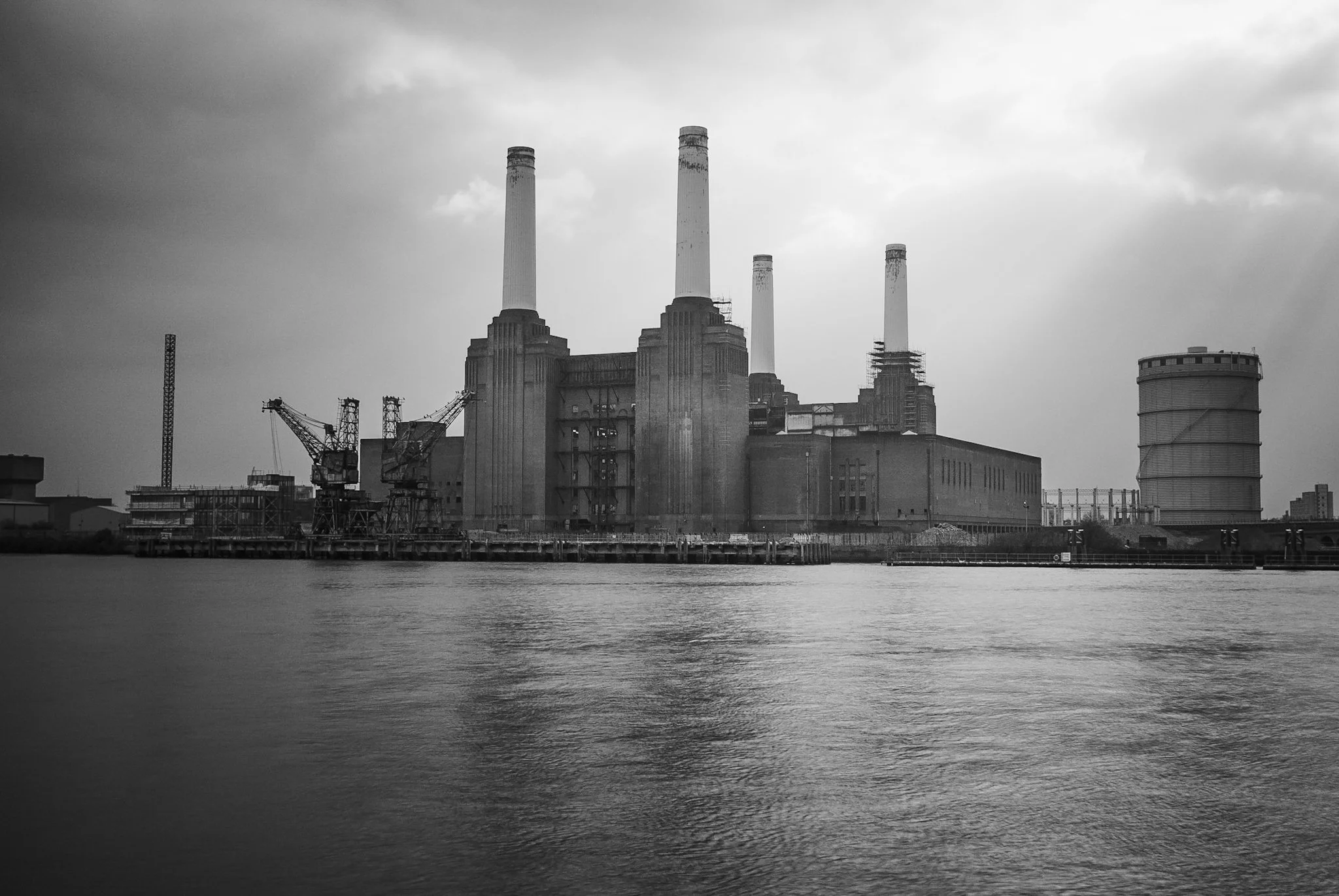
Top on my list was having sight of the recently opened Battersea Power Station developemrnt.
I have always been mesmerised by this structure, since seeing the Pink Floyd Animals album cover when I was a little boy.

Back in 2012 - when I started to take my photography a little more seriously,or more than the impromptu family photos - I stumbled across Battersea Power Station, whilst walking around the side and back streets of central London.
I had my much missed and underrated Fuji X100 setup, allowing me to take street photos and long exposures. Light & nimble.
I took the below photo, which (at the time) I was indifferent about. It happens to be my best seller on my Etsy store.


Here are some stats about this magnificent structure.
From the 1930s to 1980s, Battersea Power Station was a working Power Station. At its peak, it was producing a fifth of London’s power, supplying electricity to some of London’s most recognisable landmarks, such as the Houses of Parliament and Buckingham Palace
1929 - Works begin on site. Sir Giles Gilbert Scott, one of the most prominent architects of the day, who was responsible for Britain’s red telephone boxes, joins the project. Original proposals were for the chimneys to be square rather than circular.
1935 - The first stage of the Power Station, Battersea A, is completed. The top of the western pair of chimneys are 101m from the ground. The chimneys themselves are 50m each, while the wash towers they sit on are 51m.
1940 - RAF pilots use the plumes of white vapour from the chimneys to guide them home in the mist. The Luftwaffe also used the plumes for navigation, which explains why the Power Station avoided extensive bombing.
1944 - Battersea B, the second stage of the Power Station, starts to generate electricity. The station goes on to pioneer a gas washing process to reduce sulphur emissions, with excess generated heat ducted under the Thames in a district heating scheme for 1,600 homes in Pimlico.
1955 - The fourth chimney, and second stage of the Power Station is complete, with the Power Station at peak capacity. The space within the main Boiler House is so vast that it would be possible to fit St. Pauls Cathedral within the space.
1964 - On 20 April, an electrical failure at Battersea Power Station caused power failures throughout London, including at the BBC Television centre, which was due to launch BBC Two that night. The launch was delayed to 11am the following day.
1977 - An inflatable pink pig floating between the two southern chimneys appears on the front cover of Pink Floyd’s album, Animals. The inflatable pig was tethered to one of the southern chimneys but lost its moorings and rose to the flight path of Heathrow Airport. Police helicopters tracked its course until it finally landed off the coast of Kent.
Album artwork, Animals, 1977. Design by Roger Waters. Graphics by Nick Mason. Production and art direction by Storm Thorgerson / Aubrey Powell at Hipgnosis.
1980 - The Power Station is awarded Grade II listed status. Awarded by Historic England, listed buildings mark and celebrate the building’s special architectural and historic interest. They’re also brought under the consideration of the planning system, so they can be protected for future generations.
1983 - The Power Station closes and ceases to generate electricity. It goes on to be purchased in 1987 by Battersea Leisure (theme park scheme) and again in 1993 by Parkview.
2007 - The Power Station is upgraded to Grade II* listed status. Less than 6% of listed buildings fall into this category as particularly important buildings of more than special interest.
2012 - The Power Station is purchased by the current shareholders, SP Setia, Sime Darby Property and the Employers Provident Fund, bringing an end to decades of disuse. Works begin the following year to redevelop the 42-acre site surrounding the Power Station to create a new community of homes, shops, cafes, restaurants, cultural venues and open space for London.
Above taken from: https://batterseapowerstation.co.uk/
The most mind boggling stat is that: About 6 million bricks were used in the construction of the original building. Different makes were used throughout including Accrington engineering bricks, which were also used in the Empire State Building.


Architecture studio Wilkinson Eyre has unveiled the redeveloped Battersea Power Station in London ahead of its opening next week, almost 40 years after the building was decommissioned.
The former power station, which now contains over 100 shops, 46,000 square metres of office space for technology brand Apple and 254 apartments is set to officially open to the public on 14 October.
The £9bn development project has studio flats starting at £865,000 and the penthouse flat £8.0m.
Until next time, keep snapping.
Half term
Well that was a much needed half term break, which got a bit lively on Friday with Storm Eunice hitting the British Isles.
The year thus far at work has been breakneck, so having the past week off, has been a much needed downing of work tools (laptop and mobile) and a lifting of play tools (cameras).
No grand plans, as these are due in April with (fingers very crossed), a European city break with the kids.
But the kids and I popped up to London for a day trip, the kids love the big smoke. They are also avid exhibition / culture vultures, which is lovely.
We went to see the America in Crisis exhibition, at the Saatchi Gallery. £5 general admission, is very reasonably priced for 3 exhibition rooms, with images ranging from the 1960’s civil rights movement, to the storming of Capitol Hill in 2021 and much in between. I can't recommend it enough.
Well that was a much needed half term break, which got a bit lively on Friday with Storm Eunice hitting the British Isles.
The year thus far at work has been breakneck, so having the past week off, has been a much needed downing of work tools (laptop and mobile) and a lifting of play tools (cameras).
No grand plans, as these are due in April with (fingers very crossed), a European city break with the kids.
But the kids and I popped up to London for a day trip, the kids love the big smoke. They are also avid exhibition / culture vultures, which is lovely.
We went to see the America in Crisis exhibition, at the Saatchi Gallery. £5 general admission, is very reasonably priced for 3 exhibition rooms, with images ranging from the 1960’s civil rights movement, to the storming of Capitol Hill in 2021 and much in between. I can't recommend it enough.


The effects of Eunice resulted in another exhibition being cancelled at the 11th hour, which was a little disapponting. Our walk around our usual haunts (Soho, Wardour Street, Covent Garden, Seven Dials), was hindered by the high winds and cold, but we were about to have a limited meander, which resulted in a couple of keepers.


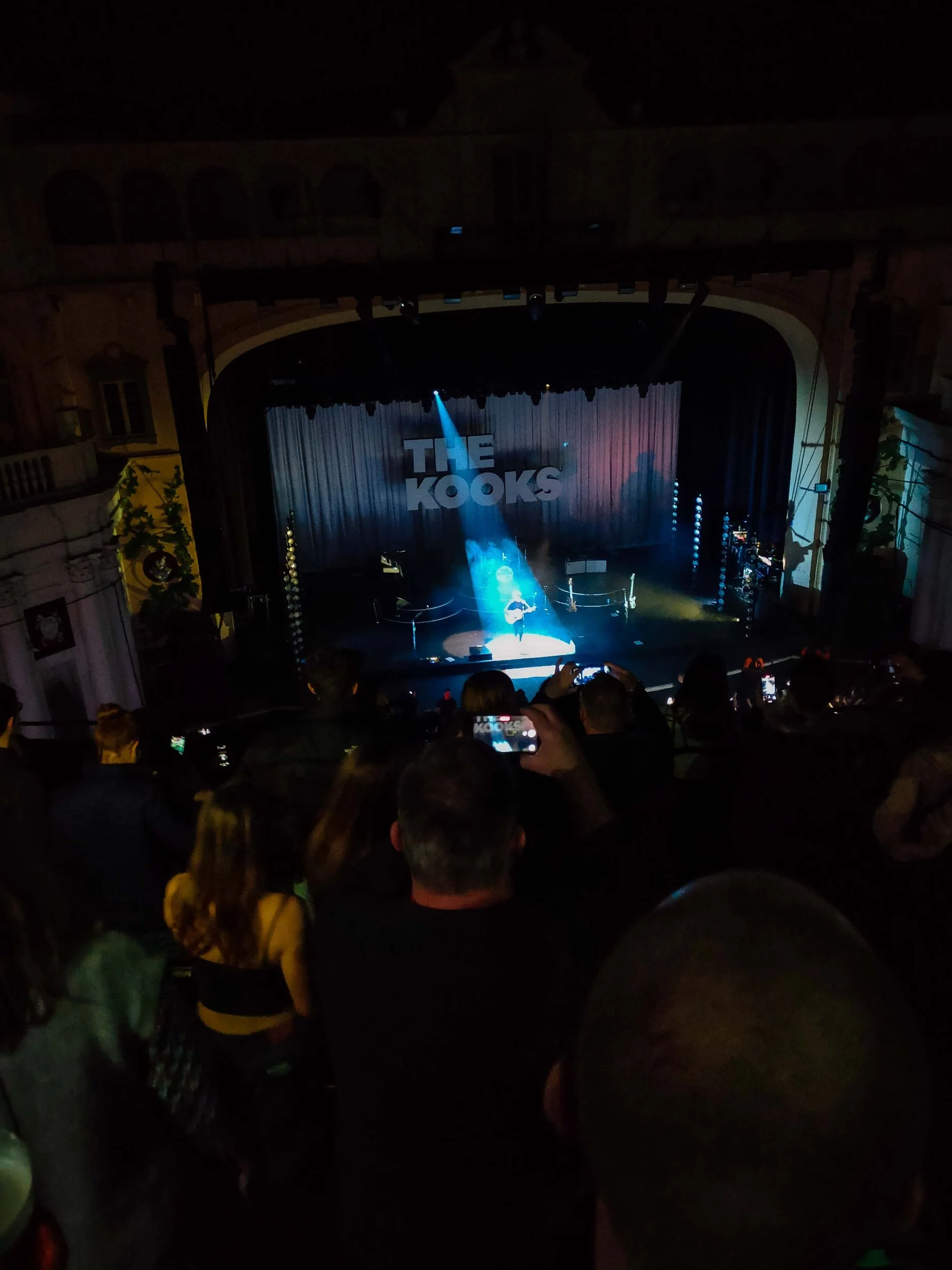
Next up was the highlight of the day, the kids first gig at Brixton Academy, seeing The Kooks. This was one for my daughter, shes obsessed with them ATM. Its something very sacred and special sharing a mutual like for music, I had a great time sharing this experience with them. I will definately be arrangng more soirees into live music this year, as an antidote to the pandemic. We also have the Red Hot Chili Peppers in London in June 2022, who are hopefully being supported by Thundercat.

Also camera wise, the past week saw me give the medium and large format cameras a workout.
I know it's clichéd that film slows you down and it's more about the entire process, rather than firing off images, but it really is.
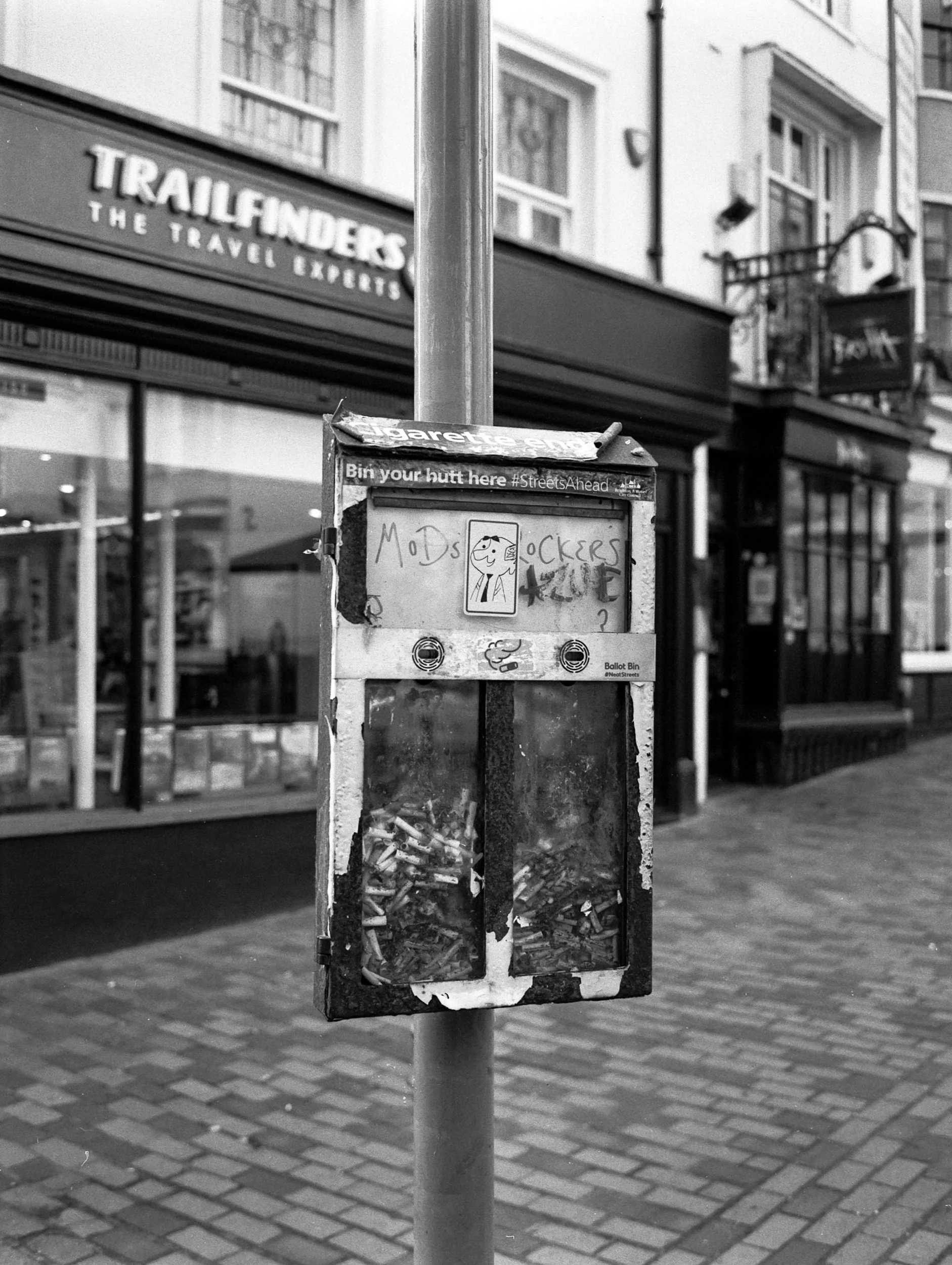

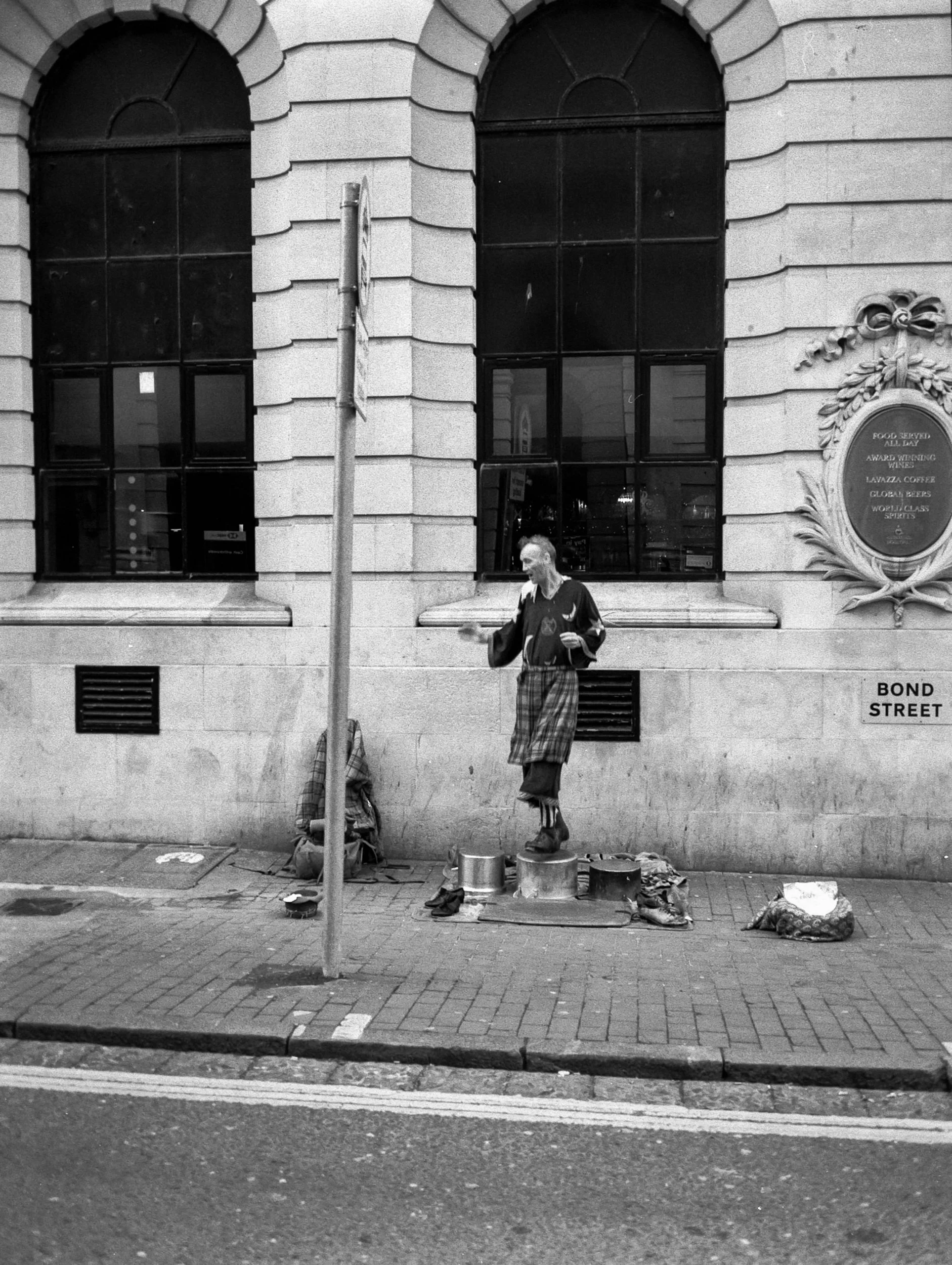

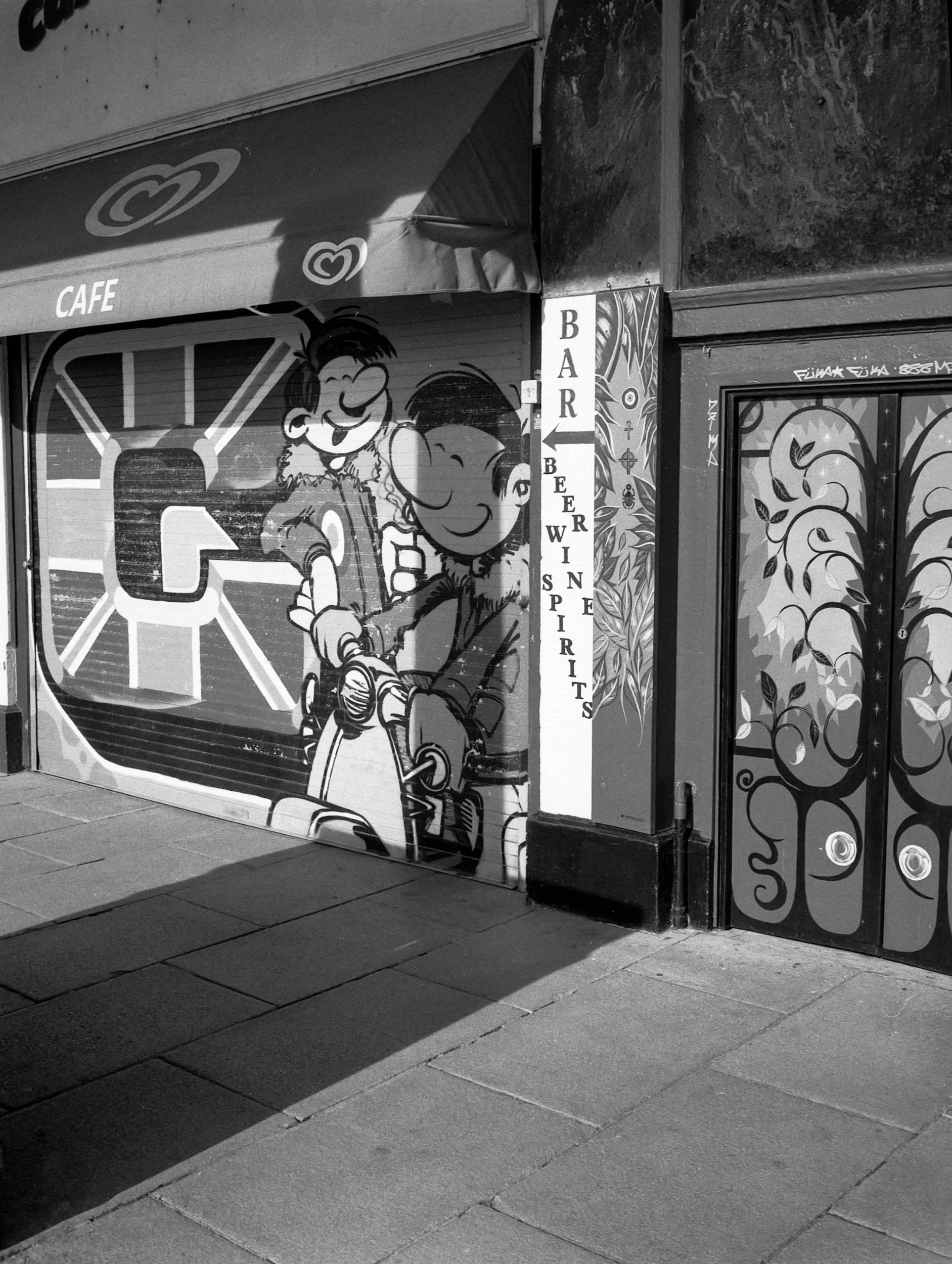


Finally, I had a couple of queries from two of my followers on Instagram, one asking for some tips to get into film and the other querying my process on pushing fomapan 400 to 1600.
The former was quite revealing, I dug out an email I had sent to someone else a couple of years ago. I was genuinely shocked how prices of cameras, film and assorted paraphernalia have increased, we are a sacred group film photographers.
The latter was a lovely exchange with a pro photographer, when we shared our workflows, whilst wildly different, the output had the same goal / objective.
THats me for another month, until next time, keep snapping.
Staycation 2020
A good friend of mine made an interesting statement about Covid19, back in May 2020.
He mentioned he was calling his girlfriends pug Civid' When I asked ‘why’? I was told, ‘its simple really…… it's stopping us going on holiday, we can't go out for an evening to the pub or restaurant and it poos everywhere'!

A good friend of mine made an interesting statement about Covid19, back in May 2020.
He mentioned he was calling his girlfriend’s pug 'Covid' When I asked ‘why’? I was told, ‘its simple really…… it's stopping us going on holiday, we can't go out for an evening to the pub or restaurant and it poos everywhere'!
Both funny and apt.
I’m sat here writing this blog, returning back to work after my two weeks annual leave. No sun, sea or extravagant journeys unfortunately, lockdown in COVID-19 has kiboshed that.
I had some nice plans for 2020. April 2020 was supposed to be a trip to Istanbul with the kids. It was being billed as ‘kebabs and cameras’. I have been mesmerised by the street photography there for many years, in fact the tipping point was purchasing the excellent City of a hundred names, by Alex Webb last year. But alas not to be, this year at least.
Whilst this is depressing, it is providing me with some me time, catching up on photobooks, documentaries and also afforded me the opportunity to compliment my own body of work documenting these strange times.
It also provided a more grounded break with the kids, to have a couple of day trips.
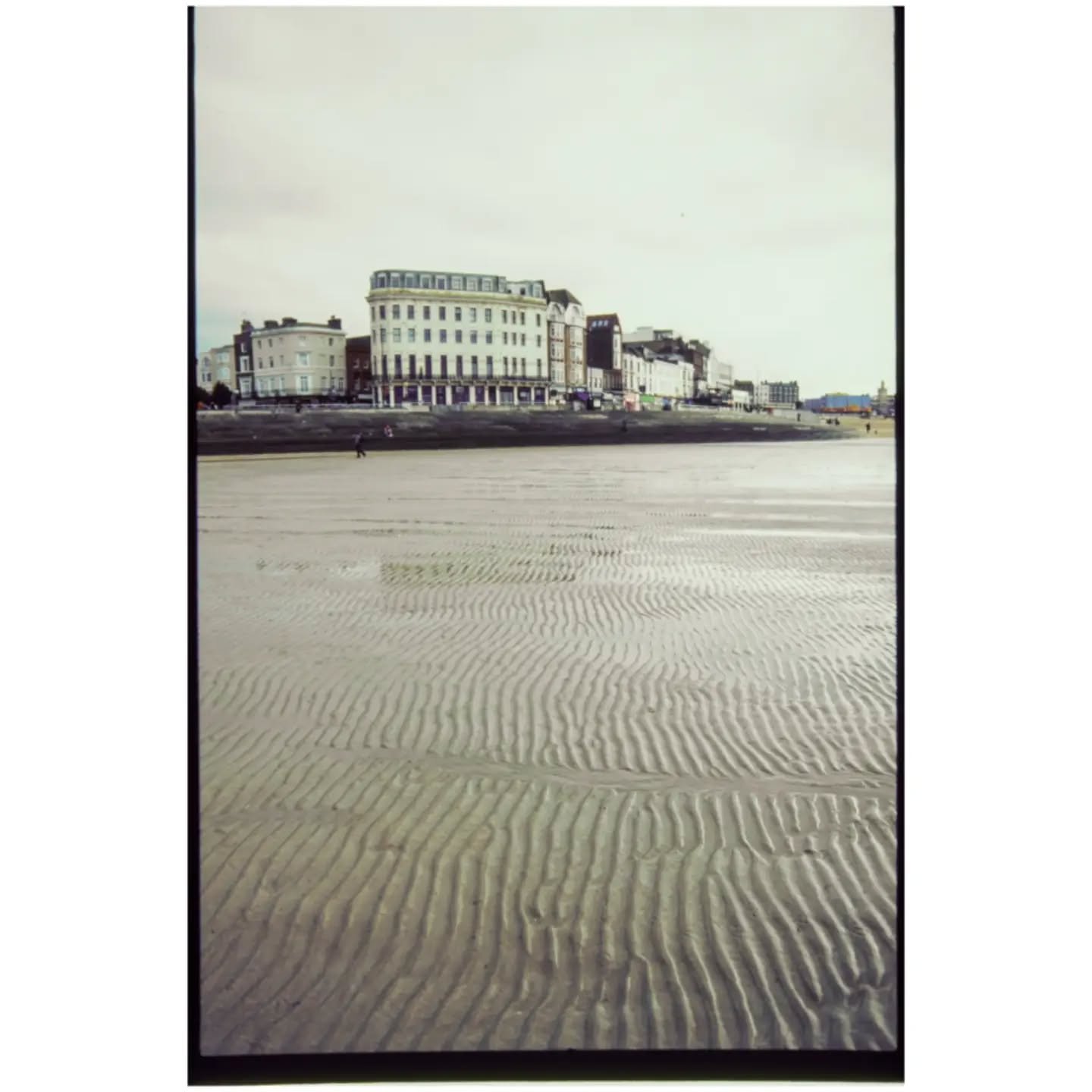
First up was Broadstairs and Margate. I have always loved the allure of the British seaside town and all its kitsch foibles.
I hadn't been to Broadstairs before, and was given the nod by a work colleague. It was a lovely place with plenty of photo opportunities of the domestic holiday maker.


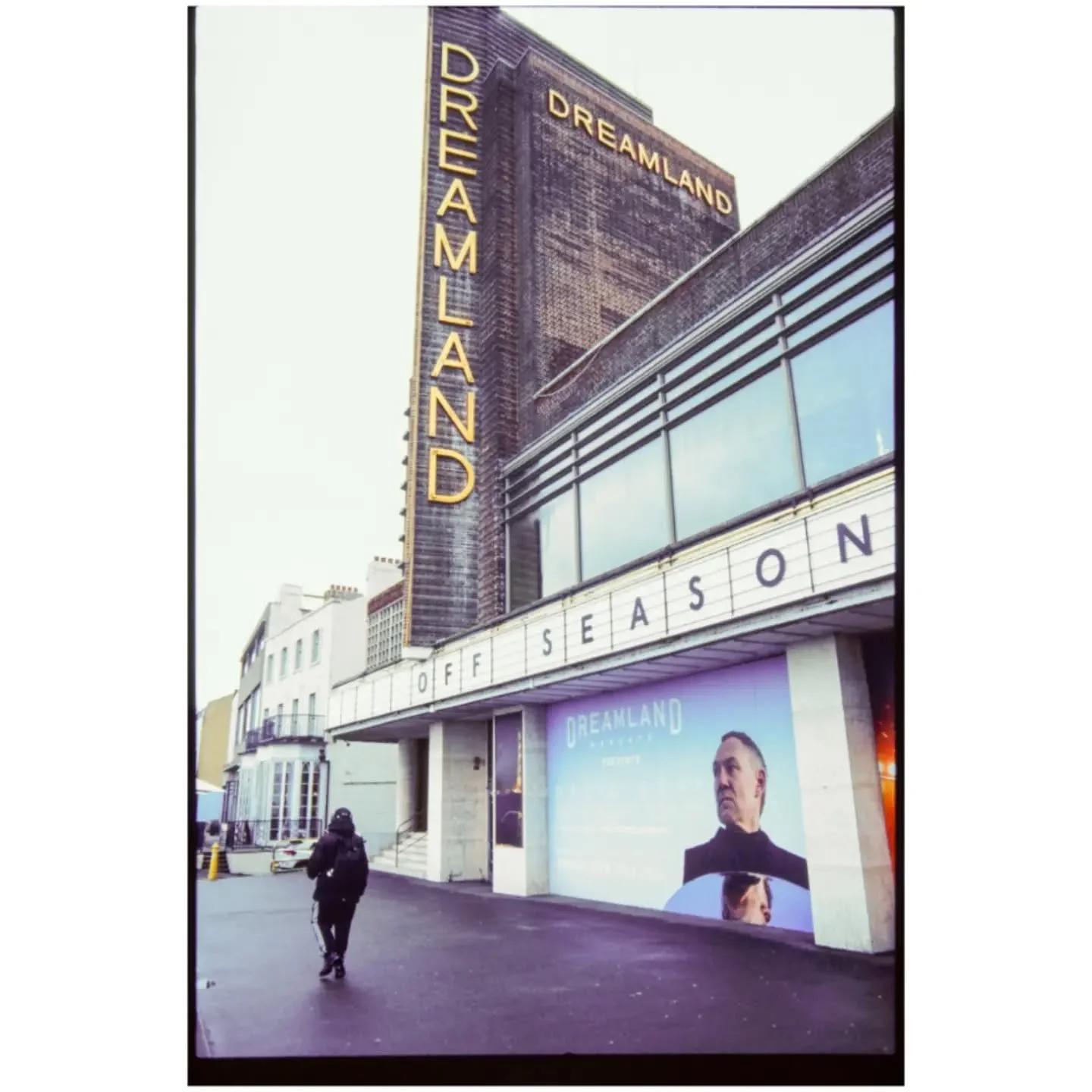
I wanted to take them to the Black Lives Matters exhibition at the Turner Contemporary Gallery, this was of interest to my daughter, who has taken an interest in the three marches that have been held Brighton over the summer, since the harrowing murder of George Flloyd by a police officer.
The exhibition detailed works evidencing black folks plight in the Deep South to get work through art and craft. It also had an excellent (albeit limited) collection of black and white civil rights photography front the 1960’s.
The Turner Contemporary Gallery is a stunning building situated to the east of the seafront, which also has an Anthony Gormley statue in the sea, at the rear of the gallery.


Whilst the town has regularly been voted the best seaside town in the UK to live, the remnants of the old Margate are omnipresent.


Arlington House is a beautiful brutalist residential high rise that dominates the skyline.


First completed in 1964 the site was advertised as “Britain’s first ‘park and buy’ shopping centre with luxury flats,” and marked the beginning of Margate’s redevelopment.
Arlington was designed by Russell Diplock Associates and built by Bernard Sunley and Sons, Originally the site was made up of 52 shops, a pub, a supermarket, a coach station, a filling station, a multi-storey car park and the 18-storey, 142-flat block.
I normally take the kids up to London for a day trip, but due to the depressed tourist market, we were fortunate to be able to book a 2 night stay at the Lancaster Gate Hotel, near Hyde Park. We snagged a bargain getting the room at 50% of the normal daily rate.
First up was West London, and Notting Hill / Portobello Road.
By daughter loves to see the whitewashed London terraced houses and flower lined mews.


For dinner we headed over to Tayyabs Restaurant for the mixed grill in Whitechapel, absolutely delicious. This place never seems to disappoint. I haven’t eaten here for nearly 10 years.
Day two was a mixture of shopping and sight seeing, we ended up heading over to Soho in the evening for a bite to eat at Bibimbap and to take some night photos of the lights in China Town.


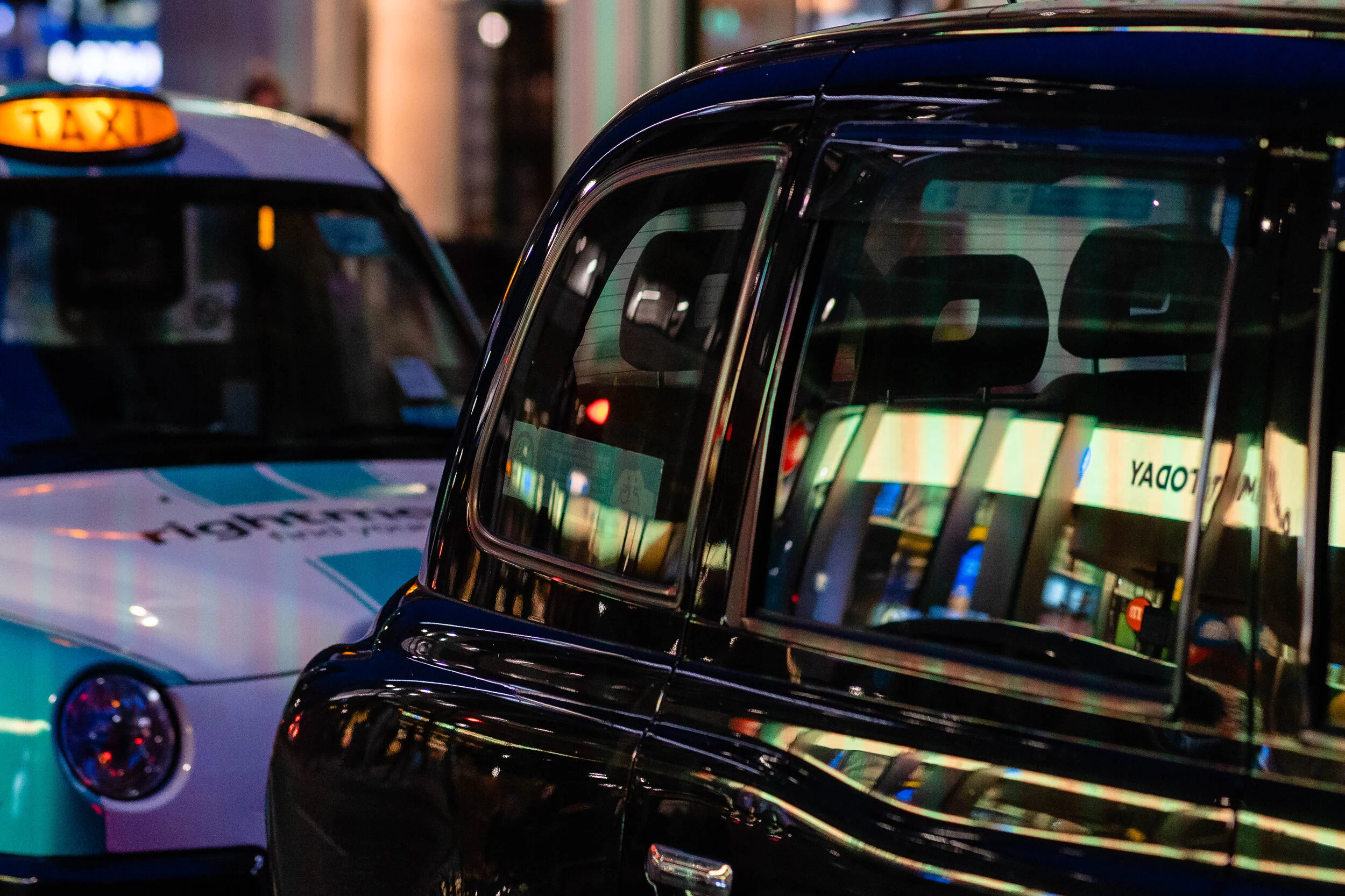


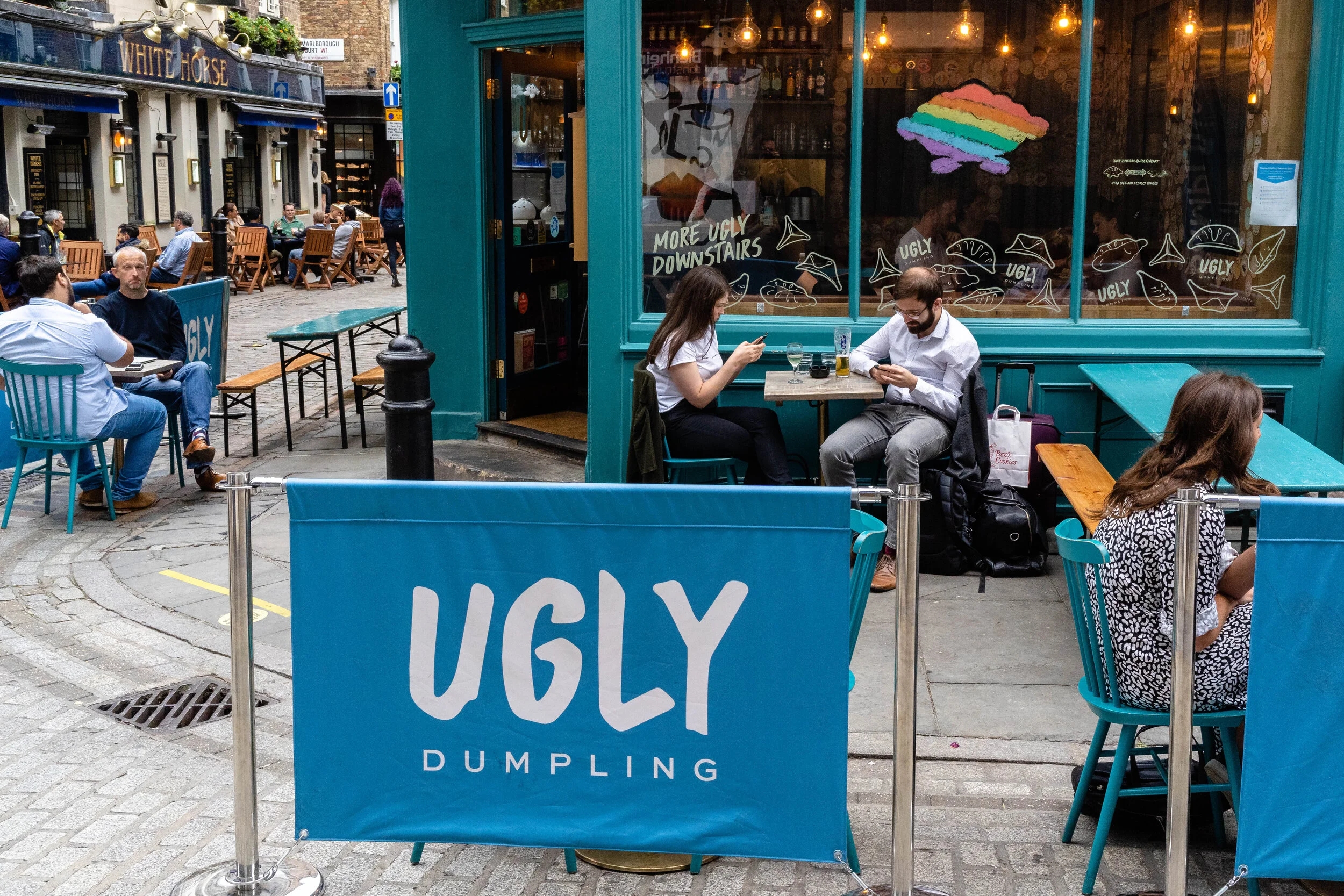


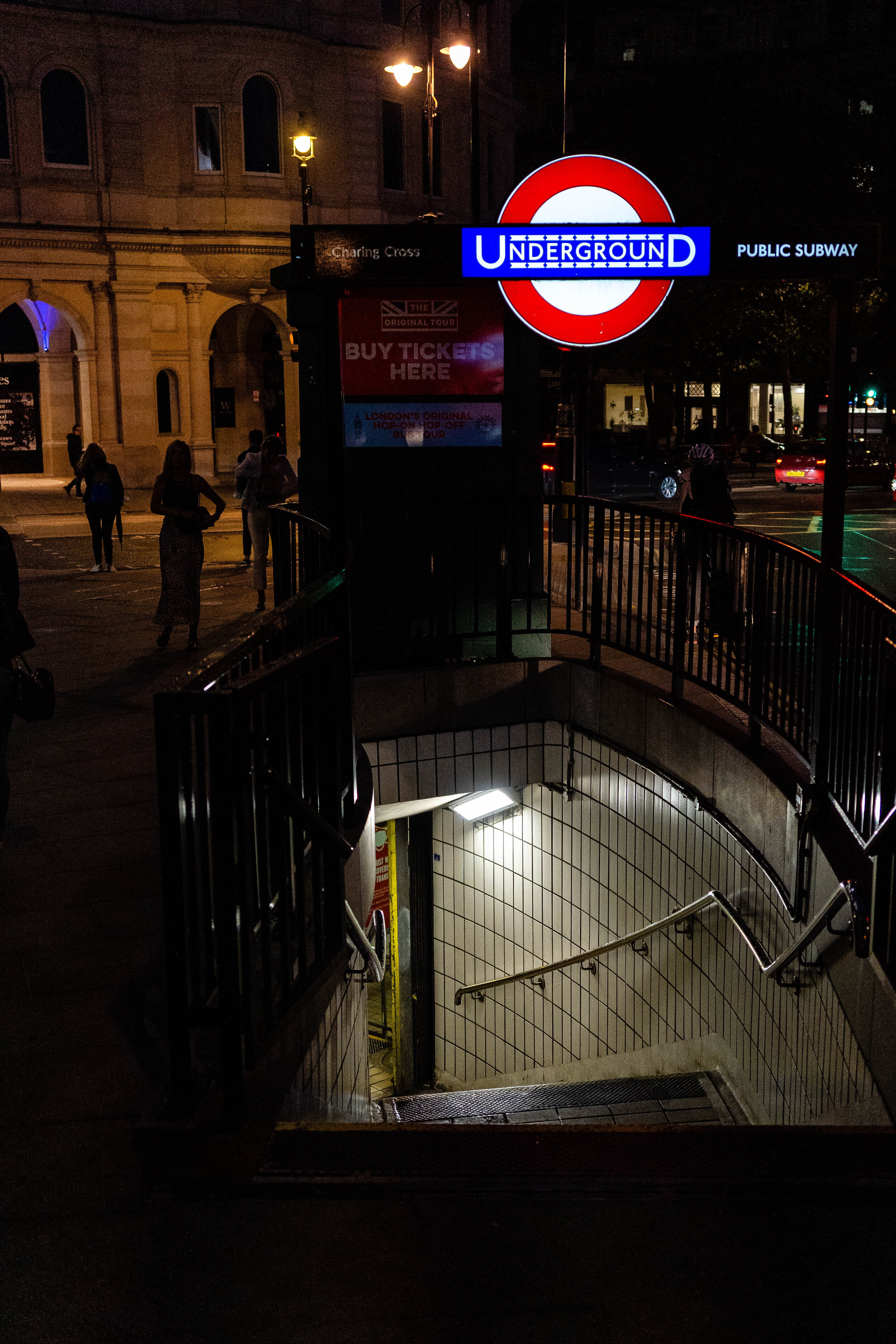


As staycations go, it wasn’t bad, the kids and I remain healthy and well, so we can’t and shouldn’t complain.
Until next time, keep snapping.
A selection of the images within this article are available for sale on the Website or Etsy Store, if you would like to enquire about something else, please click the email icon at the foot of this page.
Yes please, keep me posted when there’s a new blog
Instagram - Film