in the frame
Modern Masters 2: Eduardo Ortiz – The Nomadic Color Poet of the Streets
In the vibrant, chaotic symphony of contemporary street photography, few voices resonate with the quiet confidence and cinematic depth of Eduardo Ortiz. A Chilean-born wanderer, Ortiz transforms everyday urban moments into visual poetry—layered, color-drenched compositions that feel both spontaneous and meticulously orchestrated. His work doesn't just capture the streets; it breathes life into them, inviting viewers to linger in the beauty of the ordinary. For our "Modern Masters" series, we dive into the world of this influential photographer whose rise from multi-talented nomad to global workshop leader exemplifies the power of passion, persistence, and an unerring eye for light and color.
In the vibrant, chaotic symphony of contemporary street photography, few voices resonate with the quiet confidence and cinematic depth of Eduardo Ortiz. A Chilean-born wanderer, Ortiz transforms everyday urban moments into visual poetry—layered, color-drenched compositions that feel both spontaneous and meticulously orchestrated. His work doesn't just capture the streets; it breathes life into them, inviting viewers to linger in the beauty of the ordinary. For our "Modern Masters" series, we dive into the world of this influential photographer whose rise from multi-talented nomad to global workshop leader exemplifies the power of passion, persistence, and an unerring eye for light and color.
From Valparaíso's Shores to the World's Alleys: His History and Rise to Fame
Eduardo Ortiz was born in 1990 in Los Angeles, Chile, a small coastal city that belies his expansive artistic spirit. He spent his early years in nearby San Antonio before moving to the bohemian port city of Valparaíso, where his artistic roots truly took hold. There, he studied classical guitar, immersing himself in music and the vibrant cultural scene that drew artists from across Chile.
For years, Ortiz juggled life as a music teacher and professional cook, roles that honed his sensitivity to rhythm, texture, and human connection—qualities that would later define his photography. His nomadic journey began in earnest around 2016, as he traversed South America, Europe, and Asia, building a culinary portfolio while chasing new horizons. Photography entered the picture gradually; he started sharing travel snapshots with friends back home, fell in love with the medium, and by 2018 was hooked, studying composition, light, and the "rules" of the craft.
The COVID-19 pandemic proved a pivotal "big break" moment, albeit an unconventional one. While working as a cook in Sweden, he lost his job and visa sponsorship. With borders closing, he flew to Istanbul—one of the few places open for tourism at the time. What began as a temporary refuge blossomed into a profound love for the city and a full commitment to street photography. This period of upheaval fueled his obsession, turning travel into a creative imperative. Today, at just 35, Ortiz is a sought-after workshop instructor, Pro member of The Raw Society, and a fixture in street photography circles, with features in LensCulture, The Independent Photographer, and beyond. His "end of career"? Far from it—he's still very much in his prime, teaching worldwide and pushing boundaries as a perpetual nomad.
Major Influences: A Tapestry of Light, Cinema, and Masters
Ortiz draws from a rich well of inspirations that blend photography's greats with the worlds of painting and film. Key photographic influences include Henri Cartier-Bresson (for structure and the decisive moment), Ernst Haas and Alex Webb (for masterful color), Fan Ho and Saul Leiter (for poetic urban abstraction), Robert Frank, Fred Herzog, and more. In painting, he looks to Impressionists like Claude Monet and Joaquín Sorolla for their luminous handling of light and motion. Cinema—films like Fargo and Lawrence of Arabia—teaches him how composition isolates emotion and tells stories through space and pause.
These influences converge in Ortiz's work: a deep reverence for light as the ultimate storyteller, combined with a cinematic eye that elevates the mundane.
His Style: Cinematic Layers, Color as Language
Ortiz's photography is defined by its vibrant yet balanced color palette, intricate layering, and a calm precision that belies the chaos of the streets. He began in black and white—favoring it for texture, form, and surrealism, as in his Pamukkale series—but transitioned to color around his India work, viewing it as a new "language" to guide the eye and evoke mood. He studies color theory (complementary, analogous, triadic schemes) like a painter, using it to serve the narrative rather than overwhelm. His images feel cinematic: balanced, dynamic, and immersive.
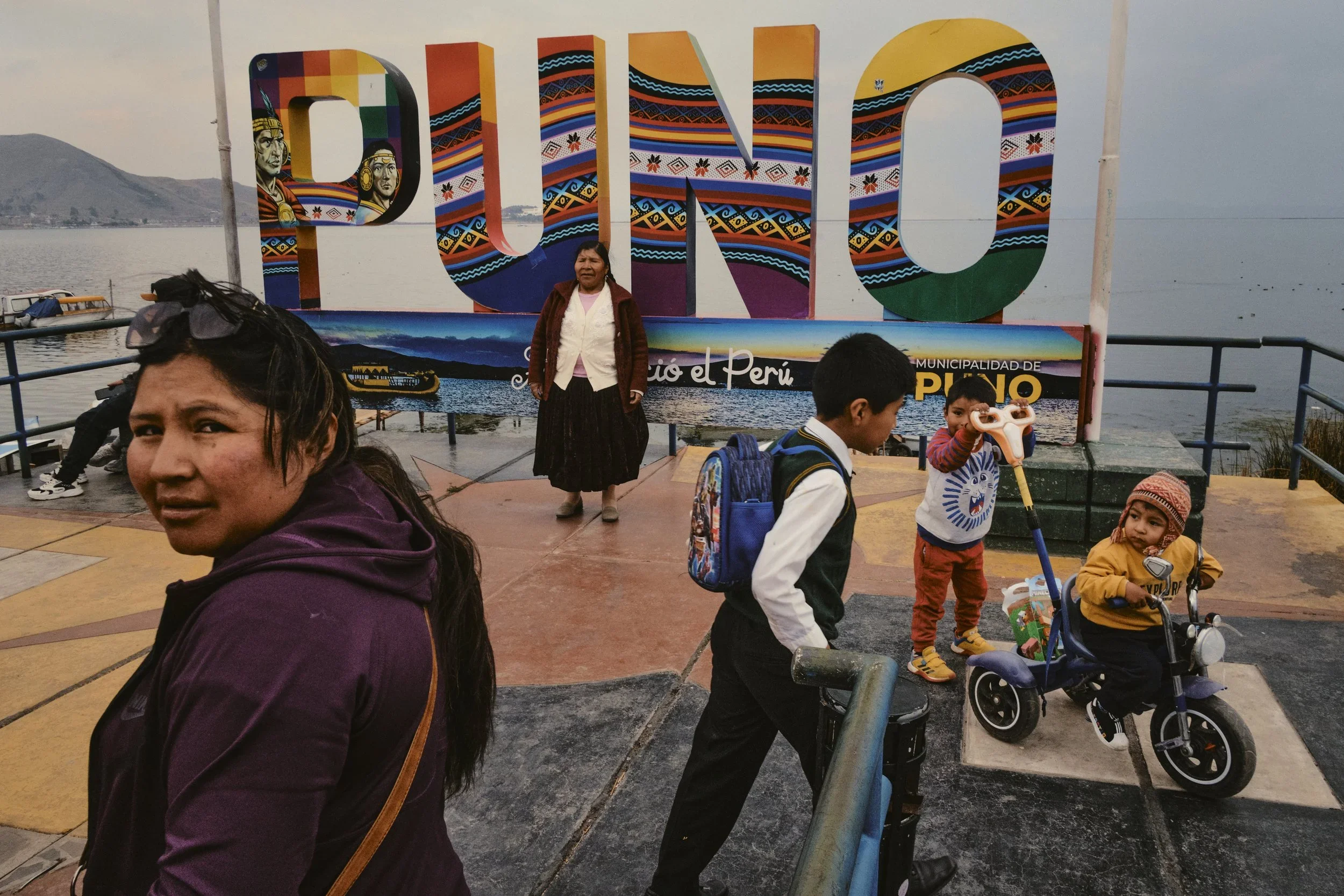
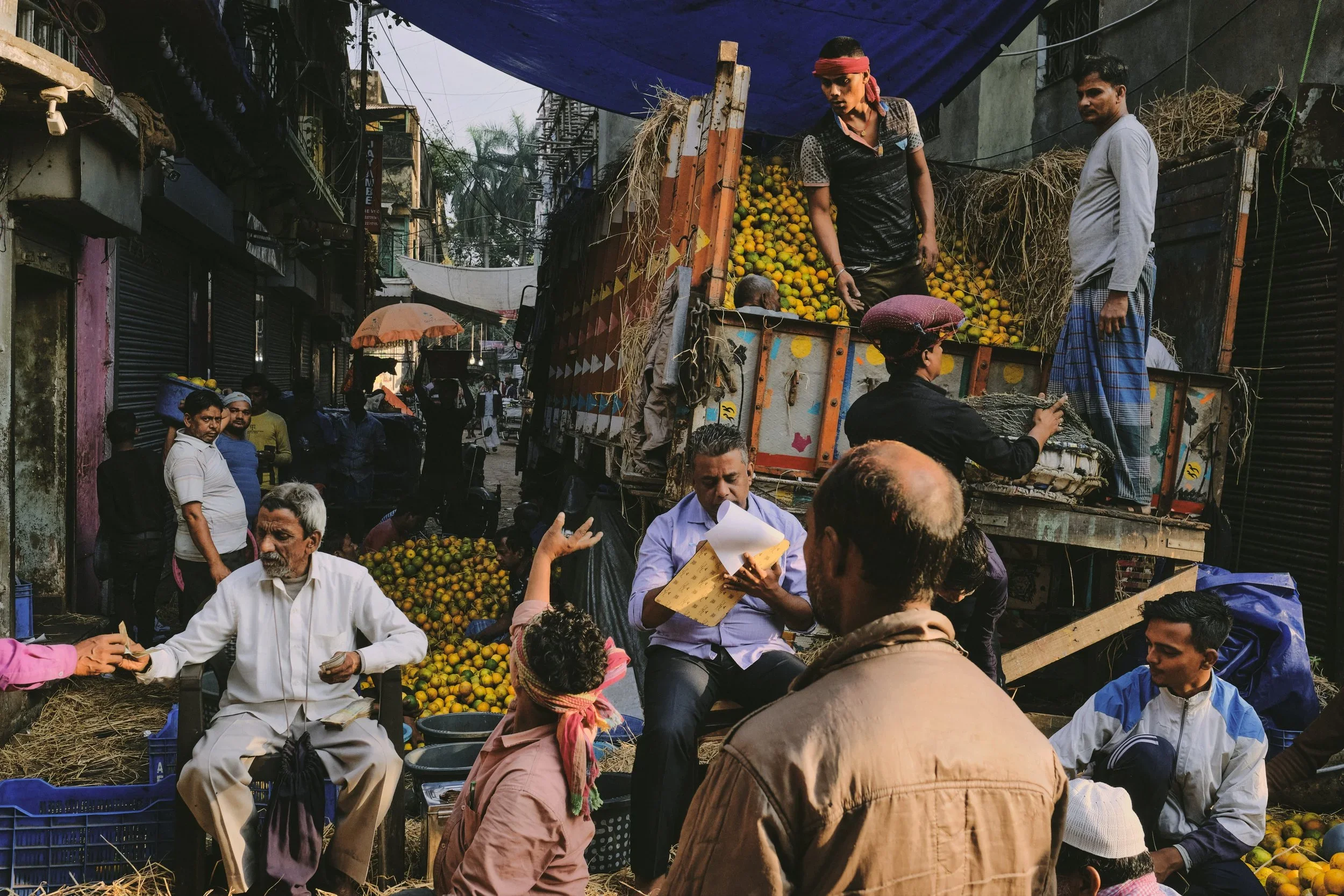
He works scenes patiently—from background to foreground—waiting for elements to align, often breaking "rules" like the rule of thirds for diagonals that inject energy. The result? Photos that pulse with life, where every detail contributes to the whole.
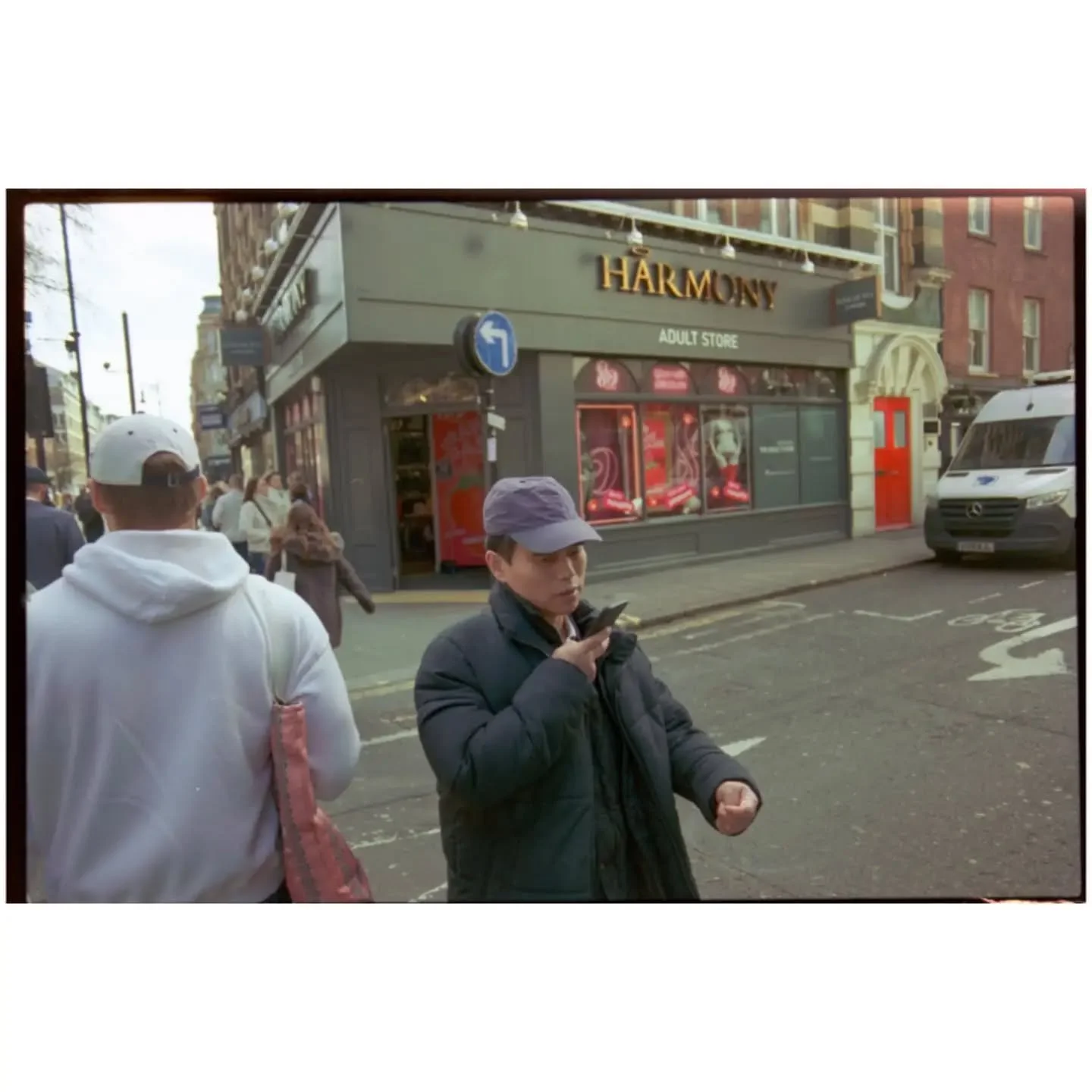
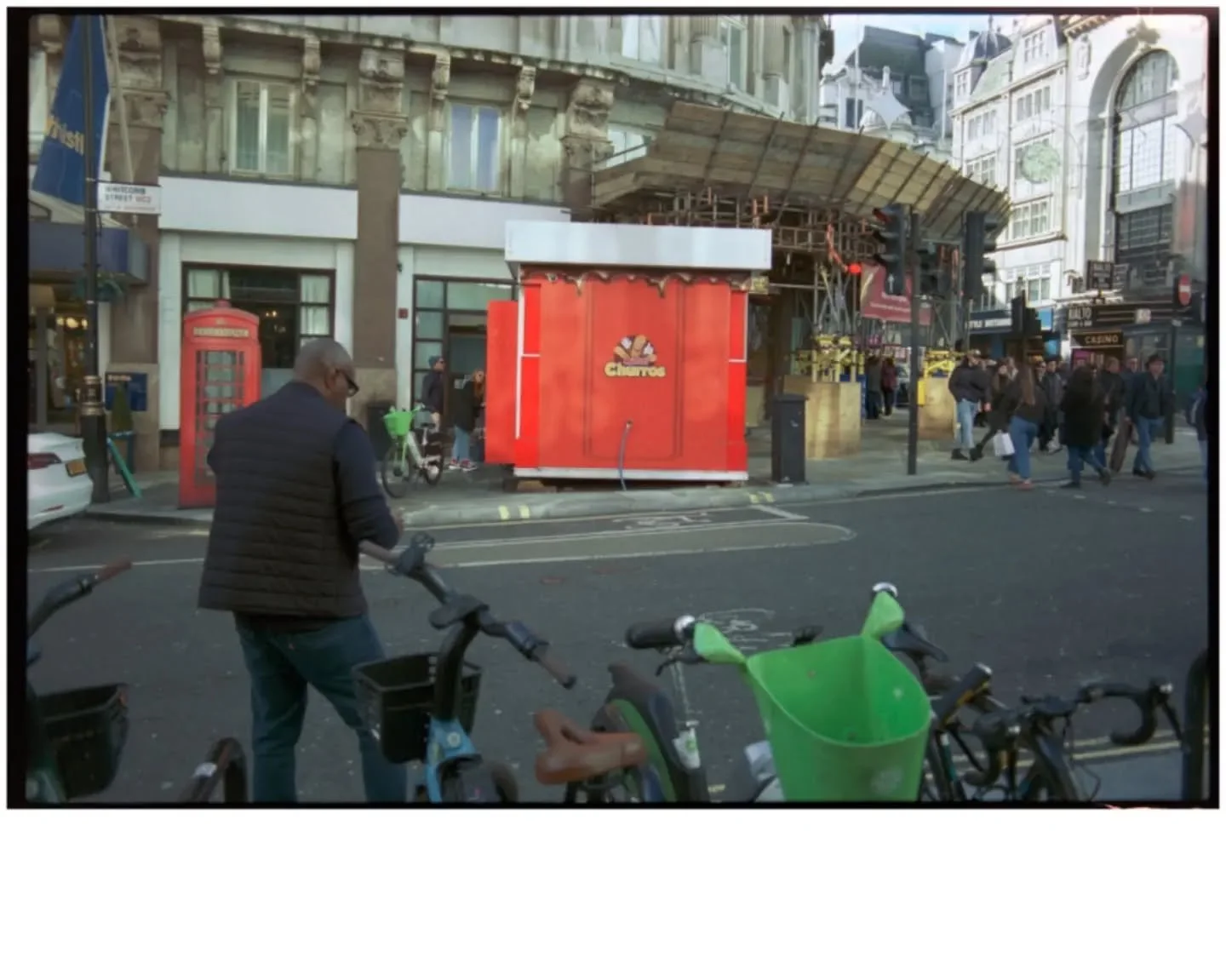
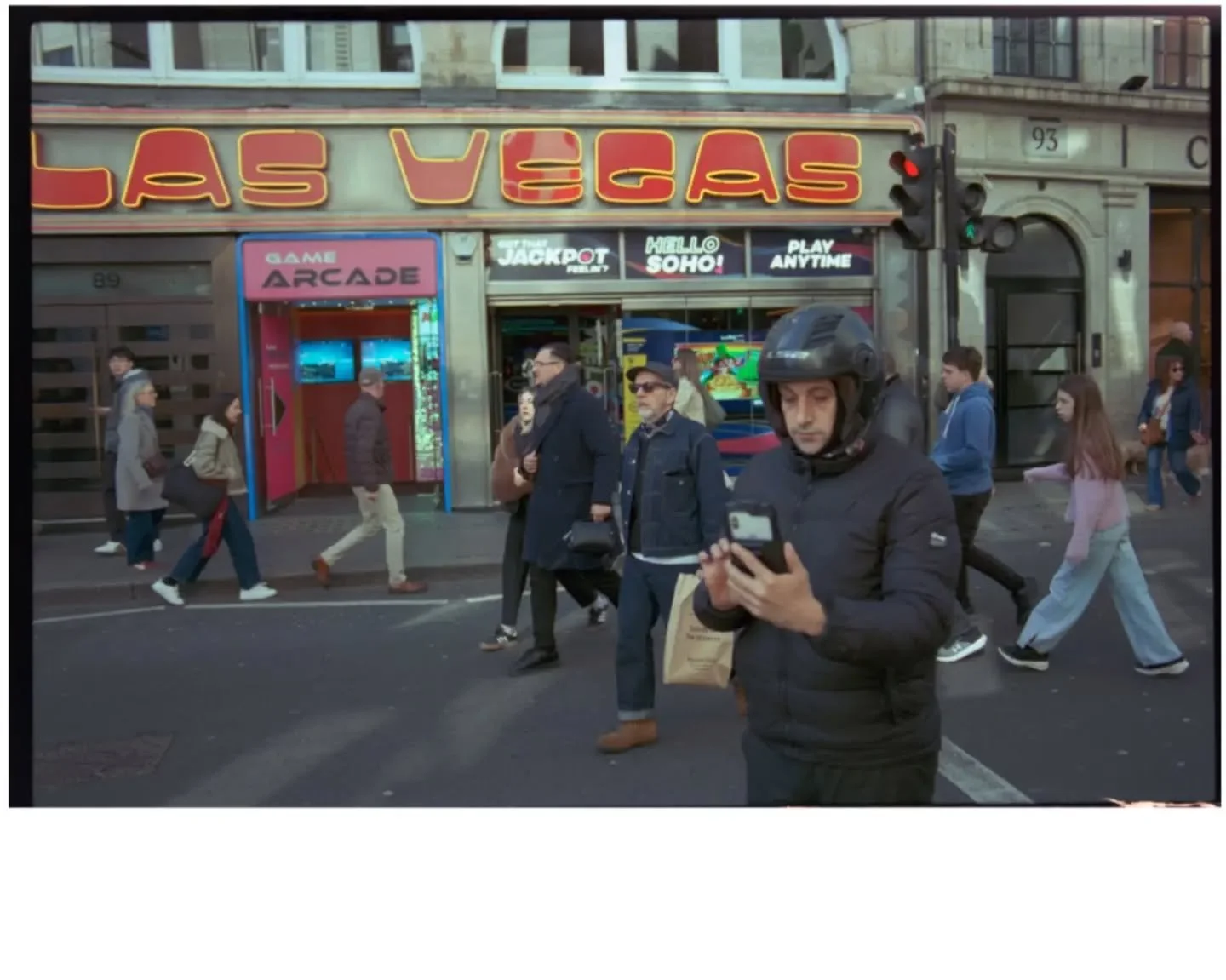
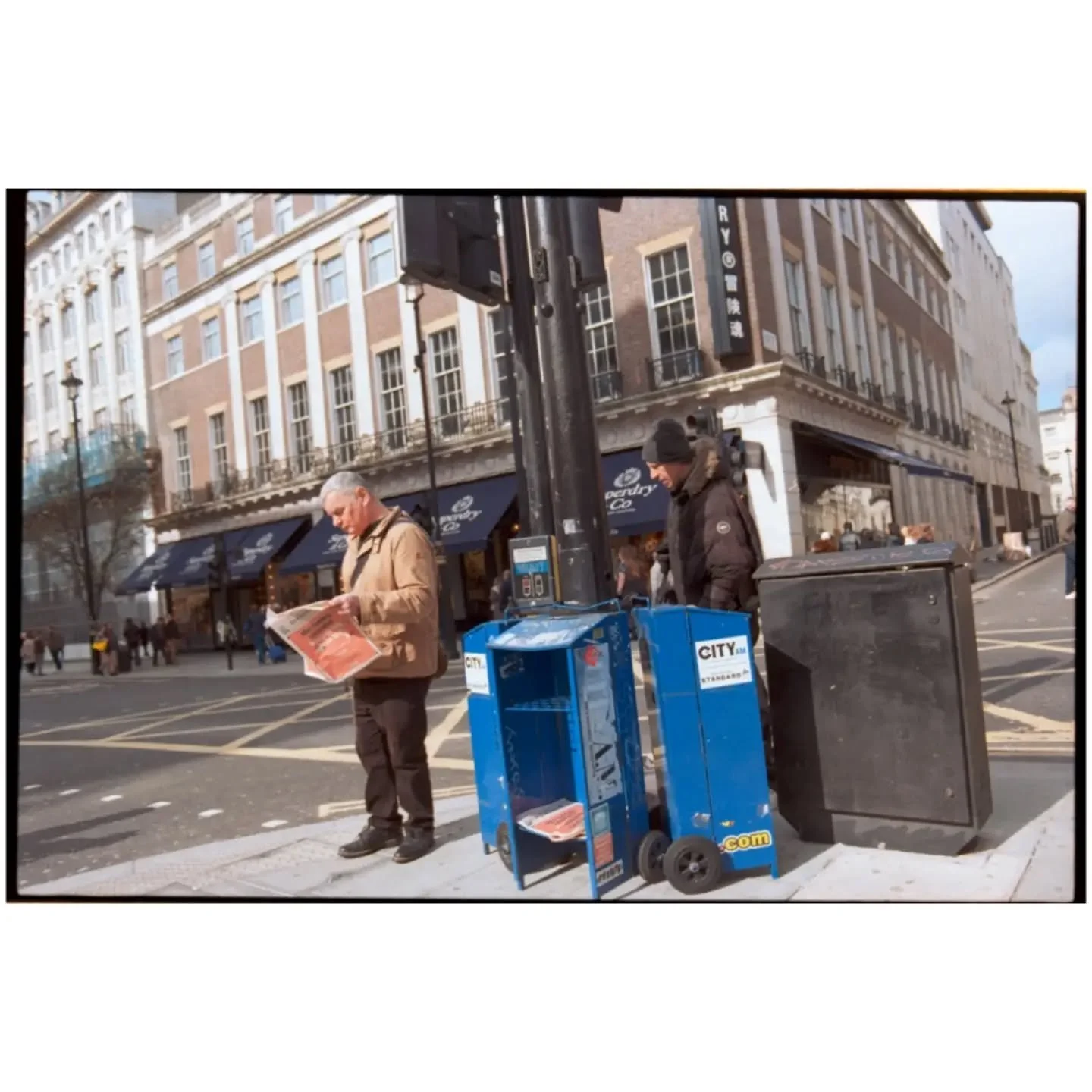
A standout comment on Ortiz's ability to fill the corners of the frame: He excels at this like few others. His compositions are never sparse or accidental; he masterfully populates the edges with meaningful elements—shadows, colors, figures—that add depth, rhythm, and narrative without clutter. This "full-frame" approach creates a sense of completeness and immersion, turning two-dimensional images into living, breathing scenes that reward close inspection. It's a hallmark of his confidence and compositional intelligence.
Famous Photos and Signature Works
Ortiz's portfolio brims with iconic moments:
Pamukkale series (Turkey): Surreal black-and-white landscapes of the "cotton castle" thermal pools, evoking dreamlike wonder.
India transition works: Vibrant market scenes and street life that document his shift to color.
La Boca, Buenos Aires: Layered playground shots in the colorful neighborhood, showcasing his patient scene-building.
Istanbul and La Paz ("Chukiyawu"): Magical realism in black and white, with dramatic flash and compressed layers highlighting cultural syncretism.
View his full portfolio and latest work here: eortizdelacruz.com and on Instagram @eortizfoto.
Equipment: Fujifilm Simplicity and What He Avoids
Ortiz is a devoted Fujifilm shooter, prizing their compact size, intuitive dials, and film-like rendering for discreet street work. His go-to setup includes:
Cameras: X-Pro2 (mainstay), X-E3, X-E2.
Lenses: 18mm (28mm equiv.), 23mm f/1.4, 35mm (50mm equiv.), and 90mm (135mm equiv.)—with 28mm equiv. as his favorite for its versatility.
He favors maximum depth of field for sharpness across the frame, softer aesthetics, and in-camera black-and-white simulations when shooting mono. Tools like the SunTracker app help him chase optimal light. He occasionally uses flash for drama in black-and-white work.
What doesn't he like? Rigid genre "boxes"—he embraces photography broadly, without pigeonholing. He avoids over-saturation, cluttered frames, and heavy post-processing, preferring decisions made in the moment. DSLRs feel too intrusive; he wants gear that disappears so the scene takes center stage.
Famous Quotes
Ortiz's words capture his philosophy beautifully:
"I photograph to feel part of the world, to frame life around me."
"While travelling I felt the need of sharing what I was seeing on my trips with my people back in Chile. Little by little I fell in love with the art of photography... Now it is the sort of photography that best suits my way to see and approach the world."
"I want people to remember that there is beauty everywhere."
On color: "It’s easy to make colour look nice, but it’s harder to make colour serve to tell your story."
Endorsements from Peers
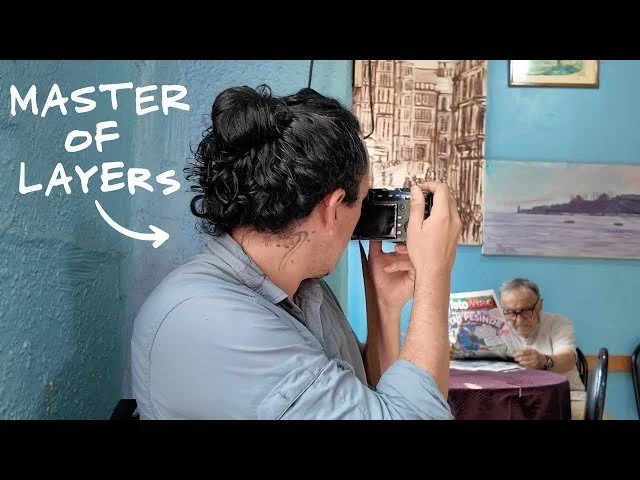
Ortiz's collaborative spirit shines through his partnerships. He's co-led workshops with luminaries like Andreas Kamoutsis and Mark Fearnley, and worked with artists Matt Hall and Gareth Danks. Peers praise his confidence, layering mastery, and generous teaching—evident in videos where fellow photographers shadow him and emerge inspired. As a Pro at The Raw Society and frequent feature in outlets like Frames Magazine, his work earns quiet acclaim from the street photography community for its authenticity and depth.
Photo Books and Zines
While Ortiz is more prolific in projects and workshops than traditional tomes, his standout publication is:
Understanding Colour (self-published zine, available via his site): His debut, chronicling the shift from black and white to color through India images, complete with accessible color theory breakdowns. A must-read for aspiring color shooters.
He hints at more zines and long-term projects on his Substack and shop—keep an eye out.
YouTube Gems: Watch Ortiz in Action
Immerse yourself in his process:
A Day of Street Photography With Eduardo Ortiz – Follow him through Istanbul's layers and confidence.
An Honest Conversation with Street Photographer Eduardo Ortiz – Deep dive into his journey and philosophy.
How Eduardo Ortiz Gets Colour Right in Street Photography – Color masterclass.
His channel @eortizfoto for gear talks, POV walks, and more.
Eduardo Ortiz reminds us that street photography is less about gear or rules and more about presence, curiosity, and the courage to frame the world as you see it. In an era of fleeting scrolls, his work stands as a masterclass in slowing down to truly see. If you're inspired, grab your camera, hit the streets—and remember: beauty is everywhere.
What are your thoughts on Ortiz? Drop a comment below, and stay tuned for the next Modern Masters installment.
Until next time, keep snapping
(Self) Reflection
Whilst I am one to (try and) consciously avoid GAS (Gear Acquisition Syndrome), there are instances when this allows you to look at the same thing in a different light, to give a fresh perspective.
I say this as this is something that I had endured in the past. Chasing camera brands, lens, tripods, £££$$$!
Whilst I am one to (try and) consciously avoid GAS (Gear Acquisition Syndrome), there are instances when this allows you to look at the same thing in a different light, to give a fresh perspective.
I say this as this is something that I had endured in the past. Chasing camera brands, lens, tripods, £££$$$!
I came across an interesting blog on Sean Tucker’s website, pre covid19 lockdown, which got me thinking about exploring other lens outside of my comfort zone, which is something that I have wanted to undertake for some time.
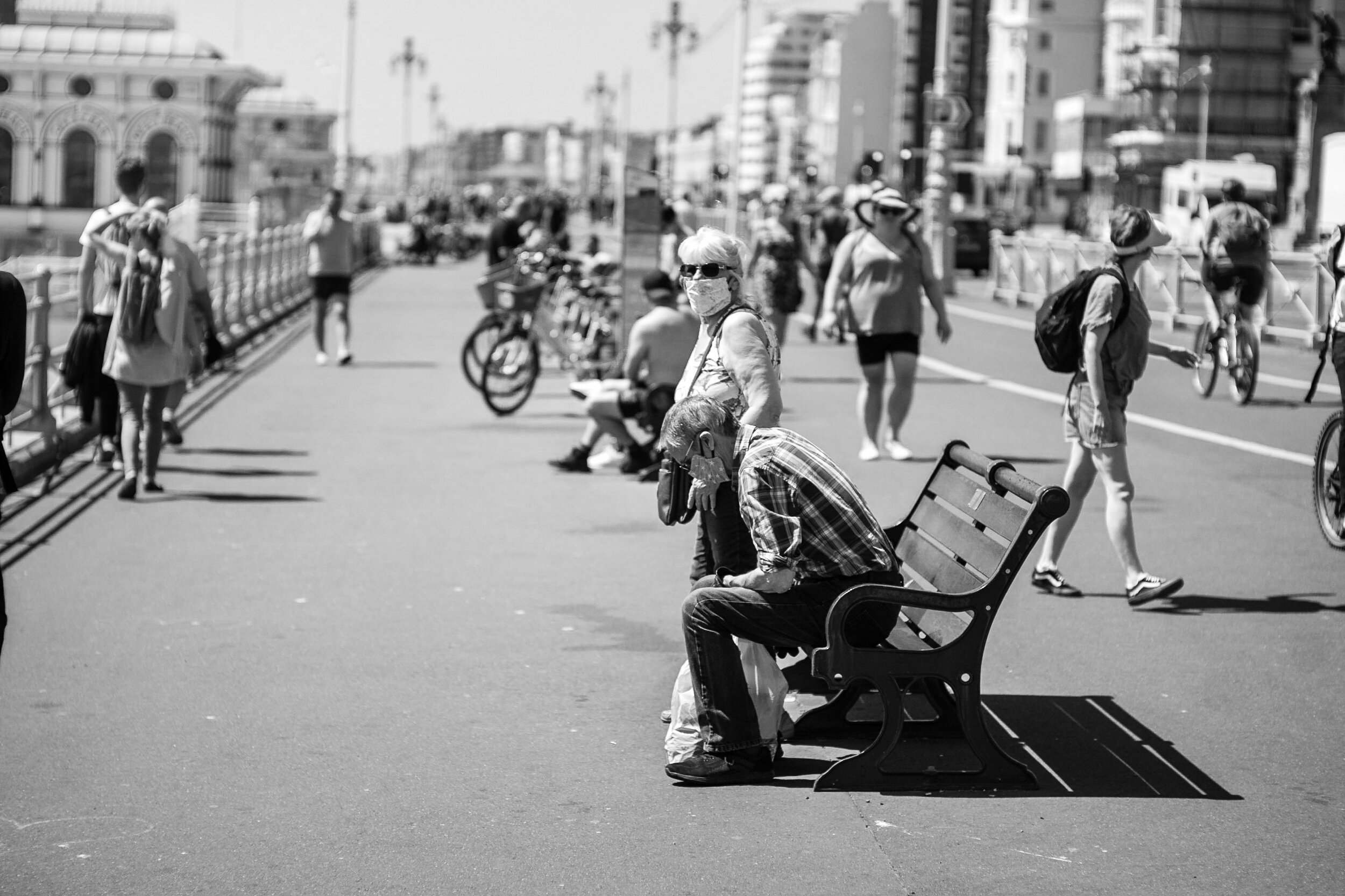
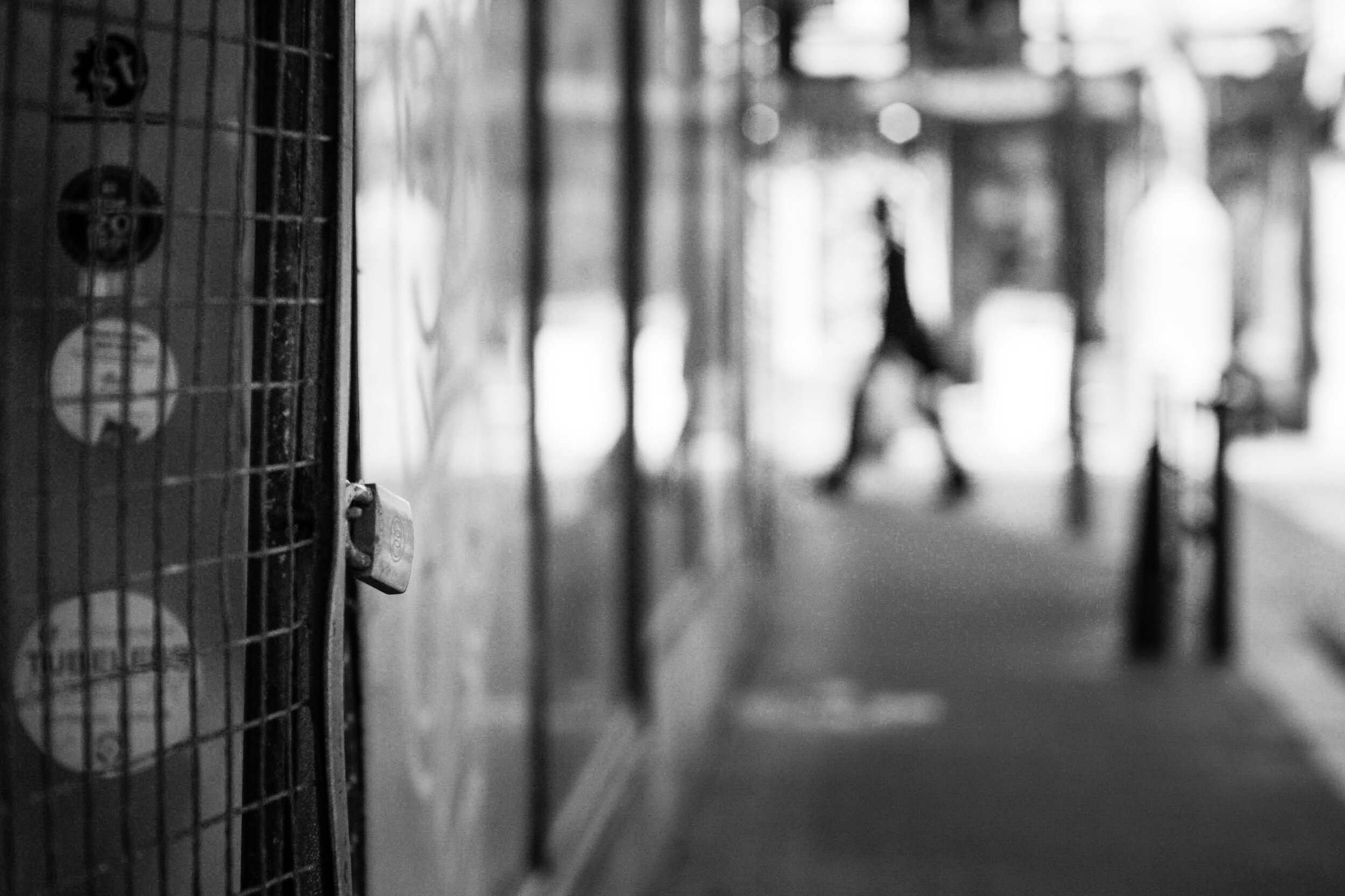
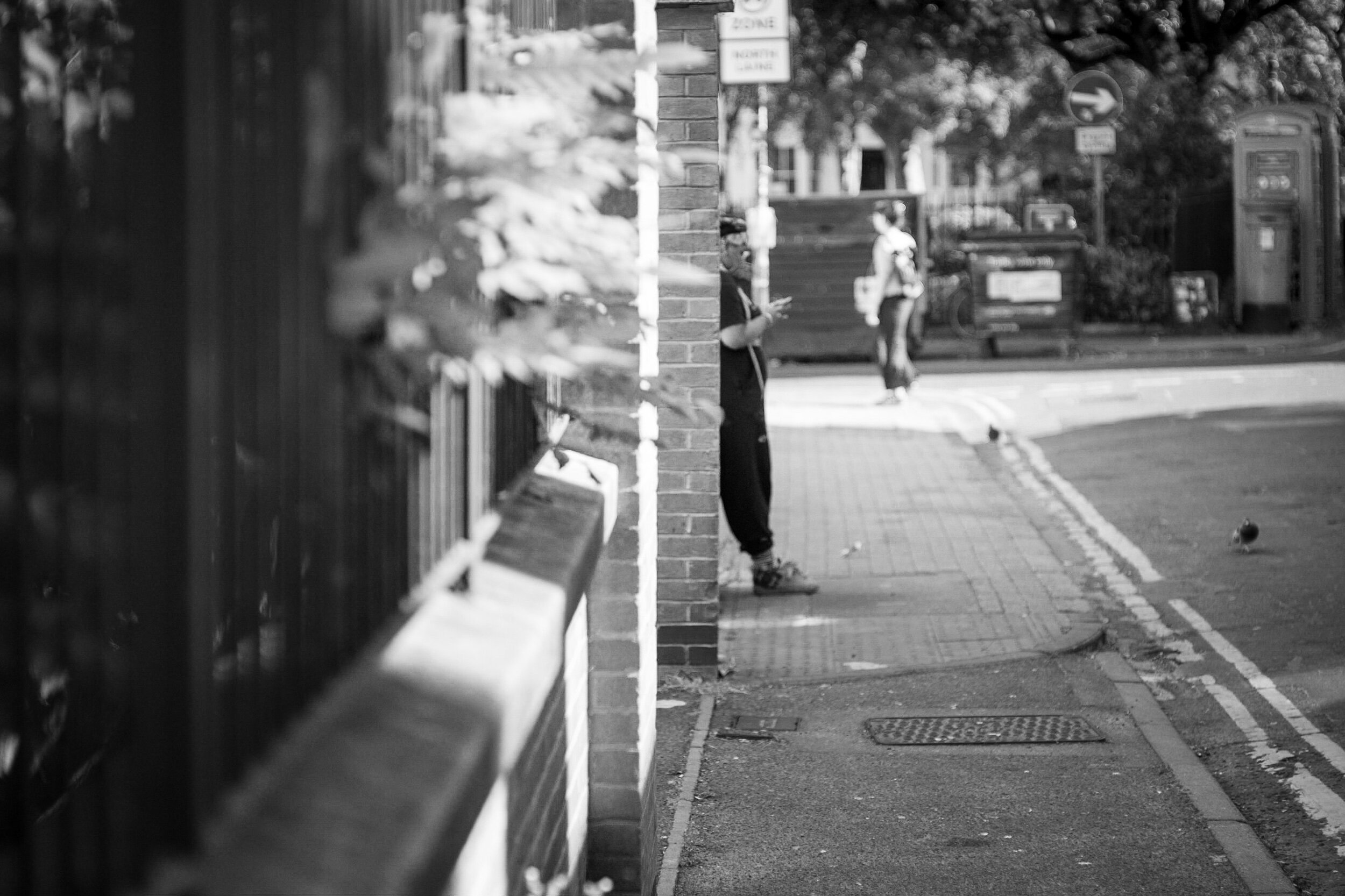
The above images was taken with an 85mm lens, as part of my COVID-19 ongoing project, documenting the impact on the virus on Brighton / East Sussex.
I love the content that Sean puts out, philosophical in nature, with a slant towards challenging the norm and pushing boundaries. He compared a variety of street photography lens, 50mm, 85mm, 35mm, in several blog posts a couple of years ago.
This idea is further visualised on Kai Wong’s YouTube post, with a comparison of the ‘staple’ 28mm vs 35mm vs 50mm lens.
Whilst the 85mm lens is typically aimed at portrait photographers, where the compression of the lens allows for backgrounds to be produce a natural bokeh, I think it gives an added dimension in street photography.
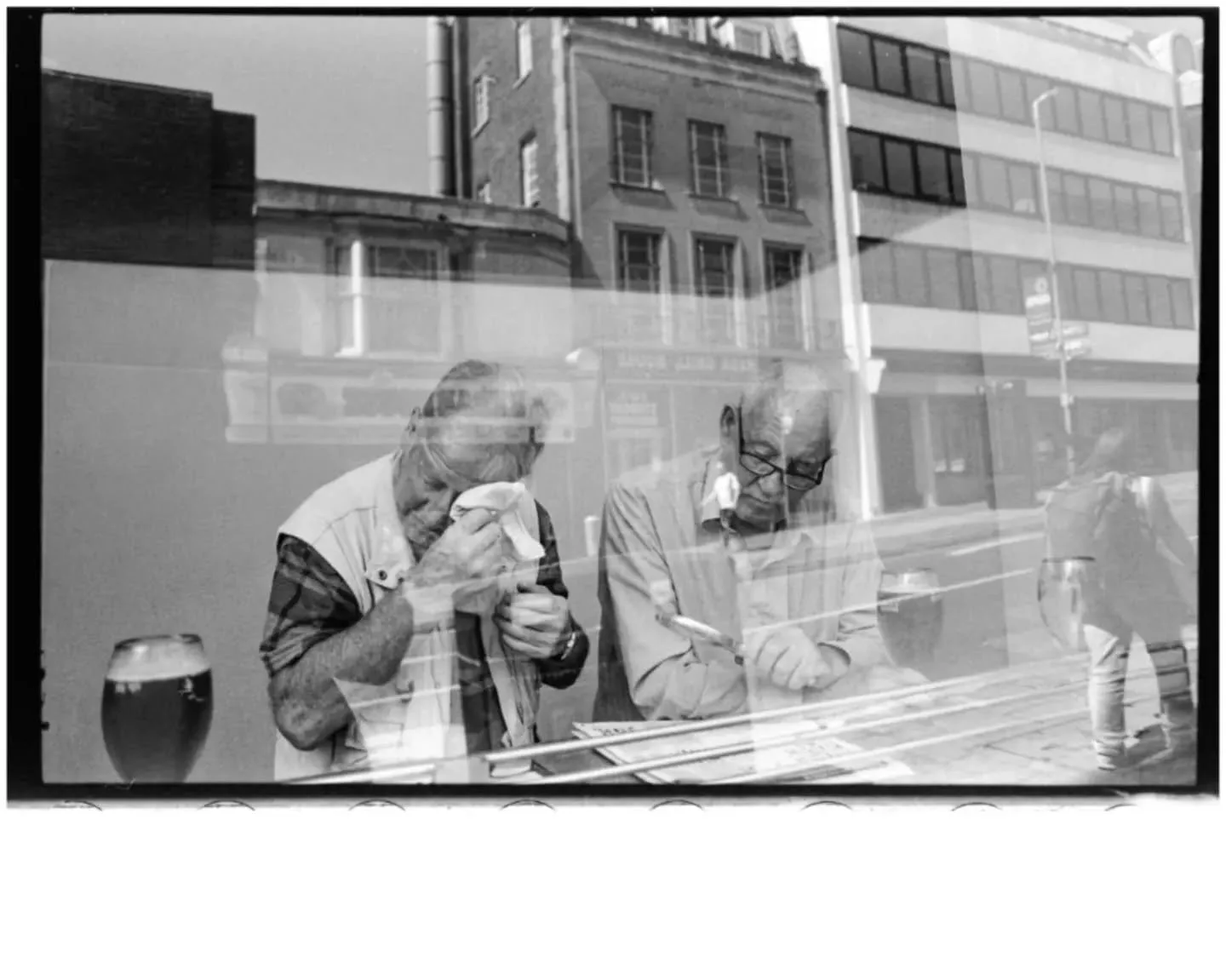
I discovered this creative side, as I started shooting images through the empty shops in Brighton whilst lockdown was in full effect. I quite like the abstract effect.
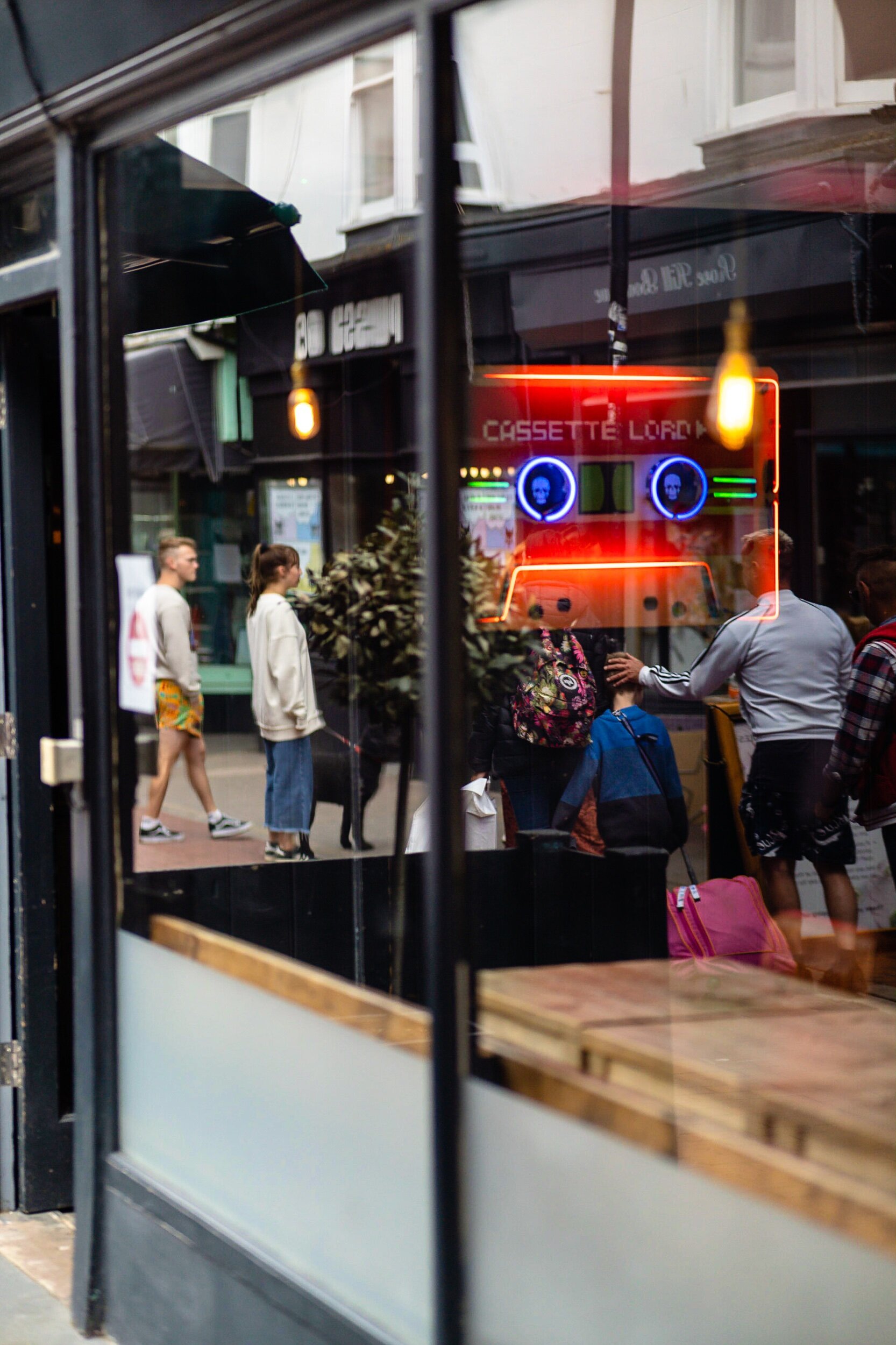

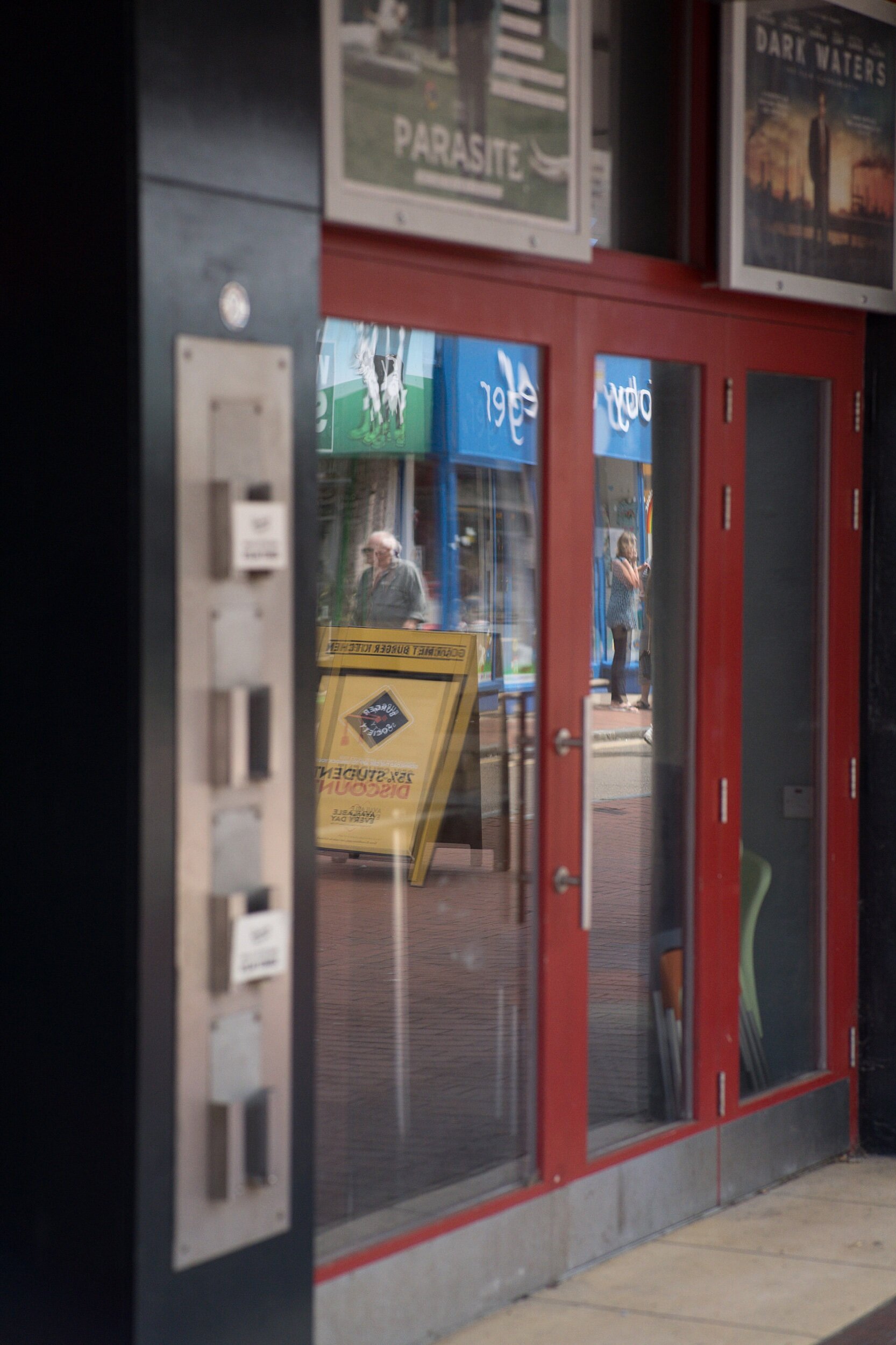
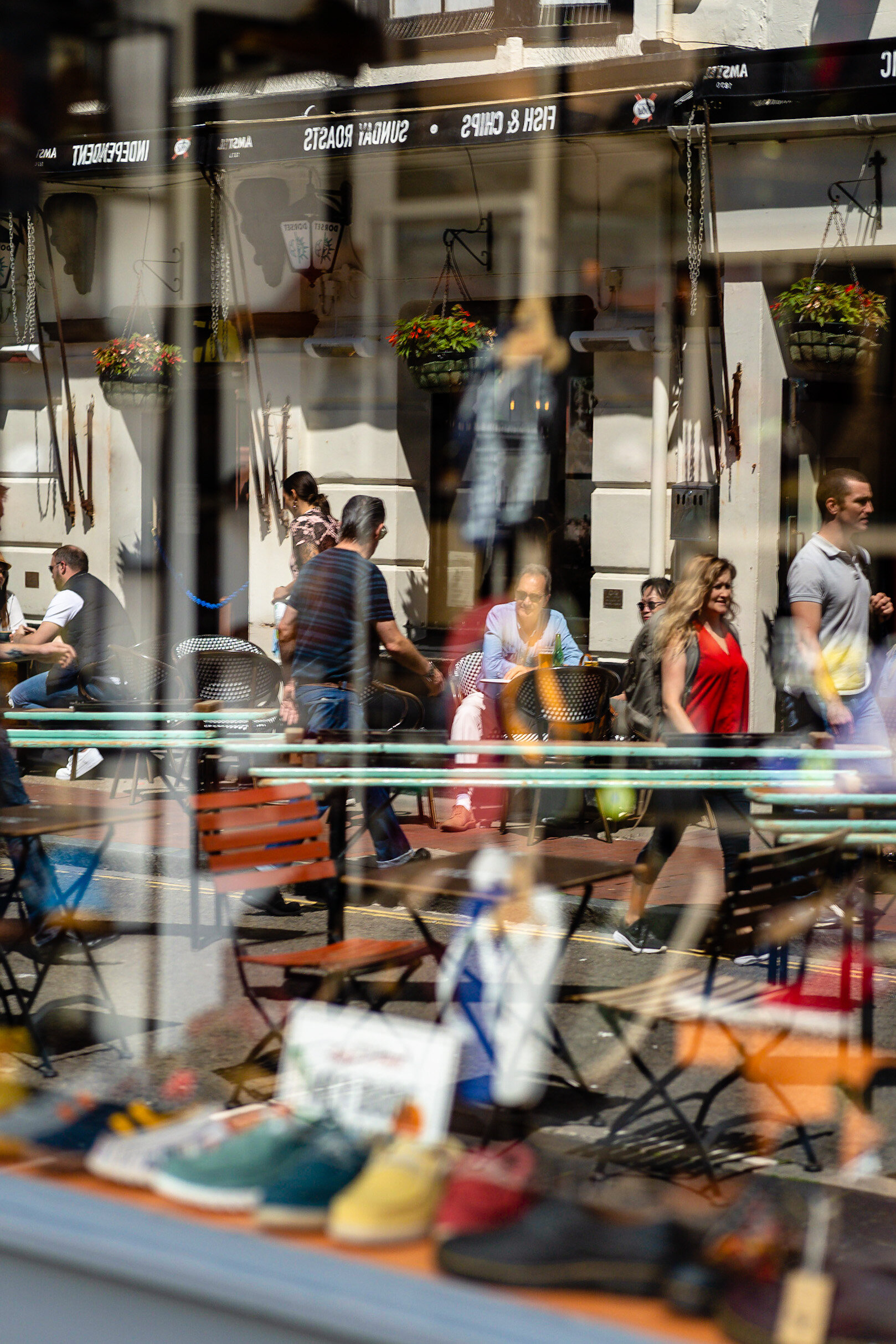

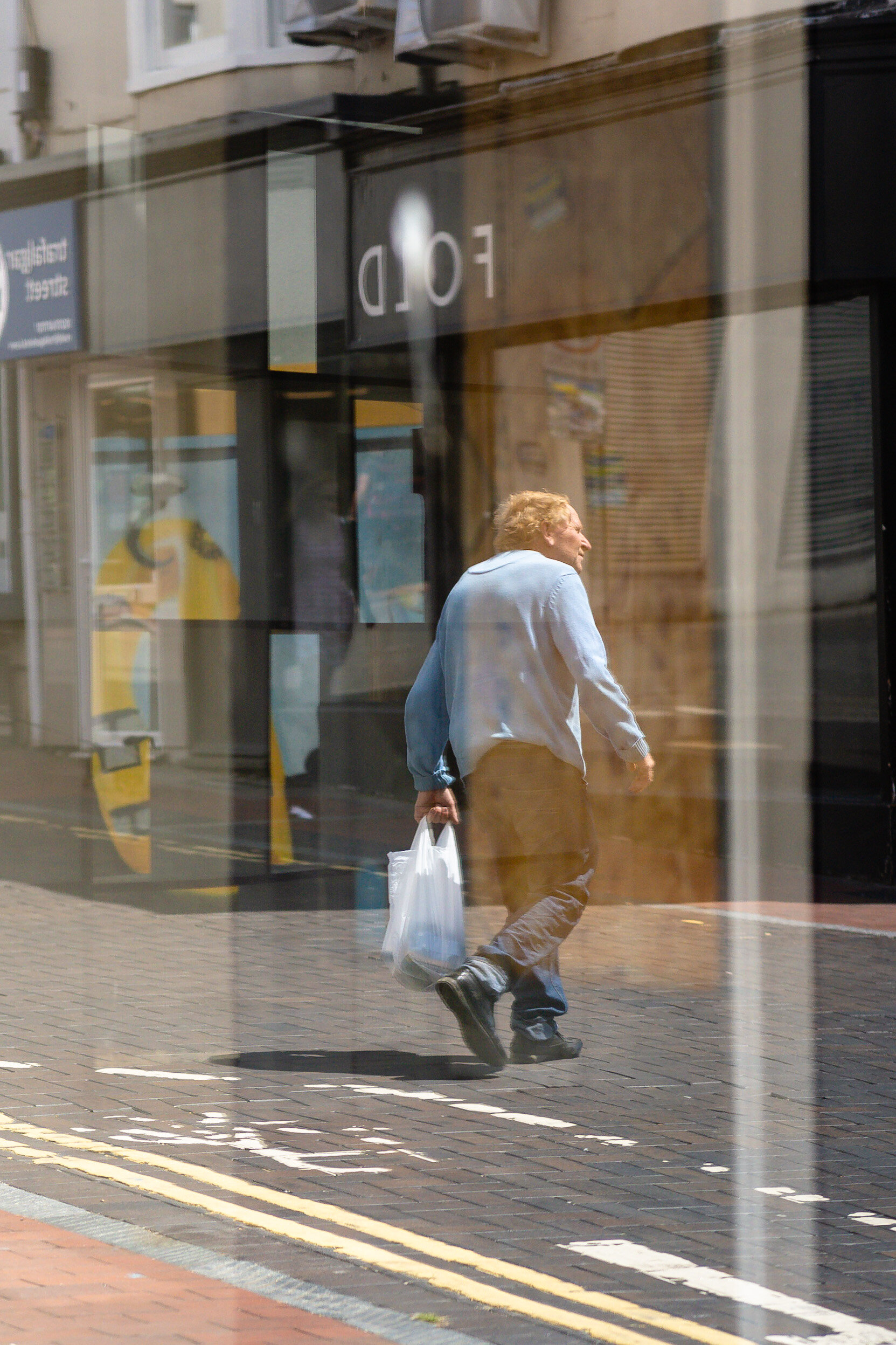
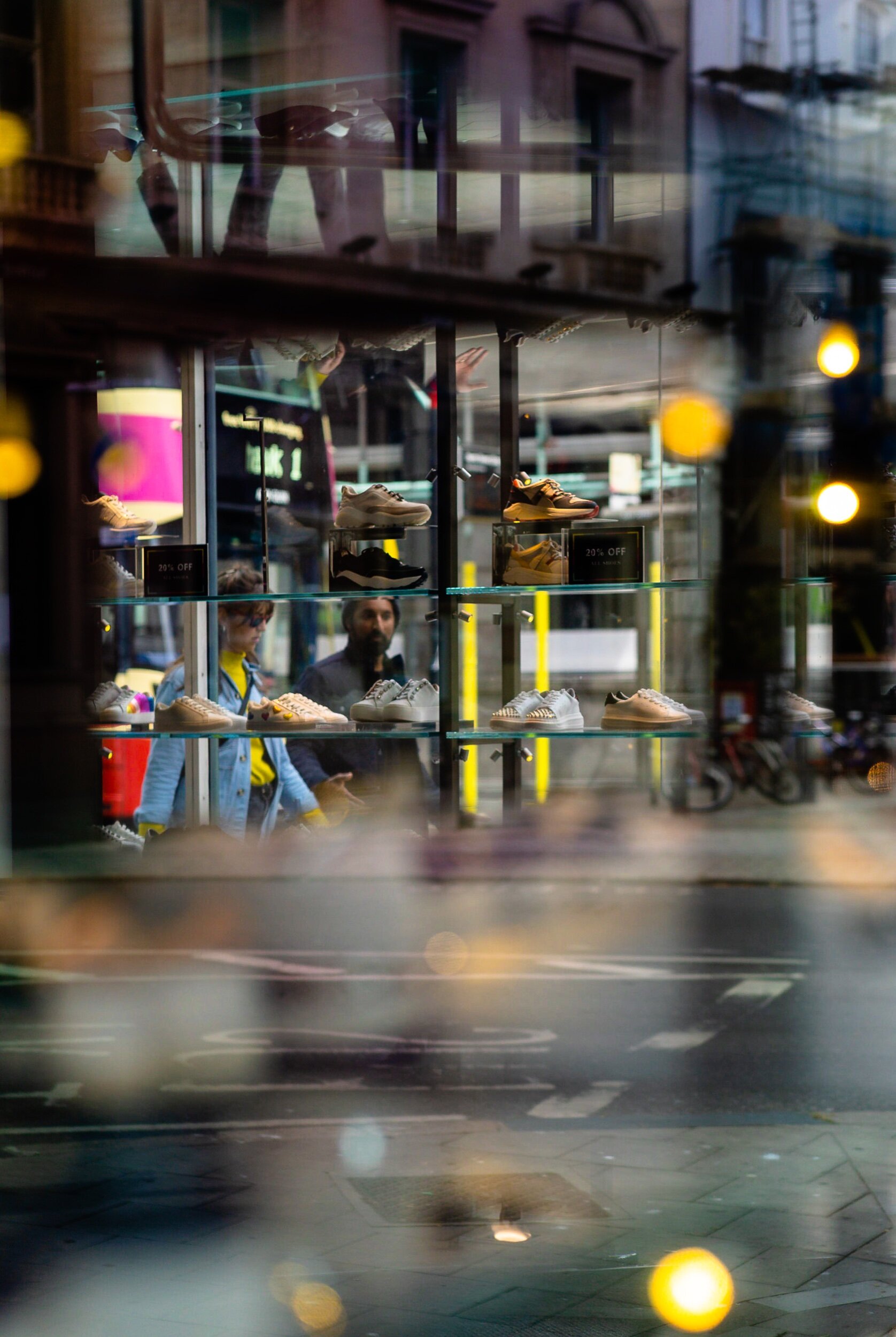
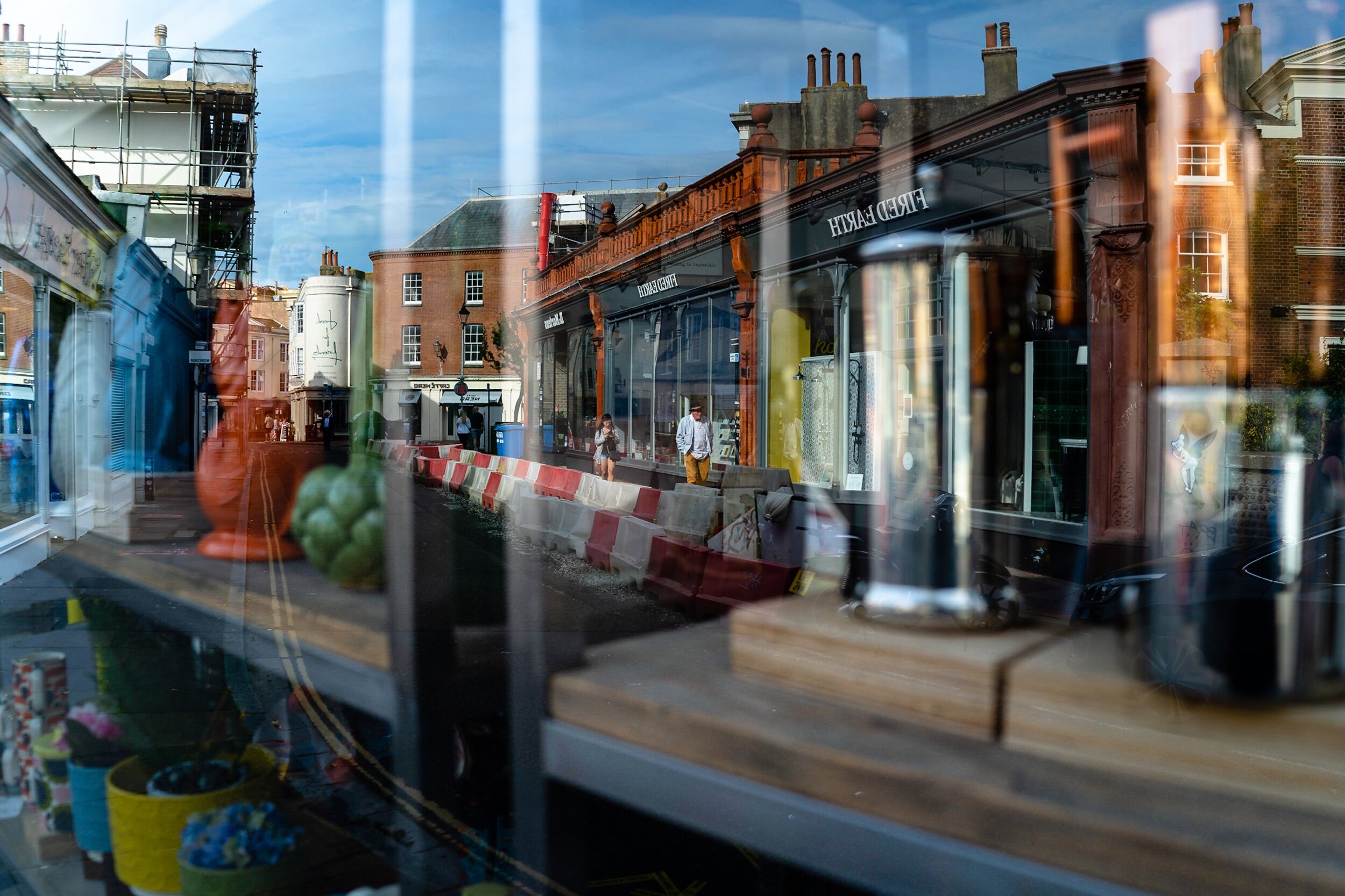
I never quite got the opportunity to explore the ‘nifty fifty’. I think this was possibly hindered by the fact that I had the 50mm on my Canon 7D, so whilst the lens rendered some beautiful photos, the bulk of the camera setup meant that I didn’t use it for street, it also had a crop factor sensor.
I started out originally taking street photography on my iPhone, which I understand was a 35mm equivalent, upgrading to the awesome Mark 1 Fuji x100 (also a 35mm), this was at the same time I switched to Android smartphones, which were all generally 28mm equivalent lens.
I felt obligated to shoot 28mm as this is considered a ‘purist’ street lens. The ‘tog has to get up real close and fill the frame. This is particularly the screens of the excellent Ricoh GR series of compact APS-c digital cameras. Nimble, stealthy and discreet.
I think my love for the grii is for another blog as is a comparison of the 35mm and 28mm.
I love the perspective of the 28mm ,but of late, I’m finding the ‘challenge’ of the 85mm, gives me a new leash of life with my street photography.
Whilst this won’t necessarily replace my core lens, its a necessary additional to the camera bag, that is a friendly GAS!
Until next time, keep snapping.
A selection of the images within this article are available for sale on the Website or Etsy Store, if you would like to enquire about something else, please click the email icon at the foot of this page.
GAS isn't good, but photobooks are.....
This is my first blog on the new website.
The last 2 years, I have been predominantly shooting film in either 35mm or 120mm. I have loved the experience. It’s been a double benefit, for slowing me down and also chimping.
Of late I thought I would purchase a couple of photobooks, to develop my craft. Having read plenty of reviews, I decided on ‘The Suffering of Light’ by Alex Webb.
This is my first blog on the new website.
The last 2 years, I have been predominantly shooting film in either 35mm or 120mm. I have loved the experience. It’s been a double benefit, for slowing me down and also chimping.
Of late I thought I would purchase a couple of photobooks, to develop my craft. Having read plenty of reviews, I decided on ‘The Suffering of Light’ by Alex Webb.

This is essential reading for anyone interested in street photography and getting an understanding of framing.
Also, Webb discusses his reasoning for prominently specialising in the use of colour, rather than black and white for his imagery.

As much as you will consume the content of this book quickly, you will most certainly revisit the pages for inspiration, time and time again, as the content covers 30 years of Alex Webb’s career.
Essential reading and a learning for me that photobooks are better than GAS (Gear Acquisition Syndrome).
Yes please, keep me posted when there’s a new blog
Instagram - Film