in the frame
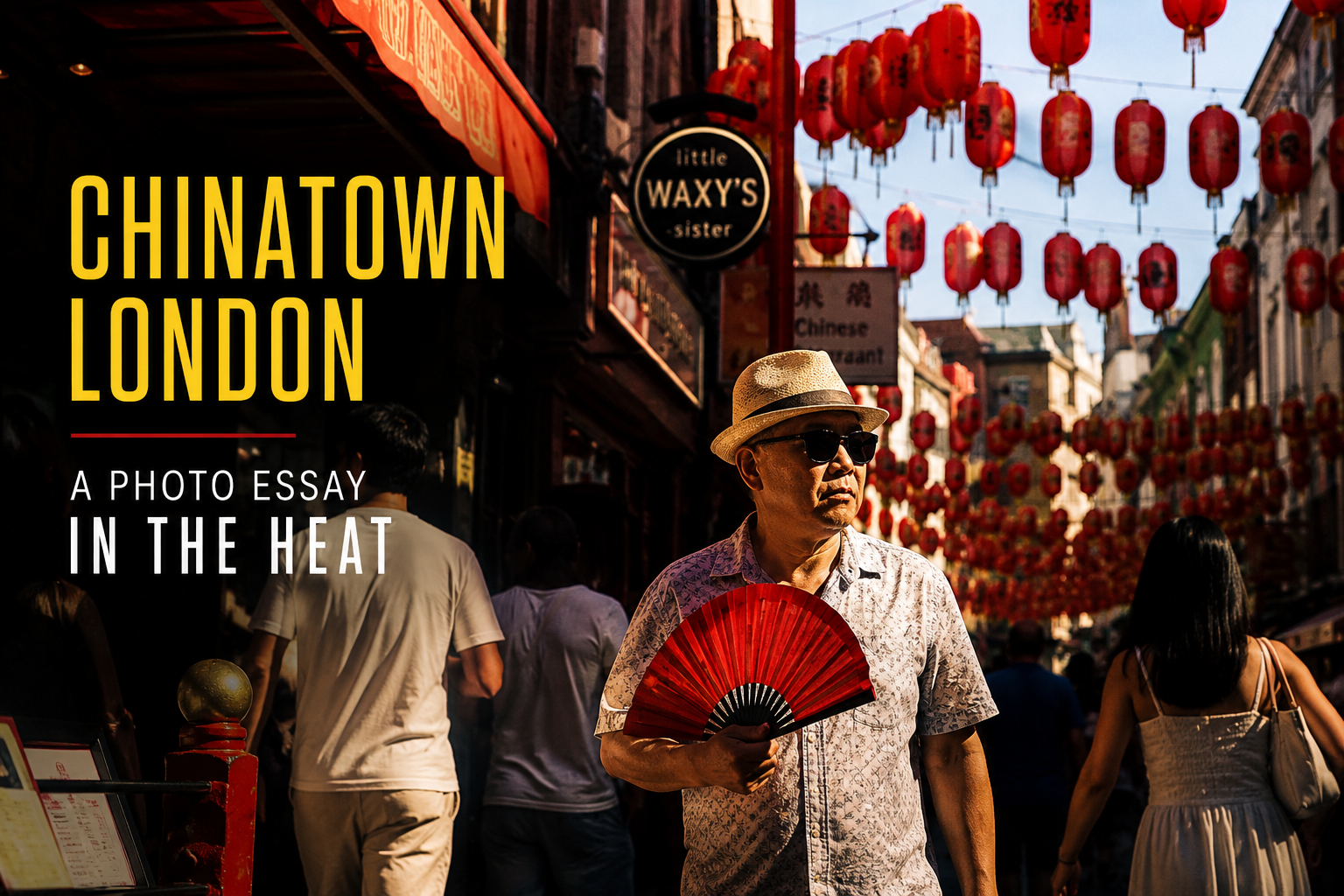
Chinatown, London - A photo essay in the heat.
We weren't in London for photography. We were there for a passport office.
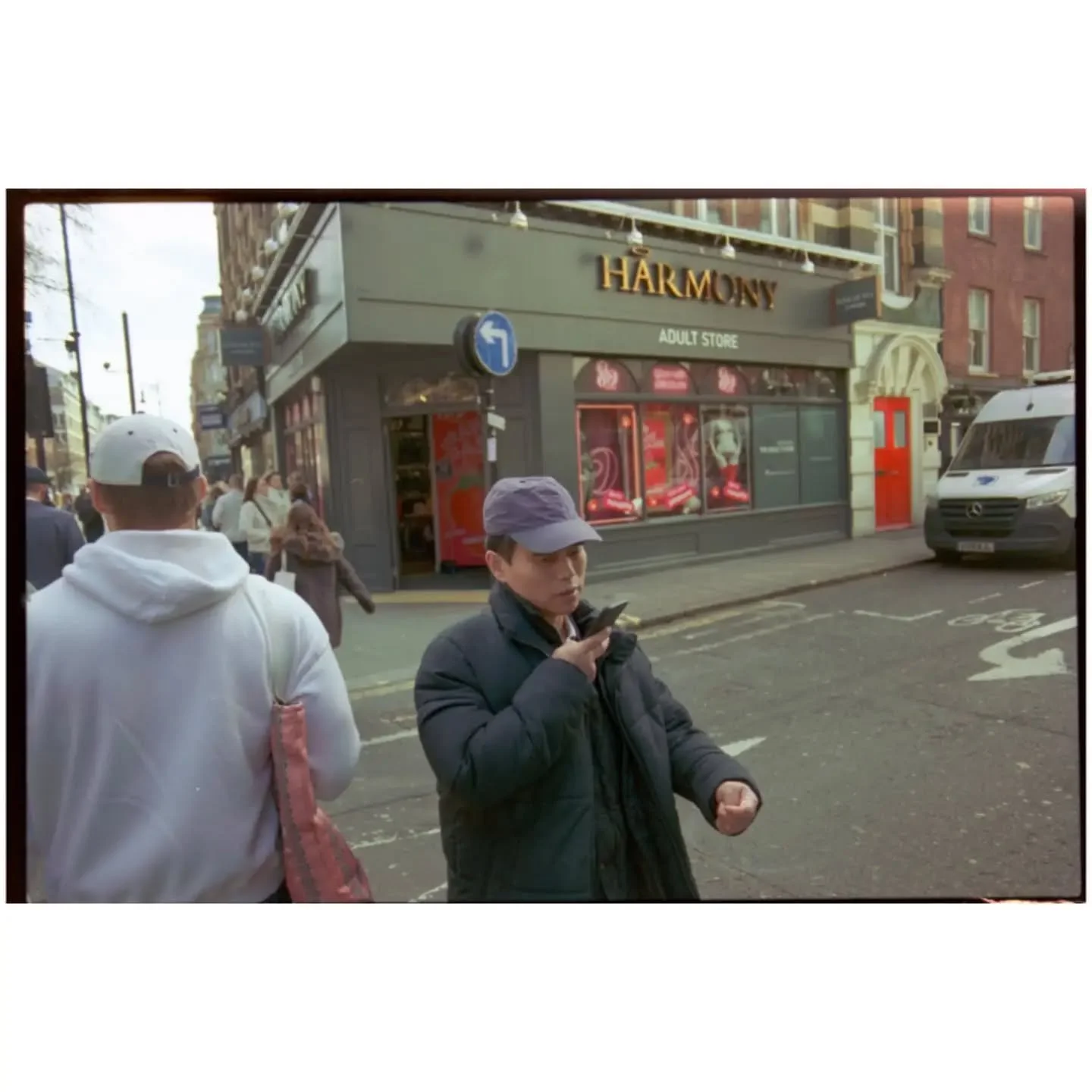
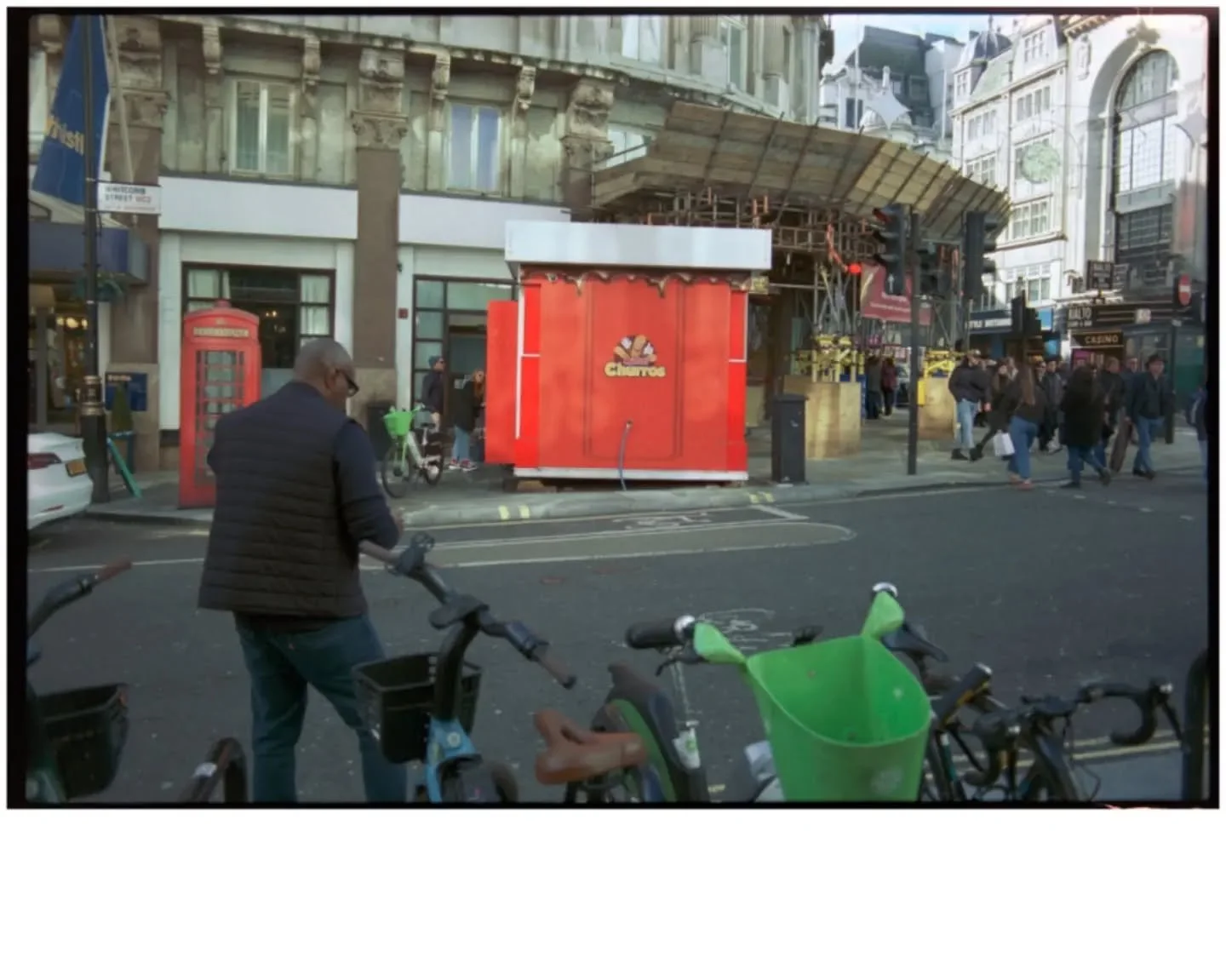
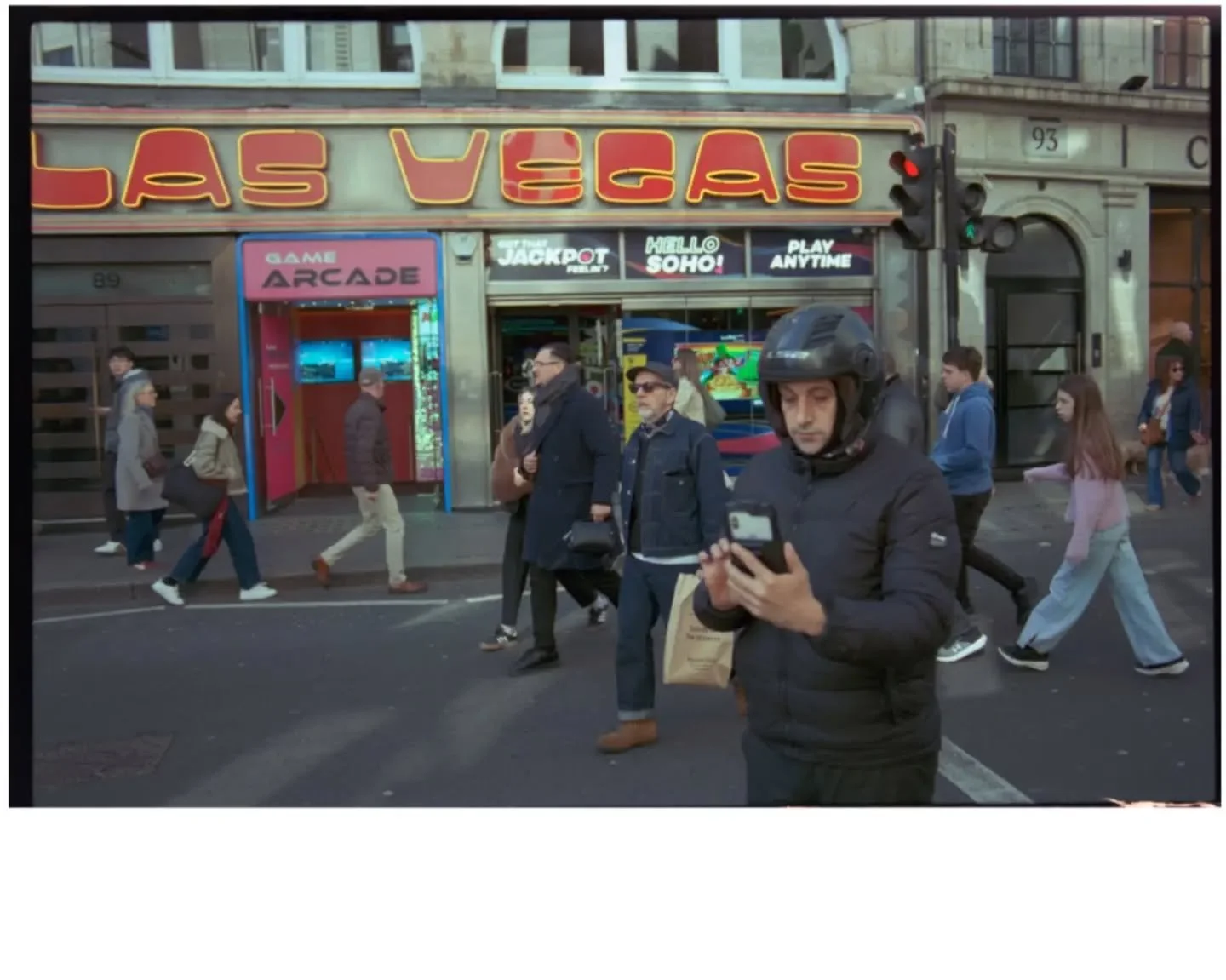
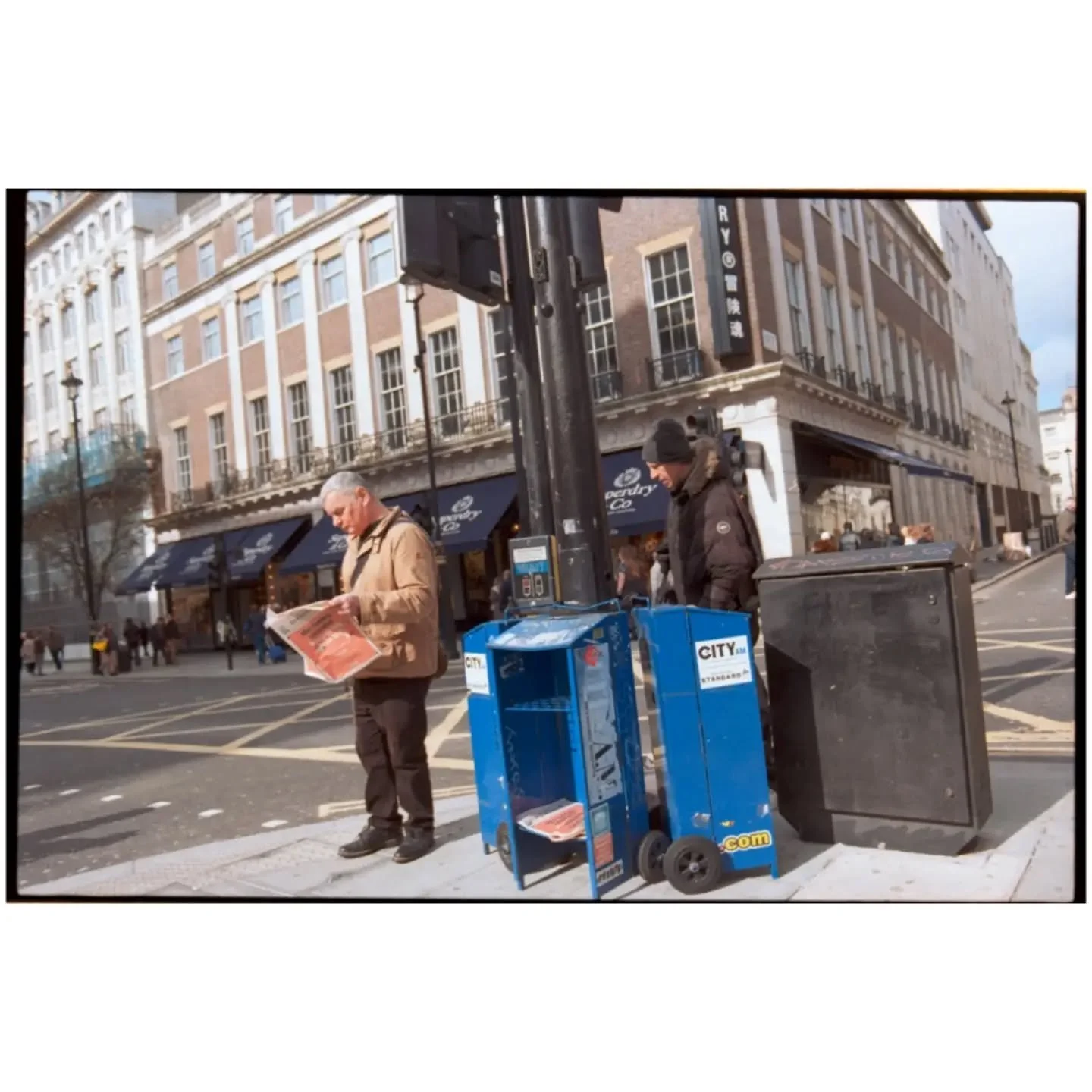
My son's emergency passport appointment had us waiting around central London yesterday, in the kind of heat that makes the pavement shimmer. With time to kill and nowhere in particular to be, we drifted into Chinatown. No plan, no theme — just a Leica M10 round my neck and a DJI Nano tucked in my pocket for something faster and looser, a short-form POV video to go alongside the stills.
A Different Kind of Errand
There's a particular restlessness to killing time in a city. You're not shooting a project, you're just present, camera in hand, waiting to see what the street hands you. Chinatown handed us plenty.
We weren't in London for photography. We were there for a passport office.
My son's emergency passport appointment had us waiting around central London yesterday, in the kind of heat that makes the pavement shimmer. With time to kill and nowhere in particular to be, we drifted into Chinatown. No plan, no theme — just a Leica M10 round my neck and a DJI Nano tucked in my pocket for something faster and looser, a short-form POV video to go alongside the stills.
A Different Kind of Errand
There's a particular restlessness to killing time in a city. You're not shooting a project, you're just present, camera in hand, waiting to see what the street hands you. Chinatown handed us plenty.
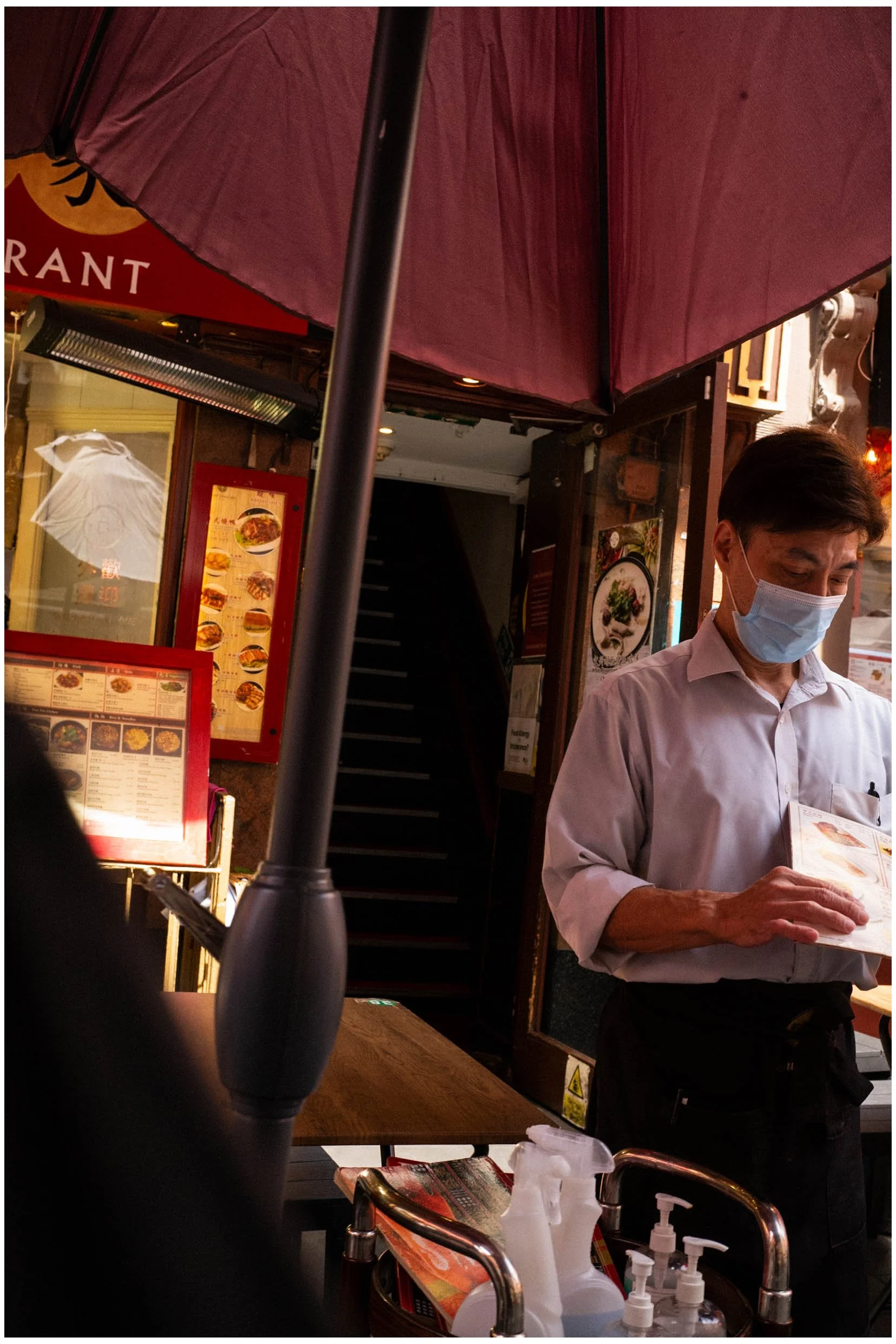
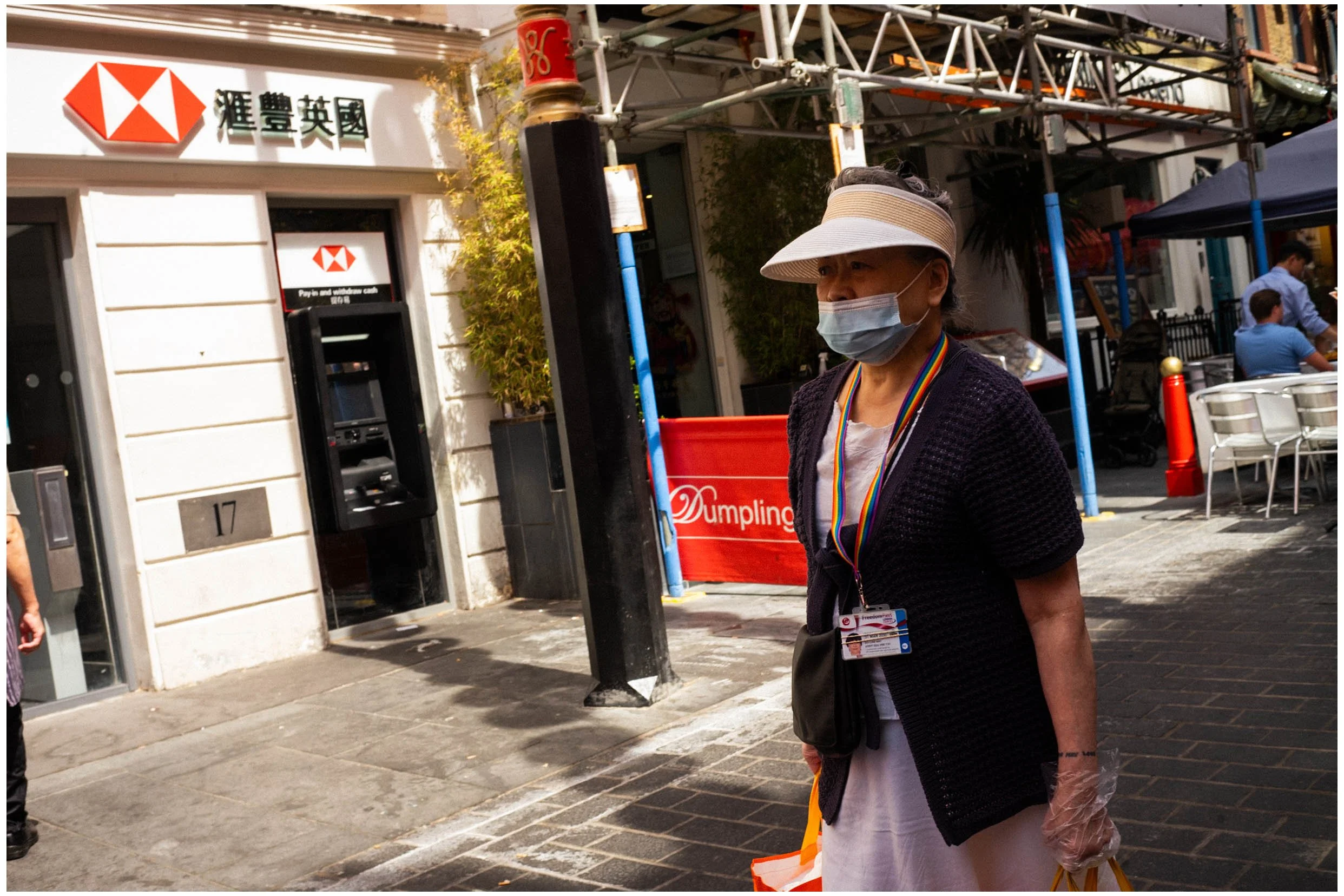
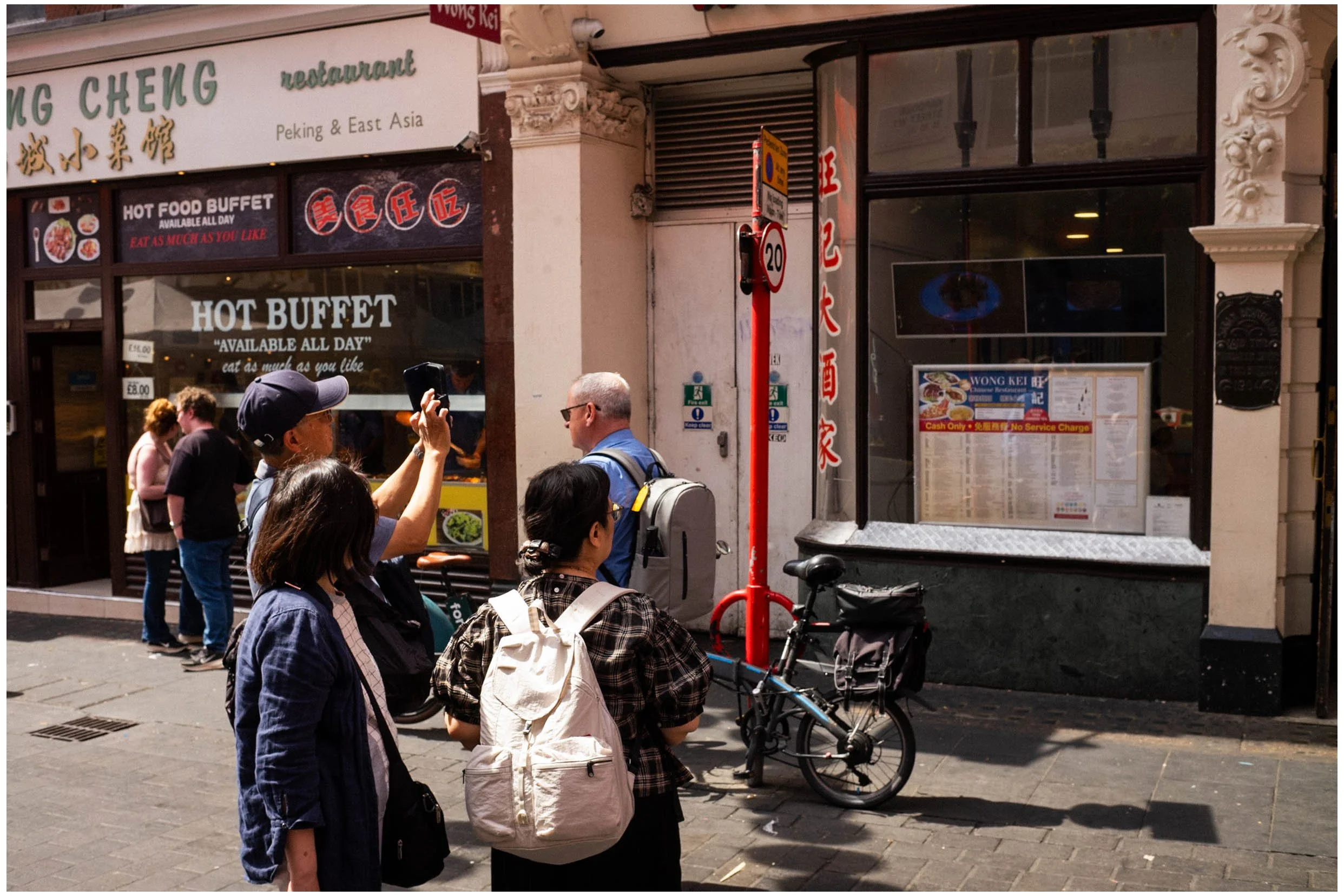
The heat had a way of slowing everyone down and speeding the street up at the same time — lanterns hanging still in windless air, awnings throwing hard shadows across the pavement, and underneath it all the usual London churn: delivery bikes, market stalls, tourists, locals, everyone moving through the same few hundred metres of Gerrard Street for entirely different reasons.
It was a hive of activity, and every corner of the world seemed to be represented in it.
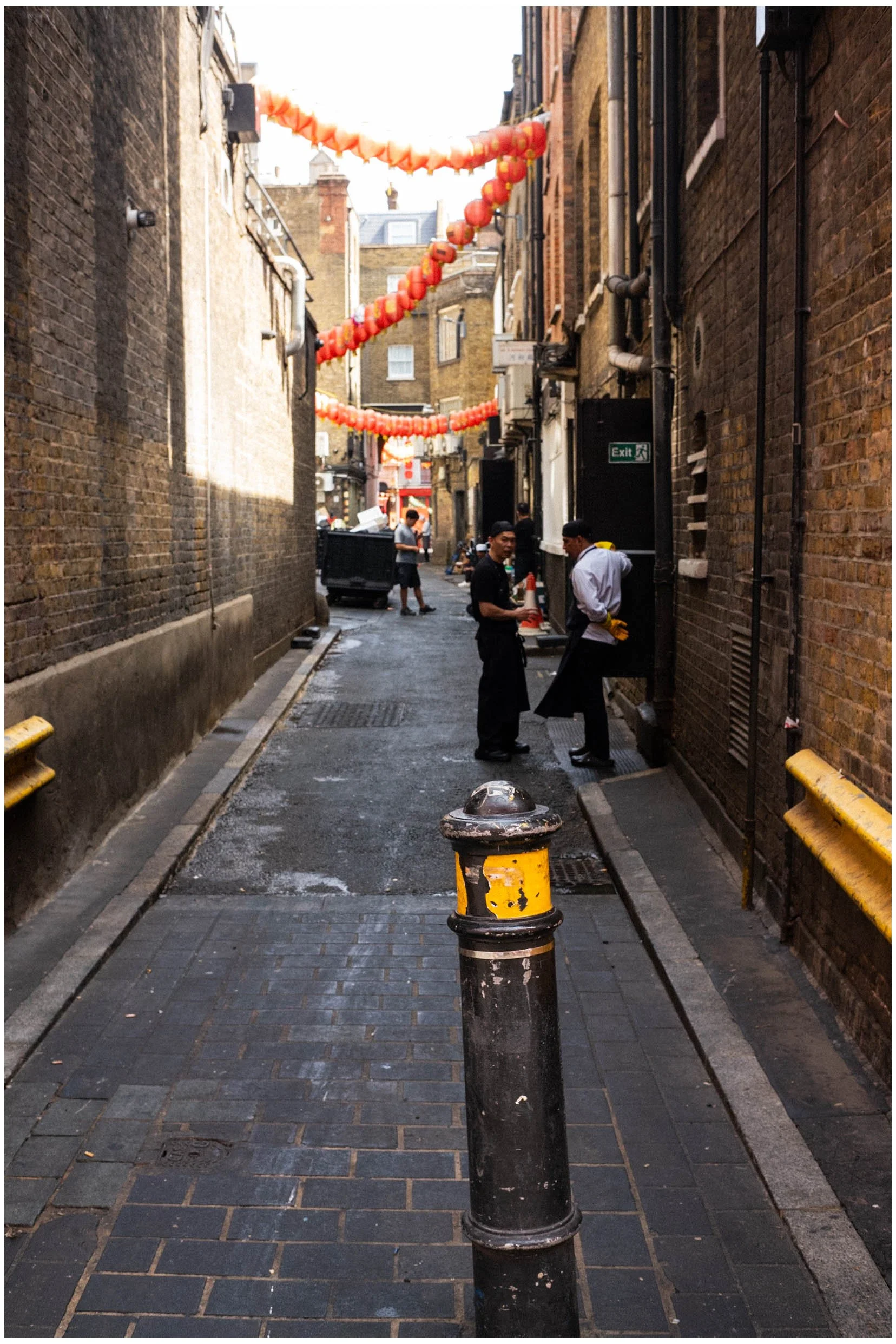
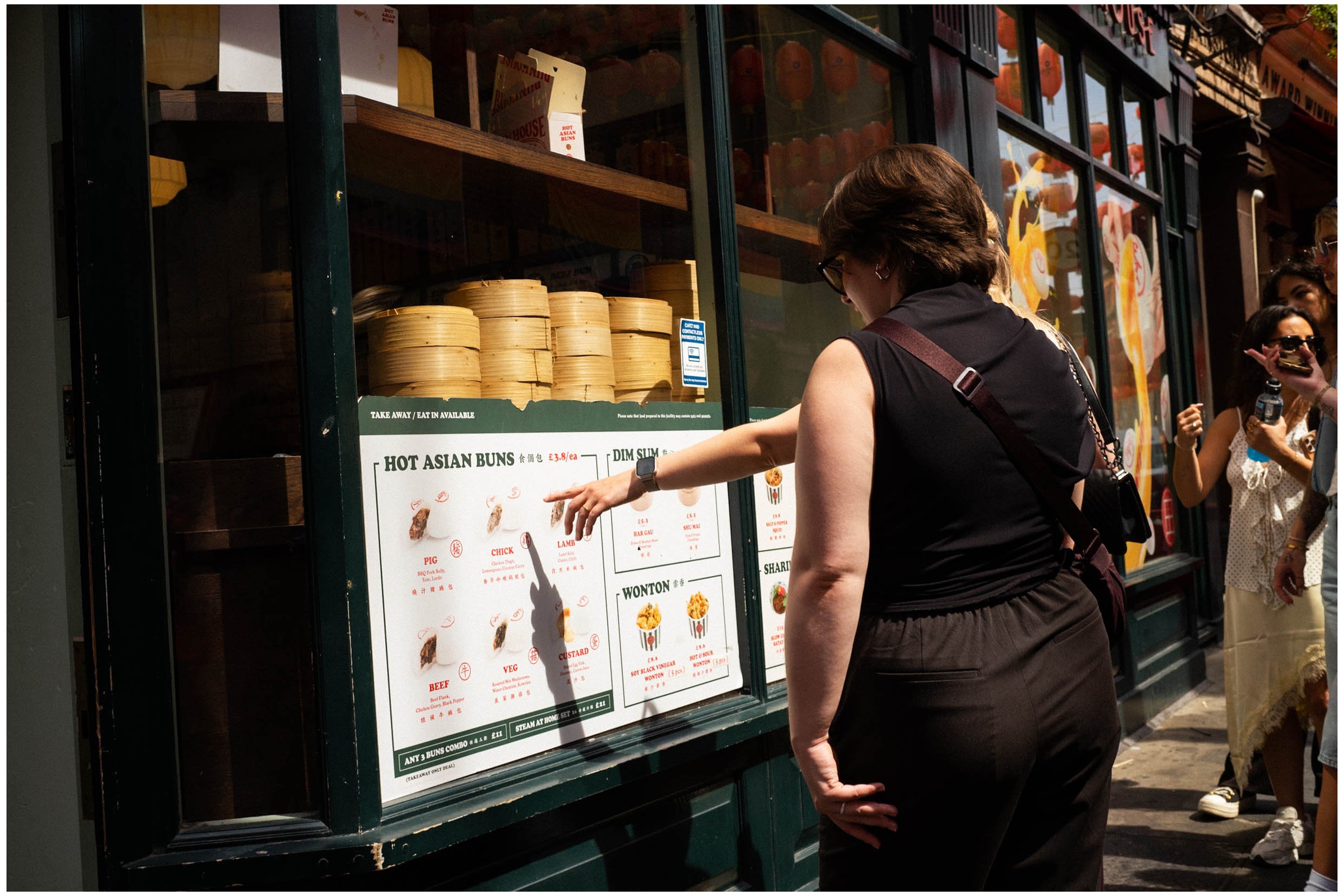
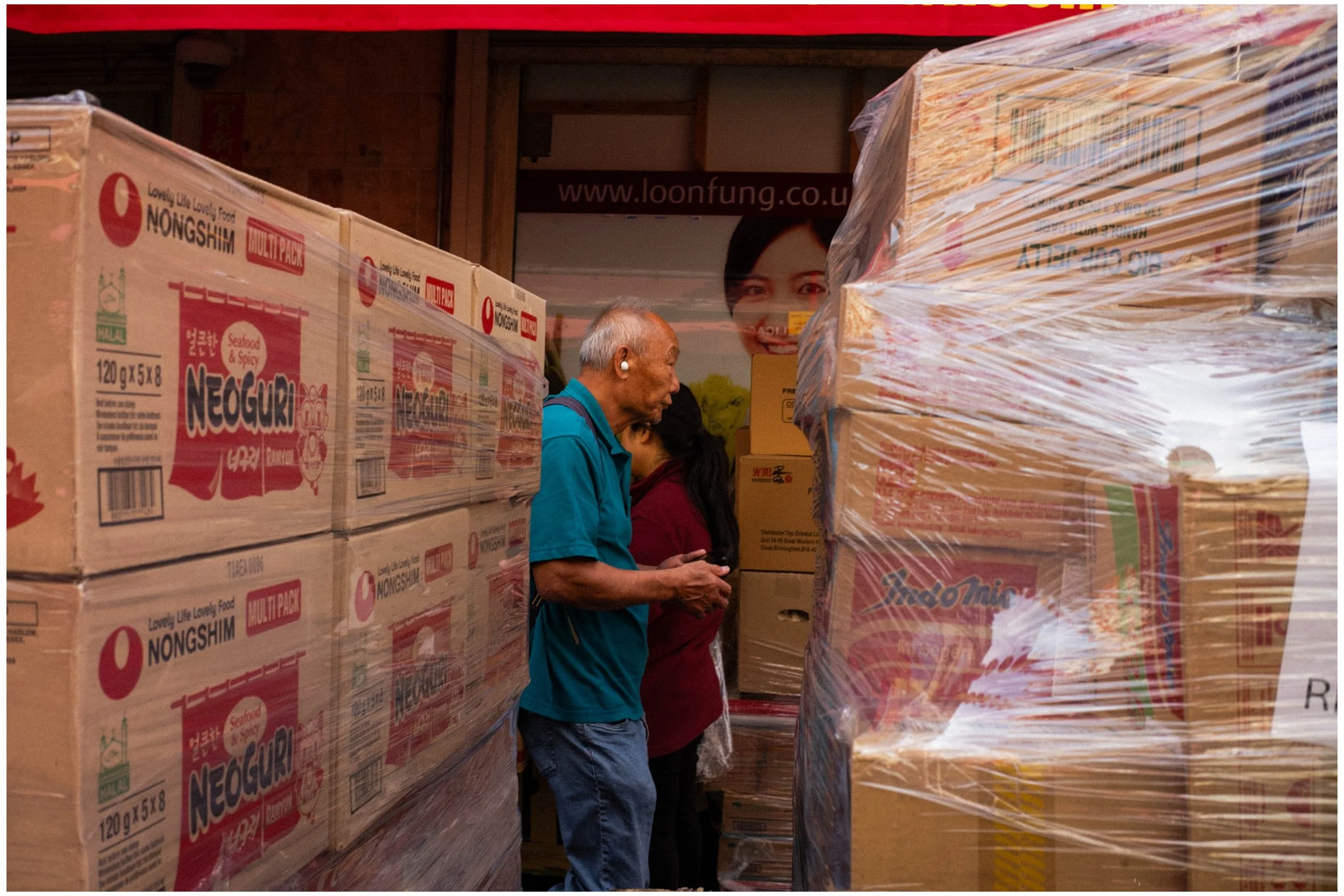
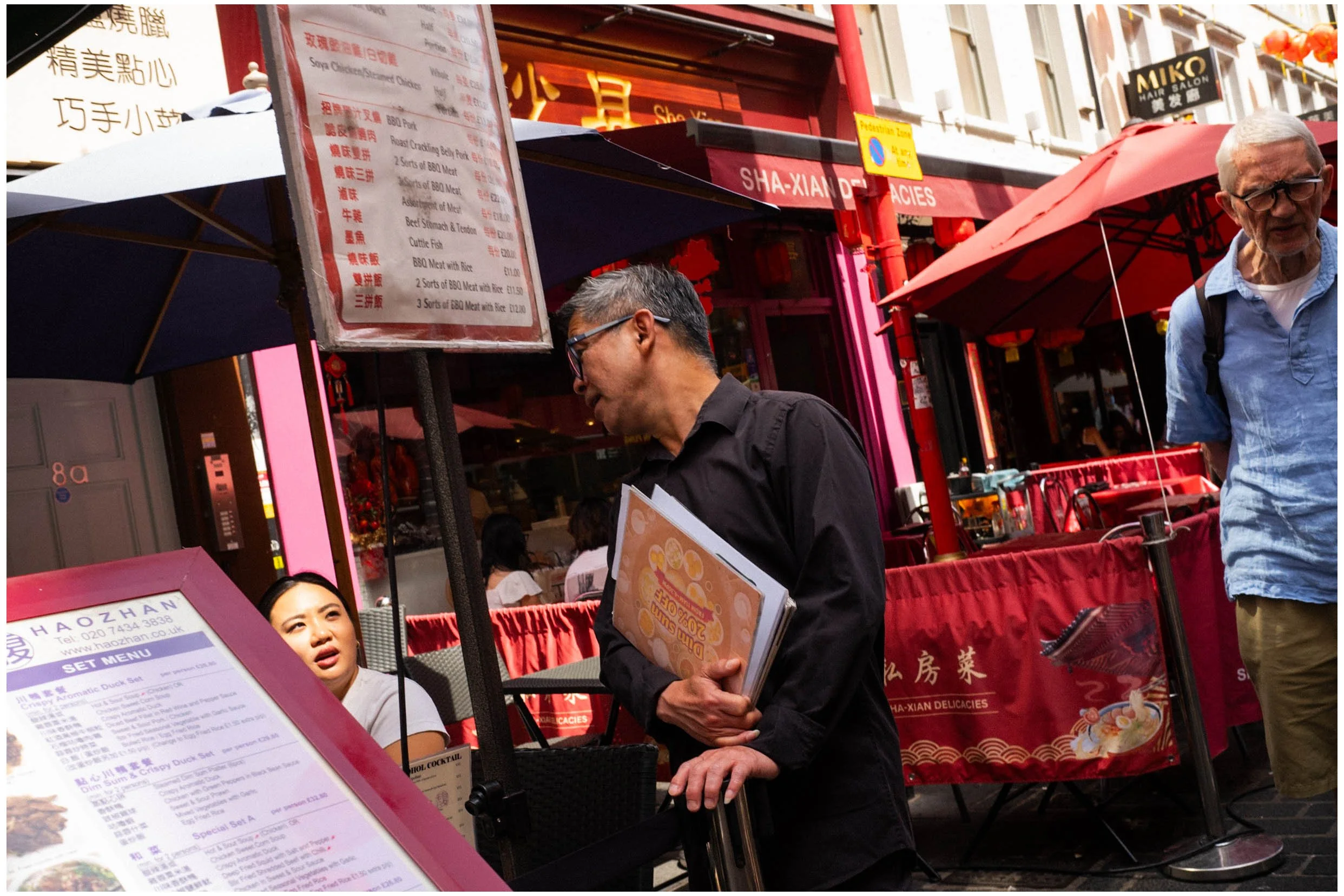
Four Corners, One Street
That's really what stayed with me. Chinatown isn't just Chinese — it's a compression of the whole city into a handful of streets. Cantonese and Mandarin over the counters, but also Spanish, Italian, Japanese, half a dozen accents I couldn't place, all folding into each other in the queue for bubble tea or the doorway of a dim sum spot. Nobody there was performing London. They were just living in it, in whatever language and however they'd carried it with them.
That's the bit of this country I never stop being grateful for. You don't have to go looking for the world — in a place like this, it comes to you, and it does so without ceremony.
Shooting Loose
The M10 did what it always does — quiet, quick, unobtrusive, good in the kind of scattered light you get under those red arches. But the Nano was the more interesting exercise. Shooting POV, low and close, running alongside the stills rather than instead of them, gave a different texture entirely — less considered, more immediate, closer to how the afternoon actually felt than any single frame could manage on its own.
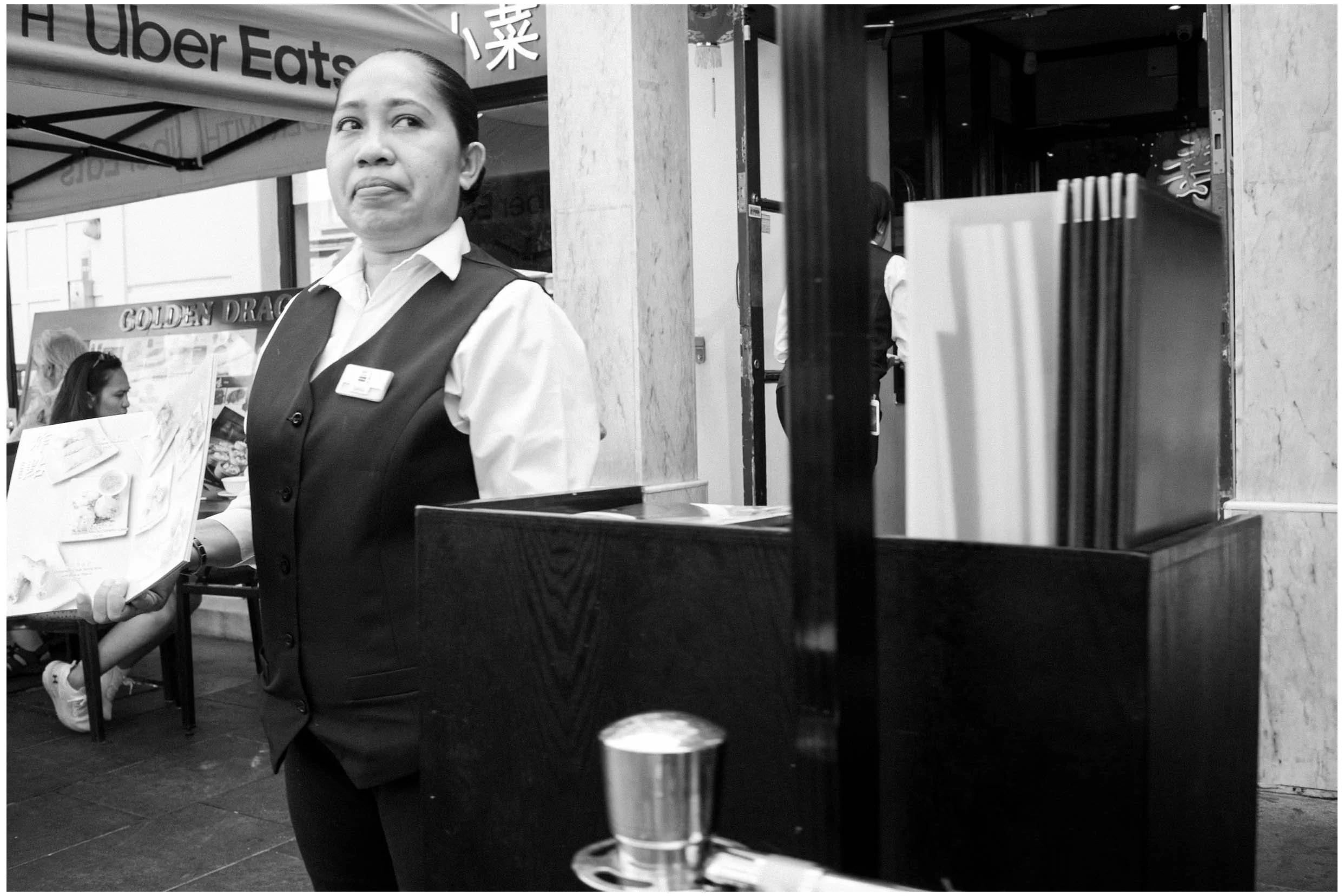
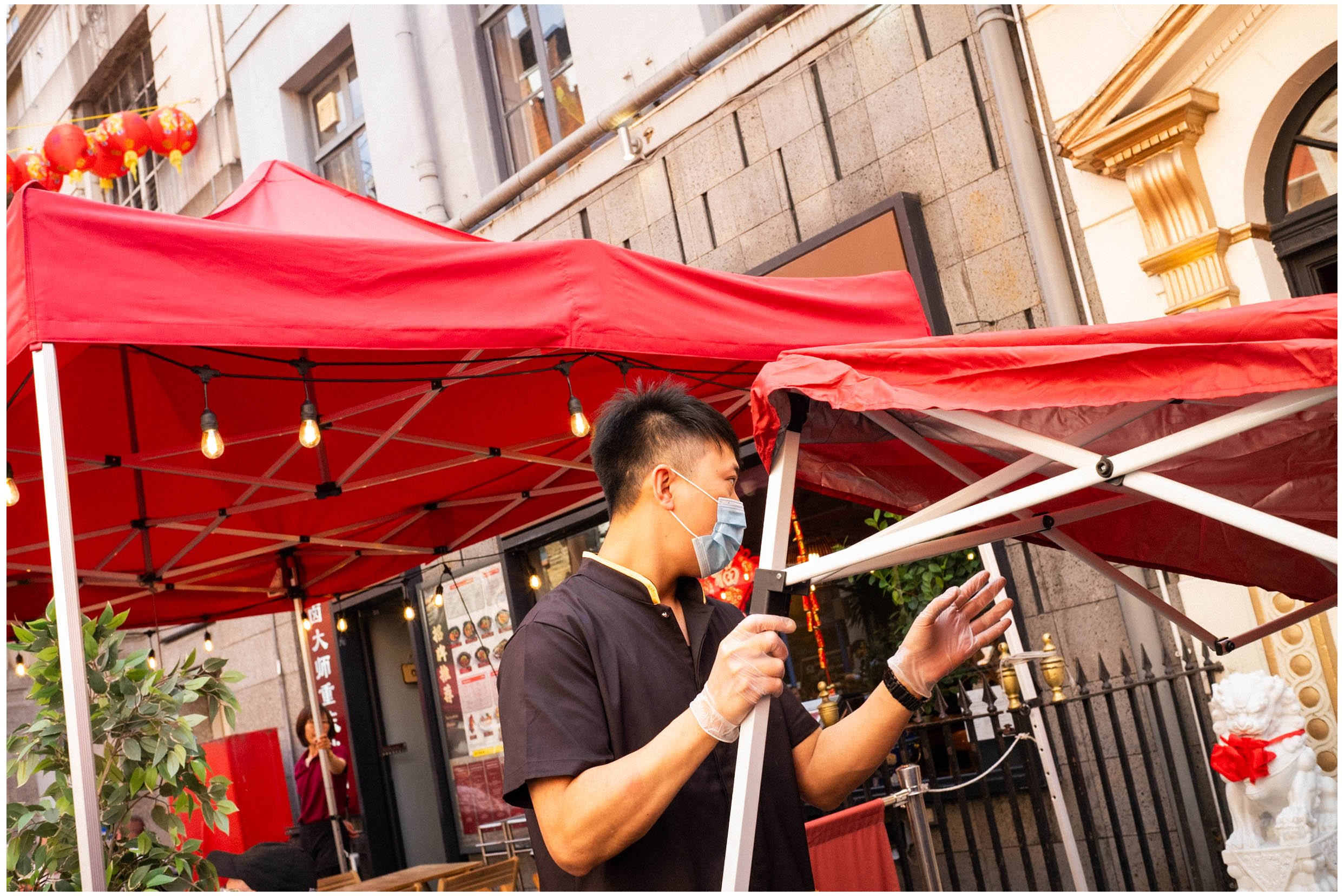
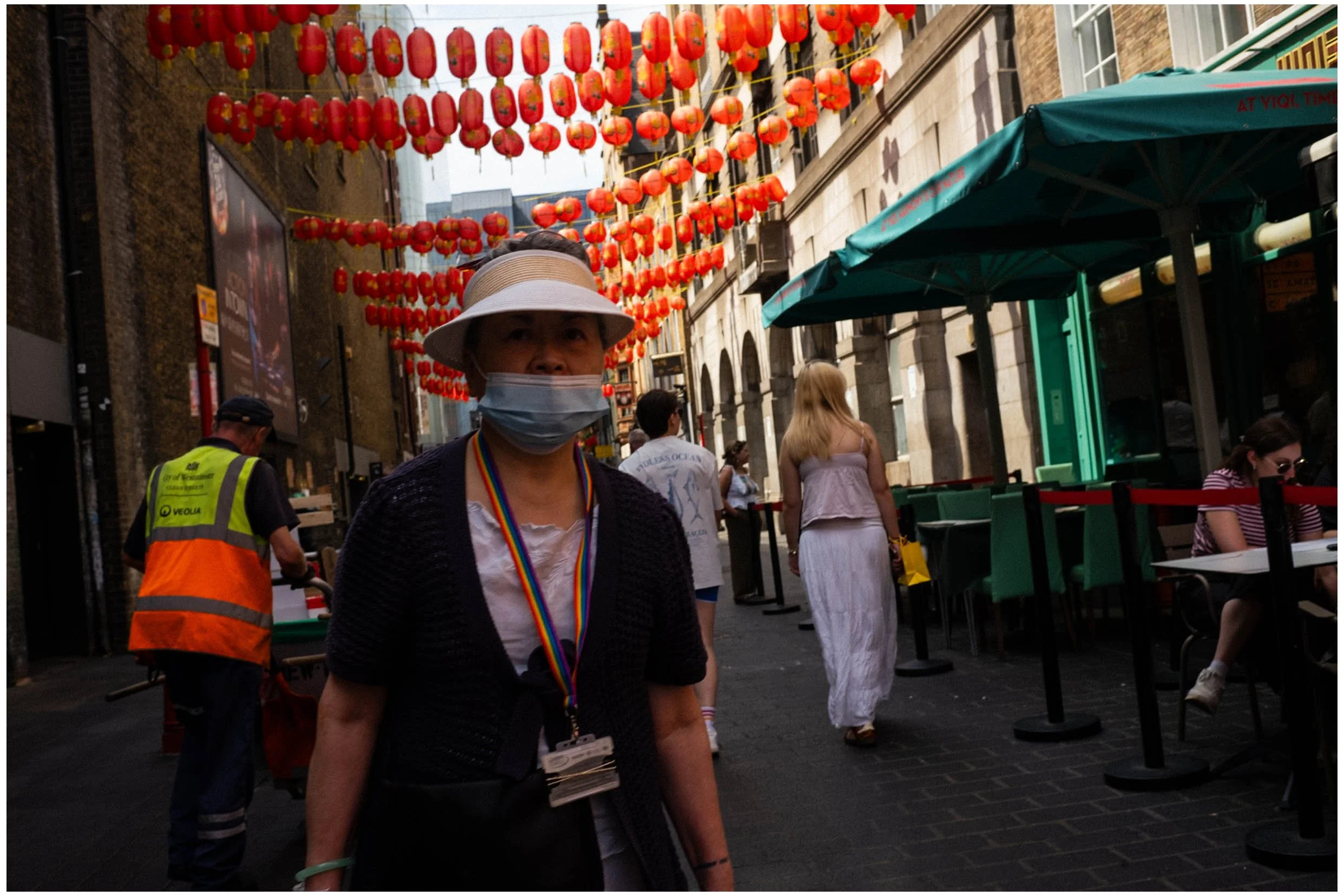
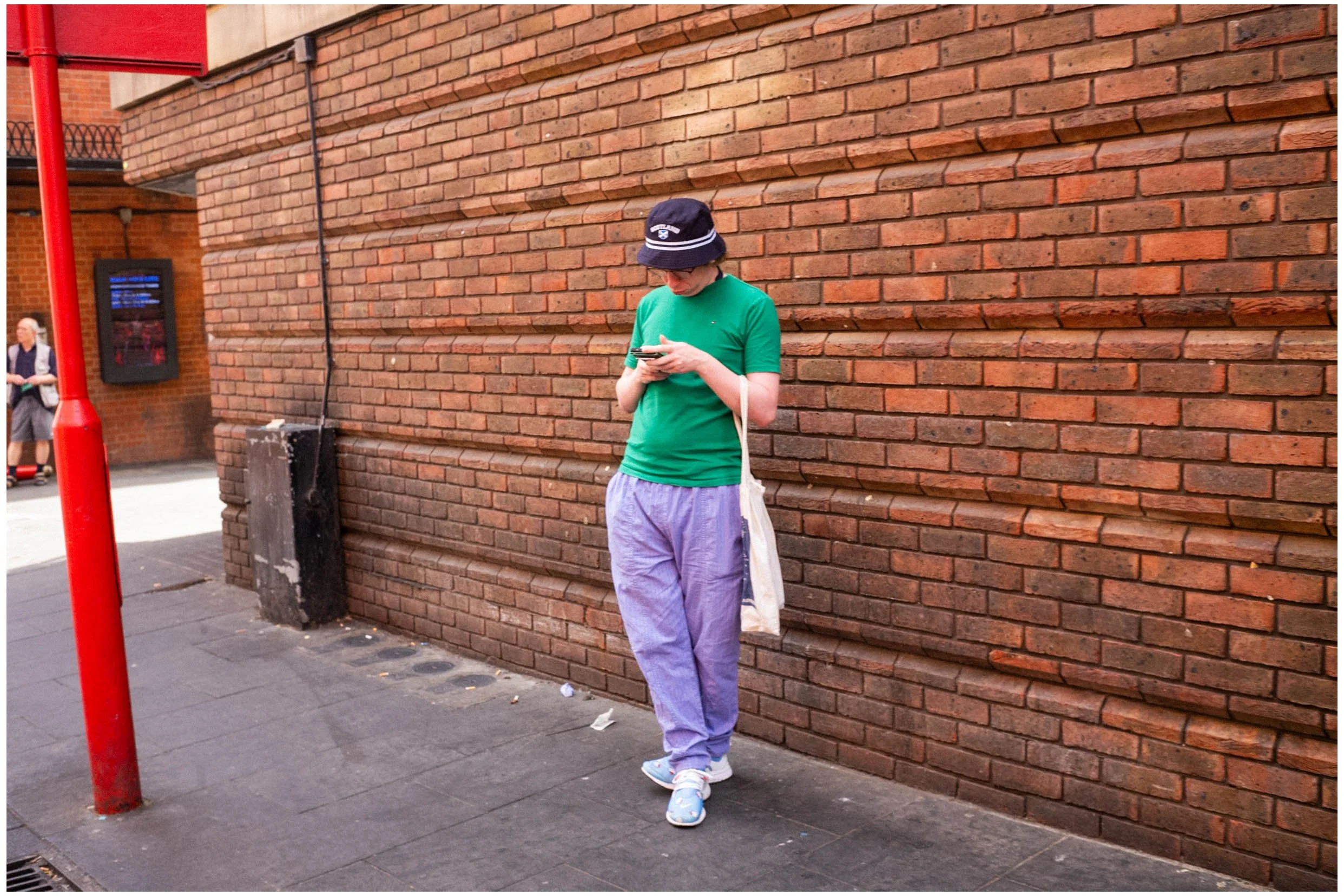
No theme, no brief, no real intention beyond paying attention. Sometimes that's the whole job.
Until next time, keep snapping.
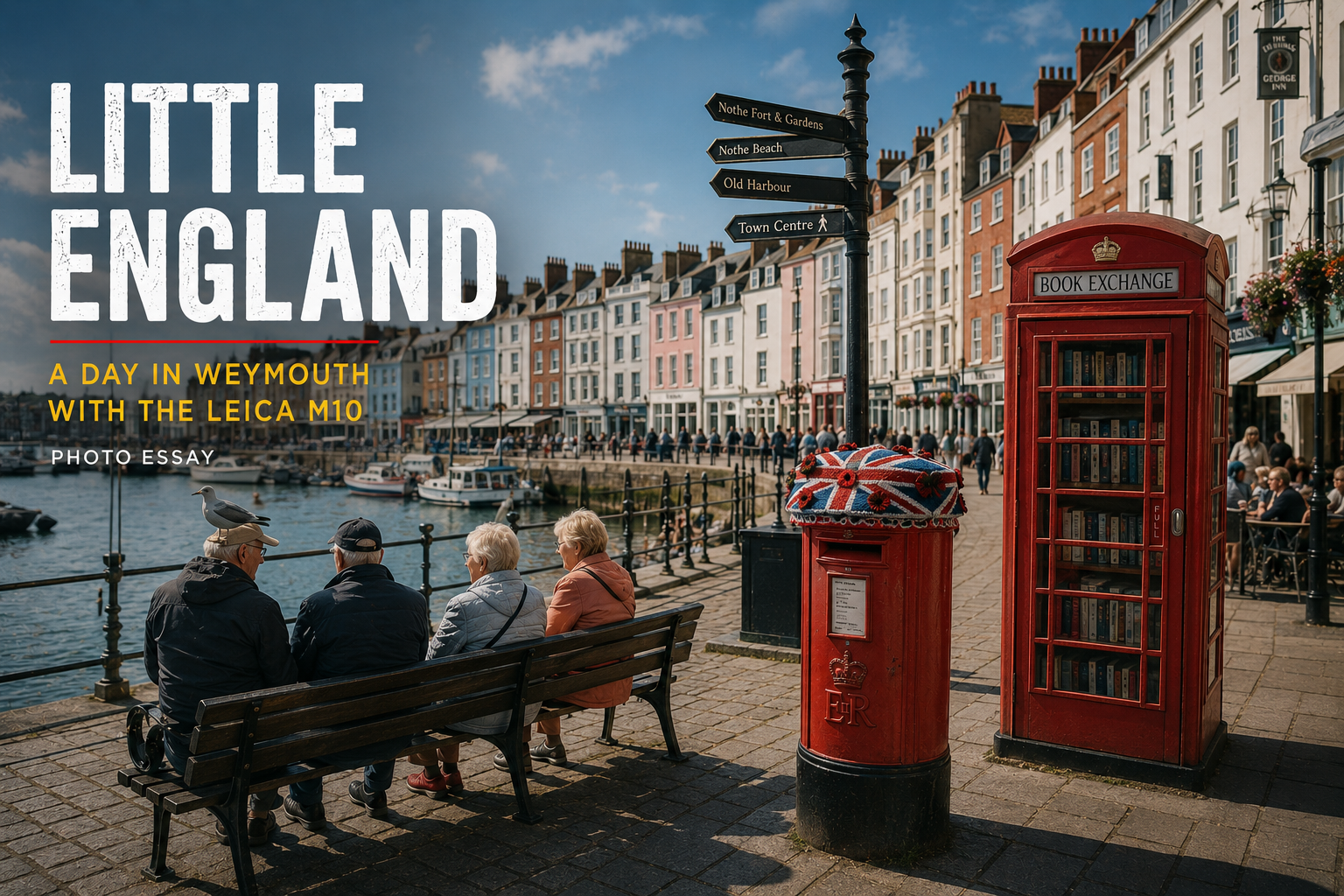
Little England - A day in Weymouth with the Leica M10
Originating from a small Midlands town and subsequently moving down south and now to the south coast in Brighton, there is a natural allure for me for the traditional British seaside town.
I actually remember going to Weymouth from the Midlands with the family when I was a wee lad.
There's a version of England that still exists in places like our seaside towns. Not the version that gets argued about online, or invoked on political platforms, or turned into a slogan. The quieter version. The one that just gets on with it.
Originating from a small Midlands town and subsequently moving down south and now to the south coast in Brighton, there is a natural allure for me for the traditional British seaside town.
I actually remember going to Weymouth from the Midlands with the family when I was a wee lad.
There's a version of England that still exists in places like our seaside towns. Not the version that gets argued about online, or invoked on political platforms, or turned into a slogan. The quieter version. The one that just gets on with it.
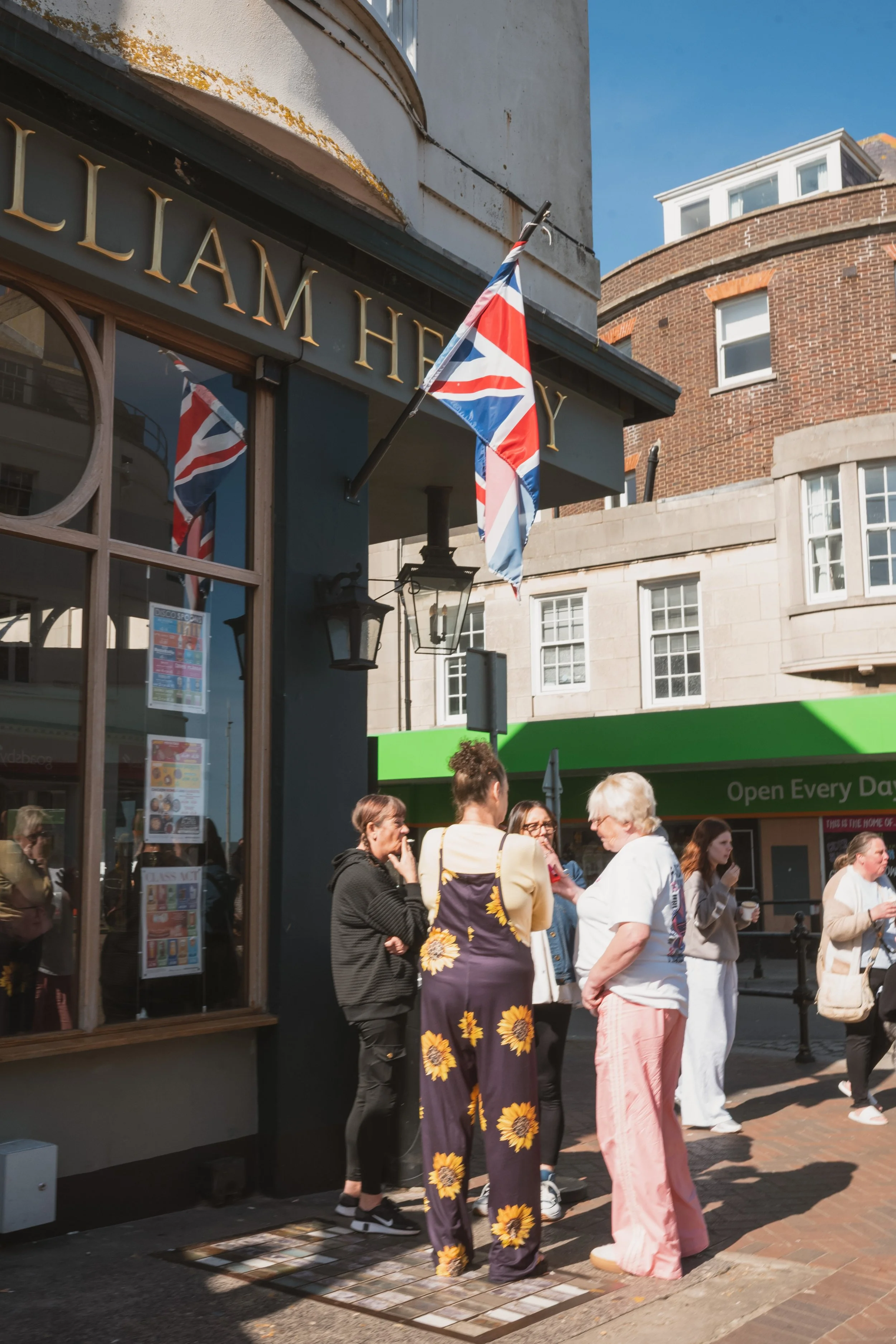
I drove down to Weymouth yesterday morning, with the Leica M10 and no real agenda beyond walking and seeing what the town had to say, as Spring 2026 has opened its eyes. Weymouth is a proper south coast seaside town — the kind with a working harbour, Georgian terraces starting to show their age, a pink cake shop that takes cash only, and Union Jacks outside the pub.
"This blog post isn't a political statement, it's an observation. The flags are just there — unremarkable to the people who live under them, which is precisely what makes them worth photographing."
I've been thinking about this project for a while. There's something I keep noticing in the English seaside towns I shoot — a particular kind of texture that's hard to name but immediately recognisable. Old shopfronts that haven't been rebranded. Red postboxes with knitted toppers. Phone boxes repurposed into book exchanges. Ghost signs on brick walls advertising things that no longer exist. All of it quietly persisting, not out of defiance, just out of habit.
Weymouth has it in abundance.
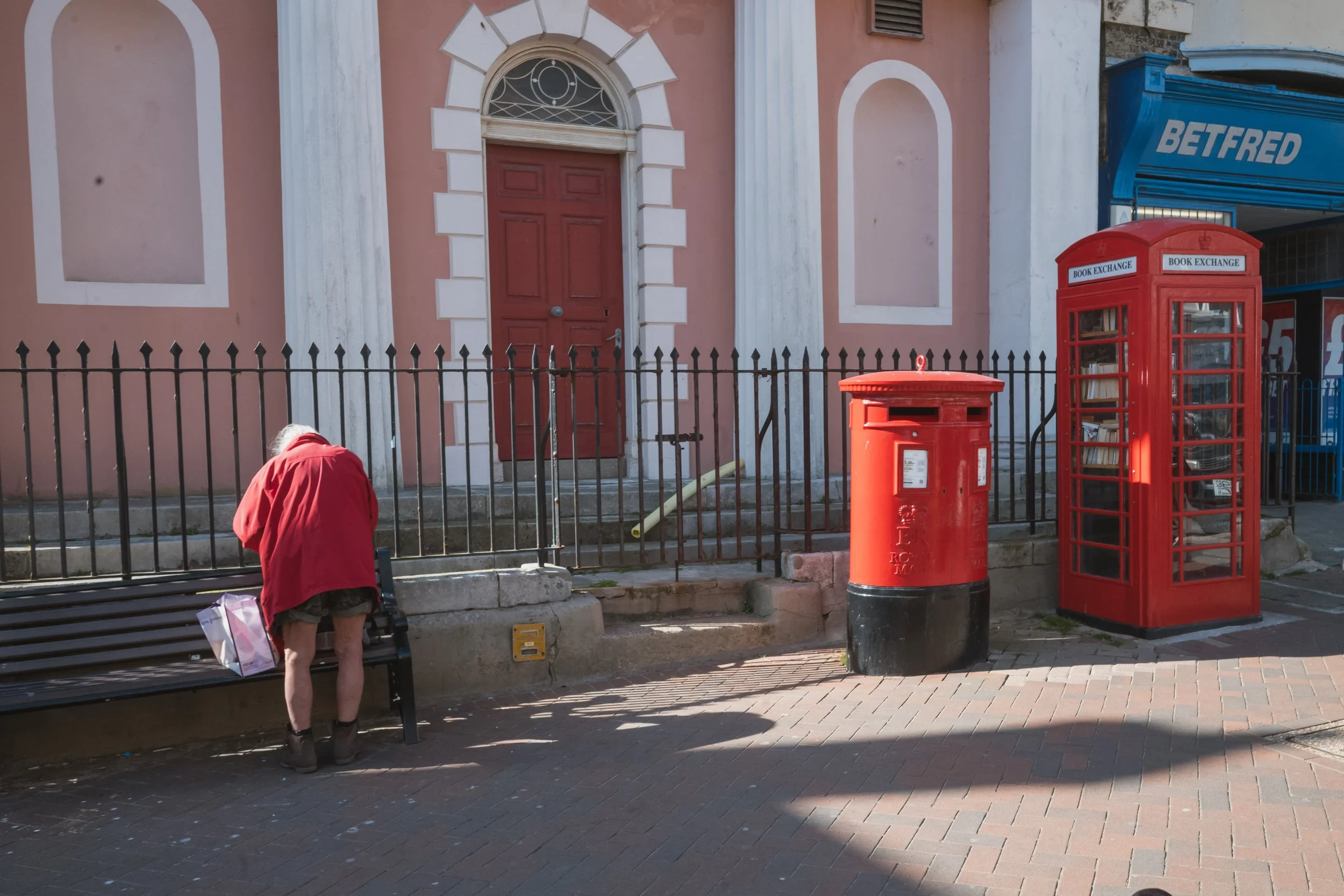
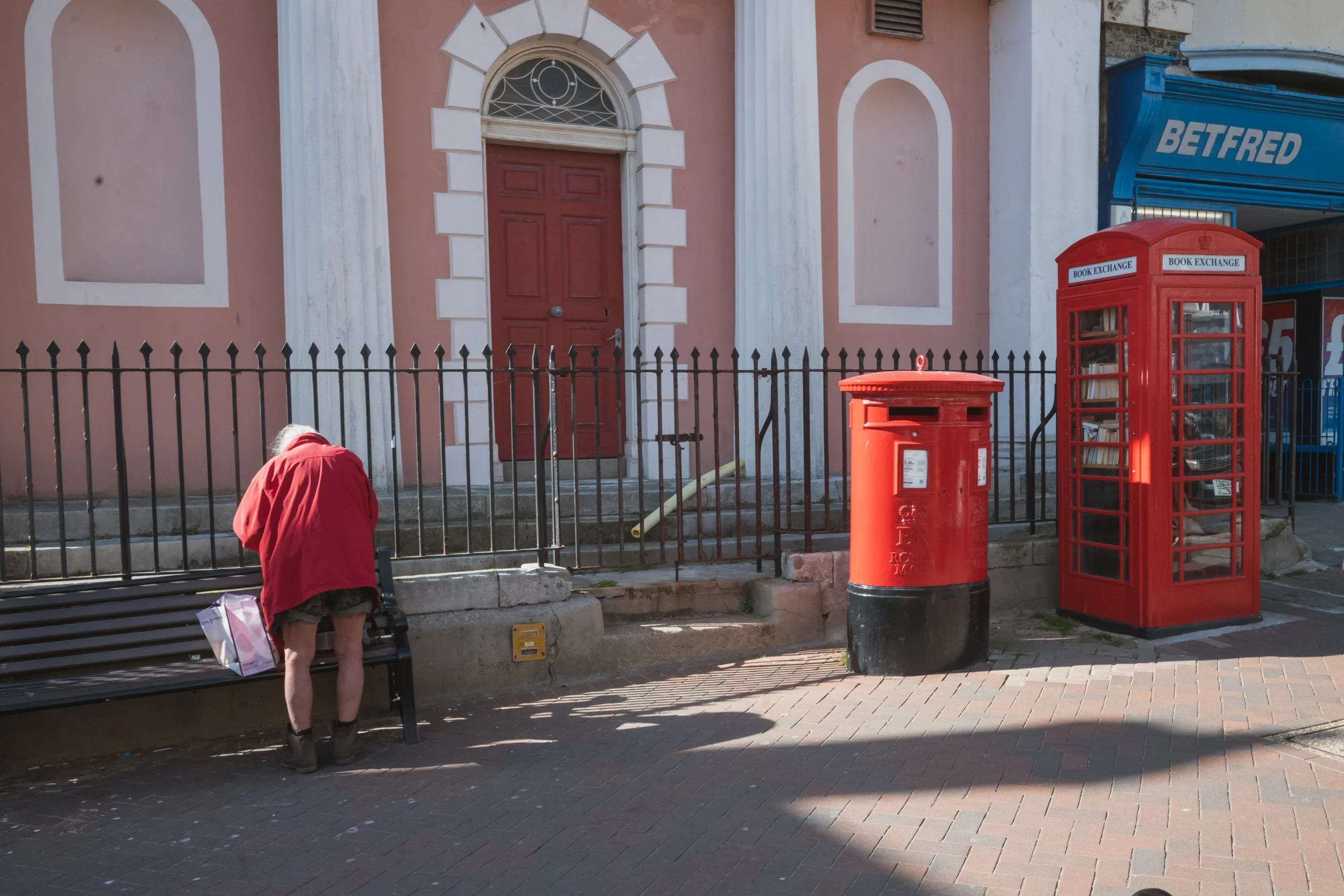
I started on the high street. The first image that stopped me was almost too on-the-nose: a red figure hunched on a bench beside a red postbox and a red phone box — now a book exchange — with Betfred blazing blue in the background. Three reds and a betting shop. England in a single frame.
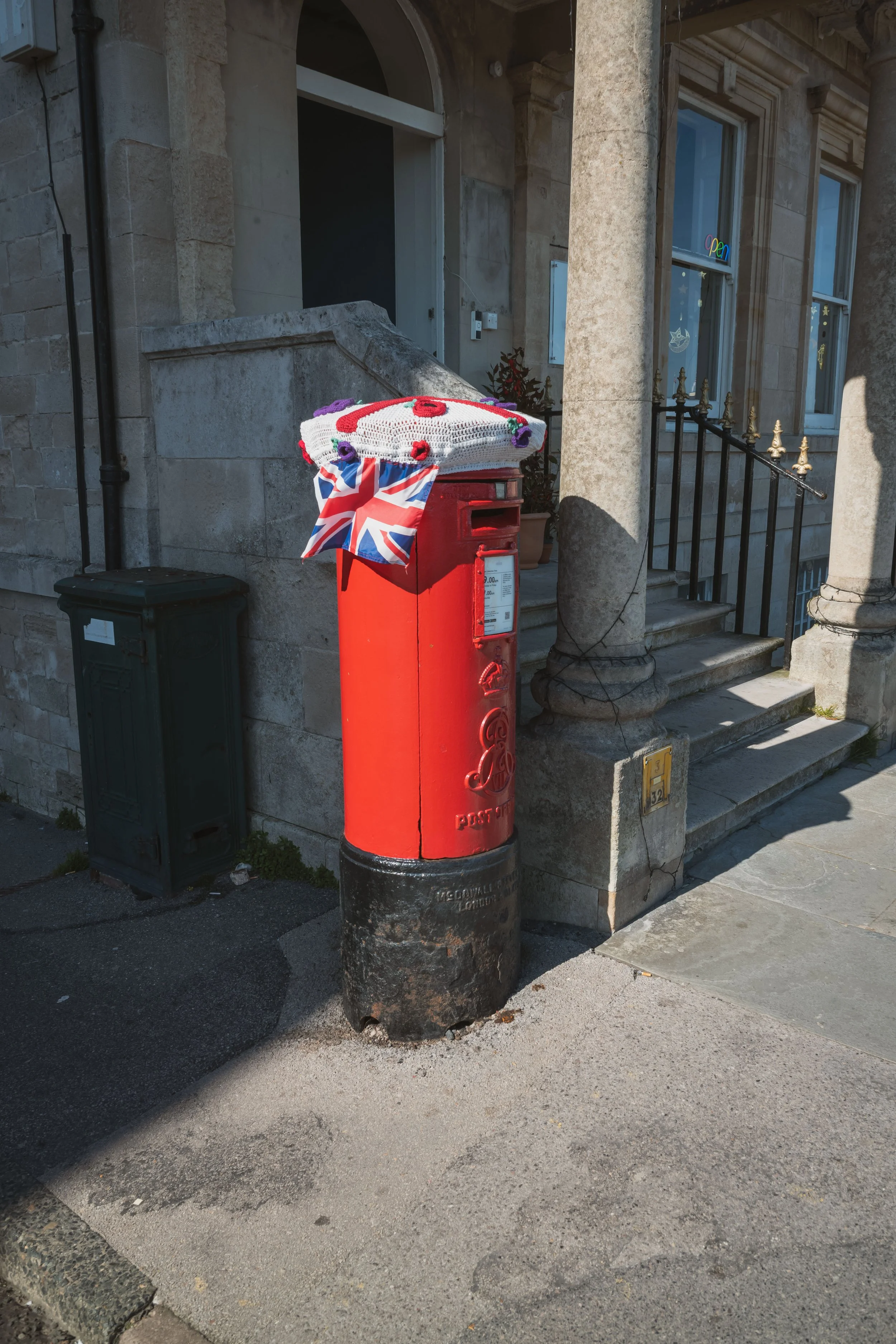
A few streets away I found the postbox with the knitted Union Jack draped over its top — someone had crocheted a topper decorated with poppies and the flag, placed it there quietly, and moved on. It was the most tender thing I photographed all day. There's a whole tradition of this in small British towns — anonymous acts of civic affection that never make the news and probably shouldn't.
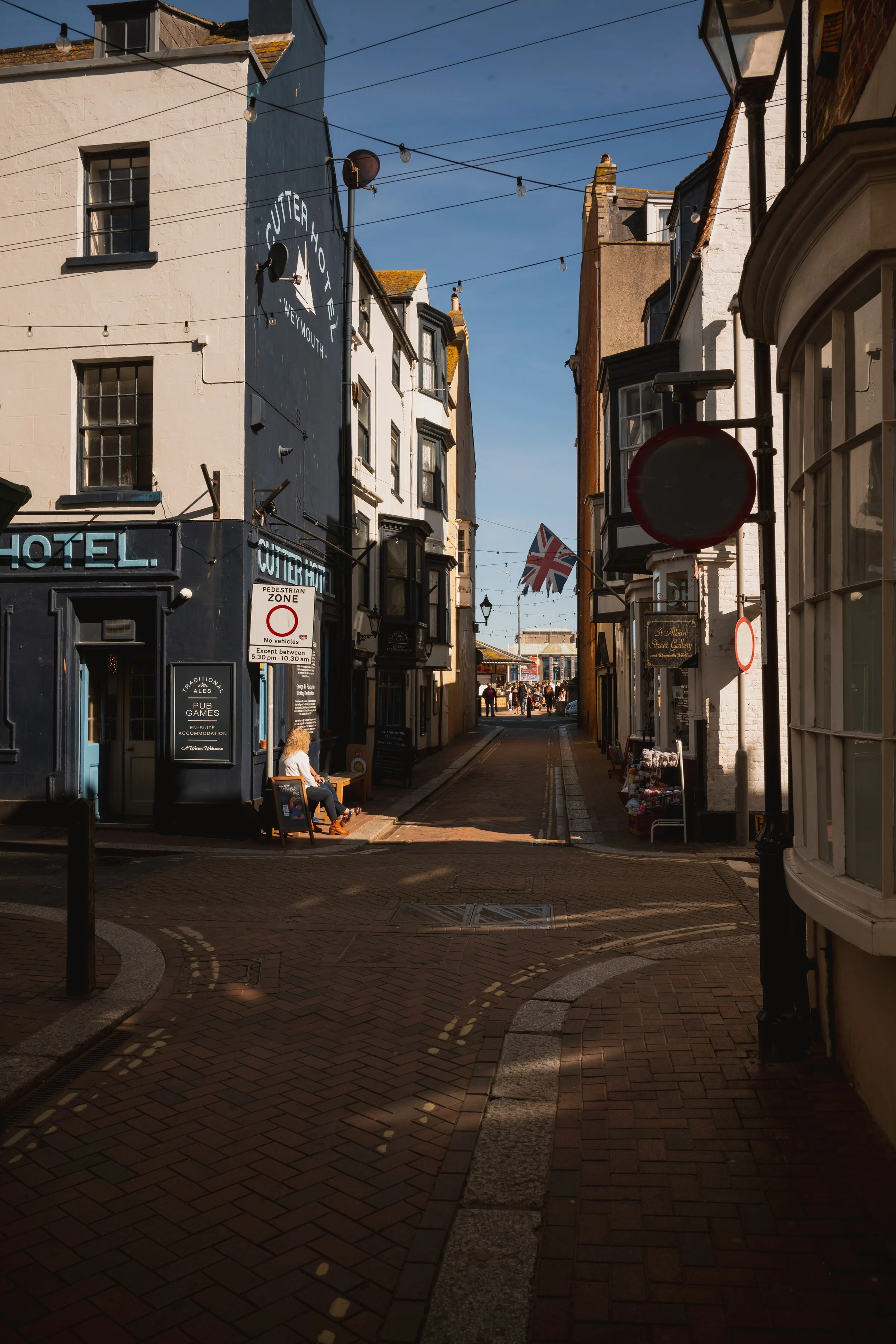
The cobbled lane down toward the harbour was one of those streets that photographs itself. Late morning light, deep shadows on one side, a Union Jack snapping at the far end where the sea opens up, a woman sitting alone outside the pub with a coffee. I stood at the top of it for a while before I pressed the shutter, waiting for it to settle into itself.
"There's a whole tradition of anonymous acts of civic affection in small British towns that never make the news and probably shouldn't."
The pink cake shop — I later found out it's called The Pink — was doing serious business. Cash only, Lardy Cakes, Chelsea Buns, Flapjack, Pies and Pasties. The window was covered in handwritten labels. Outside, a small crowd had gathered. Dogs, prams, people craning to see the shelves. Beside it, a teal gift shop. The high street as pure, unapologetic colour.
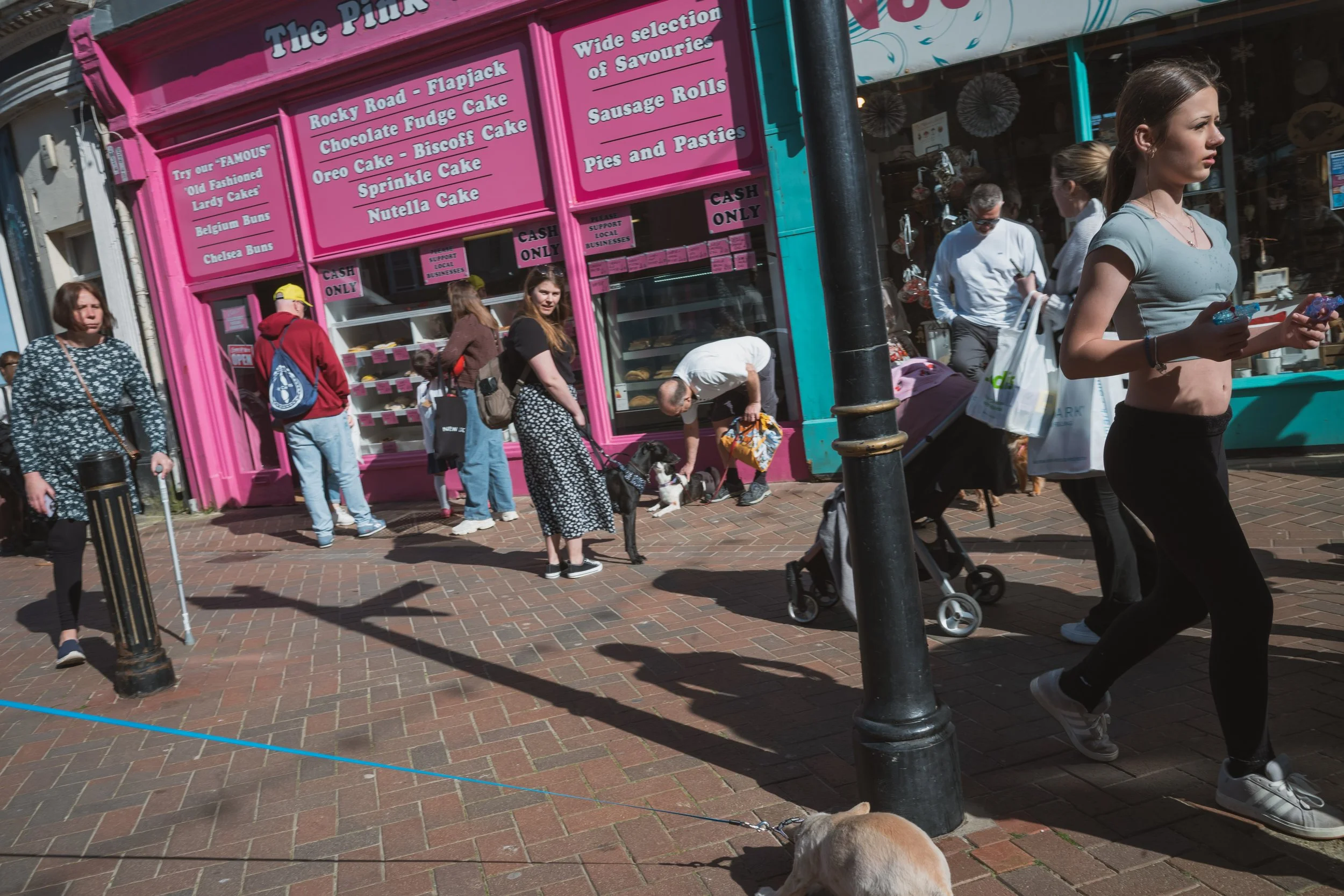
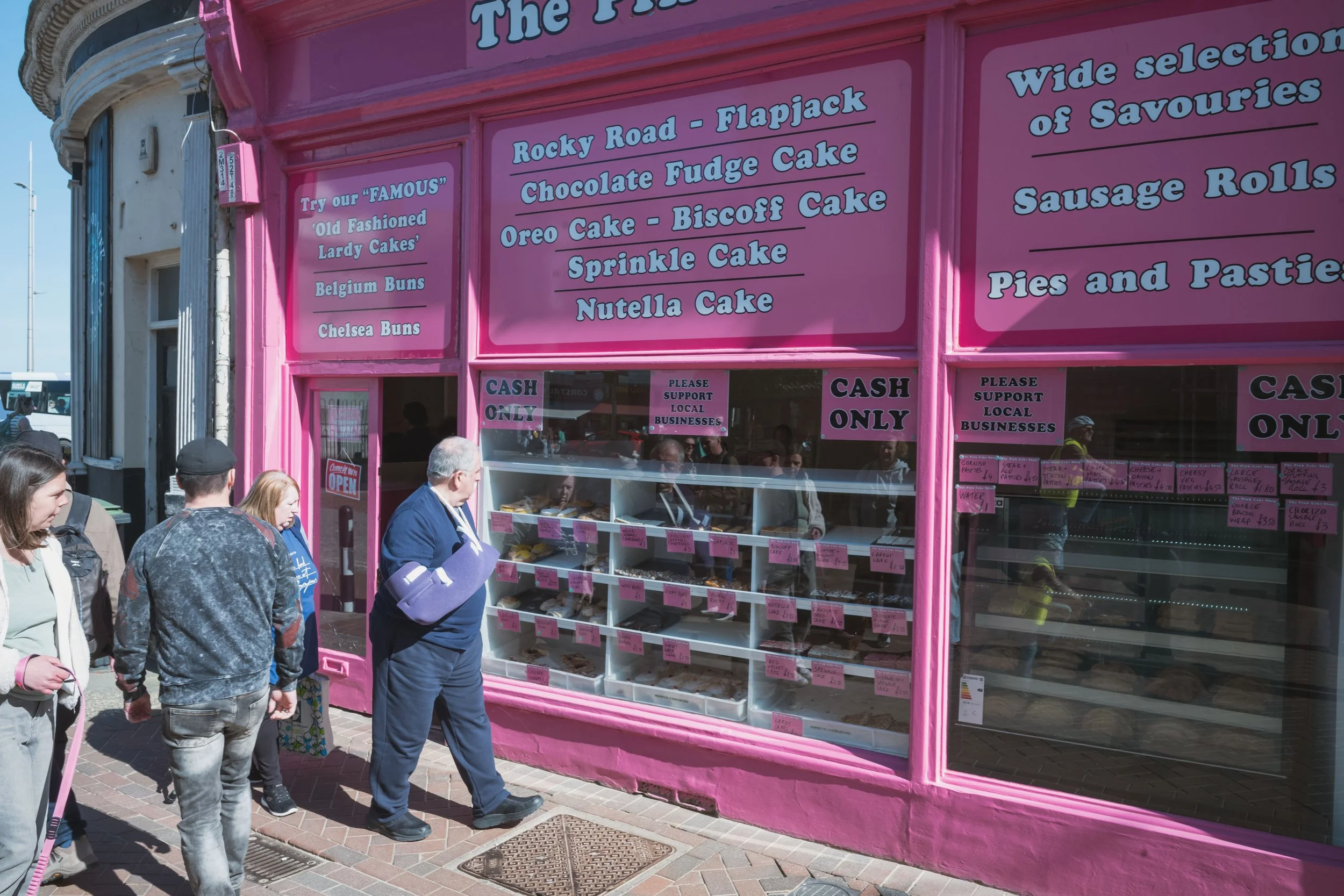
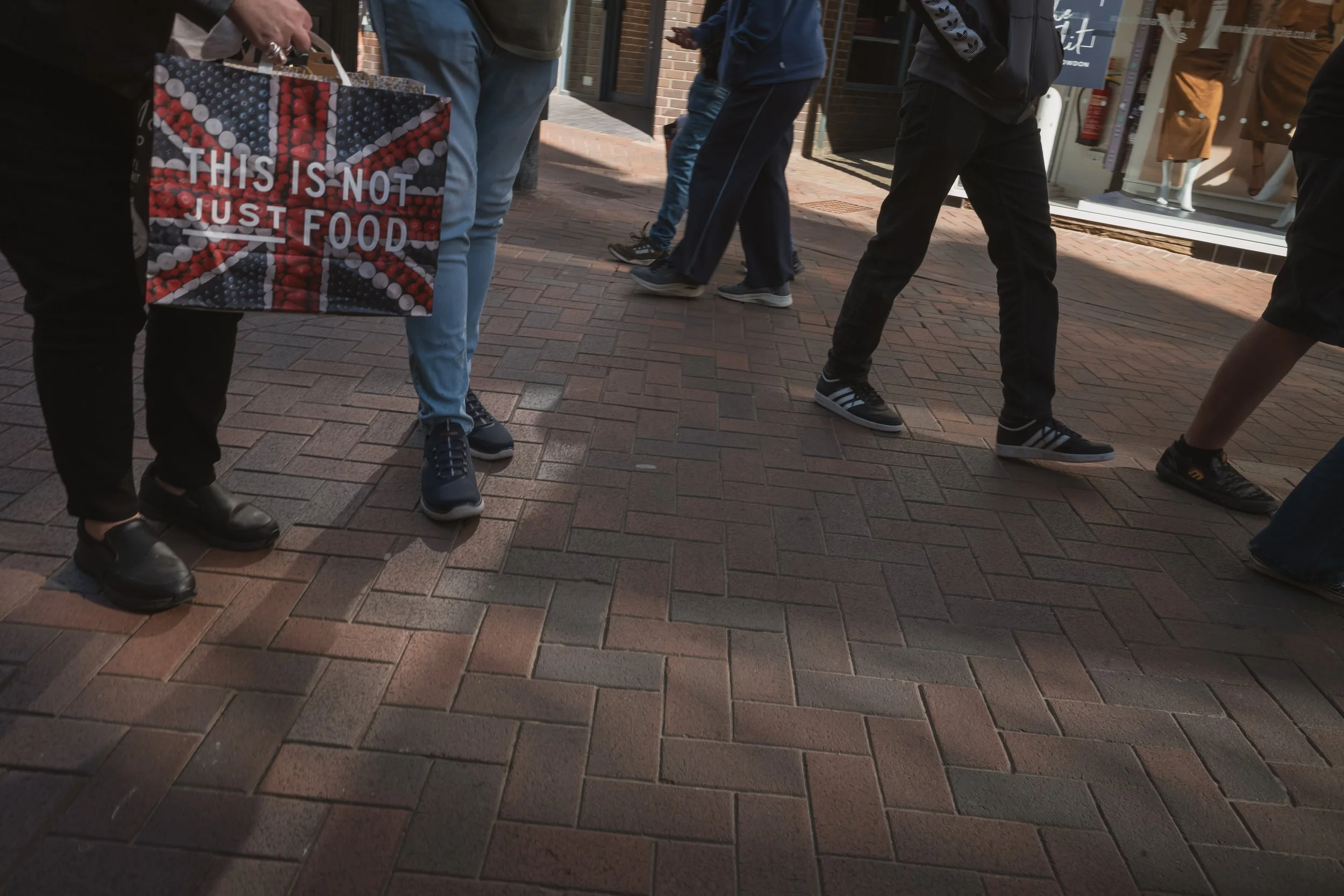
But for all the bunting and bakeries, Weymouth isn't performing anything. It's just getting on with being itself — which includes the parts that aren't picturesque.
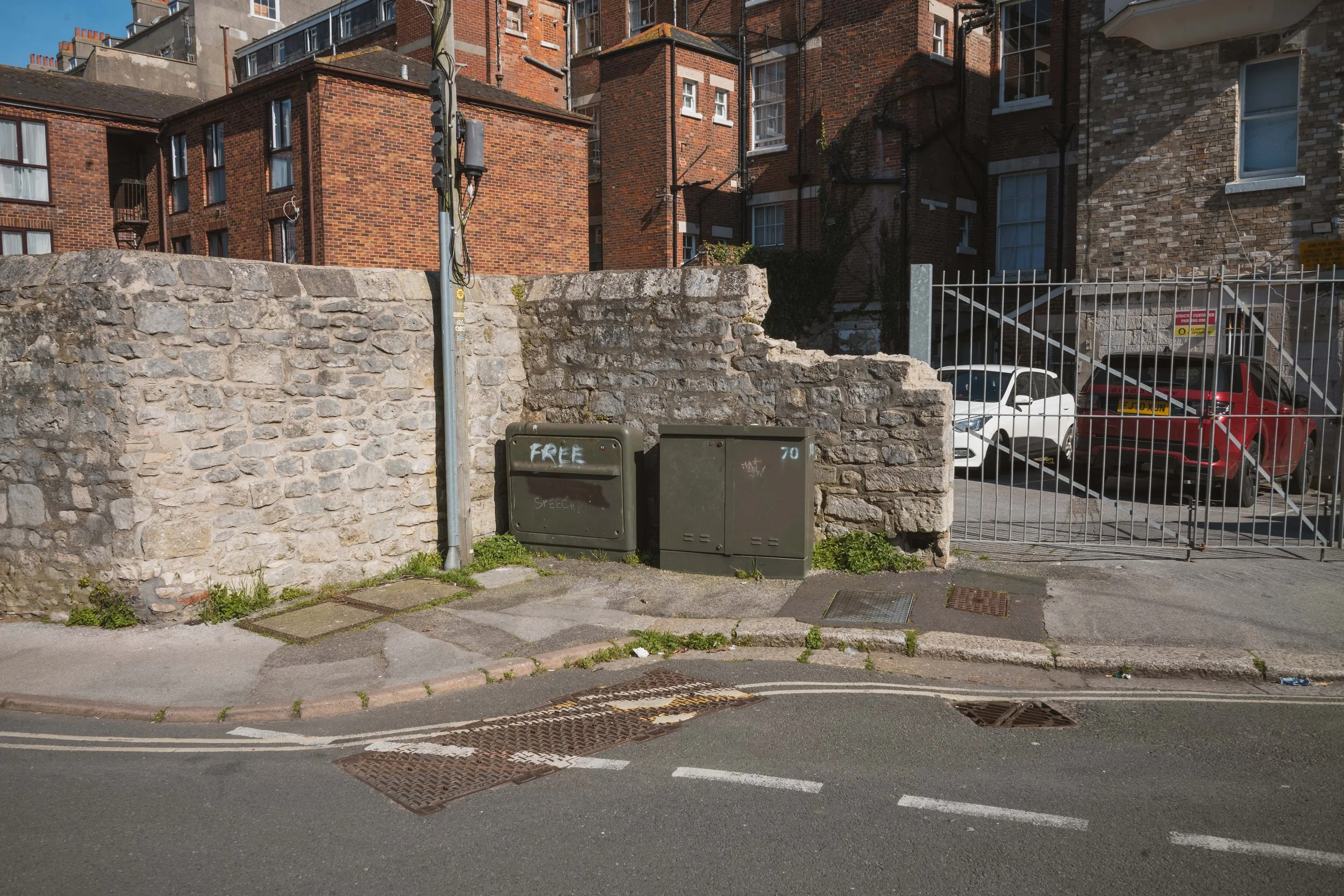
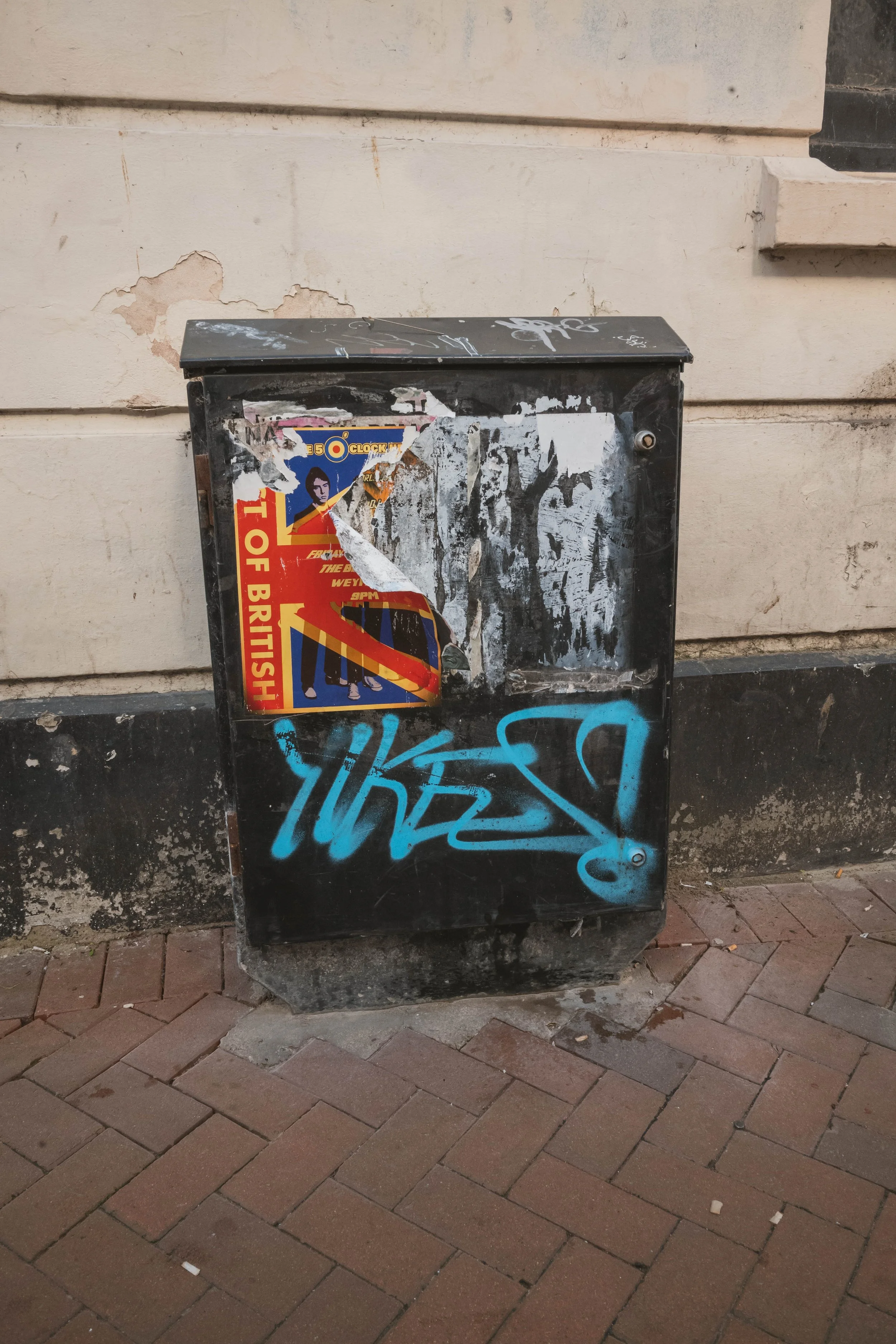
On a back street I found a junction box with FREE sprayed on it in white paint, set against a crumbling stone wall. Two streets over, a black utility box covered in peeling stickers, one of them a torn Union Jack with the words "of British" still legible. Whatever the full message was, only those two words remained. I stared at it for a long time.
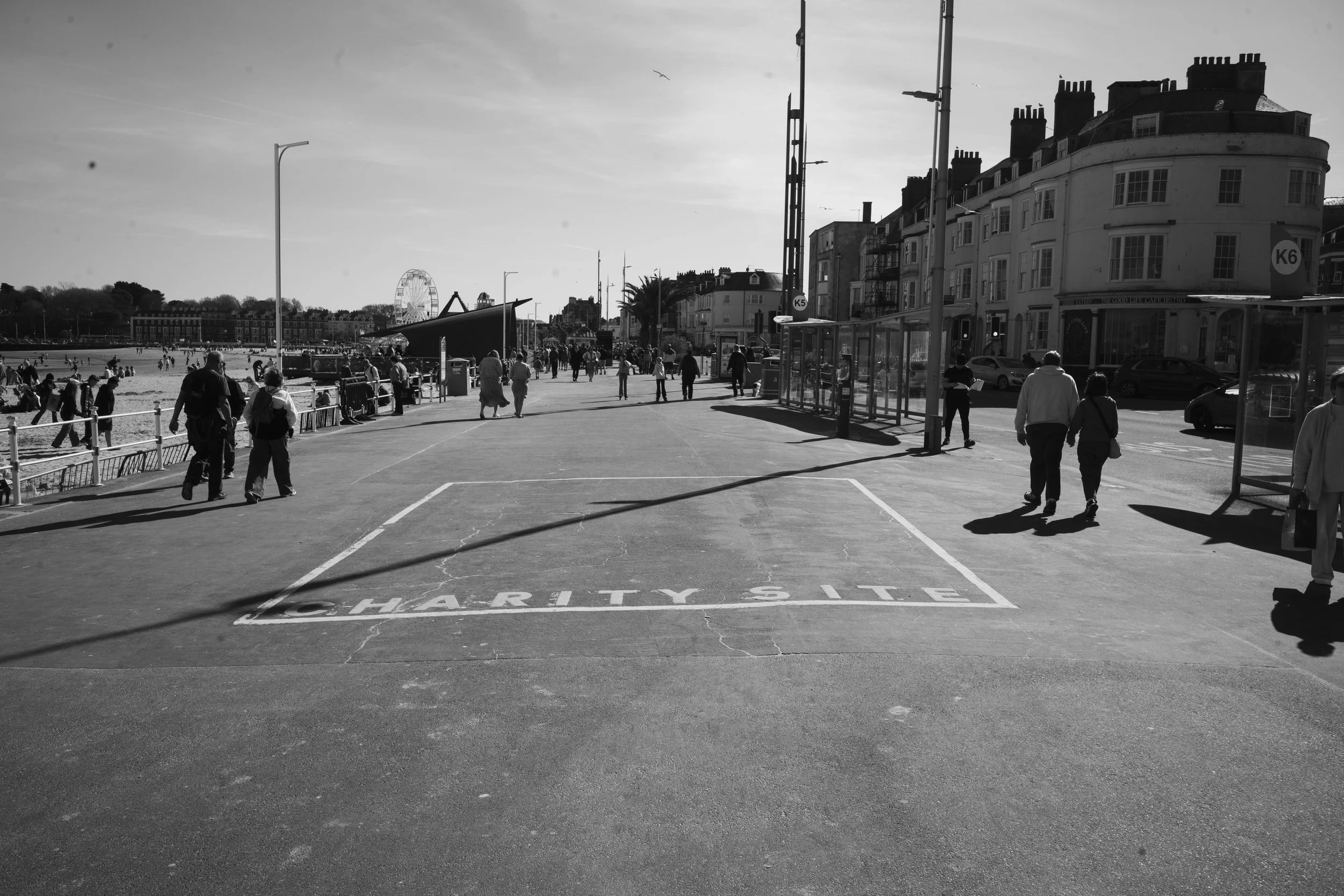
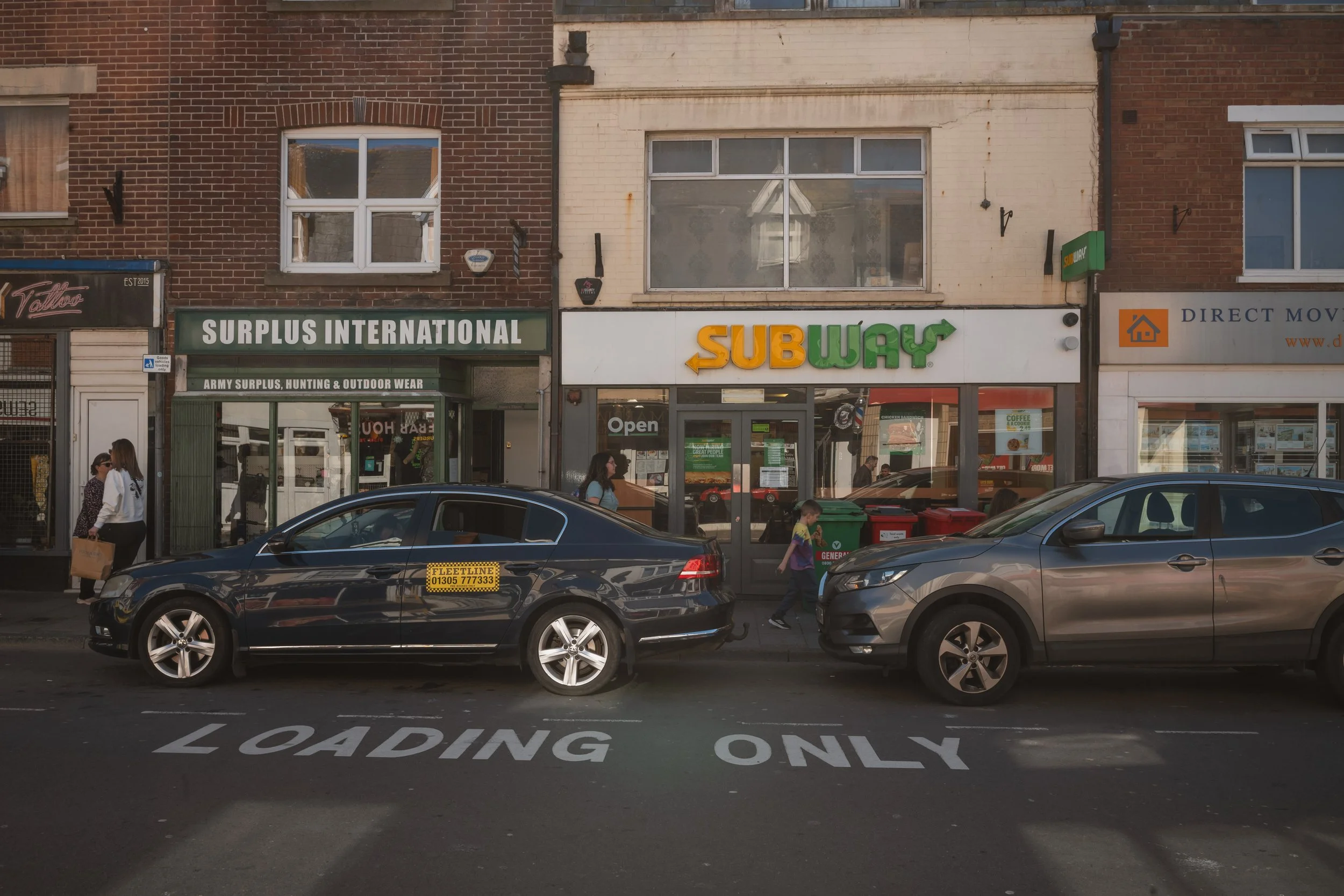
Surplus International next to Subway. A "Loading Only" bay that cars were parked in. Charity Site painted in white letters on the seafront tarmac, a Ferris wheel beyond it. The ordinary machinery of a British seaside town, indifferent to whether anyone's photographing it.
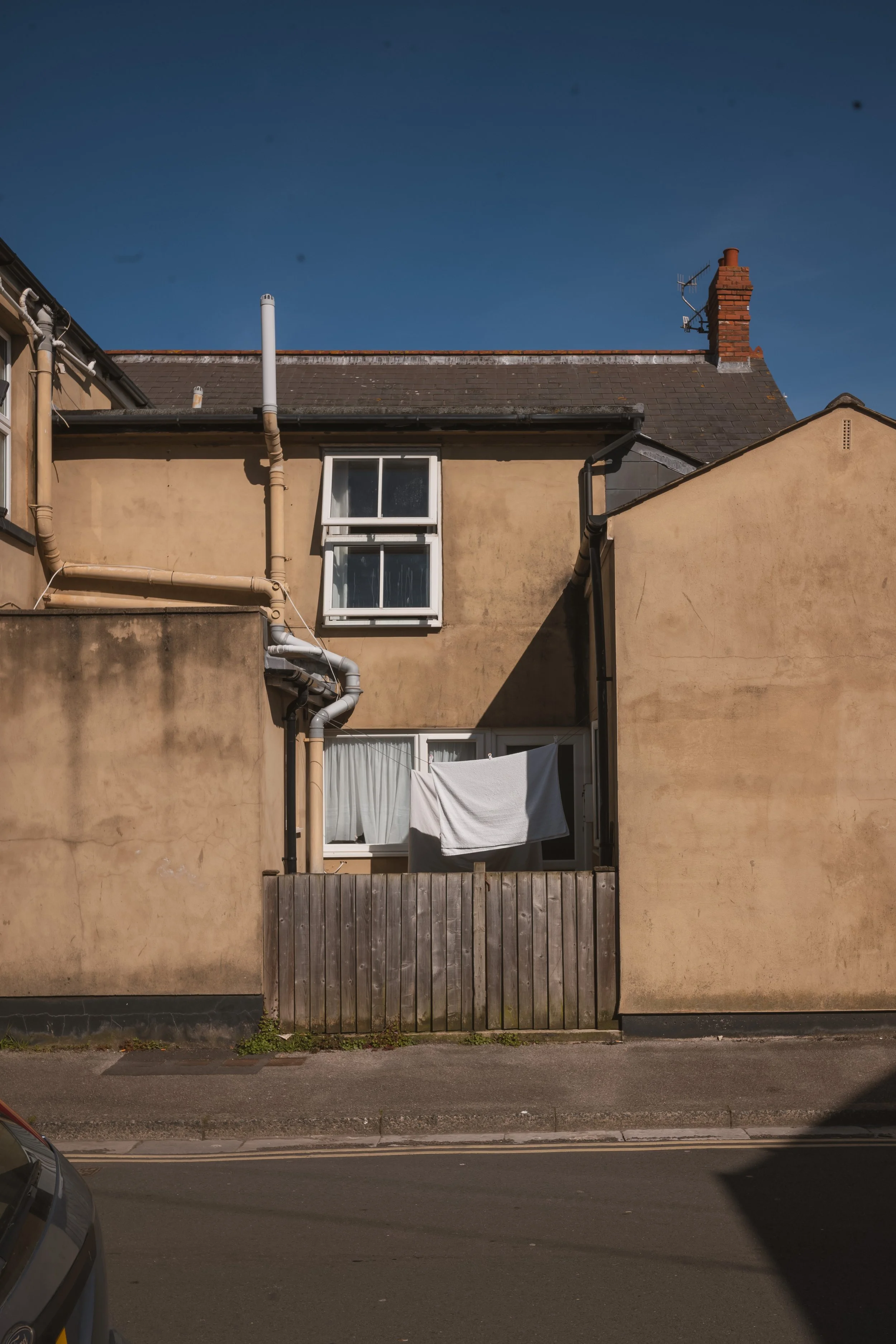
The B&B with "Sorry — No Vacancies" in the window stopped me partly for the message and partly because I could see my own reflection in the glass above the sign. That felt right. The photographer making himself part of the scene he's trying to document.
The human moments were the ones I kept coming back to when I reviewed the day's shoot.
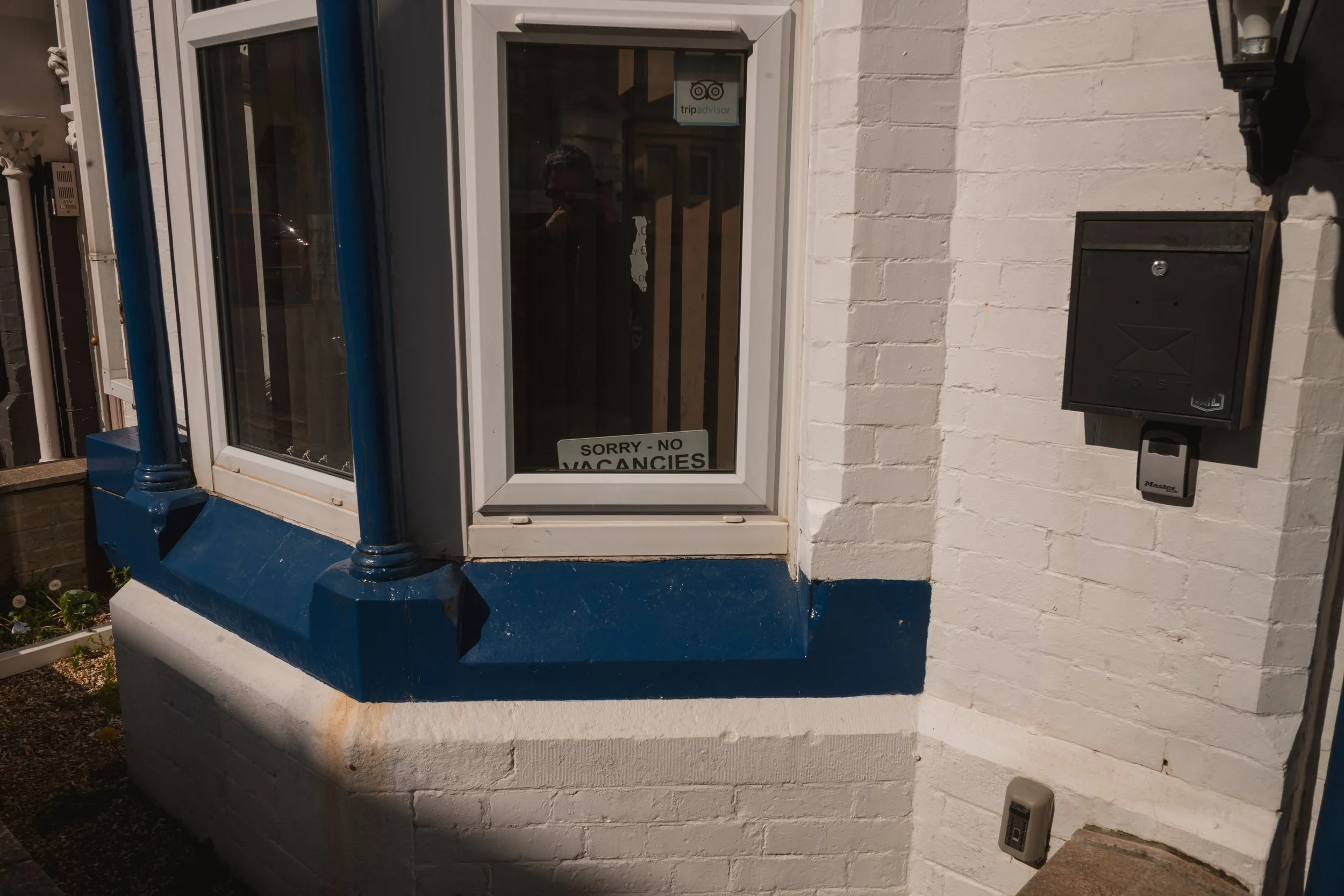
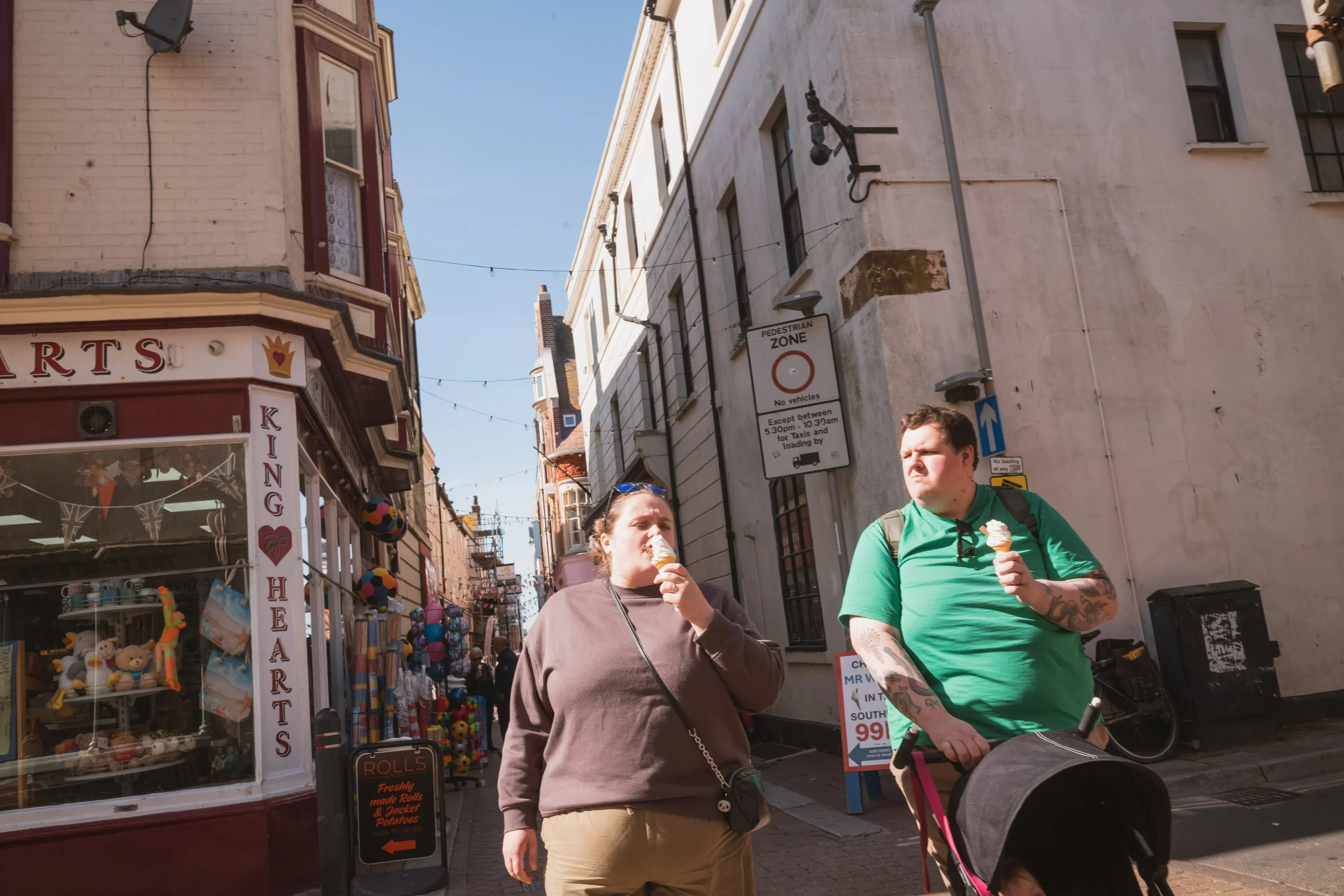
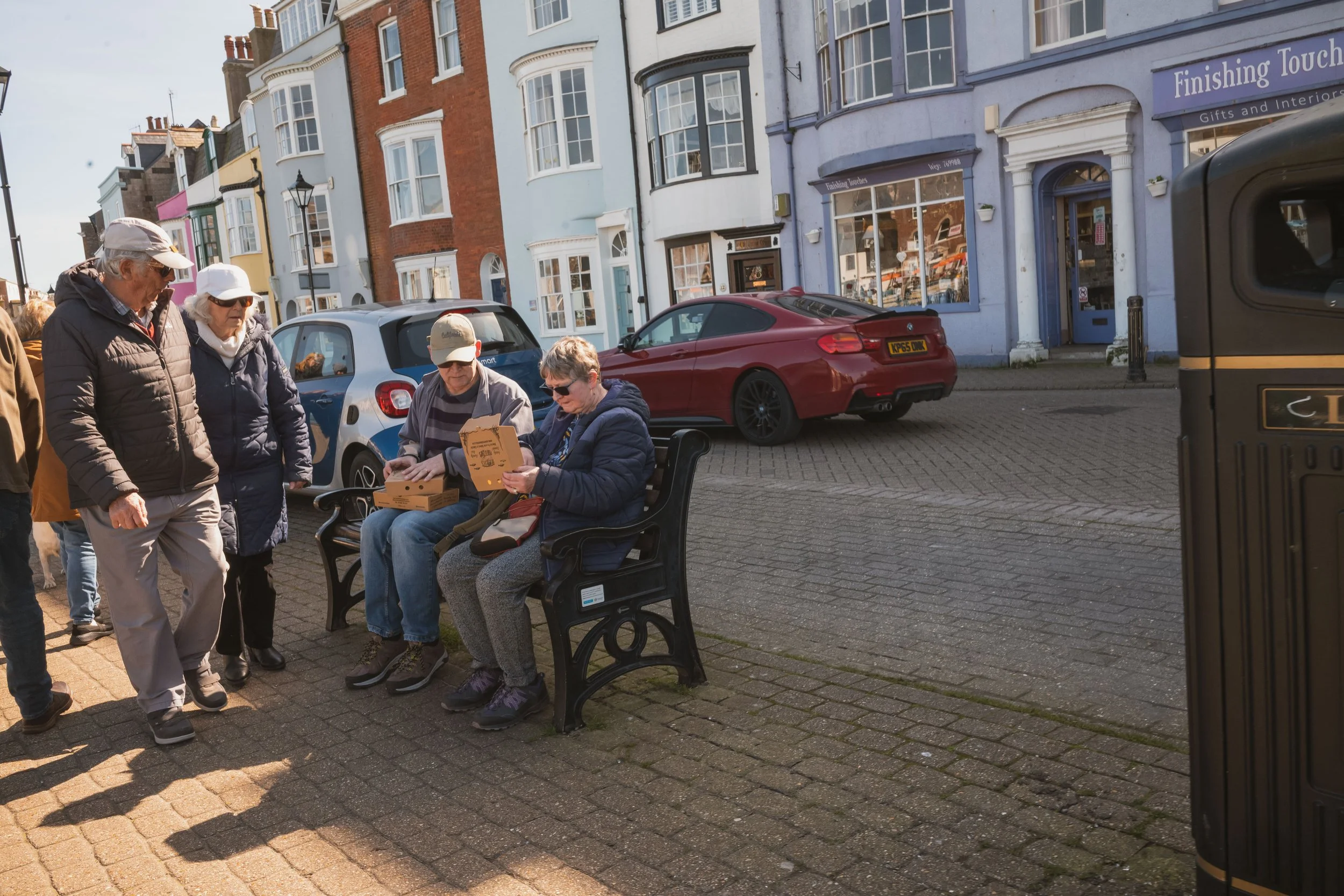
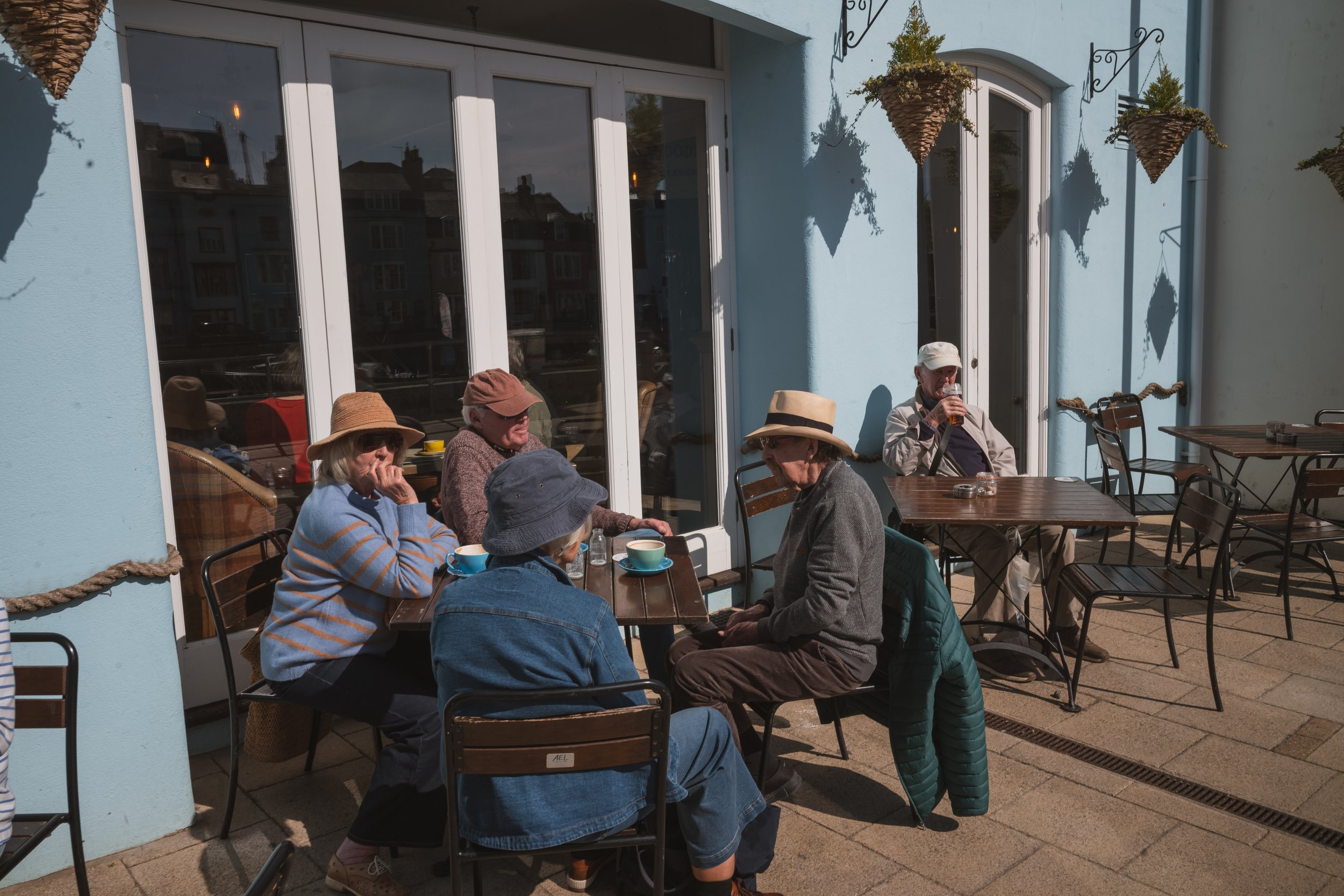
A group of retirees on a bench by the waterfront sharing a box of chips in the sun, the coloured townhouses of the old harbour stacked behind them. A cluster of people in hats at an outdoor café, coffee cups and conversation, nobody looking at a phone. Two people eating 99 ice creams down a pedestrian lane, the King of Hearts gift shop sign above them, a pushchair between them.
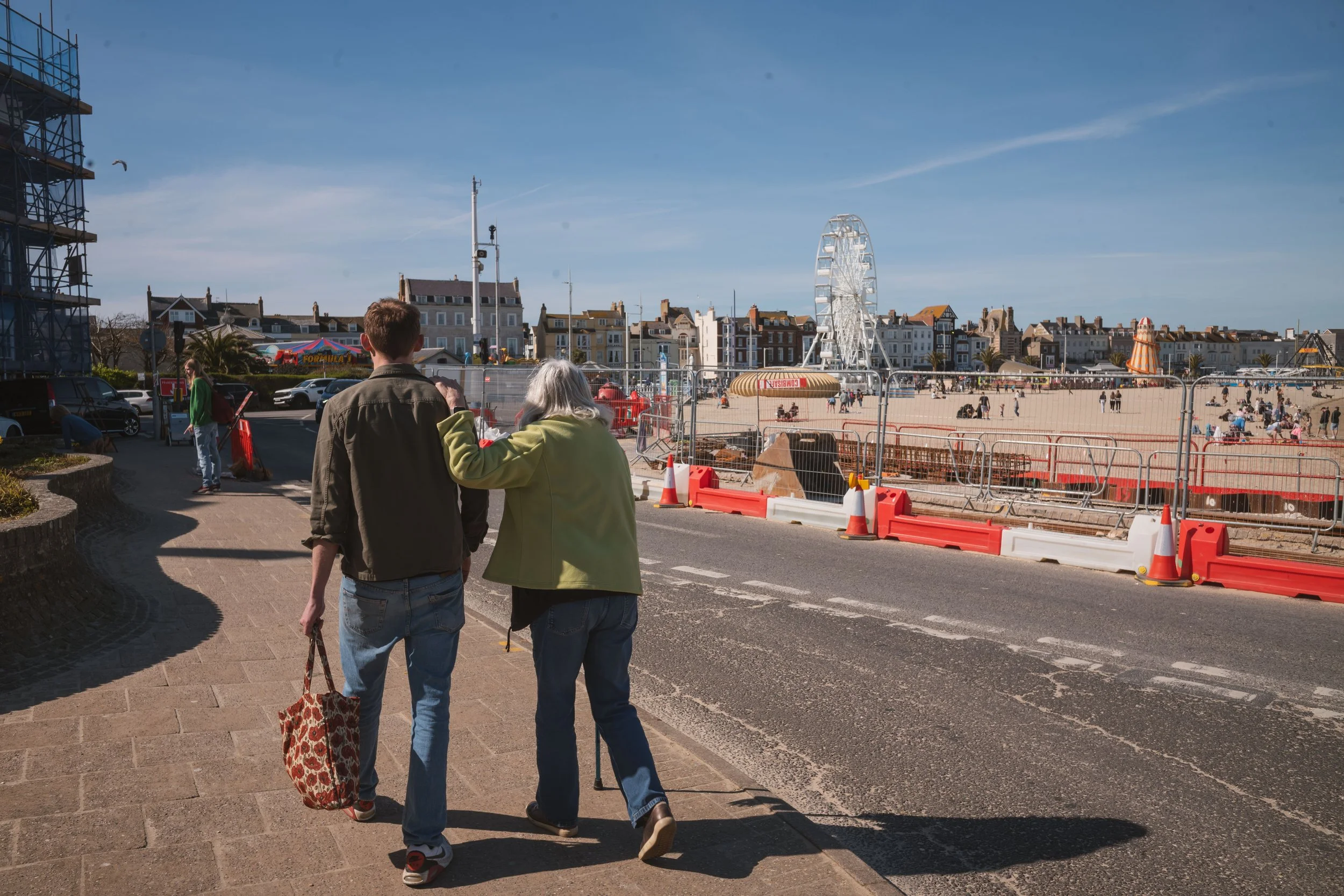
And then the closer. Walking back along the seafront toward the car, I saw a younger man and an older woman — son and mother, I think, though I don't know — walking arm in arm toward the beach. She had her hand through his elbow. He was carrying the bag. The Ferris wheel turned slowly in the distance. I raised the camera, got one frame, and kept walking.
"This is what Little England actually looks like when you put down the argument and just walk around with a camera."
I'm not sure whether places like Weymouth represent something to mourn or something to hold onto. Probably both — which is usually the honest answer. What I do know is that they're worth photographing carefully, without an agenda, while they still look like this.
The Leica M10 rendered the light beautifully all day — that particular quality of south coast light in early spring, where the sun is bright but thin, the shadows hard-edged, the colour palette running from Georgian cream to pub red to sea-blue. I shot everything at f/8, kept the ISO low, and let the camera do what it does.
More from this series to follow. I'll be returning to Weymouth, and to towns like it, throughout the year.
Barbican Brutal: Concrete Dreams in the Heart of the City
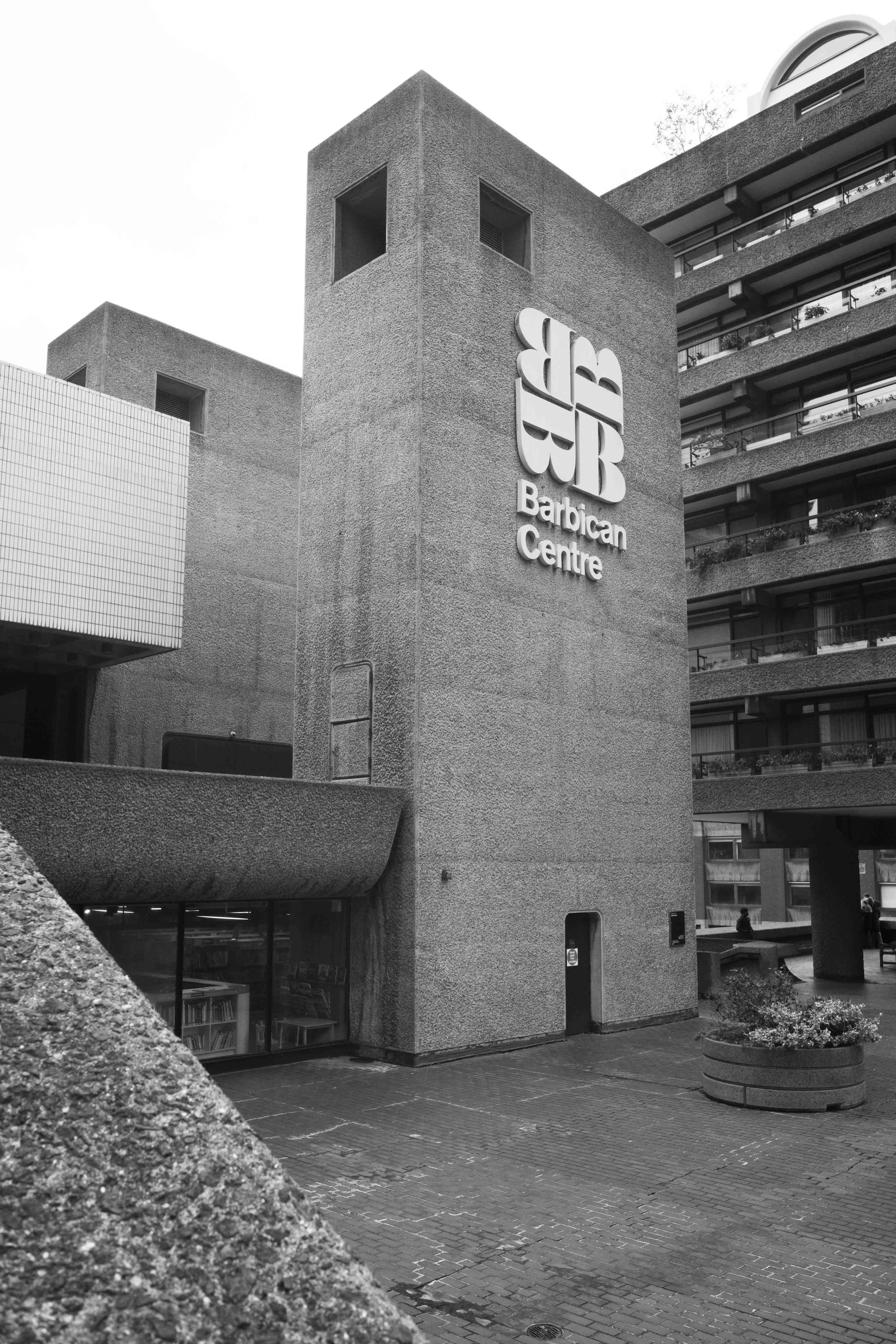
If my previous post on the soaring vertical drama of Trellick Tower and the sinuous, wave-like flow of the Alexandra & Ainsworth Estate captured West London's brutalist spirit, then this one takes us straight into the City for the sequel: the Barbican Estate.
If my previous post on the soaring vertical drama of Trellick Tower and the sinuous, wave-like flow of the Alexandra & Ainsworth Estate captured West London's brutalist spirit, then this one takes us straight into the City for the sequel: the Barbican Estate.
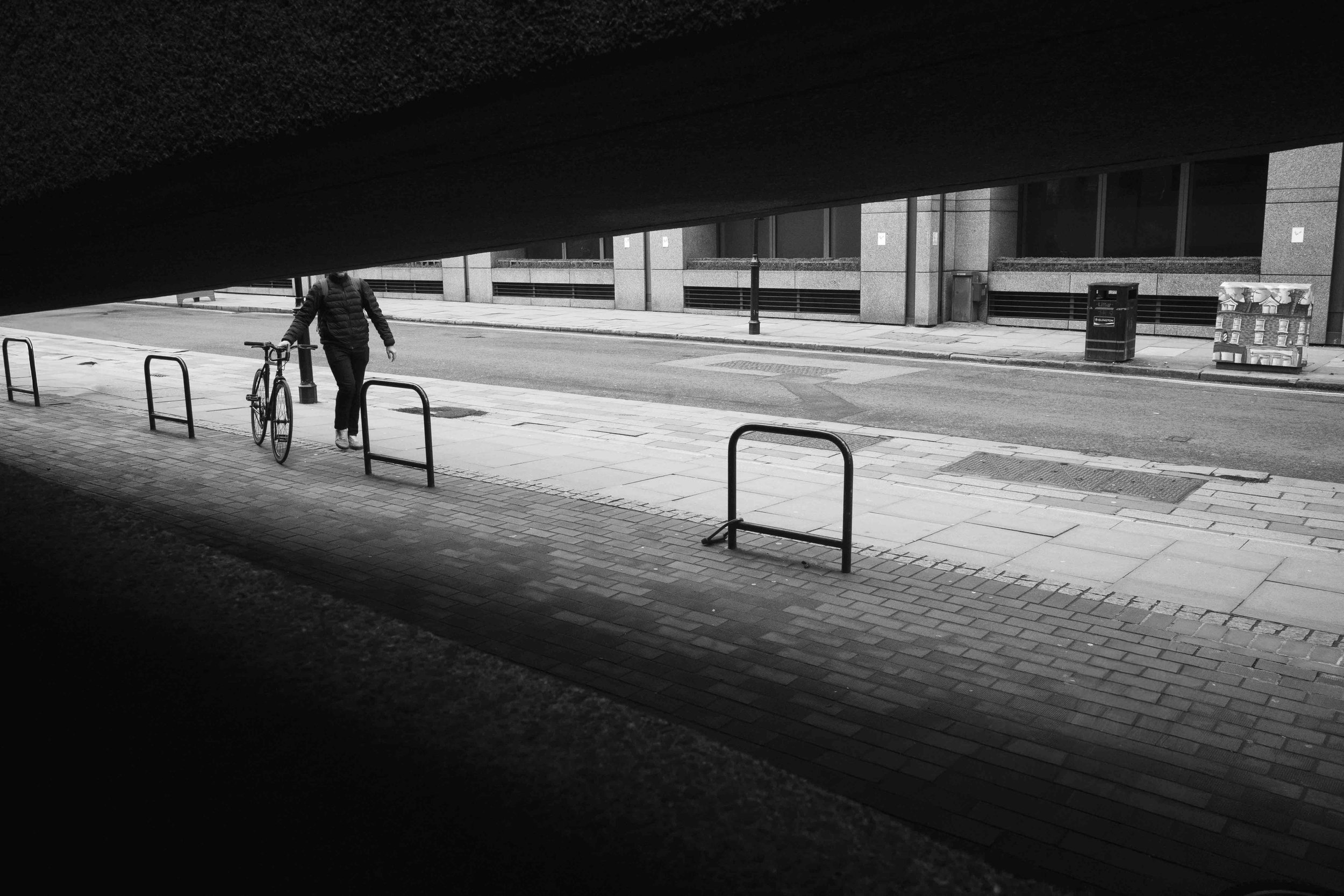
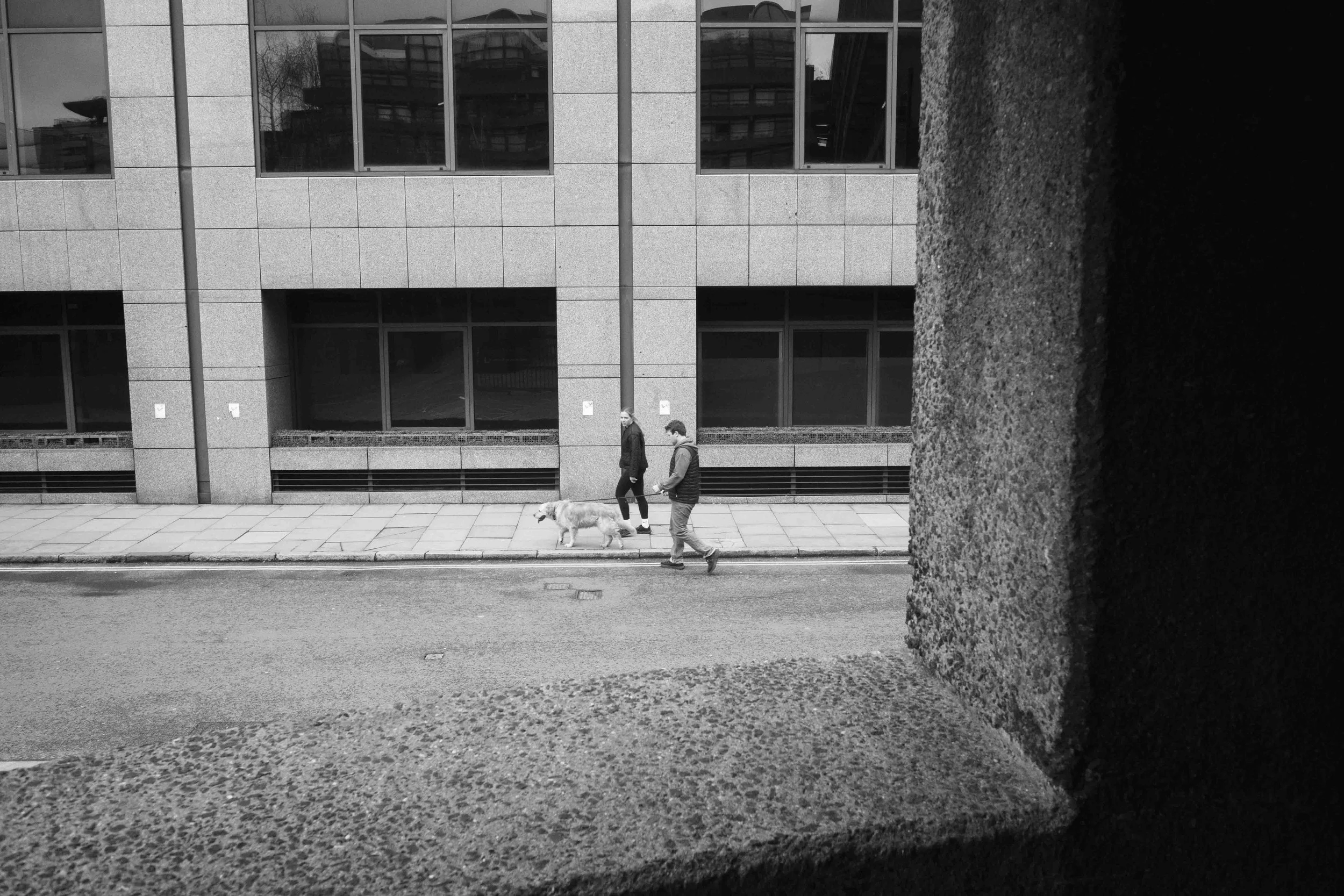
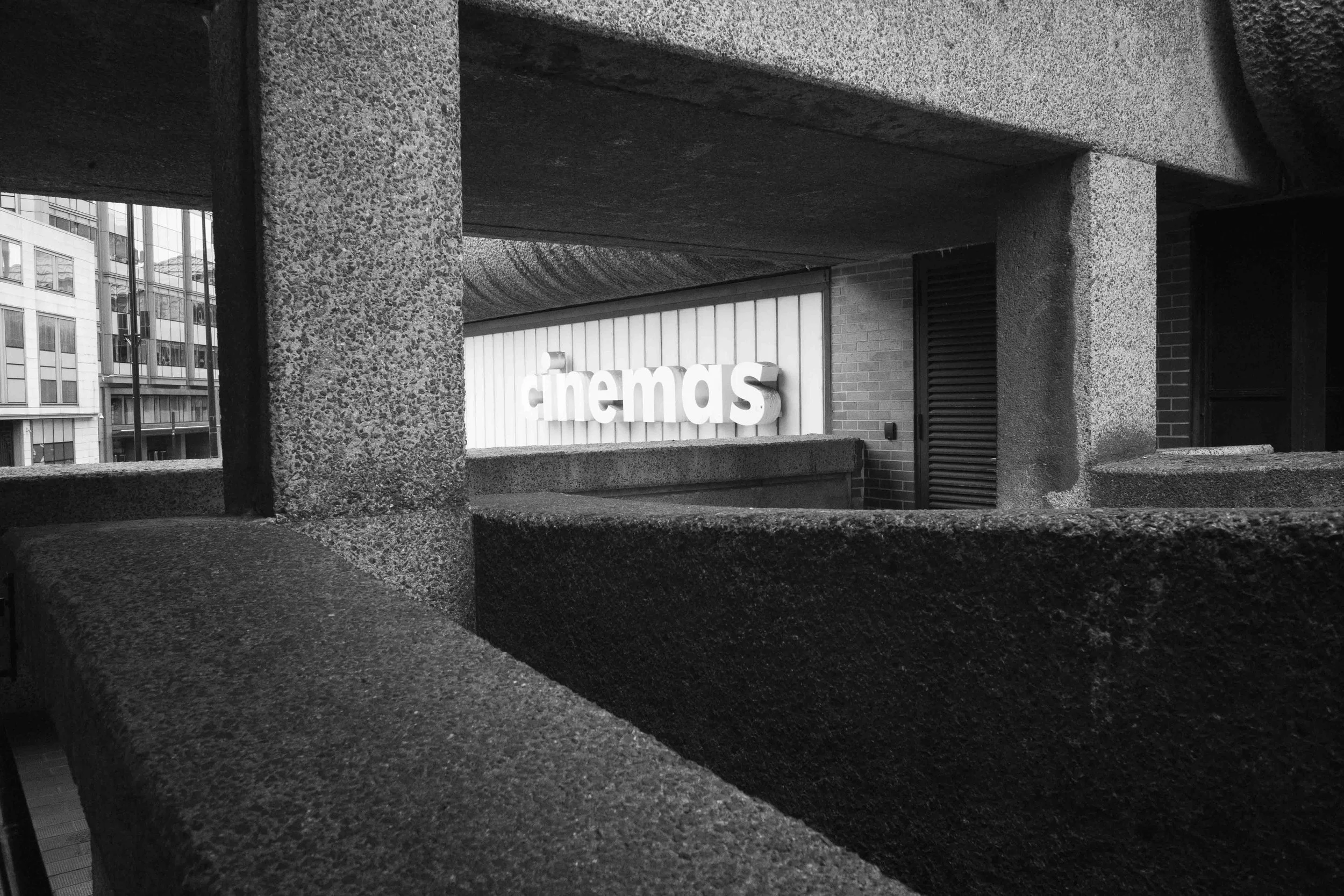
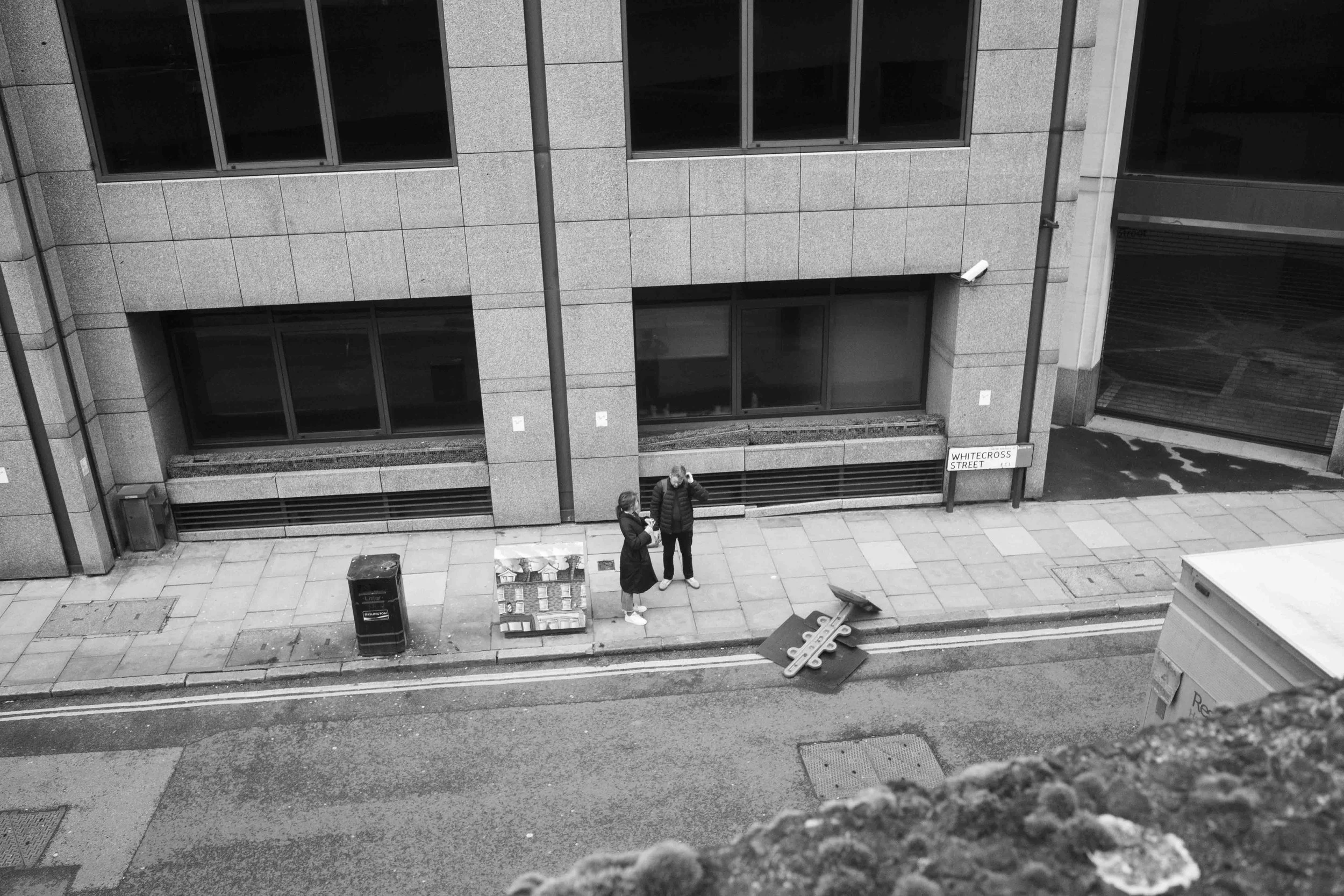
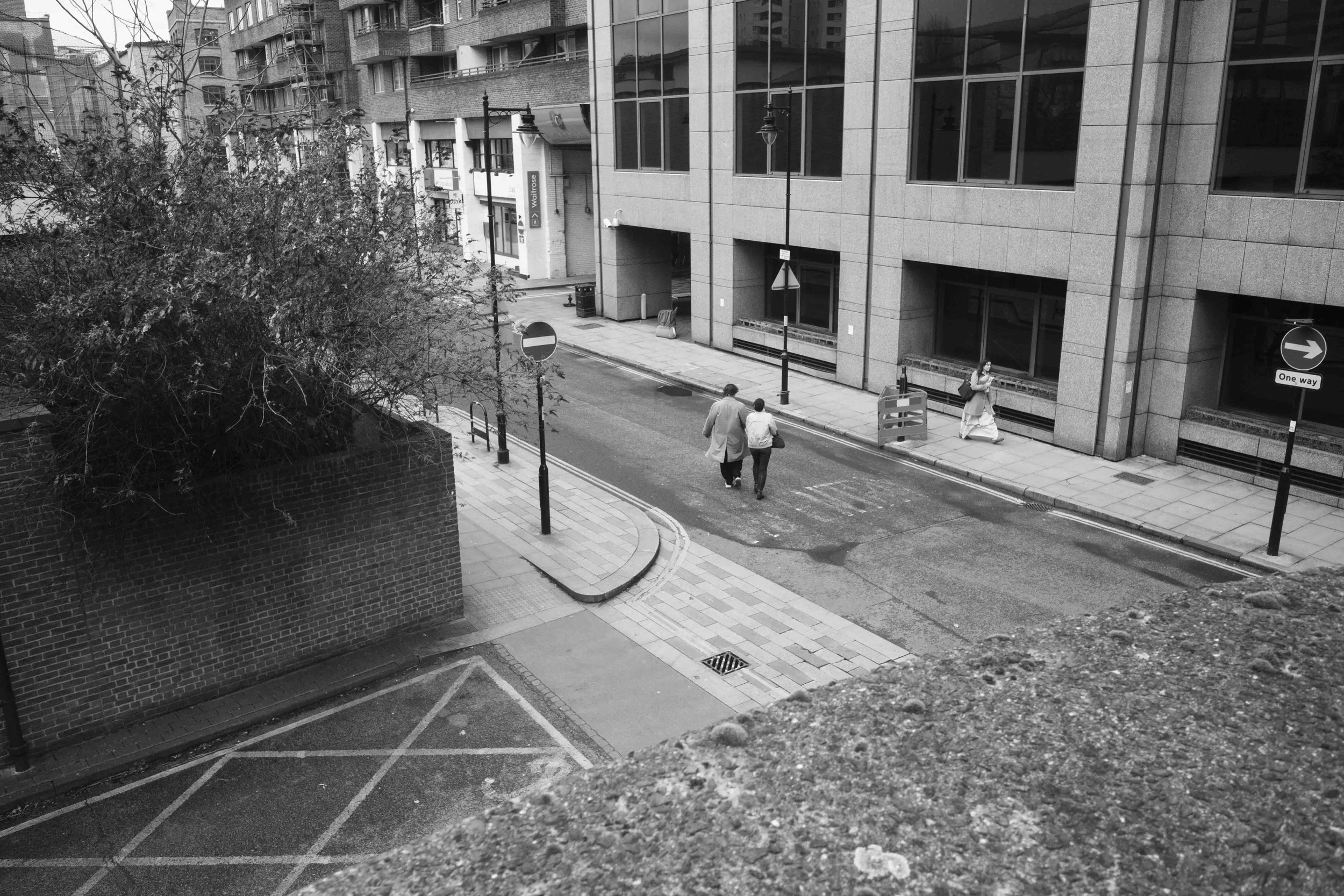
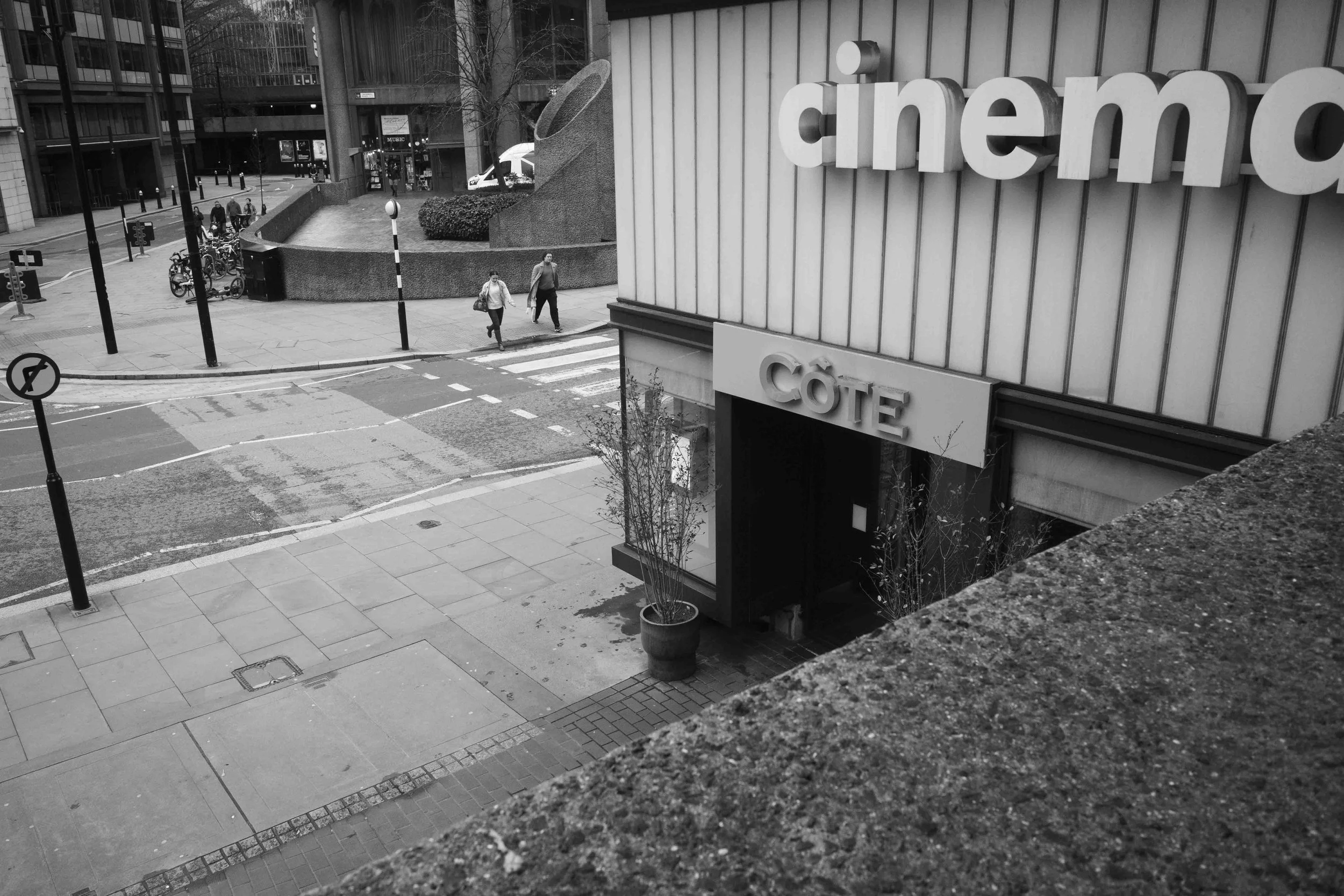
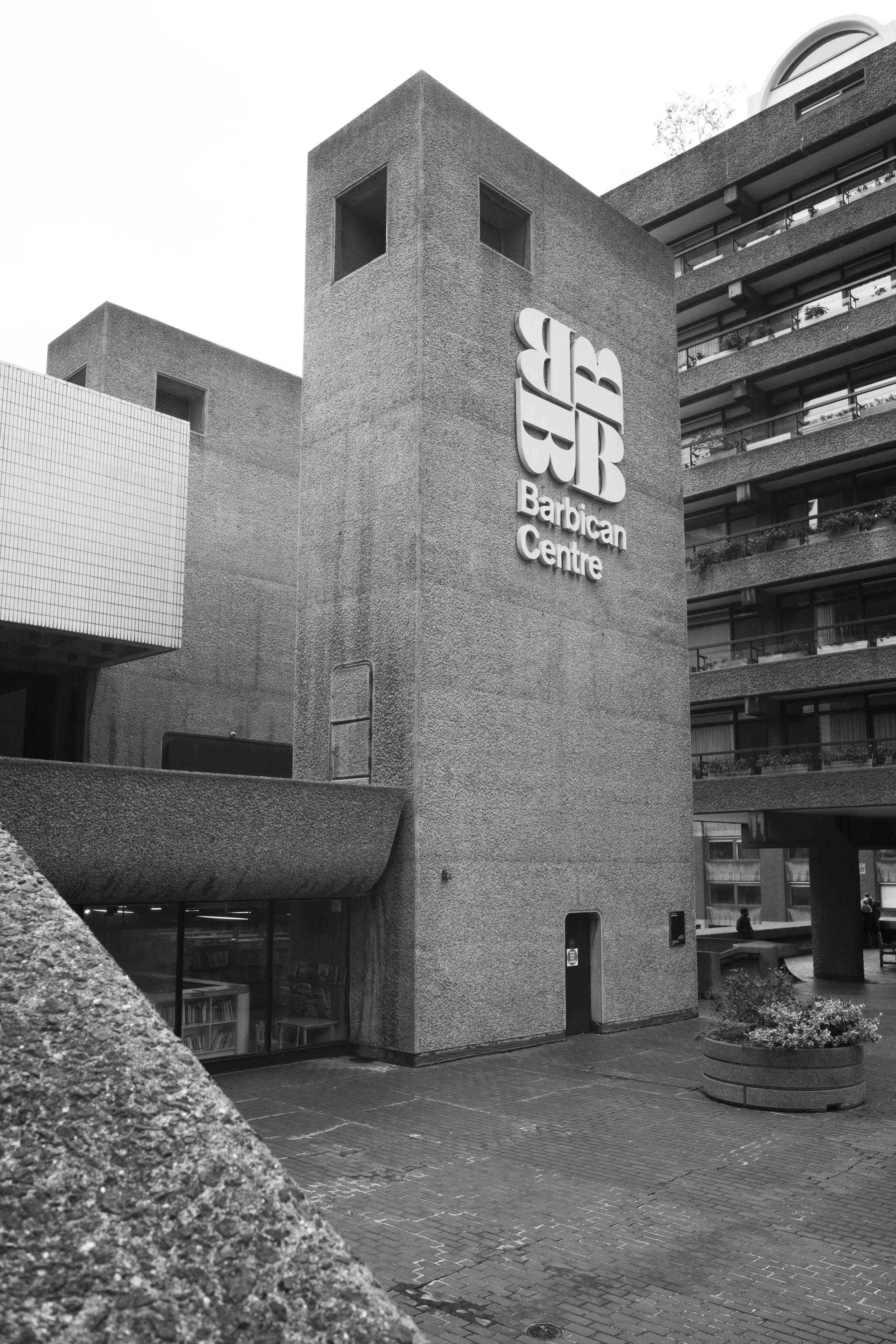
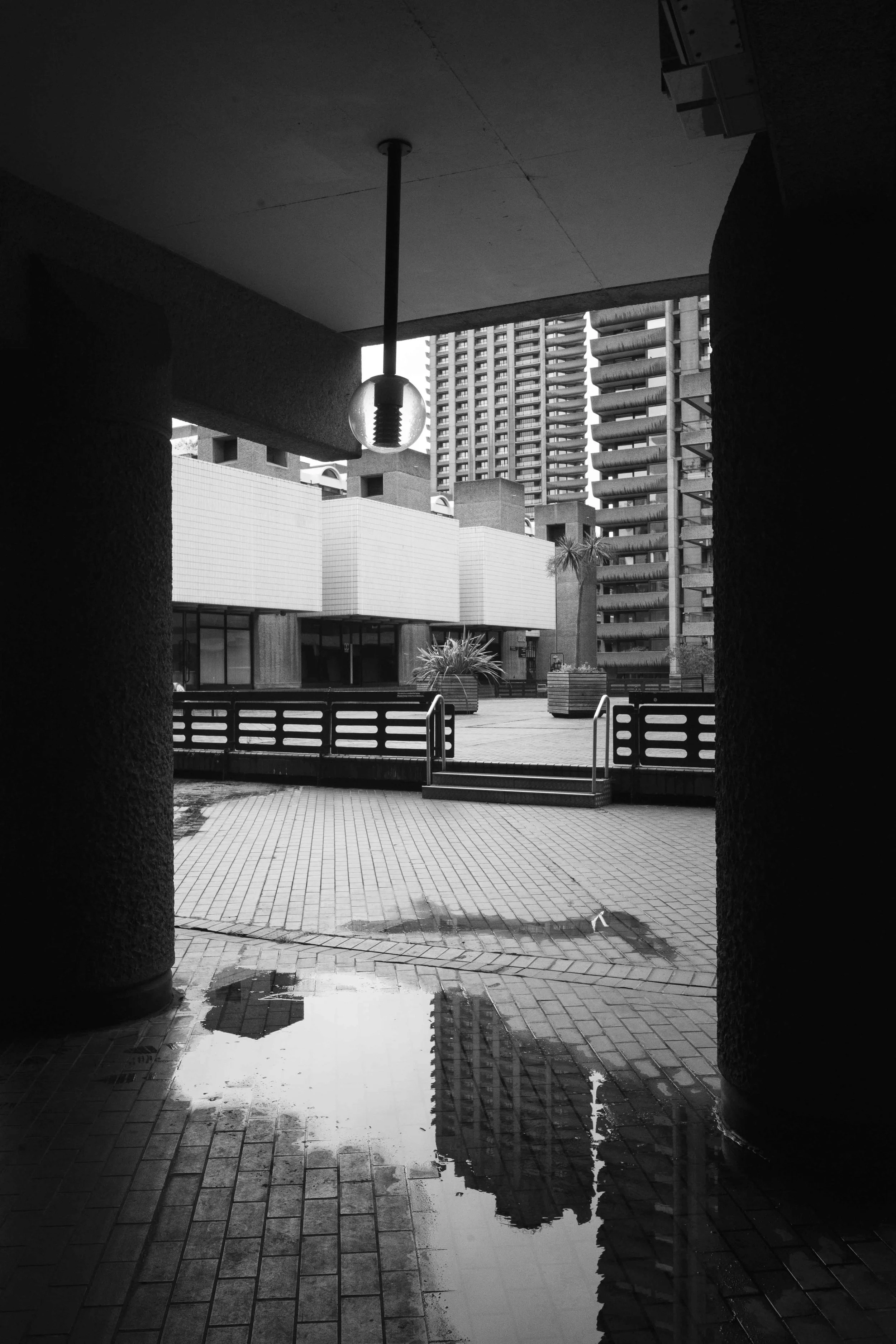
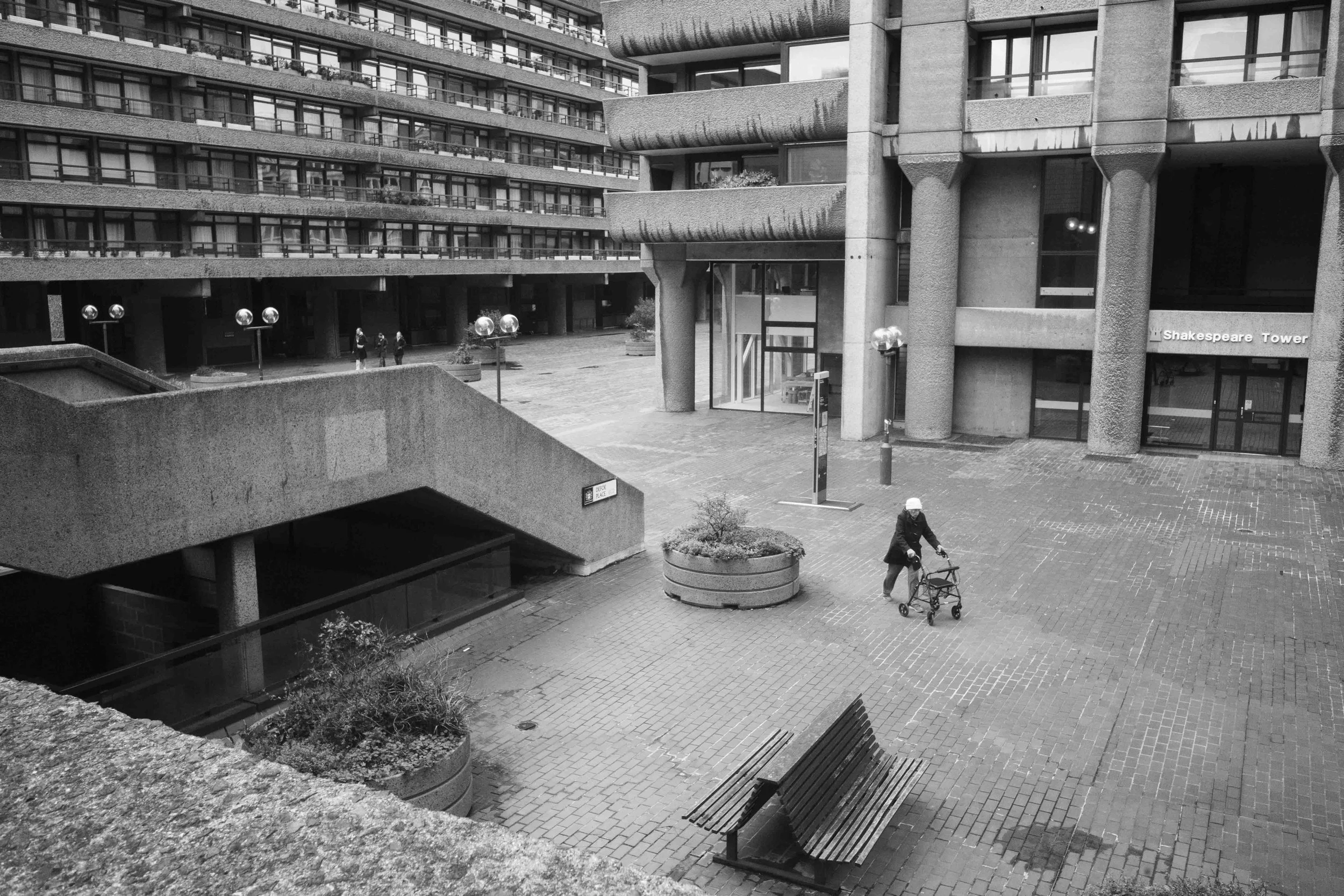
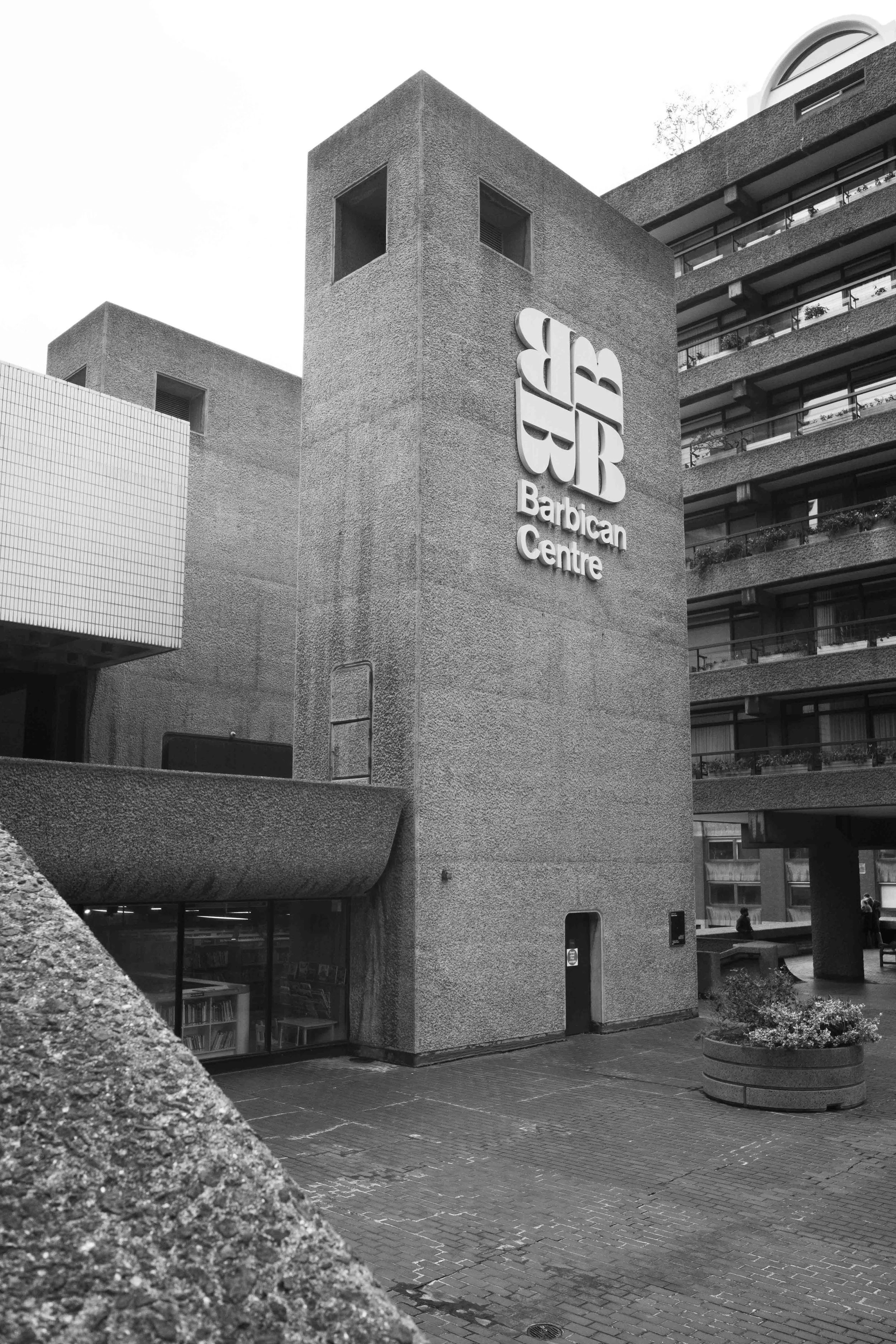
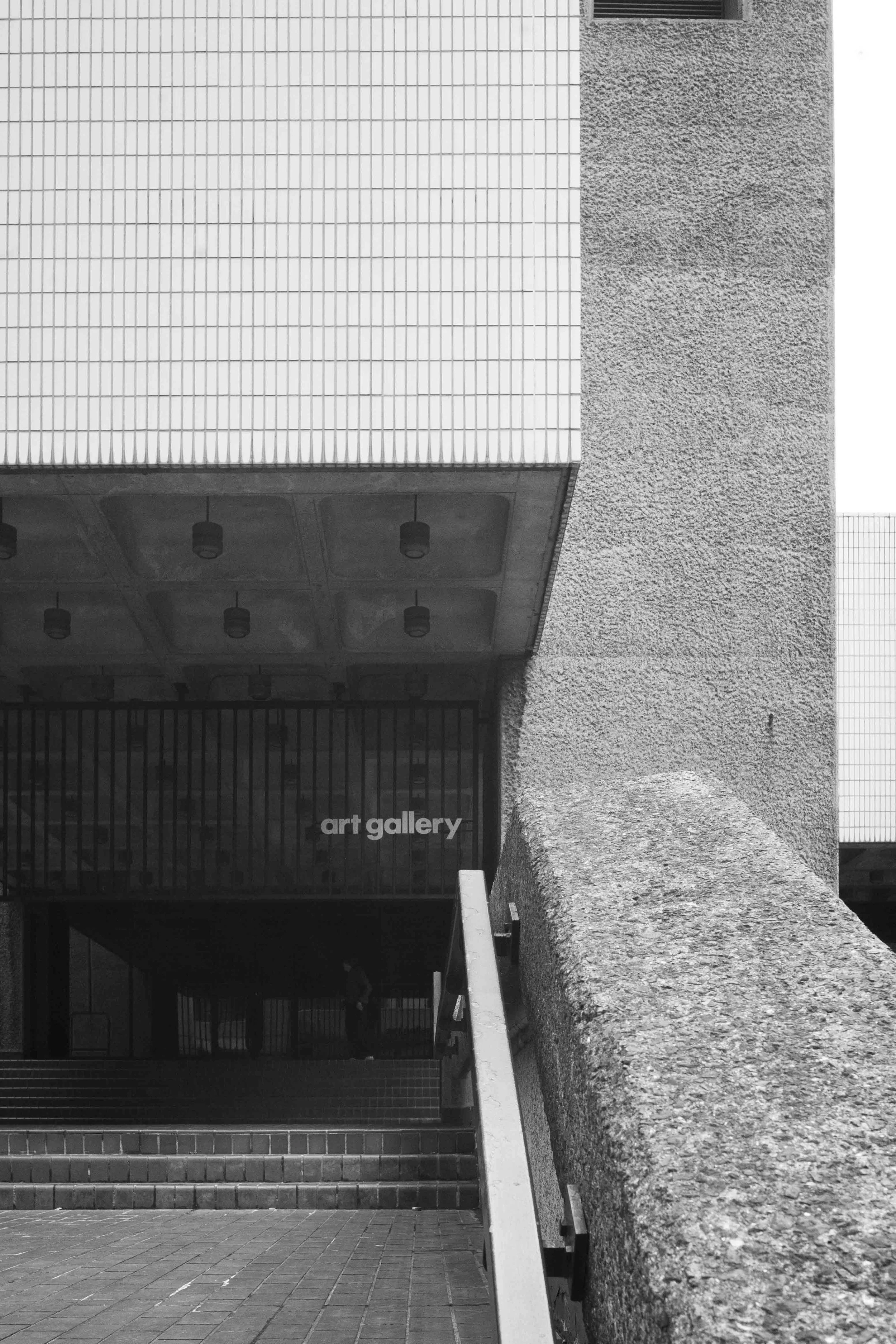
Few places embody London's post-war architectural ambition quite like the Barbican. Designed by Chamberlin, Powell and Bon and built between the mid-1960s and early 1980s on a 40-acre bomb-site flattened during the Blitz, this Grade II-listed complex isn't just a housing estate—it's a self-contained "city within a city." Three dramatic 40+ storey towers (Cromwell, Shakespeare, and Lauderdale), cascading low-rise terraces, elevated "streets in the sky" walkways, sunken lakes, private gardens, and the world-renowned Barbican Centre arts venue all fused into one monumental, multi-level labyrinth of bush-hammered concrete.
Brutalism here feels less austere and more utopian: raw béton brut textures meet thoughtful landscaping, sculptural forms, and a deliberate separation of pedestrians from traffic. It's divisive—some see fortress-like severity, others see bold optimism—but for street and architectural photography, it's endlessly compelling. The geometry is sharp, the scale immense, yet human moments (a dog walk, a laundry basket, a quiet bench) constantly soften the edges.
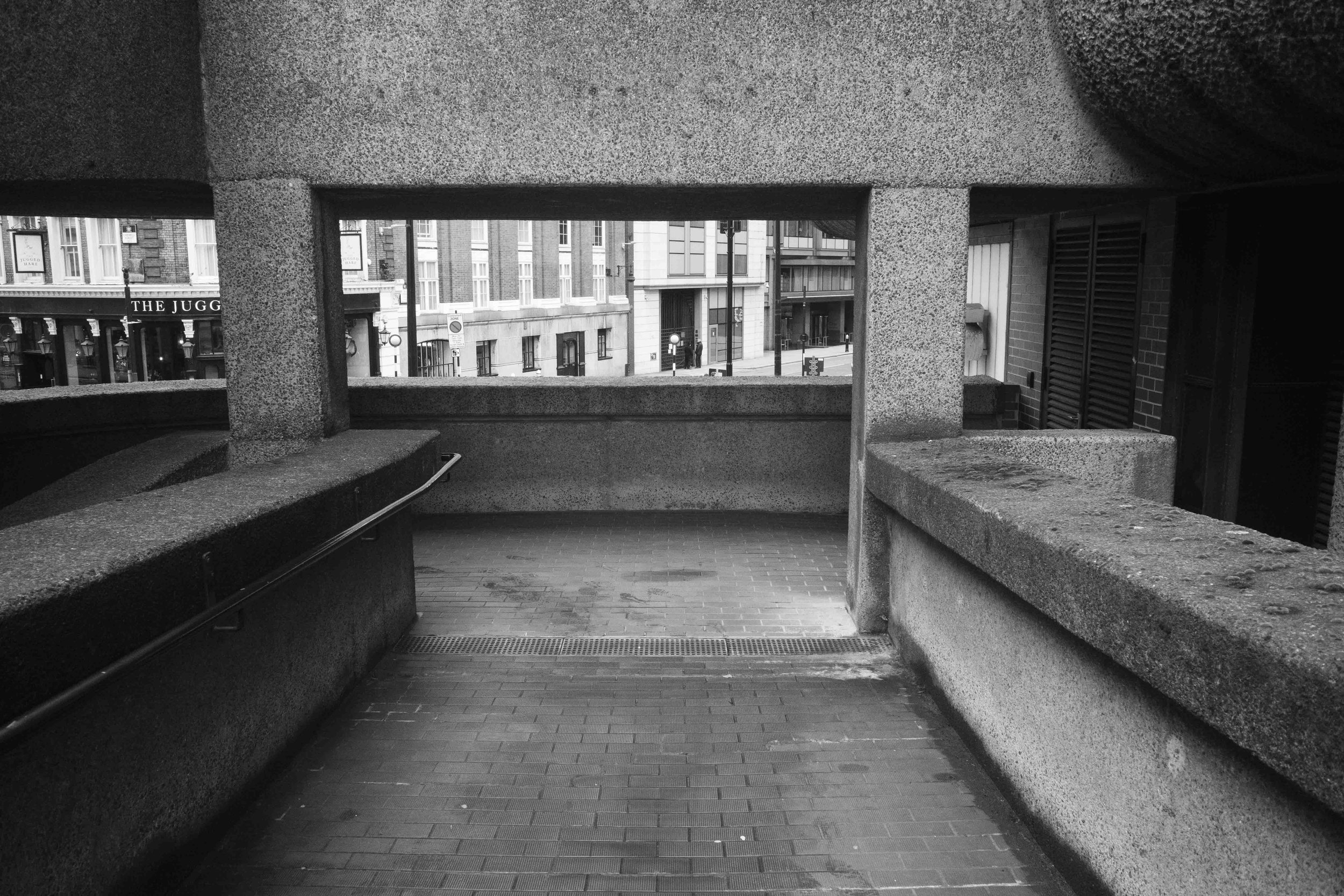
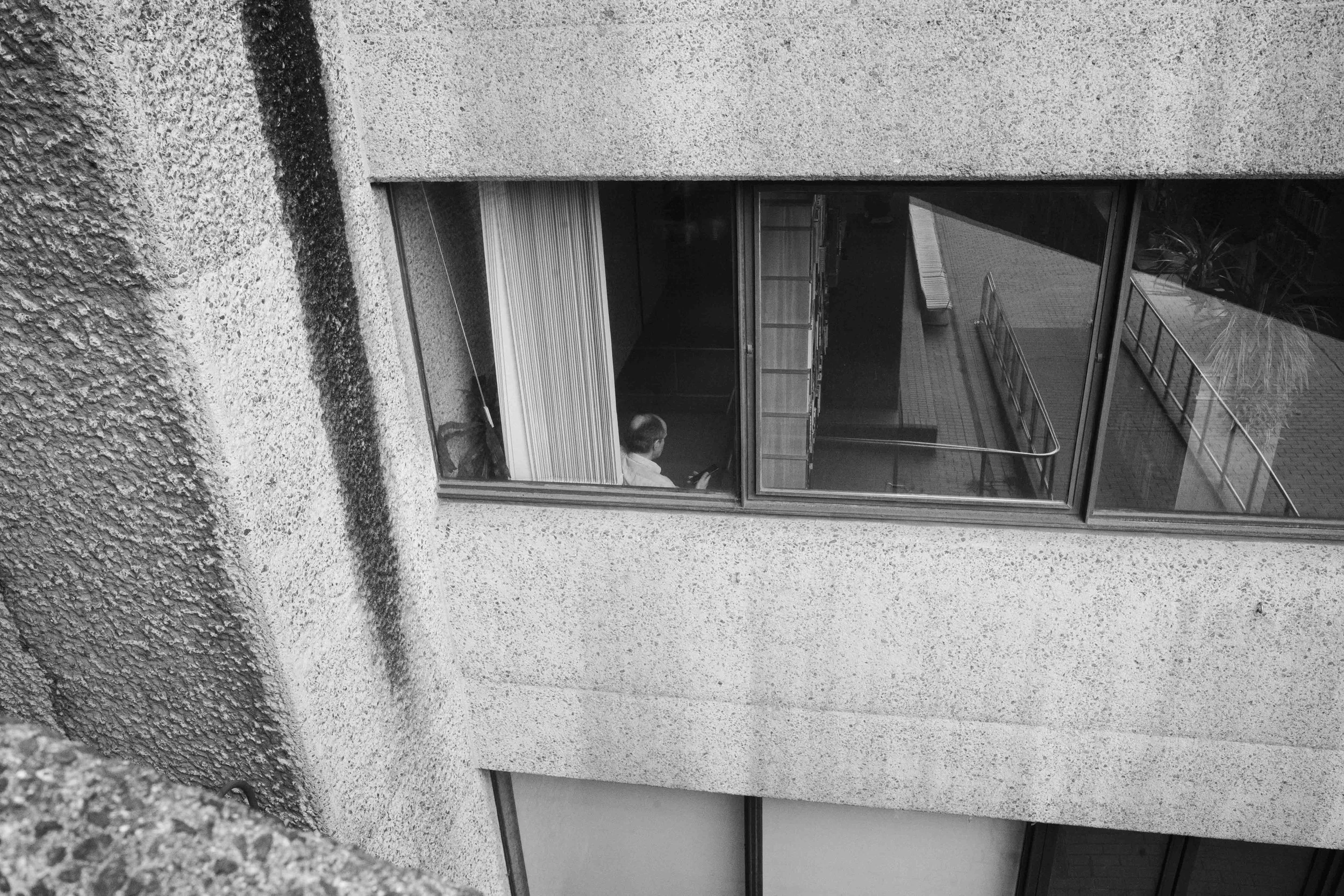
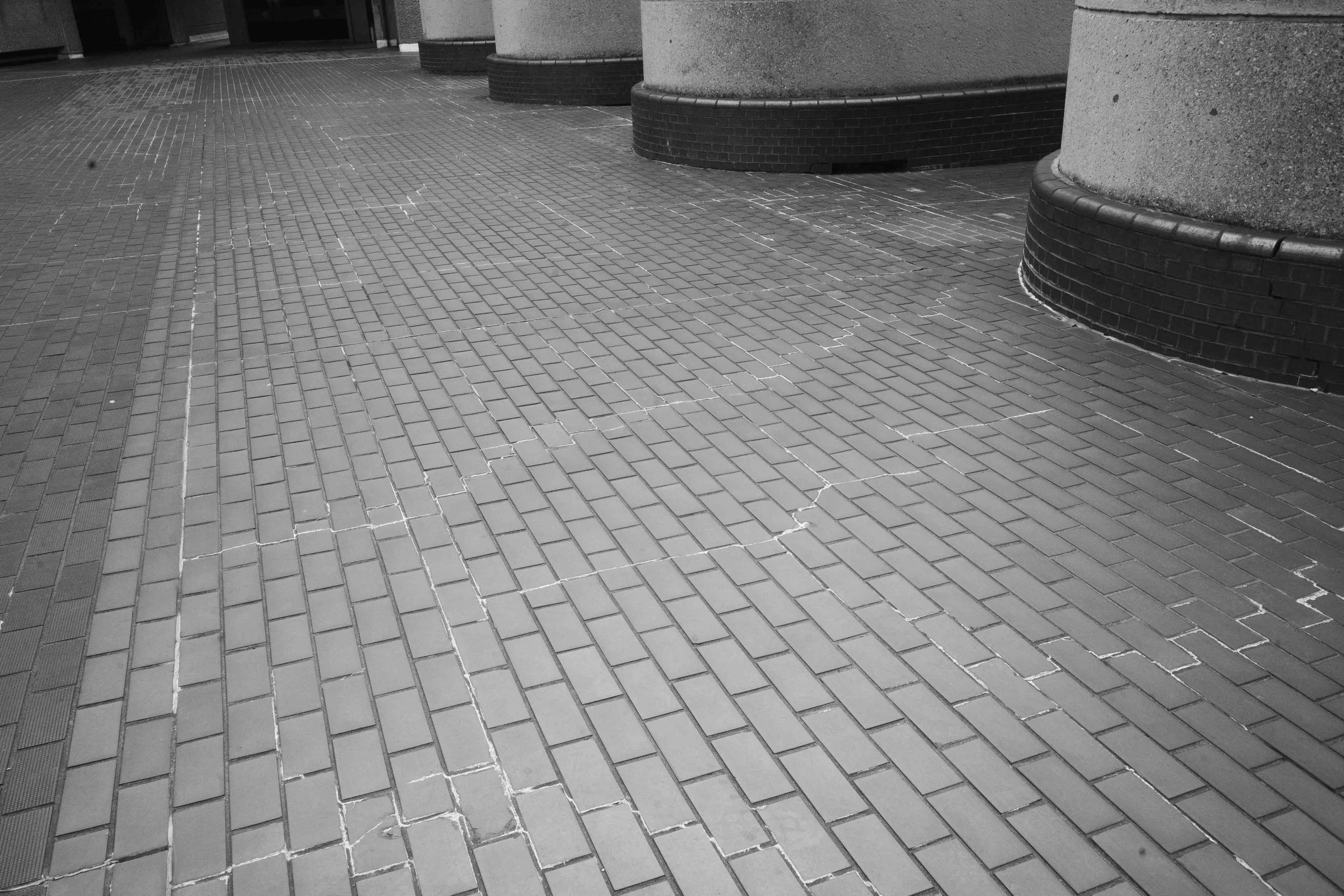
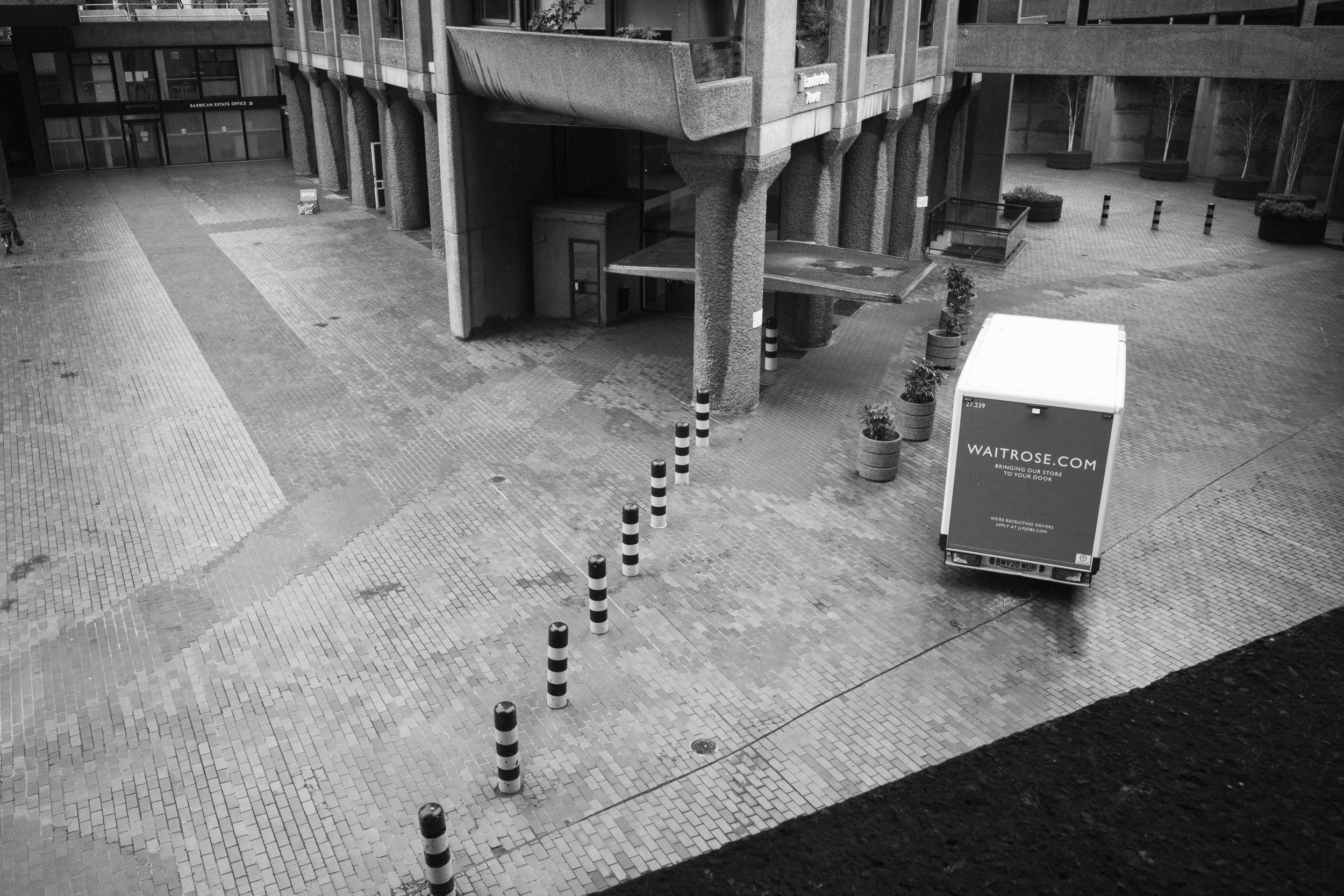
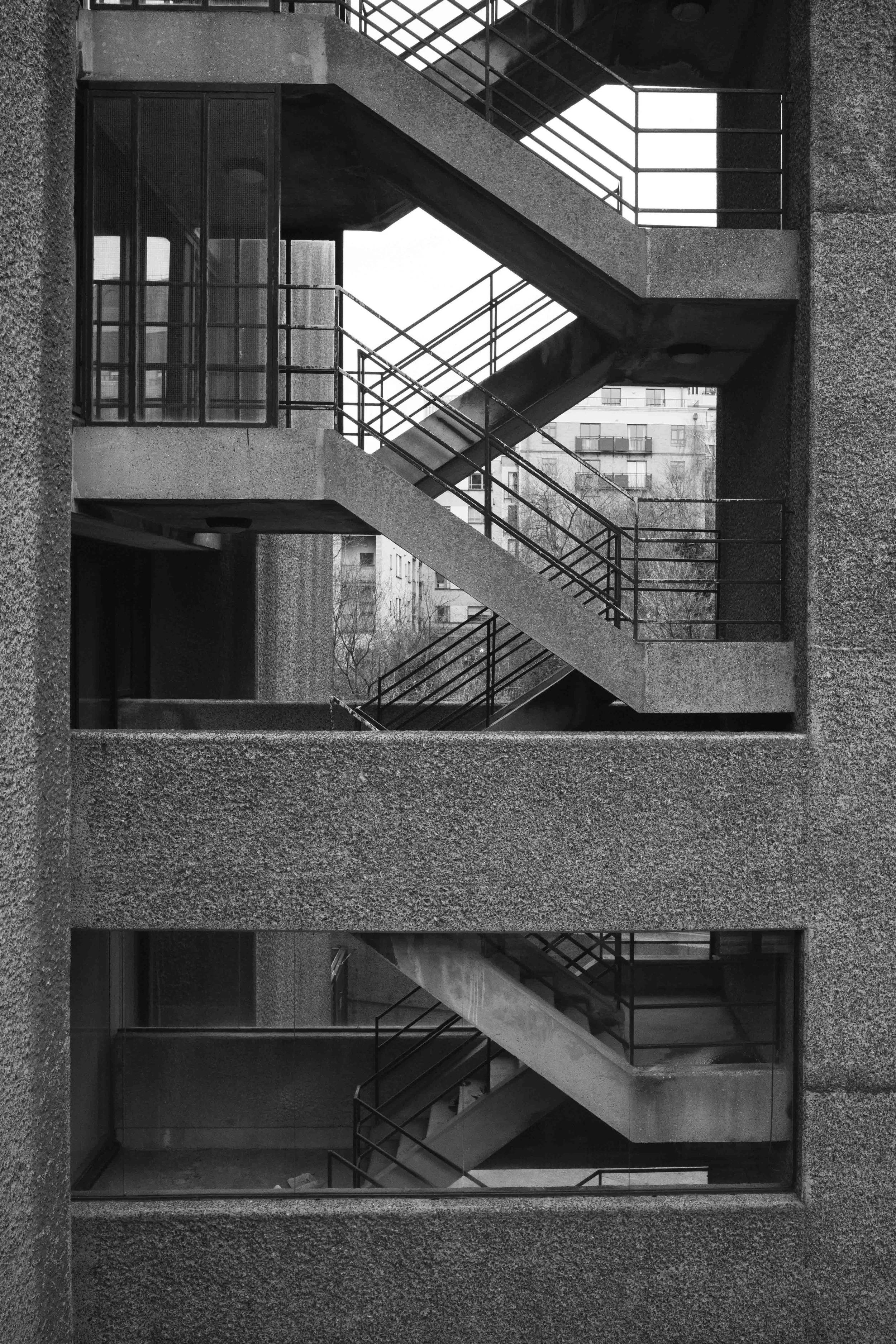
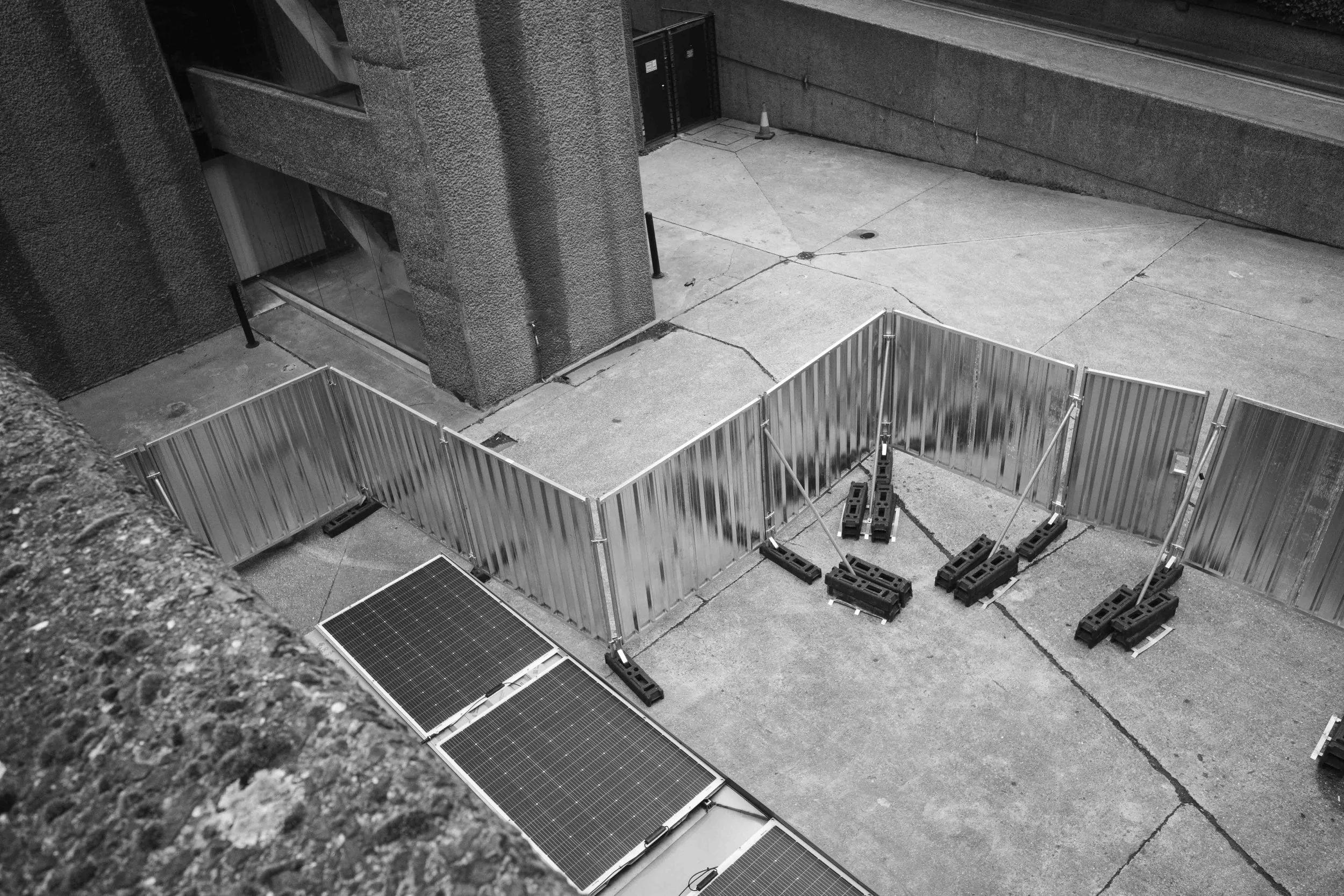
The Nerdy Bit: These black-and-white images, shot on a drizzly winter day, strip away colour distractions to emphasize form, texture, light, and shadow. The TTartisan 28mm F5.6 lens and my Leica M10. renders the concrete with incredible depth—every hammer mark, every puddle reflection pops. Processed lightly in Lightroom for contrast and grain, the series aims to let the architecture speak while highlighting how people inhabit it daily. This lens is magnificent, no horrible digital cliinical sharpness. for <£300.
The Barbican isn't just concrete—it's a bold experiment in high-density living that still feels radical. Love it or loathe it, photographing here is addictive. If Alexandra & Ainsworth was West London's poetic brutalism, the Barbican is the City's dense, layered epic.
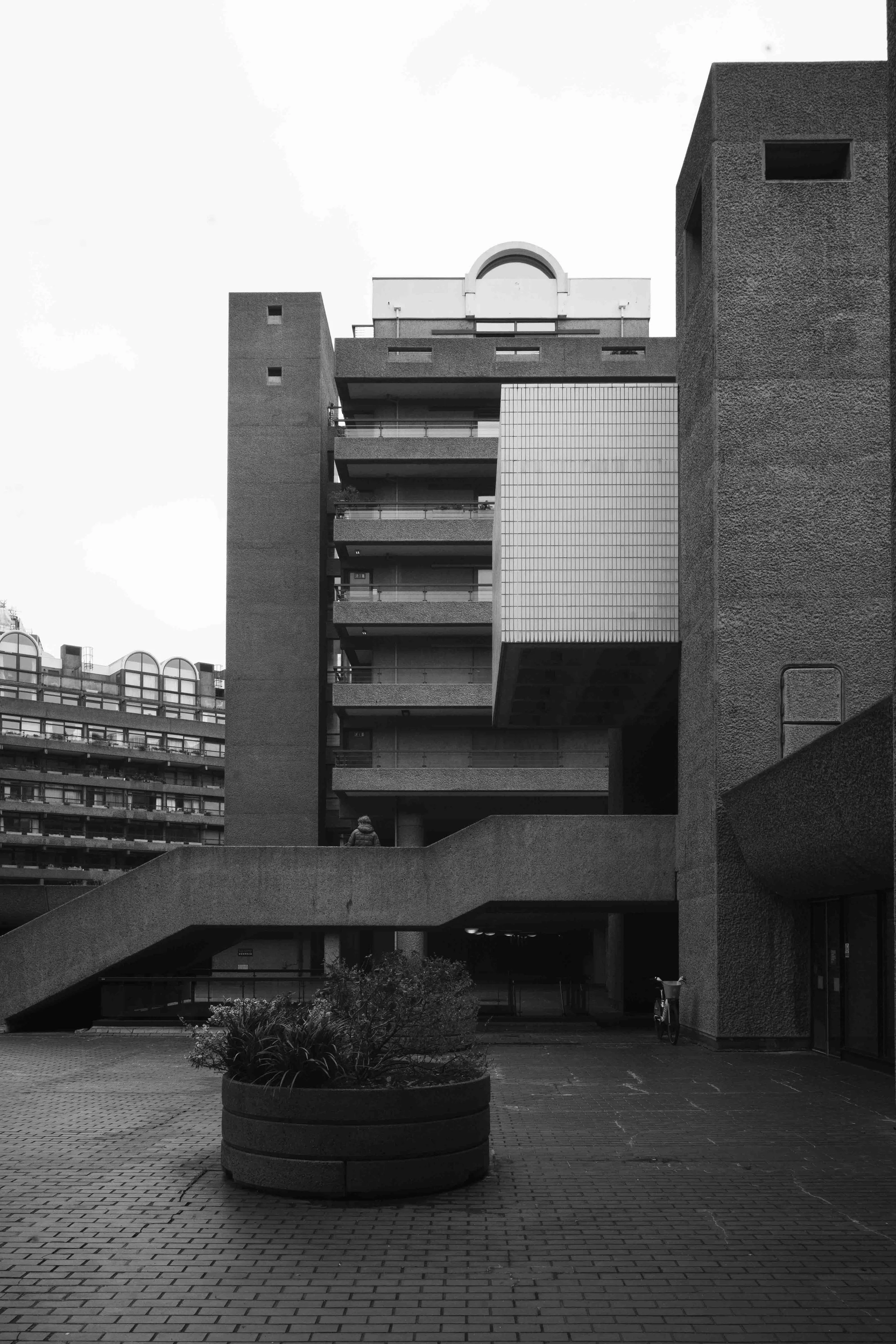
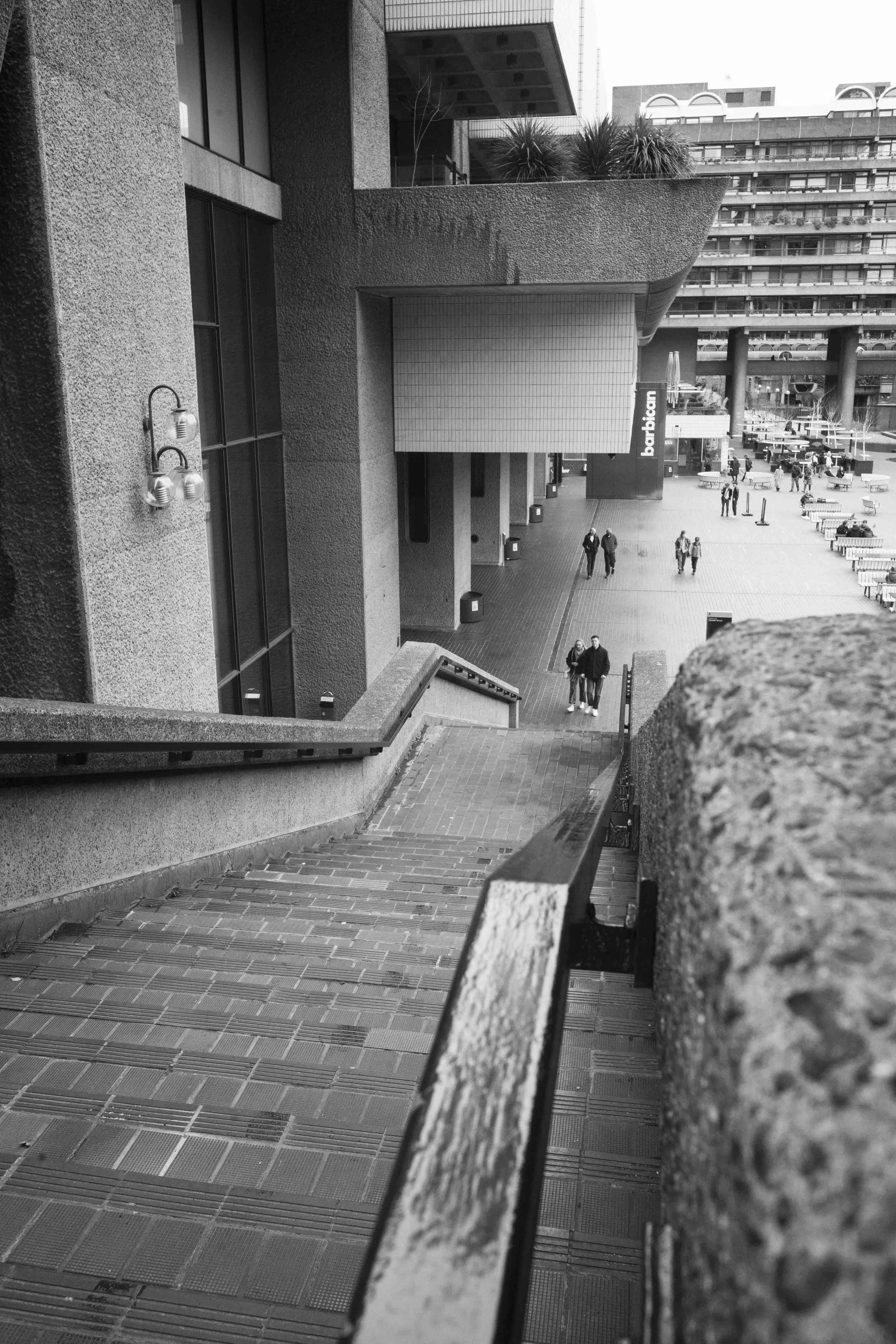
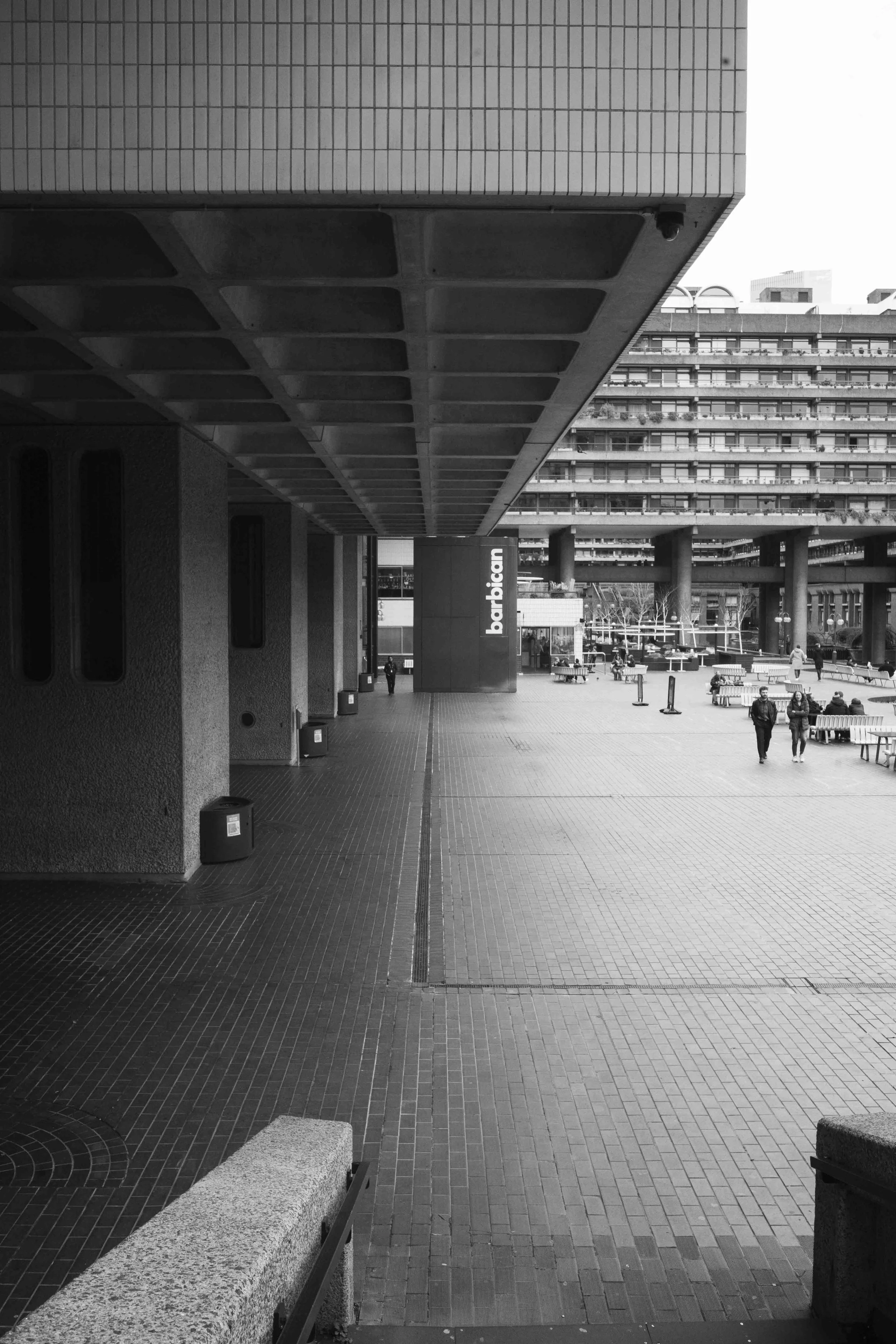
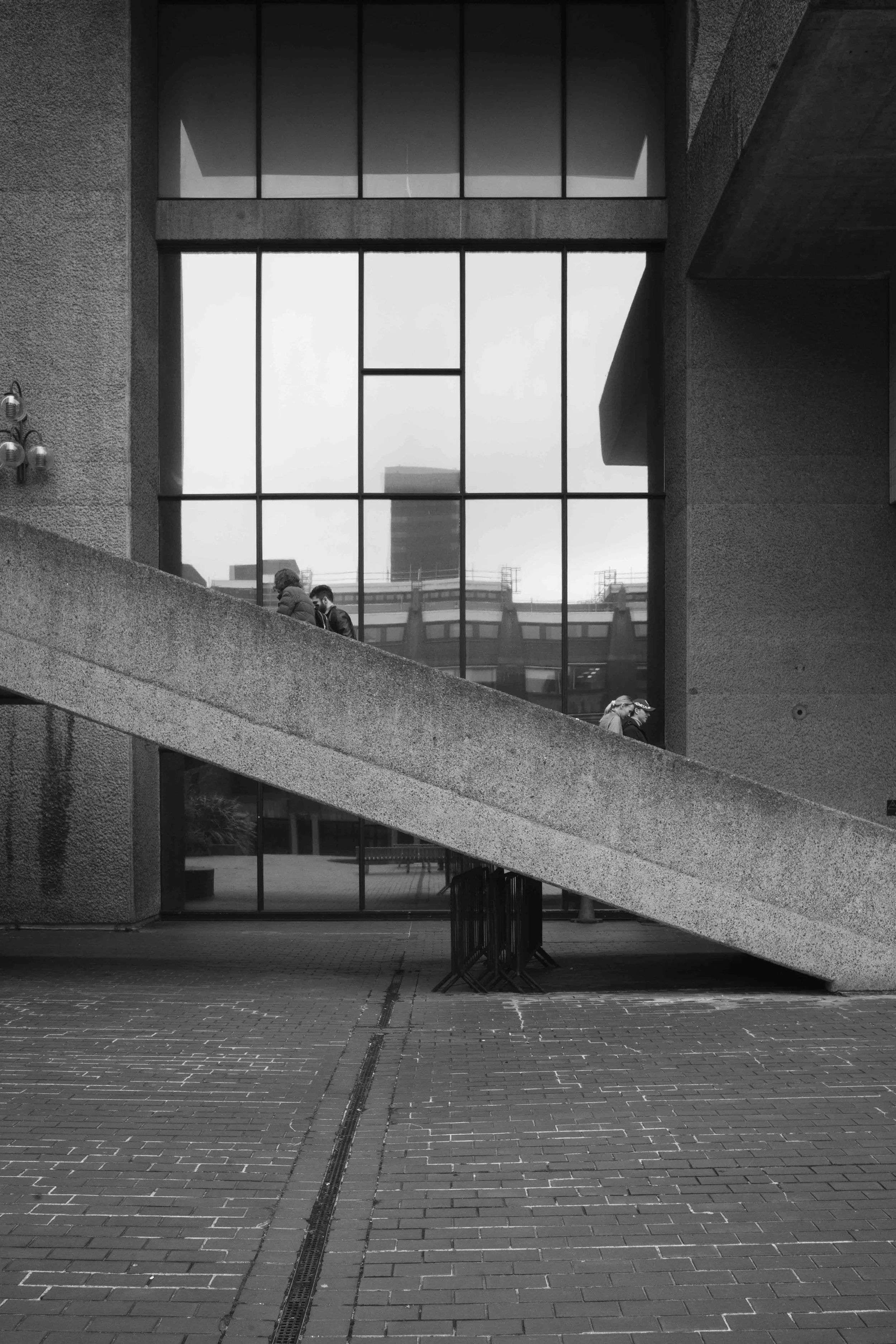
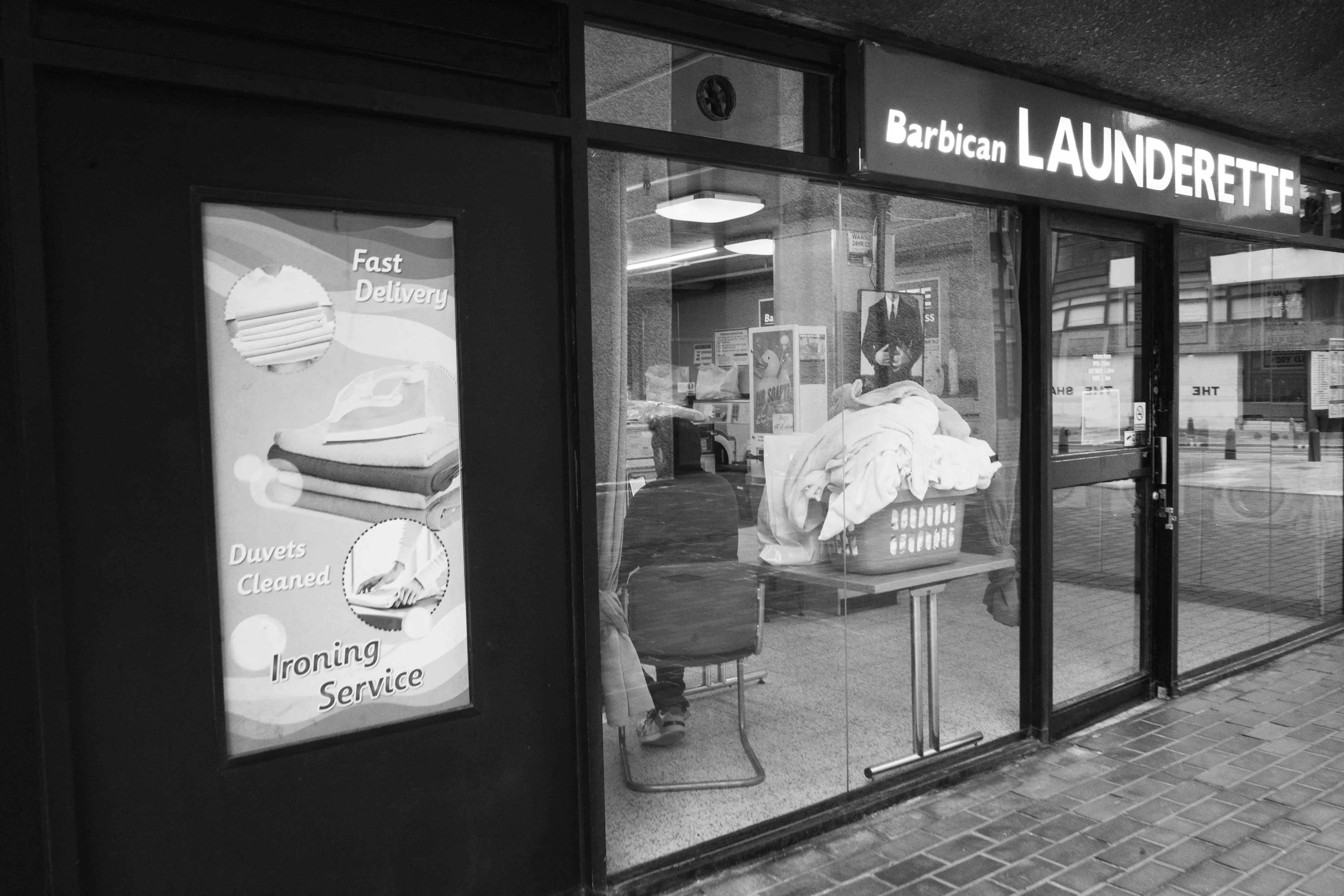
Thanks for reading. Drop a comment if you've wandered these walkways yourself—what's your favourite brutalist spot in London?

Camera Santa
Camera Santa was very kind to me this year, I was lucky to get a 28mm M mount lens for my Leica cameras.
The 28mm focal length is often called the "goldilocks" of street photography. It’s wide enough to capture the energy of a city street but tight enough to feel personal. Recently, I took my Leica M10 paired with the tiny TTArtisan 28mm f/5.6 for a spin through the heart of London to see how this modern "tribute" lens handles the grit and glamour of the capital.

Camera Santa was very kind to me this year, I was lucky to get a 28mm M mount lens for my Leica cameras.
The 28mm focal length is often called the "goldilocks" of street photography. It’s wide enough to capture the energy of a city street but tight enough to feel personal. Recently, I took my Leica M10 paired with the tiny TTArtisan 28mm f/5.6 for a spin through the heart of London to see how this modern "tribute" lens handles the grit and glamour of the capital.
I’ll be honest: 28mm is my absolute favorite focal length. I have loved this aspect since I bought the Ricoh GRII (second hand) a couple of years ago. Its also generally the focal length of smartphones, which was origins of my interest in street photography (whilst on my commute into the office, back in the day). Whilst I really enjoy both the 35mm and 50mm, there is a specific immersion you get with a 28mm that makes the viewer feel like they are standing right next to you on the pavement.
Standing on the Shoulders of Giants
Before diving into the photos, it’s worth noting that the 28mm has a legendary pedigree. Some of the most influential street photographers in history chose this perspective to document the world:
Garry Winogrand: The master of the 28mm. He used its wide field of view to pack his frames with "organized chaos," often tilting the camera to create a sense of frantic energy.
William Klein: Known for his raw, "in-your-face" style, Klein loved the 28mm because it forced him to get physically close to his subjects, creating a sense of intimacy that a longer lens just can't replicate.
Daido Moriyama: For his gritty, high-contrast snapshots of Tokyo, Moriyama famously utilized the fixed 28mm lens of the Ricoh GR series to capture the "are-bure-boke" (rough, blurred, and out-of-focus) aesthetic.
The Walk: From Embankment to the West End
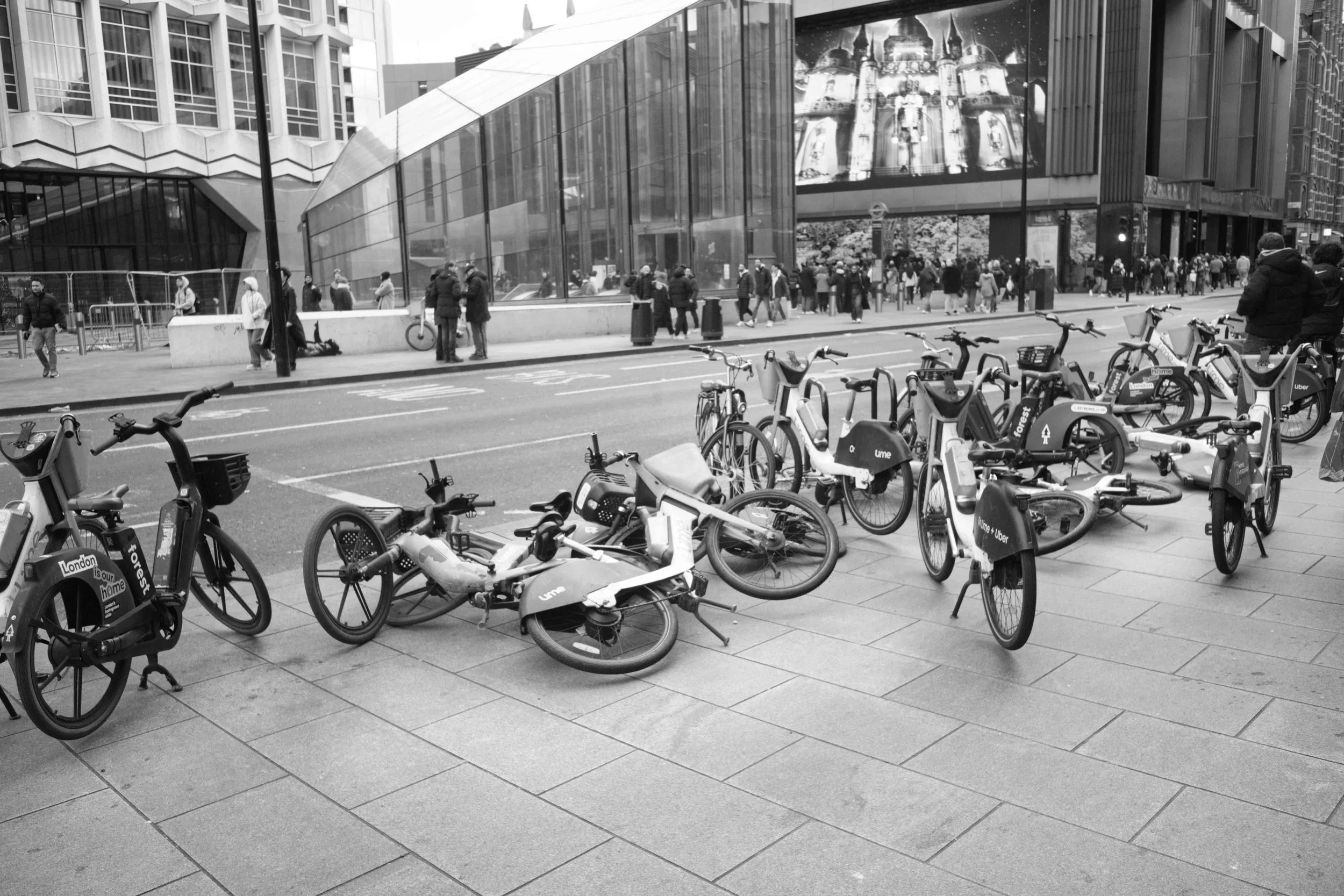
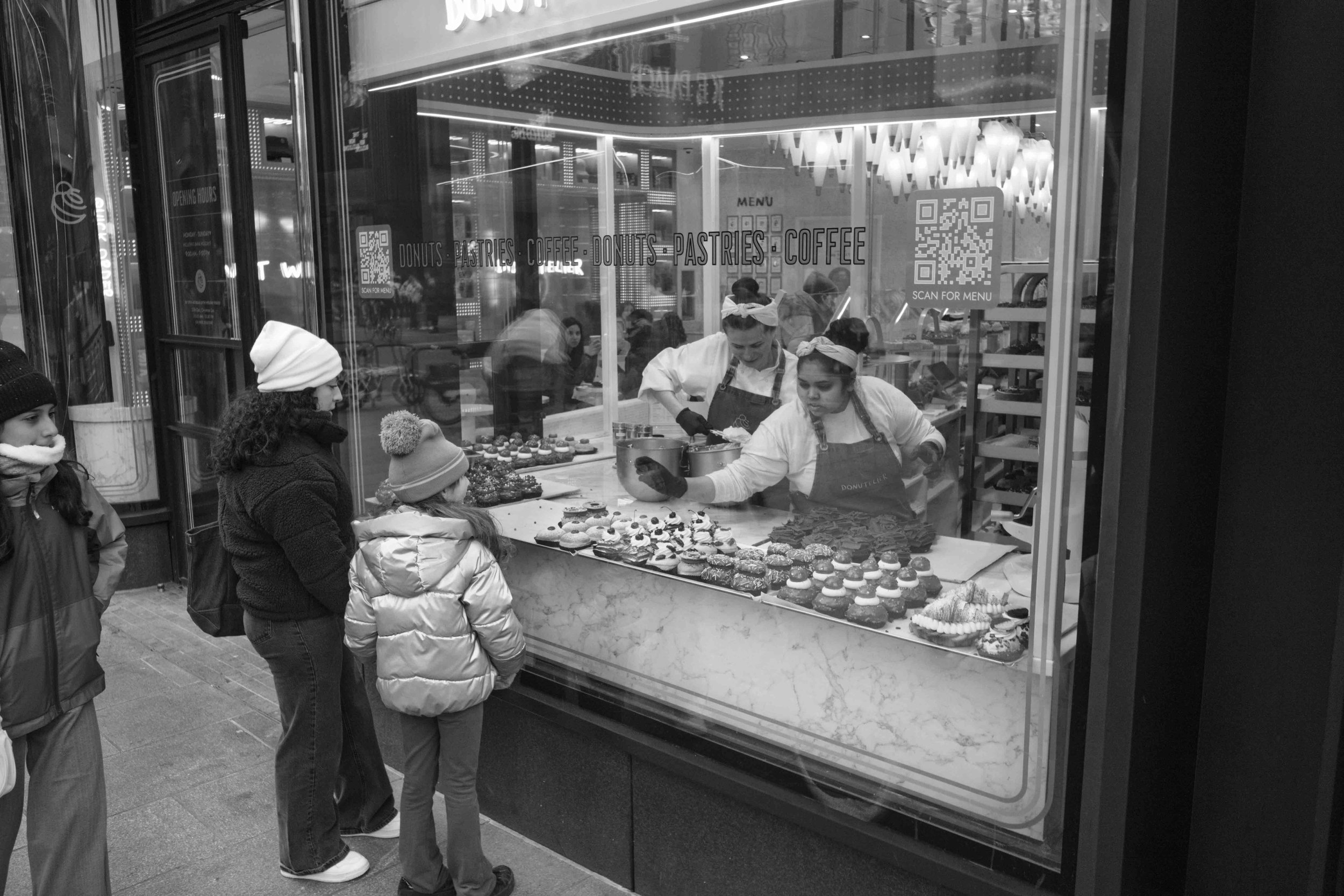
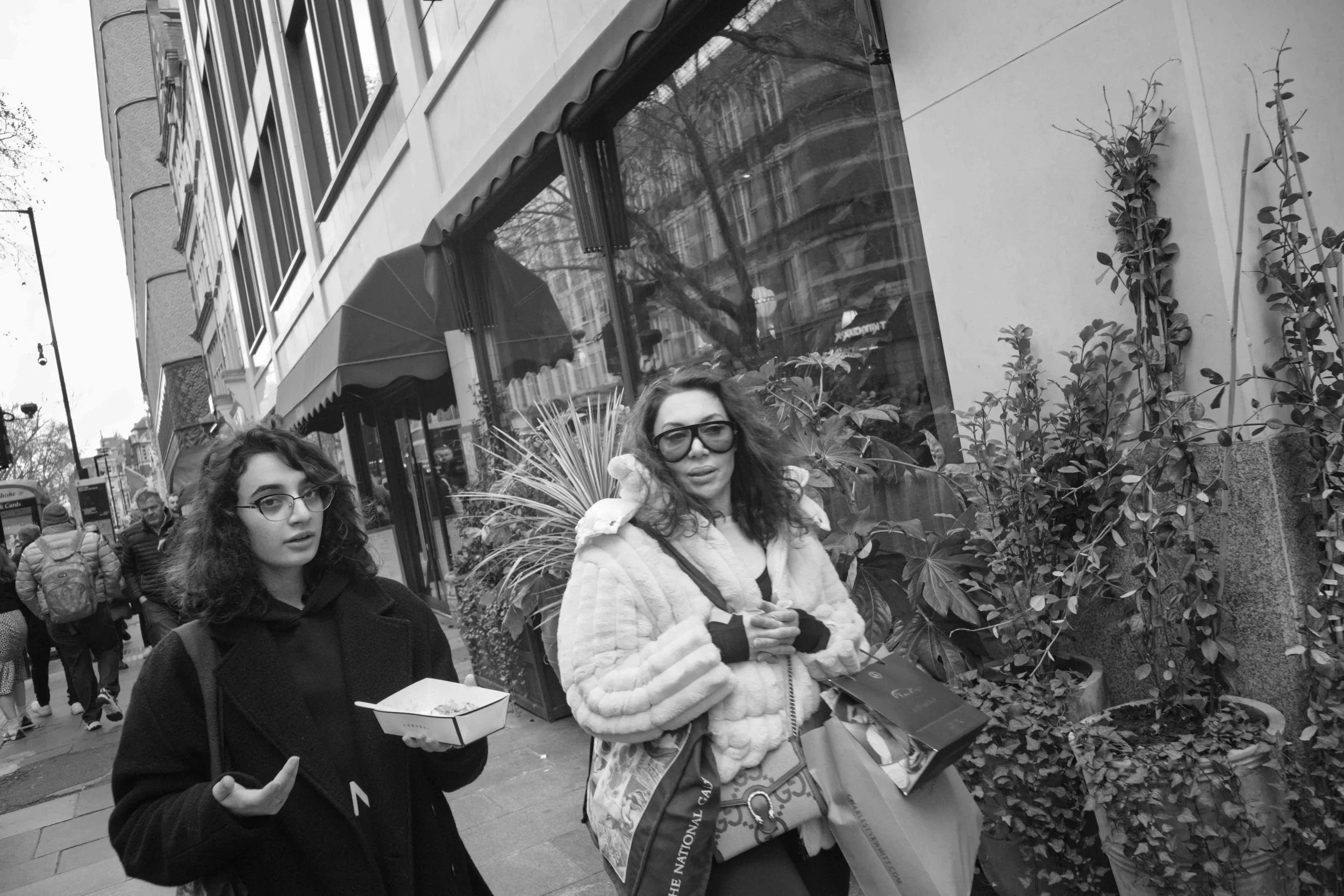
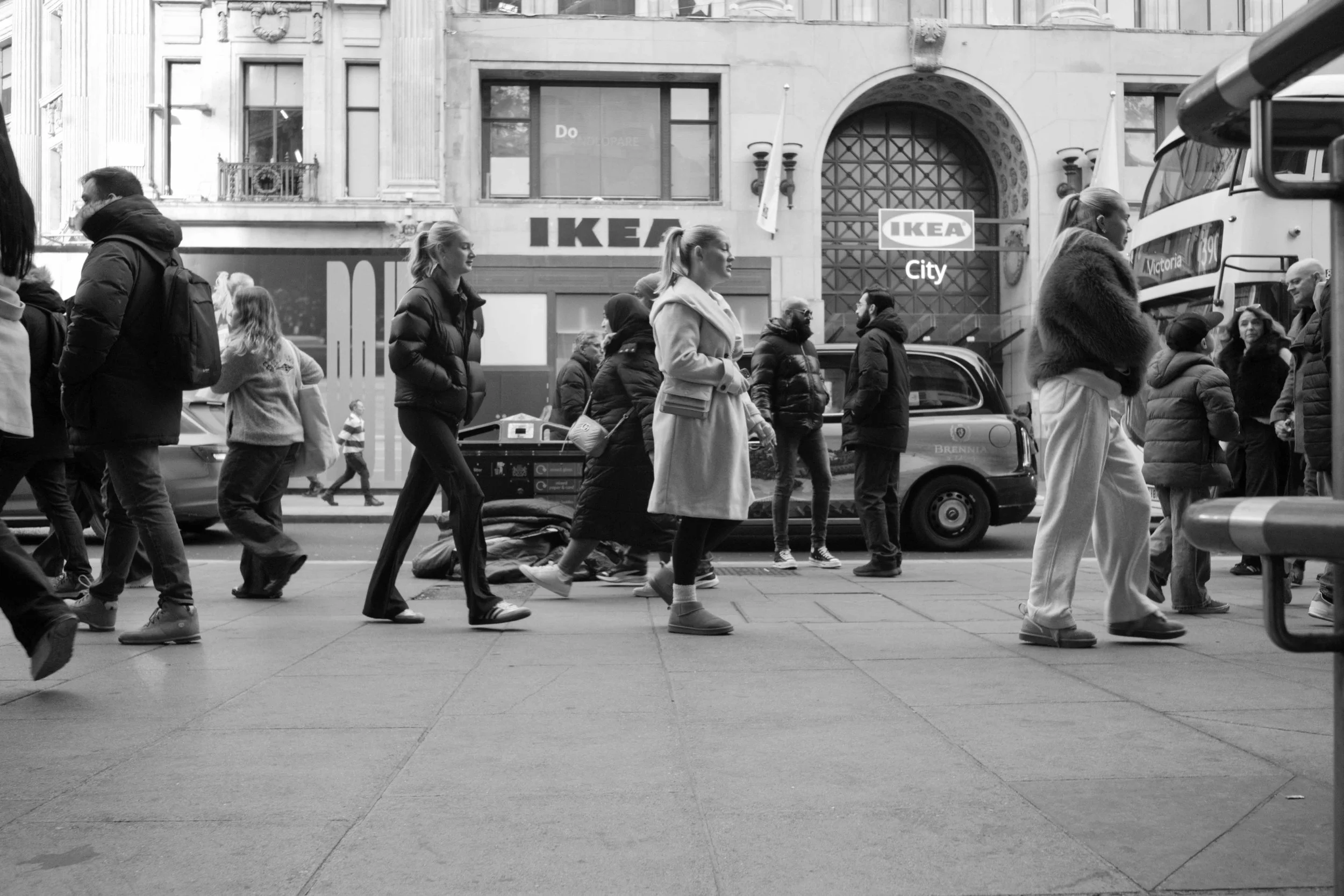
The TTArtisan 28mm f/5.6 is a "pancake" lens, making the M10 incredibly pocketable and discrete. Because the maximum aperture is a modest f/5.6, this lens is designed for zone focusing. It’s kind of counterintuitive to have a F2 28mm lens, when the basis of the lens is to shoot wide and deep. I set my aperture to f/8, my focus to between 2 / 3 meters, and let the depth of field do the work.
1. Embankment & Southbank
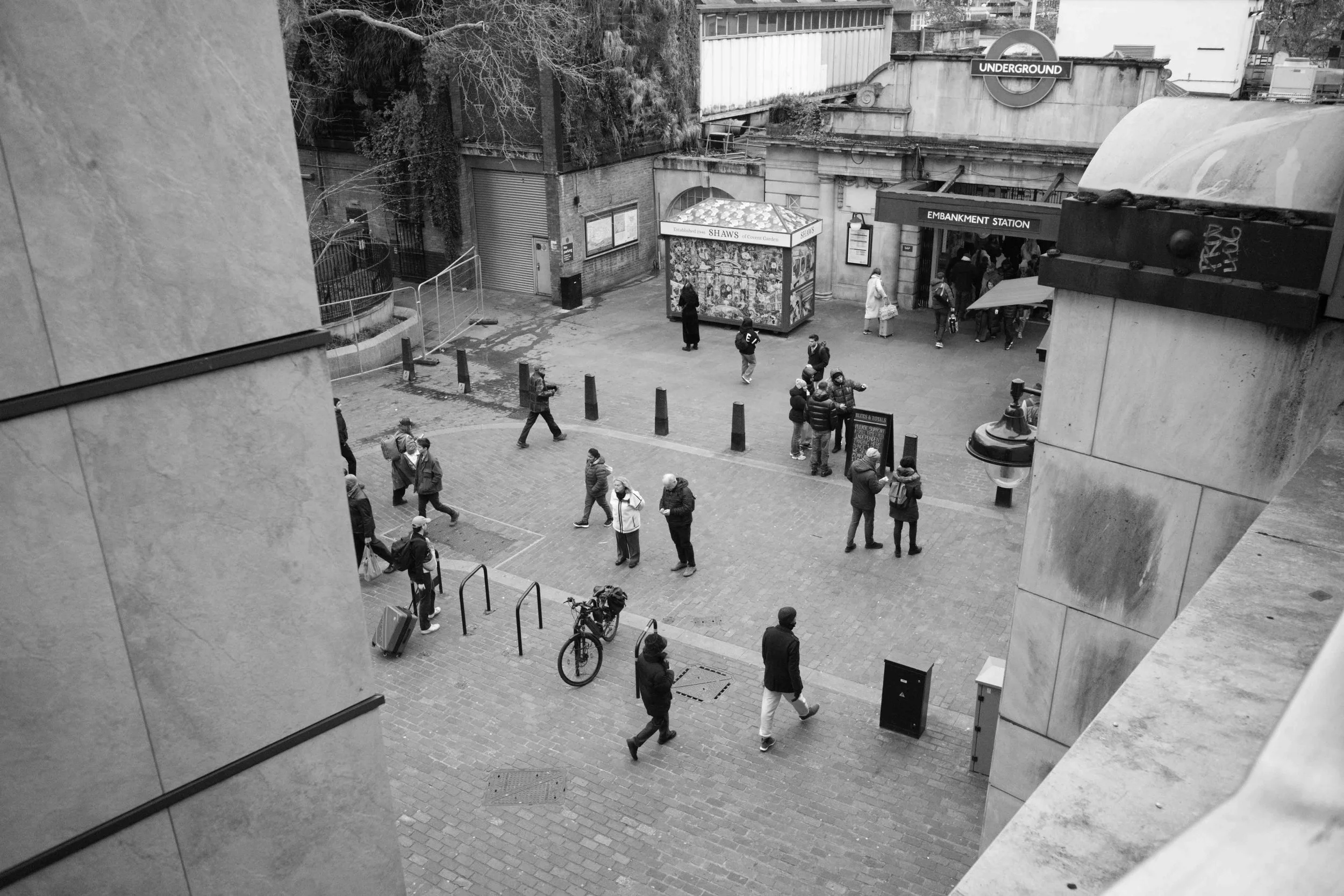
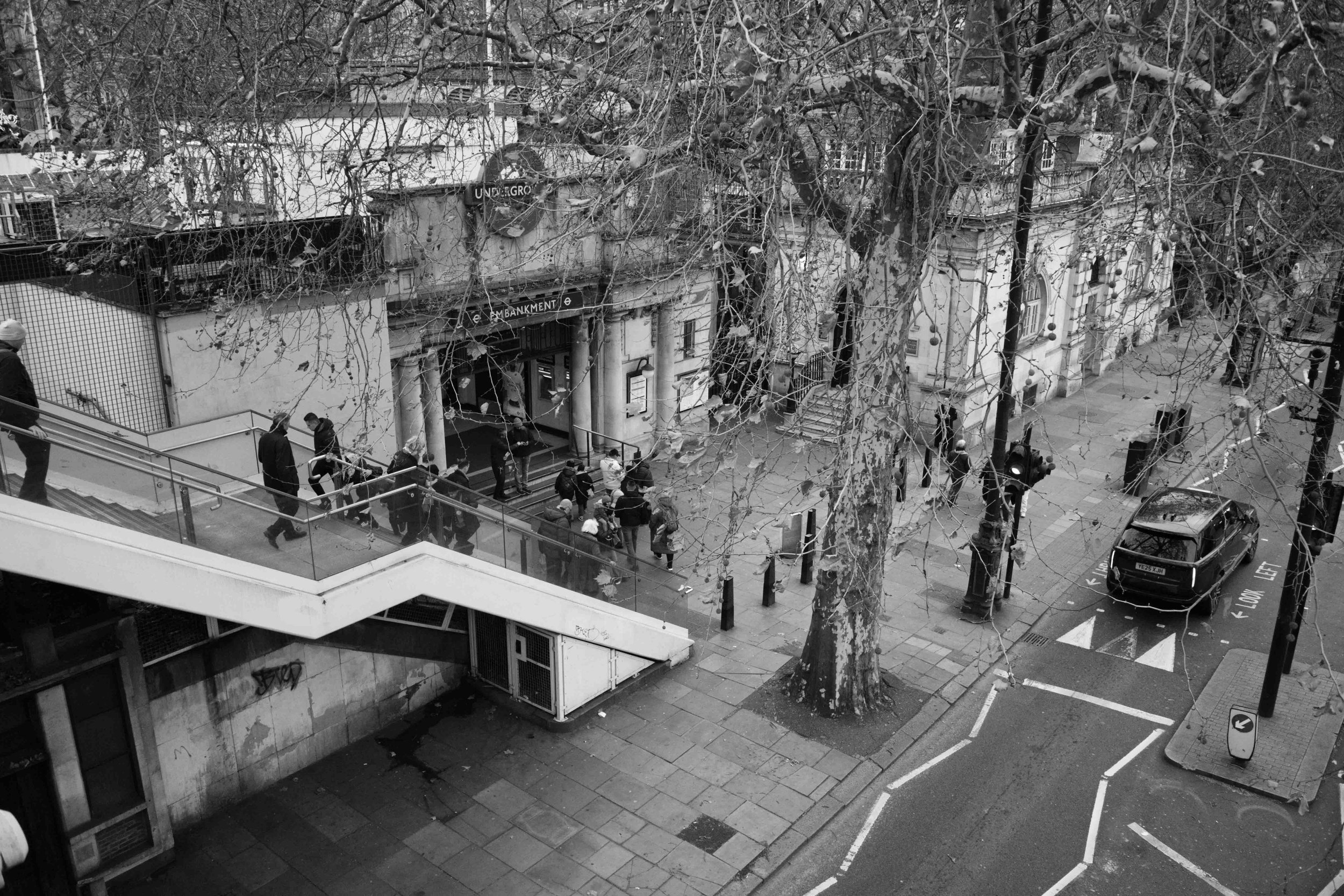
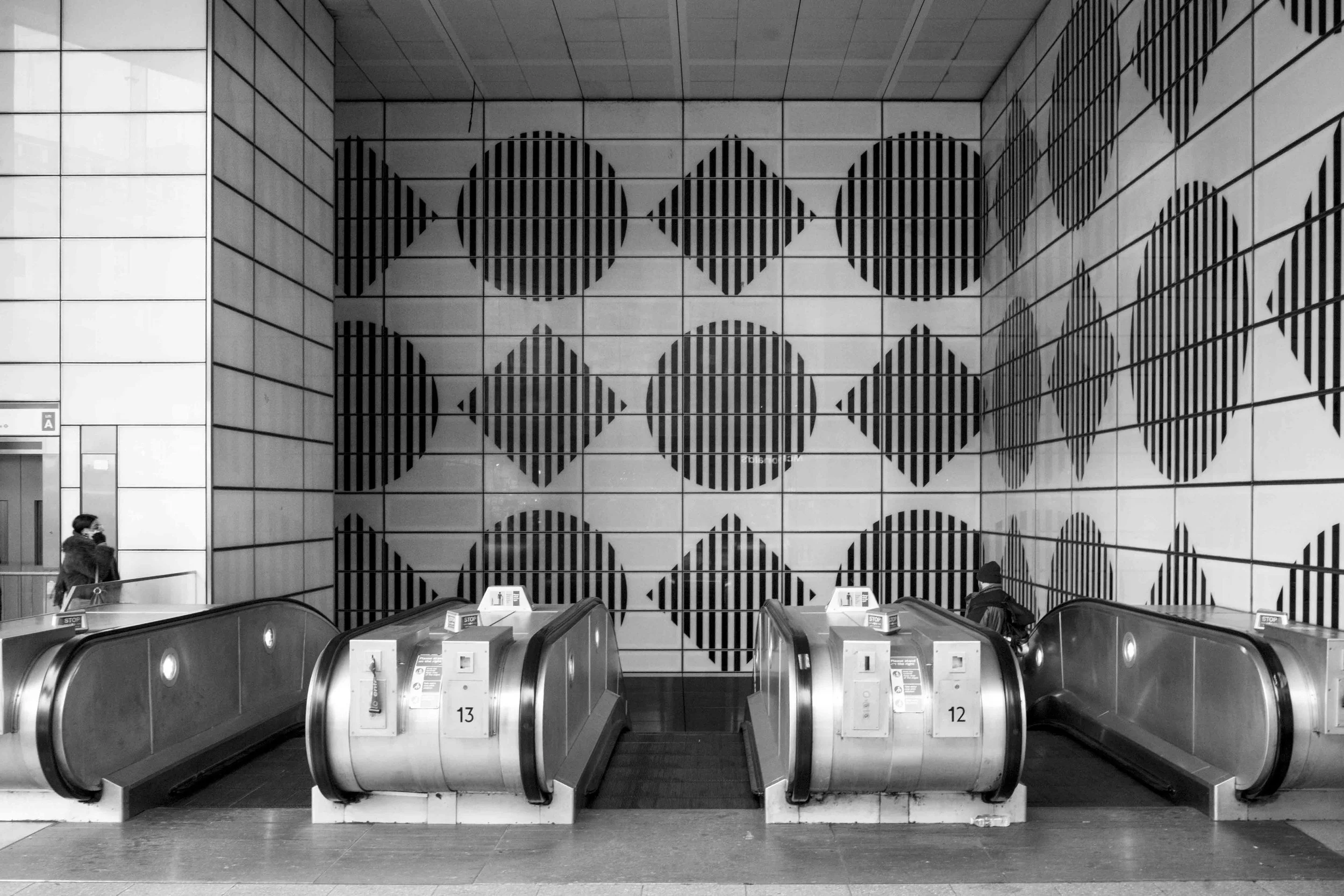
I started at Embankment. Looking down from the walkways, the 28mm allowed me to capture the geometry of the station entrance and the flow of commuters. The high-angle shots showcased how the lens handles architecture and human movement simultaneously.
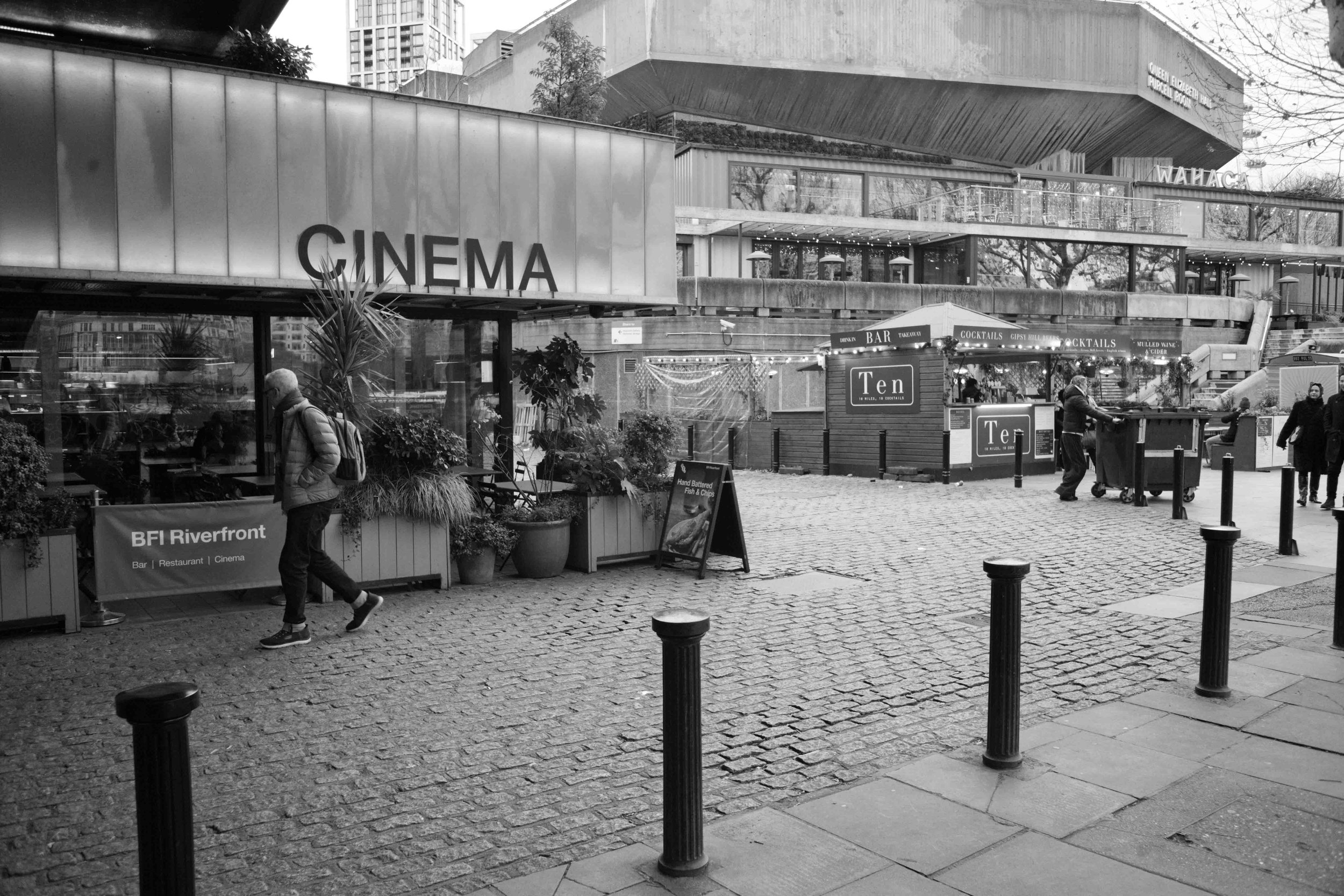
Crossing over to the BFI Riverfront, the "CINEMA" sign provided a classic London backdrop. The wide angle excels here; it lets you frame a large subject like a building while still catching the candid expressions of people walking past.
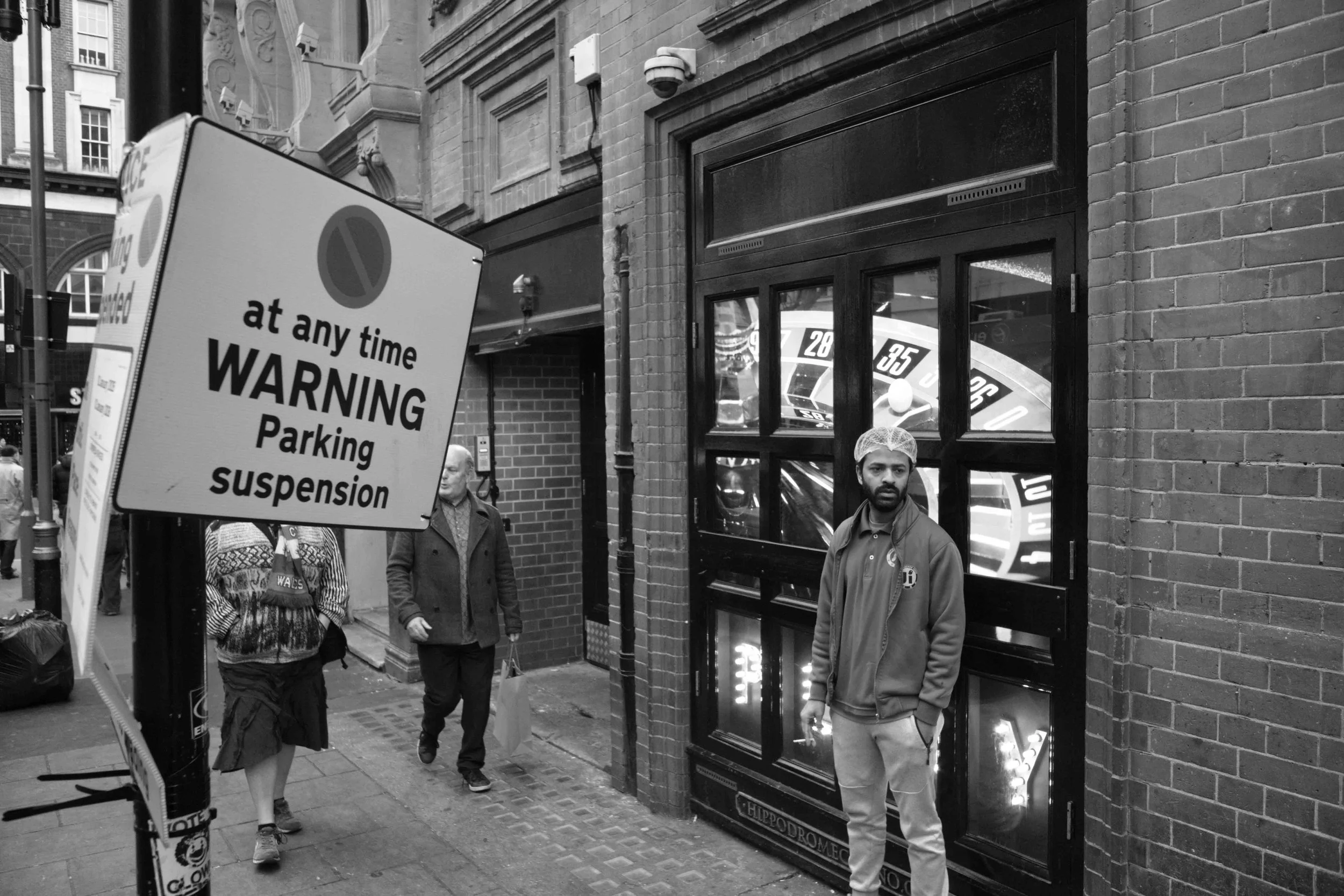
2. The Grit of Soho and Chinatown
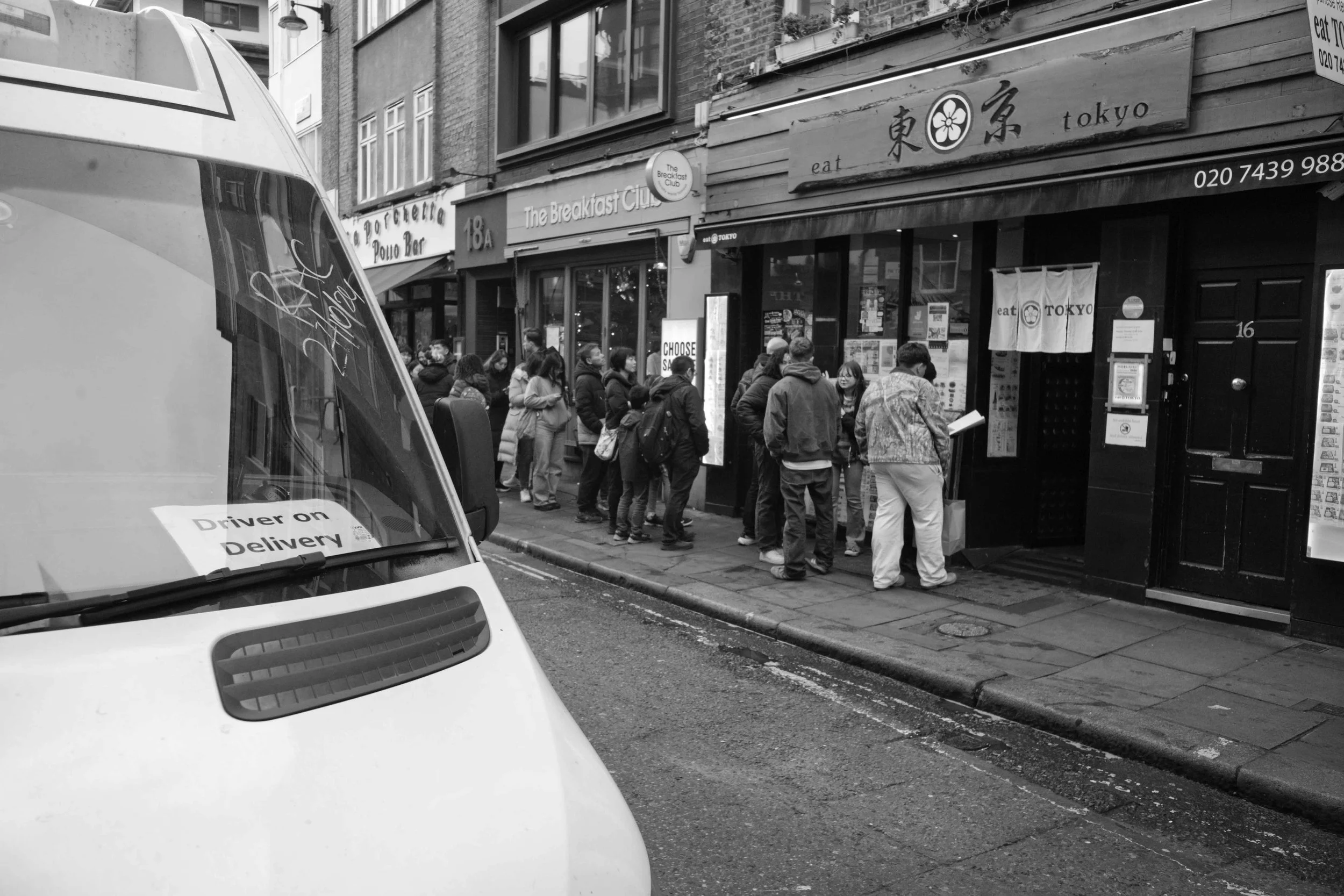
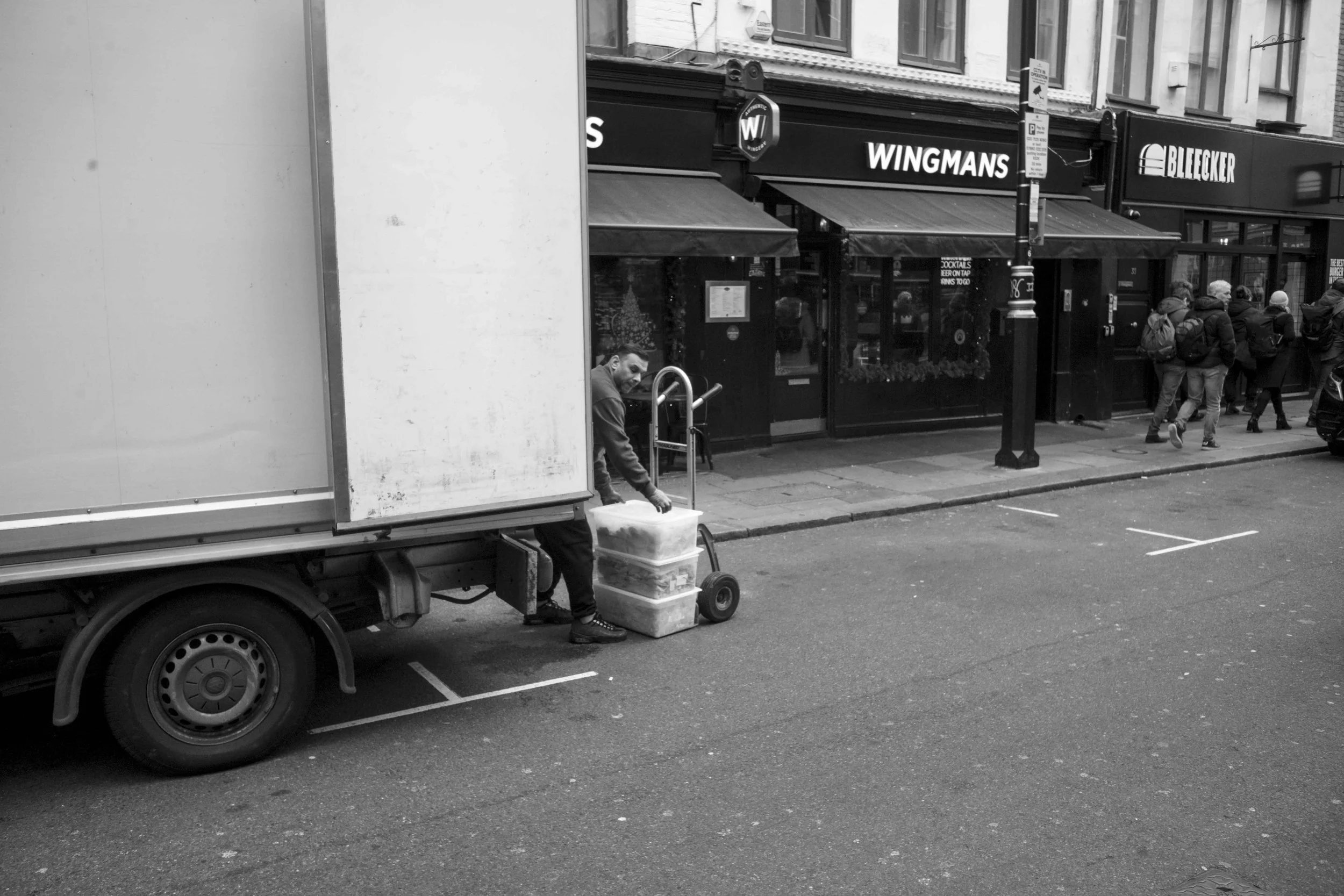
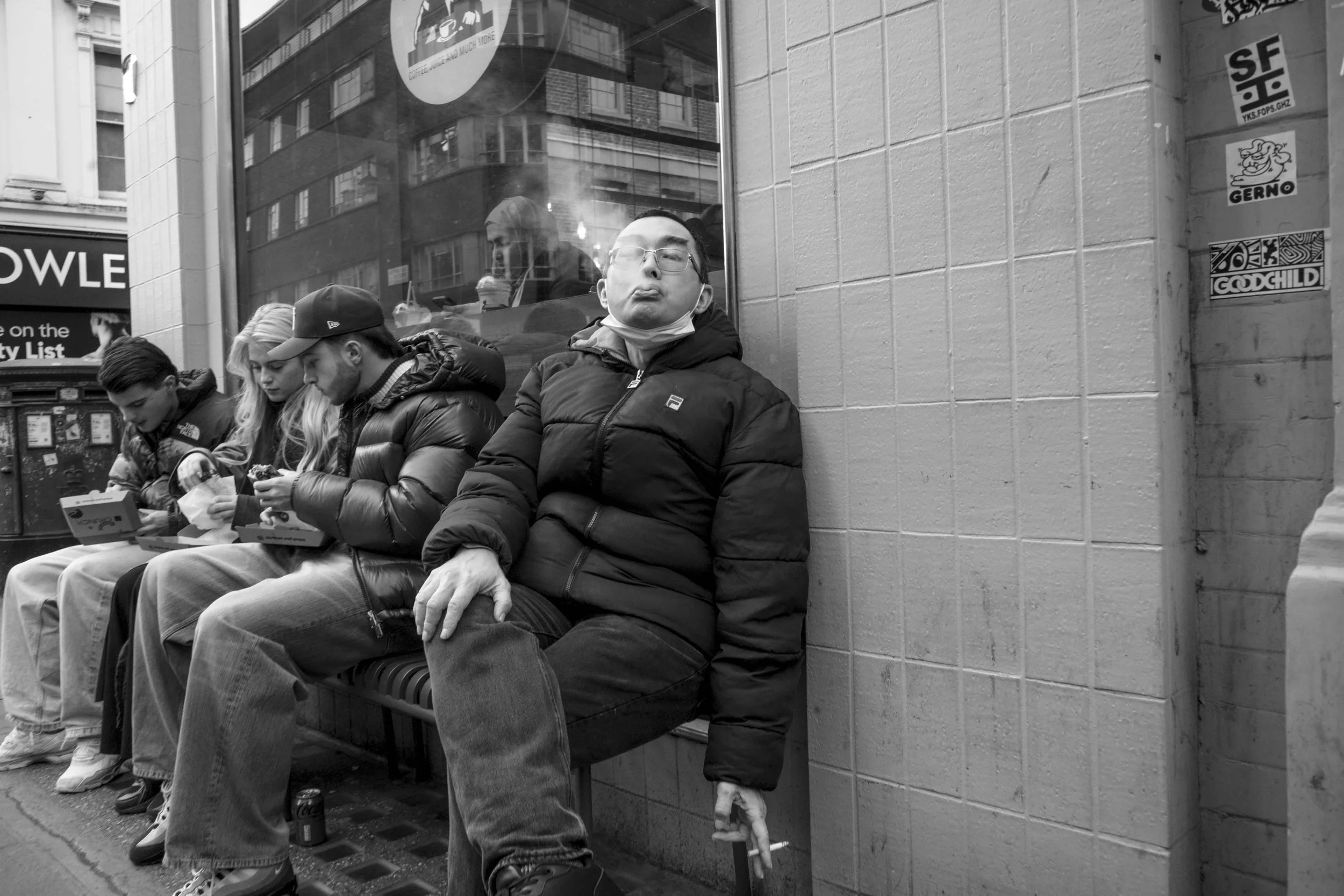
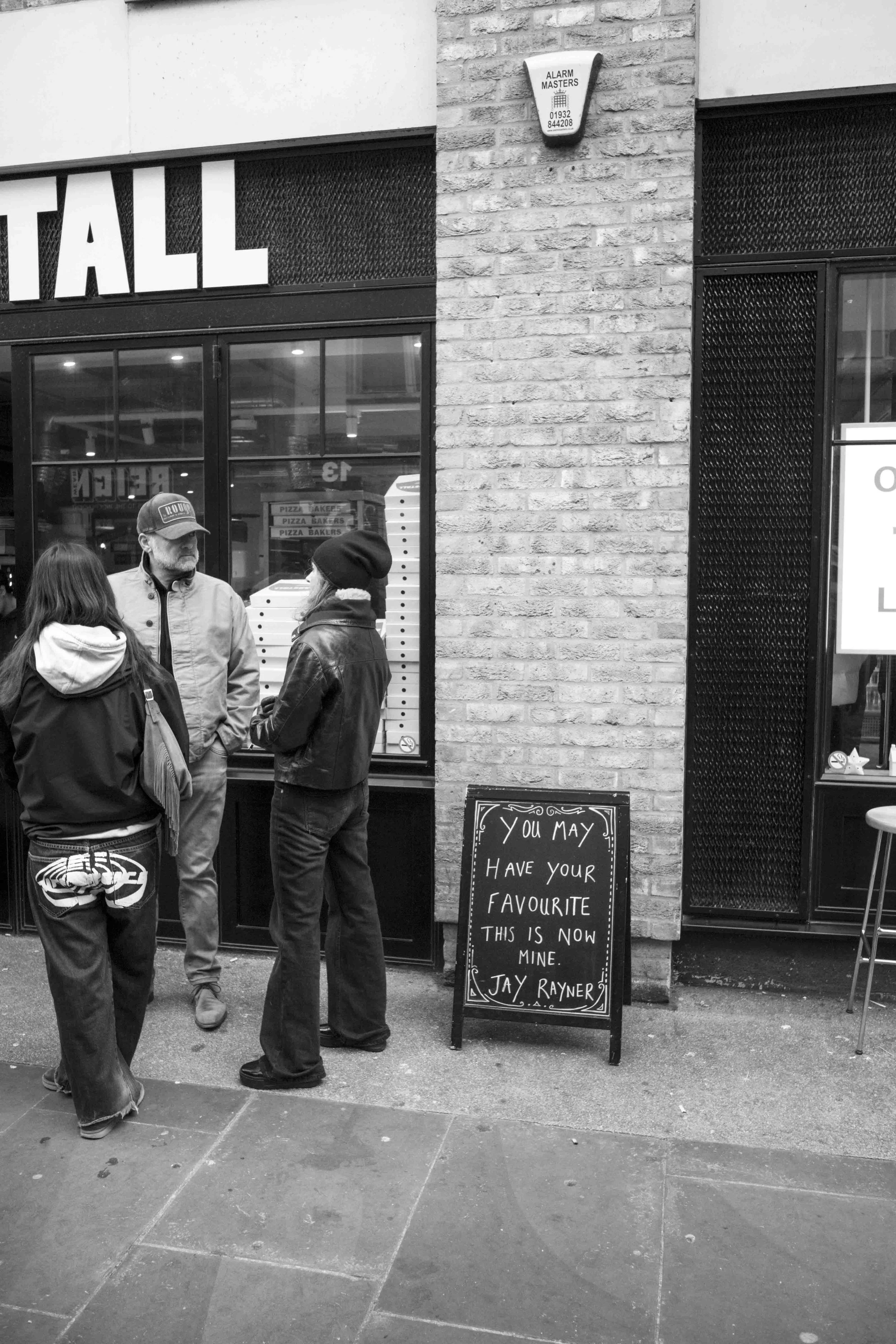
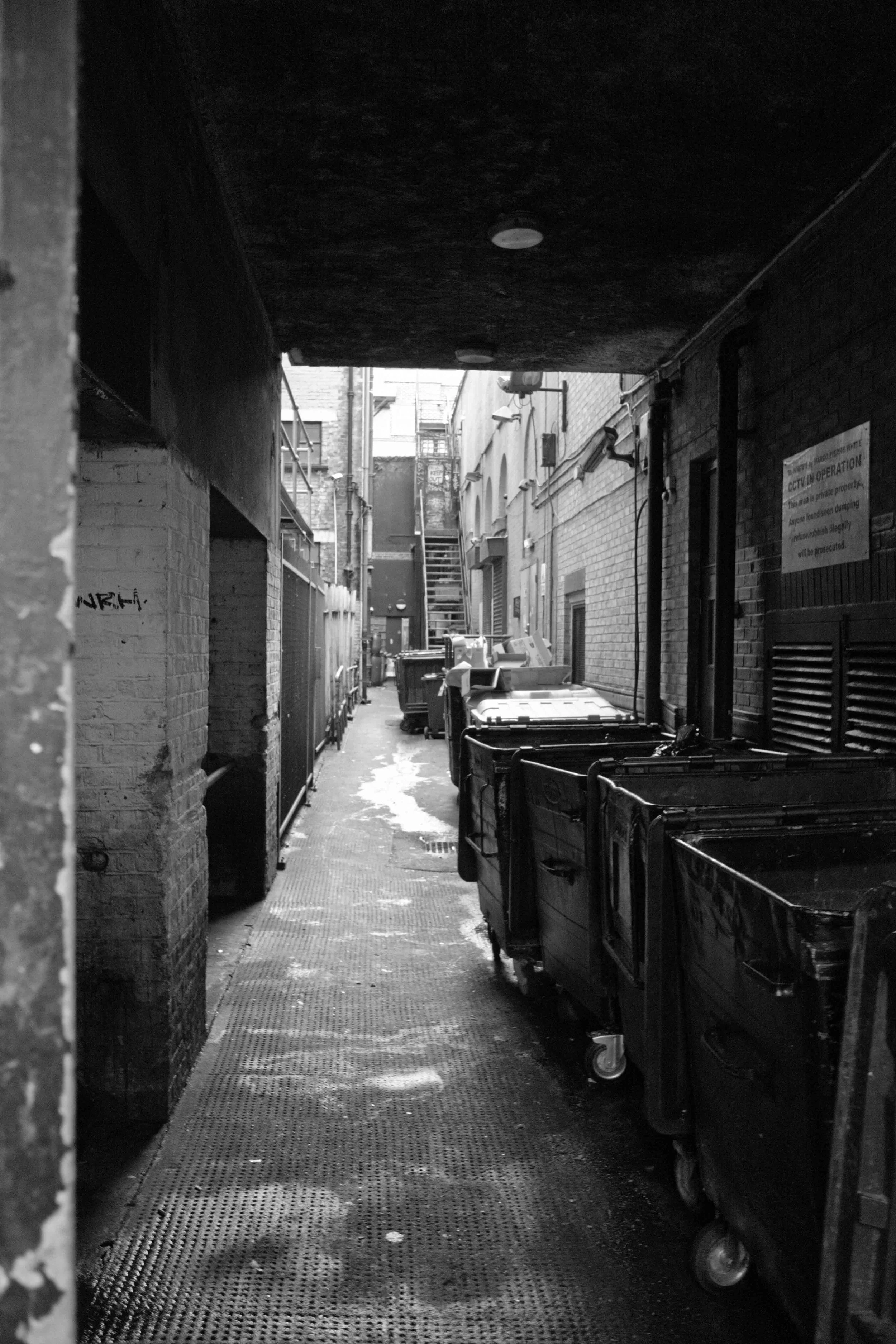
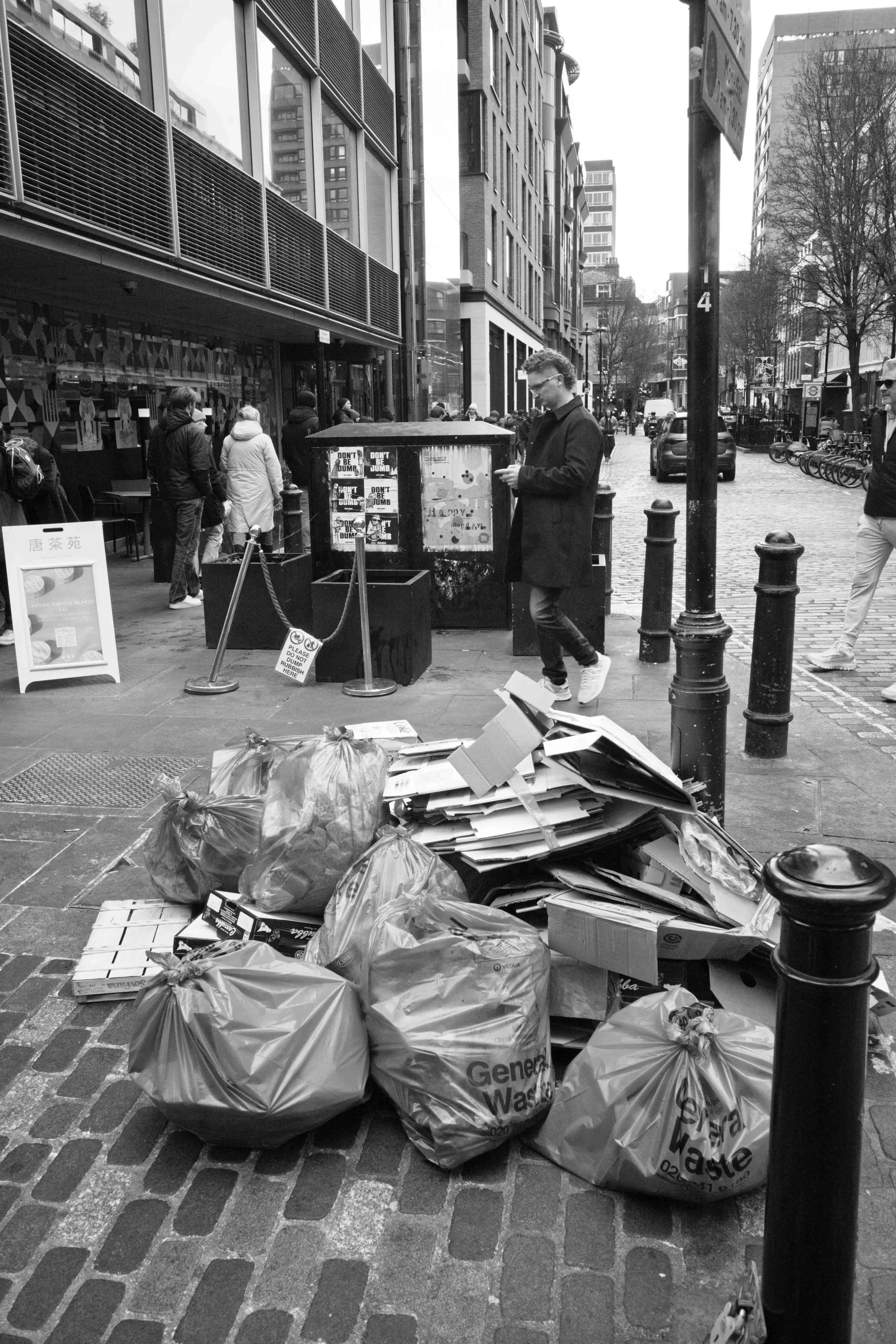
Street photography isn't always about the landmarks. Sometimes, it’s about a pile of trash bags on a busy corner or the narrow, bin-lined alleys behind Leicester Square. The 28mm is perfect for these tight spaces.
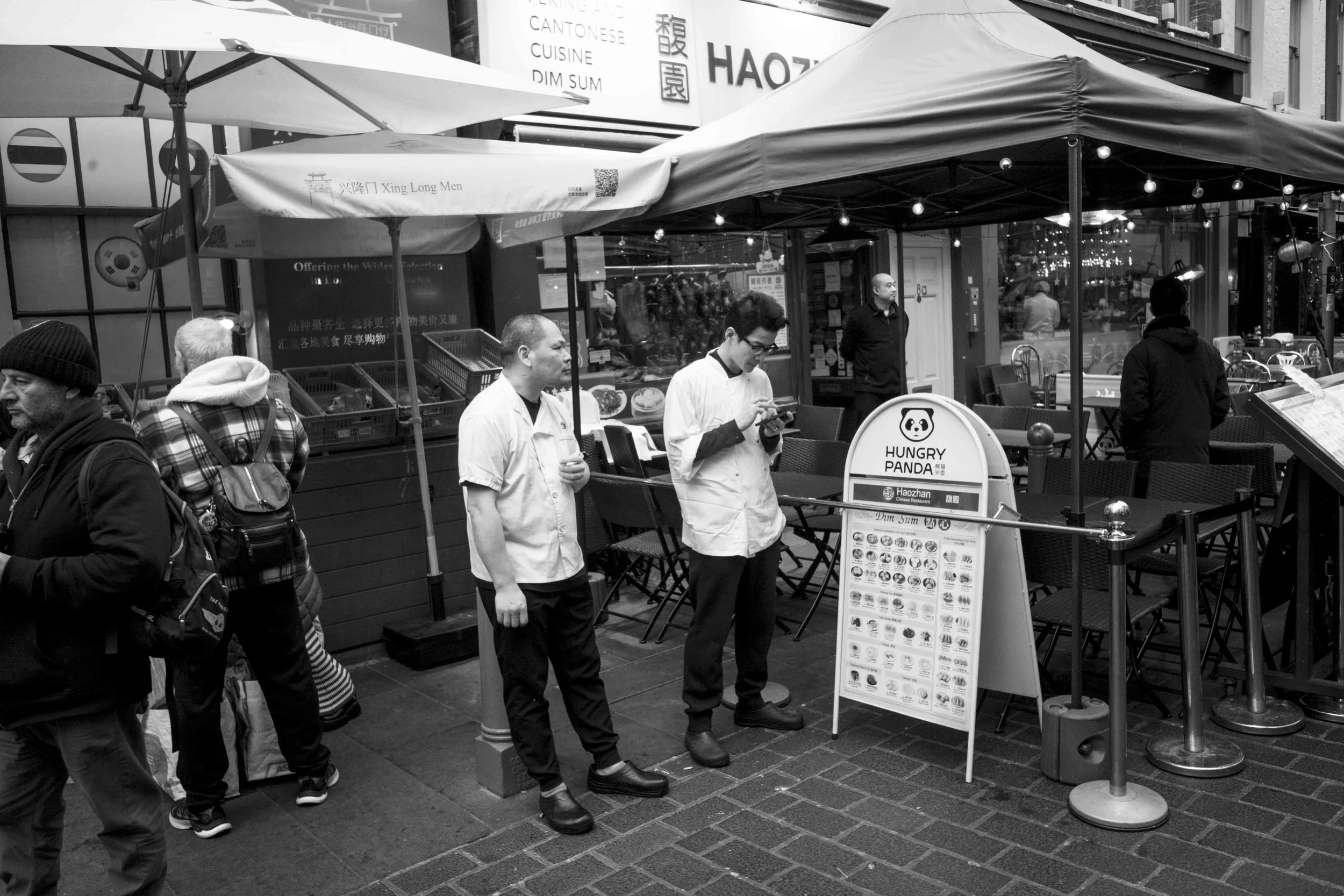
In Chinatown, I caught a great moment of the chefs taking a break outside "Hungry Panda." The lens is so small that they hardly noticed me, allowing for a truly candid slice-of-life shot.
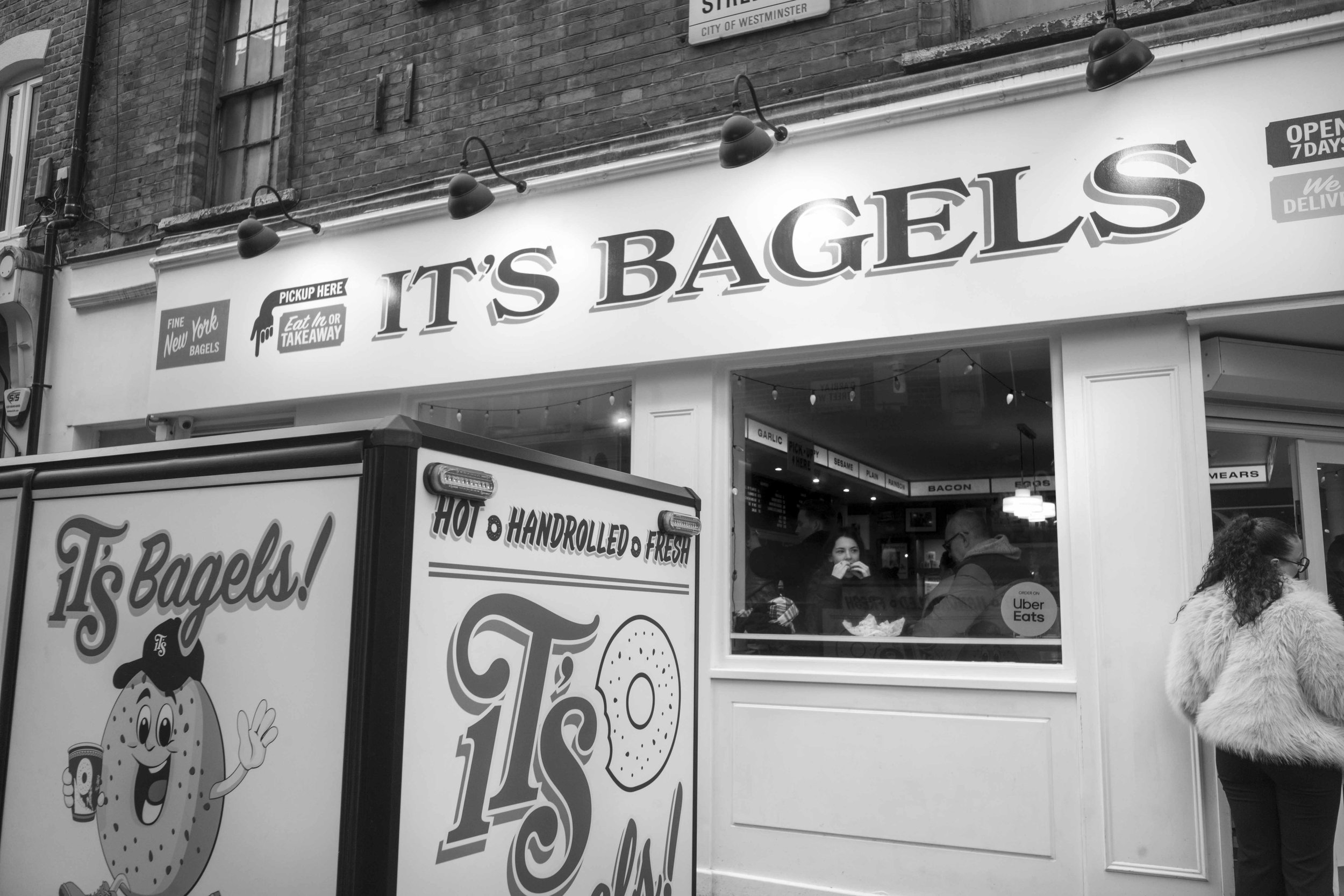
4. Details and Characters
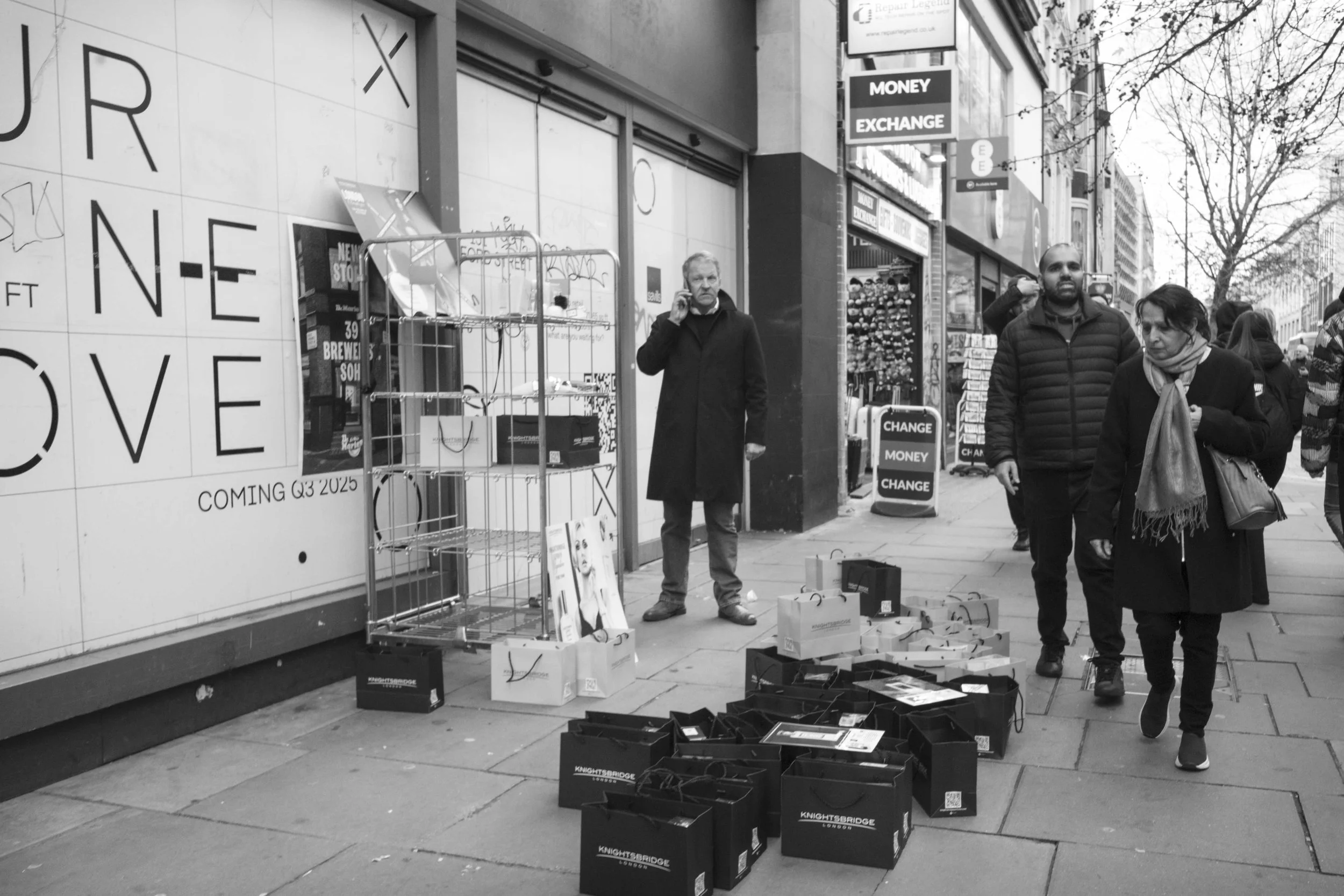
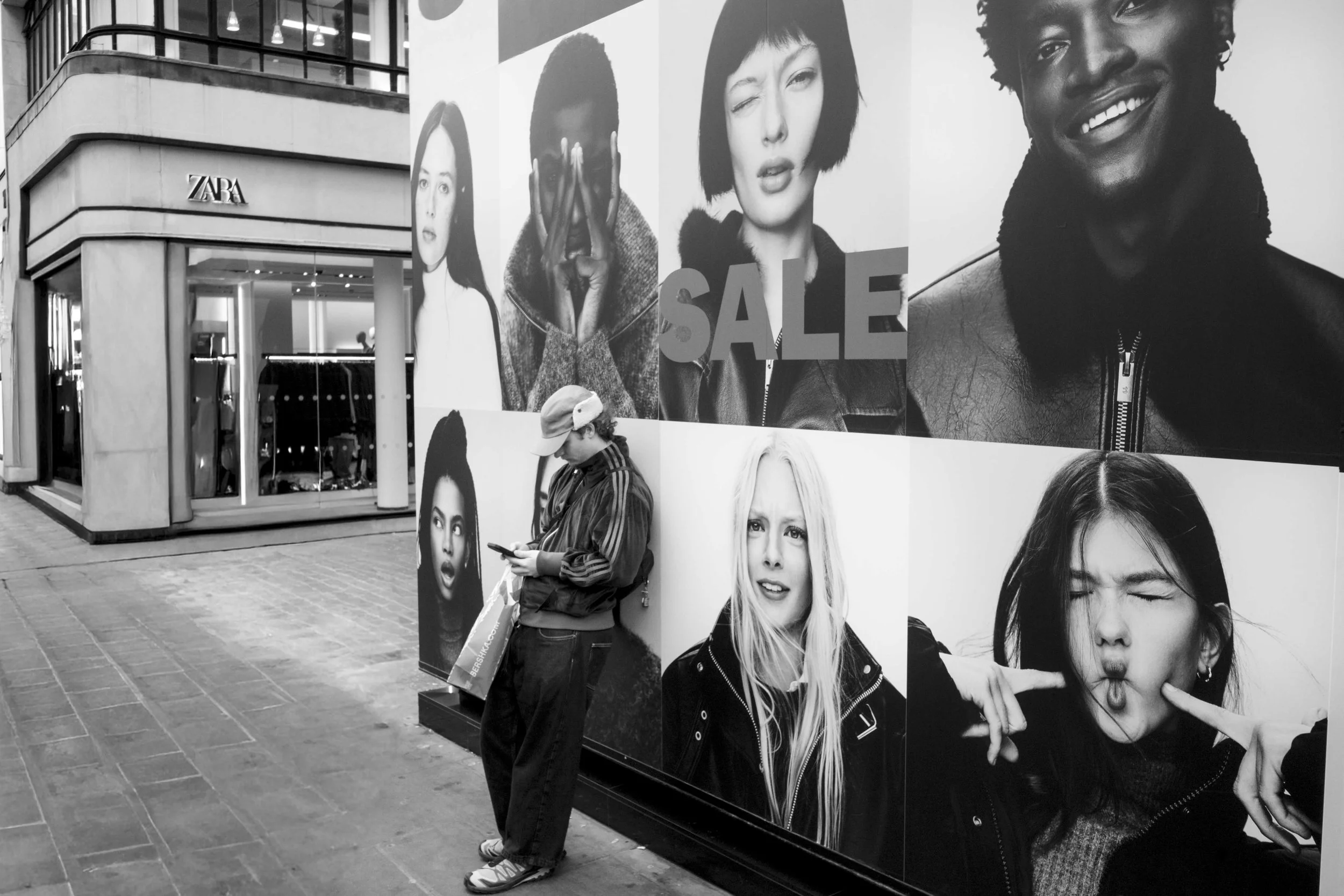
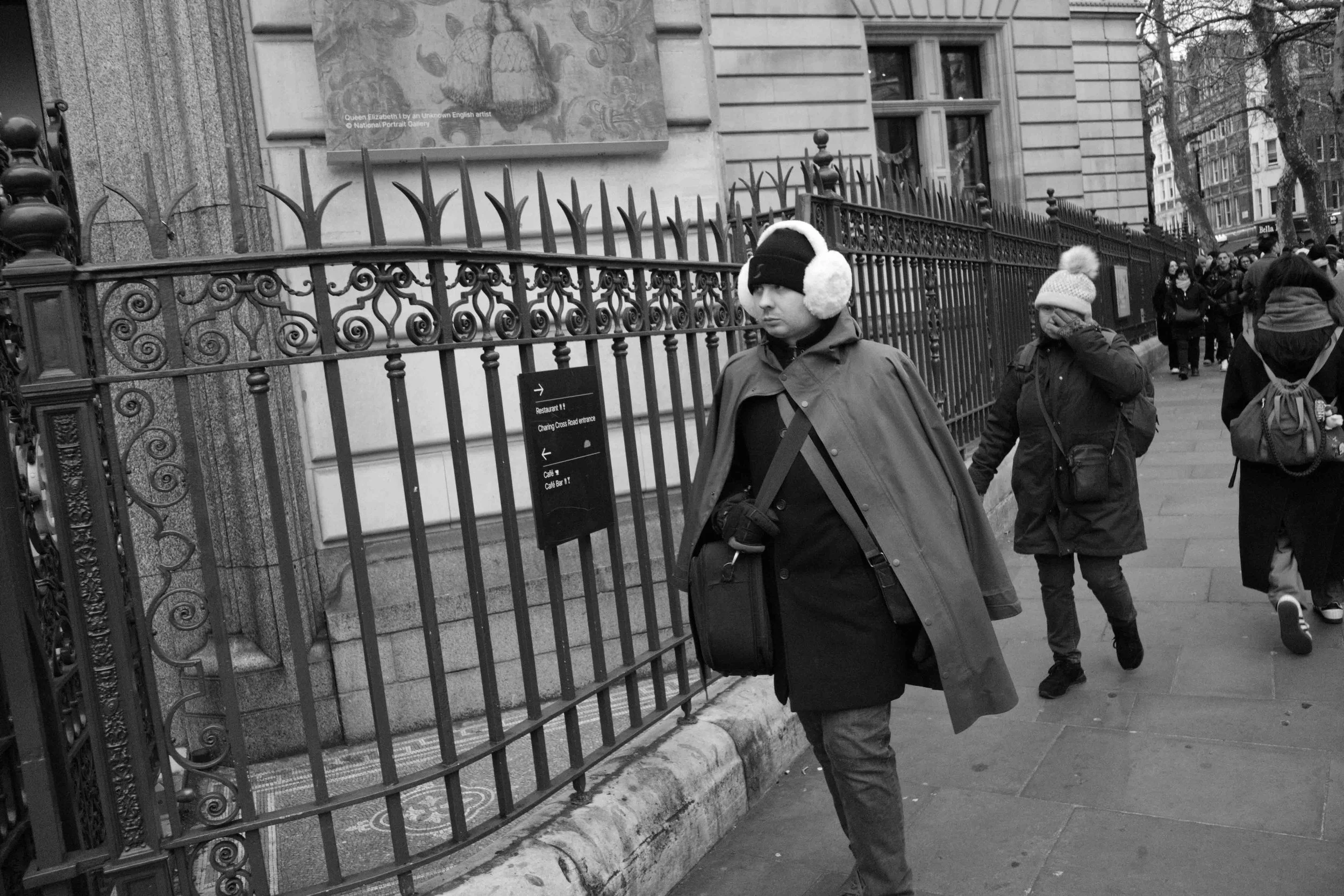
A jaunt upto London also warrants a stroll along Oxfrod Street and the like to photograph the shoppers. As I moved toward the National Portrait Gallery, I spotted a man in a heavy coat and earmuffs. The 28mm creates a unique "environmental portrait" where the subject is clear, but their surroundings—the ornate metal fences and London stone—tell the rest of the story.
Final Thoughts on the TTArtisan 28mm
For a fraction of the cost of the Leica Summaron, this lens delivers a lot of character. It’s sharp in the center, has a lovely vintage-style vignette, and the "clicky" aperture ring is a joy to use. Shooting digital, you are blessed with ‘fixing’ and fall off to the ourside of the frame in LRC.
Using a 28mm forces you to be a participant, not just an observer. You can’t hide in the shadows with a telephoto; you have to be in the thick of it, just like Winogrand.
Until next time, keep snapping.
Mod Weekender
Celebrating Two Decades of Style: The Brighton Mod Weekender 2025
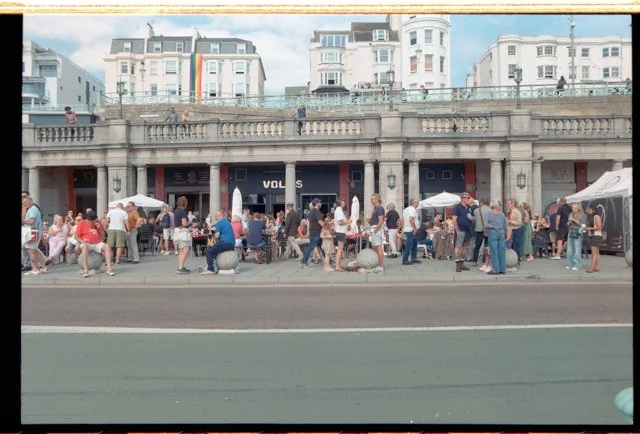
This post is a little delayed, as I wanted to wait until I received my developed film negs from the photo lab.
The August Bank Holiday weekend in Brighton has always been special, but this year it was truly historic. The Brighton Mod Weekender, the annual pilgrimage for Mods from across the globe, celebrated its 20th anniversary from August 21st to 24th, and the city was buzzing with more style, music, and scooter pride than ever before.
Its a blend of old timers reminising of the past and generational newcomers. All parading around as proud as peacocks.

Celebrating Two Decades of Style: The Brighton Mod Weekender 2025
This post is a little delayed, as I wanted to wait until I received my developed film negs from the photo lab.
The August Bank Holiday weekend in Brighton has always been special, but this year it was truly historic. The Brighton Mod Weekender, the annual pilgrimage for Mods from across the globe, celebrated its 20th anniversary from August 21st to 24th, and the city was buzzing with more style, music, and scooter pride than ever before.
Its a blend of old timers reminising of the past and generational newcomers. All parading around as proud as peacocks.
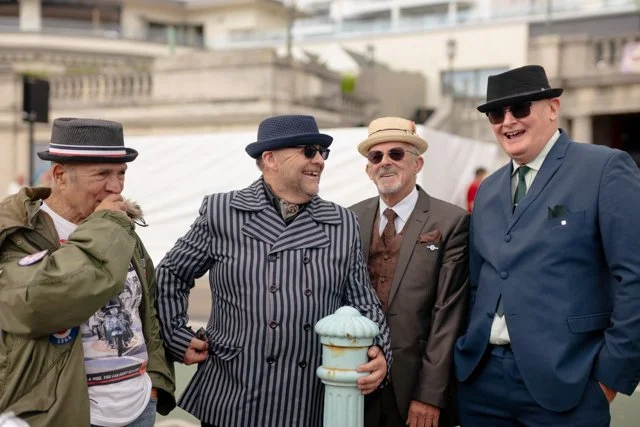
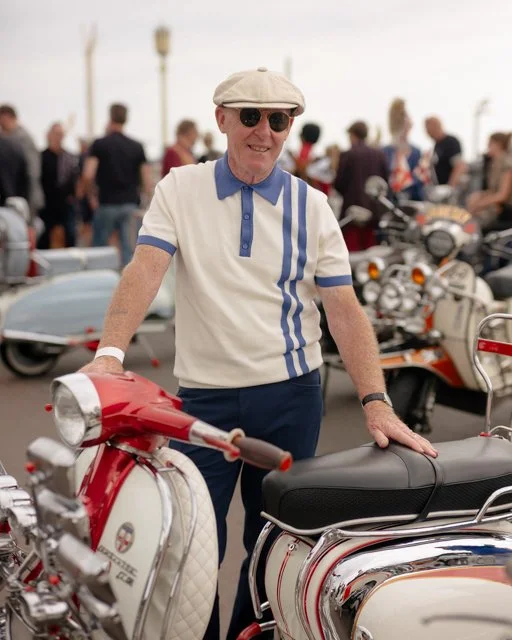
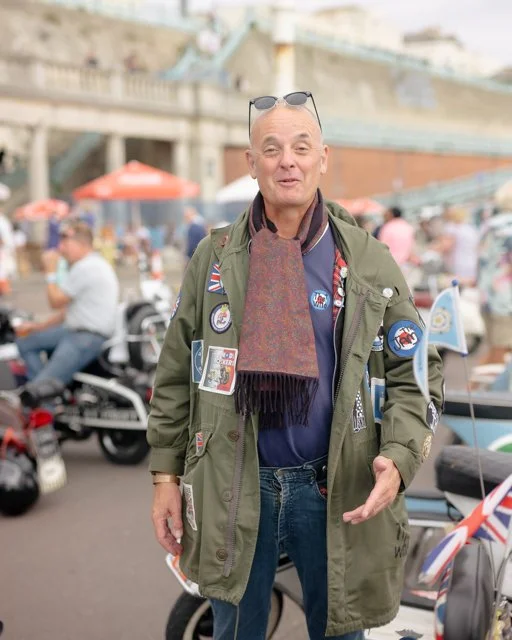
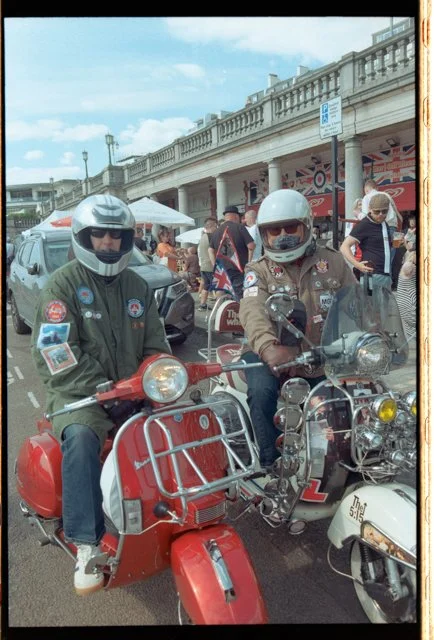
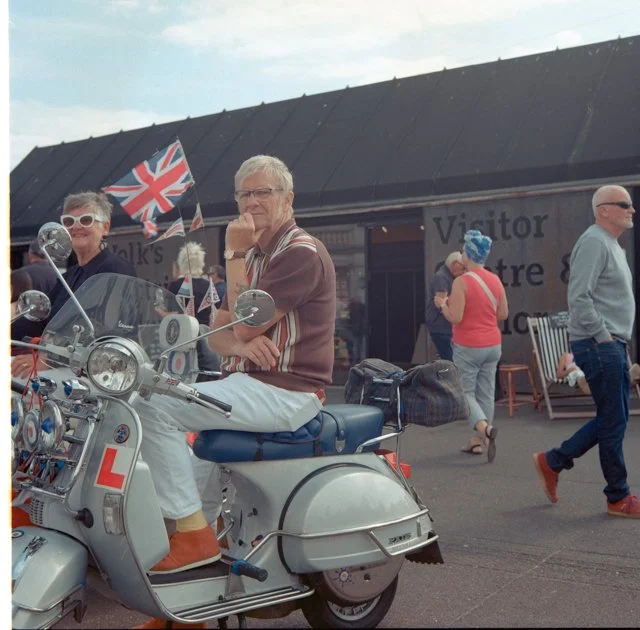
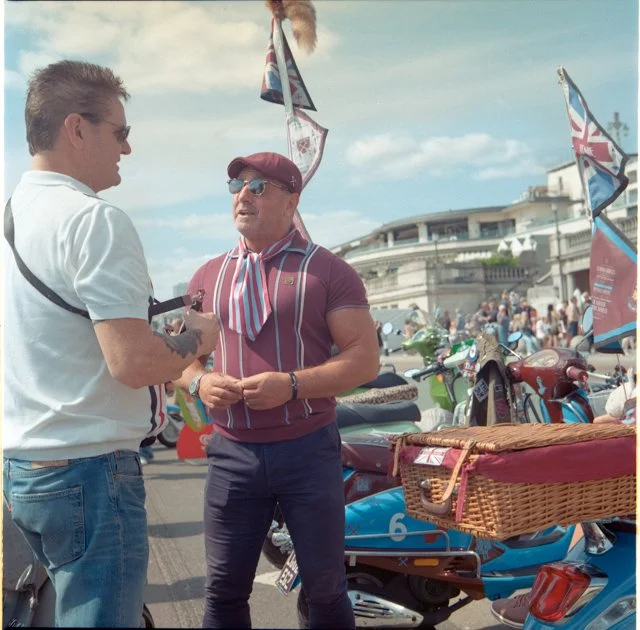
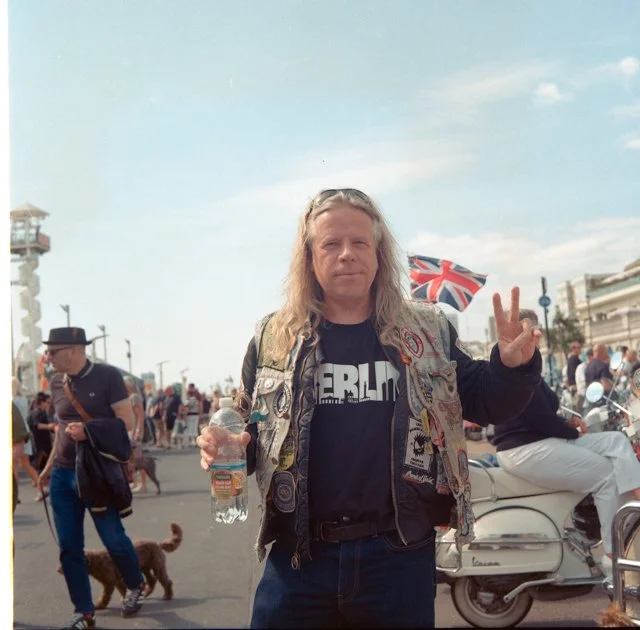
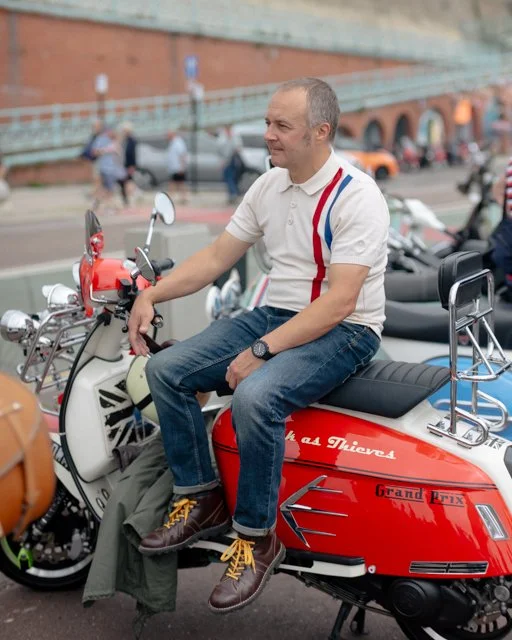
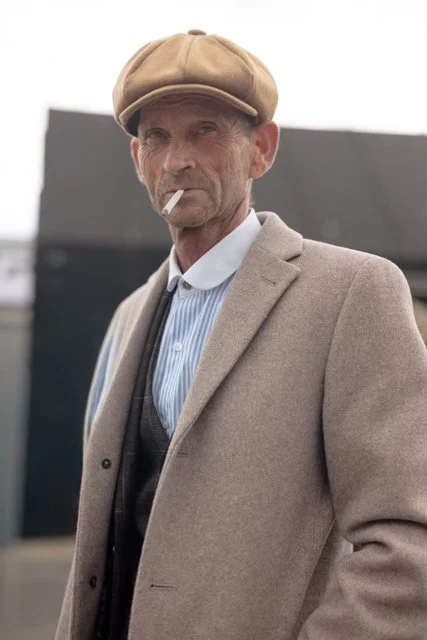
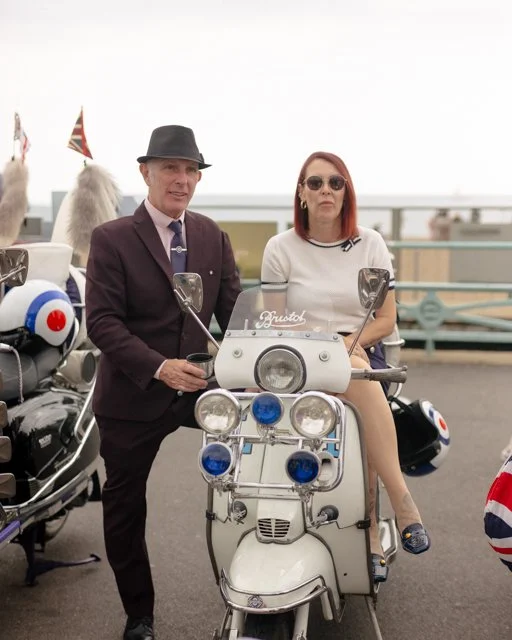
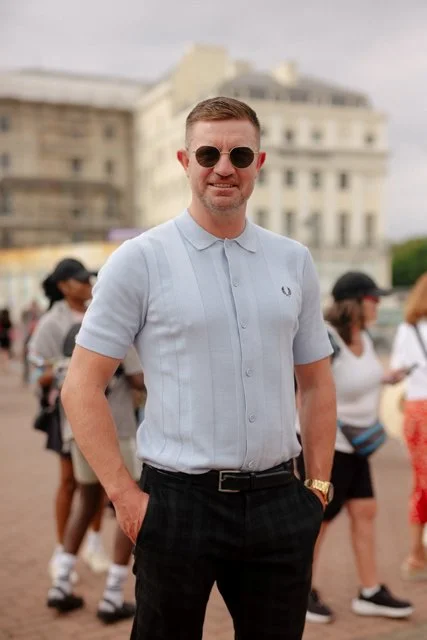
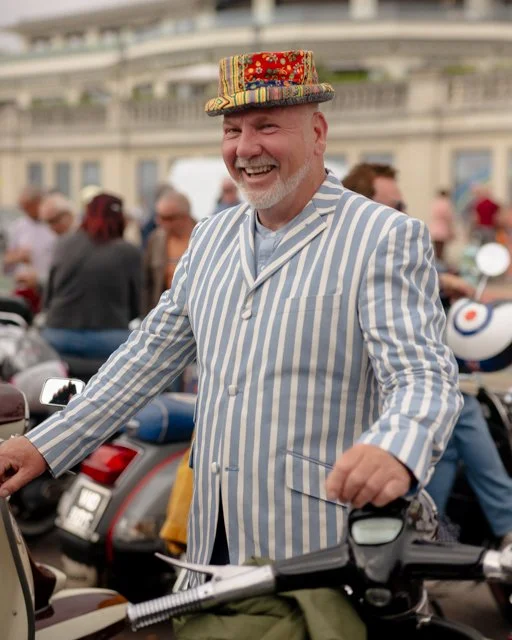
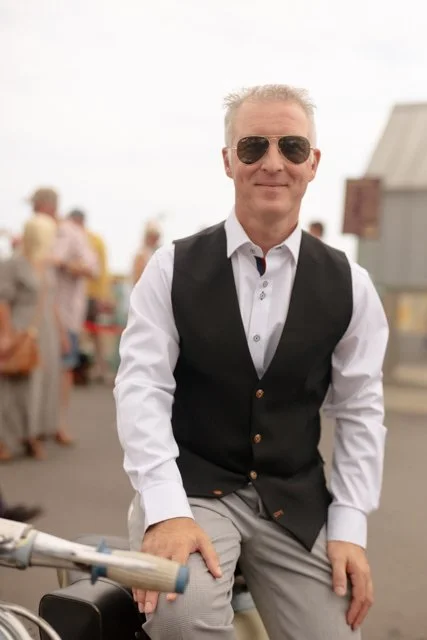
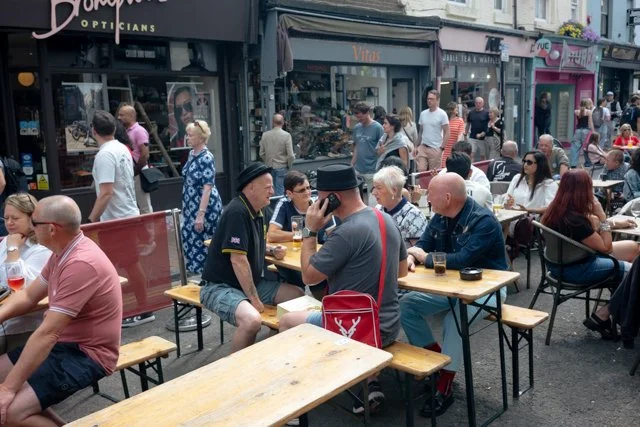
This is four-day festival that pays homage to modernist and sixties-inspired culture. The evenings are typically a non-stop party, with venues like the Komedia hosting all-night club events where the legendary NUTs DJ Team spun Northern Soul, R&B, and garage to a packed dancefloor. The live music lineup was a celebration in itself, featuring iconic acts and rising stars, proving the scene is as vibrant today as it was in the past.
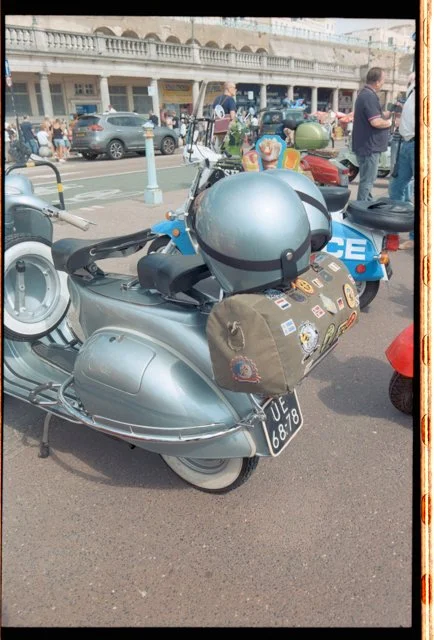
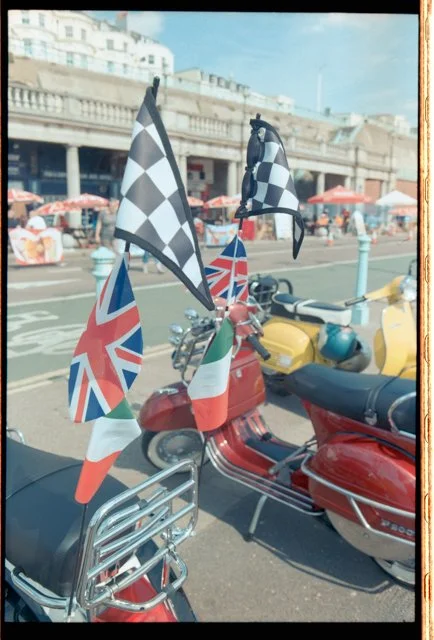
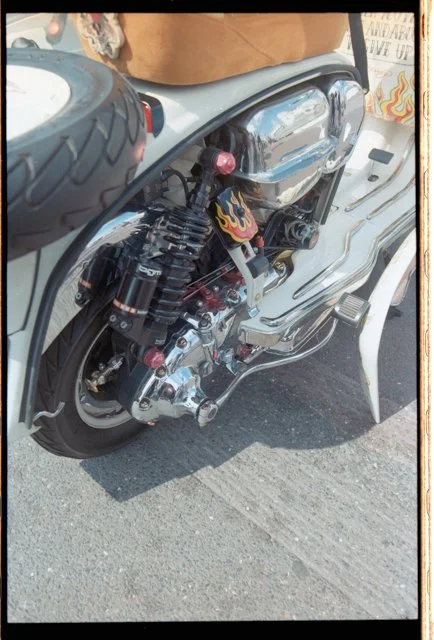
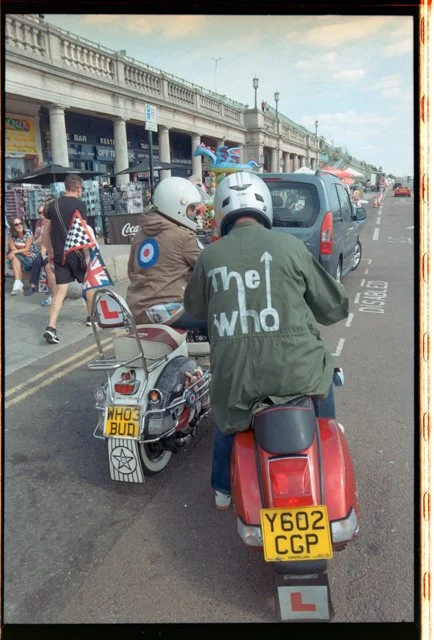
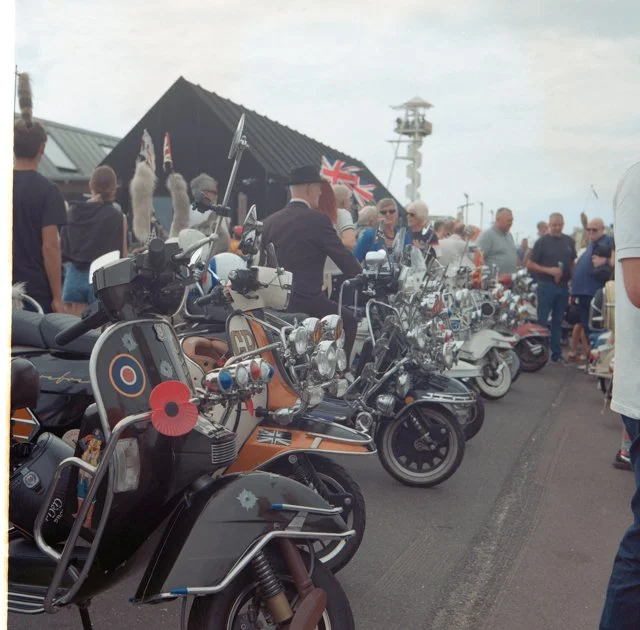
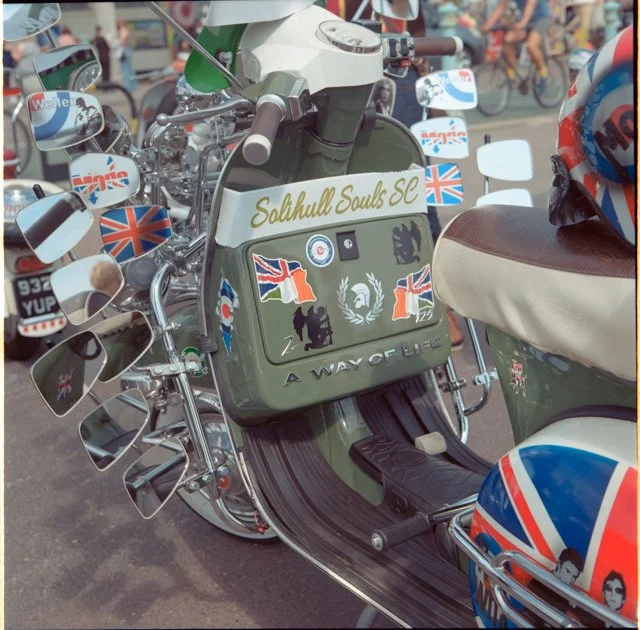
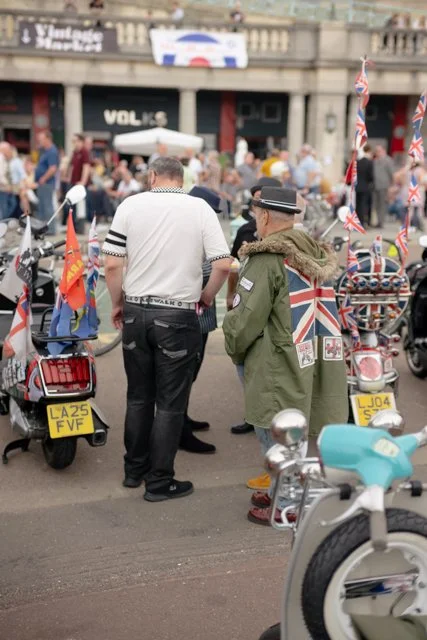
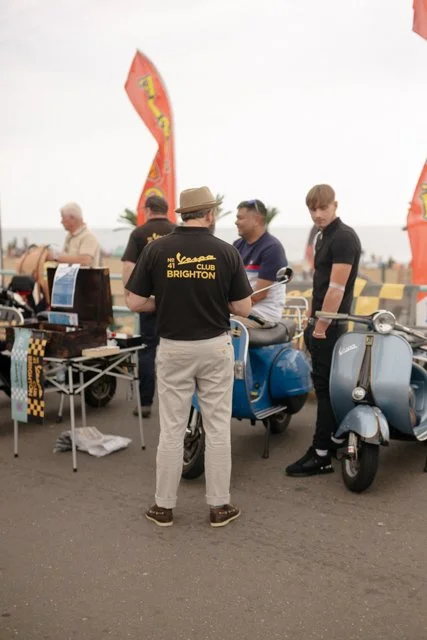
But the heart and soul of the Brighton Mod Weekender, and the thing that makes it so iconic, is the daytime spectacle. All weekend long, Madeira Drive transformed into a breathtaking open-air scooter show. Hundreds of gleaming Vespas and Lambrettas, adorned with countless mirrors and Union Jack flags, lined the seafront. This is where the community truly comes together.
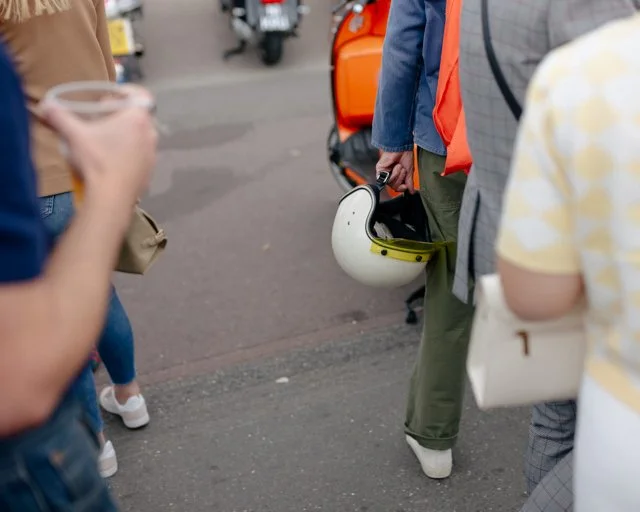
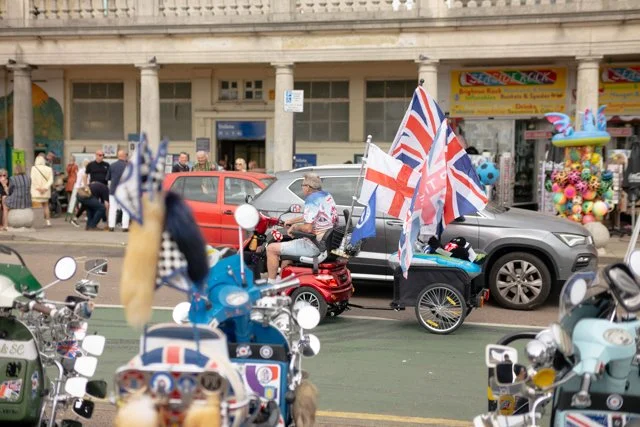
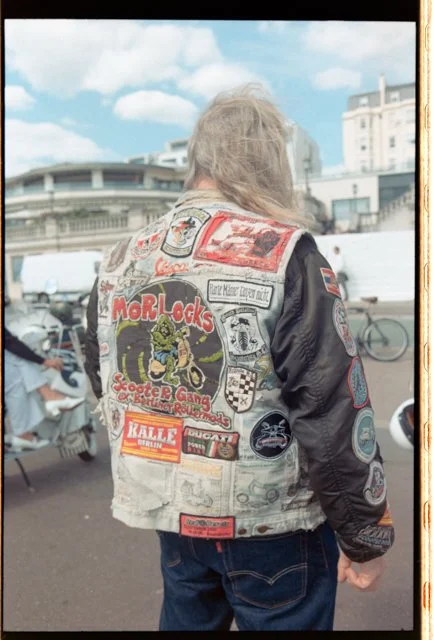
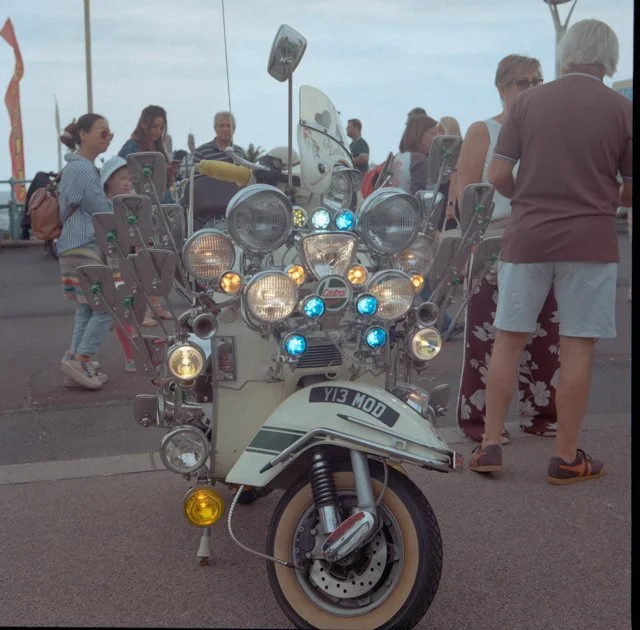
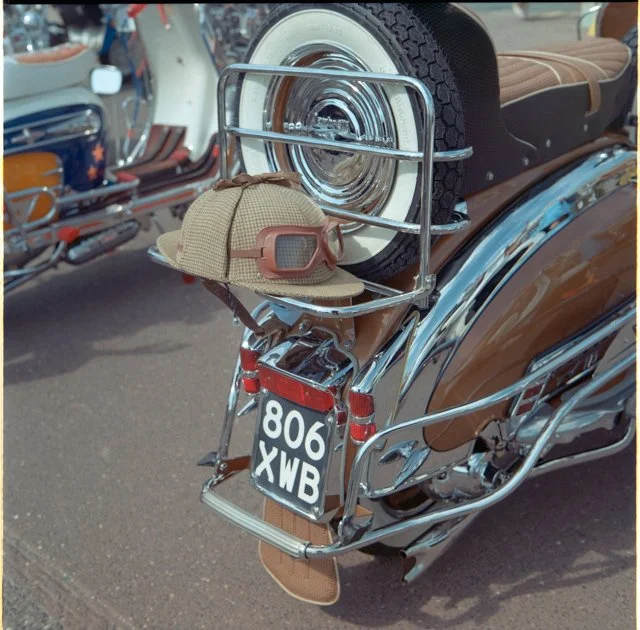
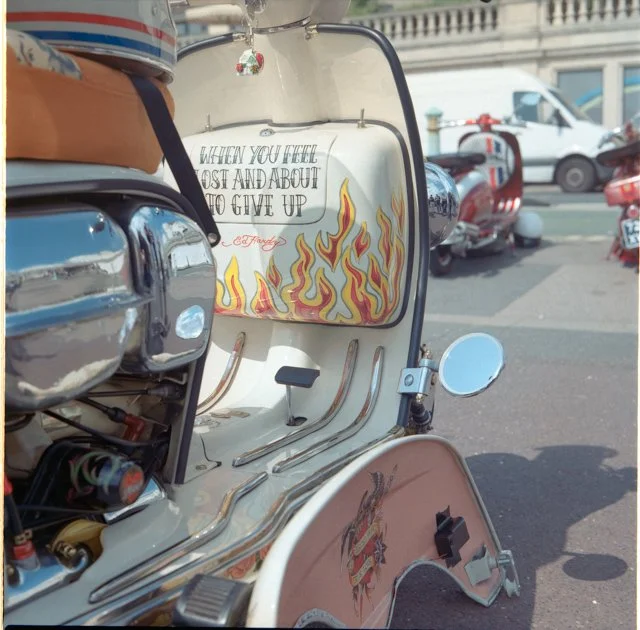
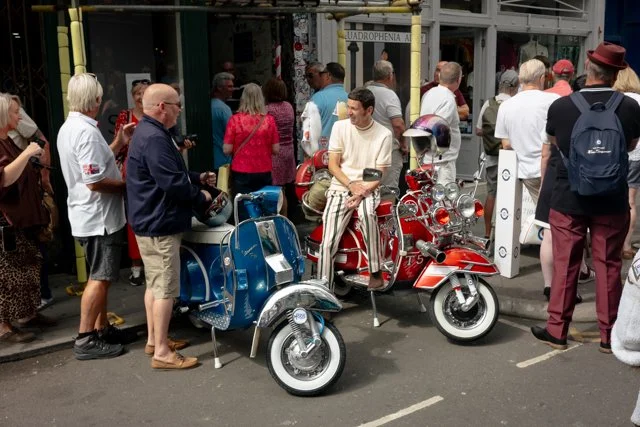
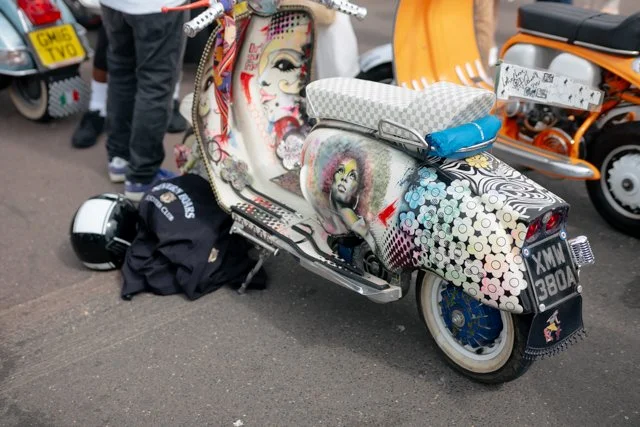
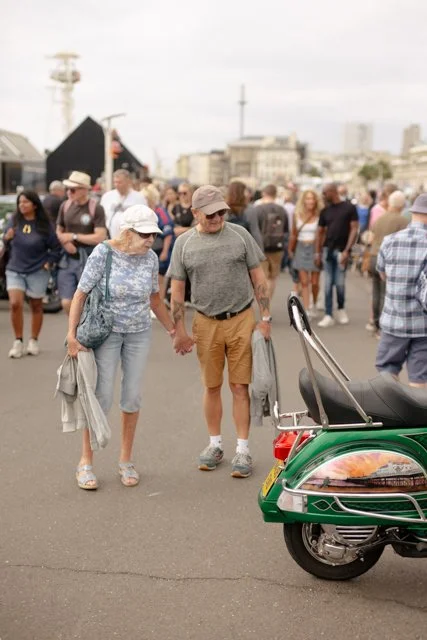
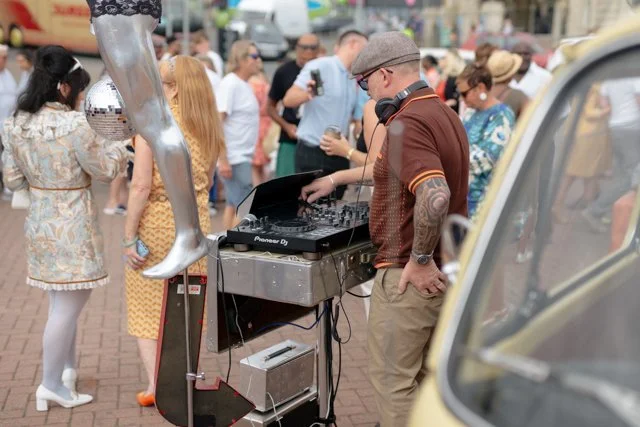
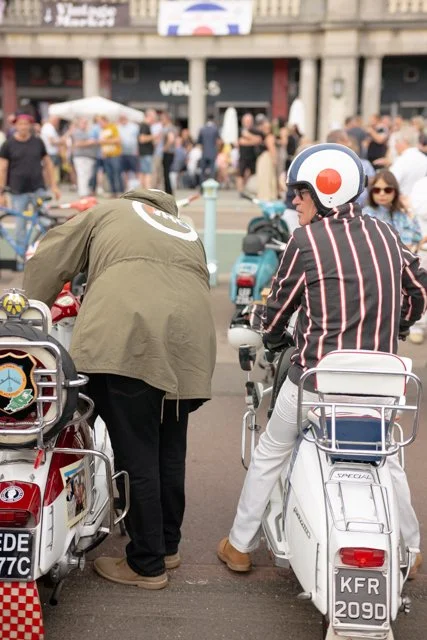
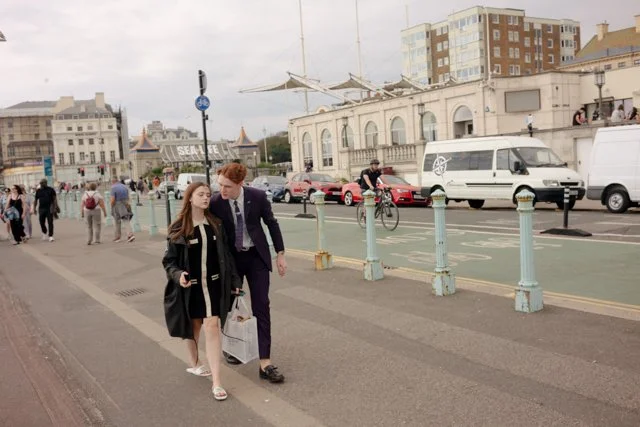
Every mod, whether they've traveled from across the UK or from continental Europe, parks their beloved scooter with pride, polishing chrome and showing off their bespoke customizations. The area around The Volks Bar becomes a central hub, a meeting point for old friends and new acquaintances. The atmosphere is electric, with onlookers and enthusiasts alike admiring the incredible machines and soaking in the cool, timeless vibe. It's a living, breathing exhibition, a tribute to the passion and dedication that defines the Mod scene.
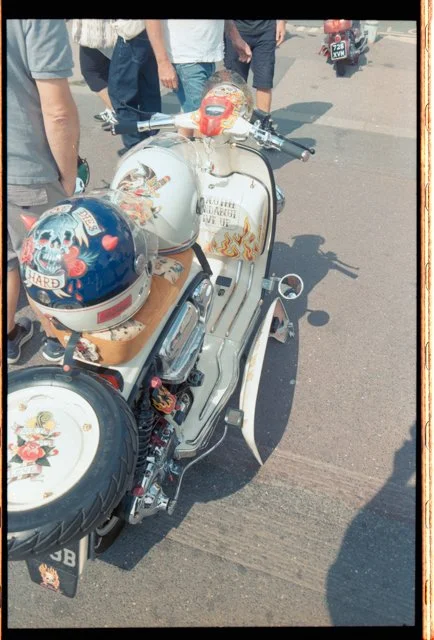
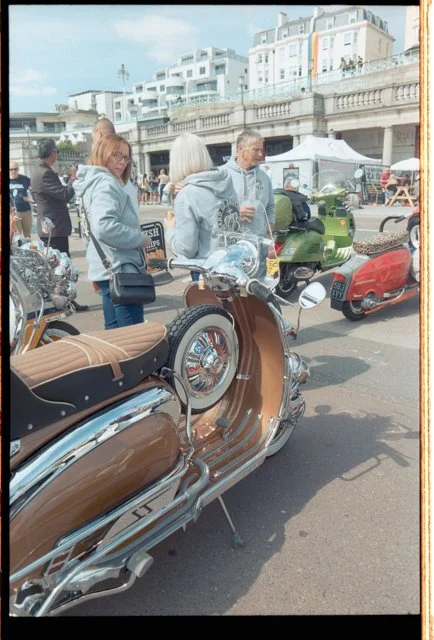
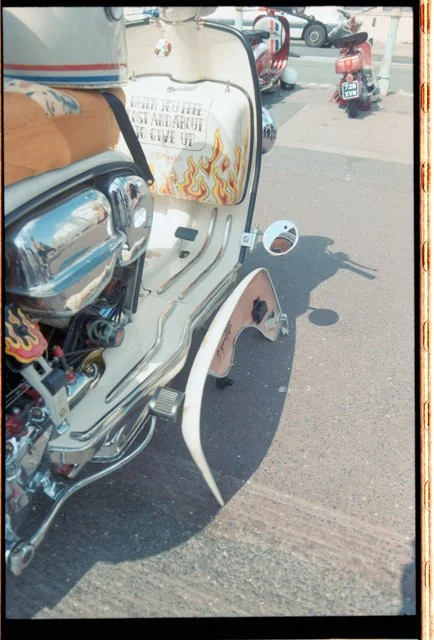
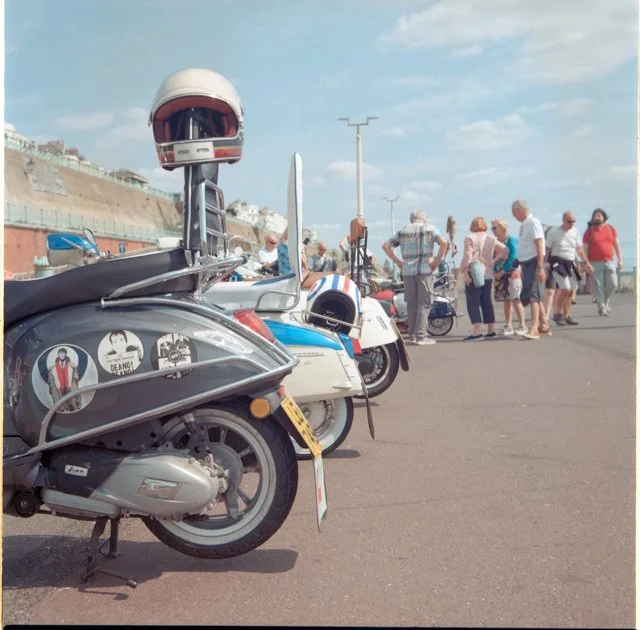
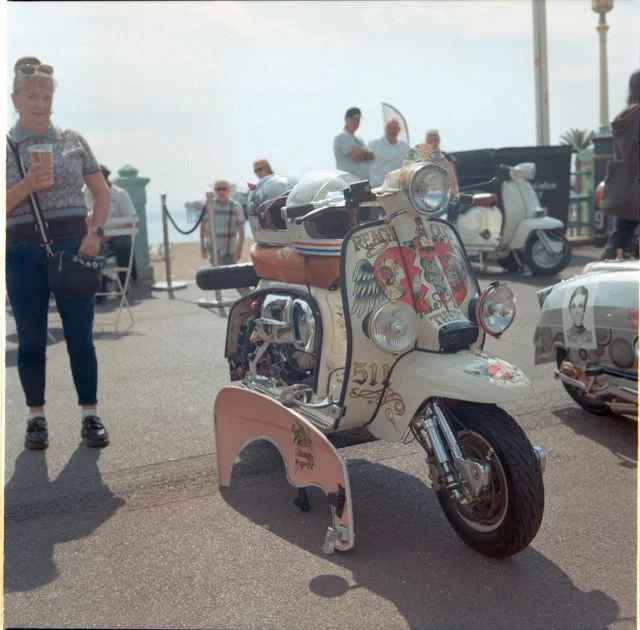
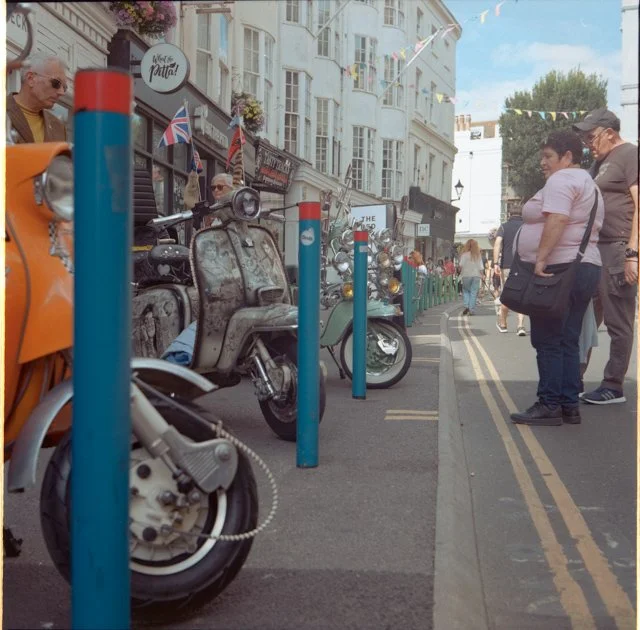
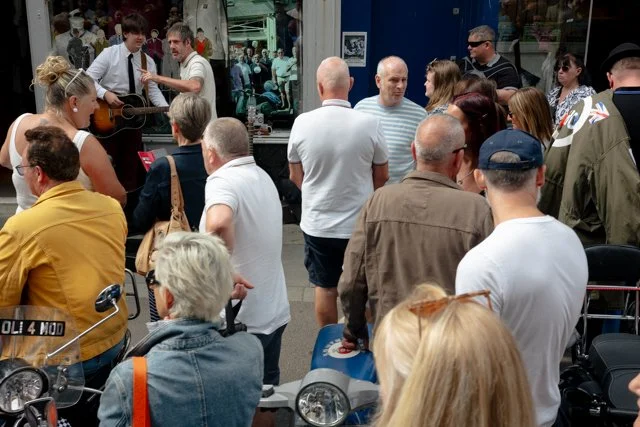
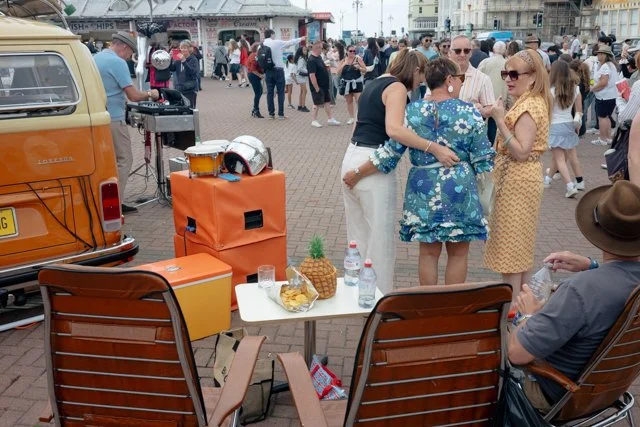
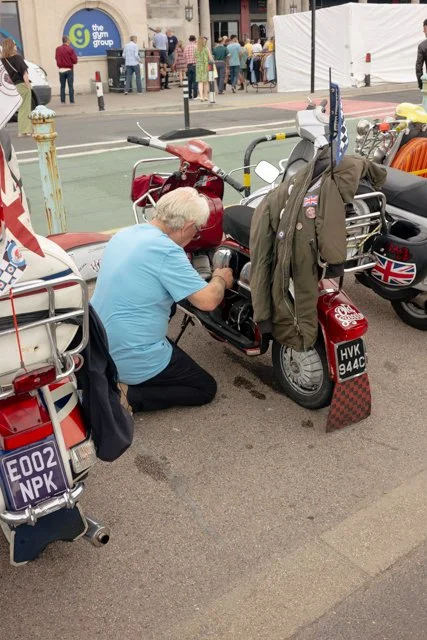
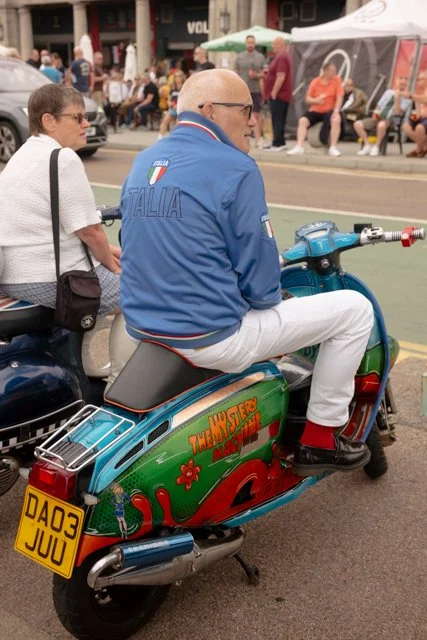
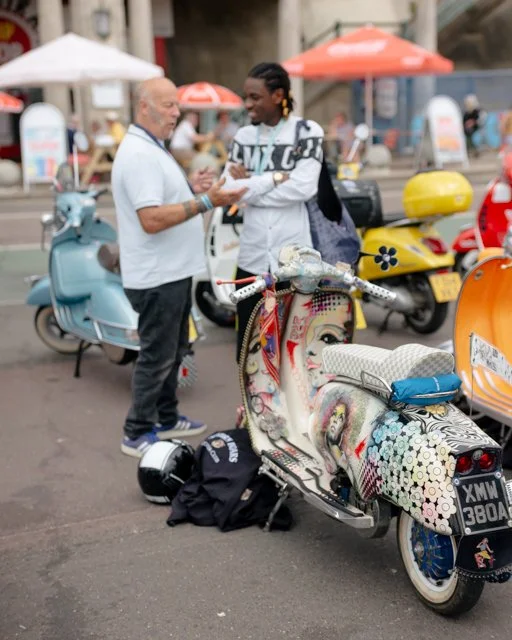
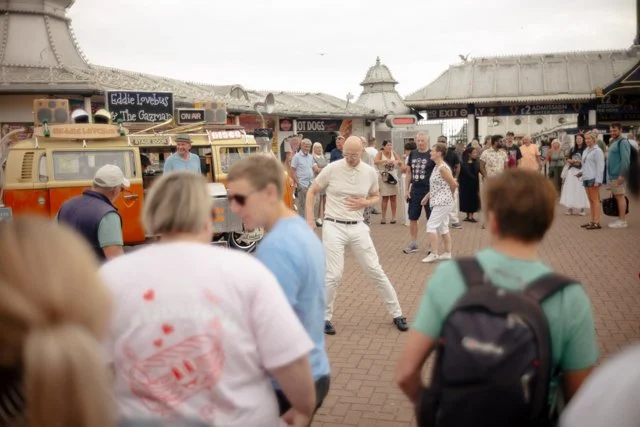
The Sunday scooter rideout was the cherry on top, as the convoy of scooters snaked its way along the coast, a modern-day echo of the legendary scenes from Quadrophenia. This year's event was a powerful reminder of how a subculture can endure and evolve, blending its rich heritage with an inclusive, forward-thinking spirit. If you were there, you'll know it was an unforgettable celebration. If you missed it, start planning for next year, because the Brighton Mod Weekender is an experience you won't want to miss.
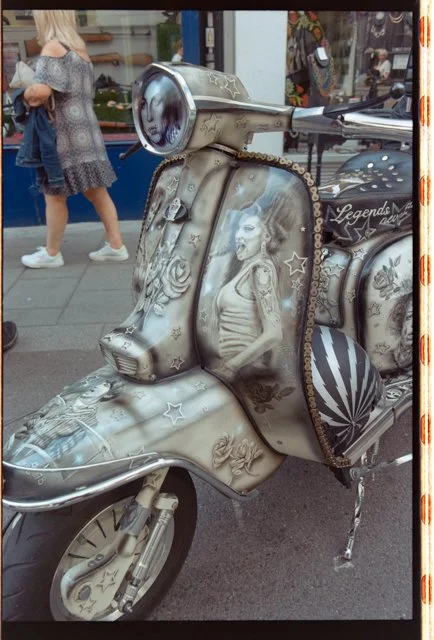
Until next time, keep Modding.
Brighton Pride 2025
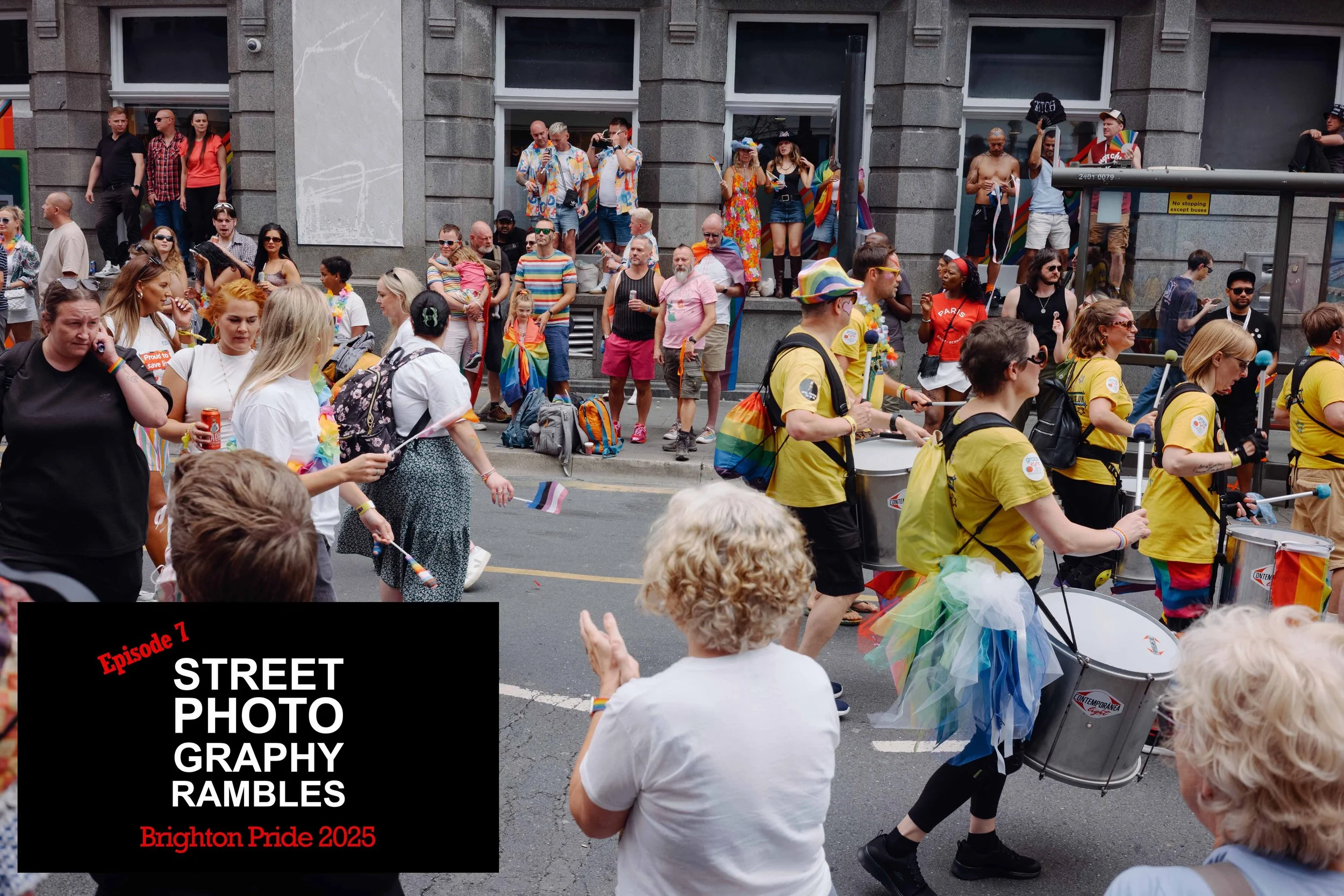
A short video of my photowalk at Brighton Pride 2025 on Saturday 2nd August 2025.
Taken on my Leica M10.

A short video of my photowalk at Brighton Pride 2025 on Saturday 2nd August 2025.
Taken on my Leica M10.
In the name of love?
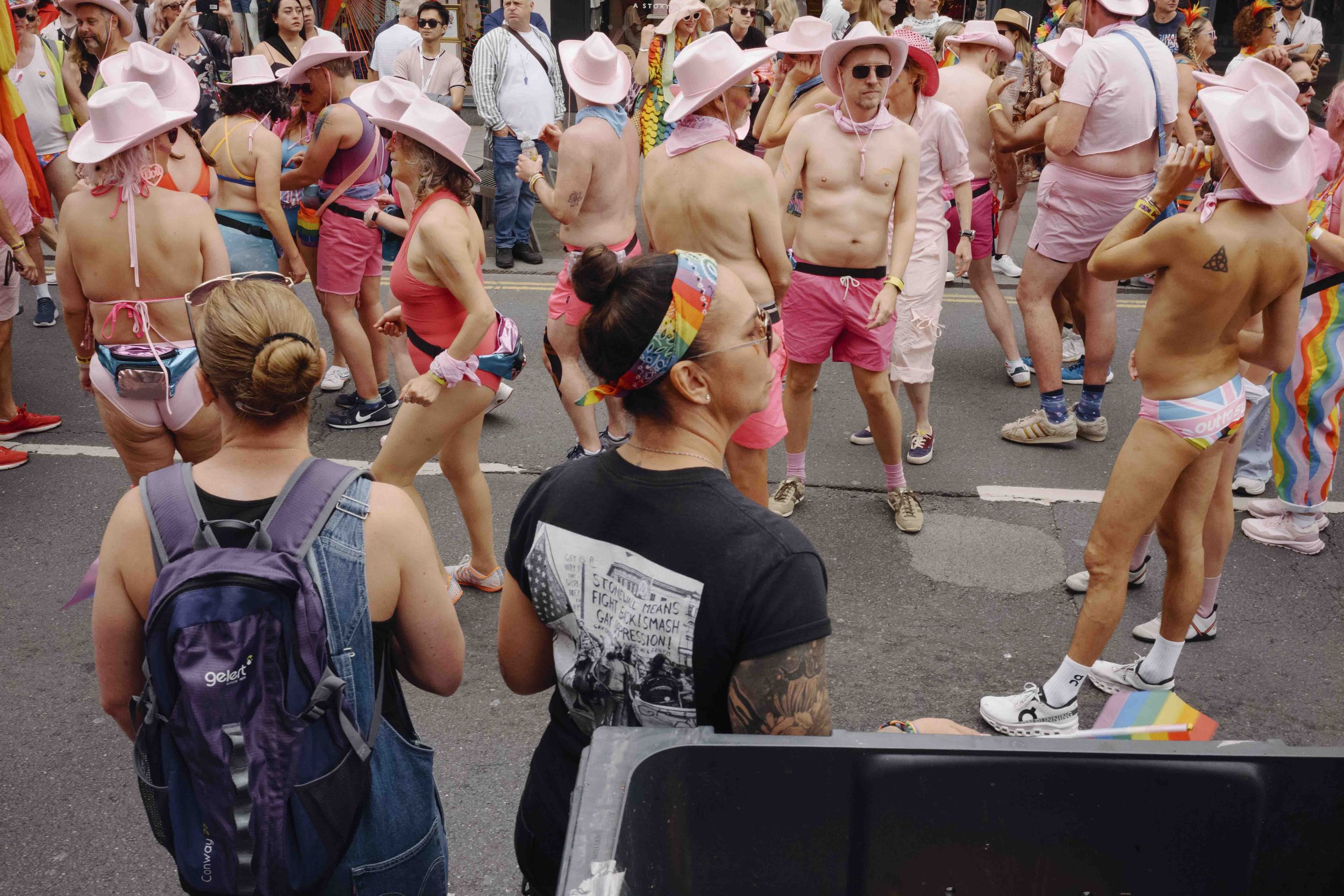
In a world that can often feel heavy with grim headlines and distressing current affairs, there are moments that remind us of the power of community, joy, and love. This weekend, Brighton & Hove Pride 2025 provided just that—a vibrant, lighthearted relief where people came together to celebrate and share some much-needed love.
In a world that can often feel heavy with grim headlines and distressing current affairs, there are moments that remind us of the power of community, joy, and love. This weekend, Brighton & Hove Pride 2025 provided just that—a vibrant, lighthearted relief where people came together to celebrate and share some much-needed love.
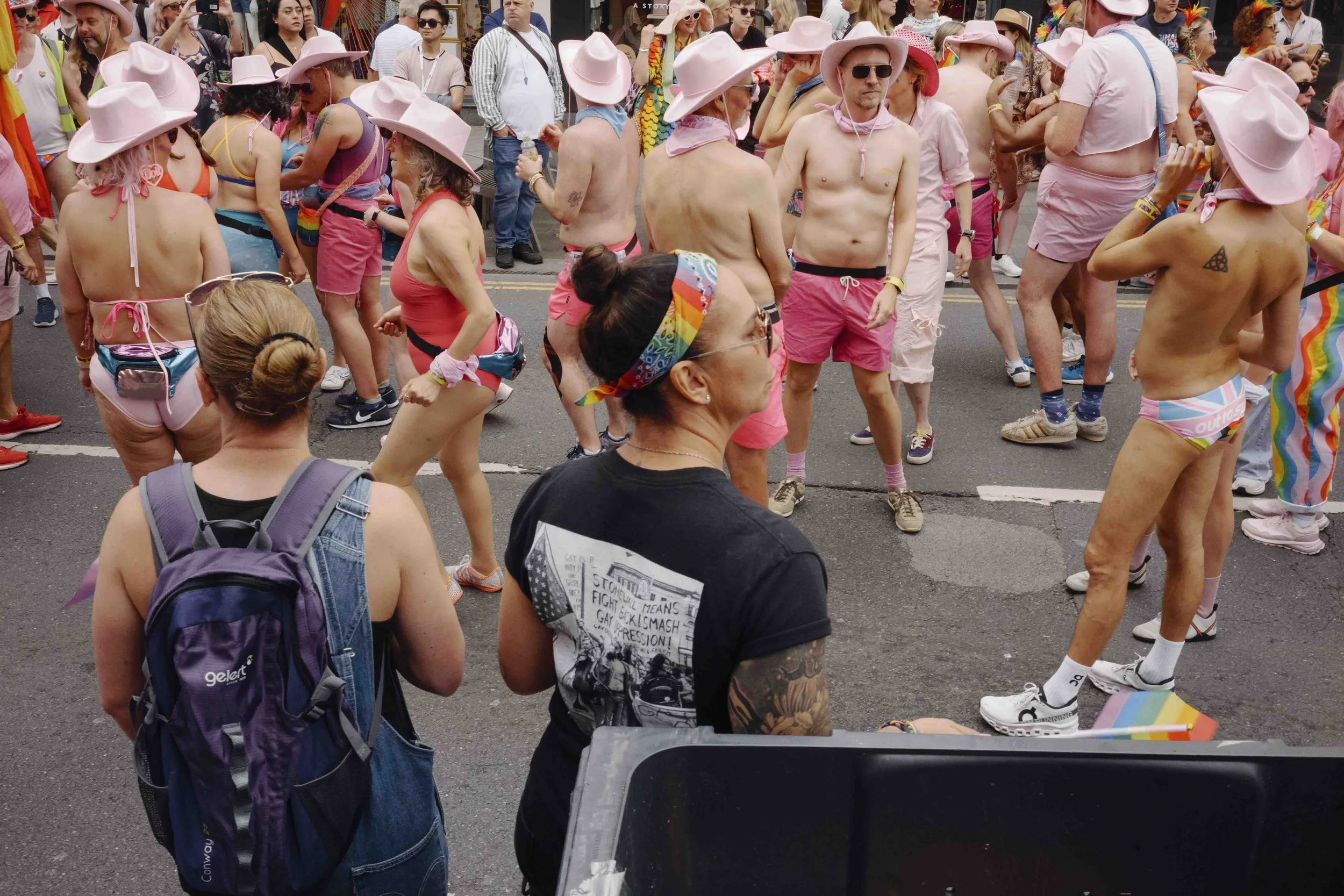
The city was a kaleidoscope of colour on Saturday, August 2nd, and Sunday, August 3rd, as Brighton & Hove Pride unfolded. This year's theme, "Ravishing Rage," served as a powerful reminder of the protest at the heart of Pride, but it was also a call to celebrate resilience with fearless spirit. And celebrate they did!

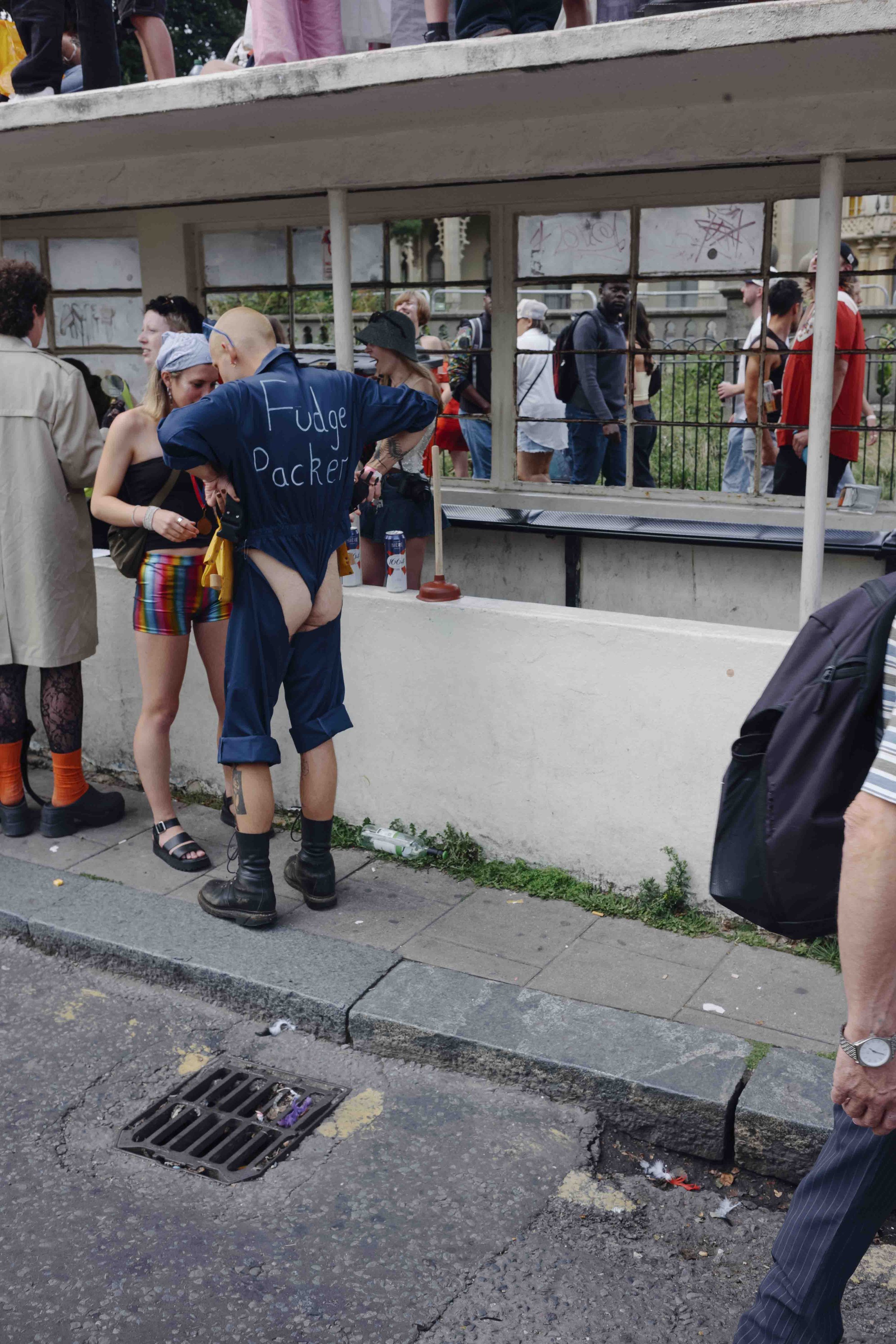
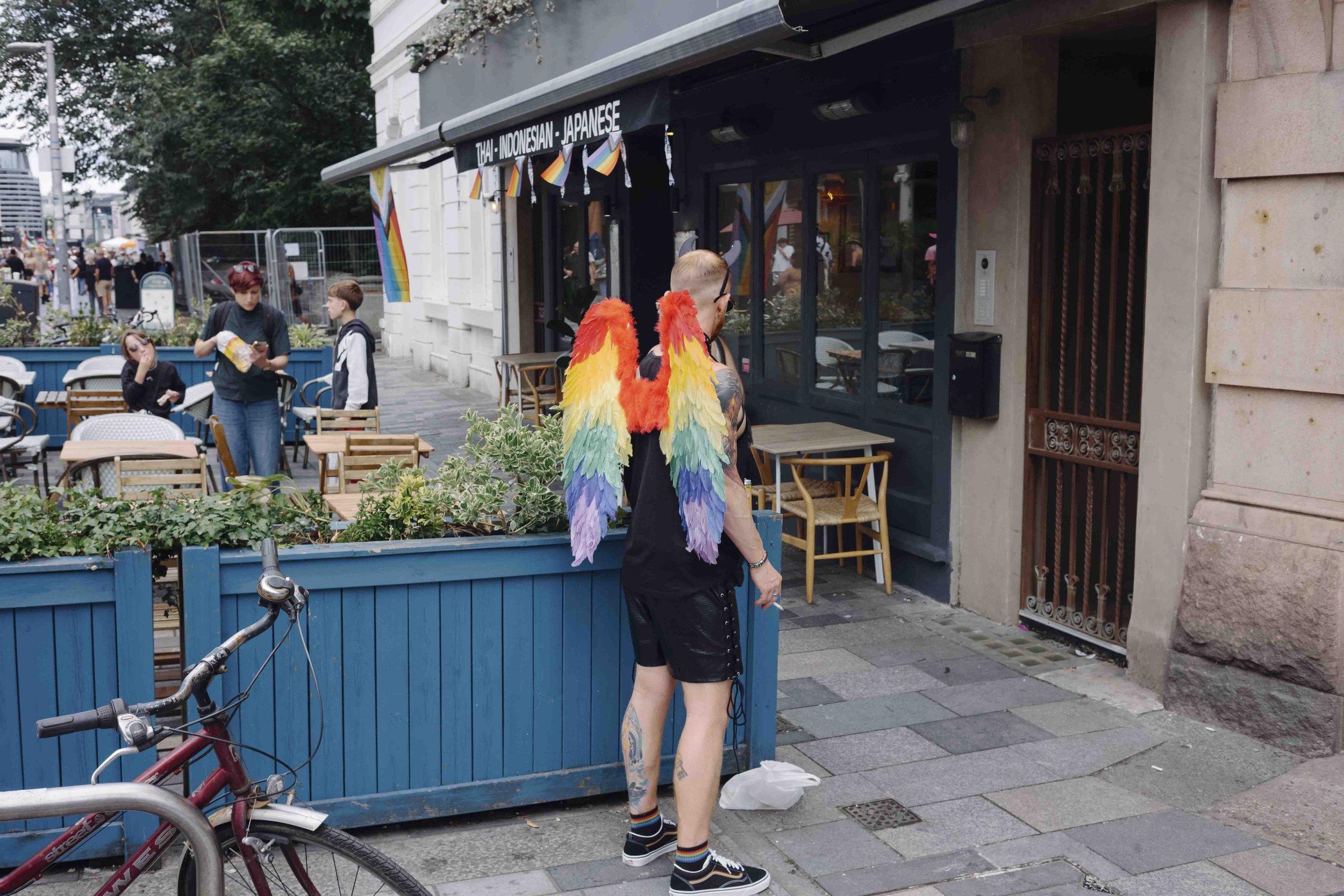
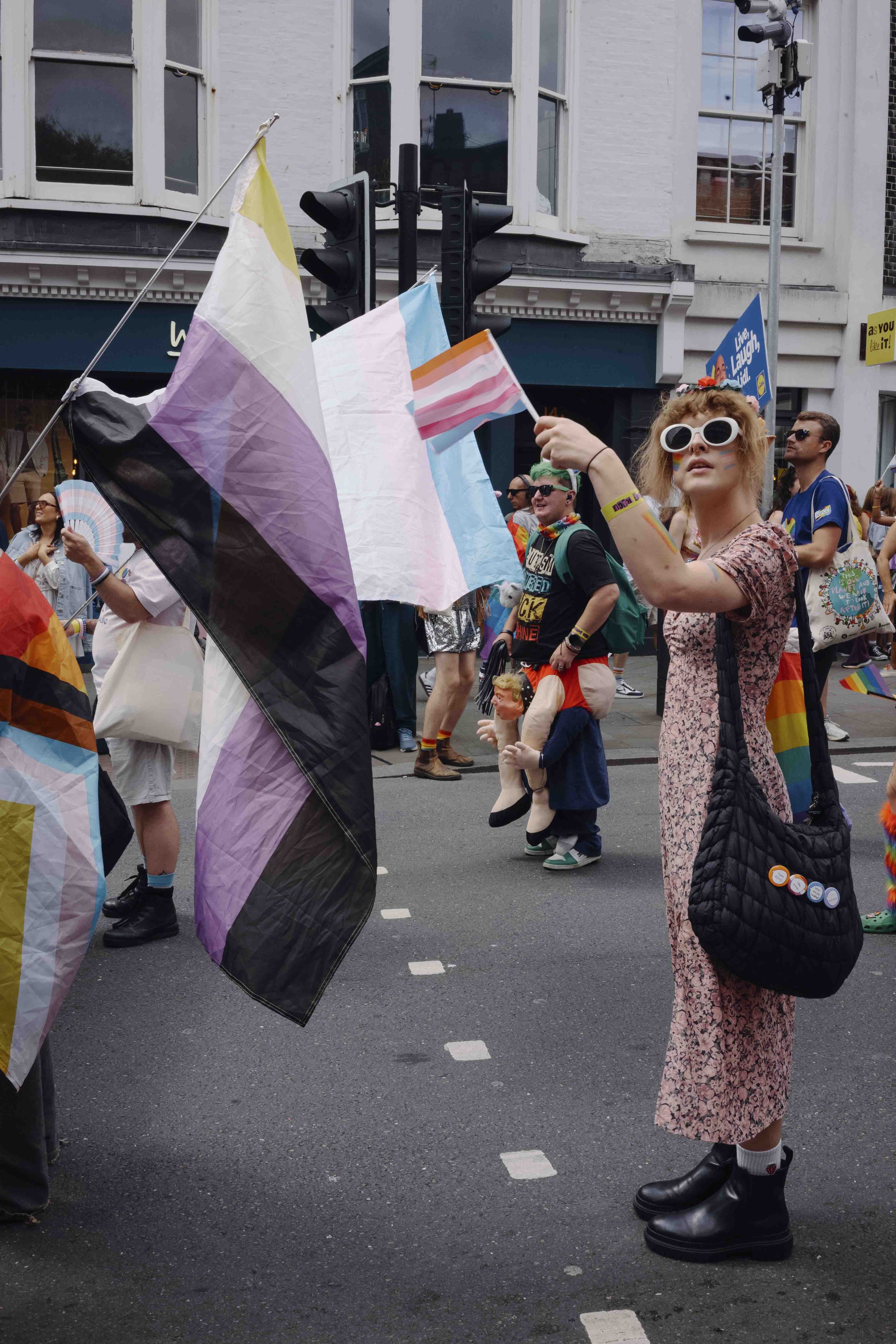


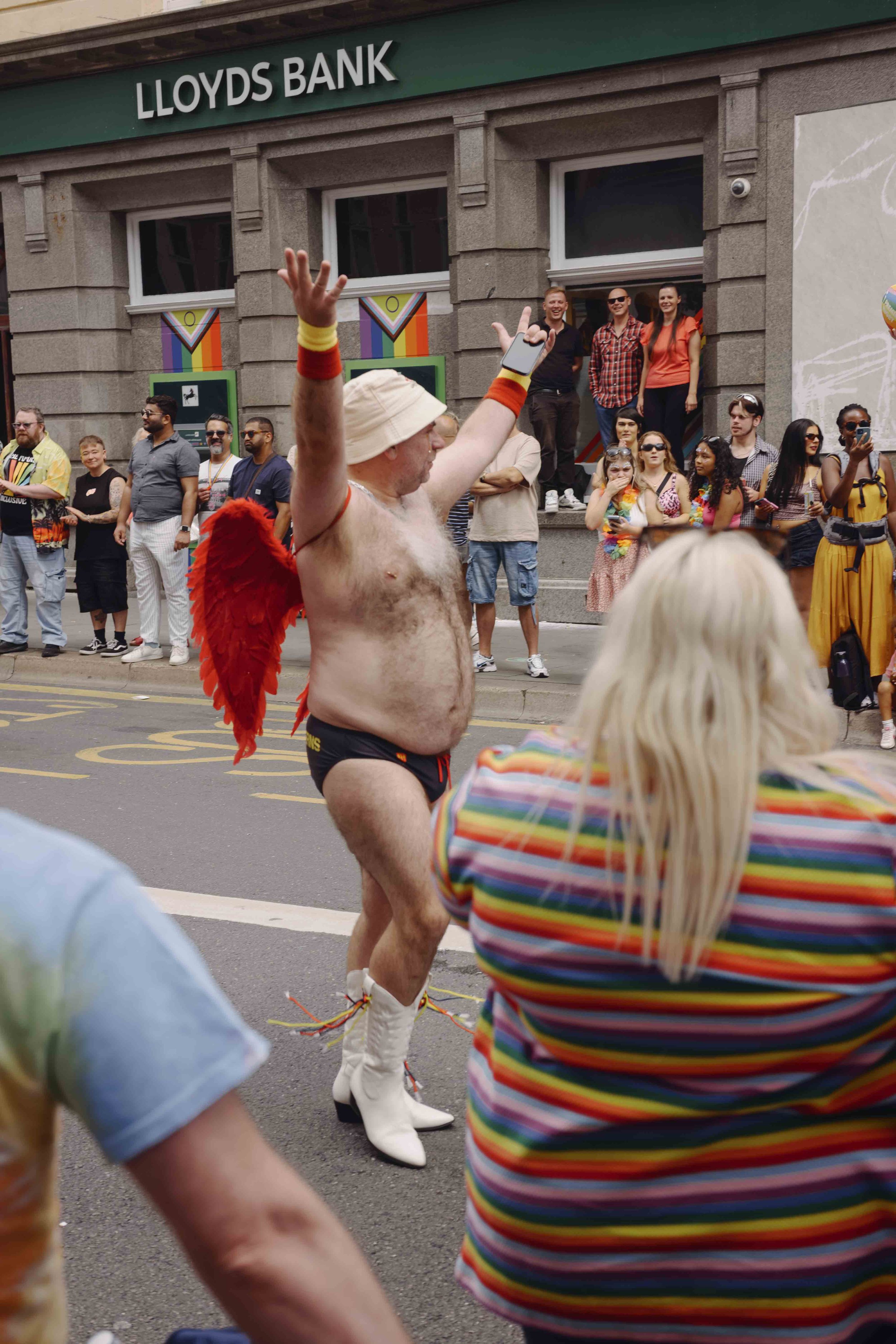

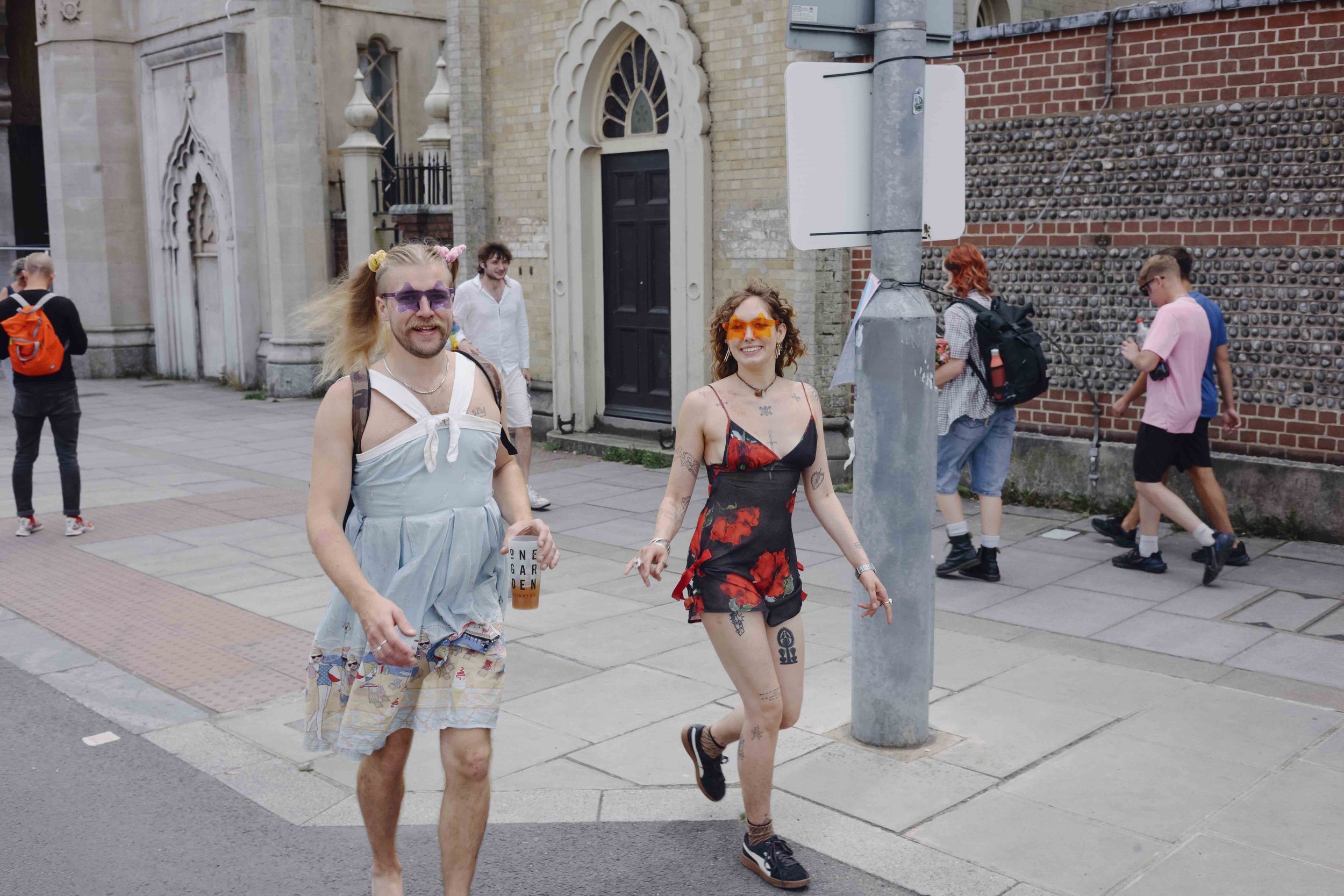


The energy was palpable as the annual LGBTQ+ Community Parade wound its way through the streets. Thousands of people, from community groups and local businesses to allies and supporters, marched with infectious enthusiasm, creating a beautiful spectacle of diversity and unity.
The festivities continued at Preston Park for the "Pride on the Park" festival. The atmosphere was electric, with a lineup that brought people together in song and dance.

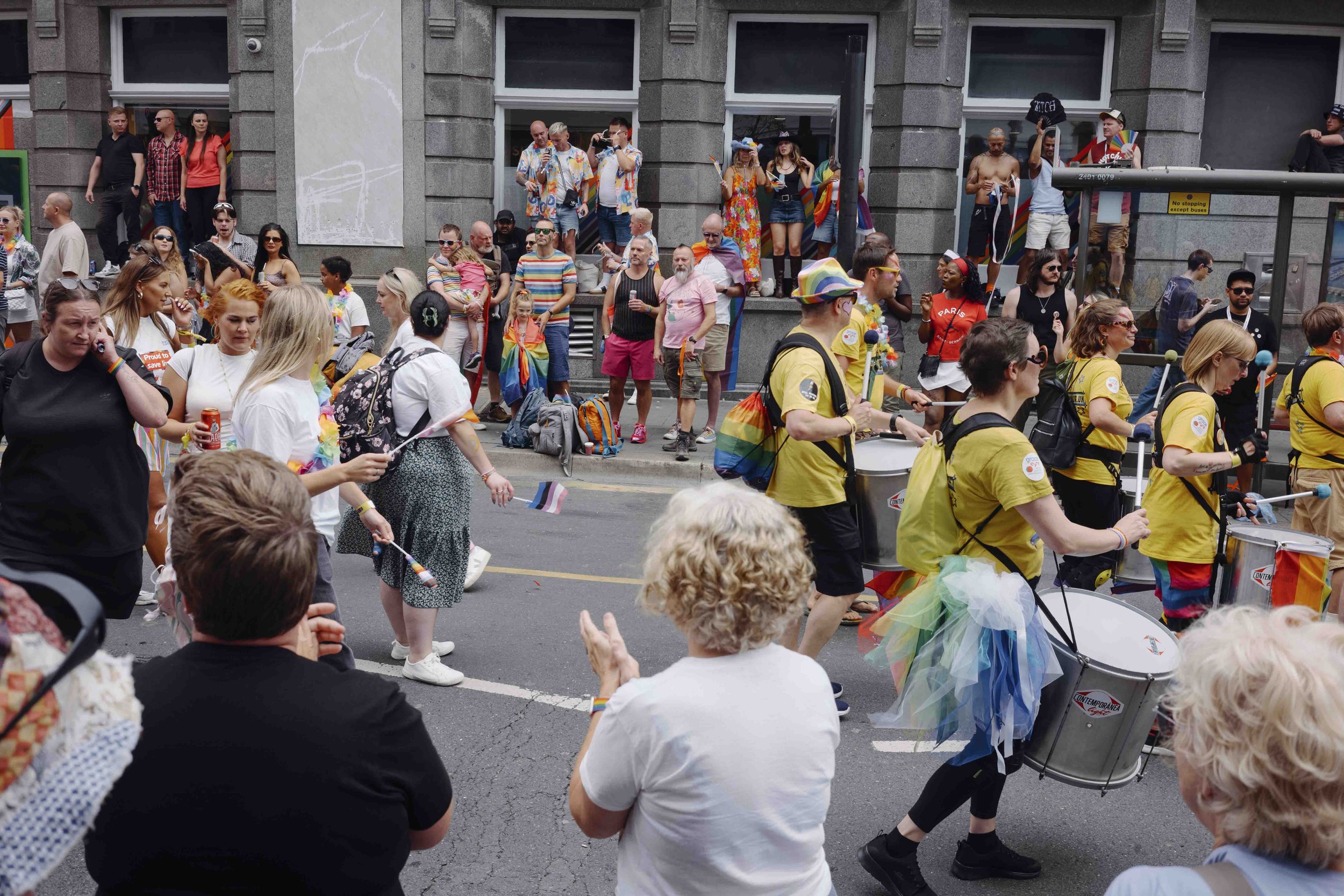
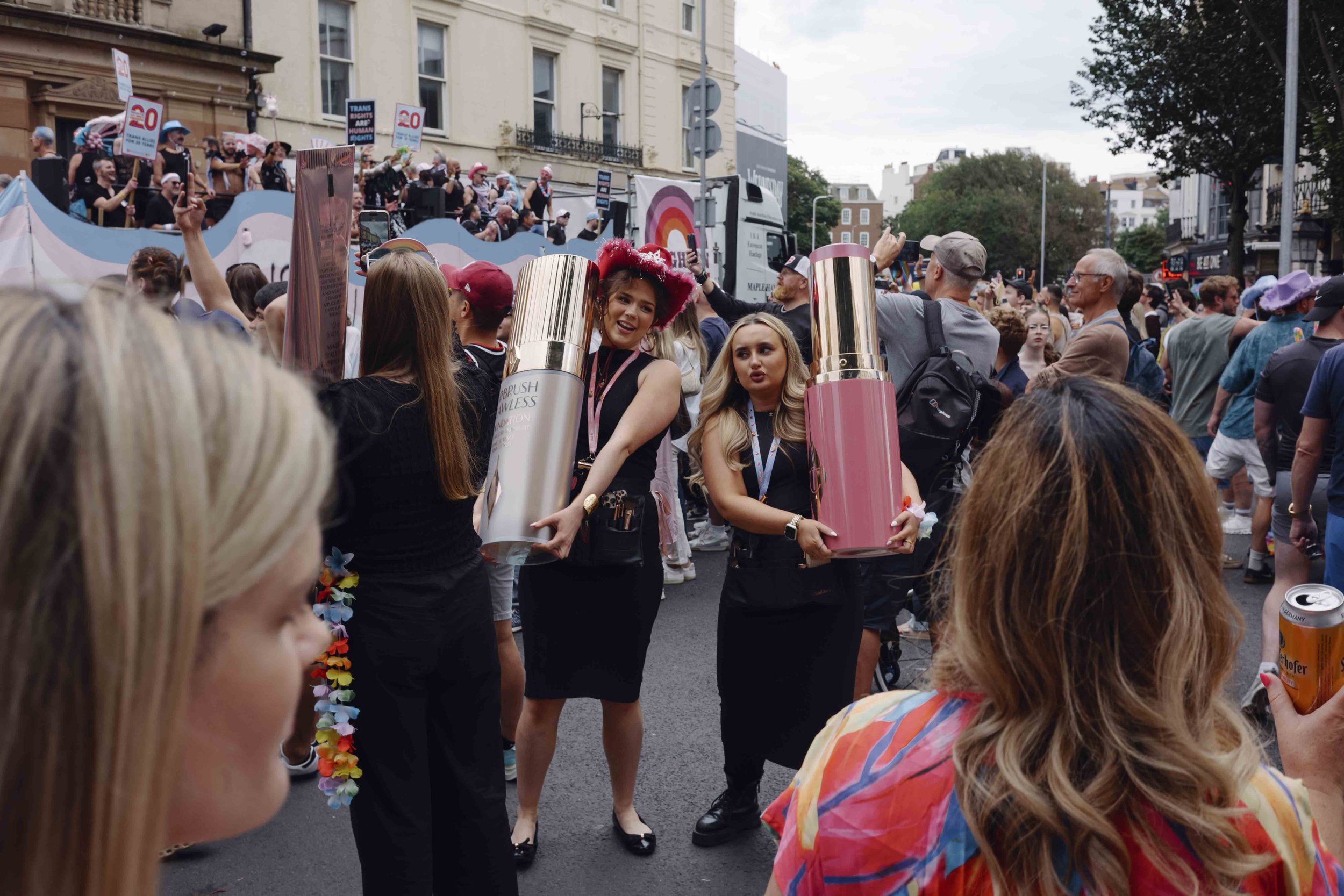

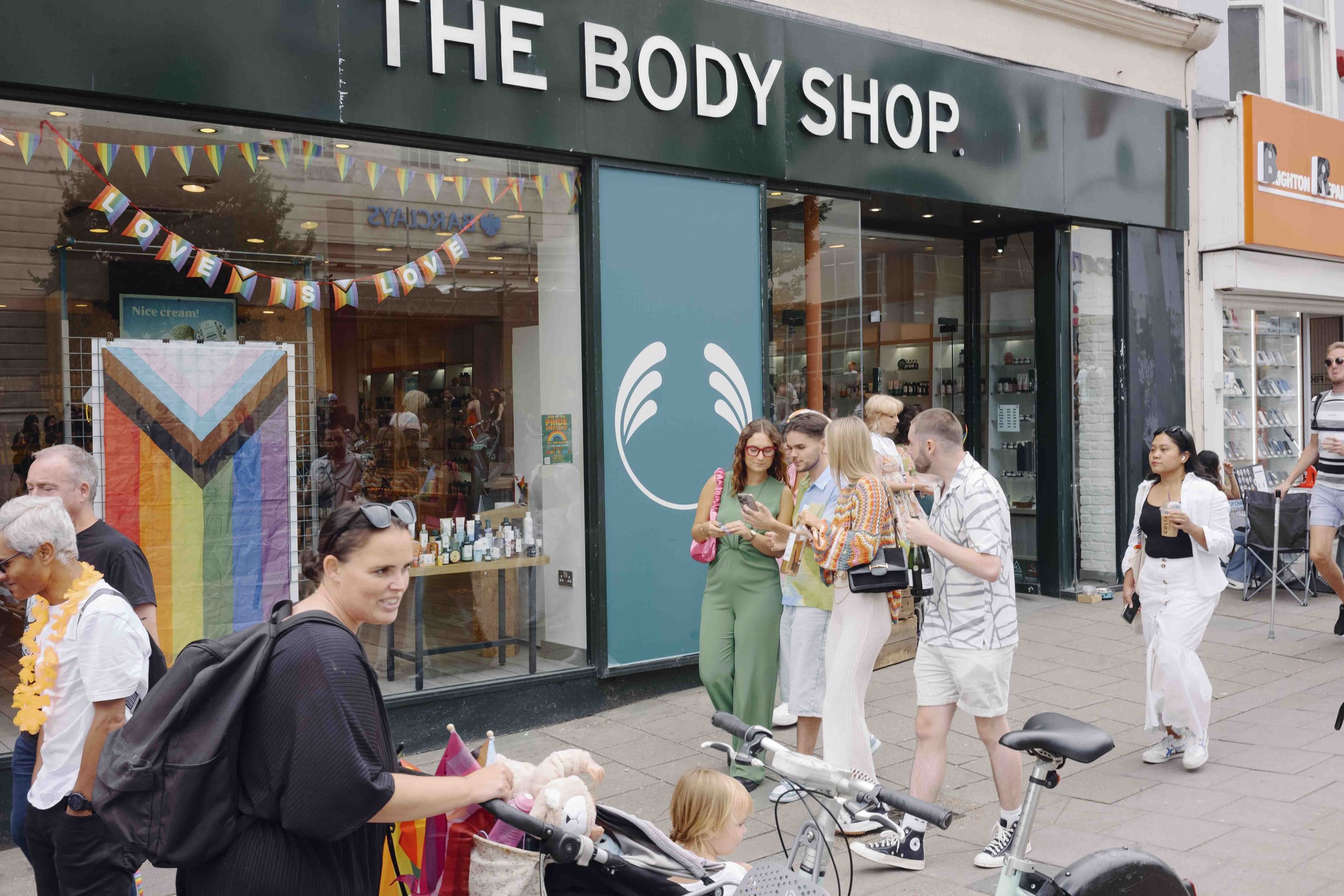
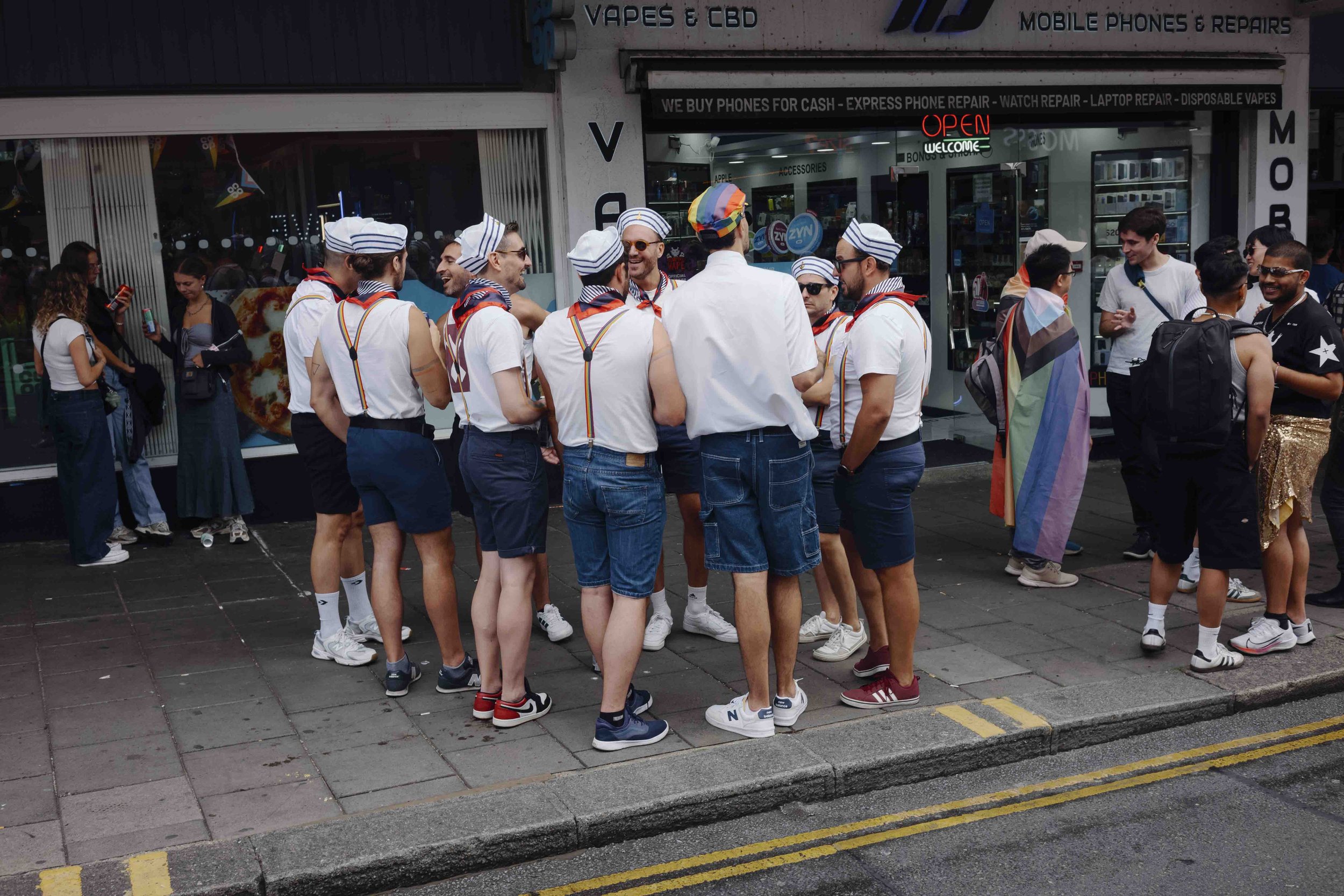
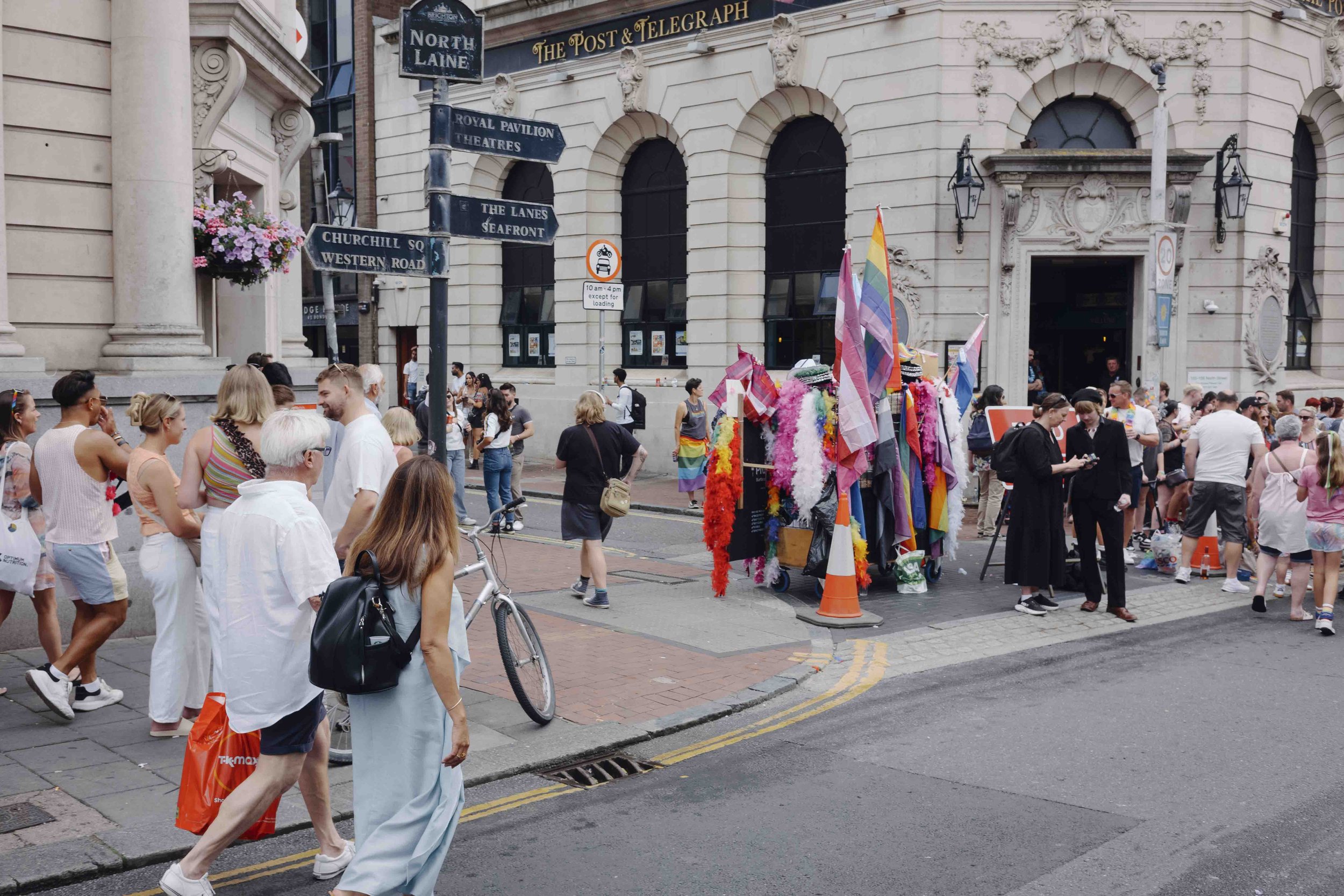


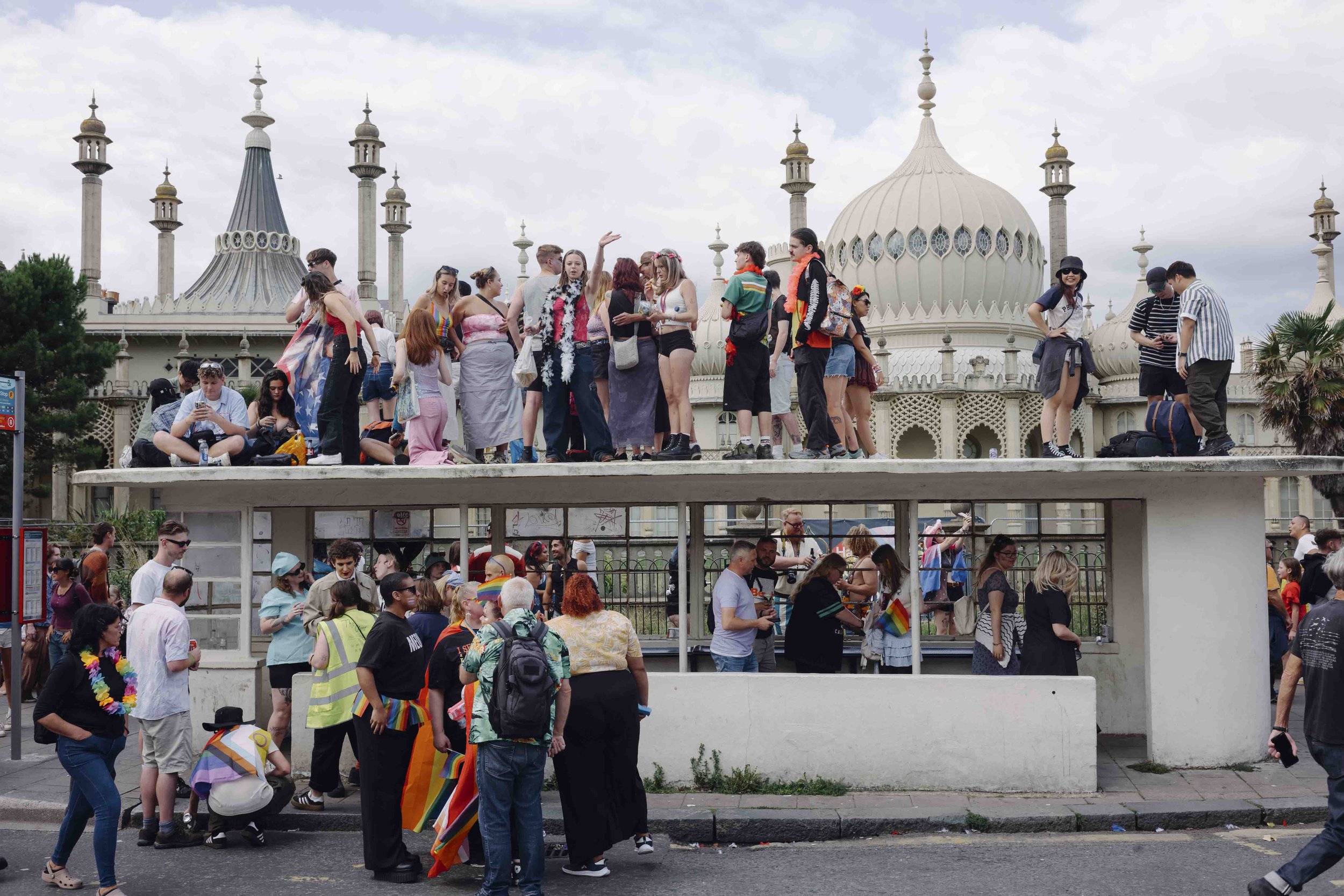


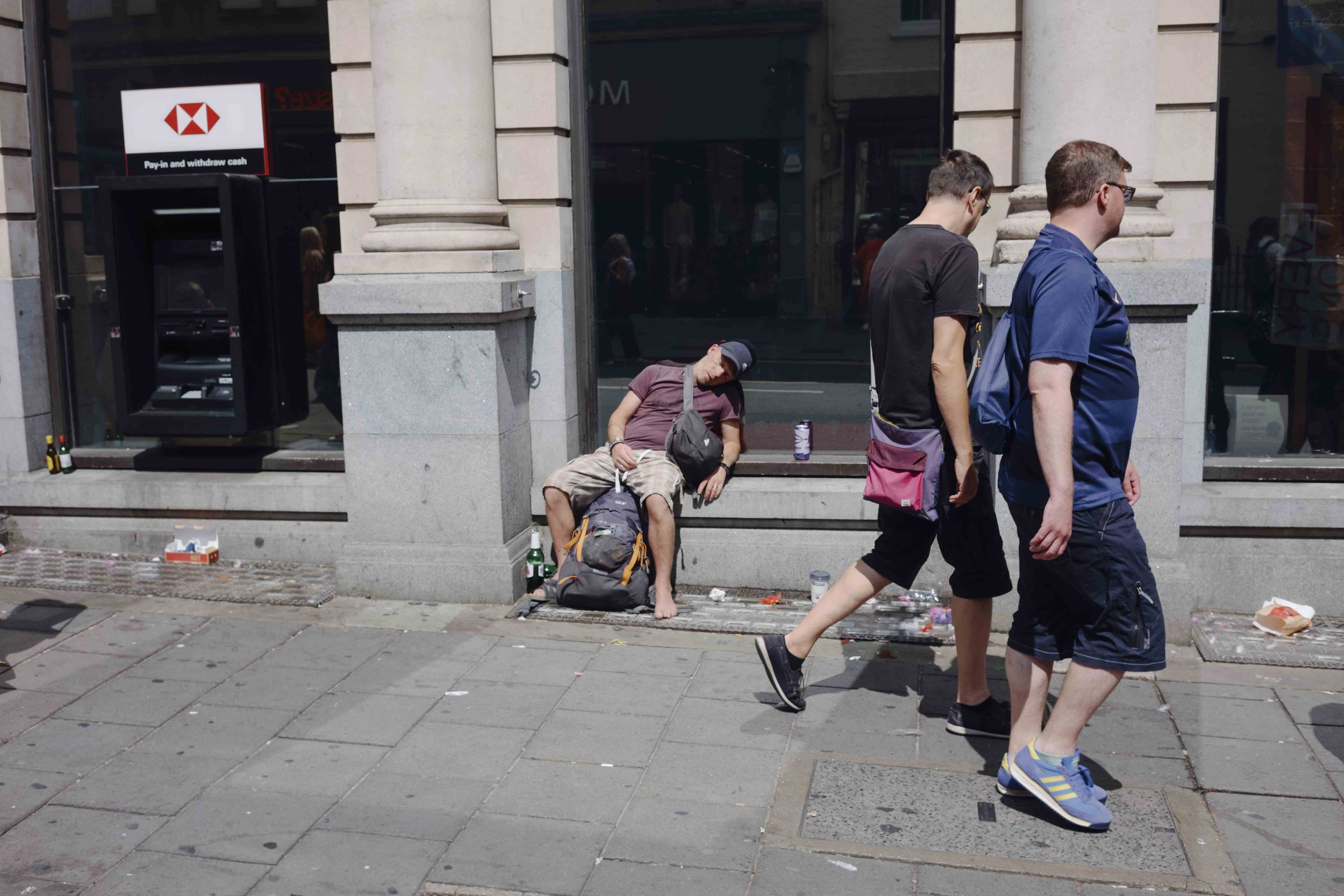
The city's streets were also alive with the Pride Street Party on Marine Parade, where people enjoyed music, food, and drinks in a festive, accepting environment. Beyond the official events, every corner of Brighton seemed to be buzzing with joy, as cafes, pubs, and venues hosted their own celebrations.
In a world that sometimes feels disconnected, Brighton Pride 2025 was a powerful testament to the simple joy of being together. It was a weekend where folk were truly enjoying themselves, sharing smiles, hugs, and laughter.


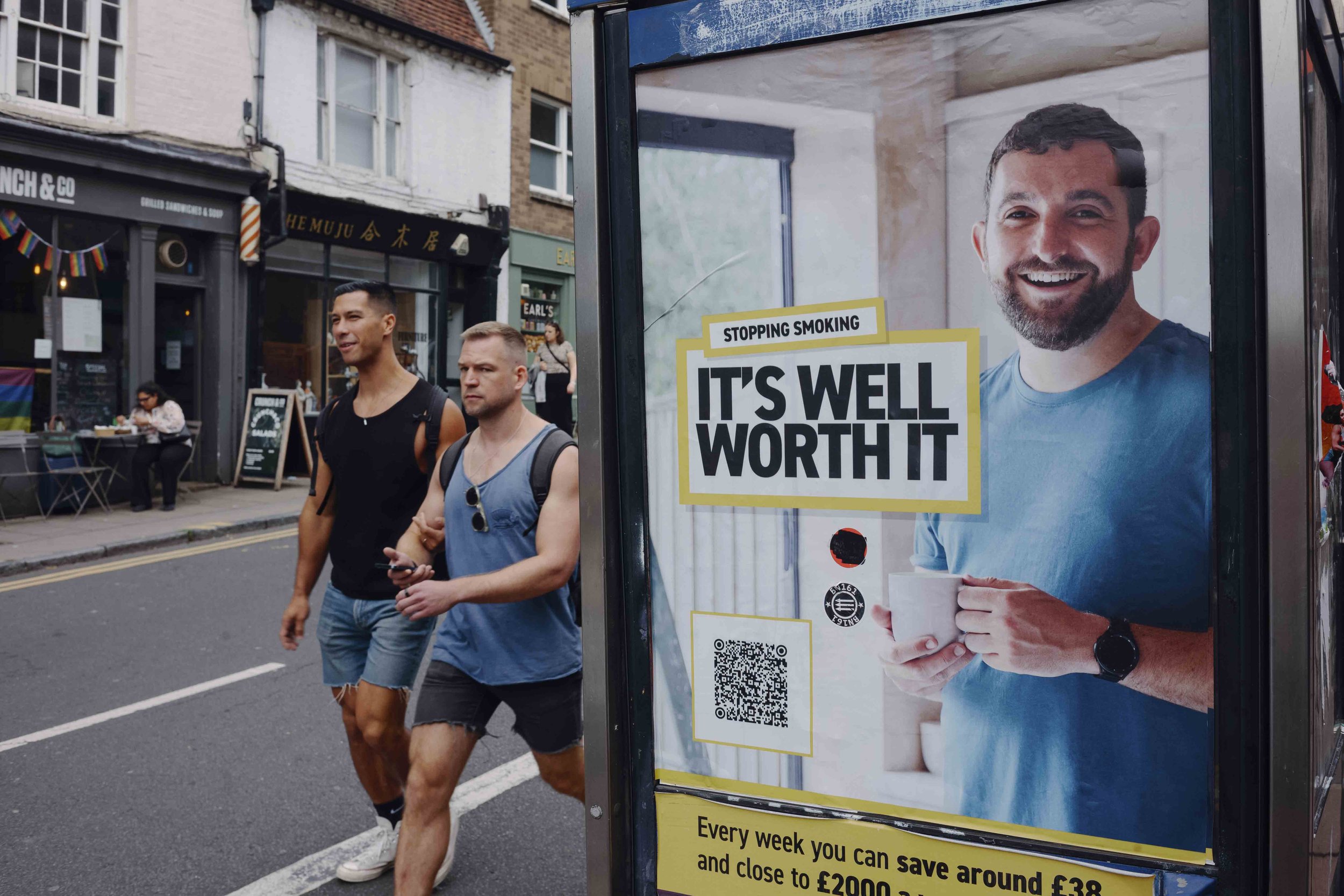


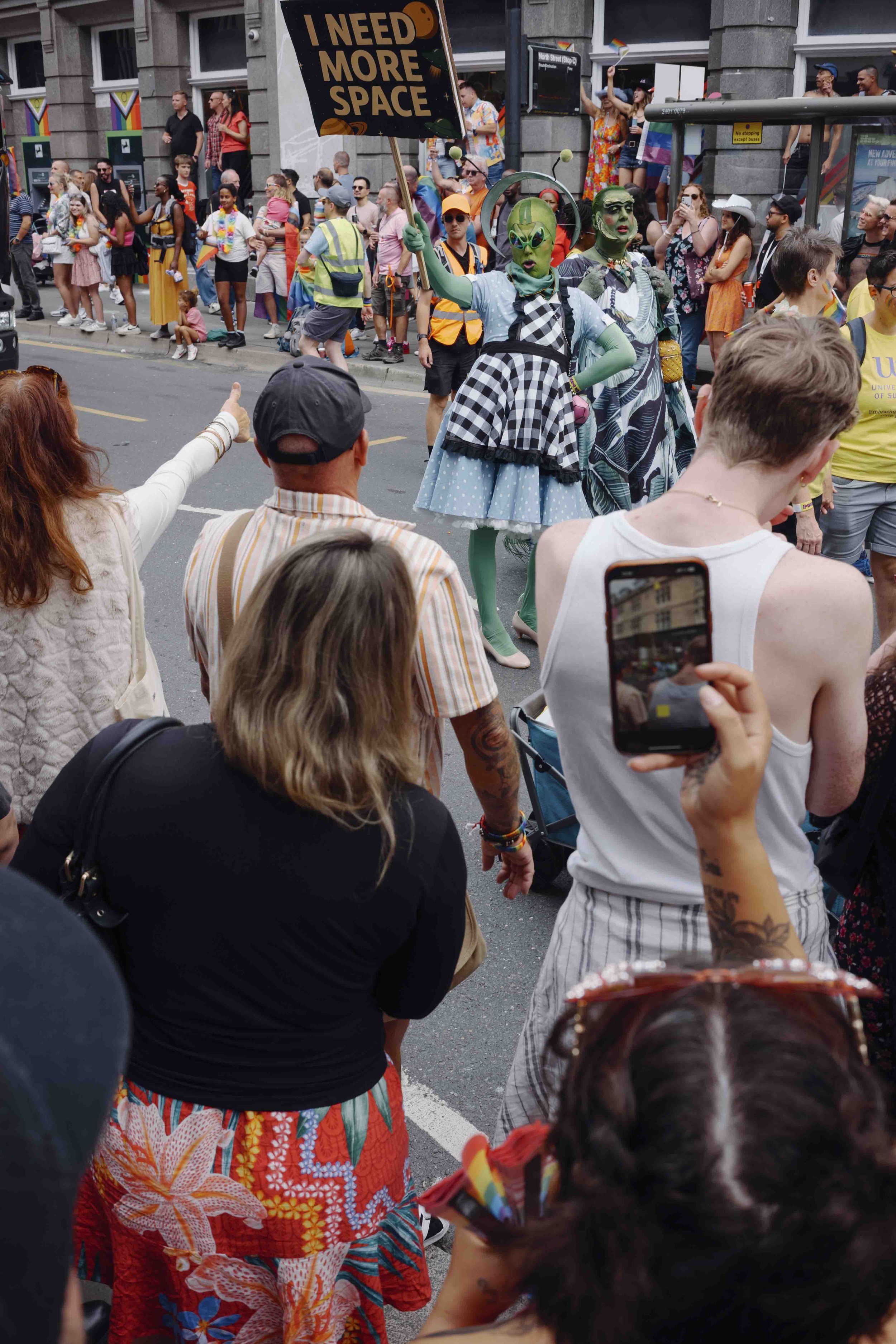


It reminds me why I'm lucky to bring my kids up, in such a free spirited and open minded city.
It was a beautiful escape and a reminder that when we come together, we can create a space of hope and love, even in the most challenging times.
Until next time, keep snapping keep loving
Tons of Folks, AKA Folkestone
Had a lovely start to the weekend yesterday, up nice and early at 07:00 having a lovely morning coffee and editing photos, giving the website a minor refresh adding some new products to the store.
My daughter - having surpassed my expectations in approach and preparation to her GCSE’s - is starting her summer holiday, with a camping trip to wales, with her friends.

Had a lovely start to the weekend yesterday, up nice and early at 07:00 having a lovely morning coffee and editing photos, giving the website a minor refresh adding some new products to the store.
My daughter - having surpassed my expectations in approach and preparation to her GCSE’s - is starting her summer holiday, with a camping trip to wales, with her friends.
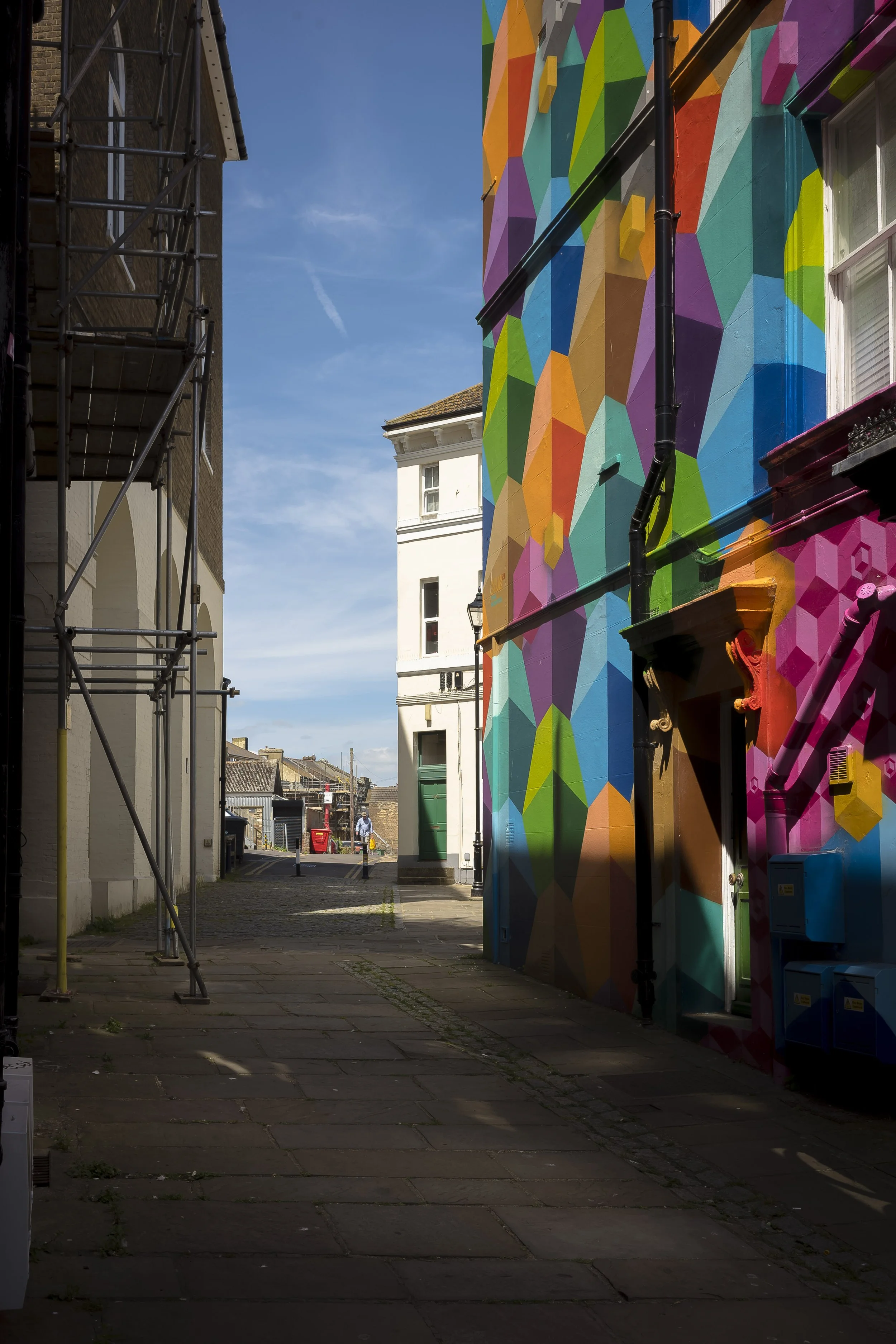
We decided to jump in the car and head over to Folkestone, for a dad / daughter day, photowalk, shoppping and some seafood at in the harbour.
Folkestone is a little gem of a spot and somewhere, with its charming harbor and vibrant streets, is the perfect destination for a day trip.
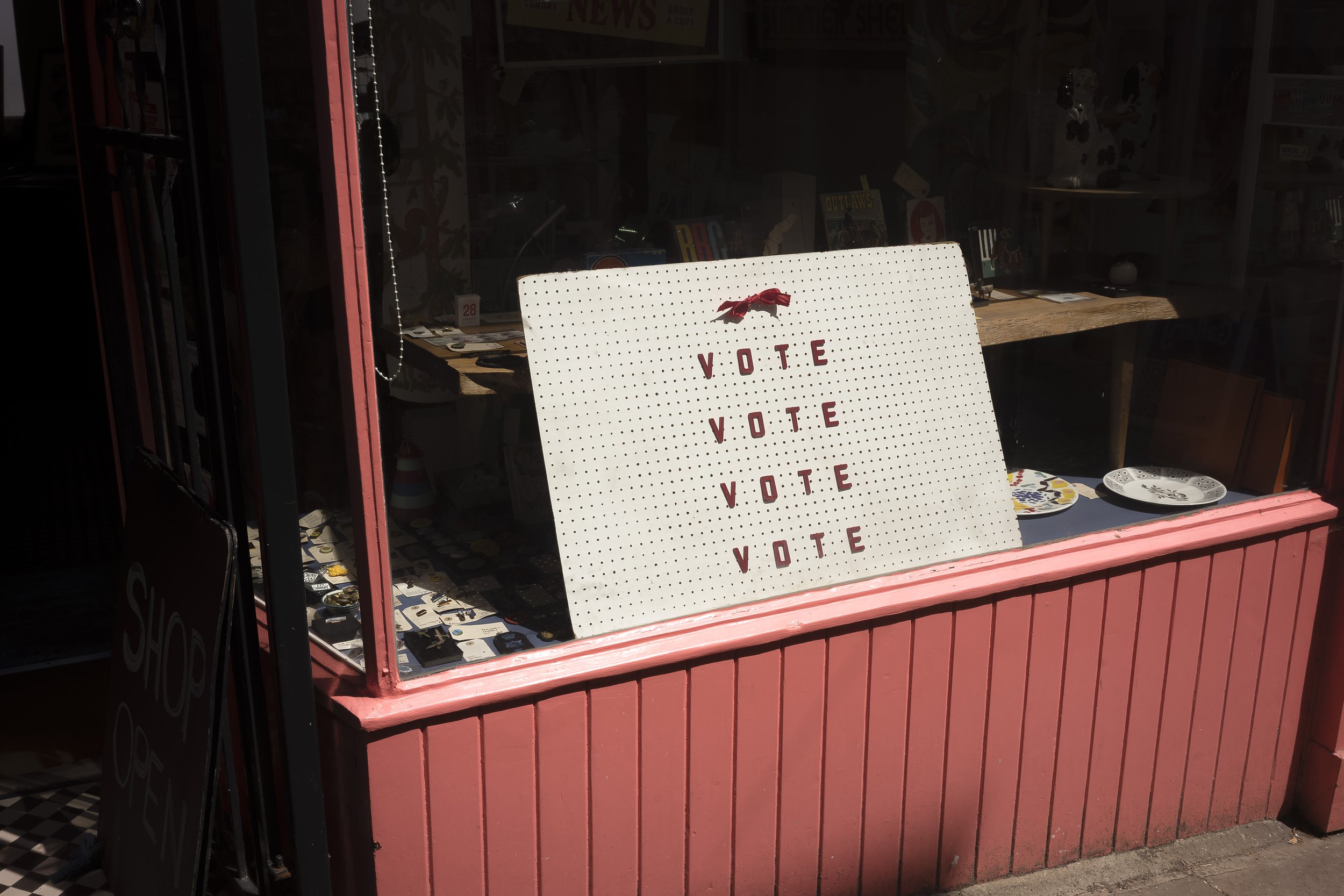
Both my kids are audiophiles, where my sons tastes are as broad I as have known, but my daughter possibly takes the edge, with her lust for live performance and festivals. I was given a sample of Declan McKenna and ‘Brazil’. This is a protest song, regarding the awarding of the 2014 World Cup to Brazil.
Ok granted, a fine tune.
Not only does my daughter and I share a (very) similar music taste and political stance, I considered my counter, the lure of Billy Bragg was to obvious, so I countered with Flag Day, the 1985 debut of The Housemartins. I loved this band was I was younger, never thought the bass player - Norman Cook - would go far?
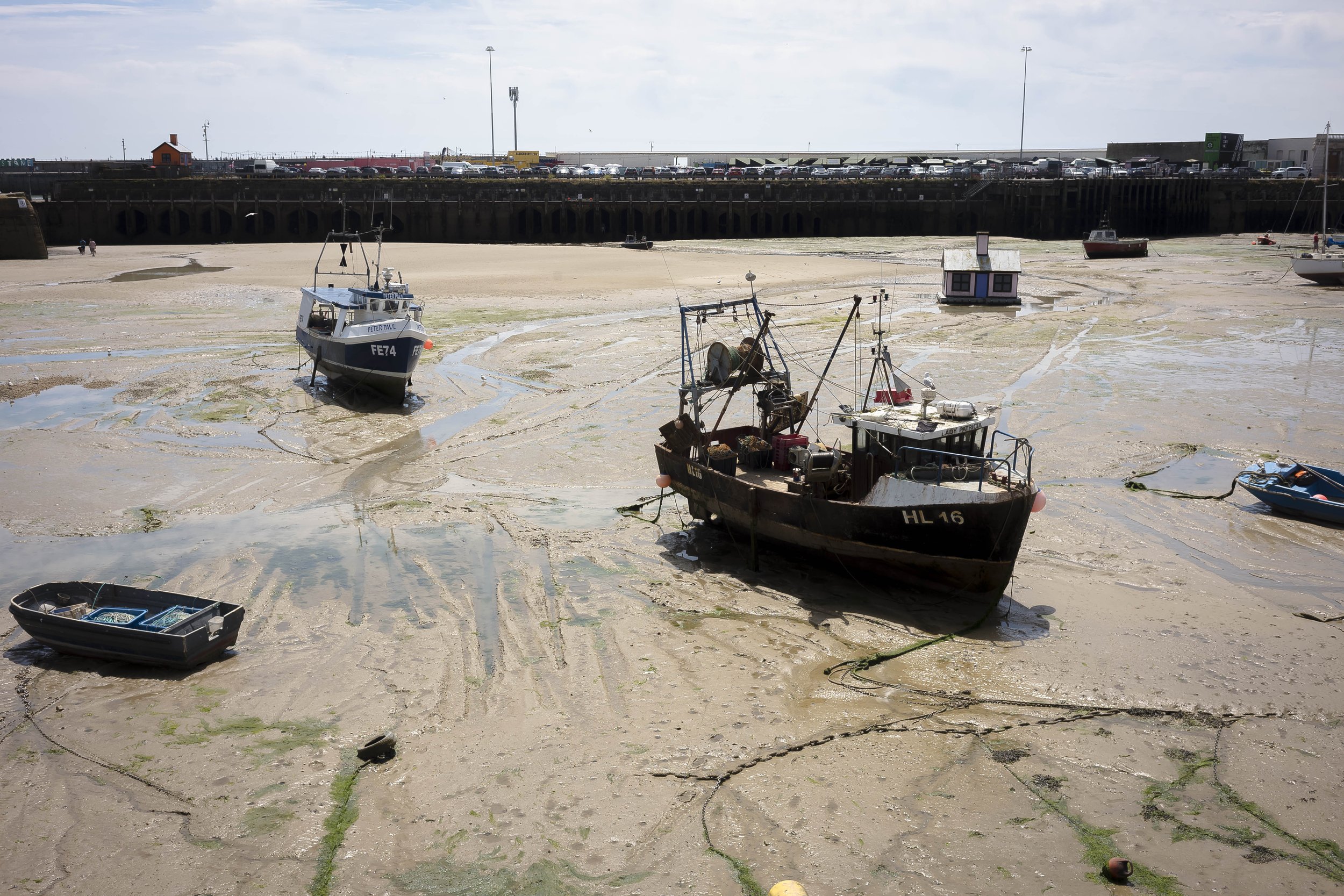
Folkestone's harbor buzzed with activity. We opted for a seafood lunch, savoring fresh fish and chips while watching bobbing boats and colorful lifebuoys. Refueled and ready to explore, we ventured into the heart of the town.
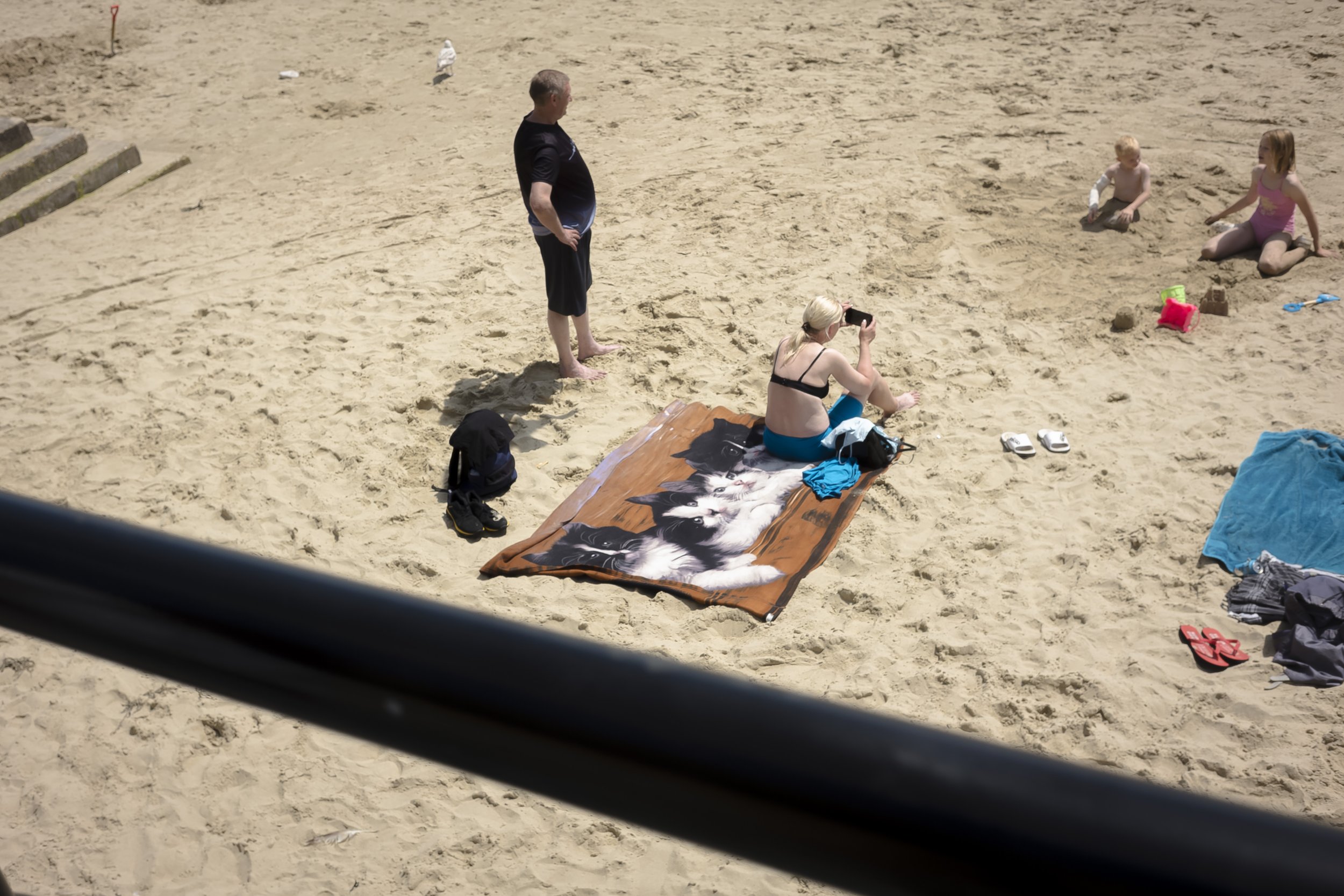
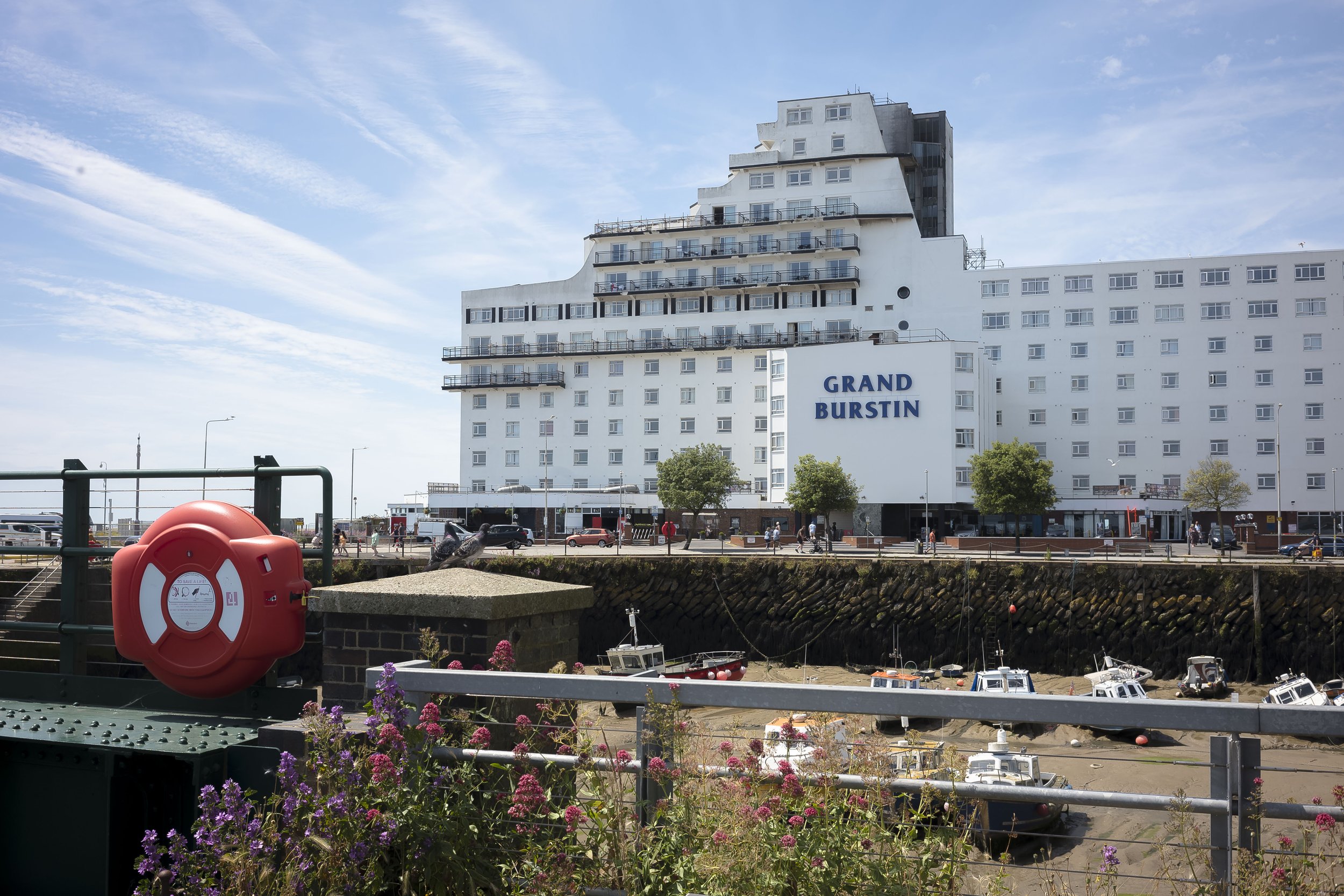
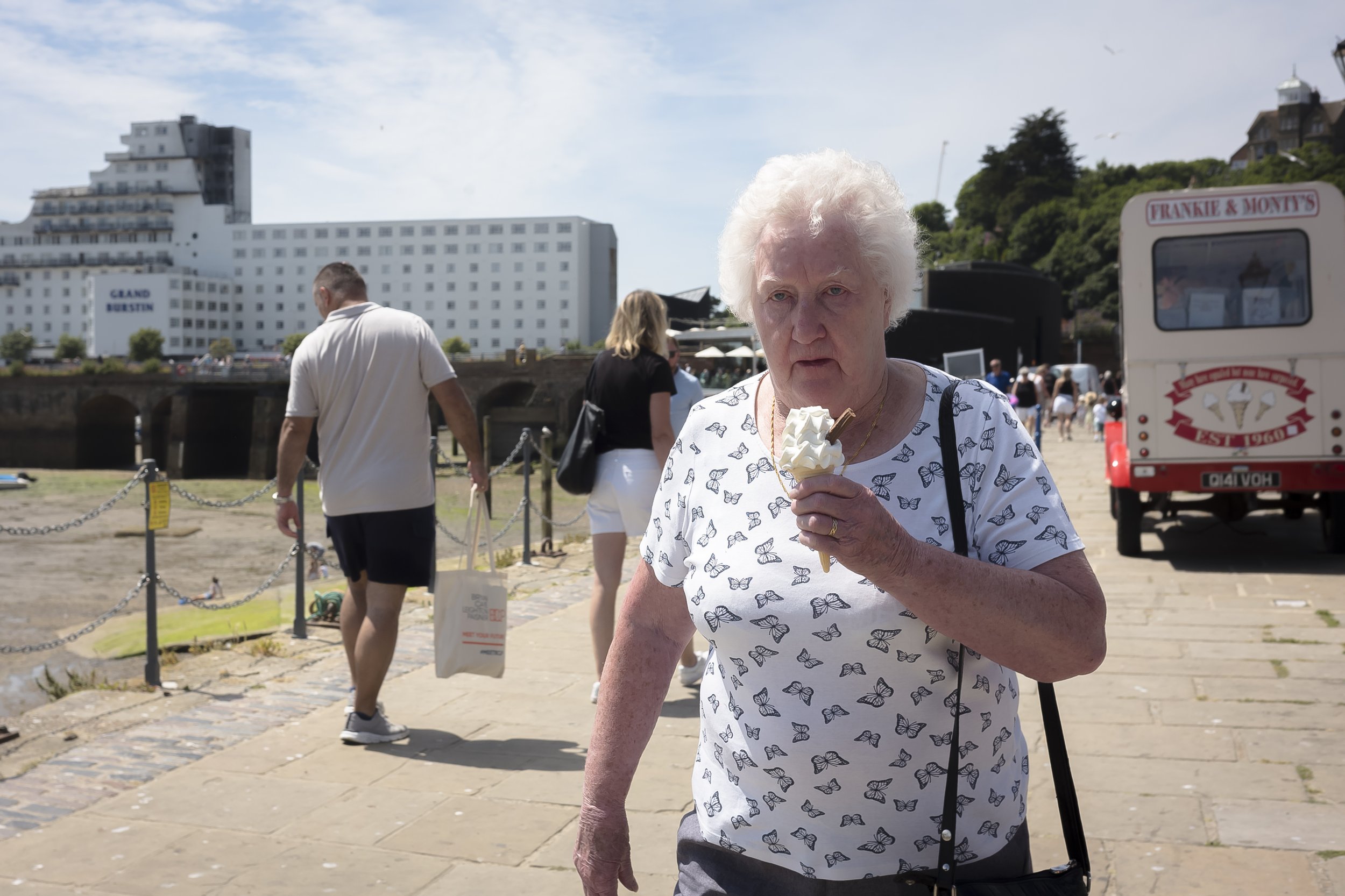
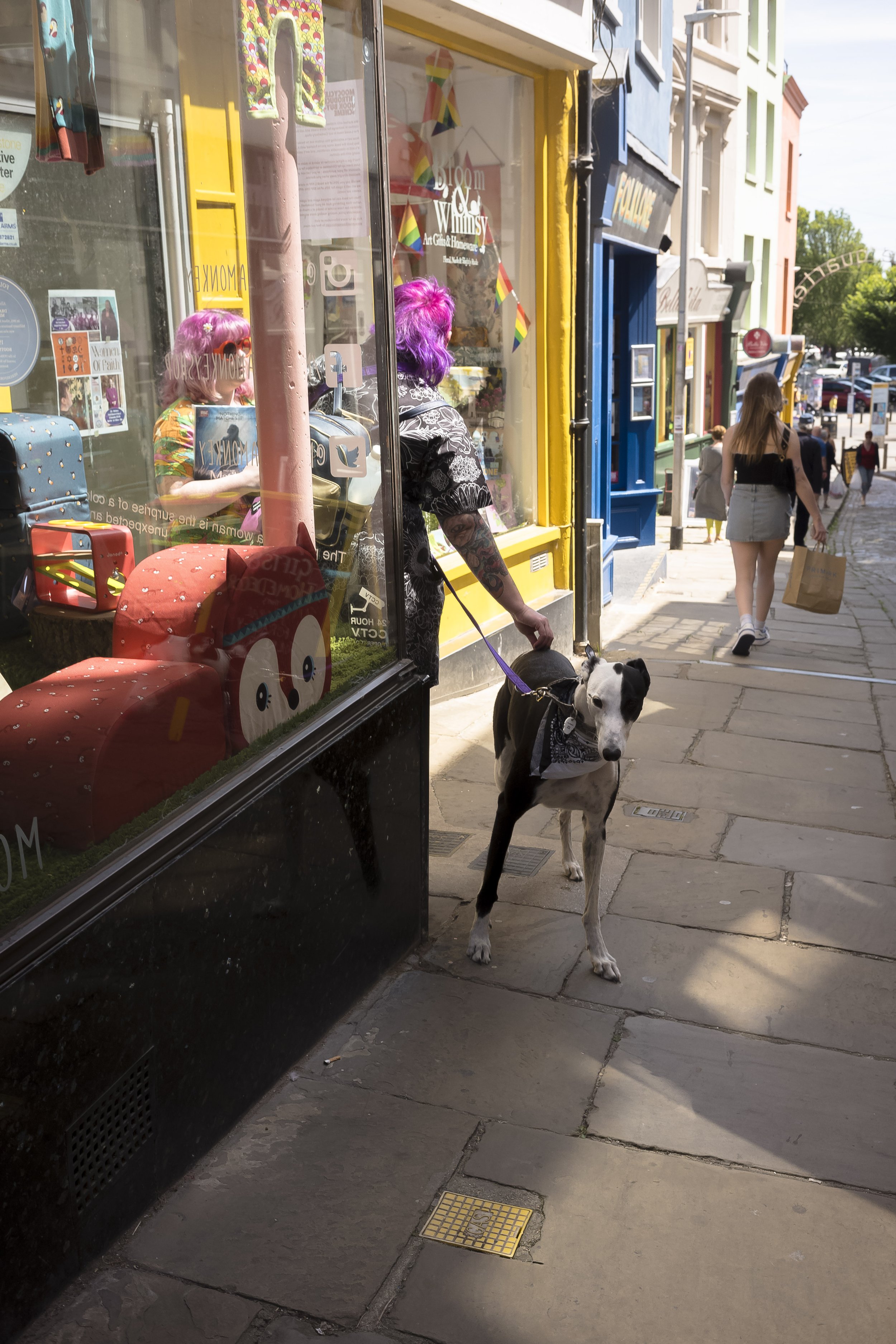
Folkestone is a haven for independent shops. We browsed unique boutiques, stopping to admire everything from handcrafted jewelry to vintage clothing. My daughter, a budding fashionista, found a one-of-a-kind dress that she absolutely loved.

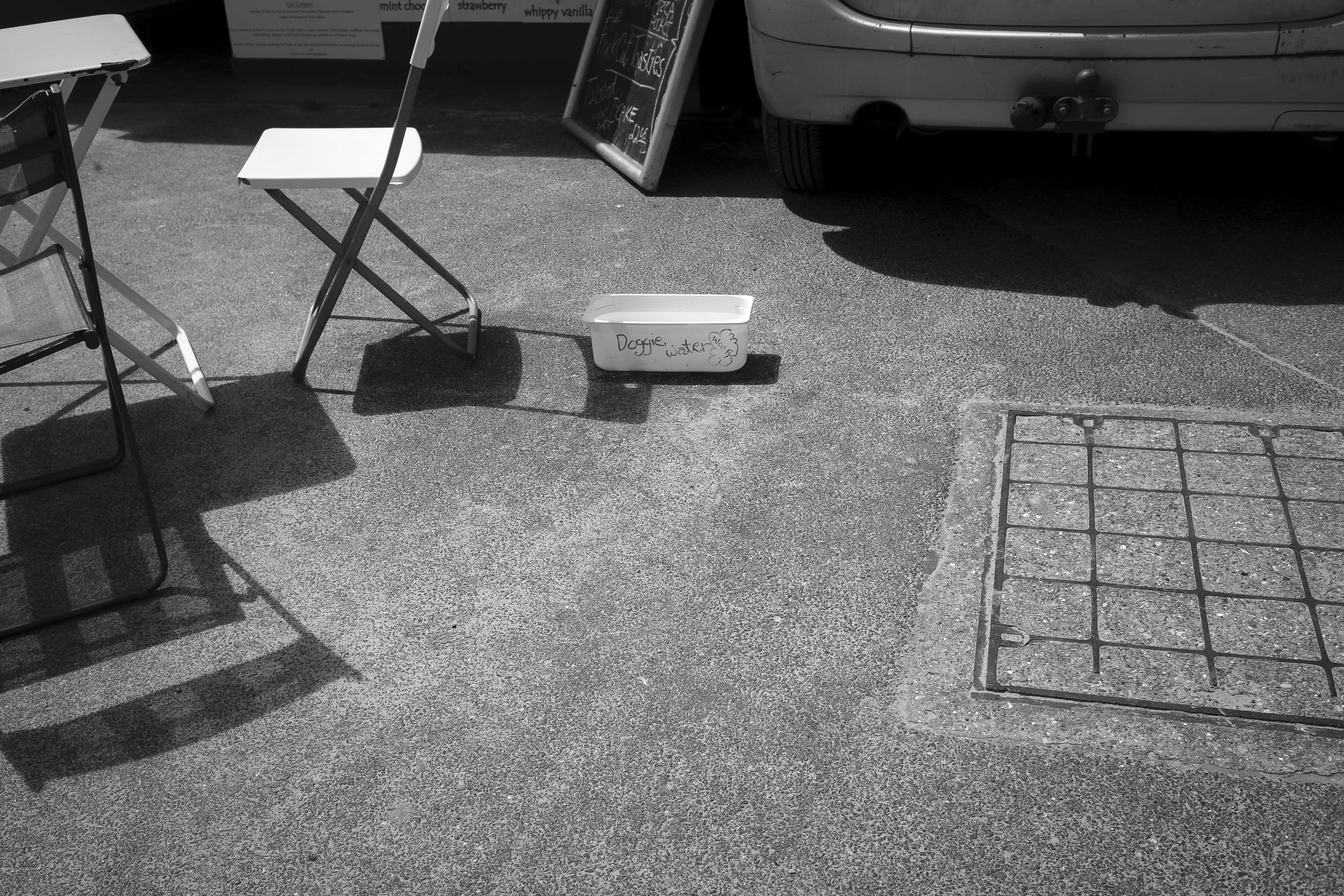
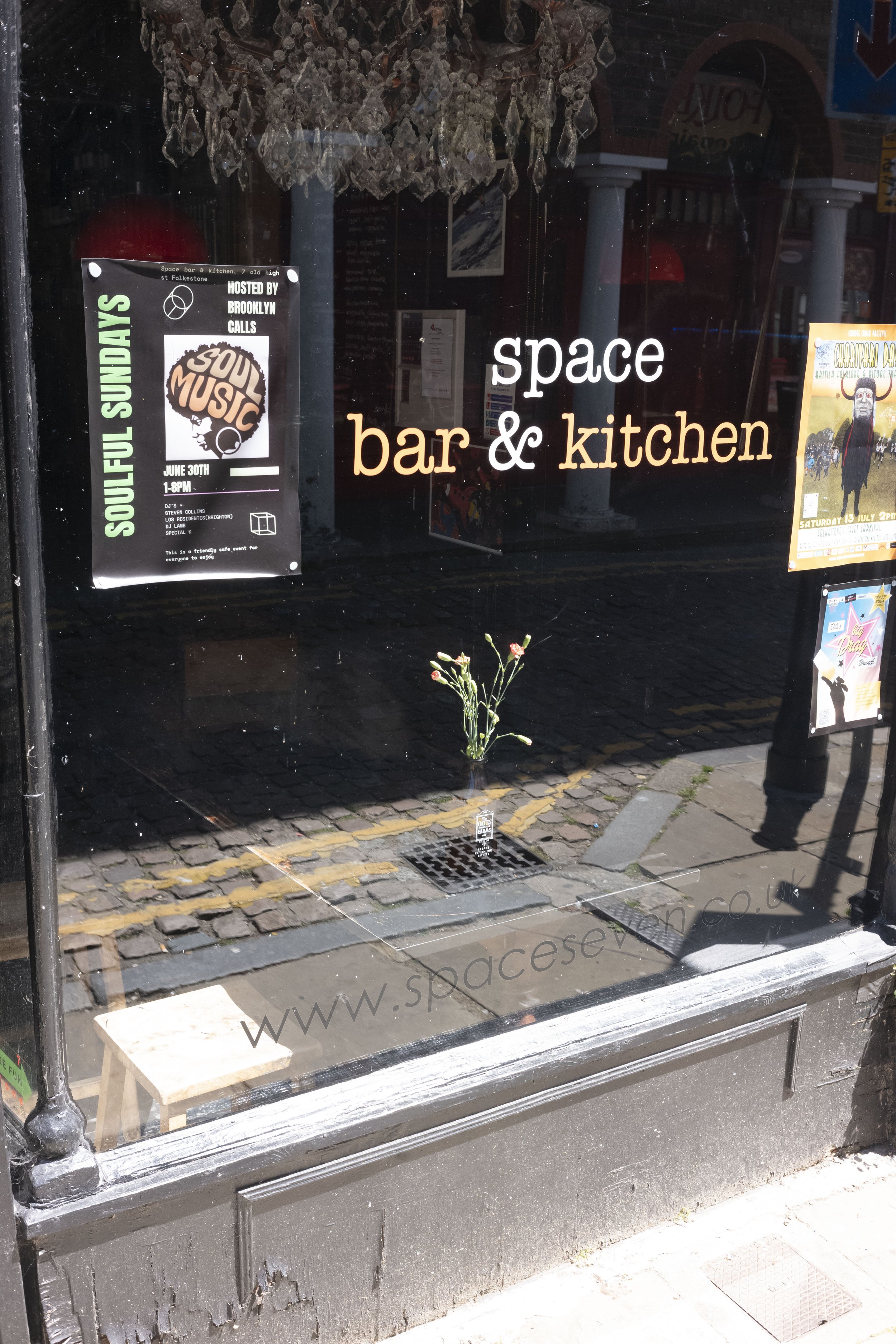
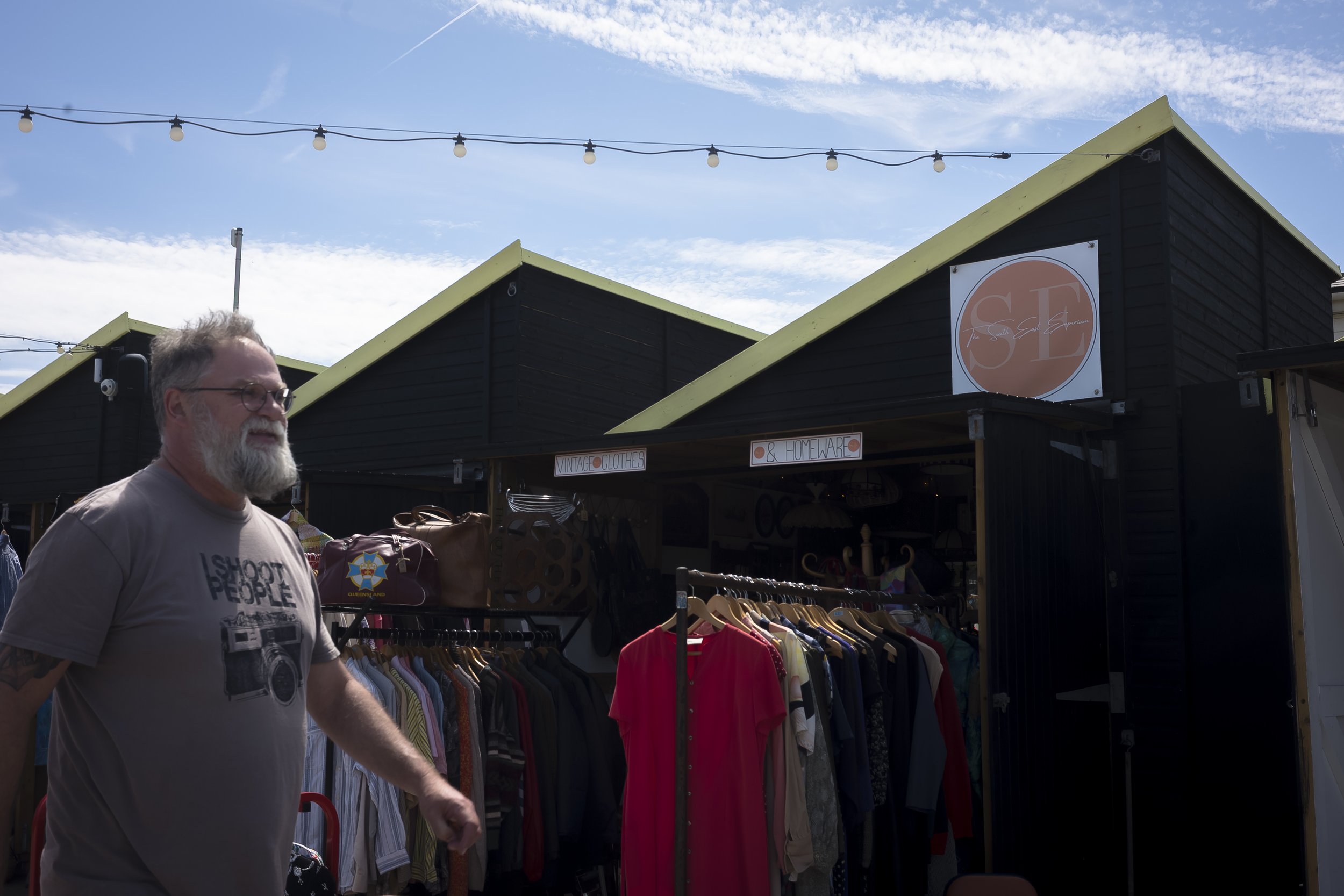
By the end of the day, we were both happy and exhausted and our arms laden with shopping bags. Folkestone's delightful blend of seaside charm, fresh flavors, and quirky shops makes it a perfect destination for a memorable Dad / daughter outing.
Yes please, keep me posted when there’s a new blog
Instagram - Film