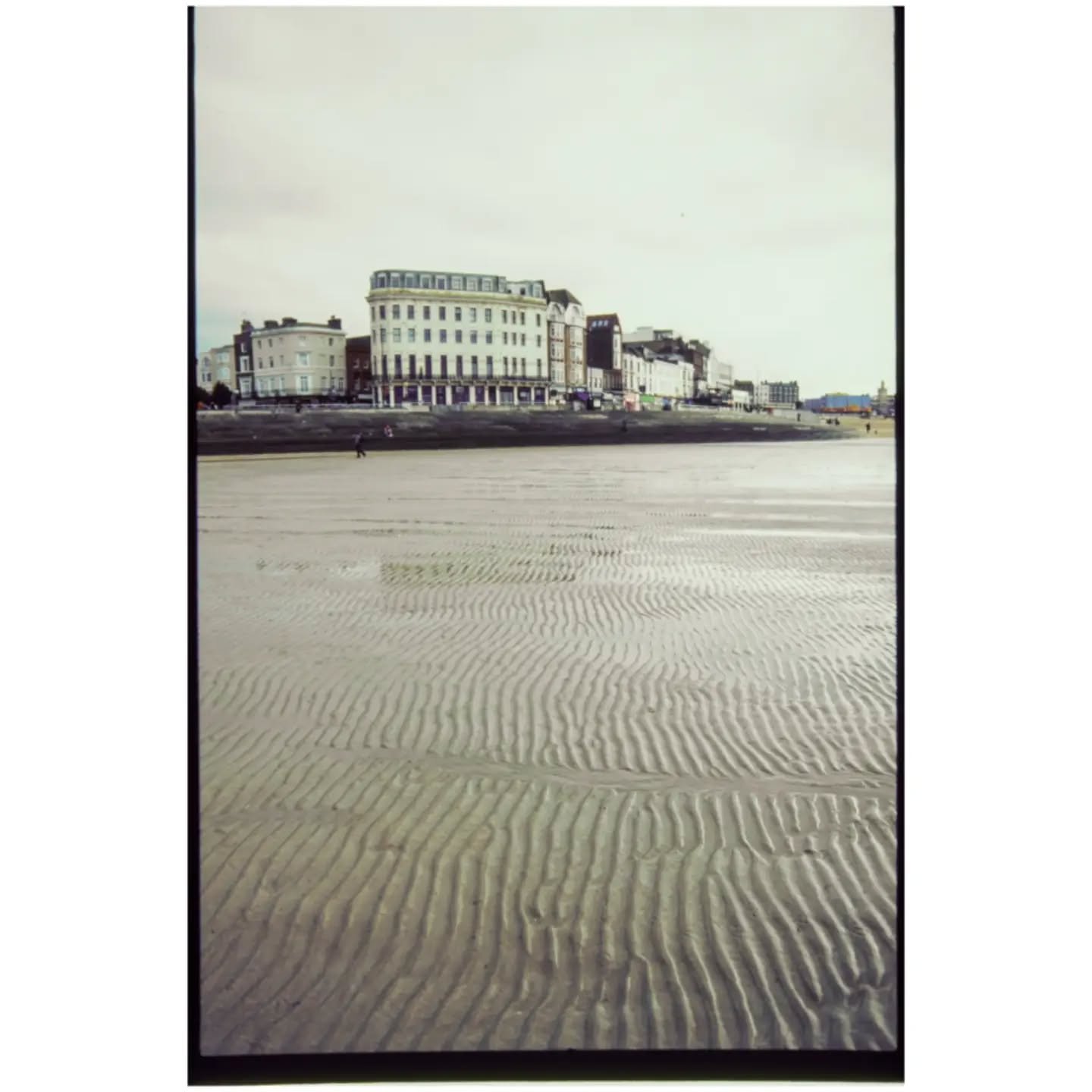
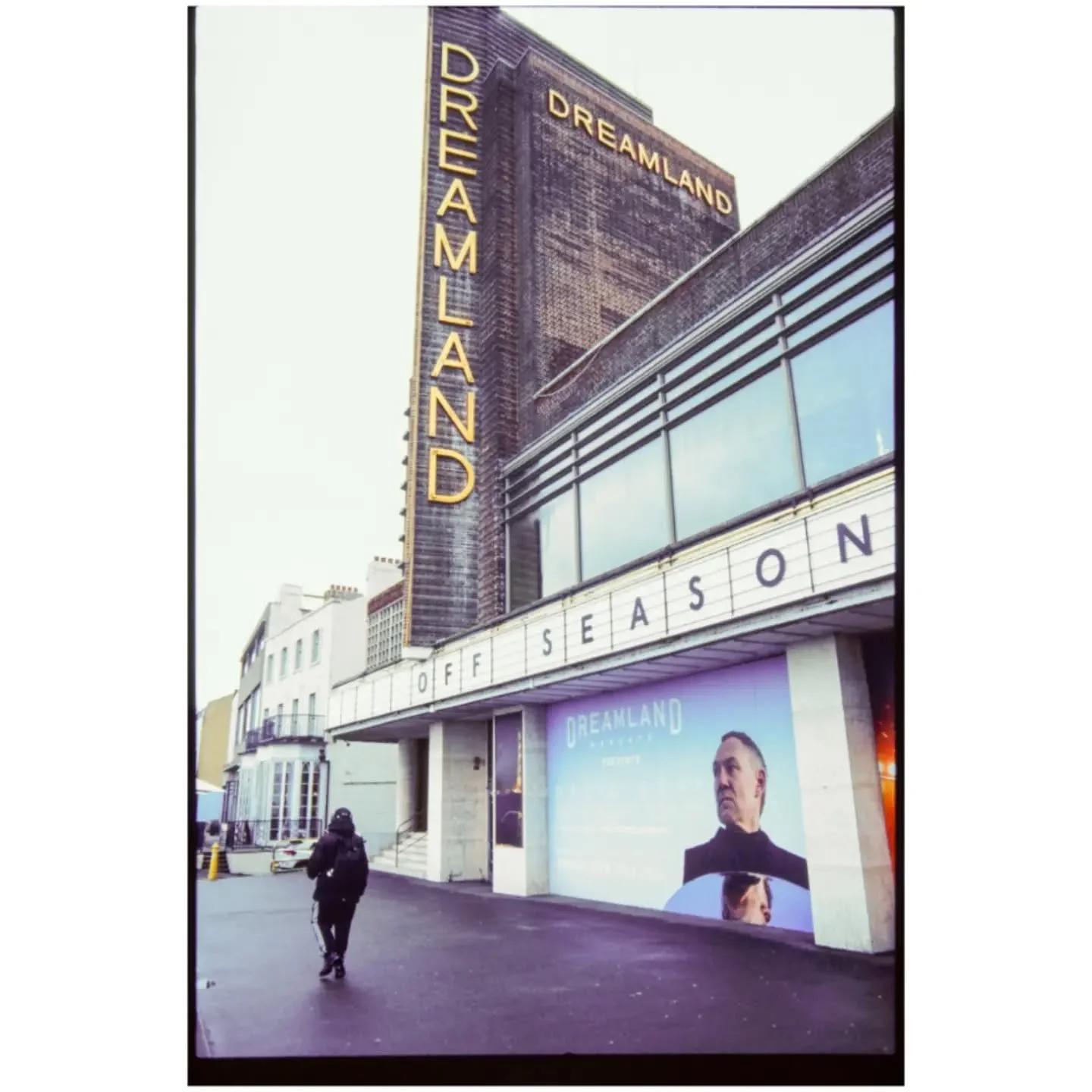
in the frame
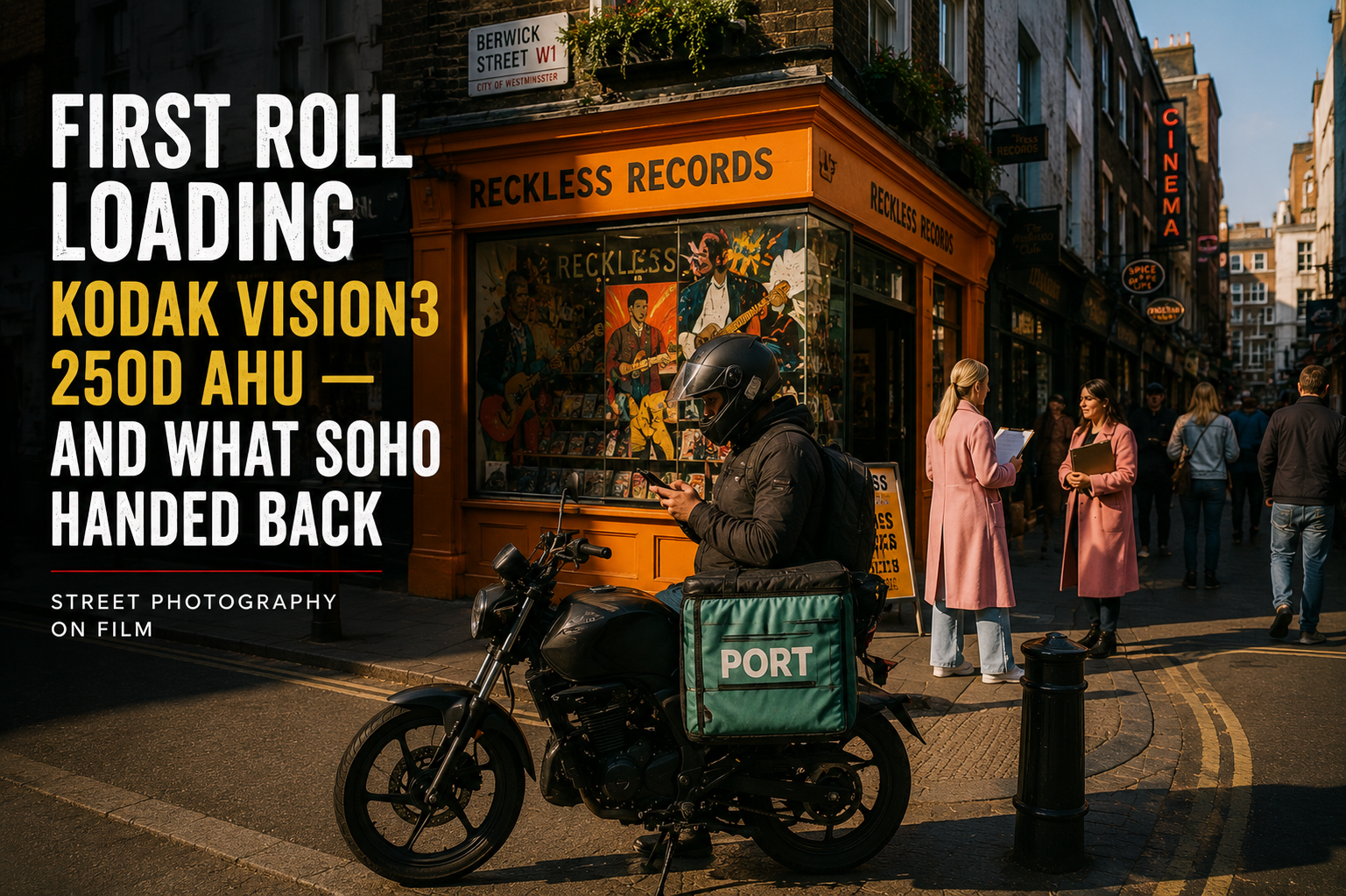
First Roll Loading Kodak Vision3 250D — and what Soho handed back
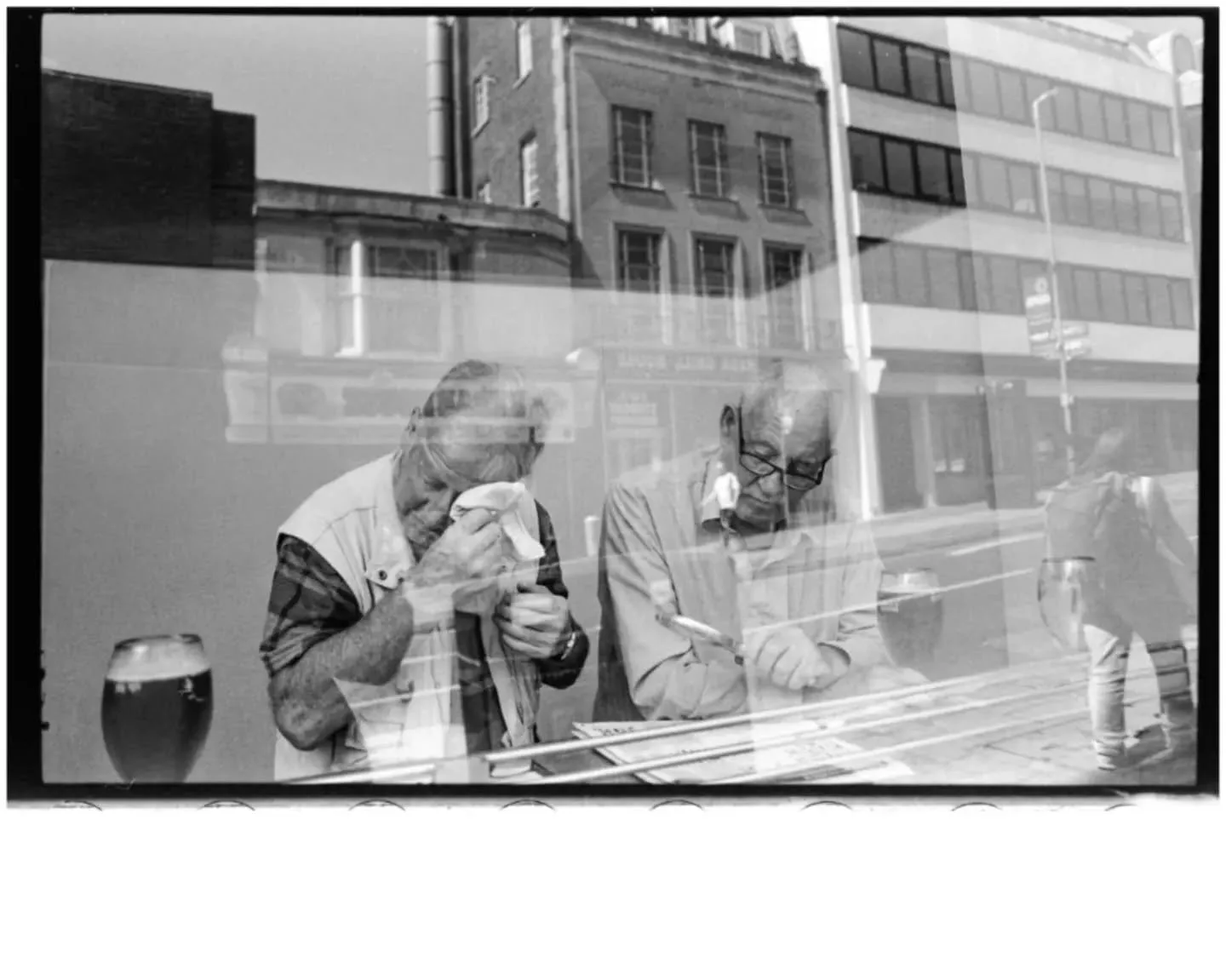
I've been shooting predominantly black and white for a period of time now of the 35mm film cameras. Years, really. Colour always felt like it needed a reason — a justification for the extra visual information it brings to a frame. Black and white strips a scene back to its essentials. Tone, texture, shadow, geometry. It's a clean way to work.
So loading up a roll of Kodak Vision3 250D AHU into the Nikon F80 felt like a deliberate step off familiar ground. This is a motion picture film stock — designed originally for cinema use in daylight conditions — and it's been building a serious following among still photographers. I'd read about it, seen other people's results, and kept putting it off. This time I just loaded it and went out.
I've been shooting predominantly black and white for a period of time now of the 35mm film cameras. Years, really. Colour always felt like it needed a reason — a justification for the extra visual information it brings to a frame. Black and white strips a scene back to its essentials. Tone, texture, shadow, geometry. It's a clean way to work.
So loading up a roll of Kodak Vision3 250D AHU into the Nikon F80 felt like a deliberate step off familiar ground. This is a motion picture film stock — designed originally for cinema use in daylight conditions — and it's been building a serious following among still photographers. I'd read about it, seen other people's results, and kept putting it off. This time I just loaded it and went out.
I headed into London a couple of weeks ago for an afternoon with no real plan beyond Soho and the West End. That's usually how the best days go. No agenda. Just walking, looking, reacting.
"I wasn't prepared for quite how warm it would be. Not warm in the pushed, processed way you can fake digitally — warm in the way afternoon light in London actually looks."
The film
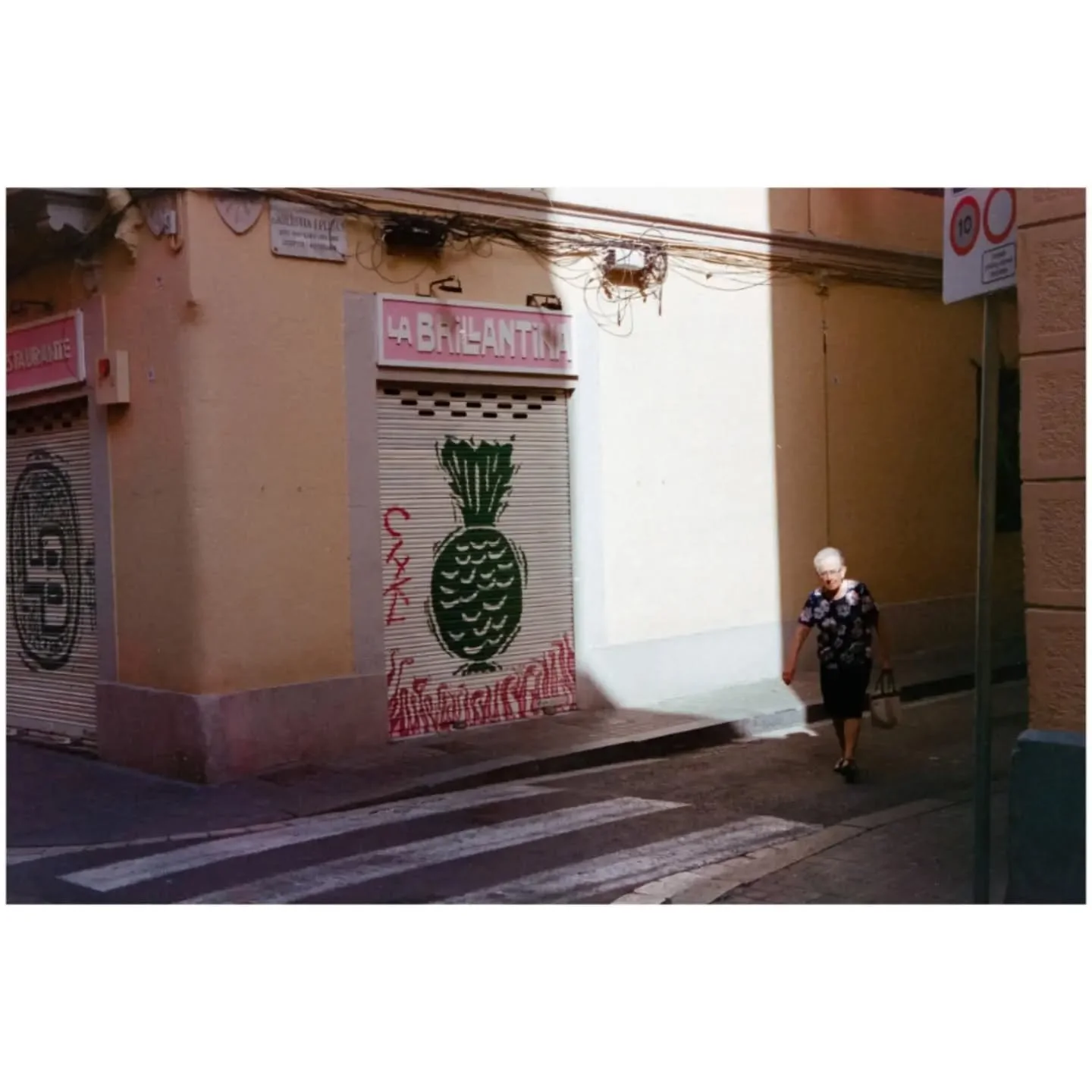
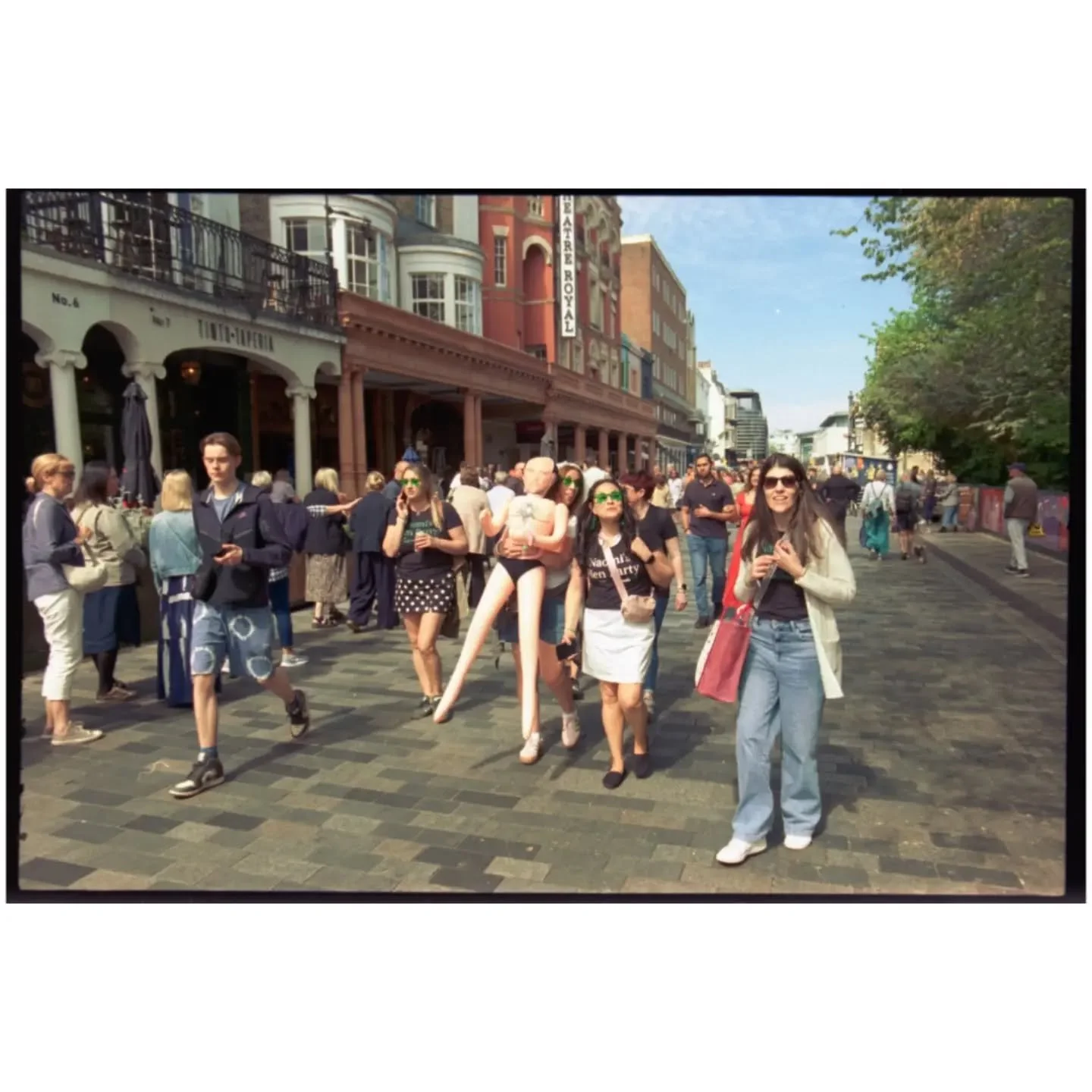
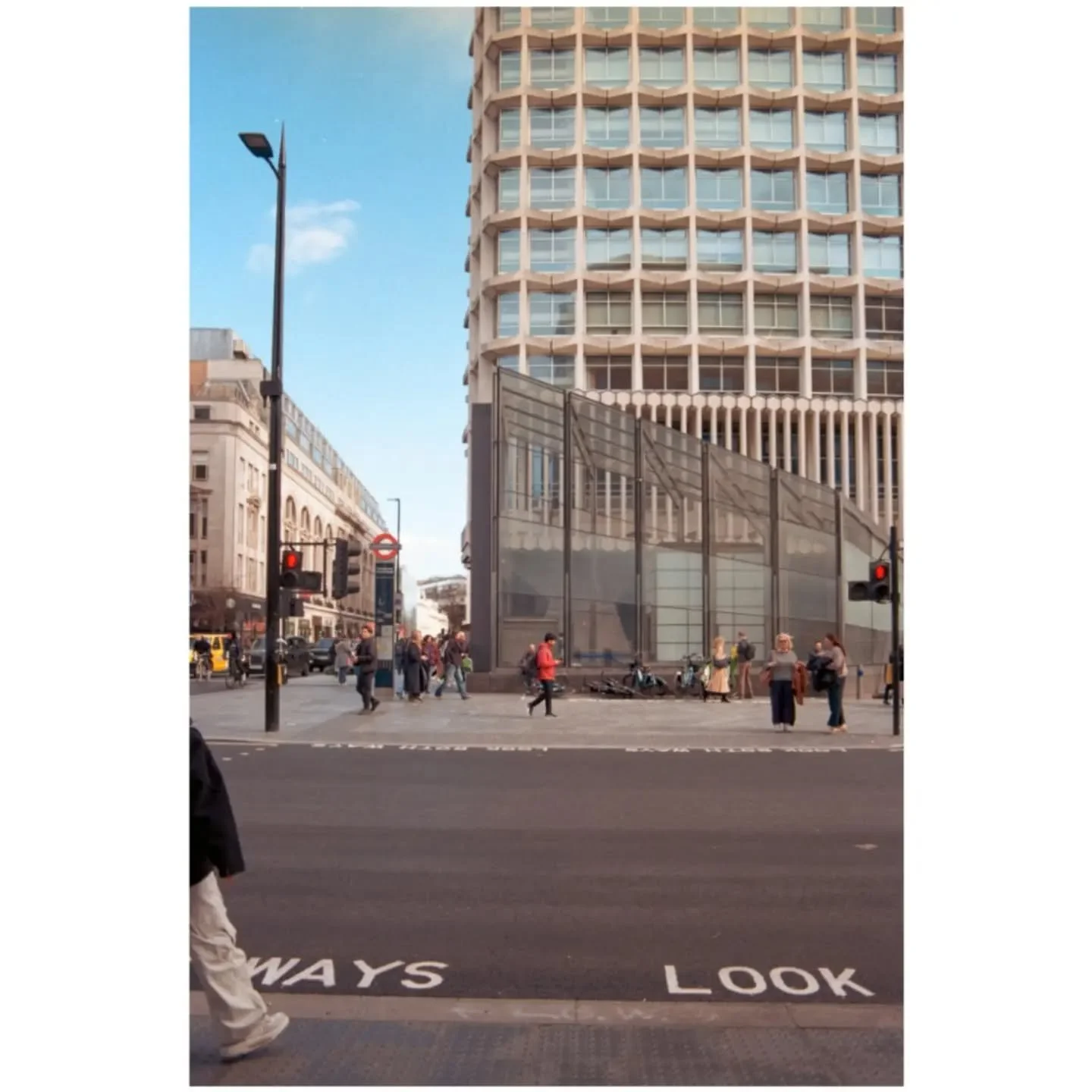
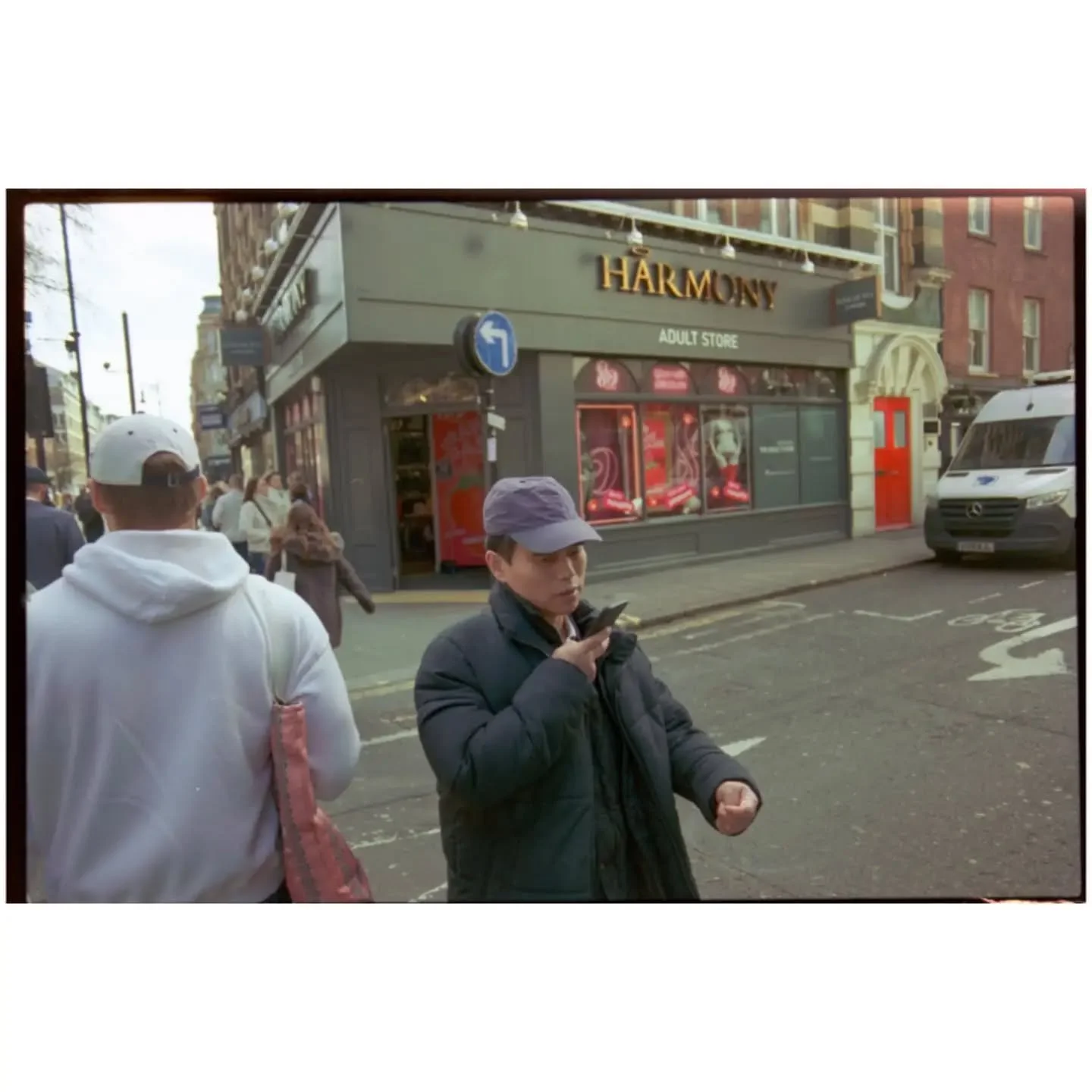
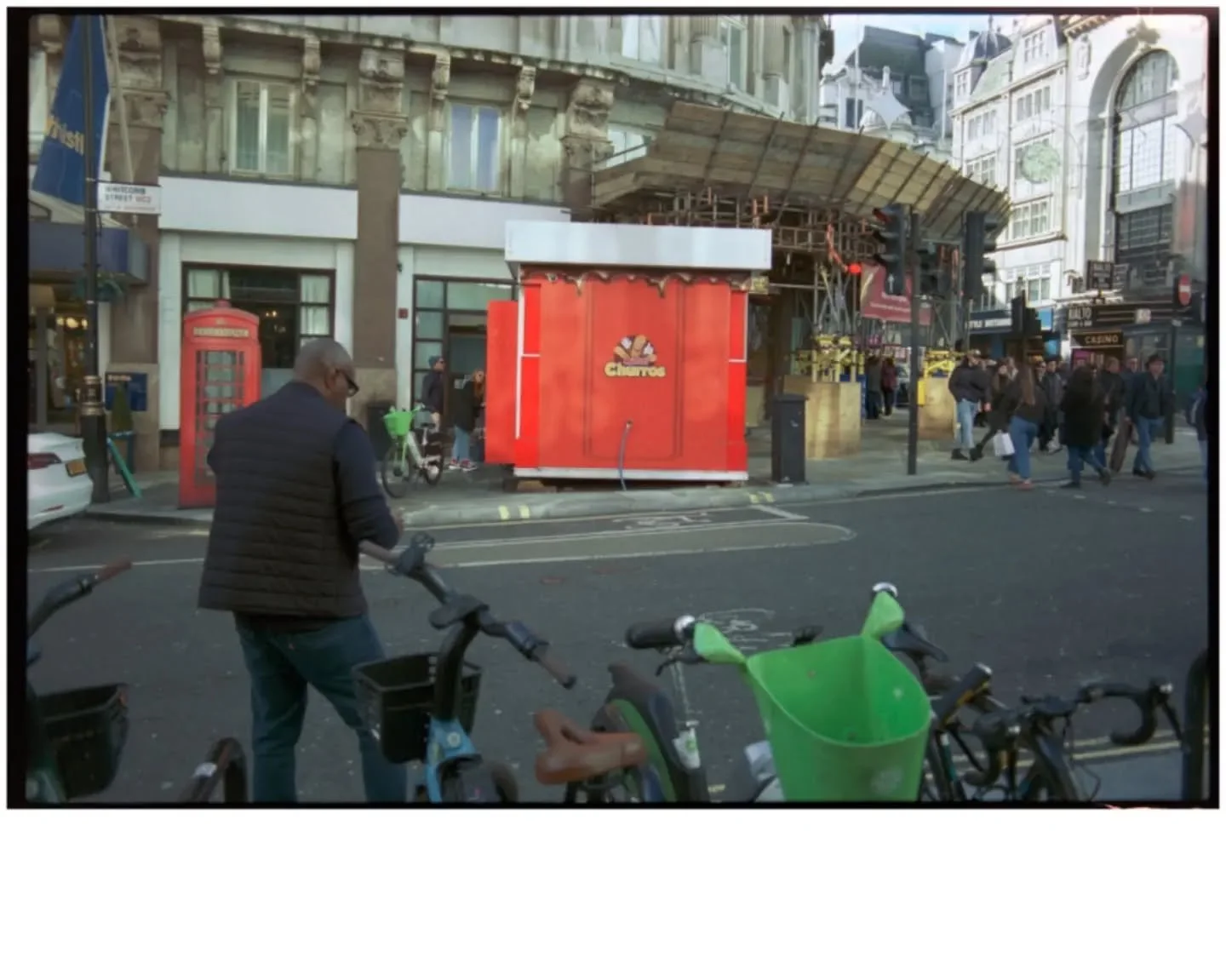
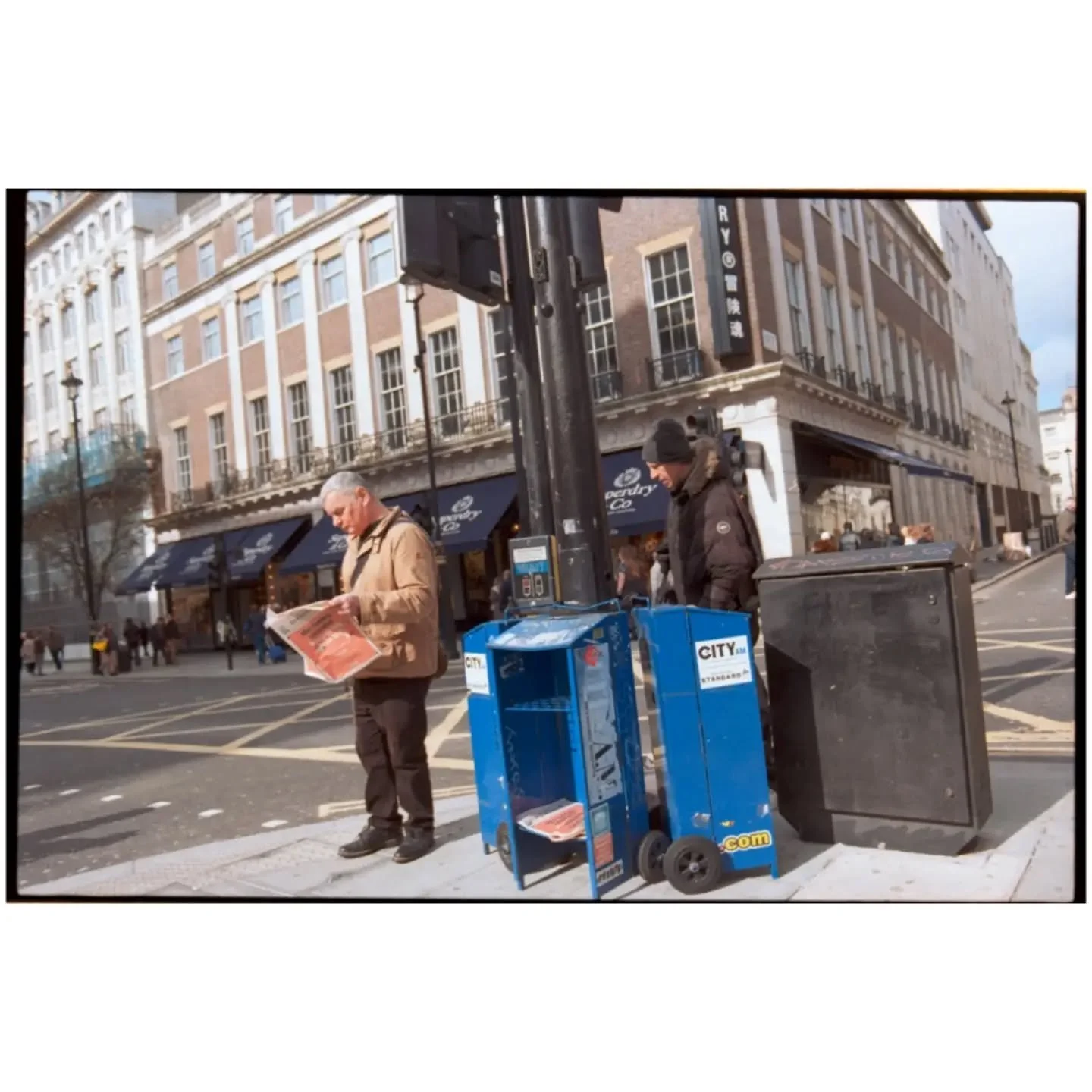
The warmth hit me the moment I got the processed film back. Vision3 250D AHU has a quality to its colour rendition that's difficult to articulate but immediately visible in the frames. It's not the oversaturated, high-contrast look of some colour negative stocks. It's quieter than that. More honest. The way light falls on a green café awning, or a pink coat, or an orange shopfront — it's rendered with a cinematic restraint that suits documentary street work perfectly.
The midtones are where it really earns its reputation. There's a richness in the middle of the tonal range that I haven't found in other stocks I've tried. Skin tones are warm without being ruddy. Shadows hold detail. Highlights — even in the direct afternoon sun I was shooting in — don't blow out catastrophically. For a daylight stock at ISO 250, it handles the contrast range of a busy London street remarkably well.
What Soho gave me
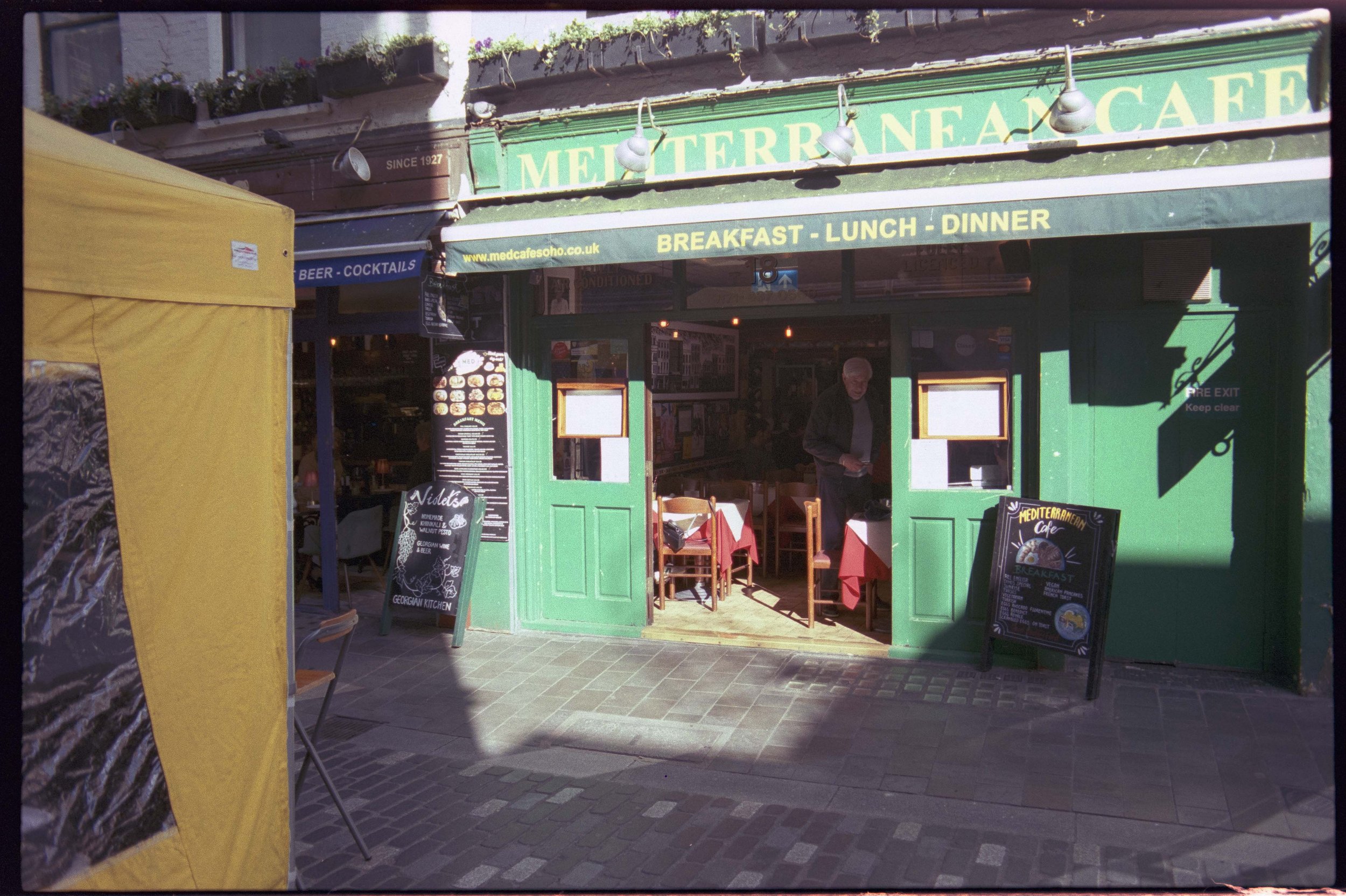
I started on the south end of Soho, working my way north through the afternoon. The Mediterranean Café on Old Compton Street stopped me almost immediately — a place that's been there since 1927, its deep green fascia catching the sun at an angle that Vision3 handled beautifully, the warm gold of the signage glowing against the paint. A man stood in the doorway, just watching the street. I got one frame and kept moving.
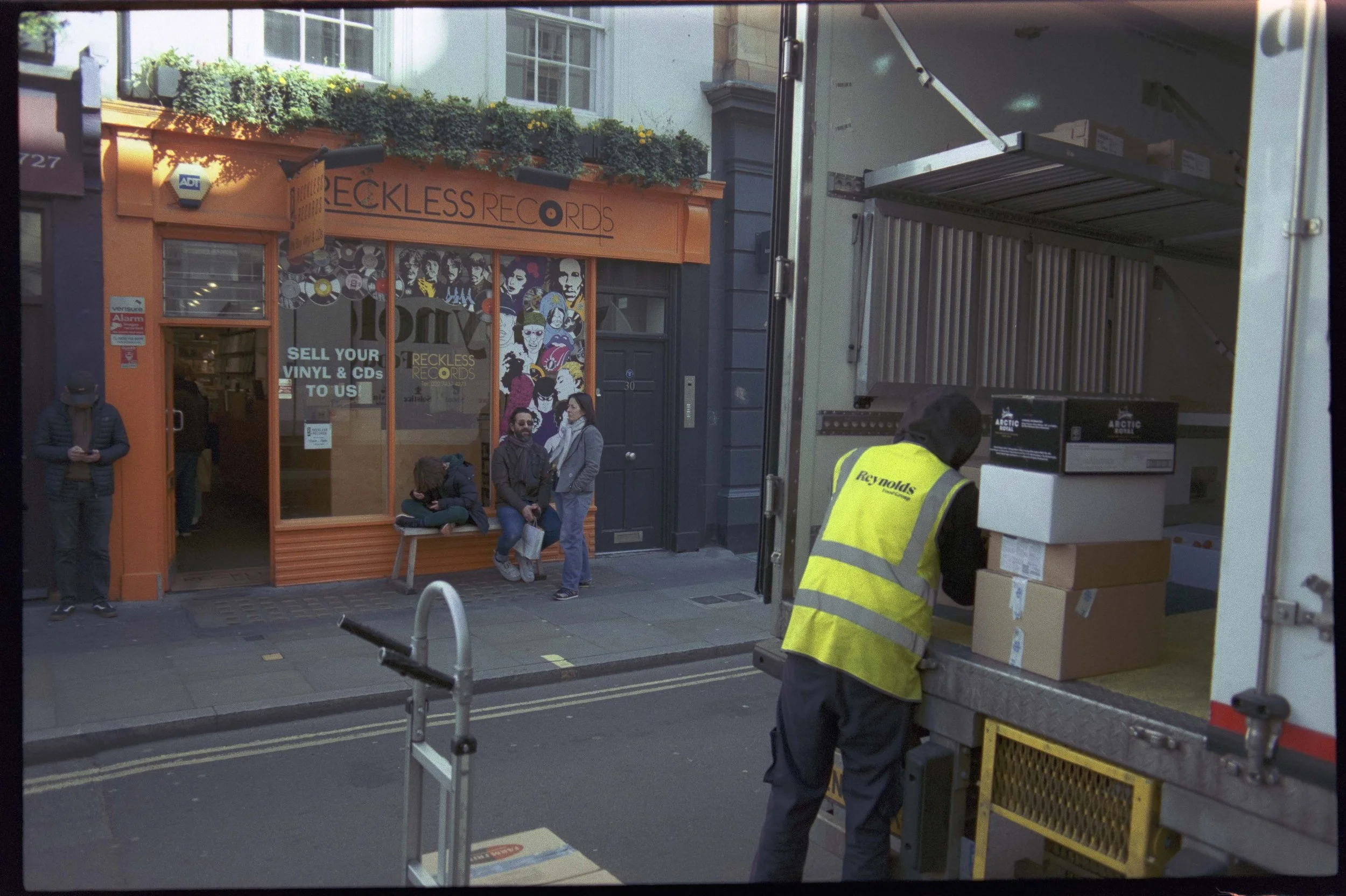
Around the corner, Reckless Records — that vivid orange shopfront with its illustrated window display of musicians — was being interrupted by a delivery driver in a hi-vis yellow jacket unloading boxes from a truck. The contrast of orange and yellow should have been too much. Vision3 made it work. That's one of its qualities: it handles colour density without letting things fight.
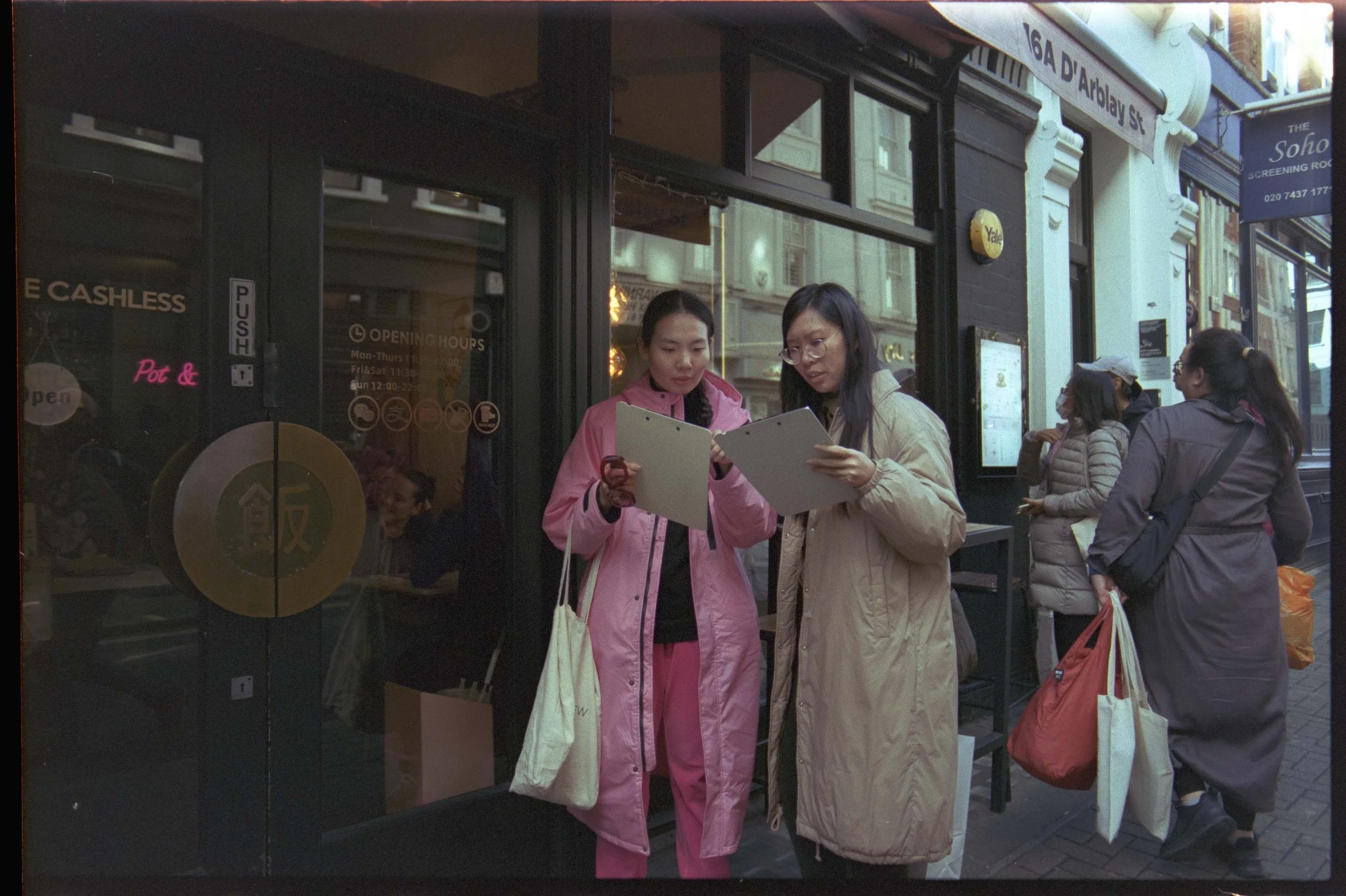
On D'Arblay Street I found two women in matching pink coats, both consulting clipboards outside a restaurant, deep in conversation. The warmth of those coats against the cooler tones of the street behind them is the kind of colour moment that simply doesn't exist in black and white. You don't get to choose that. The stock gives it to you.
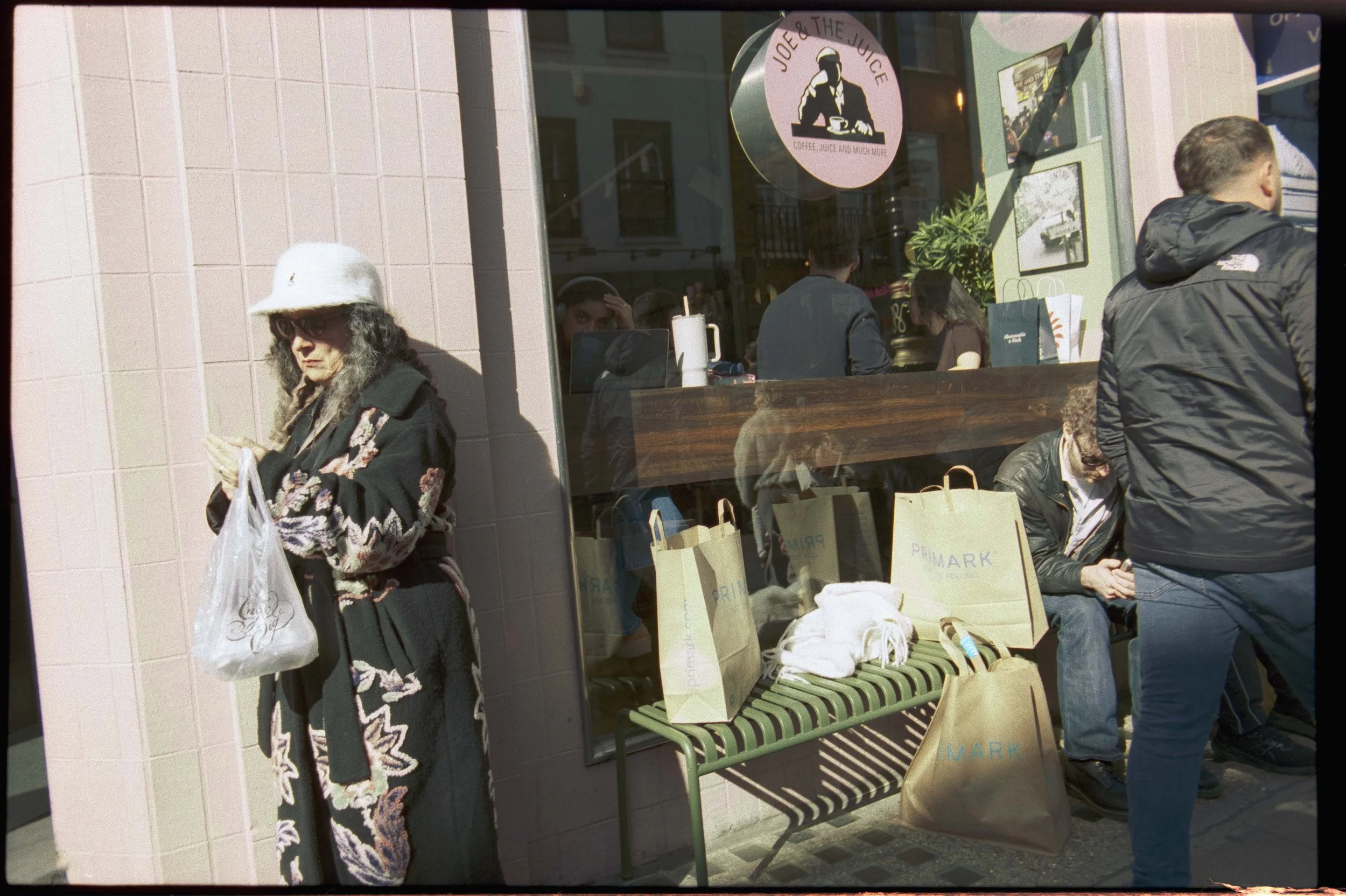
"Vision3 250D handles colour density without letting things fight. That's one of its qualities — and Soho tests it constantly."
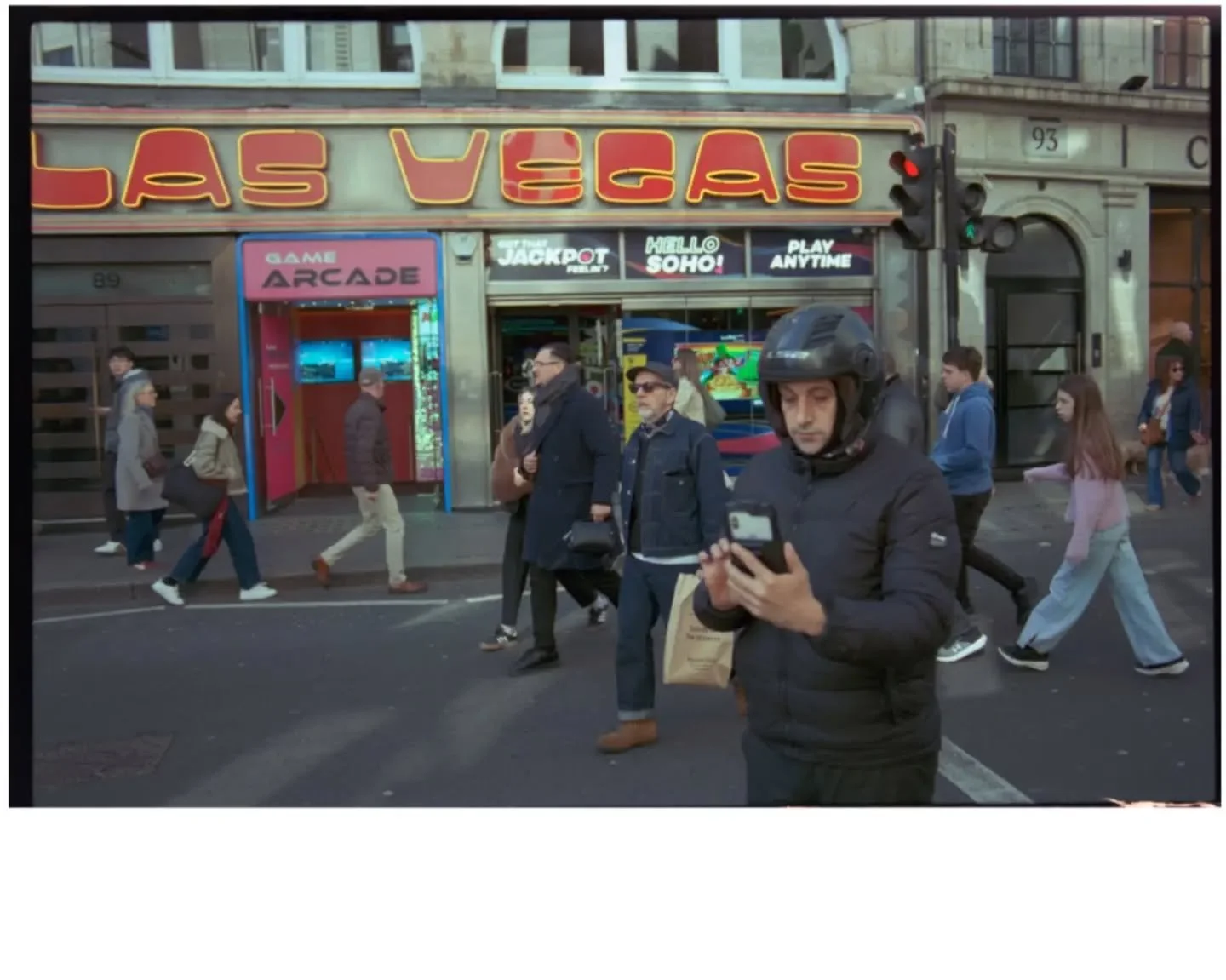
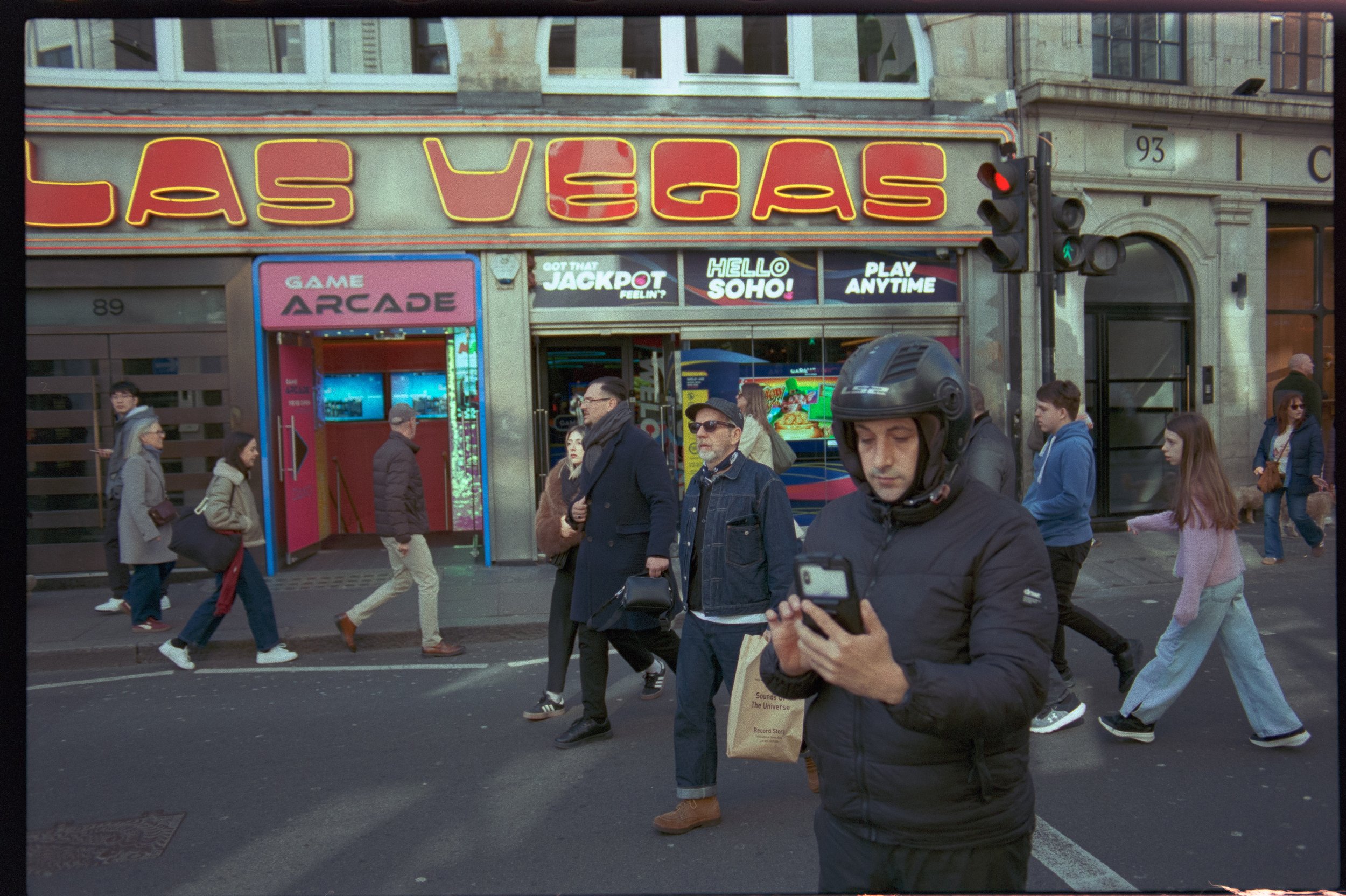
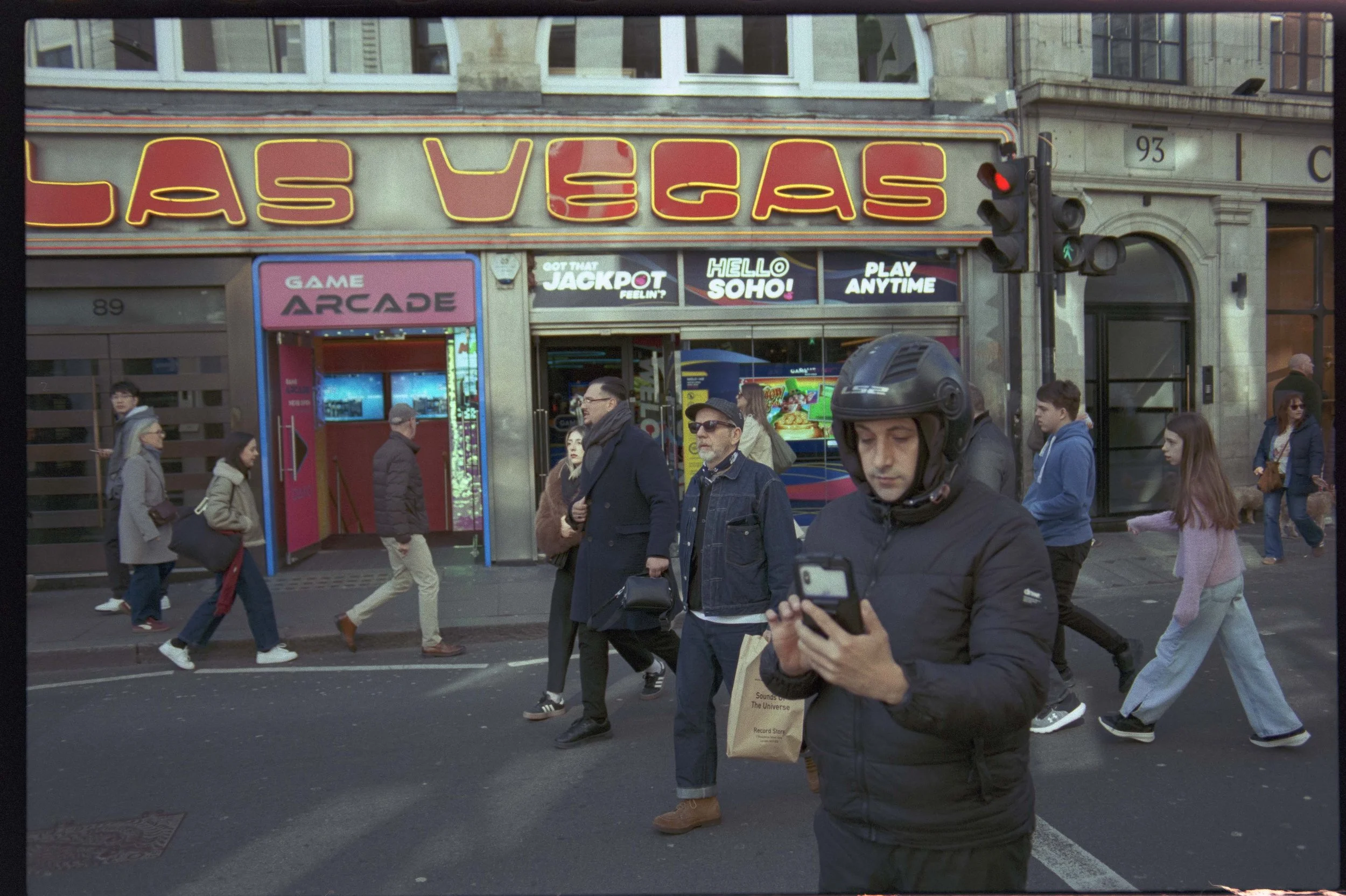
The Las Vegas arcade on what I think was Wardour Street gave me one of the more unexpected frames of the day — a motorcyclist in a full helmet standing at the crossing checking his phone, the enormous neon Las Vegas signage blazing behind him in red and gold, Hello Soho stencilled across the frontage. Vision3 renders neon brilliantly. The warmth of the sign, the cool blue of the afternoon sky in the upper corner of the frame — it's exactly what this stock was made for.
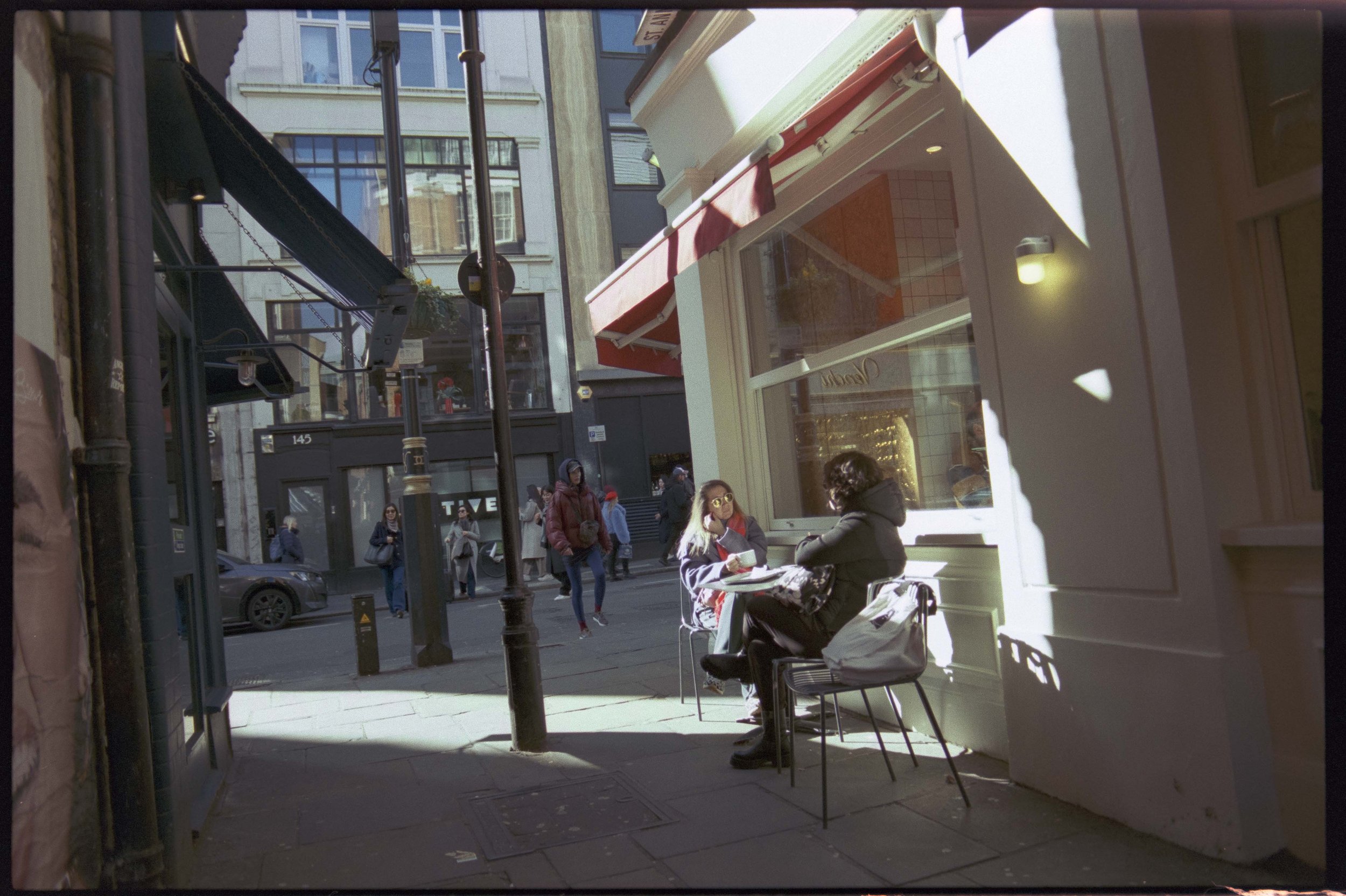
There was a quieter moment mid-roll that I keep coming back to: two women sitting outside a café in a narrow Soho alley, a red awning above them, dappled light falling across the table. No action. No joke. Just two people and an afternoon and the quality of light that Vision3 seems built to hold.
The three jokes
And then London started doing what London does.
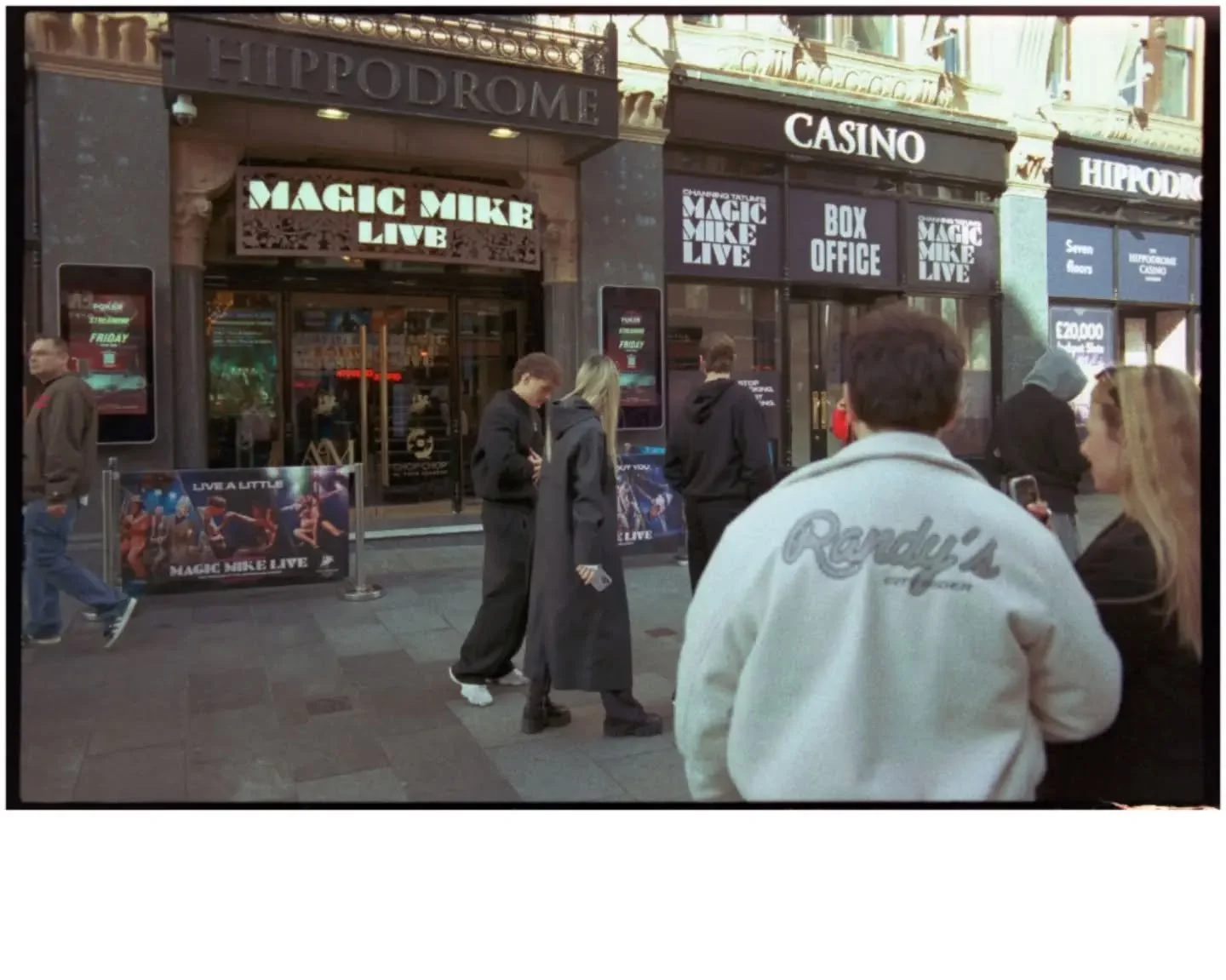
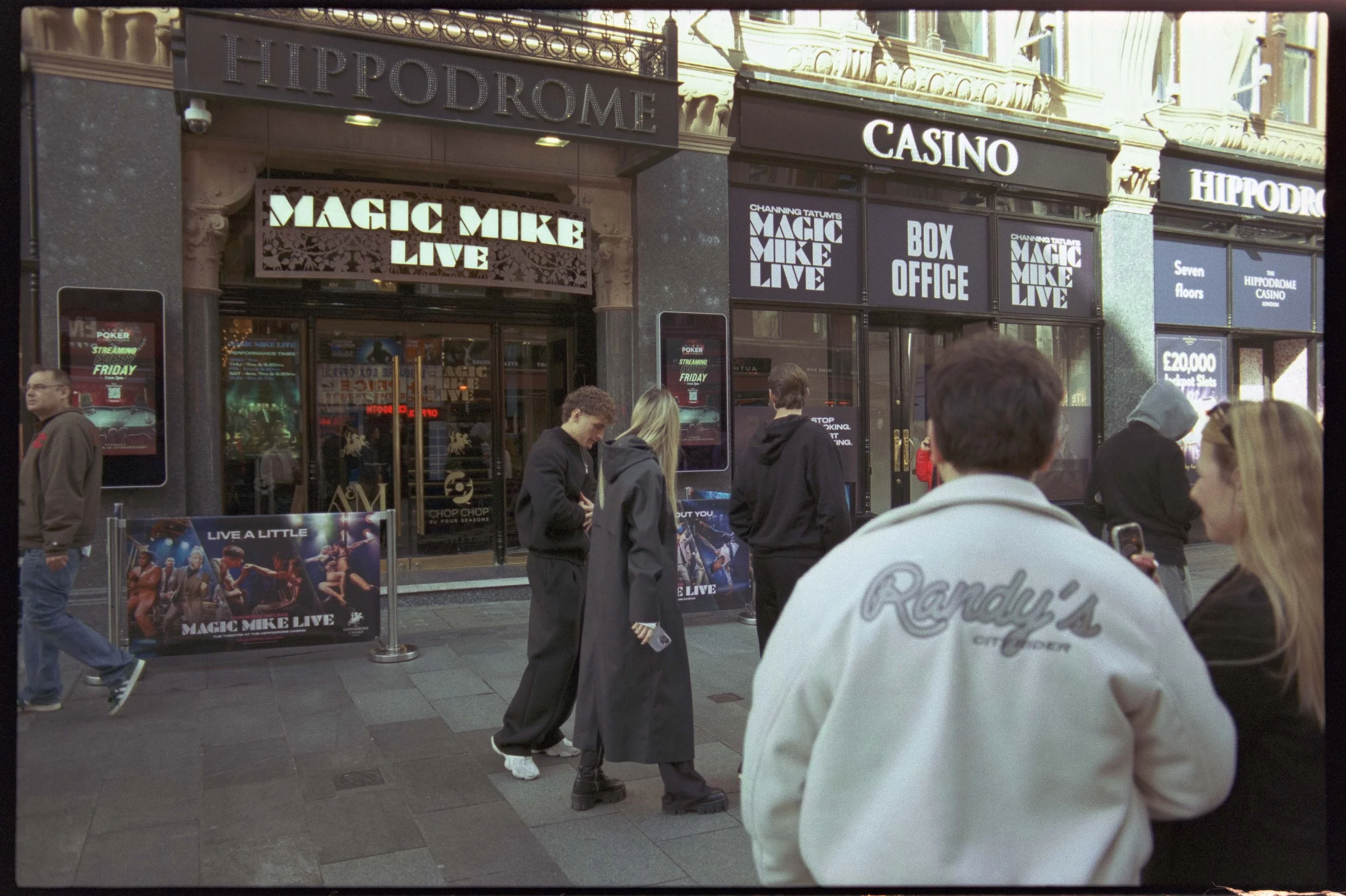
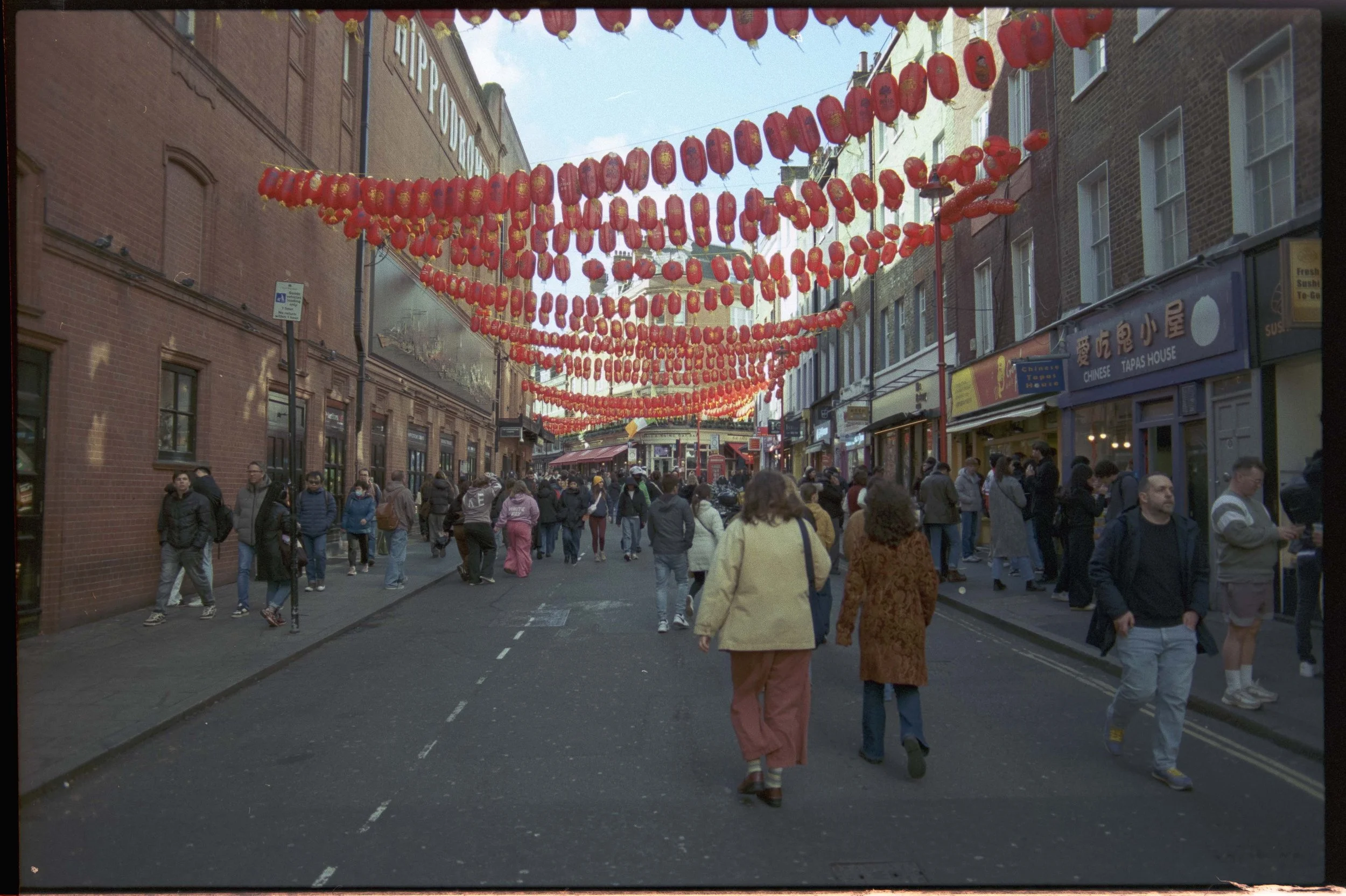
The first one I almost missed. I was walking past the Hippodrome on Cranbourn Street when I clocked it — a man standing on the pavement, back turned, the word Randy's written in large script across the back of his white jacket. Behind him, filling the entire frontage of the venue: Magic Mike Live. He had no idea. The street had assembled itself into a perfect joke and was waiting, with infinite patience, for someone to walk past with a camera.
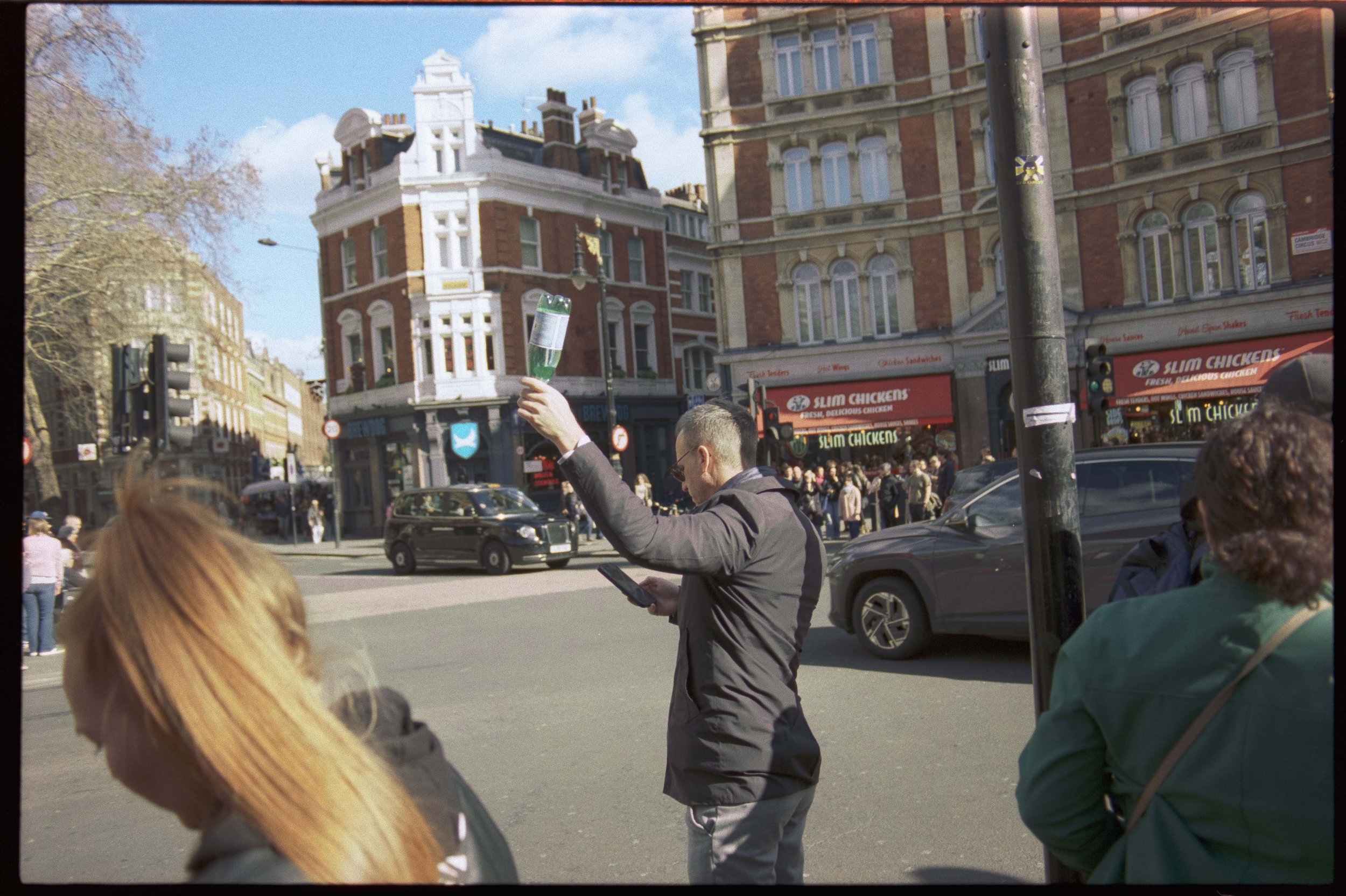
The second came at a crossing near the top of Charing Cross Road. A tour guide — grey hair, suit jacket, every inch the professional — was trying to marshal his group through the lunchtime traffic. His technique was to hold a green bottle above his head like a torch, a beacon for anyone who'd wandered off. He was checking his phone with the other hand. I pressed the shutter at the exact moment his arm went up. He was, without any doubt, leading them to the pub.
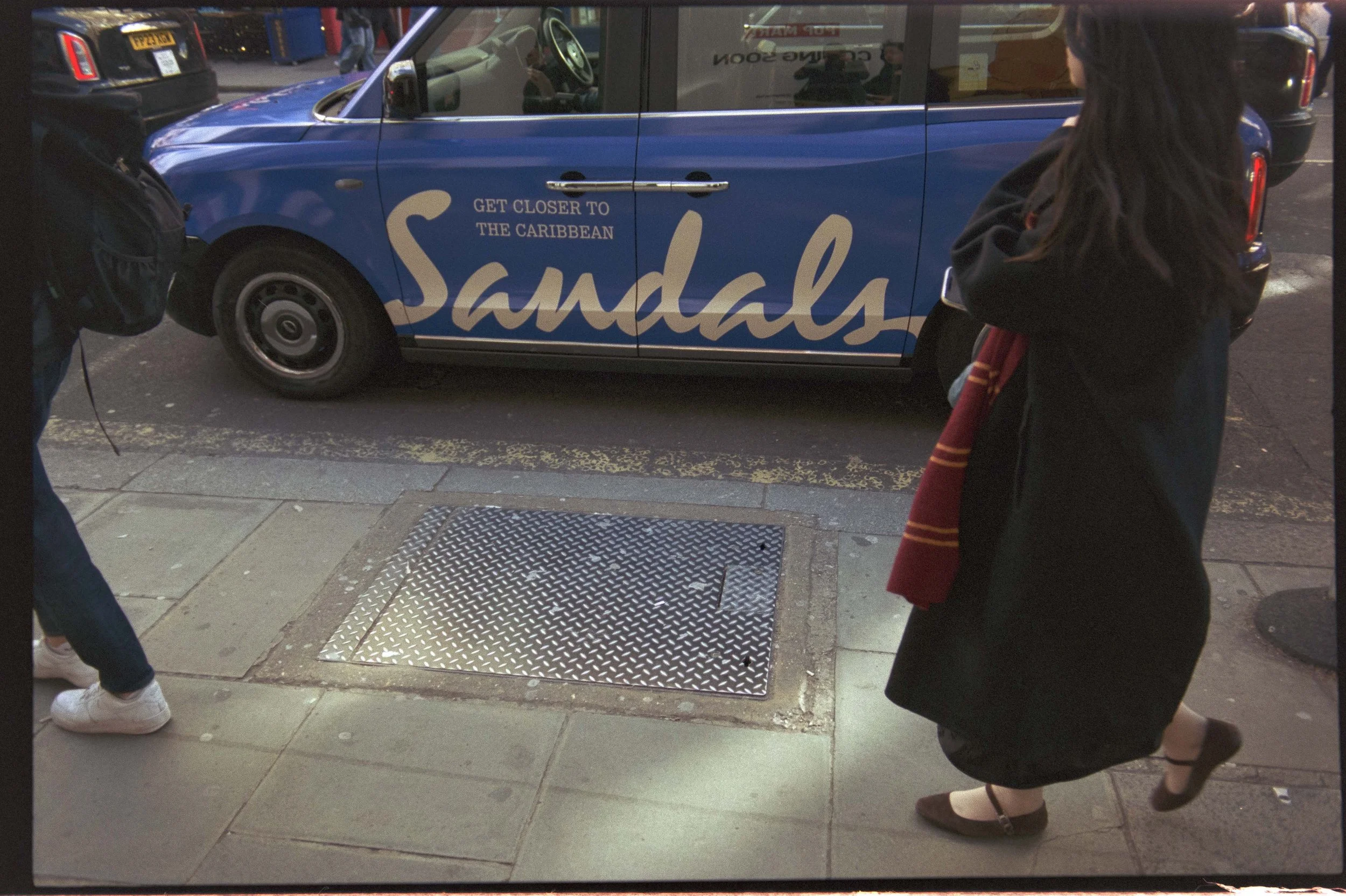
The third was the one I'm most pleased with. A London black cab, completely wrapped in the Sandals Caribbean holiday livery — blue bodywork, the Sandals script in cream, Get Closer to the Caribbean. Passing directly in front of it at that exact moment: a woman in a full Hogwarts Gryffindor robe, red and gold striped scarf trailing behind her. On her feet: sandals. She was heading somewhere else entirely, completely unbothered.
Three found jokes on one roll. Colour made all of them better. Black and white would have served the geometry. Vision3 gave you the blue cab and the red scarf and the warm pavement and the whole absurd London afternoon.
What comes next
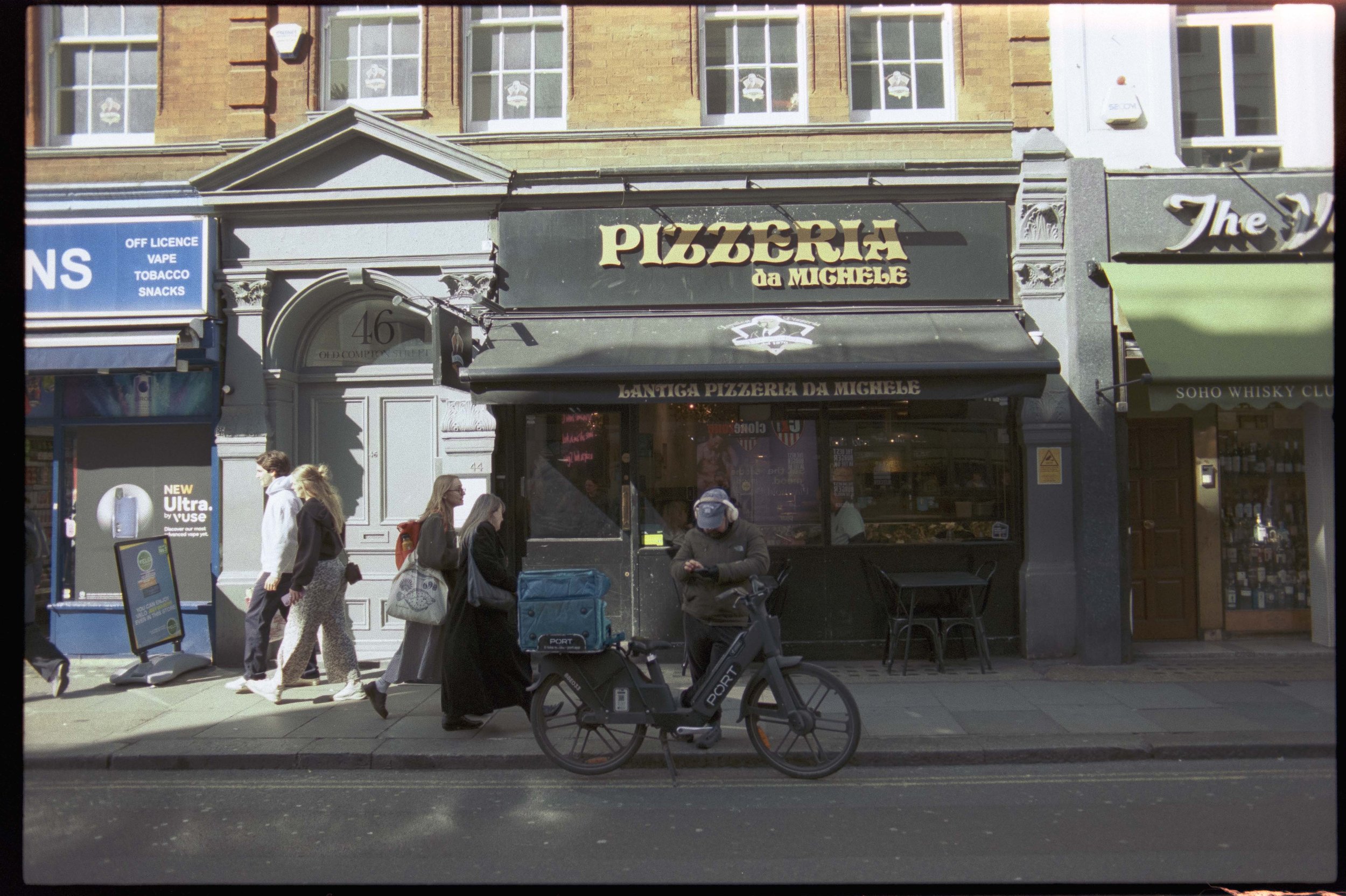
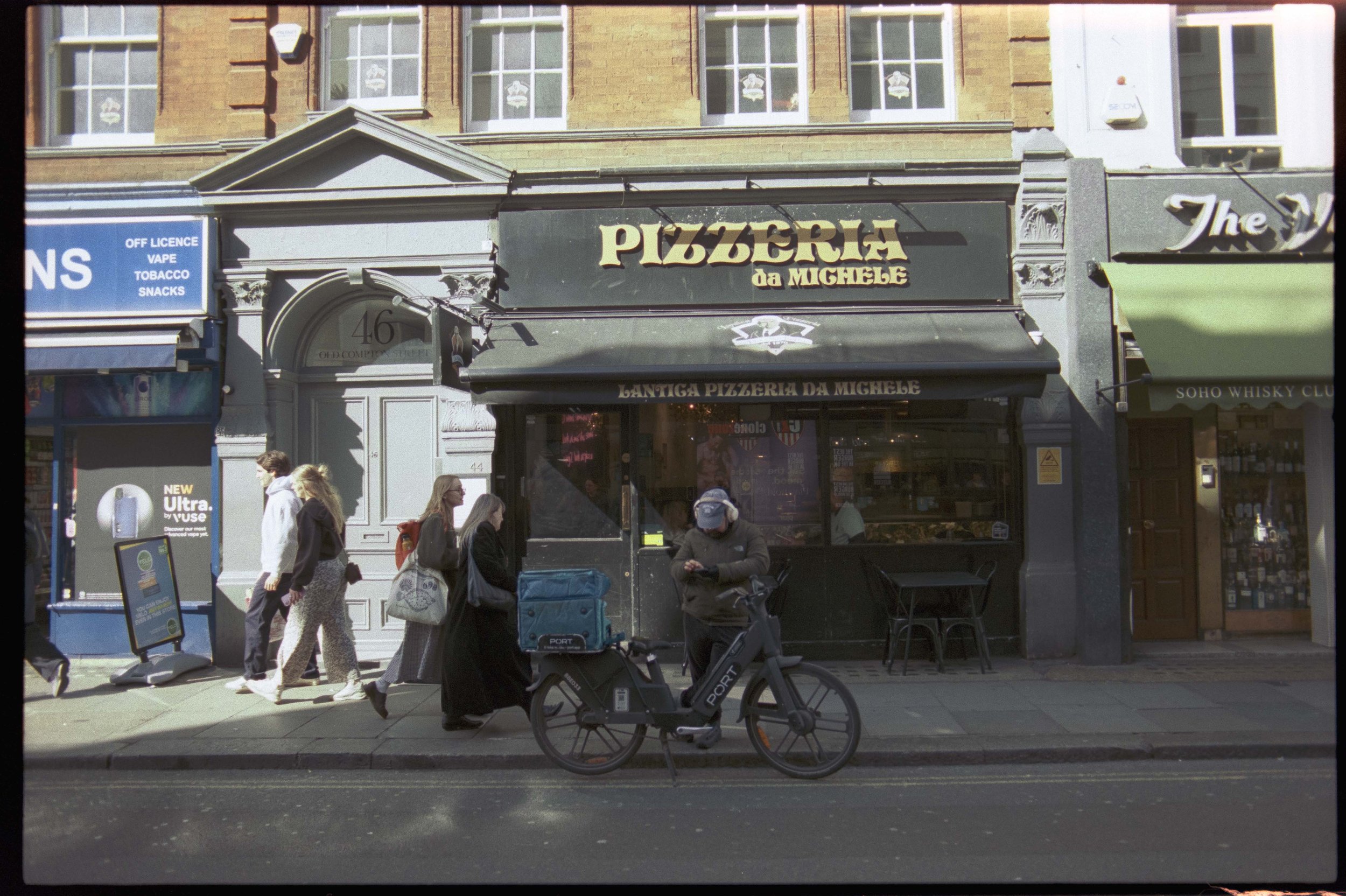
I finished the roll on Old Compton Street — a delivery rider on a PORT bike outside Pizzeria da Michele, checking his phone in the late afternoon light, the gold lettering of the restaurant sign warm above him. A good closer. Unhurried. The sort of frame that makes sense at the end of a day's shooting.
One roll is not enough to draw firm conclusions about a film stock. But it is enough to know whether you want to shoot another one, and the answer here is unambiguously yes. Vision3 250D asks you to work with colour rather than despite it — to look for the moments where the warmth of a late winter afternoon in London becomes part of the story rather than just the backdrop.
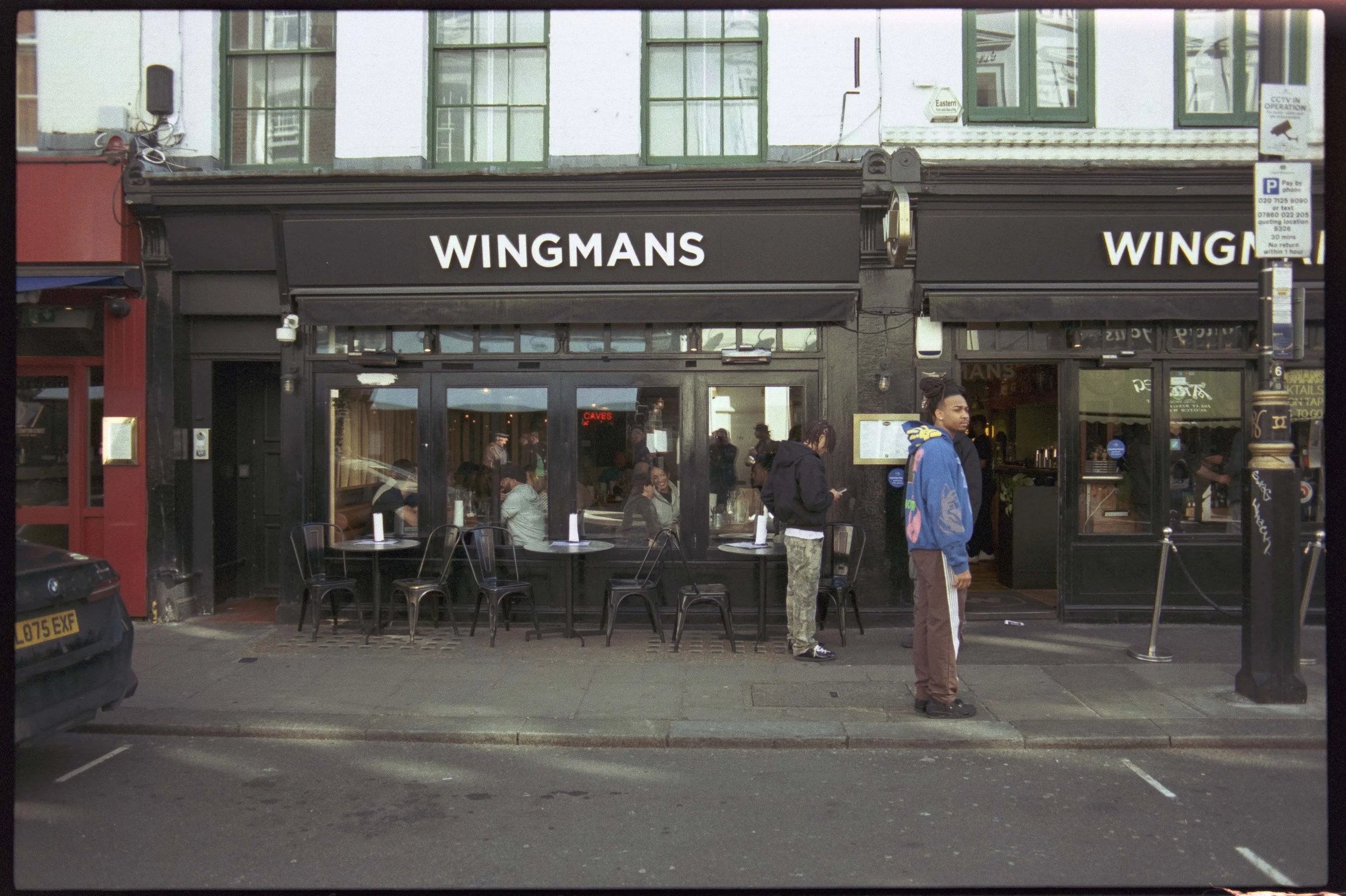
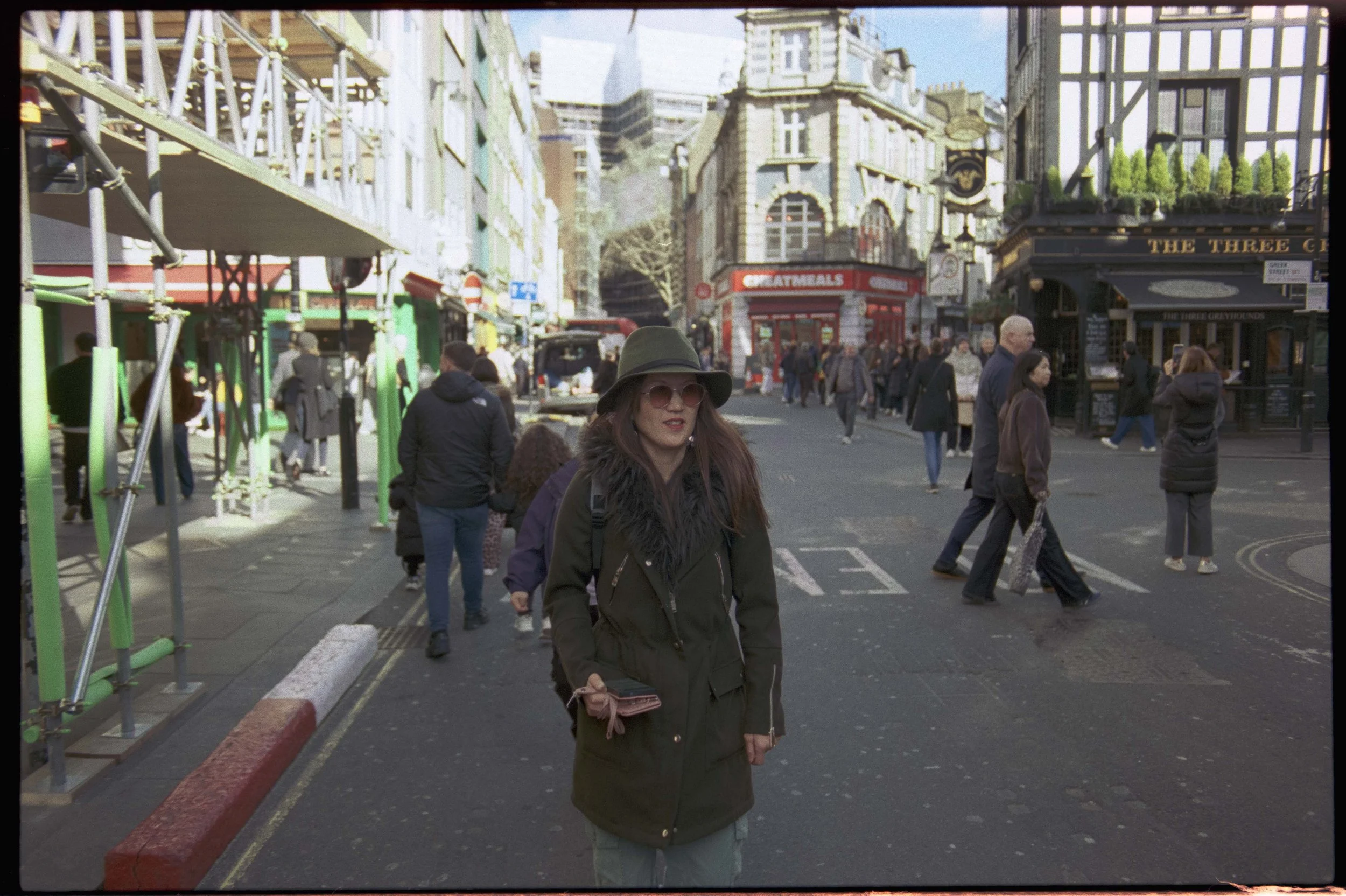
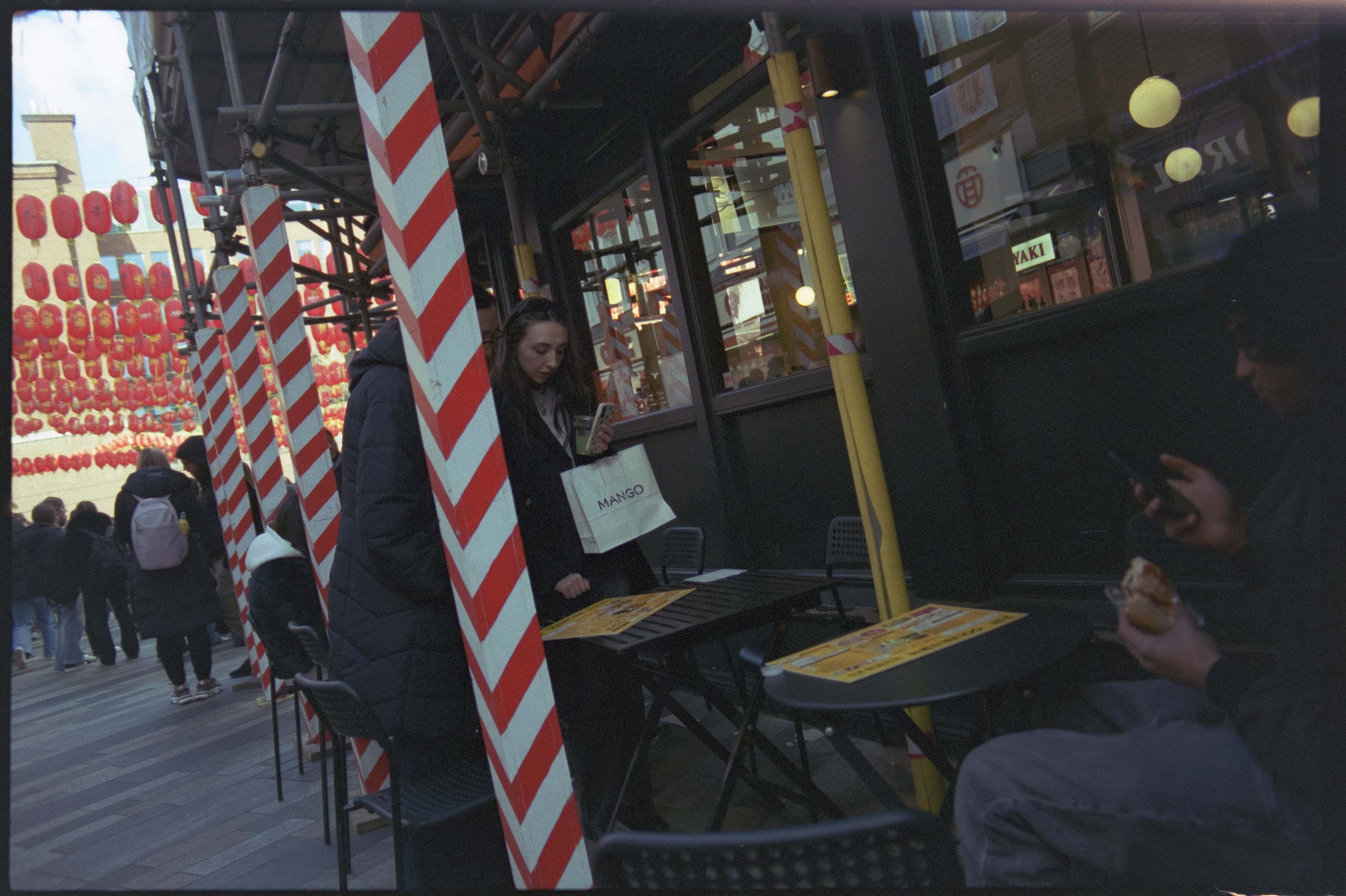
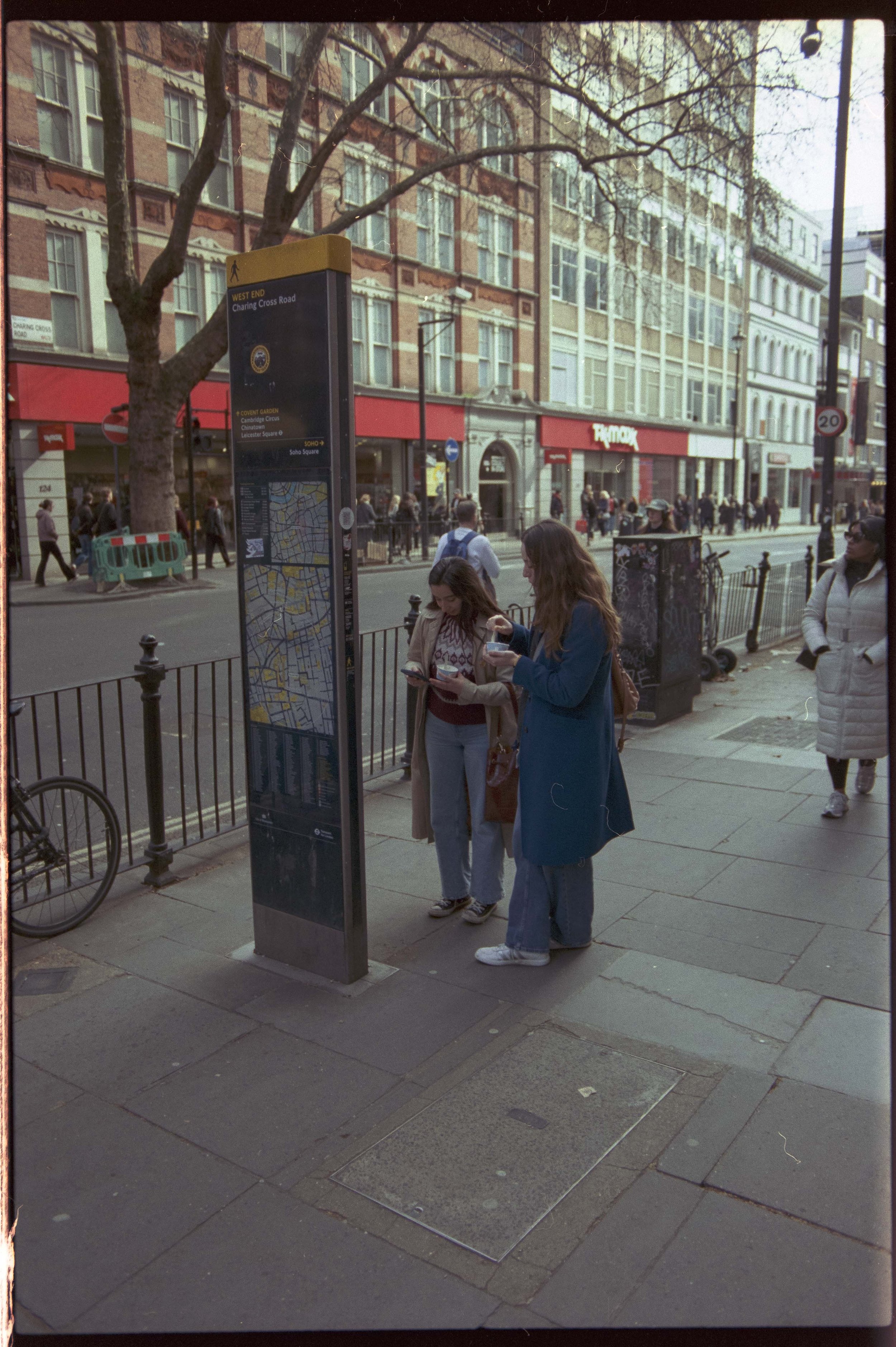
After years of reaching for black and white by default, that's a different kind of seeing. I'd been missing it without quite realising.
I've already ordered more rolls. Spring is coming, the light is getting longer, and the streets are filling up again. If the first outing with Vision3 250D is any indication, it's going to be a busy few months.
Black and white isn't going anywhere. But colour just made a very strong case for sharing the bag.
Until next time, keep snapping
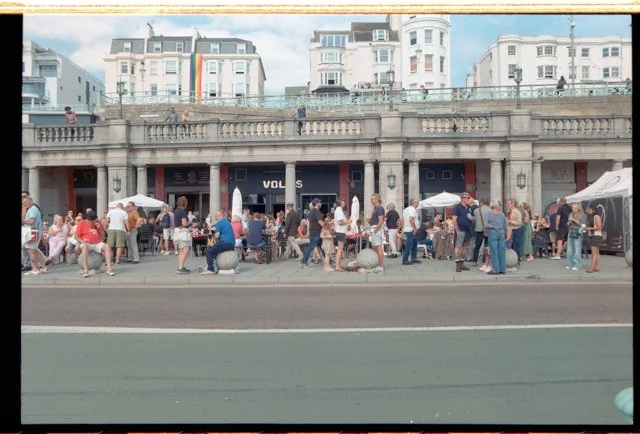
Mod Weekender
Celebrating Two Decades of Style: The Brighton Mod Weekender 2025
This post is a little delayed, as I wanted to wait until I received my developed film negs from the photo lab.
The August Bank Holiday weekend in Brighton has always been special, but this year it was truly historic. The Brighton Mod Weekender, the annual pilgrimage for Mods from across the globe, celebrated its 20th anniversary from August 21st to 24th, and the city was buzzing with more style, music, and scooter pride than ever before.
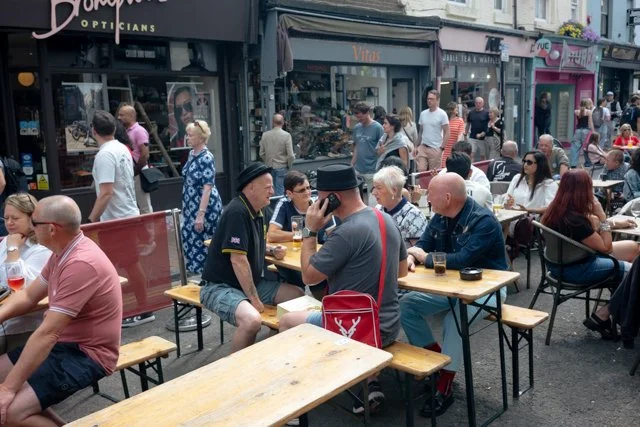
Its a blend of old timers reminising of the past and generational newcomers. All parading around as proud as peacocks.

Celebrating Two Decades of Style: The Brighton Mod Weekender 2025
This post is a little delayed, as I wanted to wait until I received my developed film negs from the photo lab.
The August Bank Holiday weekend in Brighton has always been special, but this year it was truly historic. The Brighton Mod Weekender, the annual pilgrimage for Mods from across the globe, celebrated its 20th anniversary from August 21st to 24th, and the city was buzzing with more style, music, and scooter pride than ever before.
Its a blend of old timers reminising of the past and generational newcomers. All parading around as proud as peacocks.
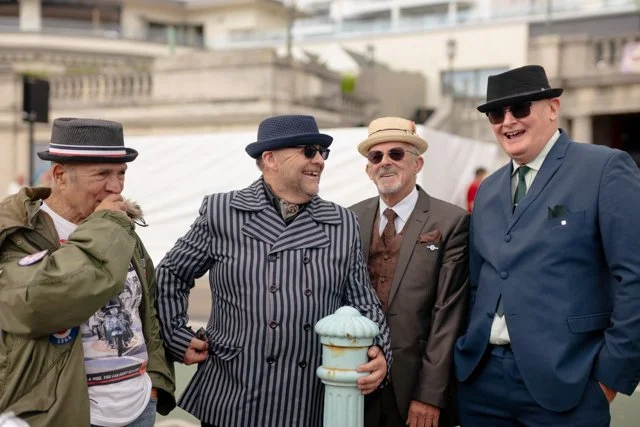
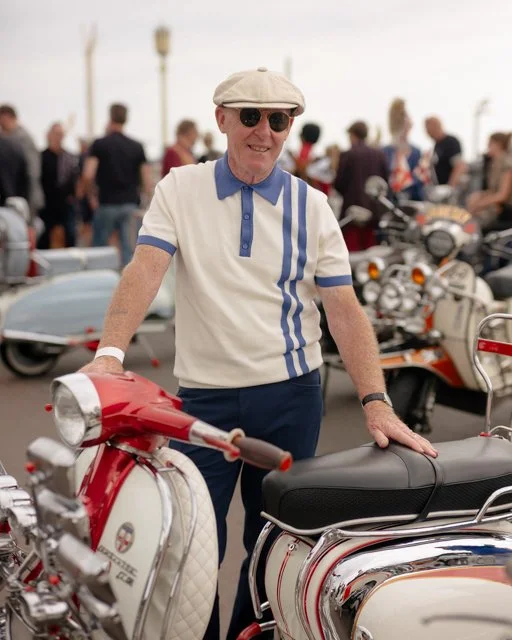
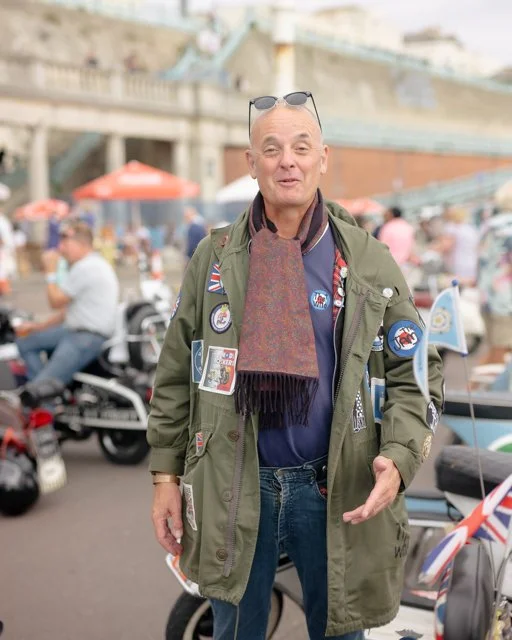
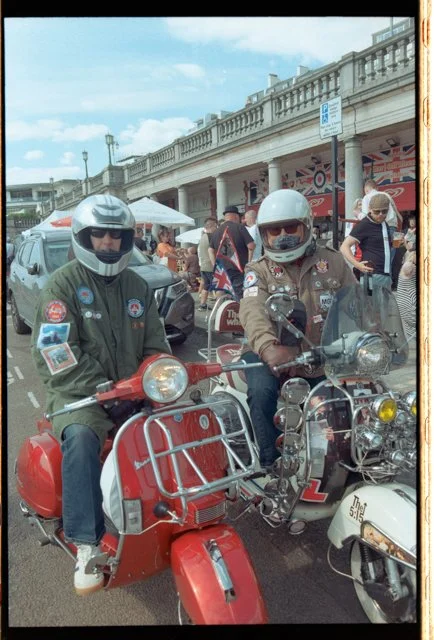
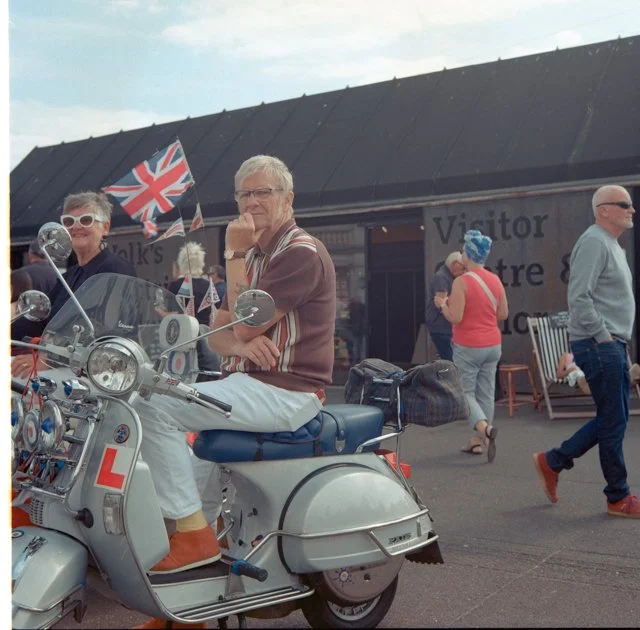
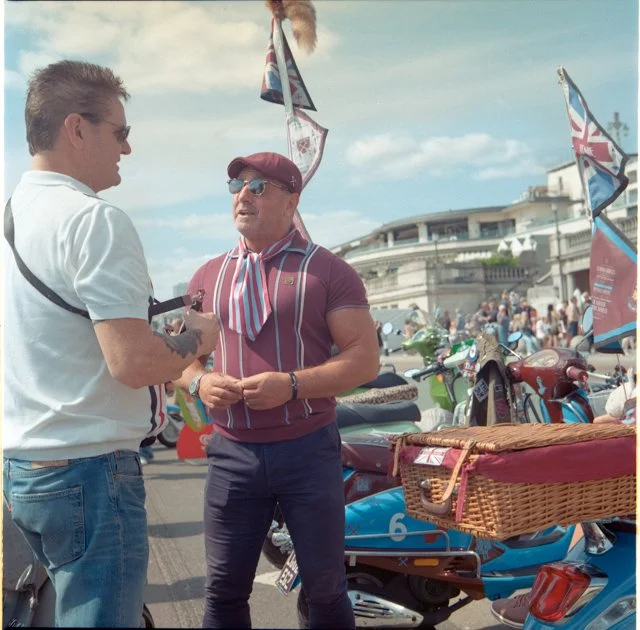
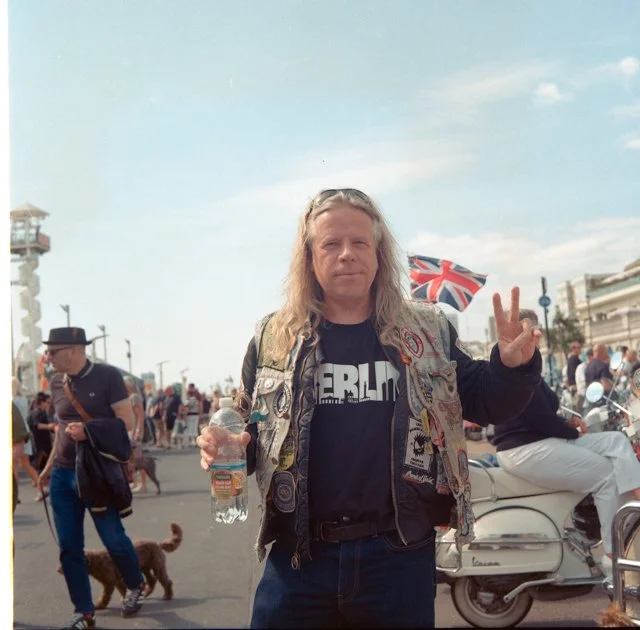
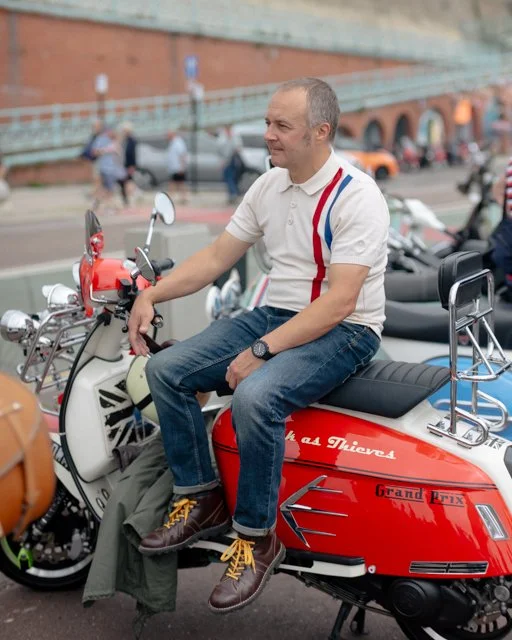
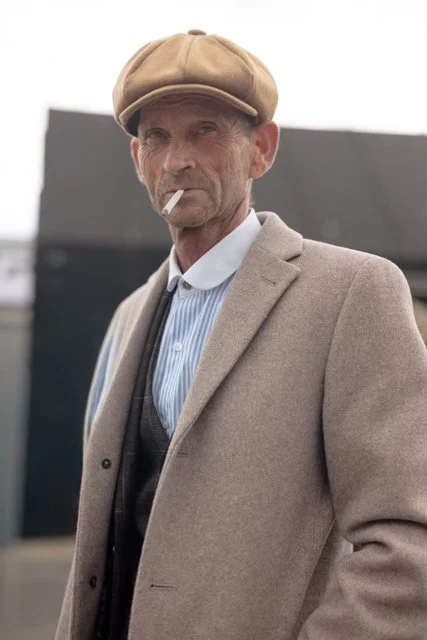
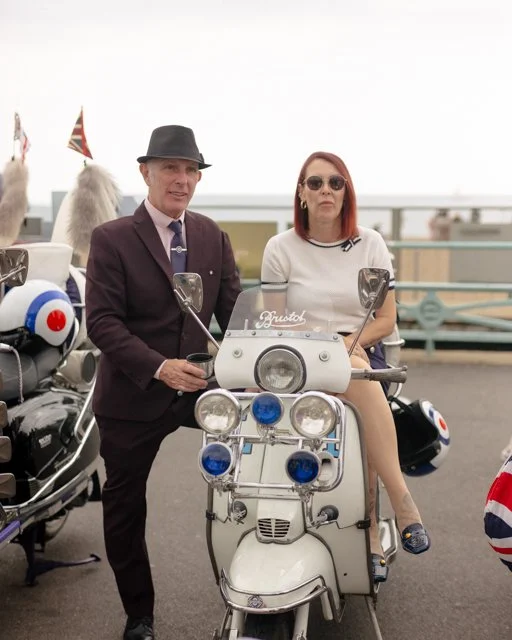
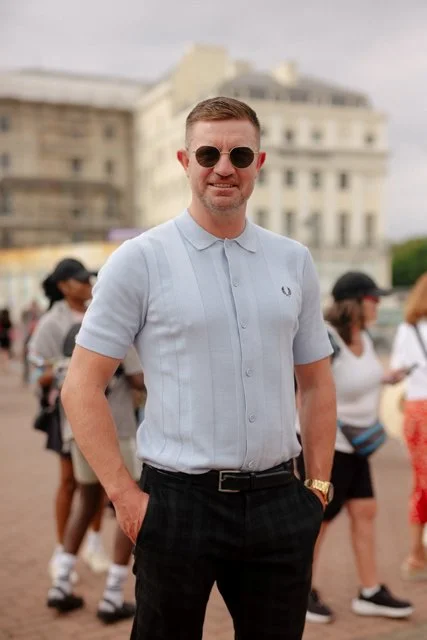
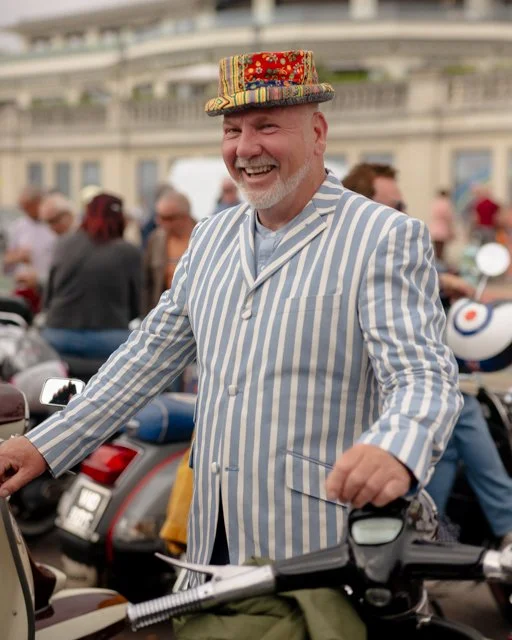
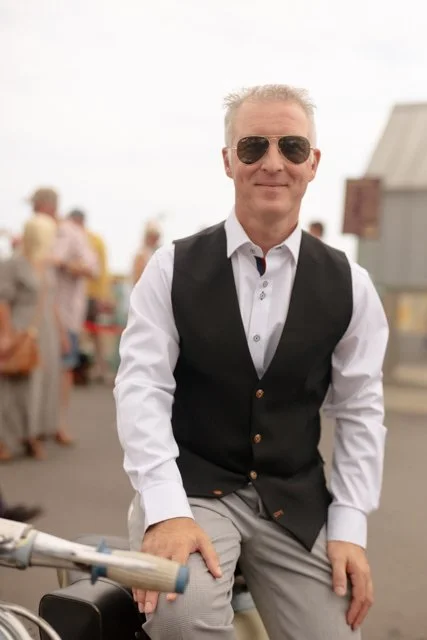
This is four-day festival that pays homage to modernist and sixties-inspired culture. The evenings are typically a non-stop party, with venues like the Komedia hosting all-night club events where the legendary NUTs DJ Team spun Northern Soul, R&B, and garage to a packed dancefloor. The live music lineup was a celebration in itself, featuring iconic acts and rising stars, proving the scene is as vibrant today as it was in the past.
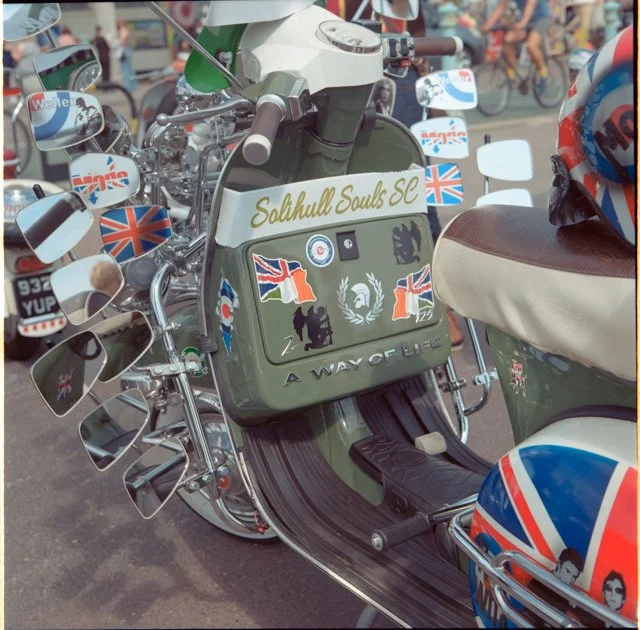
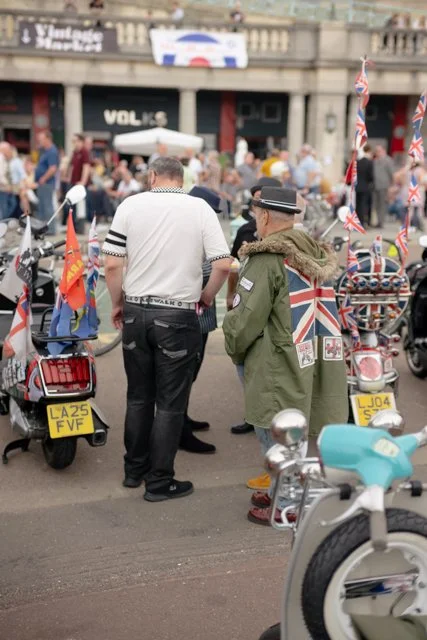
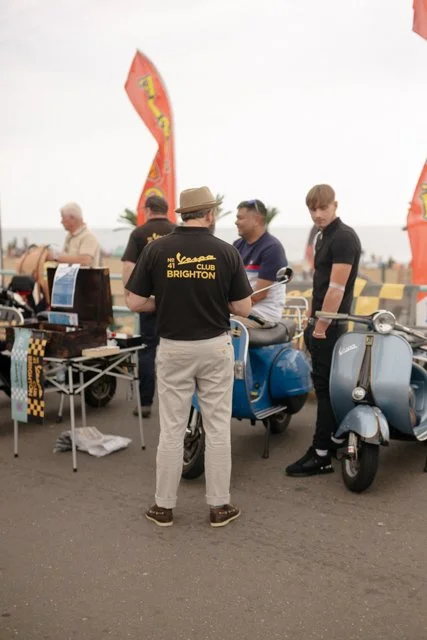
But the heart and soul of the Brighton Mod Weekender, and the thing that makes it so iconic, is the daytime spectacle. All weekend long, Madeira Drive transformed into a breathtaking open-air scooter show. Hundreds of gleaming Vespas and Lambrettas, adorned with countless mirrors and Union Jack flags, lined the seafront. This is where the community truly comes together.
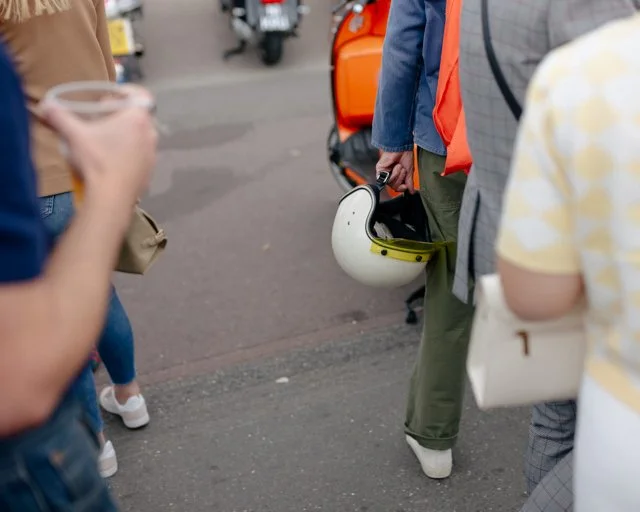
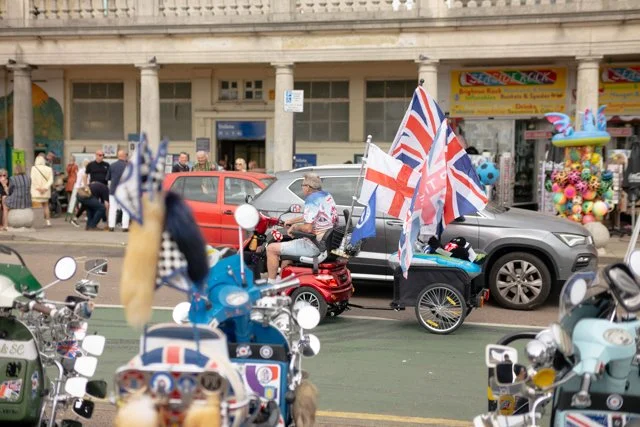
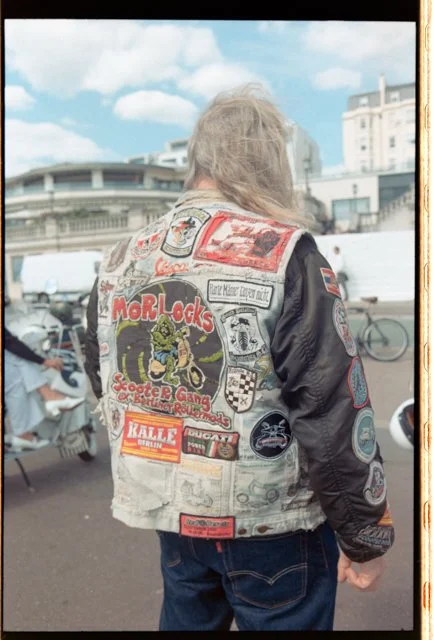
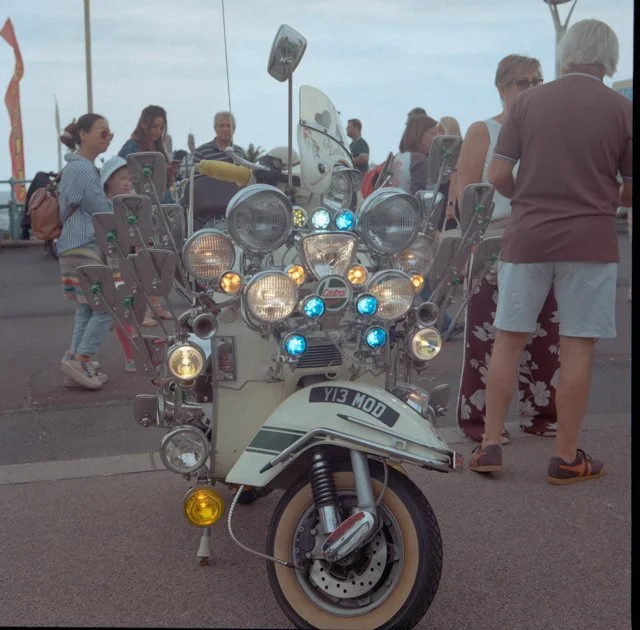
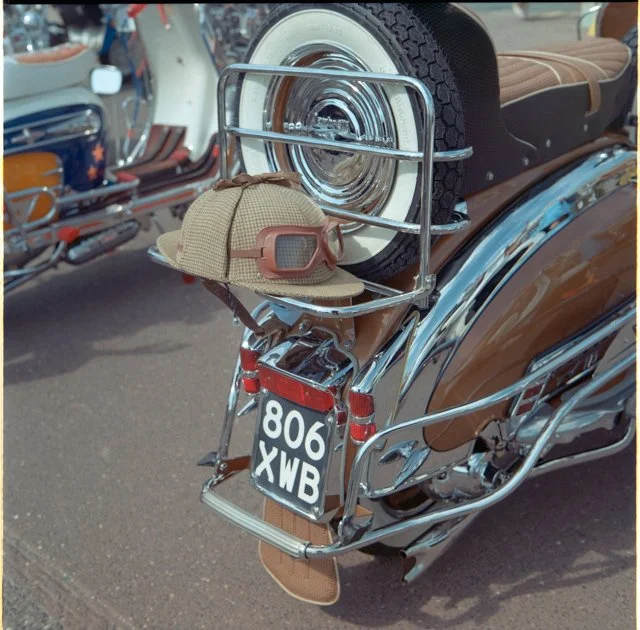
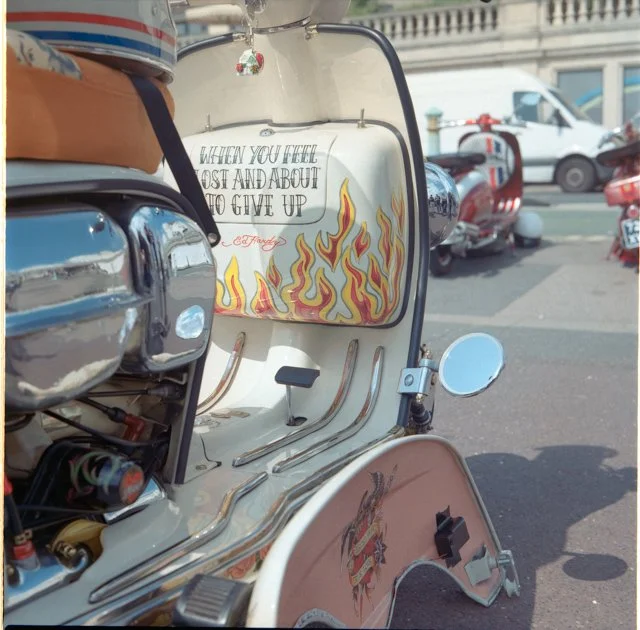
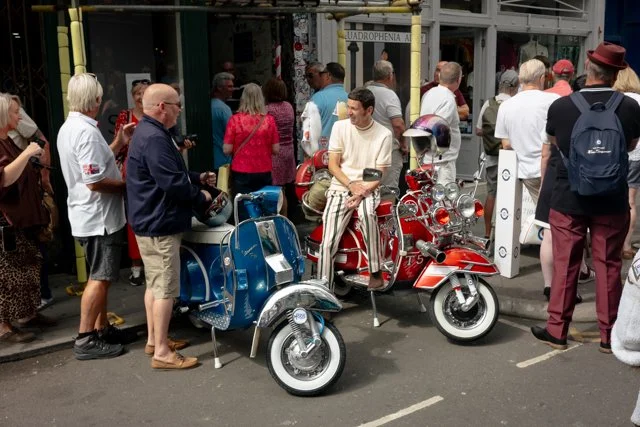
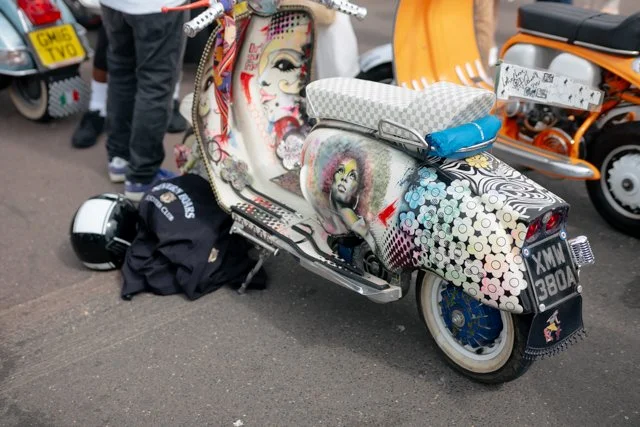
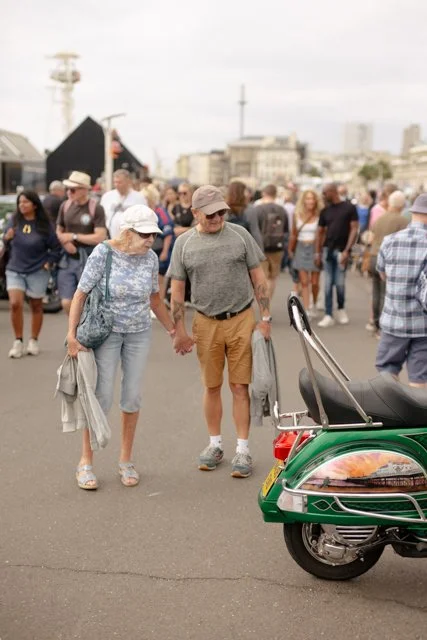
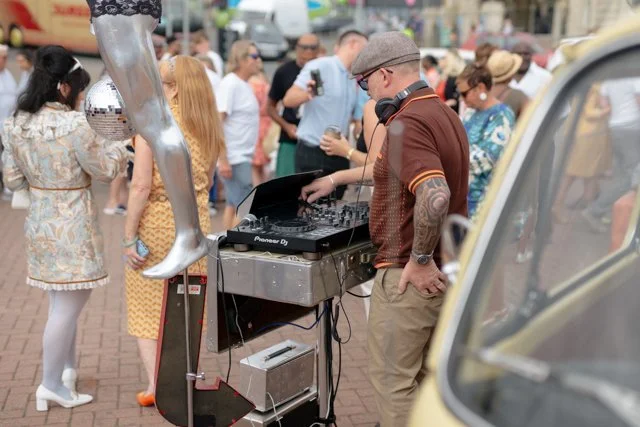
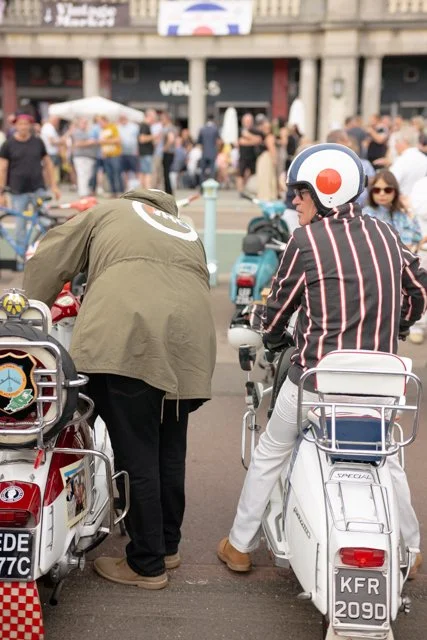
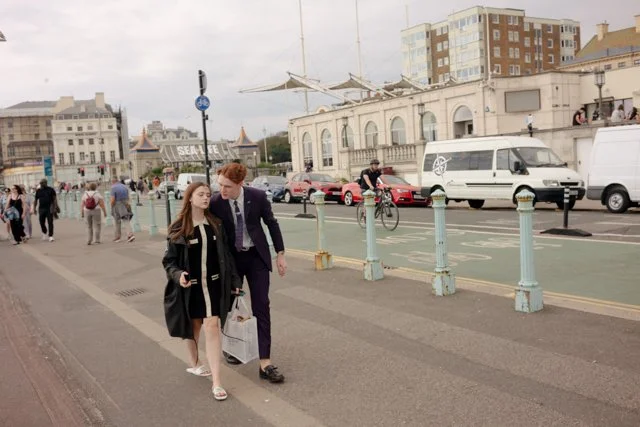
Every mod, whether they've traveled from across the UK or from continental Europe, parks their beloved scooter with pride, polishing chrome and showing off their bespoke customizations. The area around The Volks Bar becomes a central hub, a meeting point for old friends and new acquaintances. The atmosphere is electric, with onlookers and enthusiasts alike admiring the incredible machines and soaking in the cool, timeless vibe. It's a living, breathing exhibition, a tribute to the passion and dedication that defines the Mod scene.
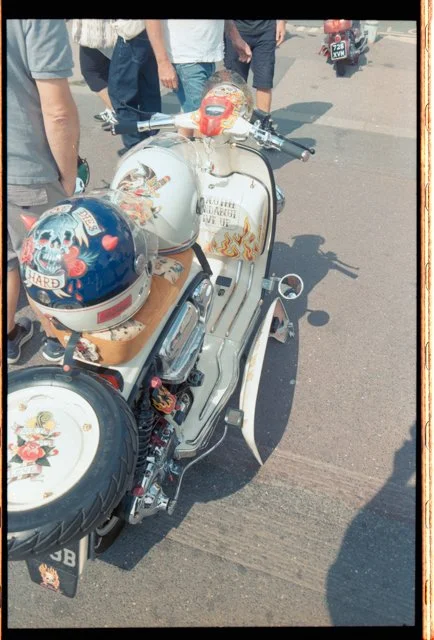
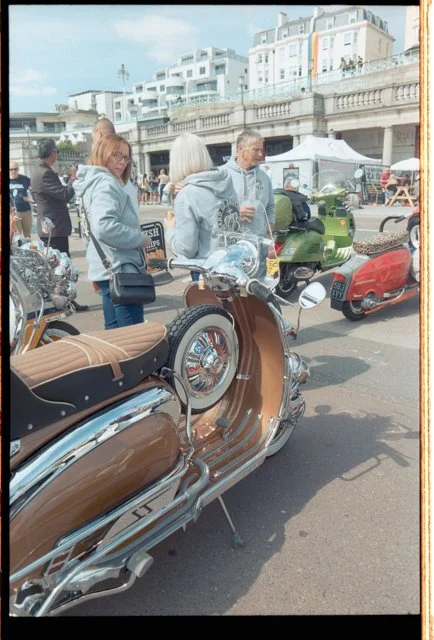
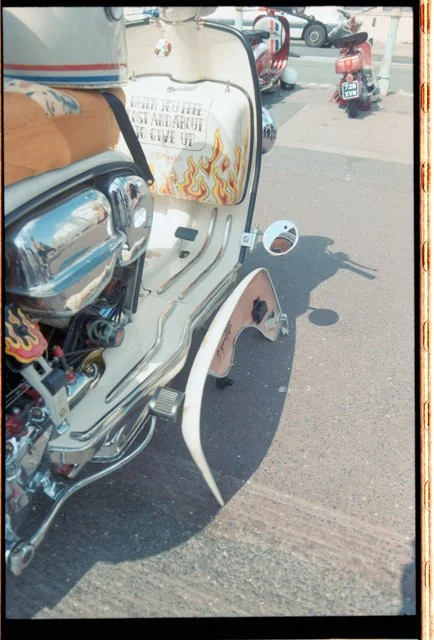
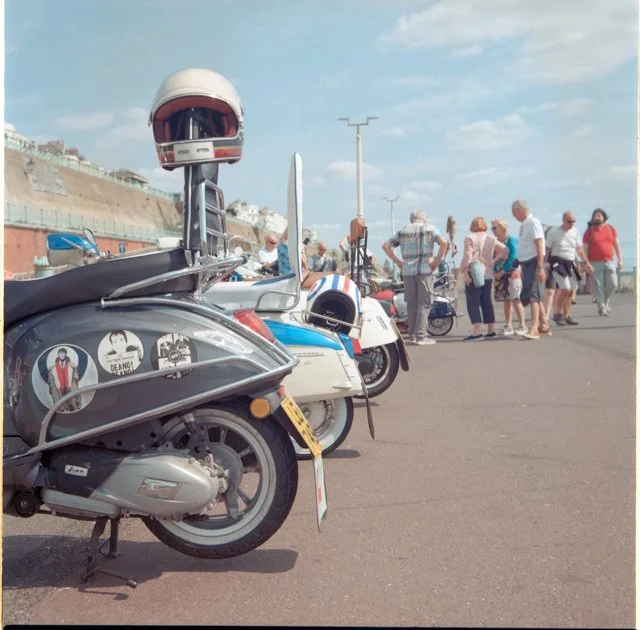
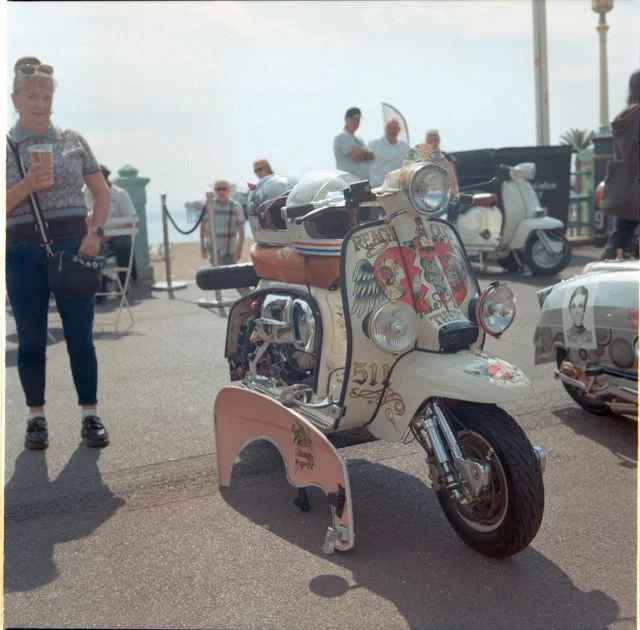
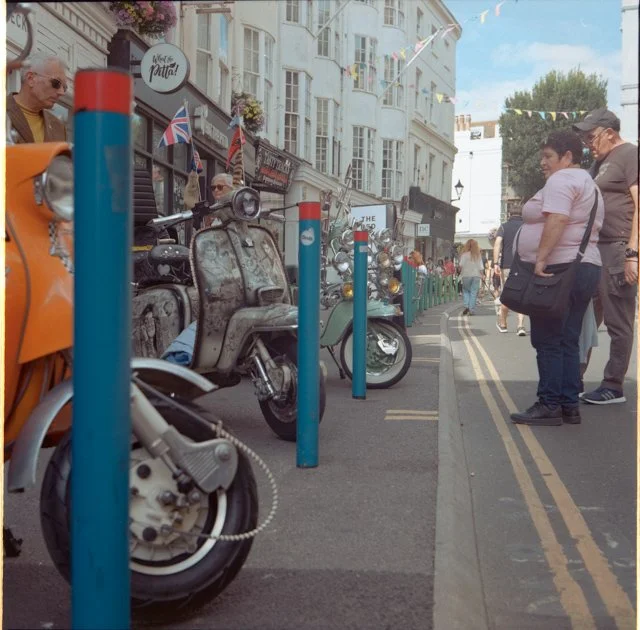
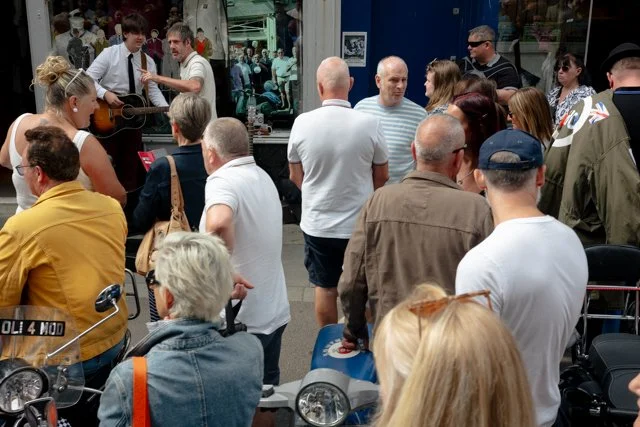
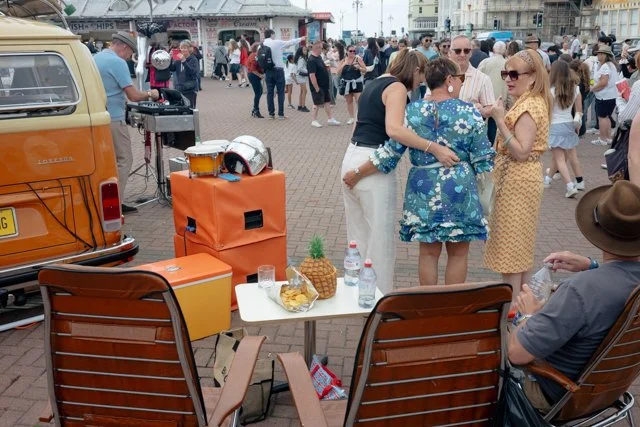
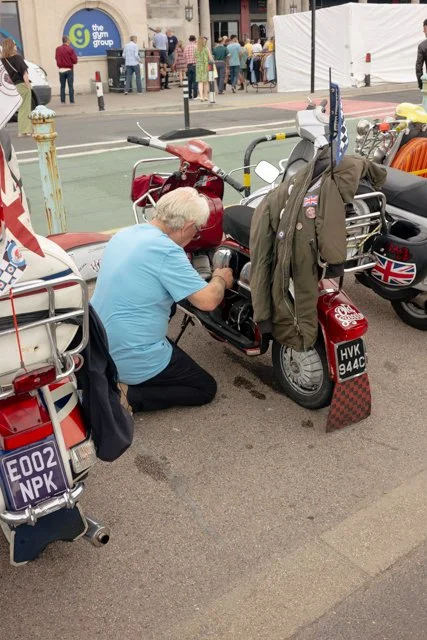
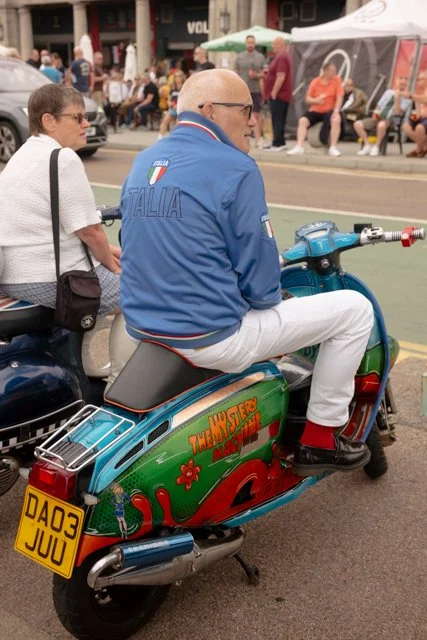
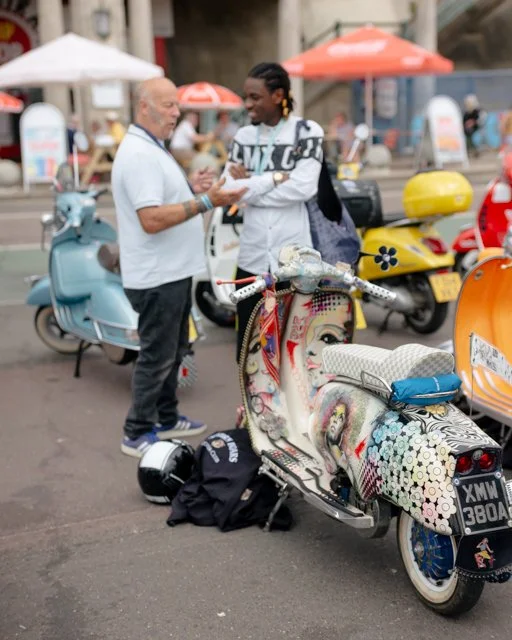
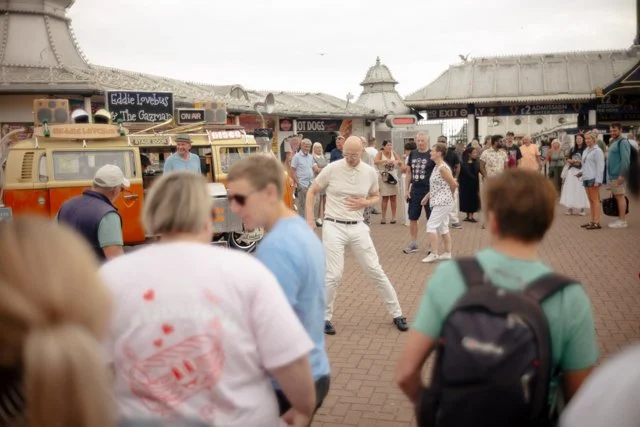
The Sunday scooter rideout was the cherry on top, as the convoy of scooters snaked its way along the coast, a modern-day echo of the legendary scenes from Quadrophenia. This year's event was a powerful reminder of how a subculture can endure and evolve, blending its rich heritage with an inclusive, forward-thinking spirit. If you were there, you'll know it was an unforgettable celebration. If you missed it, start planning for next year, because the Brighton Mod Weekender is an experience you won't want to miss.
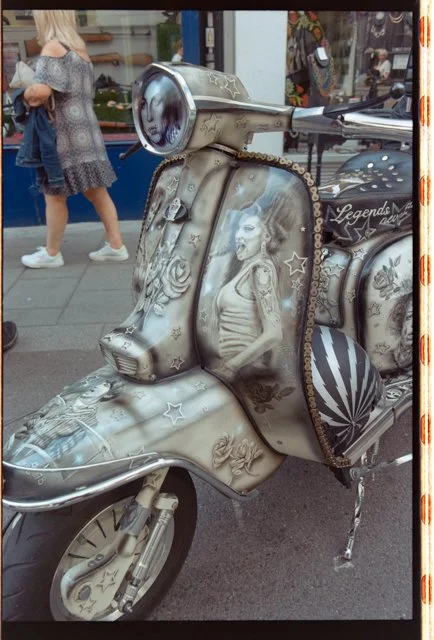
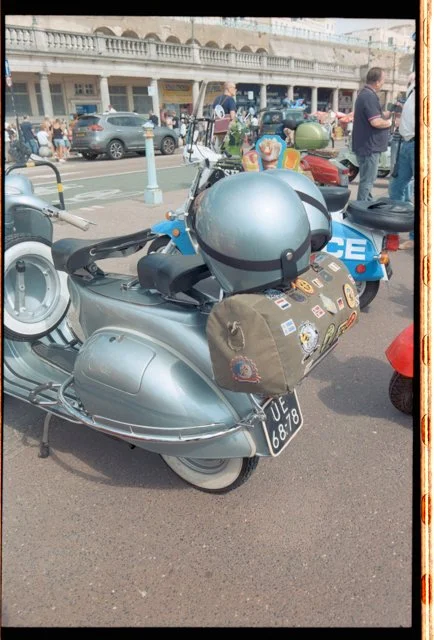
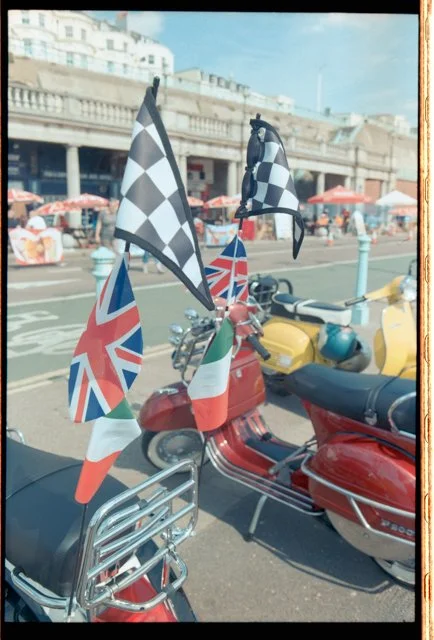
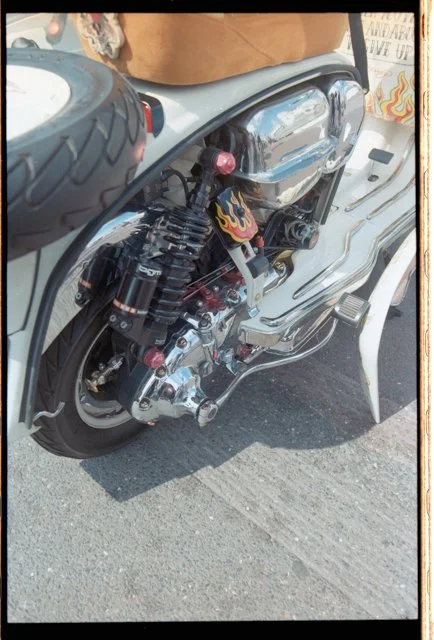
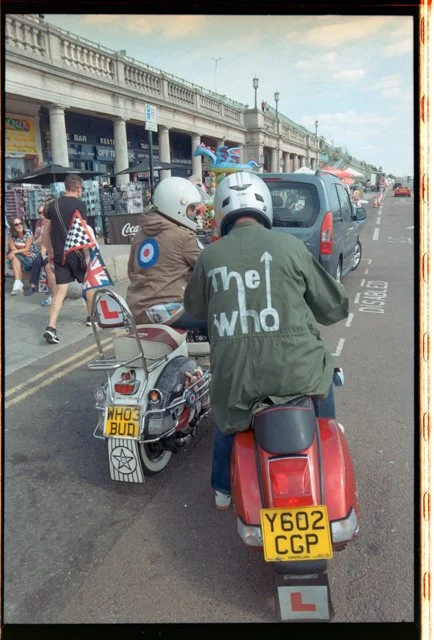
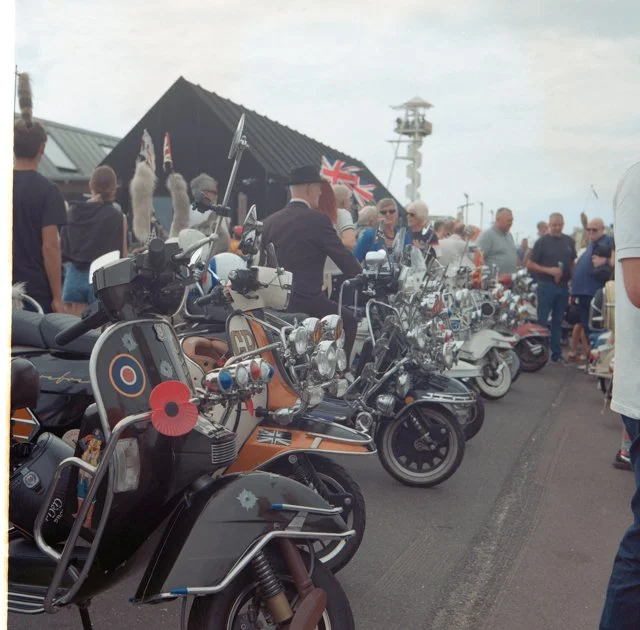
Until next time, keep Modding.
Camber Sands: A Seaside Story of Shifting Sands
While the summer months bring the majority of visitors to British seaside destinations, a beach possesses a unique charm during the off-season.
I decided to visit Camber Sands, and carry on some more new film photography in 2025, tim really enjoying this new vein of enthusiasm.
I decided on taking my Leica M6, loaded with my trusted Kodak 5222 / Double X and my large format 4x5 camera, The Chamonix 45n2 with some Fomapan 400. Both of these films are my trusted film choices. I buy the former in 400 ft bulk reels that I pre-load onto 30 exposure rolls. The latter constitutes the best value for 4x5 film, where 50 sheet boxes can be bought off the interweb for around £40. This coupled with my chosen black and white developer - Kodak hc110 - at dilution b (1:31), is about the best and most prudent and cost effective workflow that there is.
While the summer months bring the majority of visitors to British seaside destinations, a beach possesses a unique charm during the off-season.
I decided to visit Camber Sands, and carry on some more new film photography in 2025, tim really enjoying this new vein of enthusiasm.
I decided on taking my Leica M6, loaded with my trusted Kodak 5222 / Double X and my large format 4x5 camera, The Chamonix 45n2 with some Fomapan 400. Both of these films are my trusted film choices. I buy the former in 400 ft bulk reels that I pre-load onto 30 exposure rolls. The latter constitutes the best value for 4x5 film, where 50 sheet boxes can be bought off the interweb for around £40. This coupled with my chosen black and white developer - Kodak hc110 - at dilution b (1:31), is about the best and most prudent and cost effective workflow that there is.
I’m at a crossroads as to what I'll actually shoot in the spring and summer of 2025, having not bought any colour film since my Kodak 250d 400 ft bulk reels purchase in 2023. Not only the cost of the film but the cost of the c41 developer kit. I may decide to just stick with black and white workflow above, let's see.
Camber’s vast expanse of sand feels even more expansive when devoid of crowds, and the winter storms can create dramatic landscapes.
This is a location that I regularly pass through, on my jaunts to Dungeness.
The dunes, often overlooked in summer, become a haven for walkers and nature enthusiasts. The crisp air and the sound of the waves crashing against the shore offer a sense of tranquility and peace that is hard to find elsewhere.


The Decline of a British Seaside Icon
Camber Sands, with its vast expanse of golden sand and rolling dunes, has long been a beloved destination for British holidaymakers. Generations of families have flocked to this East Sussex gem, seeking sun, sea, and traditional seaside fun. However, the recent closure of the Pontins holiday park has cast a shadow over the area, raising questions about the future of this once-vibrant coastal resort.
A History of Holidaymaking
Camber Sands' history as a tourist destination dates back to the Victorian era, when the arrival of the railway made coastal getaways more accessible. The beach's natural beauty and expansive sands drew visitors in search of relaxation and recreation. In the mid-20th century, holiday camps like Butlins and Pontins emerged, offering affordable package holidays that catered to working-class families. These camps became synonymous with the British seaside experience, providing entertainment, activities, and self-catering accommodation.
This is a complete contrast to the scenes broadcast from Barcelona, with local squirting water at tourists, with a populous movement of tourists go home, as a action towards over tourism, the shortage of housing (with Airbnb rentals sitting unoccupied for the majority of the year).


The Rise and Fall of Pontins
The Pontins holiday park at Camber Sands was a mainstay of the resort for decades. Its chalets, amusement arcades, and entertainment venues provided countless holiday memories for families. However, as travel trends changed and competition from overseas destinations increased, the park began to decline. In recent years, it faced criticism for its outdated facilities and lack of investment. The closure of the park in 2023 marked a significant turning point for Camber Sands, leaving a void in the local economy and raising concerns about the area's future.

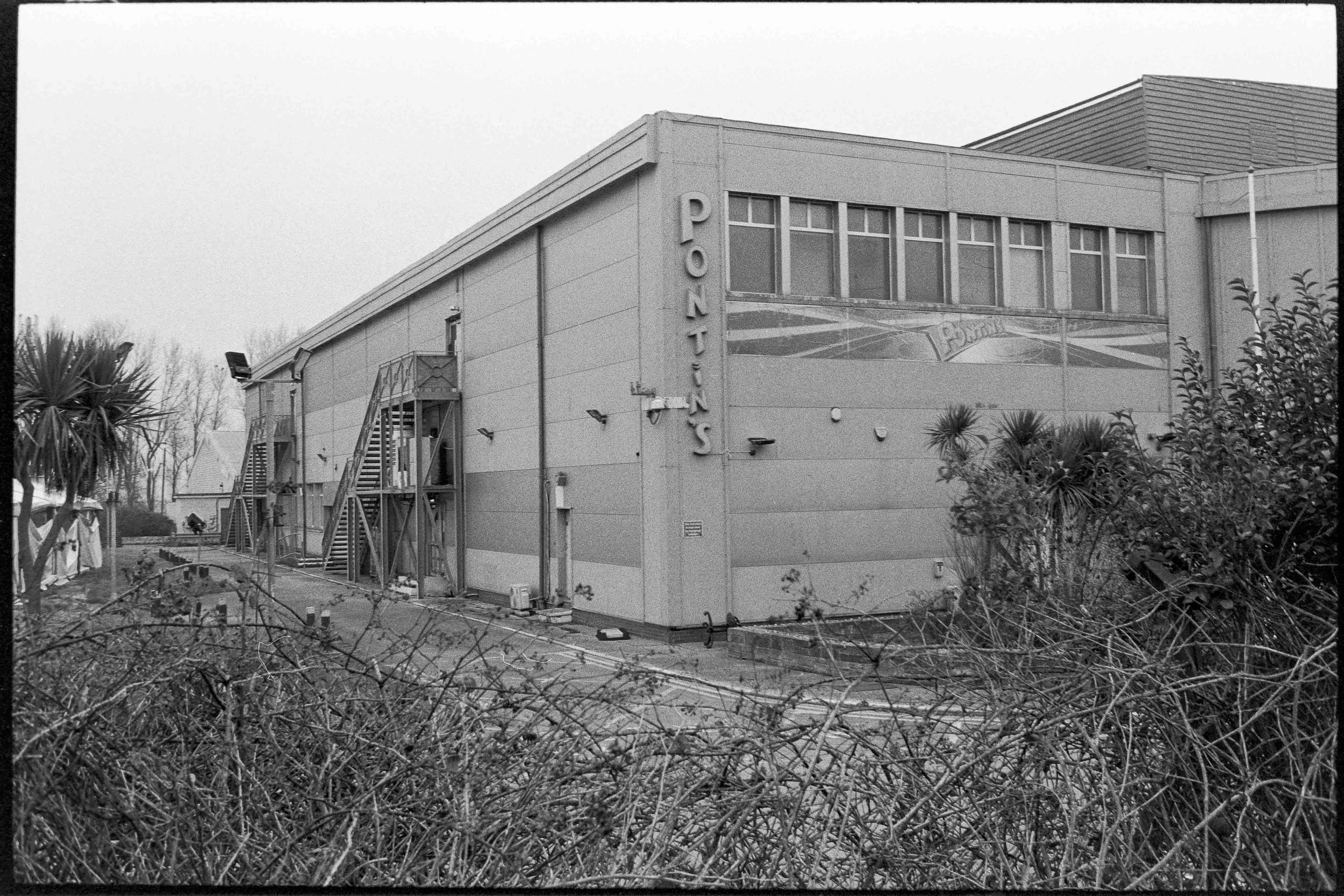


I would love to take a work around the Interior of the site, it has an eerie atmosphere to it, akin to The Overlook Hotel in The Shining.
Whilst it was bitterly cold last Saturday, I thoroughly enjoyed the break to Camber and the visit to this part of the quirky Kent coast.
Until next time, keep snapping.
Budapest - We love you.

Its been a couple of months now, back to the bump and grind of Blighty, after the kids and my first overseas trip, since 2018.
This followed an aborted attempt to head over to Barcelona in April, which was eventually traded for Manchester (had to attend a work team meeting in Birmingham, with sitting in a room with 60 folk and decided to cancel it on the event I caught COVID............).
Anyway, we decided on Budapest.


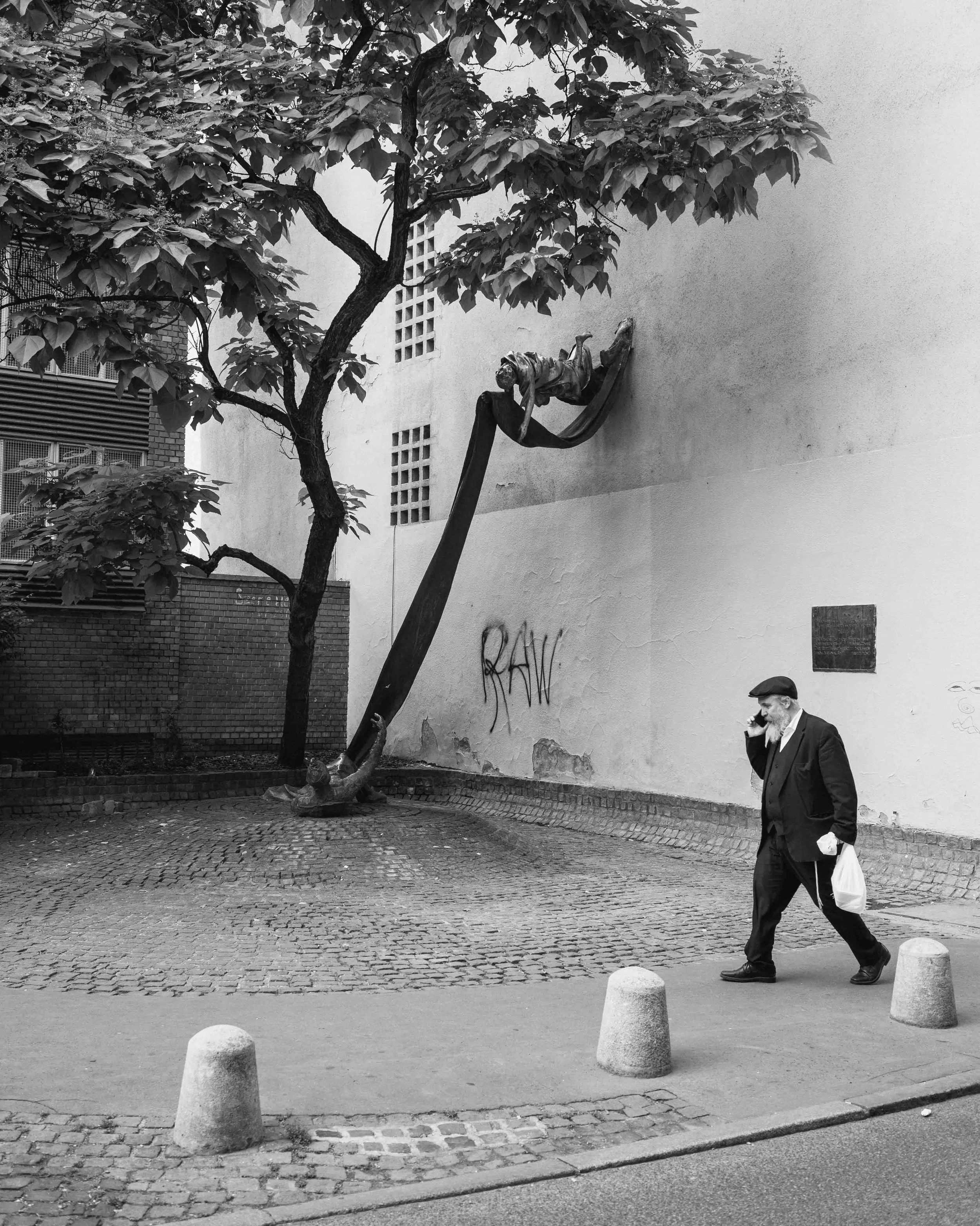


It's a place that has been on my bucket list for years.
A wonderful city, rich in culture and a checked history.
Having been transfixed with the early Magnum black and white catalogue, which also covers the 1956 uprising, this city has intrigued me from an early age. Images of formally dressed men running along streets with rifles, so soon after the atrocities of WW2. Some of David Hurn's work of this period is outstanding.
The architecture, parks, cafes, restaurants, exhibitions, beer and cuisine, there is something for everyone.
The city provides an excellent backdrop and perfect destination for some street photography.
After some brief twitter chatter about the options of taking 35mm film, I decided to take some Fomapan 400 & Kodak Vision 3 250d, to shoot through my Olympus OM1, with my Olympus XA2 as back up. I also wanted to take my Sony A7iii for a 2nd back up. The backups were a prudent step, as the OM1 jammed, so it was XA2 all the way.
Gatwick Airport were very kind to hand check the film, rather than run it through their X-Ray scanners. (On the way back, Budapest Airport put the film through their CT Scanners). I now know that <ISO800 film is ok to put through either scanner a number of times and as you will see from the images within this post, the film was undamaged.
The buzz of the city is addictive. This is also topped off with an exceptional public transport service. Trams, trains and buses link seamlessly. The excellent BudapestGo app for your smartphone, provides an all covering journey planner. Single fares are 73p (yes 73p). The bus transfer services to the airport (some 9 miles from the city centre) comes in at a wallet friendly £2.36. A taxi comparison for the same journey is typically 30-35 euros.
I had a mild concern about stag and hen do's, for Friday and Saturday night, but this didn't materialise, or at least the kids and I were not out too late to witness it.
After watching a series of YouTube videos on 'Budapest hidden gems' 'Things to do in Budapest', we decided on District 5 / The Jewish Quarter for our Airbnb location (see red bounding box below). This is on the ‘Pest’ side of the city, were the majority of bars, restaurants and life is going on. This proved a good choice.
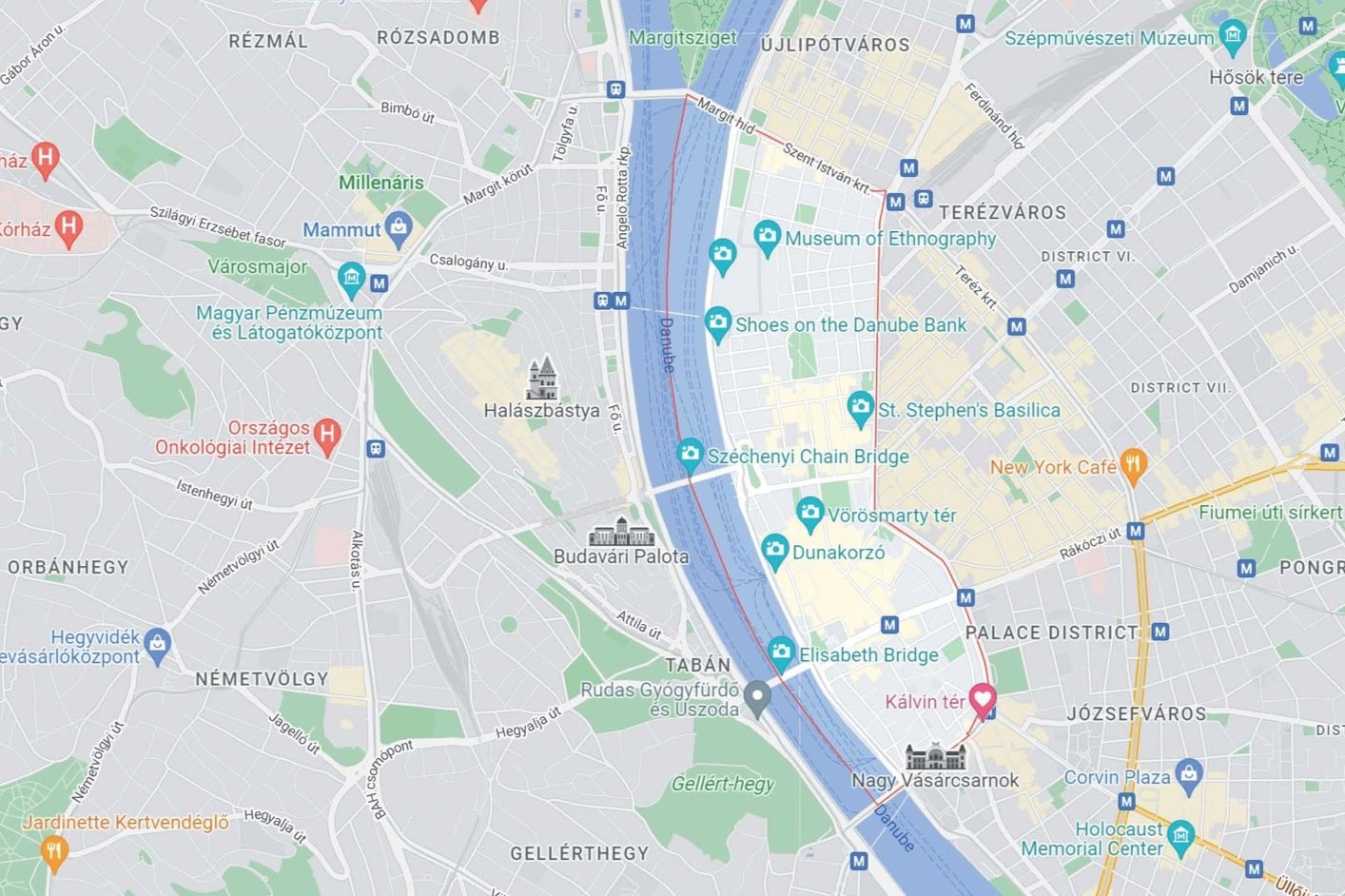
Accomodation is notably cheaper, the location has some excellent bars and restaurants, which are best explained as having a ‘bohemian feel’.
It's also in close proximity to Kalvin Square, which is the central hub for the transport links.
We flew out of Gatwick Airport. Having booked our flights a month before departure, there was not a ripple of warning about the car crash that happened relating to last minute flight cancellations, following the increased half term demand and the understaffed airport network.
We were some of the lucky few, both outward and incoming flights were cancelled by c. 2 1/2 hours each way.
Getting into Budapest, the ease of transfer was a stark contrast to Gatwick. We headed straight to the Ruin Bars. This is a great spot. I can imagine that on inception, this would have been a buzzing underground spot, but it now appears to be much of a tourist trap, with patrons pointing cameras at the decor, rather than chatting to their companions. The cherry beer was great.
We then headed off to Street Food Karavan, which is a great spot for some fast food. Burgers, Chicken, goulash and Langos are avaialble, from the food vans that are parked up. We got here about 19:00, not at all busy, but I would expect this place to get chocker, in the wee hours.
Because it was lovely and warm, after completing our first recce of the Jewish Quarter, we decided to chill in the park at the end of the road, where the Hungarian National Museum was located.
Day 2
Saw us take in the historic tourist trail.
Firstly we headed to St Stephen’s Basilica. The objective was to climb the stairs and walk around the dome and take in the excellent vistas of the city. This was a very easy sell to the kids. Spectacular views.

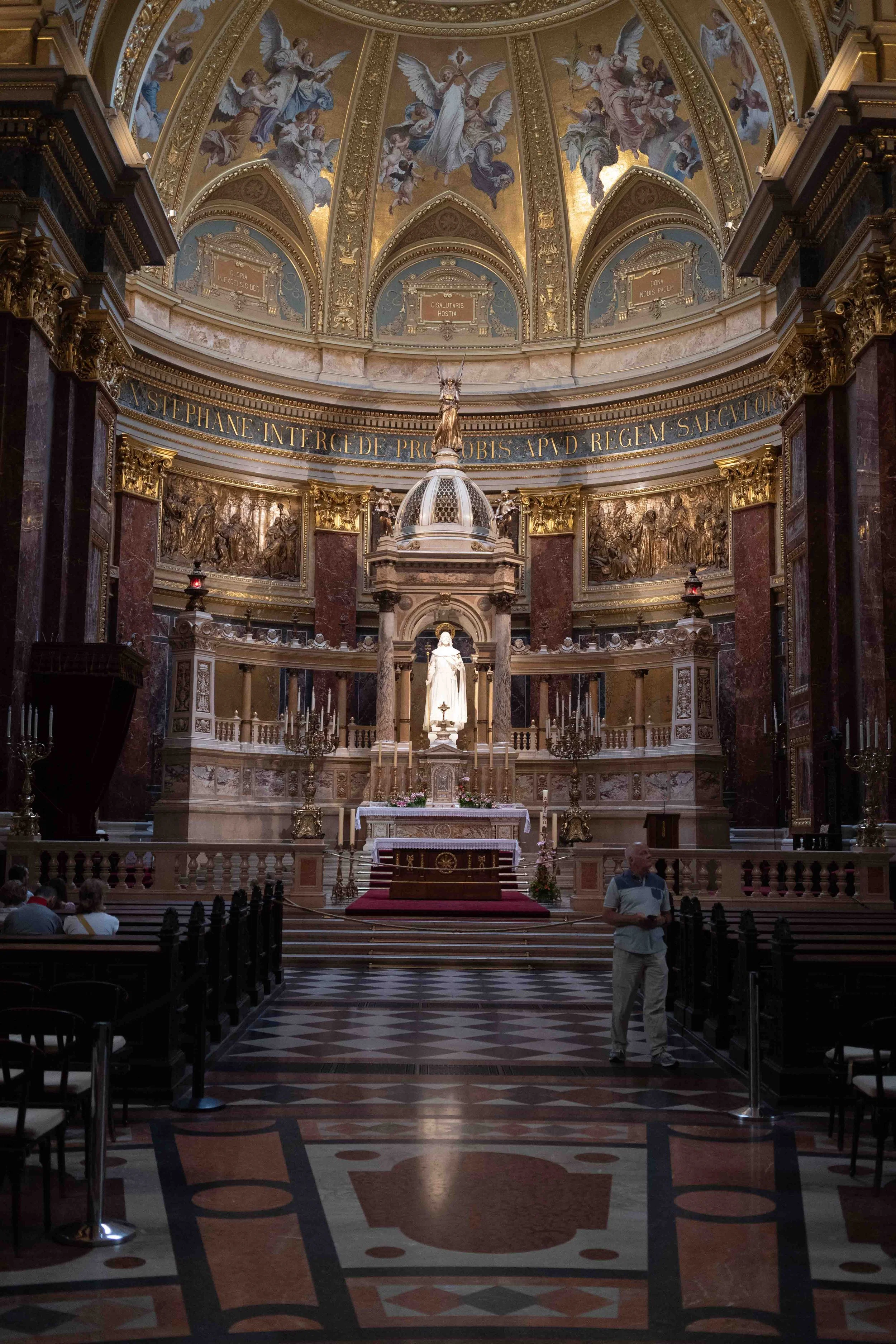


After that we strolled down to the Danube river to walk across the Chain Bridge, disappointingly, it was closed for some esssential repairs.
Observing the Buda Castle complex and the Fishermans Bastion, you are treated to some outstanding architecture and vistas across the Danuble, to see the Hungarian Parliament Building. After a long lunch break - and another cherry lager - we decided to head to Fashion Street, for some clothes shopping.
Day 3
We headed over to Esceri Flea Market, as a couple of the tourist guides mentioned that this was worth a gander.
Not sure if we were too early or it was part closed for the summer period, but it was a disappointment as it was only open to say, 5-10% capacity.
The trip over on the two buses was a nice mind, seeing the urban side of the city.
Getting back to the city, the kids and I decided to make amends and have a culture vulture afternoon. We first decided to go to the House of Terror Museum, which is a fitting tribute to the cities two terror regimes. This is housed in the ex Secret Police Building. The museum is very sombre in outlining the extent of the secret police activies during this time, the torture chambers in the basement were harrowing.
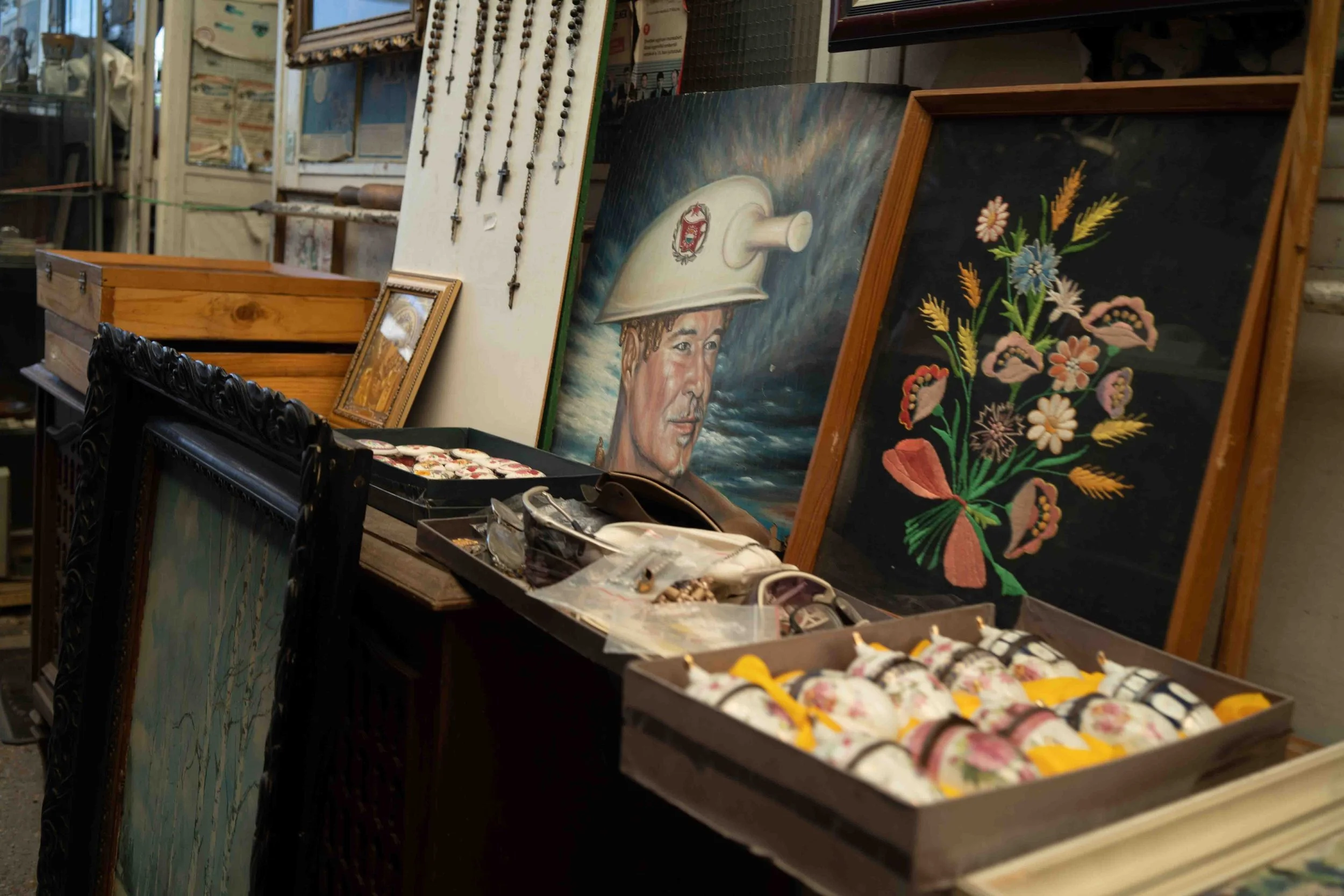


Outside, there was a piece of the Berlin Wall, which was a fitting for the period.
We then walked upto Heroes Square, to see the monuents and by pure happenstance, discovered there was a Hieronymus Bosch exbiition at the Museum of Fine Arts. 50 pieces of work by this mismerising artist housed in architectural slendour. The ticket office attendant took great delight in telling me as a UK citizen, that I wasnt entitled to the tourist discount for EU members.
Oh the benefits of Brexit.
For the evening, we decided to venture upto Margaret Island. An idyllic park in the centre of the city. Time to chill at the fountain and listen to classical music and enjoy a burger and another cherry beer.
Day 4
Today we had a wander upto Memento Park, which is a unique and relevant attraction, when the city had the 1956 uprising, rather than dispose of the toppled communist statues, these were rehoused several miles outside of the city.


Continuing the governmental theme, we then decided to head back into ‘Pest’ to see the Parliament Building and also The Shoes on the Danube.
This particular route saw us take the No 2 tram and also the metro. The former offering some excellent vistas of the city.
We decided to head back to Margaret Island for the evening, as we spotted a middle eastern restaurant, and unsurprisingly, the food was excellent.
Day 5
The last day, had a more sedate feel to it. We decided to visit the Vajdahunyad Castle in the City Park.
The grounds of the castle were lovely.
After that we had one final lap of the Jewish Quarter and the ruin bars, we were again lucky to stumble across a flea market, which was a delight.
We begrudgingy dragged outselves back to the airport for our early evening flight back home.


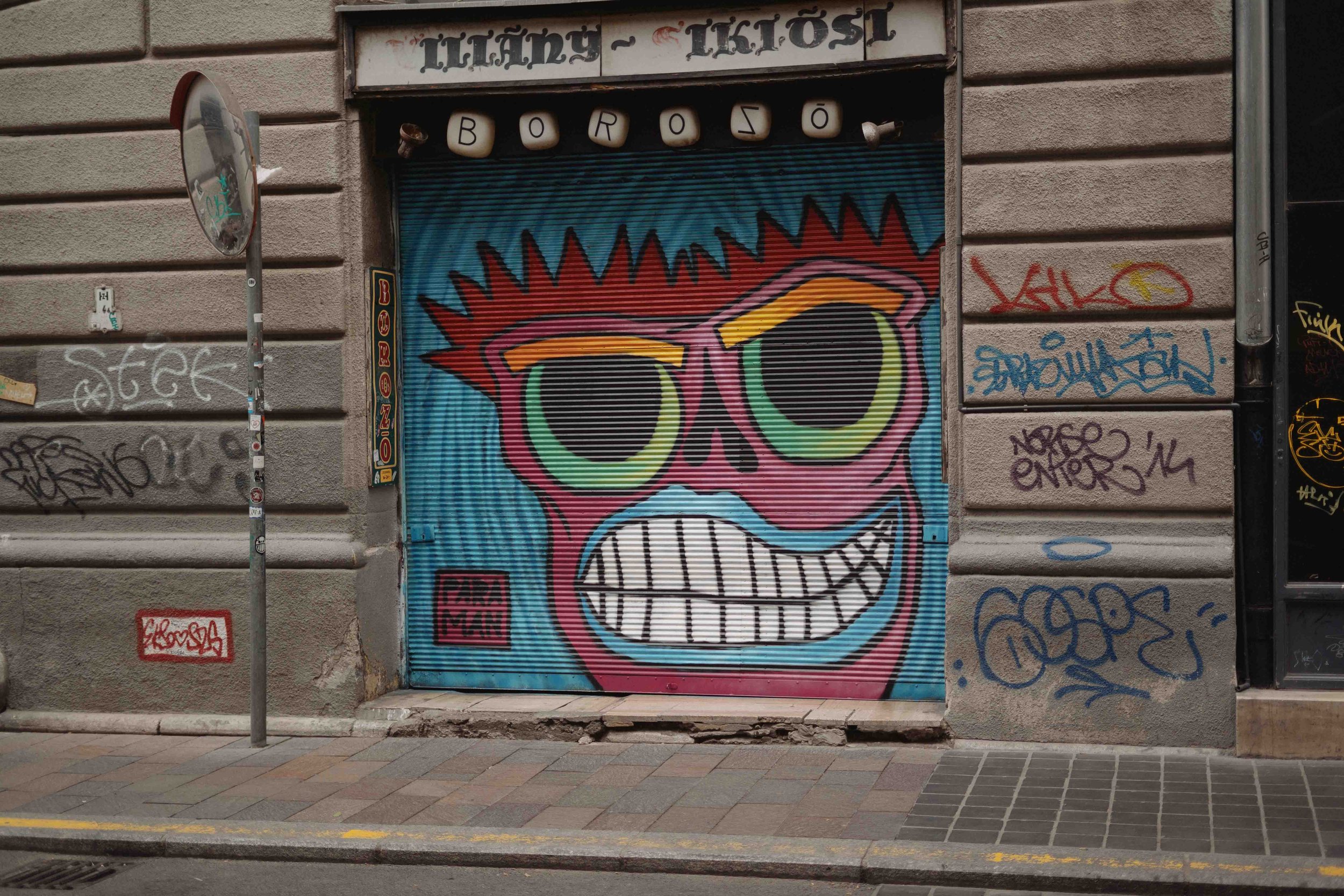


Well thats it, I hope the above gives you an idea of what this wonderful city has to offer you. Its a destination that I am most certianly likely to revisit.
I have a selection of the images for sale on the website, or the Etsy store. Either are available in our new professionally sourced framing service.
Better still, if you have interest in any other images, please do not hesitate to contact me with your enquiry: hello@frommylemsphoto.com.
Until next time, keep snapping

Take a stand - Bulk up
March 2022 provided an update for a couple of bits in my photography stable, which were long overdue.
Namely my new approach to sourcing colour film and how I develop it. Also my new process for scanning all my film.
I thought I would write this blog post, as I am sure there are a couple of take aways for other film photographers, or points to consider.

March 2022 provided an update for a couple of bits in my photography stable, which were long overdue.
Namely, my new approach to sourcing colour film and how I develop it. Also my new process for scanning all my film.
I thought I would write this blog post, as I am sure there are a couple of take aways for other film photographers, or points to consider.
As we enter into the spring and summer season here in the UK, I’m always keen to shoot some colour film, for the limited time that the summer light cascades our island.
I’m not one to shoot premium black and white film, my normal go to is Fomapan 400, which in 100ft, costs £40. I bulk load at home and the quality, tonal range and price, suits me down to the ground.


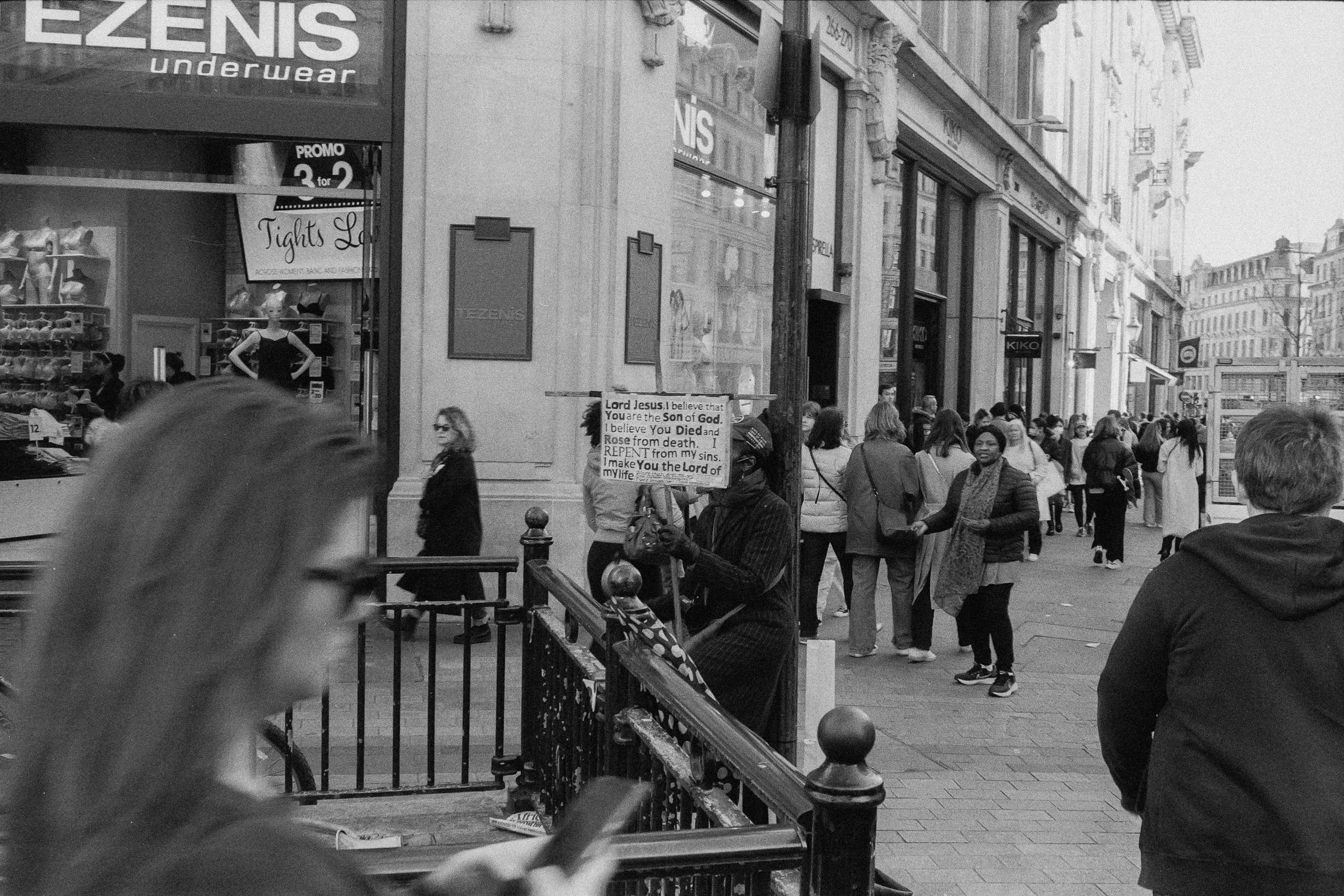


Colour film at present is evidencing crazy price hikes here in the UK. So in March 2022, I decided to invest in a 400 ft bulk roll of Kodak Vision 3 250d from the folks at Frame 24, to go down the bulk loading route workflow I have for B&W. At £180 + VAT + Shipping, this was quite a significant investment, but the maths dictated that for 90+ x 30 exposure rolls, this works out at c. £2.50 a roll.


My only problem was how to spool 400ft into 100ft reels for the AP Loader??
I saw advice on Reddit, that you could spool the film around the cardboard roll from the centre of a toilet roll, inside of a changing bag. For me, this didn’t work, as I found it too labour intensive, my hands got too hot and left too much sweaty residue on the unexposed film, as outlined in the photos below:
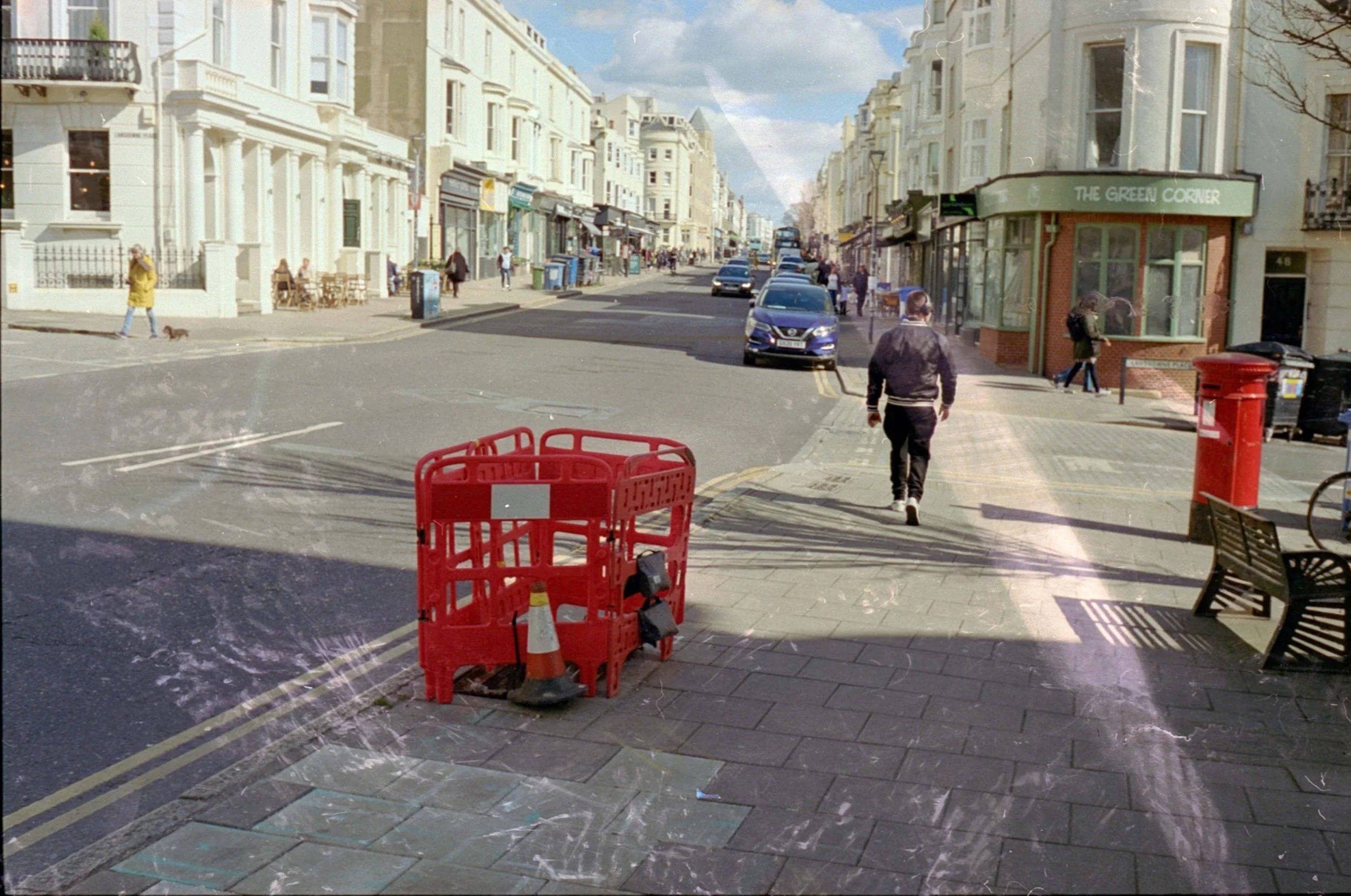


After further research, this lead to the world of 3d printing and a Creative Commons license for the following print schematics. A better video working example, can be found here. I have spoken in the past about the excellent community spirit of the film community, which is demonstrated fully by the designer offering his design for free.
A further search, sourced a 3d printing house in Nottingham, who fulfilled the order for £43.
Next up is the (not so) daunting stage of removing the remjet layer from Vision3 film. (an explanation of what remjet is, is here).
Its essential that commercial film developing labs are not sent Vision 3 film to develop, as this will ruin their machines.
This isn't too cumbersome, I found this video on YouTube. In essence, I pre-soak the film for 5 minutes at 38.5 degrees, then pour in the bicarbonate of soda solution for the 2 1/2 agitation, as outlined in the video.
The colour film is then put through the development and blix stage of the development.
Next is the removal of the remaining remjet, for this the secret weapon is a microfibre sponge, I sourced from a local poundshop. This means that you do not touch the film at this stage of the process. For this, I take the film out of the developing reel and hang in the drying clips, I then wipe (and rinse with the sponge) X 3 on both sides of the film, to remove the residual remjet.
I then put the film back on the reel, to complete the stabiliser final stage of development.
Because of the faffing about with the above, I personally add a photoflo rinse stage after stabilising, which removes any remaining stains on the film.


Home scanning has and will always be the bain of the film enthusiast. It's the one process of film that's as close to ‘polishing a turd / editing digital images' in lightroom, it's something that I look to keep as simple as possible, with a rigid and tested workflow.
My introduction to film and in my pursuit to try and manage what some would call the unjust cost in film photography - and also as part of my approach to maintaining a more level of control over the process - I originally invested in a Epson V600 scanner at the beginning of my film journey in 2016, to allow me a ‘one size fits all’ approach to scanning the film that I have been developing at home.
Whilst this journey has been littered with challenges, a steep learning curve, many rolls of ‘spoilt film’ its been a very rewarding one, which I wouldnt change at all.
I think that I have now finally turned a corner and if I can say (with trepidation), is the start of my refined workflow.
Whilst the V600 is a decent beginners bit of kit for 120 / medium format and large format / 4x5, the outputs for 35mm are little more than sub par acceptable, with the ability in getting decent colour scans being somewhat of a lottery. Bearing in mind beginners do not look to expand in to the 120 or 4x5 arena, until a number of years, would deem this bit of kit obsolete?
I had originally given up on using Negative Lab Pro with the V600 as I just couldnt resolve the colour cast that was yielded from my V600 in colour scanning, but I have now discovered that this appears to be entirely the route cause of a cheap amazon light box (read buy cheap by twice).
Until recently, things changed. I was able to ‘invest’ in the Complete Basic Kit for 35mm and 120 Film Scanning by Negative Supply. What a sublime piece of kit.

The copy stand is milled from aluminium and the film holders are produced in plastic (fair cheaper than the original aluminium ones). Its compact and can be set up in seconds.
Where this kits excels is the quality of the lightbox. I elected for the dearer version, producing 99 nits of light.
The speed of this process is night and day compared to the V600 and silverfast software.
The negative supply setup can scan a roll of film in 90 secs, compared to 5-10 minutes on the V600.
I use my mark 1 Olympus OMD EM5 micro four thirds camera for scanning, and convert the .orf raw file into a tiff file in Photoshop. As this is a 8bit file, I import these files into Negative Lab Pro in lightroom and select the ‘tiff prep' option.
This is a part of the NLP that's essential to remove the colour cast on images. I then run the software with standard settings, but I prefer the noritsu to frontier scanner.
I then save the image as a copy and then delete the original positive image of the film negative.
Thats it.
On review some folk send their film to labs, as they do not have the time and/or inclination to develop at home, me I am too much of a spend thrift , but more importantly, want the broader engagement with the entire process.
The above whilst post investment is an excellent workflow to save a few quid, this is probably best fulfilled if undertaken within a group to share the investment costs.
400 ft of Vision 3 250d is £222 for 92 rolls of film or £2.40 per roll, so shared with a group of 5 or 10 folk is very reasonable, compared to the current price of portra 160, 400 or 800 at £15+ or colorplus and gold consumer film now nearing £10 a roll.
Something to consider. Until next time, keep snapping.
35mm is a gateway drug
Its been nearly 6 years since the film bug bit me.
Originally I was recommended to get into film, to stop at the time, the incessant tinkering with my digital images (read polishing a turd) and concentrate of the process of taking a photo.
I must say, its one of the best pieces of advice I have received.
Not to put it lightly, the learning curve for film, getting your head around using manual controls, the exposure triangle, developing and scanning film at home, is a steep one. But thoroughly enjoyable, nonetheless.
disclaimer: the author accepts no liability for the cost incurred by the reader, in the investment of new film camera gear.
Its been nearly 6 years since the film bug bit me.
Originally I was recommended to get into film, to stop at the time, the incessant tinkering with my digital images (read polishing a turd) and concentrate of the process of taking a photo.
I must say, its one of the best pieces of advice I have received.
Not to put it lightly, the learning curve for film, getting your head around using manual controls, the exposure triangle, developing and scanning film at home, is a steep one. But thoroughly enjoyable, nonetheless.
Being transfixed by the civil rights and vietnam war images of the 1960’s, provided me with the desire and inspiration for me to learn the zone focuing technique, this was revelationary.
I have mentioned it before, there are few hobbies that have a great community spirit like film photography, sharing the knowledge and helpig eachother out. The only other I have encountered is the motorbike community, but having hung up my leathers in 2015, this was a void greatly filled.
I digress. Whilst I was happy shooting 35mm, especially on the exceptional Olympus OM1, I had one eye on the limitations of my scanning setup (the substandard Epson V600) and also a thirst to learn more about this medium. This naturally led to my step into Medium Format / 120 film.


Early on my film journey, I was able to get my hands on the little gem Yashica Mat 124g TLR camera. This TLR medium is underrated, the limitations of the square format allow you to rethink the image the detail of the negative is outstanding.


I became transfixed by the Pentax 67. This is a complete beast, which is probably better placed as a studio based portrait camera, rather than a street photography camera. The 6x7 negatives are enormous, offering rich detail. There are two downsides when using in Street Photography, 1) The sheer weight of the thing!, and 2) The thunderclap of the shutter. You could add a third with the limited 10 images per roll, but this is negated by the stunning negatives.


I therefore wanted a 120 / medium format film camera, that I could hike around with on my photowalk jaunts, and decided on the Fujica GS645s. I was able to snag an absolute mint condition version from Japan, I can only conclude that this was put into a time capsule, as the was like brand new. I choose the version with the bull bar. As I had read stories of the bellow cracking, I didnt want the faff. I have had zero issues with the bullbar.
Also the increased 15 images per roll is well received. The only downside to the camera is the weak rangefnder patch. This is easily resolved with a piece of clear plastic stuck to the viewfinder.


So the crescendo, large format. This ultimately was triggered by a few YouTube content creators that really elevated the medium and I love there work: Ben Horne, Matt Marrash, Bryan Birks, Todd Korol, Robbie Maynard Creates, Nick Carver, Craig Prentis & Steve O’nions to name a few.
I really appreciated the no thrills approach to shooting and also the sloowwwww approach.
The two versions of this format are 4x5 and 8x10. Film photography isn’t a cheap hobby and 8x10 format is no exception, film prices are insane!.
Looking around I had earmarked two models for further consideration, 1) a 1950’s metal field camera, which didnt provide nearly as much refinement on setting up a photo, or 2) A traditional wooden camera.
Initially, I had elected for the former, buying a 1970’s Wista 45d from Japan off eBay. Unfortunately, this was probably the worst buying experience I have ever encountered, this is a tale for another day. But in short, the faulty Wista was soon returned.
I finally decided on the Chamonix 45n2. This camera is a thing of complete beauty. Composed of wood and carbon fiber composite material, is designed to be both light and durable. I get stopped every time I have the camera out by tog’s and non tog’s.


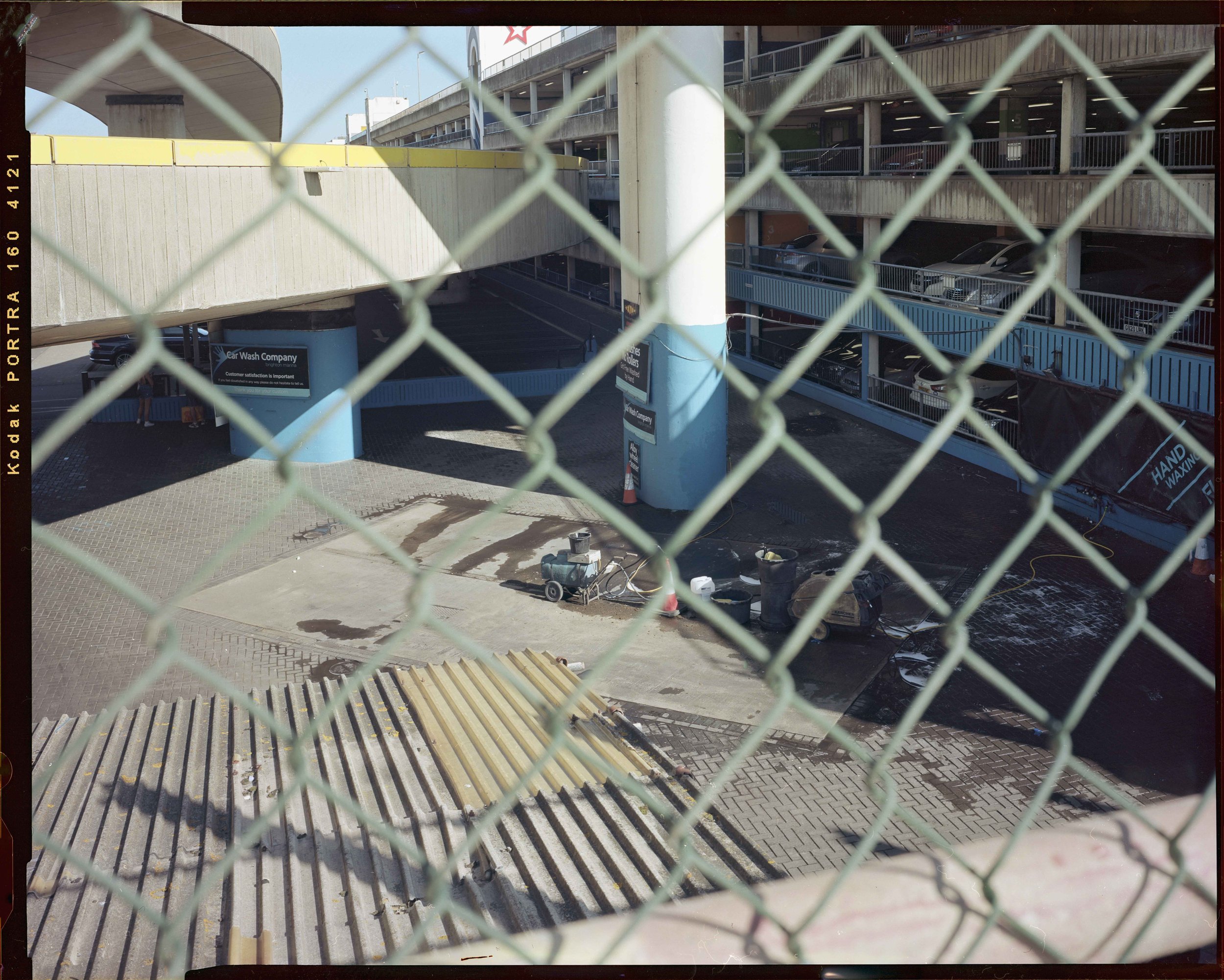


You do have to completely change the approach to image taking, a 10 sheet of Kodak Portra 160 is £58, so £5.80 per photo. This is before the pending price hikes in January 2022.
But the images are outstanding.
The options for B&W are more economical and more palletable on the wallet.
So this year with Large Format and generally in my six year journey, I have learned alot and my understanding is better. I now go back to digital and the positive is that I set the camera up for auto focus, turn off the backscreen and snap away. No Chimping. I have ditched all the lightroom presets and now only use 1 x colour and 1 x BW. No polishing of turds.
I have found that I have turned full circle and that film and digital mendiums compliment eachother and my work, its not a case of one or the other, trust me.
Well thats me for another month, until next time, keep snapping.
A selection of the images within this article are available for sale on the Website or Etsy Store, if you would like to enquire about something else, please click the email icon at the foot of this page.
Yes please, keep me posted when there’s a new blog
Instagram - Film