Lines, Layers, and Nordic Light: A 60 - Hour Street Photography Guide to Copenhagen
There is a strange irony in modern travel.
Three times a week, I spend three hours a day commuting just to get to work and back. Yet, in just 90 minutes from London Gatwick, I found myself stepping off a plane and into a completely different visual universe. It’s a powerful reminder that sometimes the best inspiration isn't found in a longer journey, but a smarter one.
For this trip, I traveled solo, and I’ll be honest: I arrived with a touch of trepidation. As a street photographer, being alone in a foreign city can sometimes feel isolating, and I was initially concerned about how a solo traveler with a camera would be received. However, those worries evaporated the moment I hit the pavement. The famous openness of the Danes and the deep-rooted culture of Hygge welcomed me with open arms. I didn't feel like an outsider looking in; I felt like a guest invited to witness the rhythm of the city.
To understand the "why" behind the photos, you have to understand the city's bones. Copenhagen (or København—"Merchants' Harbor") has spent 800 years evolving from a tiny fishing village into a powerhouse of design. You see it in the architecture: the 17th-century Dutch Baroque houses of Christianshavn weren't just built for aesthetics; they were built as a fortified naval statement by King Christian IV. When you're walking through Nyboder — those iconic yellow naval barracks—you aren't just looking at a "pretty street." You’re looking at some of the world's first planned social housing, dating back to 1631. This history of care and community leads directly into the modern mindset of Hygge. We often think of it as a winter concept—candles and wool socks—but in the spring, it manifests as a communal openness.
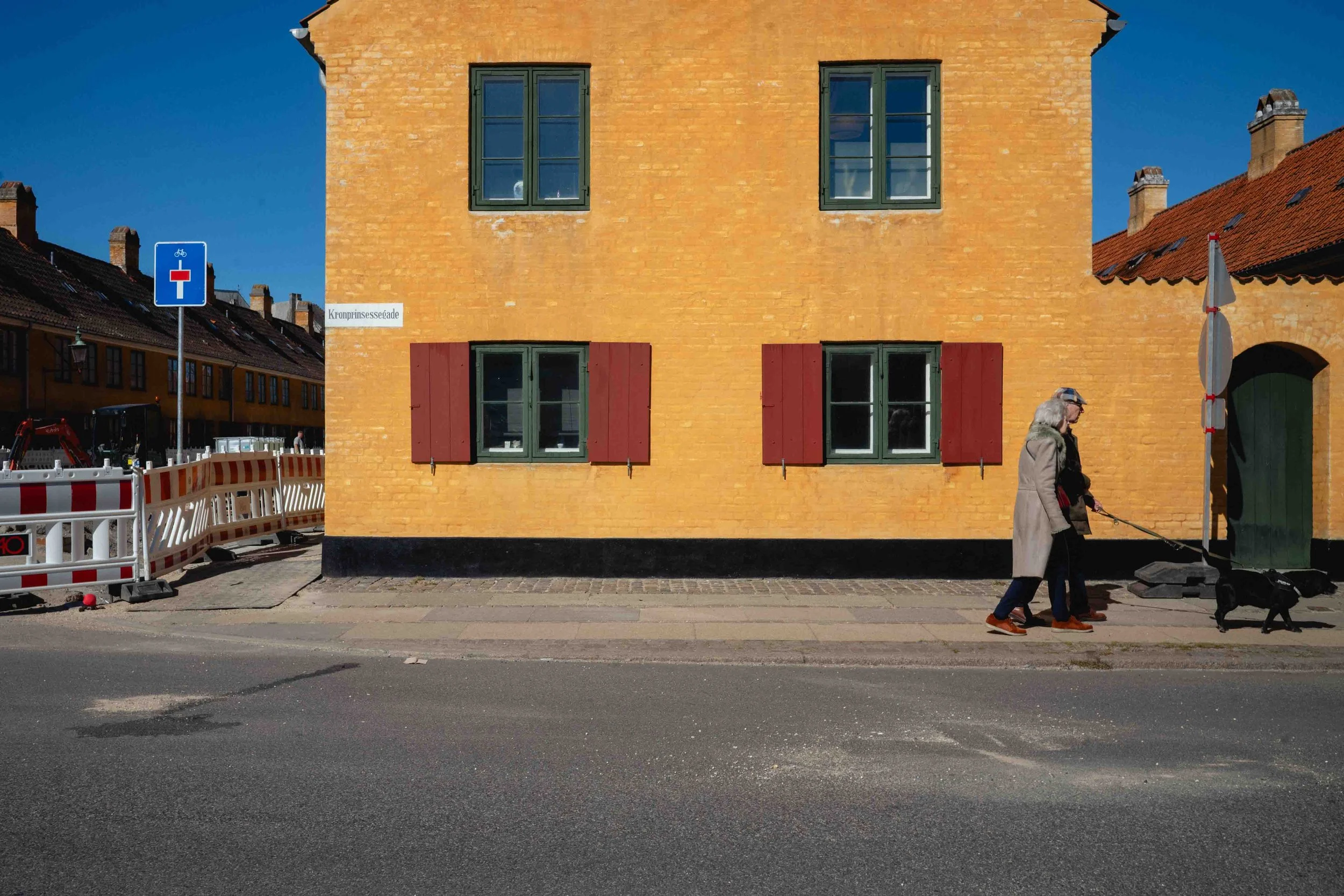
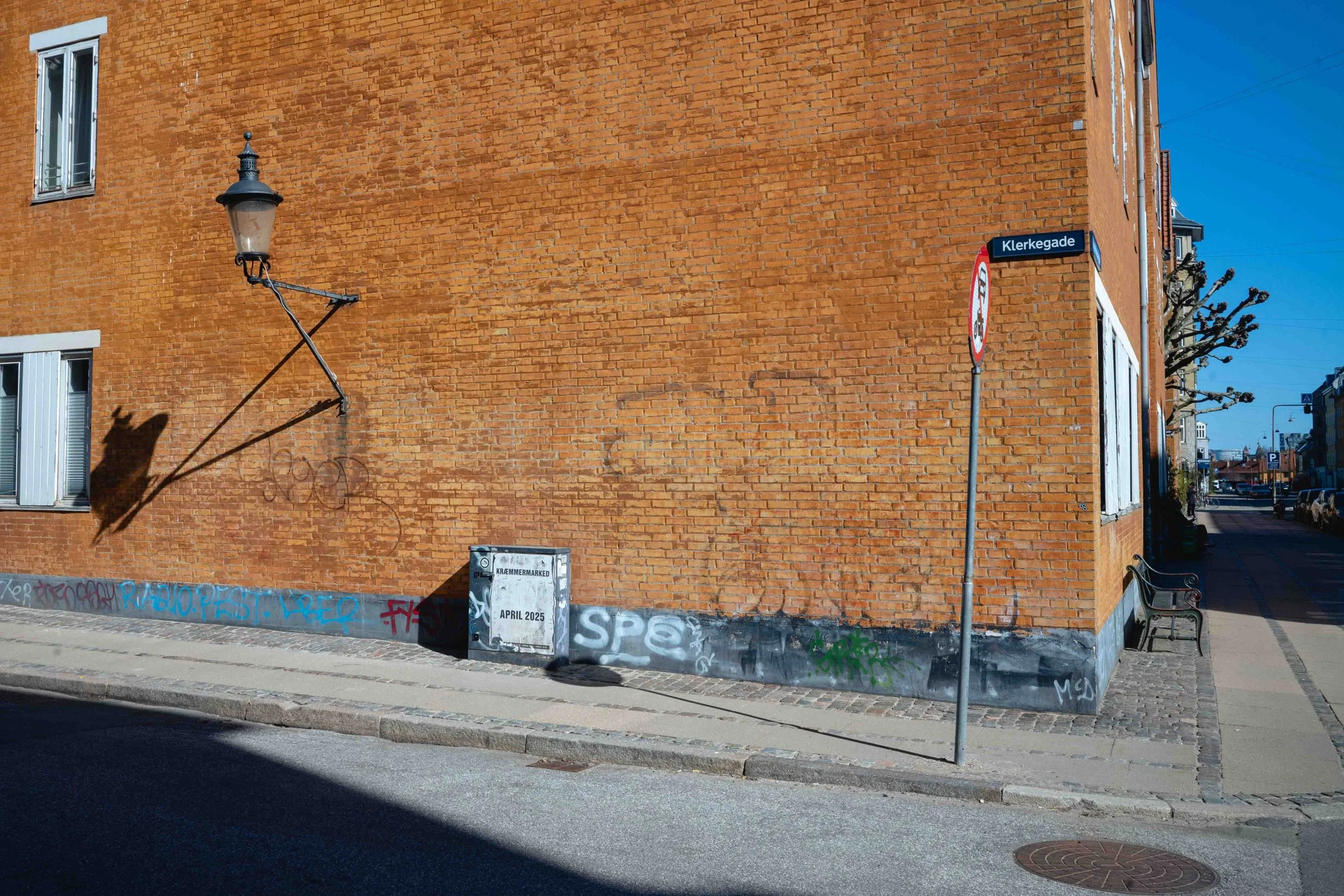
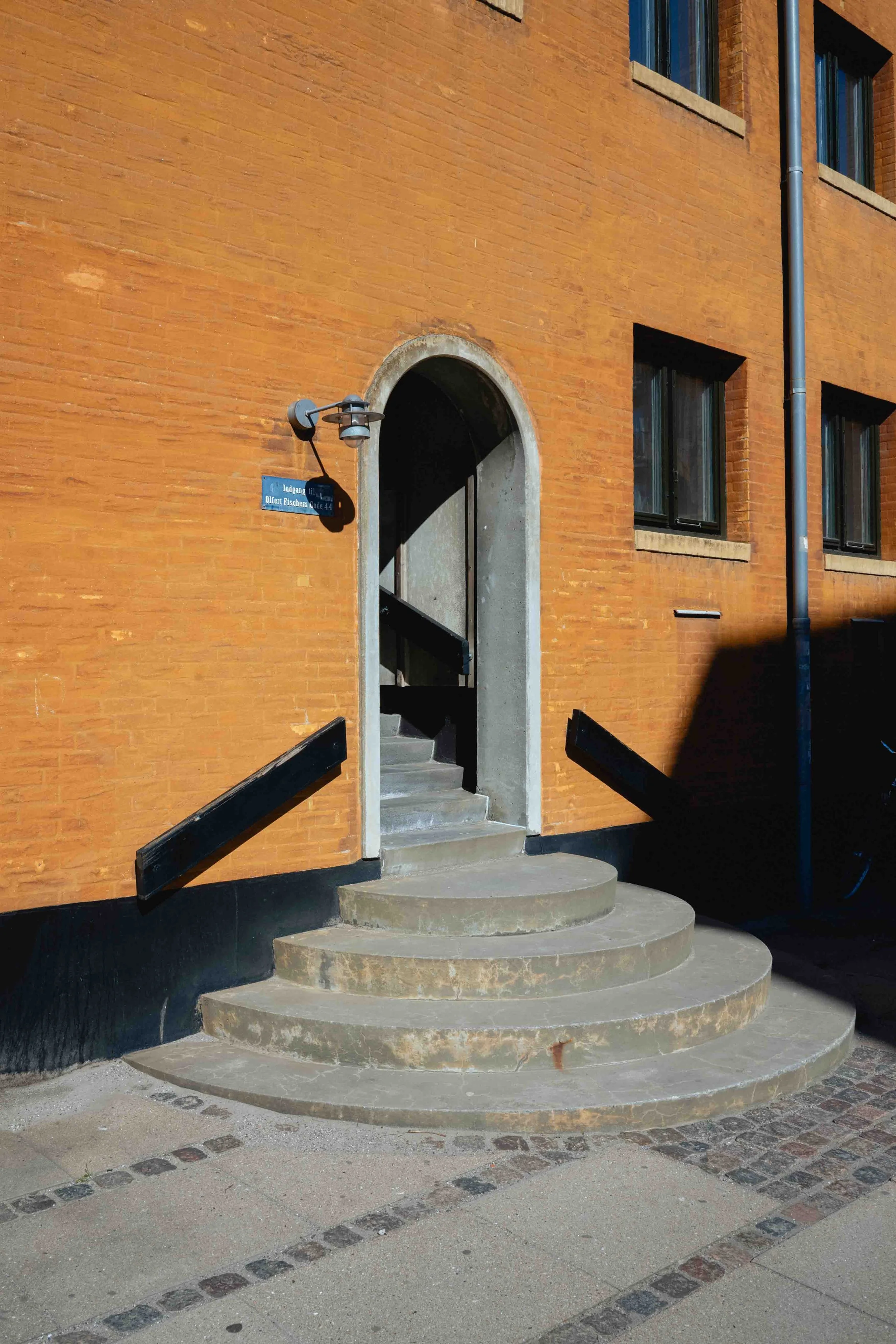
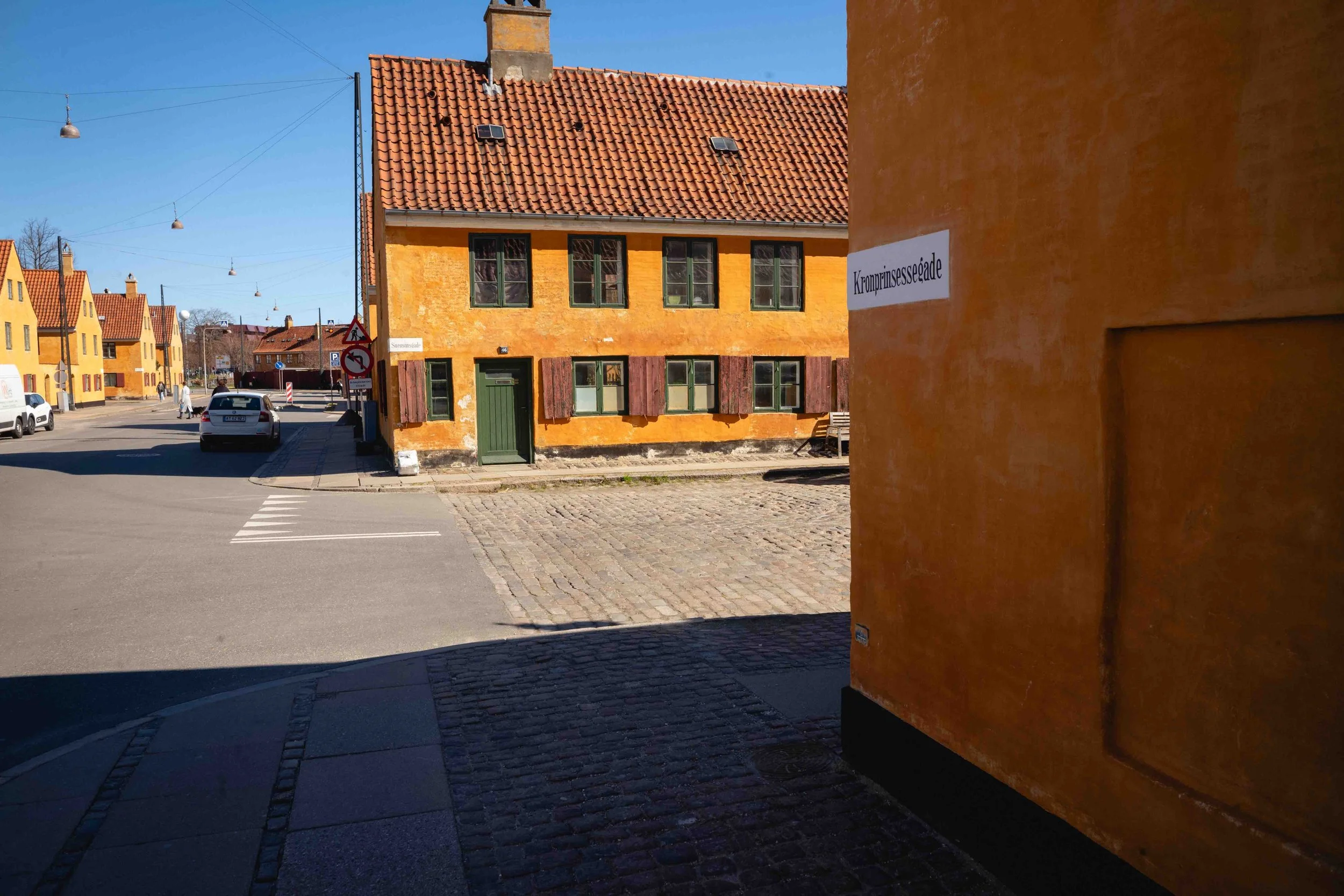
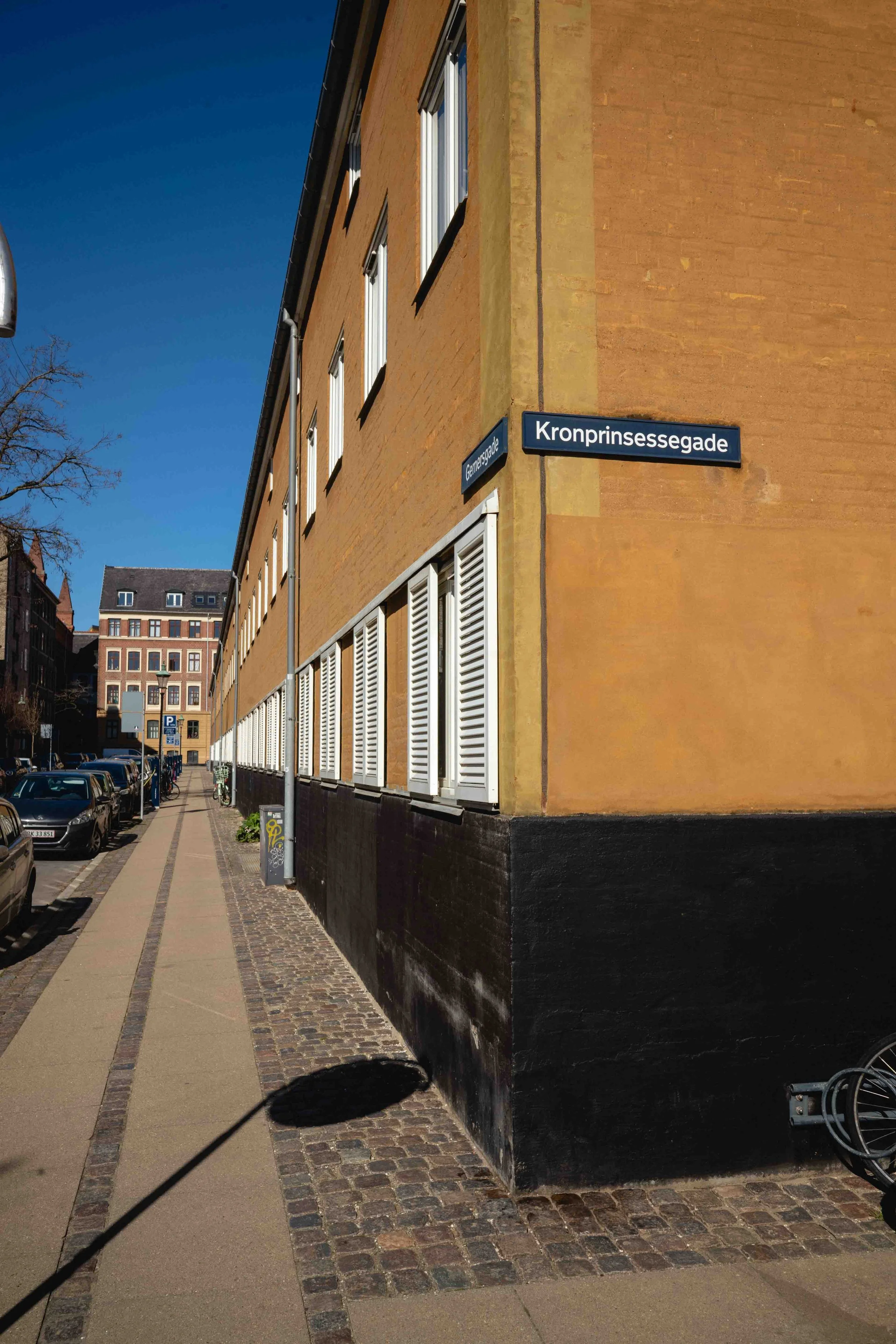
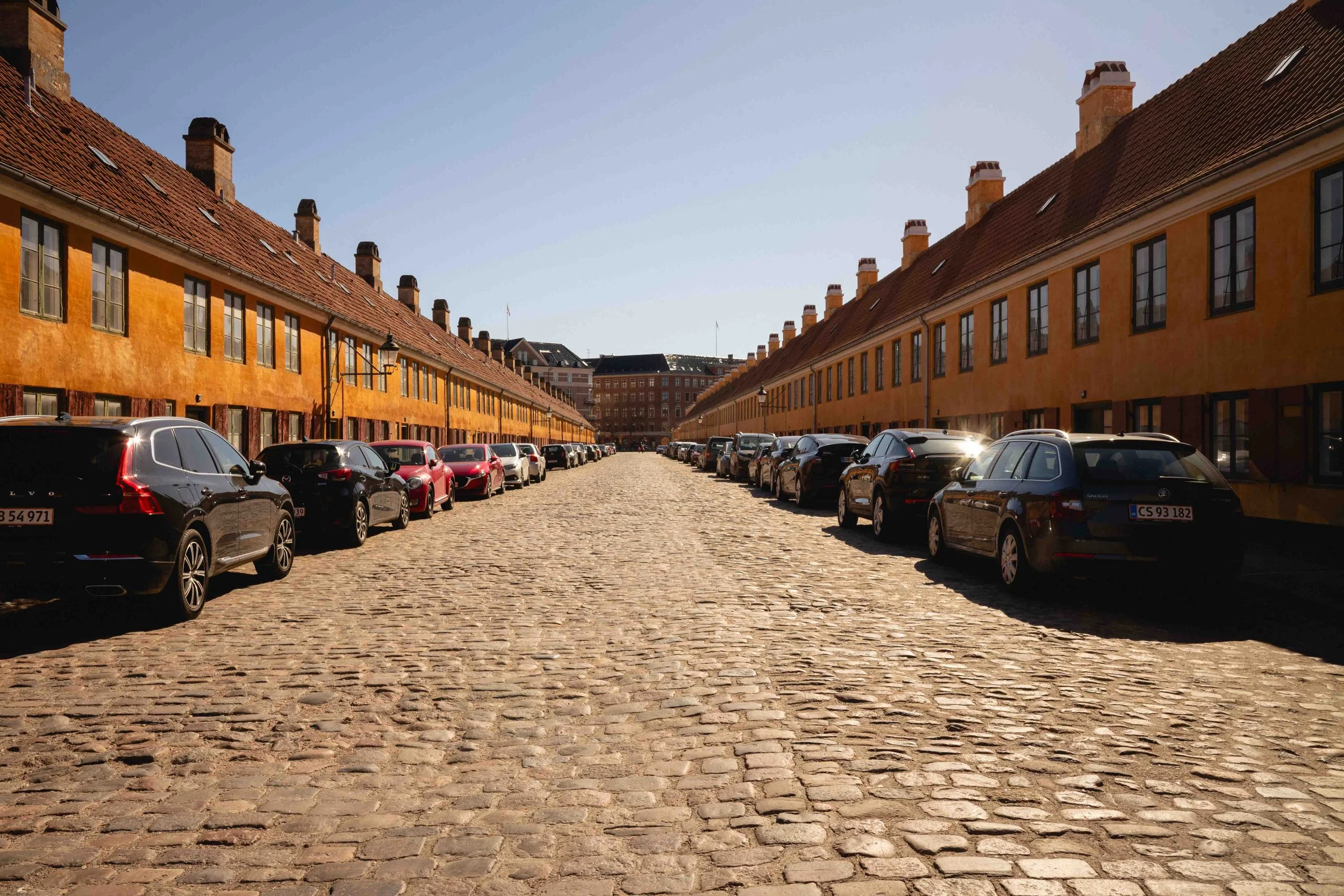
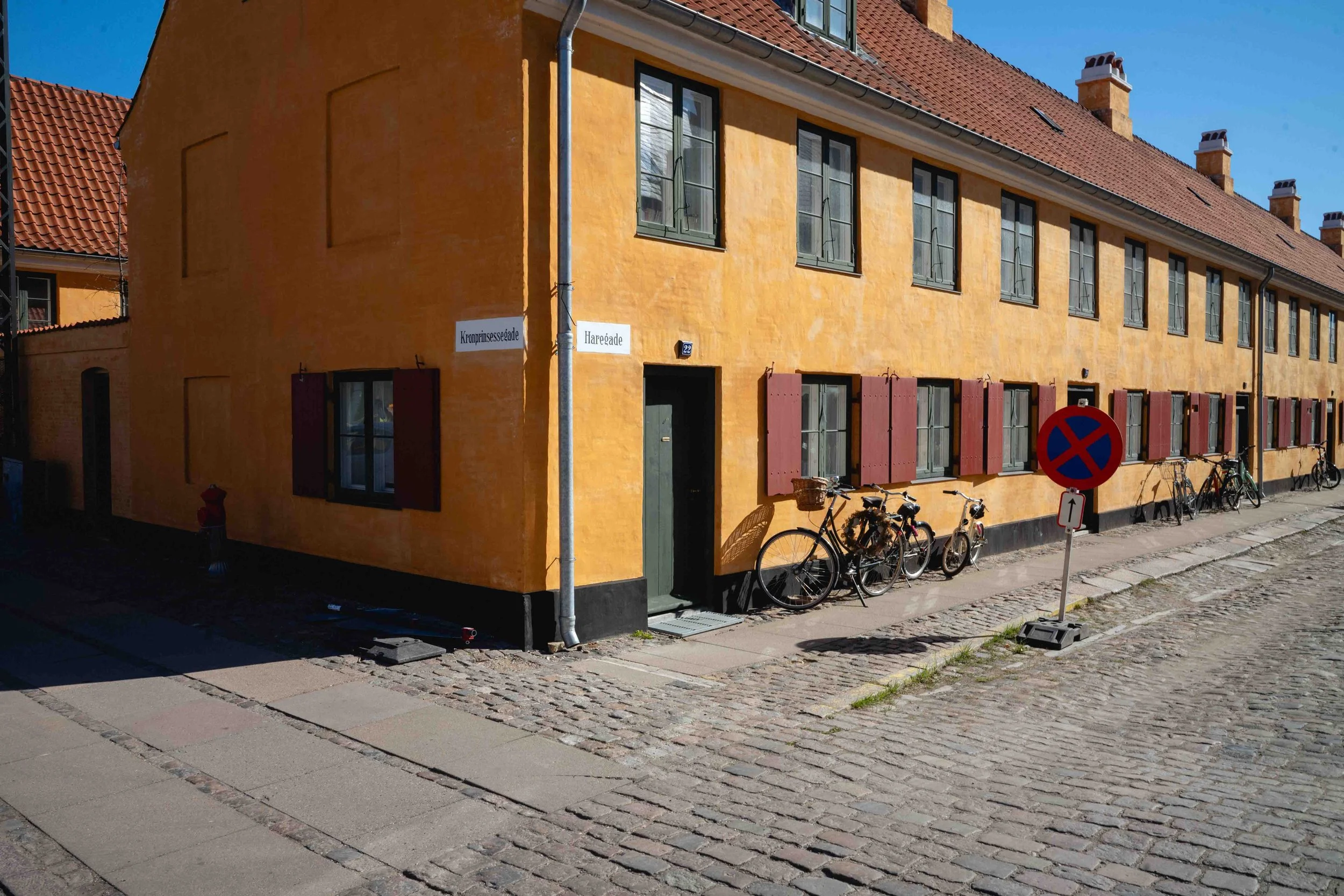
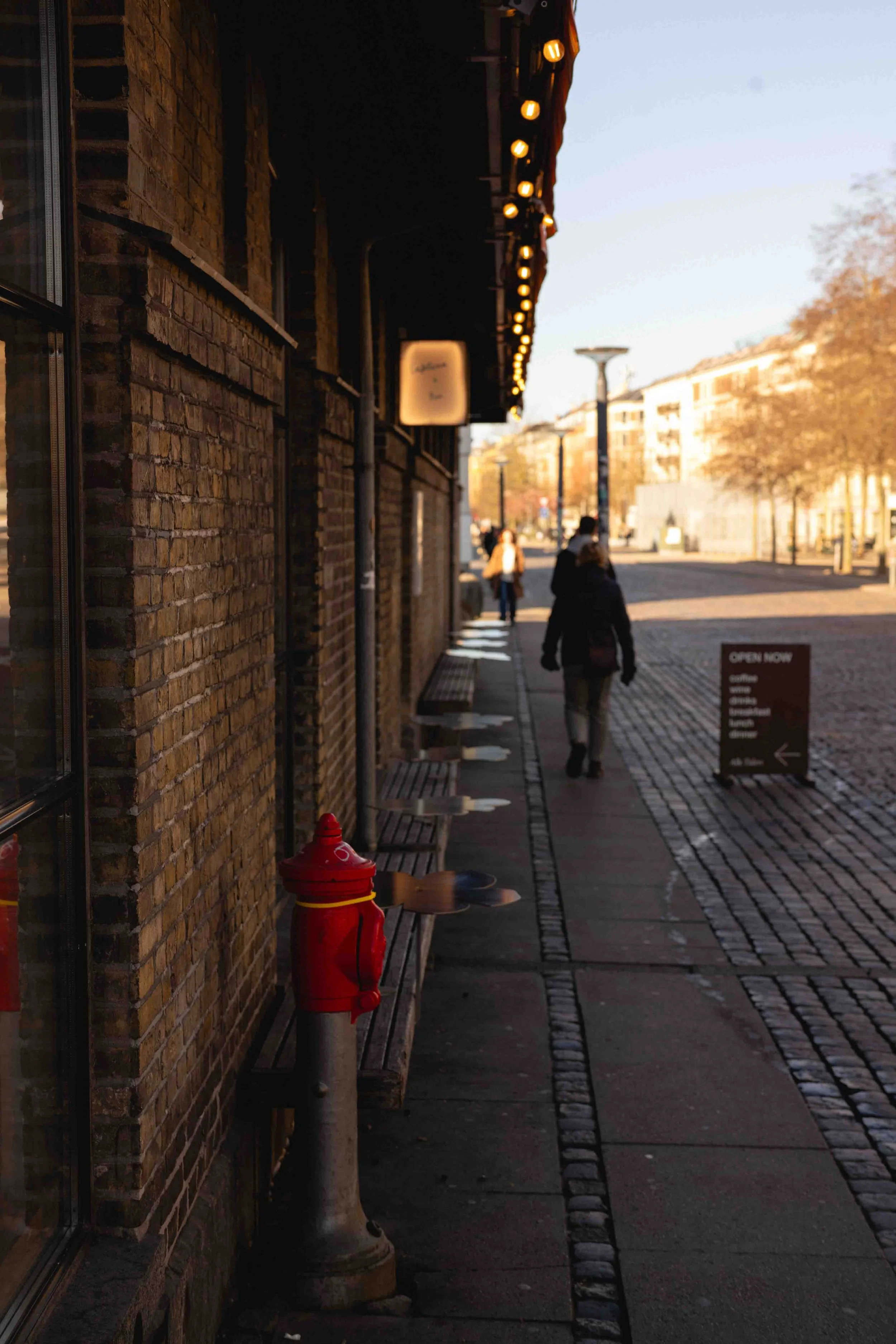
It’s the "urban hygge" of people sharing a coffee on the curbside in Jægersborggade or a craft beer in the Meatpacking District. As a solo photographer, this mindset is a gift. There is a sense of trust and "live and let live" here that makes you feel incredibly safe. The locals are remarkably open to being part of a frame; as long as you are respectful, the city feels like a collaborative studio. The light plays its part, too. The Northern latitude in April provides a "blue hour" that feels like it lasts for three, and a soft, diffused sun that makes even the grittiest alleyway in Nørrebro look cinematic.
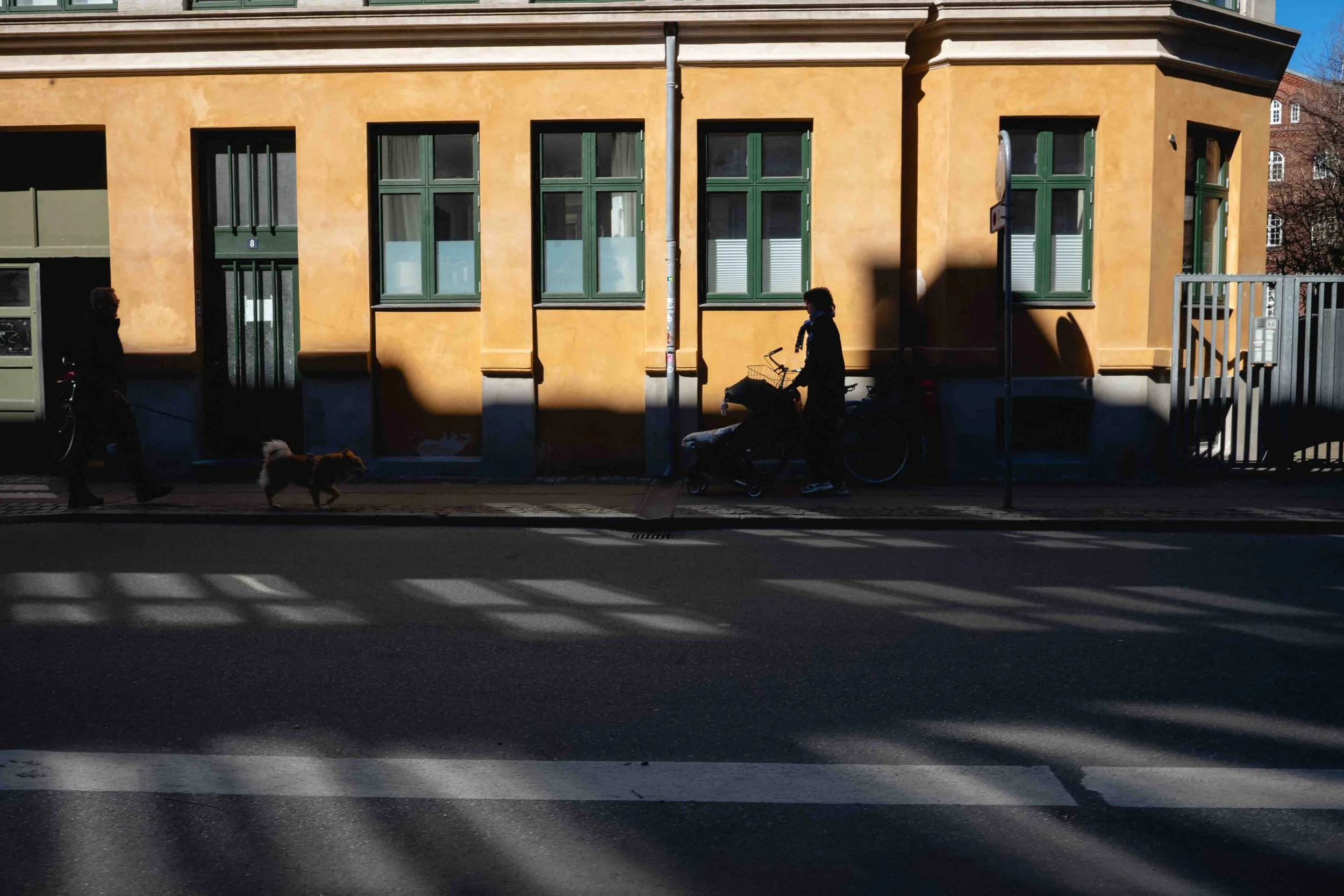
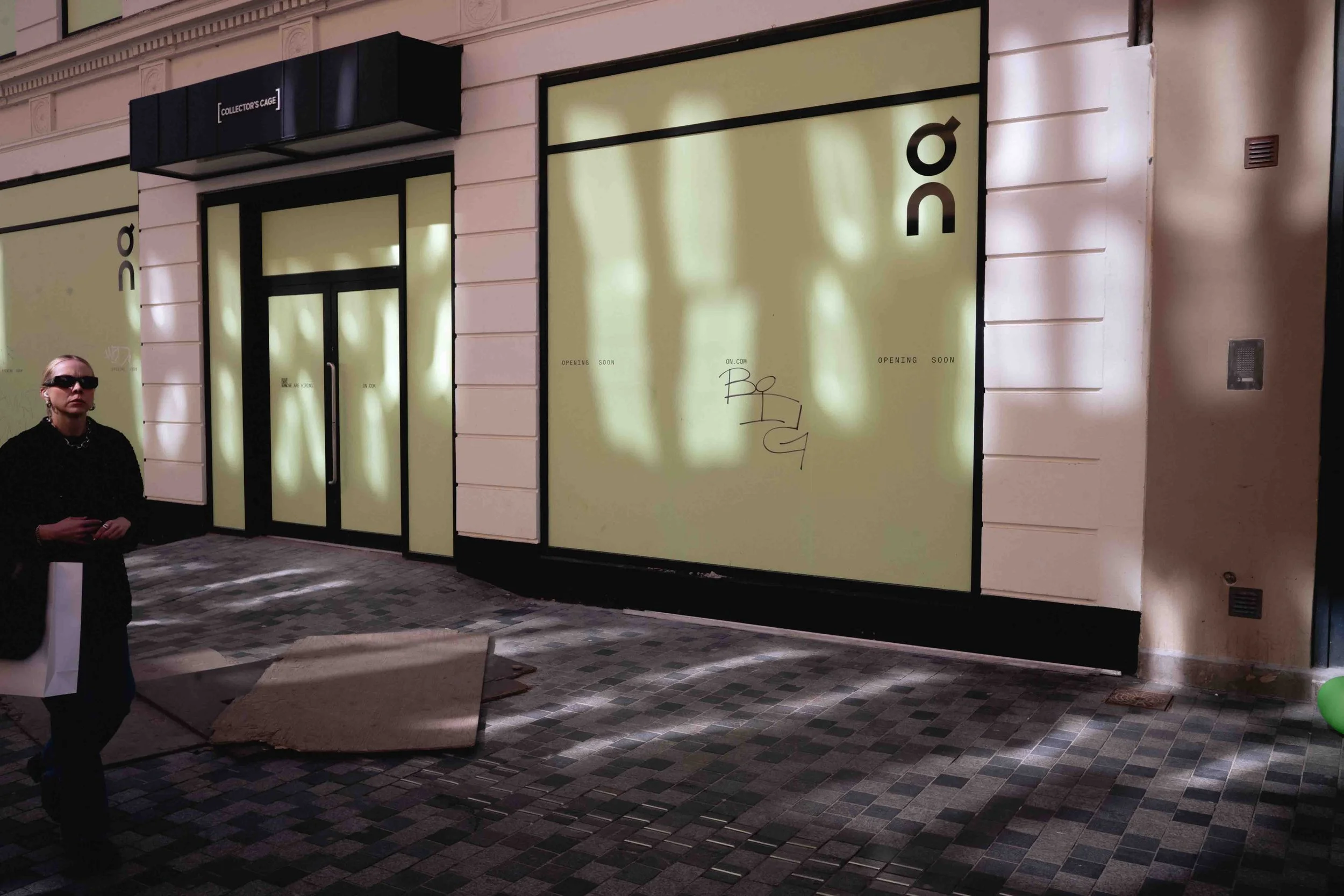
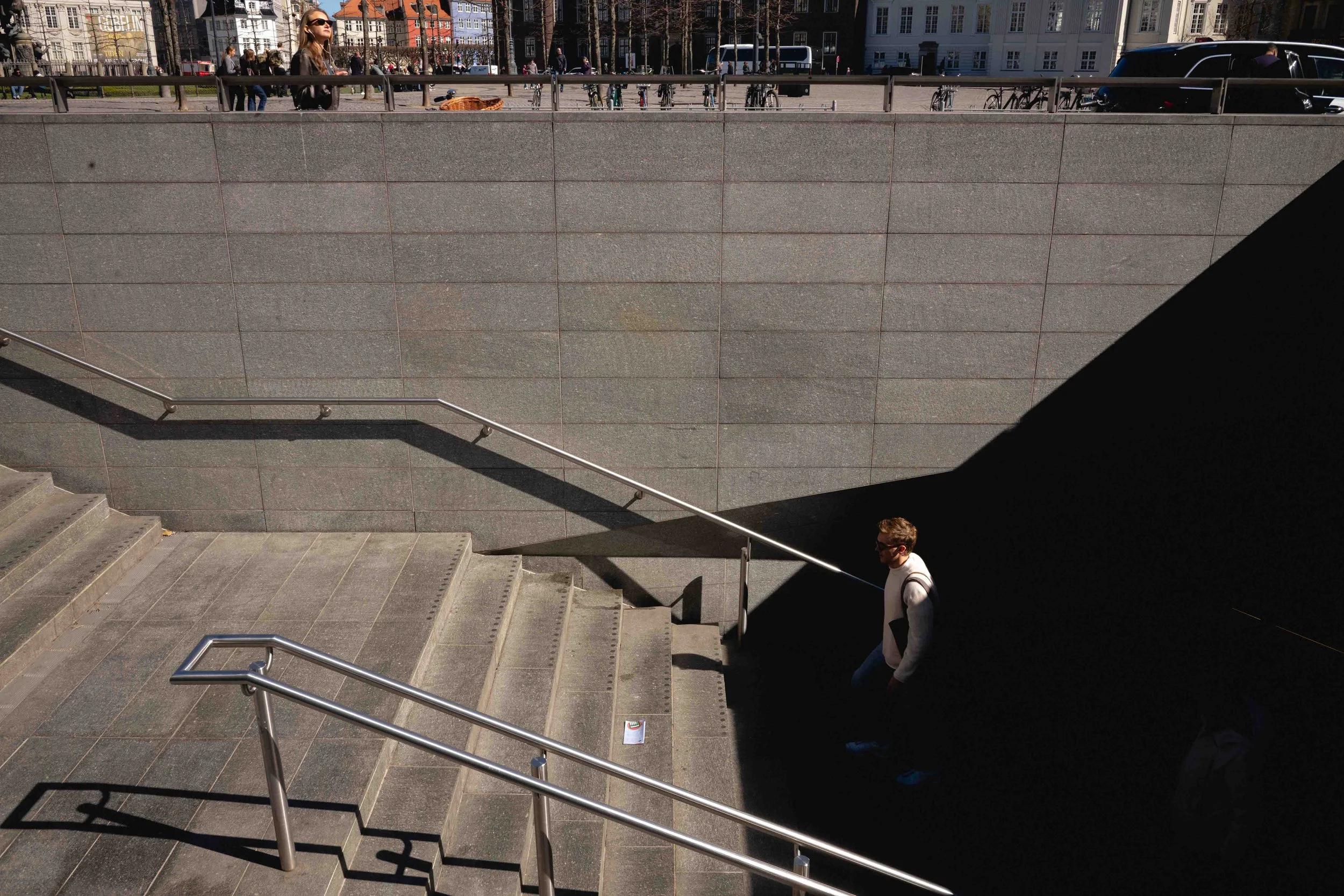
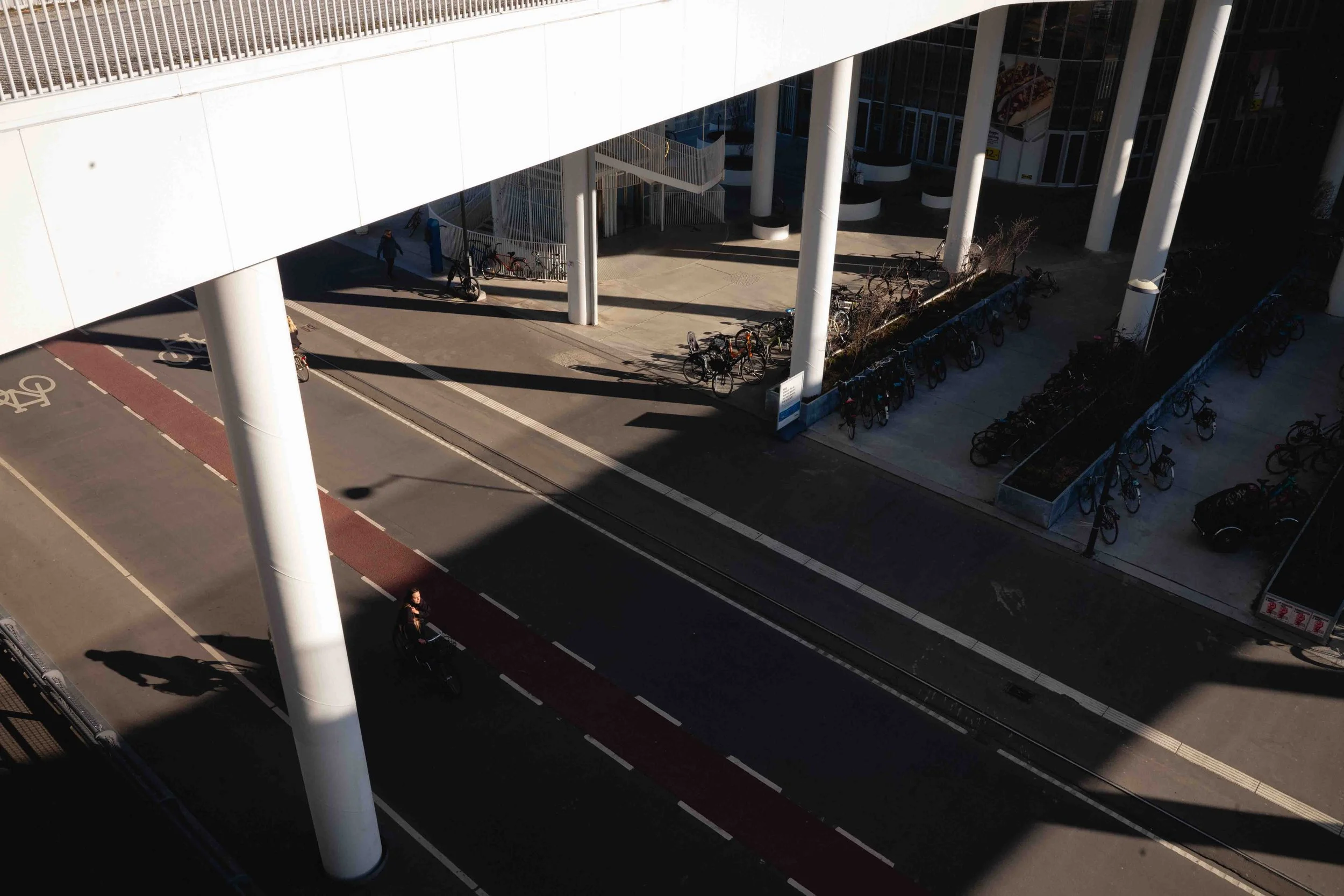
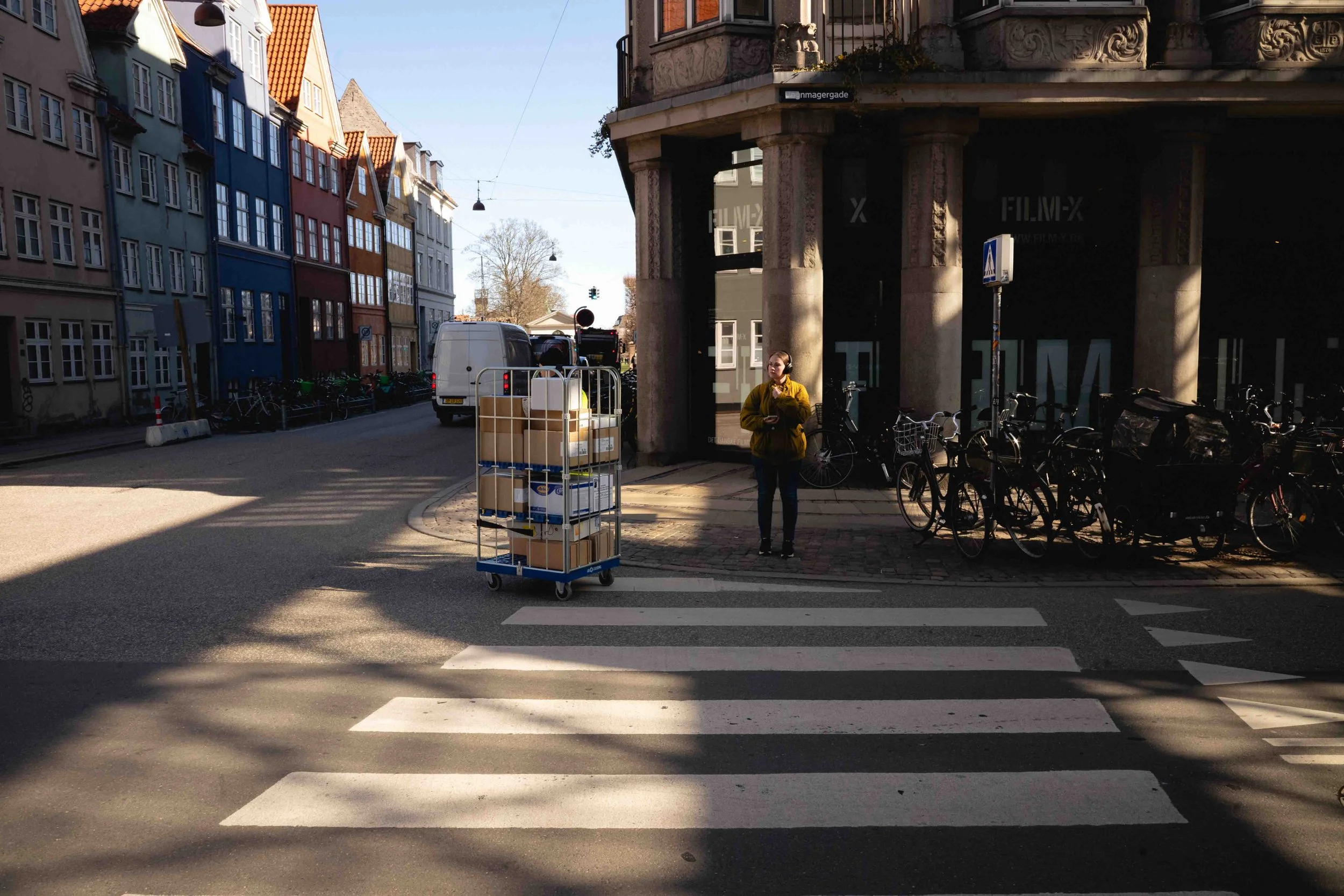
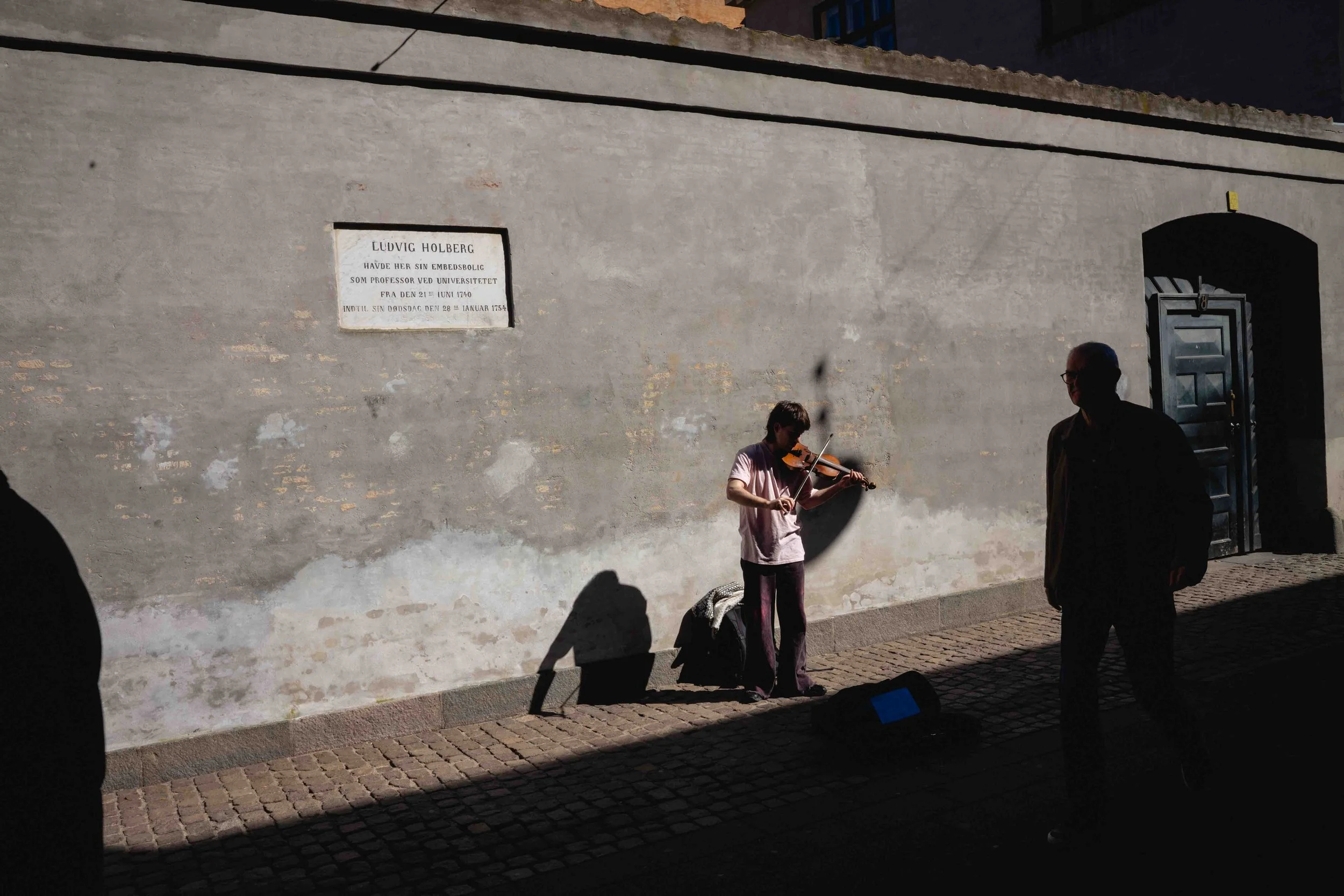
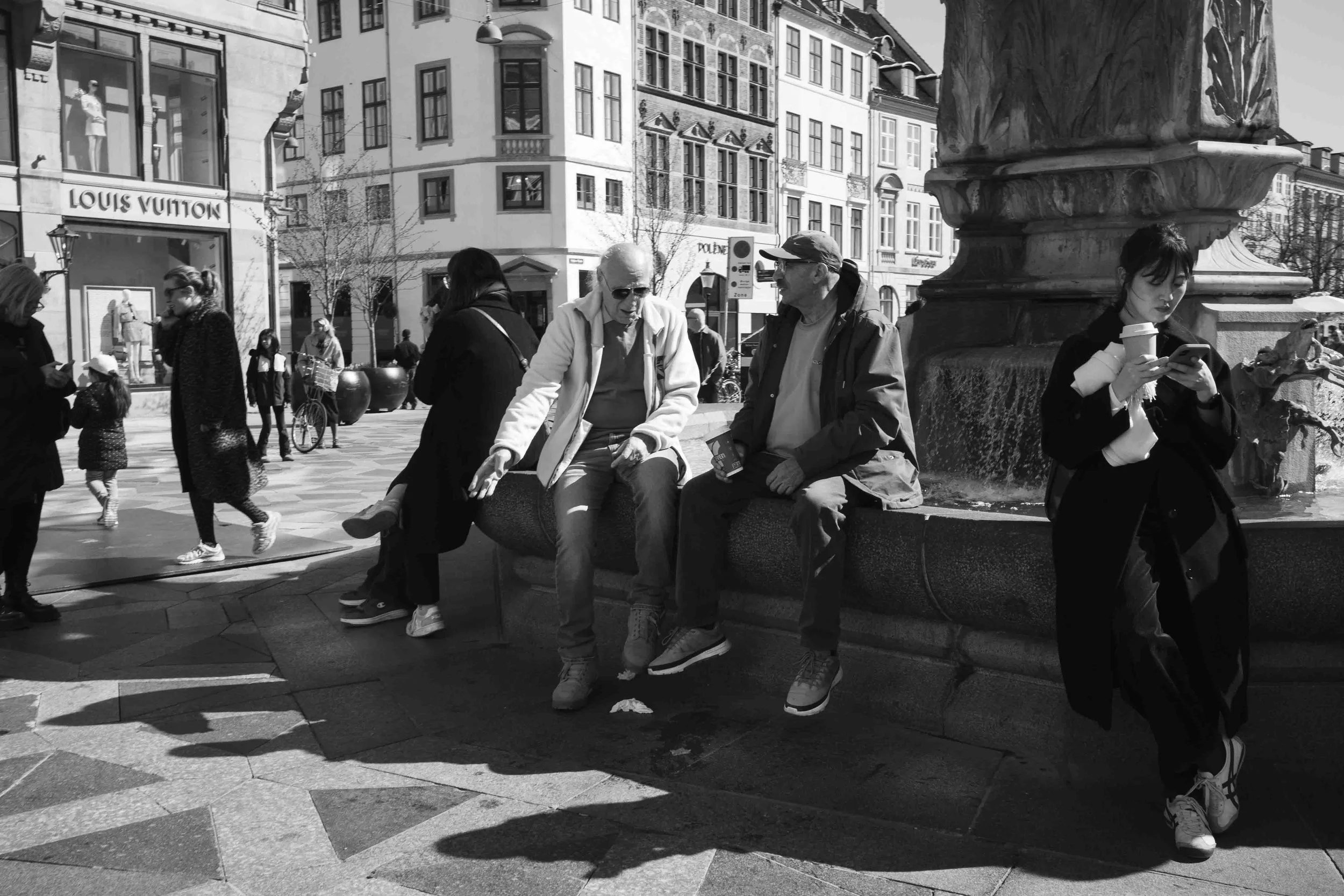
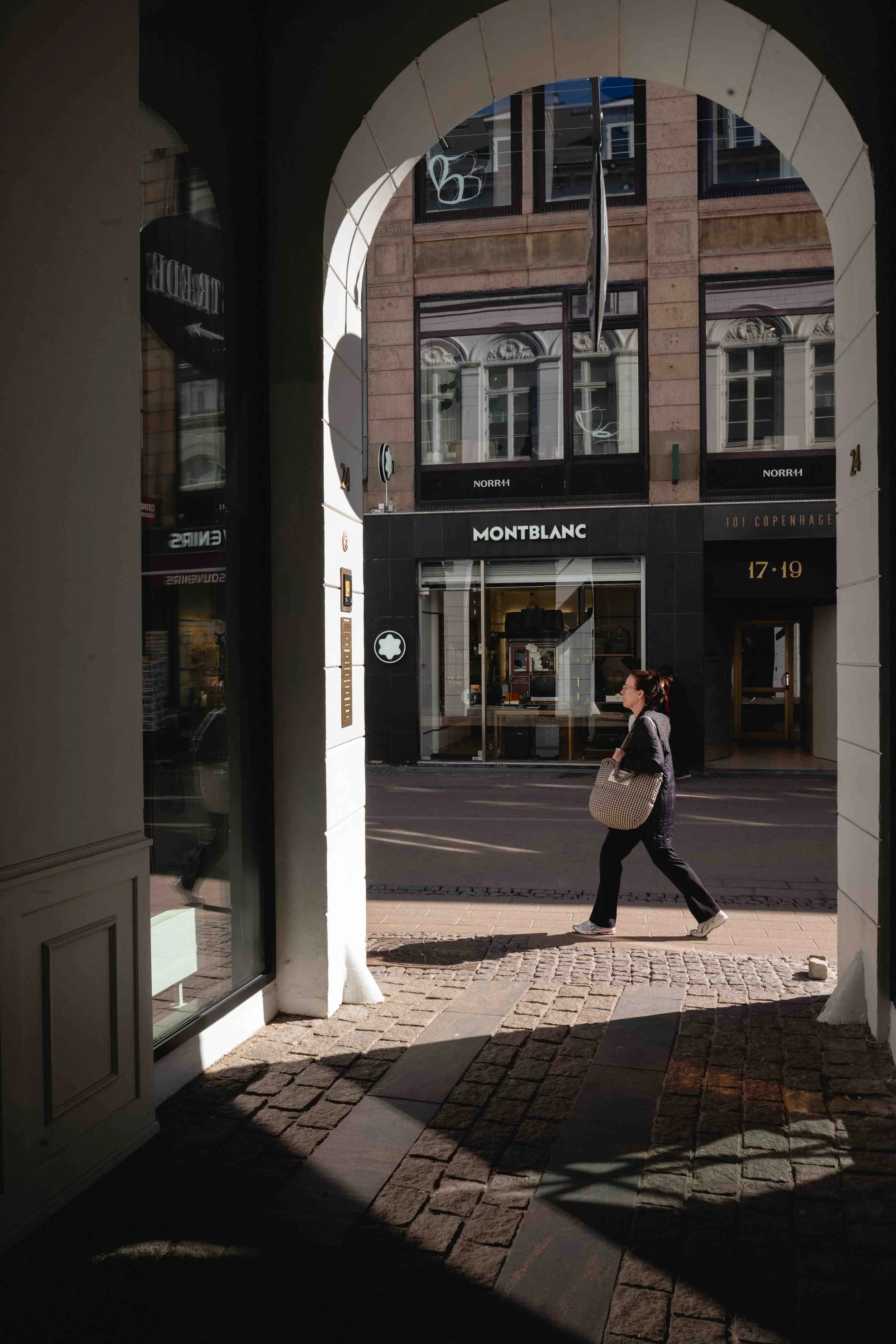
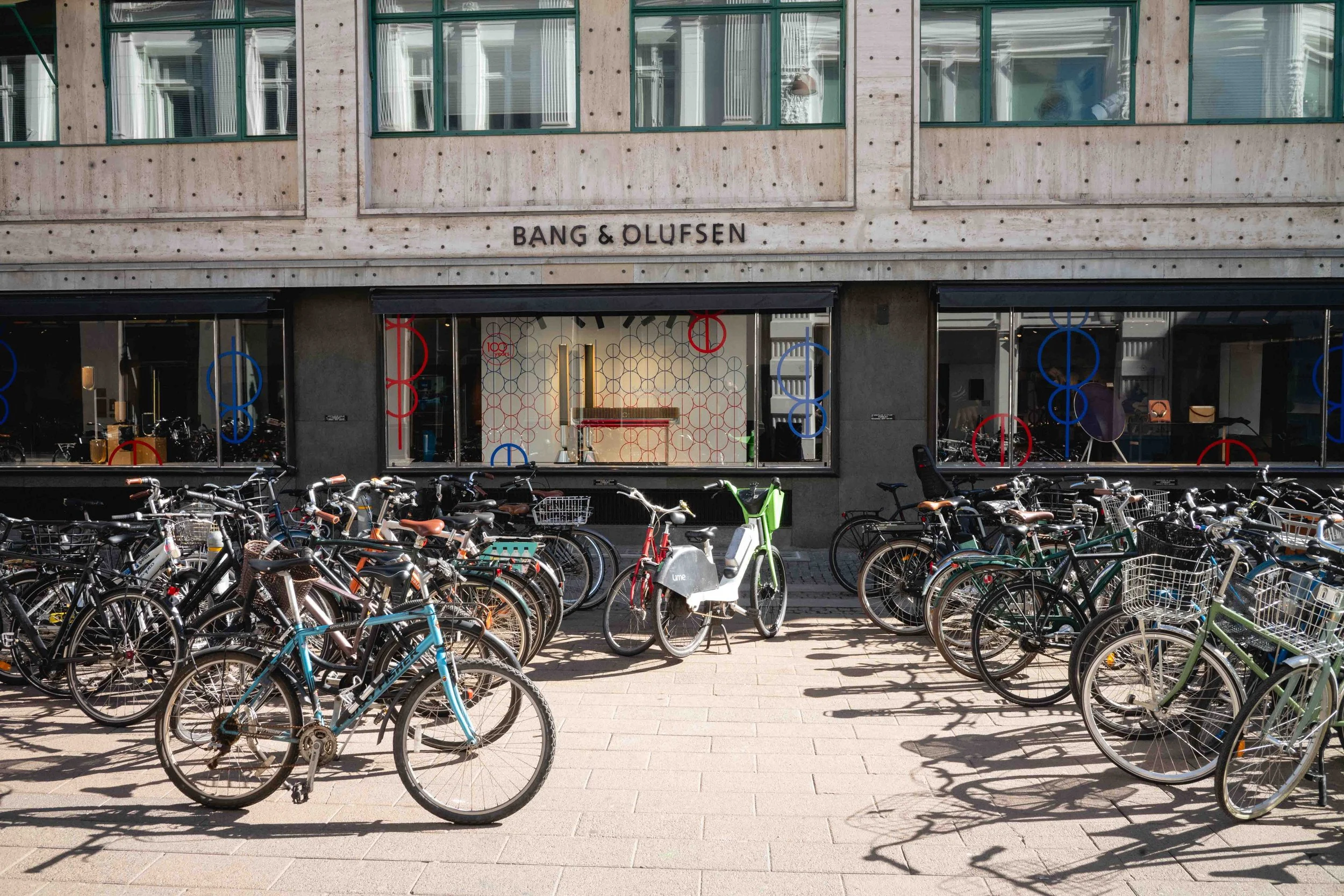
When it comes to navigating this photographer's playground, you generally have three options: walking, the seamless Metro, or joining the local masses with a bike hire. I elected mainly to walk, covering 22 miles of pavement on foot over two days. While biking is the Danish way, walking gives you the unique ability to see the "underbelly" of the city—the peeling posters in a Nørrebro side street or the way the light hits a specific doorway that you’d miss if you were whizzing past on two wheels. That said, accessibility is effortless here. I found the City Pass Small to be an excellent investment; it covers the Metro, buses, and harbor scouts perfectly, making the transit to and from the airport a total breeze.
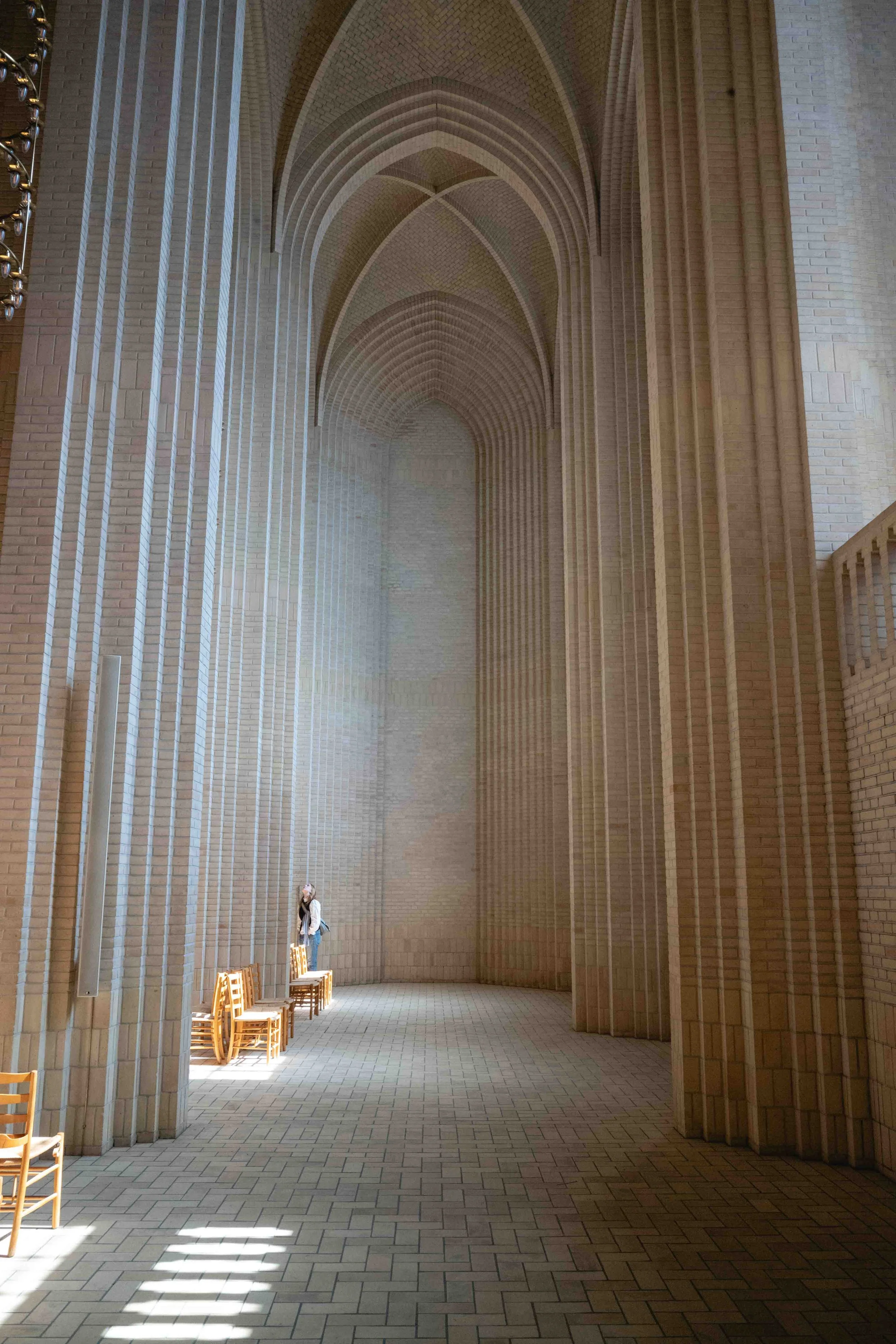
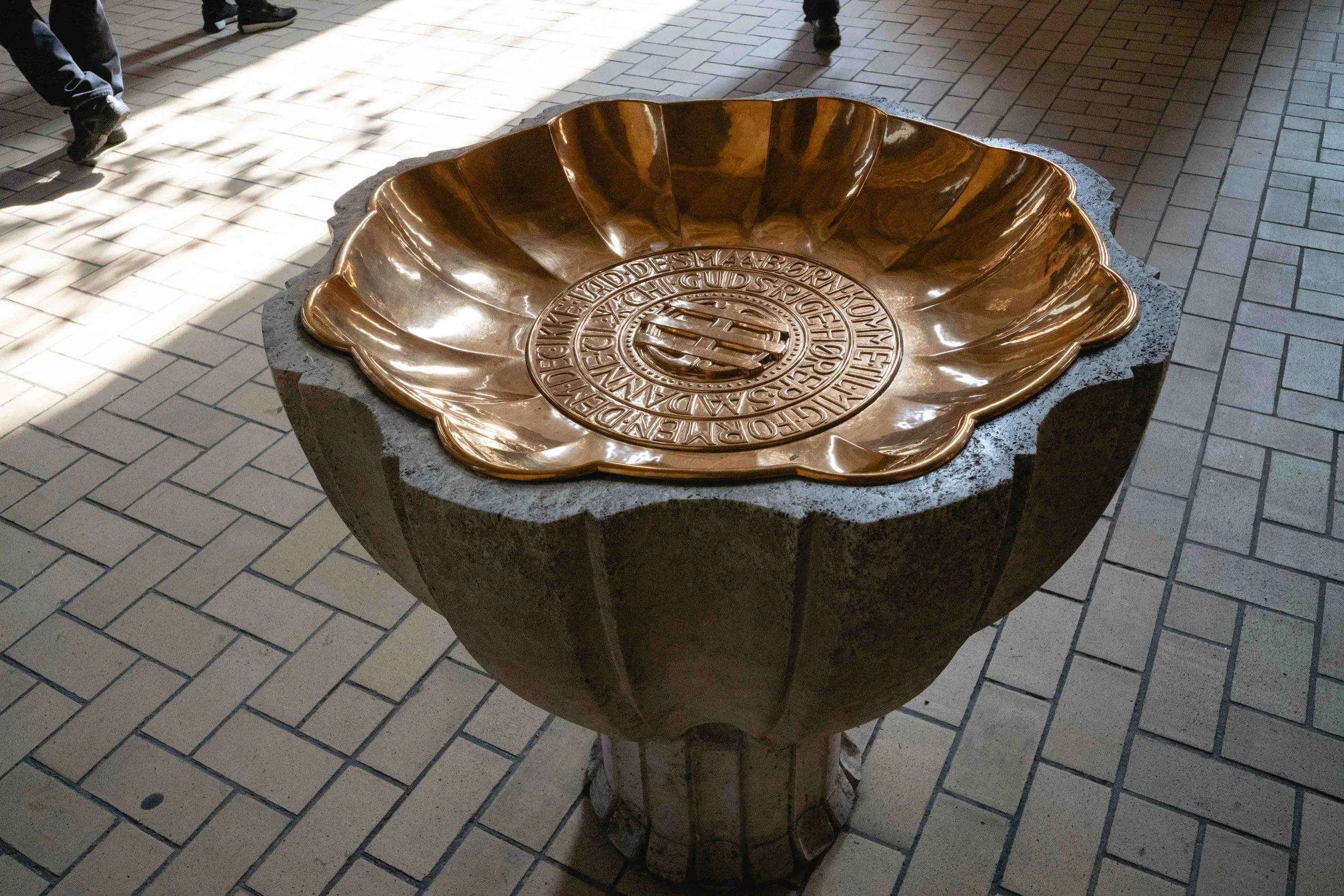
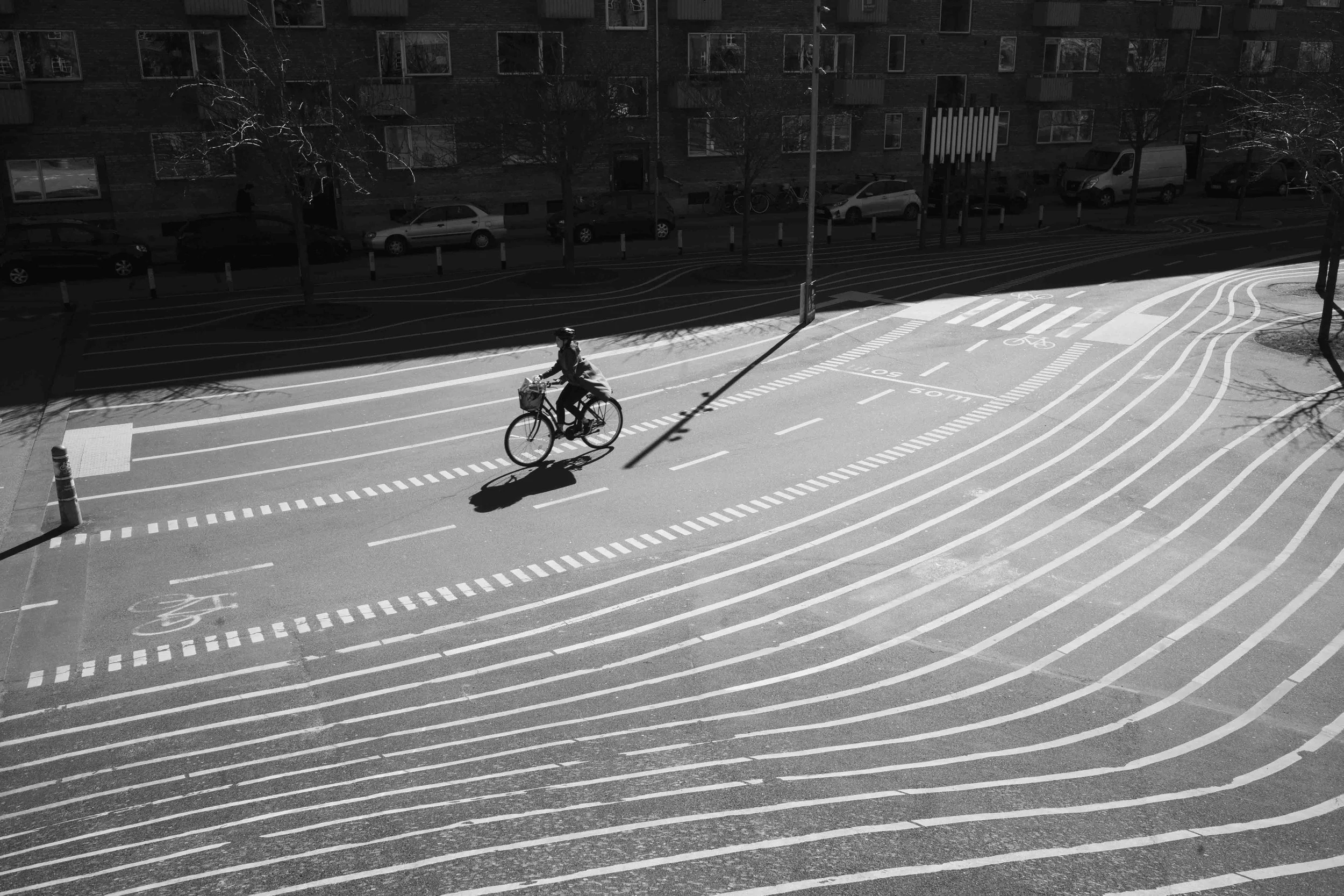
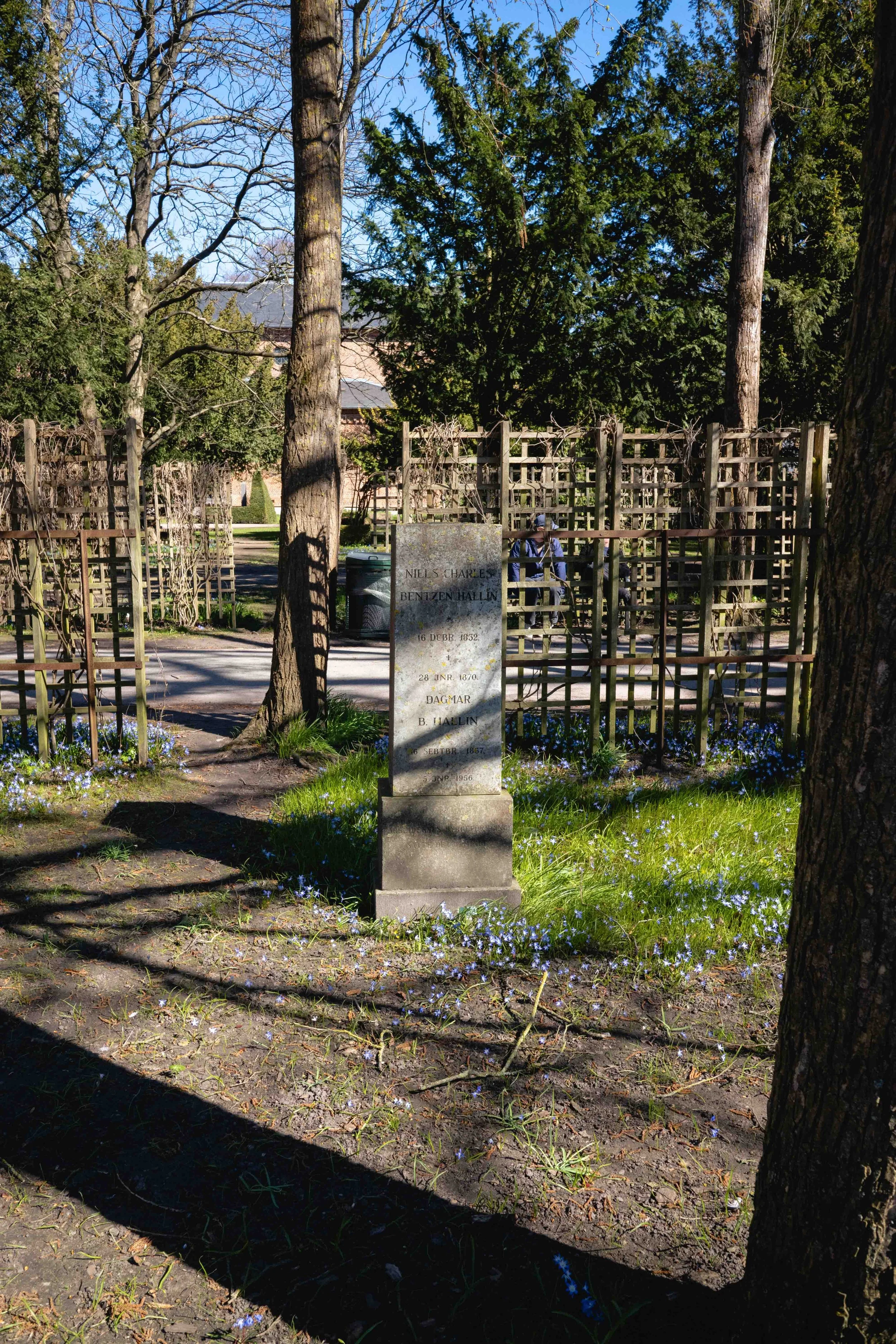
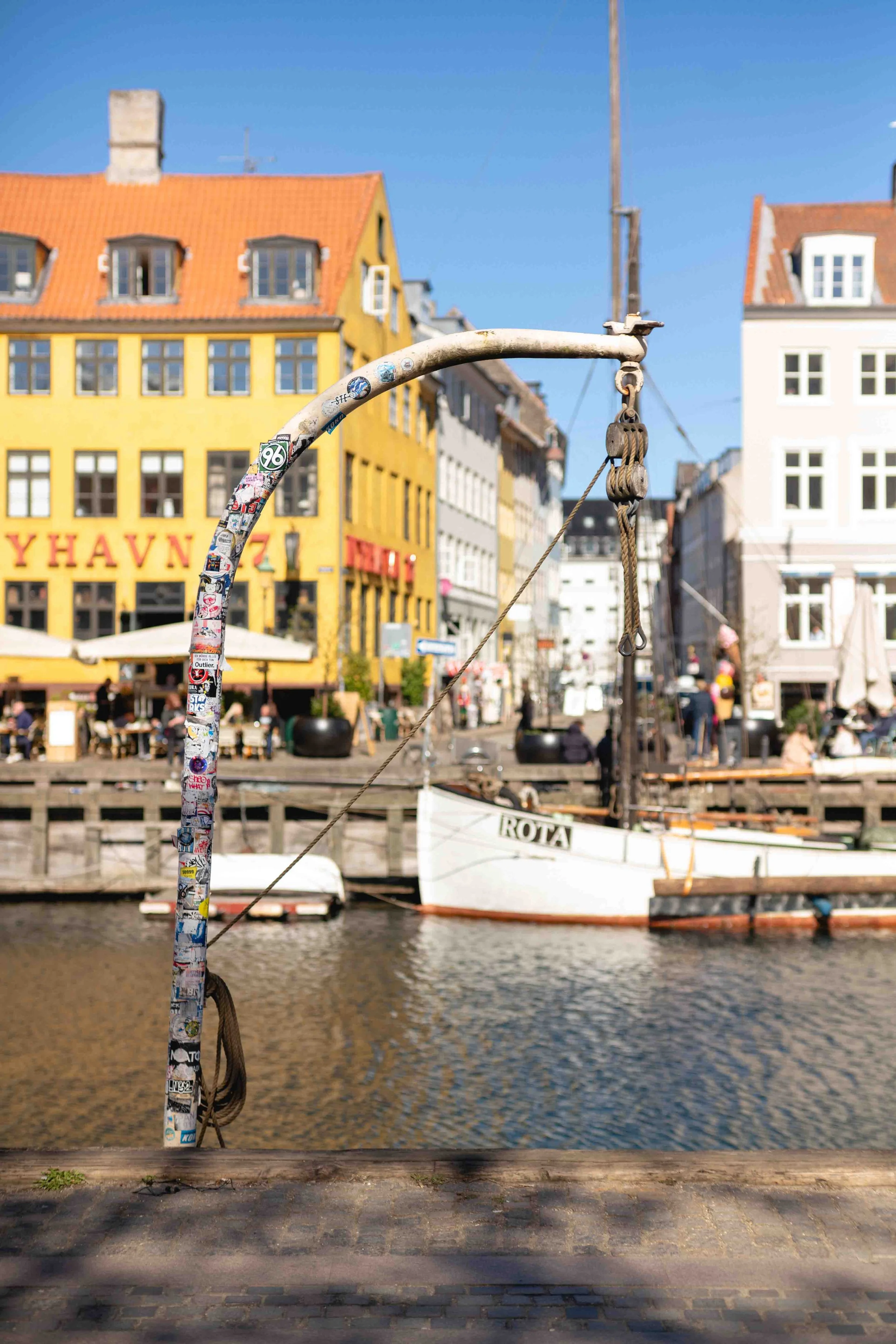
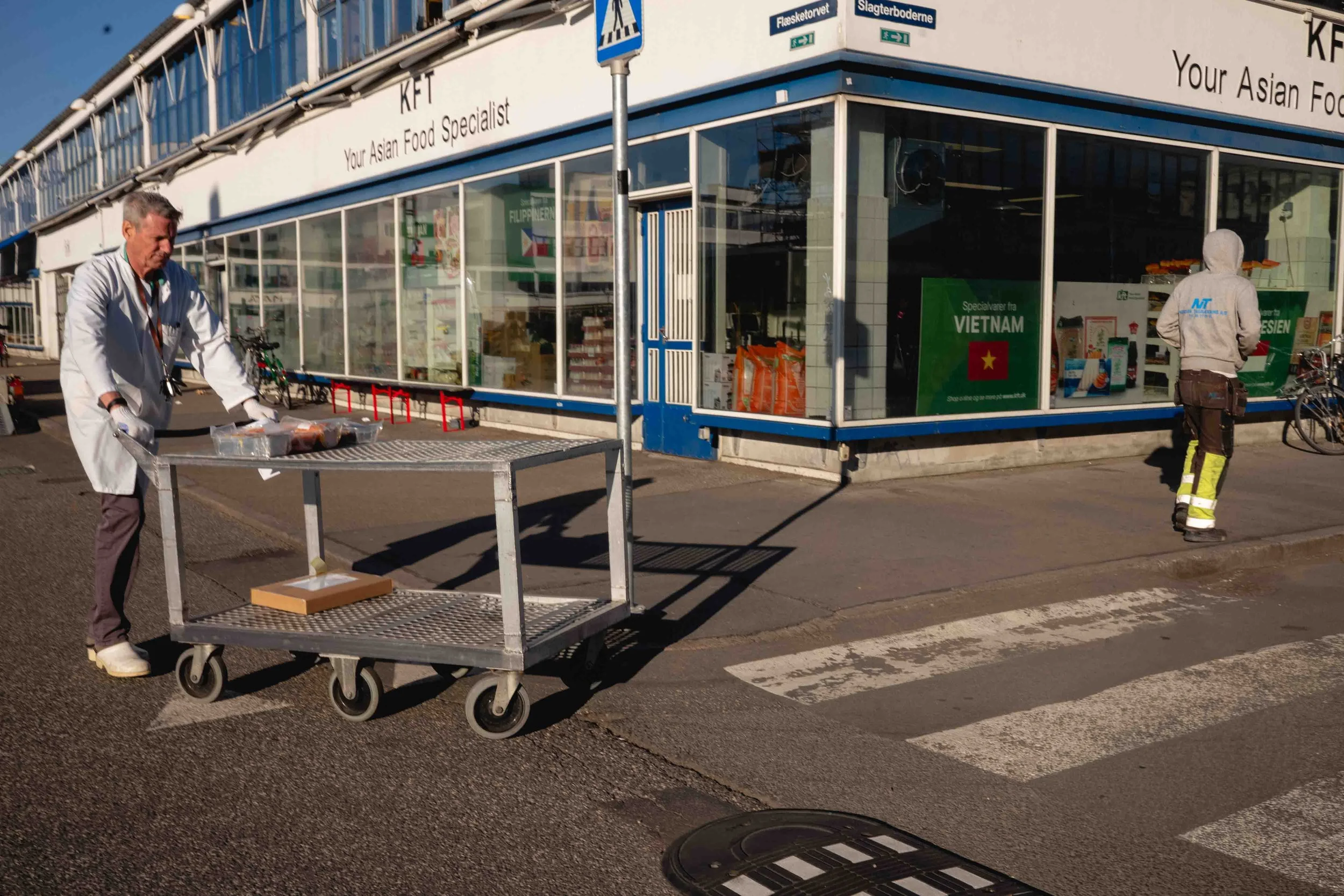
My first day focused on the transition from Nørrebro’s graphic textures to the harbor's edge. I started at Grundtvig’s Kirke, a masterclass in symmetry. Its towering yellow brickwork is a rare example of Expressionist architecture, feeling more like a giant pipe organ than a traditional church. From there, I transitioned into the vibrant, striped chaos of Superkilen Park, where the white "zebra" asphalt lines are a playground for composition. I spent the afternoon weaving through the quiet, dappled light of Assistens Cemetery (the final resting place of Hans Christian Andersen) and the boutique-heavy streets of Elmegade and Ravnsborggade. After grabbing some incredible street food at Hanoi Alley, I hit TorvehallerneKBH for some candid shots of the local food scene. I ended the daylight hours by climbing The Round Tower for a rooftop sprawl, before catching the dusk glow at Nyhavn and crossing the Inderhavnsbroen toward the Danish Architecture Center.
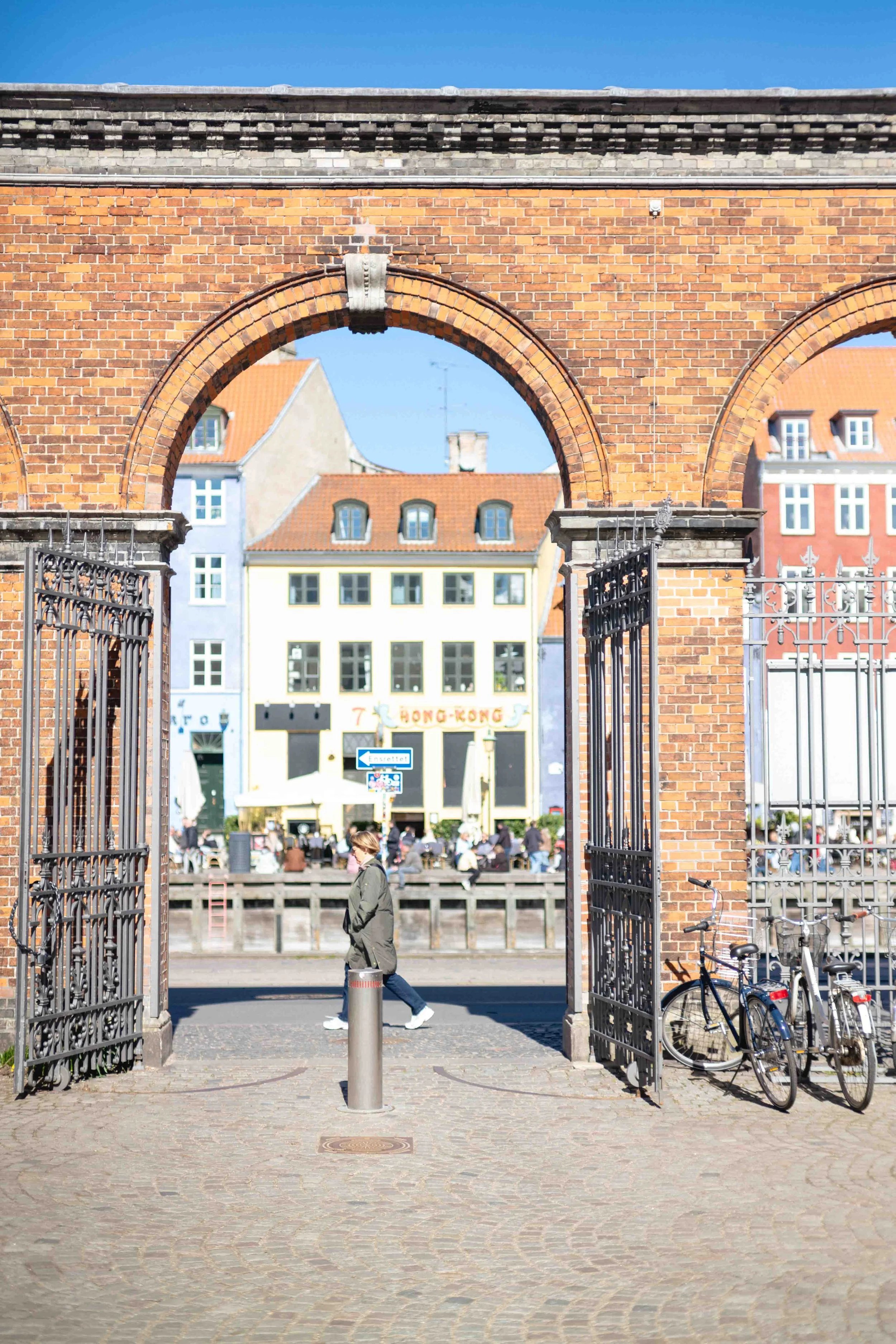
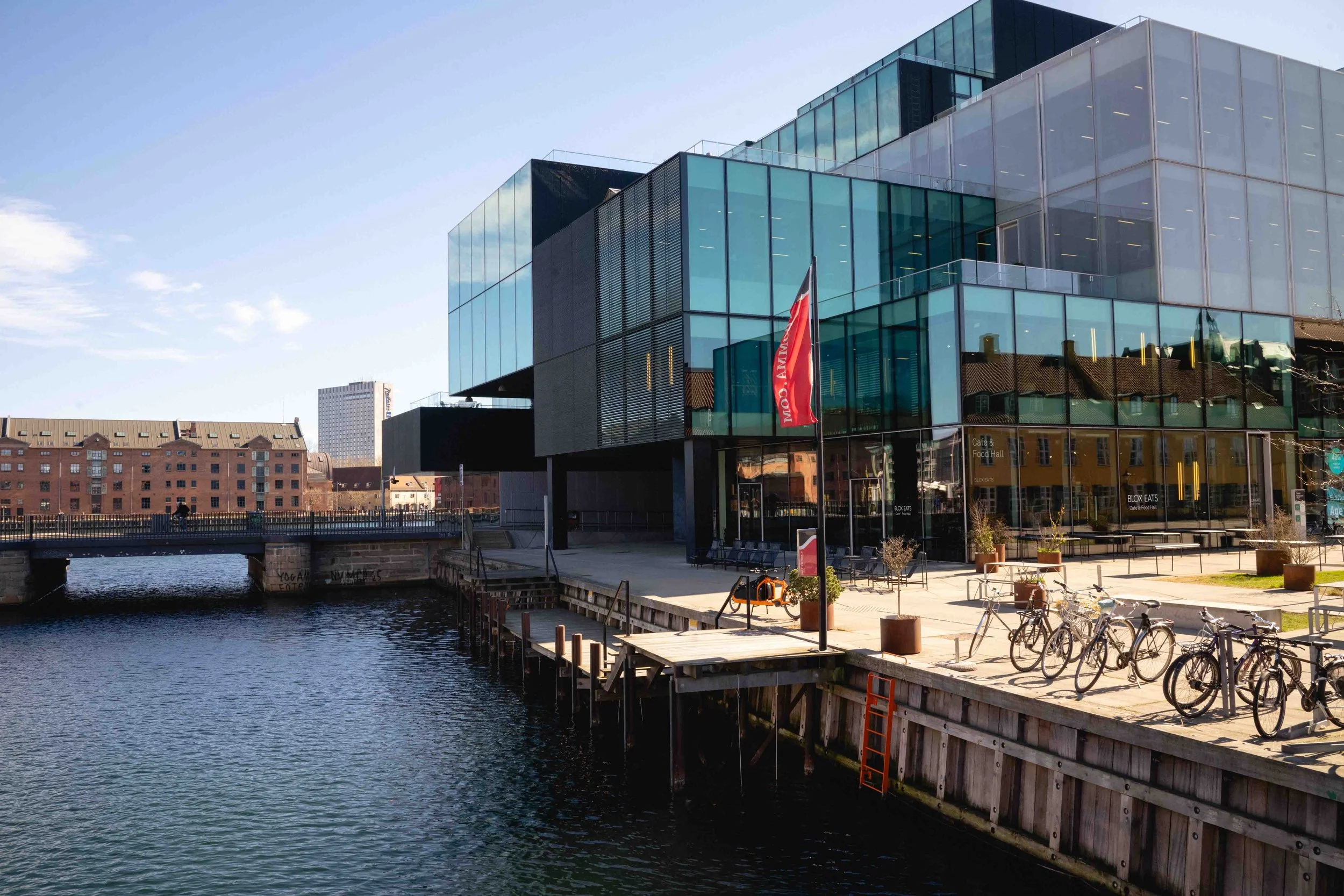
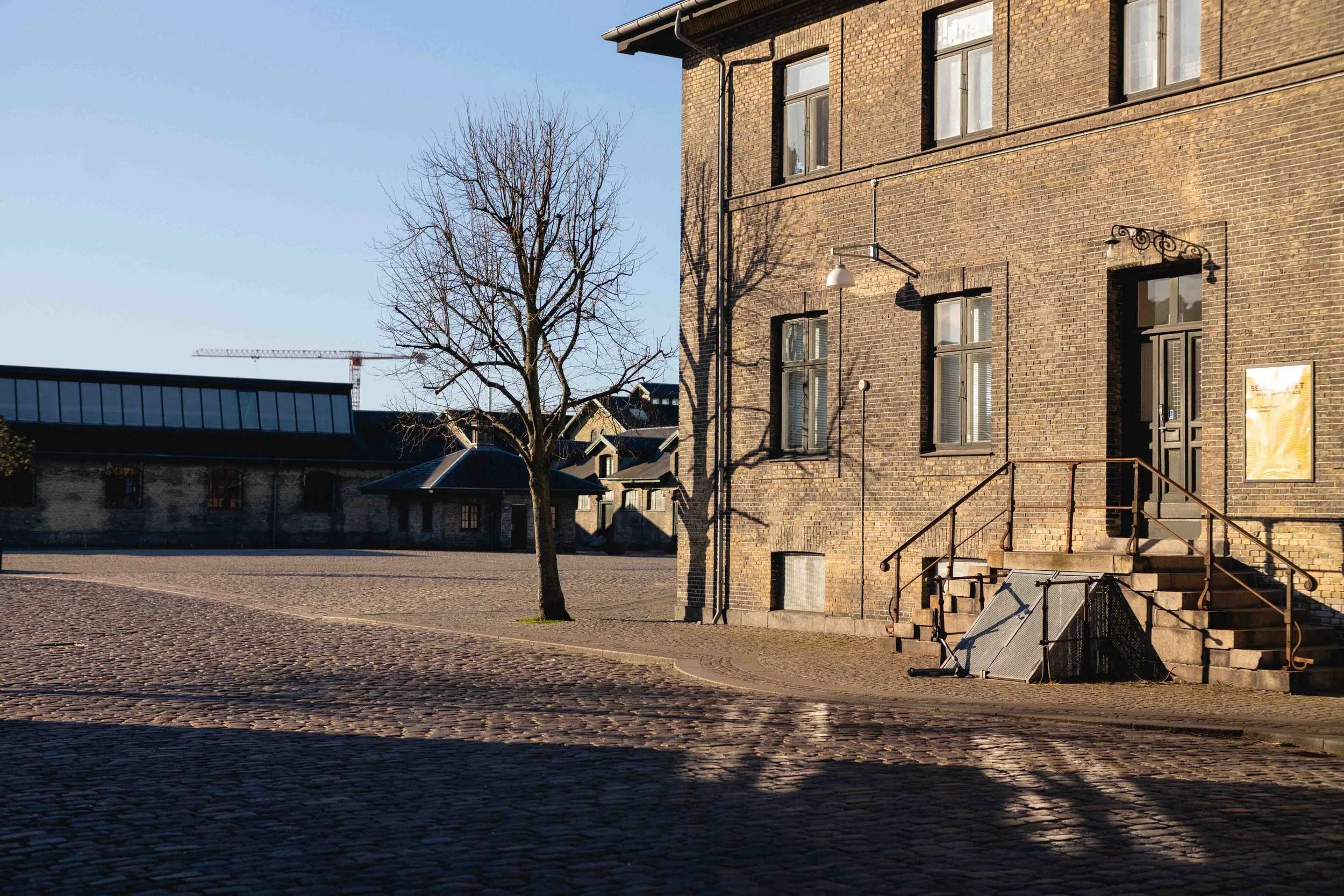
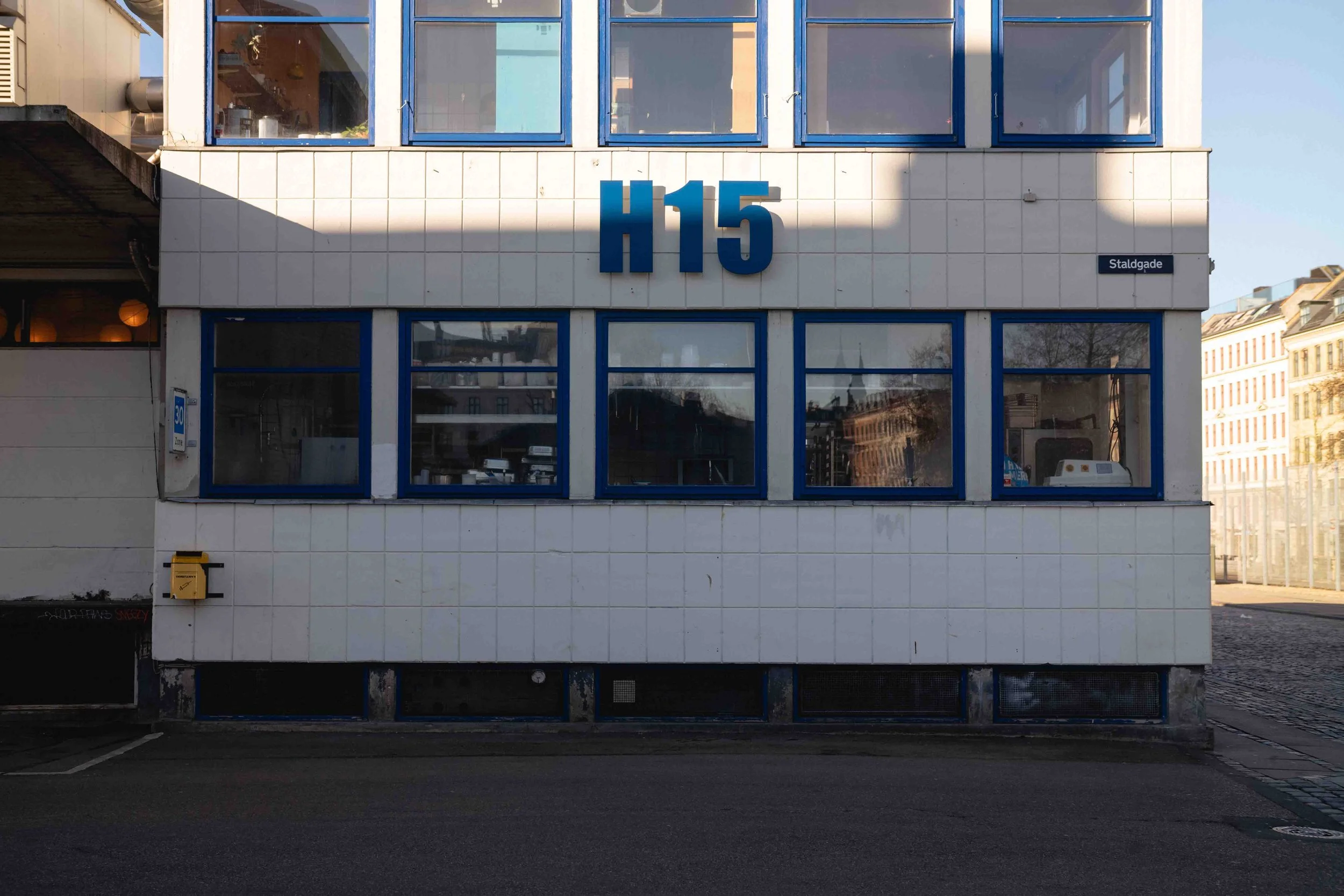
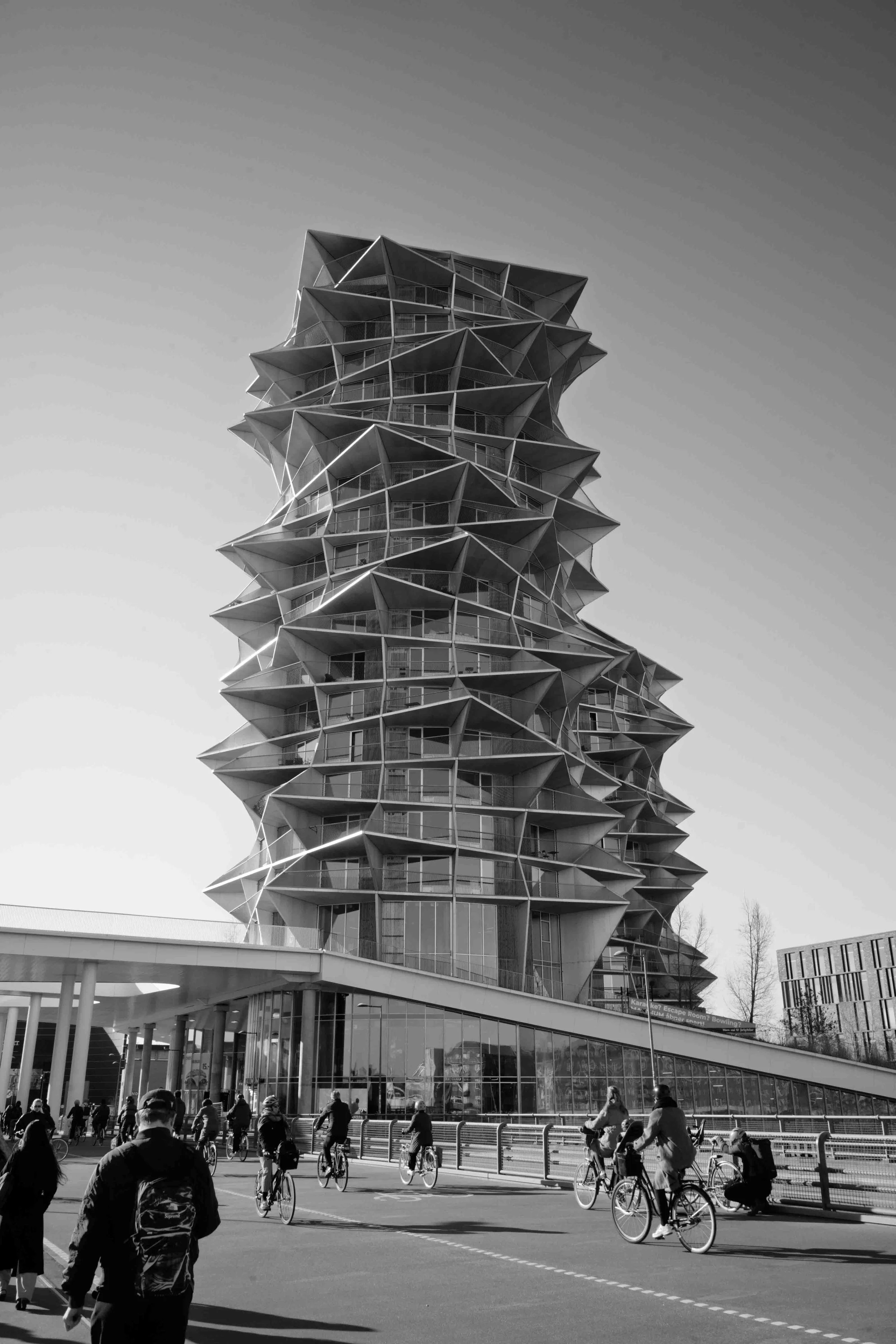
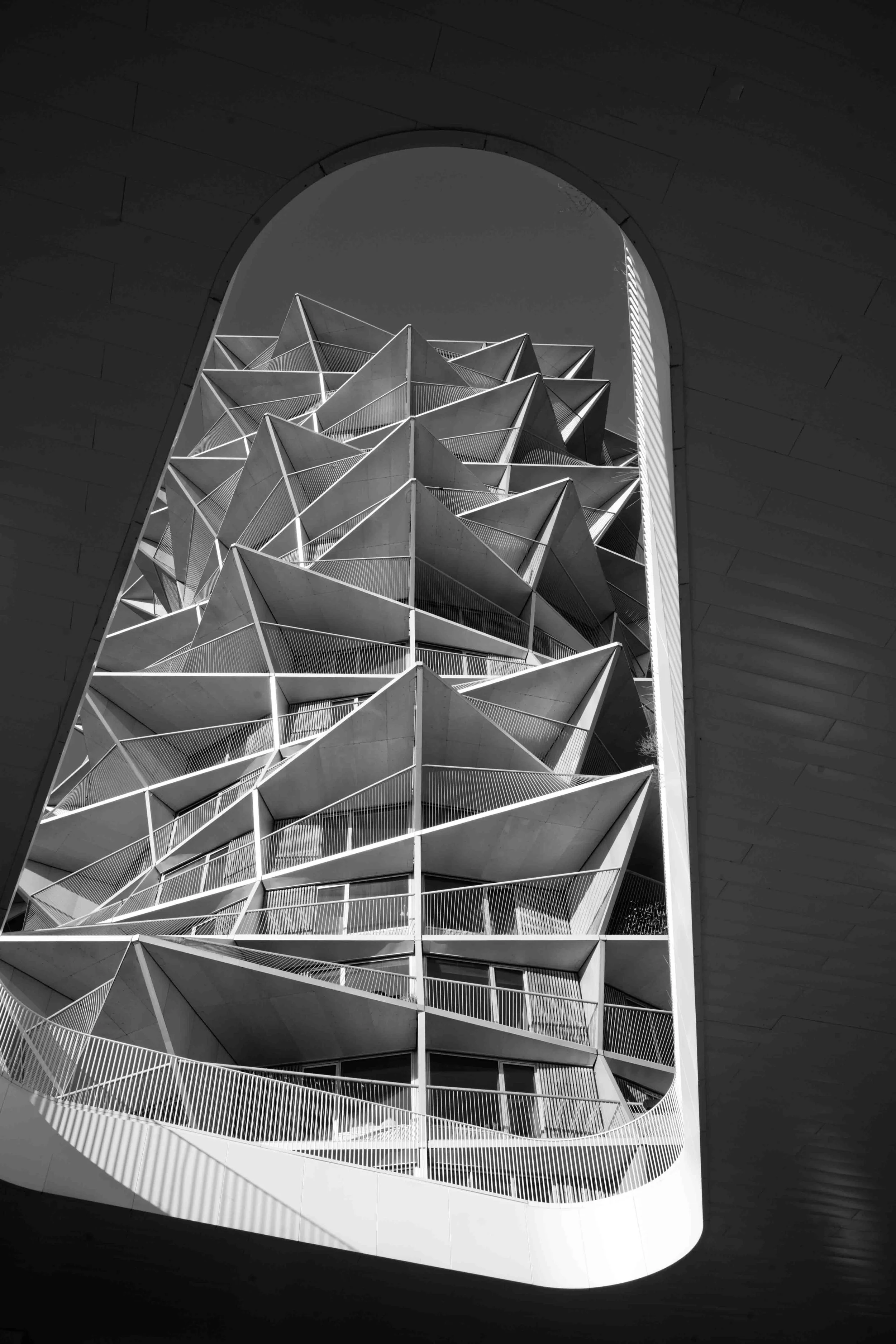
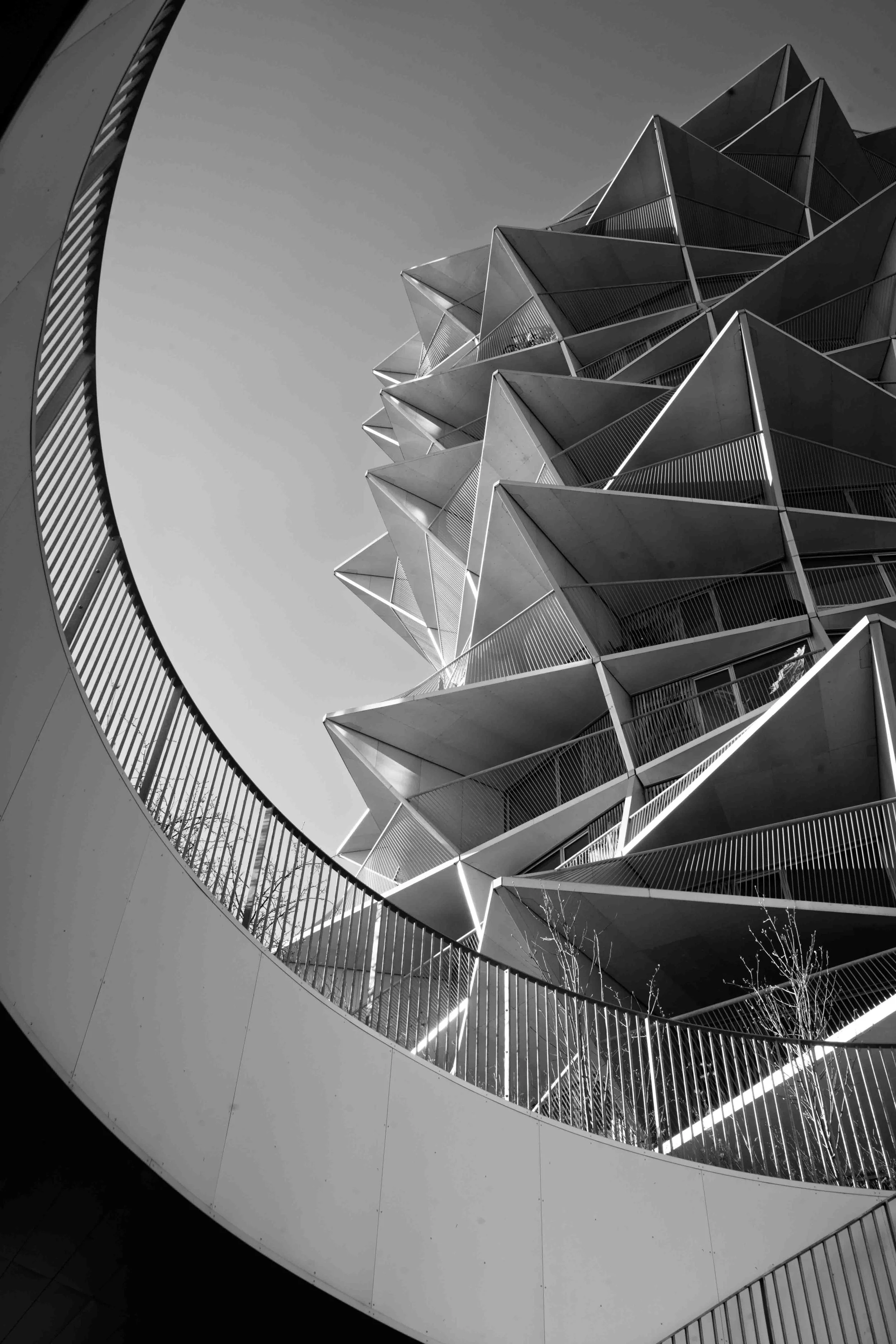
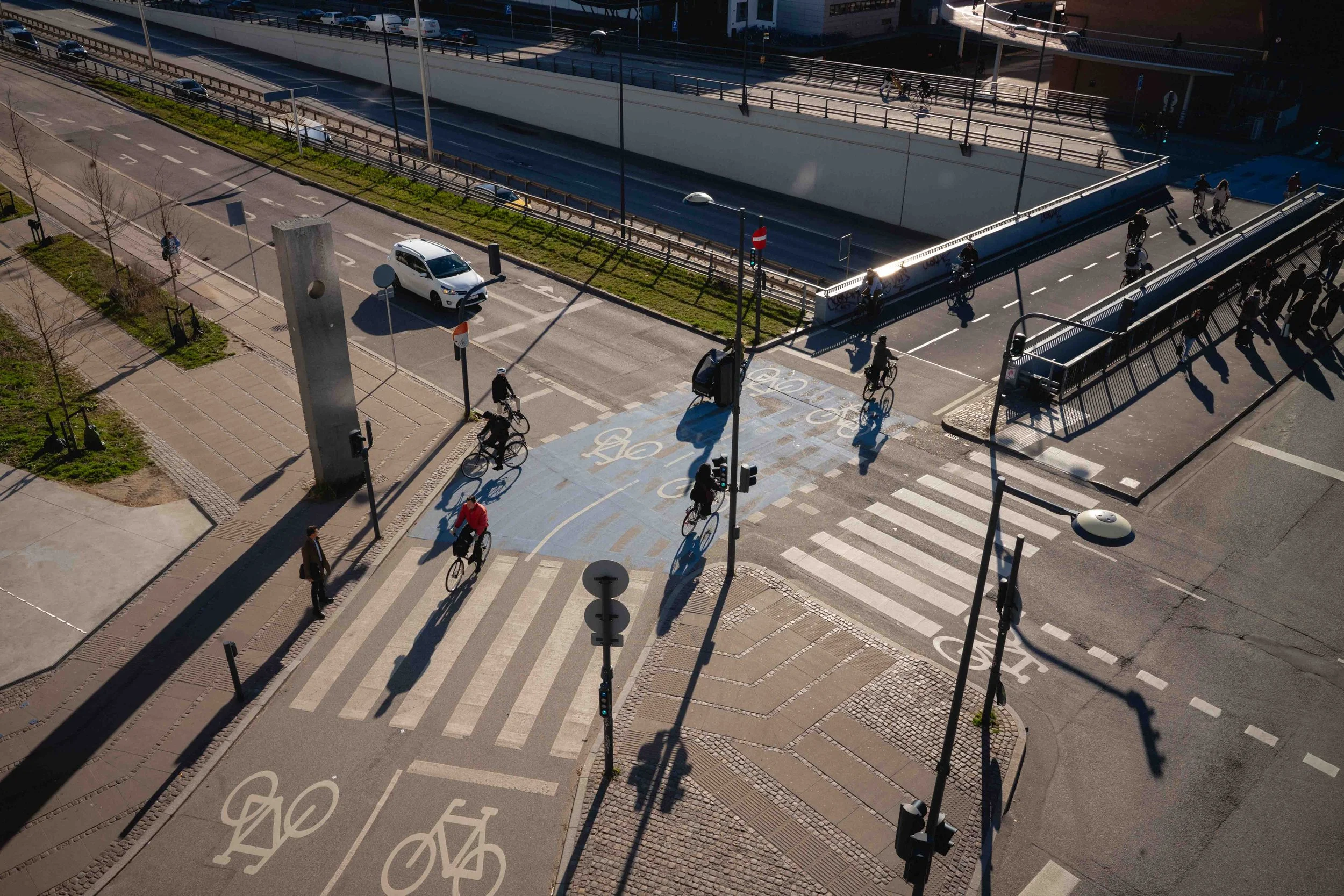
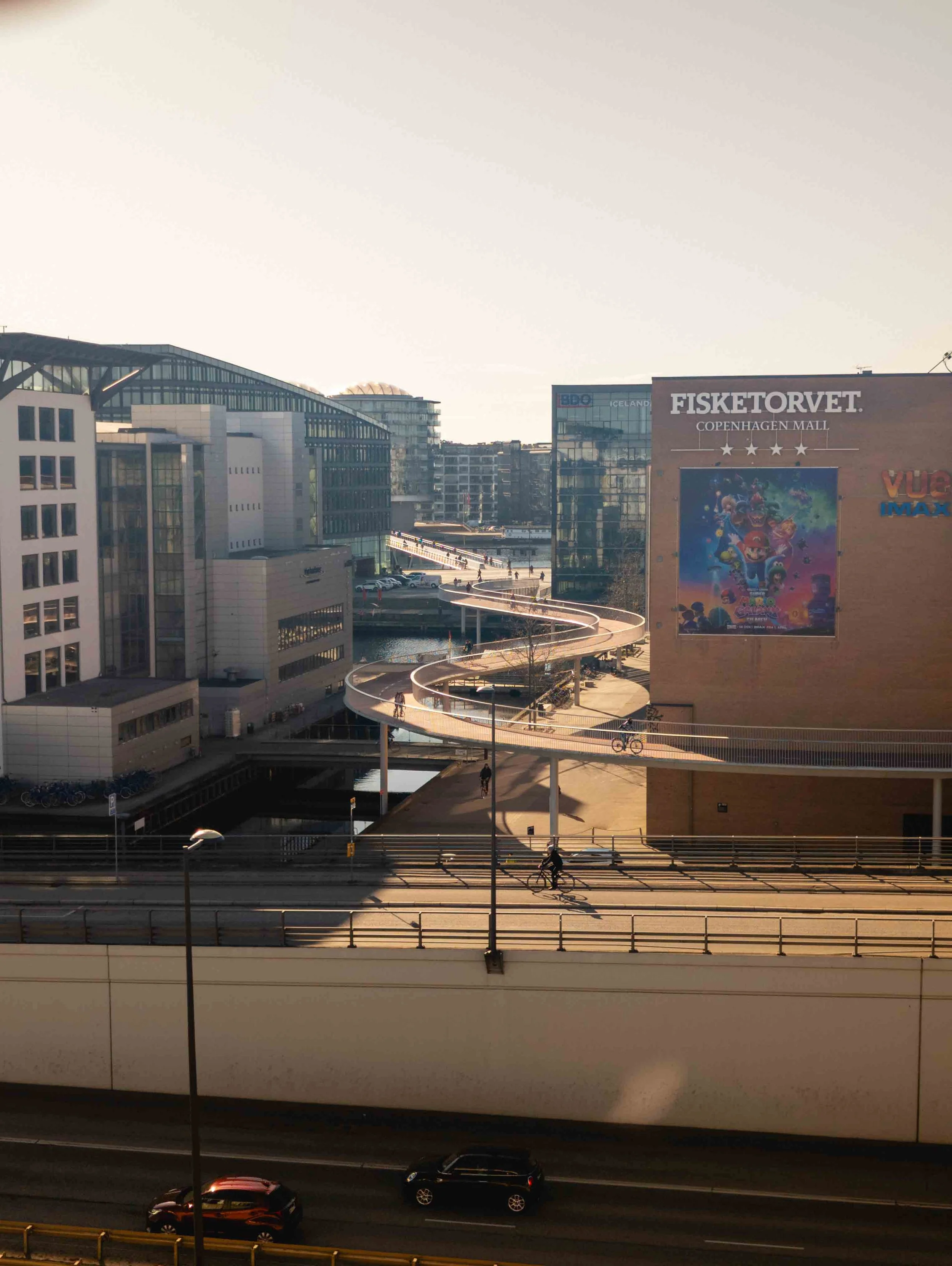
Day two was all about the evolution of the city. I kicked off in the Meatpacking District (Kødbyen), where the white industrial buildings and teal window frames offer a stark, minimalist aesthetic. The route then became a "greatest hits" of modern geometry: the jagged, brutalist balconies of the Kaktus Towers, the iconic orange-bottomed Cykelslangen (The Bicycle Snake) path. I rounded out the trip back in Christianshavn, climbing the corkscrew spire of the Church of Our Saviour for a 360-degree view, followed by a walk through the raw, DIY textures of Freetown Christiania, and finally the historic, rhythmic lines of the Nyboder district.
Before I went, everyone warned me about the cost. "Bring a second mortgage for a coffee," they said.
Honestly? It’s a myth. While you can spend a fortune in Michelin-starred spots, I found that if you eat like a local—hitting up spots like Hanoi Alley or grabbing a smørrebrød from a local deli—it’s no more expensive than a weekend in London or New York. In fact, because the city is so walkable and the public transport is flawless, I spent far less on "getting around" than I do on my daily three-hour commute back home. Copenhagen doesn't just ask to be photographed; it demands it. It’s a city that values the "small things"—and as photographers, that’s exactly what we’re looking for.
Want to see the full high-res set? Check out my latest prints in the shop or follow the journey on Instagram @frommylensphoto.
Until next time, keep snapping.