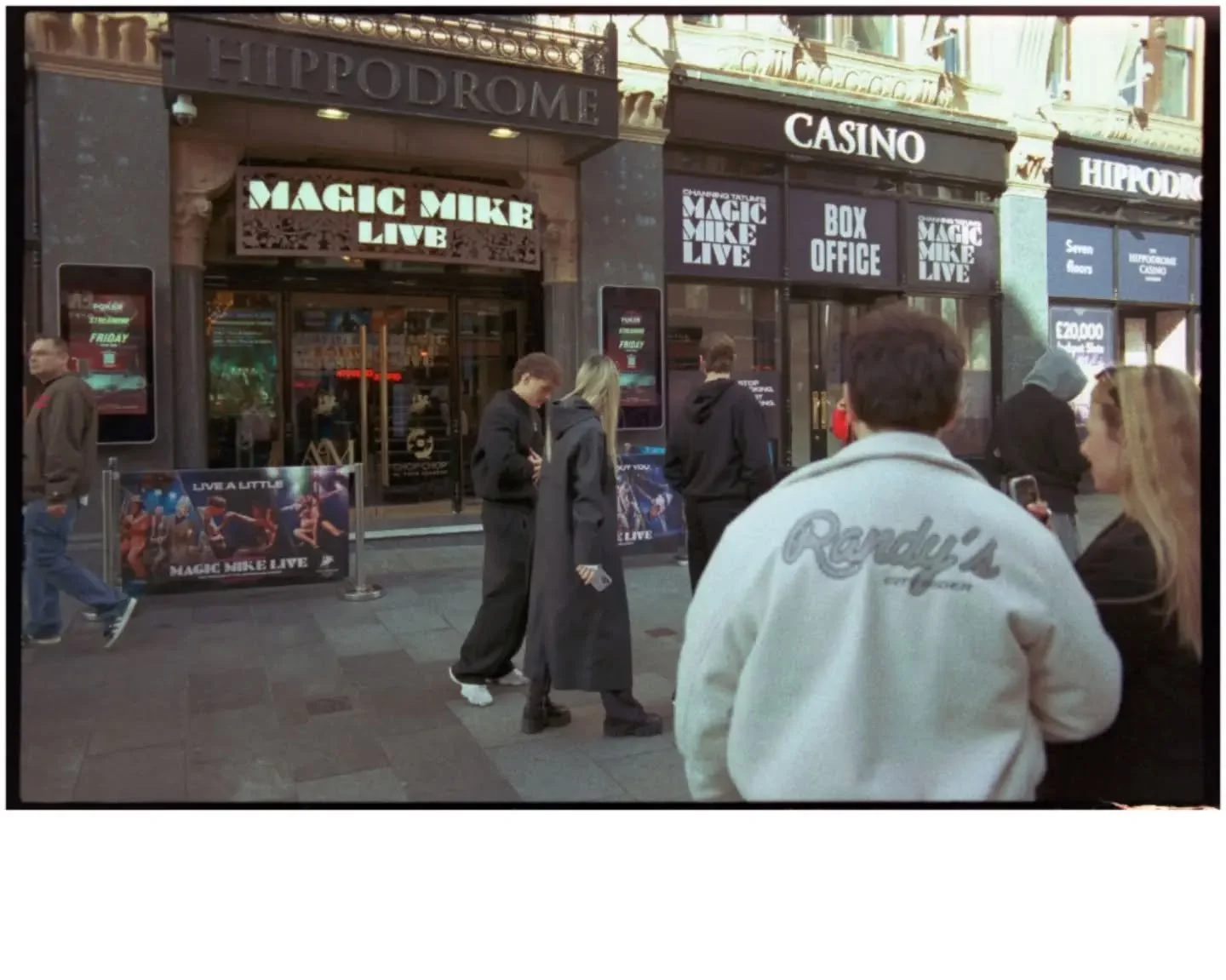
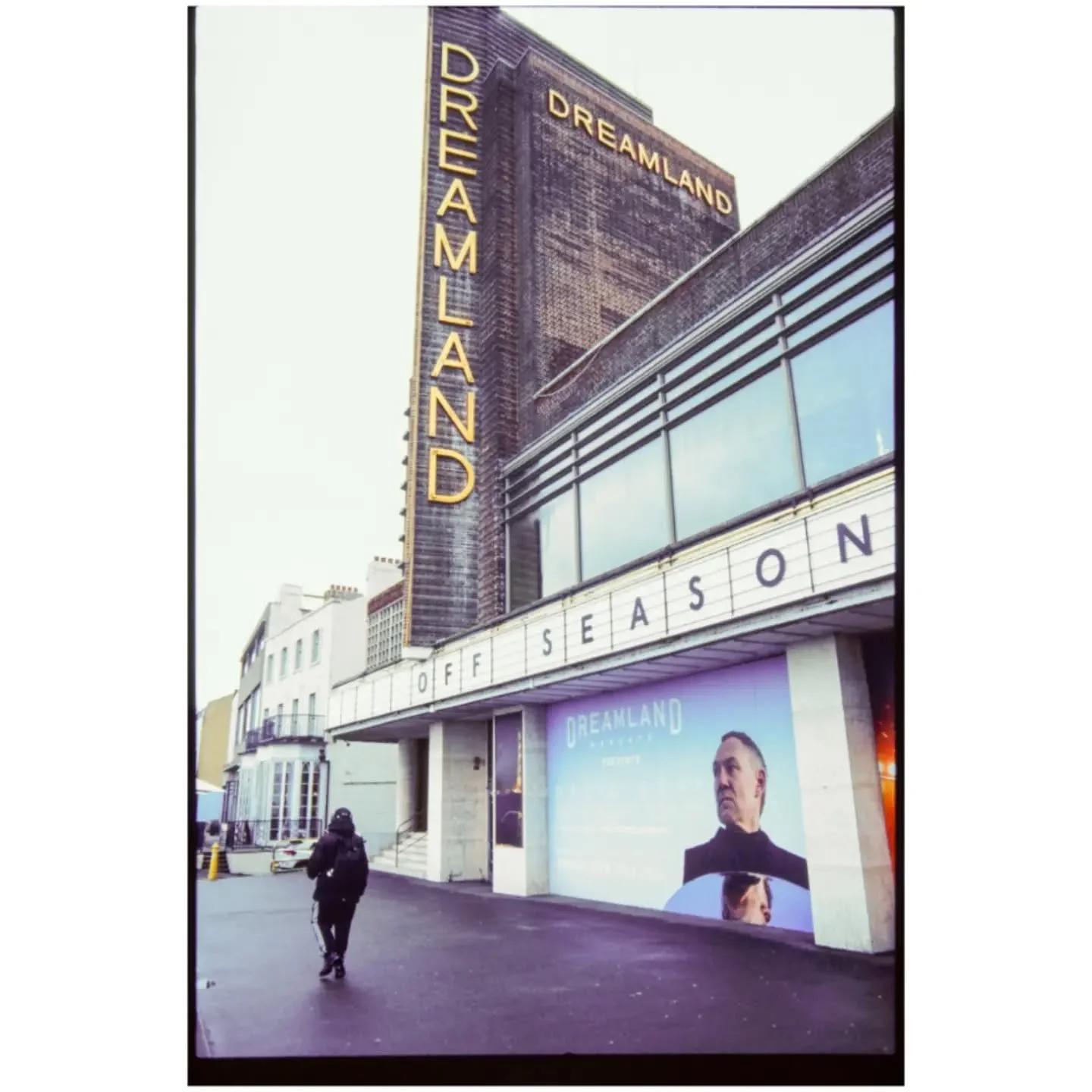
in the frame
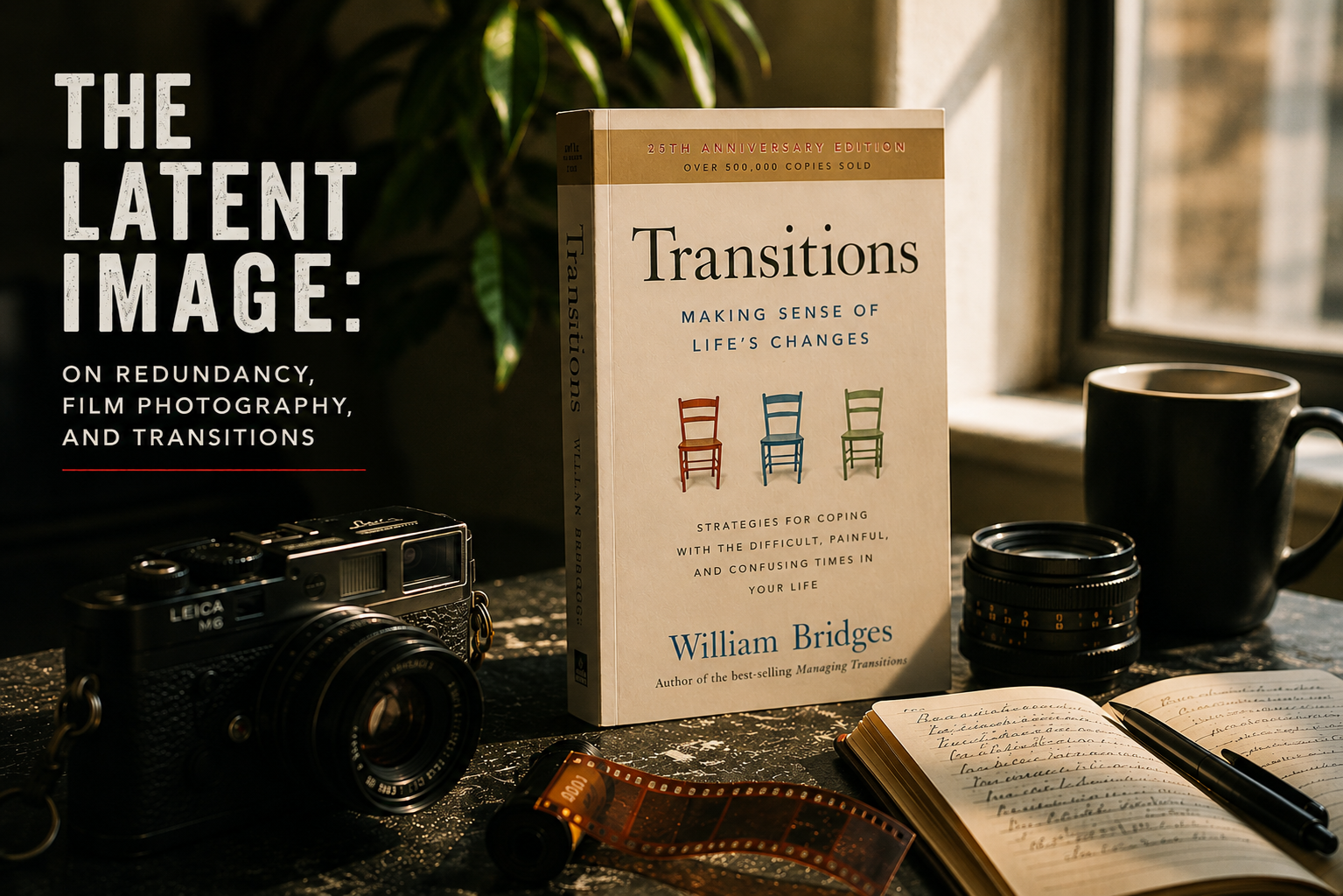
The Latent Image: On Redundancy, Film Photography, and Transitions by William Bridges
I was made redundant at the end of May 2026, after nearly eighteen years in financial services. I didn't see it coming with any particular clarity, even though the restructuring had been visible on the horizon for a while. One day I had a role, a portfolio, a set of relationships built over nearly two decades. The next I didn't. The strange thing wasn't the shock — it was the silence that followed it.
I went looking for something useful. I typed "reset" and "transition" into an AI search and Transitions: Making Sense of Life's Changes by William Bridges came back at me. I bought it the same day.
Books · June 2026
I was made redundant at the end of May 2026, after nearly eighteen years in financial services. I didn't see it coming with any particular clarity, even though the restructuring had been visible on the horizon for a while. One day I had a role, a portfolio, a set of relationships built over nearly two decades. The next I didn't. The strange thing wasn't the shock — it was the silence that followed it.
I went looking for something useful. I typed "reset" and "transition" into an AI search and Transitions: Making Sense of Life's Changes by William Bridges came back at me. I bought it the same day.
Change and Transition Are Not the Same Thing
This is Bridges' foundational move, and it's worth sitting with. Change, he argues, is situational and external — a job ending, a relationship breaking, a bereavement, a diagnosis, a move. Transition is something else entirely: the internal, psychological process of reorientation that any change demands. Most of us treat upheaval as a logistics problem to be solved as quickly as possible. Get the new job. Find the new rhythm. Stop feeling odd. Bridges quietly dismantles that impulse.
He maps every transition across three stages — The Ending, The Neutral Zone, and The New Beginning — and the insight that hits hardest is that endings come first, not last. You don't begin a transition by starting something new. You begin it by fully experiencing what has stopped.
The Darkroom Analogy Nobody Asked For (But I'm Making Anyway)
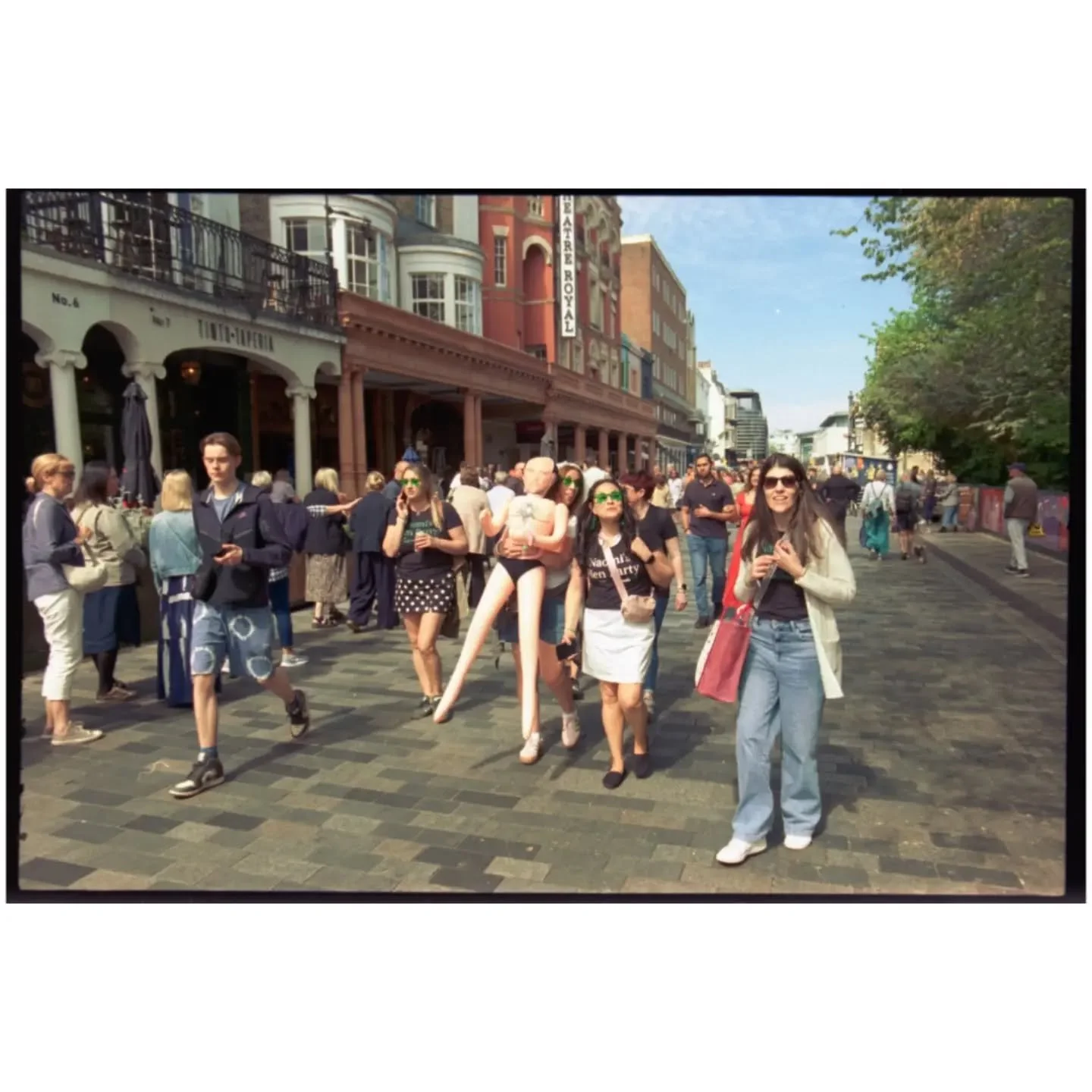
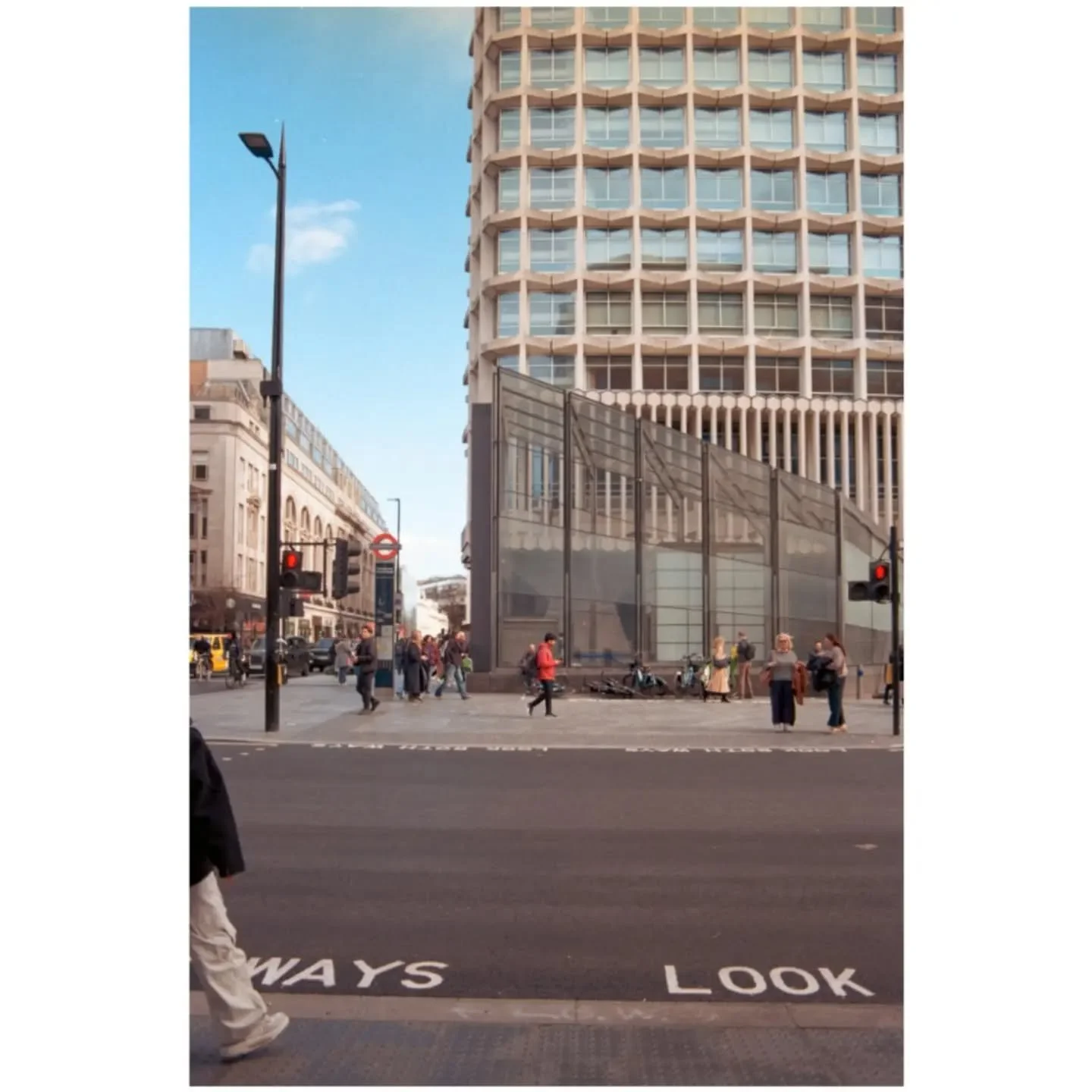
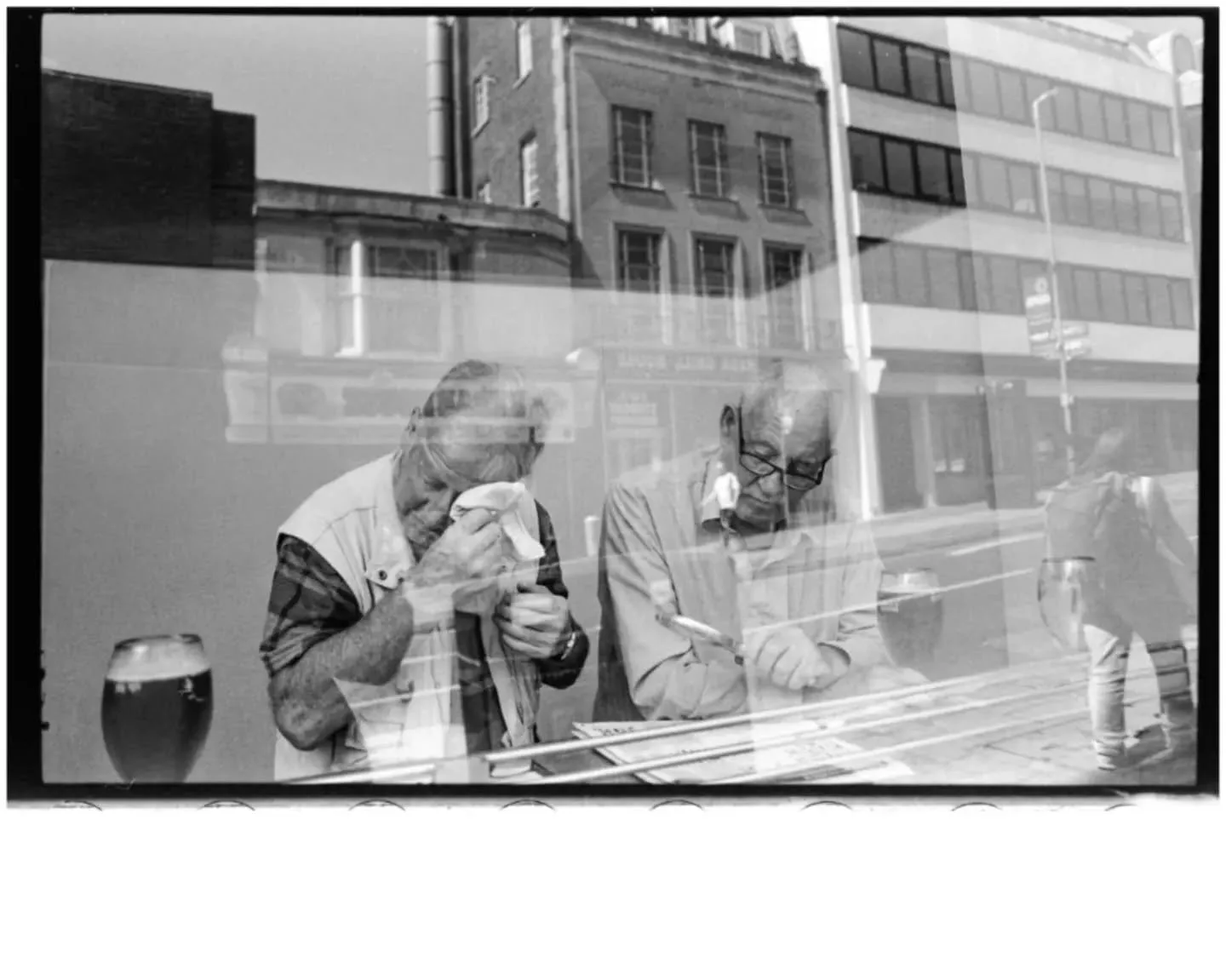
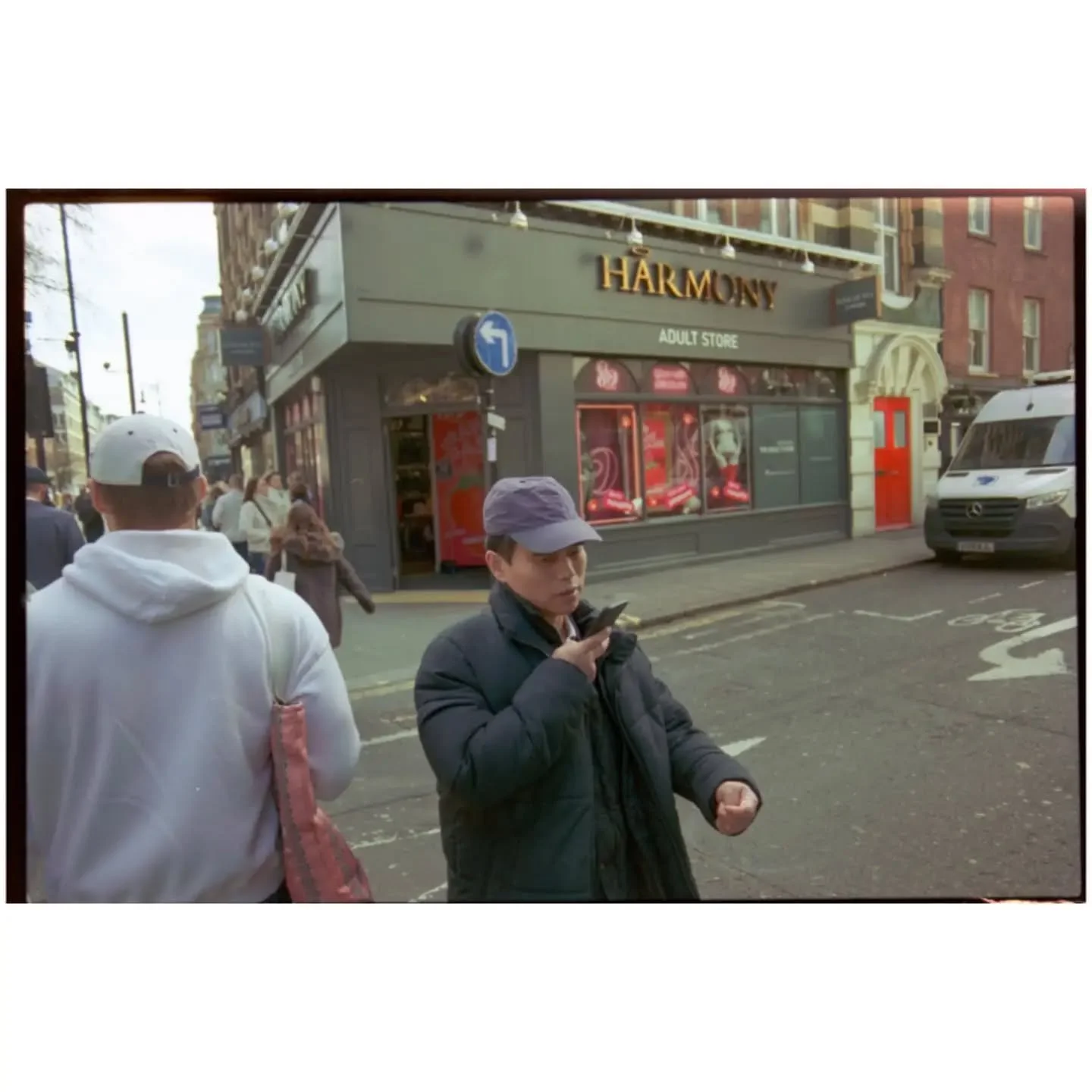
I shoot film. Mostly street, some documentary, always analogue when I want the work to matter. And the more I read Bridges, the more his framework started to look like a description of the developing process.
When you shoot a roll of film, the image exists the moment the shutter fires. Light has hit silver halide crystals, chemical bonds have shifted, a latent image is there — invisible, but real. The exposure has happened. You just can't see it yet.
The Neutral Zone — Bridges' most important and most misunderstood concept — is that darkroom. It is the place between what has ended and what has not yet begun. It is uncomfortable. It can feel like nothing is happening. Most people try to rush it, flooding the room with light too early, overexposing the print, destroying what was forming.
Bridges argues this is a mistake. The Neutral Zone, when honoured rather than fled, is where the actual psychological work happens. "It is not merely the pace of change that leaves us disoriented," he writes, "but the loss of faith that the transition is actually taking us somewhere meaningful." That's the feeling. Not confusion exactly — more like standing in the dark, hands in chemicals, waiting for something to resolve.
In the darkroom, you don't rush the developer. You keep the temperature right, you agitate correctly, you wait. The image comes up when it's ready.
Who This Book Is For……
I'd push this into the hands of anyone navigating what Bridges calls a genuine rupture in identity. Not just redundancy — though God knows that qualifies. Divorce. Bereavement. The children leaving. The diagnosis. The relationship that ended before you understood it had. Any moment where the external change has happened and the internal geography hasn't caught up yet.
The framework is almost too clean. Three stages, neatly labelled, with the implication that you move through them sequentially. Real experience is messier than that. And the additional workplace chapter bolted onto later editions sits a little uneasily alongside the more existential register of the original material — it's a different gear, and the shift is audible.
But these are minor complaints against a book that does something genuinely rare in this genre. It doesn't try to accelerate you. It doesn't offer a shortcut. Before entering the field of transitional management, Bridges was a professor of English, and that background is visible in the quality of his prose — in his habit of reaching for myth and story rather than bullet points. The book reads like someone who has actually thought about this, and has had the generosity not to simplify it more than necessary.
For anyone navigating the end of a long chapter — Bridges offers something rarer than advice.
He offers permission to be lost for a while.
The Print, Eventually
I'm in the Neutral Zone right now. I know that because I've read the map. The latent image is there. I trust that much. What it will look like when it comes up — what the next chapter is, what the new beginning actually consists of — I genuinely don't know yet.
But I'm keeping the temperature right, and I'm not turning the lights on too early.
Until next time, keep reading.
William Bridges, Transitions: Making Sense of Life's Changes (revised 25th anniversary edition). Perseus Books, 2004.
Yes please, keep me posted when there’s a new blog
Instagram - Film