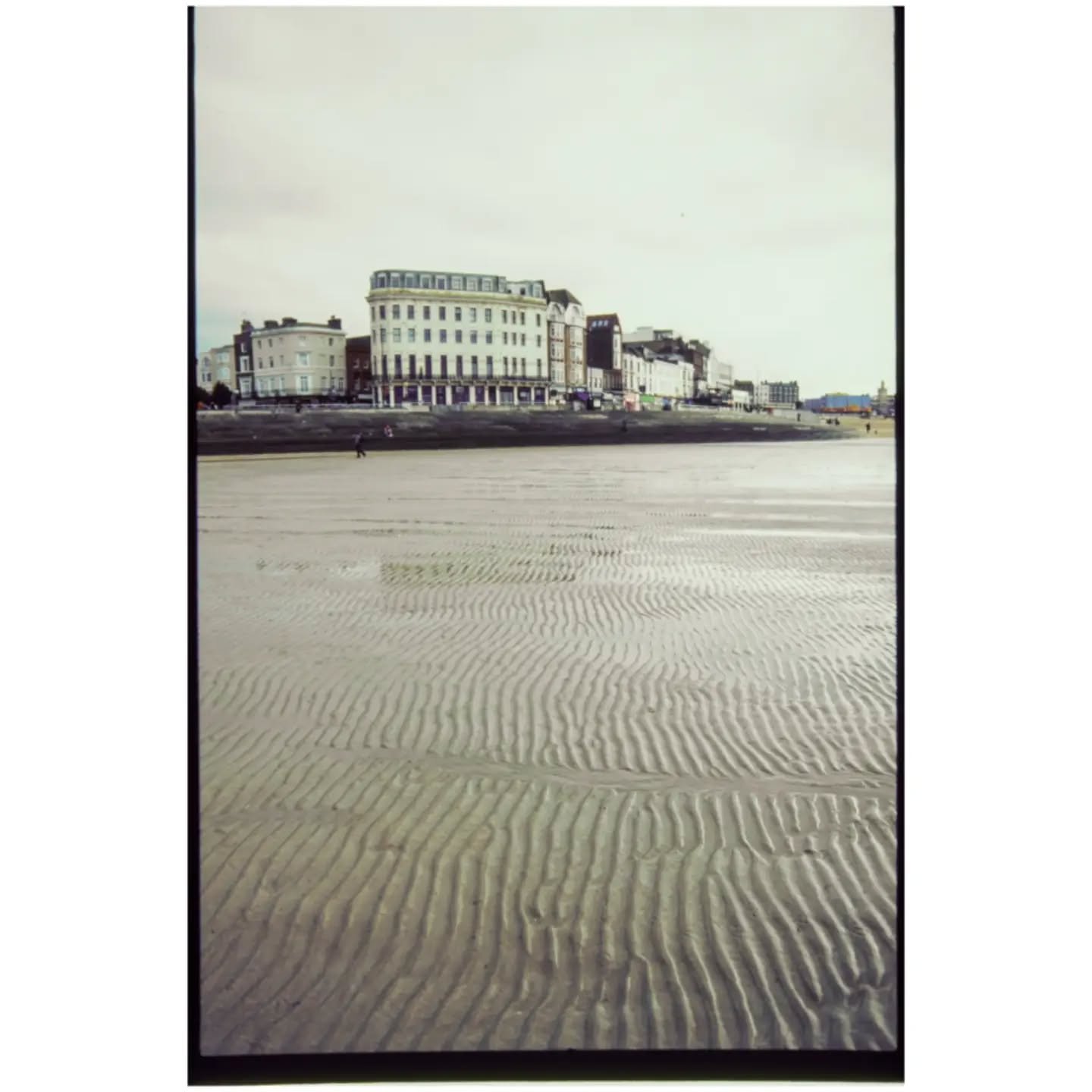
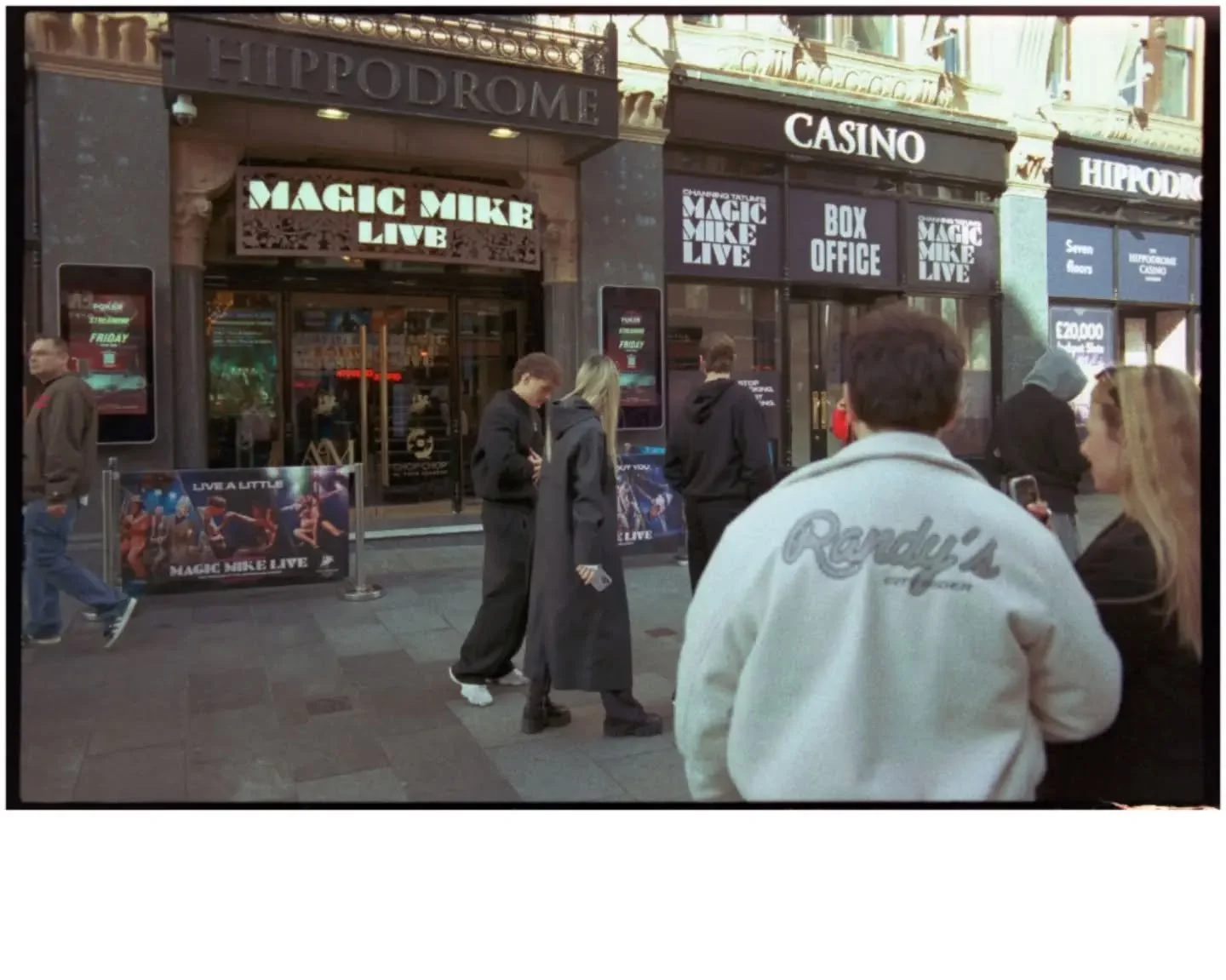
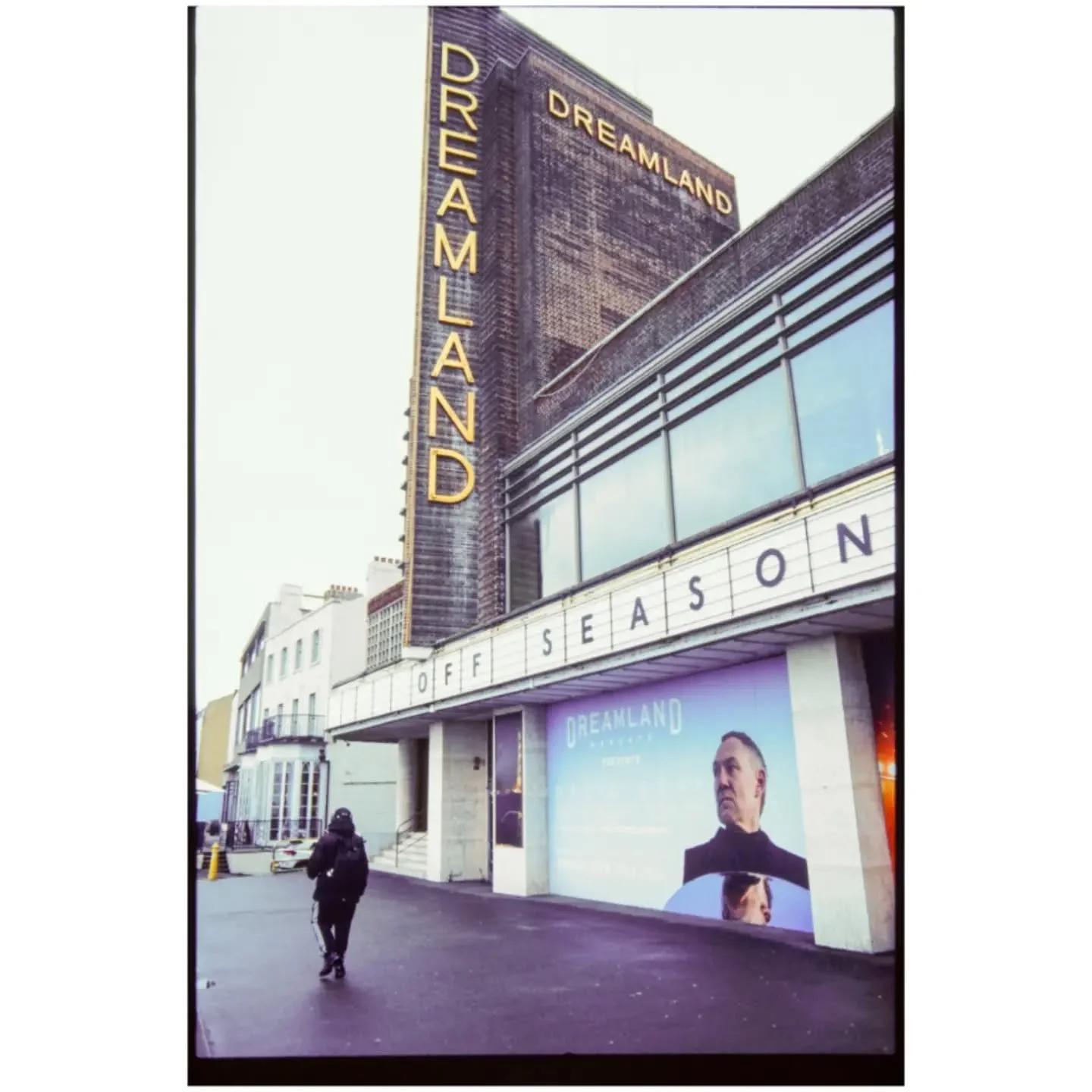
in the frame
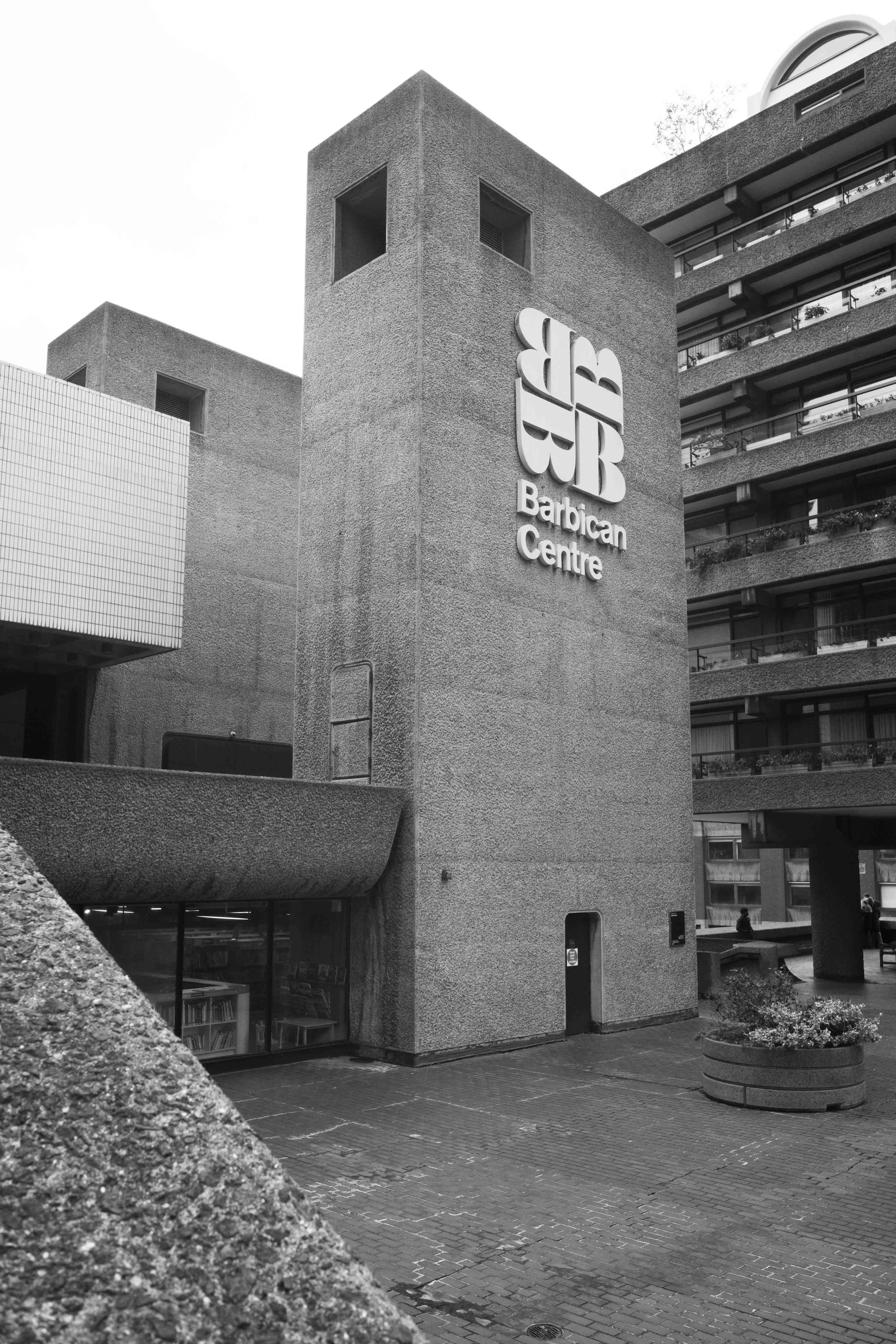
Barbican Brutal: Concrete Dreams in the Heart of the City
If my previous post on the soaring vertical drama of Trellick Tower and the sinuous, wave-like flow of the Alexandra & Ainsworth Estate captured West London's brutalist spirit, then this one takes us straight into the City for the sequel: the Barbican Estate.
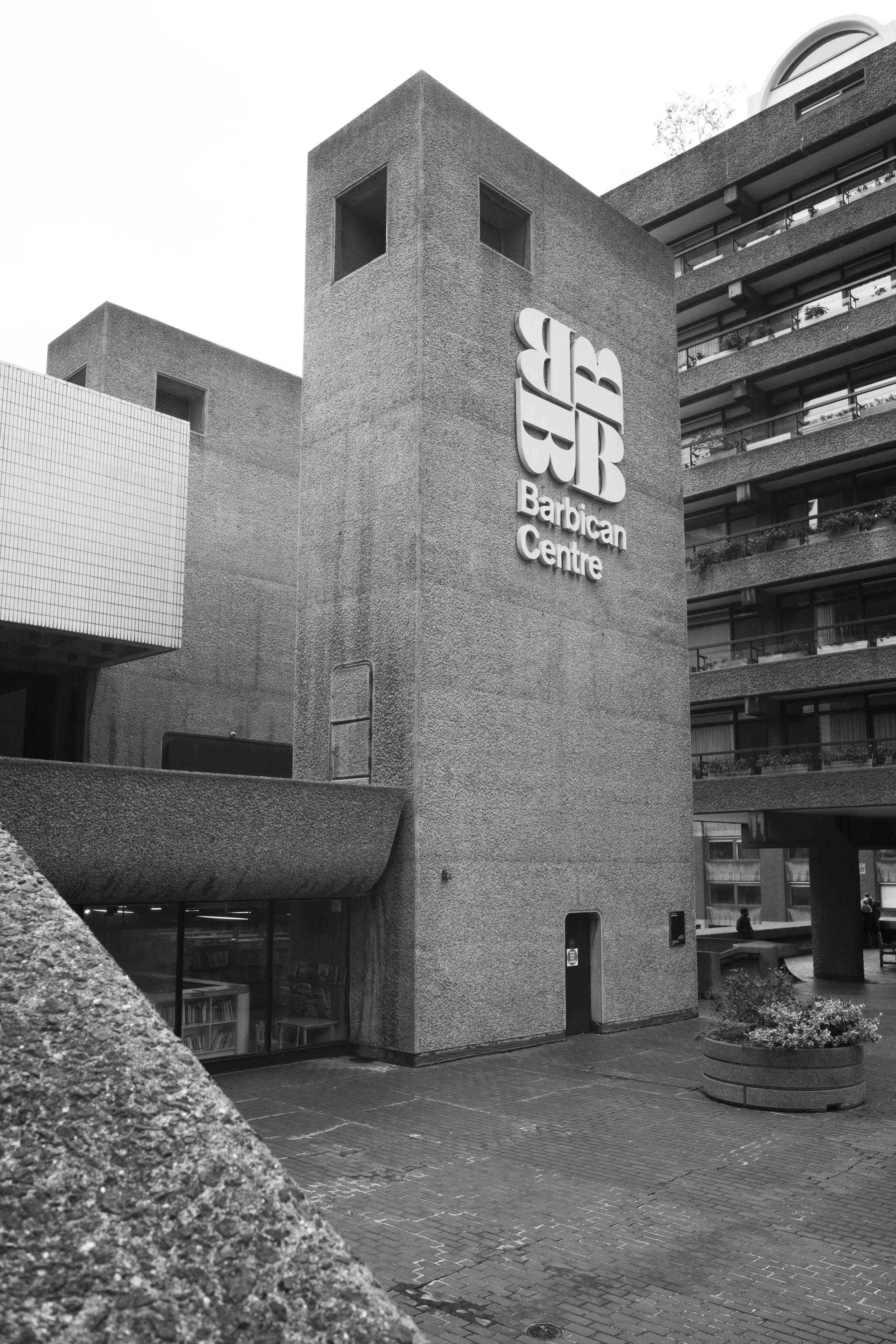
If my previous post on the soaring vertical drama of Trellick Tower and the sinuous, wave-like flow of the Alexandra & Ainsworth Estate captured West London's brutalist spirit, then this one takes us straight into the City for the sequel: the Barbican Estate.
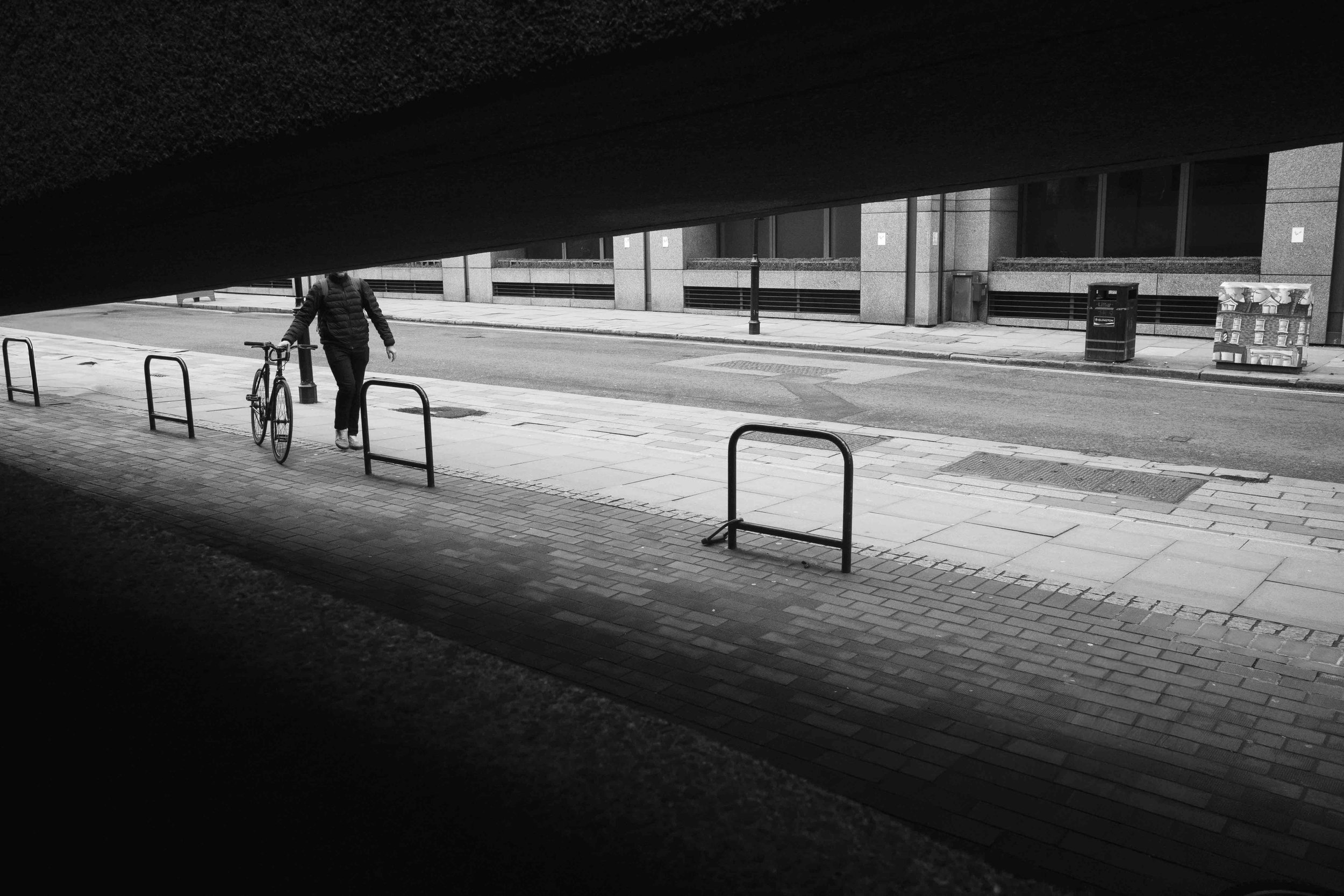
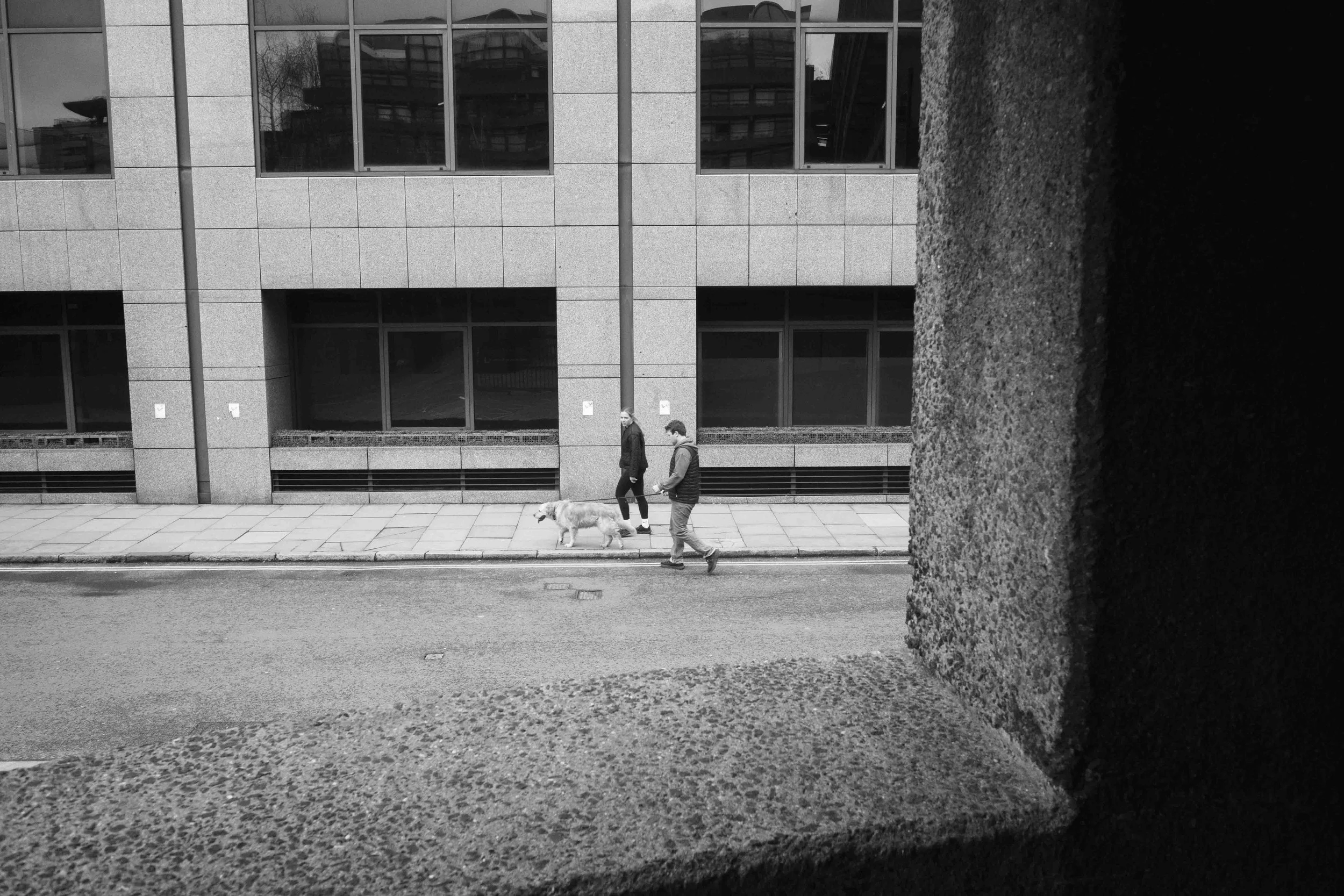
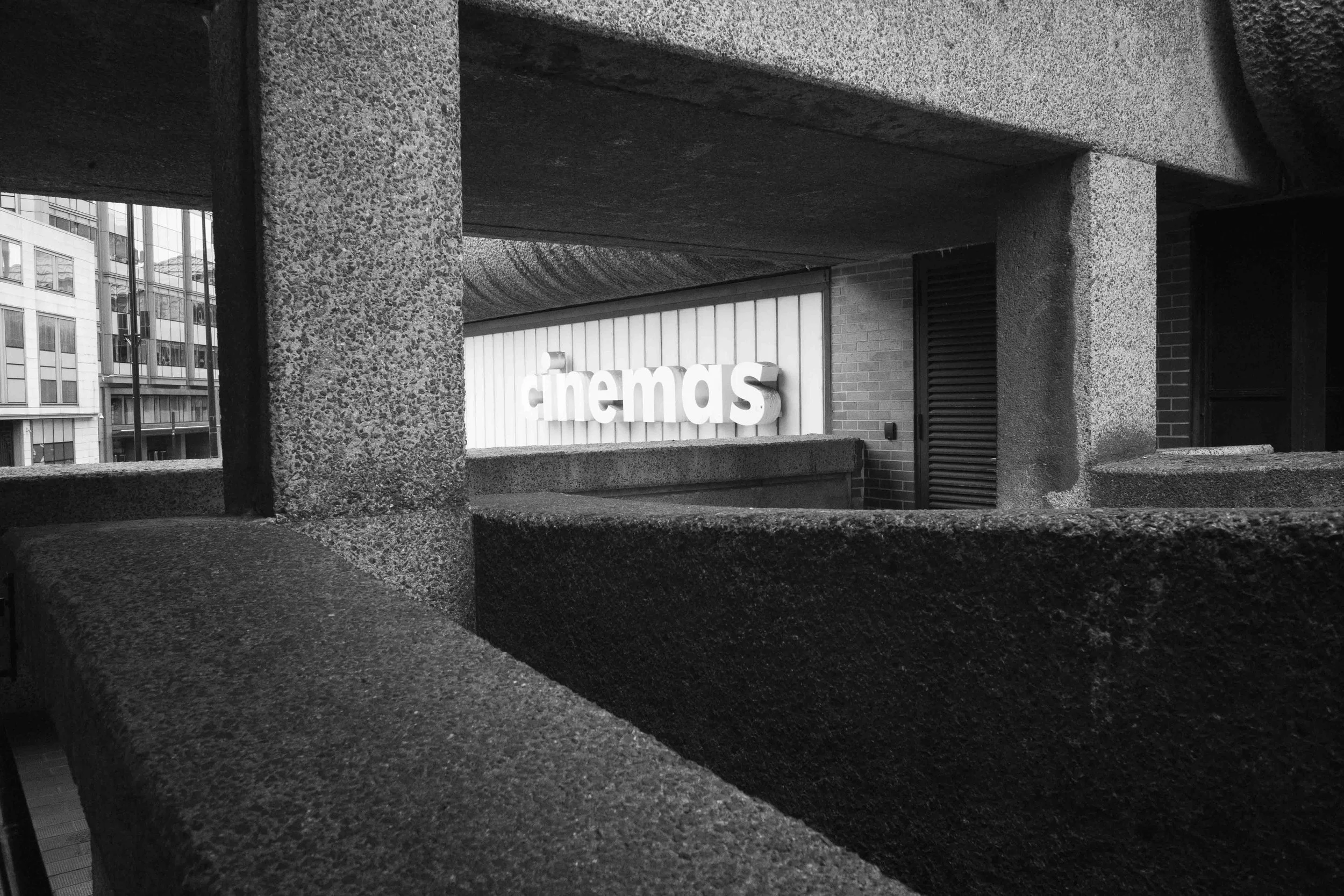
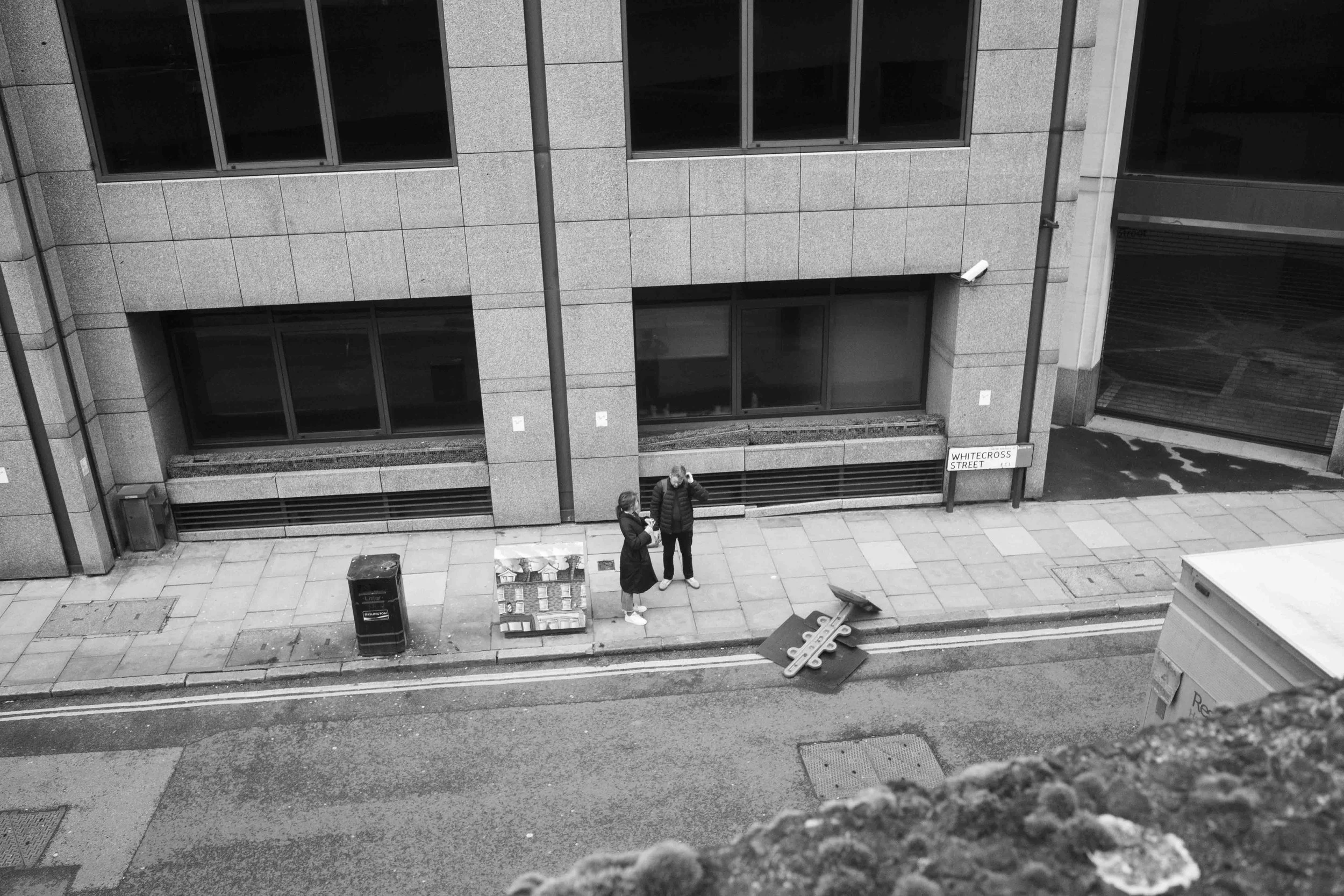
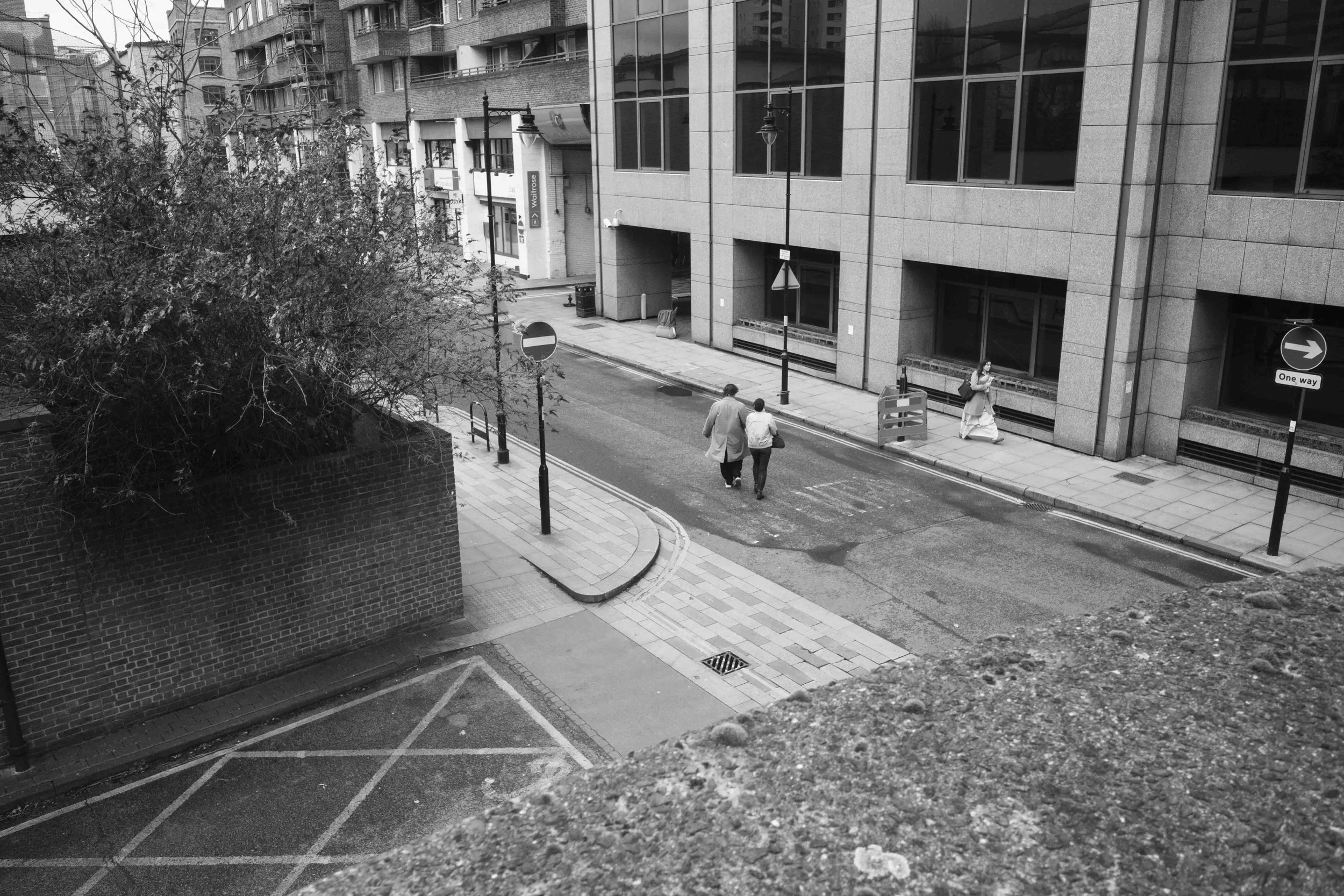
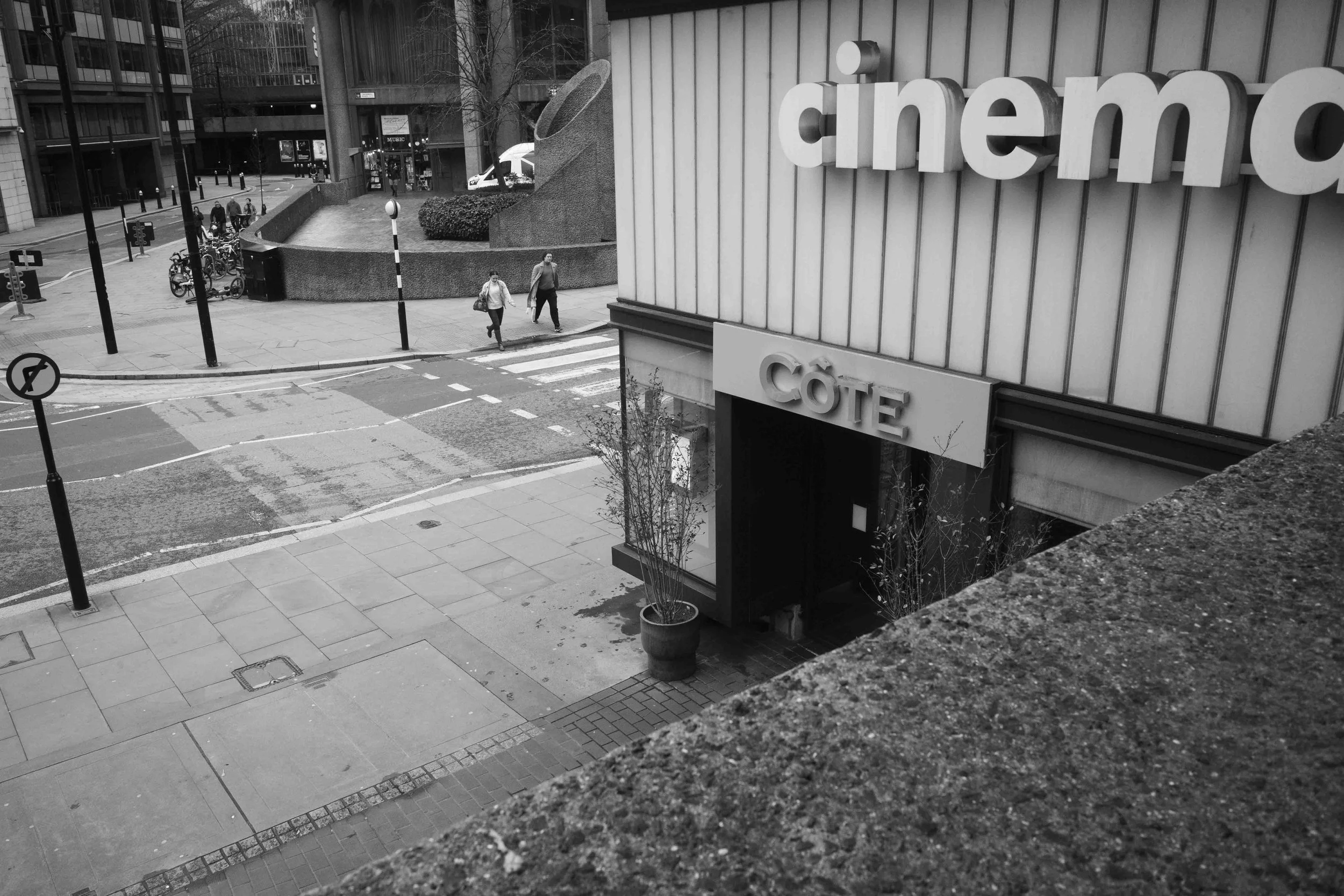
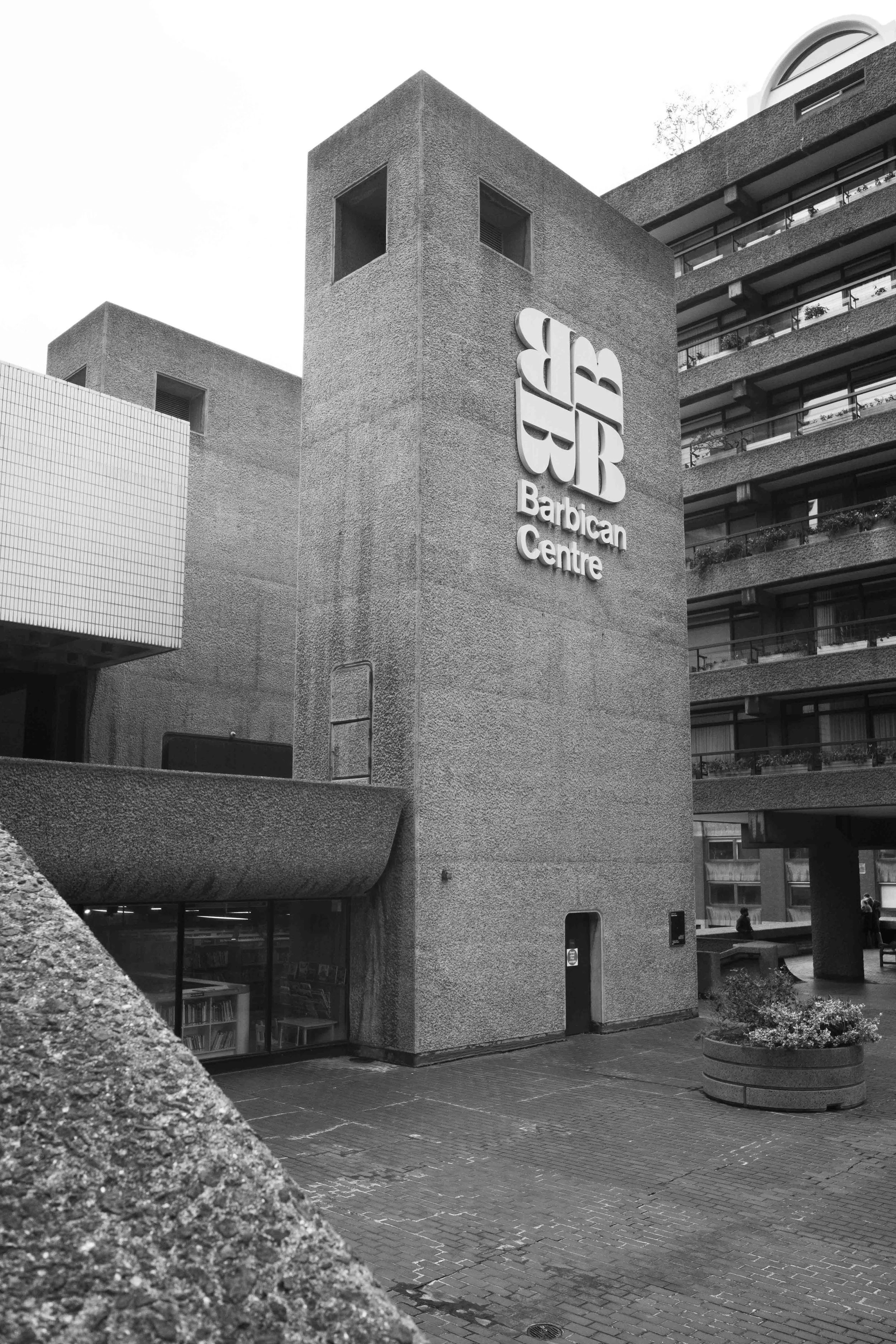
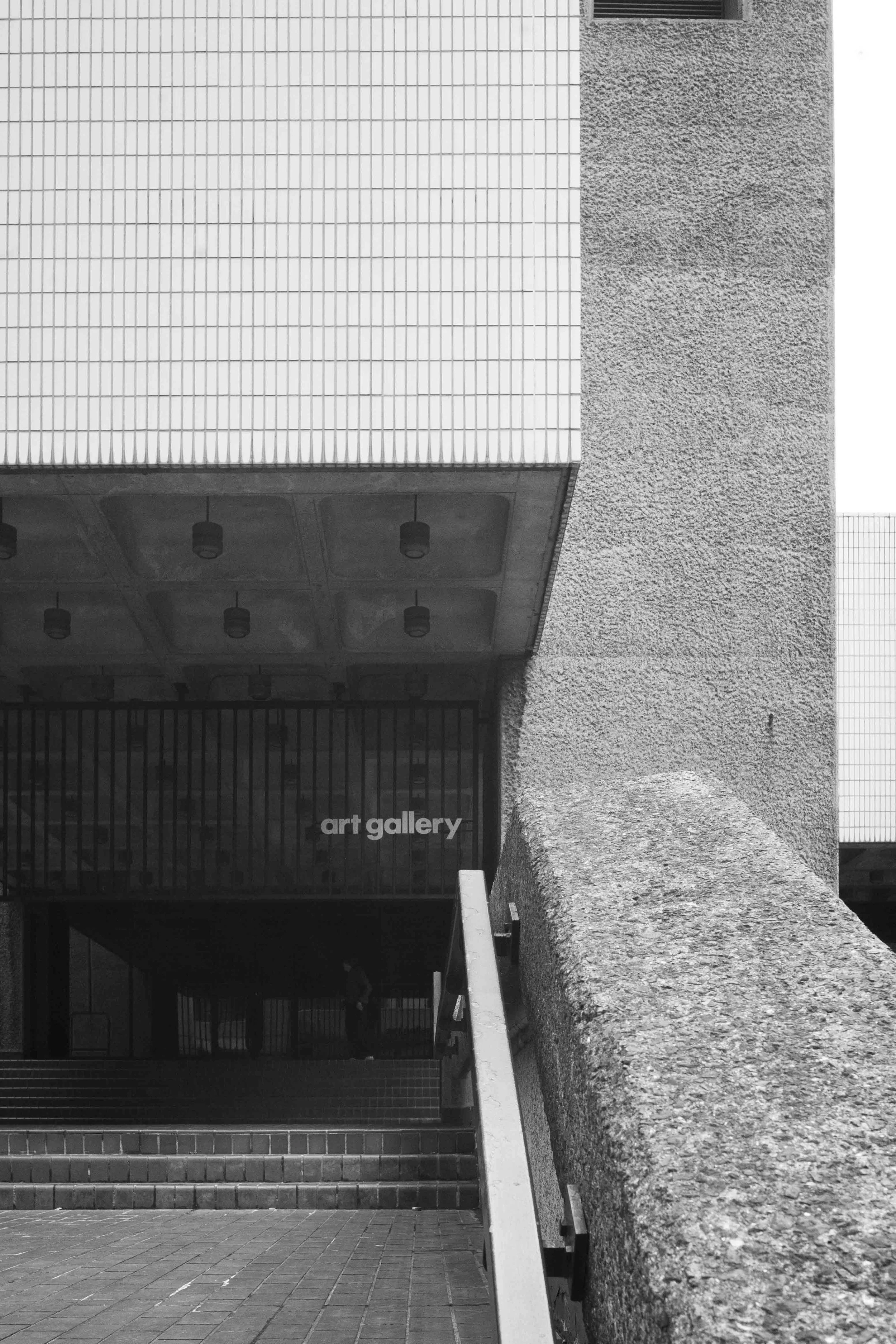
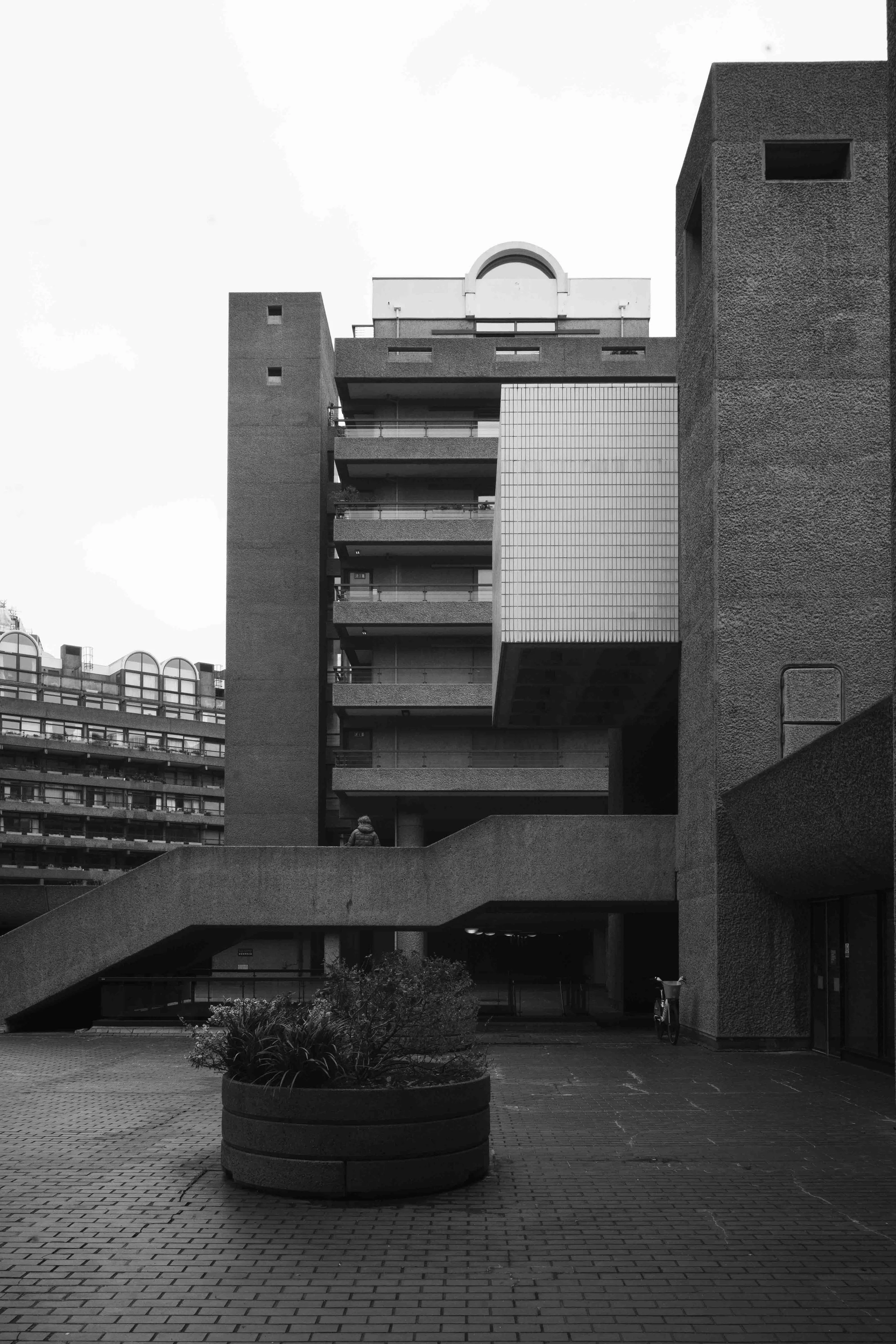
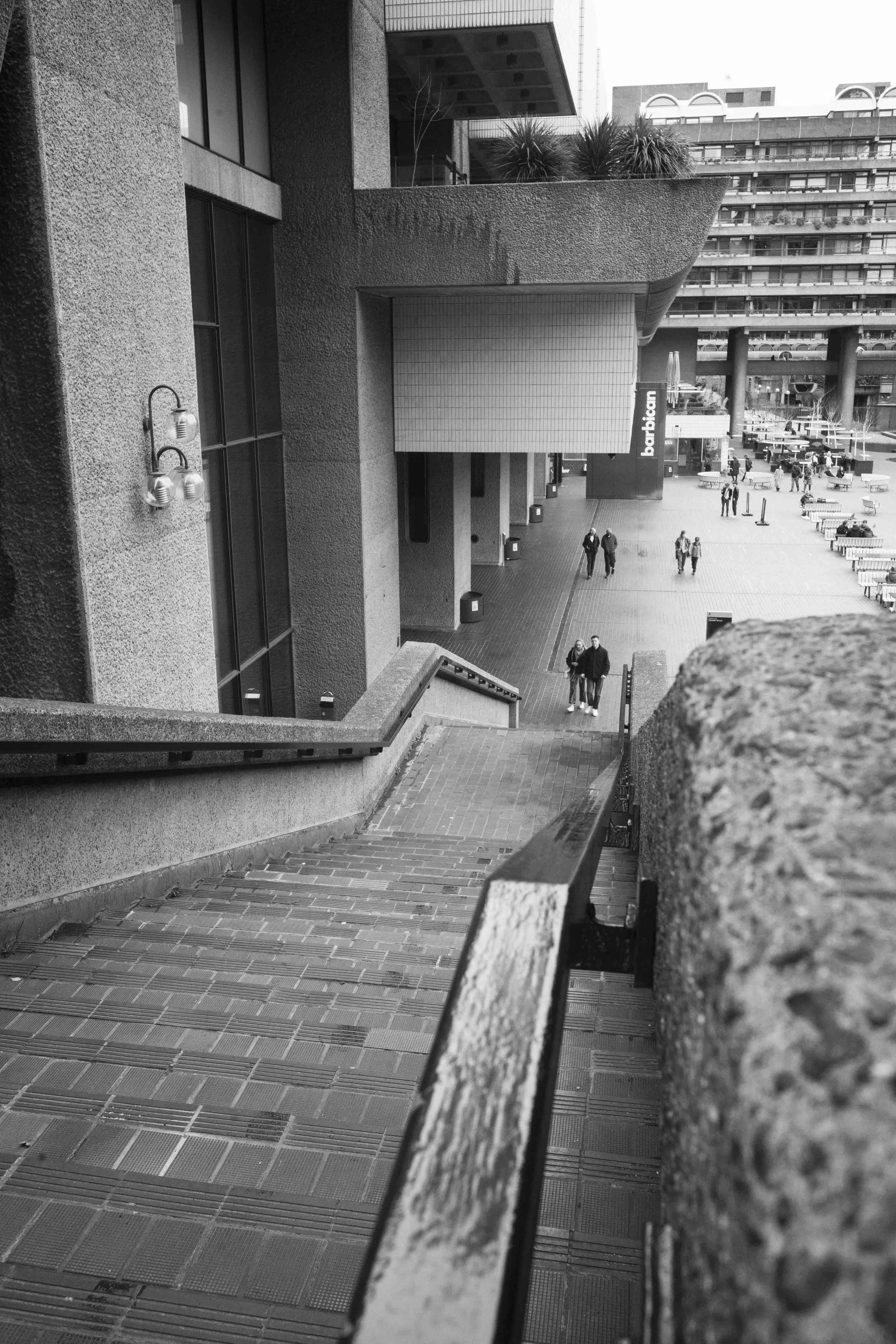
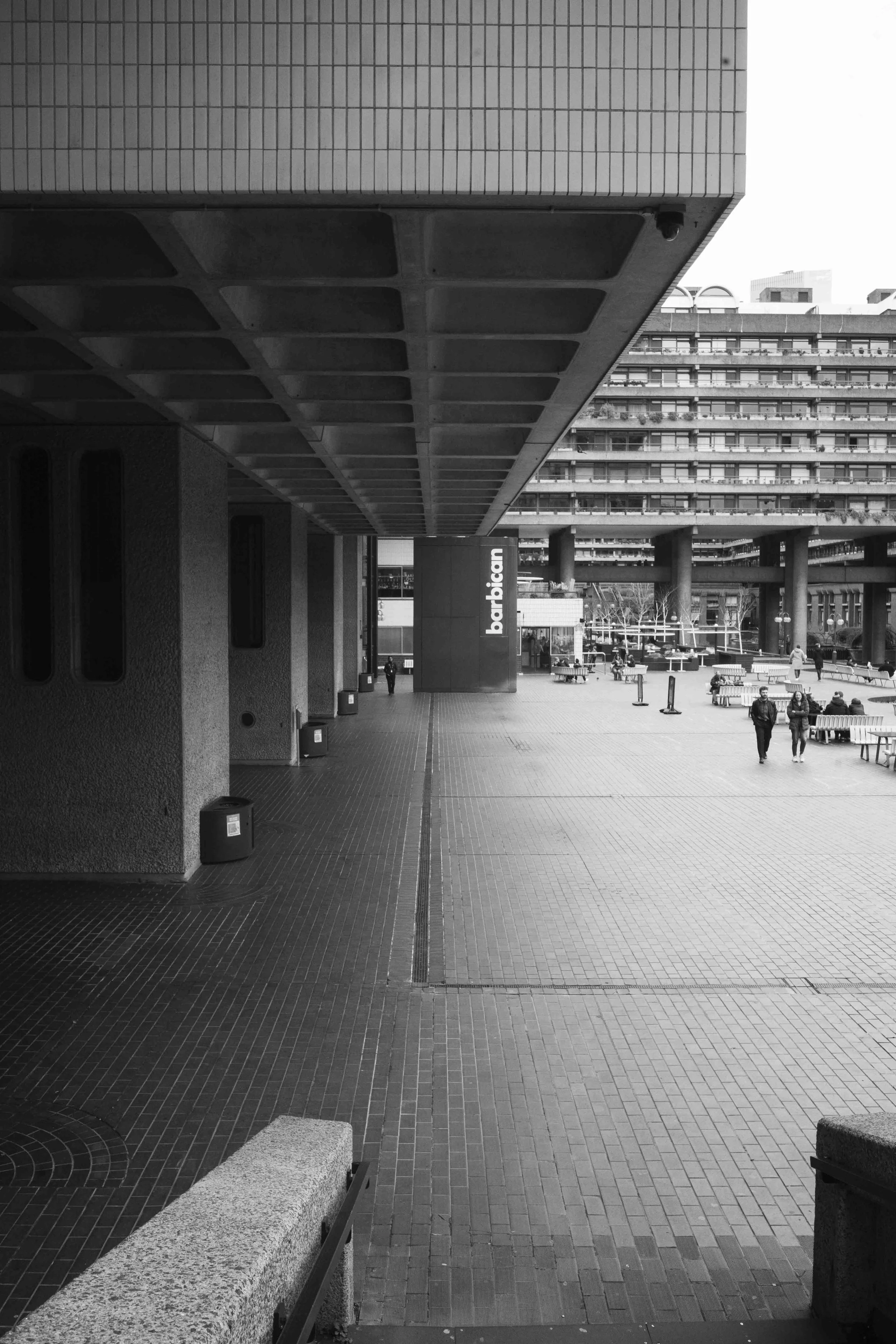
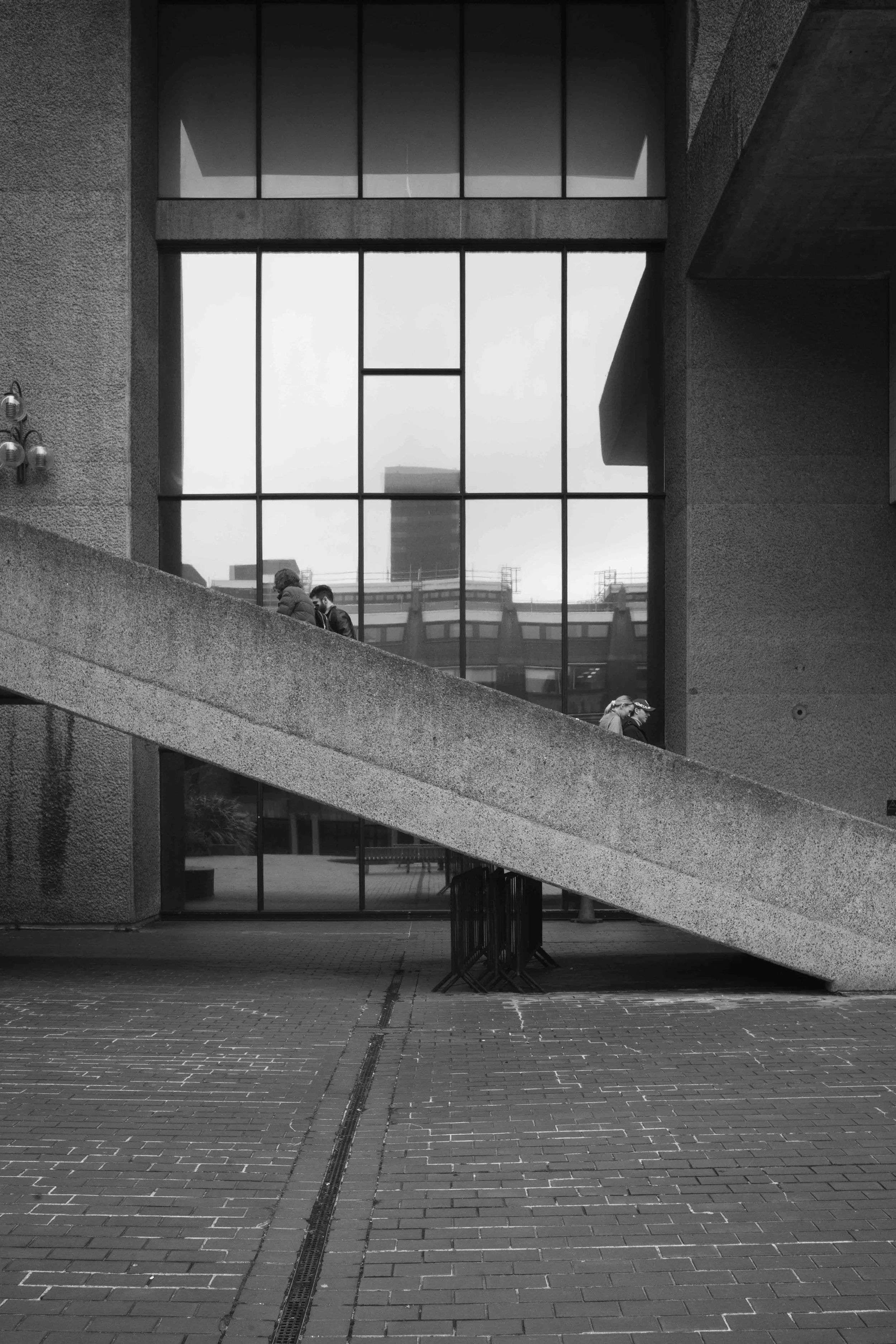
Few places embody London's post-war architectural ambition quite like the Barbican. Designed by Chamberlin, Powell and Bon and built between the mid-1960s and early 1980s on a 40-acre bomb-site flattened during the Blitz, this Grade II-listed complex isn't just a housing estate—it's a self-contained "city within a city." Three dramatic 40+ storey towers (Cromwell, Shakespeare, and Lauderdale), cascading low-rise terraces, elevated "streets in the sky" walkways, sunken lakes, private gardens, and the world-renowned Barbican Centre arts venue all fused into one monumental, multi-level labyrinth of bush-hammered concrete.
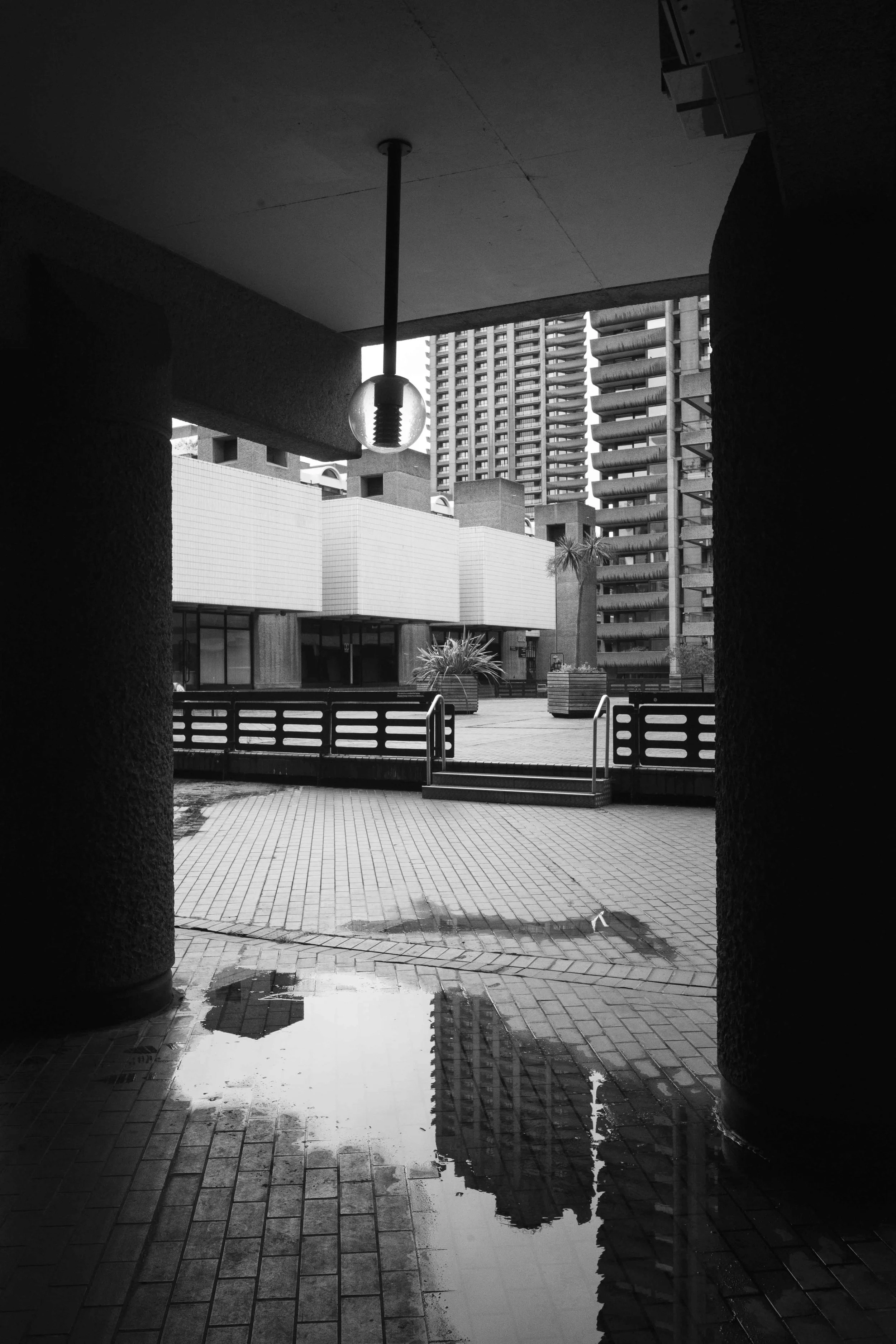
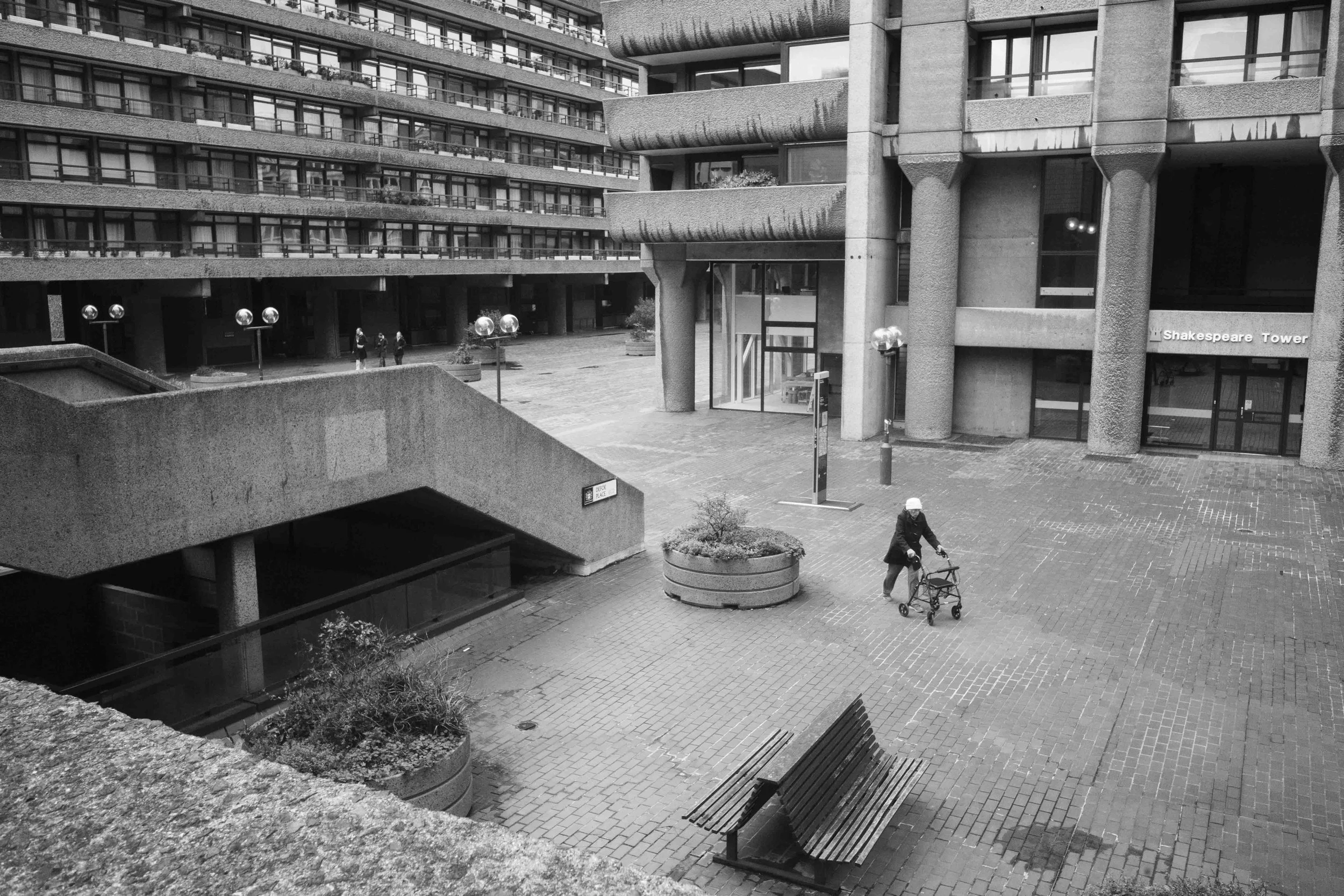
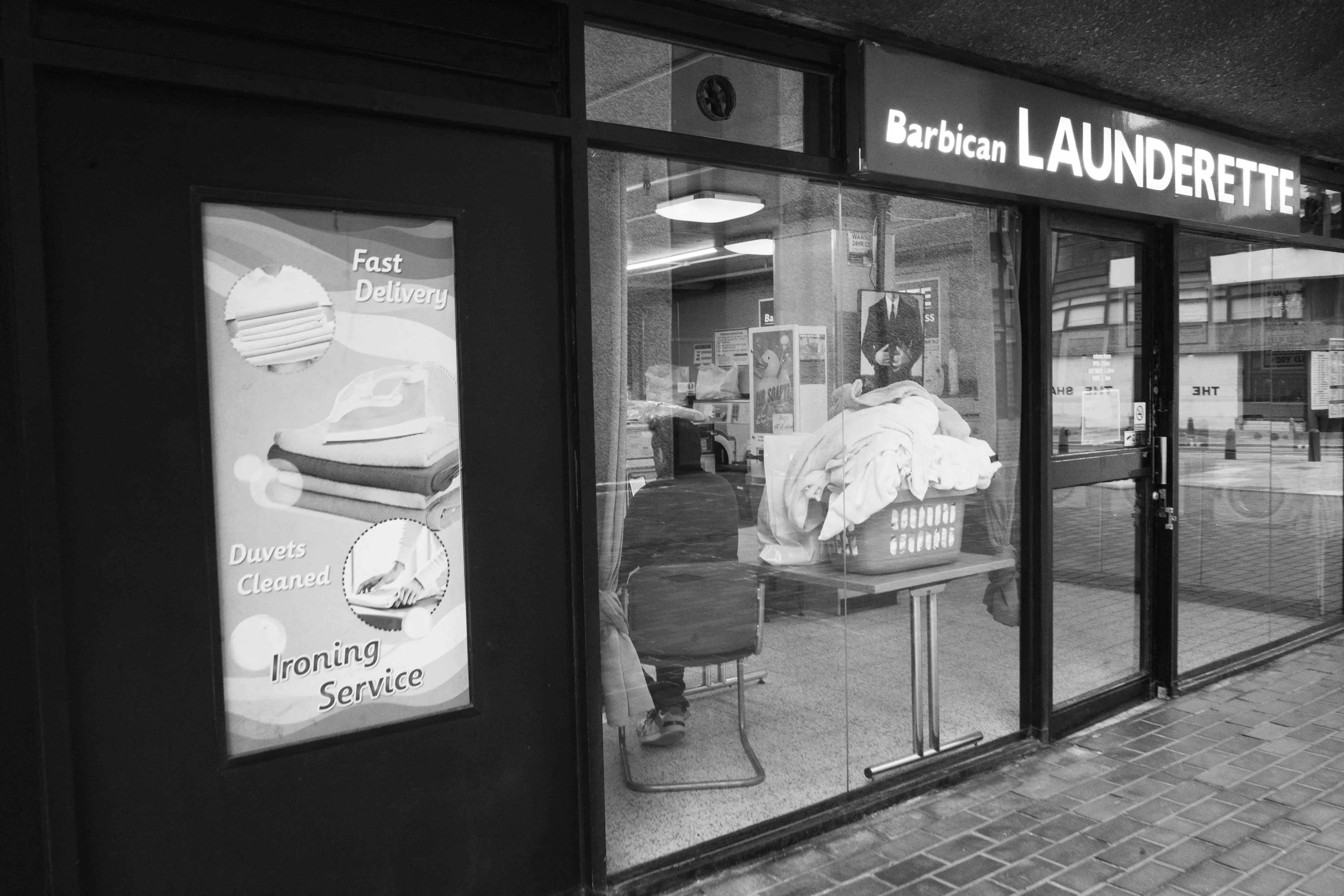
Brutalism here feels less austere and more utopian: raw béton brut textures meet thoughtful landscaping, sculptural forms, and a deliberate separation of pedestrians from traffic. It's divisive—some see fortress-like severity, others see bold optimism—but for street and architectural photography, it's endlessly compelling. The geometry is sharp, the scale immense, yet human moments (a dog walk, a laundry basket, a quiet bench) constantly soften the edges.
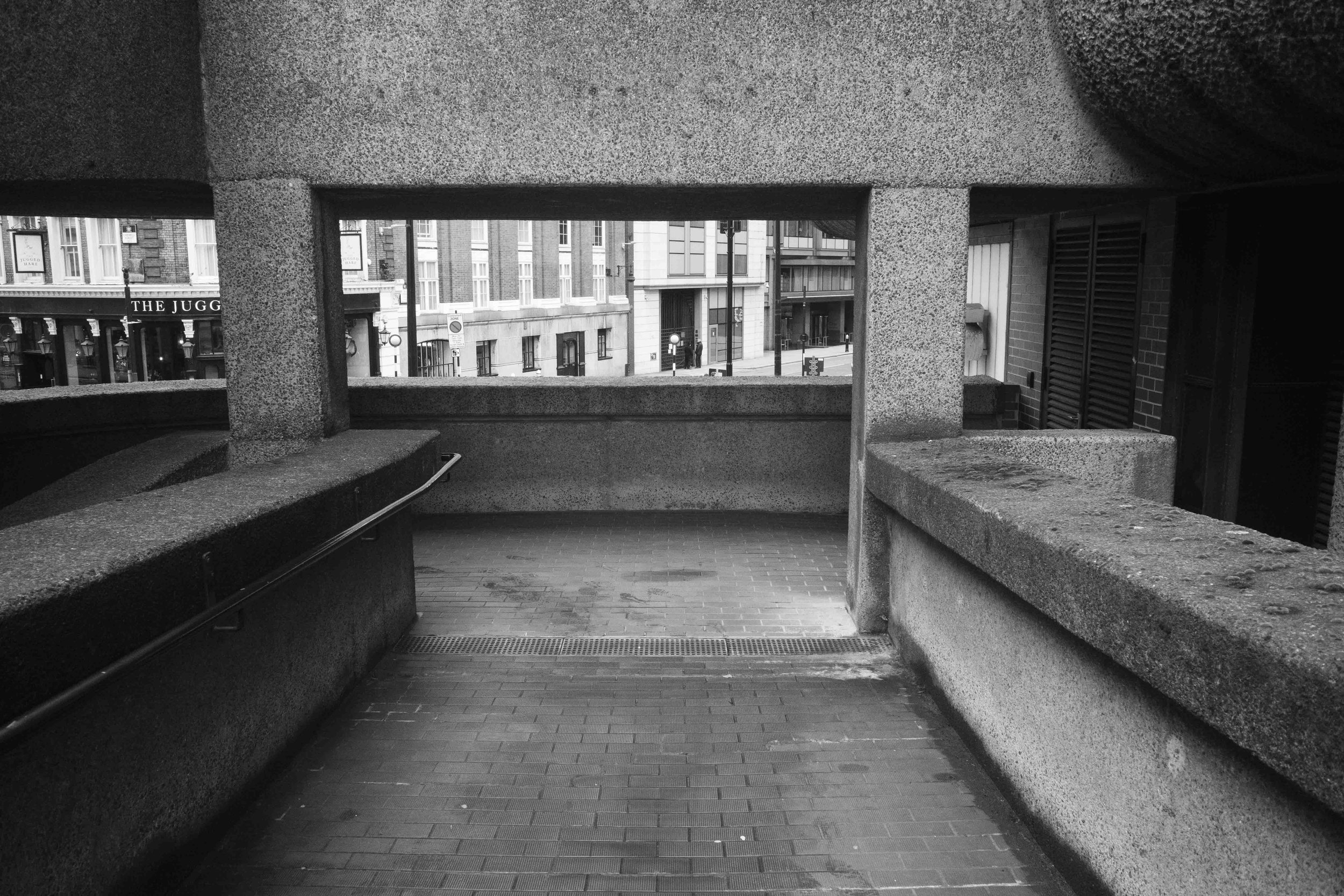
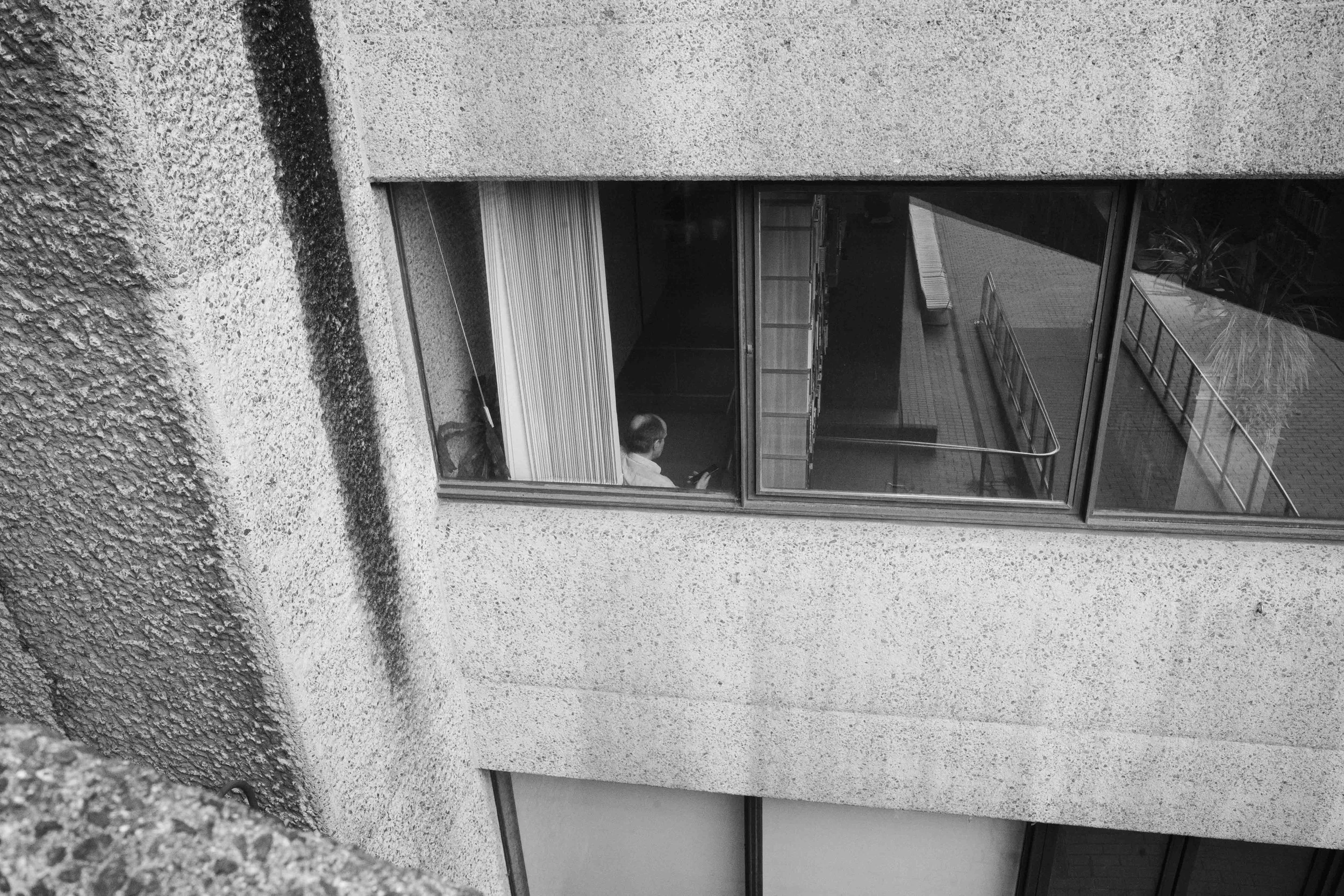
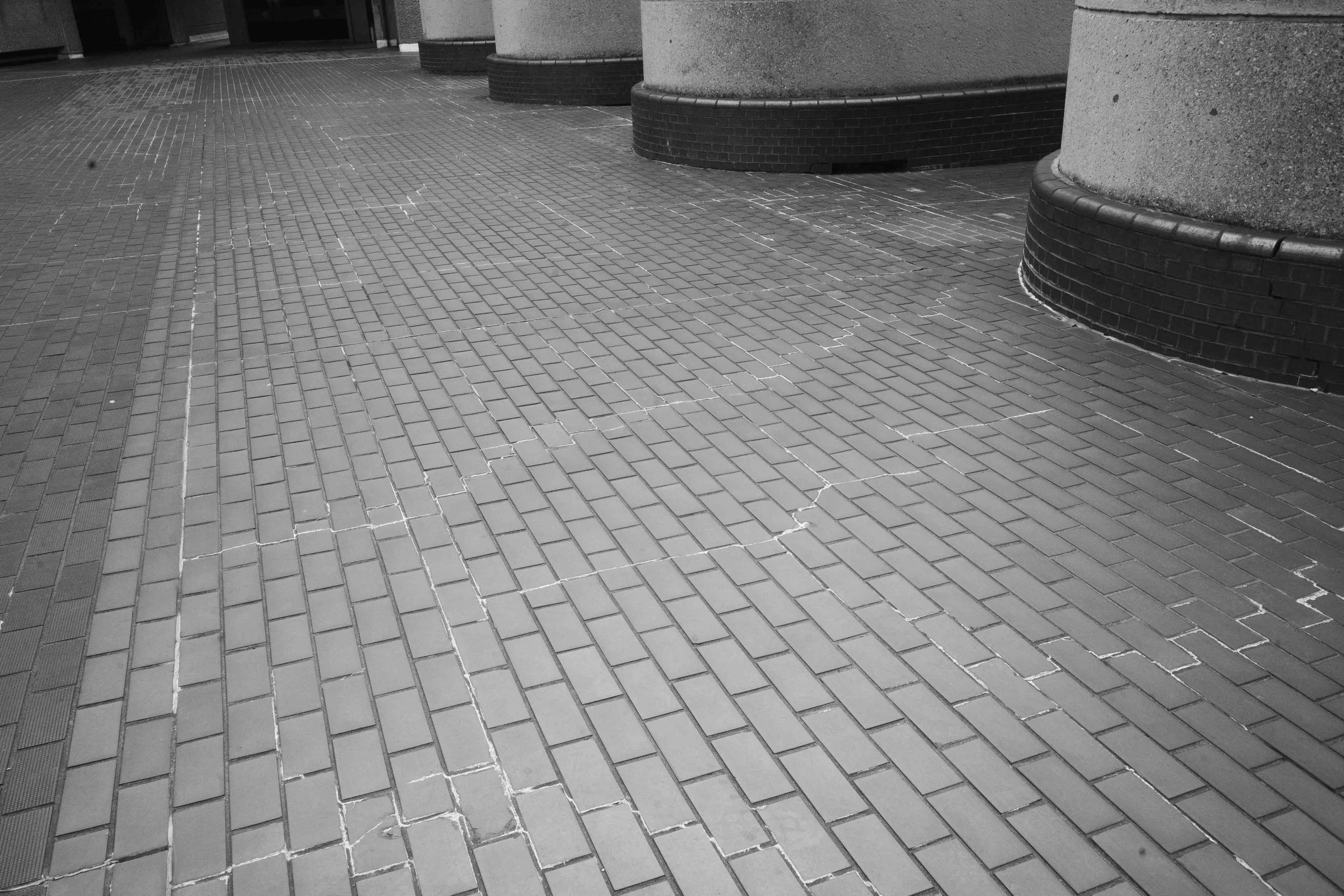
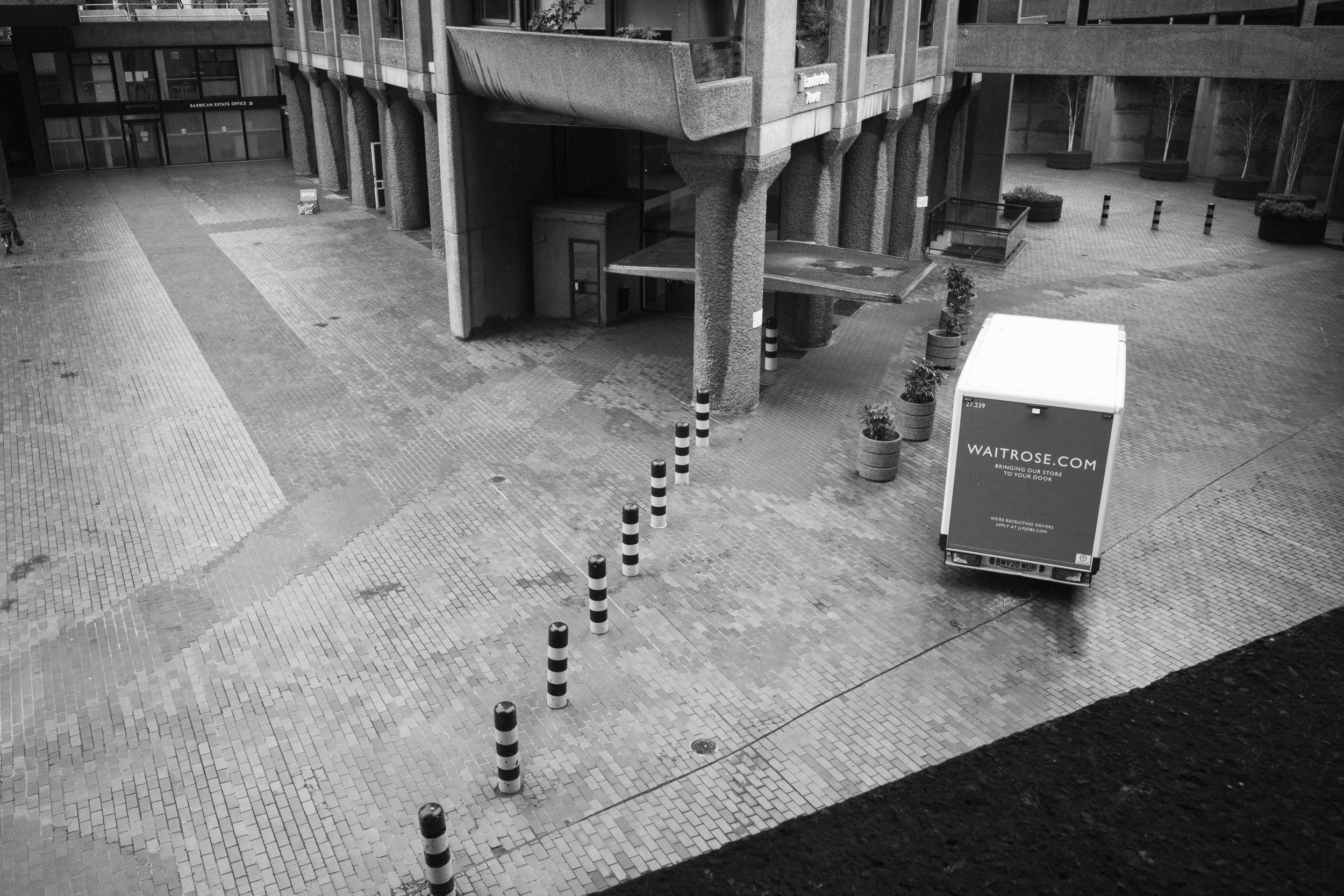
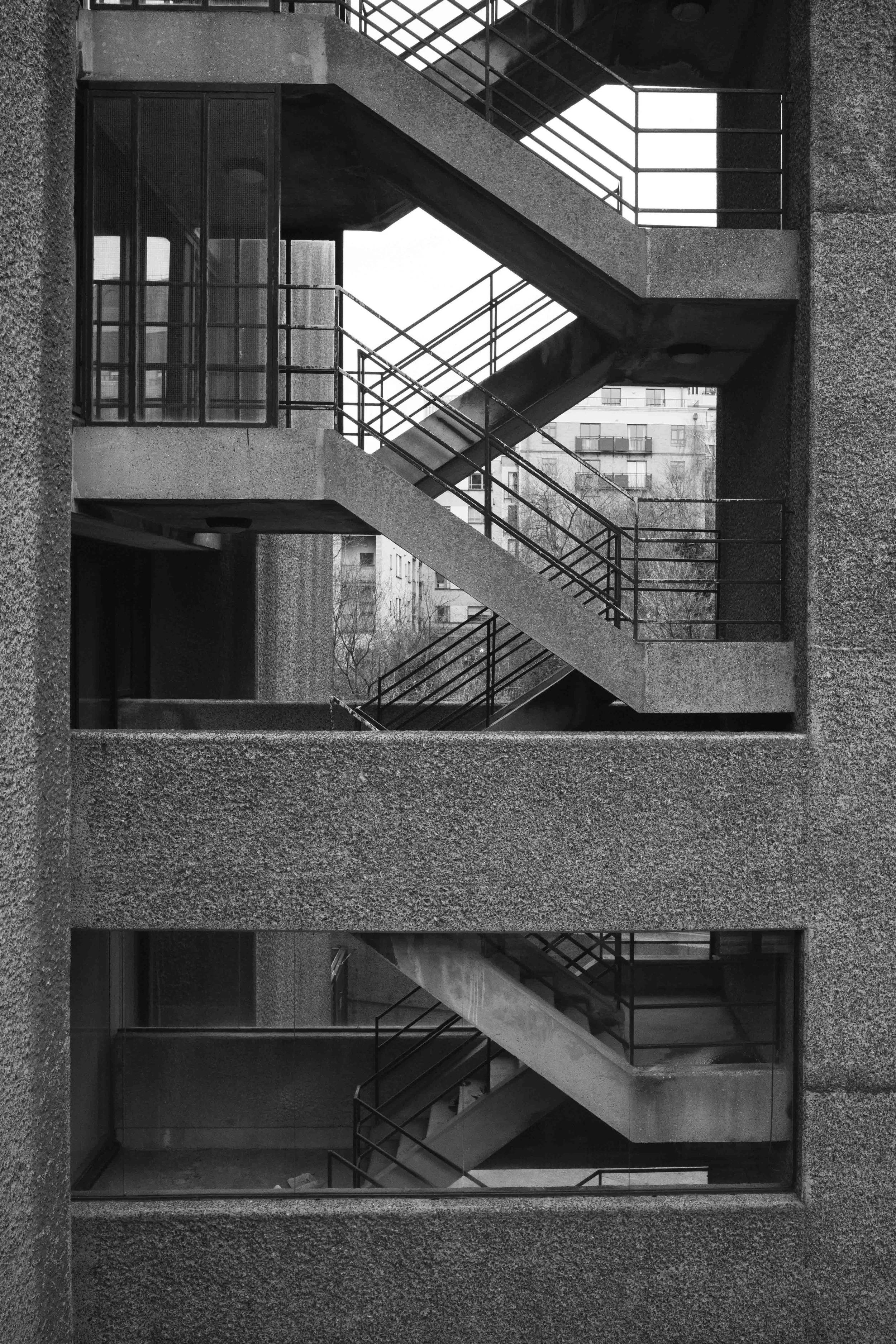
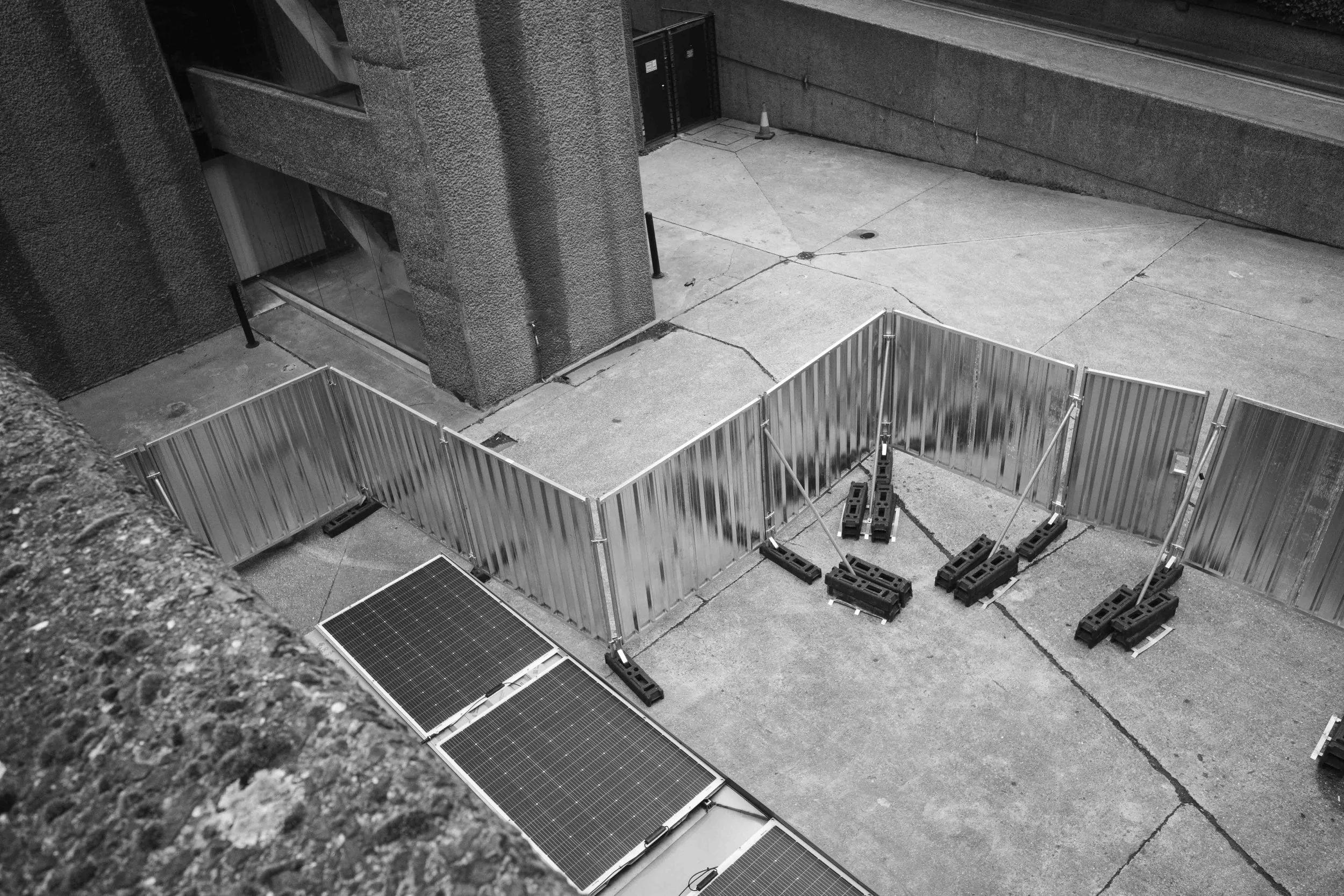
The Nerdy Bit: These black-and-white images, shot on a drizzly winter day, strip away colour distractions to emphasize form, texture, light, and shadow. The TTartisan 28mm F5.6 lens and my Leica M10. renders the concrete with incredible depth—every hammer mark, every puddle reflection pops. Processed lightly in Lightroom for contrast and grain, the series aims to let the architecture speak while highlighting how people inhabit it daily. This lens is magnificent, no horrible digital cliinical sharpness. for <£300.
The Barbican isn't just concrete—it's a bold experiment in high-density living that still feels radical. Love it or loathe it, photographing here is addictive. If Alexandra & Ainsworth was West London's poetic brutalism, the Barbican is the City's dense, layered epic.
Thanks for reading. Drop a comment if you've wandered these walkways yourself—what's your favourite brutalist spot in London?
Brutal
With the pending release of ‘The Brutalist’ film at the cinema, my son and I decided to head upto London, after dusting down one of my archived Brutalist photowalks, from Google My Maps.
Our trip into town was tailored, as the train from Brighton was delayed at Croydon, due to the perennial, ‘essential weekend engineering works’. So we jumped in the car, drove to Hounslow West Tube station, and headed in on the Piccadilly line. The was as awkward and unsightly, as Brutalist architectiture is to some…….?

With the pending release of ‘The Brutalist’ film at the cinema, my son and I decided to head upto London, after dusting down one of my archived Brutalist photowalks, from Google My Maps.
Our trip into town was tailored, as the train from Brighton was delayed at Croydon, due to the perennial, ‘essential weekend engineering works’. So we jumped in the car, drove to Hounslow West Tube station, and headed in on the Piccadilly line. The was as awkward and unsightly, as Brutalist architectiture is to some…….?
We didn’t get into town too early and could only visit a couple of locations.
It's a word that often evokes strong reactions, conjuring images of imposing concrete structures, stark lines, and a sense of utilitarian severity. For some, it's an eyesore; for others, a raw and honest expression of architectural ambition. As a photographer, I find myself drawn to its dramatic forms, its sheer scale, and the stories etched into its weathered surfaces. And nowhere is this fascination more potent than in London's Trellick Tower and the nearby Alexandra & Ainsworth Estate.
Brutalism is an architectural movement that emerged in the mid-20th century and is characterized by its stark, rugged forms and raw concrete construction. Love it or loathe it, Brutalism stands as a testament to a bold architectural vision that sought to redefine urban living. Two iconic examples of this movement in London are Trellick Tower and the Alexandra & Ainsworth Estate.
Trellick Tower: A Vertical City


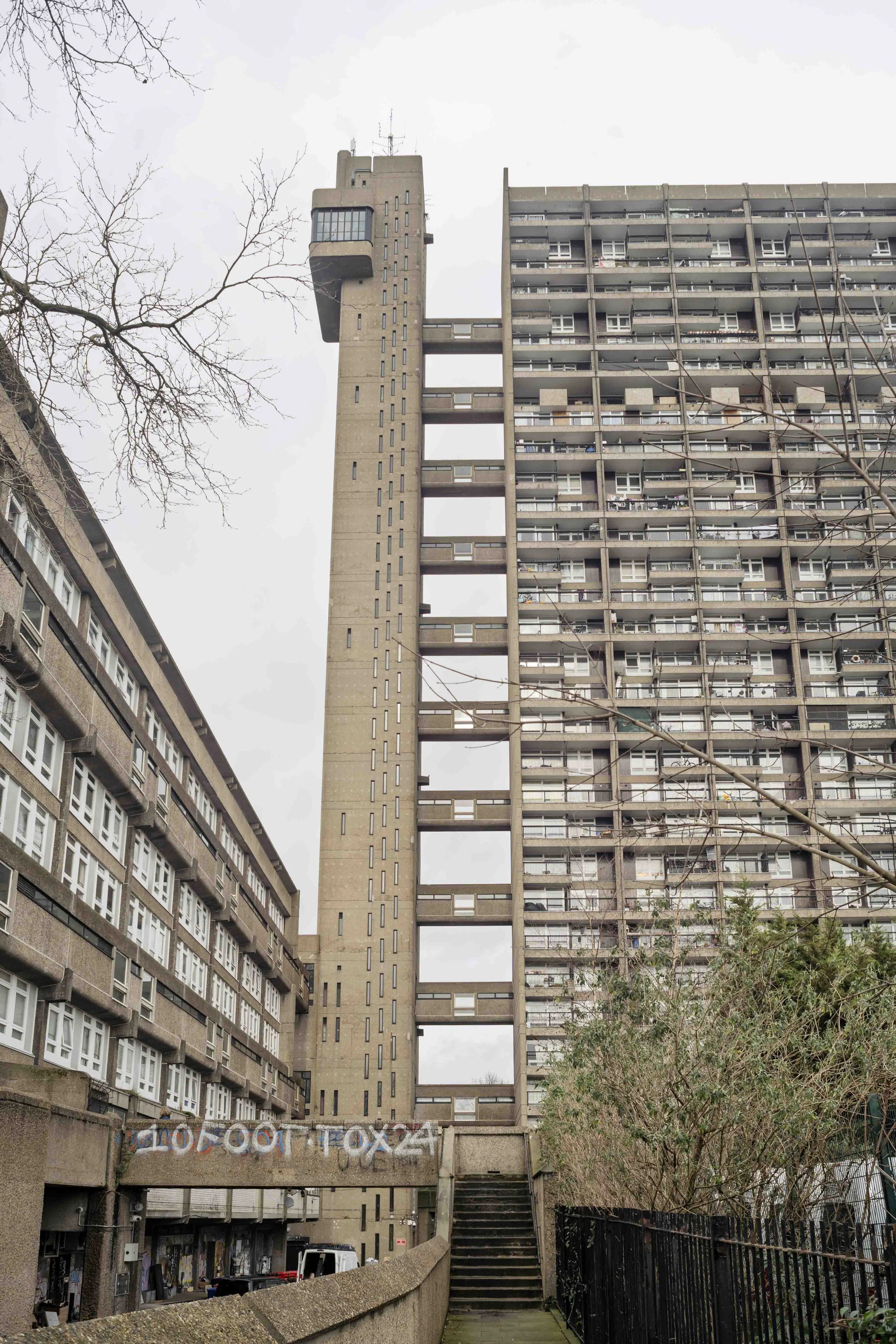


Designed by the Hungarian architect Ernő Goldfinger, Trellick Tower is one of the most recognizable Brutalist structures in London. Completed in 1972, this 31-storey residential building looms over West London, its distinctive silhouette visible for miles.
Goldfinger envisioned Trellick Tower as a vertical city, with communal spaces such as laundries, nurseries, and shops integrated into the design. The tower's bold, unapologetic use of raw concrete and its imposing height make it a striking subject for photography. From the sharp angles of its balconies to the play of light and shadow on its rough surfaces, Trellick Tower offers endless opportunities for capturing the essence of Brutalism.
The Nerdy Bit


One of the main reasons for my interest in film photography, is the allure of the process. I enjoy the sedate pace. I also hate the clinical aspect of ‘modern’ lens and the digital effeciency.
I started using my 28mm Rokkor Minolta lens on my Sony A7iii, with the K&F adaptor, I have full (slow) manual focus on the camera. I love the tone of the images it creates. There is a mild preset edit in LrC.
Alexandra & Ainsworth Estate: A Concrete Symphony
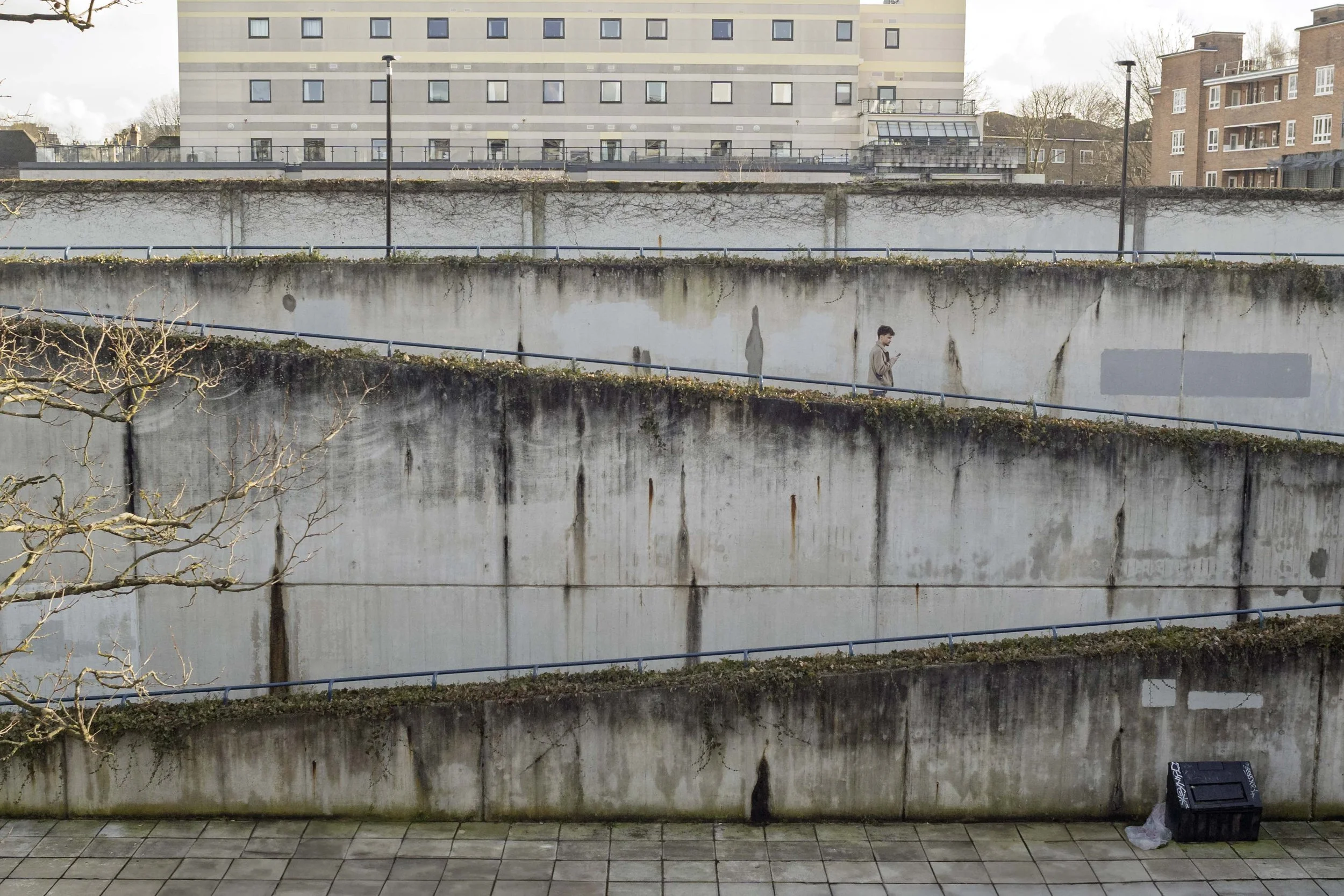
In stark contrast to the verticality of Trellick Tower, the Alexandra & Ainsworth Estate, designed by Neave Brown, sprawls horizontally across Camden. Completed in 1978, the estate is renowned for its sweeping, terraced design that follows the natural contours of the land.
The estate's curvilinear forms and stepped terraces are a testament to Brown's vision of creating a sense of community within an urban environment. The rough concrete exteriors and geometric lines provide a unique canvas for photographers. Capturing the repetitive patterns of the terraces, the interplay of light and shadow, and the way the estate integrates with its surroundings can yield compelling images that speak to the heart of Brutalist architecture.


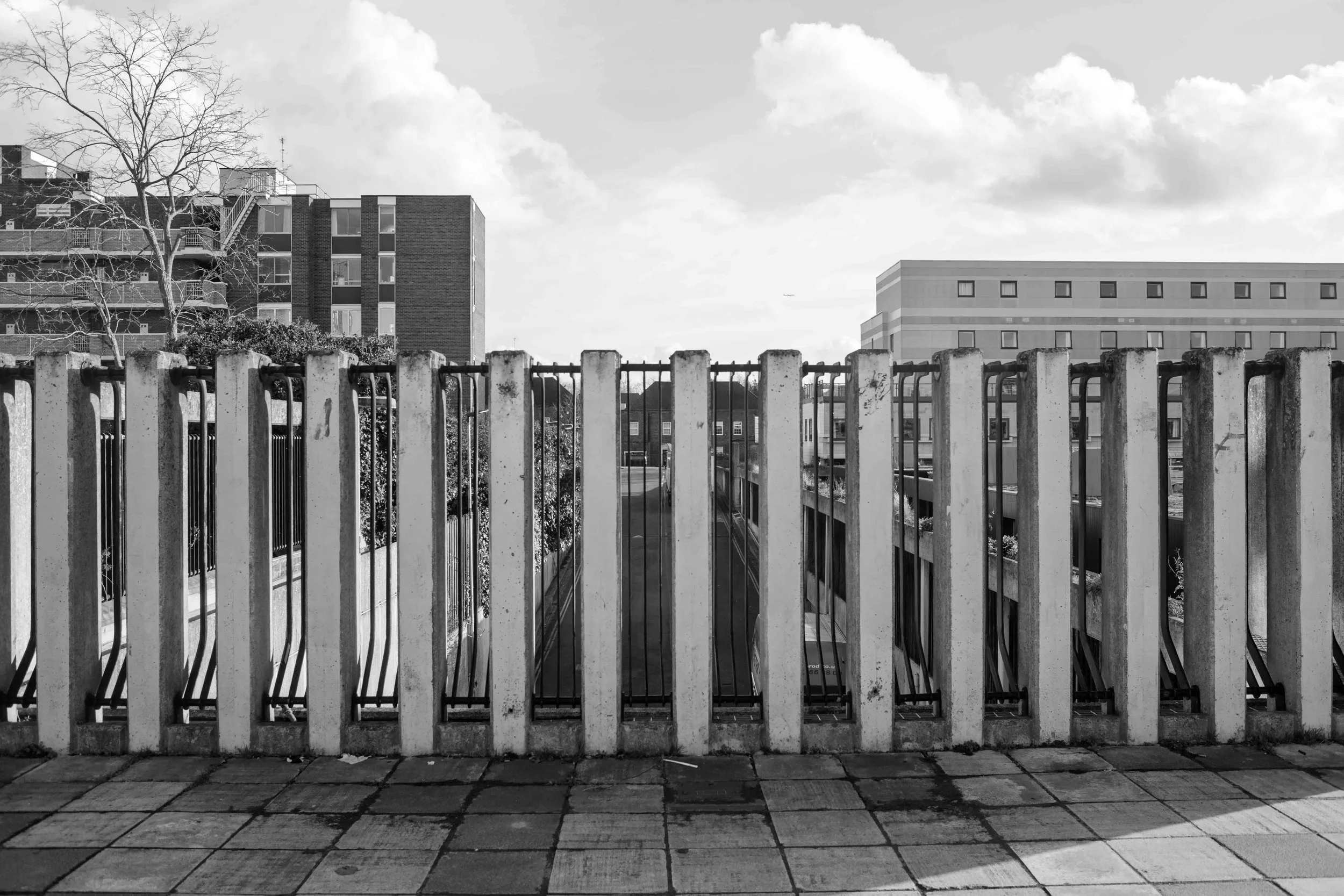

This is most definately a work in progress project, hopefully the journey will be alot easier in the future.
Until next time, keep snapping.
Yes please, keep me posted when there’s a new blog
Instagram - Film