in the frame
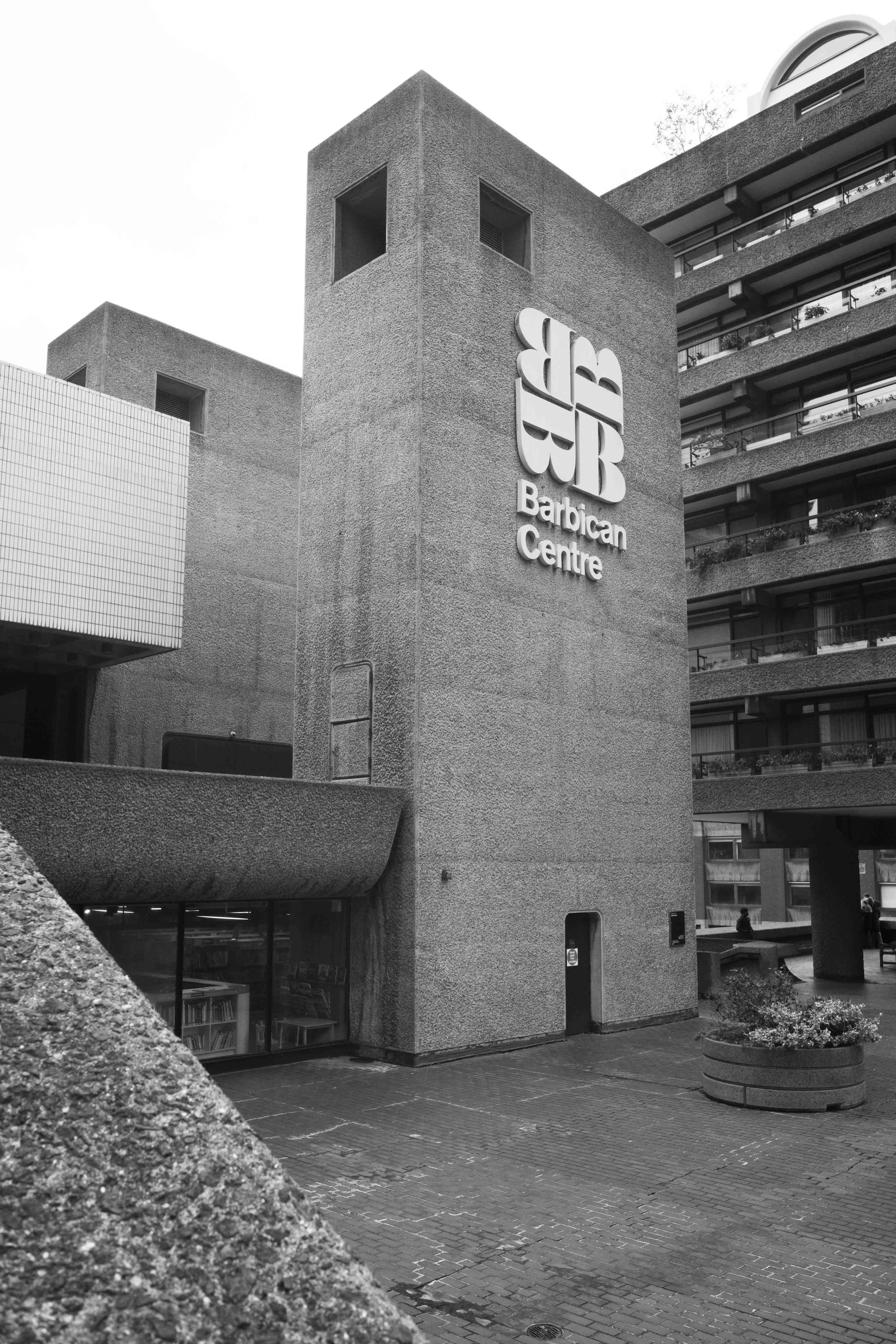
Barbican Brutal: Concrete Dreams in the Heart of the City
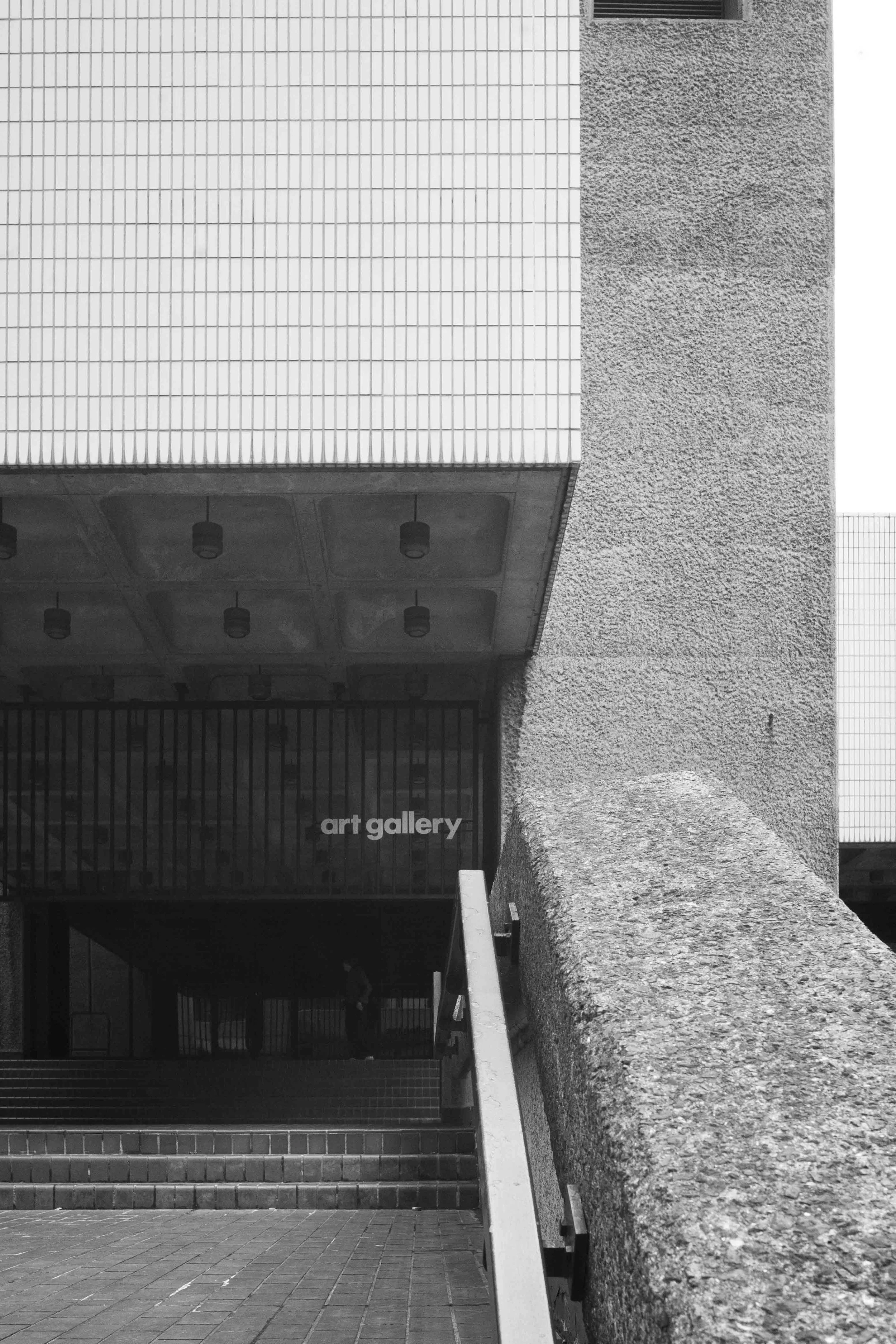
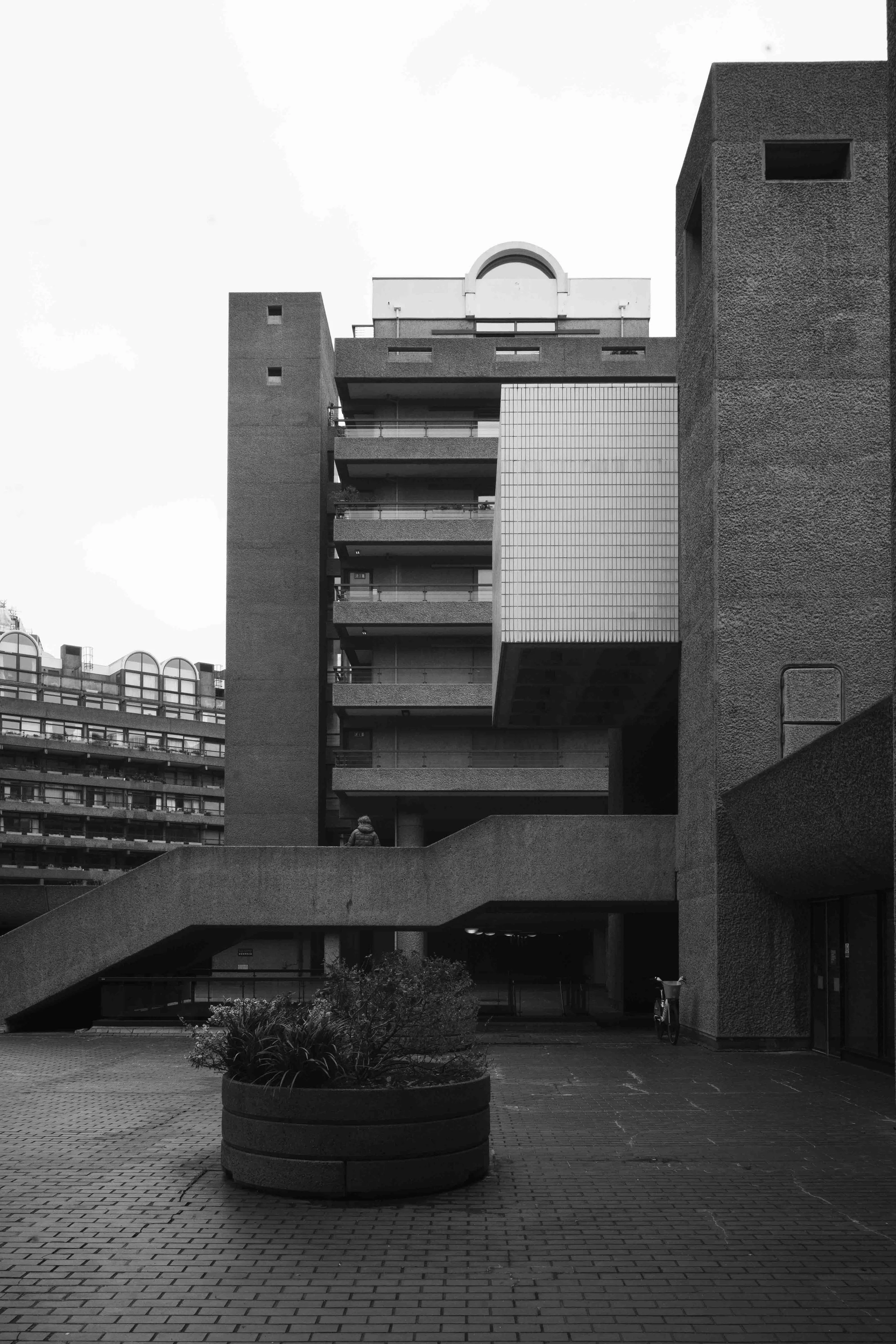
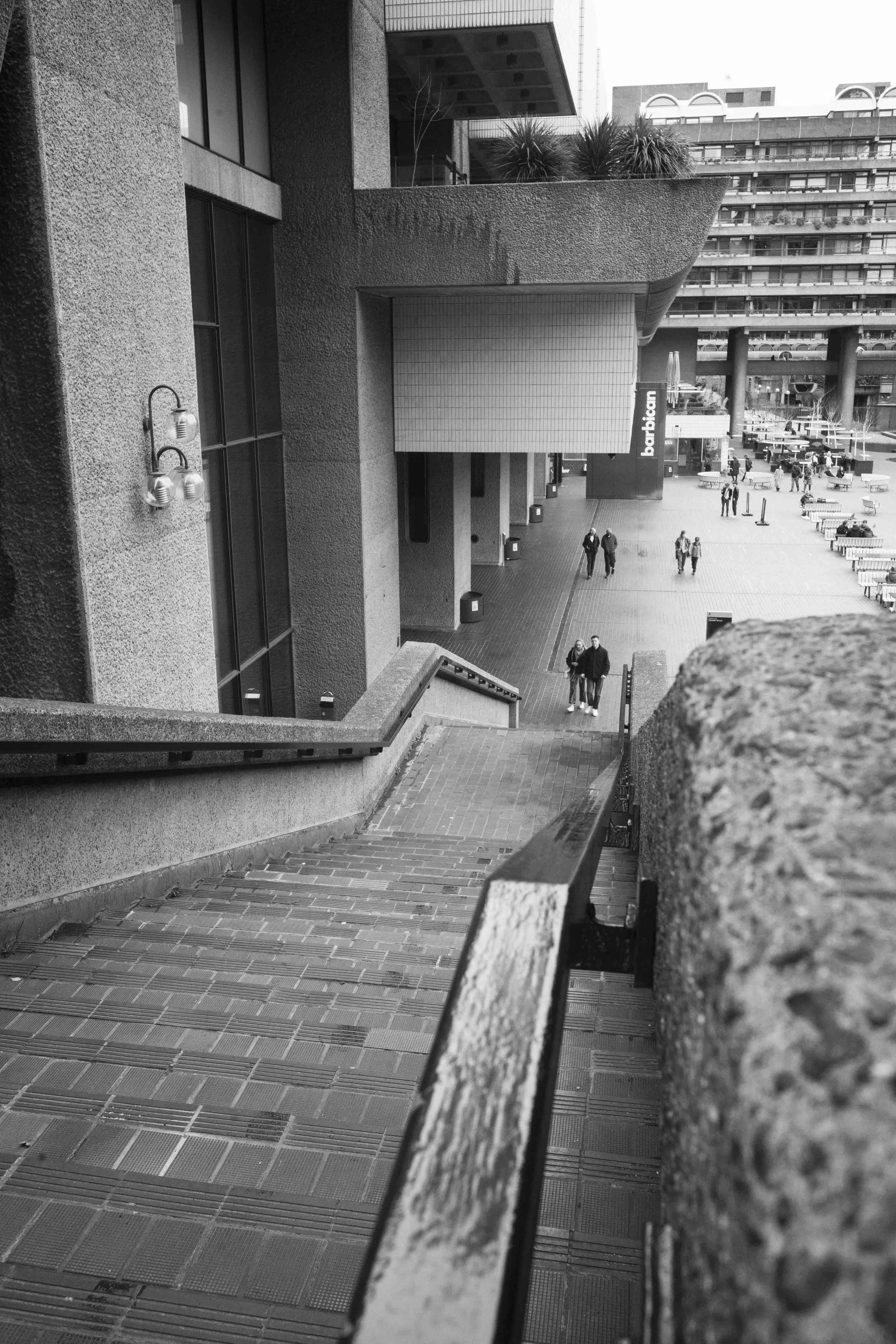
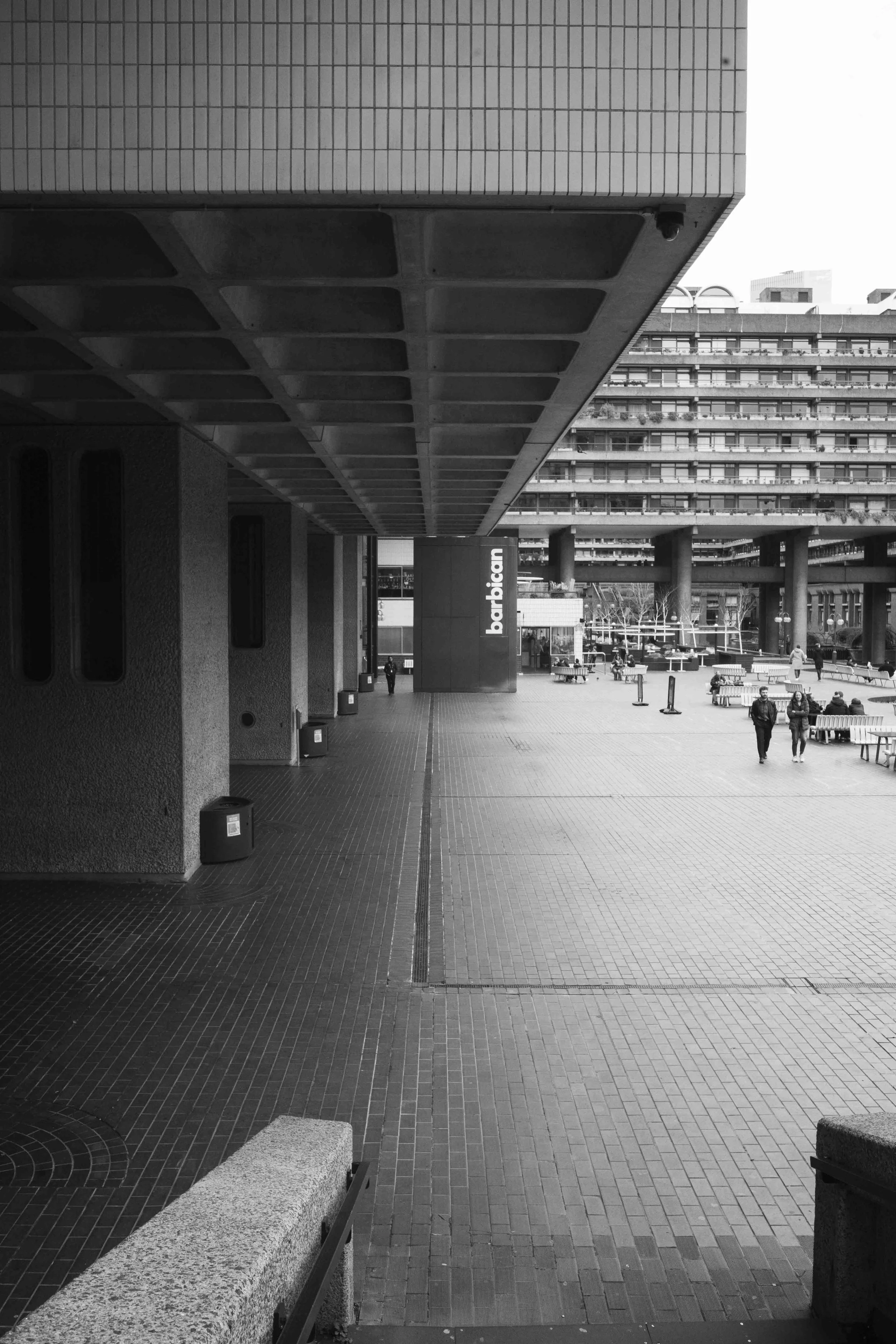
If my previous post on the soaring vertical drama of Trellick Tower and the sinuous, wave-like flow of the Alexandra & Ainsworth Estate captured West London's brutalist spirit, then this one takes us straight into the City for the sequel: the Barbican Estate.
If my previous post on the soaring vertical drama of Trellick Tower and the sinuous, wave-like flow of the Alexandra & Ainsworth Estate captured West London's brutalist spirit, then this one takes us straight into the City for the sequel: the Barbican Estate.
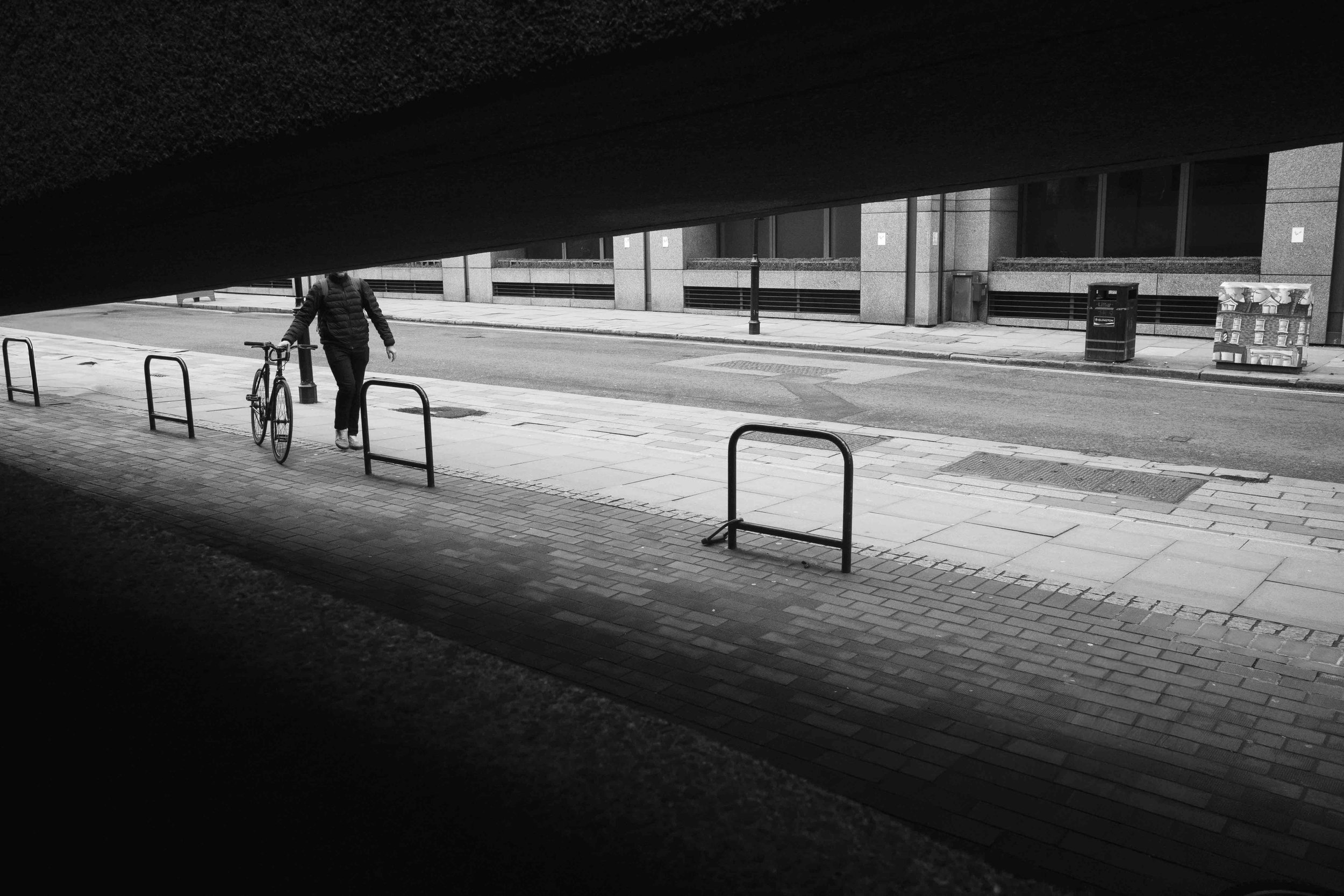
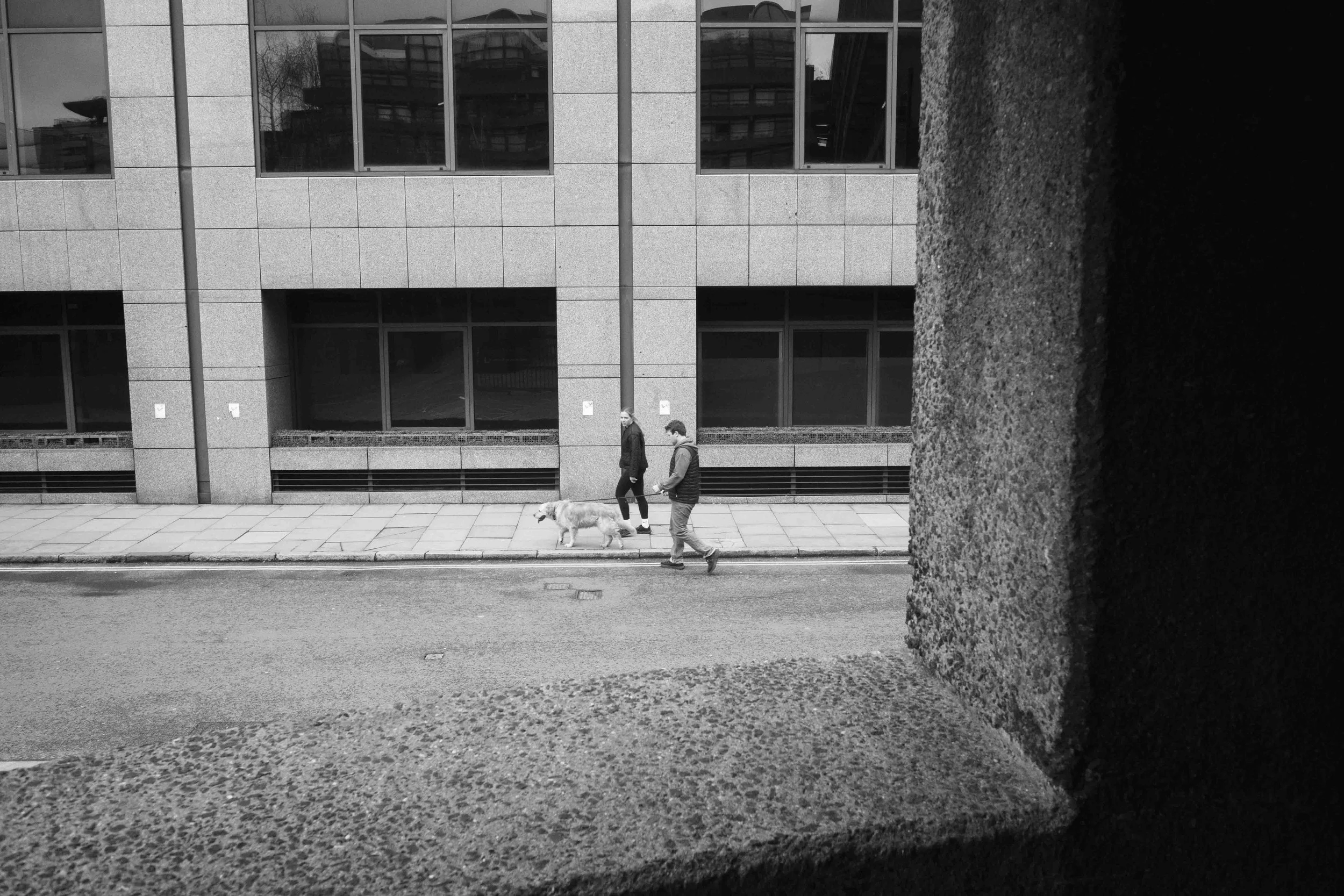
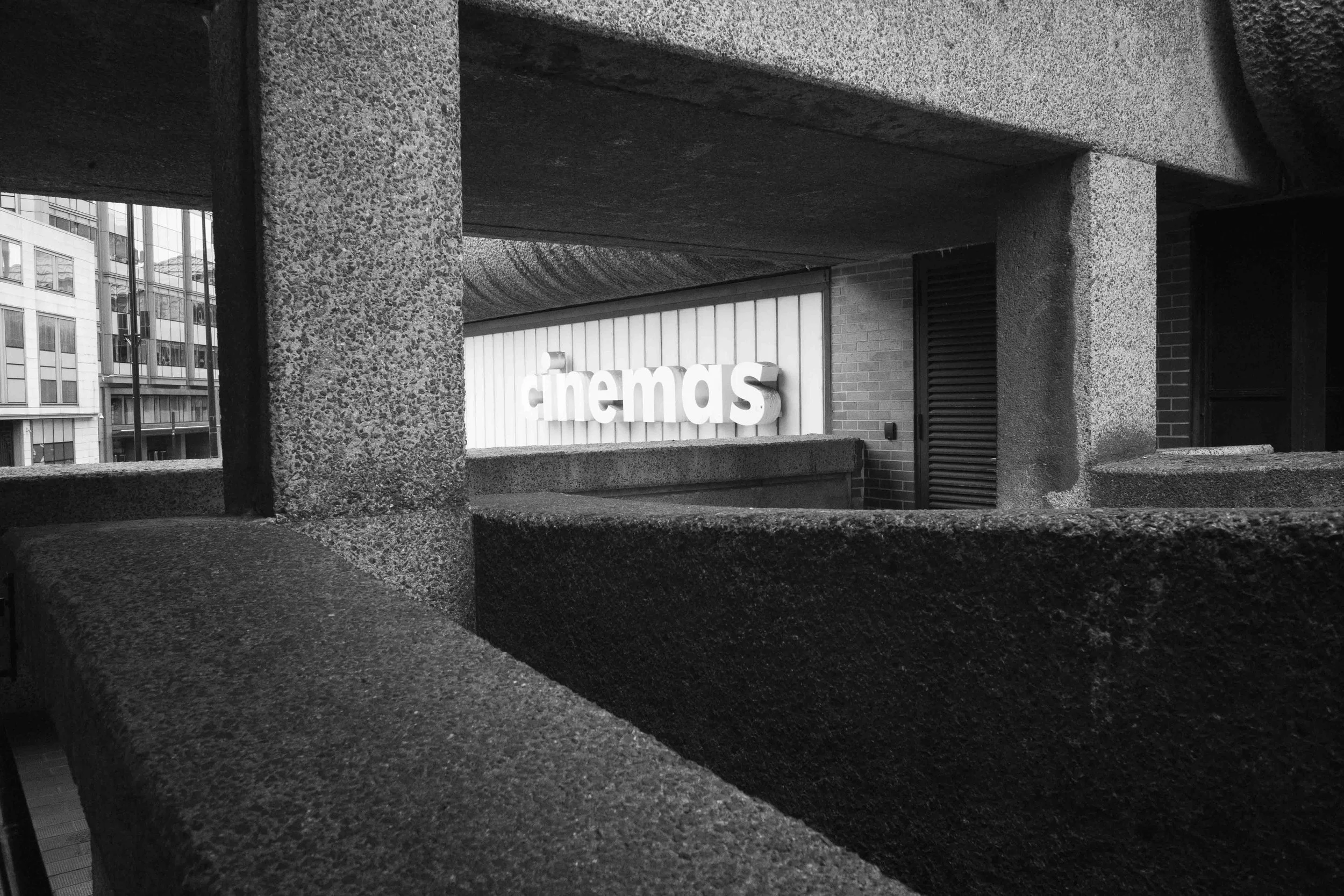
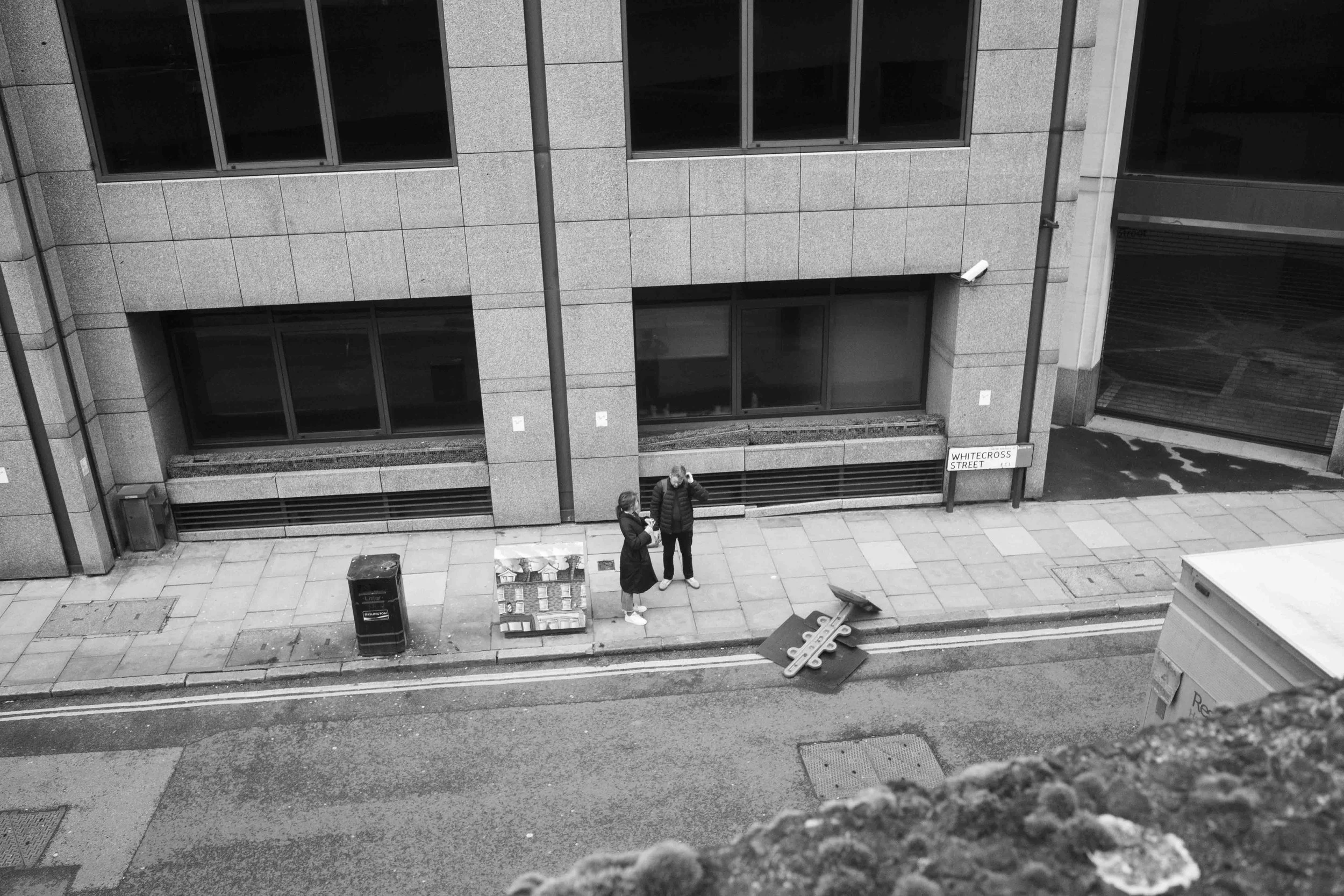
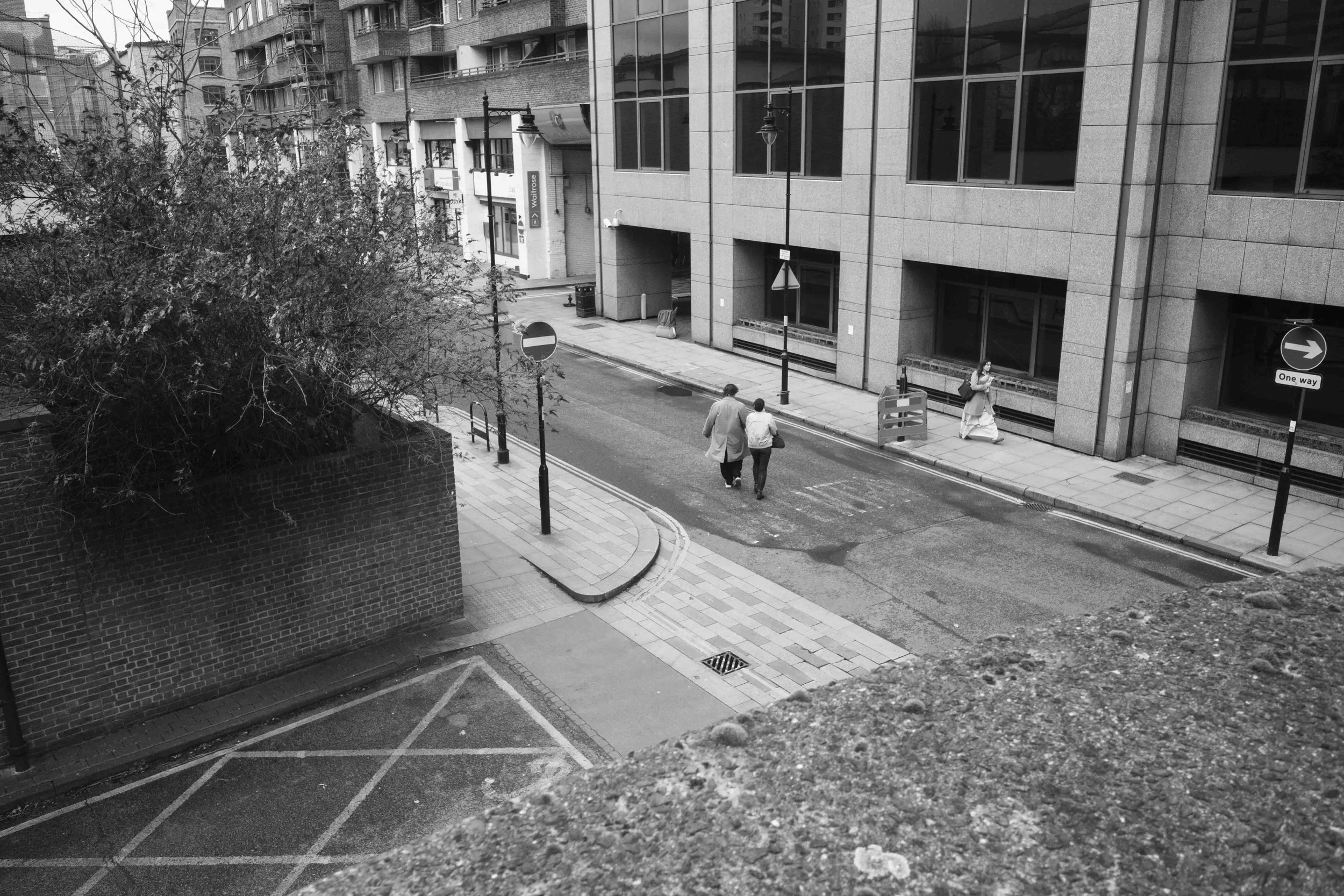
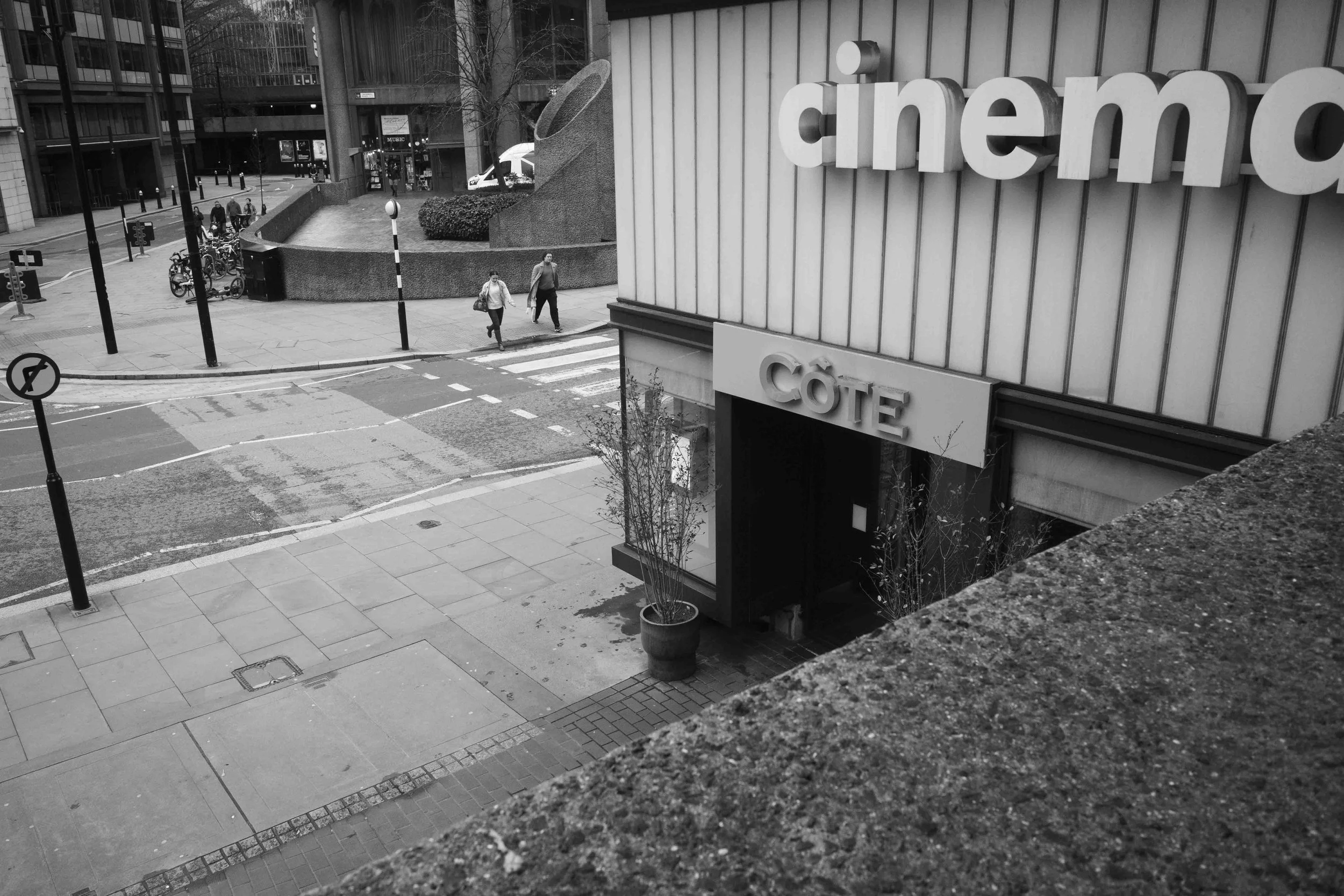
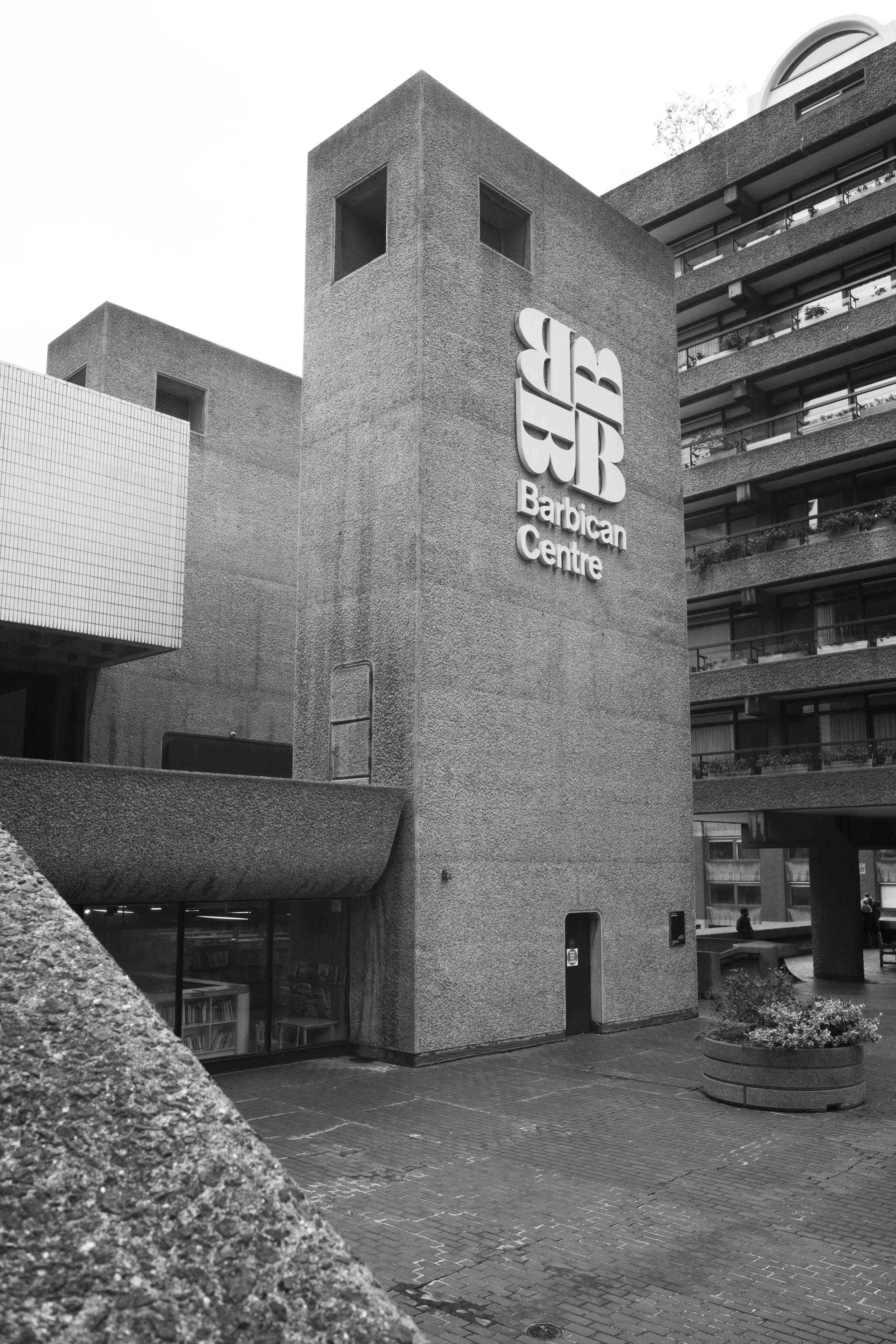
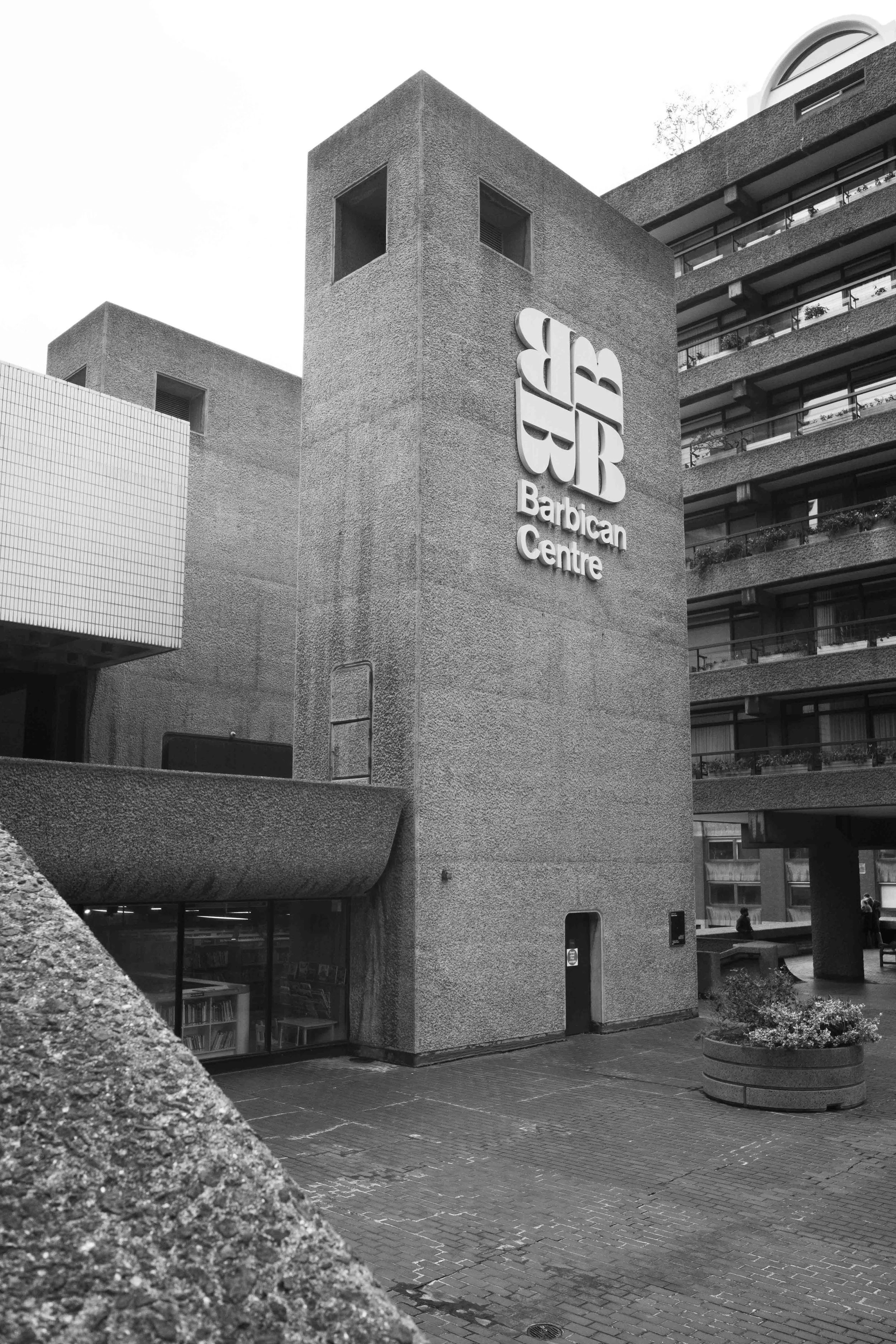
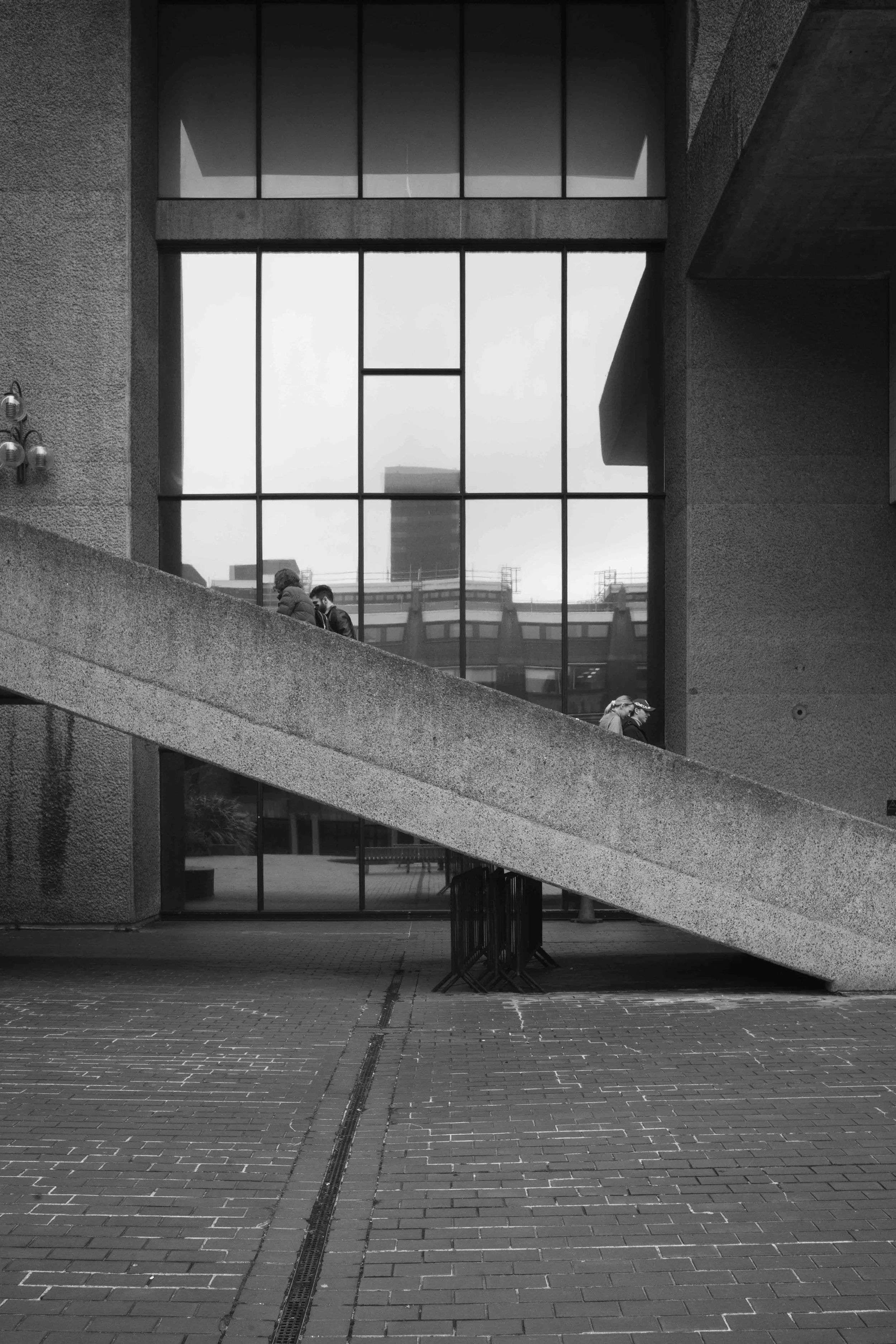
Few places embody London's post-war architectural ambition quite like the Barbican. Designed by Chamberlin, Powell and Bon and built between the mid-1960s and early 1980s on a 40-acre bomb-site flattened during the Blitz, this Grade II-listed complex isn't just a housing estate—it's a self-contained "city within a city." Three dramatic 40+ storey towers (Cromwell, Shakespeare, and Lauderdale), cascading low-rise terraces, elevated "streets in the sky" walkways, sunken lakes, private gardens, and the world-renowned Barbican Centre arts venue all fused into one monumental, multi-level labyrinth of bush-hammered concrete.
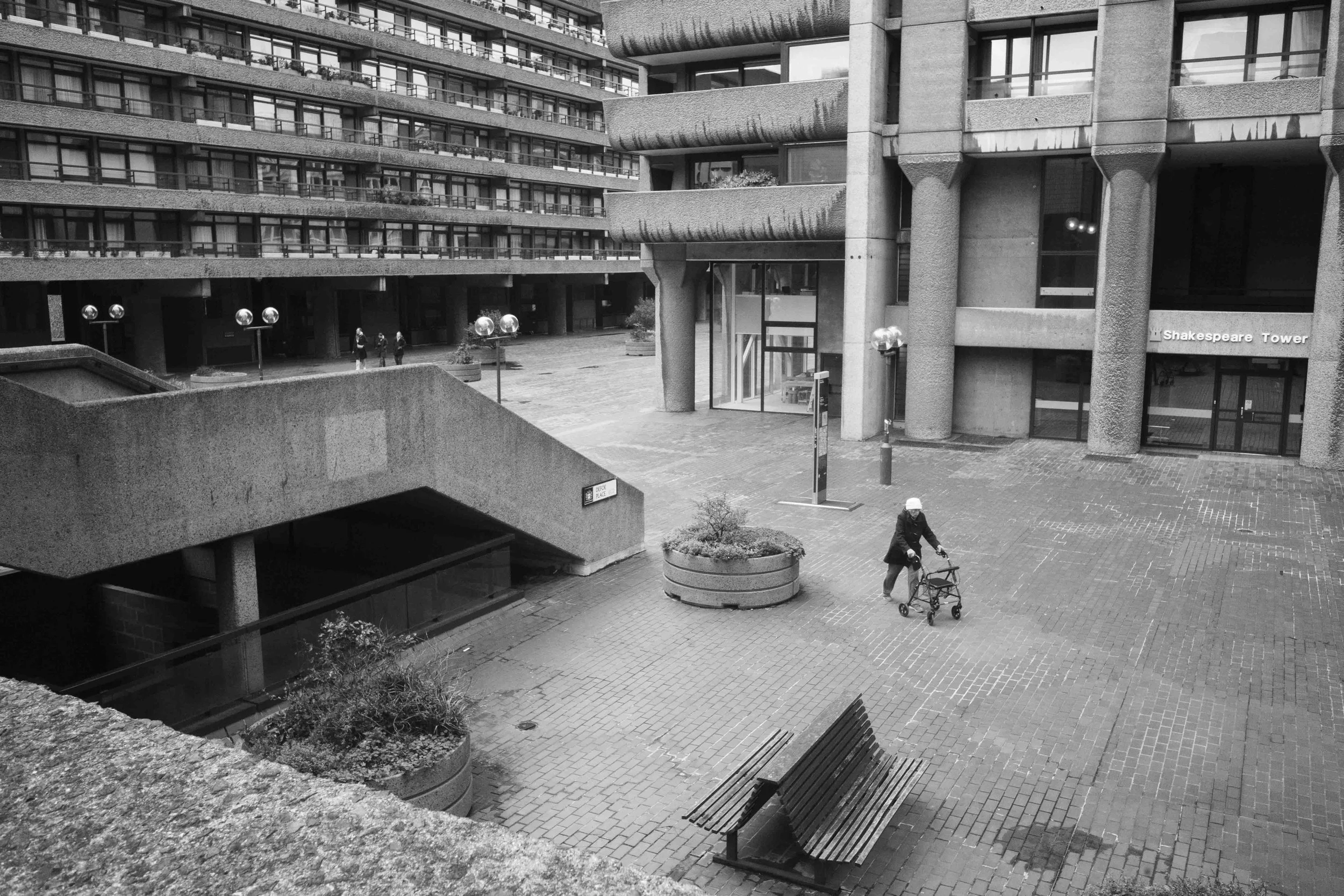
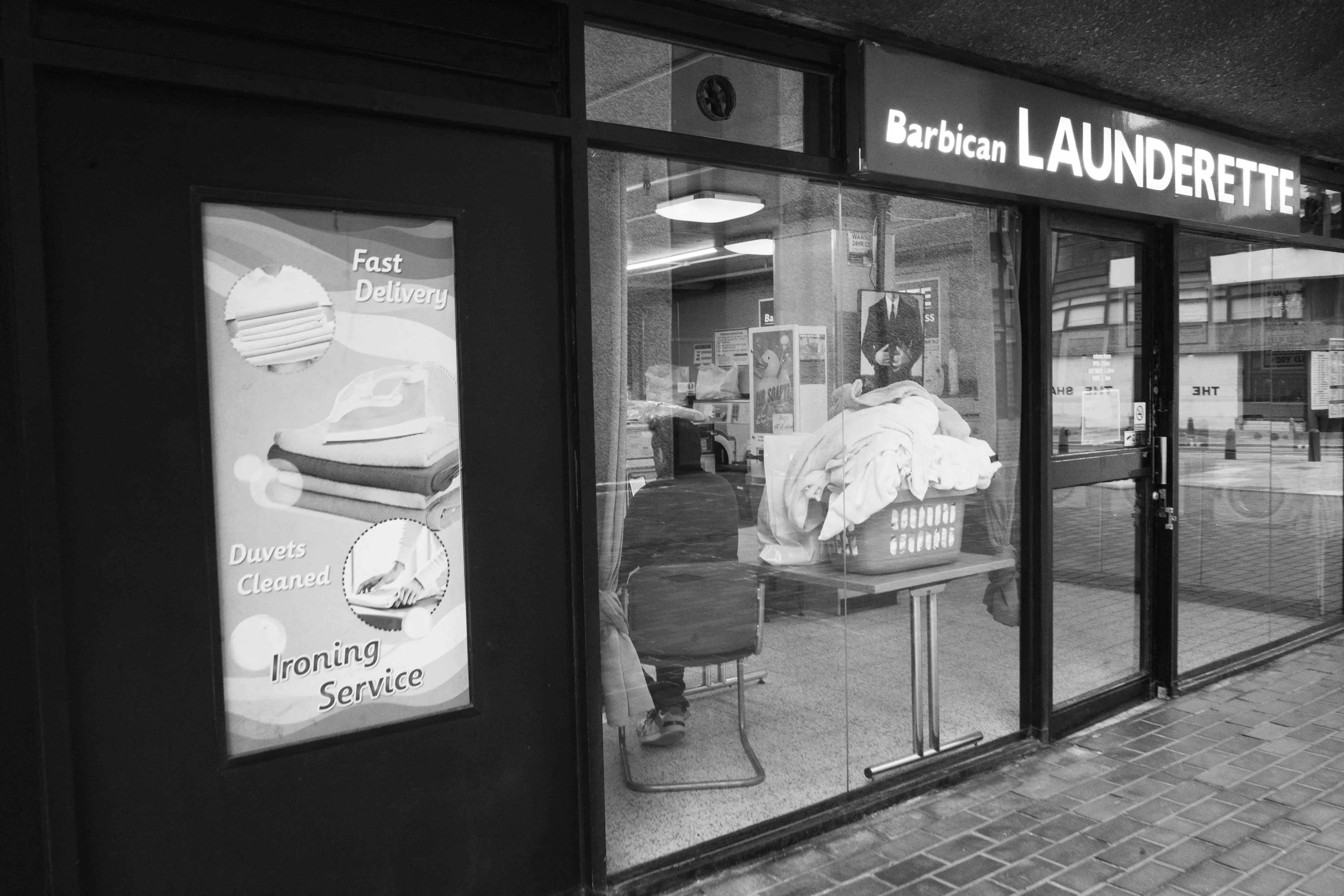
Brutalism here feels less austere and more utopian: raw béton brut textures meet thoughtful landscaping, sculptural forms, and a deliberate separation of pedestrians from traffic. It's divisive—some see fortress-like severity, others see bold optimism—but for street and architectural photography, it's endlessly compelling. The geometry is sharp, the scale immense, yet human moments (a dog walk, a laundry basket, a quiet bench) constantly soften the edges.
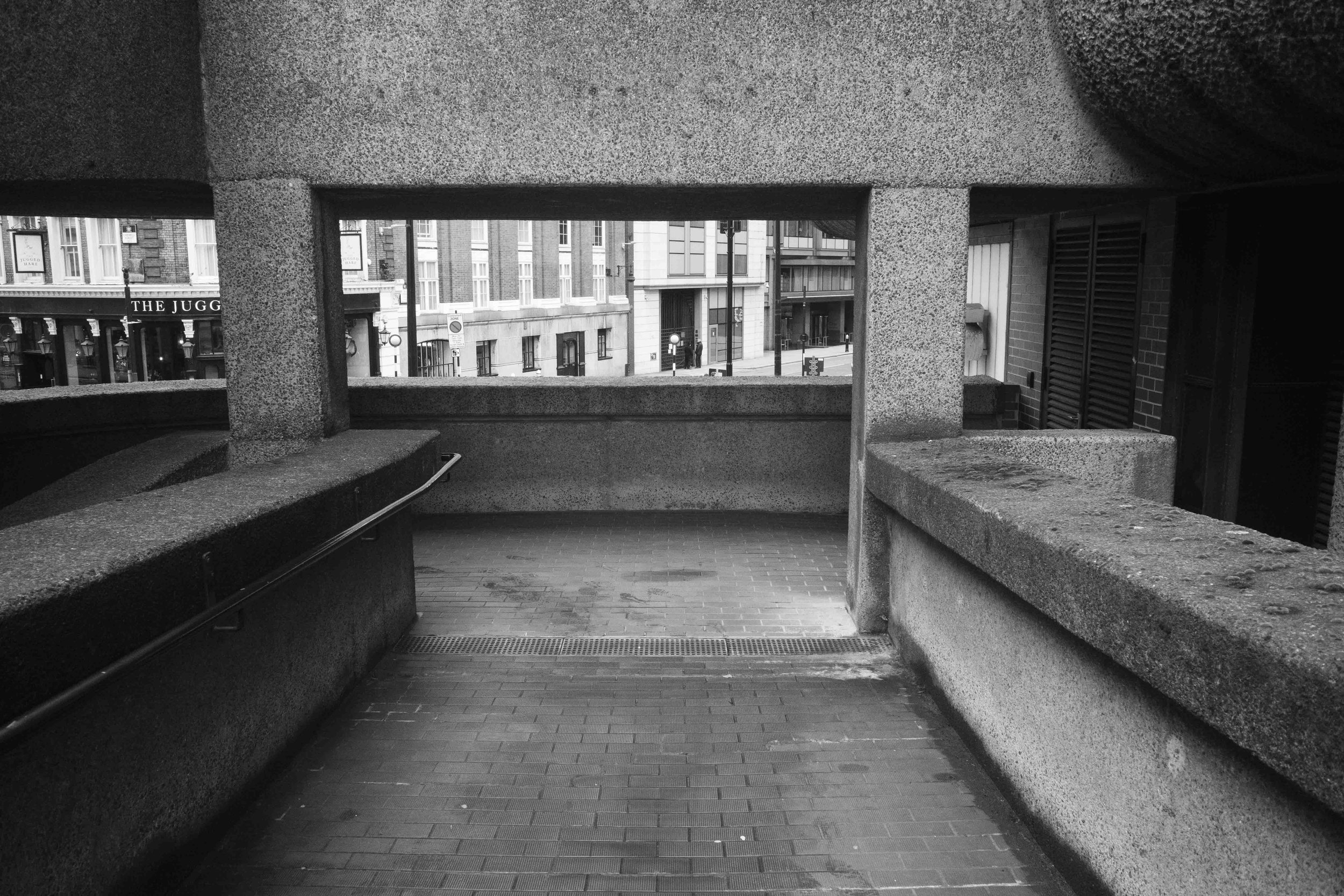
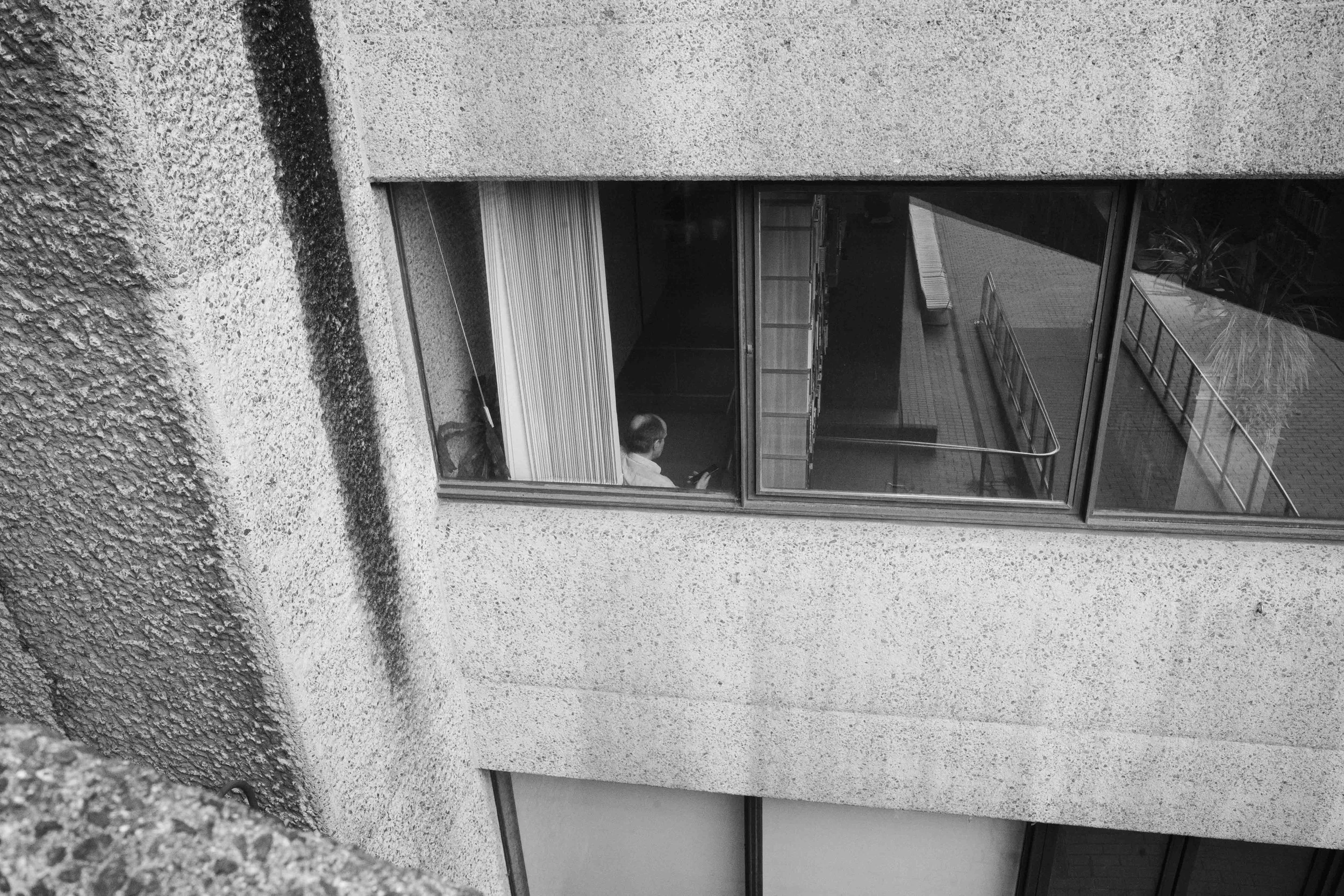
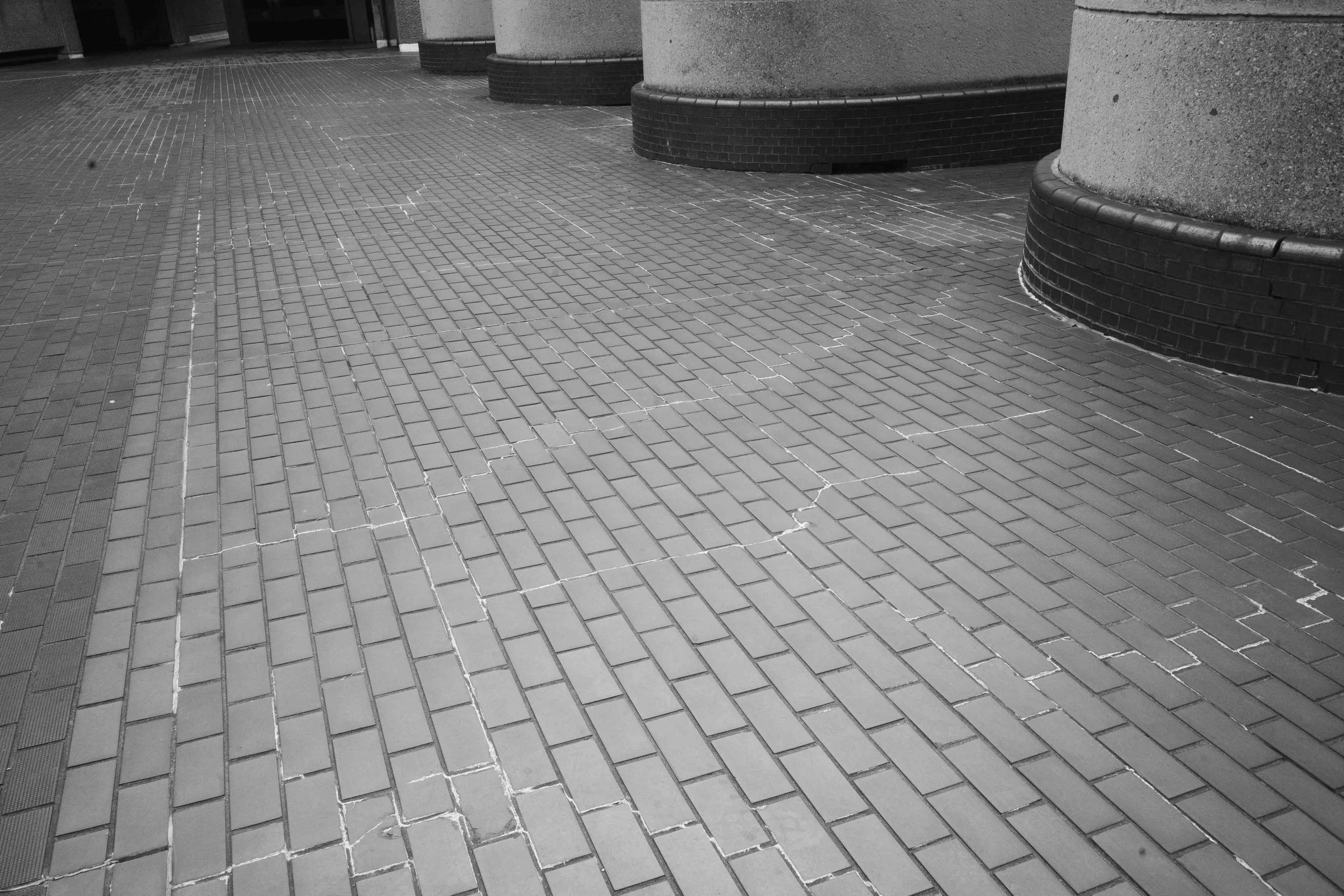
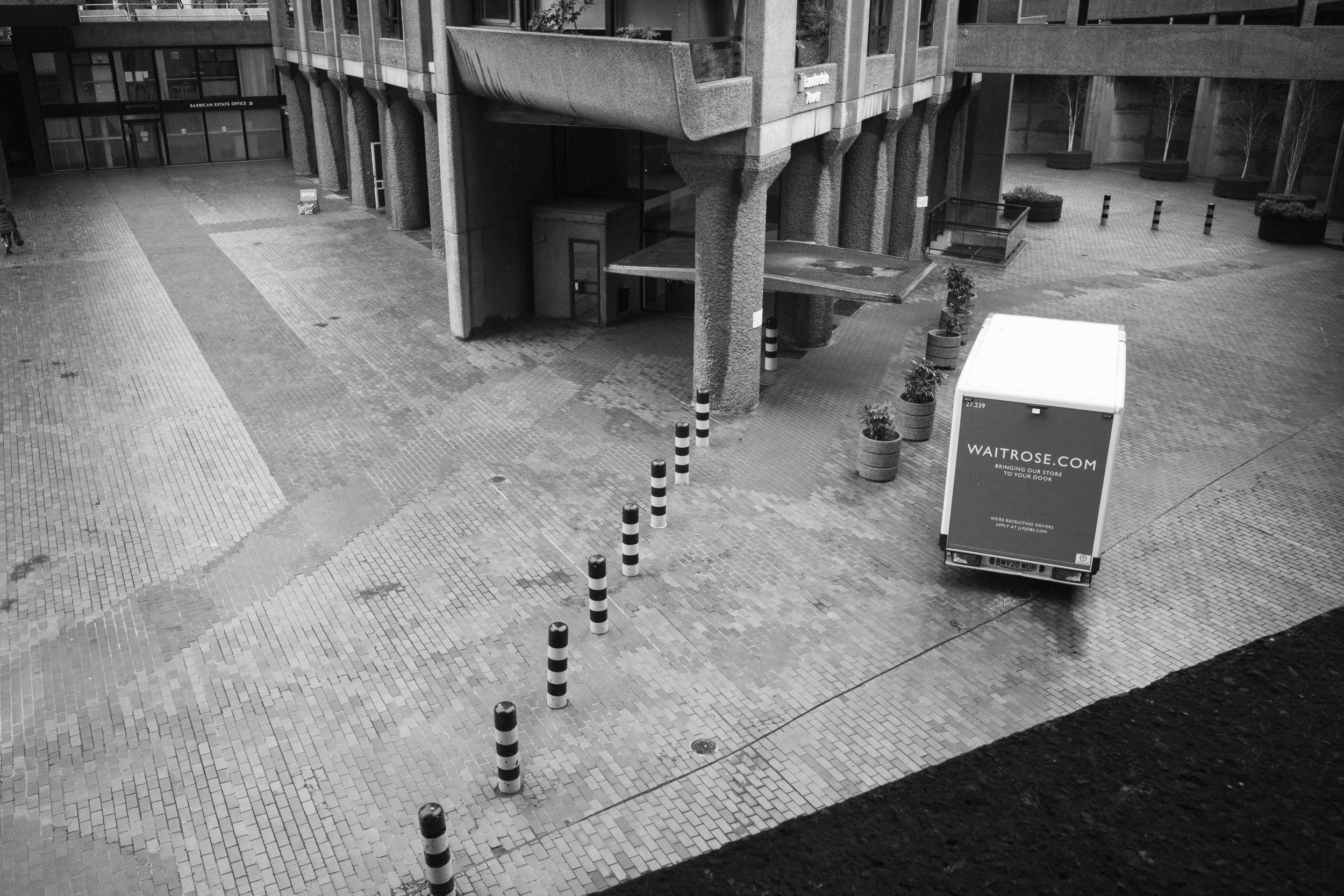
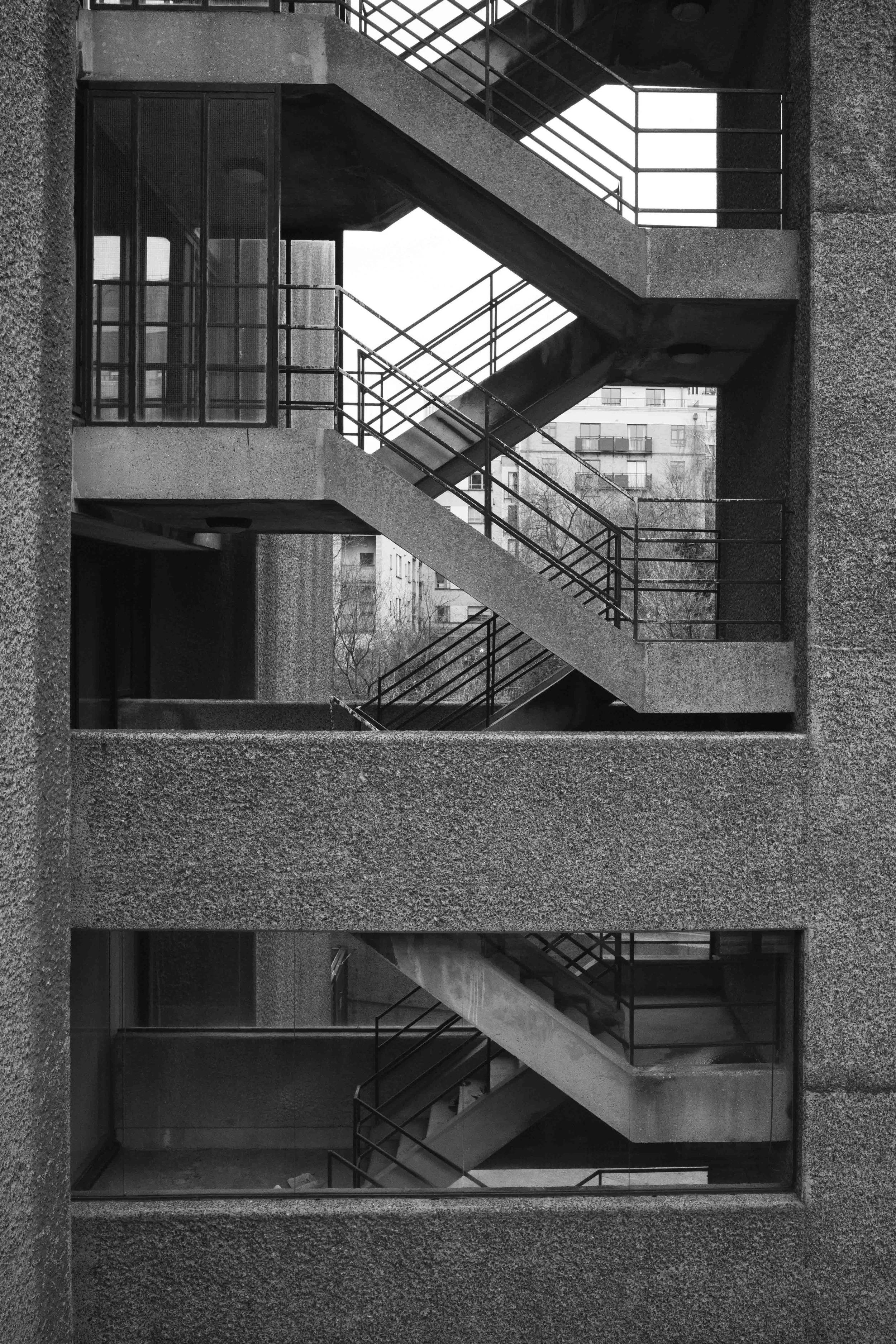
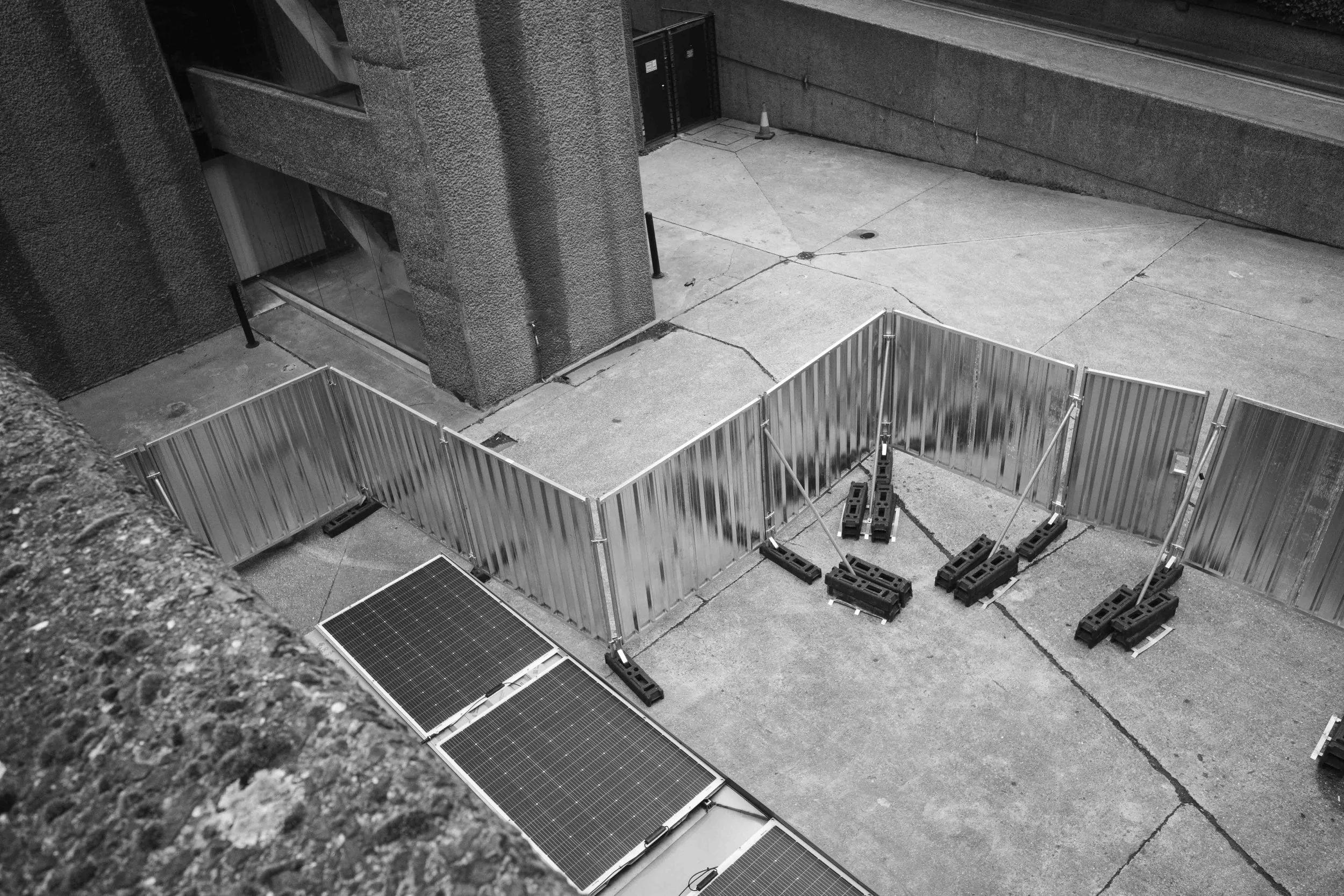
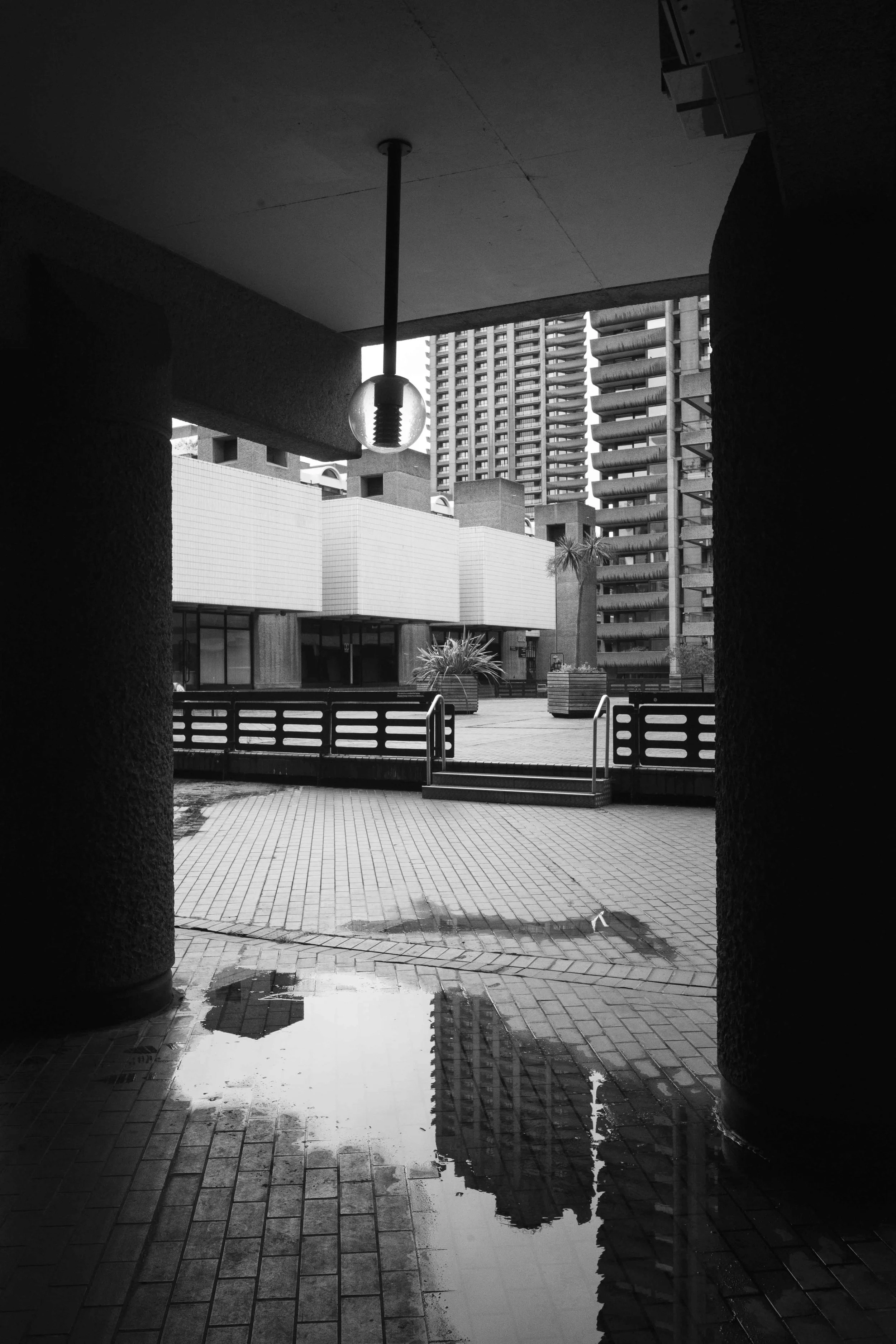
The Nerdy Bit: These black-and-white images, shot on a drizzly winter day, strip away colour distractions to emphasize form, texture, light, and shadow. The TTartisan 28mm F5.6 lens and my Leica M10. renders the concrete with incredible depth—every hammer mark, every puddle reflection pops. Processed lightly in Lightroom for contrast and grain, the series aims to let the architecture speak while highlighting how people inhabit it daily. This lens is magnificent, no horrible digital cliinical sharpness. for <£300.
The Barbican isn't just concrete—it's a bold experiment in high-density living that still feels radical. Love it or loathe it, photographing here is addictive. If Alexandra & Ainsworth was West London's poetic brutalism, the Barbican is the City's dense, layered epic.
Thanks for reading. Drop a comment if you've wandered these walkways yourself—what's your favourite brutalist spot in London?
Brutal
With the pending release of ‘The Brutalist’ film at the cinema, my son and I decided to head upto London, after dusting down one of my archived Brutalist photowalks, from Google My Maps.
Our trip into town was tailored, as the train from Brighton was delayed at Croydon, due to the perennial, ‘essential weekend engineering works’. So we jumped in the car, drove to Hounslow West Tube station, and headed in on the Piccadilly line. The was as awkward and unsightly, as Brutalist architectiture is to some…….?

With the pending release of ‘The Brutalist’ film at the cinema, my son and I decided to head upto London, after dusting down one of my archived Brutalist photowalks, from Google My Maps.
Our trip into town was tailored, as the train from Brighton was delayed at Croydon, due to the perennial, ‘essential weekend engineering works’. So we jumped in the car, drove to Hounslow West Tube station, and headed in on the Piccadilly line. The was as awkward and unsightly, as Brutalist architectiture is to some…….?
We didn’t get into town too early and could only visit a couple of locations.
It's a word that often evokes strong reactions, conjuring images of imposing concrete structures, stark lines, and a sense of utilitarian severity. For some, it's an eyesore; for others, a raw and honest expression of architectural ambition. As a photographer, I find myself drawn to its dramatic forms, its sheer scale, and the stories etched into its weathered surfaces. And nowhere is this fascination more potent than in London's Trellick Tower and the nearby Alexandra & Ainsworth Estate.
Brutalism is an architectural movement that emerged in the mid-20th century and is characterized by its stark, rugged forms and raw concrete construction. Love it or loathe it, Brutalism stands as a testament to a bold architectural vision that sought to redefine urban living. Two iconic examples of this movement in London are Trellick Tower and the Alexandra & Ainsworth Estate.
Trellick Tower: A Vertical City


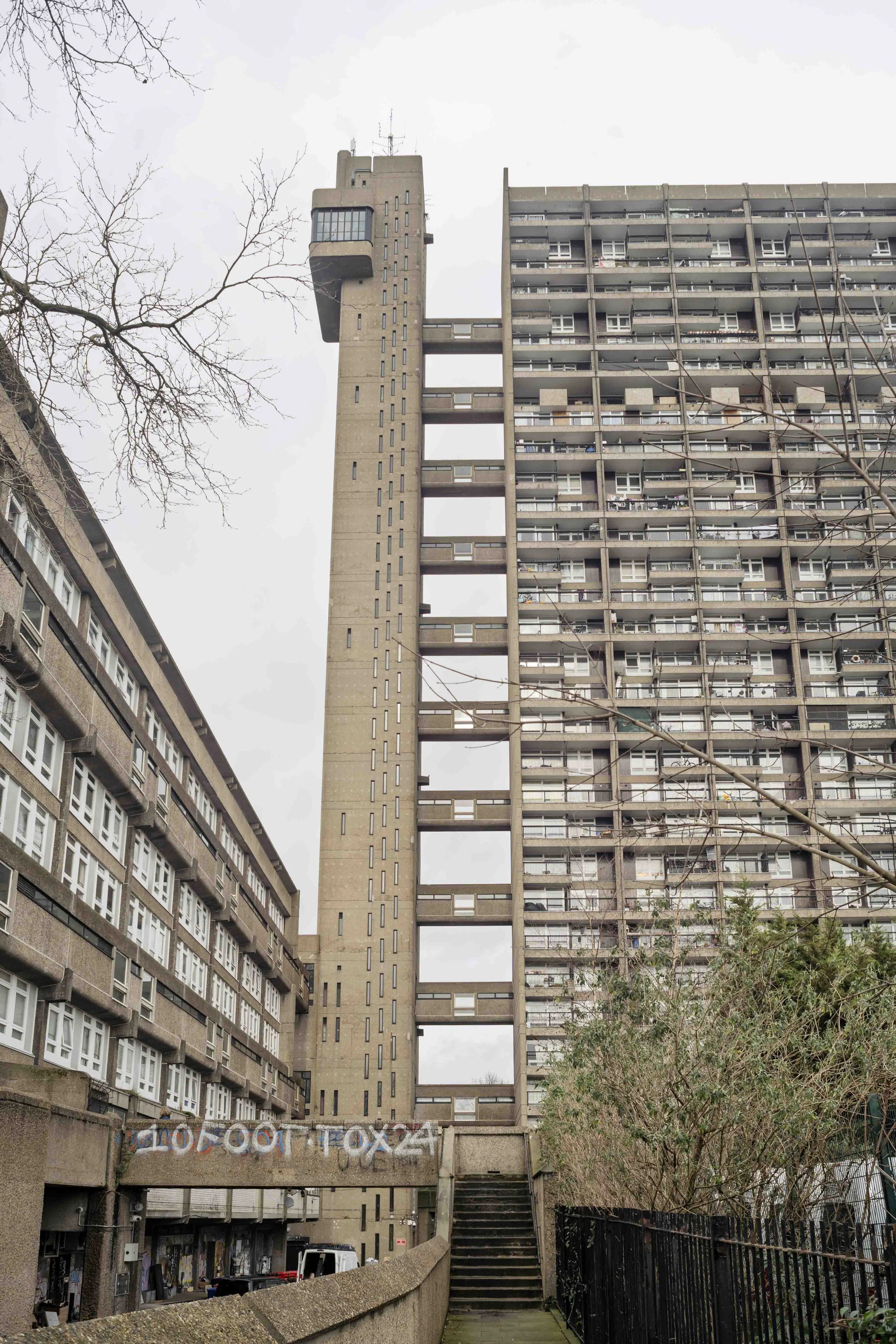


Designed by the Hungarian architect Ernő Goldfinger, Trellick Tower is one of the most recognizable Brutalist structures in London. Completed in 1972, this 31-storey residential building looms over West London, its distinctive silhouette visible for miles.
Goldfinger envisioned Trellick Tower as a vertical city, with communal spaces such as laundries, nurseries, and shops integrated into the design. The tower's bold, unapologetic use of raw concrete and its imposing height make it a striking subject for photography. From the sharp angles of its balconies to the play of light and shadow on its rough surfaces, Trellick Tower offers endless opportunities for capturing the essence of Brutalism.
The Nerdy Bit


One of the main reasons for my interest in film photography, is the allure of the process. I enjoy the sedate pace. I also hate the clinical aspect of ‘modern’ lens and the digital effeciency.
I started using my 28mm Rokkor Minolta lens on my Sony A7iii, with the K&F adaptor, I have full (slow) manual focus on the camera. I love the tone of the images it creates. There is a mild preset edit in LrC.
Alexandra & Ainsworth Estate: A Concrete Symphony
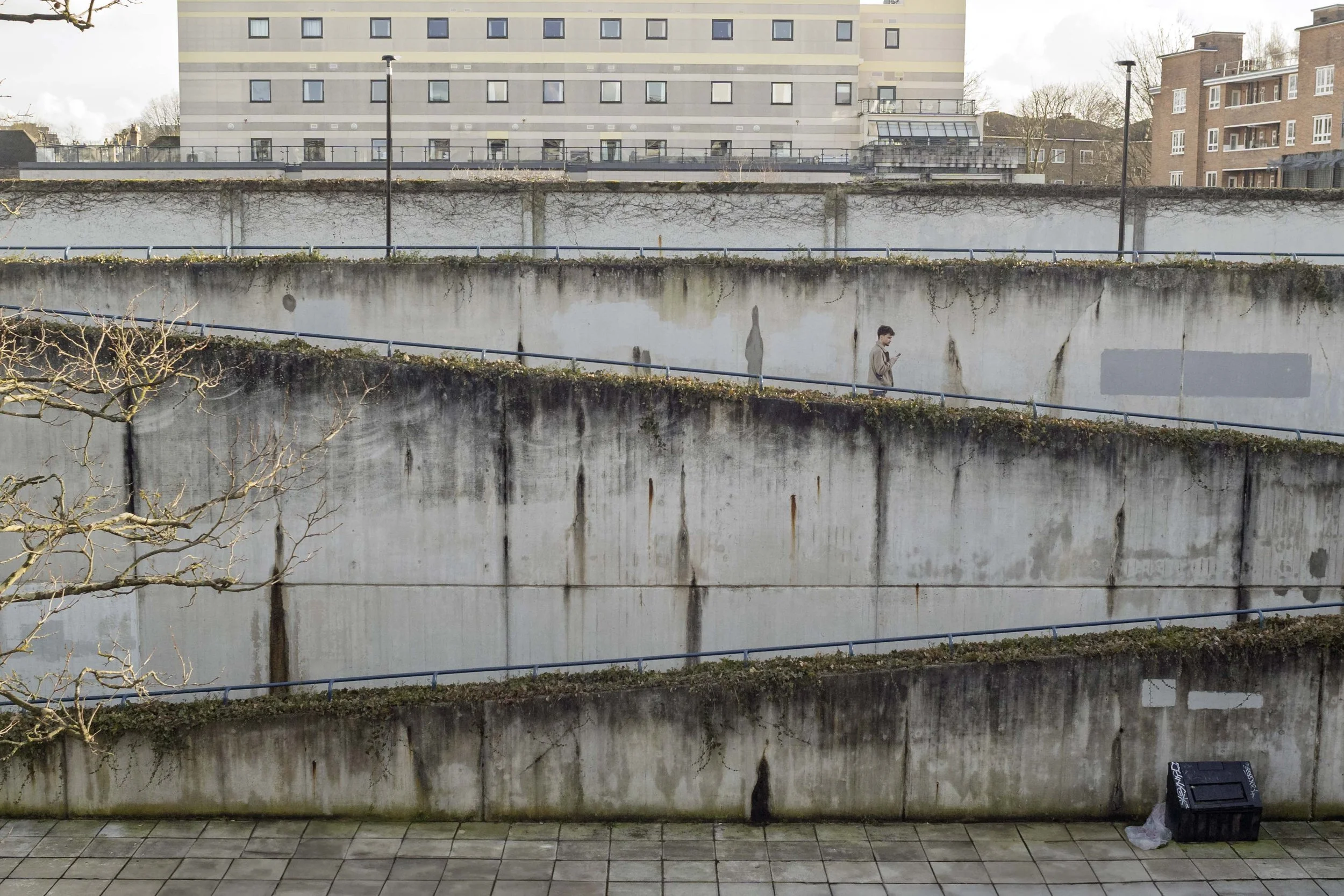
In stark contrast to the verticality of Trellick Tower, the Alexandra & Ainsworth Estate, designed by Neave Brown, sprawls horizontally across Camden. Completed in 1978, the estate is renowned for its sweeping, terraced design that follows the natural contours of the land.
The estate's curvilinear forms and stepped terraces are a testament to Brown's vision of creating a sense of community within an urban environment. The rough concrete exteriors and geometric lines provide a unique canvas for photographers. Capturing the repetitive patterns of the terraces, the interplay of light and shadow, and the way the estate integrates with its surroundings can yield compelling images that speak to the heart of Brutalist architecture.


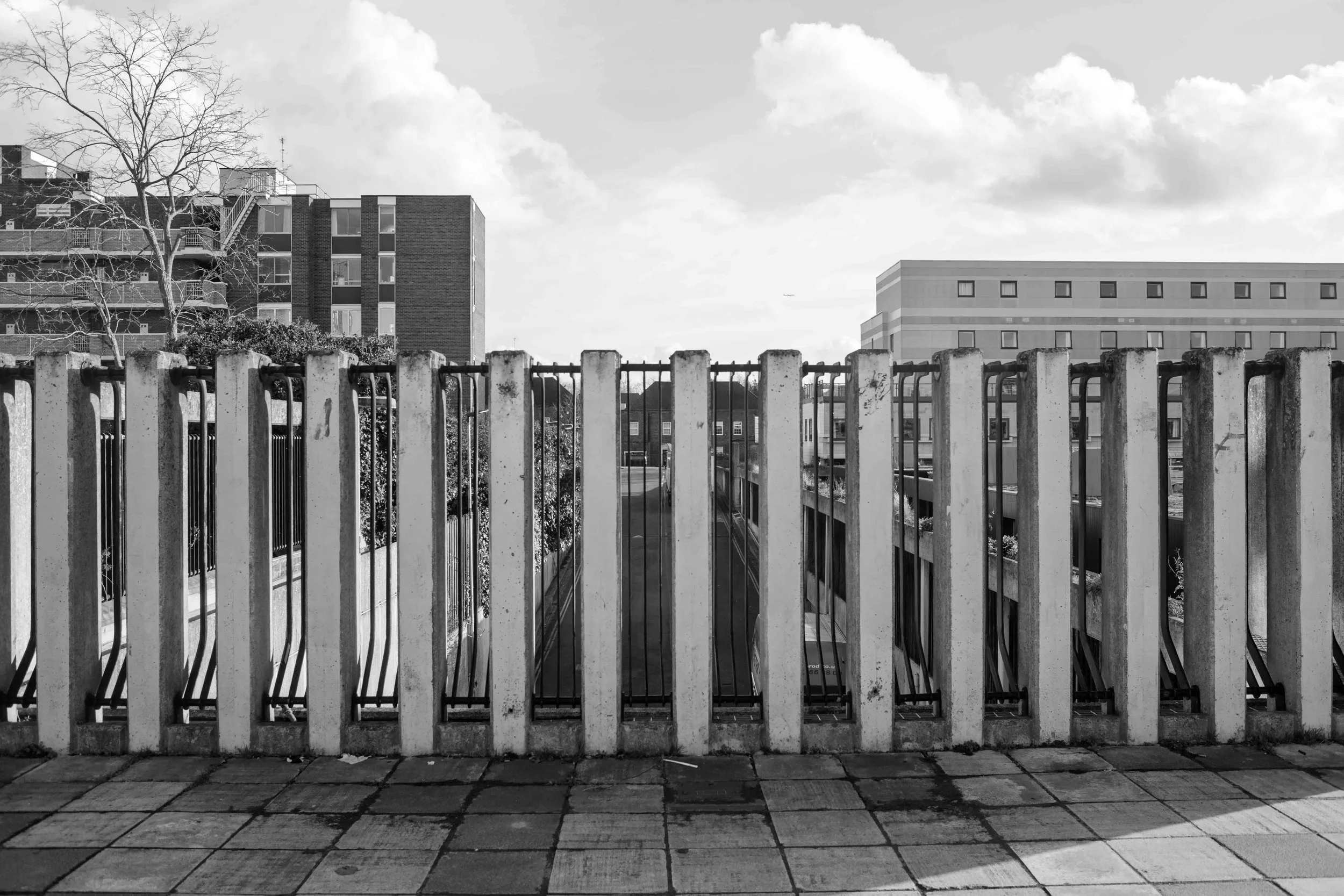

This is most definately a work in progress project, hopefully the journey will be alot easier in the future.
Until next time, keep snapping.
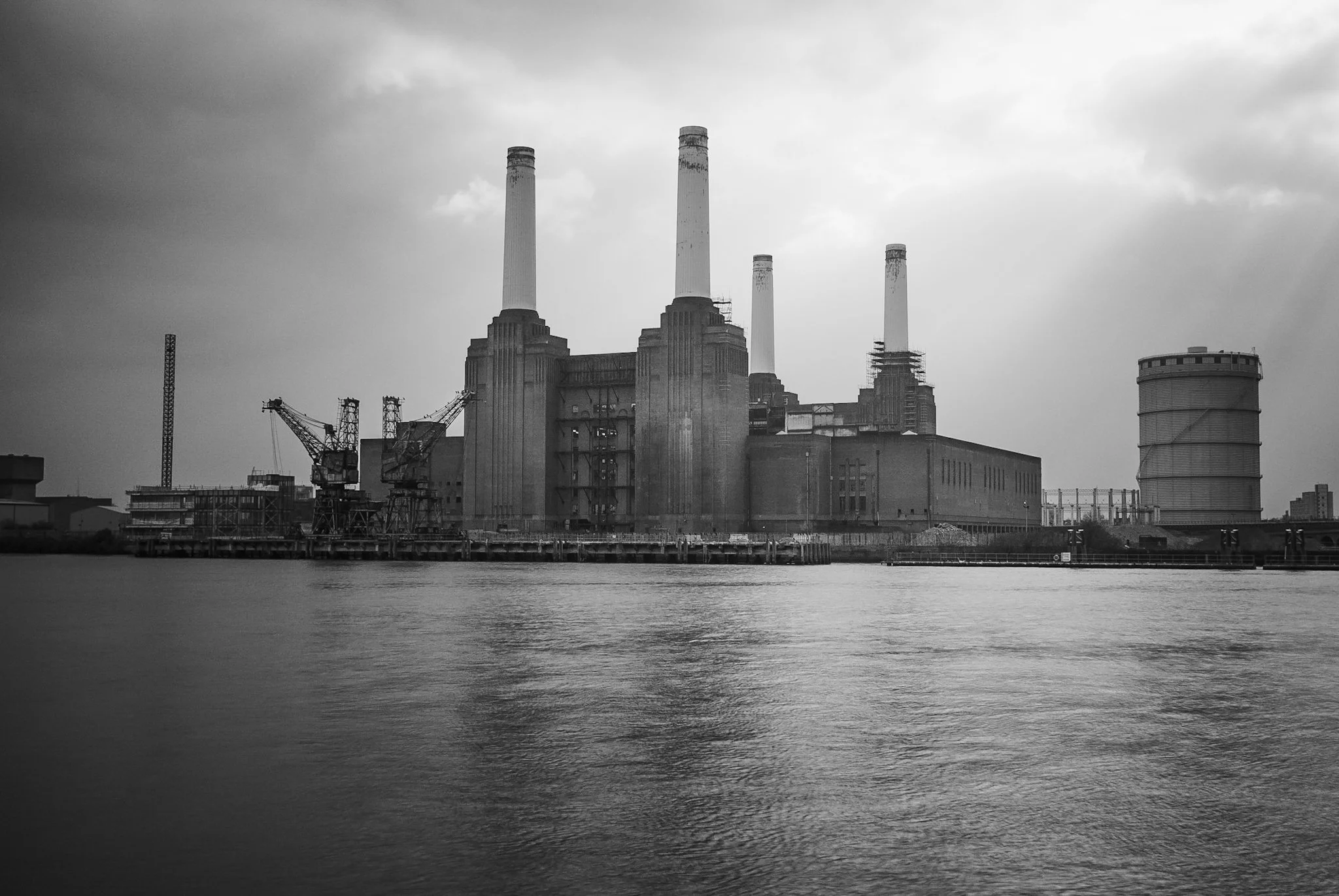
BPS and what will be.
The kids and I decided on our usual half term pilgrimage to London this past October.
A couple of photographic exhibitions took our fancy, namely the excellent Chris Kilip retrospective at The Photographer's Gallery and also the Bill Brandt inside the mirror at Tate Britain.

The kids and I decided on our usual half term pilgrimage to London this past October.
A couple of photographic exhibitions took our fancy, namely the excellent Chris Kilip retrospective at The Photographer's Gallery and also the Bill Brandt inside the mirror at Tate Britain.
The former being a very modest £8 and the latter being free admission. Highly recommended.
Top on my list was having sight of the recently opened Battersea Power Station developemrnt.
I have always been mesmerised by this structure, since seeing the Pink Floyd Animals album cover when I was a little boy.

Back in 2012 - when I started to take my photography a little more seriously,or more than the impromptu family photos - I stumbled across Battersea Power Station, whilst walking around the side and back streets of central London.
I had my much missed and underrated Fuji X100 setup, allowing me to take street photos and long exposures. Light & nimble.
I took the below photo, which (at the time) I was indifferent about. It happens to be my best seller on my Etsy store.


Here are some stats about this magnificent structure.
From the 1930s to 1980s, Battersea Power Station was a working Power Station. At its peak, it was producing a fifth of London’s power, supplying electricity to some of London’s most recognisable landmarks, such as the Houses of Parliament and Buckingham Palace
1929 - Works begin on site. Sir Giles Gilbert Scott, one of the most prominent architects of the day, who was responsible for Britain’s red telephone boxes, joins the project. Original proposals were for the chimneys to be square rather than circular.
1935 - The first stage of the Power Station, Battersea A, is completed. The top of the western pair of chimneys are 101m from the ground. The chimneys themselves are 50m each, while the wash towers they sit on are 51m.
1940 - RAF pilots use the plumes of white vapour from the chimneys to guide them home in the mist. The Luftwaffe also used the plumes for navigation, which explains why the Power Station avoided extensive bombing.
1944 - Battersea B, the second stage of the Power Station, starts to generate electricity. The station goes on to pioneer a gas washing process to reduce sulphur emissions, with excess generated heat ducted under the Thames in a district heating scheme for 1,600 homes in Pimlico.
1955 - The fourth chimney, and second stage of the Power Station is complete, with the Power Station at peak capacity. The space within the main Boiler House is so vast that it would be possible to fit St. Pauls Cathedral within the space.
1964 - On 20 April, an electrical failure at Battersea Power Station caused power failures throughout London, including at the BBC Television centre, which was due to launch BBC Two that night. The launch was delayed to 11am the following day.
1977 - An inflatable pink pig floating between the two southern chimneys appears on the front cover of Pink Floyd’s album, Animals. The inflatable pig was tethered to one of the southern chimneys but lost its moorings and rose to the flight path of Heathrow Airport. Police helicopters tracked its course until it finally landed off the coast of Kent.
Album artwork, Animals, 1977. Design by Roger Waters. Graphics by Nick Mason. Production and art direction by Storm Thorgerson / Aubrey Powell at Hipgnosis.
1980 - The Power Station is awarded Grade II listed status. Awarded by Historic England, listed buildings mark and celebrate the building’s special architectural and historic interest. They’re also brought under the consideration of the planning system, so they can be protected for future generations.
1983 - The Power Station closes and ceases to generate electricity. It goes on to be purchased in 1987 by Battersea Leisure (theme park scheme) and again in 1993 by Parkview.
2007 - The Power Station is upgraded to Grade II* listed status. Less than 6% of listed buildings fall into this category as particularly important buildings of more than special interest.
2012 - The Power Station is purchased by the current shareholders, SP Setia, Sime Darby Property and the Employers Provident Fund, bringing an end to decades of disuse. Works begin the following year to redevelop the 42-acre site surrounding the Power Station to create a new community of homes, shops, cafes, restaurants, cultural venues and open space for London.
Above taken from: https://batterseapowerstation.co.uk/
The most mind boggling stat is that: About 6 million bricks were used in the construction of the original building. Different makes were used throughout including Accrington engineering bricks, which were also used in the Empire State Building.


Architecture studio Wilkinson Eyre has unveiled the redeveloped Battersea Power Station in London ahead of its opening next week, almost 40 years after the building was decommissioned.
The former power station, which now contains over 100 shops, 46,000 square metres of office space for technology brand Apple and 254 apartments is set to officially open to the public on 14 October.
The £9bn development project has studio flats starting at £865,000 and the penthouse flat £8.0m.
Until next time, keep snapping.
Yes please, keep me posted when there’s a new blog
Instagram - Film