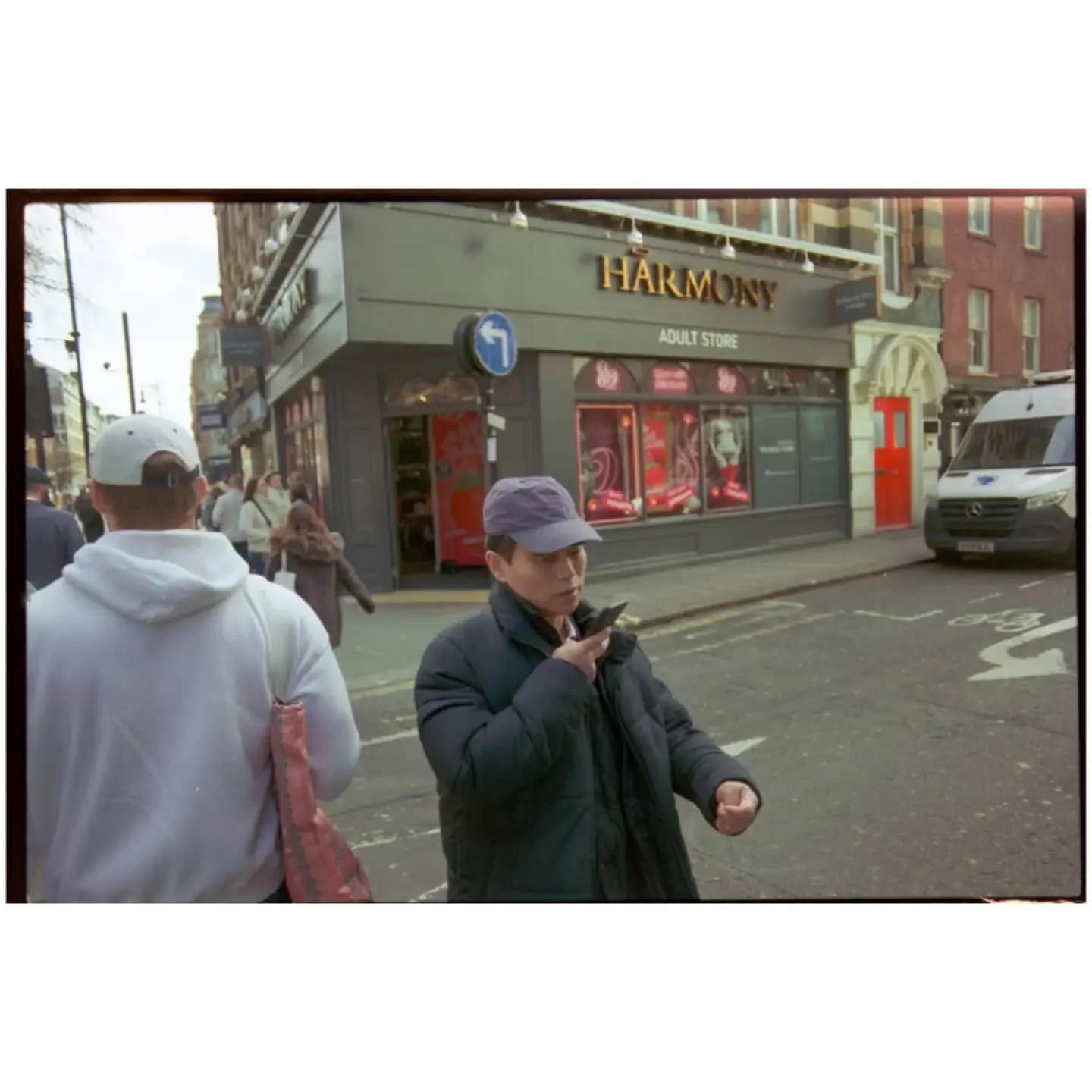
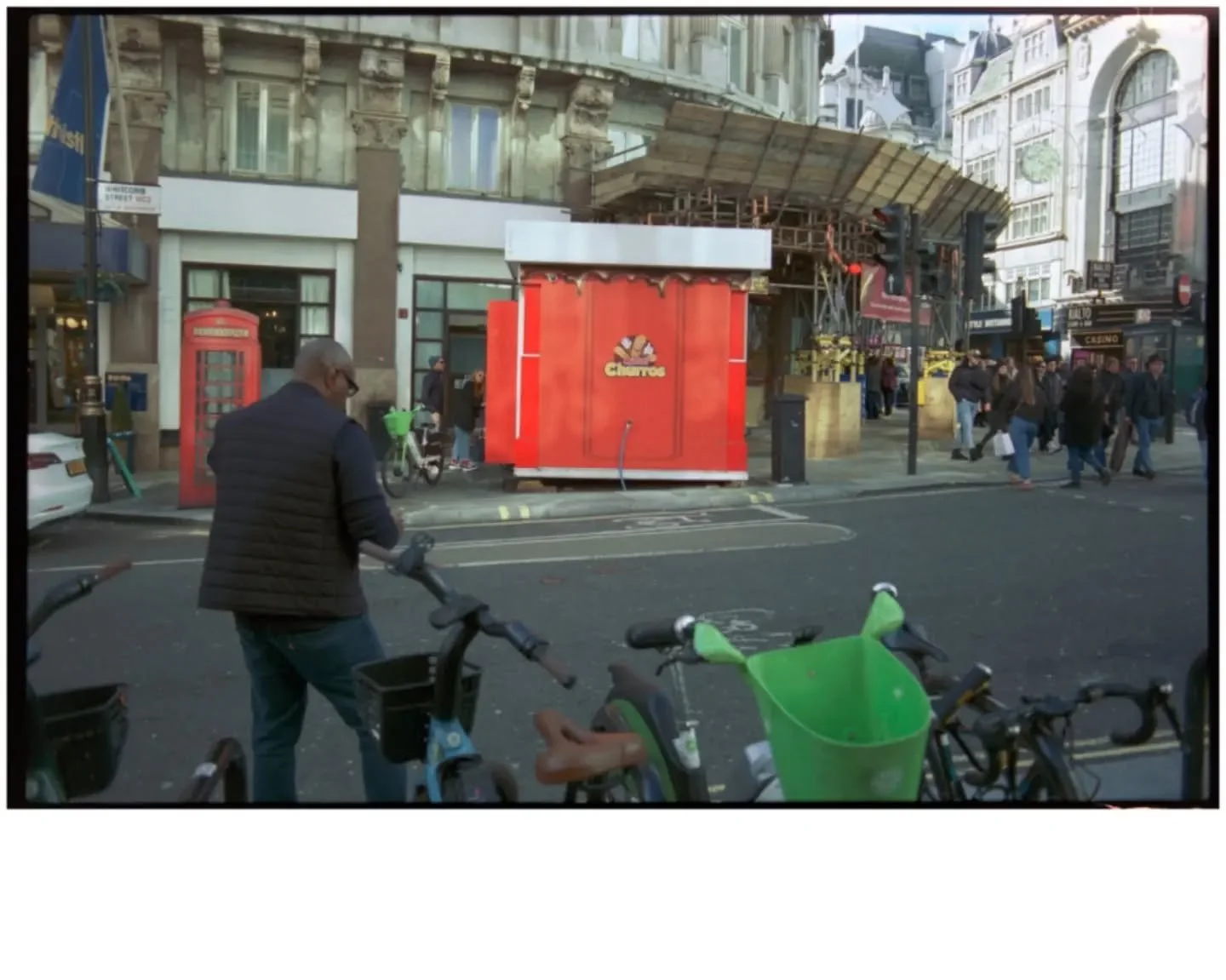
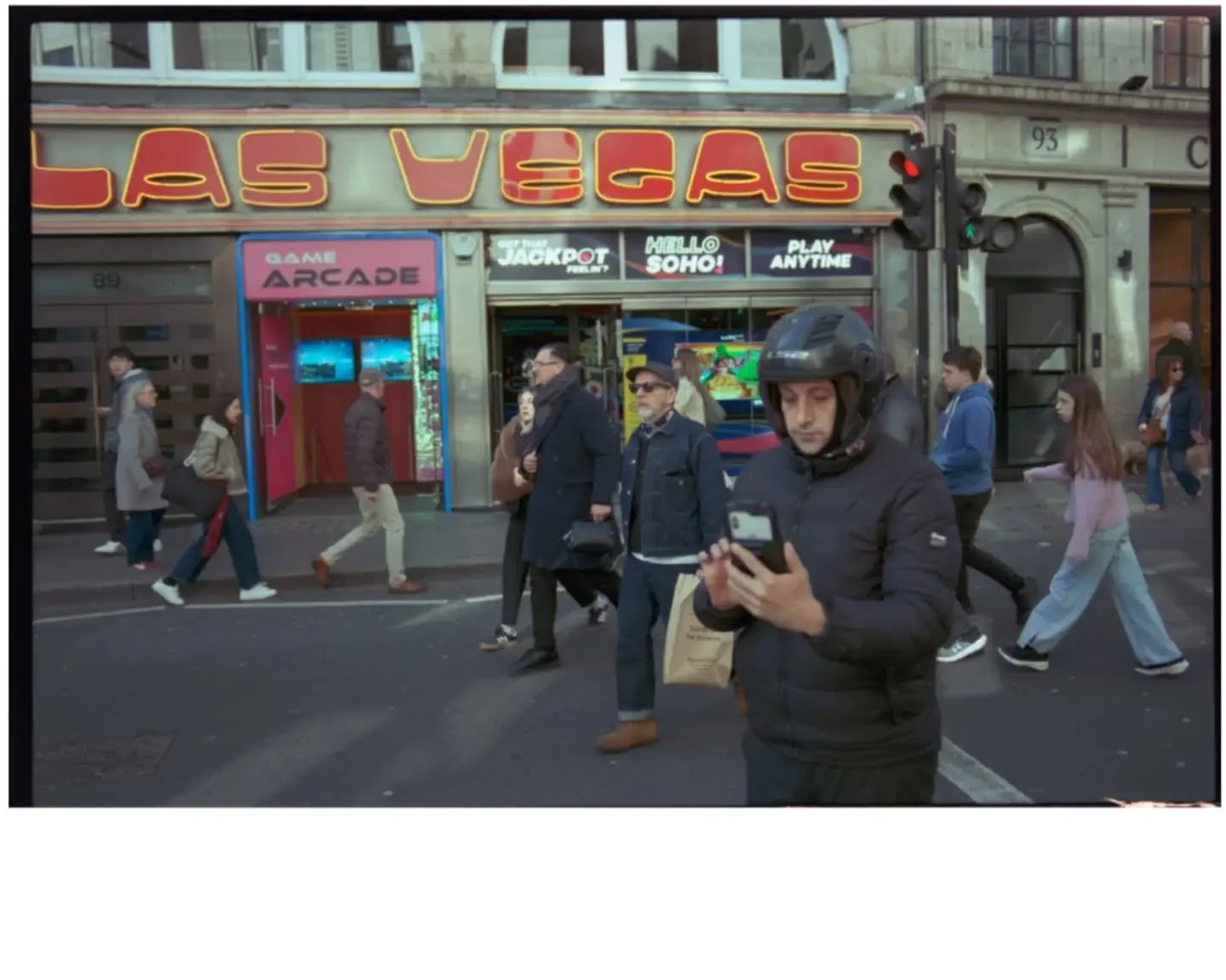
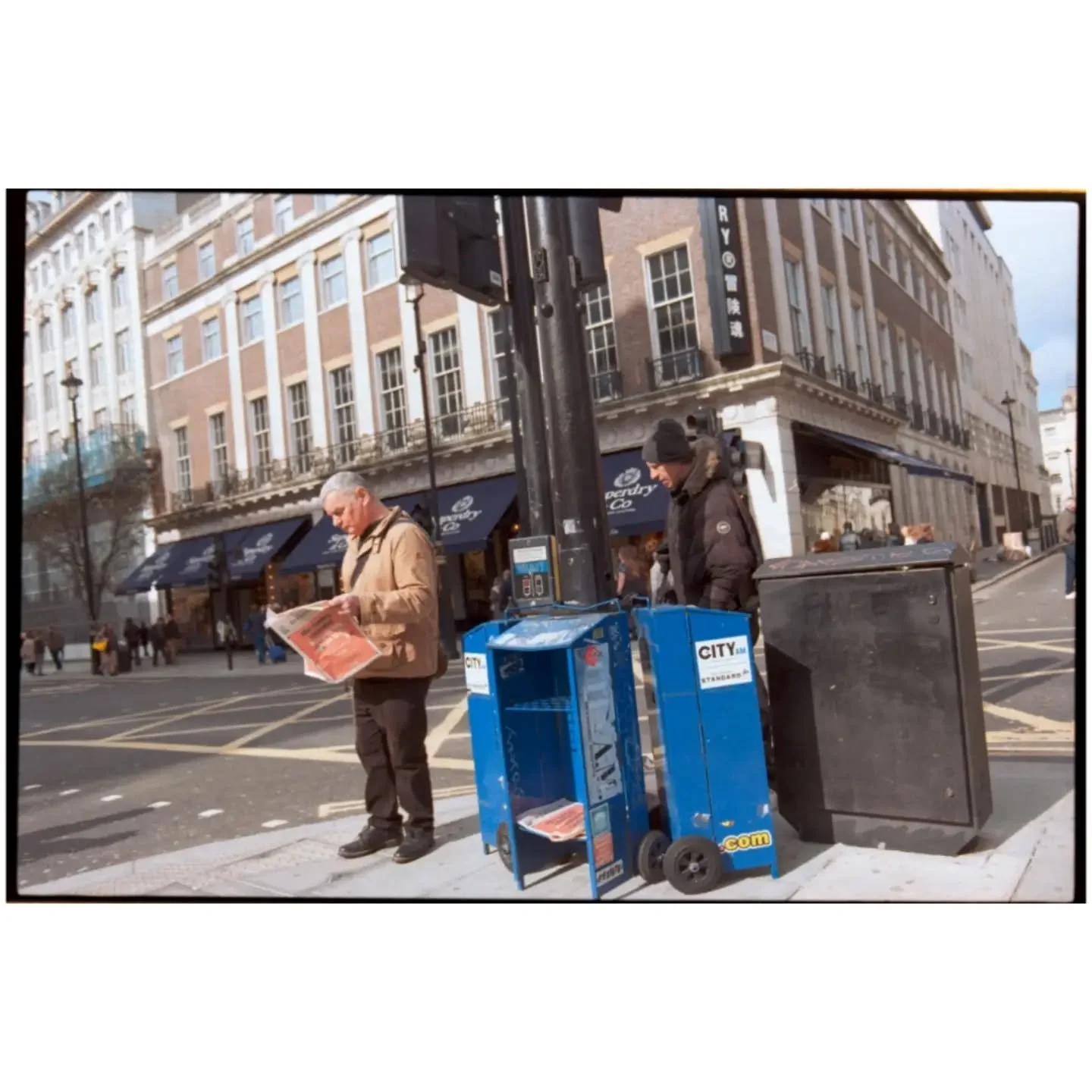
in the frame
A Change of Perspective
Before September’s trip with the kids, London was the place I went when I wanted to lose myself in street photography. There was always somewhere to walk, something happening, another reason to keep the camera out.
Returning on Saturday, for my first proper London photography walk in quite a while, I found myself making comparisons. After the hurly-burly of New York, London felt surprisingly subdued. Somewhere I had regarded as a photographic mecca suddenly seemed a little less overwhelming.
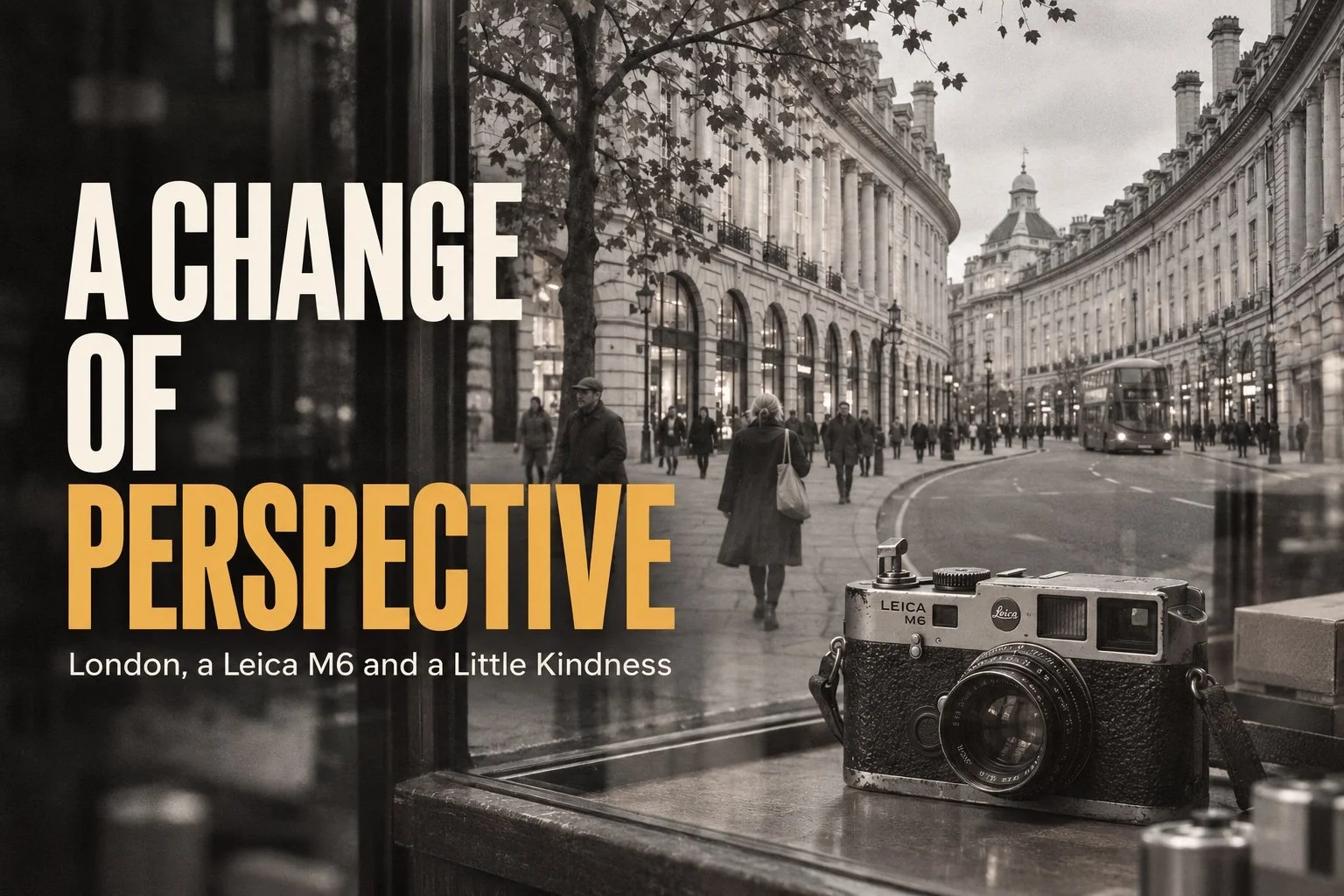
London, a Leica M6 and a Little Kindness
New York has rather spoiled me.
Before September’s trip with the kids, London was the place I went when I wanted to lose myself in street photography. There was always somewhere to walk, something happening, another reason to keep the camera out.
Returning on Saturday, for my first proper London photography walk in quite a while, I found myself making comparisons. After the hurly-burly of New York, London felt surprisingly subdued. Somewhere I had regarded as a photographic mecca suddenly seemed a little less overwhelming.
Perhaps that says more about what I brought home from New York than it does about London.
Finding My Feet Again
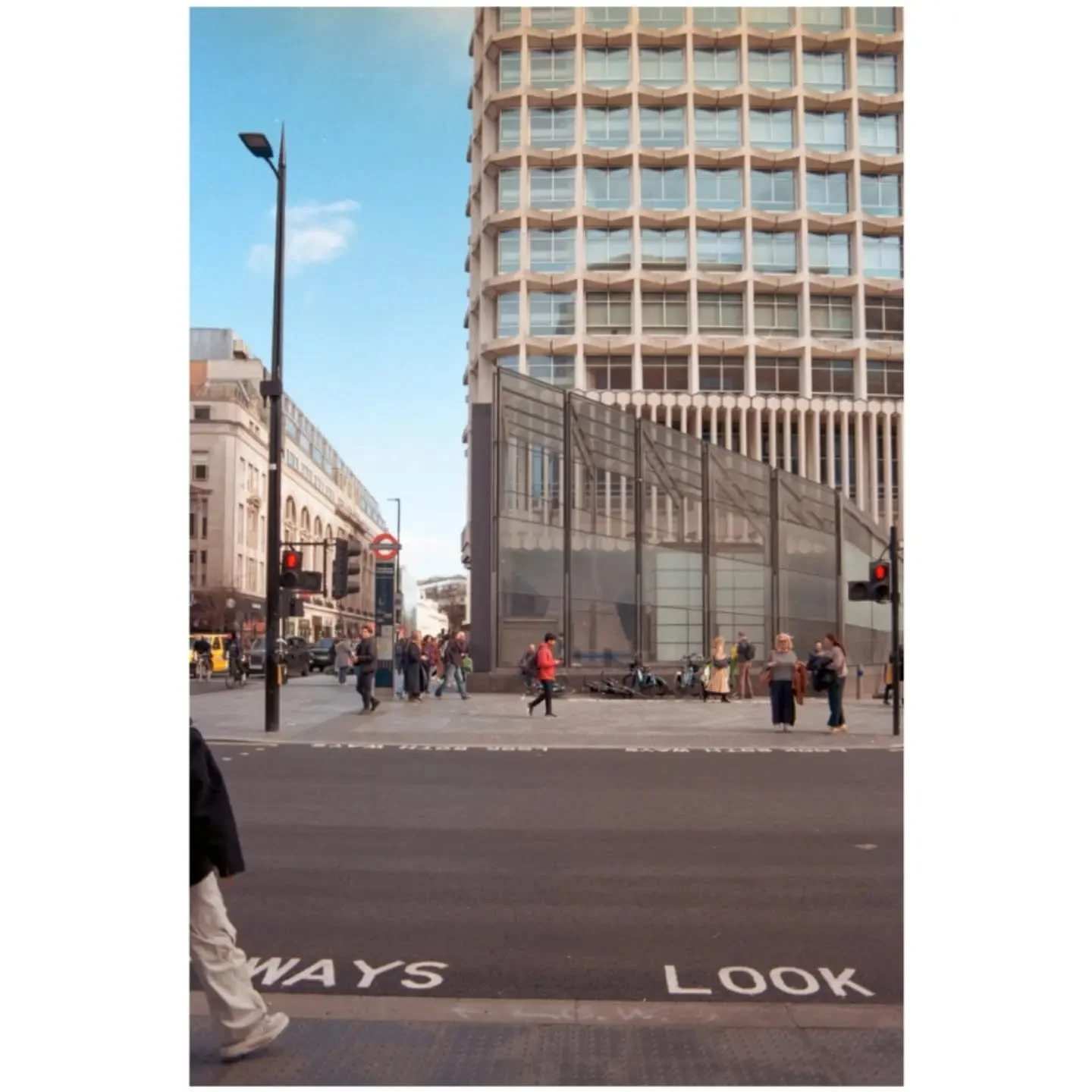
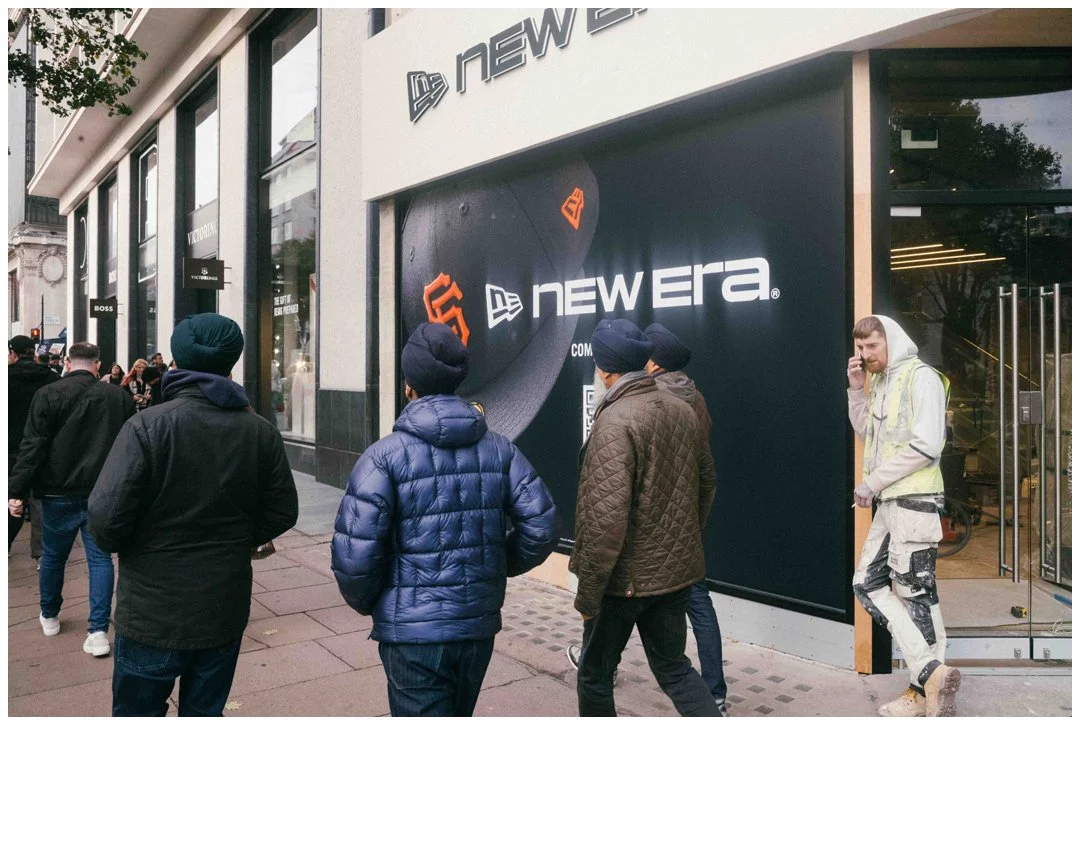
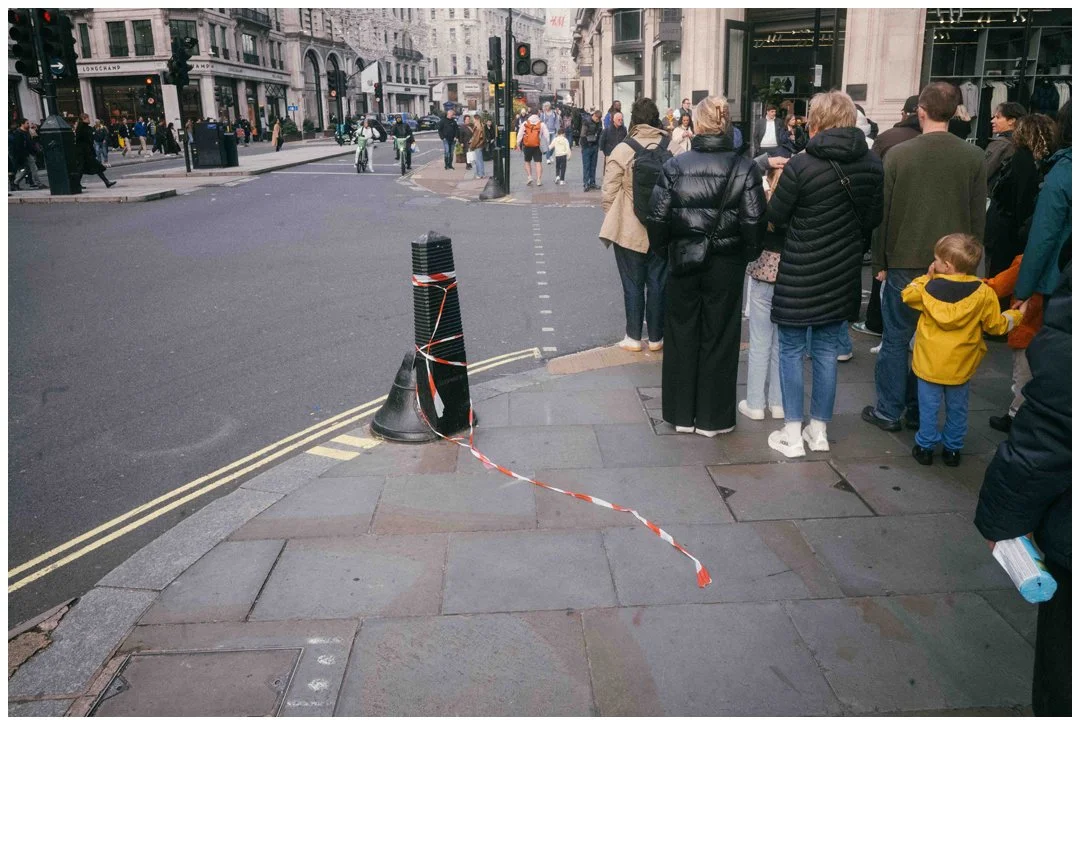
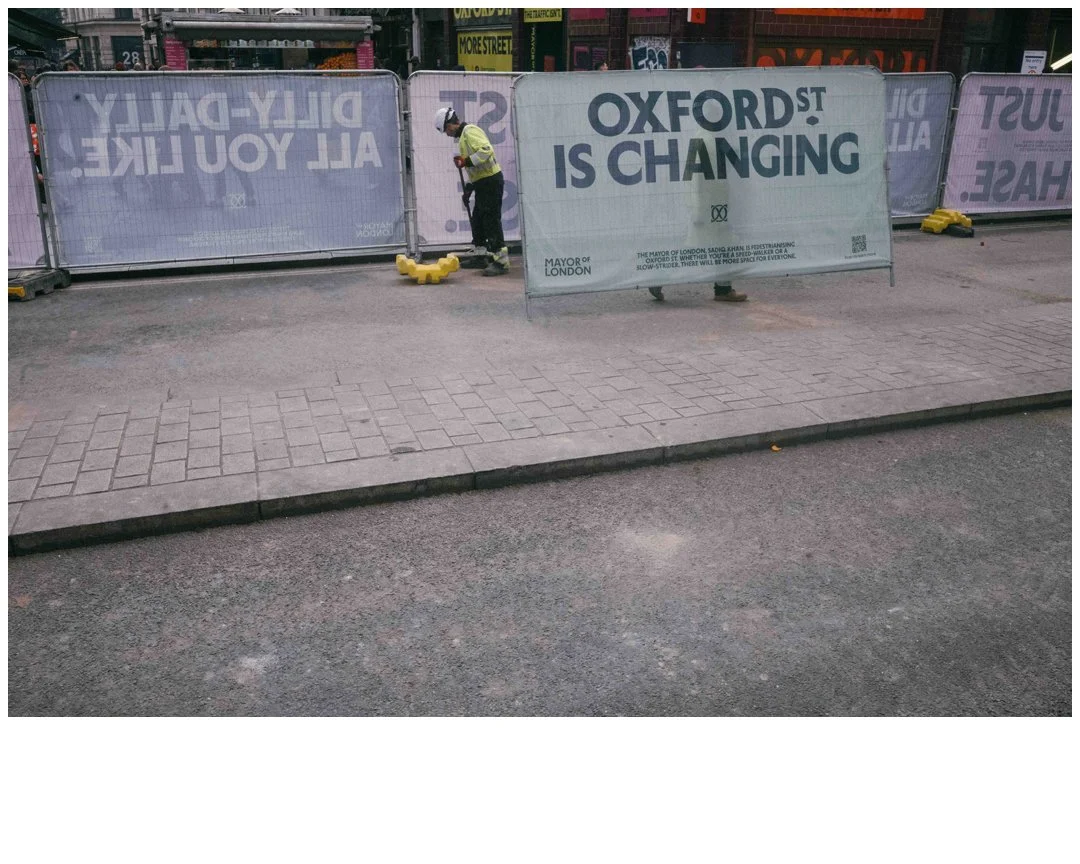
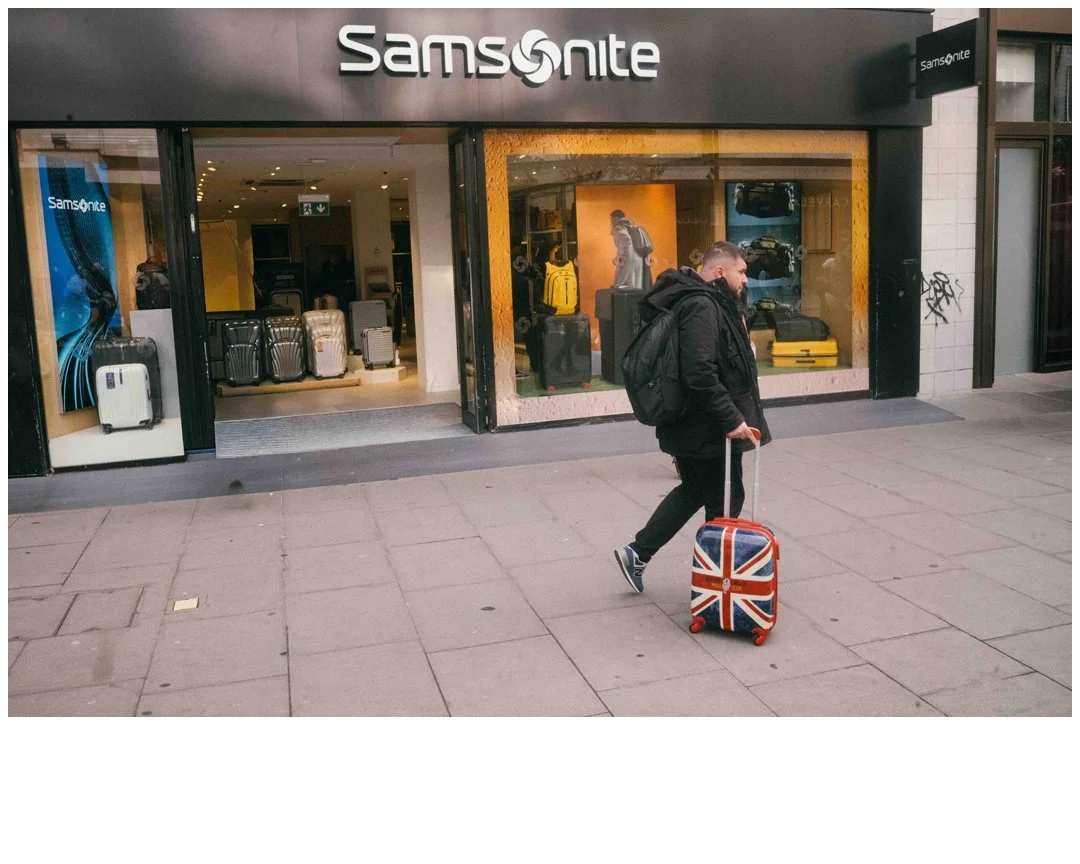
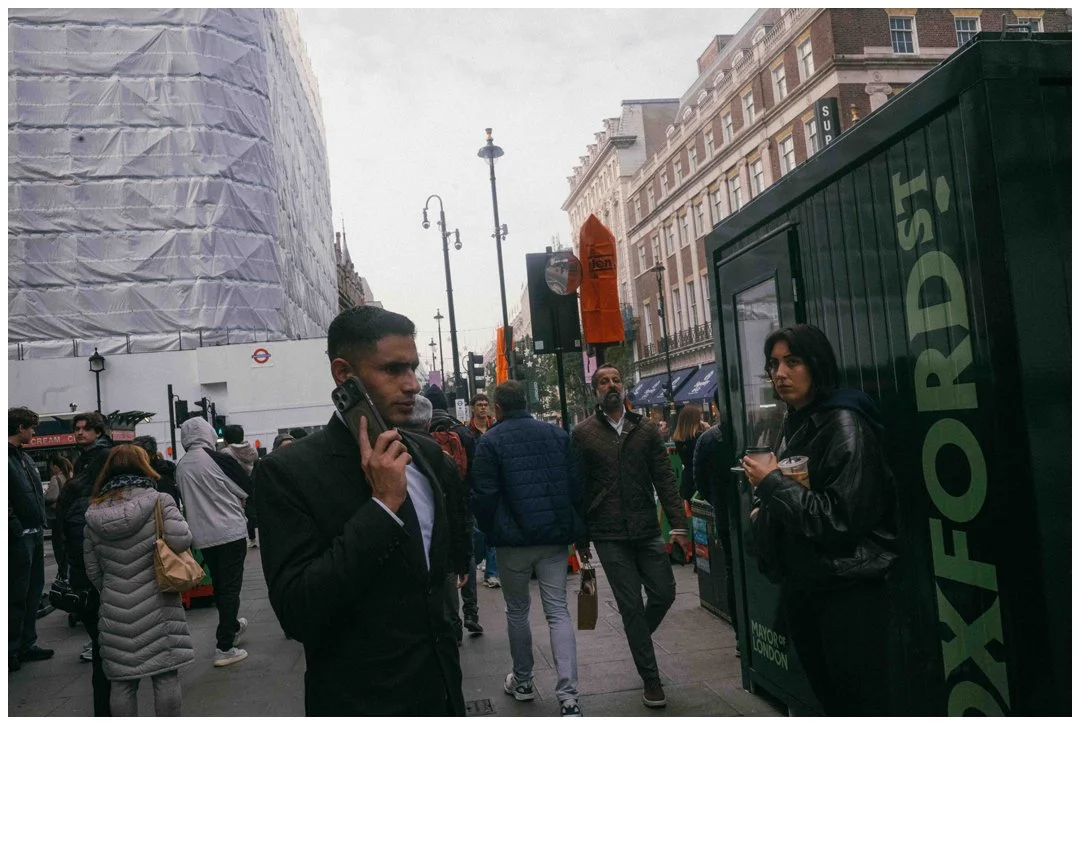
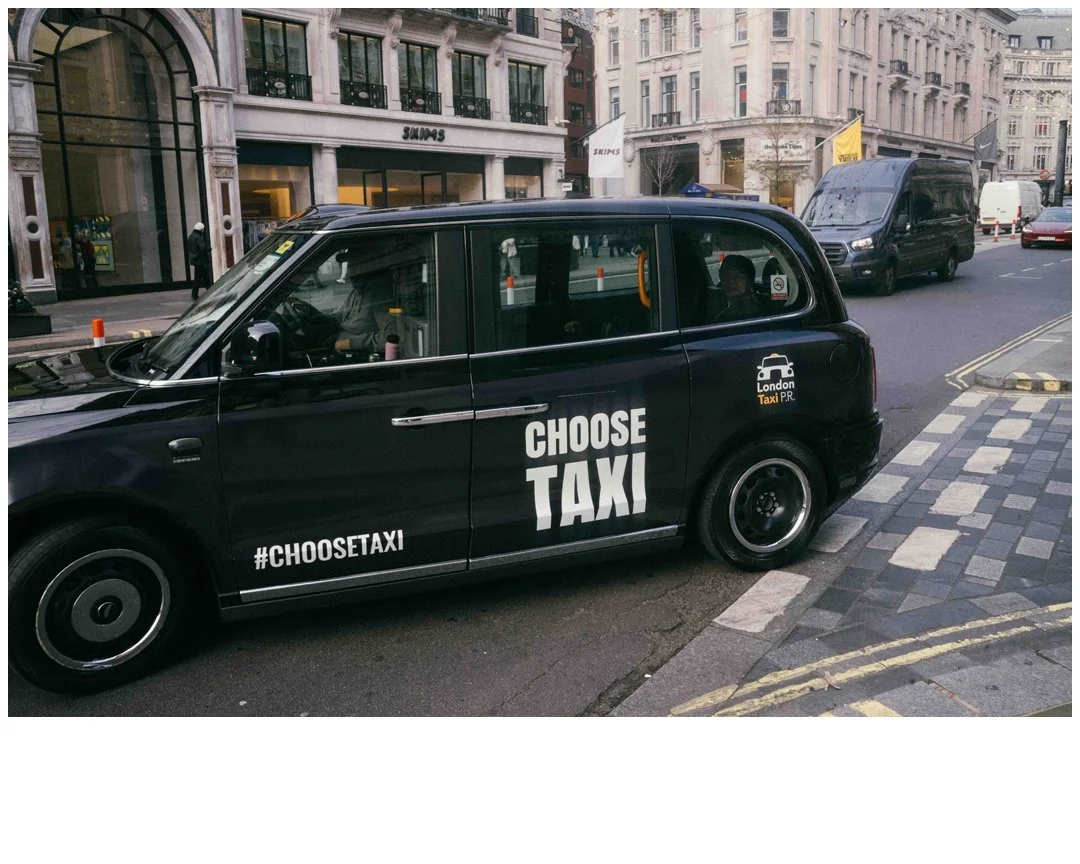
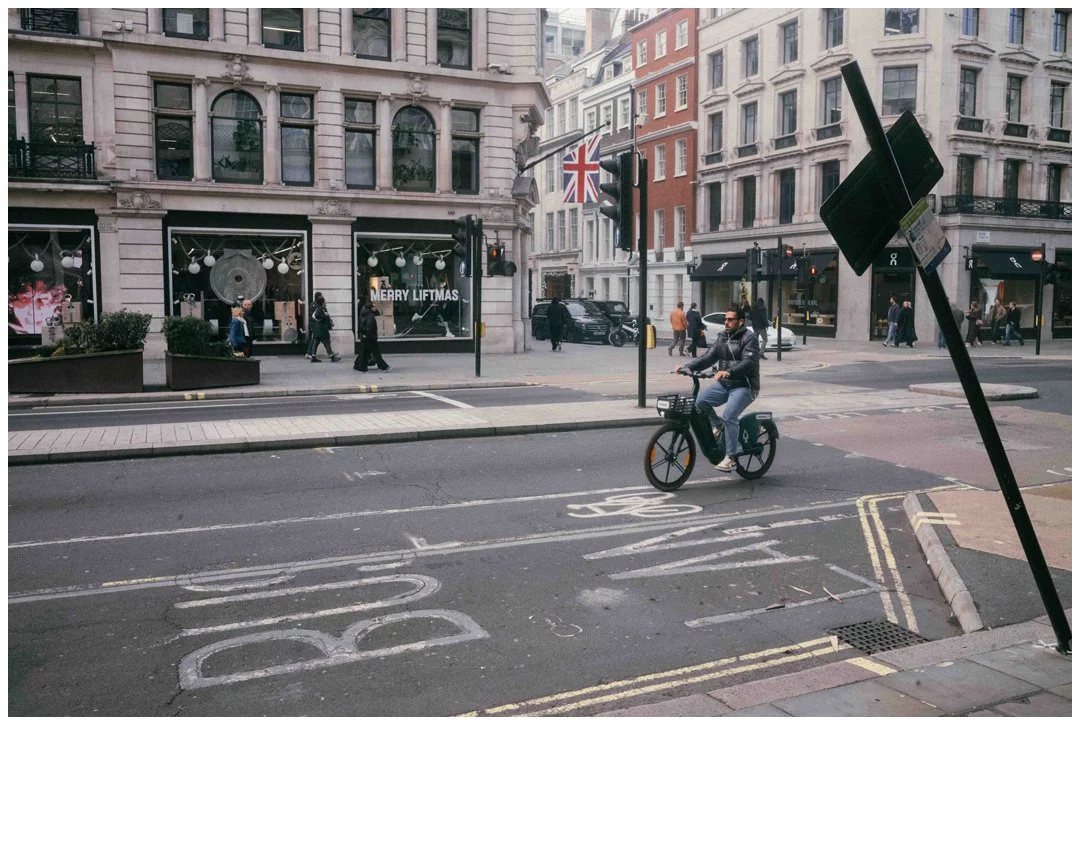
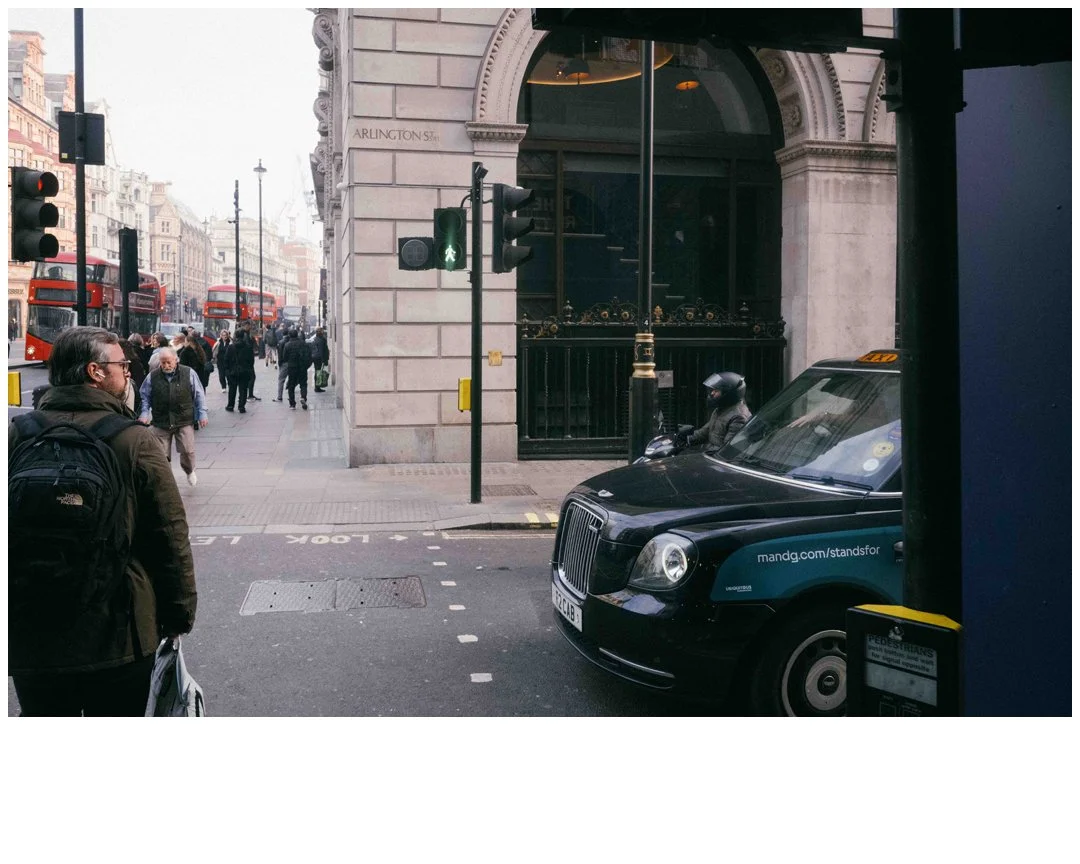
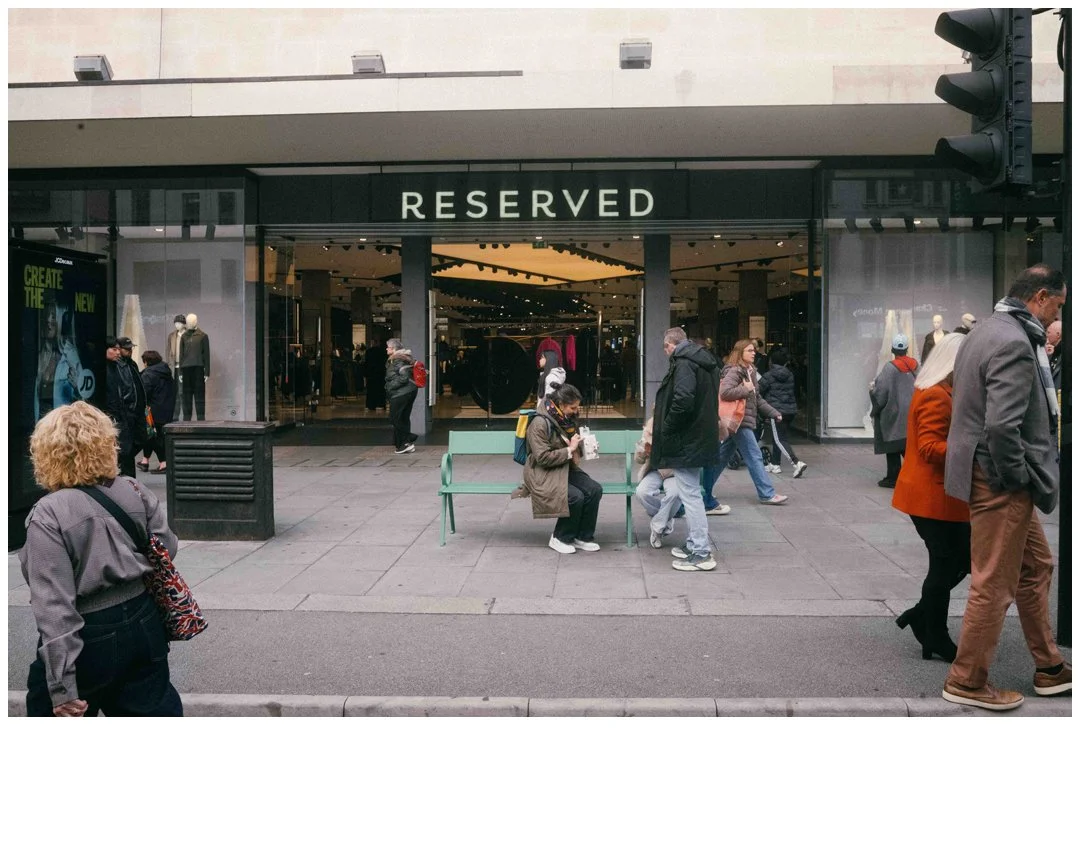
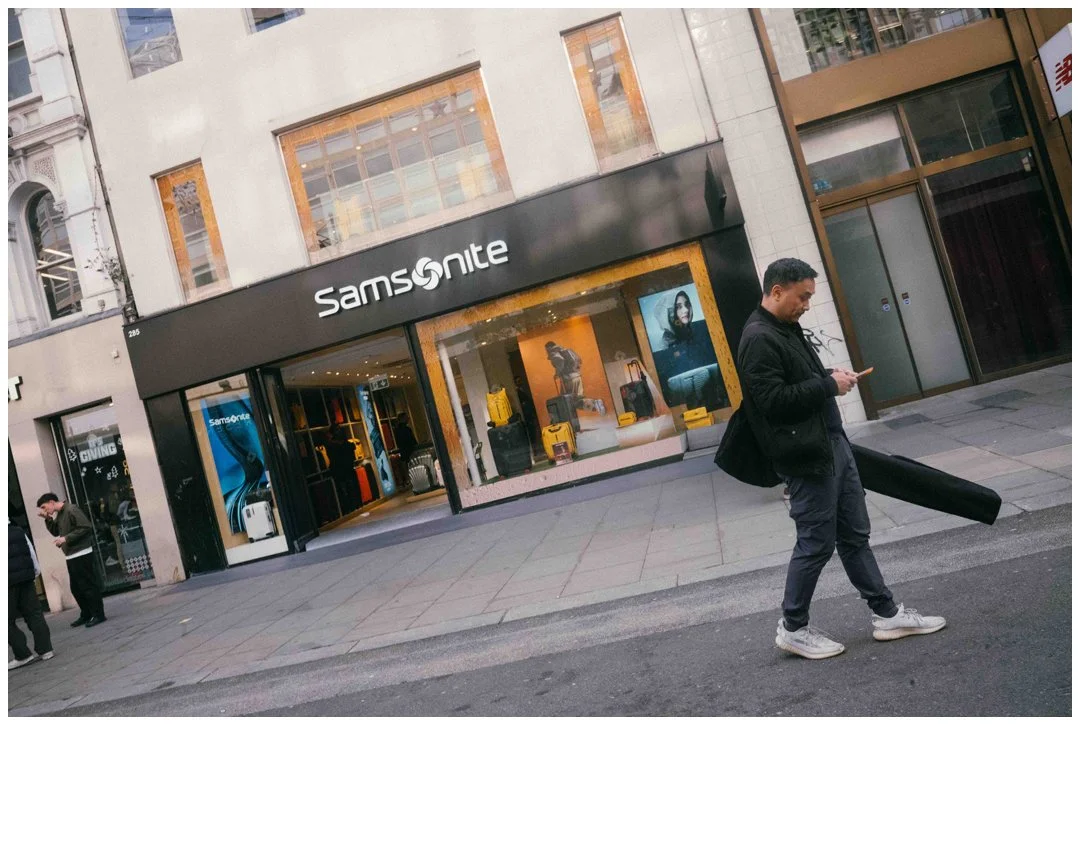
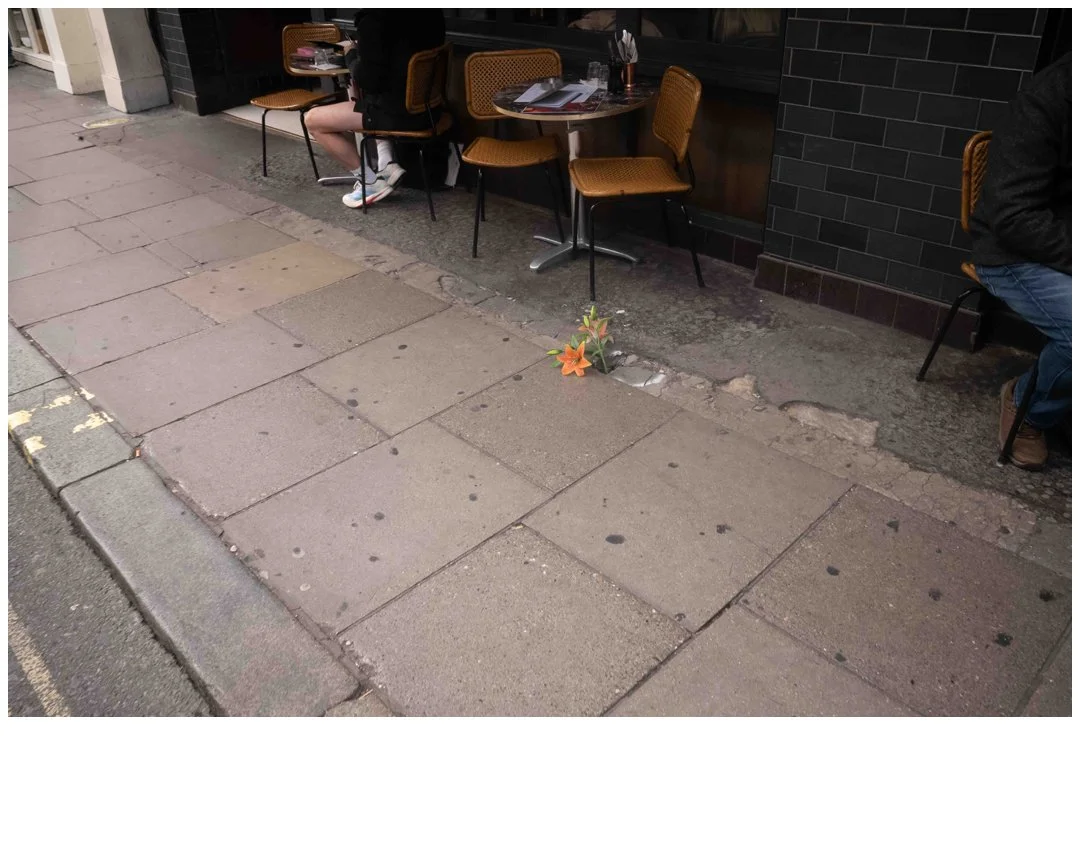
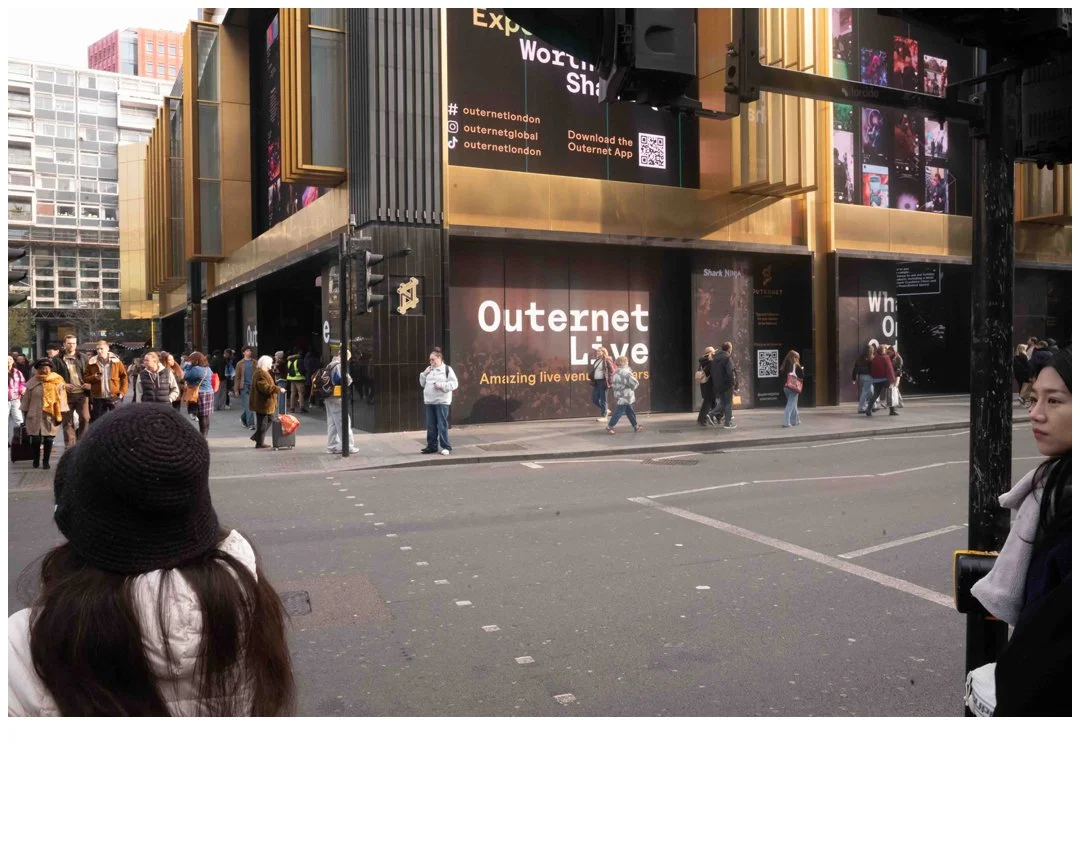
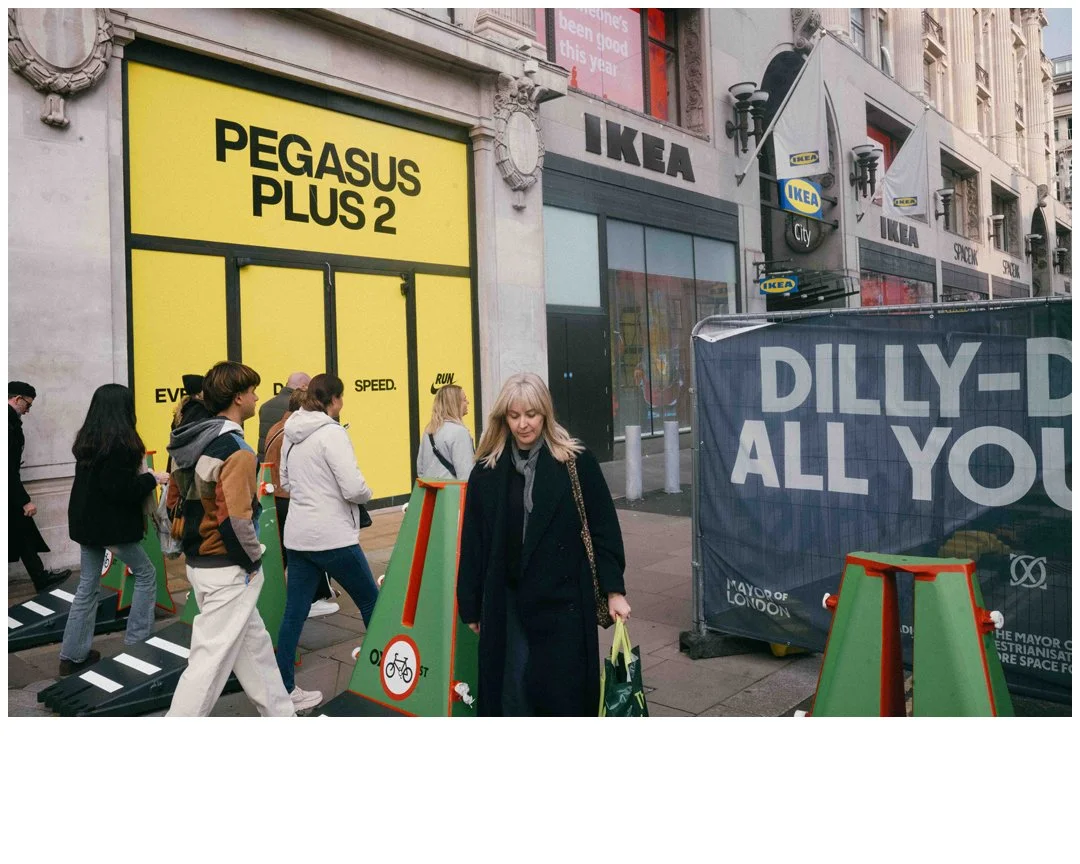
I started at Green Park and headed up Regent Street towards Oxford Circus. I wanted to see how Oxford Street was changing as it moves towards pedestrianisation, and to get a feel for what it might become.
I could imagine something of the Saturday-morning atmosphere I enjoy in Brighton’s neighbourhoods: people taking their time, stopping for a conversation, making use of the street as somewhere to spend time. I hope that feeling finds its way into this part of London.
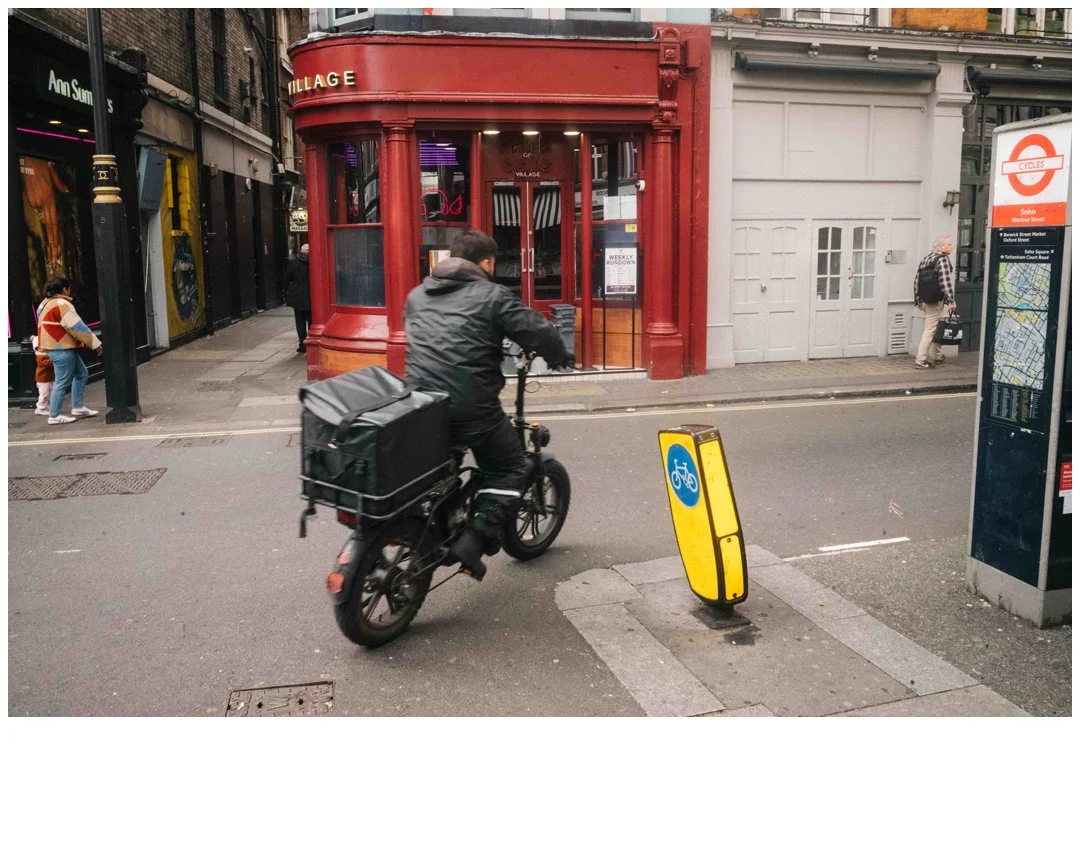
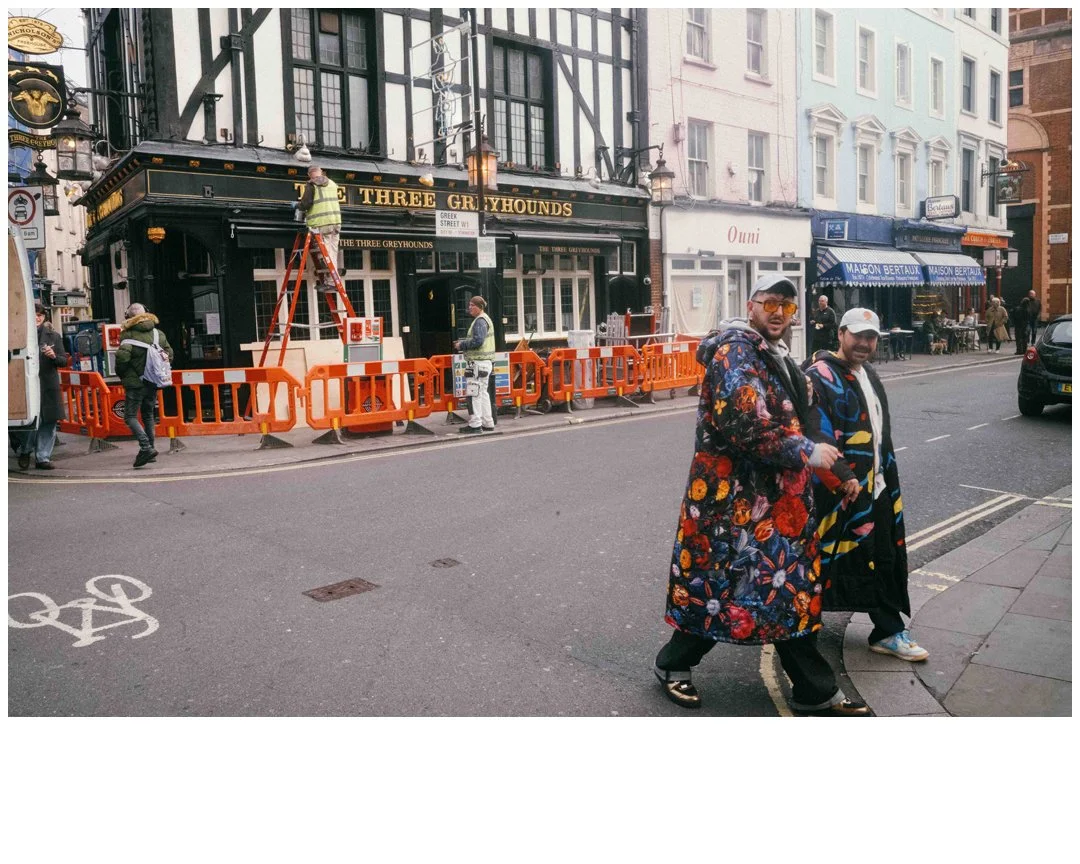
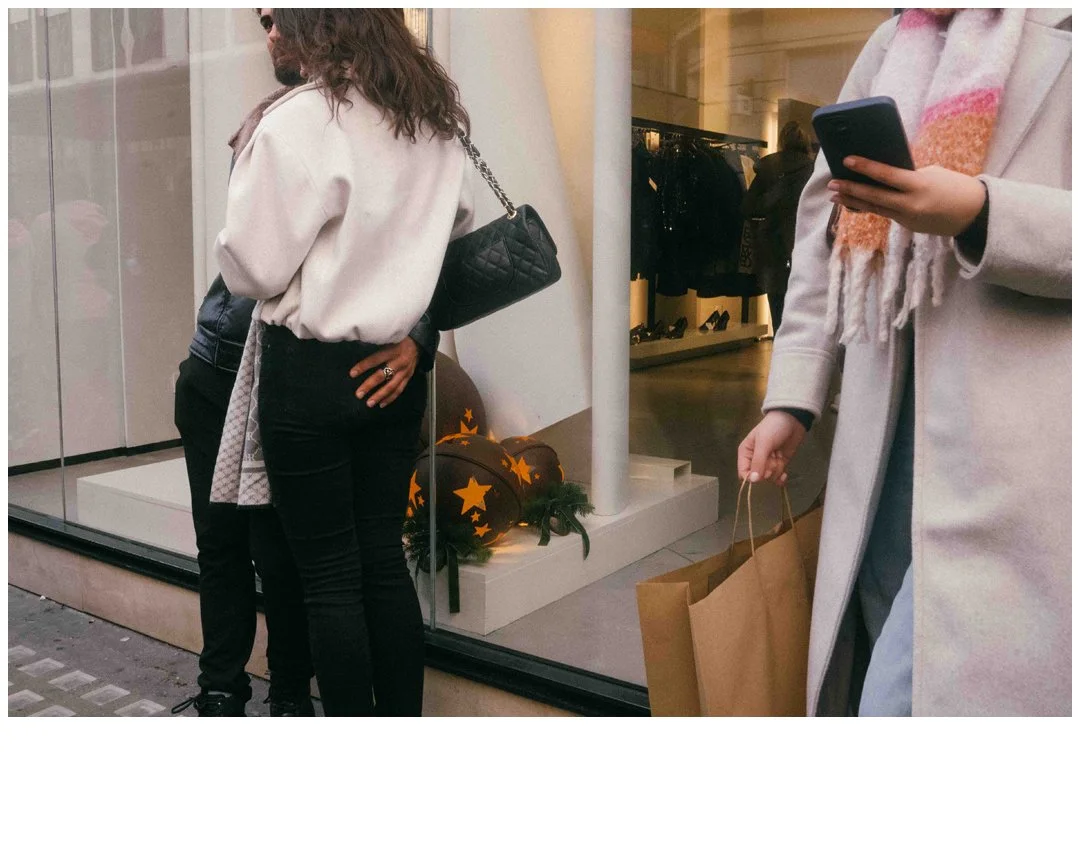
From there, I walked Oxford Street between Selfridges and Centre Point, then wandered through Soho and Chinatown.
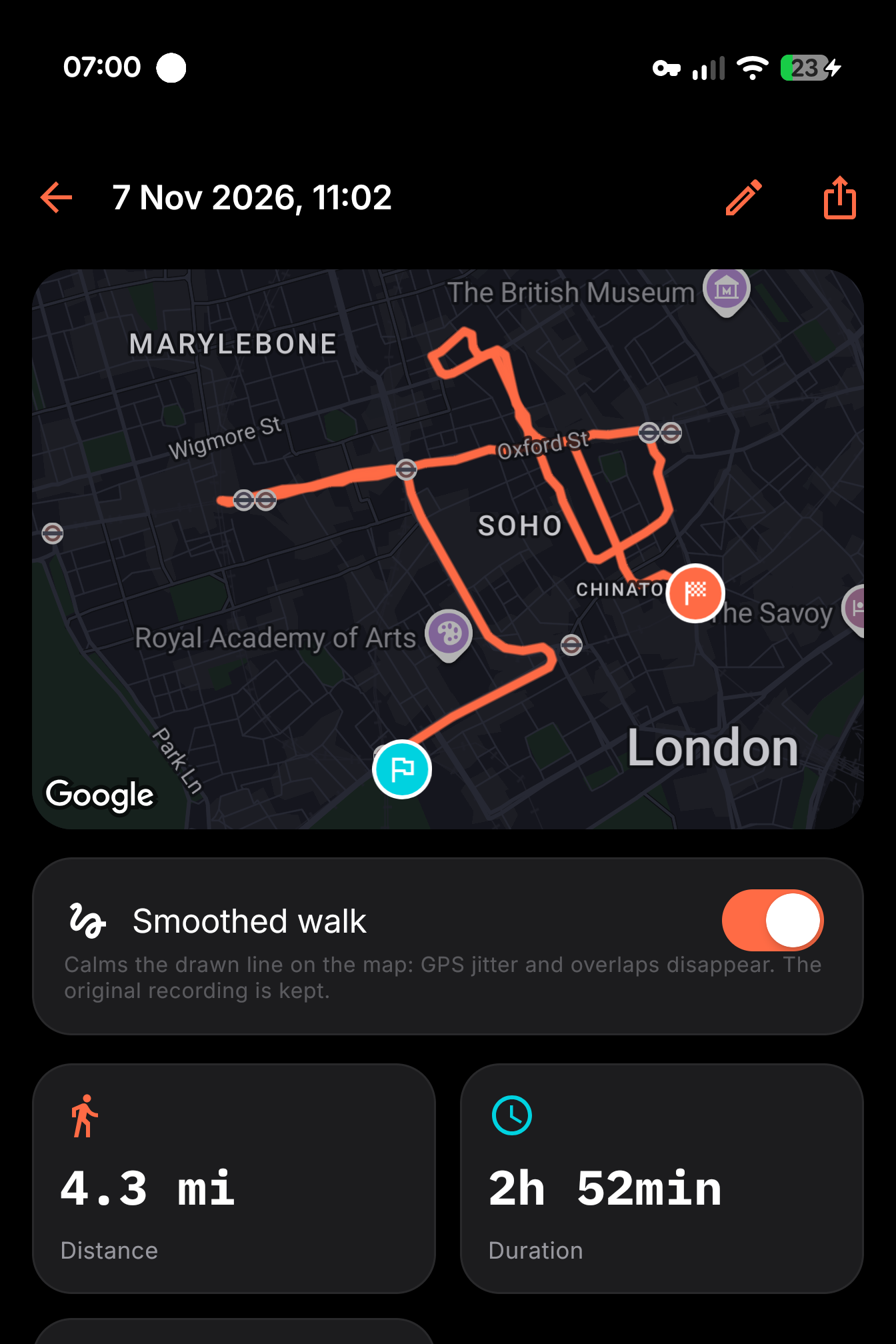
I was also trying Flâneur, an app that let me map the walk. By the end, the orange line recorded 4.3 miles and just under three hours of wandering. There is something satisfying about seeing a morning’s movement laid out afterwards: the detours and changes of direction that make perfect sense when you have a camera in your hand.
London took a little adjusting to. I had arrived with New York still setting the pace in my head, and it took some walking to become interested in what was actually around me.
There were photographs to make and different perspectives to find. Familiarity can make that harder to recognise. You think you know a place, then visit it after being somewhere else and discover that your expectations have changed.
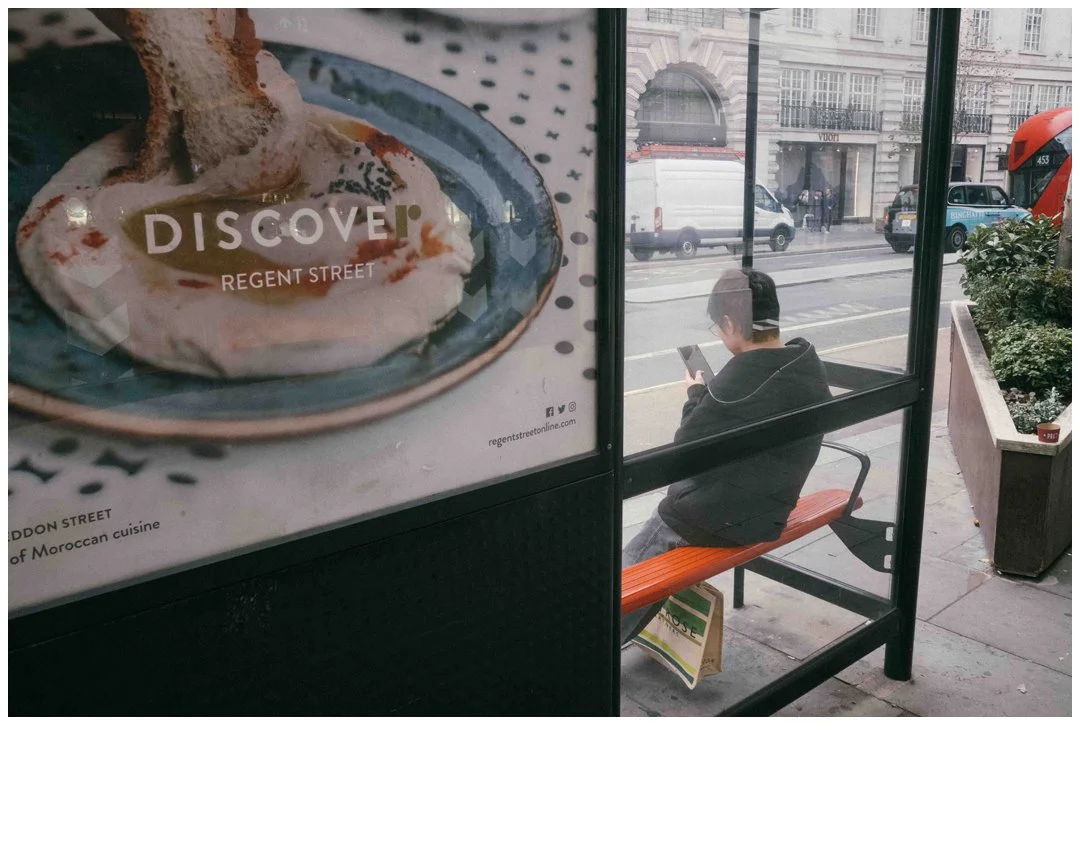
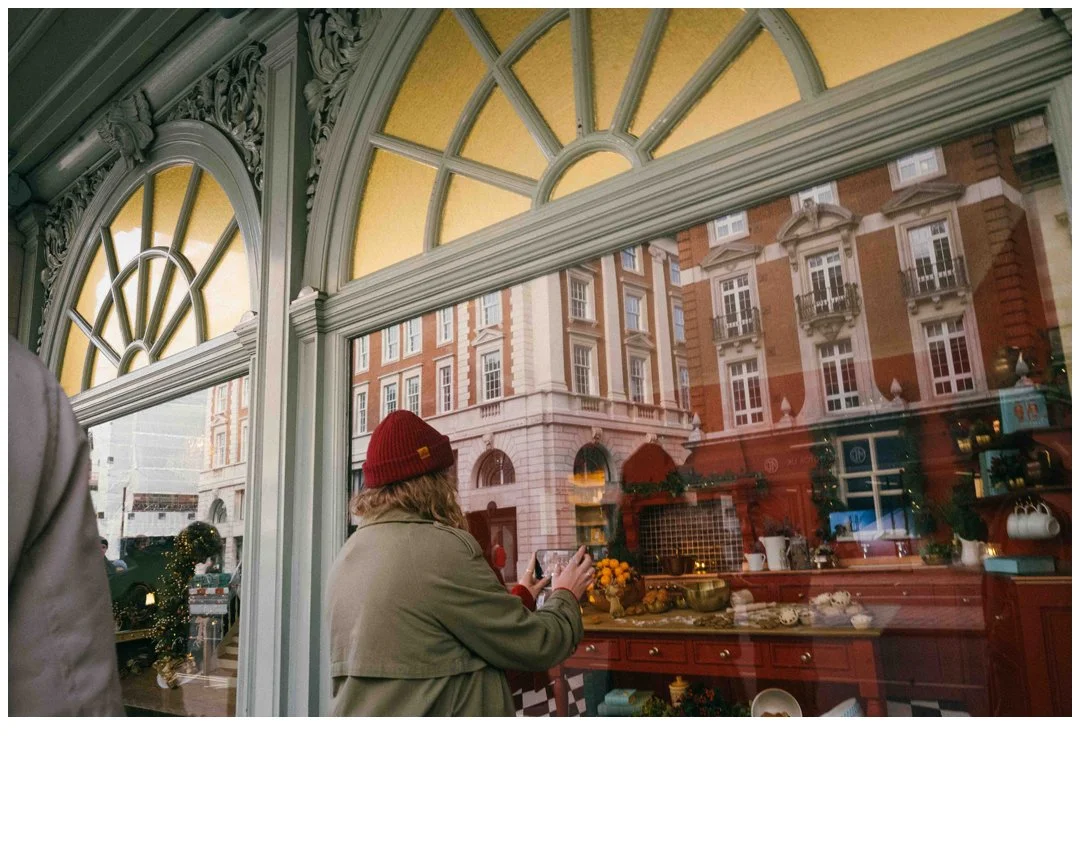
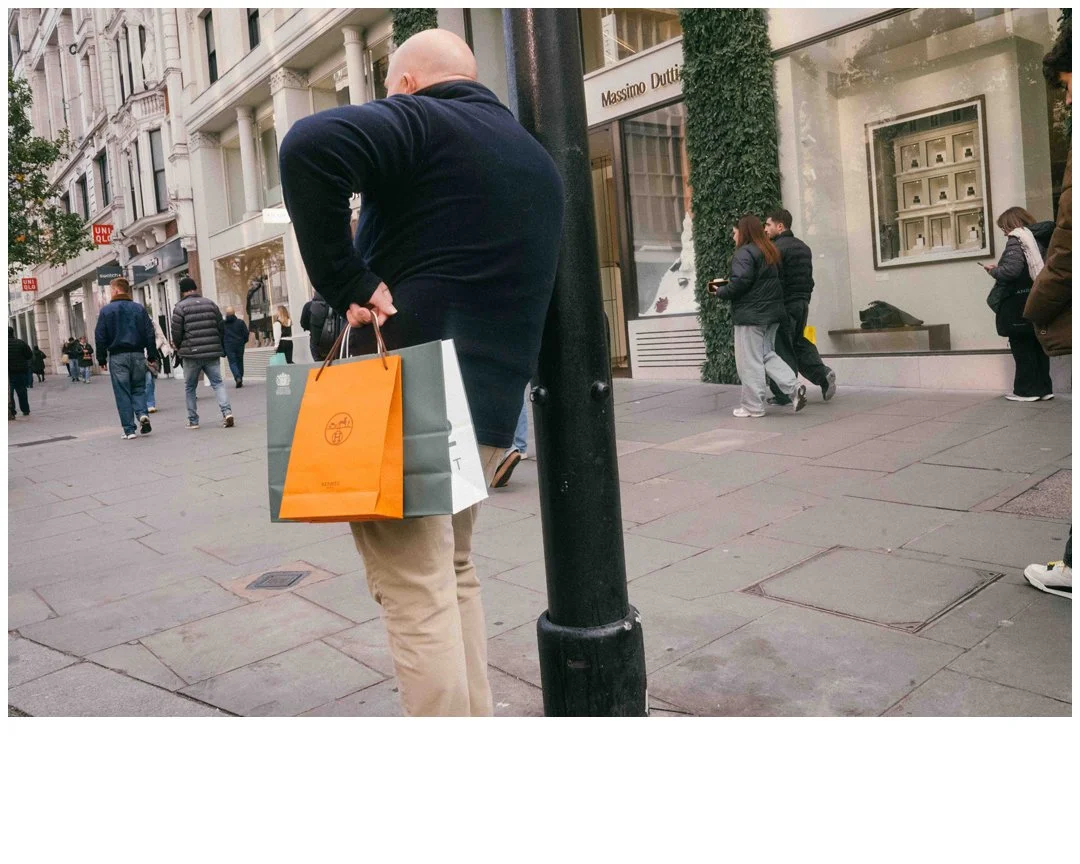
A Small Repair
There was another reason for the trip.
At the beginning of the year, in the unsettled period leading up to my redundancy, I dropped my Leica M6 and damaged the rewind crank. My head was in the shed. I wasn’t thinking properly, and the camera paid for a moment’s distraction.
I took it into Aperture to see whether they could help.
The stop and the chat broke up the day. Then came the good news: the camera could be sorted, and the man in the shop repaired it for free.
A small act of kindness, and one I appreciated enormously.
It brought me back to Zen and the Art of Motorcycle Maintenance, which I read some fifteen years ago. What has stayed with me is a way of thinking about the things we use and look after. We carry them through our lives, and inevitably they acquire marks from the experience.
The little dinks and dents become reminders of where we have been, including the periods when we haven’t quite been ourselves.
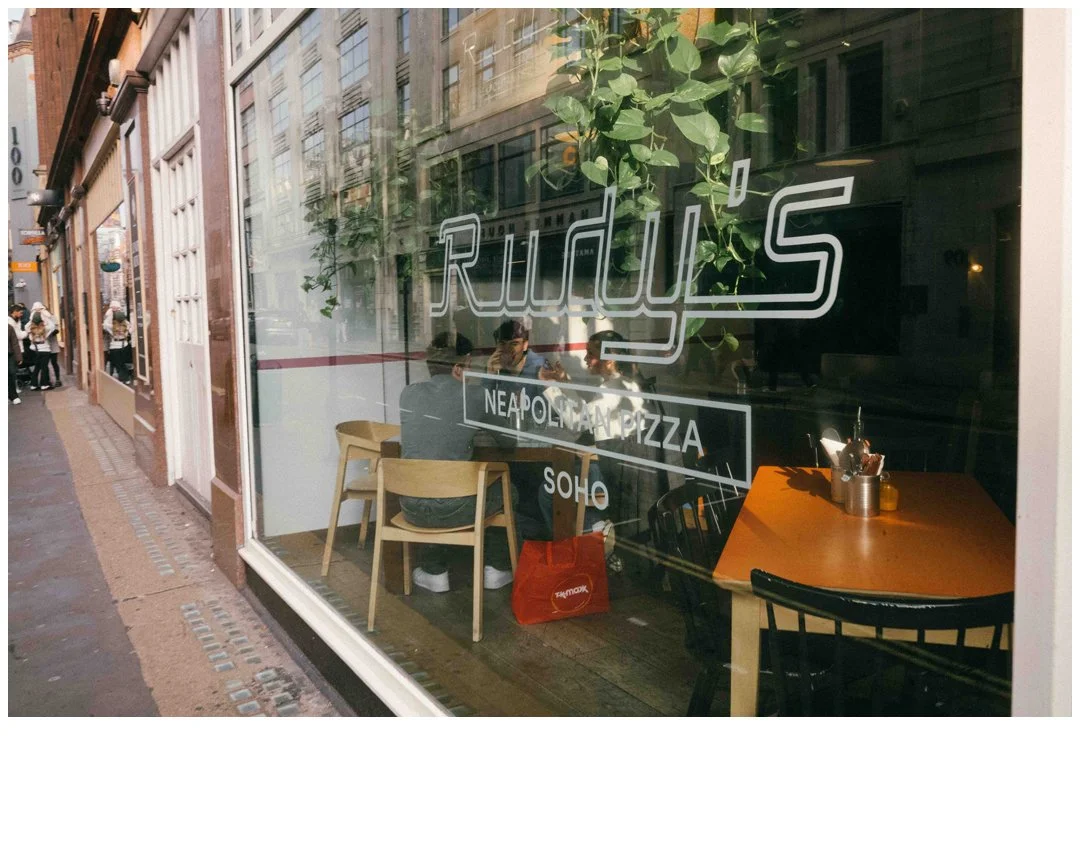
That doesn’t make damaging a camera any less frustrating at the time. I would certainly have preferred to keep the rewind crank intact. But having it repaired felt like finally attending to a small piece of unfinished business from a difficult year.
The M6 was ready to go again. So was I.
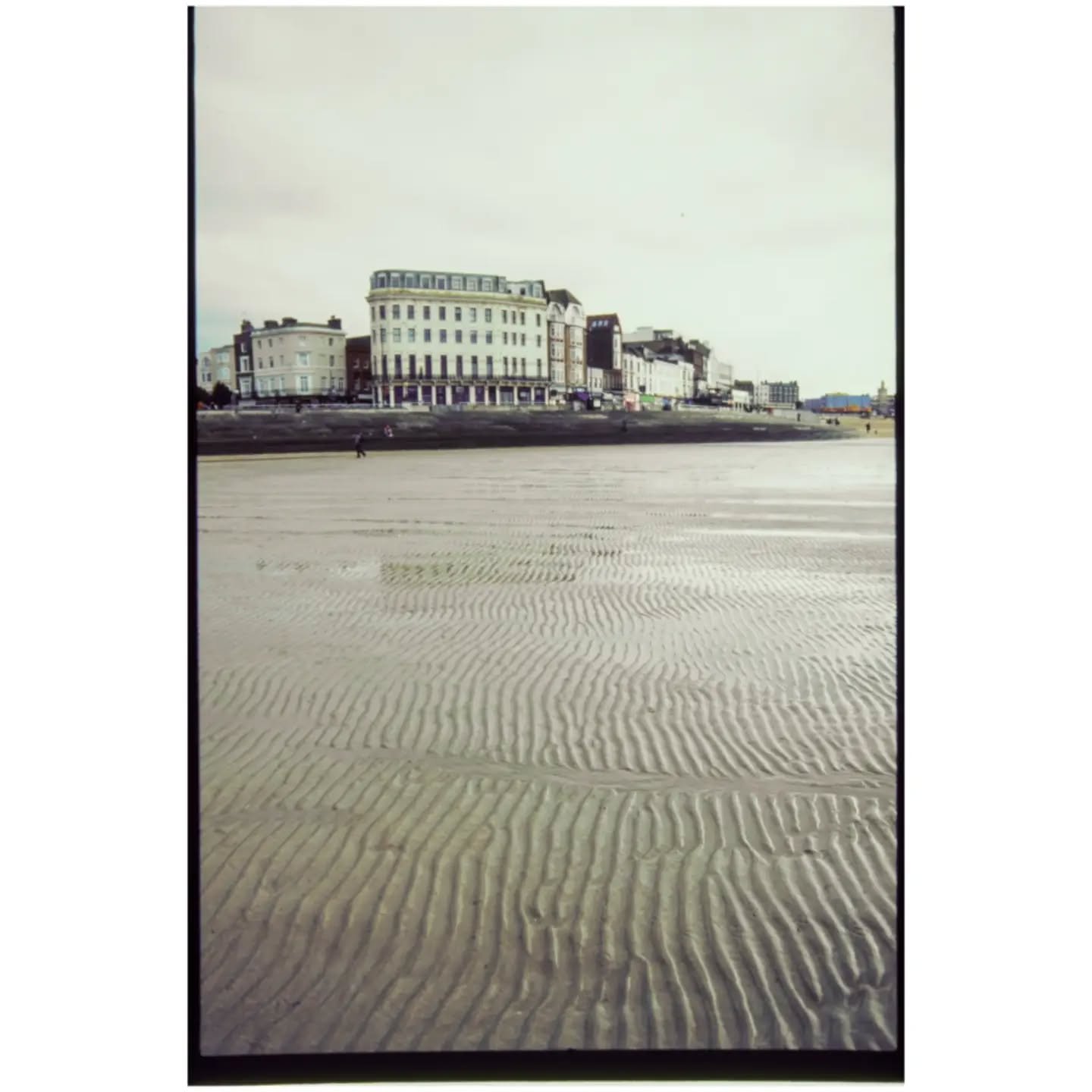
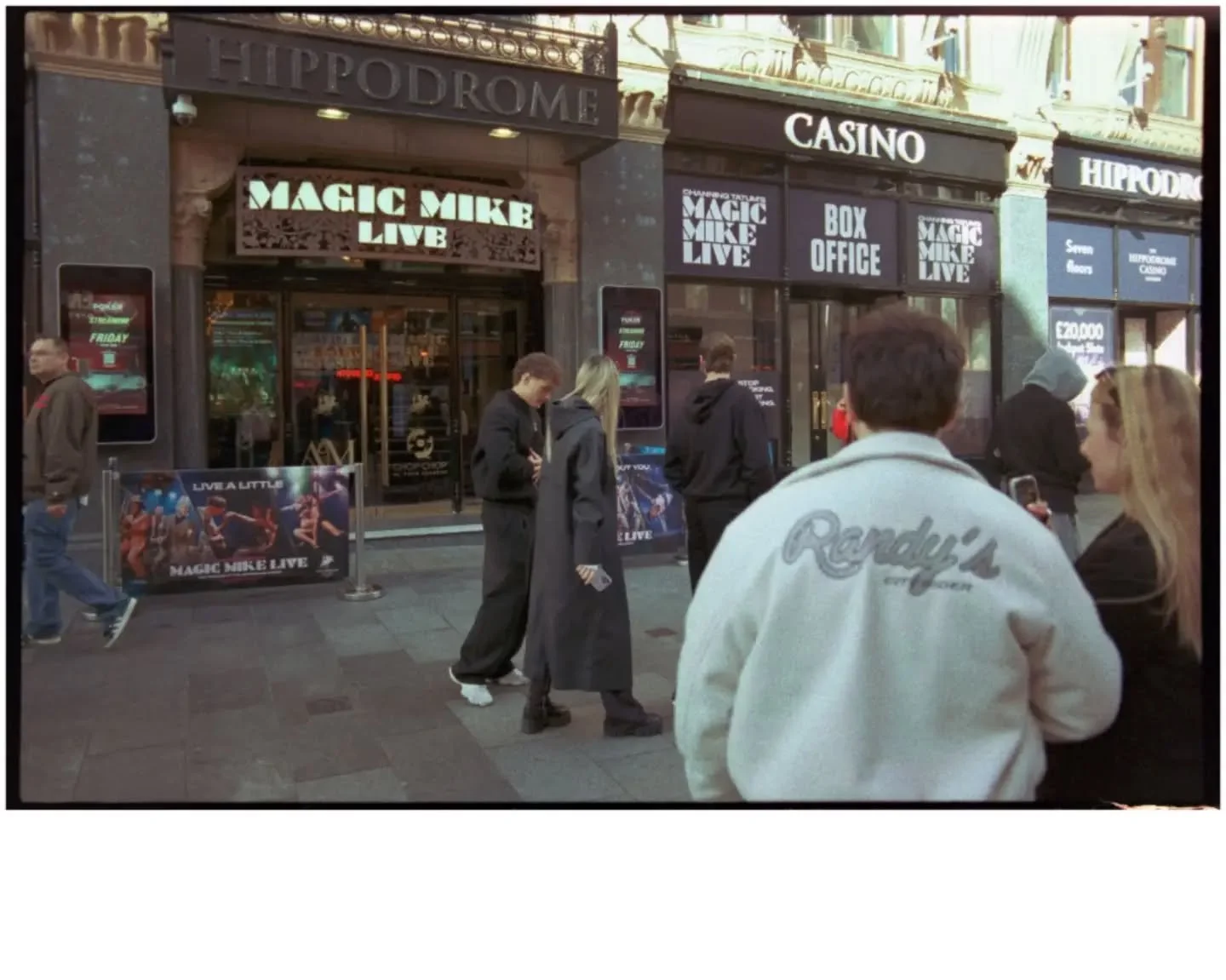
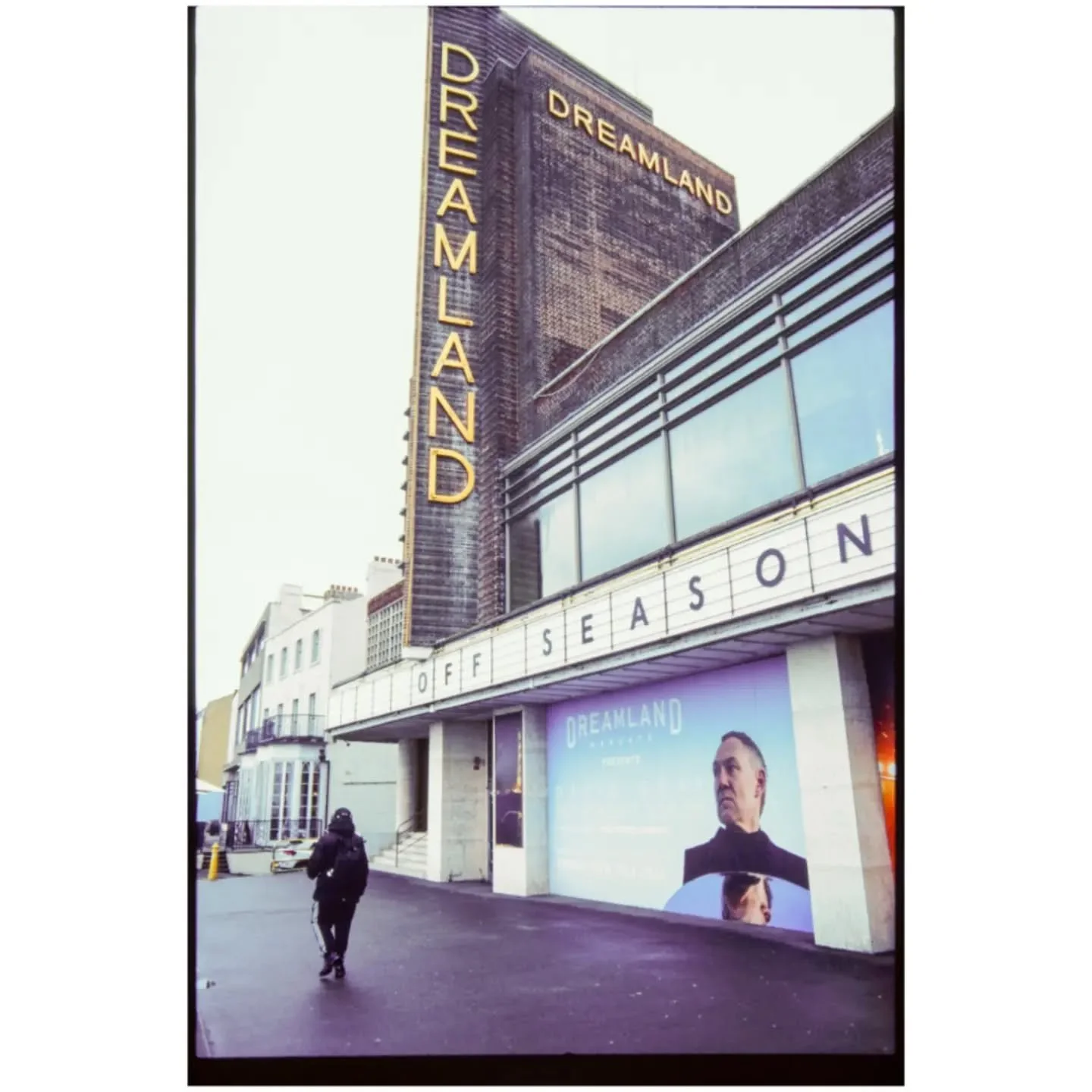
I shot a quick roll of film, then rushed home to get it developed. After a morning spent wondering whether London could still excite me in the same way, there I was, impatient to see what I had brought back.
I’m grateful to the gentleman at Aperture. He gave me back a working camera, and the afternoon took on a different feeling because of it.
London can wait a little while before its next comparison with New York. I have a roll of film to look at first.
Until next time, keep snapping.

New York, Eighteen Years in the Making
In 2008, I had a trip to New York planned. Flights almost booked, savings ready, an itinerary half-formed in my head.
Then the credit crunch arrived and took my New York fund with it.
New York would have to wait.
It waited eighteen years, until 8 September 2026.
In 2008, I had a trip to New York planned. Flights almost booked, savings ready, an itinerary half-formed in my head.
Then the credit crunch arrived and took my New York fund with it.
New York would have to wait.
It waited eighteen years, until 8 September 2026.
The Curse
I should have known something was coming. Before I even left home, I managed to break my e-reader. Fifteen years of reading in bed without incident, and it chose the night before we left to give up.
Fine. I’d read on my phone.
On the first day, I tripped and went down hard on my camera. Possibly cracked a rib. Definitely broke my glasses. The camera survived, which tells you everything about where my priorities lie.
And then, on the last day, the latch on my Nikon F80 gave up entirely.
Apparently, the curse still had unfinished business.
At the time, I was disappointed and upset. Eighteen years of waiting, and now this. But it brought me back to something I’d taken from reading Zen and the Art of Motorcycle Maintenance some fifteen years ago: the interruptions and frustrations are part of the journey too.
Easier to appreciate afterwards, admittedly.
I’m choosing to read all of this as the universe settling a very old debt in instalments.
The Reality
I’ll admit I had reservations about coming. The world is a complicated place right now, and New York sits at the centre of a lot of it. But the experience of walking its streets dismantled most of those reservations within the first hour.
New York is extraordinary. Loud, layered, contradictory, and absolutely, relentlessly itself. For a flâneur or street photographer, it is sensory overload. Every street corner seems to offer another reason to stop.
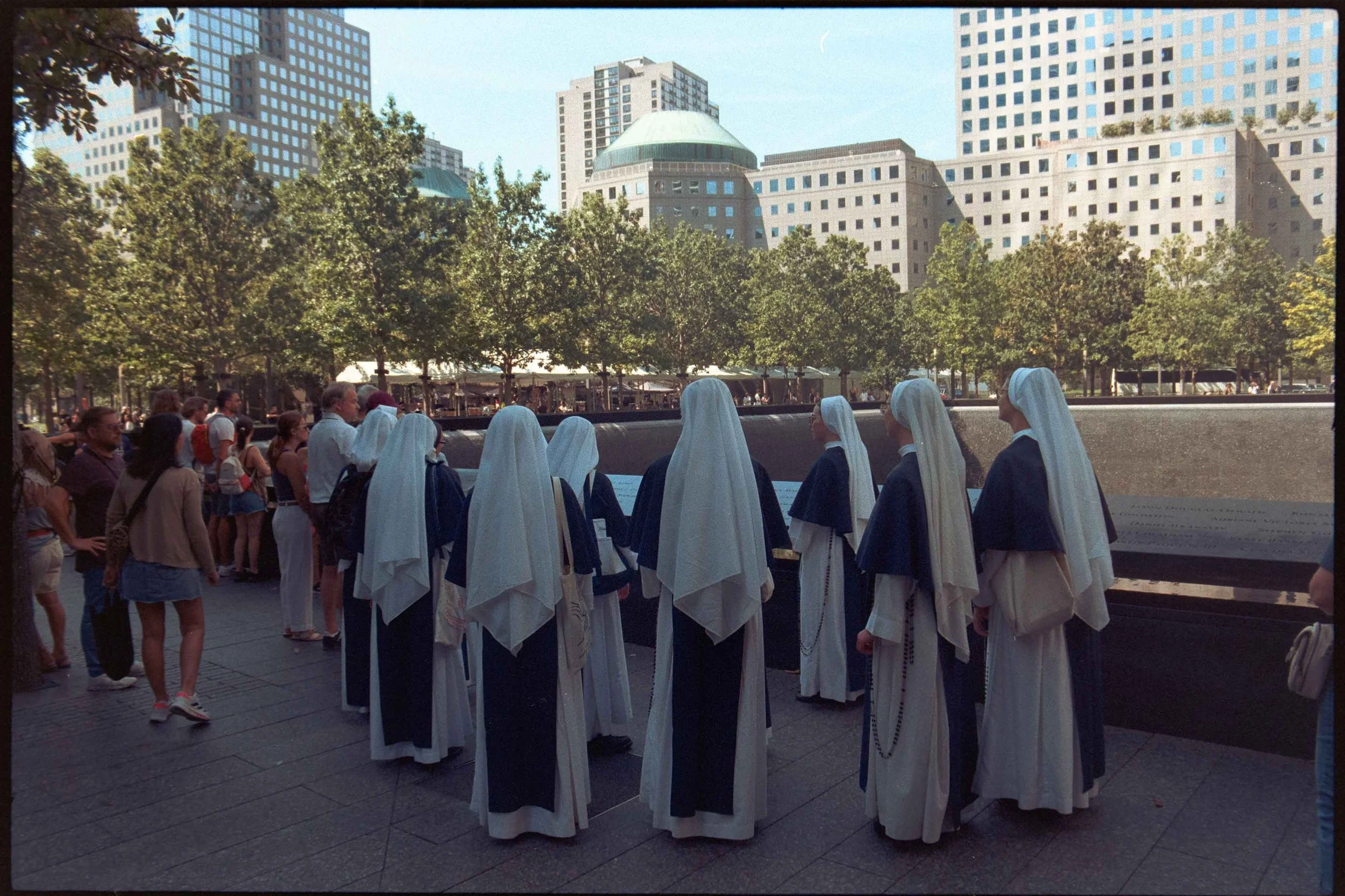
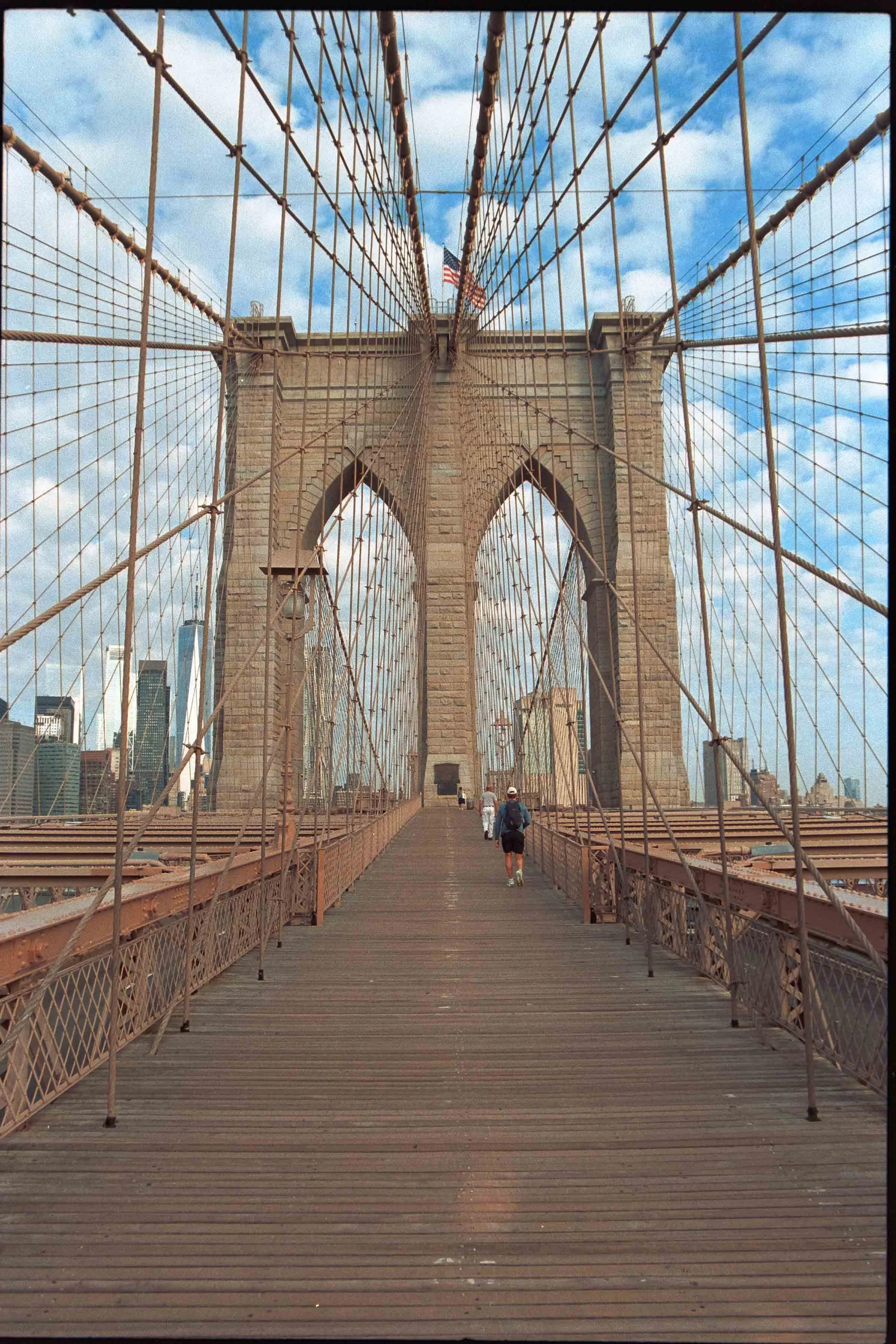
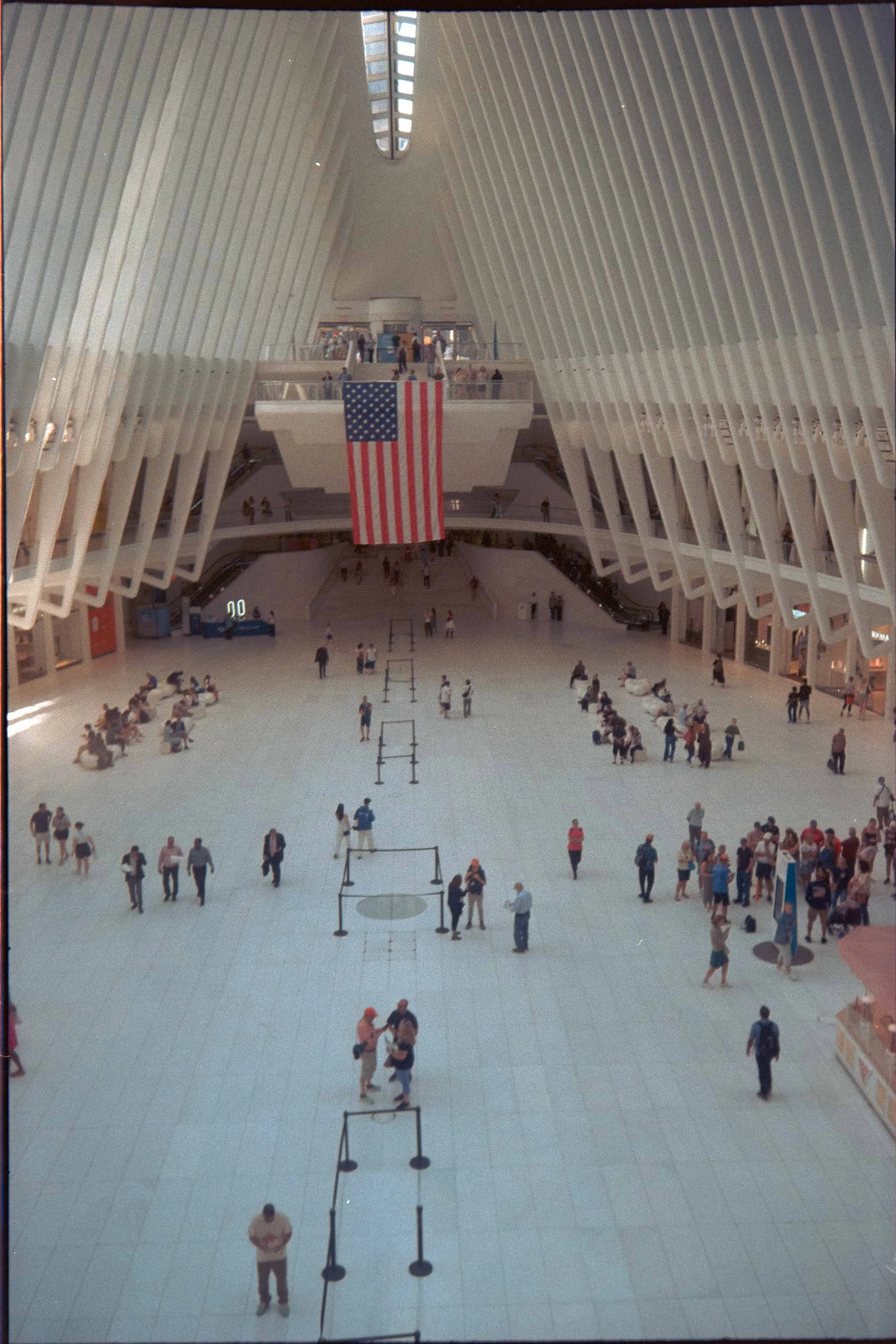
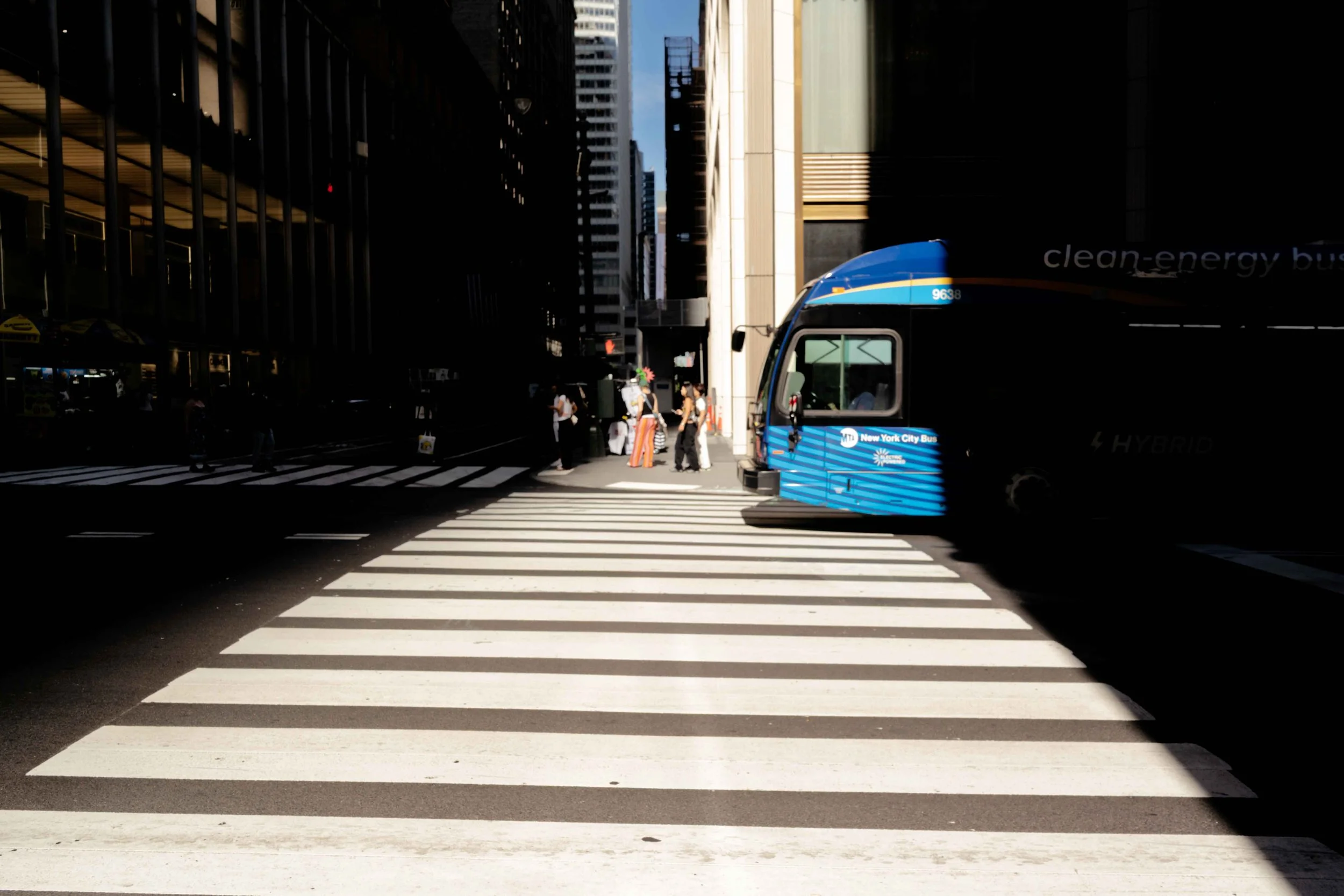
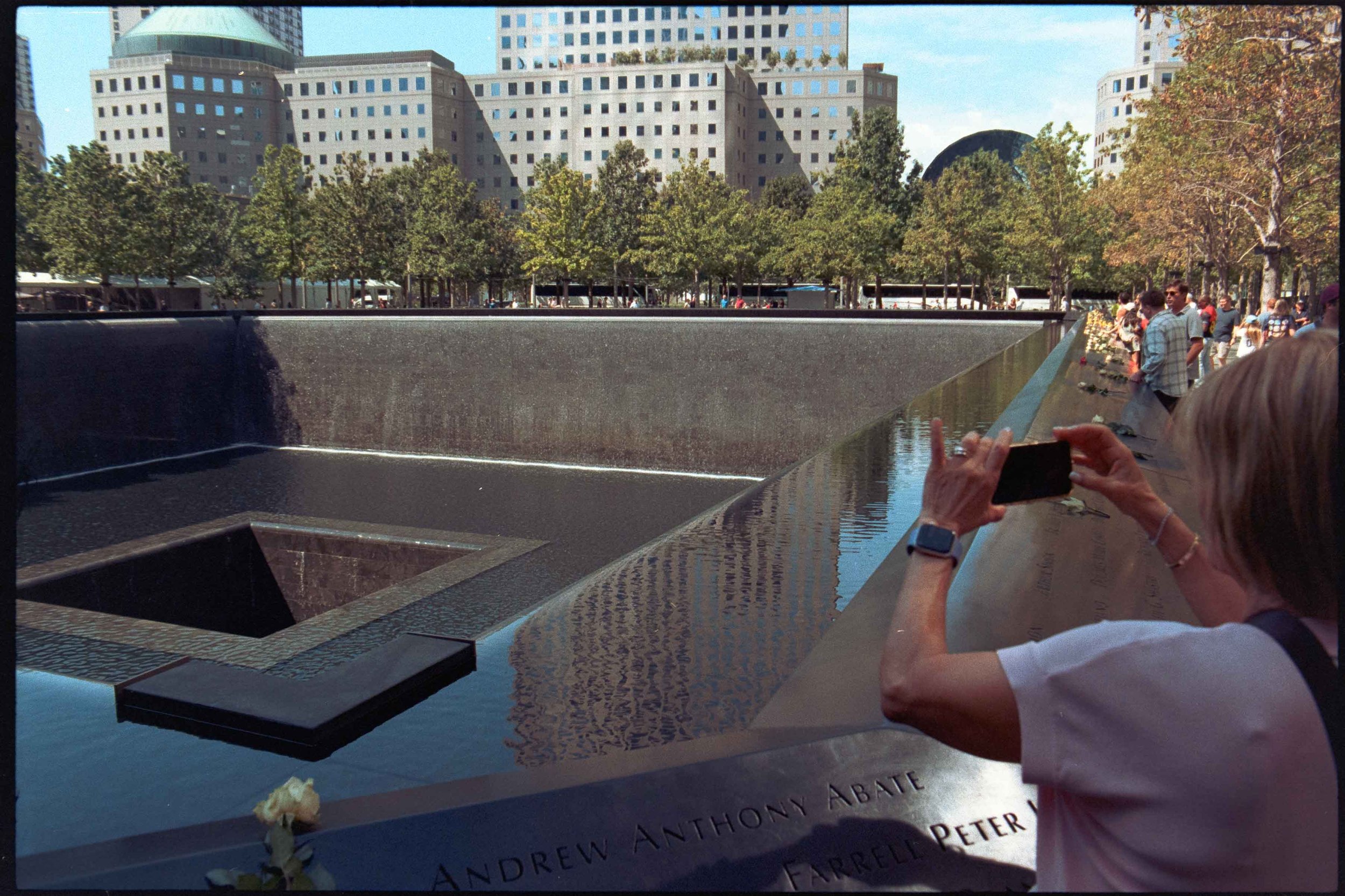
Visiting the 9/11 Memorial was something else entirely. Deeply humbling is the only phrase that comes close. Standing there, reading the names, you feel the weight of the place in a way no photograph or documentary ever quite prepares you for.
I took no photographs there. Some moments don’t need a camera.
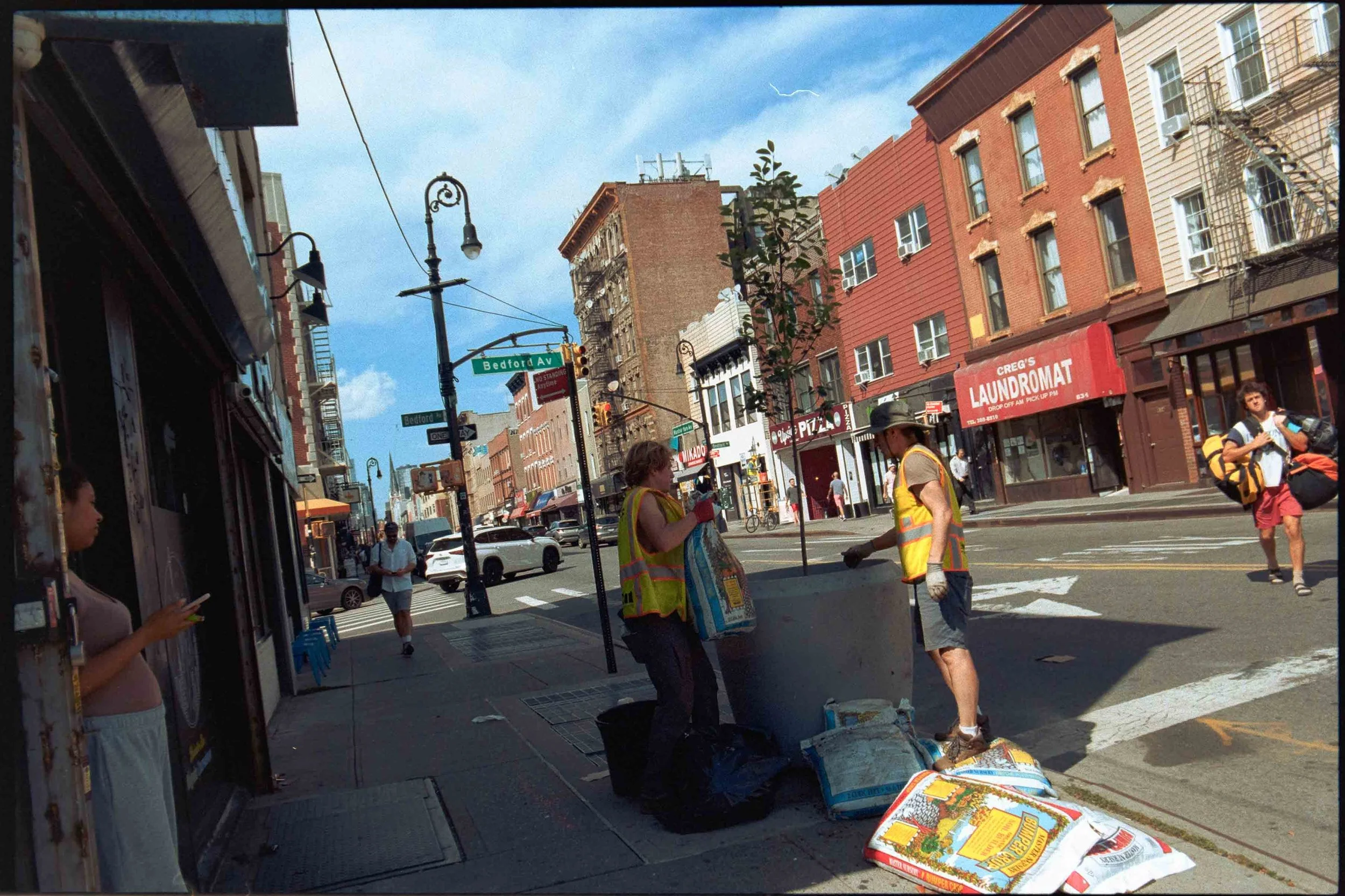
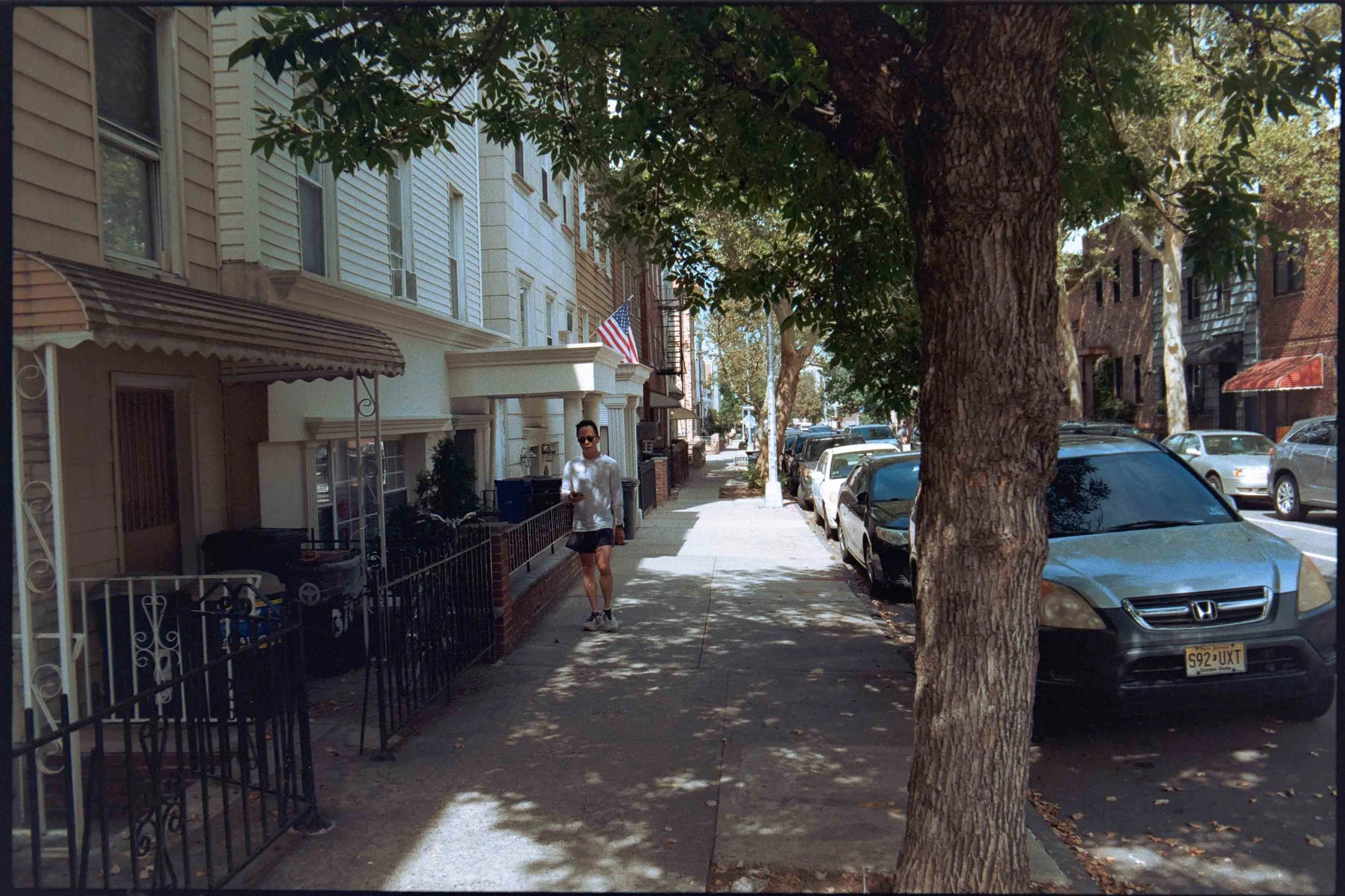
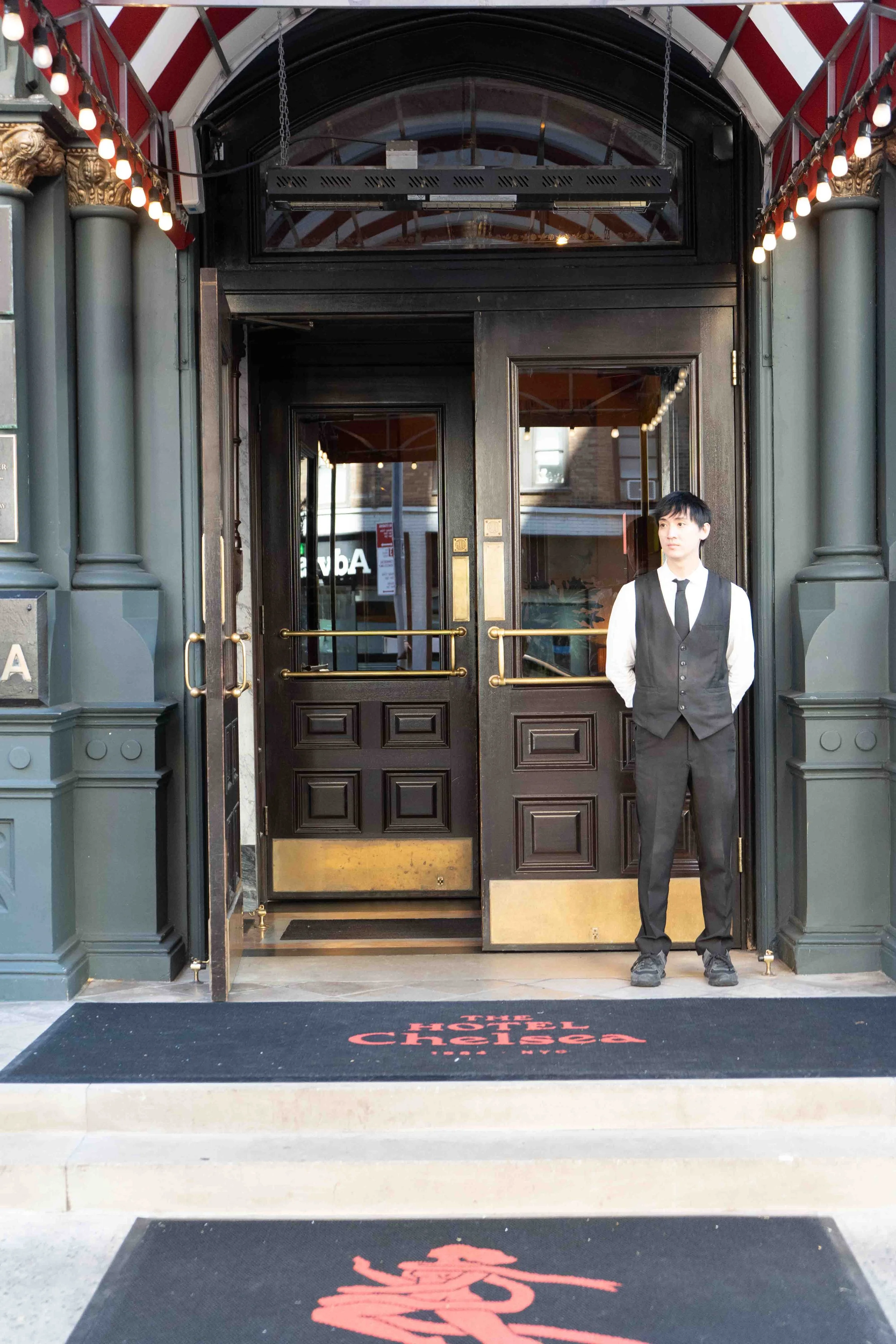
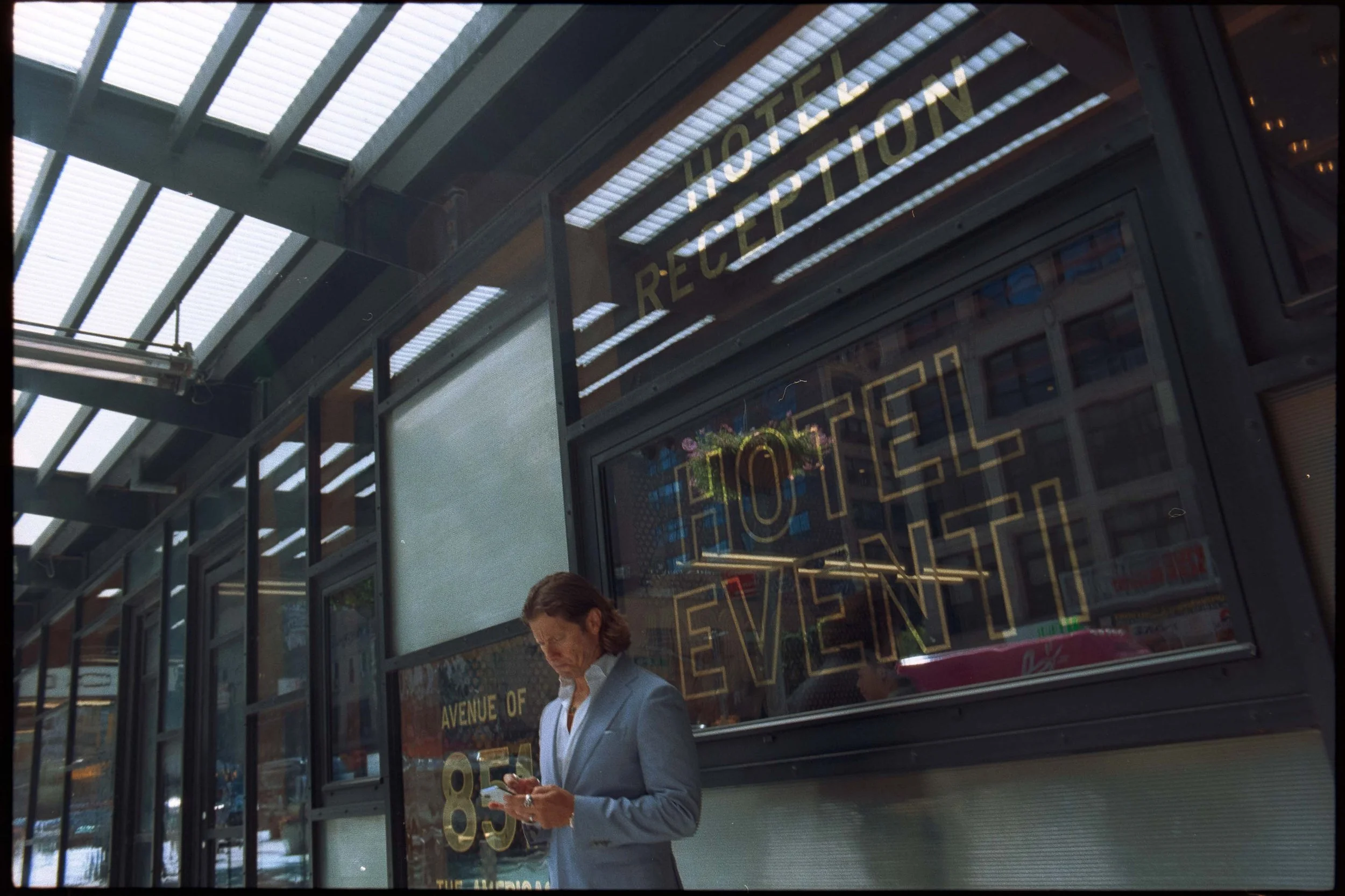
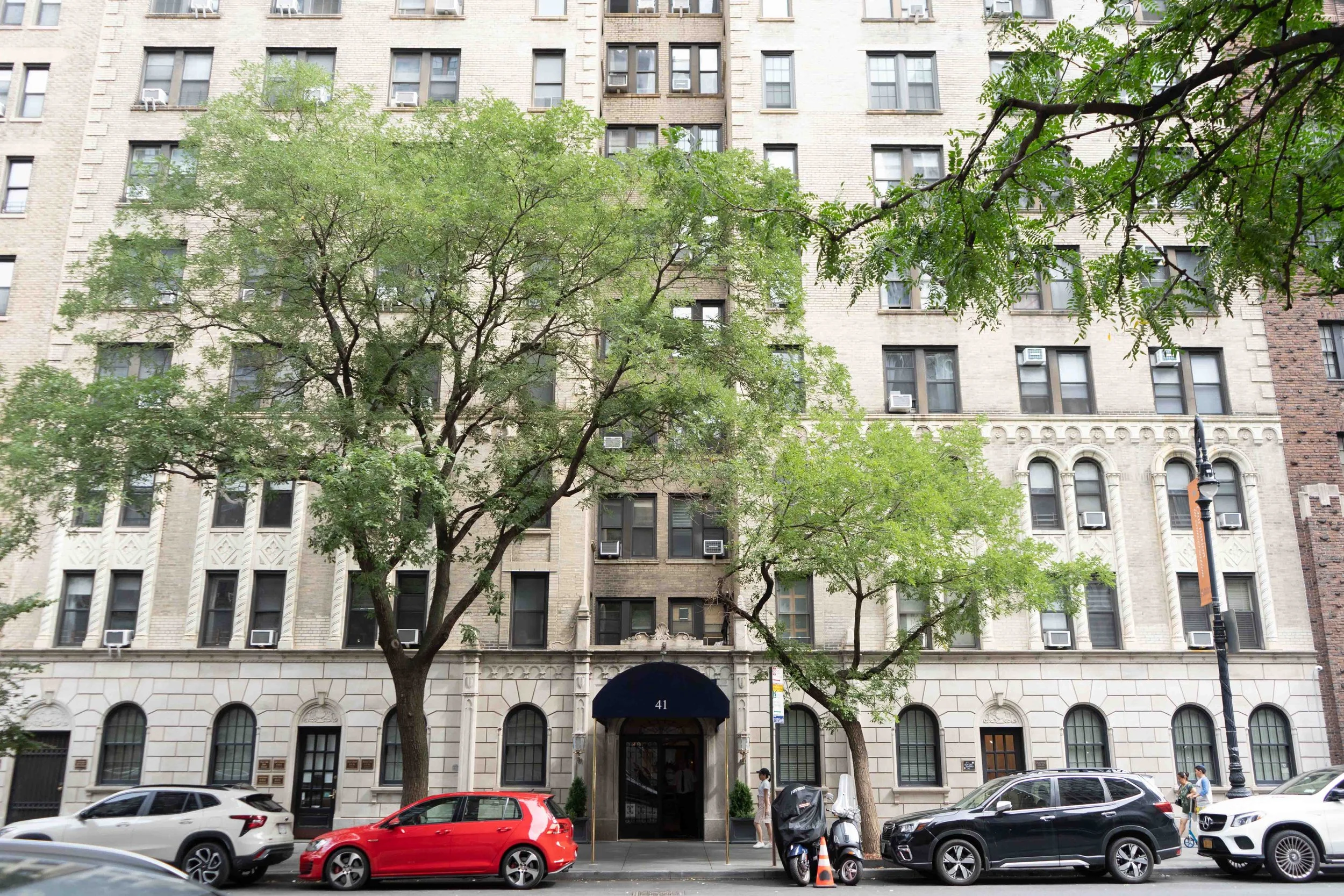
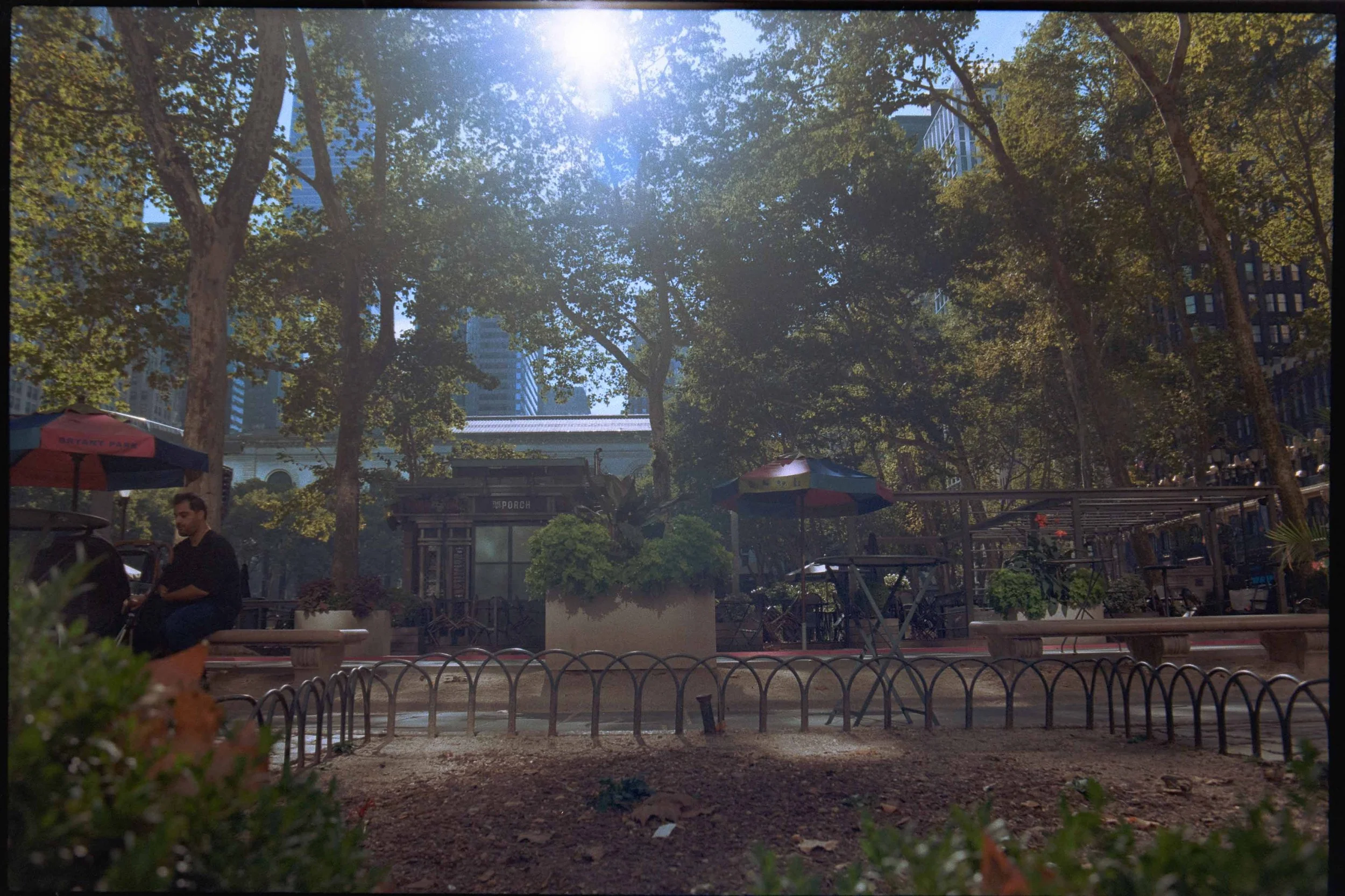
Bringing the Kids
I brought my two adult children with me, and sharing this trip with them is something I will carry for the rest of my life.
There is a particular pleasure in seeing a city for the first time alongside people you love. You see it through their eyes as well as your own. You stop at different things, notice different details, argue about where to eat.
The photographs I made here are good, I think. But the memories we made between the frames are better.
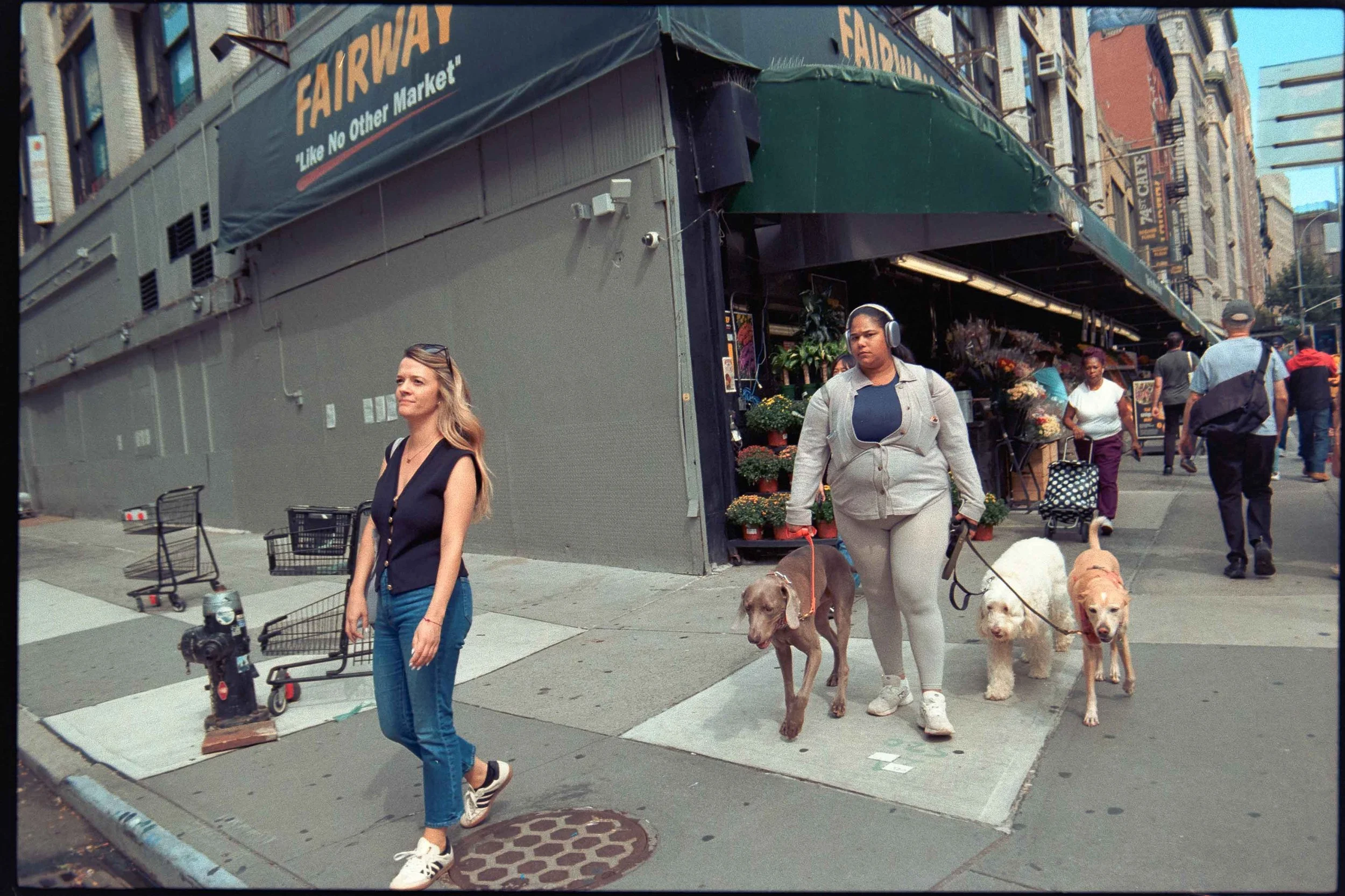
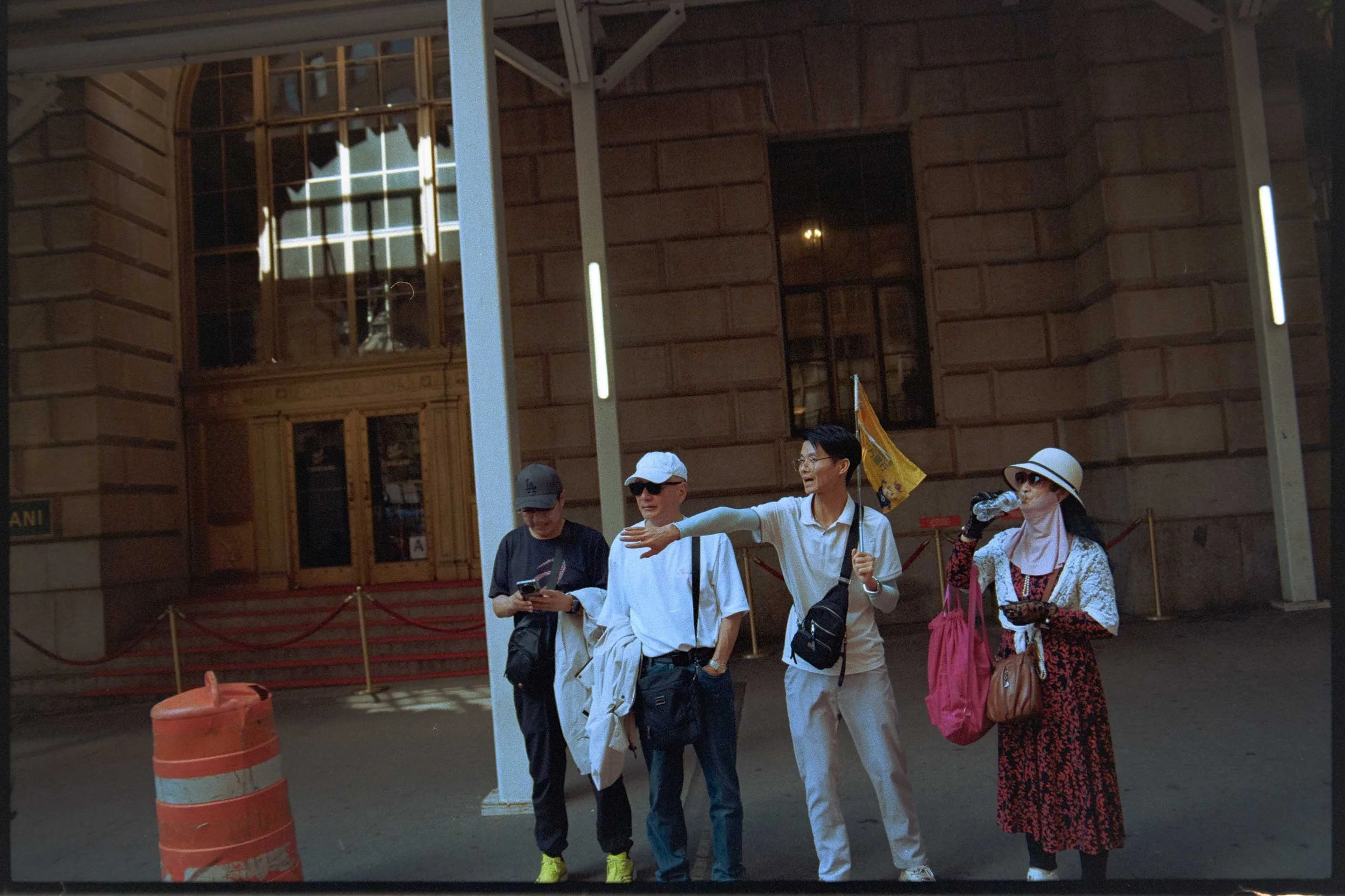
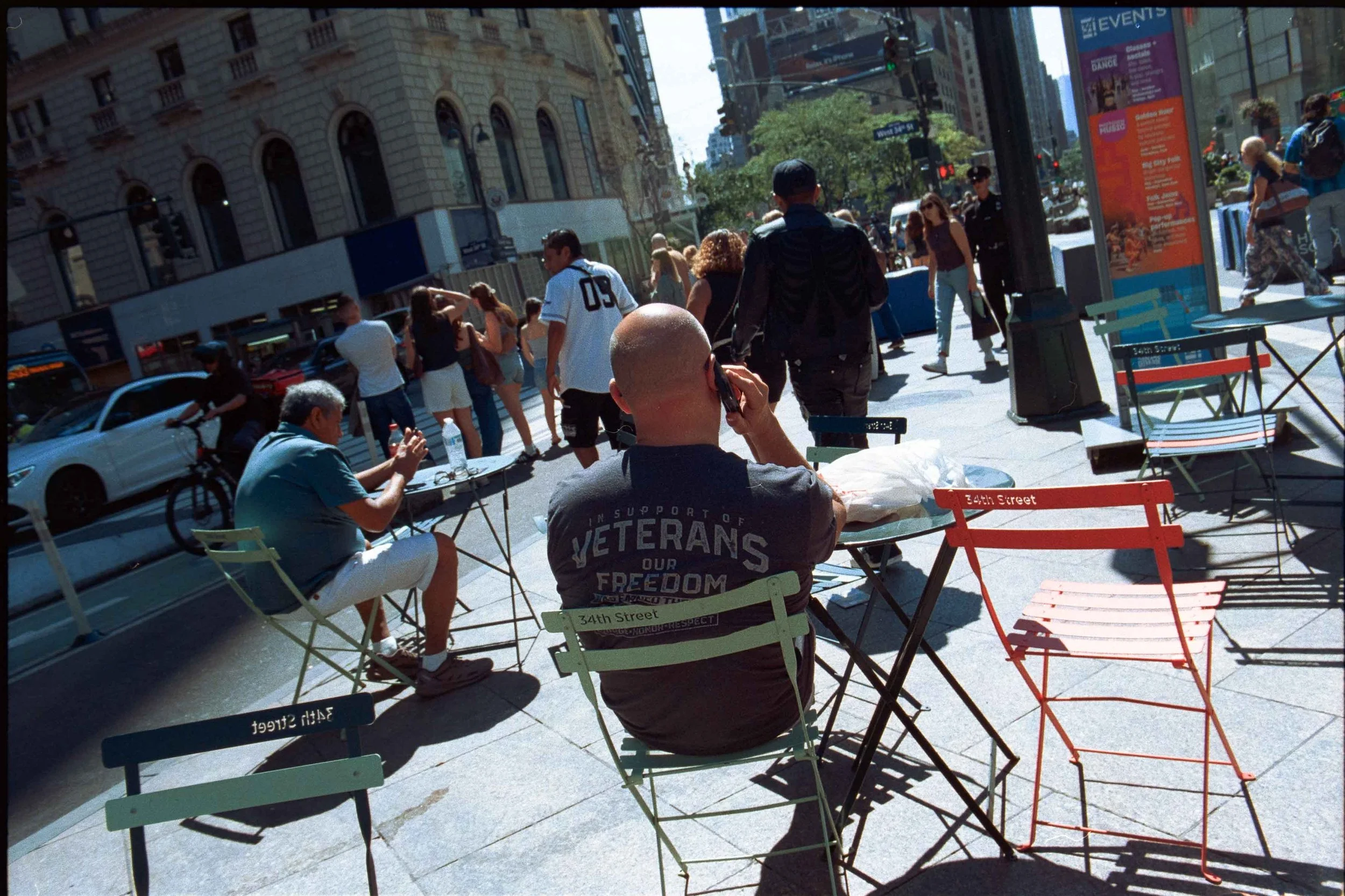
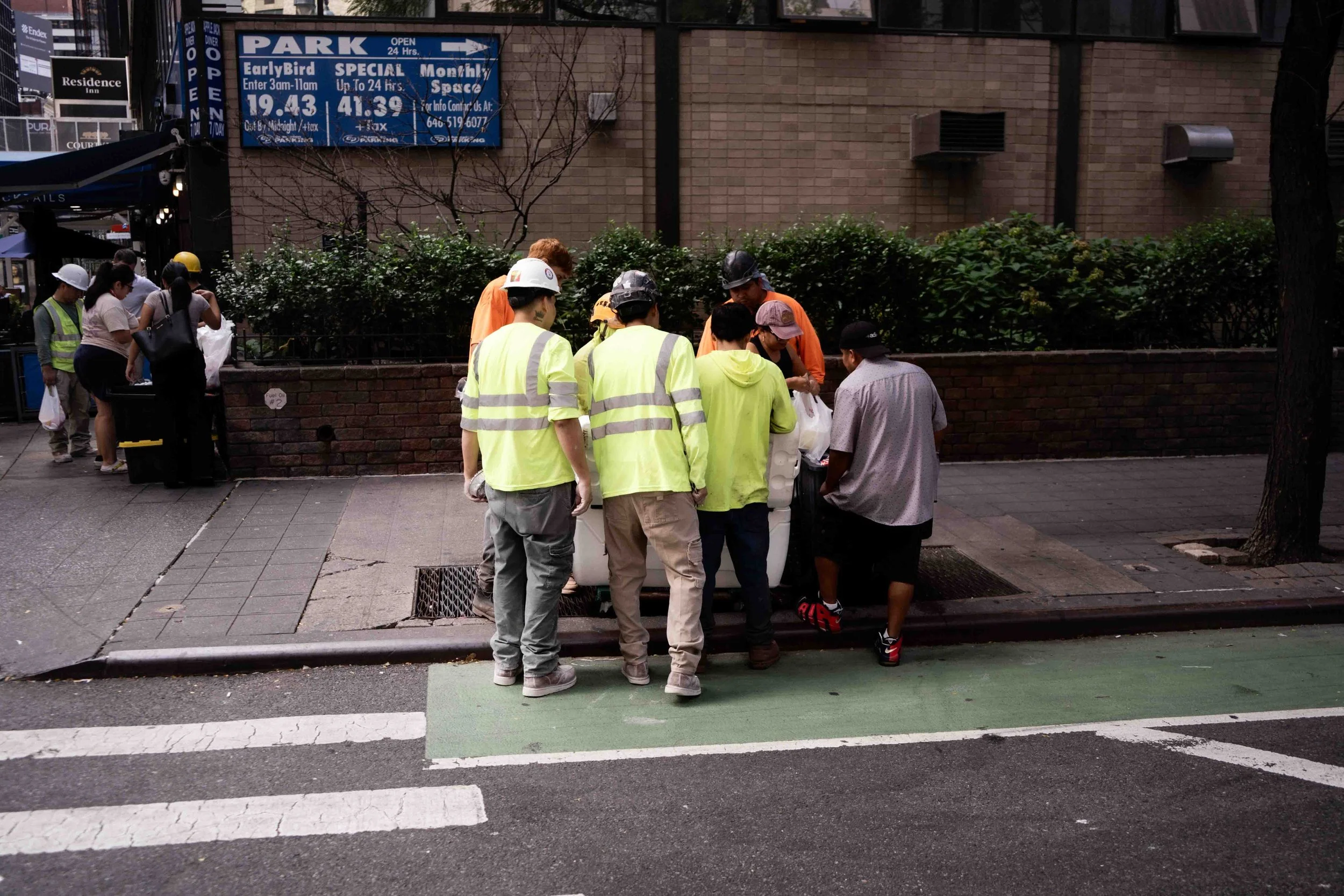
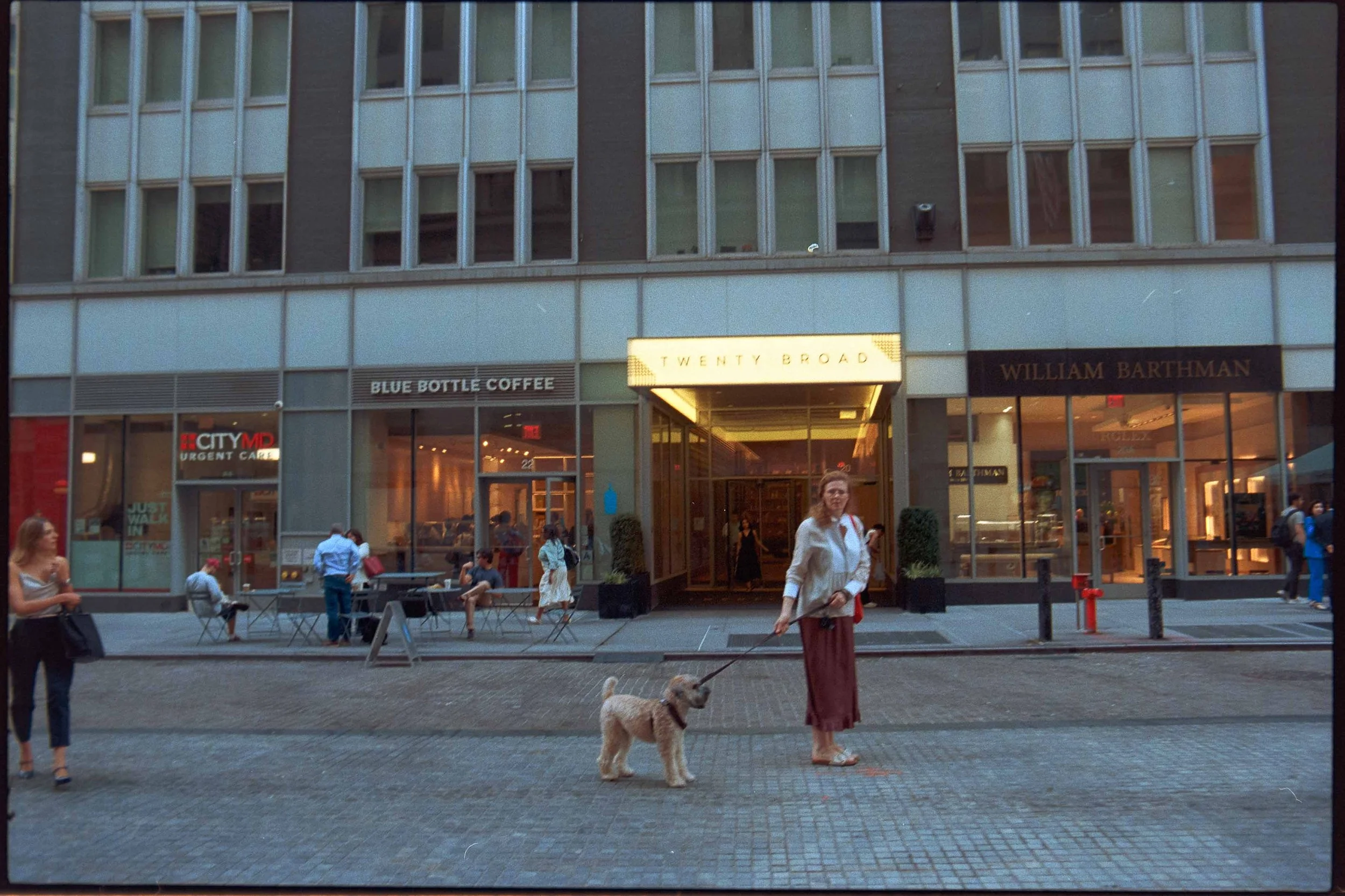
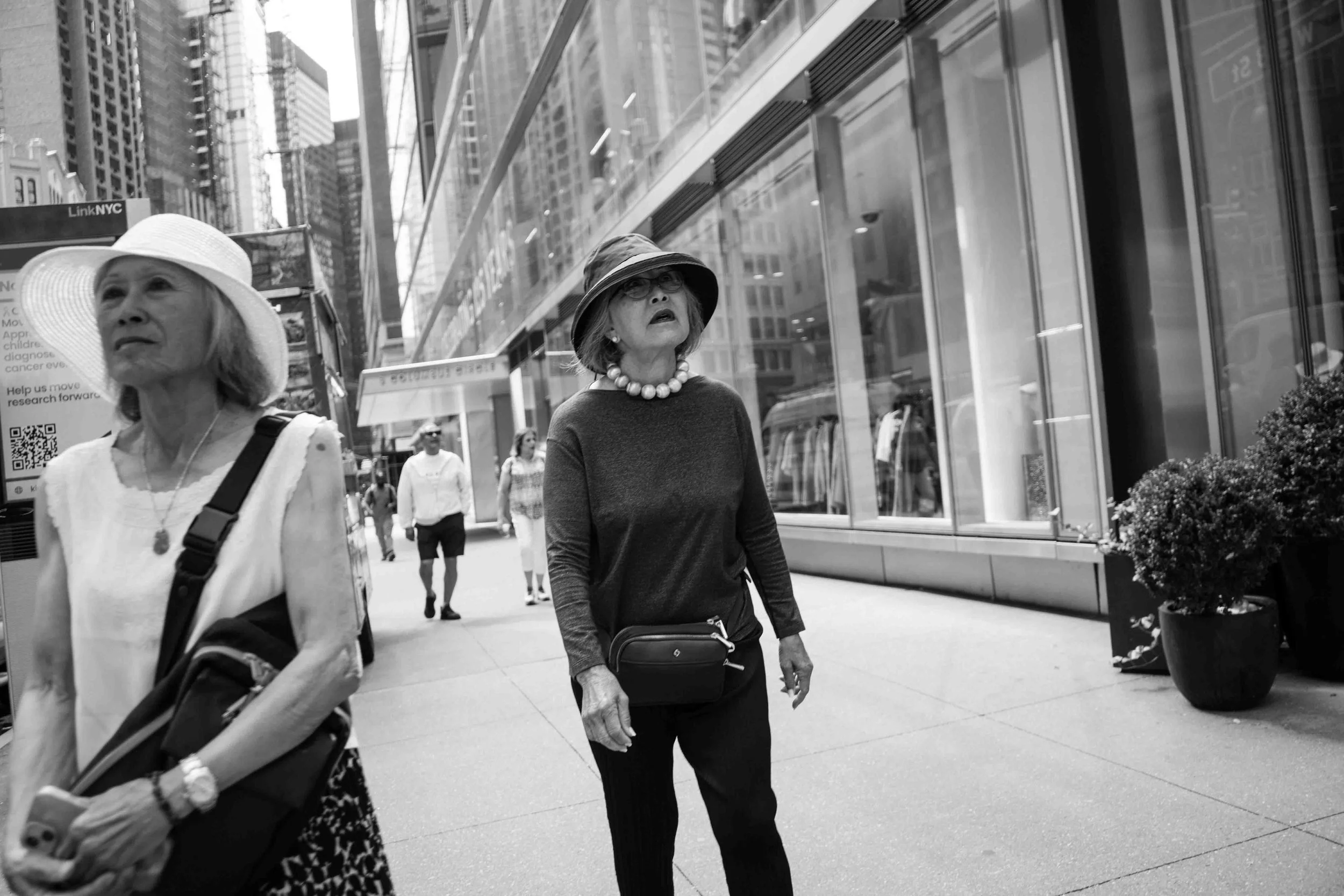
Before we left, my daughter and I debated whether it was worth taking some film. I originally said no.
Looking back through the photographs for this post, I’m so glad I changed my mind. Shooting film was a faff at times, but those colour photographs are something that will last a lifetime. I’m glad she talked me into it.
The Photograph
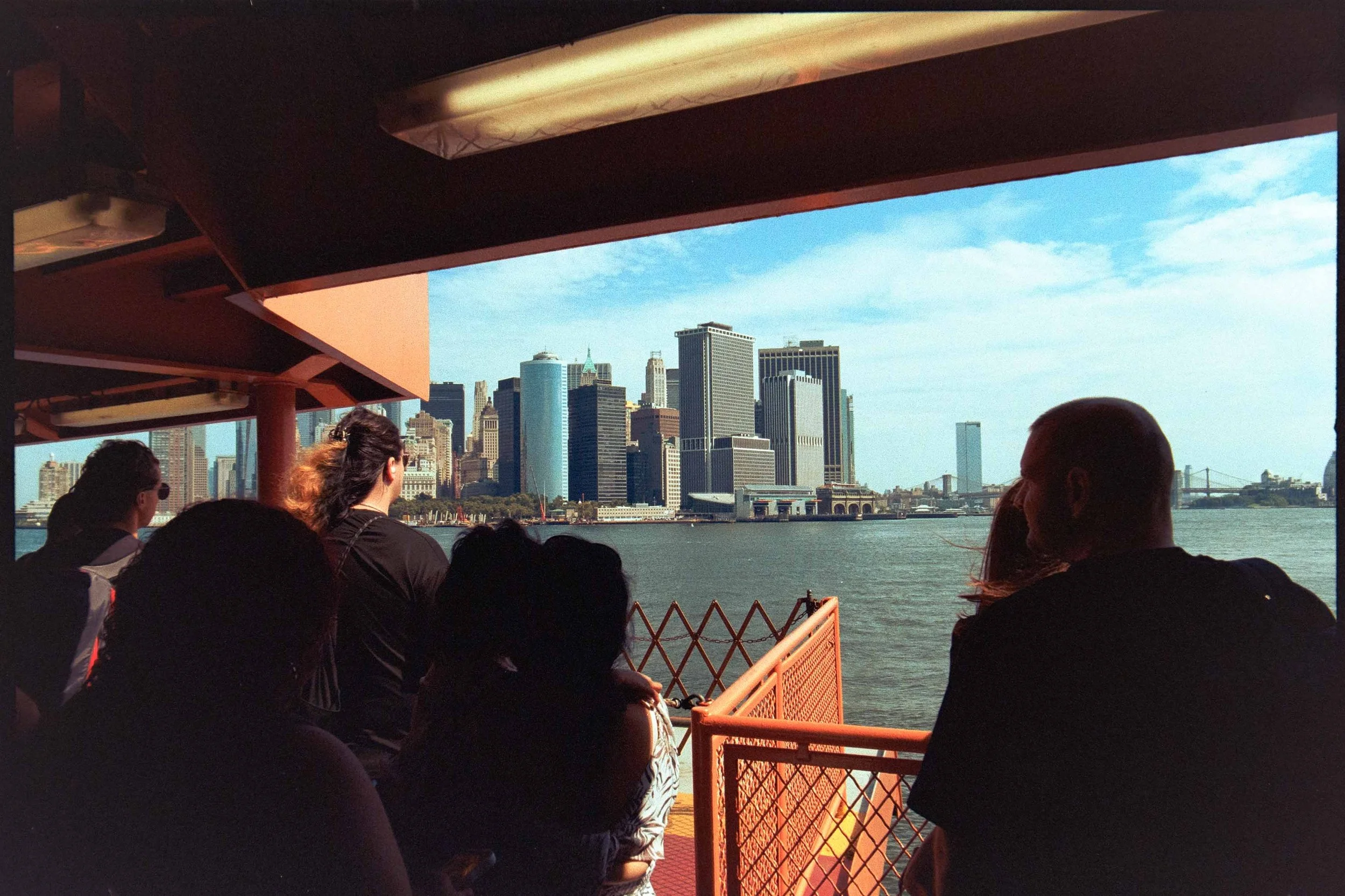
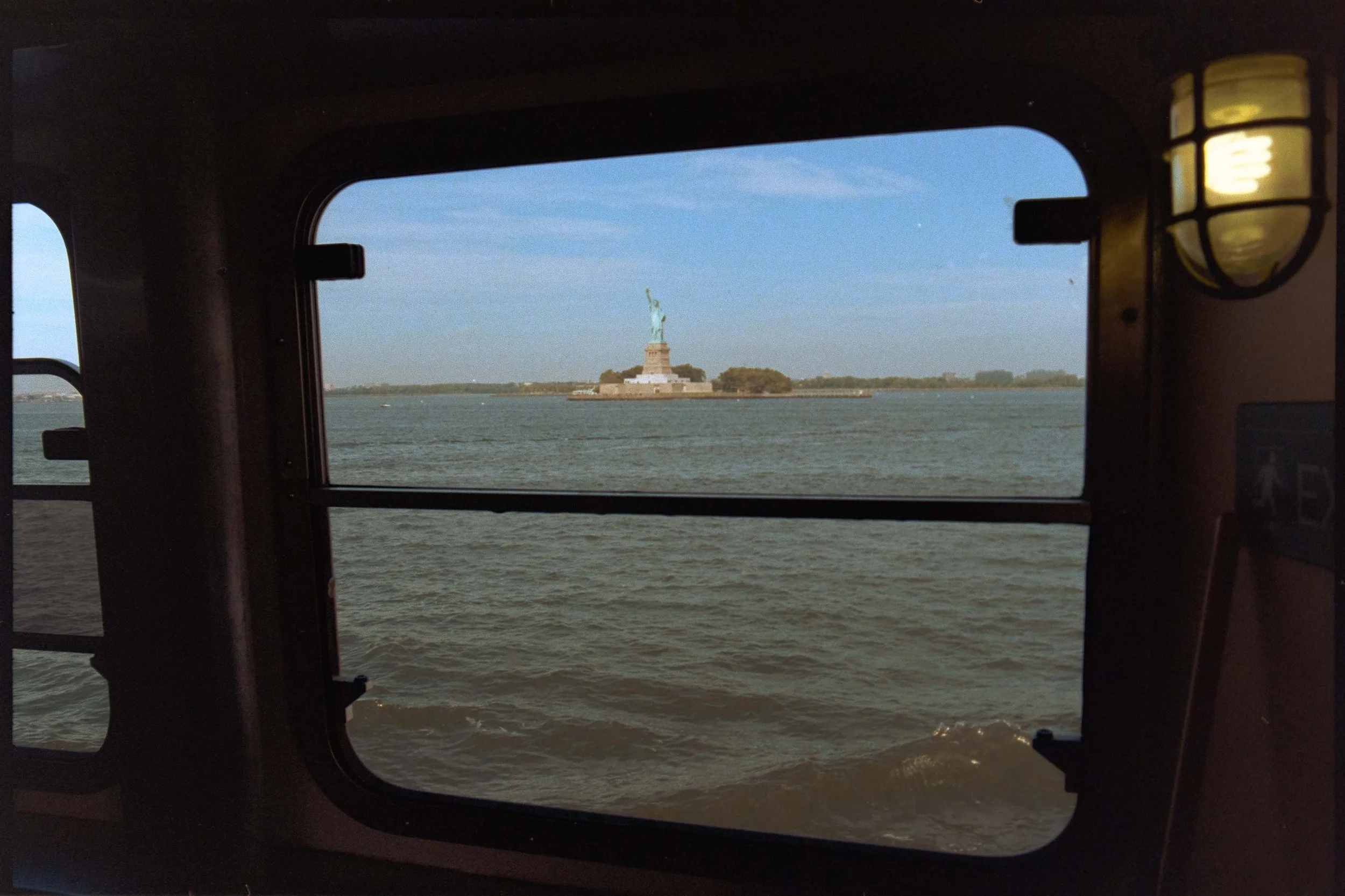
This one is a cliché. I know it. New York has been photographed from this angle, in this light, by ten thousand photographers before me — and it will be photographed by ten thousand more.
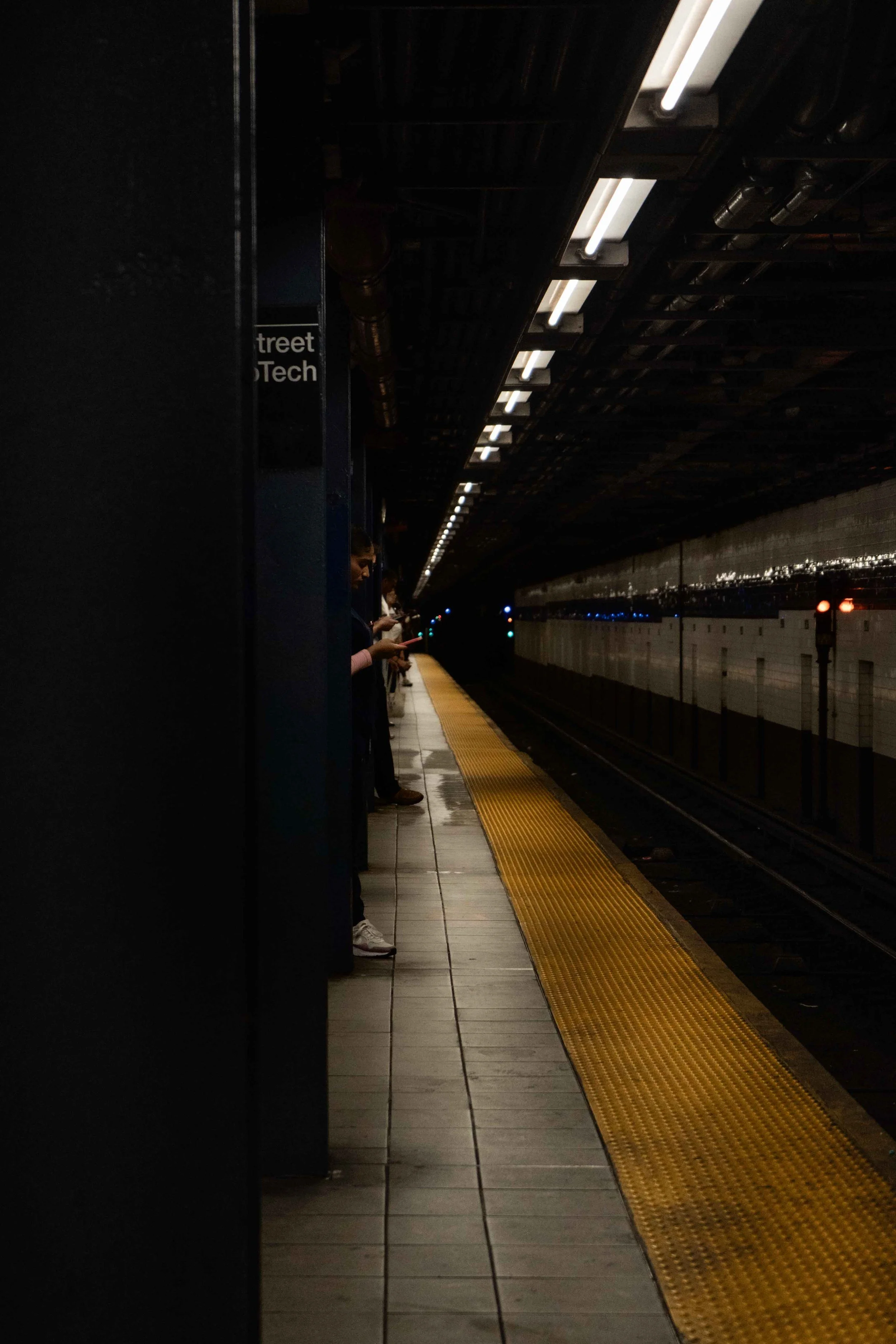
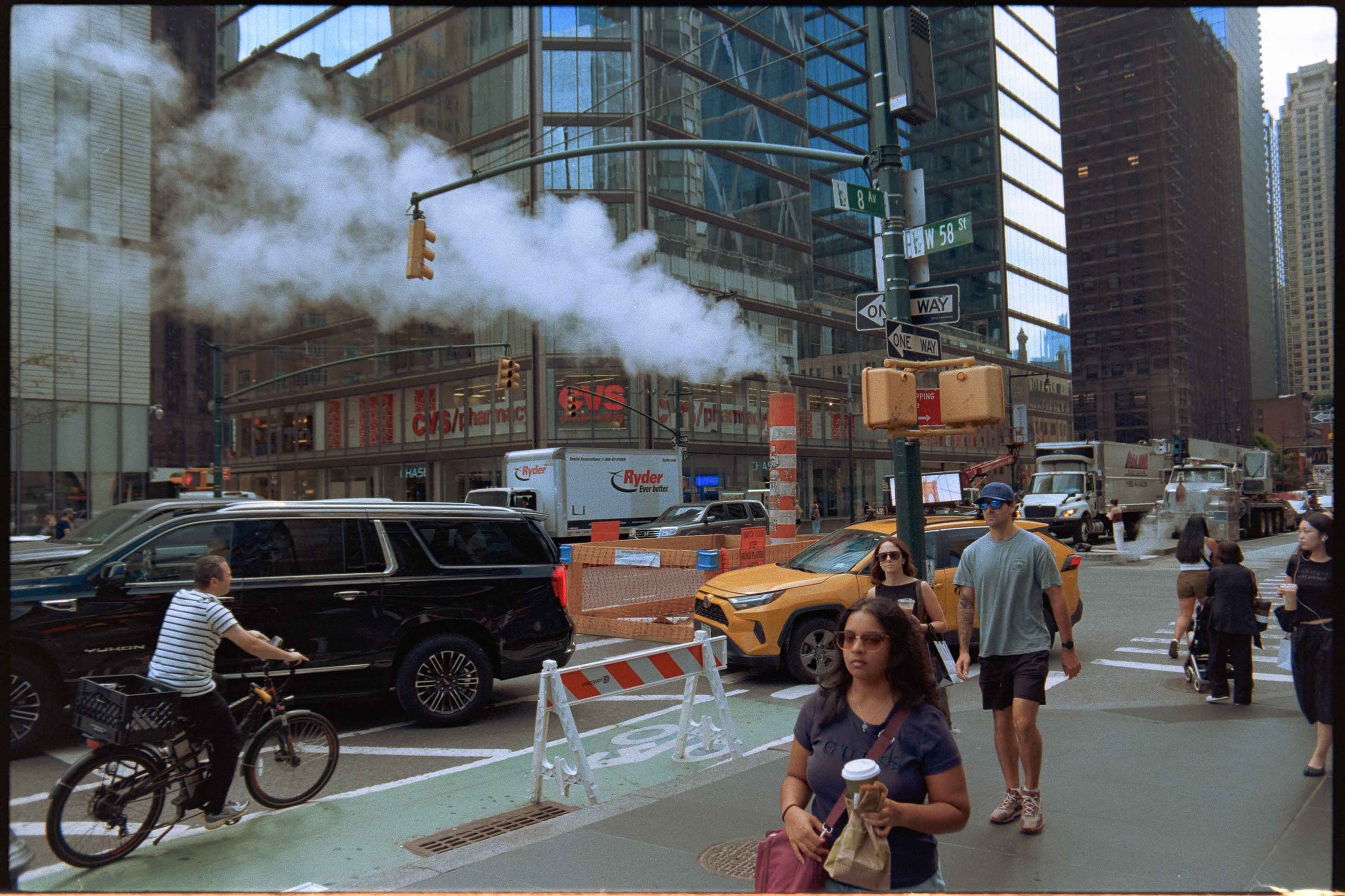
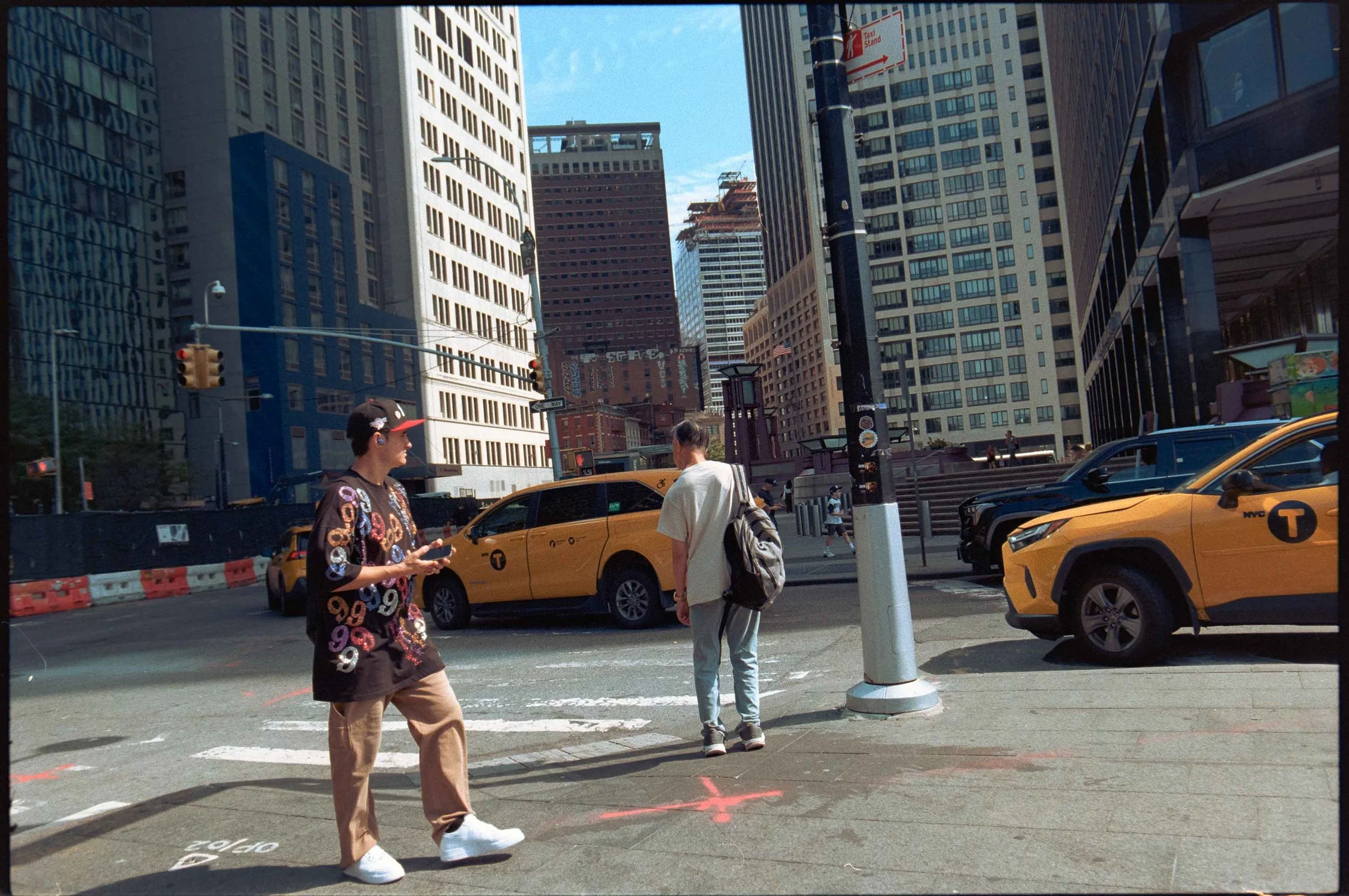
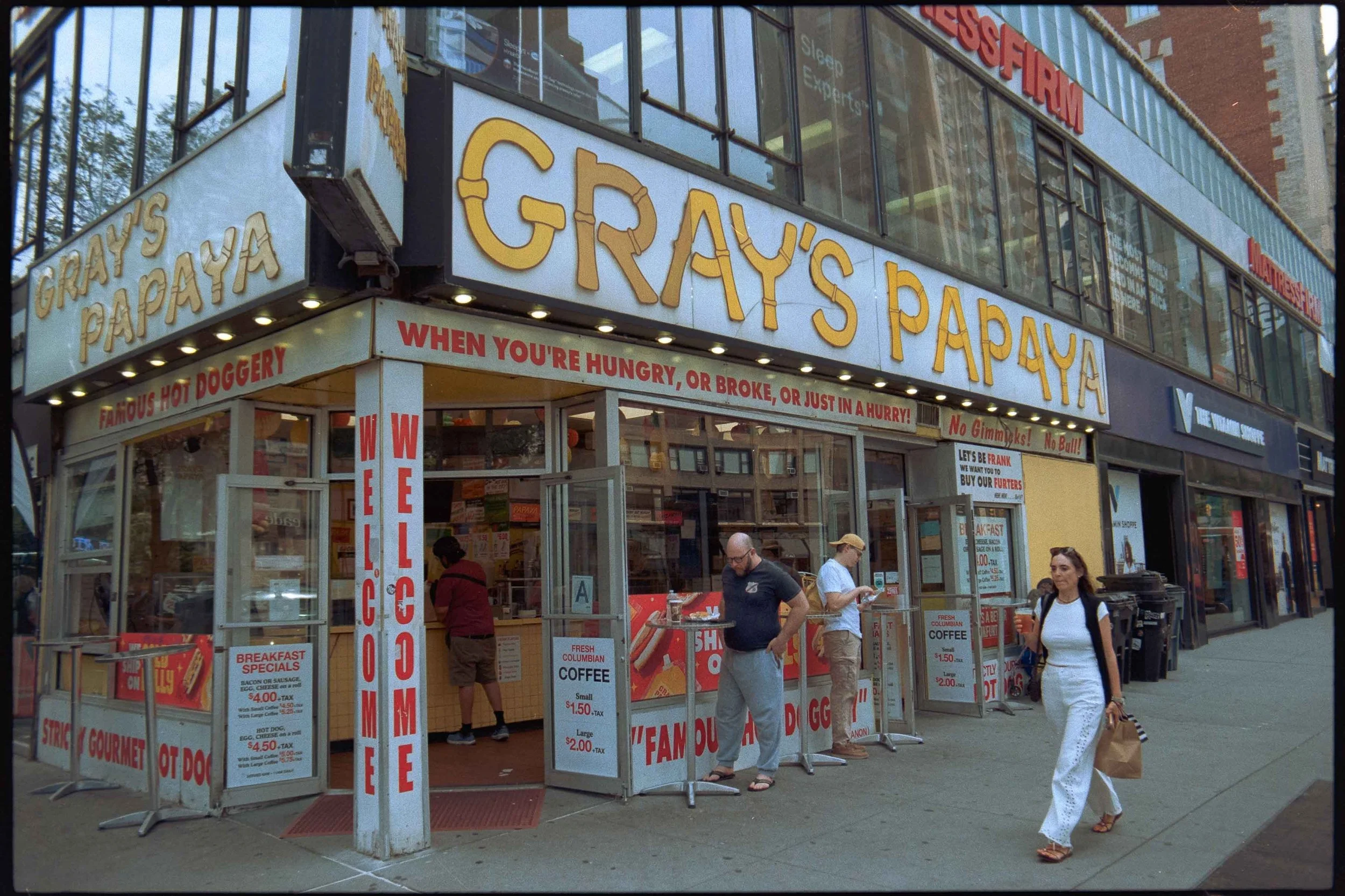
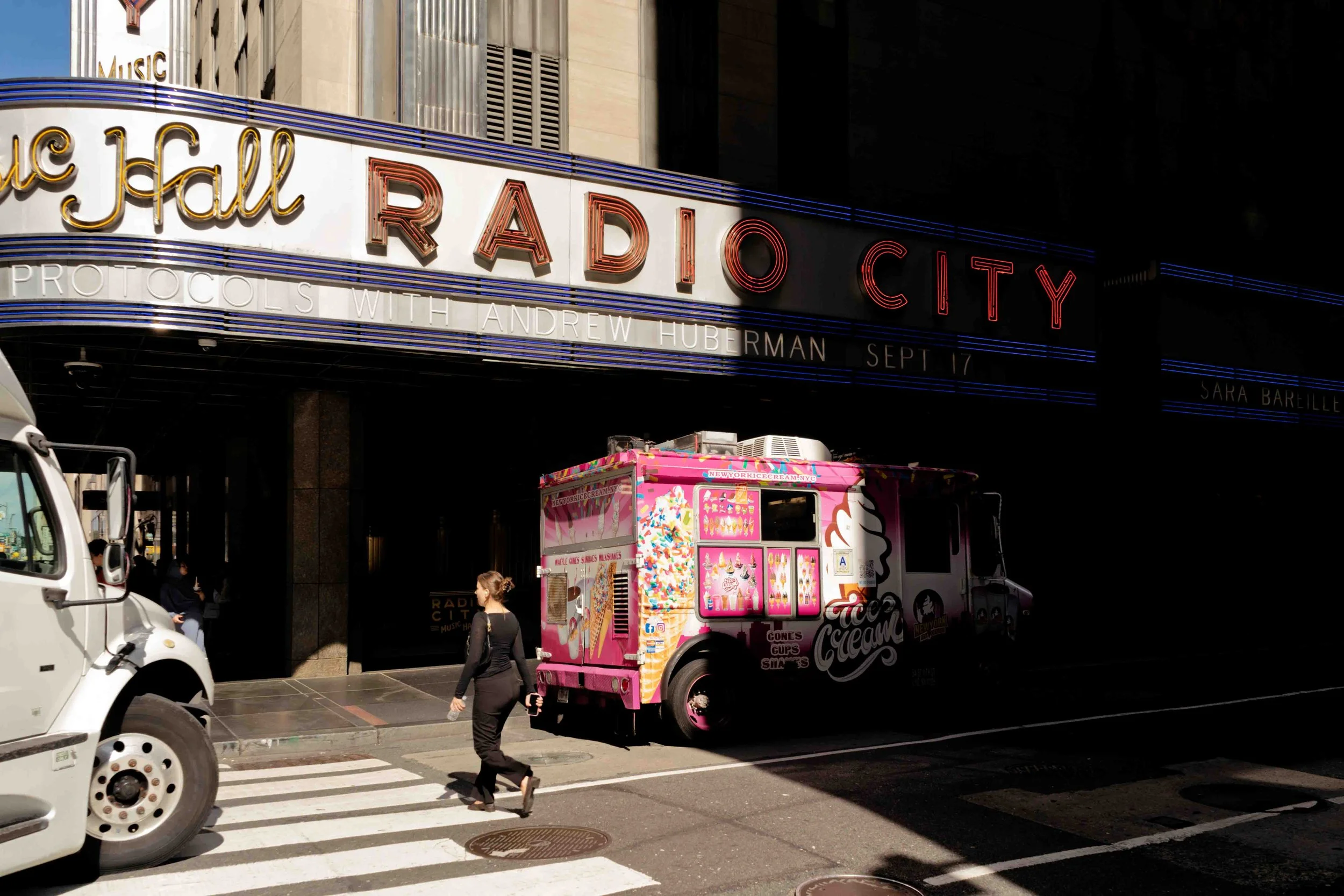
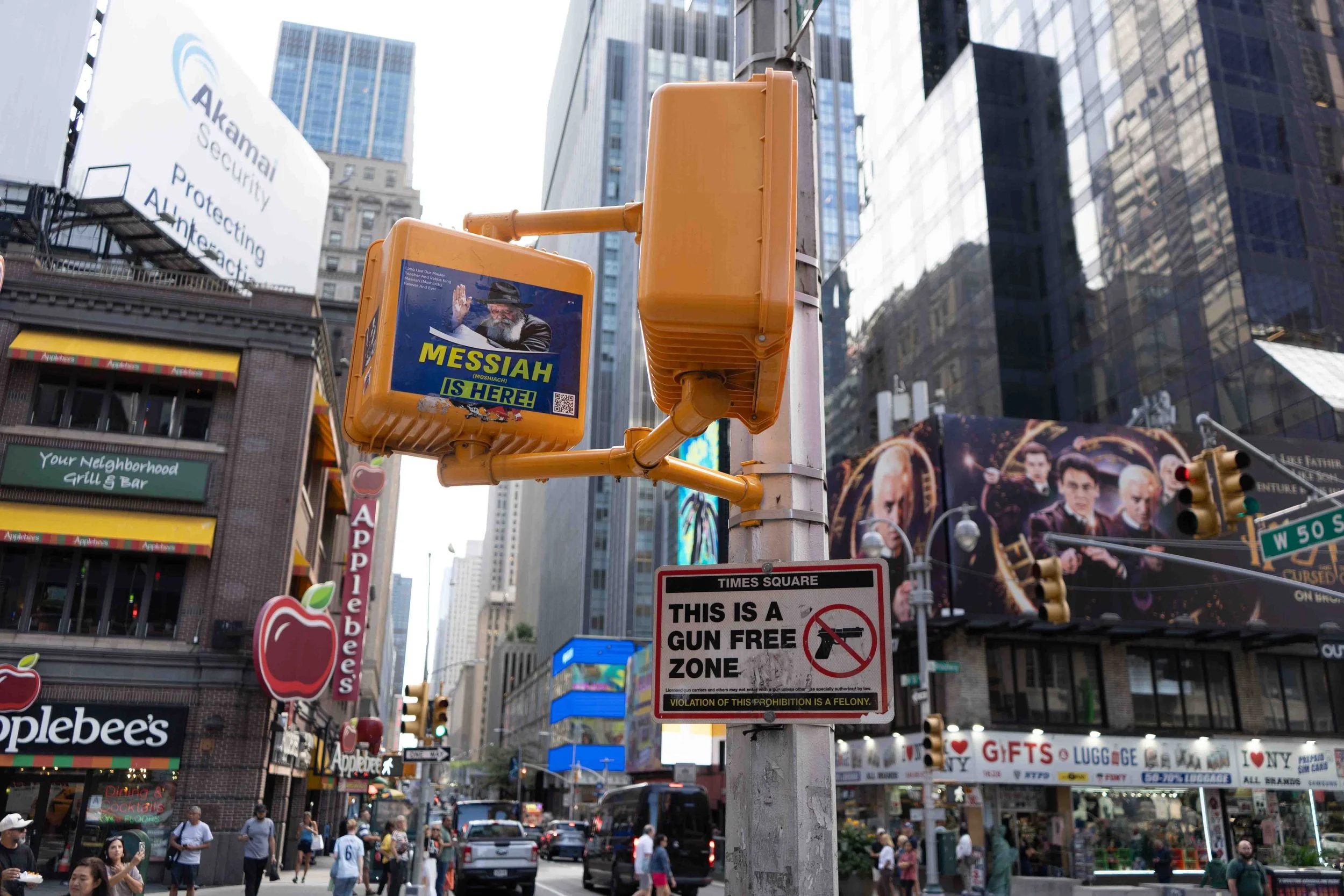
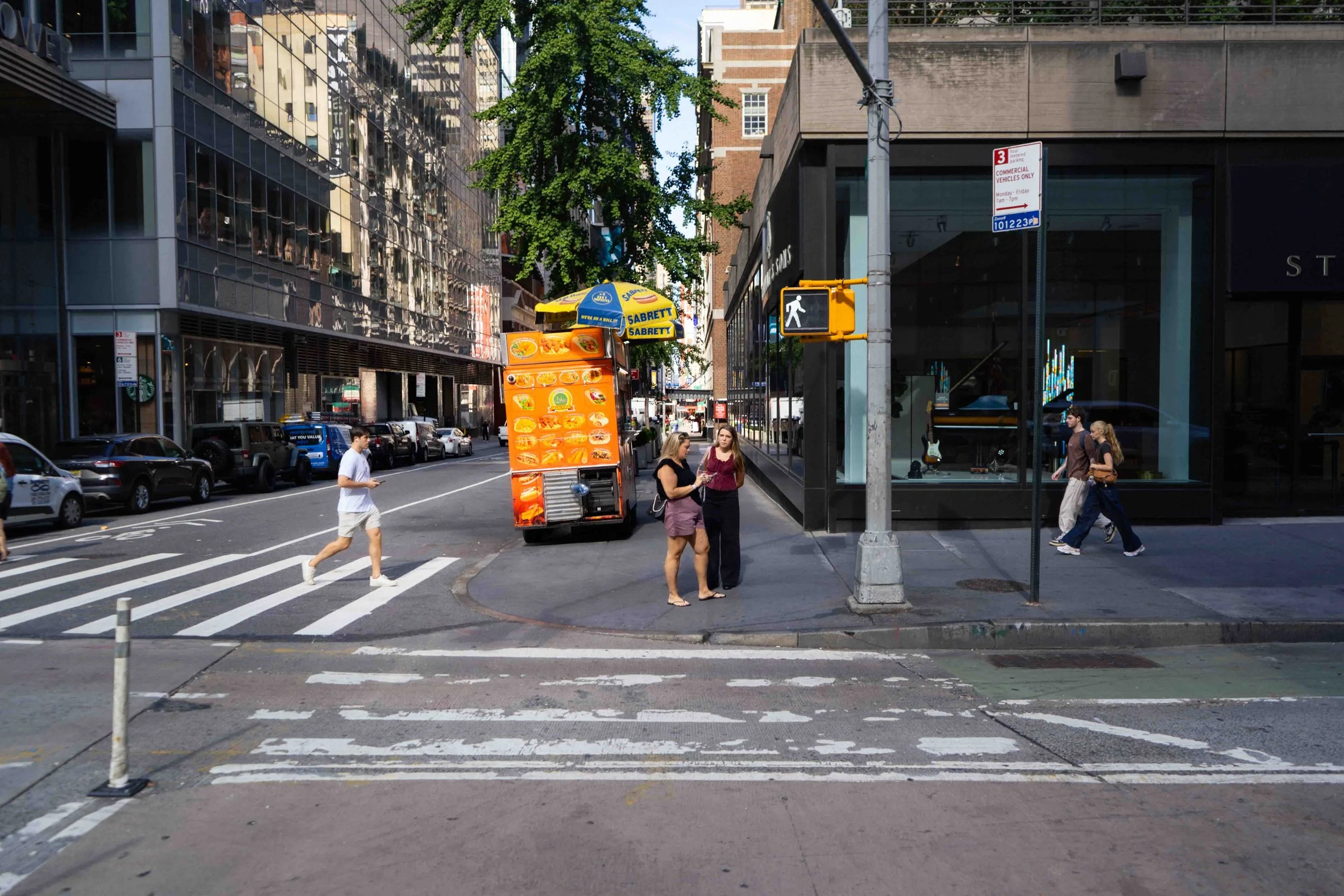
I didn’t care. This is a shot I’d wanted to take for eighteen years, and finally standing there taking it felt like closing a loop.
Sometimes the familiar pictures are the ones that mean the most. Their value is personal. You were there, and you finally made the photograph you’d carried in your head.
I’m pressing upload on 16 October 2026, a month after returning home on 14 September. It has taken me a little while to put the trip into words.
I know I’m going back. Whether that means this time next year or sooner, time and finances will decide. I most certainly left my heart in New York City.
Looking back, the broken things make quite a list. But they aren’t what I think about first. I think about walking those streets with my children, and how glad I am that we finally went.
A couple of photographs from this trip are available as prints in my Etsy shop. If you’d like a little New York on your wall, you can browse them here.
Until next time, keep snapping.

Chinatown, London - A photo essay in the heat.
We weren't in London for photography. We were there for a passport office.
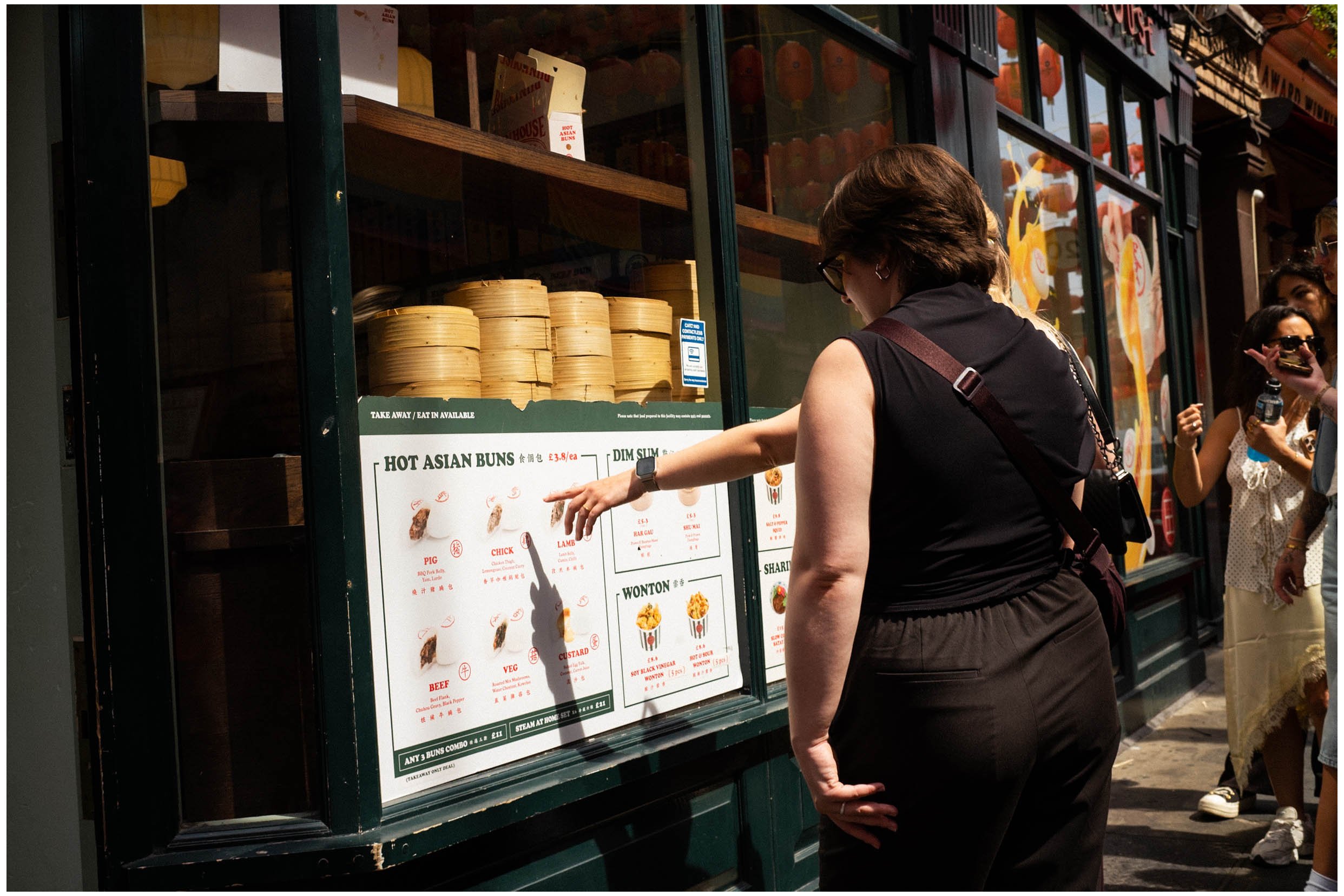
My son's emergency passport appointment had us waiting around central London yesterday, in the kind of heat that makes the pavement shimmer. With time to kill and nowhere in particular to be, we drifted into Chinatown. No plan, no theme — just a Leica M10 round my neck and a DJI Nano tucked in my pocket for something faster and looser, a short-form POV video to go alongside the stills.
A Different Kind of Errand
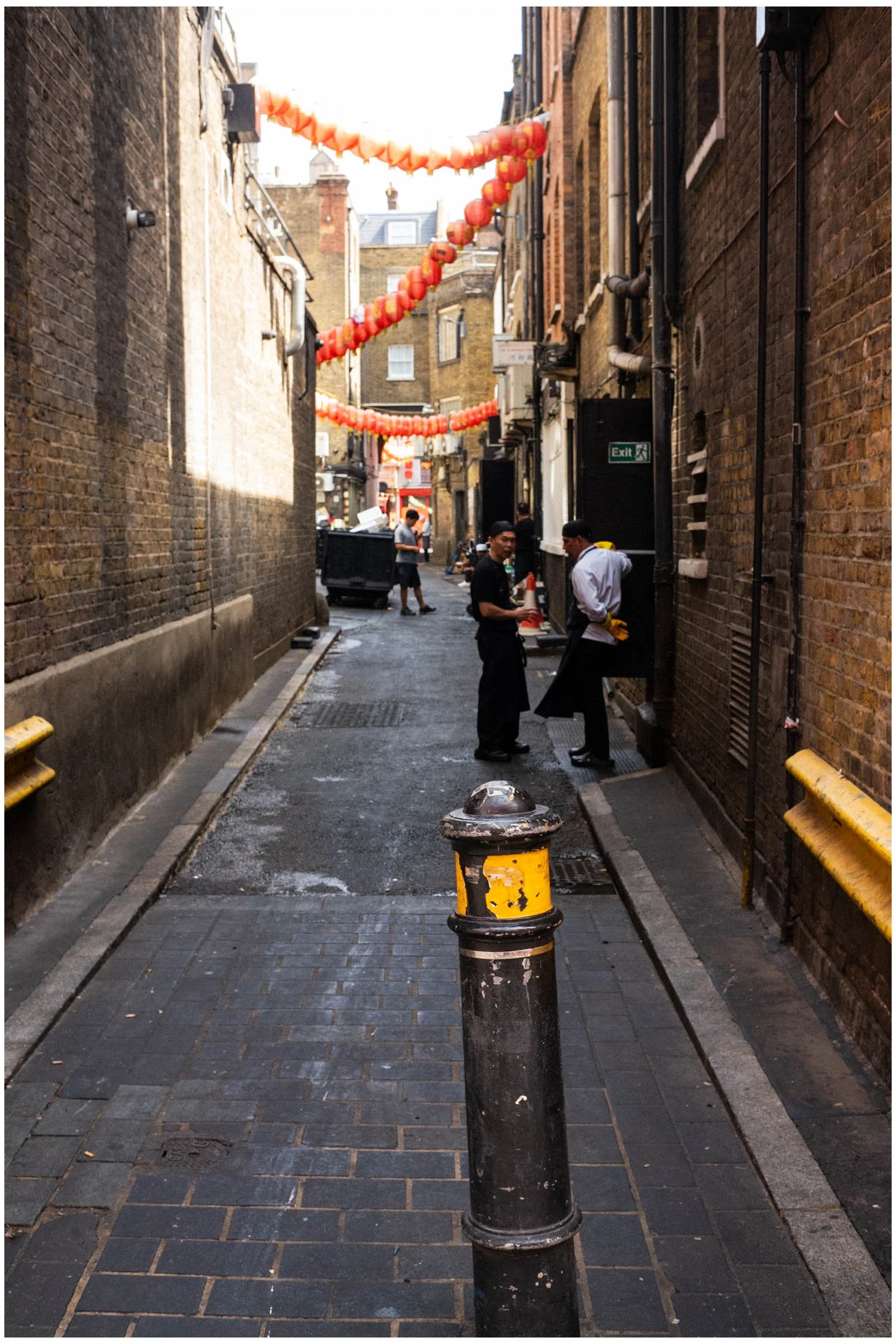
There's a particular restlessness to killing time in a city. You're not shooting a project, you're just present, camera in hand, waiting to see what the street hands you. Chinatown handed us plenty.
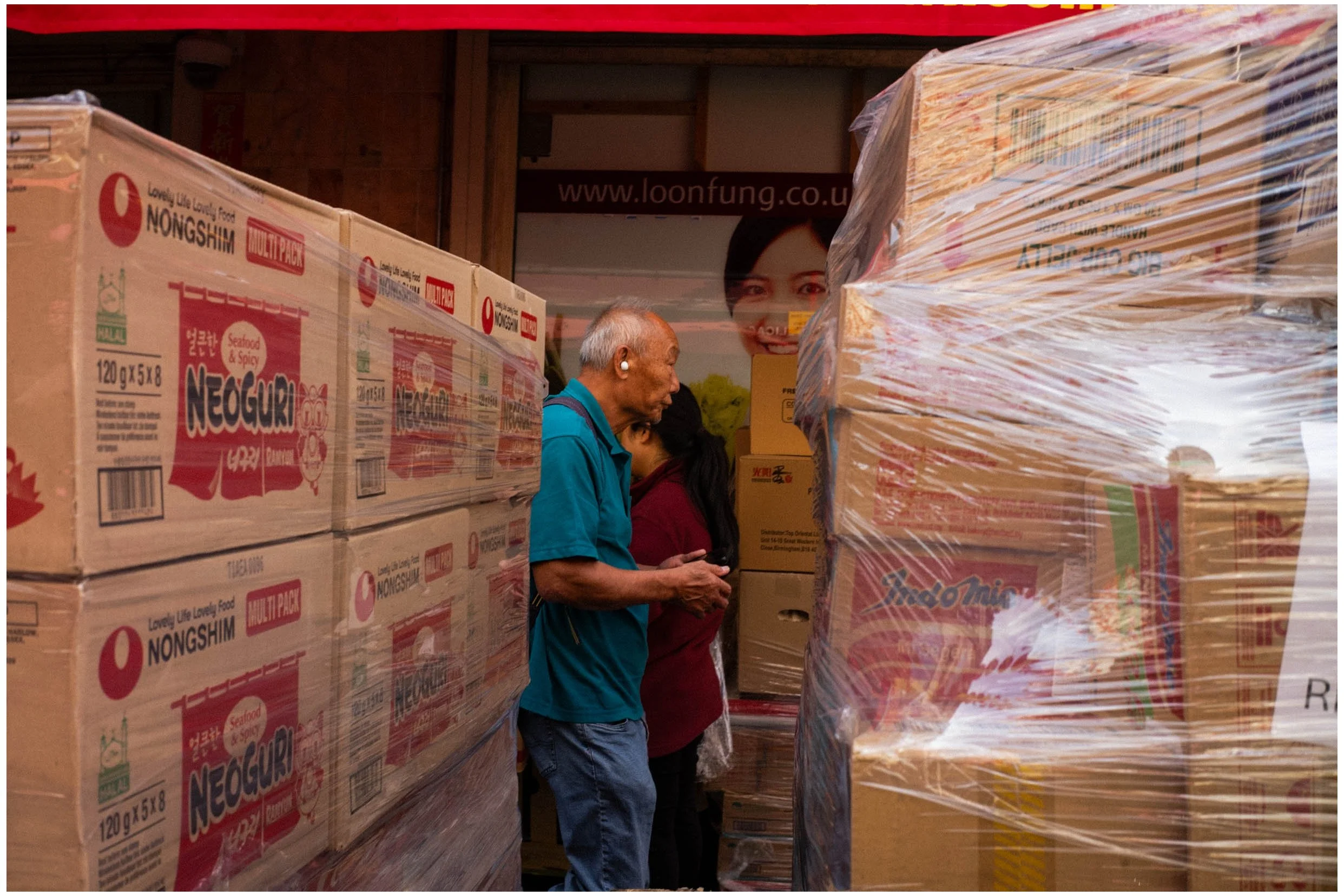
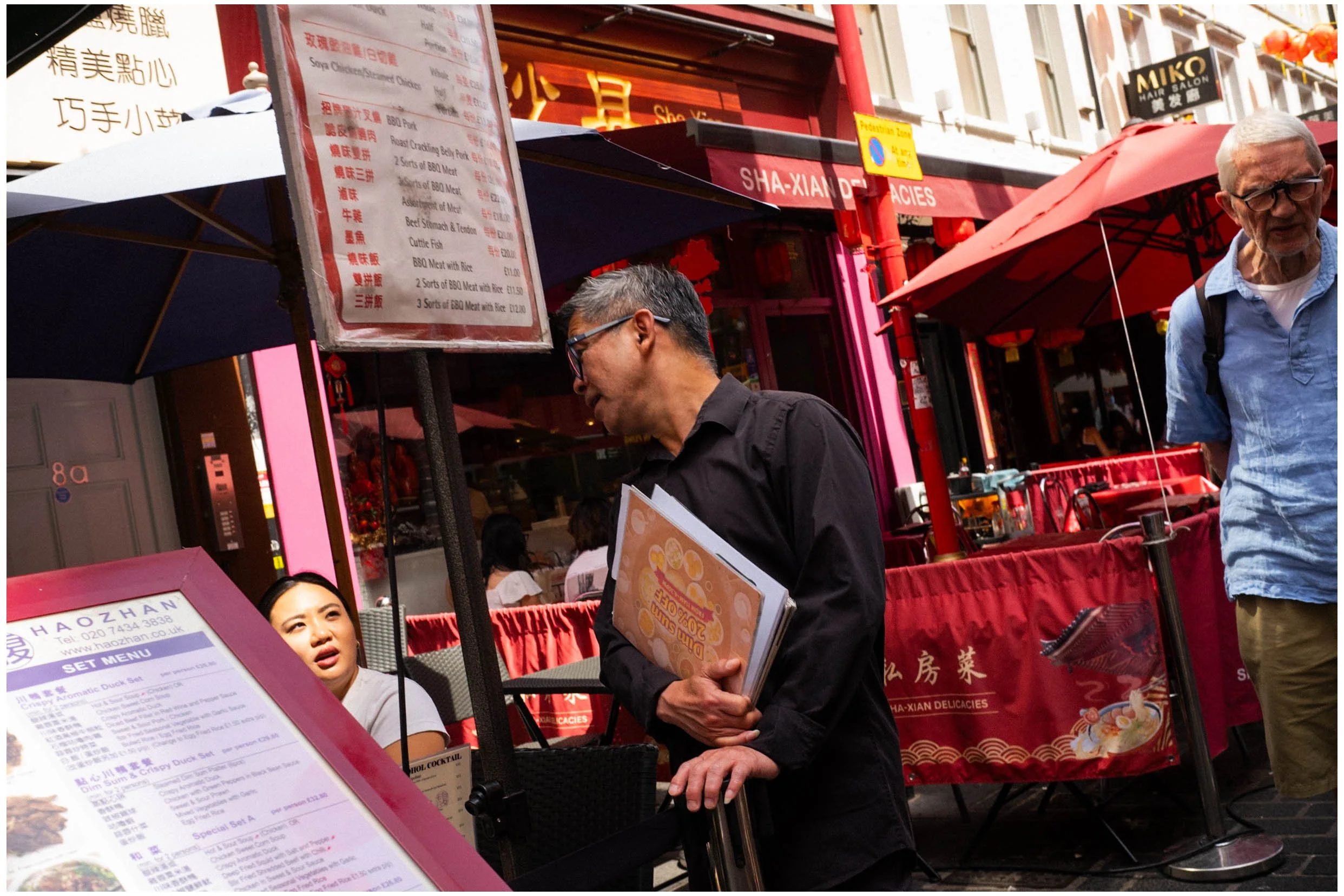
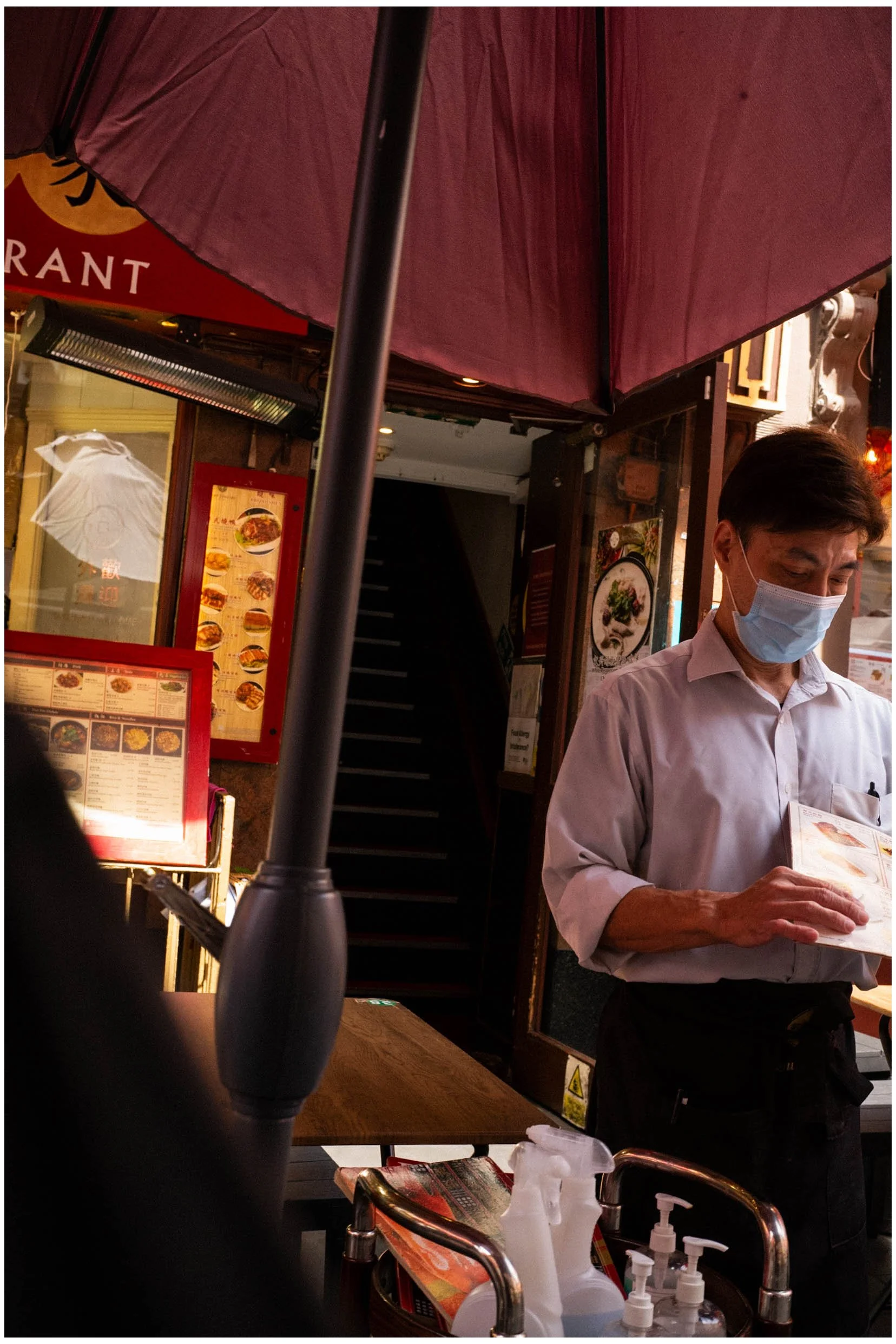
The heat had a way of slowing everyone down and speeding the street up at the same time — lanterns hanging still in windless air, awnings throwing hard shadows across the pavement, and underneath it all the usual London churn: delivery bikes, market stalls, tourists, locals, everyone moving through the same few hundred metres of Gerrard Street for entirely different reasons.
It was a hive of activity, and every corner of the world seemed to be represented in it.
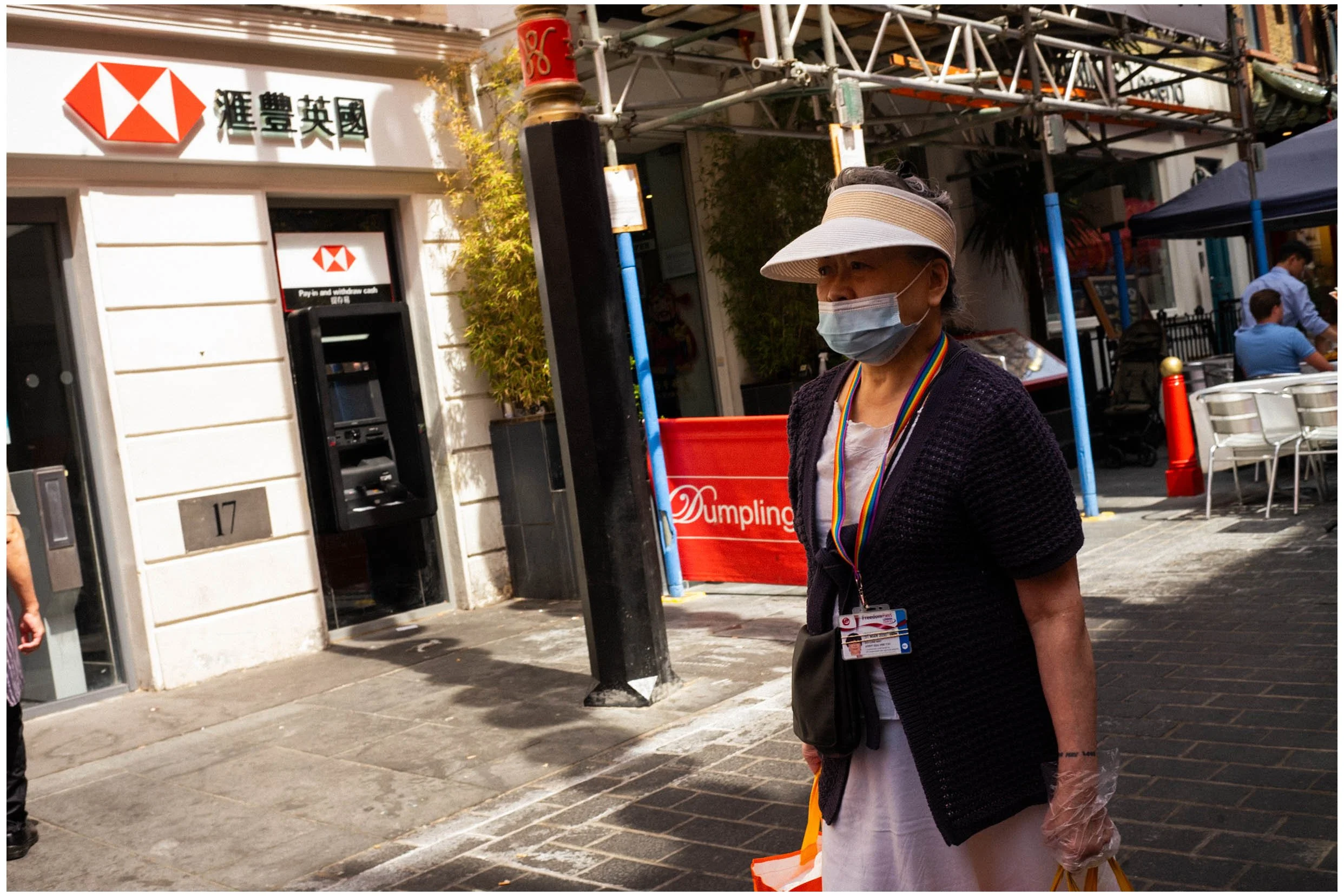
Four Corners, One Street
That's really what stayed with me. Chinatown isn't just Chinese — it's a compression of the whole city into a handful of streets. Cantonese and Mandarin over the counters, but also Spanish, Italian, Japanese, half a dozen accents I couldn't place, all folding into each other in the queue for bubble tea or the doorway of a dim sum spot. Nobody there was performing London. They were just living in it, in whatever language and however they'd carried it with them.
That's the bit of this country I never stop being grateful for. You don't have to go looking for the world — in a place like this, it comes to you, and it does so without ceremony.
Shooting Loose
The M10 did what it always does — quiet, quick, unobtrusive, good in the kind of scattered light you get under those red arches. But the Nano was the more interesting exercise. Shooting POV, low and close, running alongside the stills rather than instead of them, gave a different texture entirely — less considered, more immediate, closer to how the afternoon actually felt than any single frame could manage on its own.
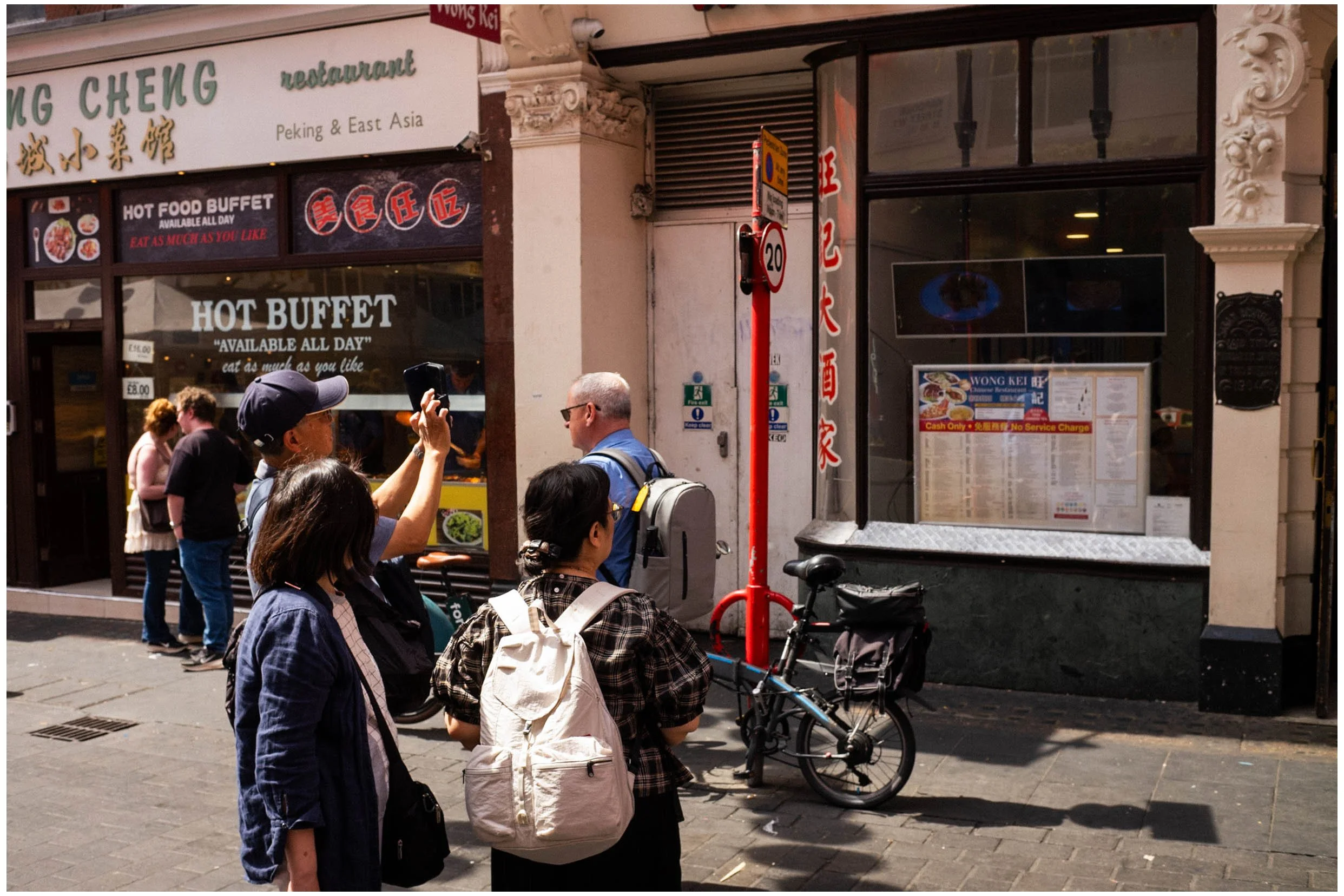
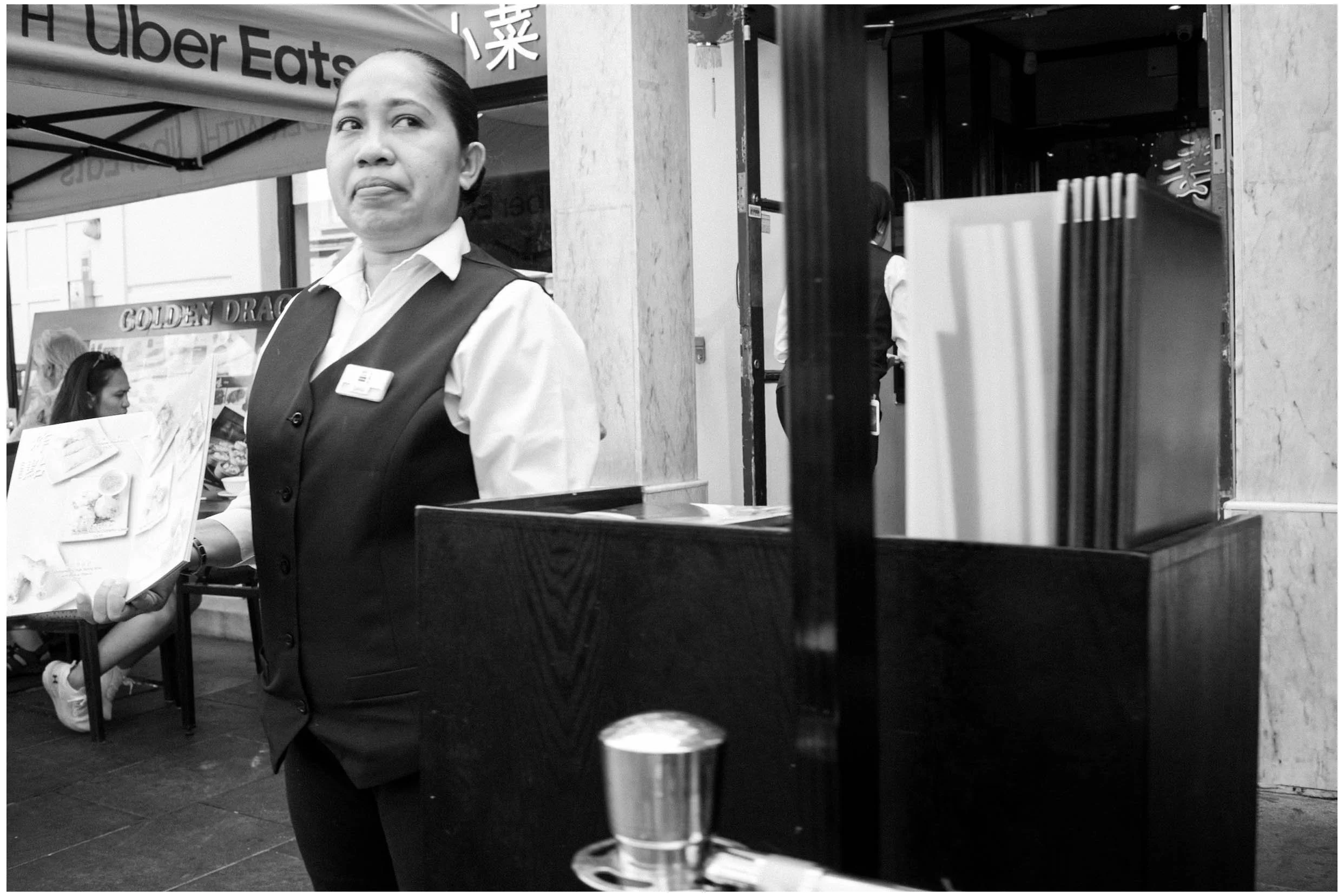
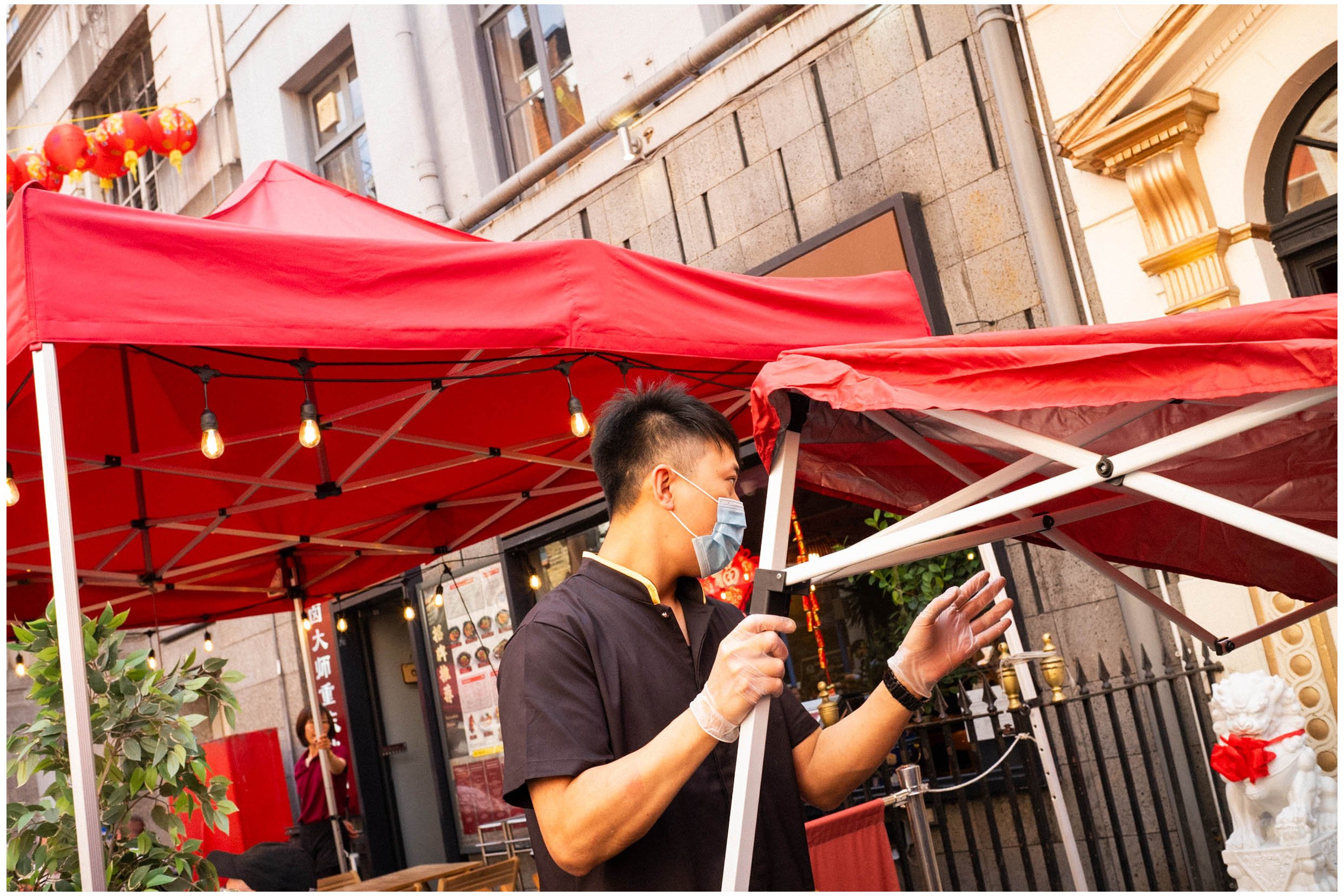
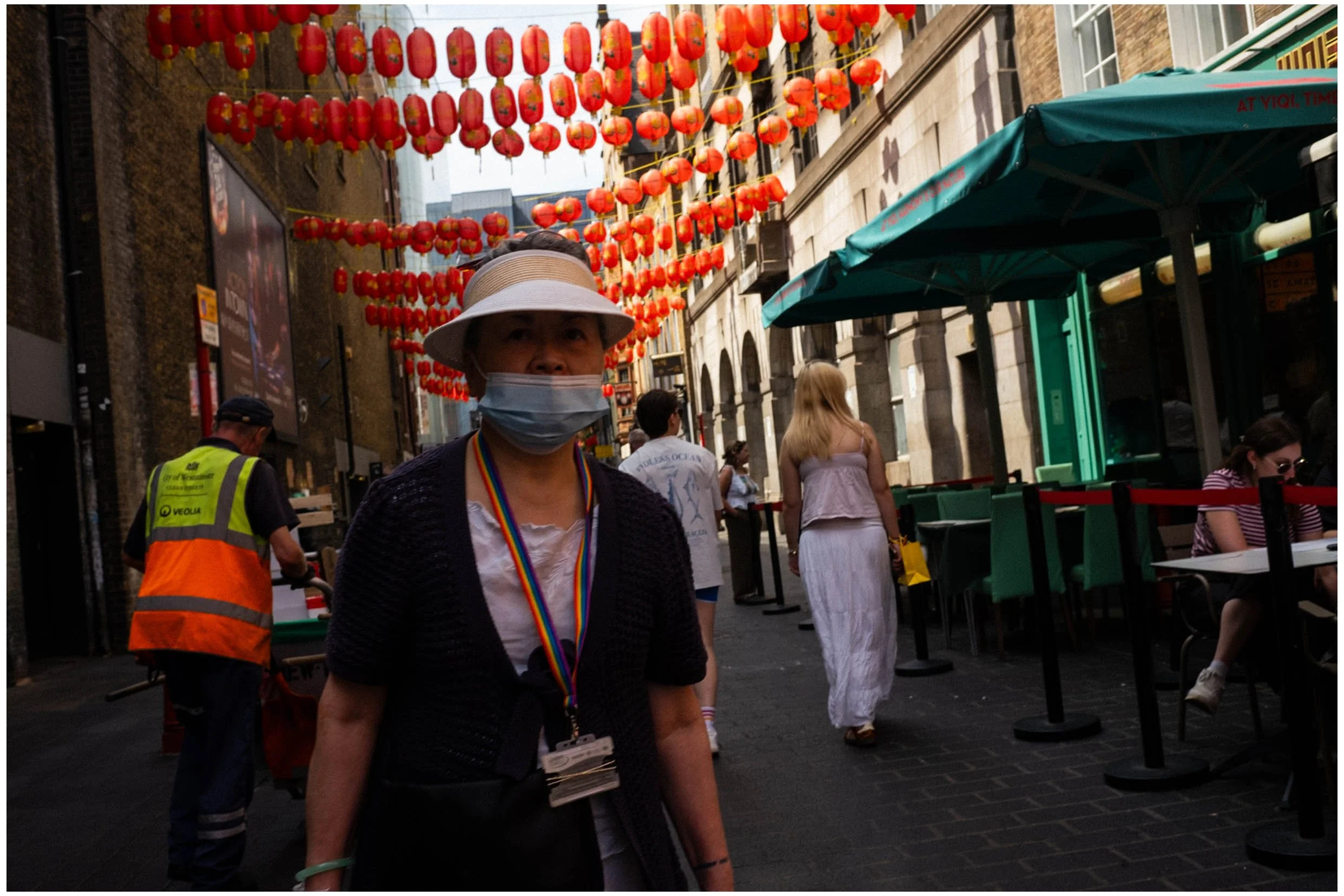
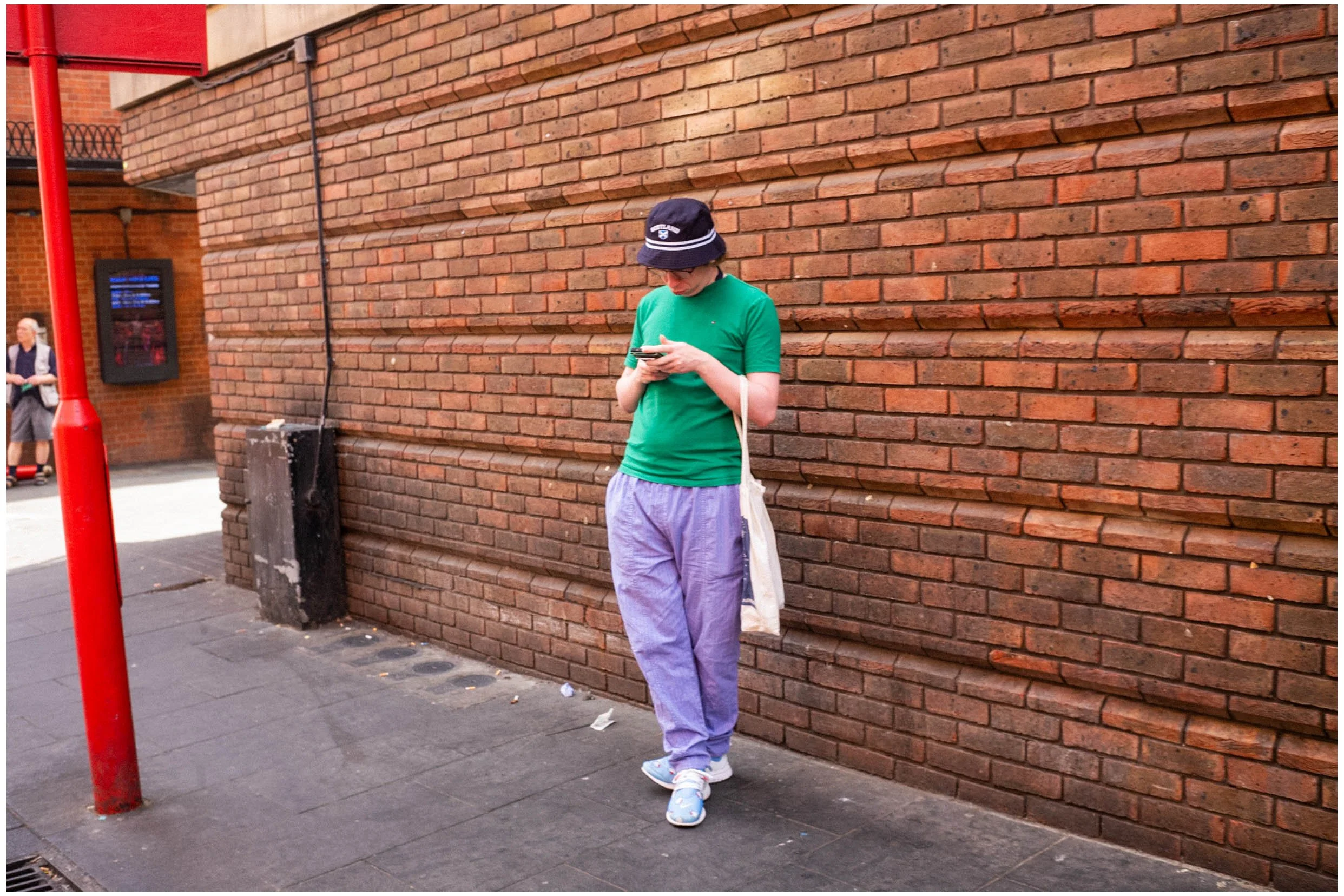
No theme, no brief, no real intention beyond paying attention. Sometimes that's the whole job.
Until next time, keep snapping.

Two Sides of the Same Street
London on a grey Saturday has a particular energy. The streets fill early, the coffee shops run out of tables, and the city hums along in its usual organised chaos. But on 16 May 2026, there was something extra in the air — two separate marches, heading in different directions, each convinced they were speaking for the soul of the country.
On 16 May 2026, two very different versions of Britain took to the streets of London. I walked between them.
London on a grey Saturday has a particular energy. The streets fill early, the coffee shops run out of tables, and the city hums along in its usual organised chaos. But on 16 May 2026, there was something extra in the air — two separate marches, heading in different directions, each convinced they were speaking for the soul of the country.
I spent the day moving between both. Camera up, opinions mostly down. What I found was more complicated, and more human, than either side's loudest voices would suggest.
Nakba 78.
The Pro Palestine March, was a United front against Tommy Robinson & the far right. This had its own kind of plural — anti-racism groups, Palestine solidarity marchers, trade unionists, and a handful of people who looked like they'd wandered in from towns and cities across the UK (Bristol, Portsmouth was evident in Trade Union flags and I also met a photography Student from Barnseley. The energy was different: less of a march, more of a gathering, with people stopping to talk, to take photos, to debate gently amongst themselves.
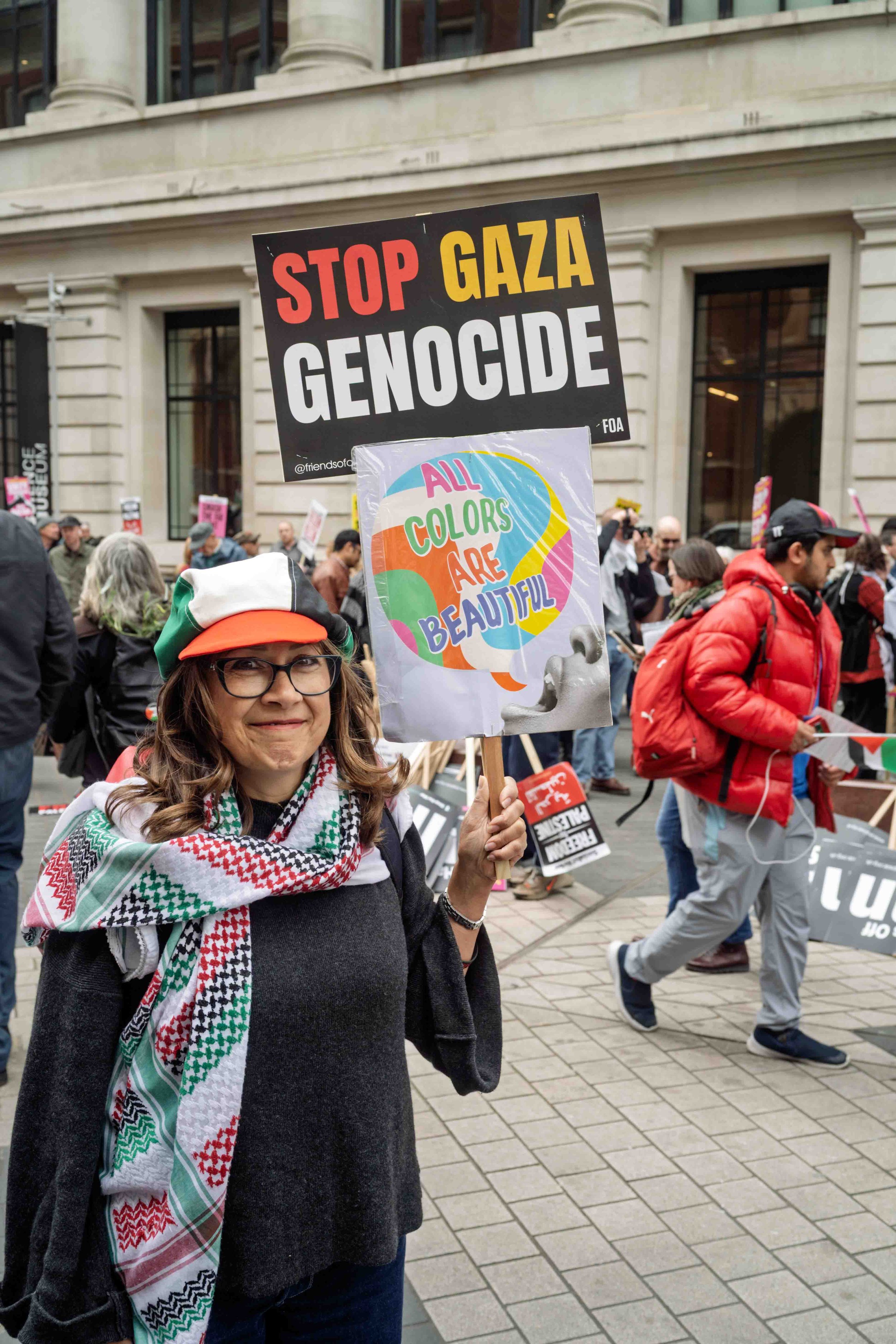
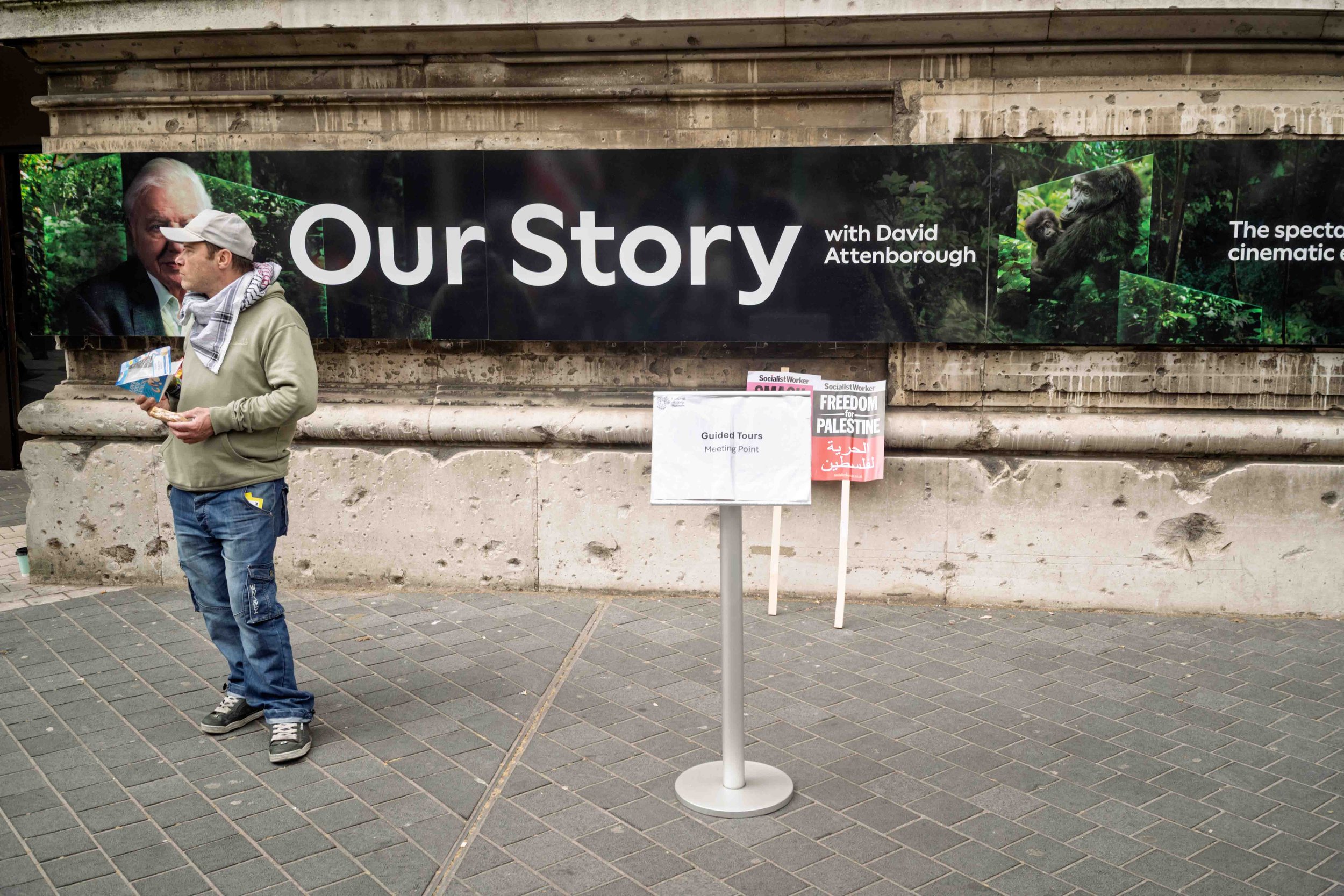
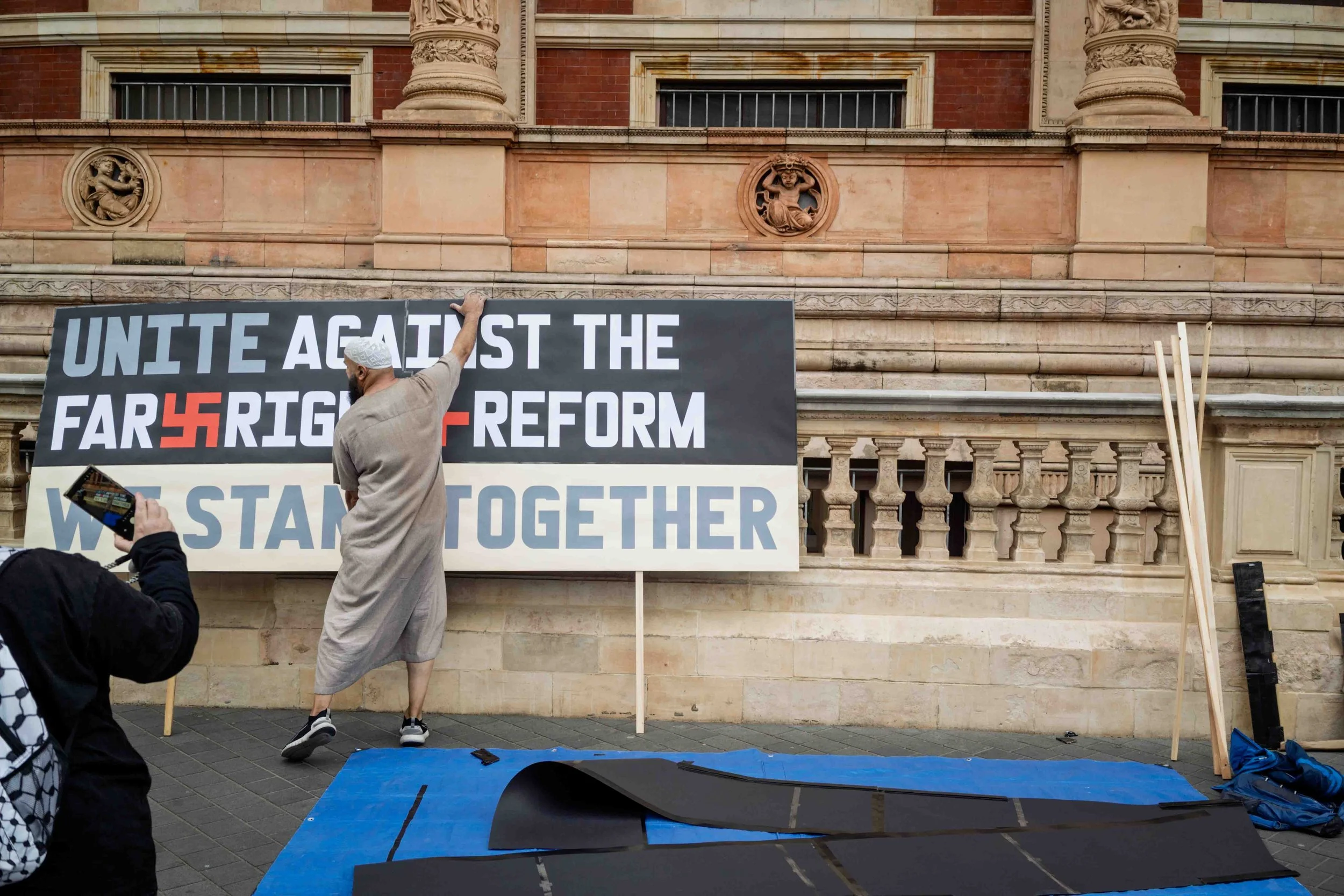
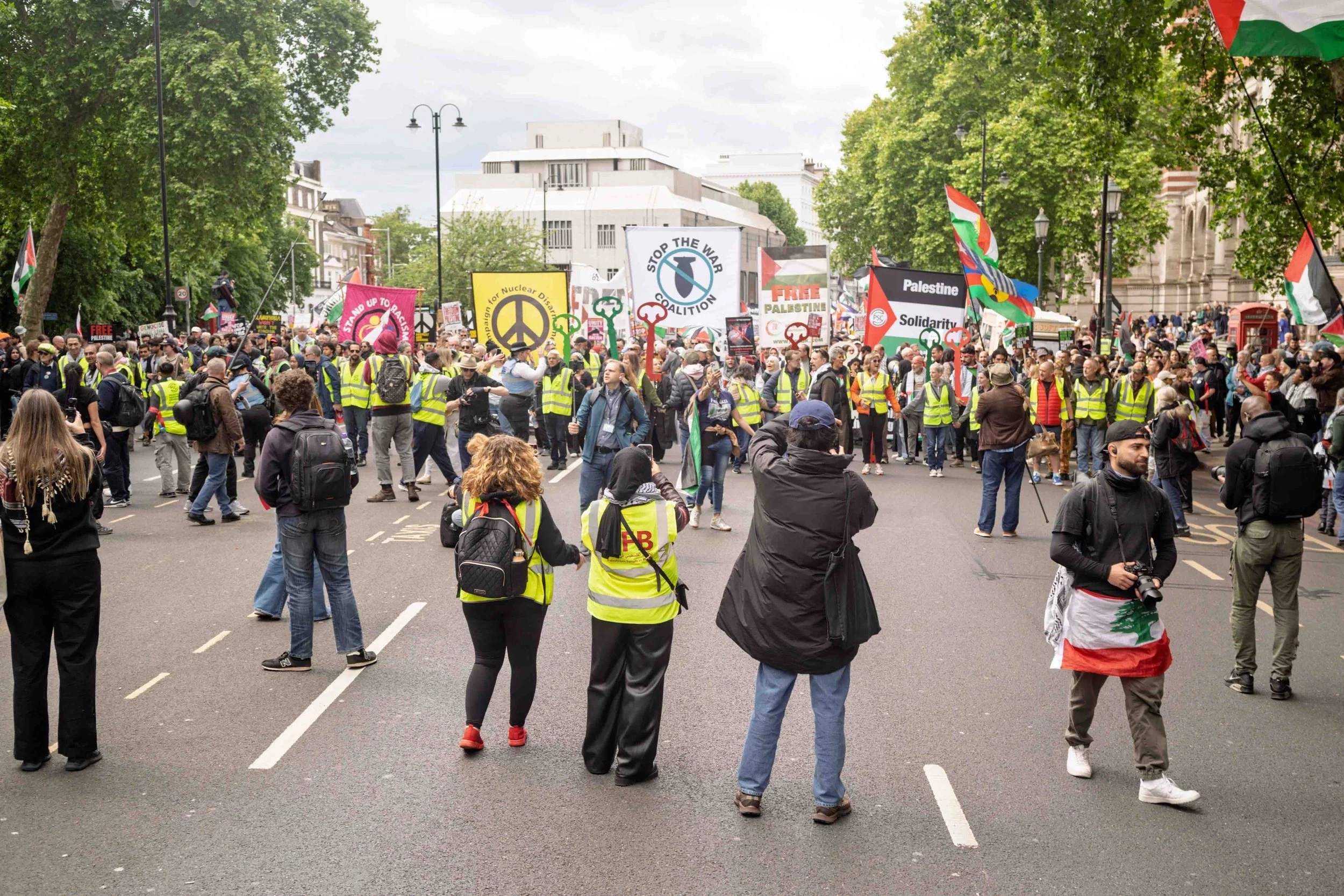
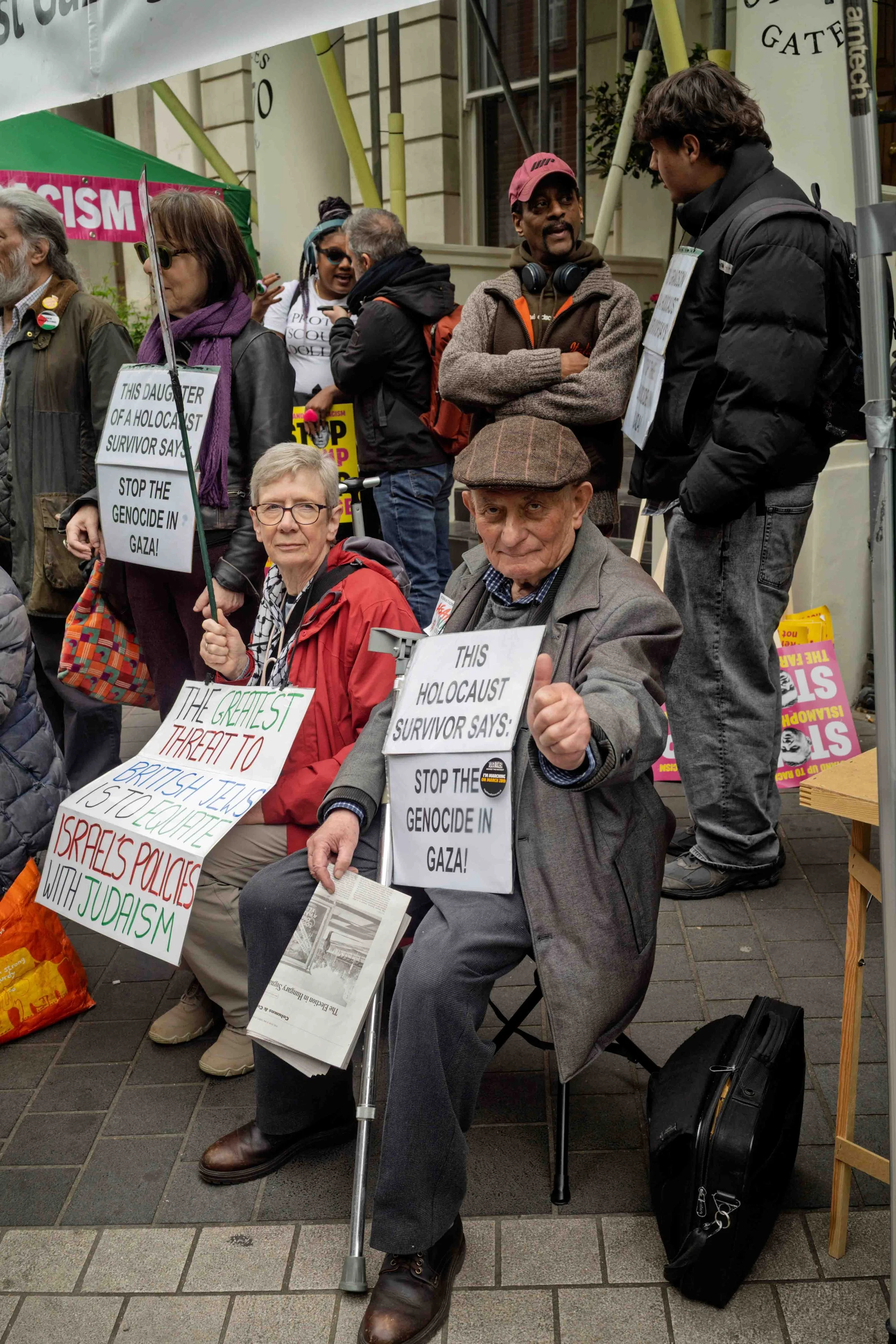
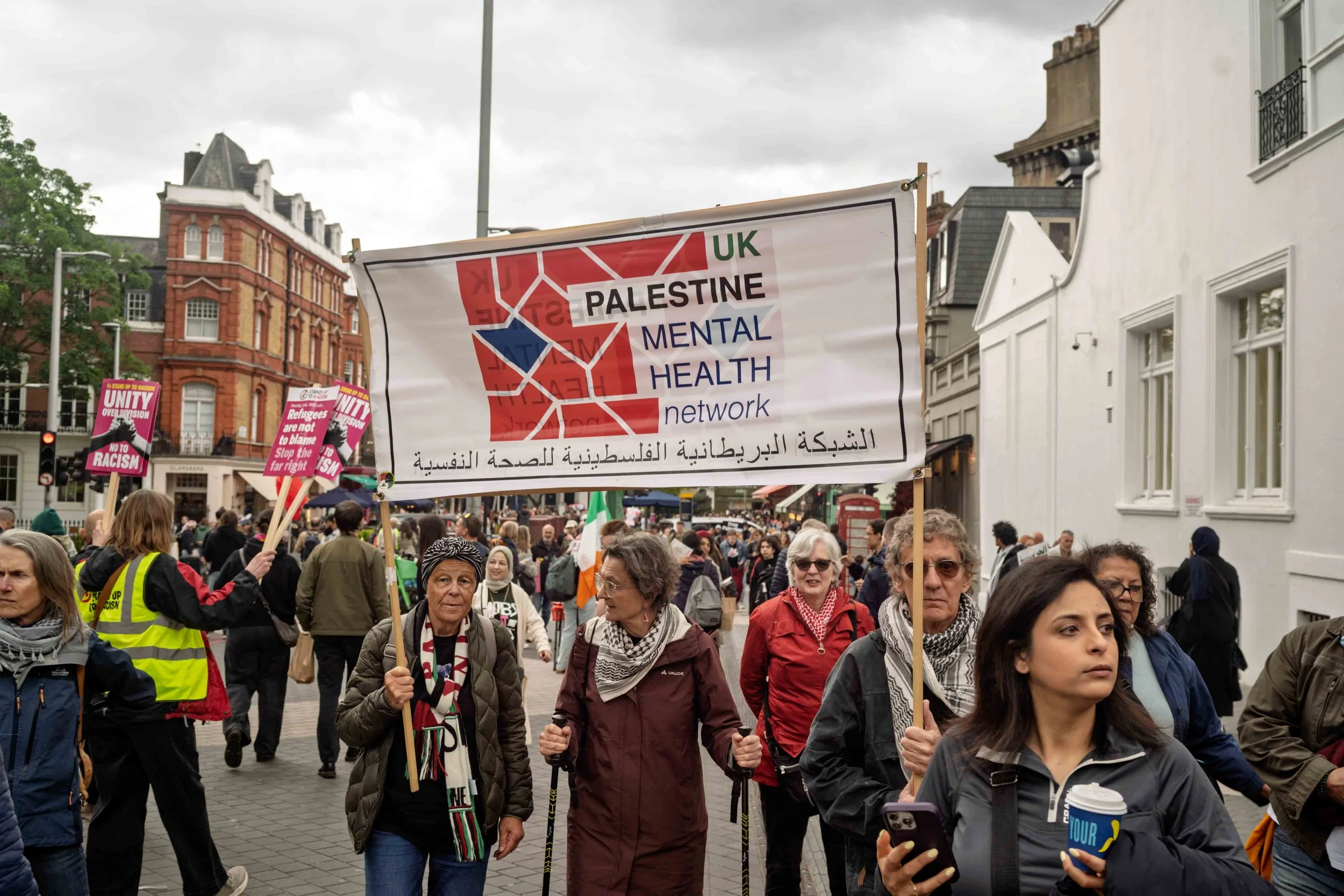
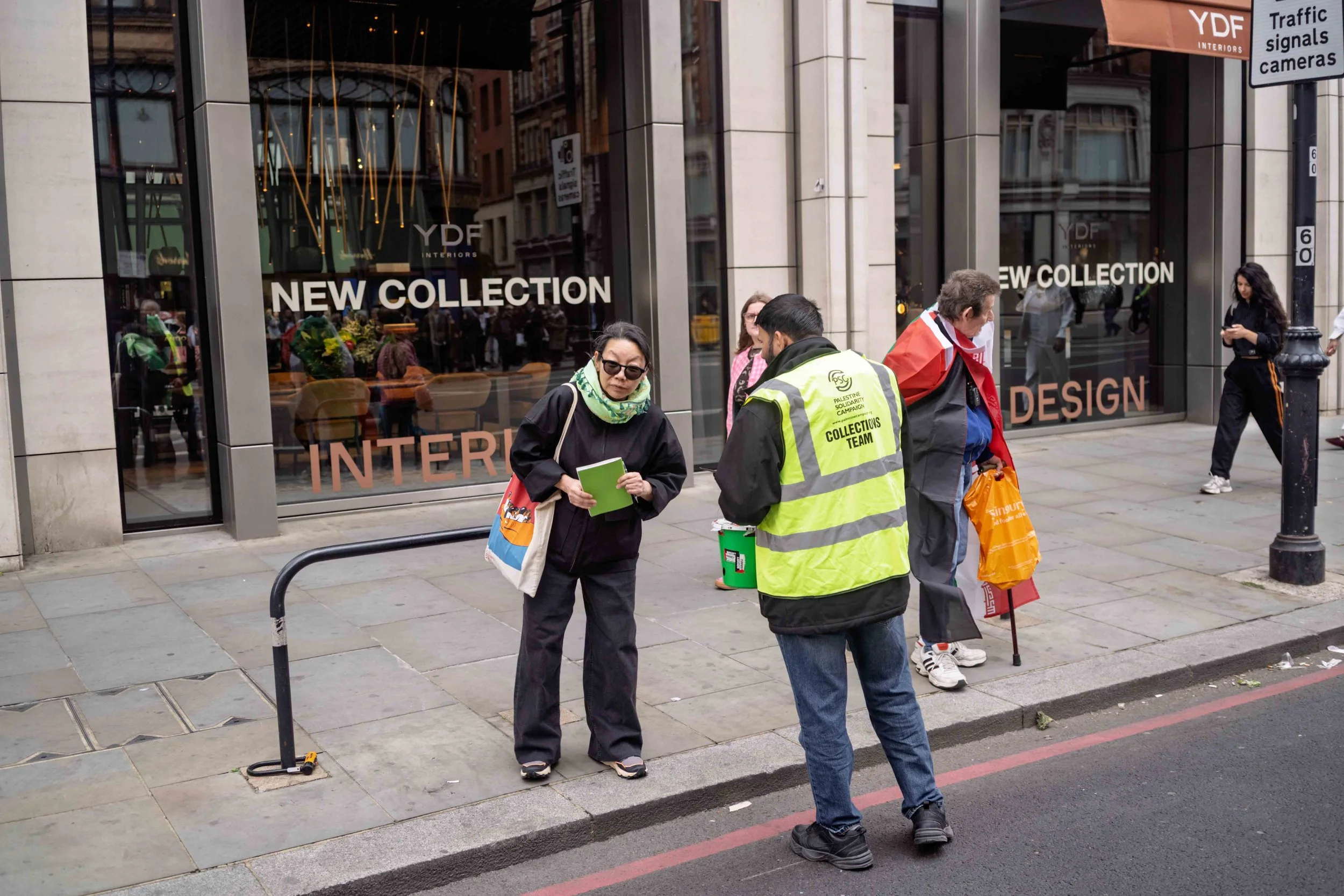
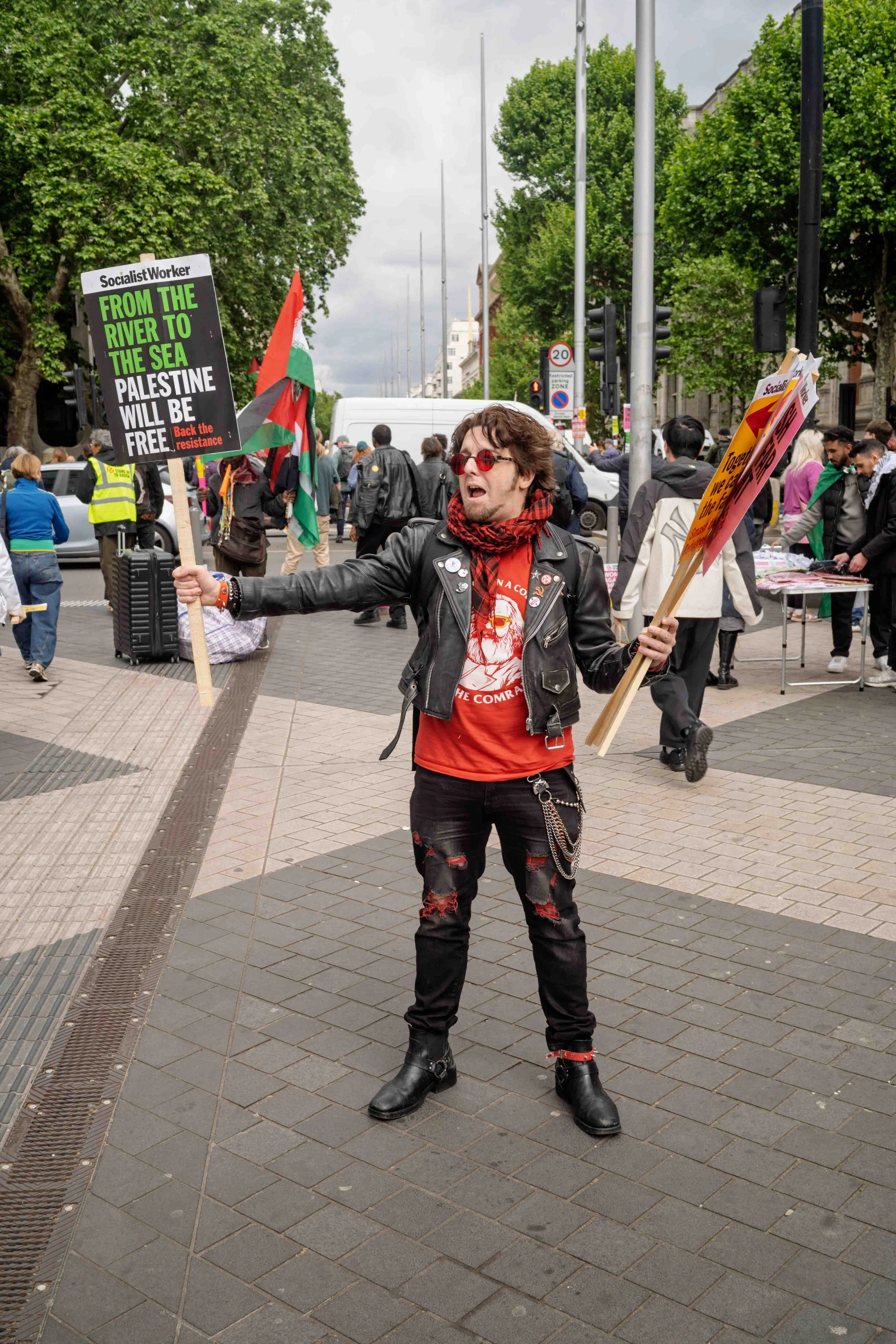
The signs here were varied. Some were polished and printed; others were handwritten on cardboard, the ink slightly smeared from the morning drizzle. A woman smiled at me holding a "Stop Gaza Genocide" sign in one hand and an "All Colors Are Beautiful" placard in the other — two very different registers of message, held by the same pair of hands, which felt like an accurate summary of the whole afternoon.
One moment stayed with me: two elderly people sitting quietly amid the noise — a Holocaust survivor with a thumbs-up and a calm smile, a woman beside him describing herself as a survivor's daughter. They weren't performing anything. They were just there, making their point in the most understated way possible.
Flags, Flags, Everywhere
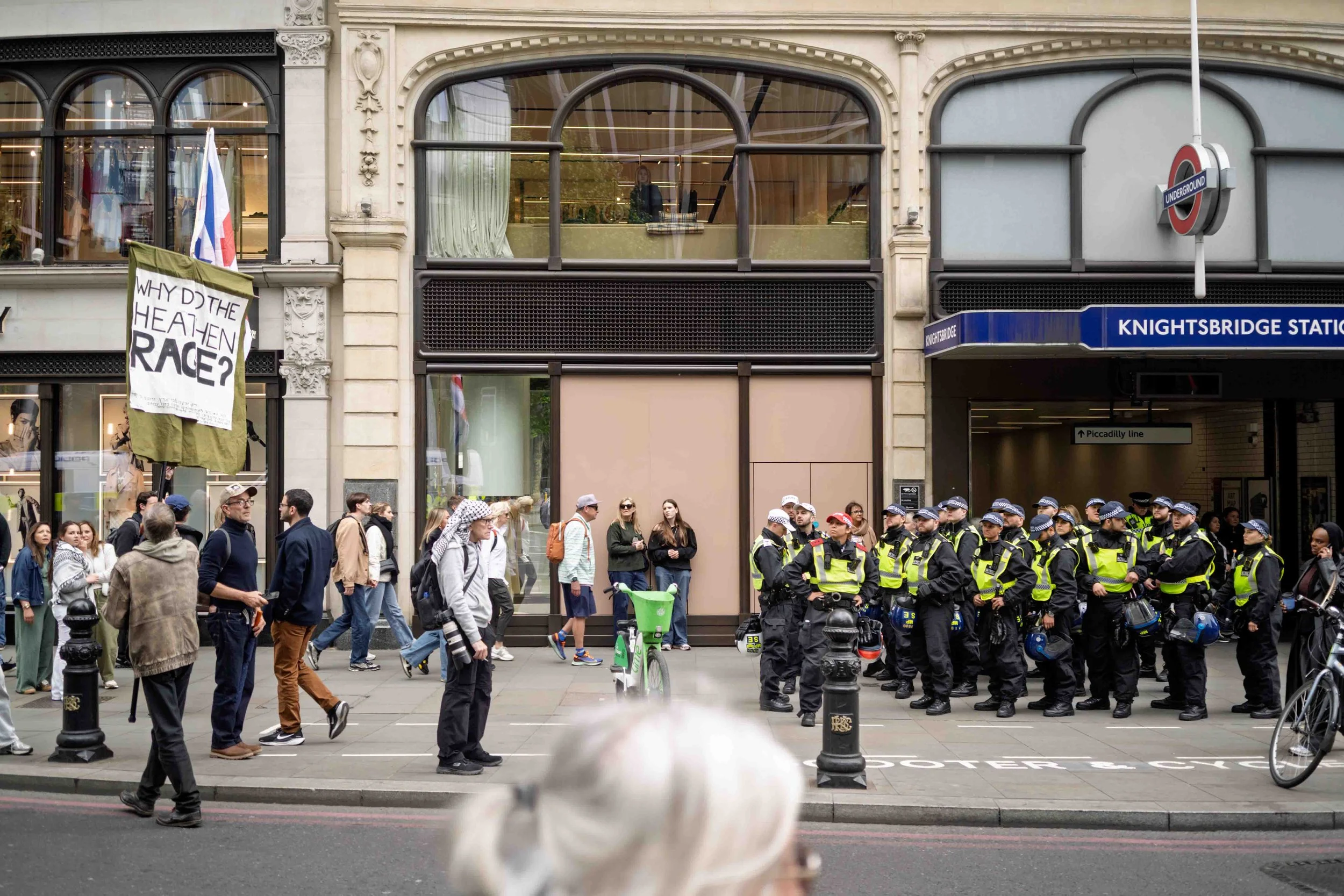
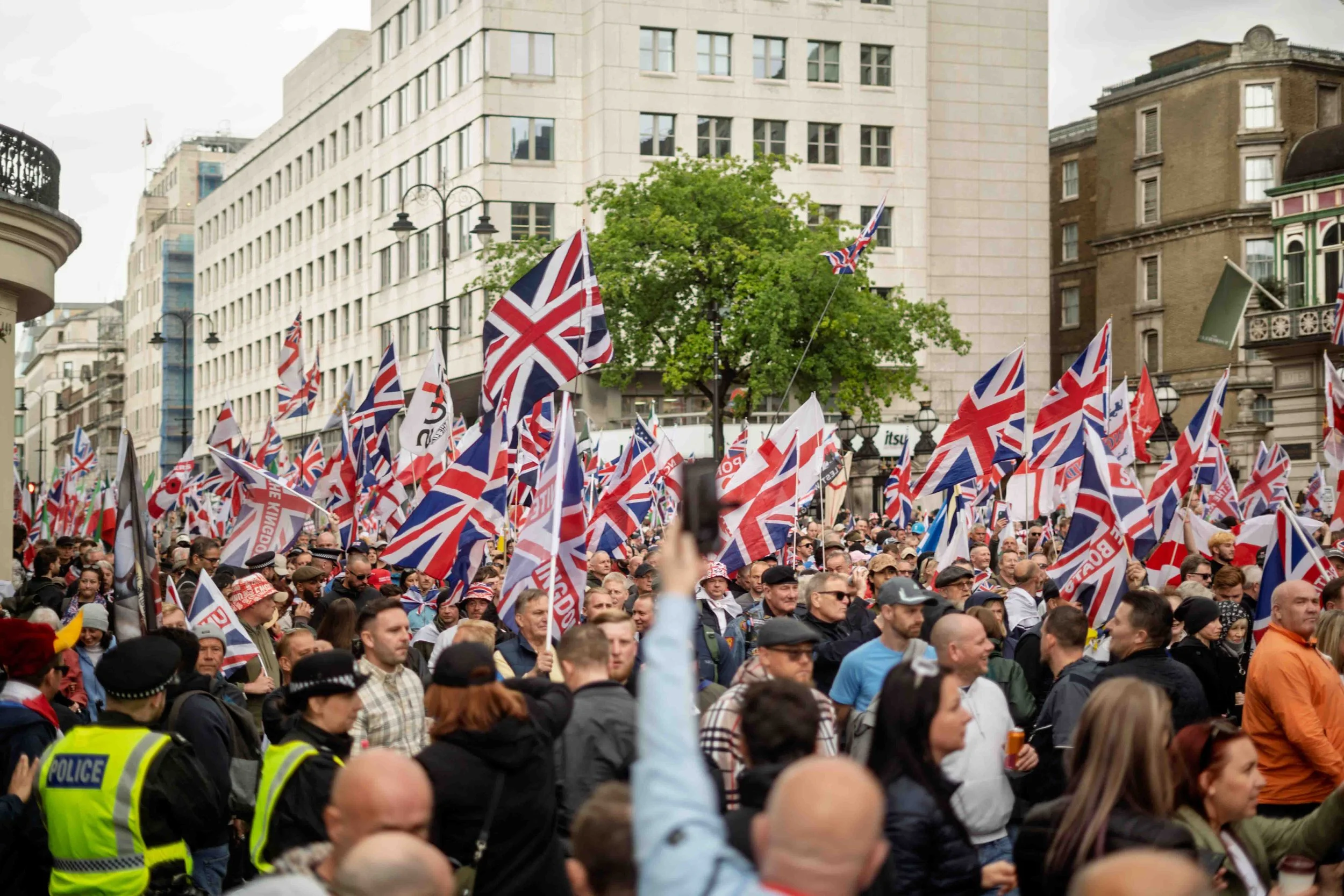
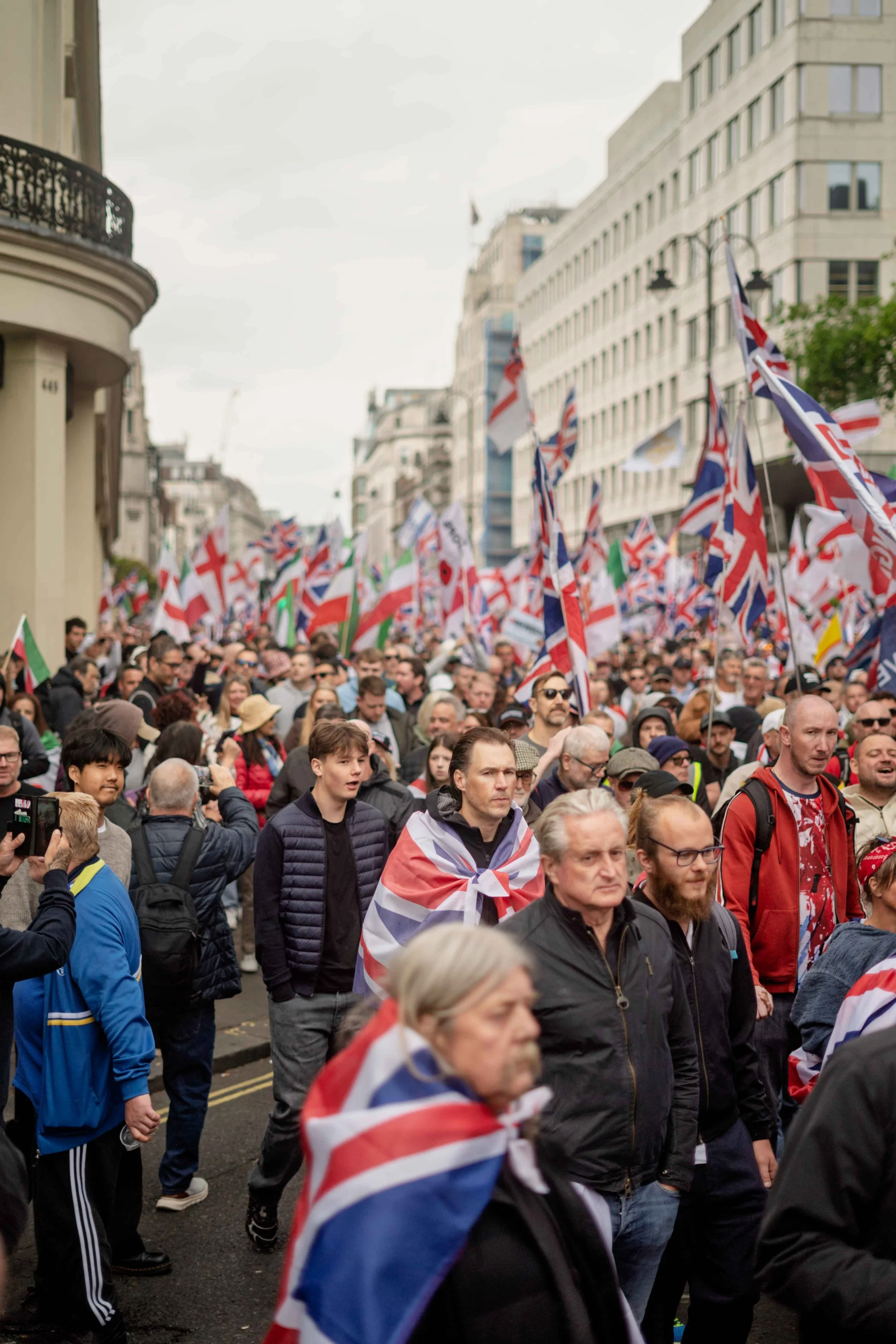
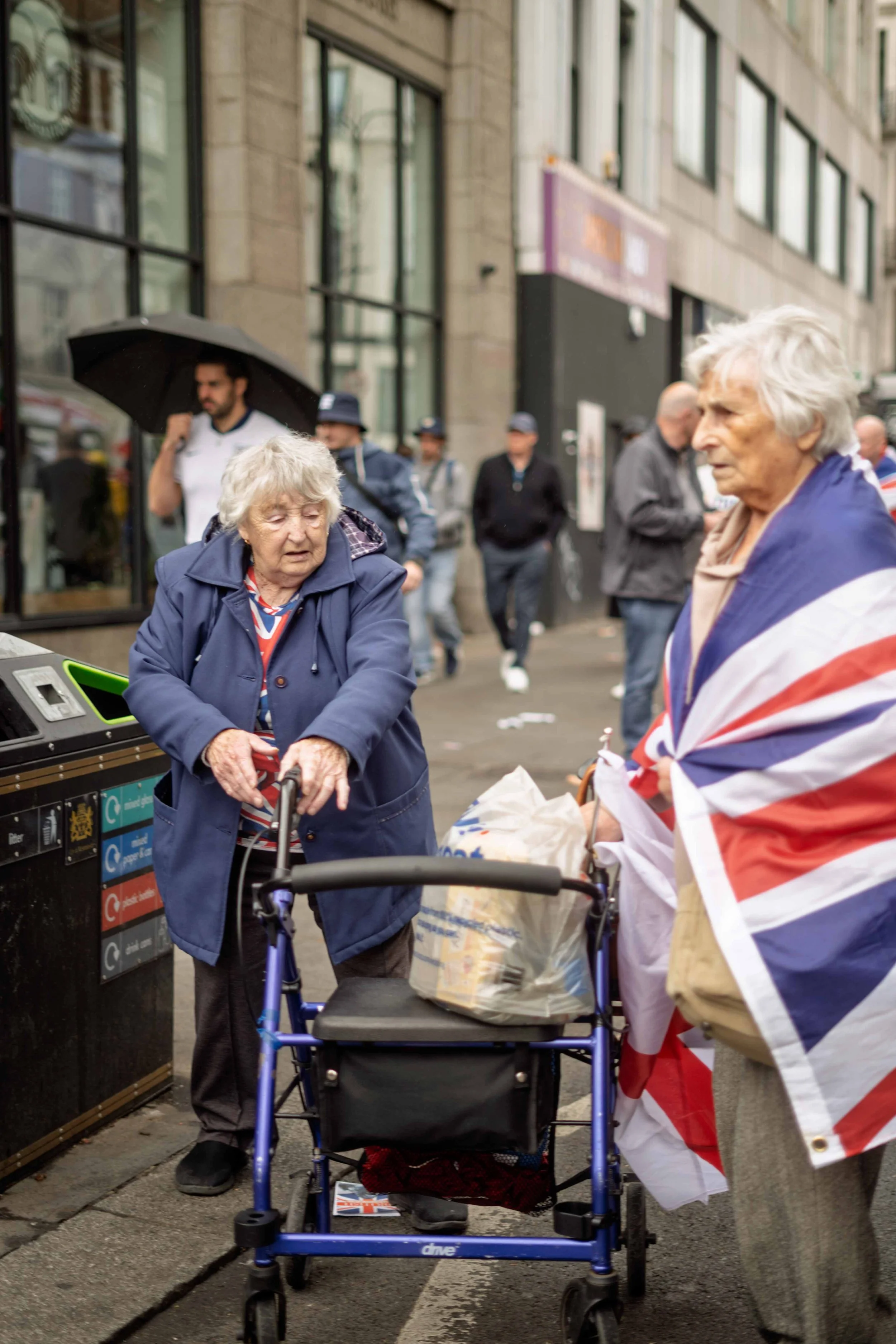
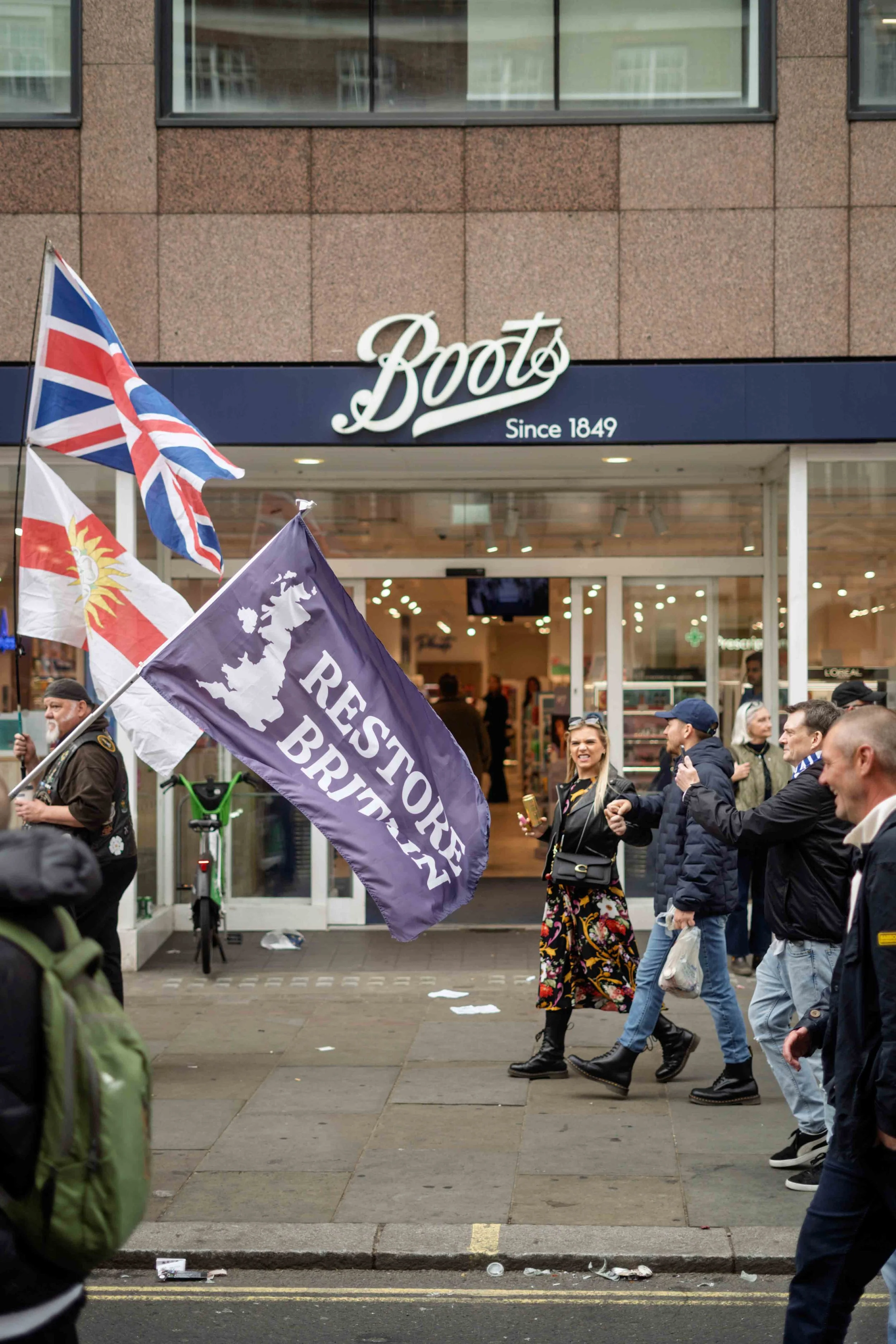
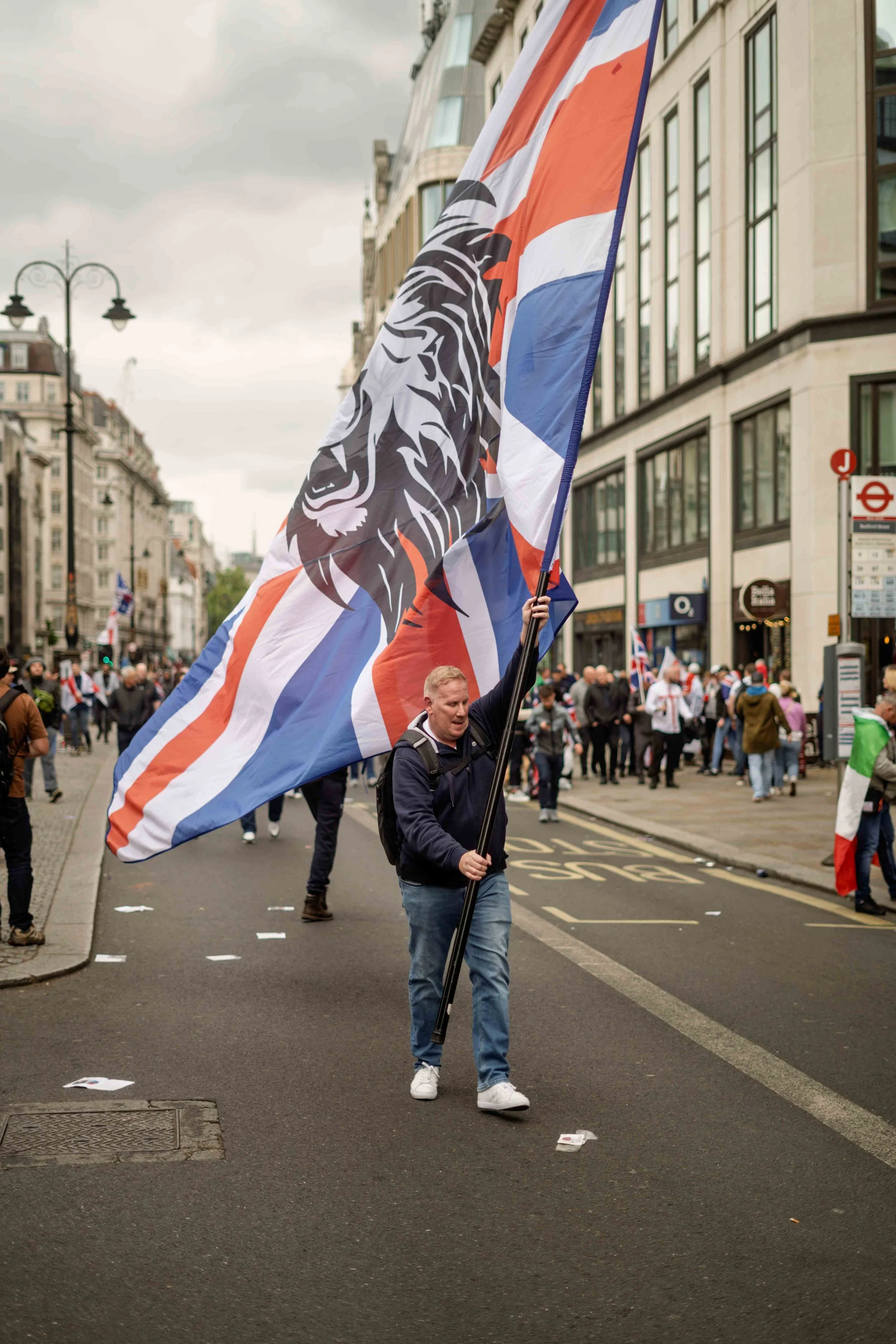
The Unite the Kingdom march was different. Union flags as far as you could see, filling The Strand from kerb to kerb. There was genuine energy here — people who were in attendance were locked like they hadn't been to a demonstration in decades, younger faces chanting alongside grandmothers draped in flags. Whatever you think of the politics, the turnout was real.
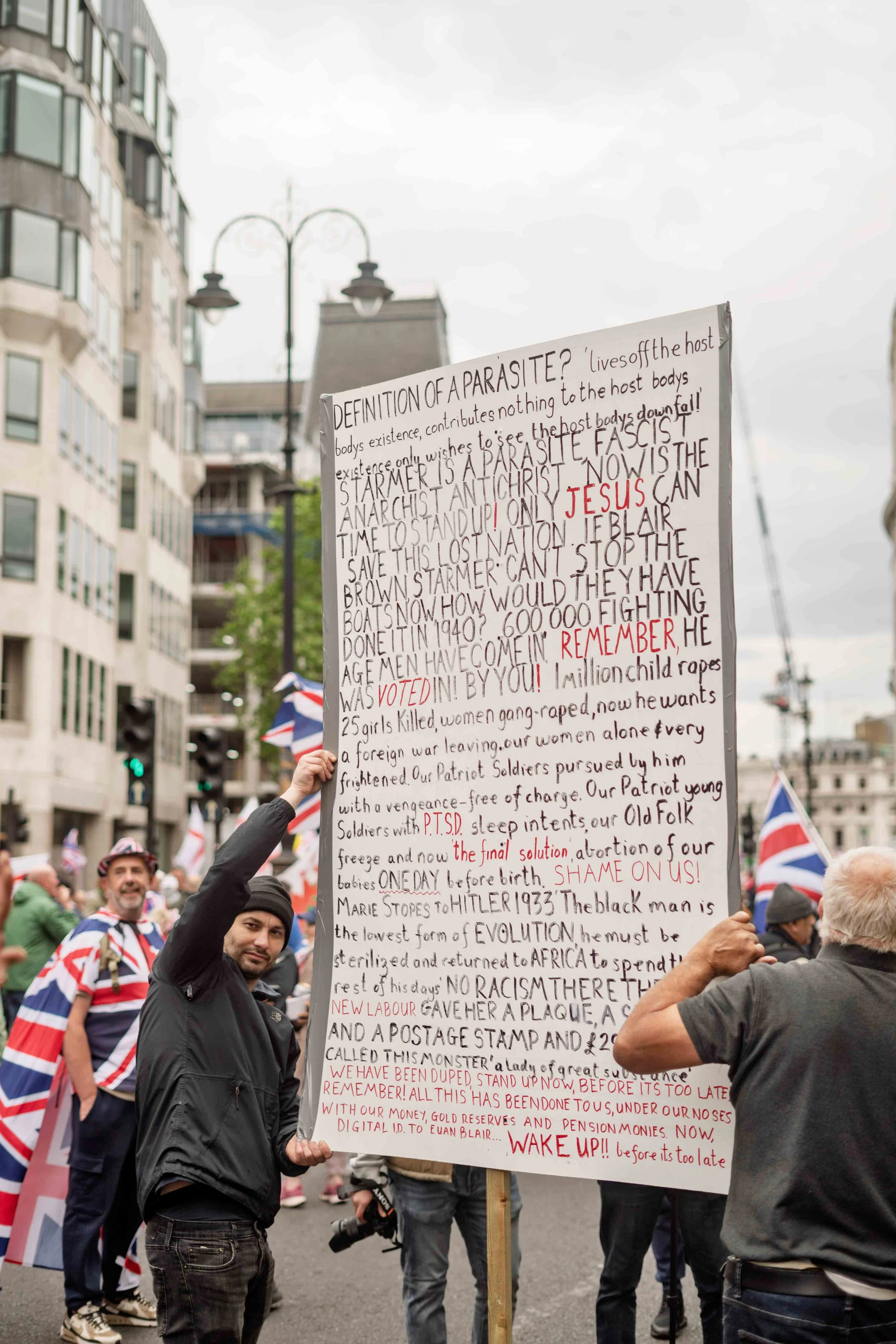
The mood ranged from festive to furious depending on where you stood. Near the front, people were singing. Further back, the signs got harder — some were the standard fare of any political march, slogans about sovereignty and borders; others veered somewhere darker. That's the honest picture: a crowd is never one thing, and this one wasn't either.
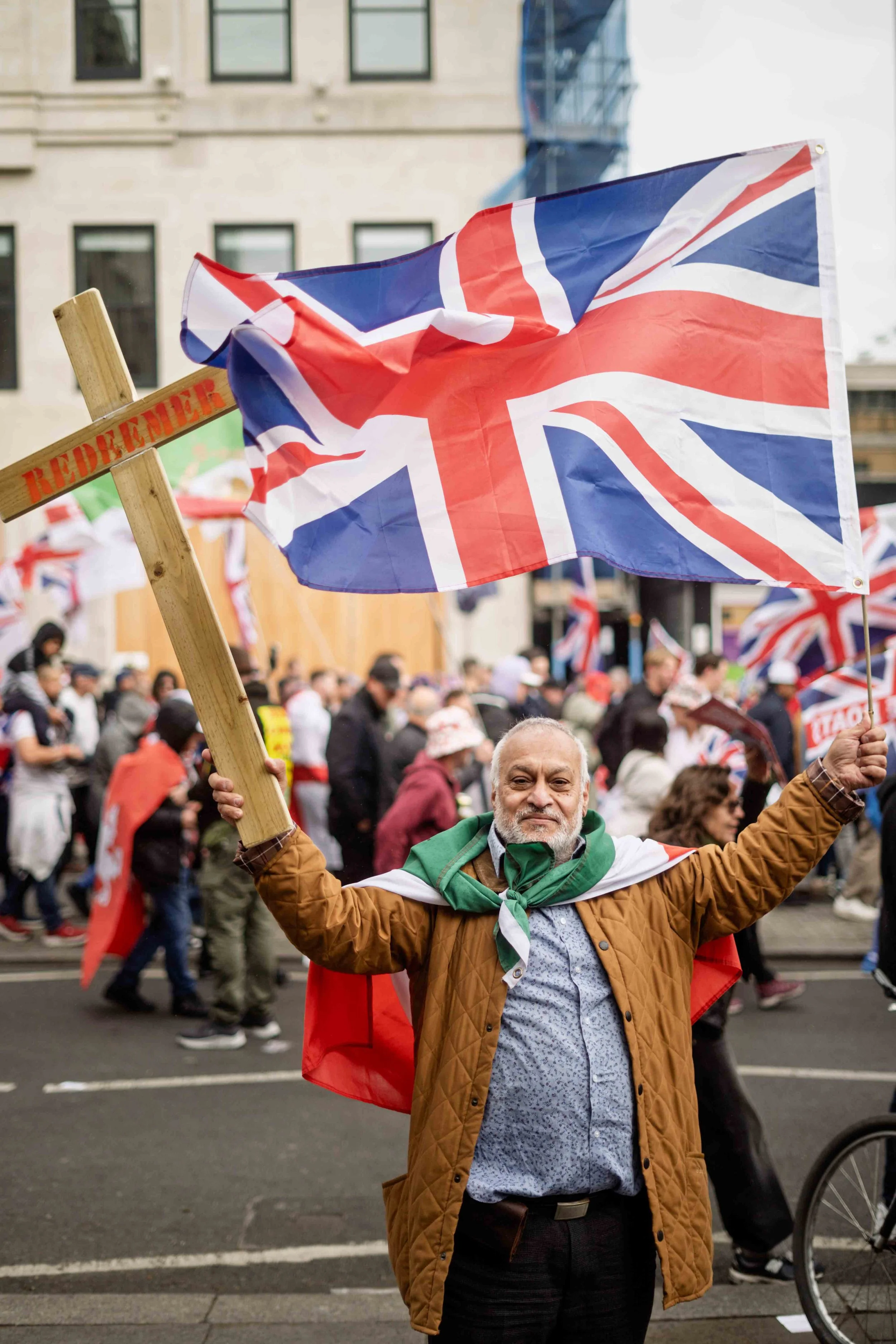
One image I kept coming back to: a man raising a wooden cross in one hand and a Union flag in the other, marching with real conviction.
Meanwhile, London Carried On
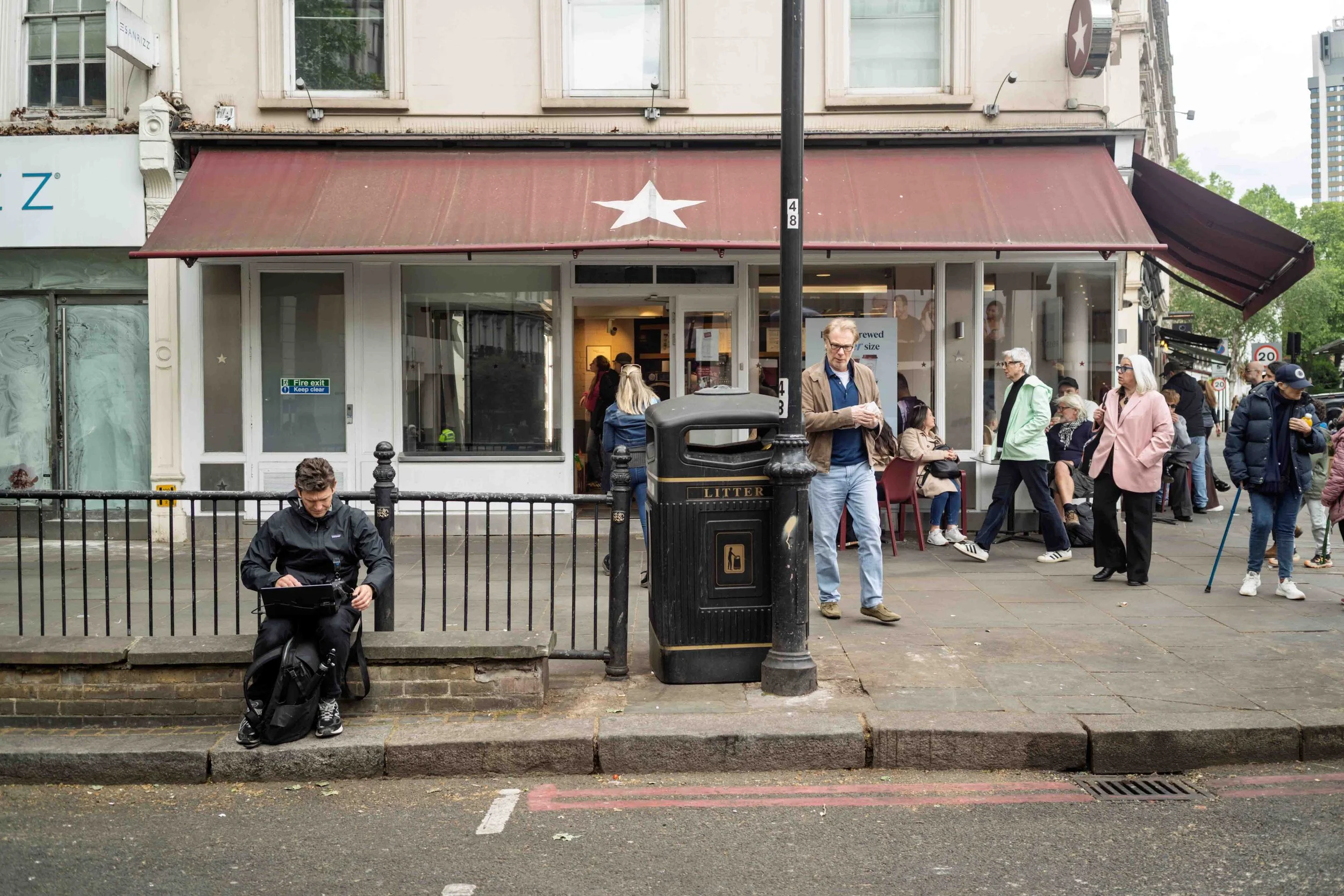
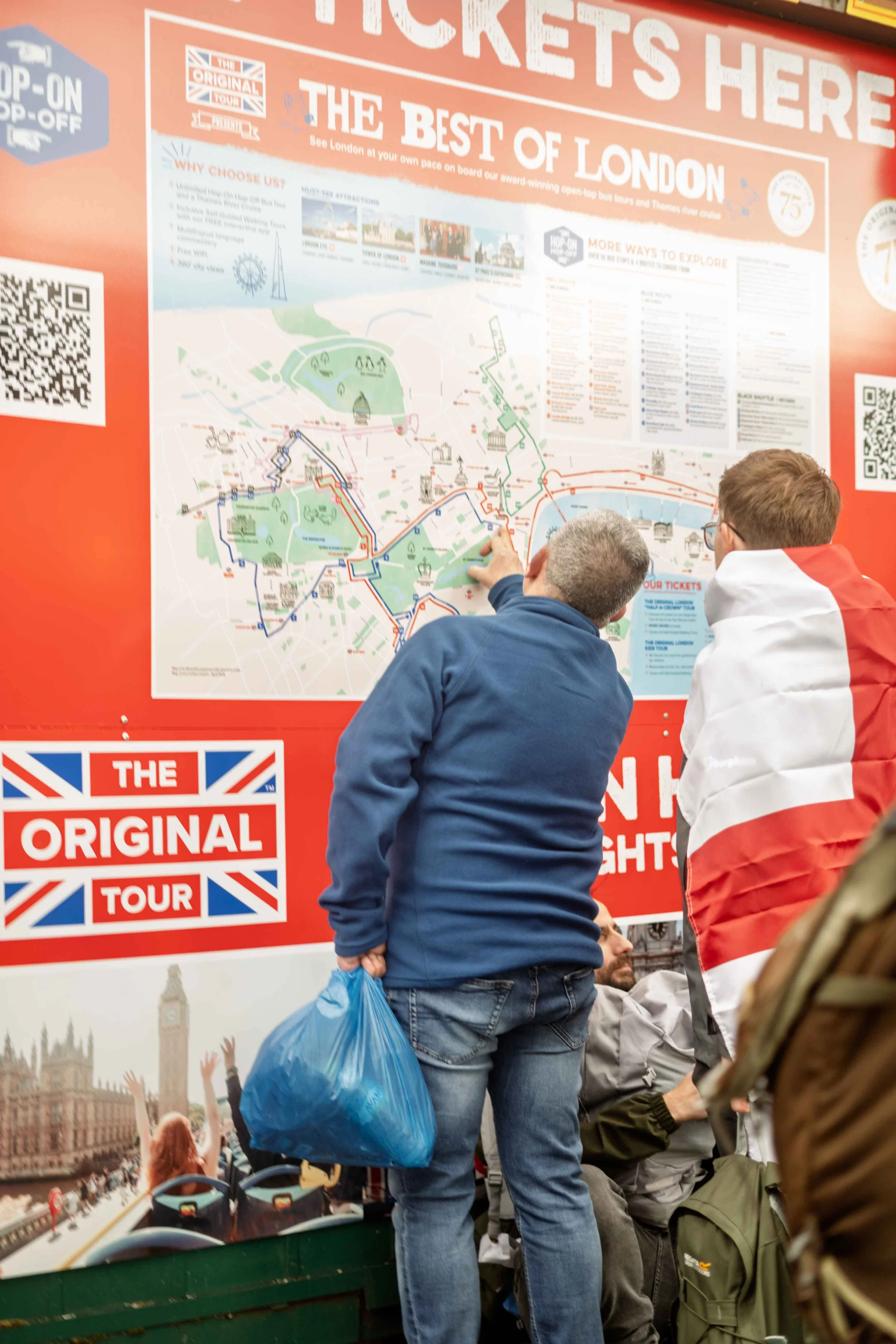
Here's the thing about London: it doesn't stop for its own arguments. Between the two marches, on the side streets and quieter stretches of pavement, the city was just getting on with it. A woman wrestled a pair of rose-gold number balloons around a corner, heading to someone's birthday. Two men in England flags squinted at a tourist map outside a hop-on hop-off bus stand. A photographer sat on a kerb outside a café editing on his laptop while a queue formed behind him.
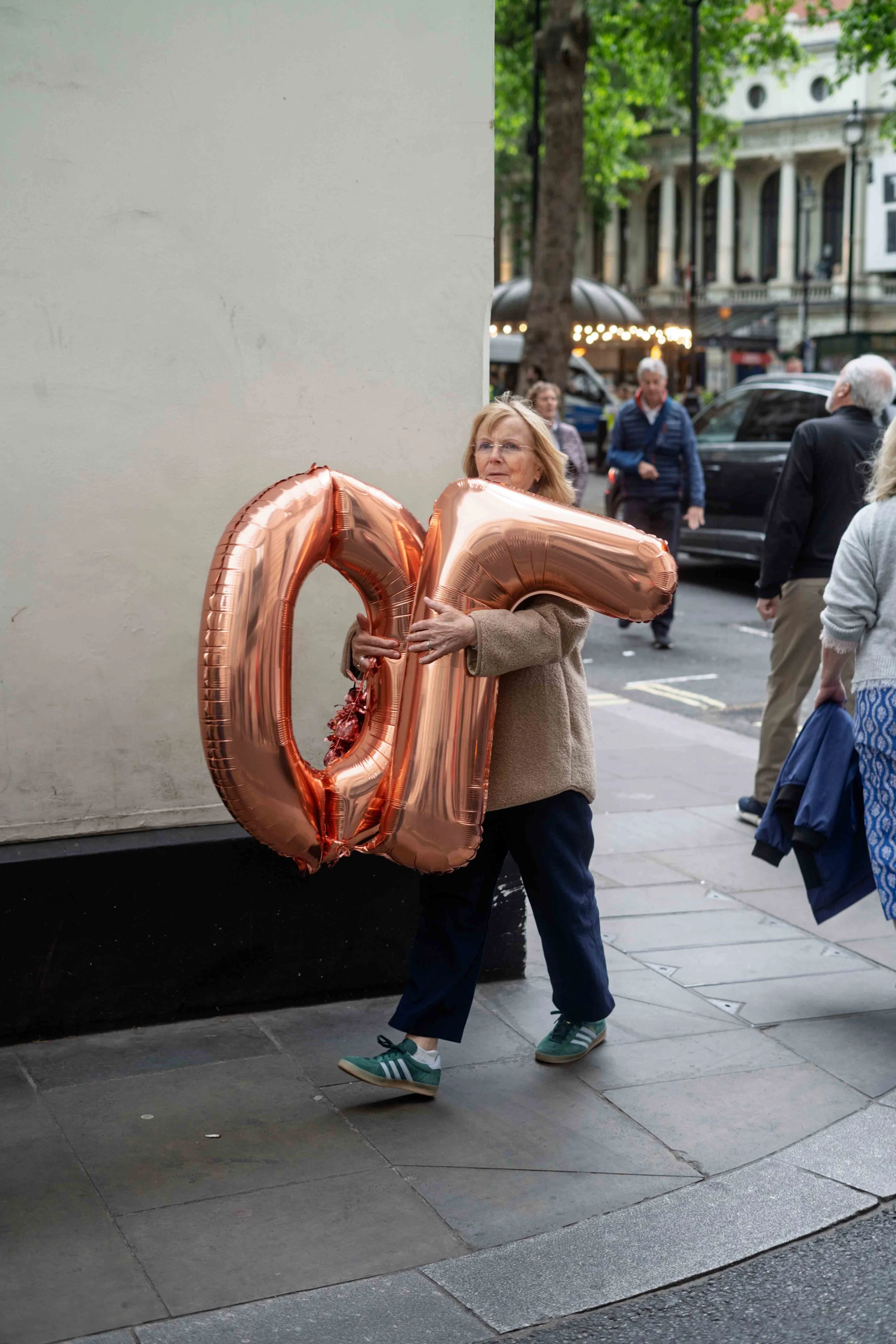
There was something grounding about that. The city has seen a lot of Saturdays like this one, and it will see more. The arguments change shape but they don't really change — who belongs, who gets to say so, whose version of Britain is the real one. And through all of it, London keeps absorbing, keeps changing, keeps being more complicated than any single march can capture.
The idea that London would be better off, more itself, by removing the people who have spent their lives building it is a harder argument to make when you're actually standing in the middle of it. This city has been shaped by wave after wave of people arriving from elsewhere, each generation initially viewed with suspicion, each eventually becoming the city itself. The cafés, the music, the NHS wards, the buses — that's all London too, and it didn't come from nowhere.
That doesn't mean there aren't real and complicated questions to have about immigration policy, community change, or what national identity means in 2026. There are. But those conversations happen in committee rooms and local council meetings and family kitchens — not really on the street, where the loudest voices tend to drown out the nuance on both sides.
I don't have a tidy conclusion to offer. These photographs are not an argument so much as a record — of a day, a city, a conversation that's been going on for a very long time and isn't close to finished. I hope they're worth sitting with.
Until next time, keep snapping.
Yes please, keep me posted when there’s a new blog
Instagram - Film