in the frame
Two Sides of the Same Street
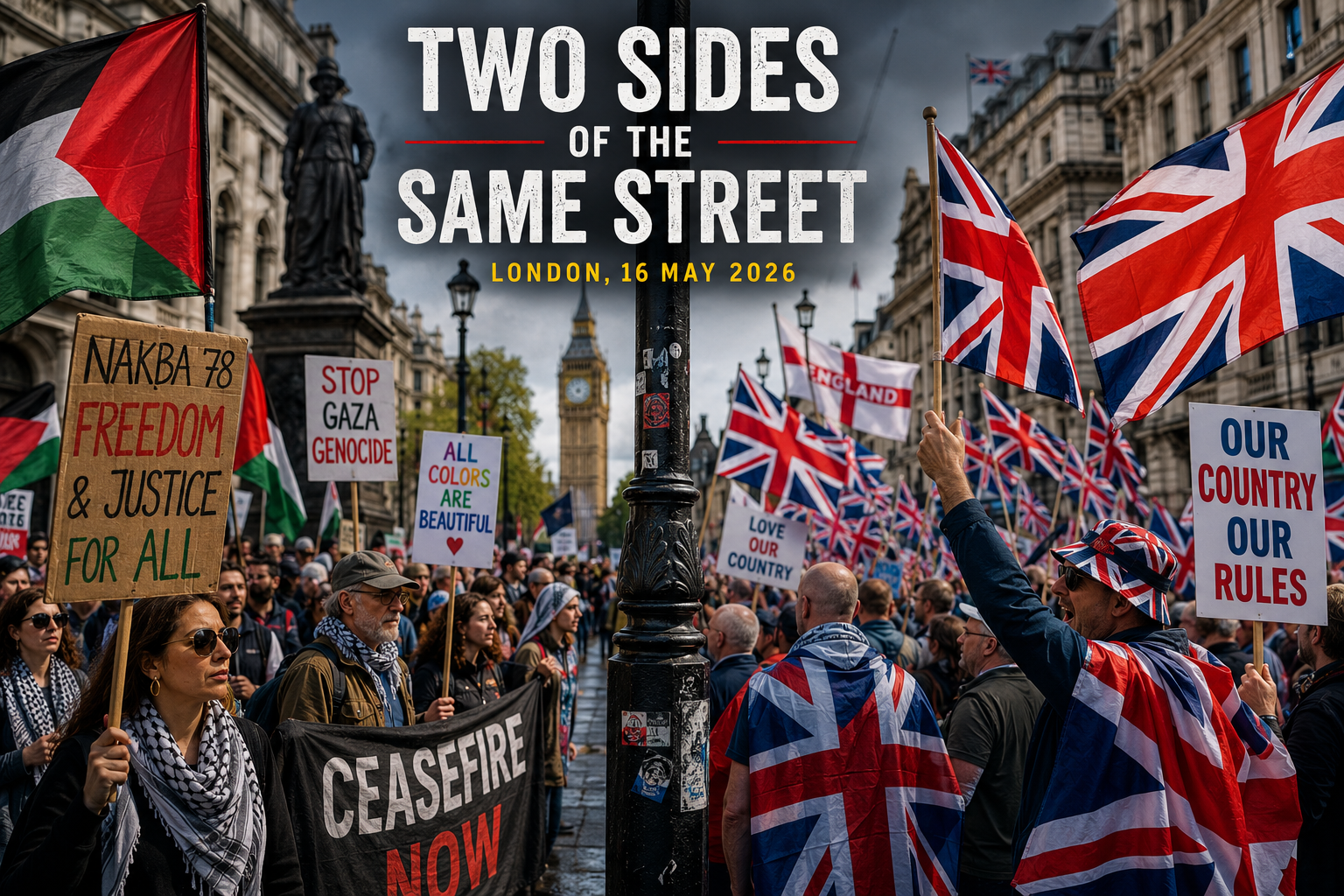
London on a grey Saturday has a particular energy. The streets fill early, the coffee shops run out of tables, and the city hums along in its usual organised chaos. But on 16 May 2026, there was something extra in the air — two separate marches, heading in different directions, each convinced they were speaking for the soul of the country.
On 16 May 2026, two very different versions of Britain took to the streets of London. I walked between them.
London on a grey Saturday has a particular energy. The streets fill early, the coffee shops run out of tables, and the city hums along in its usual organised chaos. But on 16 May 2026, there was something extra in the air — two separate marches, heading in different directions, each convinced they were speaking for the soul of the country.
I spent the day moving between both. Camera up, opinions mostly down. What I found was more complicated, and more human, than either side's loudest voices would suggest.
Nakba 78.
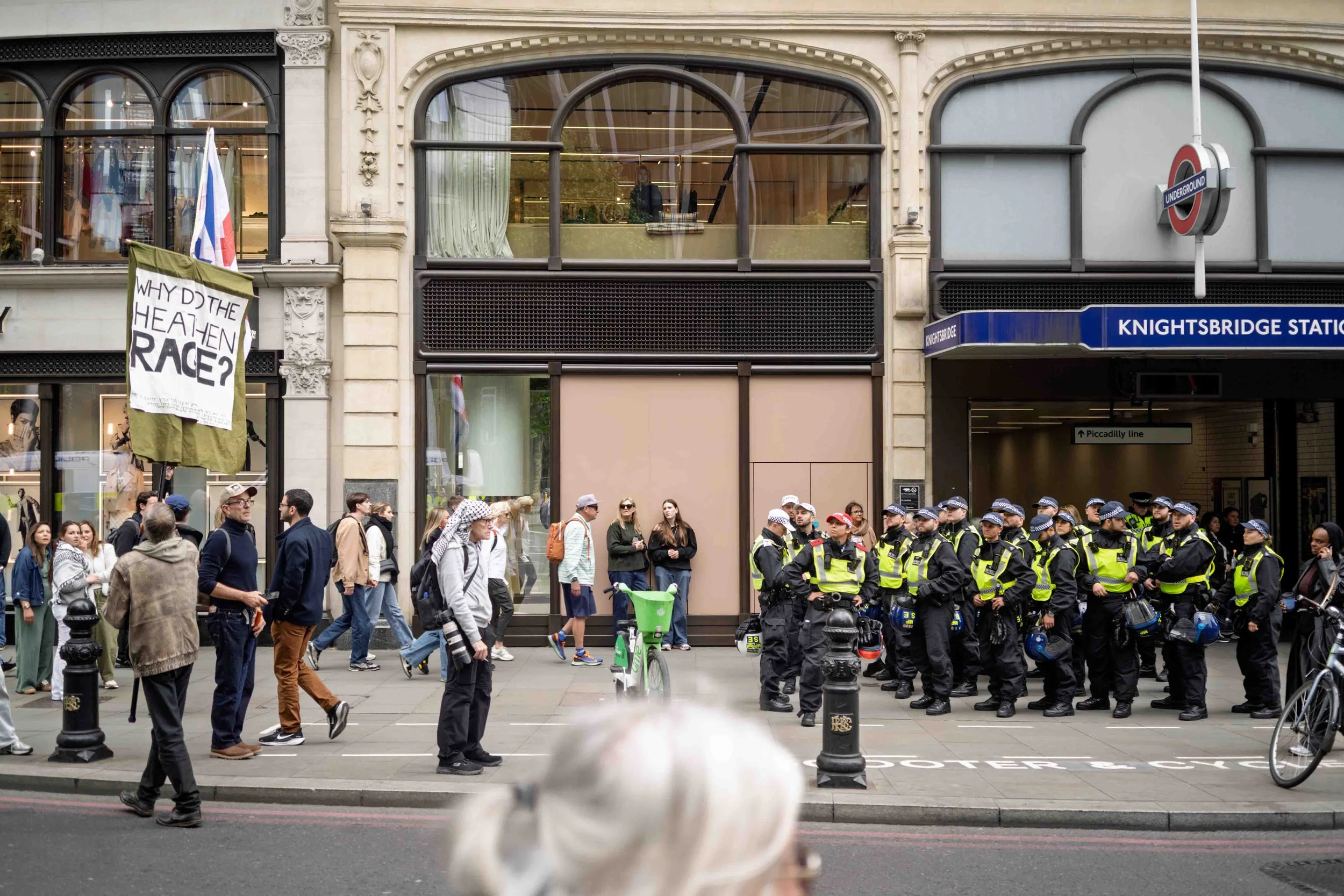
The Pro Palestine March, was a United front against Tommy Robinson & the far right. This had its own kind of plural — anti-racism groups, Palestine solidarity marchers, trade unionists, and a handful of people who looked like they'd wandered in from towns and cities across the UK (Bristol, Portsmouth was evident in Trade Union flags and I also met a photography Student from Barnseley. The energy was different: less of a march, more of a gathering, with people stopping to talk, to take photos, to debate gently amongst themselves.
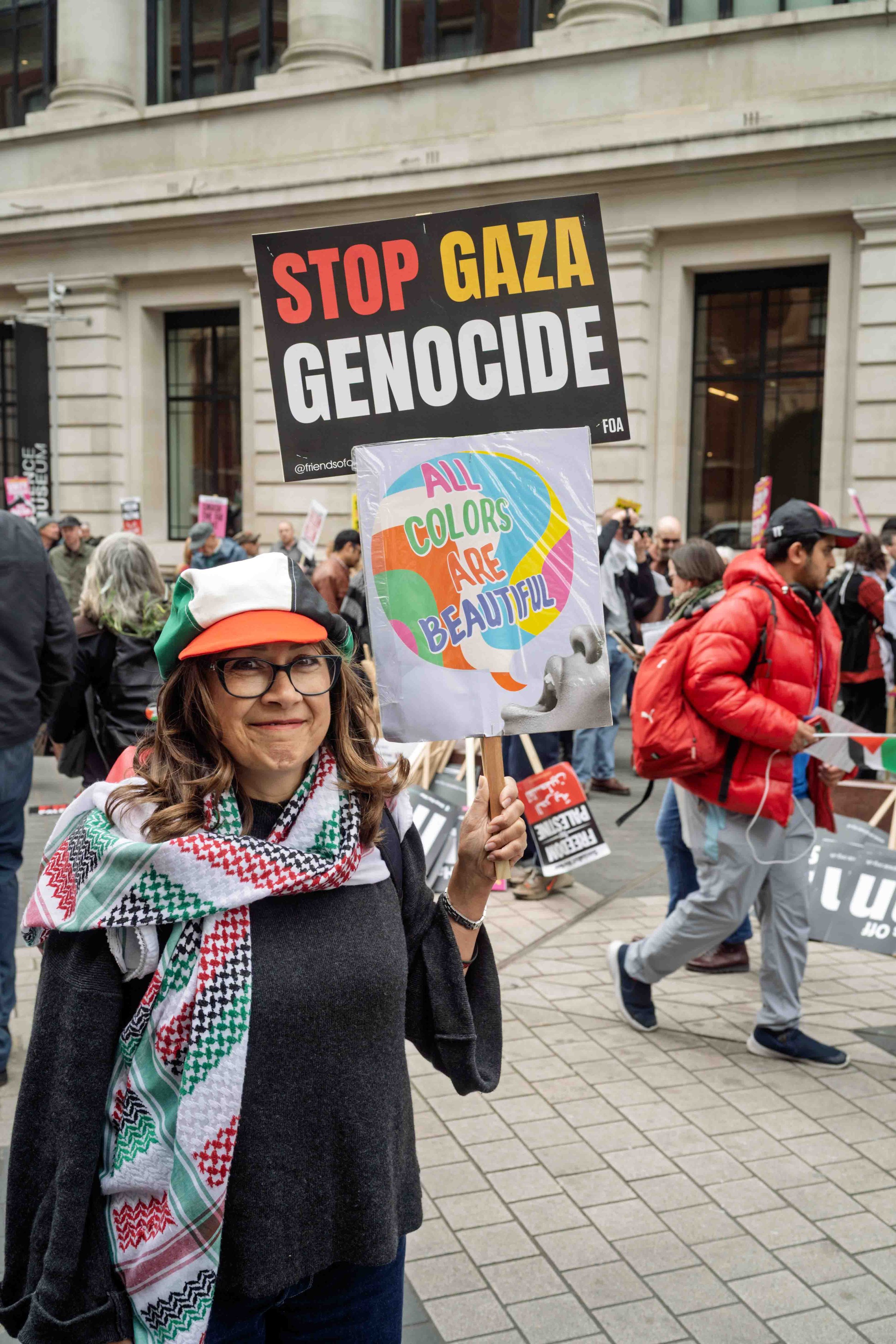
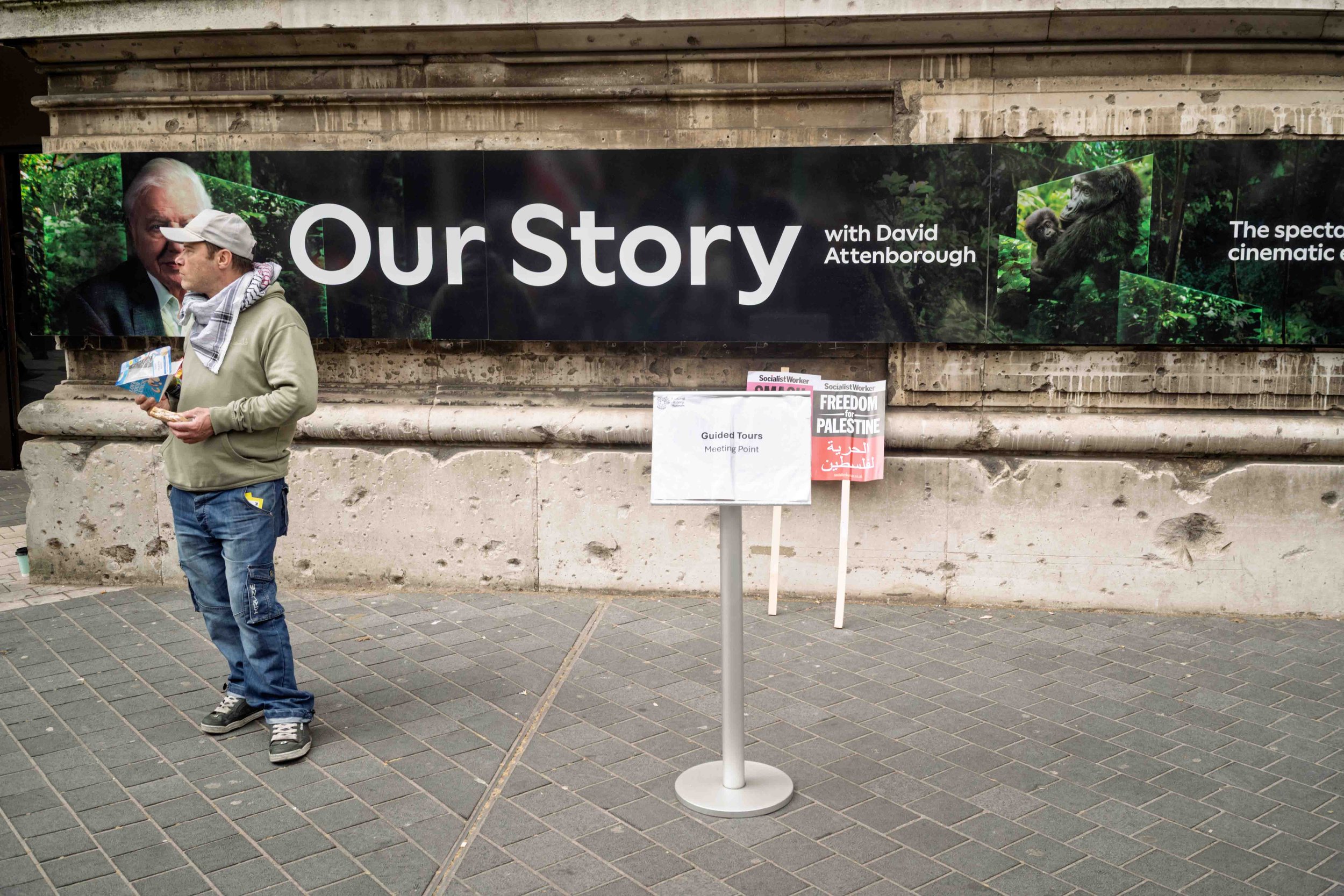
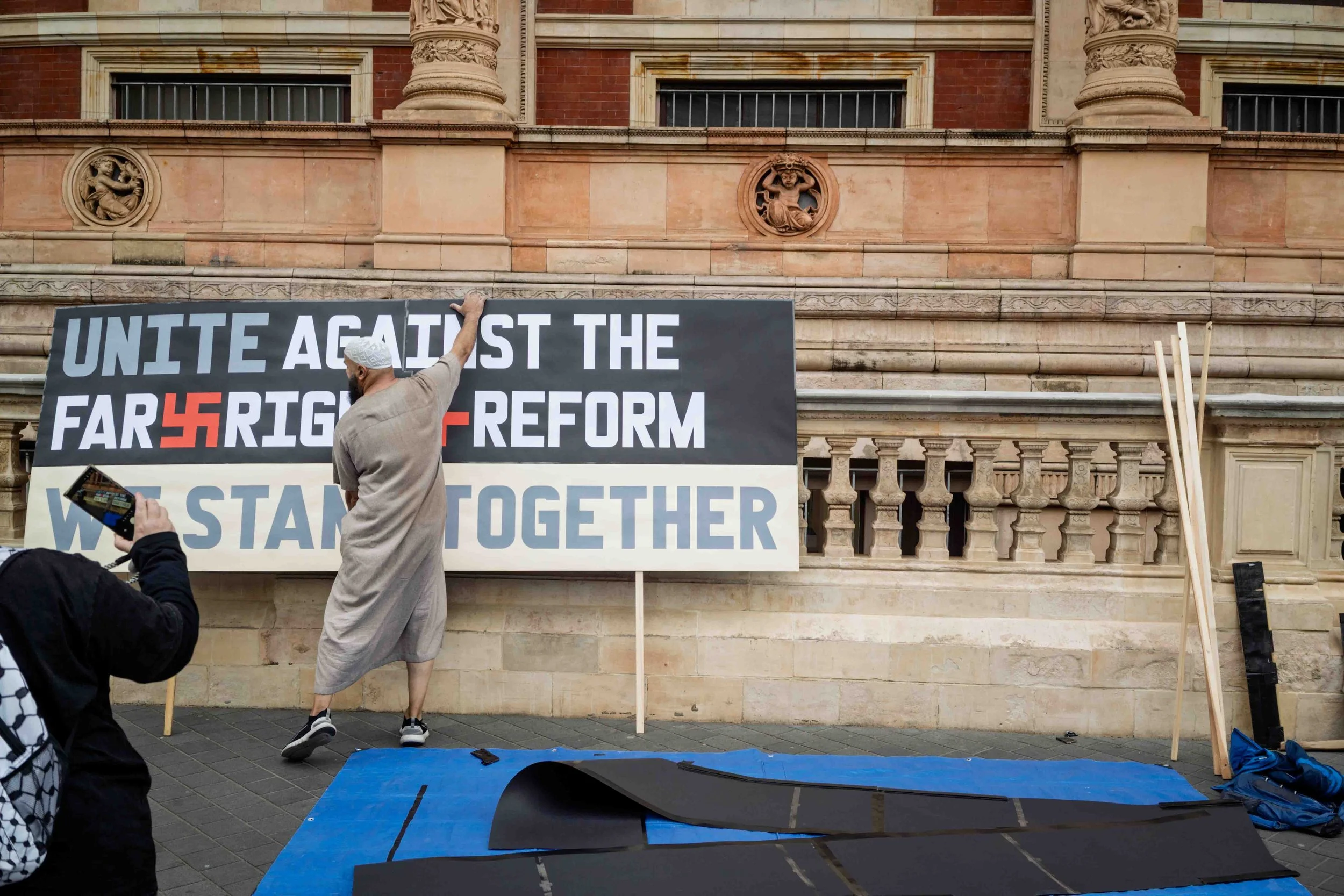
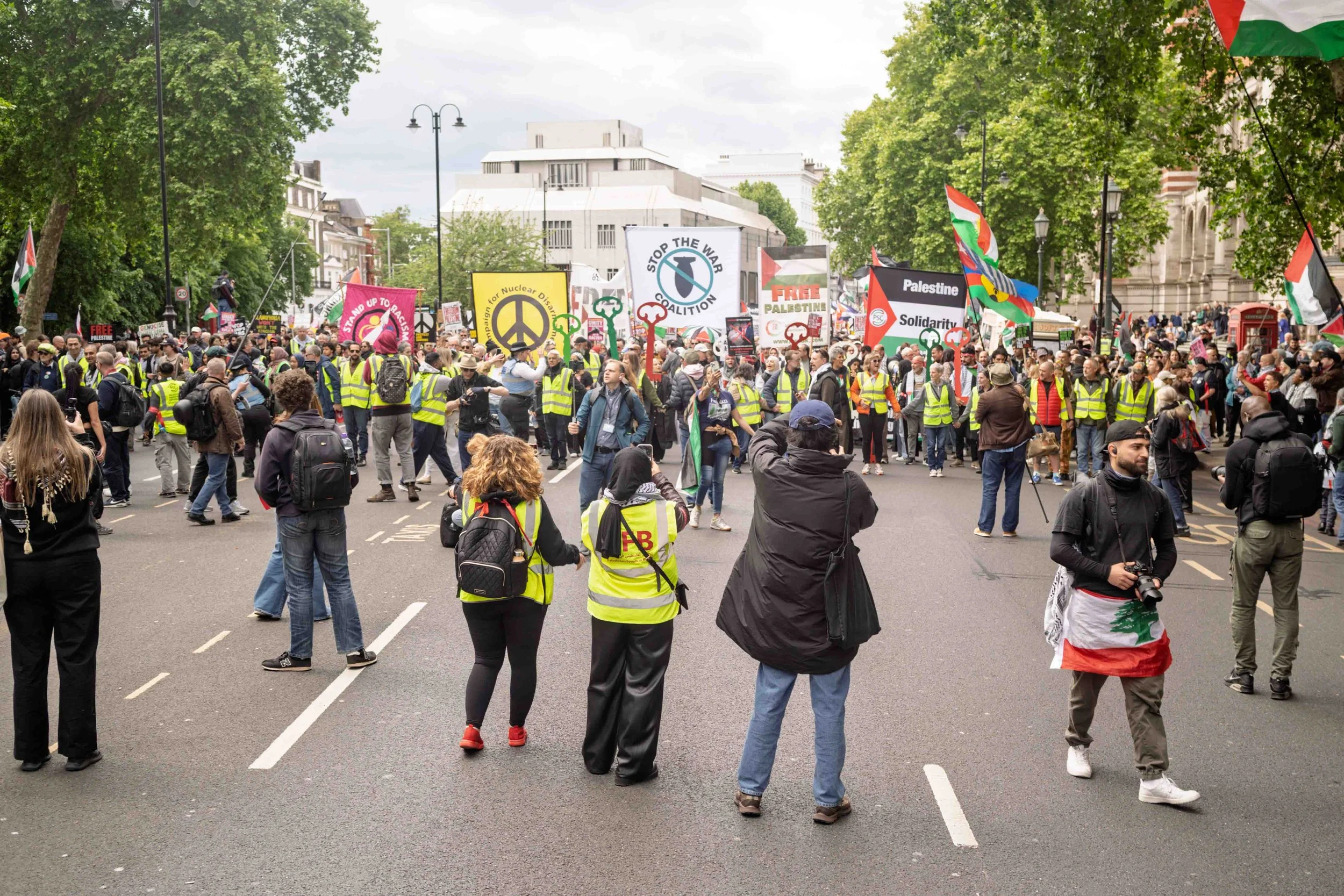
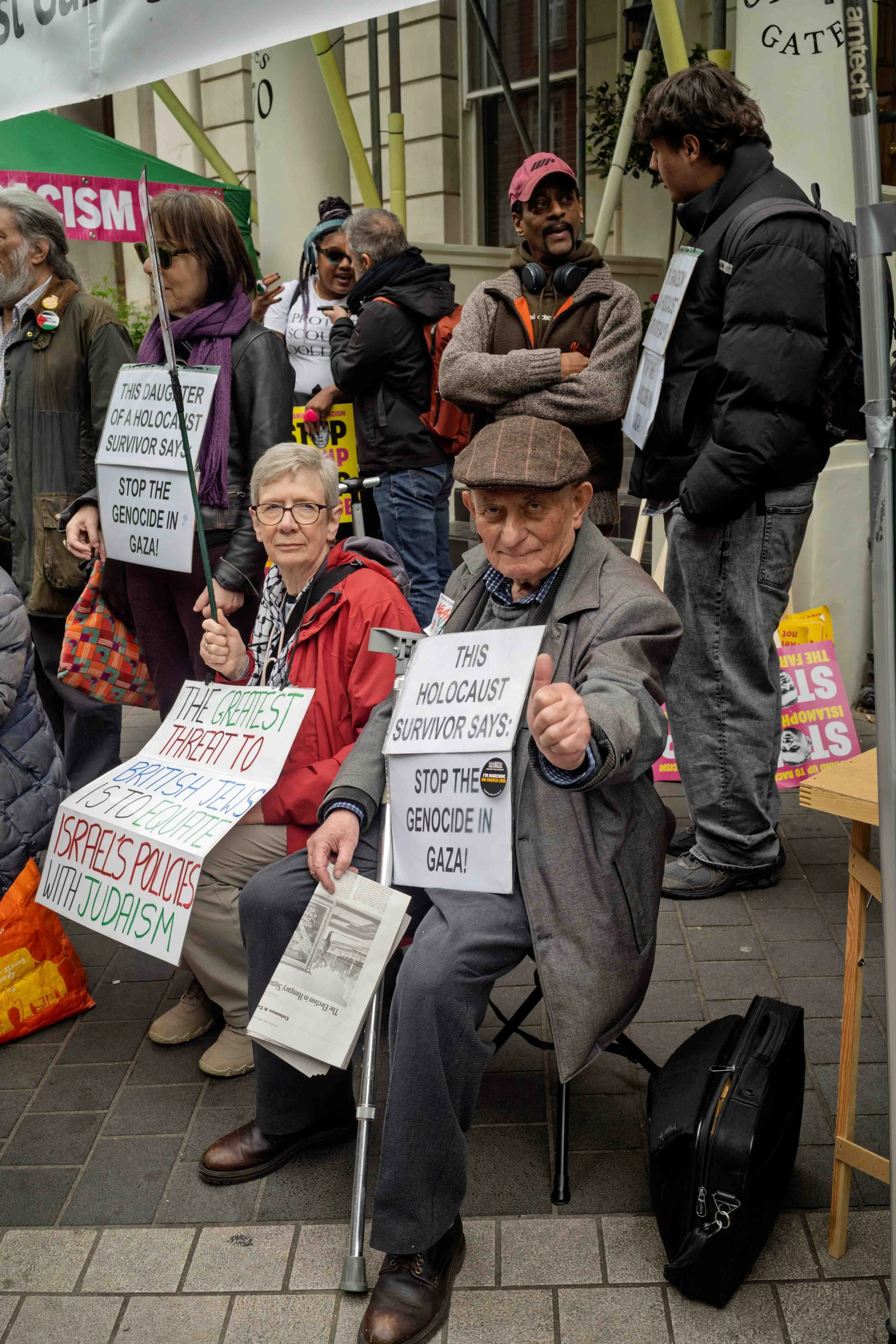
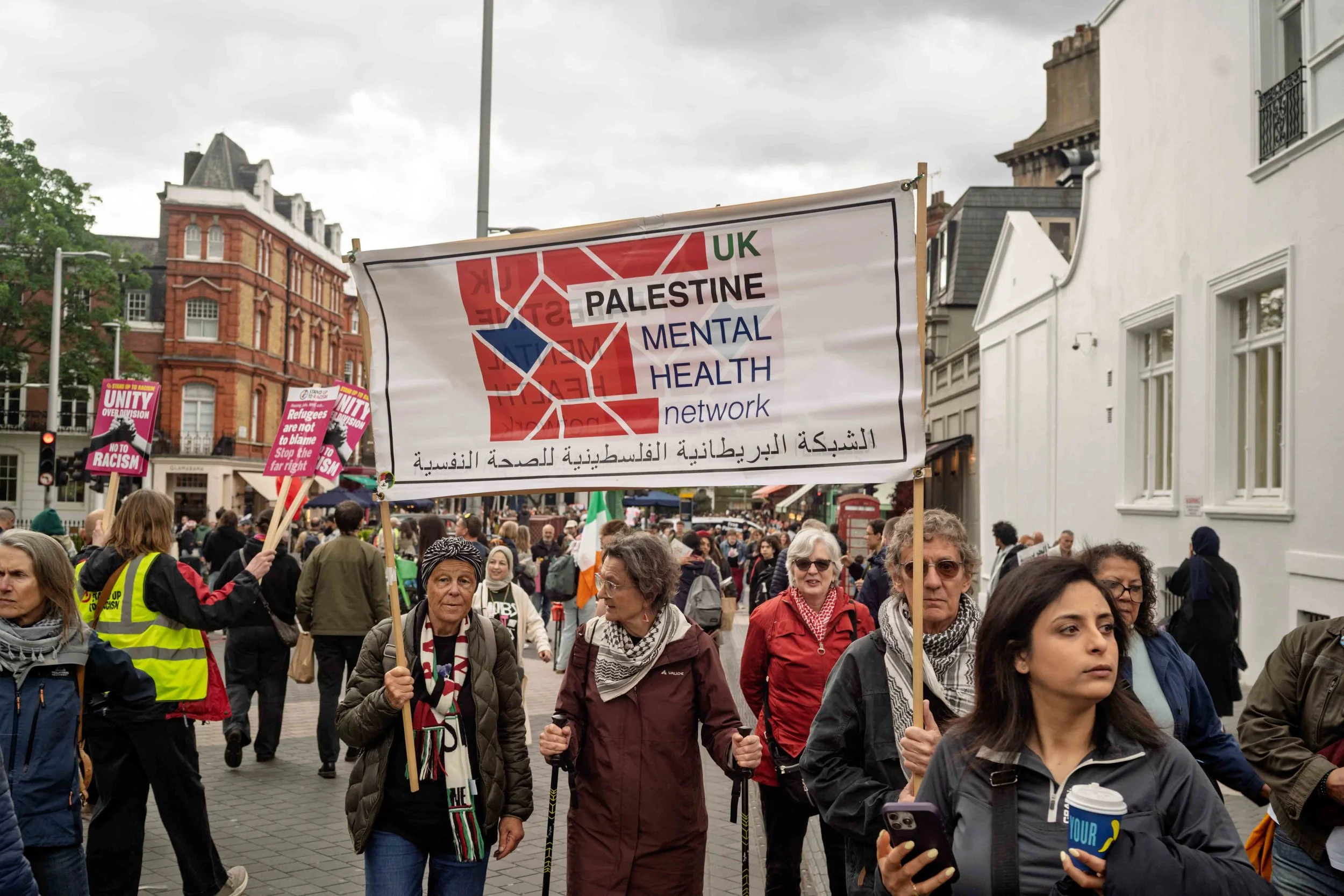
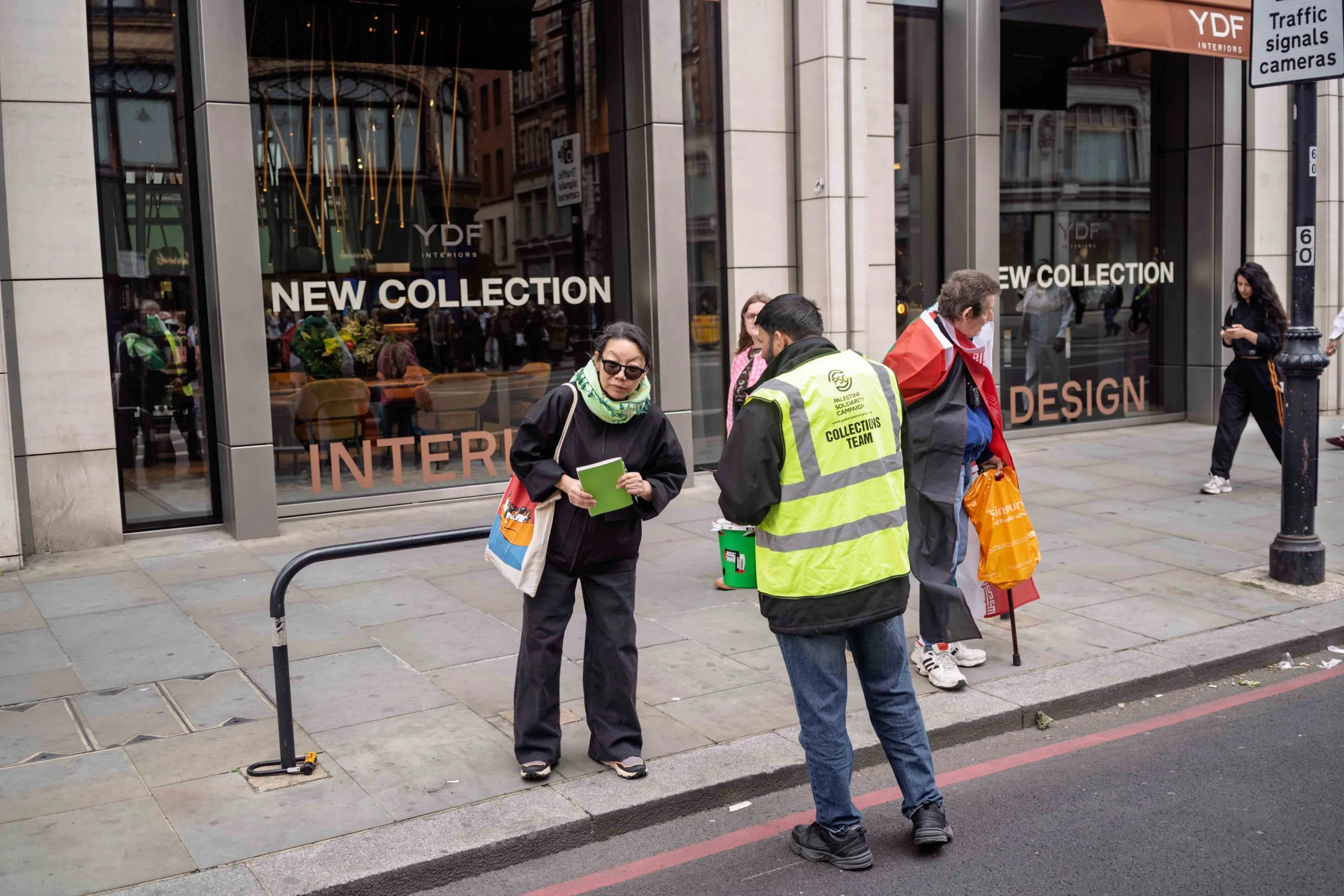
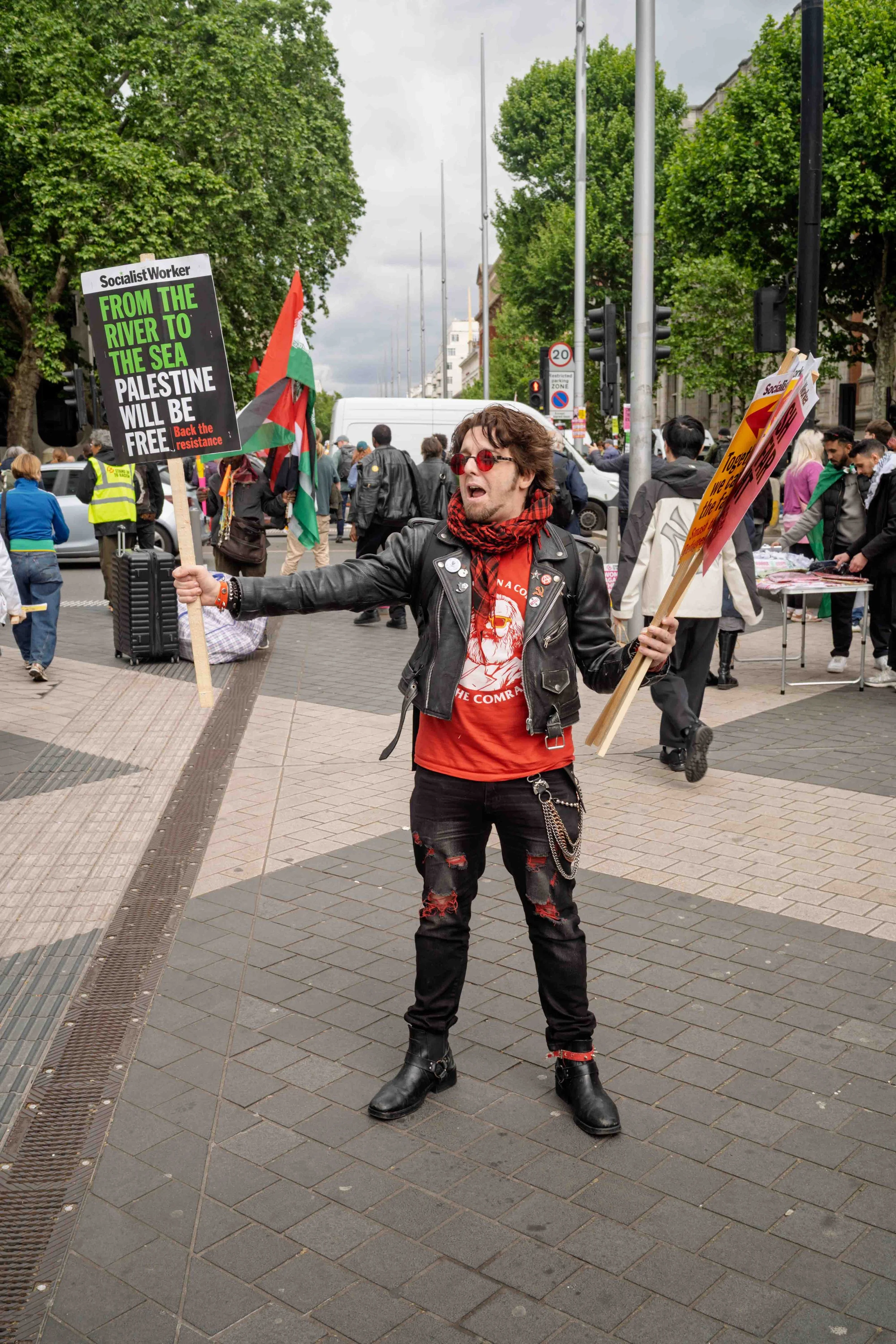
The signs here were varied. Some were polished and printed; others were handwritten on cardboard, the ink slightly smeared from the morning drizzle. A woman smiled at me holding a "Stop Gaza Genocide" sign in one hand and an "All Colors Are Beautiful" placard in the other — two very different registers of message, held by the same pair of hands, which felt like an accurate summary of the whole afternoon.
One moment stayed with me: two elderly people sitting quietly amid the noise — a Holocaust survivor with a thumbs-up and a calm smile, a woman beside him describing herself as a survivor's daughter. They weren't performing anything. They were just there, making their point in the most understated way possible.
Flags, Flags, Everywhere
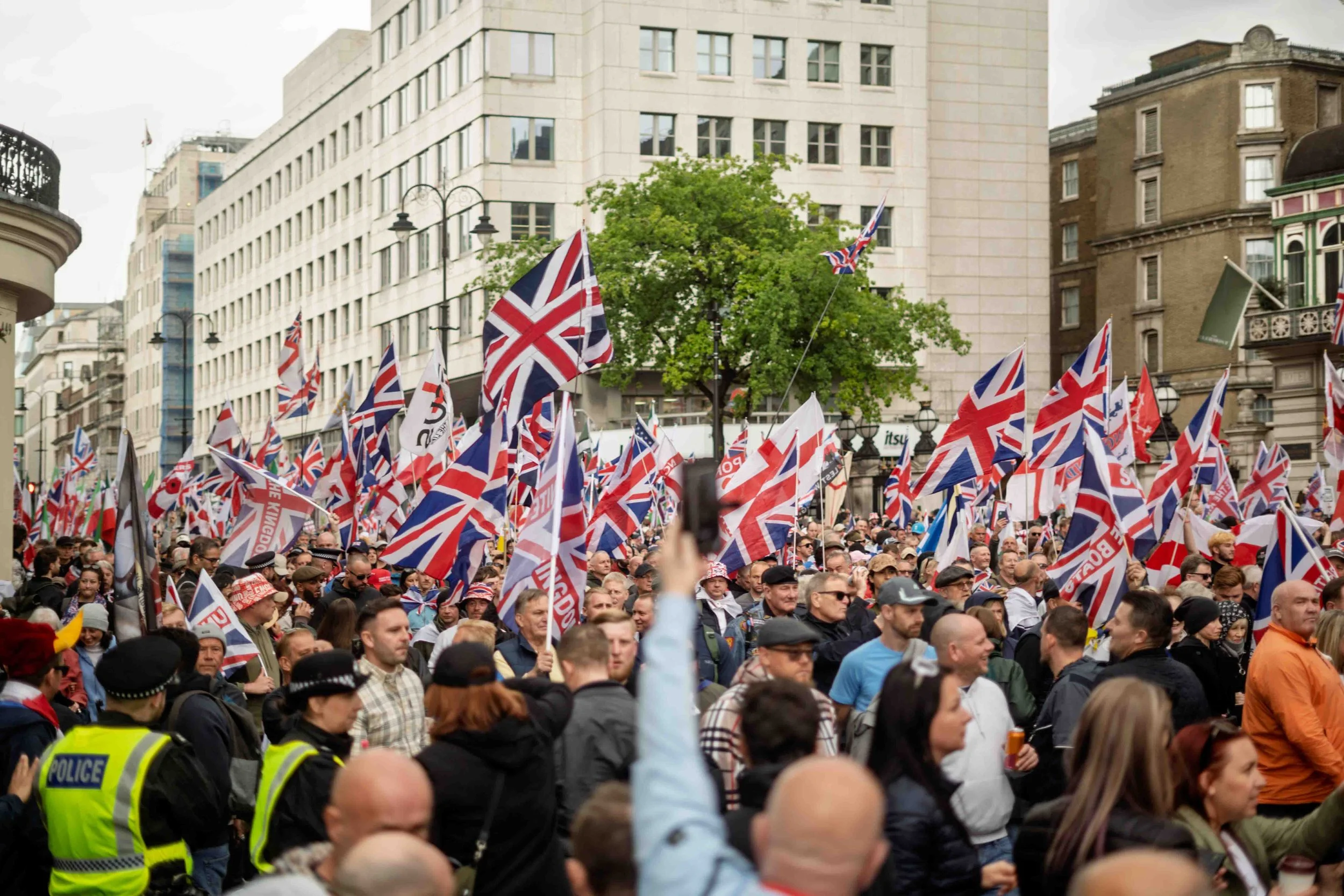
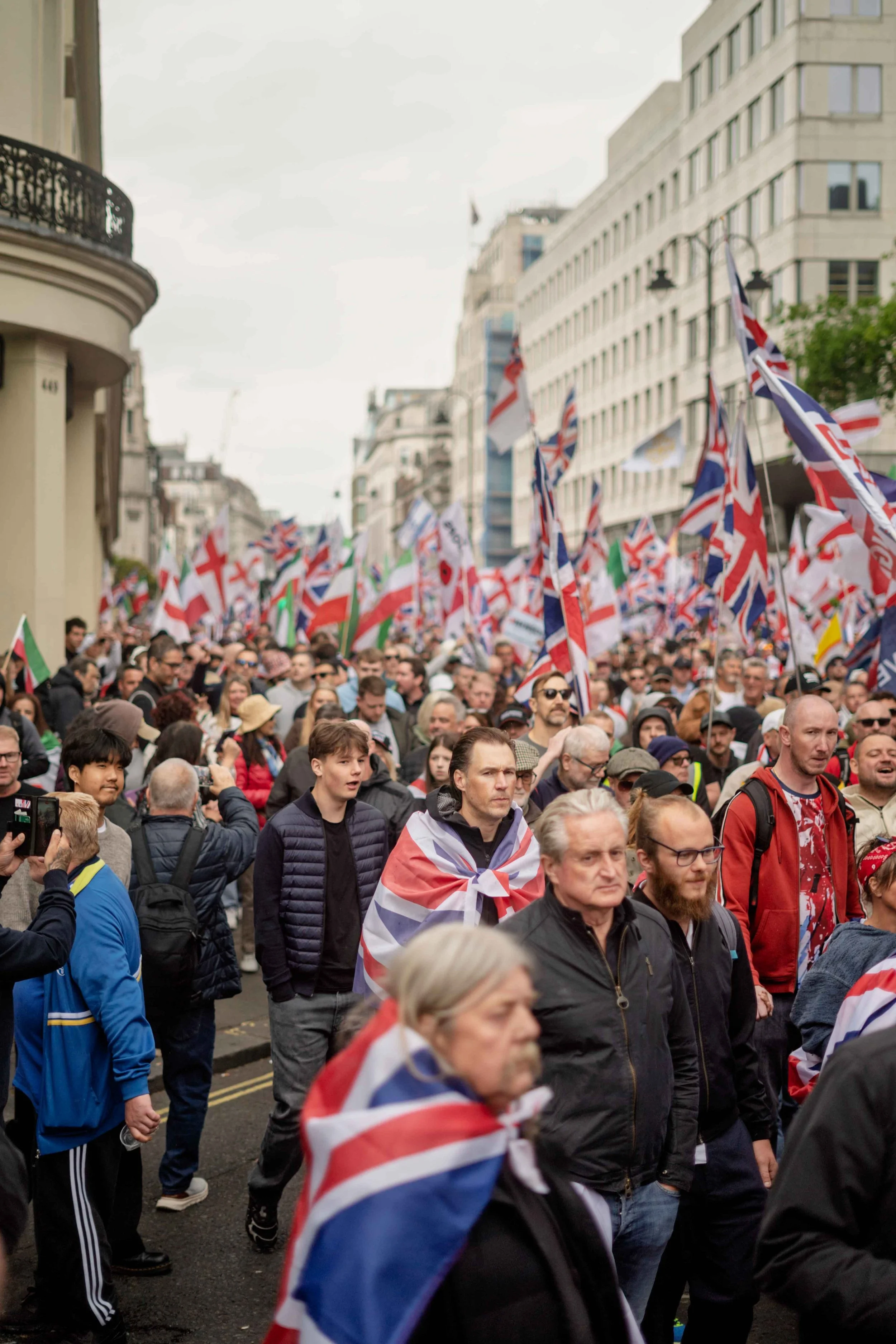
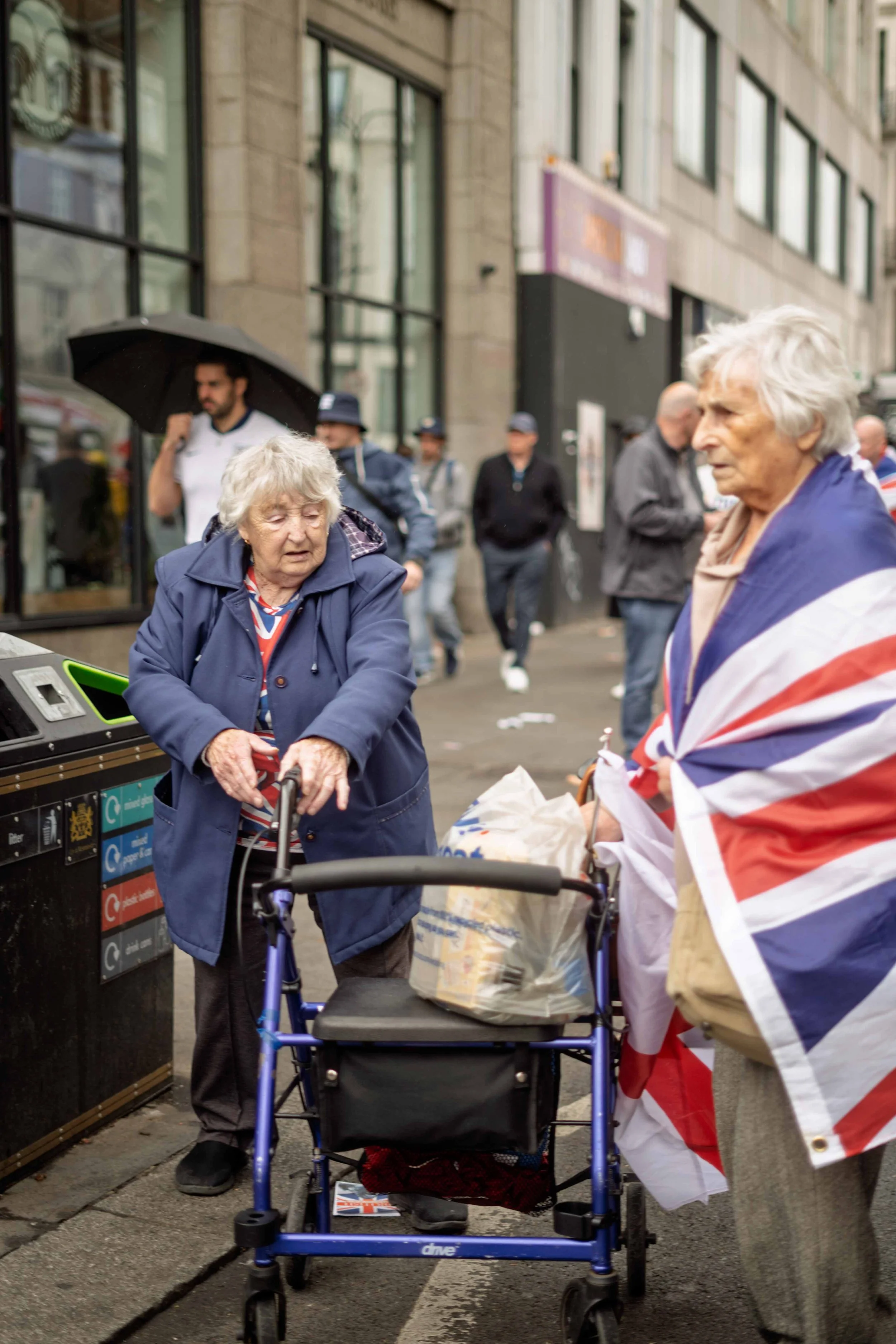
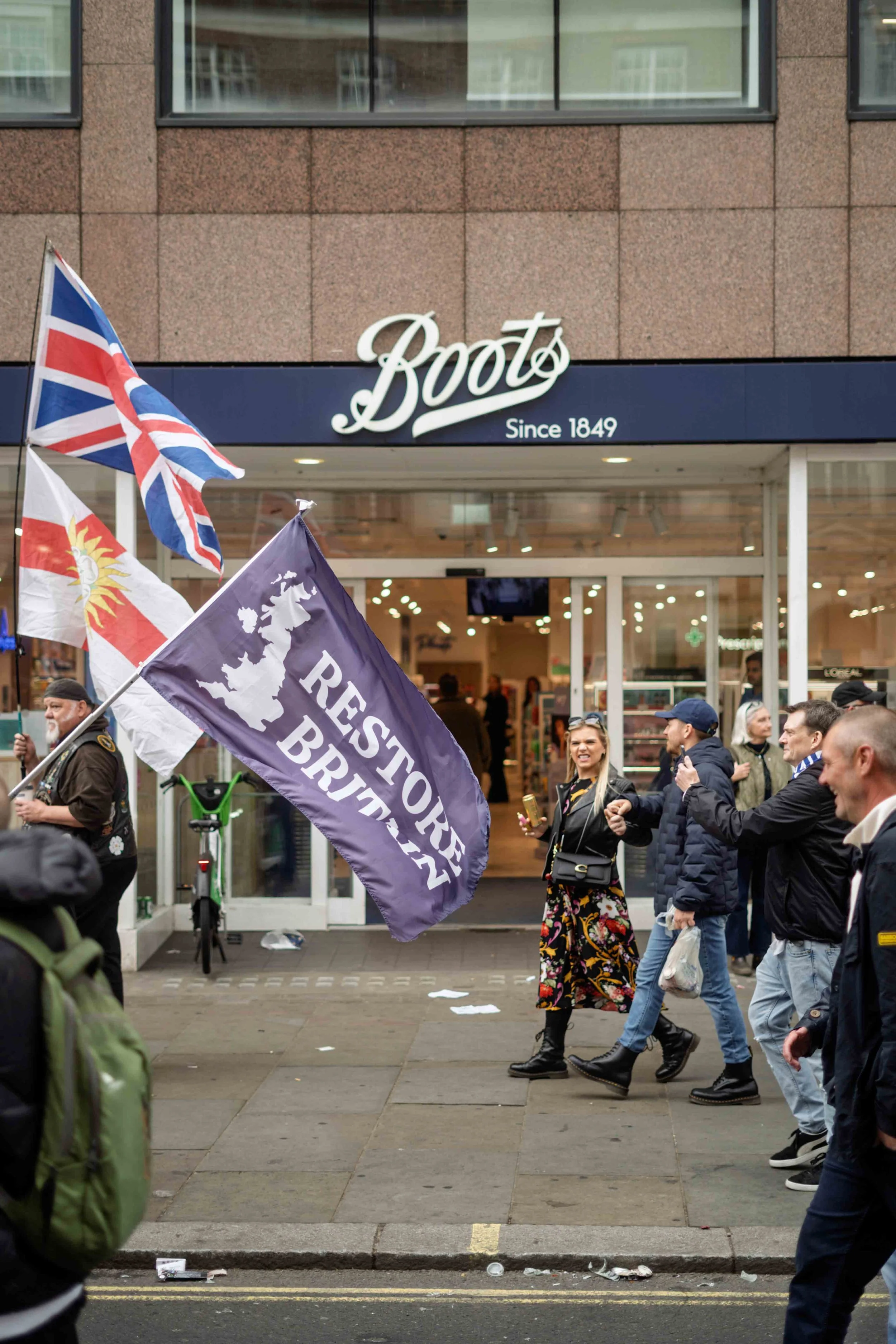
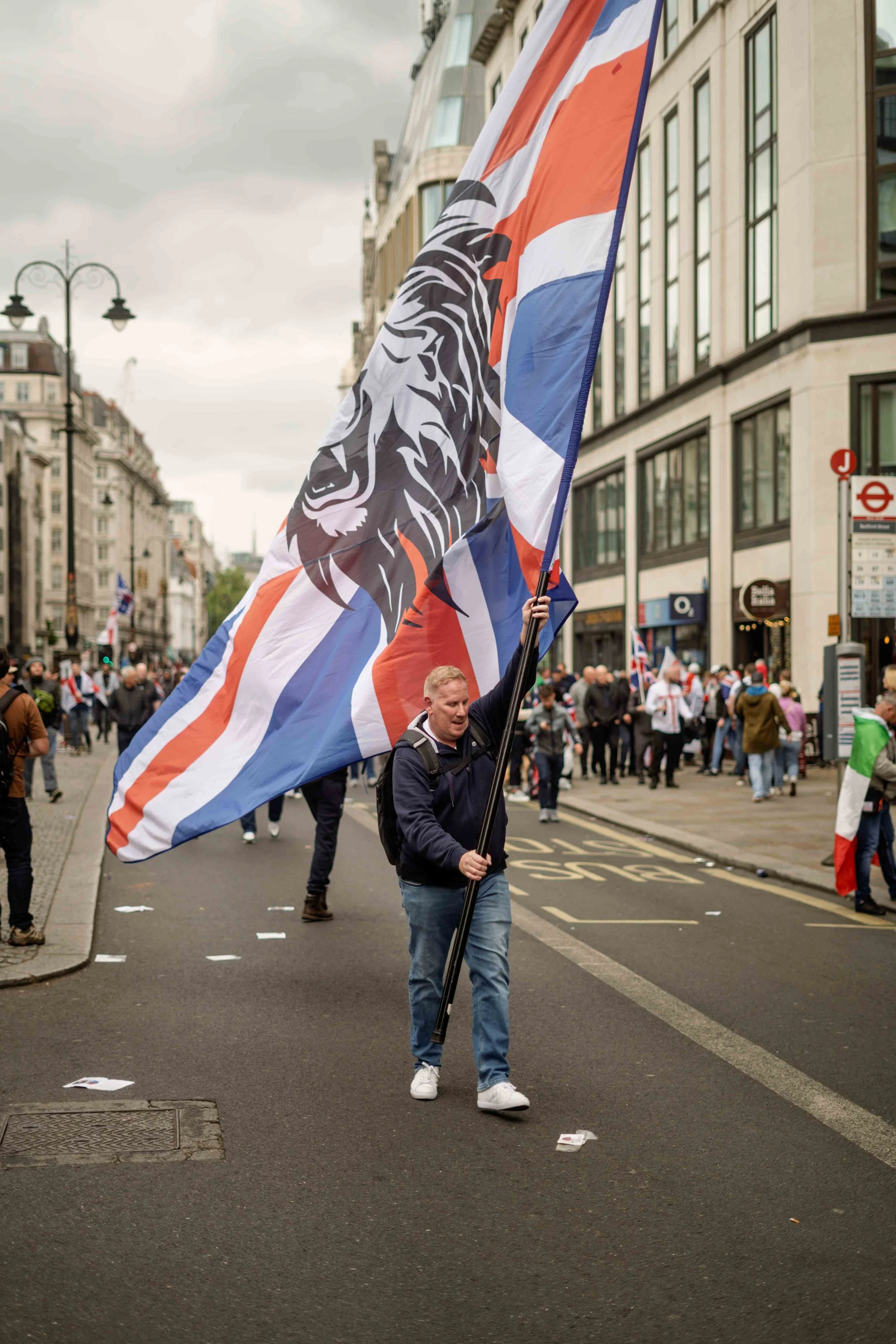
The Unite the Kingdom march was different. Union flags as far as you could see, filling The Strand from kerb to kerb. There was genuine energy here — people who were in attendance were locked like they hadn't been to a demonstration in decades, younger faces chanting alongside grandmothers draped in flags. Whatever you think of the politics, the turnout was real.
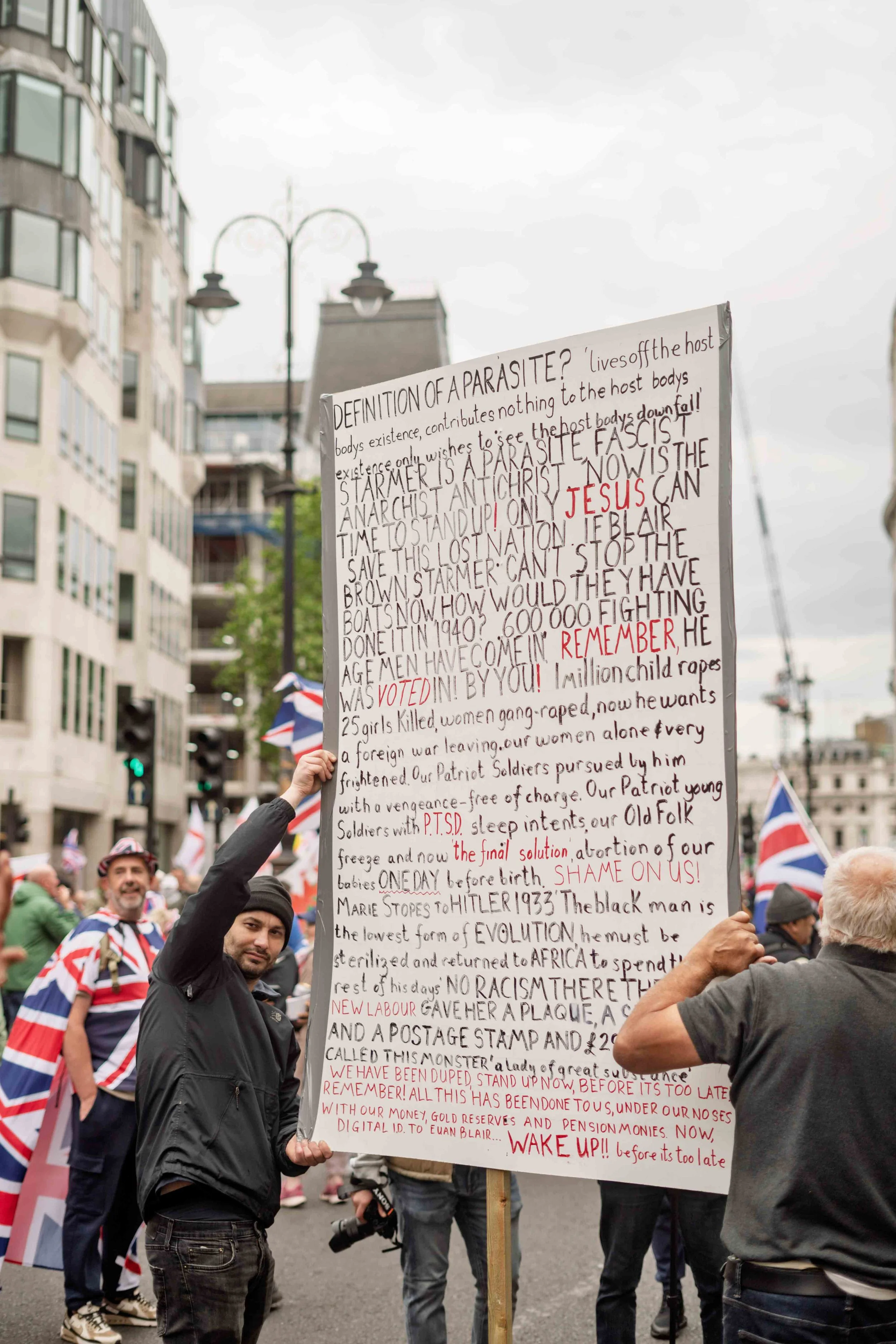
The mood ranged from festive to furious depending on where you stood. Near the front, people were singing. Further back, the signs got harder — some were the standard fare of any political march, slogans about sovereignty and borders; others veered somewhere darker. That's the honest picture: a crowd is never one thing, and this one wasn't either.
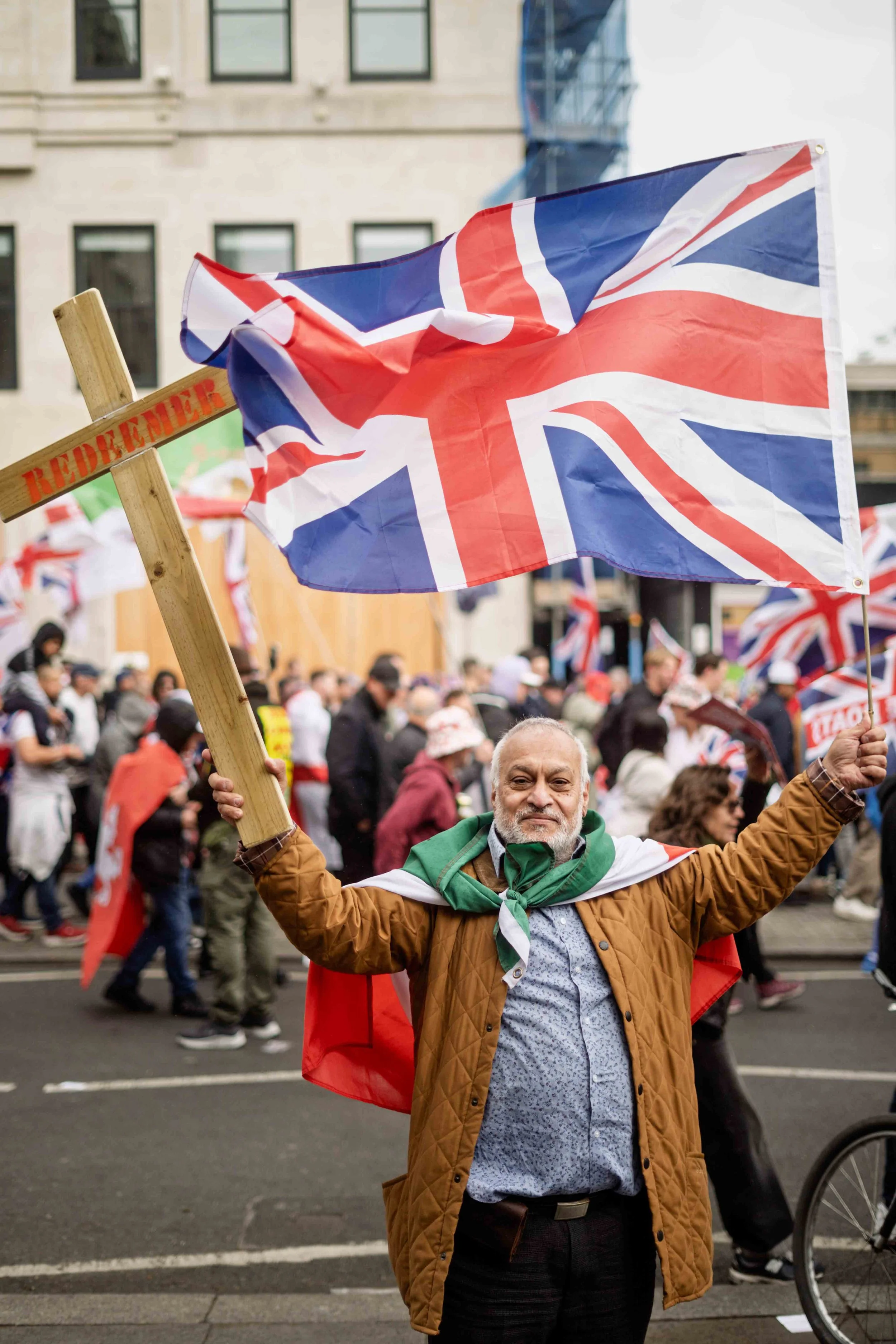
One image I kept coming back to: a man raising a wooden cross in one hand and a Union flag in the other, marching with real conviction.
Meanwhile, London Carried On
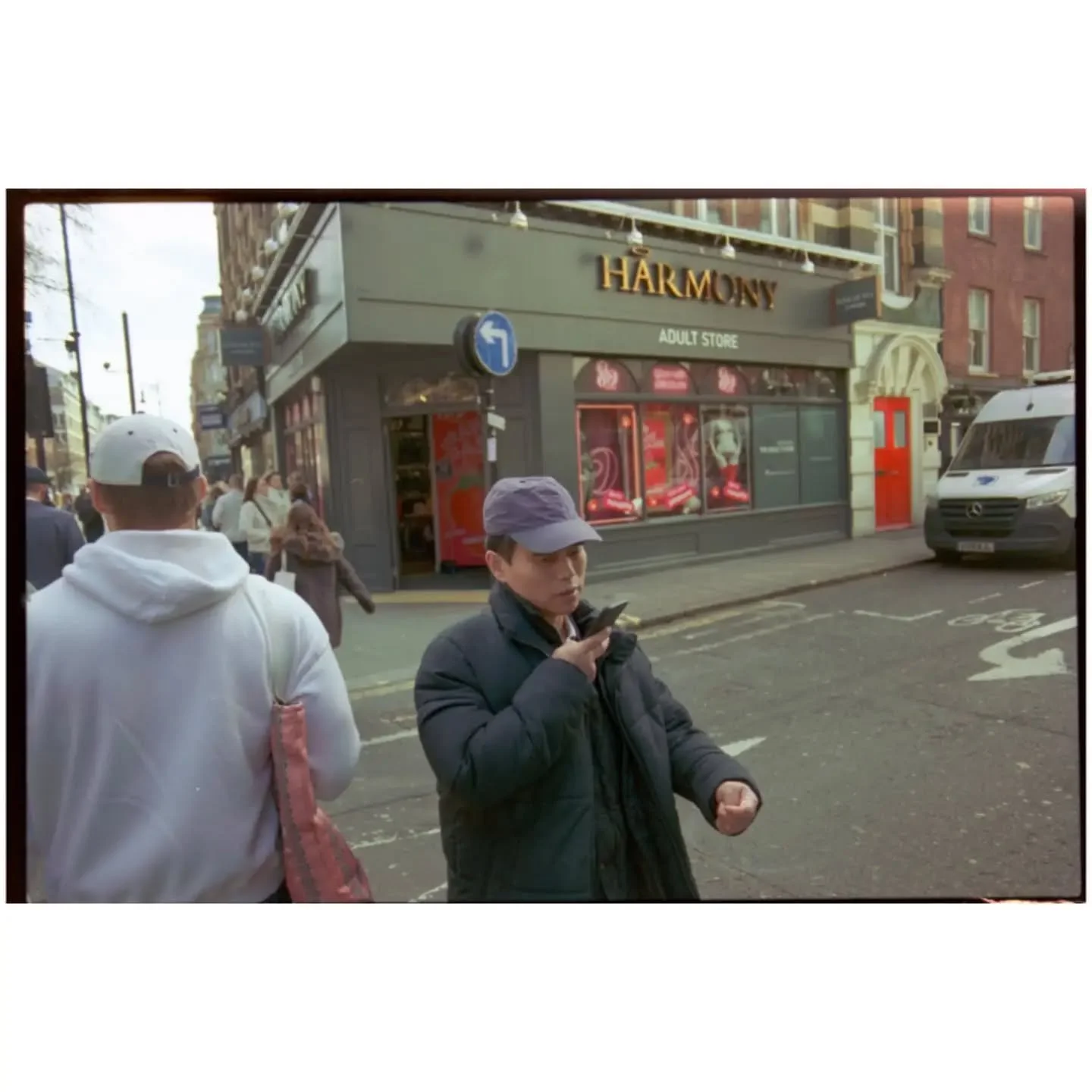
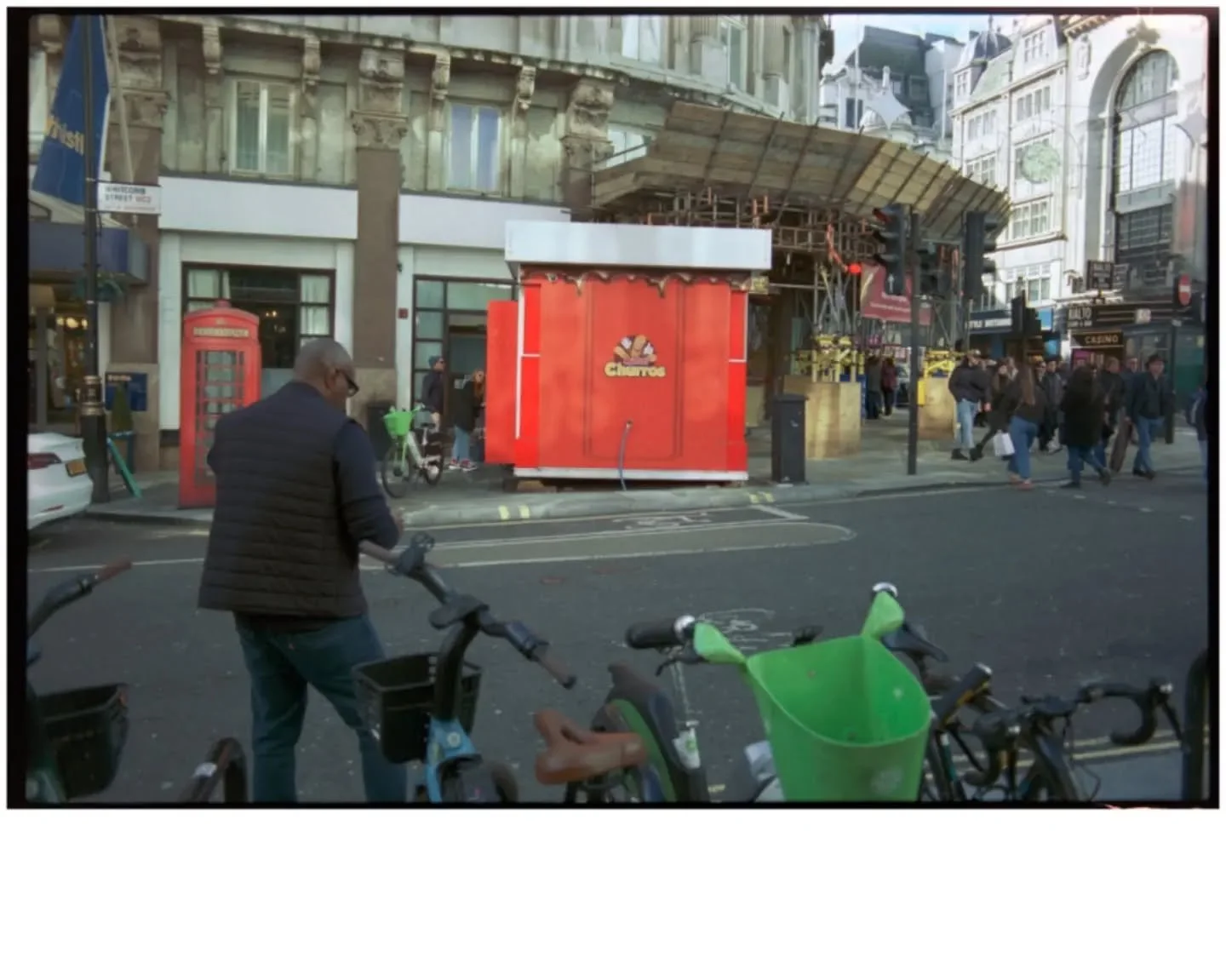
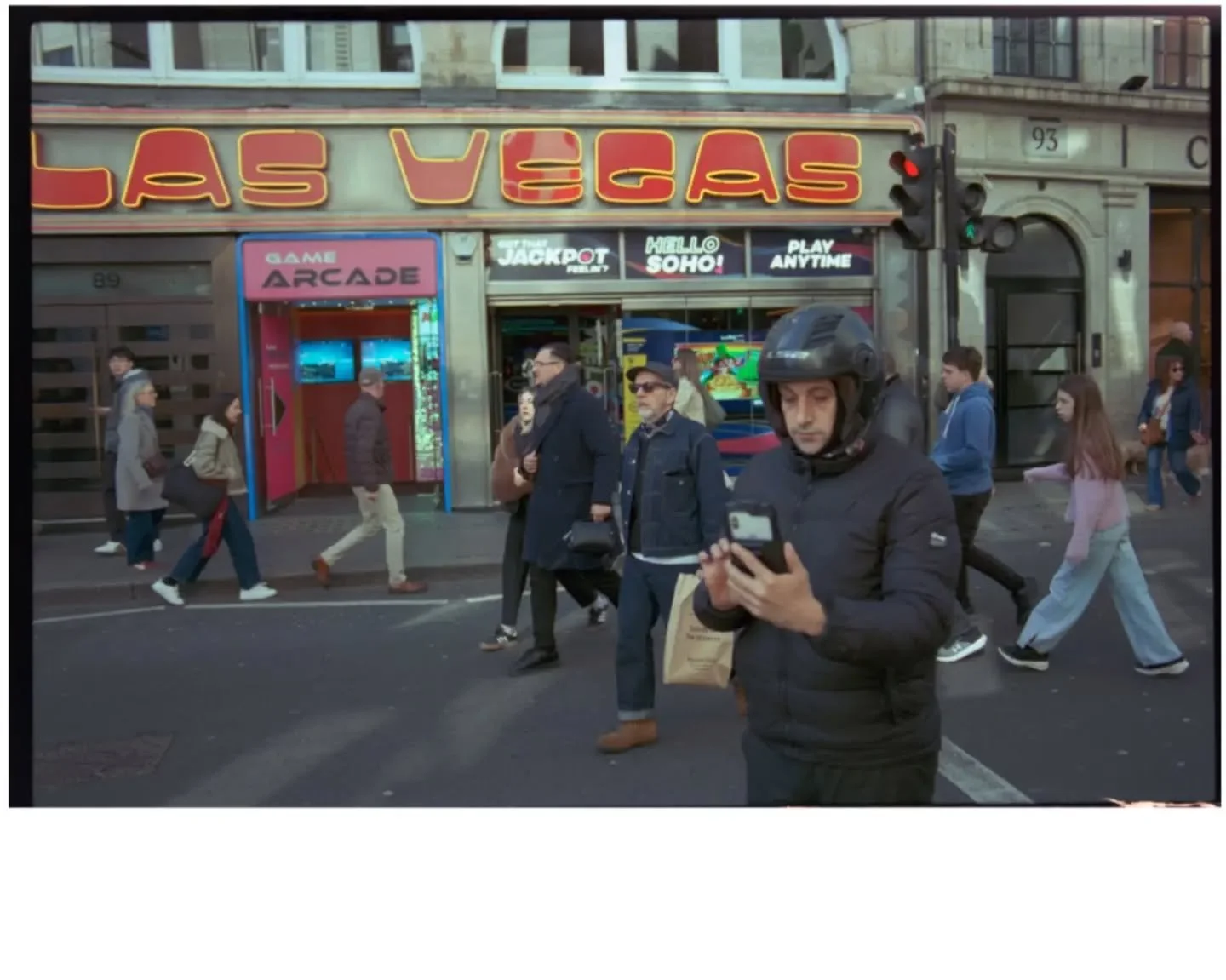
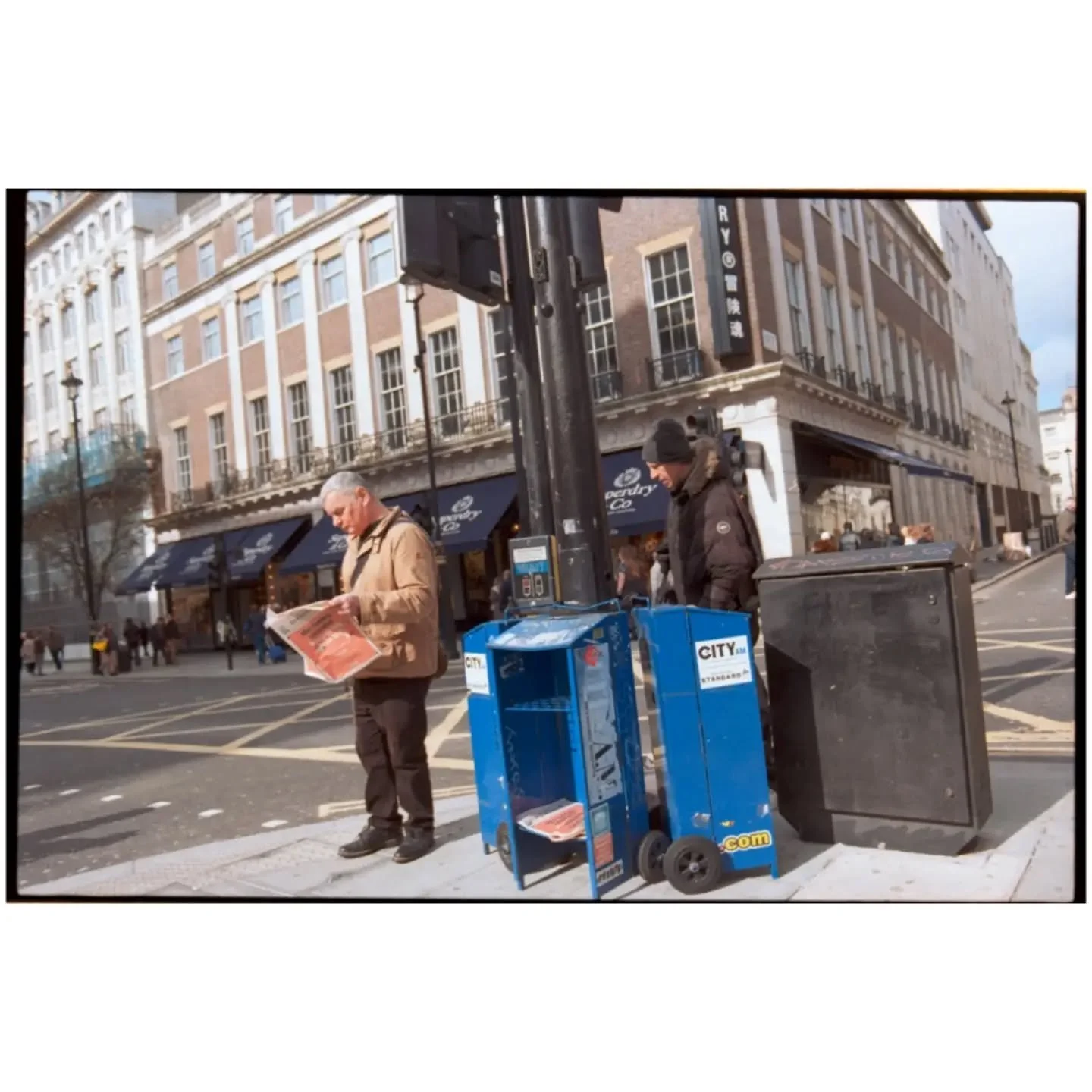
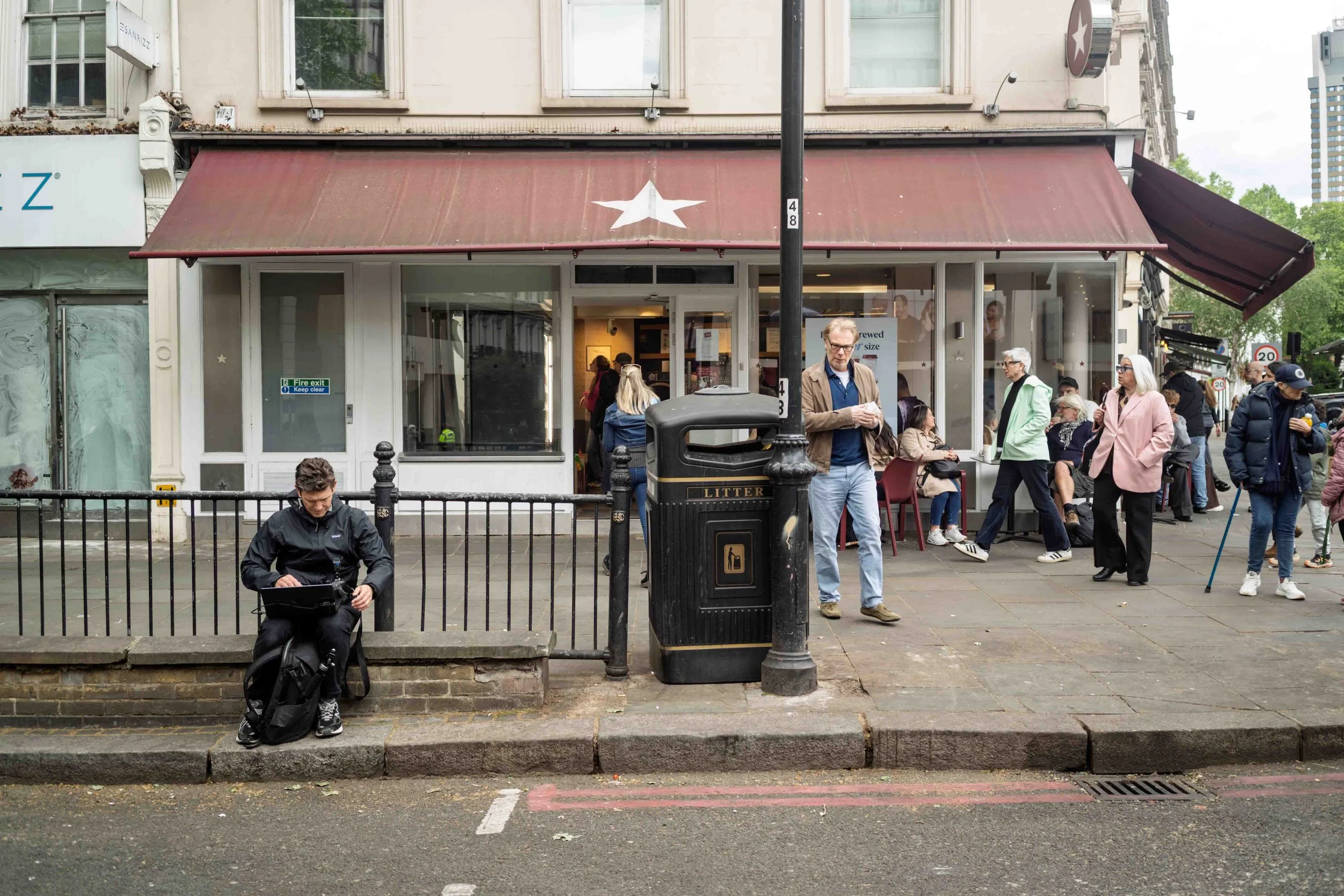
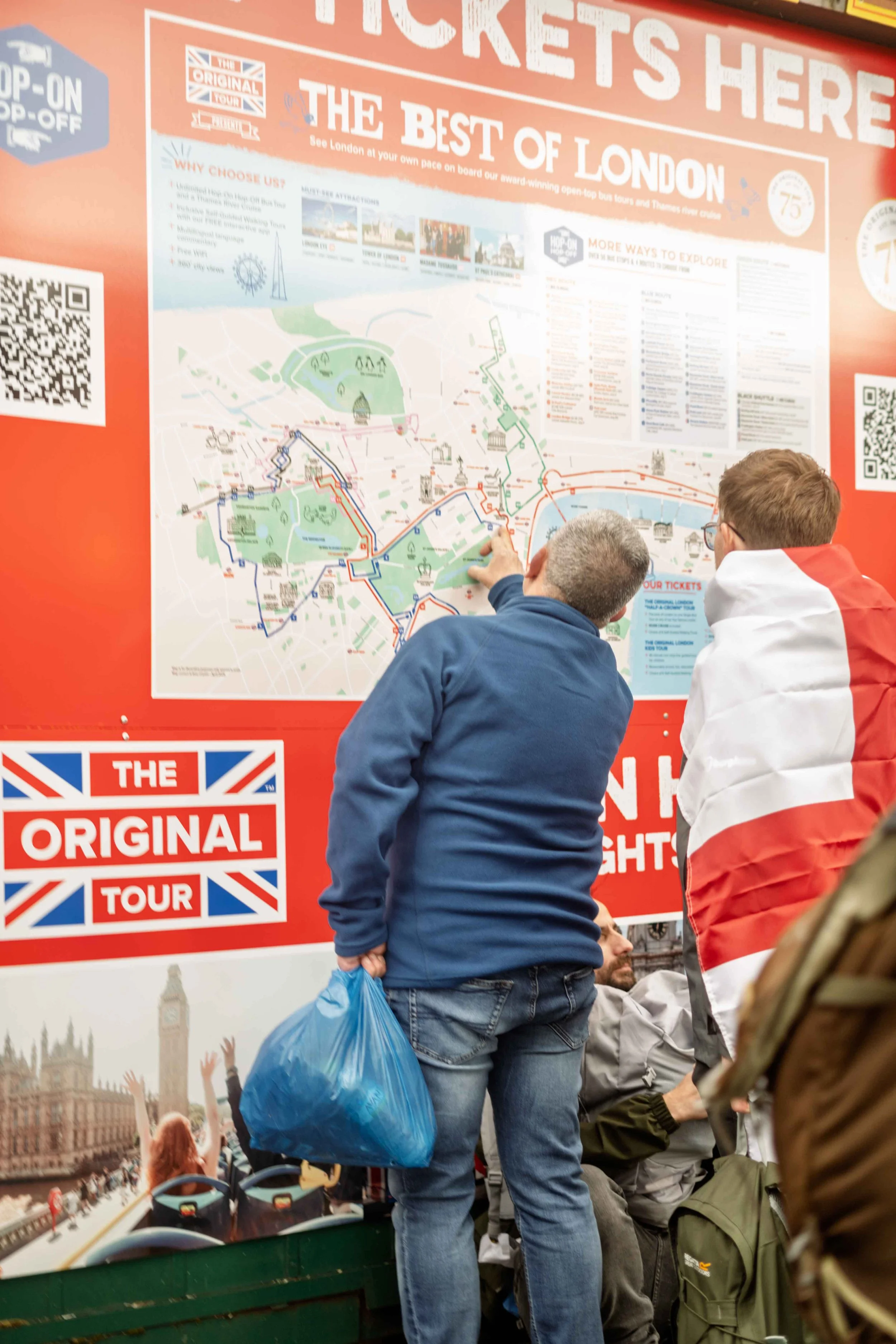
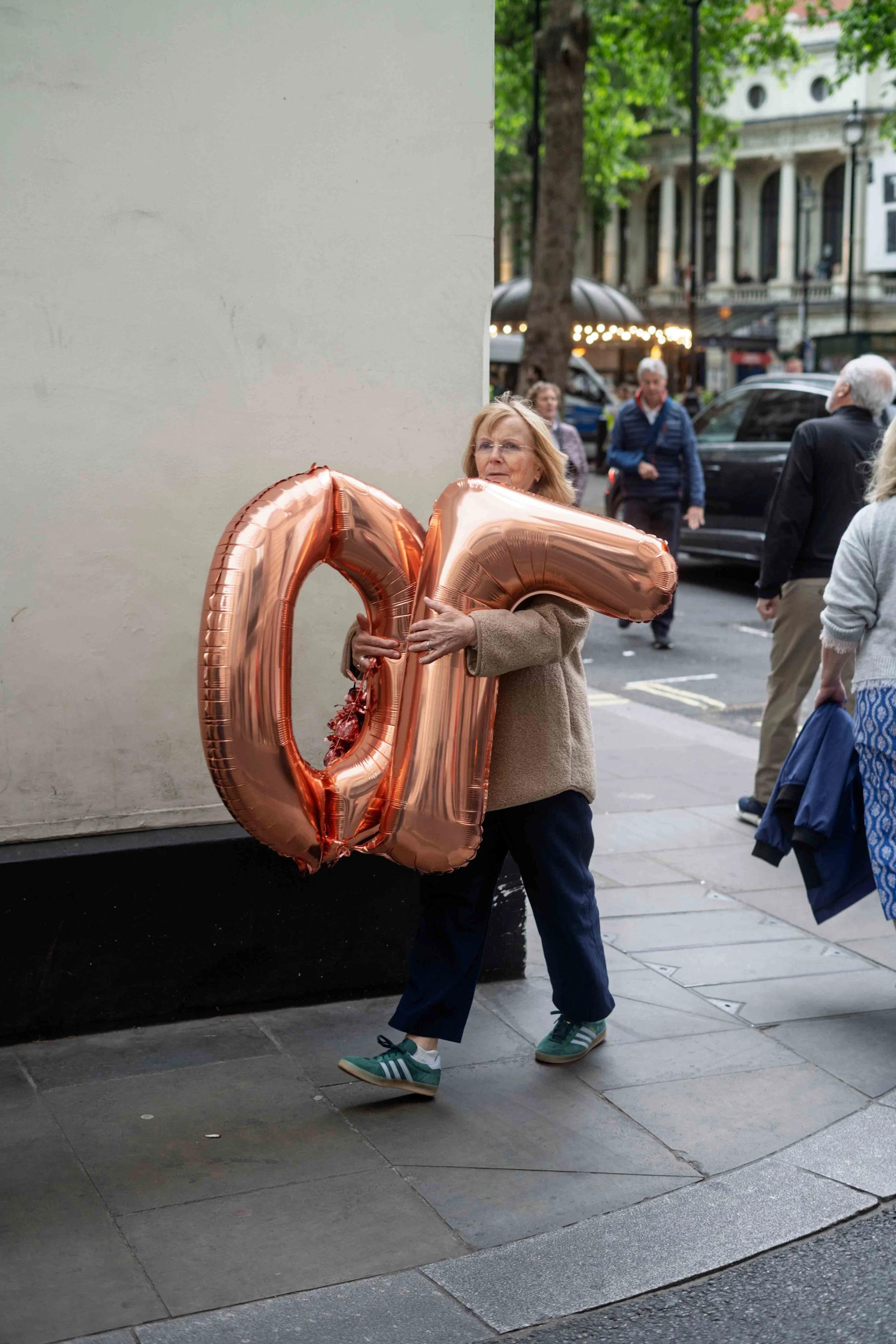
Here's the thing about London: it doesn't stop for its own arguments. Between the two marches, on the side streets and quieter stretches of pavement, the city was just getting on with it. A woman wrestled a pair of rose-gold number balloons around a corner, heading to someone's birthday. Two men in England flags squinted at a tourist map outside a hop-on hop-off bus stand. A photographer sat on a kerb outside a café editing on his laptop while a queue formed behind him.
There was something grounding about that. The city has seen a lot of Saturdays like this one, and it will see more. The arguments change shape but they don't really change — who belongs, who gets to say so, whose version of Britain is the real one. And through all of it, London keeps absorbing, keeps changing, keeps being more complicated than any single march can capture.
The idea that London would be better off, more itself, by removing the people who have spent their lives building it is a harder argument to make when you're actually standing in the middle of it. This city has been shaped by wave after wave of people arriving from elsewhere, each generation initially viewed with suspicion, each eventually becoming the city itself. The cafés, the music, the NHS wards, the buses — that's all London too, and it didn't come from nowhere.
That doesn't mean there aren't real and complicated questions to have about immigration policy, community change, or what national identity means in 2026. There are. But those conversations happen in committee rooms and local council meetings and family kitchens — not really on the street, where the loudest voices tend to drown out the nuance on both sides.
I don't have a tidy conclusion to offer. These photographs are not an argument so much as a record — of a day, a city, a conversation that's been going on for a very long time and isn't close to finished. I hope they're worth sitting with.
Until next time, keep snapping.
Yes please, keep me posted when there’s a new blog
Instagram - Film